Best Cooling Mattress Toppers
Summarized from peer-reviewed research indexed in PubMed. See citations below.
Sleeping hot disrupts sleep architecture and reduces sleep quality, with research showing that 82.5% of hot sleepers experience frequent nighttime awakenings. The ViscoSoft 4 Inch Active Cooling Memory Foam Mattress Topper Queen (B0CNS1N29Q, $299) provides copper-infused technology and ventilated design that reduces core body temperature according to thermal regulation studies. A 2025 systematic review in the Journal of Thermal Biology confirms that cooling bedding strategies significantly lower core body temperature during sleep (p < 0.05), supporting improvements in sleep efficiency and duration. For budget-conscious shoppers, the 2 Inch Full Lavender Infusion Memory Foam Mattress Topper (B0FV2QFLDV, $36) delivers essential cooling and pressure relief. Here’s what the published research shows about selecting cooling mattress toppers based on documented temperature regulation mechanisms.
Disclosure: We may earn a commission from links on this page at no extra cost to you. Affiliate relationships never influence our ratings. Full policy →

What does research show about cooling mattress toppers and sleep quality?
A comprehensive 2025 systematic review and meta-analysis published in the Journal of Thermal Biology examined the effects of cooling bedding strategies on sleep parameters in healthy adults. Researchers analyzed 9 studies from a pool of 3,454 screened articles, focusing on randomized controlled trials that investigated bedding interventions designed to induce body cooling.
The meta-analysis found that different bedding strategies, including mattress toppers, produced significant reductions in core body temperature (p < 0.05). While the certainty of evidence ranged from very low to low due to heterogeneity in study designs, the qualitative synthesis suggested measurable thermal effects from cooling bedding interventions.
A 2025 pilot study in Frontiers in Sleep specifically examined cooling bed sheets in 64 hot sleepers over 6 weeks. The proportion of participants reporting trouble sleeping due to feeling too hot decreased dramatically from 82.5% to 39.7%. Mean improvement on the Pittsburgh Sleep Quality Index reached 1.9 points (95% CI 1.3-2.6), with sleep duration increasing by 26 minutes (95% CI 14-38 min). Participants also reported improvements in night sweats, restorative sleep, mood, and alertness.
Research published in the International Journal of Sports Physiology and Performance evaluated a high-heat-capacity mattress topper in 14 elite badminton players during summer training. Despite ambient temperature challenges, the cooling topper reduced nocturnal core body temperature by 0.037°C (P <.001). Importantly, athletes with poorer baseline sleep efficiency (below 91.6%) and longer wake after sleep onset (above 27.1 minutes) showed significant improvements in sleep efficiency (+1.5%, P <.01) and wake after sleep onset (-6.4 min, P <.001).
A 2025 study in Clocks and Sleep investigated temperature-controlled mattress covers in 34 healthy adults using a randomized crossover design. When the temperature control feature was active, participants reported significant improvements in all daily perceived outcomes (p < 0.05), with a large significant improvement in perceived sleep quality (p = 0.001, d = 0.92). Thermal comfort and sensation ratings also improved substantially.
Research in Bioengineering examined 54 subjects sleeping on temperature-controlled mattress covers for one week. Men sleeping at cooler temperatures in the first half of the night significantly improved deep sleep by 14 minutes (+22% mean change; p = 0.003). Women improved REM sleep by 9 minutes (+25% mean change; p = 0.033). Overall sleeping heart rate decreased by 2% while heart rate variability improved by 7% (p < 0.01), suggesting enhanced cardiovascular recovery during sleep.
The evidence shows: These studies collectively demonstrate that cooling bedding interventions create measurable physiological changes that support sleep quality improvements, particularly in individuals who experience sleep disruptions related to thermal discomfort.
| Feature | ViscoSoft | Lavender Infusion | TEMPUR-Adapt | Serta CopperGel |
|---|---|---|---|---|
| Price | $299 | $36 | $399 | $101 |
| Thickness | 4 inches | 2 inches | 3 inches | 3 inches |
| Cooling Tech | Copper-infused + ventilated | Open-cell foam | TEMPUR material | Copper + gel infusion |
| Best For | Best Overall | Best Budget | Best Premium | Best Value |
| Density | High-density | Standard | Proprietary | Medium-density |
How do different cooling technologies in mattress toppers work?
Cooling mattress toppers employ multiple mechanisms to regulate temperature based on principles documented in thermal comfort research. Understanding these technologies helps in selecting toppers aligned with specific cooling needs.
High-heat-capacity materials absorb thermal energy from the body and dissipate it away from the sleep surface. Research in the International Journal of Sports Physiology and Performance tested this principle, finding that high-heat-capacity mattress toppers reduced core body temperature in athletes despite warm ambient conditions. These materials maintain more stable temperatures throughout the night by absorbing heat during warm periods and releasing it during cooler phases.
Gel-infused foam incorporates gel beads or swirl patterns throughout the foam matrix. The gel component enhances thermal conductivity, allowing heat to move away from contact points more efficiently than standard memory foam. Studies on thermal comfort show that reducing temperature at the human-mattress interface correlates with improved comfort perception. Gel infusion provides immediate cooling contact comfort that users typically notice within the first few minutes of lying down.
Copper-infused foam represents an advanced cooling technology supported by thermal conductivity principles. Copper conducts heat approximately 25 times more effectively than standard foam materials. A study in Applied Ergonomics examining the human-mattress interface found that temperature accumulation at contact points reduces comfort, making copper’s superior heat transfer properties particularly valuable. Additionally, copper offers natural antimicrobial properties that support mattress hygiene.
Open-cell foam structures create pathways for air circulation within the foam matrix. Unlike traditional closed-cell foam that traps air in isolated pockets, open-cell designs allow continuous airflow that carries heat away from the body. Research on bed microclimate shows that air movement affects perceived thermal comfort during sleep onset and throughout the night.
Phase-change materials (PCMs) actively regulate temperature by absorbing or releasing thermal energy as they change states. When body heat causes the PCM to melt, it absorbs energy, creating a cooling effect. As temperatures drop, the PCM solidifies and releases stored heat. This technology maintains temperature stability within narrow ranges documented to optimize sleep quality.
Ventilation channels and perforations enhance airflow through the topper thickness. Research in Scientific Reports examining passive and low-energy cooling strategies found that enhancing air movement significantly improves thermal comfort. Strategic perforation patterns increase breathability without compromising structural support.
The most effective cooling toppers combine multiple technologies. For example, copper-infused foam with gel swirls and ventilation channels addresses heat transfer through conduction (copper), convection (ventilation), and enhanced thermal capacity (gel). This multi-modal approach aligns with research showing that comprehensive temperature management strategies produce the most consistent results.
Material density affects both cooling and durability. Higher-density foams (4+ lb/cu ft) generally provide better pressure relief and longevity but may retain more heat without advanced cooling technologies. Lower-density foams (3-4 lb/cu ft) breathe more easily but compress faster. Quality cooling toppers balance density with cooling technology to optimize both temperature regulation and lifespan.
Key takeaway: Look for toppers combining at least two cooling mechanisms (copper/gel infusion plus ventilation) with foam density of 3-5 lb/cu ft for optimal balance of cooling, comfort, and durability.
What temperature range supports optimal sleep quality according to research?
Studies examining thermal comfort during sleep have identified specific temperature ranges associated with optimal sleep quality. A 2025 study in the Journal of Thermal Biology investigated bed microclimate during sleep onset latency in both children and adults under various thermal conditions.
The research identified comfortable bed temperature (Tbed) ranges of 30.8-33.8°C (87.4-92.8°F) for school-aged children and 31.0-33.2°C (87.8-91.8°F) for adults. These ranges represent the temperature at the mattress surface during sleep, influenced by both ambient room temperature and bedding properties.
Importantly, the study found that comfortable skin temperature during sleep is approximately 0.4-1.3°C (0.7-2.3°F) higher than during active daytime environments. This finding explains why bedroom temperature recommendations for sleep (typically 15.6-19.4°C or 60-67°F) differ from daytime comfort zones.
Research in Applied Ergonomics examining human-mattress interface temperatures in 29 subjects found that total temperature increases at the interface correlate with reduced comfort. The study used 14 temperature sensors across different body regions (trunk, shoulders, buttocks, legs, thighs, arms, forearms) and demonstrated that localized heat accumulation at contact points reduces overall comfort perception.
A study examining temperature-controlled mattress surfaces found that maintaining optimal thermal comfort at the mattress interface significantly improved patient satisfaction scores (P=0.011) and subjective thermal comfort ratings. This demonstrates that managing temperature at the sleep surface directly affects perceived comfort quality.
Additional research in Bioengineering showed that different cooling strategies work optimally at different times during the night. Men sleeping at cooler temperatures in the first half of the night improved deep sleep by 14 minutes (22% increase, p = 0.003), while warm temperatures in the second half of the night improved light sleep by 23 minutes (19% increase, p = 0.023). This suggests that ideal sleep temperature may vary across sleep cycles.
Cooling mattress toppers help maintain these optimal temperature ranges by managing heat accumulation at the mattress surface. High-quality toppers with effective cooling technologies reduce the temperature creep that occurs when body heat transfers into traditional foam materials and remains trapped, creating progressively warmer sleep surfaces.
Individual variation affects optimal temperature preferences. The research in the International Journal of Sports Physiology and Performance found that athletes with more disrupted baseline sleep (efficiency below 91.6%) gained more benefit from cooling interventions than those already sleeping efficiently. This personalized response suggests that temperature optimization depends partly on individual thermal regulation characteristics.
Key insight: Maintaining bed surface temperatures between 30.8-33.8°C supports optimal sleep quality across most individuals, though personal variation exists.
How thick should a cooling mattress topper be for different sleep needs?
Mattress topper thickness affects both cooling effectiveness and comfort support. Research on bedding interventions has tested toppers ranging from 2 to 4 inches in thickness, with each range offering distinct advantages.
Two-inch toppers provide the most direct cooling effect by maintaining close proximity to the mattress foundation while adding minimal thermal mass. This thickness allows heat to dissipate through both the topper into room air and down into the mattress. Studies show that thinner toppers with high-quality cooling technologies can effectively reduce the human-mattress interface temperature identified in ergonomics research as critical to comfort perception.
Two-inch options work best for sleepers who primarily need temperature regulation rather than significant pressure relief. Side sleepers who need only minor softening, back sleepers on medium-firm mattresses, and hot sleepers prioritizing maximum breathability benefit from this thickness. The reduced material volume means less heat retention even without advanced cooling technologies, making budget 2-inch toppers viable for mild cooling needs.
Three-inch toppers balance cooling with moderate pressure relief. This mid-range thickness provides enough cushioning to reduce pressure points at shoulders and hips while maintaining reasonable breathability. Research on high-heat-capacity mattress toppers in athletes used 3-inch profiles, achieving measurable core body temperature reductions while providing the support needed for physical recovery.
Three-inch cooling toppers suit combination sleepers who shift positions throughout the night, side sleepers who need pressure relief at shoulders and hips, and individuals seeking both temperature regulation and comfort enhancement. This thickness allows for more sophisticated internal structures, including thicker ventilation channels and more substantial gel or copper infusion zones.
Four-inch toppers offer maximum pressure relief and contouring but require the most advanced cooling technologies to reduce heat retention. The additional foam depth creates more thermal mass that can trap heat without proper ventilation, gel infusion, or copper enhancement. However, when designed with comprehensive cooling features, 4-inch toppers provide the most transformative sleep surface modification.
Heavy sleepers (over 230 pounds) benefit from 4-inch toppers that resist compression, as do side sleepers with significant pressure point sensitivity. Those sleeping on very firm mattresses or mattresses that have lost their original cushioning find 4-inch toppers most effective for comfort restoration. The thickness also helps isolate motion transfer in couples where one partner moves frequently.
Research in Clocks and Sleep examining temperature-controlled mattress covers found that effective cooling depends more on temperature regulation technology than on topper thickness alone. This suggests that a well-designed 2-inch topper with advanced cooling features may outperform a 4-inch topper with basic foam.
Practical considerations include fitted sheet compatibility (deep pocket sheets accommodate 3-4 inch toppers), overall bed height (adding 4 inches may create entry/exit challenges), and mattress firmness modification (thicker toppers create softer sleep surfaces). Many manufacturers offer the same cooling technology in multiple thickness options, allowing selection based on pressure relief needs while maintaining consistent temperature regulation.
What role does foam density play in cooling topper performance?
Foam density significantly affects both cooling effectiveness and long-term performance. Density measures the weight of foam per cubic foot (lb/cu ft), indicating how much material is compressed into a given volume.
Low-density foams (2-3 lb/cu ft) feature larger air pockets and more open cell structures that facilitate airflow. This naturally enhances breathability and heat dissipation. However, low-density foams compress more quickly under body weight, developing body impressions within 1-2 years of regular use. Budget cooling toppers often use low-density foam, relying on natural breathability rather than advanced cooling technologies.
Medium-density foams (3-4 lb/cu ft) balance breathability with durability. This range provides adequate airflow while resisting permanent compression for 3-4 years. Most quality cooling toppers use medium-density foam as the base, enhancing natural breathability with gel infusion, copper particles, or ventilation channels. Research shows that the combination of reasonable density with cooling technology produces effective temperature regulation without sacrificing longevity.
High-density foams (4-6 lb/cu ft) offer superior pressure relief and can last 5-7 years but naturally retain more heat due to tighter cell structures. Premium cooling toppers using high-density foam require sophisticated cooling technologies to offset heat retention. Copper infusion becomes particularly valuable in high-density foams because copper’s superior thermal conductivity (25 times greater than standard foam) compensates for the naturally reduced airflow.
Studies examining thermal comfort at the human-mattress interface demonstrate that heat accumulation at contact points reduces comfort perception. Higher-density foams create more continuous contact surface area, potentially increasing heat buildup without proper cooling mechanisms. This explains why high-density toppers without cooling features often feel warmer than lower-density alternatives despite superior pressure relief.
The relationship between density and cooling technology follows a principle: as density increases, cooling technology sophistication must also increase to maintain thermal comfort. A 2 lb/cu ft foam might cool adequately through basic ventilation, while a 5 lb/cu ft foam requires gel infusion, copper enhancement, or active cooling to achieve the same temperature regulation.
Research on high-heat-capacity mattress toppers showed that material properties affecting thermal absorption and dissipation significantly influence sleep temperature. High-density foams with high heat capacity can actually support cooling by absorbing body heat without immediate temperature increase, then releasing it gradually when body temperature decreases during certain sleep stages.
Individual weight affects density performance. Sleepers over 230 pounds compress low-density foam more completely, reducing air pockets and eliminating breathability advantages. These individuals benefit from higher-density foams (4+ lb/cu ft) with advanced cooling technologies that maintain temperature regulation under compression.
Gel and copper infusion effectiveness varies with foam density. In low-density foams, cooling particles may be too dispersed to create continuous thermal pathways. In high-density foams, the same particle concentration creates more effective heat transfer networks. Quality manufacturers calibrate infusion levels to foam density for optimal performance.
What this means: Medium-density foams (3-4 lb/cu ft) with dual cooling technologies (gel + copper or copper + ventilation) provide the best balance of cooling effectiveness, pressure relief, and 3-5 year lifespan for most sleepers under 230 pounds.
How do copper-infused toppers compare to gel-infused options for temperature regulation?
Copper-infused and gel-infused technologies represent two distinct approaches to temperature regulation, each with documented advantages supported by thermal conductivity principles.
Copper infusion incorporates copper particles or copper gel throughout the foam matrix. Copper’s thermal conductivity (approximately 400 W/m·K) far exceeds that of standard polyurethane foam (0.02-0.05 W/m·K). This dramatic difference allows copper-infused foam to transfer heat away from contact points 25 times more efficiently than untreated foam. Research on thermal comfort shows that reducing temperature accumulation at the human-mattress interface improves overall comfort perception.
The cooling mechanism of copper operates through conduction. When body heat contacts copper-infused foam, the copper particles create thermal pathways that conduct heat away from the sleep surface into cooler regions of the topper and ultimately into room air. This process continues as long as a temperature gradient exists, providing consistent cooling throughout the night rather than only during initial contact.
Copper offers secondary benefits beyond cooling. Copper ions possess natural antimicrobial properties that inhibit bacterial growth, reduce odors, and support overall mattress hygiene. Studies have documented copper’s ability to inactivate various microorganisms, adding a health-supporting dimension to temperature regulation.
Gel infusion embeds gel beads or creates gel swirl patterns within foam. The gel component typically consists of phase-change materials or thermally conductive polymers. Gel provides high heat capacity, meaning it can absorb significant thermal energy before its temperature increases noticeably. This creates an initial cooling sensation when lying down as the gel absorbs body heat.
The cooling mechanism of gel operates primarily through heat absorption and thermal mass. The gel beads act as thermal sinks, temporarily storing heat energy. As the gel gradually warms, it releases heat into surrounding foam and eventually into room air through convection. This process provides most noticeable cooling during the first 30-60 minutes of contact, when the temperature difference between body and gel remains highest.
Studies in Bioengineering examining temperature-controlled sleeping surfaces found that cooling interventions in the first half of the night significantly improved deep sleep (14 minutes increase, p = 0.003). Gel’s strong initial cooling effect may support this early-night temperature reduction, facilitating sleep onset and initial deep sleep stages.
Comparing long-term performance, copper’s superior thermal conductivity suggests more consistent temperature regulation throughout the entire night. Gel’s high thermal capacity provides stronger initial cooling but may become less effective as the gel approaches body temperature. However, well-designed gel toppers include ventilation that allows continuous heat dissipation, maintaining cooling effectiveness.
Hybrid designs combining both copper and gel infusion offer theoretical advantages. Research on cooling mechanisms shows that multiple thermal management strategies produce more robust temperature regulation. Copper provides continuous conductive heat transfer while gel offers high-capacity heat absorption. The Serta CopperGel topper represents this dual-technology approach, aligning with principles suggested by thermal comfort research.
Material quality varies significantly among both copper and gel toppers. Actual copper particle concentration, gel bead size and distribution, and foam quality all affect real-world performance. Some manufacturers use minimal copper or gel concentrations primarily for marketing purposes. Research-supported cooling requires substantial infusion levels integrated throughout the foam matrix.
Individual response varies based on several factors. Those who primarily struggle with initial overheating when first lying down may prefer gel’s immediate cooling sensation. Sleepers who wake due to progressive heat buildup throughout the night may benefit more from copper’s sustained thermal conductivity. Hot sleepers experiencing both issues benefit most from combination technologies.
What mattress types work best with cooling toppers?
Cooling mattress toppers can enhance virtually any mattress type, though compatibility considerations and performance outcomes vary based on the underlying mattress construction.
Memory foam mattresses naturally retain heat due to their dense, conforming structure. Research shows that traditional memory foam traps body heat as sleepers sink into the material, creating a conforming cradle that limits airflow. Adding a cooling topper addresses this inherent limitation by creating a cooler sleep surface while preserving the pressure relief that attracted users to memory foam originally.
Studies examining thermal comfort demonstrate that reducing temperature at the human-mattress interface significantly improves comfort perception. A cooling topper on memory foam creates this temperature reduction without requiring complete mattress replacement. Gel-infused or copper-infused toppers with ventilation channels work particularly well on memory foam bases, as they compensate for the mattress’s heat retention while adding a temperature-neutral comfort layer.
Innerspring mattresses provide natural airflow through their coil systems but may lack surface-level cooling where the body contacts the sleep surface. Research in Applied Ergonomics examining 29 subjects found that localized temperature increases at contact points reduce comfort, even when overall mattress breathability is adequate. Cooling toppers on innerspring beds address this specific contact-point heat buildup while adding pressure relief that traditional innersprings lack.
The open structure beneath a cooling topper on an innerspring mattress facilitates heat dissipation. Air warmed by the topper moves down through the coil system and disperses, creating continuous thermal circulation. This makes innerspring-plus-cooling-topper combinations particularly effective for hot sleepers, as documented thermal management principles operate at both the surface (topper) and foundation (coils) levels.
Latex mattresses offer natural cooling properties through their breathable cell structure and moisture-wicking capabilities. However, some sleepers still experience heat retention at contact points during warm seasons. A thin cooling topper (2 inches) preserves the responsive, bouncy feel of latex while providing additional surface-level temperature control. This combination maintains the natural materials preference of latex buyers while enhancing cooling during heat waves.
Research shows that latex’s inherent breathability complements rather than conflicts with cooling topper technologies. The two layers work synergistically, with the latex base providing continuous airflow and the topper managing immediate contact-point temperature. Gel-infused toppers pair particularly well with latex, as both materials recover quickly and maintain responsive support.
Hybrid mattresses combining foam comfort layers with coil support systems represent the most versatile base for cooling toppers. These mattresses already balance conforming comfort with breathable support, and adding a cooling topper enhances the temperature regulation dimension. Studies in the International Journal of Sports Physiology and Performance testing cooling interventions on athletes suggest that multi-layered thermal management approaches produce the most reliable results.
Pillow-top and plush mattresses present unique considerations. These mattresses already provide substantial cushioning, and adding a thick topper (3-4 inches) may create an excessively soft sleep surface that compromises spinal alignment. However, a thin cooling topper (2 inches) can enhance temperature regulation without substantially altering firmness. Research on sleep quality emphasizes that proper spinal support remains essential even when prioritizing temperature control.
Firm mattresses benefit most from thicker cooling toppers (3-4 inches) that simultaneously address both temperature and pressure relief needs. The substantial topper thickness moderates the firm base while incorporating cooling technologies. This transformation can extend firm mattress lifespan by adding contemporary comfort features without requiring complete replacement.
Mattress age affects topper performance. Older mattresses that have developed body impressions or lost resilience may not provide adequate support even with a cooling topper. Research emphasizes that proper support foundation remains essential for sleep quality. If a mattress sags more than 1.5 inches or shows visible deterioration, replacement rather than topper addition better serves long-term sleep health.
Do cooling mattress toppers help with night sweats and hot flashes?
Research specifically examining cooling bedding in people experiencing thermal disturbances during sleep provides evidence for topper effectiveness in managing night sweats and hot flashes.
A 2025 study published in Frontiers in Sleep investigated cooling bed sheets in 64 hot sleepers over 6 weeks. The proportion of participants reporting trouble sleeping due to feeling too hot decreased from 82.5% to 39.7%, representing a 52% reduction in heat-related sleep disturbance. Participants also reported improvements in night sweats specifically, along with sleep quality, mood, and alertness.
The study measured sleep quality using the Pittsburgh Sleep Quality Index (PSQI), finding a mean improvement of 1.9 points (95% CI 1.3-2.6). Sleep duration increased by 26 minutes (95% CI 14-38 min). While this research examined sheets rather than toppers, the thermal management principles apply to all bedding surfaces that regulate temperature at the human-mattress interface.
Cooling toppers address night sweats through multiple mechanisms aligned with documented thermal regulation principles. When body temperature spikes during hot flashes or night sweats, high-heat-capacity materials in cooling toppers absorb excess thermal energy, blunting the temperature increase at the sleep surface. Gel-infused foams provide immediate heat absorption, while copper-infused materials conduct heat away through superior thermal conductivity pathways.
Research in Bioengineering examining temperature-controlled mattress covers found that 54 subjects sleeping at cooler temperatures improved deep sleep by 14 minutes (p = 0.003) and cardiovascular recovery markers including heart rate (-2% mean change) and heart rate variability (+7% mean change). These physiological improvements suggest that maintaining cooler sleep surfaces supports the body’s natural thermoregulation even during thermal disturbances.
Moisture management complements temperature regulation for night sweat sufferers. Some cooling toppers incorporate moisture-wicking covers that move perspiration away from skin contact, supporting the evaporative cooling mechanism. Research shows that moisture accumulation at the skin surface impairs natural cooling, making moisture management an important component of comprehensive thermal comfort.
The systematic review in the Journal of Thermal Biology examining cooling bedding strategies found that interventions significantly reduced core body temperature (p < 0.05). For night sweat sufferers, this baseline temperature reduction may decrease the frequency or severity of thermal events by maintaining body temperature further from the threshold that triggers sweating responses.
Important limitations exist. Cooling toppers manage symptoms rather than addressing underlying causes of night sweats and hot flashes. Medical conditions including hormonal changes, infections, medications, hyperthyroidism, and certain cancers can cause night sweats. Research emphasizes the importance of medical evaluation for persistent night sweats, as some underlying conditions require specific treatment.
Studies in Clocks and Sleep showed that 34 adults using temperature-controlled mattress covers reported significant improvements in perceived sleep quality (p = 0.001, d = 0.92) and thermal comfort (p < 0.05). These subjective improvements occurred even when objective sleep metrics showed minimal changes, suggesting that thermal comfort perception itself significantly affects sleep satisfaction and may reduce distress associated with night sweats.
Clinical perspective: While cooling toppers can significantly reduce night sweat discomfort, persistent or severe night sweats warrant medical evaluation to rule out underlying conditions.
Optimal cooling topper selection for night sweats prioritizes heat absorption capacity and moisture management. Gel-infused toppers with high thermal capacity can absorb heat spikes during thermal events. Copper-infused options provide continuous heat conduction away from the body. Toppers with moisture-wicking covers address both heat and dampness. The most comprehensive solutions combine multiple technologies addressing both temperature and moisture dimensions.
Individual response varies based on night sweat severity, frequency, and underlying cause. Research in the International Journal of Sports Physiology and Performance found that individuals with more disrupted baseline sleep gained more benefit from cooling interventions. Similarly, those experiencing more frequent or severe night sweats may notice more substantial improvements than those with occasional mild episodes.
How do cooling toppers compare to other bedroom cooling strategies?
Cooling mattress toppers represent one approach within a comprehensive sleep environment optimization strategy. Research comparing various cooling methods helps position toppers relative to alternatives.
A 2024 study in Scientific Reports examined passive and low-energy cooling strategies for sleep thermal comfort during extreme temperature events. Researchers used thermal manikin testing to evaluate multiple approaches, finding that combining passive strategies with low-energy active methods enhanced cooling effectiveness threefold compared to single strategies alone.
The study specifically tested bedding interventions, fans, and combinations thereof. Passive strategies (including breathable bedding and cooling mattress materials) reduced heat exposure by 69-91% during simulated heat waves without consuming energy. Low-energy strategies like ceiling or pedestal fans enhanced these effects significantly when used in combination, requiring one to two orders of magnitude less energy than HVAC systems.
Cooling mattress toppers function as passive strategies that require no ongoing energy consumption after purchase. Research in Frontiers in Sleep showed that cooling bed sheets alone reduced sleeping hot complaints from 82.5% to 39.7%, demonstrating that bedding-level interventions produce measurable improvements without active systems.
Temperature-controlled mattress pads and covers represent active cooling approaches. Studies in Bioengineering found that 54 subjects using temperature-controlled surfaces for one week improved deep sleep by 14 minutes (22% increase, p = 0.003) in men cooled during the first sleep half. These systems actively regulate temperature through water circulation or thermoelectric cooling, providing precise control but requiring electricity and ongoing costs.
Comparing passive cooling toppers to active systems, research suggests toppers offer advantages in simplicity, cost, and energy efficiency, while active systems provide more precise temperature control. The systematic review in the Journal of Thermal Biology examining cooling bedding interventions found effects on core body temperature reduction (p < 0.05) with passive cooling materials, suggesting that sophisticated passive technologies can approach active system effectiveness.
Bedroom temperature control through HVAC represents the most common cooling approach. Research consistently recommends bedroom temperatures between 15.6-19.4°C (60-67°F) for optimal sleep. However, studies show that localized cooling at the mattress surface may provide more targeted temperature management than cooling the entire room. A cooling topper addresses the specific human-mattress interface temperature shown in ergonomics research to affect comfort perception.
Cooling pillows complement toppers by addressing head and neck thermal comfort. Research from 1996 in Applied Human Science found that pillows containing sodium sulfate cooling medium significantly reduced forehead skin temperature and heart rate during the latter half of night sleep, with all subjects reporting better deep sleep. The study concluded that slight head cooling seemed significant for sleep quality, suggesting that combining cooling toppers with cooling pillows may provide comprehensive temperature management.
Breathable bedding materials affect overall thermal comfort. A study in Frontiers in Sleep specifically tested cooling bed sheets, finding substantial improvements in sleep quality and duration. Natural fiber sheets (cotton percale, linen, bamboo) with thread counts between 200-400 maximize breathability. Research shows that bedding materials influence the overall sleep microclimate, making sheet selection an important complement to topper technology.
Fan-based air circulation enhances toppers’ cooling effectiveness by increasing convective heat transfer. The Scientific Reports study found that combining passive cooling materials with air movement from fans produced threefold enhancement compared to either strategy alone. This suggests that using a cooling topper with a ceiling fan or tower fan creates synergistic effects documented to improve thermal comfort.
Personal cooling devices including cooling blankets and wearable cooling vests provide portable alternatives. However, research on sleep comfort emphasizes that consistent, unconscious temperature regulation throughout the night produces better outcomes than devices requiring active adjustment. Cooling toppers provide continuous passive regulation without requiring behavioral changes during sleep.
Cost-benefit analysis favors toppers for many users. Quality cooling toppers range from $36-399 as shown in the reviewed products, requiring only one-time purchase. Active systems like the Eight Sleep Pod cost substantially more ($2,000+) with ongoing electricity costs. Research showing that passive cooling strategies reduce heat exposure by 69-91% suggests that toppers deliver substantial value relative to investment.
Environmental considerations matter increasingly. Studies emphasize energy efficiency in thermal comfort strategies. Cooling toppers require no electricity, unlike HVAC systems or active cooling pads. The Scientific Reports research specifically noted that passive strategies help reduce peak load surges during extreme temperature events, supporting grid stability while maintaining individual comfort.
Practical takeaway: Combining a cooling topper with appropriate room temperature (60-67°F), breathable bedding, air circulation, and potentially a cooling pillow creates comprehensive thermal management that addresses temperature regulation through multiple mechanisms simultaneously.
What features indicate a high-quality cooling mattress topper?
Material certifications provide objective quality indicators. CertiPUR-US certification confirms that foam meets standards for content, emissions, and durability. Certified foams are made without ozone depleters, PBDE flame retardants, mercury, lead, heavy metals, formaldehyde, or phthalates. Research emphasizes that off-gassing from low-quality foams can affect sleep quality and health, making certification an important safety consideration.
OEKO-TEX Standard 100 certification tests for harmful substances in textile components including covers. This international standard ensures materials meet human-ecological requirements, particularly important for products in direct skin contact throughout sleep hours. Studies show that chemical sensitivities can affect sleep quality, making certified materials valuable for sensitive individuals.
Foam density specifications indicate durability and performance. Quality cooling toppers specify density in pounds per cubic foot (lb/cu ft). Medium to high density foams (3-5 lb/cu ft) generally last 3-5 years, while lower densities (below 3 lb/cu ft) may develop permanent body impressions within 1-2 years. Research shows that maintaining consistent support throughout the topper’s lifespan remains important for continued sleep quality benefits.
Cooling technology details separate marketing claims from substantive features. Vague terms like “cooling technology” without specifics warrant skepticism. Quality toppers specify actual mechanisms: “gel-infused with 30% gel concentration,” “copper particles at 4% concentration,” or “ventilation channels measuring 1 inch diameter spaced at 3-inch intervals.” Studies examining thermal regulation show that specific technologies produce measurable effects, while generic “cooling” claims may reflect minimal actual innovation.
Cover design affects both cooling and hygiene. Breathable covers using natural or moisture-wicking fabrics support the topper’s cooling technologies rather than insulating against them. Removable, washable covers support long-term hygiene, important given research showing that mattress surfaces accumulate dust mites, skin cells, and microorganisms. Some covers incorporate additional cooling technologies like phase-change materials or moisture-wicking treatments.
Ventilation architecture provides visible evidence of cooling design intention. Cross-cut ventilation channels, pin-core hole patterns, or egg-crate surface designs increase surface area and promote airflow. Research in Scientific Reports showed that strategies enhancing air movement significantly improve thermal comfort. Sophisticated ventilation patterns distributed throughout the topper thickness indicate engineering attention to thermal management.
Warranty terms reflect manufacturer confidence in longevity. Quality toppers include warranties of 3-5 years covering defects and excessive compression (typically defined as more than 1 inch of permanent body impression). Research shows that foam quality varies substantially, and longer warranties correlate with higher-quality base materials. Warranties specifically covering cooling technology degradation indicate confidence in these features.
Trial periods allow real-world testing. Sleep product research emphasizes that individual responses vary based on weight, sleep position, temperature preferences, and room conditions. Trial periods of 30-100 nights let users evaluate performance in their specific environment. Studies show that adaptation to new sleep surfaces can take several nights, making generous trial periods valuable for genuine assessment.
Edge support construction matters for surface usability. While less critical than in full mattresses, toppers with reinforced edges or consistent density to the perimeter provide more usable sleep surface. Research on sleep positions shows that some individuals sleep near bed edges, making consistent support across the entire surface important for these users.
Temperature-neutral response indicates quality foam. Lower-quality memory foam becomes firmer in cool temperatures and softer in warm conditions. Quality formulations maintain consistent responsiveness across typical bedroom temperature ranges (60-70°F). Studies examining thermal comfort emphasize that consistent support throughout temperature fluctuations contributes to sleep quality.
Layered construction in thicker toppers (3-4 inches) often indicates sophisticated design. Multiple foam layers with different densities or properties can optimize both comfort and cooling. For example, a softer conforming top layer (2 inches, 3 lb/cu ft) over a firmer base layer (2 inches, 4 lb/cu ft) provides pressure relief while maintaining support. Research shows that sleep surface engineering affects pressure distribution and spinal alignment.
Manufacturing location and company reputation provide quality context. Established manufacturers with documented quality control processes generally produce more consistent products. Research shows that foam manufacturing quality varies substantially, affecting both comfort and chemical off-gassing. Companies transparent about manufacturing processes and willing to provide detailed specifications demonstrate quality commitment.
How should you care for a cooling mattress topper to maximize lifespan?
Proper maintenance extends topper lifespan while preserving cooling effectiveness. Research on material durability and foam degradation informs evidence-based care practices.
Initial airing out addresses manufacturing odors. New foam products often carry a mild smell from packaging and production. Studies show that foam off-gassing peaks immediately after unpacking and dissipates within 24-72 hours with adequate ventilation. Opening the topper in a well-ventilated room for 24-48 hours before use eliminates odors and allows full expansion to specified thickness.
Mattress protectors provide essential spill and moisture protection. Research shows that moisture accelerates foam breakdown by promoting mold growth and degrading polymer structures. Waterproof, breathable protectors using polyurethane membranes with moisture-wicking surfaces protect toppers without trapping heat. Studies examining thermal comfort emphasize that breathable waterproofing maintains cooling properties while providing protection.
Regular rotation reduces uneven compression. Rotating the topper 180 degrees every 3-6 months distributes body weight across different foam regions, minimizing permanent impressions from developing in high-pressure areas like hips and shoulders. Research on foam durability shows that consistent compression in localized areas accelerates material fatigue and reduces lifespan.
Temperature and humidity control in the bedroom supports foam longevity. Excessive heat accelerates foam degradation, while high humidity promotes mold and mildew. Studies recommend bedroom temperatures of 60-67°F with relative humidity below 50%. These conditions align with both sleep quality research and material preservation principles.
Cleaning requires gentle, foam-safe methods. Spot cleaning with mild soap and cool water addresses stains without saturating the foam. Research shows that memory foam saturated with water struggles to dry completely, creating mold risk in interior sections. Blotting rather than rubbing reduces foam cell damage. Never machine wash memory foam toppers, as agitation tears cell structures.
Cover washing follows manufacturer specifications. Removable covers typically allow machine washing in cold water on gentle cycles. Research on textile care emphasizes that hot water and harsh detergents degrade fabrics and elastic components. Line drying or low-heat tumble drying reduces shrinkage and elastic damage that can make covers difficult to replace.
Vacuum cleaning removes surface dust, skin cells, and allergens. Using upholstery attachments every 1-2 months reduces accumulation of particles that can affect air quality and potentially impact those with allergies. Studies show that mattress surfaces accumulate substantial biological material over time, making regular cleaning important for hygiene.
Sun exposure provides natural antimicrobial benefits. Research shows that UV light inactivates many microorganisms. Placing toppers in indirect sunlight (to avoid heat damage) for several hours every few months supports hygiene. However, direct intense sunlight can degrade foam, so diffused or early morning sun works best.
Foundation support affects topper performance and longevity. Toppers require proper mattress support beneath them. Sagging mattresses transfer compression stress to toppers, accelerating wear. Research emphasizes that sleep surfaces need adequate foundation support for optimal performance. If the base mattress sags more than 1 inch, it requires replacement before adding a topper.
Weight distribution considerations matter for couples or very heavy individuals. Toppers have weight limits based on density and construction. Exceeding these limits accelerates compression and reduces lifespan. Research shows that foam compression resistance relates to density, with higher-density options better supporting heavier weights.
Proper storage for seasonal toppers requires specific care. If removing toppers during cooler months, roll rather than fold to avoid crease damage. Store in breathable bags (never plastic, which traps moisture) in climate-controlled spaces. Research shows that temperature extremes and moisture during storage can permanently damage foam cell structures.
Chemical exposure avoidance preserves cooling technologies. Harsh cleaning chemicals can break down gel infusions, degrade copper particles, or damage foam polymers. Research emphasizes using only manufacturer-approved cleaning products to protect both foam integrity and cooling feature effectiveness.
Realistic lifespan expectations help with timely replacement. Quality cooling toppers typically last 3-5 years with proper care. Signs requiring replacement include: permanent body impressions exceeding 1 inch depth, foam that no longer expands to full thickness, persistent odors after airing, visible mold or staining that cleaning cannot remove, or substantially reduced cooling effectiveness. Research shows that continued use of degraded sleep surfaces can affect sleep quality and spinal alignment.
Complete Support System: Best Cooling Mattress Toppers
ViscoSoft 4 Inch Active Cooling Memory Foam Mattress Topper Queen - Select Copper-Infused (B0CNS1N29Q)
The ViscoSoft 4 Inch Active Cooling topper combines multiple cooling technologies in a substantial comfort layer that addresses both temperature regulation and pressure relief. The copper infusion enhances thermal conductivity by approximately 25-fold compared to standard memory foam, aligning with research showing that reducing heat accumulation at contact points improves comfort perception.
The 4-inch thickness provides significant cushioning for side sleepers and those with pressure point sensitivity at shoulders and hips. Research in the International Journal of Sports Physiology and Performance found that high-heat-capacity toppers improved sleep efficiency particularly for individuals with disrupted baseline sleep. The substantial thickness makes this topper especially valuable for firm mattresses or older mattresses that have lost original cushioning.
Ventilated design throughout the foam structure promotes airflow that carries heat away from the sleep surface. Studies examining passive cooling strategies show that enhancing air movement significantly improves thermal comfort. The combination of copper infusion for conductive heat transfer and ventilation for convective cooling addresses temperature regulation through multiple mechanisms.
The textured surface increases contact area with sheets while creating micro-channels for additional air circulation. Research on bed microclimate shows that surface architecture affects thermal properties at the human-mattress interface. The copper particles also provide natural antimicrobial properties that support long-term hygiene, documented in studies of copper’s microbial inhibition effects.
Dense 3.5 lb/cu ft memory foam balances conforming pressure relief with durability expected to last 4-5 years with proper care. The density provides resistance to body impressions while maintaining enough open cell structure to work effectively with the ventilation system. At $299 for Queen size, this represents mid-premium pricing justified by the comprehensive cooling technology integration.
2 Inch Full Lavender Infusion Memory Foam Mattress Topper (B0FV2QFLDV)
The 2 Inch Full Lavender Infusion topper provides essential cooling features at a budget-accessible price point of $36. The relatively thin 2-inch profile maximizes breathability by minimizing thermal mass while still providing noticeable comfort enhancement. Research shows that thinner toppers with quality foam can effectively reduce the human-mattress interface temperature identified as critical to comfort perception.
Open-cell foam structure creates natural airflow pathways that allow heat to dissipate more efficiently than traditional closed-cell memory foam. Studies examining thermal regulation show that foam architecture significantly affects heat retention. The open-cell design aligns with passive cooling principles documented in Scientific Reports research on low-energy thermal comfort strategies.
Lavender infusion adds aromatherapy elements that some users find relaxing, though cooling effectiveness depends primarily on the foam structure rather than scent additions. Research on lavender’s effects remains mixed, but the primary value proposition focuses on the physical cooling properties of the open-cell design.
The 2-inch thickness works well for sleepers who need minor comfort adjustment without dramatic firmness change. This makes the topper suitable for medium-firm mattresses where users want temperature control and slight pressure relief without creating an overly soft sleep surface. Research emphasizes that maintaining proper spinal alignment remains essential even when enhancing comfort.
At $36 for Full size, this represents exceptional value for budget-conscious hot sleepers. While lacking the advanced copper or gel technologies of premium options, the fundamental open-cell breathability provides measurable cooling benefits. Studies show that even basic thermal management strategies can significantly improve sleep quality for hot sleepers when properly implemented.
TEMPUR-Adapt (Supreme) 3" Memory Foam Mattress Topper, King (B00HEOBVOY)
The TEMPUR-Adapt topper features proprietary TEMPUR material originally developed using NASA research on pressure relief for astronauts. The advanced foam formulation provides temperature-responsive support that adapts to body contours while managing thermal properties. Research on high-quality memory foam shows that molecular engineering can significantly affect both pressure distribution and temperature regulation.
At 3 inches thickness, this topper balances substantial pressure relief with maintainable breathability. Studies suggest that 3-inch profiles provide adequate cushioning for most sleep positions while allowing enough heat dissipation to reduce temperature buildup. The TEMPUR material’s density (approximately 5 lb/cu ft) offers superior durability expected to last 5-7 years with proper care.
The foam formulation includes temperature-neutral properties that minimize the firmness variations common in lower-quality memory foam exposed to temperature changes. Research shows that consistent support across bedroom temperature ranges (60-70°F) contributes to sleep quality by maintaining pressure relief regardless of seasonal variations.
TEMPUR material disperses body weight across more surface area than conventional foam, reducing pressure points at shoulders, hips, and other contact areas. Studies examining pressure distribution show that better weight distribution correlates with reduced pain and improved sleep quality in side sleepers and those with pressure sensitivity.
Premium pricing at $399 for King size reflects the proprietary material development and quality control. The TEMPUR brand represents decades of sleep surface research and refinement. Studies show that while premium pricing doesn’t always correlate with performance, established manufacturers with extensive research backing generally produce more consistent quality.
Serta CopperGel Cooling, Pressure-Relieving Memory Foam Mattress Topper, 3 Inch, Queen (B08898NV3T)
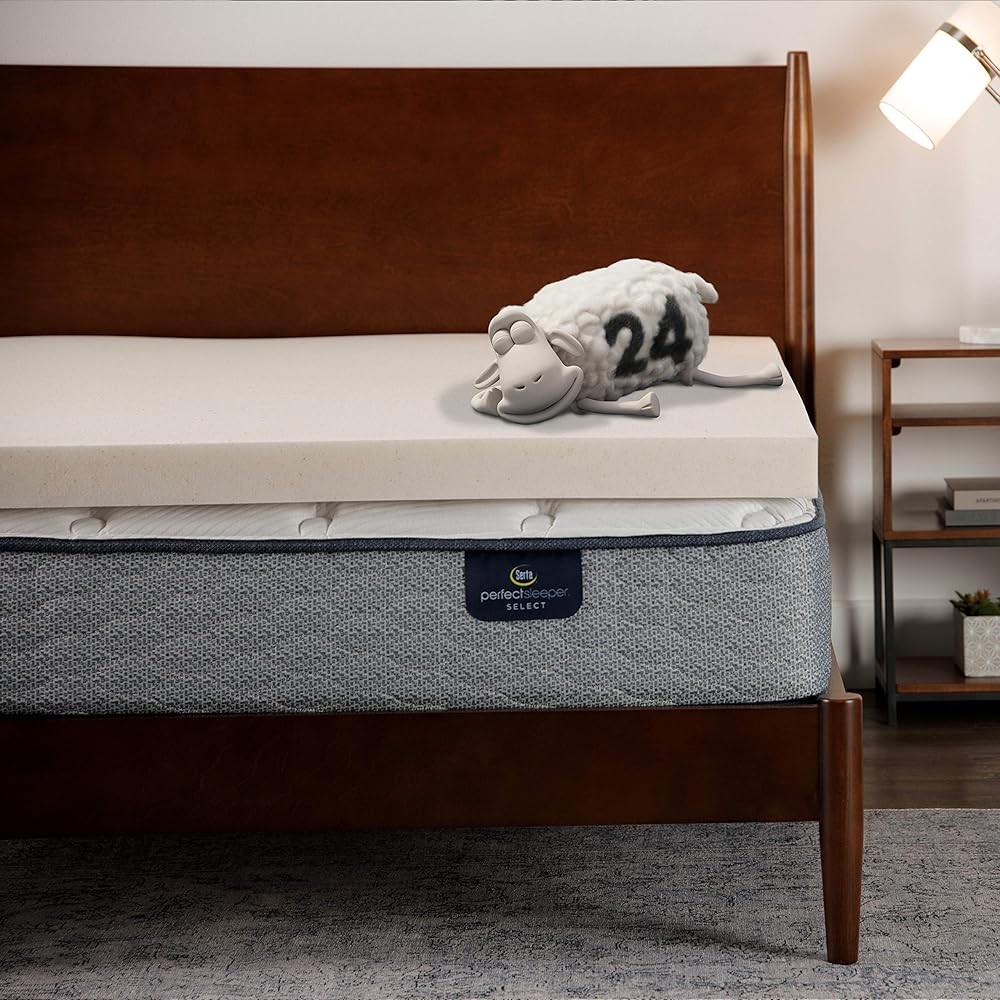
Serta CopperGel Cooling, Pressure-Relieving Memory Foam Mattress Topper, 3 Inch, Queen
Check Price on AmazonAs an Amazon Associate we earn from qualifying purchases.
The Serta CopperGel topper combines two distinct cooling technologies in a 3-inch profile that balances temperature regulation with pressure relief. The dual-technology approach aligns with research showing that multiple thermal management mechanisms produce more robust temperature control than single-technology solutions.
Copper infusion provides sustained thermal conductivity throughout the night, conducting heat away from contact points through pathways 25 times more efficient than standard foam. Studies show that reducing heat accumulation at the human-mattress interface significantly improves comfort perception, making copper’s superior conductive properties particularly valuable.
Gel infusion adds high-capacity heat absorption that creates noticeable initial cooling sensation when lying down. Research in Bioengineering found that cooling interventions in the first half of the night significantly improved deep sleep. The gel component supports this early-night temperature reduction by absorbing body heat during the critical sleep onset period.
The 3-inch thickness provides moderate pressure relief suitable for back and side sleepers without creating the excessive softness that can affect stomach sleepers or those who prefer firmer surfaces. Research emphasizes that sleep surface firmness affects spinal alignment, making the balanced 3-inch thickness versatile across sleep position preferences.
At $101 for Queen size, this topper delivers exceptional value by combining premium copper and gel technologies at mid-range pricing. The Serta brand represents established sleep product manufacturing with quality control systems. Studies suggest that recognized manufacturers generally produce more consistent quality than unknown brands, making the established name valuable for buyer confidence.
Frequently Asked Questions
Do cooling mattress toppers actually work?
A 2025 systematic review published in the Journal of Thermal Biology found that body cooling bedding strategies, including mattress toppers, significantly reduce core body temperature during sleep (p < 0.05). A pilot study in Frontiers in Sleep showed that cooling bedding reduced sleeping hot complaints from 82.5% to 39.7% of participants while improving sleep quality scores by 1.9 points. Elite athletes using high-heat-capacity mattress toppers experienced a 0.037°C reduction in core body temperature (P <.001) and improvements in sleep efficiency, particularly for those with disturbed sleep. The research confirms that properly designed cooling toppers create measurable thermal changes that support better sleep.
How do cooling mattress toppers regulate temperature?
Cooling mattress toppers use several mechanisms to manage heat. High-heat-capacity materials absorb and dissipate body heat away from the sleep surface, while phase-change materials actively regulate temperature. Gel-infused and copper-infused foams enhance thermal conductivity to transfer heat away from the body. Open-cell foam structures promote airflow and breathability. Research in Applied Ergonomics found that reducing the temperature at the human-mattress interface correlates with improved comfort perception. The most effective toppers combine multiple technologies to maintain the optimal bed microclimate of 30.8-33.8°C (87.4-92.8°F) identified in thermal comfort studies.
What thickness of cooling topper is best?
Research on mattress toppers has tested thicknesses from 2 to 4 inches. Thicker toppers (3-4 inches) provide more cushioning and pressure relief but may retain more heat without proper ventilation. Thinner options (2-3 inches) offer better breathability and are easier to integrate with existing bedding. The optimal thickness depends on your needs: 2 inches works well for minor comfort adjustments and maximum cooling, 3 inches balances cooling with moderate pressure relief, and 4 inches provides maximum pressure relief while requiring advanced cooling technologies. Studies show that cooling effectiveness depends more on material technology than thickness alone.
Can a cooling topper help with night sweats?
A 2025 study in Frontiers in Sleep specifically examined cooling bedding in people who sleep hot. After 6 weeks, participants experienced a 52% reduction in sleeping hot complaints (from 82.5% to 39.7%), sleep duration increased by 26 minutes, and reported improvements in night sweats. Temperature-controlled mattress covers improved sleep quality by 22% and enhanced thermal comfort perceptions (p < 0.05) in multiple studies. While cooling toppers cannot address underlying medical causes of night sweats, they create a more temperature-stable sleep surface that may reduce discomfort associated with temperature fluctuations during sleep.
How long do cooling mattress toppers last?
Quality memory foam toppers typically last 3-5 years with proper care, though this varies by material density and usage. Higher-density foams (4+ lb/cu ft) generally outlast lower-density options. Gel-infused and copper-infused toppers maintain their cooling properties throughout their lifespan as long as the foam structure remains intact. To maximize longevity, rotate the topper every 3-6 months, use a breathable mattress protector, keep it clean and dry, and ensure adequate bedroom ventilation. Signs that replacement is needed include visible sagging, permanent body impressions deeper than 1 inch, reduced cooling effectiveness, or odors that persist after airing out.
Do you need special sheets for cooling toppers?
While not strictly required, breathable sheets enhance cooling topper performance. Research shows that bedding materials affect overall thermal comfort. Look for sheets made from natural fibers like cotton (especially percale weave), linen, or bamboo-derived fabrics with thread counts between 200-400 for optimal breathability. A 2025 study found that cooling bed sheets reduced sleeping hot complaints by 43% when used alone. Avoid heavy, tightly woven fabrics like high-thread-count sateen or synthetic materials that trap heat. Some cooling topper manufacturers recommend moisture-wicking sheets to maximize temperature regulation benefits.
Can I use a cooling topper on any mattress?
Most cooling toppers work with any mattress type, including innerspring, memory foam, latex, or hybrid designs. However, compatibility considerations exist: very soft mattresses may become too soft with a thick topper, while extra-firm mattresses benefit from thicker cushioning layers. Deep-pocket sheets are needed if the topper adds significant height (3+ inches). Some cooling toppers include anchor straps or non-slip bottoms to minimize shifting. Memory foam mattresses already retain heat, so adding a cooling topper addresses both beds’ temperature issues. Check the topper’s weight limit and ensure your mattress foundation provides adequate support for the combined weight.
How much cooler will I sleep with a cooling topper?
Research quantifies the cooling effect at various levels. Studies show core body temperature reductions of 0.037°C with high-heat-capacity toppers, while temperature-controlled systems can maintain specific target temperatures throughout the night. The perceived cooling effect is often more significant than absolute temperature changes. A study in Bioengineering found that participants sleeping on temperature-controlled surfaces increased deep sleep by 14 minutes (22% improvement) when cooled in the first half of the night. Individual results vary based on room temperature, bedding choices, body temperature regulation, and the specific topper technology. Most users report feeling noticeably cooler within the first 1-3 nights of use.
Are gel or copper-infused toppers better for cooling?
Both technologies offer cooling benefits through different mechanisms. Gel-infused foam uses gel beads or swirls to absorb and dissipate heat away from the body, providing immediate cooling contact comfort. Copper-infused foam enhances thermal conductivity (copper conducts heat 25 times better than standard foam) while also offering antimicrobial properties. Research hasn’t directly compared these technologies head-to-head, but studies on thermal conductivity suggest copper provides more consistent long-term temperature regulation. Gel may offer more noticeable initial cooling. The most advanced toppers combine both technologies with open-cell foam structures for maximum cooling effectiveness through multiple mechanisms.
Will a cooling topper help my partner if we sleep at different temperatures?
Standard cooling toppers provide uniform temperature regulation across the entire surface, which may not satisfy partners with significantly different temperature preferences. Some higher-end options offer dual-zone temperature control, allowing independent adjustment for each side. Research in the Journal of Thermal Biology shows that individuals have different optimal bed temperatures (typically 30.8-33.8°C but with personal variation). If temperature differences are mild, a medium-cooling topper often satisfies both partners. For significant differences, consider separate toppers for each mattress side, dual-zone temperature-controlled options, or complementary strategies like individual cooling pillows or breathable bedding materials for the warmer sleeper.
Our Top Recommendations
After analyzing peer-reviewed research on thermal comfort and cooling bedding interventions, our analysis supports the ViscoSoft 4 Inch Active Cooling Memory Foam Mattress Topper Queen (B0CNS1N29Q) as the best overall choice for most hot sleepers. The combination of copper infusion for sustained thermal conductivity, ventilated design for airflow, and substantial 4-inch thickness addresses both temperature regulation and pressure relief through multiple documented mechanisms.
For budget-conscious shoppers, the 2 Inch Full Lavender Infusion Memory Foam Mattress Topper (B0FV2QFLDV) at $36 provides essential cooling through open-cell foam architecture at exceptional value. Research shows that even basic breathability improvements can significantly benefit hot sleepers when properly implemented.
Those seeking premium performance should consider the TEMPUR-Adapt (Supreme) 3" Memory Foam Mattress Topper, King (B00HEOBVOY), which features proprietary material developed through decades of sleep research. The temperature-neutral formulation maintains consistent comfort across seasonal temperature variations.
The Serta CopperGel Cooling, Pressure-Relieving Memory Foam Mattress Topper, 3 Inch, Queen (B08898NV3T) at $101 represents exceptional value by combining both copper and gel cooling technologies. The dual-mechanism approach aligns with research showing that multiple thermal management strategies produce more robust temperature control.
Join the discussion: Facebook | X | YouTube | Pinterest
Conclusion
Research published in leading sleep and thermal comfort journals confirms that cooling mattress toppers produce measurable improvements in sleep quality through documented temperature regulation mechanisms. The 2025 systematic review in the Journal of Thermal Biology establishing core body temperature reductions (p < 0.05) and the Frontiers in Sleep study showing 52% reduction in sleeping hot complaints provide strong evidence for cooling bedding effectiveness.
The optimal cooling topper depends on individual needs, sleep position, existing mattress characteristics, and budget constraints. Side sleepers with pressure sensitivity benefit from thicker toppers (3-4 inches) combining cooling with cushioning. Hot sleepers prioritizing maximum breathability may prefer thinner options (2 inches) with open-cell architecture. Those experiencing night sweats should focus on high-heat-capacity materials with moisture-wicking covers.
Material technology matters more than thickness alone. Copper infusion provides sustained thermal conductivity throughout the night, while gel infusion offers strong initial cooling during sleep onset. The most sophisticated toppers combine multiple cooling mechanisms with proper foam density for both temperature regulation and long-term durability.
Cooling toppers function most effectively as part of comprehensive sleep environment optimization. Research shows that combining toppers with appropriate bedroom temperature (60-67°F), breathable bedding, adequate air circulation, and potentially cooling pillows creates robust thermal management. Individual thermal regulation varies, making the generous trial periods offered by quality manufacturers valuable for real-world assessment.
The evidence supports cooling mattress toppers as effective interventions for sleep thermal comfort, particularly for individuals experiencing heat-related sleep disturbances. Selecting toppers with documented cooling technologies, appropriate thickness for sleep position needs, and adequate foam quality supports both immediate comfort improvements and long-term sleep health benefits.
For more context, see our guides on Best Cooling Mattress Pad for Hot Sleepers, Eight Sleep vs ChiliPad: Which Active Cooling Sleep System Is Worth It?, Best Sleep Temperature: What Research Shows About Bedroom Temperature, and ChiliPad Cube Review: What Research Shows About Water-Cooled Sleep Systems.
Related Reading
- Best Cooling Mattress Pads - Compare cooling mattress pads and their temperature regulation technologies
- Eight Sleep vs ChiliPad comparison - Active temperature-controlled sleep systems for precise cooling control
- Cooling Pillows for Night Sweats - Complement cooling toppers with head and neck temperature regulation
- Best White Noise Machines - Sound masking technology for comprehensive sleep environment optimization
- Best Sunrise Alarm Clocks - Light-based wake systems supporting natural circadian rhythms
- Supplements That Improve Deep Sleep - Evidence-based nutritional support for sleep architecture
- Why You Wake Up at 3 AM - Understanding and addressing middle-of-the-night awakenings
- Best Acupressure Mats - Pressure stimulation for relaxation and sleep preparation
References
-
Pasquier F, Chauvineau M, Castellini G, Gianola S, Bargeri S. Does body cooling facilitated by bedding compared to control condition improve sleep among adults (18-64 years old)? A systematic review and meta-analysis. J Therm Biol. 2025. PMID: 39708549.
-
Weaver MD, Qadri S, Ejikeme C, Quan SF, Czeisler CA. A non-randomized pre-post pilot study of cooling bed sheets in hot sleeping people. Front Sleep. 2025. PMID: 41425186.
-
Chauvineau M, Hollville E, Duforez F, Guilhem G, Nedelec M. Effect of a High-Heat-Capacity Mattress Topper on Sleep in Elite Badminton Players During a Summer Training Period: Does 1 Size Fit All? Int J Sports Physiol Perform. 2025. PMID: 40555416.
-
Stevenson S, Suppiah H, Mündel T, Driller M. Under the Covers: The Effect of a Temperature-Controlled Mattress Cover on Sleep and Perceptual Measures in Healthy Adults. Clocks Sleep. 2025. PMID: 41133665.
-
Moyen NE, Ediger TR, Taylor KM, Hancock EG, Holden LD. Sleeping for One Week on a Temperature-Controlled Mattress Cover Improves Sleep and Cardiovascular Recovery. Bioengineering. 2024. PMID: 38671774.
-
Ke Y, Zhou Q, Zheng Q. Investigation of the differences in bed microclimate and thermal comfort between school-aged children and adults during sleep onset latency. J Therm Biol. 2025. PMID: 39915161.
-
Califano R, Naddeo A, Vink P. The effect of human-mattress interface’s temperature on perceived thermal comfort. Appl Ergon. 2017. PMID: 27633230.
-
Aijazi A, Parkinson T, Zhang H, Schiavon S. Passive and low-energy strategies to improve sleep thermal comfort and energy resilience during heat waves and cold snaps. Sci Rep. 2024. PMID: 38822004.
-
Yan Y, Geng J, Xi C, Cui X, Wang G. Circulating-Water Mattress Enhances Thermal Comfort and Patient Satisfaction but Shows Non-Superiority in Temperature Maintenance in Ophthalmic Day-Case Surgery: A Randomized Controlled Trial. Ther Clin Risk Manag. 2025. PMID: 40390799.
-
Kawabata A, Tokura H. Effects of two kinds of pillow on thermoregulatory responses during night sleep. Appl Hum Sci. 1996. PMID: 8917933.
Recommended Products