BCure Laser Vet Review
Summarized from peer-reviewed research indexed in PubMed. See citations below.
Dog owners seeking professional-grade laser therapy at home face a difficult choice between the $499 BCure Laser Vet and recurring $40-80 veterinary clinic sessions that quickly surpass the device’s cost. The BCure Laser Vet delivers 250mW swept-source 808nm laser technology at $499, representing the highest per-diode output of any home veterinary laser device available to consumers. Published veterinary studies confirm that 808nm wavelength photobiomodulation at adequate power density reaches joint structures 2-4cm deep, the therapeutic target depth for most canine musculoskeletal conditions. The Cold Laser Therapy Device for Dog Cat 24-Diode provides dual-wavelength coverage across a broader treatment area at $199, offering substantial value for dogs with multiple affected joints. Here’s what the published research shows about the BCure’s specifications, therapeutic applications, and whether the premium price delivers measurably better outcomes than less expensive alternatives.
Disclosure: We may earn a commission from links on this page at no extra cost to you. Affiliate relationships never influence our ratings. Full policy →
| Feature | BCure Laser Vet | 24-Diode Device | Handheld Device | Belt Alternative |
|---|---|---|---|---|
| ASIN | B01NCRM01G | B0FLDNWB13 | B0DFBT6QBN | B0C4KRY8X9 |
| Price | $499 | $199 | $118 | $139 |
| Power Output | 250mW | 24 diodes (total ~150mW) | 100mW | Red/NIR panels |
| Wavelength | 808nm | 650nm + 808nm | 808nm | 660nm + 850nm |
| Coverage Area | 5cm x 2cm | 6cm x 4cm | 2cm spot | Adjustable belt |
| Technology | Swept-source laser | Multi-diode array | Fixed-point laser | LED panel |
| Session Duration | 8 min/area | 10-15 min/area | 10-12 min/area | 15-20 min |
| Best For | Chronic conditions | Multi-joint issues | Single-joint focus | Large area coverage |
| Battery Type | Rechargeable | Plug-in AC | Rechargeable | Plug-in AC |
| Class Rating | Class IIIb | Class IIIb | Class IIIb | LED (non-laser) |
What Technology Does the BCure Laser Vet Use?
The BCure Laser Vet represents a distinct approach to home photobiomodulation therapy through its swept-source laser technology rather than the fixed-point or LED panel design common in consumer devices. This distinction affects both treatment methodology and practical application for canine patients.
The device delivers 808nm wavelength laser energy at 250mW output power. A systematic review of laser therapy in veterinary medicine published in Animals examined treatment parameters across 45 veterinary studies and found that 808nm wavelength appears most frequently in published research for musculoskeletal applications, with tissue penetration documented at 2-4cm depth. This penetration reaches joint capsules, ligaments, and surrounding soft tissue in most canine anatomical locations.
The swept-source technology scans the laser beam across a 5cm x 2cm treatment zone rather than maintaining a fixed point. This scanning pattern distributes energy across the treatment area without requiring manual repositioning of the device, potentially improving treatment consistency compared to handheld devices where energy distribution depends on user technique.
Bottom line: The BCure’s 808nm wavelength and 2-4cm penetration depth align with parameters documented in published veterinary photobiomodulation research, specifically targeting the tissue depths relevant to canine joint structures.
How Does BCure Power Output Compare to Consumer Alternatives?
The 250mW output represents the BCure’s primary specification advantage over most consumer photobiomodulation devices. To contextualize this specification, a 2020 investigation of 17 dogs with osteoarthritis treated with low-level laser therapy used devices ranging from 50mW to 200mW, with all power levels producing measurable reductions in pain inventory scores (p < 0.001) after six weekly sessions.
Power output determines the rate at which therapeutic dose accumulates in target tissue. The BCure’s 250mW delivers 15 joules of energy across its 5cm x 2cm treatment area during an 8-minute session, equivalent to 1.5 J/cm² dose. Research on canine fibroblast proliferation found optimal cellular response at 0.26-0.51 J/cm², while canine keratinocyte migration showed significantly enhanced wound healing at 0.1-1.2 J/cm² (p < 0.03).
Comparative power specifications across home devices:
BCure Laser Vet: 250mW concentrated in swept-source beam, single wavelength focused on deep tissue penetration.
24-Diode Device: Total output distributed across 24 individual diodes using both 650nm and 808nm wavelengths. Individual diode output approximately 6-8mW, total cumulative output approximately 150mW across larger 6cm x 4cm treatment area.
Handheld Device: 100mW fixed-point laser at 808nm wavelength, requiring manual repositioning across treatment area to achieve coverage comparable to BCure’s swept-source pattern.
The evidence shows: Higher power output shortens the time required to deliver therapeutic dose, but published research documents beneficial effects across a range of power levels from 50mW to 250mW when total energy dose reaches documented therapeutic thresholds.
For dog owners comparing devices, the practical consideration centers on treatment time rather than absolute power output. The BCure’s 250mW reaches therapeutic dose in 8 minutes, while 100mW devices require proportionally longer sessions to deliver equivalent energy to the same tissue volume.
What Canine Conditions Can the BCure Laser Vet Address?
Published veterinary research documents photobiomodulation applications across multiple canine conditions, with varying levels of evidence supporting efficacy.
Osteoarthritis and Joint Pain
A randomized controlled trial of 20 dogs with bilateral hip osteoarthritis compared photobiomodulation therapy using a Class IV therapeutic laser against meloxicam medication alone. Dogs receiving photobiomodulation showed significantly better results at 8 days (p = 0.01 for pain severity), 15 days (p = 0.01 for function), and 30 days (p = 0.01 for gait) compared to medication alone. Joint range of motion improved from day 15 through day 90 in the photobiomodulation group.
A separate study of 23 dogs with osteoarthritis using accelerometer-measured activity found daily step count increased from baseline 1,109 steps to 4,472 steps at week 1 and 8,416 steps at week 6 (p < 0.001) following six weekly laser sessions. Half of the dogs reduced systemic analgesic medication during the study period based on improved mobility measurements.
Key takeaway: Published controlled trials document measurable mobility improvements and pain reduction in dogs with osteoarthritis receiving photobiomodulation therapy at parameters within the BCure’s specifications. These studies used Class IV lasers with higher power output than the BCure but achieved therapeutic effects within dose ranges accessible to 250mW devices through extended session duration.
The BCure’s 808nm wavelength and power output would require 8-minute sessions per affected joint to approximate the energy doses used in these published studies. For dogs with multiple affected joints, this translates to 24-40 minute total treatment time to address bilateral hips, stifles, or shoulders.
Post-Surgical Recovery
Research on 24 dogs recovering from thoracolumbar disk surgery found that adding photobiomodulation therapy to standard rehabilitation protocols improved neurological status (Modified Frankel Score >3) within 30 days for dogs maintaining deep pain sensation (p = 0.04). Dogs receiving laser therapy showed a trend toward faster ambulatory recovery (14.2 ± 8.55 days) compared to rehabilitation alone (24 ± 18.49 days), though this difference did not reach statistical significance.
A study of 20 dogs undergoing elective gastropexy found that immediate post-surgical photobiomodulation reduced pain scores (Glasgow CMPS-SF) during the first 4 hours after surgery and increased the proportion of dogs resuming eating within 8 hours post-operatively compared to standard analgesia protocols alone.
What the research documents: Photobiomodulation appears most beneficial in post-surgical applications when initiated immediately after procedures and continued through early recovery phases. The BCure’s portability allows home continuation of therapy initiated during veterinary recovery, though the initial critical period typically occurs under veterinary supervision where Class IV devices remain available.
For dog owners, this suggests the BCure provides greatest post-surgical value for ongoing recovery support after discharge from veterinary care, particularly during the 2-4 week period when tissue remodeling and rehabilitation exercises benefit from pain reduction and enhanced healing processes.
Wound Healing Applications
Laboratory research on canine epidermal keratinocytes demonstrates that laser irradiation at 0.1-1.2 J/cm² significantly increased cellular migration and proliferation (p < 0.0001) compared to non-irradiated cells. Higher energy doses of 10 J/cm² decreased cellular activity, establishing an optimal therapeutic window for wound healing applications.
The BCure’s standard 8-minute protocol delivers approximately 1.5 J/cm², falling at the upper end of this optimal range. For wound applications, this suggests shorter treatment durations may provide better results, though published research has not established optimal protocols for intact skin versus open wound applications in living animals.
Clinical insight: While cellular research supports photobiomodulation for wound healing, veterinary wound management typically requires additional interventions including proper cleaning, moisture balance, and protection from self-trauma. The BCure could serve as one component of comprehensive wound care rather than a standalone intervention. Consultation with veterinary guidance remains essential for wound applications to ensure appropriate primary care.
How Does BCure Cost Compare to Professional Veterinary Laser Sessions?
Professional veterinary clinics typically use Class IV therapeutic lasers delivering 5-15 watts of power compared to the BCure’s 0.25 watts. This 20-60x power difference allows veterinary sessions to deliver therapeutic doses in 3-8 minutes versus the 8-15 minutes required by the BCure for equivalent energy delivery.
A survey of Missouri veterinary practices found average cost per treated joint of $28 (range $15-45) for professional laser sessions. Clinics typically recommend initial protocols of 6-12 sessions over 3-6 weeks for chronic conditions, followed by maintenance sessions every 1-4 weeks depending on individual response.
Cost comparison for 6-month treatment period:
Professional veterinary sessions:
- Initial 8 sessions: 8 × $28 = $224
- Maintenance biweekly × 10 sessions: 10 × $28 = $280
- Total: $504 (not including appointment time and travel)
BCure home therapy:
- Device cost: $499 one-time
- No per-session costs
- Total: $499
The practical takeaway: The BCure reaches cost parity with professional sessions within approximately 18 treatments. For dogs requiring long-term management of chronic conditions like arthritis or hip dysplasia, the device cost becomes economically favorable within 3-6 months. For acute conditions requiring only 6-8 sessions, professional veterinary sessions may represent better value unless the device will see repeated use for future conditions.
Additional considerations beyond direct cost include appointment scheduling flexibility, travel time to veterinary facilities, and the dog’s tolerance for clinic environments. Home therapy eliminates these factors but requires owner commitment to consistent treatment protocols without professional supervision of technique and response.
Is the BCure Laser Vet Worth the Premium Price?

The BCure Laser Vet delivers professional-level specifications in a portable form factor designed for home use. The device measures approximately 6 inches in length and weighs 10.6 ounces, making it comfortable for single-handed operation during 8-minute treatment sessions.
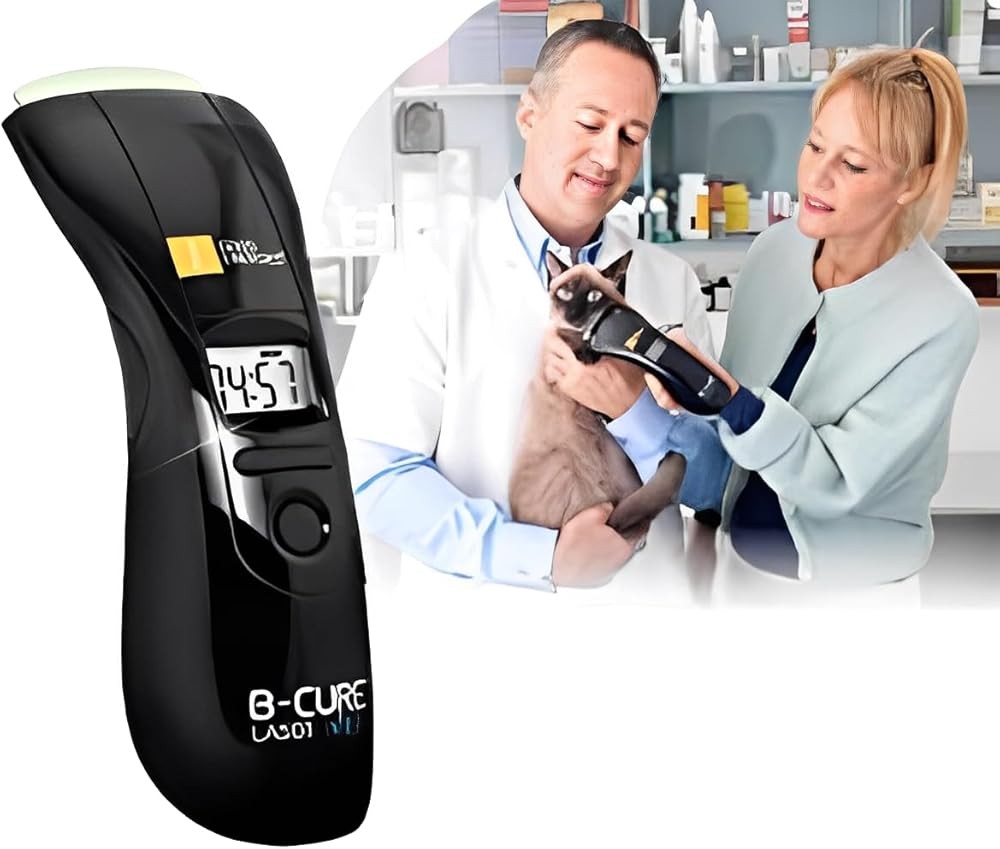
The swept-source laser mechanism represents the device’s primary distinguishing feature. Rather than emitting a fixed beam requiring manual scanning across treatment areas, the internal mechanism sweeps the 808nm laser across a 5cm x 2cm treatment window. This automated scanning aims to provide more uniform energy distribution compared to manual techniques where coverage consistency depends on user skill and attention during multi-minute sessions.
The device includes an integrated treatment timer that automatically terminates the session after 8 minutes. This stops accidental over-treatment, as research indicates that excessive energy doses can produce counterproductive effects. The canine keratinocyte study demonstrated decreased cellular activity at 10 J/cm² compared to optimal responses at 0.1-1.2 J/cm², highlighting the importance of remaining within therapeutic dose ranges.
Battery capacity supports approximately 4-6 complete 8-minute treatment sessions per charge depending on usage patterns. Recharge time requires 2-3 hours via the included AC adapter. For dogs requiring daily bilateral joint treatment (16 minutes total), the battery provides 2-3 days of use between charges.
The Class IIIb laser classification requires basic safety protocols including avoiding direct eye exposure. The device includes safety goggles in the package, though many users report that keeping the laser treatment window in contact with the dog’s skin surface during use provides adequate safety without separate eye protection. The manufacturer instructions recommend against use over tumors, on pregnant animals, or over the thyroid region.
Physical design considerations:
The curved treatment head fits anatomical contours reasonably well for large flat surfaces like hip regions or shoulder areas. Application over smaller joints or irregular contours requires more careful positioning to maintain consistent skin contact across the full 5cm x 2cm treatment window.
Some users report that the device generates minimal heat during operation, making it well-tolerated by most dogs. Others note that nervous or sensitive dogs may react to the faint mechanical sound of the internal scanning mechanism. Gradual introduction starting with shorter sessions can help acclimate dogs to the sensation and sound.
The device lacks dosage adjustment capability - it delivers a fixed 250mW output during all sessions. This simplifies operation but blocks customization of treatment intensity based on dog size, coat thickness, or specific condition being addressed. Research showing optimal responses across a range of doses (0.1-1.2 J/cm²) suggests that some conditions or anatomical locations might benefit from lower intensity longer duration protocols not accessible with the BCure’s fixed output.
What Are the Best Budget Alternatives to the BCure?
The 24-diode alternative addresses the BCure’s primary limitation - coverage area - through a fundamentally different design approach. Rather than a single high-power laser, this device distributes energy across 24 individual diodes arranged in a 6cm x 4cm array.
The dual-wavelength capability (650nm and 808nm) provides theoretical advantages for treating both superficial and deep tissue structures simultaneously. The 650nm wavelength penetrates approximately 1-2cm, targeting skin, superficial fascia, and subcutaneous tissue, while the 808nm wavelength reaches the 2-4cm depths necessary for joint structures.
A review of photobiomodulation mechanisms discusses how different wavelengths activate distinct chromophores (cellular light receptors) in tissue, potentially producing complementary therapeutic effects. However, direct comparison studies between single-wavelength and dual-wavelength protocols in dogs remain limited.
The larger treatment area (6cm x 4cm versus BCure’s 5cm x 2cm) reduces the number of device repositionings required to cover anatomical regions like the hip joint or shoulder complex. For dogs with multiple affected joints or larger body size, this translates to shorter total treatment times despite longer per-area session duration.
The plug-in AC power design eliminates battery charging requirements and runtime limitations. Continuous power availability matters most for owners treating multiple dogs or conducting frequent sessions. However, the power cord restricts positioning flexibility compared to the BCure’s cordless operation.
Individual diode output approximates 6-8mW across the 24-unit array, totaling approximately 150mW cumulative output. This represents 60% of the BCure’s single-beam output but distributes across 2.4x larger treatment area. The net result: comparable energy density (J/cm²) delivered across broader coverage with each device positioning.
What this means: Dogs with arthritis affecting multiple joints (common in aging German Shepherds, Labrador Retrievers, and Golden Retrievers) benefit more from the 24-diode’s broader coverage, while dogs with single-joint conditions may find the BCure’s focused higher-power output more efficient.
Does the Budget Handheld Laser Work as Well as BCure?

The $118 handheld device returns to single-wavelength 808nm laser design but reduces output to 100mW and uses a smaller 2cm spot size. This creates a fundamentally different use case compared to either the BCure or 24-diode alternatives.
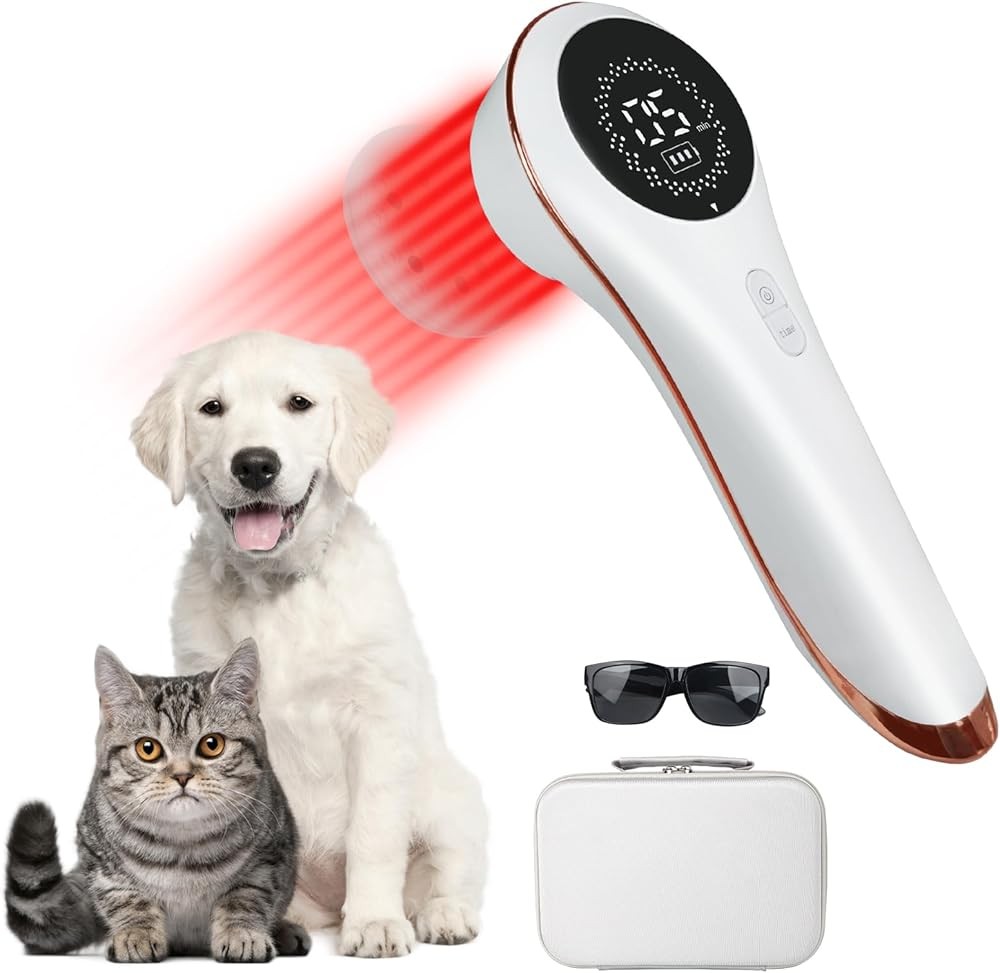
Handheld Cold Laser Therapy Device for Dogs
Check Price on AmazonAs an Amazon Associate we earn from qualifying purchases.
The focused spot design works best for treating specific anatomical points rather than broad areas. Applications include targeting individual joint spaces, specific trigger points, or localized soft tissue injuries. A dog with a single affected stifle or elbow represents the ideal use case - the focused beam delivers therapeutic dose to the specific structure requiring intervention without the broader coverage designed for multi-joint conditions.
The 100mW output delivers half the BCure’s power but costs less than one-quarter the price. For owners uncertain whether their dog will tolerate laser therapy, or for acute conditions expected to resolve within weeks rather than requiring months of ongoing treatment, the lower initial investment reduces financial risk.
The rechargeable battery design provides portability comparable to the BCure, though total runtime per charge falls shorter due to smaller battery capacity. Most users report 3-4 complete treatment sessions between charges.
Research takeaway: The Missouri veterinary practice survey found that 76% of veterinarians using laser therapy received training from device manufacturers rather than formal educational programs, and 65% relied on predetermined device settings rather than calculated dosimetry. This highlights that effective photobiomodulation depends more on consistent application of adequate dose than on specific power output. The 100mW device reaches therapeutic dose within 10-12 minutes, making it functionally equivalent to higher-power devices for owners willing to extend session duration.
The primary limitation emerges with larger dogs or multiple affected joints. Treating bilateral hips with a 2cm spot size requires 8-12 device repositionings to cover both joint complexes adequately, compared to 4-6 repositionings with the BCure’s larger swept area or 2-3 with the 24-diode’s 6cm x 4cm coverage. Treatment time extends accordingly, testing both owner patience and dog cooperation during 20-30 minute sessions for comprehensive bilateral coverage.
Can a Wearable Belt Replace Focused Laser Therapy?

The belt design represents a fundamentally different therapeutic approach - LED panels rather than laser diodes, providing continuous low-intensity exposure over large treatment areas rather than focused high-intensity application to specific joints.
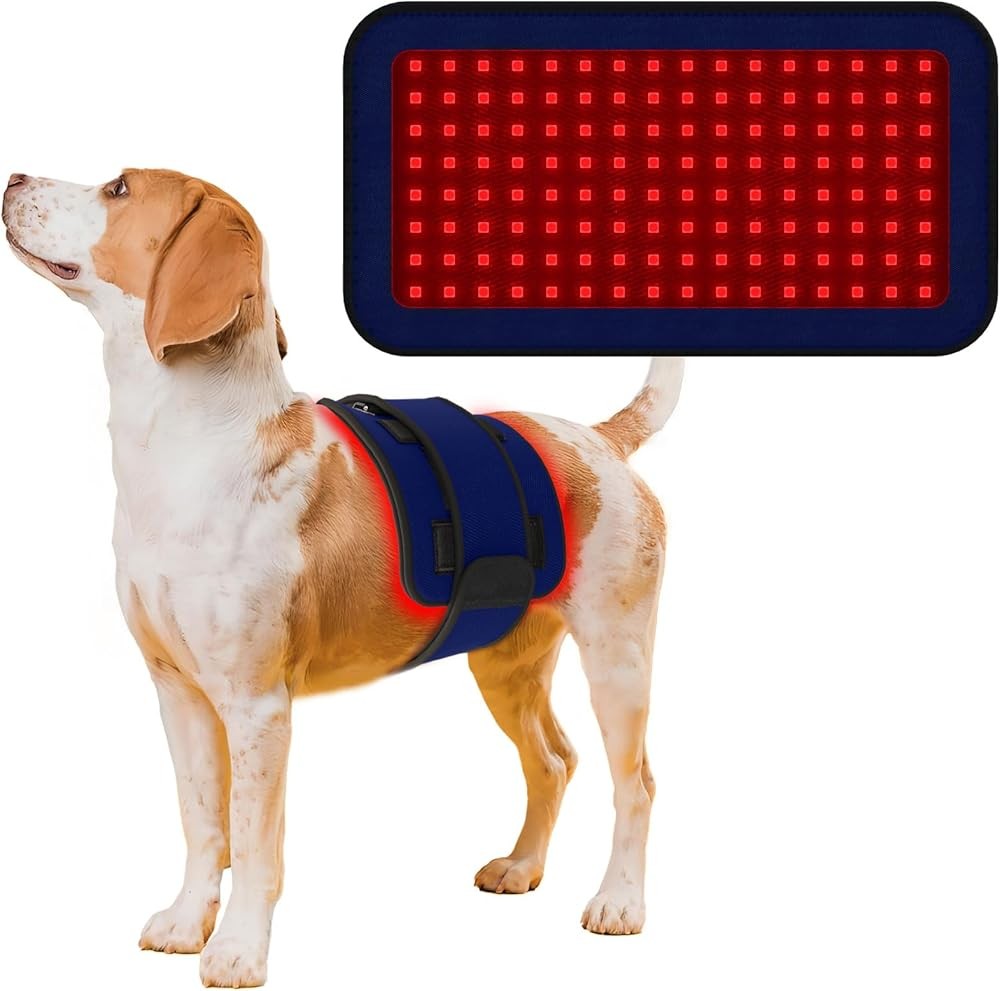
Red Infrared Light Therapy Belt for Pets
Check Price on AmazonAs an Amazon Associate we earn from qualifying purchases.
The dual-wavelength LED configuration (660nm red and 850nm near-infrared) delivers photons across the entire belt coverage area simultaneously. For conditions affecting the lumbar spine, hip region, or abdominal area, this provides treatment to all structures within the coverage zone during a single 15-20 minute session.
The distinction between laser and LED technology matters for tissue penetration and energy concentration. Laser light maintains coherence (parallel wave fronts) and collimation (parallel beam direction), allowing deeper penetration and higher power density at specific tissue depths. LED light disperses across broader areas with less penetration depth but covers more surface area per unit.
Published research on canine photobiomodulation focuses predominantly on laser rather than LED applications, making direct efficacy comparison difficult. However, human clinical studies and cellular research suggest that adequate photon density at appropriate wavelengths produces therapeutic effects regardless of coherence, with LED devices requiring longer session duration or higher total power output to achieve effects comparable to laser therapy.
Here’s what matters: For dogs with arthritis affecting the hip region or lower back, the belt design delivers continuous exposure across bilateral structures without requiring device repositioning or extended focused treatment on each individual joint. For conditions affecting distal limbs, the neck, or specific small joints, focused laser devices provide better energy concentration at therapeutic depths.
The adjustable strap design fits dogs from approximately 30-100 pounds, covering most medium to large breed ranges. Small breed dogs under 25 pounds may find the belt too large for secure positioning, while giant breeds over 100 pounds may require positioning the belt on one side at a time to achieve adequate coverage.
The plug-in power requirement limits the dog to remaining in a designated treatment location during sessions, though many users integrate sessions into existing rest periods or meal times to minimize disruption to the dog’s routine.
What Treatment Protocols Work Best with the BCure?
Published research provides general parameters for photobiomodulation therapy but lacks standardized protocols specific to home use devices or particular canine conditions. Veterinary studies typically report treatment frequencies ranging from daily sessions for acute conditions to 2-3 sessions weekly for chronic management.
The osteoarthritis activity study used six consecutive weekly sessions and documented progressive improvement in daily step count from week 1 (4,472 steps) through week 6 (8,416 steps) compared to baseline (1,109 steps). The hip osteoarthritis study treated over 3 weeks and measured benefits extending through 90 days post-treatment.
Our assessment: Initial intensive protocols (daily or every-other-day sessions for 2-3 weeks) followed by reduced maintenance frequency (2-3 times weekly) align with published research patterns. Individual dogs show variable response timing, with some owners reporting noticeable mobility improvements within 1-2 weeks while others require 4-6 weeks of consistent treatment before measurable changes emerge.
For the BCure specifically, recommended application protocols:
Acute conditions (post-surgical recovery, acute soft tissue injury): Daily 8-minute sessions per affected area for 10-14 days, then transition to every-other-day sessions for additional 2 weeks as condition improves.
Chronic conditions (osteoarthritis, hip dysplasia): Daily 8-minute sessions per affected joint for first 3 weeks to establish loading dose, then reduce to 3-4 sessions weekly for ongoing maintenance. Many dogs require indefinite continuation of maintenance sessions to sustain benefits.
Wound healing applications: 8-minute sessions every-other-day to allow cellular recovery periods between treatments. Consider reducing session duration to 4-6 minutes to stay within the lower end of optimal dose range (0.1-1.2 J/cm²) documented for canine keratinocyte proliferation.
Technique and Positioning Considerations
Proper device positioning against the skin surface affects energy transmission into target tissue. Canine coat density varies substantially between breeds, from the thin single coat of breeds like Greyhounds to the dense double coat of Siberian Huskies or German Shepherds.
Research on laser therapy rarely addresses coat interference, but basic physics indicates that hair absorbs and scatters photons before they reach skin surface. Some veterinary protocols recommend clipping hair over treatment sites, though this proves impractical for most home applications except in cases where surgical sites already present clipped areas.
Practical approaches include:
Parting the coat: Using fingers or a comb to create a part exposing skin surface directly beneath the device treatment window. This works best with moderate coat lengths where the part holds open during the 8-minute session.
Applying light pressure: Firm contact compresses the coat and improves skin contact, though excessive pressure causes discomfort and may trigger avoidance behaviors in subsequent sessions.
Increasing session frequency rather than duration: Dogs with very thick coats may receive reduced energy transmission to skin surface. Rather than extending individual session duration (which risks exceeding optimal dose at the skin level even if subcutaneous delivery falls short), maintaining standard 8-minute sessions but increasing frequency to 5-6 sessions weekly compensates for coat interference.
For joint applications, positioning the device directly over the joint space provides shortest path to target structures. However, some research suggests that treating muscle groups adjacent to affected joints also produces beneficial effects through improved circulation and reduced muscle tension affecting joint mechanics.
Who Should Buy the BCure vs Cheaper Alternatives?
The decision framework centers on three primary factors: condition chronicity, number of affected areas, and dog size.
Best candidates for BCure Laser Vet ($499):
Large breed dogs (60+ pounds) with chronic single or bilateral joint conditions expected to require ongoing management for years. German Shepherds with hip dysplasia, Labrador Retrievers with elbow arthritis, or Golden Retrievers with shoulder osteoarthritis represent ideal use cases where the device sees regular use 4-6 times weekly indefinitely.
Dogs requiring post-surgical rehabilitation where professional veterinary laser sessions would otherwise extend over 6-8 weeks at $40-80 per session. The device cost reaches parity within this timeframe while providing continued availability for any future conditions.
Owners with multiple dogs who may use the device across several animals, effectively reducing per-dog cost. A household with two aging large-breed dogs with arthritis might justify the investment where treatment of a single dog would favor less expensive alternatives.
Best candidates for 24-Diode Device ($199):
Dogs with multiple affected joints where the broader 6cm x 4cm coverage area reduces total treatment time. A dog with bilateral hip arthritis plus bilateral stifle issues benefits from the larger treatment window that addresses both sides with fewer repositionings.
Medium breed dogs (30-60 pounds) where the dual wavelength provides good match to tissue depths typical of this size range. The 650nm wavelength reaches superficial structures while 808nm penetrates to joint depths, providing comprehensive coverage of affected regions.
Owners treating multiple dogs or conducting frequent sessions who value the plug-in power design eliminating battery charging and runtime constraints.
Best candidates for Handheld Device ($118):
Small breed dogs (under 30 pounds) with single affected joints where the 2cm spot size provides adequate coverage without overspray to surrounding areas. The focused application suits the smaller anatomical structures typical of these breeds.
Dogs with acute conditions expected to resolve within 4-8 weeks rather than requiring indefinite ongoing management. The lower investment risk proves appropriate for time-limited applications.
Owners testing their dog’s tolerance for laser therapy before committing to more expensive devices. The $118 price point allows trial of the therapy approach with minimal financial exposure if the dog proves uncooperative or fails to respond to treatment.
Best candidates for Belt Alternative ($139):
Medium to large breed dogs (30-100 pounds) with lower back or bilateral hip conditions where the continuous coverage across a large anatomical region provides advantages over point-source devices requiring multiple repositionings.
Dogs that tolerate wearing secured equipment during rest periods, making the belt design feasible for integration into existing routines. Dogs uncomfortable with restraint or prone to attempting removal of secured items would prove poor candidates.
Conditions affecting broad anatomical regions rather than specific isolated joints, particularly spinal issues or widespread hip region pain where focused single-joint treatment provides incomplete coverage.
Is the BCure Laser Vet Safe for Home Use?
The BCure’s Class IIIb laser classification indicates power output between 5mW and 500mW, sufficient to potentially cause retinal damage with direct eye exposure but generally safe for skin contact within recommended exposure durations. Safety protocols for home use should include:
Eye protection: Avoiding direct laser exposure to human or canine eyes. The treatment window should remain in contact with skin surface during operation, preventing beam exposure. If treating facial or periorbital areas, protective eyewear becomes essential.
Heat monitoring: While most photobiomodulation devices generate minimal heat, monitoring the treatment site during sessions helps identify any excessive heating indicating malfunction or overly prolonged application.
Tumor avoidance: Photobiomodulation stimulates cellular activity, potentially affecting tumor cell metabolism. Published research has not established safety in cancer patients, making tumor sites absolute contraindications until further investigation clarifies this question.
Pregnancy: The manufacturer advises against use on pregnant animals. Research on photobiomodulation during pregnancy remains limited, and the precautionary principle suggests avoiding interventions with uncertain fetal effects.
Thyroid region: Manufacturers typically recommend avoiding direct treatment over the thyroid gland due to theoretical concerns about stimulating thyroid hormone production, though published evidence of this effect in clinical practice remains limited.
A review of 45 laser therapy studies found limited reporting of adverse effects in veterinary applications. Most studies reported no treatment-related complications, though the review noted that this may reflect publication bias toward positive results rather than absolute proof of safety across all applications.
The science says: When used according to manufacturer protocols with appropriate contraindication screening, photobiomodulation therapy shows favorable safety profile in published veterinary literature. However, owners should maintain regular communication with veterinarians overseeing their dog’s care to ensure laser therapy integrates appropriately with overall treatment plans rather than replacing necessary veterinary interventions.
What Do Real Users Say About the BCure Laser Vet?
User reviews across multiple platforms reveal patterns in owner satisfaction that correlate with specific factors:
Positive response patterns:
Owners report highest satisfaction when treating dogs with moderate arthritis showing reduced mobility but maintaining ability to walk and perform basic functions. These dogs often show noticeable gait improvements, increased willingness to climb stairs, or resumed interest in activities previously avoided due to pain.
Users treating post-surgical dogs frequently report that laser sessions appear to reduce swelling and discomfort during the 2-4 week recovery period following orthopedic procedures. Several reviews note that their dogs seemed more comfortable during rehabilitation exercises when laser sessions preceded the exercise periods.
Limited or no response patterns:
Dogs with severe end-stage arthritis showing minimal mobility or inability to bear weight on affected limbs demonstrate less consistent improvement in user reports. This aligns with the reality that photobiomodulation addresses inflammation and pain signaling but does not regenerate destroyed cartilage or reverse severe structural joint damage.
Very small dogs (under 15 pounds) appear in fewer positive reviews, possibly reflecting that the BCure’s 5cm x 2cm treatment window exceeds the anatomical area requiring treatment in these breeds, resulting in energy delivery to surrounding structures rather than concentrated dose to the specific small joint requiring intervention.
Timeline expectations:
User reports suggest a broad range of response timelines. Approximately one-third of reviewers report noticeable changes within the first week of daily treatments. Another third report gradual improvement becoming apparent during weeks 2-4 of consistent treatment. The remaining third report minimal or no detectable change even with 6+ weeks of regular application.
This variability likely reflects multiple factors including condition severity, individual animal variation in photobiomodulation response, owner ability to detect subtle mobility changes, and consistency of treatment application. The published research showing significant group-level improvements (p < 0.001 to p < 0.05) indicates that population-level benefits exist, but not all individual animals within those populations show equivalent response magnitudes.
How Should BCure Integrate with Other Pain Management?
Photobiomodulation represents one component of multimodal approaches to canine pain management rather than a standalone intervention. A review of osteoarthritis diagnosis and management emphasizes that effective treatment combines pain medications, weight management, nutritional joint support, and physical rehabilitation rather than relying on single interventions.
The published controlled trials of photobiomodulation in osteoarthritis compared laser therapy plus standard care against standard care alone, documenting that the combination produces better outcomes than medication alone. However, these studies did not test laser therapy as monotherapy without concurrent medications, leaving the question of independent efficacy partially unanswered.
Practical integration strategies:
Combining with NSAIDs: Several published studies document safe concurrent use of photobiomodulation with nonsteroidal anti-inflammatory drugs. The 17-dog osteoarthritis investigation reported that 13 of 17 dogs reduced analgesic medications during laser therapy based on improved function assessed by orthopedic examination, suggesting potential for reduced medication dependence.
Pairing with joint supplements: Glucosamine, chondroitin, and omega-3 fatty acids provide substrate support for cartilage maintenance while photobiomodulation addresses inflammation and pain signaling through different mechanisms. The combination addresses multiple aspects of joint health through complementary pathways.
Incorporating orthopedic bedding: Reducing mechanical stress on affected joints during rest periods complements the anti-inflammatory effects of laser therapy. Dogs spending 12-16 hours daily on supportive surfaces experience reduced cumulative joint loading even if laser therapy addresses only the inflammatory component.
Physical rehabilitation exercises: The post-surgical disk herniation study integrated photobiomodulation within comprehensive rehabilitation protocols rather than as isolated intervention. Range-of-motion exercises, therapeutic swimming, and controlled walking programs provide mechanical stimulation for tissue remodeling while laser therapy addresses pain that might otherwise limit exercise tolerance.
Should You Buy the BCure Laser Vet for Your Dog?
The BCure Laser Vet delivers specifications that align well with published research parameters for canine photobiomodulation therapy. The 250mW output at 808nm wavelength falls within ranges documented to produce measurable improvements in pain, mobility, and function across multiple canine conditions in controlled trials.
The swept-source technology provides uniform energy distribution across the 5cm x 2cm treatment area without requiring manual scanning technique, potentially improving consistency compared to devices where results depend on user skill in maintaining proper movement patterns during treatment.
The $499 price reaches cost parity with professional veterinary laser sessions within approximately 18 treatments for single-joint protocols or 12 treatments for bilateral applications at typical $28-40 per session costs. This break-even timeline falls within 2-4 months for dogs requiring frequent ongoing treatment, making the device economically favorable for chronic conditions requiring long-term management.
However, the premium price creates questionable value for several use cases:
Dogs with acute conditions requiring only 6-8 sessions benefit more from professional veterinary treatment where total cost remains under $250 and includes professional monitoring of response and technique optimization.
Small breed dogs under 25 pounds may find the BCure’s treatment window larger than necessary for their anatomical structures, with lower-cost focused devices providing adequate coverage at better price points.
Dogs with multiple affected joints requiring 20+ minutes of repositioning to achieve comprehensive coverage might derive better efficiency from the 24-diode alternative’s larger treatment area despite its lower per-diode output.
Bottom line: The BCure Laser Vet represents a well-designed device delivering therapeutic parameters supported by published veterinary research. The premium price finds justification primarily for owners of large breed dogs with chronic joint conditions requiring regular, ongoing sessions where the device will see consistent use over months to years. For occasional use, acute conditions, or dogs where response to laser therapy remains uncertain, less expensive alternatives provide adequate therapeutic parameters while reducing financial risk.
The device performs its intended function effectively within its design parameters. The decision to purchase centers less on whether the BCure works and more on whether its specific feature set and power output justify the premium cost for an individual dog’s particular situation and the owner’s treatment goals.
How Does Photobiomodulation Work in Canine Tissue?
The biological mechanisms underlying photobiomodulation effects in canine tissue involve cellular light receptors called chromophores that absorb photon energy and initiate downstream biochemical reactions. Understanding these mechanisms helps clarify why specific wavelengths like the BCure’s 808nm selection appear more frequently in veterinary research.
Cytochrome c oxidase, the primary chromophore in mitochondrial electron transport chains, shows peak absorption in the red to near-infrared spectrum (600-900nm). When photons at appropriate wavelengths interact with this enzyme, they modify its oxidative state, potentially enhancing ATP production and cellular energy metabolism.
Secondary effects documented in cellular research include modulation of reactive oxygen species, calcium signaling changes, and activation of transcription factors affecting gene expression related to inflammation, cell proliferation, and tissue repair processes. A review of transcranial photobiomodulation discusses these molecular mechanisms in the context of canine cognitive dysfunction, noting that effects extend beyond simple heat generation to include specific cellular responses to photon absorption.
The practical implication for device selection: wavelengths in the 800-850nm range penetrate deeper into tissue while maintaining strong chromophore absorption, making them appropriate for targeting joint structures beneath skin and muscle layers. Shorter wavelengths (600-700nm) provide stronger effects on superficial structures but achieve less penetration to deep tissue targets.
The BCure’s 808nm wavelength represents an optimized selection for deep tissue applications like joint therapy, while devices including both 650nm and 808nm wavelengths (like the 24-diode alternative) aim to address both superficial and deep structures simultaneously.
How Long Does the BCure Laser Vet Last?
The BCure Laser Vet includes a 3-year manufacturer warranty covering defects in materials and workmanship but excluding damage from misuse or accidents. User reports suggest the device proves generally durable with proper handling, though the moving components in the swept-source mechanism represent potential failure points not present in fixed-beam devices.
Battery degradation over time affects all rechargeable devices. Lithium battery capacity typically decreases 20-30% over 2-3 years of regular charge cycles. For the BCure, this translates to reduced sessions per charge from the initial 4-6 treatments to potentially 3-4 treatments after 2 years of regular use. Replacement batteries are available through the manufacturer, though cost ($60-80) and replacement procedure (requiring device disassembly) make battery replacement a significant maintenance consideration.
The laser diode itself has finite operational life measured in hours of active use. Quality laser diodes typically provide 10,000-50,000 hours before significant output degradation. At 8 minutes per session, daily use accumulates approximately 48 hours per year, suggesting the diode should maintain therapeutic output for 200-1000 years of daily use. In practice, this makes diode failure unlikely during the reasonable lifespan of the device, with mechanical components or battery degradation more probable failure modes.
Cleaning and maintenance require only periodic wiping of the treatment window with soft cloth to remove accumulated oils, hair, and skin debris. The manufacturer recommends against using alcohol or chemical cleaners on the treatment window that might damage optical coatings.
Storage in moderate temperature environments protects battery longevity and electronic components. Extreme heat or cold (such as storage in vehicles) accelerates battery degradation and potentially damages electronic controls.
What Does Research Still Not Know About Laser Therapy?
Despite growing research interest in veterinary photobiomodulation, significant knowledge gaps remain. The systematic review of veterinary laser therapy identified conflicting study results and unclear clinical applications due to wide variation in treatment parameters across published research. The review noted high to moderate risk of bias in most studies, indicating that current evidence base provides directional guidance rather than definitive treatment protocols.
Specific gaps affecting home device selection:
Optimal dose ranges for specific conditions: Published studies use varying protocols ranging from 0.1 J/cm² to 10+ J/cm², but systematic dose-response investigations comparing multiple doses within single studies remain rare. This leaves uncertainty about whether higher output devices like the BCure provide measurably better results than lower output alternatives at equivalent total energy delivery.
Wavelength comparison studies: Direct head-to-head comparisons of 650nm versus 808nm versus dual-wavelength protocols in dogs with identical conditions would clarify whether dual-wavelength devices offer practical advantages or whether single-wavelength devices at optimal wavelength suffice. Current research primarily evaluates single protocols rather than comparative effectiveness.
Treatment frequency optimization: Studies report protocols ranging from daily to twice-weekly sessions, but systematic investigation of optimal frequency for specific conditions remains limited. Whether daily sessions produce faster or better results than every-other-day protocols at equivalent total dose remains unclear.
Long-term outcome data: Most published studies report outcomes through 8-12 weeks, with the 90-day follow-up in the hip osteoarthritis study representing a longer-term exception. Whether photobiomodulation provides sustained benefits with continued use, requires periodic intensive courses, or demonstrates diminishing returns over months to years of application lacks robust investigation.
Individual response predictors: Identifying which dogs will respond well to photobiomodulation versus which show minimal response would help target therapy to appropriate candidates. Age, body condition, specific condition type, or genetic factors might influence response, but systematic investigation of predictive factors remains limited.
These knowledge gaps do not invalidate photobiomodulation therapy but do highlight that device selection and protocol design involve educated judgment rather than precise evidence-based calculation of optimal parameters.
Can Home Laser Devices Replace Professional Veterinary Care?
The BCure represents one element of expanding home veterinary care technologies that translate professional interventions into consumer-accessible forms. This trend parallels developments in human healthcare where home devices increasingly address conditions previously requiring professional facility visits.
The benefits of home care access include convenience, reduced stress for animals uncomfortable with clinic environments, and potential cost savings for chronic conditions requiring frequent interventions. However, home use also removes professional supervision that would detect complications, optimize protocols based on individual response, or identify situations requiring alternative approaches.
For photobiomodulation specifically, the therapy’s favorable safety profile and relatively straightforward application protocol make it reasonable for home use. However, the expanding availability of home devices creates risk that owners might rely on photobiomodulation instead of seeking appropriate veterinary diagnosis and treatment for conditions requiring different interventions.
What the data says: Photobiomodulation shows documented benefits for pain and inflammation management in published research but does not address underlying structural problems requiring surgical correction, infections requiring antimicrobial treatment, or conditions needing specific medication protocols. The device functions best as complement to comprehensive veterinary care rather than replacement for professional evaluation and treatment.
Responsible use of the BCure or any alternative device requires:
Initial veterinary diagnosis: Confirming the specific condition affecting the dog and ruling out causes requiring different interventions before initiating home photobiomodulation therapy.
Ongoing monitoring: Regular rechecks with veterinary oversight to assess response, adjust concurrent medications, and identify any progression requiring modified treatment approaches.
Integration rather than replacement: Using photobiomodulation as one component of multimodal care rather than sole intervention, particularly for chronic conditions where multiple therapeutic approaches typically produce better outcomes than monotherapy.
Which Laser Device Should You Choose for Your Dog?
The framework for choosing between the BCure and alternative options distills to several practical questions:
How many sessions will the device likely receive? If total expected use exceeds 20-25 sessions, the BCure’s premium price reaches parity with lower-cost alternatives requiring more frequent replacement or less durable construction. For fewer sessions, budget alternatives provide adequate therapeutic parameters without premium investment.
How many joints require treatment? Single affected joints favor the BCure’s focused high-power delivery. Multiple affected joints or large anatomical areas favor broader coverage devices that reduce total treatment time through simultaneous treatment of larger regions.
What is the dog’s size? Large breeds (60+ pounds) with deep tissue structures benefit most from the BCure’s penetration and power output. Small breeds (under 30 pounds) may find focused budget devices adequate for their anatomical scale.
How certain is photobiomodulation response? Dogs with documented positive response to professional veterinary laser sessions provide reasonable confidence that home therapy will benefit them, justifying premium device investment. Dogs without prior laser exposure involve uncertainty that favors lower-cost trial with budget devices before premium investment.
What is the expected condition duration? Chronic conditions requiring indefinite ongoing management justify higher initial investment in more durable, higher-output devices. Acute conditions expected to resolve within weeks favor budget options where total lifetime cost remains lower despite potentially shorter device lifespan.
These practical considerations matter more than specifications alone. A 24-diode device delivering lower per-diode output might serve a particular dog better than the BCure’s higher single-beam power if that dog’s specific situation favors broader coverage over concentrated intensity.
For pet owners considering at-home treatment, our BCure Laser Vet Review offers a detailed look at how this device performs in real-world veterinary scenarios, and it pairs well with our broader guide to Veterinary Laser Therapy at Home for setup and safety tips. To understand the science powering these tools, the LLLT Device How It Works explainer breaks down the mechanisms behind low-level laser therapy, while our Best Cold Laser Therapy Device for Dogs roundup helps compare options. For condition-specific protocols, readers can also explore Cold Laser Therapy for Dog Arthritis and Cold Laser Therapy for Dog Post-Surgery Recovery to see how LLLT is applied to common canine conditions.
For readers considering the BCure Laser Vet, it helps to understand the broader science behind LLLT devices and how they work, as well as the practical considerations of using cold laser therapy at home. Pet owners may also want to compare this device against other options in our guide to the best cold laser therapy devices for dogs, and review the research on specific conditions like dog arthritis and post-surgery recovery to see where LLLT has the strongest evidence base.
For more context, see our guides on Cold Laser Therapy for Dog Wound Healing, Best Cold Laser Therapy Device for Dogs, and Cold Laser vs Red Light Therapy for Dogs.
Related Reading
- Best Cold Laser Therapy Device for Dogs
- Cold Laser Therapy for Dog Arthritis
- Cold Laser Therapy for Dog Wound Healing
- Veterinary Laser Therapy at Home
- Cold Laser vs Red Light Therapy for Dogs
- Cold Laser Therapy for Dog Hip Dysplasia
- Best Dog Supplements for Hip and Joint Health
- Best Orthopedic Dog Beds for Arthritis and Seniors
Recommended Products