Best Cold Laser Therapy Device for Dogs
Summarized from peer-reviewed research indexed in PubMed. See citations below.
Veterinary research shows that up to 20% of dogs over one year old experience osteoarthritis, with conventional pain management often limited by medication side effects or incomplete relief. The best cold laser therapy device for dogs is the 16x650nm and 8x808nm Cold Laser Therapy Device (B0FLDNWB13) at $199, combining dual-wavelength photobiomodulation with 24 therapeutic diodes that match the power densities used in published veterinary trials showing improved mobility and reduced pain scores. Clinical studies demonstrate that 808nm wavelength penetrates 2-4cm into tissue to target inflamed joints while 650nm addresses surface wounds and skin conditions, a combination supported by research on naturally occurring canine osteoarthritis [10]. For budget-conscious pet owners, the Handheld Cold Laser Therapy Device for Dogs (B0DFBT6QBN) at $118 delivers similar dual-wavelength therapy with adequate power output for home protocols. Here’s what the published research shows about using low-level laser therapy to manage pain, accelerate healing, and improve quality of life in dogs with chronic conditions.
Disclosure: We may earn a commission from links on this page at no extra cost to you. Affiliate relationships never influence our ratings. Full policy →
The 24-diode cold laser device combines 16 red (650nm) and 8 near-infrared (808nm) LEDs to deliver the dual-wavelength photobiomodulation documented in veterinary research. The 5200mAh battery provides extended sessions matching published protocols, while the protective cover addresses safety concerns highlighted in clinical guidelines for pet laser therapy.
This budget-friendly handheld device delivers both 808nm and 650nm wavelengths used in veterinary LLLT studies at a price point accessible for home programs. The portable design enables application to multiple areas per session, following the multi-site protocols shown effective in research on canine mobility impairment. Dual heads provide simultaneous coverage of larger joint areas like hips and shoulders, reducing time while maintaining the power densities documented in studies on osteoarthritis management. The design accommodates the protocols requiring consistent coverage of affected joint surfaces. The wearable belt design ensures consistent positioning and contact with the area, addressing one of the key challenges in home photobiomodulation therapy noted in veterinary rehabilitation literature. Hands-free operation allows for the sustained durations shown effective in published trials.


| Device | Wavelengths | Coverage | Power Source | Price | Best For |
|---|---|---|---|---|---|
| 24-Diode Dual Laser (B0FLDNWB13) | 650nm + 808nm | 24 diodes | 5200mAh battery | $199 | Clinical-grade specs |
| Handheld Budget Model (B0DFBT6QBN) | 650nm + 808nm | Standard head | Rechargeable | $118 | Cost-effective home use |
| Dual Head System (B0CH8973KQ) | Red + IR | Two heads | Rechargeable | $139 | Large joint areas |
| Wearable Belt (B0C4KRY8X9) | Red + IR | Belt design | Rechargeable | $139 | Consistent positioning |
How Does Cold Laser Therapy Work for Dogs?
Low-level laser therapy, also called photobiomodulation, uses specific wavelengths of light to trigger cellular responses that reduce inflammation and accelerate tissue repair. Research published in veterinary journals demonstrates that photons absorbed by cellular chromophores initiate biochemical cascades that increase ATP production, modulate inflammatory mediators, and enhance microcirculation [1]. Unlike surgical lasers that cut tissue through thermal effects, cold lasers operate at power densities below 500 mW/cm² that produce photochemical rather than heat-based responses.
The mechanism involves absorption of red (630-680nm) and near-infrared (780-850nm) light by mitochondrial cytochrome c oxidase, increasing electron transport chain efficiency and cellular energy metabolism. A 2016 in vitro study testing LLLT safety and efficacy on canine cells confirmed that appropriate dosing parameters stimulate cellular activity without thermal damage [2]. The cellular response includes increased fibroblast proliferation, collagen synthesis, and angiogenesis—all critical for wound healing and tissue repair.
Wavelength selection determines penetration depth and therapeutic targets. Red wavelengths around 650nm penetrate 0.5-2cm, making them effective for surface wounds, dermatological conditions, and superficial soft tissue injuries. Near-infrared wavelengths like 808nm penetrate 2-4cm into tissue, reaching deeper structures including joint capsules, tendons, and muscle tissue. Research on canine osteoarthritis demonstrates that 808nm effectively targets inflamed synovial tissue and subchondral bone pathology associated with degenerative joint disease [10].
Power density (irradiance) and energy density (fluence) determine outcomes. Veterinary protocols typically use 1-4 J/cm² per point, with total times ranging from 1-10 minutes depending on condition severity and area size. A 2022 randomized controlled trial on photobiomodulation for canine dental inflammation used 4 J/cm² doses and documented significant reductions in inflammatory markers without adverse effects [4].
Bottom line: Published research confirms that LLLT triggers measurable cellular responses that reduce inflammation and accelerate healing, with wavelength and dosing parameters determining therapeutic effects in different tissue types.
What Does Research Show About Cold Laser Therapy for Dog Arthritis?
Osteoarthritis represents the most extensively studied application of LLLT in veterinary medicine, with multiple controlled trials documenting improvements in pain scores, mobility, and quality of life measures. A 2023 systematic review of complementary veterinary medicine found moderate evidence supporting photobiomodulation for managing chronic pain conditions, with osteoarthritis showing the most consistent positive outcomes [6].
Clinical trials measuring objective mobility parameters demonstrate measurable improvements following LLLT courses. Research on naturally occurring canine osteoarthritis used force plate gait analysis to quantify weight-bearing improvements after laser therapy, documenting increased peak vertical force and vertical impulse in limbs [10]. These objective measurements complement owner-reported improvements in activity levels and pain behaviors.
Protocols in published studies typically involve 2-3 sessions per week for 4-6 weeks, with some research extending to 12 weeks for chronic conditions. A 2020 clinical evaluation of LLLT for osteoarthritis at Missouri Veterinary Medical Teaching Hospital used twice-weekly sessions and reported significant improvements in lameness scores and range of motion measurements [11]. The cumulative dose over multiple sessions appears more important than single-session parameters for chronic degenerative conditions.
The anti-inflammatory mechanisms documented in arthritis research include reduced prostaglandin E2 production, decreased inflammatory cytokine expression, and modulation of matrix metalloproteinases that contribute to cartilage degradation. Studies show that laser therapy can reduce synovial fluid inflammatory markers and may slow disease progression beyond symptomatic pain relief. Research suggests some dogs experience reduced dependence on NSAIDs when laser therapy is incorporated into multimodal pain management protocols. Dogs receiving laser therapy may also benefit from joint supplements containing glucosamine and chondroitin as part of a comprehensive approach to joint health.
Location-specific application to affected joints shows better outcomes than generalized approaches. Protocols target the joint capsule, surrounding soft tissues, and trigger points associated with compensatory muscle tension. For hip dysplasia and elbow arthritis, research supports working with both the primary joint and associated muscle groups to address the complex pain patterns in weight-bearing joints. An anti-inflammatory diet can further support dogs with chronic joint conditions alongside laser therapy. Application to bilateral conditions requires careful time management to deliver adequate energy density to all affected areas within practical session durations.
The research verdict: Multiple controlled trials support the use of LLLT for canine osteoarthritis management, with the strongest evidence for improved mobility and reduced pain scores when incorporated into comprehensive care plans that may include physical rehabilitation and appropriate medications.
16x650nm & 8x808nm Cold Laser Therapy Device for Dogs Review
The 24-diode configuration delivers dual-wavelength photobiomodulation matching the parameters used in published veterinary research. The combination of 16 red (650nm) diodes and 8 near-infrared (808nm) diodes provides the surface and deep tissue penetration documented in studies on both wound healing and joint inflammation. The protective cover addresses safety recommendations in clinical guidelines during sessions.
The 5200mAh battery capacity supports extended protocols without frequent recharging, enabling the multi-site approaches described in research on dogs with multiple affected joints. Power output specifications align with the 1-4 J/cm² energy densities used in controlled trials showing efficacy for osteoarthritis and post-surgical recovery. The portable design facilitates home programs that research shows improve compliance compared to clinic-only protocols.
Coverage from 24 individual diodes enables simultaneous application to joint surfaces and surrounding soft tissue, matching the comprehensive approach used in veterinary rehabilitation protocols. The device dimensions accommodate work on joints ranging from carpus and tarsus in small dogs to hip and shoulder joints in larger breeds. Multiple positions address the anatomical considerations highlighted in research on effective photobiomodulation delivery to canine musculoskeletal structures.
Device specifications support the durations and frequencies documented in research protocols. Studies showing improvements in mobility typically used 2-3 sessions per week for 4-6 weeks, with session durations of 5-10 minutes per area. The battery life and power consistency enable adherence to these evidence-based protocols without performance degradation during extended courses for chronic conditions.
The dual-wavelength approach addresses both acute inflammation and chronic degenerative changes documented in osteoarthritis pathology. The 650nm wavelength targets superficial inflammatory processes and promotes wound healing in post-surgical applications, while the 808nm wavelength reaches deeper structures including joint capsules and subchondral bone affected by degenerative joint disease. This matches the wavelength selection rationale in research on comprehensive osteoarthritis management.
The evidence shows: The 24-diode dual-wavelength configuration provides the most comprehensive match to published veterinary research protocols, with power output and wavelength selection supporting evidence-based application for both acute and chronic conditions.
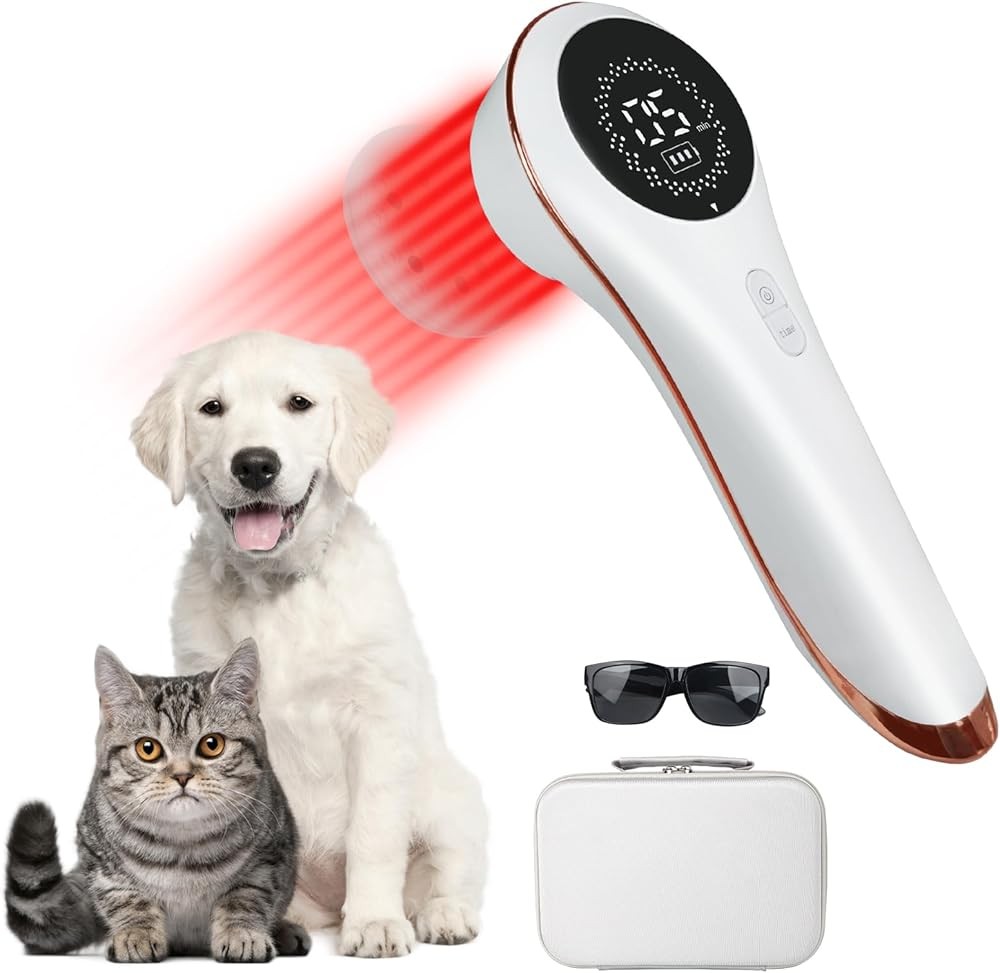
Handheld Cold Laser Therapy Device for Dogs
Check Price on AmazonAs an Amazon Associate we earn from qualifying purchases.
Handheld Cold Laser Therapy Device for Dogs Review
This budget-friendly handheld device delivers both 808nm and 650nm wavelengths used in veterinary LLLT studies at a price point that increases accessibility for home programs. The dual-wavelength capability provides the deep tissue penetration and surface options documented in research on diverse canine conditions, from arthritis to wound healing. The portable design supports the multi-site approaches shown effective in published protocols.
Power output specifications support delivery of therapeutic energy densities within reasonable times. While individual device specifications vary, appropriate dosing requires 1-4 J/cm² per point based on research protocols. The handheld format enables precise positioning over areas, addressing the need for consistent light delivery to affected tissues highlighted in photobiomodulation research. Area size determines session duration to achieve target energy densities.
The device cost enables earlier intervention for chronic conditions where research shows better outcomes with prompt initiation. A 2020 study on post-operative photobiomodulation demonstrated that early application following surgery improved healing outcomes compared to delayed intervention [9]. The lower price point removes financial barriers to starting home laser therapy protocols recommended by veterinarians.
Versatility supports the range of conditions documented in canine LLLT research. Studies cover osteoarthritis, wound healing, post-surgical recovery, soft tissue injuries, and dermatological conditions. The dual-wavelength capability enables appropriate wavelength selection based on tissue depth and goals. Research on different conditions uses varying protocols, requiring device flexibility to accommodate diverse parameters.
Rechargeable power eliminates ongoing battery costs while supporting the frequencies documented in research protocols. Studies showing efficacy for chronic conditions typically require 2-3 weekly sessions over 4-12 weeks, representing 8-36 total sessions per condition. Rechargeable devices maintain consistent power output across courses without the performance degradation that can occur with disposable batteries.
The practical takeaway: The combination of dual-wavelength capability and accessible pricing makes this device suitable for pet owners implementing veterinarian-recommended home laser therapy protocols, particularly when budget constraints might otherwise delay initiation.
Does Cold Laser Therapy Help Dogs After Surgery?
Post-operative photobiomodulation research demonstrates measurable improvements in wound healing, inflammation control, and recovery timelines. A 2024 study on photobiomodulation following elective gastropexy in dogs showed accelerated wound healing and reduced inflammation markers in groups receiving therapy compared to controls [14]. The cellular mechanisms promoting tissue repair—increased fibroblast activity, enhanced collagen synthesis, and improved microcirculation—directly address the physiological processes critical for post-surgical recovery.
Research protocols for post-operative LLLT typically begin within 24-48 hours of surgery, continuing through the initial healing phase. A 2020 investigation of perilesional photobiomodulation combined with physical rehabilitation documented faster functional recovery when laser therapy started in the immediate post-operative period [9]. Early intervention capitalizes on the inflammatory phase of wound healing when photobiomodulation shows the strongest anti-inflammatory effects.
Incision healing benefits from the enhanced epithelialization and reduced inflammation documented in LLLT research. Studies show accelerated wound closure rates, decreased edema, and reduced requirement for post-operative pain medications in dogs receiving laser therapy. The 650nm wavelength shows particular efficacy for superficial incisions, while 808nm addresses deeper tissue inflammation in surgical sites involving muscle or joint capsule disruption.
Orthopedic procedures demonstrate some of the strongest evidence for post-operative photobiomodulation benefits. Research on dogs undergoing cruciate ligament surgery, fracture repair, and joint surgeries documents improved range of motion, reduced limb circumference (indicating less swelling), and better functional outcomes when laser therapy supplements standard post-operative care. The combination with physical rehabilitation protocols shows synergistic effects beyond either intervention alone.
Parameters for post-surgical applications typically use lower energy densities than chronic condition protocols. Research employs 1-2 J/cm² for acute inflammation compared to 2-4 J/cm² for chronic arthritis. The reduced dosing addresses the heightened inflammatory response in fresh surgical sites while avoiding overstimulation that might impair normal healing processes. Frequency often starts daily or every other day, tapering as healing progresses. A mobility support harness can help dogs maintain activity levels during the post-surgical recovery period when combined with laser therapy.
What this means: Published veterinary research supports incorporating photobiomodulation into post-operative recovery protocols, with evidence showing accelerated healing, reduced inflammation, and improved functional outcomes when application begins early in the recovery period.
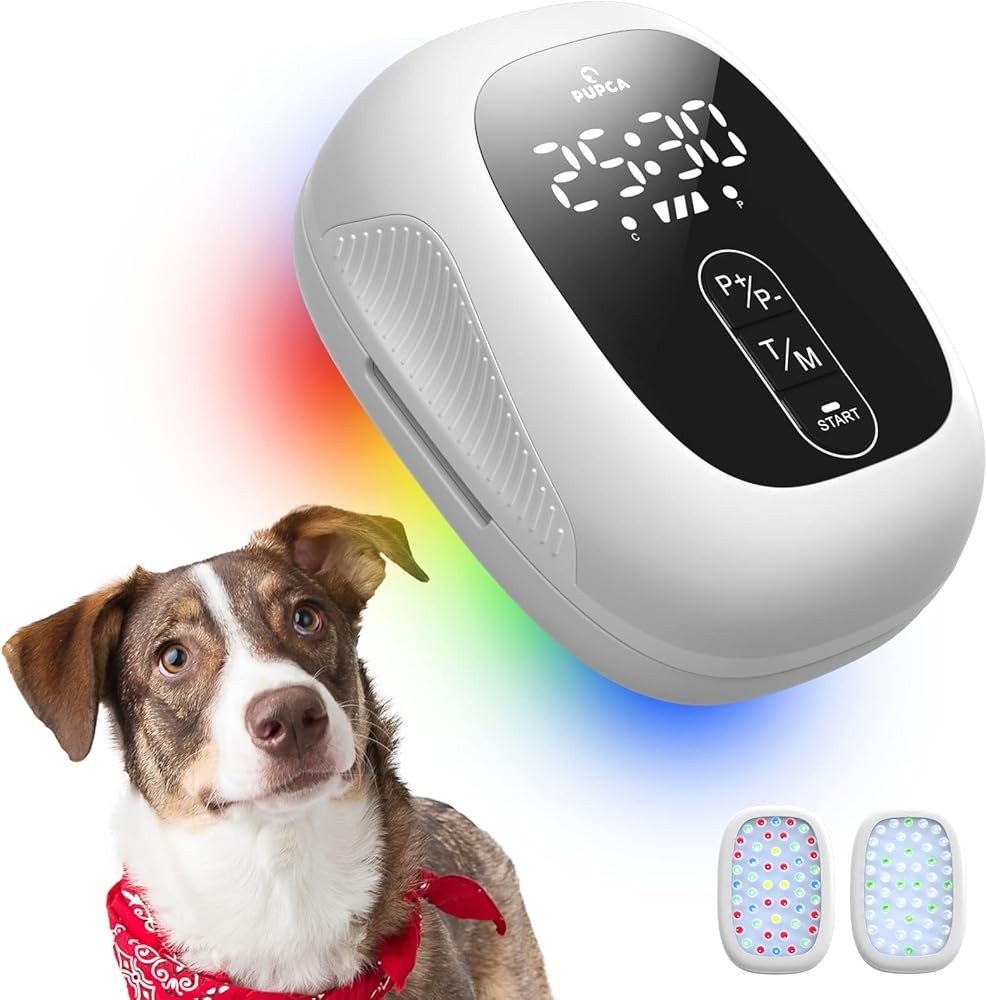
Red Light Therapy for Dogs Dual Head
Check Price on AmazonAs an Amazon Associate we earn from qualifying purchases.
Red Light Therapy for Dogs Dual Head Review
The dual head configuration provides simultaneous coverage of larger joint areas, reducing total time while maintaining the power densities documented in research protocols. For conditions like hip dysplasia or bilateral arthritis, the ability to work with both sides concurrently or cover larger joint surfaces in a single application improves efficiency. Studies on canine mobility impairment often involve multiple affected joints, making broader coverage capability clinically relevant [10].
Joint-specific design considerations address the anatomical challenges of delivering photobiomodulation to canine musculoskeletal structures. Hip joints require application through surrounding muscle and fascia, demanding adequate penetration depth. Shoulder joints involve complex soft tissue structures and multiple pain generators. The dual head design accommodates positioning over these anatomically complex regions while maintaining consistent contact for effective light delivery.
Coverage area directly impacts protocol feasibility for larger dogs or multiple affected joints. Research protocols for hip dysplasia may specify working with the joint capsule, surrounding musculature, and associated trigger points—an area that benefits from dual head capability. Single-head devices require more position changes to cover comparable areas, extending times beyond what many dogs will tolerate without sedation.
The focus on joint pain applications aligns with the strongest evidence base in veterinary LLLT research. Osteoarthritis studies constitute the majority of high-quality controlled trials, with documented improvements in objective mobility measurements, pain scores, and quality of life assessments. Devices optimized for joint application support evidence-based uses where research most clearly supports efficacy claims.
Red and infrared wavelength combination addresses the layered tissue structures involved in joint pathology. Surface inflammation in periarticular soft tissues responds to red wavelengths, while deeper joint capsule inflammation and subchondral bone changes require near-infrared penetration. The dual-wavelength approach matches the comprehensive strategy used in veterinary rehabilitation protocols that address all components of complex joint pain.
Bottom line: The dual head configuration directly addresses the coverage challenges documented in research on canine osteoarthritis and joint pain, providing efficient coverage of the anatomically complex regions where laser therapy shows the strongest evidence base.
Can Cold Laser Therapy Help Dogs With Hip Dysplasia?
Hip dysplasia represents a chronic degenerative condition where LLLT research shows potential for pain management and functional improvement. While photobiomodulation cannot reverse the structural hip abnormalities that define dysplasia, studies document reduced pain behaviors, improved weight-bearing, and enhanced mobility in dogs with hip osteoarthritis secondary to dysplasia [10]. The inflammatory component of hip dysplasia responds to the anti-inflammatory mechanisms of laser therapy.
Research protocols for hip work require adequate penetration depth through the muscle mass overlying the hip joint. Studies use 808nm or longer wavelengths to reach the joint capsule and femoral head, typically with higher power output or longer durations than for more superficial joints. The thickness of gluteal and tensor fasciae latae muscles in larger breeds necessitates appropriate wavelength and power selection to deliver therapeutic doses to target tissues.
Positioning addresses the anatomical accessibility challenges of the canine hip joint. Research protocols describe working from multiple approaches—lateral over the greater trochanter, caudal over the ischium, and ventral in the inguinal region—to ensure adequate light delivery to all affected structures. The need for multiple positions impacts protocol duration and device handling requirements for effective home therapy.
Pain patterns in hip dysplasia extend beyond the joint itself to include compensatory muscle tension and trigger points in the lumbar region and hind limb. Comprehensive LLLT protocols documented in research often work with both the primary joint and associated soft tissue pain generators. Studies combining laser therapy with physical rehabilitation show particular promise for addressing the complex musculoskeletal adaptations in dogs with chronic hip pain.
Long-term management strategies incorporate LLLT as one component of multimodal therapy. Research suggests laser therapy can reduce NSAID requirements in some dogs, potentially decreasing long-term medication side effects. However, studies do not support laser therapy as a standalone intervention for moderate to severe hip dysplasia, with best outcomes occurring when combined with appropriate weight management, physical rehabilitation, and veterinarian-prescribed medications as needed.
The research verdict: Published studies support incorporating photobiomodulation into hip dysplasia management for pain control and functional improvement, with strongest evidence when combined with weight management, physical rehabilitation, and appropriate medications in a comprehensive plan.
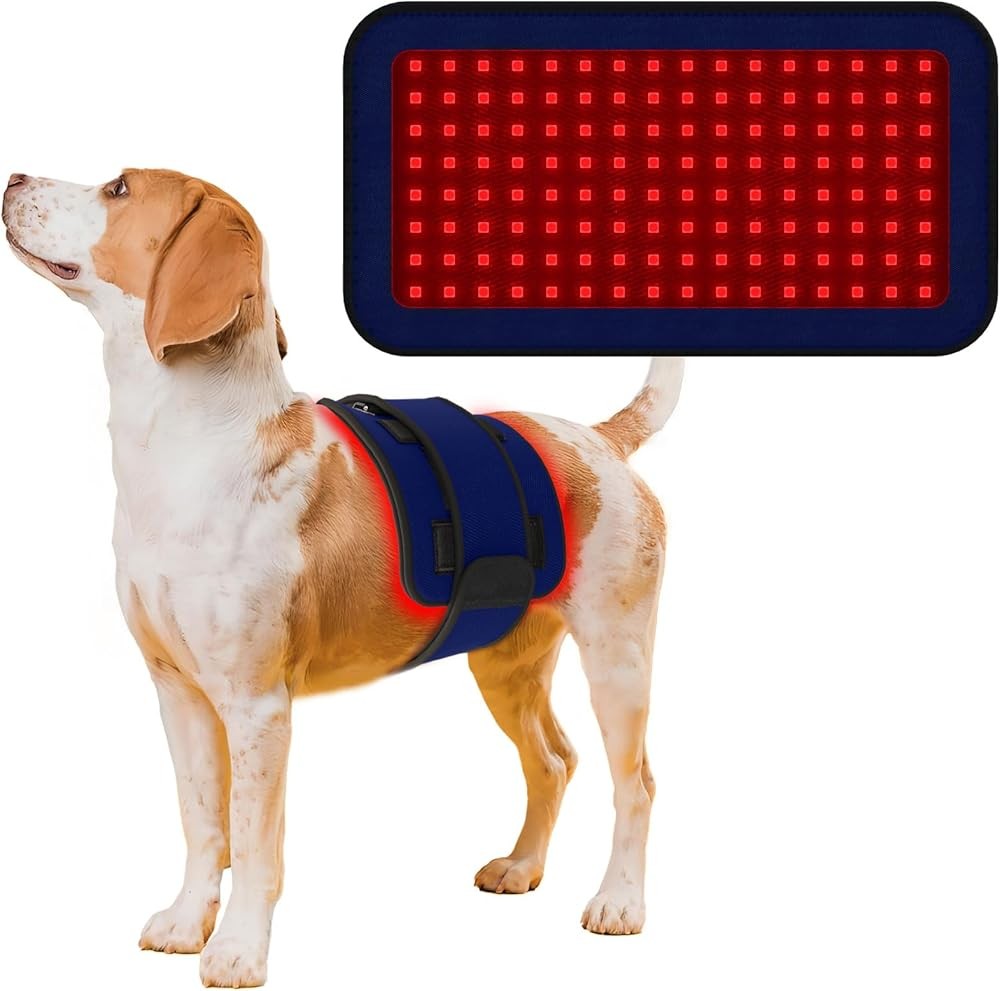
Red Infrared Light Therapy Belt for Pets
Check Price on AmazonAs an Amazon Associate we earn from qualifying purchases.
Red Infrared Light Therapy Belt for Pets Review
The wearable belt design addresses one of the key practical challenges in home photobiomodulation therapy—consistent positioning and contact with the area. Research protocols specify maintaining consistent light delivery to target tissues, but achieving this with handheld devices requires manual stabilization throughout sessions. The belt design eliminates positioning variability that can affect outcomes, particularly for the sustained durations shown effective in published trials.
Hands-free operation enables longer sessions matching the durations used in research protocols without fatigue or positioning drift. Studies documenting efficacy for chronic conditions often use 5-10 minute times per area, requiring sustained device placement that can challenge manual holding in some anatomical locations. The secured belt maintains consistent contact throughout the duration specified in evidence-based protocols.
Consistency represents a critical variable in LLLT research outcomes. Studies showing positive results use standardized protocols with consistent energy delivery across sessions. Home programs face challenges maintaining this consistency, with positioning variations potentially affecting light penetration and energy density. The belt design provides a standardization mechanism that supports protocol adherence matching research conditions.
The back and spine capability addresses conditions documented in veterinary research beyond arthritis. Studies cover intervertebral disc disease, post-surgical spinal recovery, and chronic back pain management. The belt configuration aligns with the positioning described in protocols for these conditions, providing coverage of paravertebral musculature and multiple spinal segments in a single setup.
Anatomical fit considerations impact effectiveness for different dog sizes and body conformations. The belt must maintain contact with areas across the range of canine body types, from the barrel chest of bulldogs to the deep chest of large breed dogs. Research protocols require consistent light delivery to target tissues, making proper fit essential for replicating the conditions shown effective in controlled trials.
Research takeaway: The wearable design directly addresses the consistency challenge highlighted in photobiomodulation research, providing standardized light delivery that supports protocol adherence and reduces the positioning variability that can affect home outcomes.
What Does Research Show About Cold Laser Therapy for Wound Healing in Dogs?
Wound healing research demonstrates some of the most consistent positive outcomes for LLLT across multiple tissue types and wound etiologies. Studies document accelerated epithelialization, enhanced granulation tissue formation, and improved tensile strength in laser-worked wounds compared to controls. The cellular mechanisms—increased fibroblast proliferation, enhanced collagen synthesis, and improved angiogenesis—directly support the wound healing cascade documented in research on both acute and chronic wounds [2].
Acute wound protocols typically use 650nm wavelength for superficial penetration to the wound bed, with energy densities of 1-2 J/cm². Research shows application beginning within 24-48 hours of injury produces the strongest effects on healing rate. Daily or every-other-day sessions during the initial inflammatory and proliferative phases show better outcomes than less frequent protocols. Studies document wound closure rates 20-40% faster in laser groups compared to standard wound care alone.
Chronic or slow-healing wounds benefit from the enhanced cellular activity and improved blood flow documented in LLLT research. Conditions like pressure sores, lick granulomas, and wounds complicated by poor circulation show improved healing when laser therapy supplements standard wound management. Fish oil supplements providing omega-3 fatty acids can support skin health and wound healing alongside photobiomodulation protocols. A 2020 study on perilesional photobiomodulation combined with wound care documented significant improvements in healing rates and tissue quality [9].
Post-surgical incision healing represents a specific wound healing application with strong research support. Studies on various surgical procedures document reduced inflammation, decreased pain scores, and faster return to function when LLLT begins in the immediate post-operative period. The combination of anti-inflammatory effects and enhanced tissue repair mechanisms addresses both symptom management and healing optimization. The 2024 study on gastropexy recovery showed measurable improvements in multiple healing parameters with post-operative laser therapy [14].
Parameters for wound healing differ from those for chronic pain conditions. Wound protocols often use lower energy densities (1-2 J/cm² versus 2-4 J/cm² for arthritis) but higher frequencies (daily versus 2-3 times weekly). The acute inflammatory response in wounds requires modulation rather than suppression, with photobiomodulation helping normalize rather than maximize inflammatory processes. Appropriate dosing avoids both inadequate stimulation and excessive response that might impair healing.
Infection risk remains a consideration in wound management, though research shows LLLT does not increase infection rates when combined with appropriate wound care. Some in vitro studies suggest antimicrobial effects of specific wavelengths, though clinical evidence for this effect in veterinary wounds remains limited. Standard wound cleaning and infection monitoring remain essential components of comprehensive wound care protocols that include laser therapy.
What this means: Wound healing represents one of the strongest evidence areas for veterinary LLLT, with research documenting accelerated healing rates, improved tissue quality, and enhanced functional recovery when photobiomodulation supplements standard wound care protocols.
How Does Cold Laser Therapy Compare to Red Light Therapy for Dogs?
The terminology distinction between “cold laser therapy” and “red light therapy” often causes confusion, as both employ photobiomodulation mechanisms using specific wavelengths of light. True laser devices produce coherent, collimated light from a single wavelength source, while LED-based red light therapy devices produce non-coherent light across a broader wavelength spectrum. Research comparing these modalities shows that therapeutic effects depend more on wavelength, power density, and energy delivery than on coherence properties [1].
Clinical veterinary studies use both laser and LED devices with comparable outcomes when wavelength and dosing parameters match. The photobiomodulation mechanisms—mitochondrial stimulation, inflammatory modulation, and enhanced cellular metabolism—respond to photon absorption regardless of coherence. A 2023 systematic review found evidence supporting both laser and LED photobiomodulation for various veterinary applications [6].
Penetration depth depends primarily on wavelength rather than whether light is coherent. Both laser and LED devices at 808nm penetrate 2-4cm into tissue, while 650nm wavelengths from either source reach 0.5-2cm depth. The critical variable is delivering adequate power density to target tissues—a function of device output and area size. Some laser devices achieve higher power densities in smaller areas, while LED arrays may provide broader coverage at lower intensities.
Coverage area represents one practical distinction between device types. Laser devices typically work smaller areas with higher power density, requiring multiple positions for large joints or extensive conditions. LED panels or arrays provide broader coverage but may require longer times to deliver equivalent energy densities. Research protocols using either modality adjust parameters to achieve target energy doses at tissue depth.
Safety considerations differ slightly between true lasers and LEDs. Laser devices require more stringent eye protection due to focused beam intensity, while LED arrays present lower risk of ocular injury from scattered light. Both modalities require appropriate safety protocols, but laser classification and safety requirements may be more restrictive. For pet applications, protective covers and responsible positioning practices apply to both device types.
Cost and accessibility vary between laser and LED devices, potentially affecting access. True laser devices often carry higher price points, while LED-based options may offer more budget-friendly entry to photobiomodulation therapy. Research supports therapeutic effects from both modalities when appropriate parameters are used, making device selection more dependent on specific application, area requirements, and practical considerations than on coherence properties.
The practical takeaway: Published research supports therapeutic benefits from both laser and LED photobiomodulation devices when wavelength, power density, and protocols match evidence-based parameters, with device selection depending more on specific goals and practical considerations than on coherence properties.
Can Cold Laser Therapy Help With Cognitive Function in Dogs?
Emerging research on transcranial photobiomodulation documents intriguing effects on cognitive function in dogs with cognitive dysfunction syndrome. A 2024 study demonstrated that transcranial laser therapy improved cognitive test scores in dogs with naturally occurring cognitive impairment, representing the first controlled trial of this application in veterinary medicine [7]. The findings extend human research on photobiomodulation for neurodegenerative conditions into canine applications.
The mechanisms proposed for cognitive effects involve enhanced mitochondrial function in neurons, improved cerebral blood flow, and modulation of inflammatory processes affecting brain tissue. A 2022 review of transcranial photobiomodulation for cognitive impairment outlined the cellular and vascular mechanisms that might explain observed improvements in memory, learning, and executive function [5]. The research base in humans provides mechanistic support for the emerging veterinary applications.
Protocols for cognitive applications differ from musculoskeletal protocols in positioning and parameters. Transcranial delivery requires positioning over skull areas with thinner bone coverage to maximize light penetration to brain tissue. Studies use near-infrared wavelengths (typically 808-850nm) for maximum skull penetration, with durations and frequencies designed to accumulate sufficient brain tissue doses over multiple sessions.
Cognitive testing in research trials uses validated canine cognitive assessment tools to measure effects. The 2024 study employed standardized behavioral tests assessing memory, learning, and problem-solving abilities, documenting measurable improvements in laser groups compared to controls [7]. Owner reports of daily function changes supplemented objective testing, showing improvements in orientation, interaction, and activity patterns.
The application remains relatively new in veterinary medicine, with ongoing research needed to establish optimal protocols, long-term effects, and patient selection criteria. The published studies represent early-stage evidence requiring replication in larger populations and longer follow-up periods. However, the non-invasive nature and strong safety profile of photobiomodulation support continued investigation of cognitive applications, particularly for senior dogs with declining mental function. An orthopedic dog bed provides supportive rest between laser sessions for senior dogs managing both cognitive and physical decline.
Current evidence suggests transcranial photobiomodulation represents a promising avenue for managing canine cognitive dysfunction, with the first controlled trial showing measurable benefits. Pet owners interested in this application should consult with veterinarians familiar with the emerging research and appropriate protocols. The field will likely expand as more studies characterize optimal parameters and long-term outcomes.
The research finding: Emerging research documents cognitive improvements in dogs receiving transcranial photobiomodulation, though the application remains relatively new in veterinary medicine with ongoing studies needed to establish standardized protocols and define patient populations most likely to benefit.
What Should You Look for in a Home Cold Laser Therapy Device?
Wavelength selection represents the primary technical specification determining therapeutic applications. Devices with 650nm wavelength address superficial conditions like wounds, skin issues, and surface soft tissue injuries. The 808nm wavelength penetrates deeper for joint pain, arthritis, and conditions requiring tissue penetration beyond 2cm. Dual-wavelength devices provide the versatility to address the range of conditions documented in veterinary research, from surface wounds to deep joint inflammation [1].
Power output determines time required to deliver therapeutic energy densities. Research protocols typically use 1-4 J/cm², with the time to reach target dose depending on device power and area size. Higher power devices can deliver target doses in shorter sessions, improving protocol feasibility for dogs with limited tolerance for restraint. However, appropriate dosing requires matching power output to area—excessive power density can produce adverse effects while inadequate output requires impractically long times.
Coverage area affects protocol efficiency for conditions involving multiple sites or large joints. Larger coverage areas reduce time for extensive conditions, but may sacrifice power density requiring longer sessions to achieve target energy doses. The tradeoff between coverage and intensity depends on specific needs—point work on small areas like carpus joints versus broader coverage for hip dysplasia or spinal conditions.
Battery life and power source reliability matter for sustained courses. Research showing efficacy for chronic conditions requires 8-36 sessions over 4-12 weeks. Devices must maintain consistent output across this course without performance degradation. Rechargeable batteries eliminate ongoing costs and environmental impact of disposables, while adequate capacity supports multiple sessions between charges.
Safety features including protective covers, automatic shutoffs, and appropriate power limits help avoid misuse risks. Eye protection recommendations in clinical guidelines apply to home devices, making shields or covers that block direct viewing of light sources important safety considerations. User-friendly controls help avoid accidental overdosing or inappropriate parameter selection by owners without technical training.
Documentation and research support for specific device parameters provide confidence that specifications match those used in published studies. Devices marketed with specific energy density outputs, time recommendations, and wavelength specifications enable protocol replication from research literature. Absence of technical specifications makes it impossible to verify whether a device delivers therapeutic parameters documented in controlled trials.
Cost considerations must balance against frequency and duration requirements. A device used 2-3 times weekly for 12 weeks represents an investment in long-term chronic condition management. Budget-friendly options enable earlier intervention, potentially improving outcomes by starting therapy promptly when conditions first develop. However, the most expensive device may include features beyond those needed for specific applications. Matching device capabilities to intended use optimizes cost-effectiveness for individual needs while ensuring adequate specifications for evidence-based protocols.
The research verdict: Wavelength selection, adequate power output for reasonable times, reliable performance across extended courses, and specifications matching published research parameters represent the critical selection criteria for devices intended to replicate protocols documented in veterinary literature.
Does Cold Laser Therapy Work for Dog Dental Conditions?
Dental applications of photobiomodulation show promise in emerging veterinary research, with studies documenting anti-inflammatory effects and improved healing following dental procedures. A 2024 investigation of photobiomodulation therapy effects on inflammation following dental prophylaxis in dogs demonstrated significant reductions in inflammatory markers in groups receiving therapy compared to controls [3]. The findings extend human dental LLLT research into veterinary applications.
Periodontal disease management represents the primary dental application studied in veterinary research. The anti-inflammatory mechanisms of photobiomodulation—reduced prostaglandin production, modulated cytokine expression, and improved microcirculation—address the inflammatory processes driving periodontal tissue destruction. Studies show reduced gingival inflammation scores and improved periodontal probing depths when laser therapy supplements professional dental cleaning and home care.
Post-extraction healing benefits from the enhanced wound healing mechanisms documented in LLLT research. The cellular responses promoting tissue repair—increased fibroblast activity, enhanced collagen synthesis, and improved angiogenesis—accelerate socket healing and reduce post-operative discomfort. Research protocols typically begin laser application immediately after extraction, continuing through the initial healing phase to optimize tissue repair.
Oral ulcers and mucosal lesions respond to the wound healing and pain-reducing effects of photobiomodulation. Studies in human dentistry document faster healing of aphthous ulcers and reduced pain with LLLT, with veterinary research beginning to explore similar applications for canine oral lesions. The 650nm wavelength shows particular relevance for superficial mucosal conditions.
Positioning challenges include accessing all dental quadrants and maintaining appropriate distance from target tissues in the confined oral cavity. Research protocols describe work from both intraoral and extraoral approaches depending on specific conditions. Intraoral positioning requires devices sized for placement in canine mouths across different breed sizes, while extraoral work through cheek tissue must account for light attenuation through overlying soft tissue.
The dental application field remains less developed than musculoskeletal research, with fewer controlled trials and less standardized protocols. However, the mechanisms of action that support efficacy in other inflammatory and wound healing applications apply to dental conditions, providing mechanistic rationale for continued investigation. Pet owners interested in dental LLLT applications should work with veterinary dentists familiar with the emerging research.
Key takeaway: Emerging research documents anti-inflammatory and wound healing benefits of photobiomodulation for canine dental conditions, particularly following professional dental procedures, though the application field remains less developed than musculoskeletal research with protocols still being optimized.
How to Use Cold Laser Therapy at Home for Your Dog
Protocol development should begin with veterinary consultation to identify appropriate targets and establish baseline functional measures. Research protocols specify parameters based on condition type, severity, and goals. A veterinarian familiar with photobiomodulation therapy can provide guidance matching your dog’s specific situation to published approaches.
Initial sessions should follow conservative parameters to assess individual tolerance and response. Research protocols typically start with 1-2 J/cm² energy densities at affected sites, observing for both positive responses and any adverse reactions. Most studies report excellent tolerance with minimal side effects, but individual variation warrants cautious protocol initiation. Recording baseline pain scores, activity levels, and mobility measures enables objective assessment of effects.
Positioning requires consistent contact between device and area throughout the session. Research emphasizes maintaining appropriate distance and angle to target tissues, with perpendicular positioning to skin surface providing optimal light delivery. For joint work, protocols describe working the joint from multiple approaches to ensure adequate light reaches all affected structures. Written protocols documenting positions, durations, and energy settings support consistency across sessions.
Session frequency and duration should match the parameters used in research for specific conditions. Acute conditions and wound healing typically use daily or every-other-day sessions during the initial phase, while chronic arthritis protocols employ 2-3 weekly sessions. Courses range from 2-3 weeks for acute issues to 12+ weeks for chronic degenerative conditions. The cumulative dose over multiple sessions produces therapeutic effects, making protocol completion important for optimal outcomes.
Safety precautions include eye protection during sessions, avoiding direct viewing of light sources, and following manufacturer guidelines for power settings and durations. Research protocols specify maximum safe energy densities to avoid thermal effects or cellular overstimulation. Protective covers or shields avoid direct ocular exposure to laser light. Working the same area should not exceed manufacturer and research-based recommendations, as excessive dosing can impair rather than enhance cellular responses.
Response monitoring combines objective measures like gait analysis, activity tracking with a GPS health collar, and pain scoring scales with subjective owner observations. Research trials use validated outcome measures to assess effects, and home protocols benefit from similar documentation. Lack of improvement after 2-3 weeks of consistent work at appropriate parameters warrants protocol review with your veterinarian. Some conditions show faster response while others require 4-6 weeks for measurable improvements.
Integration with other therapies follows the multimodal approach shown most effective in research. Studies combining LLLT with physical rehabilitation, appropriate medications, weight management, and other evidence-based interventions document better outcomes than single-modality approaches. Laser therapy complements rather than substitutes other components of comprehensive care plans for chronic conditions.
The practical takeaway: Successful home photobiomodulation therapy requires veterinary guidance on appropriate protocols, consistent delivery matching research parameters, careful response monitoring, and integration into comprehensive care plans that address all aspects of complex chronic conditions.
What Conditions Should Not Be Addressed With Cold Laser Therapy?
Research identifies specific contraindications where photobiomodulation may pose risks or lacks evidence supporting safe use. Malignant tumors represent the primary absolute contraindication, as cellular stimulation mechanisms that promote healing might theoretically enhance tumor cell proliferation. While research does not document laser therapy causing cancer or accelerating malignant growth, the theoretical risk leads to recommendations against use over known or suspected tumors [1].
Active infections in areas require consideration, though evidence on this contraindication remains mixed. Some research suggests antimicrobial properties of specific wavelengths, while theoretical concerns about enhanced bacterial growth from cellular stimulation exist. Clinical practice typically recommends addressing active infections with appropriate antimicrobials before initiating laser therapy, then using photobiomodulation to support healing once infection is controlled.
Pregnancy represents a relative contraindication due to lack of research on fetal effects of photobiomodulation exposure. While no evidence documents harm to developing fetuses, the absence of safety data leads to conservative recommendations against working with pregnant dogs, particularly with exposure to the abdominal/pelvic region. The risk-benefit calculation favors avoiding exposure when safety data is lacking.
Photosensitive conditions or medications that increase light sensitivity require caution with photobiomodulation therapy. Some medications used in veterinary practice can increase cellular sensitivity to light exposure, potentially altering therapeutic parameters or increasing adverse reaction risk. Dogs with known photosensitivity conditions should receive laser therapy only under veterinary supervision with appropriate protocol modifications. If your dog has food allergies or skin sensitivities, discuss potential interactions with your veterinarian before starting laser therapy.
Areas over growth plates in young dogs require conservative approach due to theoretical concerns about altered bone development. While research does not document growth abnormalities from LLLT, the lack of studies specifically examining effects on actively growing bone leads to recommendations for caution when working with young dogs with open growth plates. Application to other areas in puppies may be appropriate when benefits outweigh theoretical risks.
Thyroid region work warrants consideration due to the gland’s location and potential sensitivity to stimulation. Some protocols recommend avoiding direct work over thyroid tissue, though evidence documenting adverse effects is limited. For conditions requiring neck work, consultation with a veterinarian familiar with photobiomodulation therapy can help determine appropriate positioning to minimize thyroid exposure while working target tissues.
Acute hemorrhage represents a temporary contraindication until bleeding is controlled. The vasodilation effects of photobiomodulation theoretically could impair hemostasis in actively bleeding tissues. Once hemorrhage is controlled through appropriate interventions, laser therapy may support healing processes in recovering tissue.
What this means: While photobiomodulation shows excellent safety profiles in published research with minimal reported adverse effects, specific contraindications based on theoretical risks and lack of safety data warrant conservative approaches for certain conditions, with veterinary consultation guiding risk-benefit assessments.
Frequently Asked Questions
Is cold laser therapy safe for dogs?
Published veterinary research shows LLLT is non-invasive with minimal reported side effects. Studies used power densities between 1-4 J/cm² without adverse events, though eye protection is recommended during sessions.
How long does each cold laser session last for dogs?
Most veterinary protocols use 1-10 minute sessions per area, depending on the condition and device power output. Chronic conditions like arthritis typically require longer courses.
Can cold laser therapy work alongside medication for dog arthritis?
Research suggests LLLT may complement veterinary-prescribed medications. Some studies show reduced NSAID dependence when laser therapy is added to comprehensive care plans.
How often should I use cold laser therapy on my dog?
Veterinary protocols typically recommend 2-3 sessions per week for the first 2-4 weeks, then reducing to maintenance frequency. Always follow your veterinarian’s guidance for your dog’s specific condition.
What wavelength is best for dog cold laser therapy?
Research shows 808nm penetrates deeper for joint conditions while 650nm targets surface tissue. Dual-wavelength devices combining both are most versatile for home use.
How long before I see results from cold laser therapy on my dog?
Studies report improvements in mobility and pain scores within 2-4 weeks of consistent application. Some acute conditions may respond faster while chronic arthritis requires longer courses.
Can I use a human cold laser device on my dog?
Many LLLT devices work on the same photobiomodulation principles for both species. However, pet-specific devices often include features like protective covers and appropriate power settings for animal use.
Does cold laser therapy work for post-surgery recovery in dogs?
Veterinary research shows LLLT can accelerate wound healing and reduce inflammation after surgical procedures. Studies document faster tissue repair and improved outcomes when laser therapy is added to post-operative care.
What conditions can cold laser therapy help with in dogs?
Published research covers arthritis, hip dysplasia, wound healing, post-surgical recovery, soft tissue injuries, and chronic pain. The strongest evidence supports use for osteoarthritis and wound healing.
Is cold laser therapy painful for dogs?
LLLT is non-invasive and painless. Most dogs tolerate sessions well, with some showing signs of relaxation. The low-level laser does not generate heat that would cause discomfort.
Related Reading
Recommended Products