Best Dog Anxiety Vests and Calming Wraps
Summarized from peer-reviewed research indexed in PubMed. See citations below.
Dogs experiencing anxiety from thunderstorms, fireworks, or separation struggle with trembling, panting, destructive behavior, and chronic stress that affects their health and quality of life. The ThunderShirt Classic for Dogs Medium (B0029PYC3K) applies gentle, consistent pressure using a patented wrap design that activates calming responses in the nervous system, priced at $47. Published research demonstrates that properly fitted pressure wraps may reduce heart rate, anxiety behaviors, and stress indicators in dogs through a mechanism similar to swaddling in infants, which stimulates the parasympathetic nervous system. For budget-conscious owners, the Dog Anxiety Vest Skin-Friendly (B0DM5SXTBK) offers similar pressure therapy benefits at $17 with positive owner reviews. Here’s what the published research shows about how anxiety vests work, which dogs respond best, and how to select the right option for your pet.
Disclosure: We may earn a commission from links on this page at no extra cost to you. Affiliate relationships never influence our ratings. Full policy →


Noise fears represent one of the most prevalent behavioral problems in dogs, with research indicating that between 25 and 50 percent of the pet dog population experiences noise-related anxiety. Fireworks trigger the most common responses, followed by thunder and gunshots. A systematic review analyzing compression wraps as anxiolytic interventions in domesticated dogs found that only four studies met rigorous inclusion criteria out of 229 initially identified, reflecting the limited but growing body of scientific evidence.
| Product | Best For | Key Features | Price Range | Size Range |
|---|---|---|---|---|
| ThunderShirt Classic Medium | Overall daily use | Patented pressure design, drug-free, washable | $45-50 | 26-40 lbs |
| Dog Anxiety Vest Skin-Friendly | Budget buyers | Adjustable straps, breathable mesh, affordable | $15-20 | Multiple sizes |
| ThunderShirt Sport Platinum | Active or outdoor dogs | Moisture-wicking, lightweight, reflective trim | $45-55 | 50-110 lbs |
| ThunderShirt Classic Large | Large breed dogs | Same proven design, extended size range | $45-50 | 50-110 lbs |
| Dog Anxiety Vest with Hood | Noise-phobic dogs | Hood blocks stimuli, full-body coverage | $18-22 | Adjustable fit |
How Do Anxiety Vests Work for Dogs?
Anxiety vests apply gentle, consistent pressure to a dog’s torso and chest, creating a calming effect through a mechanism known as deep pressure stimulation. This technique interacts directly with the nervous system, specifically influencing the parasympathetic nervous system, which controls the rest-and-digest response that counteracts the fight-or-flight activation during stressful situations.
When sustained pressure is applied to the body, it activates pressure receptors in the skin and deeper tissues. These receptors send signals through the nervous system that stimulate vagus nerve activity. The vagus nerve serves as a crucial component of the parasympathetic nervous system. By activating this system, deep pressure therapy helps counteract the fight-or-flight response, reducing cortisol while boosting feel-good hormones like dopamine and serotonin.
Research demonstrates that vagus nerve stimulation naturally slows heart rate and reduces blood pressure. King and colleagues in 2014 found that anxious dogs had significantly lower average heart rate and a smaller increase in heart rate when wearing a properly fitted ThunderShirt compared to those wearing a loose wrap or no wrap at all. The study involved 90 dogs diagnosed with Generalized Anxiety Disorder or Separation Anxiety and measured physiological responses during isolation in a training facility.
The pressure applied by anxiety vests is comparable to swaddling techniques used with infants. Just as swaddling provides security and reduces startle responses in newborns, pressure wraps may create a similar sense of security in dogs. The consistent, gentle compression throughout the torso appears to provide proprioceptive feedback that helps some dogs feel more grounded and less reactive to environmental stressors.
However, individual responses vary considerably. While some dogs show immediate calming within 5 to 15 minutes of vest application, others demonstrate minimal or no behavioral change. The variation in response likely reflects differences in the underlying causes of anxiety, individual temperament, prior experiences, and the specific anxiety-inducing situation.
Understanding that pressure wraps work through nervous system modulation rather than mechanical restraint is crucial. The vest should never be so tight that it restricts breathing or movement. The therapeutic effect comes from sustained, gentle pressure across acupressure points and the ribcage, not from physical confinement.
Bottom line: Anxiety vests apply gentle pressure that activates the parasympathetic nervous system through vagus nerve stimulation, creating physiological changes including reduced heart rate and cortisol levels in responsive dogs.
What Does the Research Say About Dog Anxiety Wraps?
The scientific literature on dog anxiety wraps presents mixed results, with some studies showing promising effects and others finding minimal benefit. A 2024 systematic review published in PMC examined the efficacy of compression wraps as anxiolytic interventions in domesticated dogs. Out of 229 studies initially identified, only four met the inclusion criteria for rigorous analysis, highlighting the limited but evolving evidence base.
Cottam and colleagues conducted an open-label trial in 2013 examining the effectiveness of the Anxiety Wrap for dogs with thunderstorm phobia. The study included 18 dogs and used owner-reported anxiety scores during thunderstorm activity. Results showed that mean anxiety scores on the fifth use of the Anxiety Wrap were 47 percent lower than baseline anxiety scores. Most owners (89 percent) reported that the pressure wrap was at least partially effective in managing their dogs’ thunderstorm phobia, and 80 percent of owners indicated they would continue using the product after the trial ended.
The King study from 2014 provides the most detailed physiological data. Researchers measured heart rate and behavior in 90 dogs diagnosed with either Generalized Anxiety Disorder or Separation Anxiety. Dogs wearing a ThunderShirt fitted according to manufacturer specifications showed significantly lower average heart rate and reduced maximum heart rate compared to controls. Additionally, these dogs displayed decreased visual orientation toward the door when separated from owners, along with trending reductions in yawning and tongue-flicking, both recognized stress behaviors in canines.
A subsequent study by Pekkin and colleagues in 2016 examined pressure vests in noise-phobic dogs but did not find a clear therapeutic effect. However, results indicated the pressure vest might reduce the acute stress reaction and speed recovery after stress exposure. This suggests potential benefits even when anxiety is not fully eliminated.
The systematic review authors noted several methodological concerns across the existing studies. Only one of the four studies measured and standardized the pressure exerted by the vests. The others reported fitting the vests firmly in accordance with manufacturers’ instructions but did not quantify the actual pressure applied. This variation makes it difficult to compare results across studies or determine optimal pressure levels.
Duration of anxiety-inducing stimuli also varied considerably. Studies using recorded loud noises presented the stimulus for only two to three minutes. Another study evaluating separation anxiety relied on separating dogs from owners for a relatively short 15-minute period. These durations may not accurately mimic real-world experiences in home environments where storms can last hours or separation extends throughout a workday.
The systematic review concluded there is weak and limited evidence supporting the beneficial effect of pressure wraps in reducing physiological or behavioral signs of anxiety, with low confidence in the available literature due to moderate-to-high risks of bias and inconsistent findings. However, the authors acknowledged that the absence of strong evidence does not equate to evidence of absence, particularly given the small number of well-designed studies.
Additional research examining treatment effectiveness for firework fears found that owners using multiple interventions, including pressure wraps combined with behavior modification and environmental management, reported better outcomes than those relying on single-intervention approaches. This suggests pressure wraps may function best as one component within a comprehensive anxiety management program.
Large-scale questionnaire studies have demonstrated that the number of positive experiences during the socialization period was strongly associated with lower noise fears in adult dogs. This finding emphasizes that early exposure during socialization remains the most effective strategy, though pressure wraps may still provide symptom relief for dogs that have already developed anxiety.
Bottom line: Published research shows pressure wraps may reduce heart rate and anxiety behaviors in some dogs, particularly when properly fitted and used as part of a multimodal treatment approach, though evidence quality remains limited and individual responses vary.
Which Types of Anxiety Respond Best to Pressure Wraps?
Research and clinical experience suggest that pressure wraps demonstrate the most consistent effects for specific anxiety subtypes, particularly noise-related phobias. Dogs experiencing fear of thunderstorms, fireworks, or other loud environmental sounds appear to be the best candidates for pressure wrap intervention based on owner surveys and observational studies.
Noise phobias typically manifest as acute, predictable episodes rather than chronic, generalized anxiety. This episodic pattern allows owners to apply the pressure wrap in anticipation of the triggering event, maximizing the potential benefit. The Cottam 2013 study specifically examined thunderstorm phobia and found 89 percent of owners reported at least partial effectiveness, with nearly half of the dogs showing anxiety score reductions of 47 percent or greater after repeated use.
For firework-related fears, which affect approximately 52 percent of dogs according to large-scale surveys, pressure wraps offer a non-pharmaceutical option that can be combined with other management strategies. The majority of fearful dogs recover by the next morning following firework exposure, but 12 percent require up to one week for recovery, and over 3 percent need several weeks or months. Pressure wraps may help accelerate this recovery period by reducing the acute stress reaction during the event.
Separation anxiety presents a more complex challenge. The King 2014 study included dogs diagnosed with separation anxiety and found that properly fitted pressure wraps reduced heart rate and stress behaviors during brief isolation periods. However, separation anxiety typically involves chronic distress triggered by owner departure cues and prolonged absence, making it less amenable to the episodic intervention model that works well for noise phobias.
Veterinary behaviorists generally recommend using pressure wraps for separation anxiety only as an adjunct to comprehensive behavior modification programs. These programs include systematic desensitization to departure cues, counter-conditioning exercises, environmental enrichment, and potentially pharmaceutical support. The wrap alone rarely resolves separation anxiety but may reduce physiological arousal during training exercises.
Research on separation anxiety has identified four main forms of distress in dogs when separated from owners: focus on getting away from something in the house, wanting to get to something outside, reacting to external noises or events, and a form of boredom. Pressure wraps appear most likely to help dogs in the first three categories, where arousal and panic responses dominate, rather than boredom-driven behaviors.
Generalized anxiety disorder in dogs involves pervasive fear and hypervigilance across multiple contexts rather than specific triggers. While the King study included dogs with this diagnosis and found physiological benefits, clinical outcomes for generalized anxiety typically require more intensive intervention including behavior modification, environmental management, and often medication. Pressure wraps may reduce overall arousal levels but rarely serve as standalone treatment.
Situational anxiety related to veterinary visits, car travel, or grooming may also respond to pressure wraps. These contexts share features with noise phobias in that they are predictable, time-limited, and involve acute arousal. Anecdotal reports from owners and groomers suggest some dogs appear calmer during these situations when wearing pressure wraps, though formal research in these contexts remains limited.
Dogs with aggression-related anxiety represent a special consideration. While anxiety often underlies aggressive displays, particularly fear-based aggression, pressure wraps should not be considered a primary intervention. Aggression requires professional behavioral assessment and carefully designed modification programs. Using a pressure wrap without addressing underlying triggers and reinforcement patterns could potentially suppress warning signals without resolving the emotional state, creating safety risks.
Age appears to influence treatment response. Young dogs in their first year of life show higher rates of noise fear development, with the majority developing firework fears during this period. Early intervention with pressure wraps during the initial anxiety episodes may help reduce fear escalation, though gradual, positive exposure during socialization periods remains more effective.
Senior dogs may also benefit from pressure wraps, particularly those developing noise sensitivities as hearing changes or cognitive decline progresses. However, older dogs may have concurrent medical conditions that affect their comfort when wearing a wrap, such as arthritis or skin sensitivity. Individual assessment becomes especially important in geriatric cases.
Bottom line: Pressure wraps show the most consistent benefit for noise-related phobias like thunderstorm and firework fears, with more variable results for separation anxiety and generalized anxiety that typically require comprehensive behavior modification programs.
How Should You Size and Fit a Dog Anxiety Vest?
Proper sizing and fit are critical determinants of whether a pressure wrap will provide therapeutic benefit or cause discomfort and increased anxiety. Manufacturers typically provide size charts based on weight and chest girth measurements, but individual body proportions vary considerably across breeds and even within breed populations.
Start by measuring your dog’s chest at the widest point, which is typically located just behind the front legs. Use a flexible measuring tape and position it snugly but not tightly around the ribcage. Record the measurement in inches. This chest girth measurement serves as the primary sizing criterion for most anxiety vest brands.
ThunderShirt, the most widely studied brand, offers six sizes ranging from Extra Small to XXL. The size chart correlates weight ranges with chest measurements: Extra Small fits 5-15 pounds with 8-18 inch chest girth, Small fits 15-25 pounds with 13-23 inch girth, Medium fits 26-40 pounds with 16-26 inch girth, Large fits 41-64 pounds with 20-32 inch girth, XL fits 65-110 pounds with 24-37 inch girth, and XXL accommodates dogs over 110 pounds with chest girth exceeding 37 inches.
When in doubt between two sizes, most manufacturers recommend selecting the larger size and using the adjustable straps to achieve proper snugness. A vest that is too small cannot be adequately adjusted and may cause restriction, breathing difficulty, or skin irritation. Conversely, a too-large vest can be tightened to provide appropriate pressure in most cases.
After putting the vest on your dog, assess the fit by attempting to slide two fingers between the fabric and your dog’s body at several locations including the chest, sides, and back. You should be able to insert two fingers with slight resistance but not easily slide your entire hand underneath. This two-finger rule provides a practical gauge for appropriate pressure without restriction.
Observe your dog’s breathing pattern while wearing the vest. Normal, comfortable breathing should continue without any straining, rapid panting, or attempts to remove the vest. If your dog shows signs of respiratory distress, remove the vest immediately and reassess the size and adjustment.
Check that the vest does not restrict movement of the front legs. Your dog should be able to walk, sit, and lie down normally without the vest shifting position or interfering with natural range of motion. Some initial awkwardness as the dog acclimates to wearing the garment is normal, but ongoing movement restriction indicates improper fit.
The ThunderShirt design incorporates a patented wrapping system that applies pressure around the chest and across the shoulders and back. The fabric wraps around the torso and secures with adjustable closures. This design allows for customized pressure distribution, but proper wrapping technique is essential. Follow the manufacturer’s instructions carefully, ensuring that each layer overlaps correctly and the closures engage securely.
Generic or budget anxiety vests may use simpler designs with fewer adjustment points. While these can still provide therapeutic pressure, they may offer less precise fit customization compared to multi-point adjustable systems. The Dog Anxiety Vest Skin-Friendly (B0DM5SXTBK) uses adjustable straps and breathable mesh but has a simpler overall construction than the ThunderShirt system.
For dogs with unusual body proportions, such as deep-chested breeds like Greyhounds or barrel-chested breeds like Bulldogs, achieving proper fit may require trying multiple sizes or styles. Some manufacturers offer breed-specific recommendations based on common body type variations.
Coat length and texture can affect sizing decisions. Dogs with thick, fluffy coats may compress considerably when the vest is applied, potentially requiring a size smaller than the initial measurement suggests. Conversely, very short-coated breeds may need careful attention to seam placement to avoid skin irritation from direct fabric contact.
Introduce the vest gradually during calm periods, not during an anxiety-inducing event. This acclimation process allows your dog to form neutral or positive associations with wearing the garment. Start by simply draping the vest over your dog’s back without fastening it, paired with food rewards and praise. Progress to loosely fastening the closures, then gradually increase the snugness over multiple sessions.
Monitor for any signs of skin irritation, particularly during initial uses. Check under the vest after each wearing session for redness, hair loss, or moisture accumulation that could lead to hot spots. Dogs with sensitive skin may require vests made from hypoallergenic materials or shorter wearing periods.
Most manufacturers recommend limiting continuous wear to one to two hours to avoid habituation to the pressure stimulus. Extended wearing may also increase risks of overheating, particularly in warm environments or for dogs with thick coats. After removing the vest, allow several hours before reapplication to maintain effectiveness.
Washing the vest regularly according to manufacturer instructions maintains hygiene and fabric integrity. Most anxiety vests are machine washable, though some require air drying to preserve elastic properties. Having a backup vest allows continued use during washing cycles, particularly important during thunderstorm season when multiple-day periods may require repeated applications.
Bottom line: Measure chest girth behind the front legs, use the two-finger fit test to ensure snugness without restriction, and introduce the vest gradually during calm periods to create positive associations before using during anxiety events.
What Makes the ThunderShirt Different from Other Brands?
ThunderShirt established the anxiety vest category and remains the most widely recognized and studied brand. The company developed a patented pressure application system that differs from generic compression garments in several ways that may contribute to its widespread adoption and research attention.
The patented design uses a wrap-around application method rather than a simple pull-over garment. The fabric wraps around the torso in layers, with each layer overlapping the previous one to create distributed, even pressure across the chest, sides, and back. This multilayer system allows for pressure customization at multiple points, accommodating individual body shapes more precisely than single-layer designs.
ThunderShirt’s construction uses a proprietary blend of fabrics chosen for durability, washability, and gentle pressure application without excessive compression. The material provides four-way stretch, conforming to the dog’s body during movement while maintaining consistent pressure. This balance between flexibility and firmness distinguishes it from generic wraps that may be either too rigid or too elastic.
The brand has been the subject of multiple peer-reviewed research studies, including the King 2014 study that provided detailed physiological measurements of heart rate and behavior. This research base, while limited, exceeds the evidence available for most competing products. The fact that researchers selected ThunderShirt for study validation reflects its market position and perceived credibility within the veterinary community.
ThunderShirt offers a money-back guarantee program that allows owners to return the product if it does not provide benefit for their dog. This guarantee reduces purchase risk and demonstrates manufacturer confidence in efficacy. While the actual return rate is not publicly disclosed, the guarantee program has contributed to market adoption and positive owner perception.
The company provides detailed fitting instructions with both written guides and video demonstrations. These resources help owners achieve proper application, which research suggests is critical for effectiveness. Studies that found minimal benefit from pressure wraps often did not verify proper fit or did not standardize pressure application, potentially contributing to negative results.
ThunderShirt has expanded beyond the original Classic model to offer specialized versions including the Sport model for active dogs and the Polo design for everyday wear. This product diversification allows matching specific dog lifestyles and owner preferences while maintaining the core pressure application technology.
The Sport model uses moisture-wicking, lightweight fabric suitable for dogs that engage in outdoor activities or live in warm climates. The breathable construction addresses one of the limitations of the Classic model, which can cause overheating during extended wear or in high temperatures. The Sport version maintains the patented wrap system while improving ventilation.
Marketing and brand awareness also distinguish ThunderShirt from competitors. The brand has invested heavily in education about canine anxiety and pressure therapy, raising general awareness about these interventions among dog owners and veterinary professionals. This educational positioning has created strong brand association with the anxiety vest category overall.
Competing products often position themselves as ThunderShirt alternatives at lower price points. The Dog Anxiety Vest Skin-Friendly (B0DM5SXTBK) retails for approximately $17 compared to ThunderShirt’s $45-50 price range. These budget options typically use simpler construction with fewer adjustment points and less specialized fabric, but may still provide therapeutic pressure for some dogs.
The Anxiety Wrap, another established brand studied in the Cottam 2013 research, uses a different design approach with multiple separate straps that wrap around specific acupressure points. This targeted pressure application philosophy contrasts with ThunderShirt’s distributed pressure model. Both approaches have supporting research, though the number of published studies for each brand remains limited.
Some generic anxiety vests incorporate additional features such as hoods or extended coverage over the hindquarters. The Dog Anxiety Vest with Hood (B0FNK6424V) adds a hood component designed to block visual and auditory stimuli, potentially providing additional benefit for noise-phobic dogs beyond pressure application alone. However, these design variations have not been subjected to controlled research comparing them to standard vest configurations.
Quality control and manufacturing consistency represent another potential differentiator. Established brands typically maintain stricter quality standards and material consistency across production runs. Generic products purchased through third-party marketplaces may show more variation in construction quality, fabric durability, and sizing accuracy.
Customer service and support resources vary considerably across brands. ThunderShirt provides sizing guides, fit videos, behavior tips, and responsive customer service. Budget alternatives may offer minimal support beyond basic sizing charts, placing more responsibility on owners to troubleshoot fit and application issues.
The higher price point for ThunderShirt and other established brands may be justified for owners seeking maximum likelihood of benefit, particularly for severe anxiety cases. However, for mild anxiety or when cost is a primary concern, budget alternatives may provide adequate pressure therapy at a fraction of the price.
Bottom line: ThunderShirt’s patented wrap design, research backing, detailed fitting resources, and quality construction distinguish it from generic alternatives, though budget options may still provide effective pressure therapy for some dogs at lower cost.
Which Dog Anxiety Vest Is Best for Your Dog?
Selecting the optimal anxiety vest requires matching your dog’s specific size, anxiety triggers, activity level, and your budget to the available product options. The following detailed product reviews examine the top choices across different categories.
ThunderShirt Classic for Dogs Medium — Best Overall
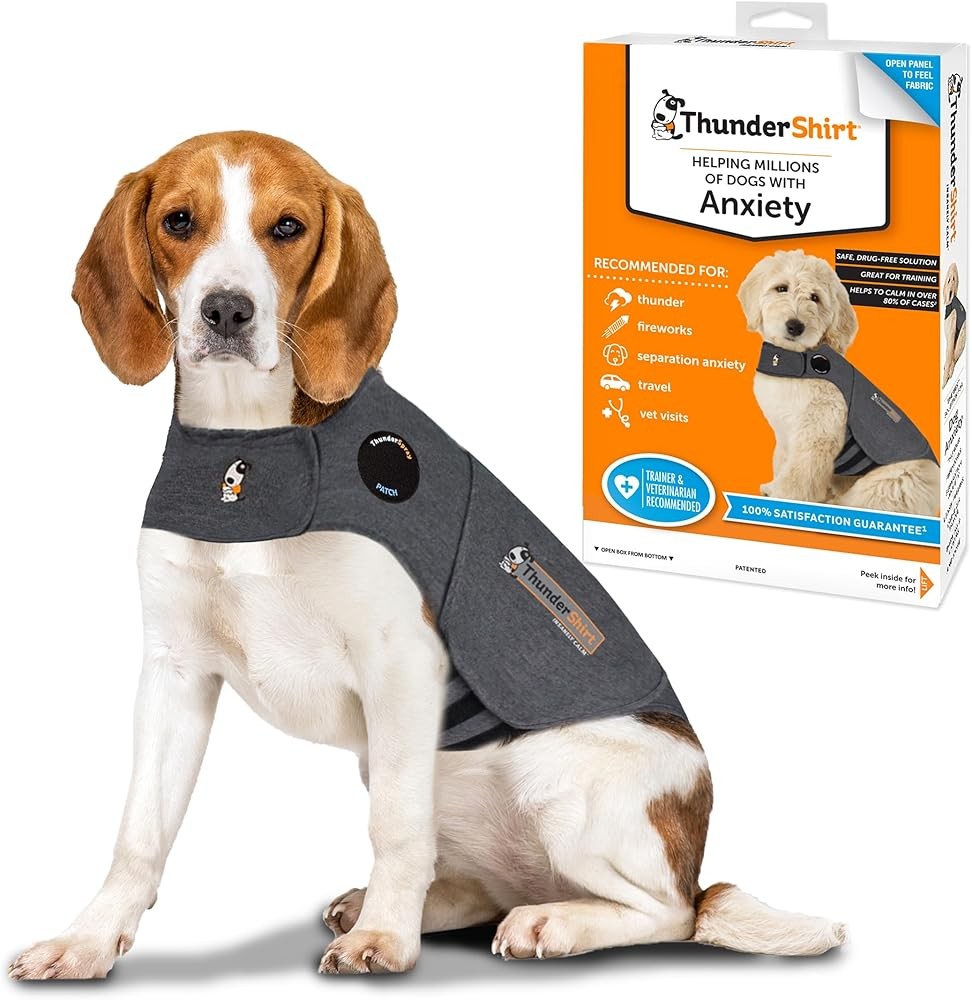
ThunderShirt Classic for Dogs Medium
Check Price on AmazonAs an Amazon Associate we earn from qualifying purchases.
The ThunderShirt Classic represents the original and most studied anxiety vest design. The Medium size accommodates dogs weighing 26 to 40 pounds with chest girth of 16 to 26 inches, fitting popular breeds including Beagles, Cocker Spaniels, and Border Collies.
The patented wrap design applies gentle, constant pressure through a layered application system. The fabric wraps around the torso with multiple adjustment points, allowing customization for different body shapes within the size range. This flexibility helps achieve the proper snugness critical for therapeutic effect.
Construction uses a durable, machine-washable fabric blend that maintains compression properties through repeated wash cycles. The material provides four-way stretch, conforming to the dog’s body during movement while maintaining consistent pressure across the chest and back.
The Classic model works best for indoor use or during cooler weather. The fabric’s thickness provides effective pressure but may cause overheating during warm weather or extended wear periods. Most manufacturers recommend limiting continuous use to one to two hours to avoid habituation and temperature issues.
Research support includes the King 2014 study demonstrating reduced heart rate and anxiety behaviors in dogs wearing properly fitted ThunderShirts. While individual responses vary, the existing evidence base exceeds that available for most competing products.
The Heather Gray color option provides a neutral appearance that many owners prefer over bright colors. The fabric shows minimal dirt compared to lighter shades, maintaining appearance between washings.
The price point of approximately $47 positions the Classic as a mid-range investment. While budget alternatives exist at lower cost, the research backing, quality construction, and manufacturer guarantee may justify the premium for owners seeking maximum likelihood of benefit.
Dog Anxiety Vest Skin-Friendly — Best Budget
This budget-friendly option provides anxiety vest functionality at approximately $17, making it accessible for cost-conscious owners or those wanting to trial pressure therapy before investing in premium brands.
The design uses adjustable straps with secure closures to apply compression around the chest and torso. While simpler than the ThunderShirt wrap system, the construction still allows for snugness adjustment to achieve therapeutic pressure levels.
Breathable mesh panels incorporated into the design improve ventilation compared to solid fabric construction. This feature helps reduce overheating risk during warm weather or for dogs with thick coats, addressing one of the common complaints about anxiety vests.
The skin-friendly designation refers to the soft fabric lining that contacts the dog’s body. This lining reduces friction and irritation risk, particularly important for short-coated breeds or dogs with sensitive skin that may react to rougher materials.
Available in multiple sizes, the vest accommodates a range of dog weights from small to large breeds. Sizing charts provided by the manufacturer guide selection based on weight and chest measurements, though the adjustment range within each size may be more limited than premium multi-point systems.
The lower price point reflects simpler construction and potentially less rigorous quality control compared to established brands. Some owners report variation in sizing accuracy across different production batches, suggesting less consistent manufacturing standards.
Customer reviews indicate positive results for some dogs, particularly those with mild to moderate anxiety. However, the lack of research validation means efficacy relies entirely on anecdotal reports rather than controlled study data.
The budget price makes this option particularly suitable for owners wanting to test whether their dog responds to pressure therapy before committing to a more expensive product. If effective, the vest provides ongoing anxiety management at minimal cost. If ineffective, the financial loss is modest.
ThunderShirt Sport Large Platinum — Best for Active Dogs
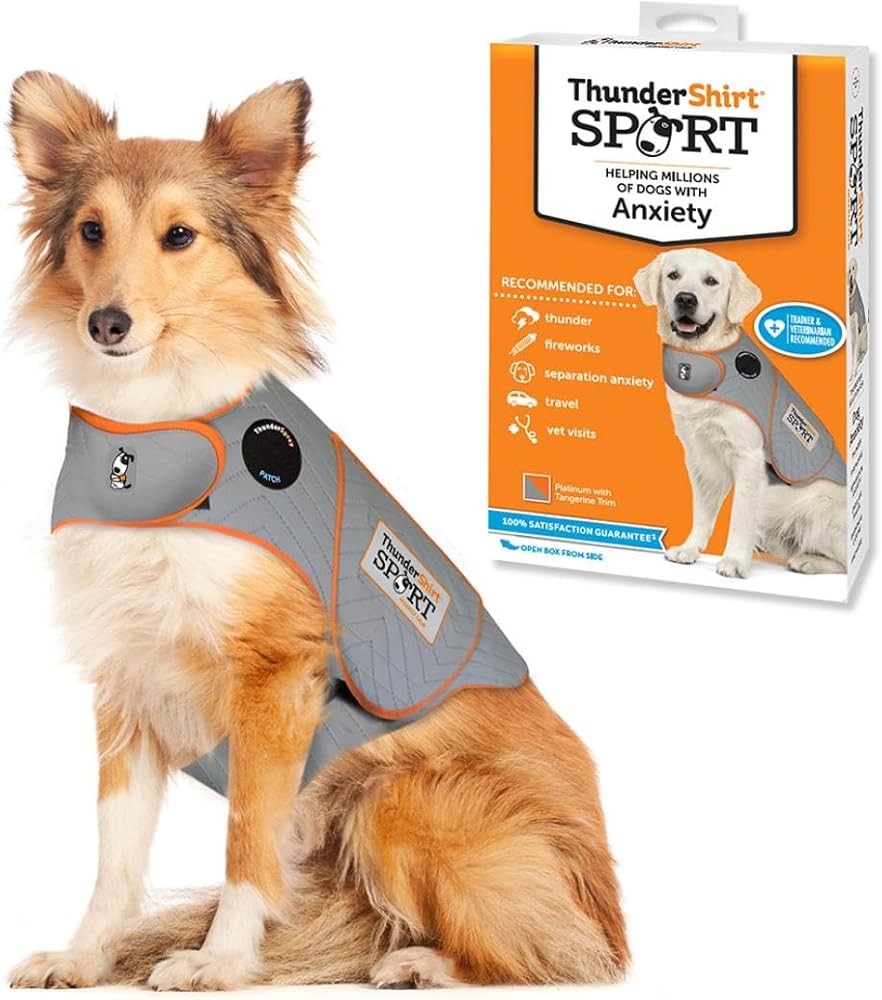
ThunderShirt Sport Large Platinum
Check Price on AmazonAs an Amazon Associate we earn from qualifying purchases.
The Sport model addresses a key limitation of the Classic ThunderShirt by using lightweight, moisture-wicking fabric designed for active dogs and warm weather use. The Large size fits dogs weighing 50 to 110 pounds with chest girth of 24 to 37 inches.
The fabric construction prioritizes breathability and ventilation while maintaining the therapeutic pressure application that defines the ThunderShirt system. This balance makes the Sport model suitable for dogs that remain active during anxiety events or for use in warm climates where the Classic model would cause overheating.
Moisture-wicking properties help manage sweat and humidity that can accumulate under compression garments during physical activity or warm conditions. This feature improves comfort during extended wear periods and reduces skin irritation risk from trapped moisture.
Reflective trim incorporated into the design increases visibility during low-light conditions. For dogs that experience anxiety during evening thunderstorms or when being walked during firework displays, this visibility feature adds a safety element beyond the core anxiety management function.
The Sport model maintains the patented wrap system with multiple adjustment points found in the Classic design. This preserves the pressure customization capability that research suggests is critical for effectiveness. The fabric differences affect comfort and temperature management without compromising the core pressure application mechanism.
The Platinum color provides a modern, sporty appearance that differentiates the Sport model from the Classic Heather Gray. While aesthetic considerations are secondary to function, some owners prefer the updated look for dogs that wear the vest during outdoor activities.
Pricing at approximately $49 positions the Sport slightly above the Classic model, reflecting the specialized fabric technology. The premium is modest compared to the Classic and may be justified for active dogs or warm climate conditions where the Classic would be impractical.
ThunderShirt Classic Large — Best for Large Dogs
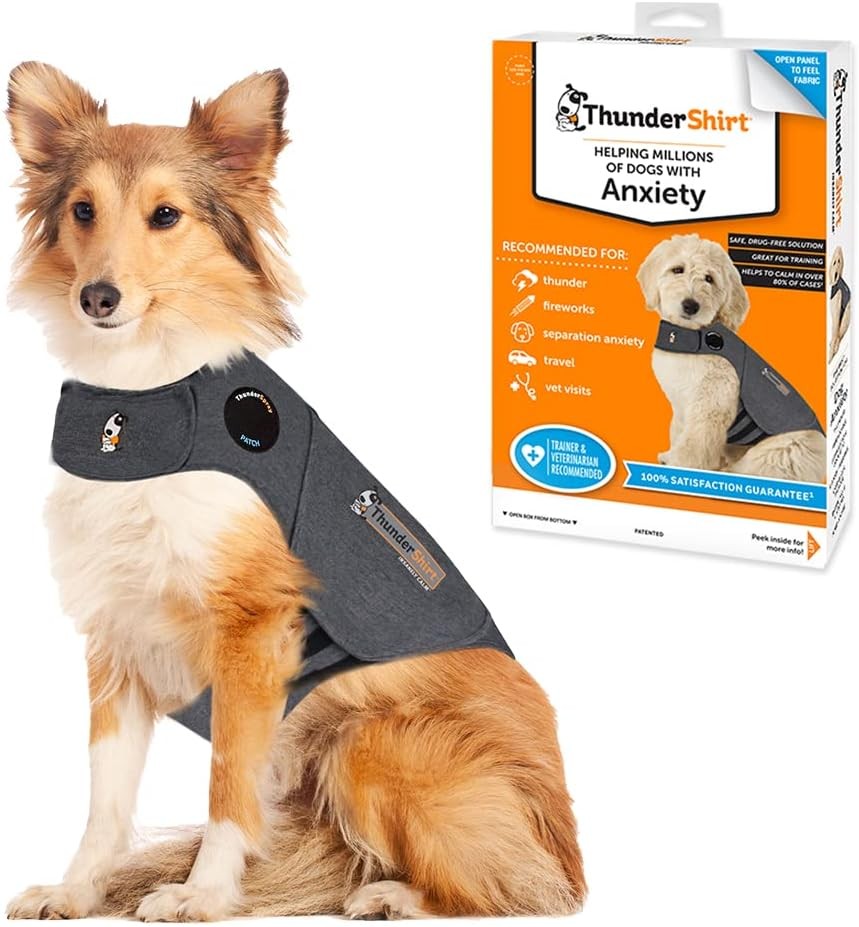
ThunderShirt Classic Large
Check Price on AmazonAs an Amazon Associate we earn from qualifying purchases.
Large and giant breed dogs require specially sized anxiety vests to accommodate their body proportions. The ThunderShirt Classic Large fits dogs weighing 50 to 110 pounds with chest girth measurements of 24 to 37 inches, suitable for breeds including Labrador Retrievers, German Shepherds, and Golden Retrievers.
The Large size uses the same patented wrap design and fabric construction as the Medium Classic model, scaled to fit bigger body dimensions. This consistency ensures that large dogs receive the same therapeutic pressure application that has been studied in research settings.
Large breeds often experience anxiety related to thunderstorms and fireworks, making them prime candidates for pressure wrap intervention. Their size can make them particularly destructive during anxiety episodes, creating greater urgency for effective management solutions.
The wrap system on the Large size includes extended fabric panels that accommodate the greater chest circumference and torso length of bigger dogs. Multiple adjustment points allow customization across the size range, though dogs at the extreme ends (50 pounds versus 110 pounds) may experience different fit characteristics.
Weight becomes a more significant consideration with larger vests. While the fabric remains relatively lightweight, the increased material in the Large size adds some bulk. Most dogs acclimate quickly, though initial wearing sessions may involve more obvious awareness of the garment compared to smaller sizes.
The Heather Gray color option remains standard, providing neutral appearance that suits various coat colors and patterns common in large breeds. The fabric durability becomes particularly important for larger, stronger dogs that may paw at or attempt to remove the vest during initial acclimation.
Pricing at approximately $49 remains consistent with other ThunderShirt sizes, providing value for owners of large dogs who often face higher costs for breed-appropriate products across many categories.
Dog Anxiety Vest with Hood — Best for Noise Sensitivity
This specialized design adds a hood component to the standard anxiety vest configuration, targeting dogs with severe noise phobias that involve both auditory and visual startle responses. The hood helps block peripheral vision and muffle sound, potentially enhancing the calming effect beyond pressure application alone.
The hood design covers the head and ears while leaving the eyes, nose, and mouth unobstructed. This configuration allows the dog to see forward and breathe normally while reducing awareness of environmental stimuli from other directions. The hood fabric uses soft, stretchy material that conforms without restricting.
For dogs that react to the flash of lightning preceding thunder or the visual component of fireworks displays, blocking peripheral vision may reduce anticipatory anxiety. The visual restriction helps focus attention forward rather than scanning the environment for threats.
The hood’s sound-muffling properties provide modest noise reduction without completely blocking auditory input. This partial dampening may help some dogs by taking the edge off sharp, startling sounds while still allowing them to hear owner reassurance and normal household sounds.
The vest portion uses adjustable straps to apply pressure around the chest and torso. While not using the ThunderShirt wrap system, the design still allows for snugness adjustment to achieve therapeutic pressure levels comparable to other anxiety vests.
Pricing at approximately $19 positions this option in the budget category, making it accessible despite the added hood feature. The lower cost may reflect simpler construction or less specialized fabric compared to premium brands.
Individual dog acceptance of the hood component varies considerably. Some dogs tolerate or even appear comforted by the added coverage, while others resist having their head covered or find the hood more anxiety-inducing than the stimulus it aims to block. Gradual acclimation becomes especially important with hooded designs.
The hood feature makes this vest most suitable for severe noise phobias where standard anxiety vests have proven insufficient. For dogs with mild anxiety or anxiety unrelated to noise, the standard vest configuration may be more appropriate and better tolerated.
Can You Combine Anxiety Vests with Other Calming Methods?
Veterinary behaviorists generally recommend multimodal approaches to anxiety management rather than relying on any single intervention. Research on treatment effectiveness for canine anxiety consistently shows that combining multiple strategies produces better outcomes than using individual tactics alone.
Pressure vests can be safely combined with calming supplements including L-tryptophan for dog anxiety and stress relief, L-theanine, and casein-derived peptides. These supplements work through different mechanisms than pressure therapy, potentially providing additive or synergistic effects. L-tryptophan serves as a precursor to serotonin, supporting neurotransmitter balance, while pressure wraps activate parasympathetic responses through vagus nerve stimulation.
The timing of supplement administration relative to vest application matters for some products. Supplements requiring absorption and distribution time should be given according to manufacturer recommendations, typically 30 to 60 minutes before anticipated anxiety triggers. The pressure vest can be applied closer to the event, around 15 to 30 minutes prior, allowing both interventions to reach peak effect during the stressor.
CBD for dog anxiety and aggression represents another complementary option that some owners explore. While research on CBD for canine anxiety remains limited compared to human studies, preliminary evidence and anecdotal reports suggest potential calming effects through endocannabinoid system modulation. Combining CBD with pressure therapy addresses anxiety through distinct pathways.
Pharmaceutical interventions prescribed by veterinarians can also be combined with pressure vests. Medications like trazodone, gabapentin, or fluoxetine work through neurotransmitter systems to reduce anxiety, while pressure wraps provide immediate physical intervention. For dogs requiring medication, adding a pressure vest may allow lower pharmaceutical doses while maintaining adequate anxiety control.
Environmental management strategies enhance the effectiveness of pressure vests. Creating a safe space or den area where the dog can retreat during anxiety episodes provides both physical security and psychological comfort. Combining this safe space with a pressure vest may amplify the sense of security, particularly for dogs that naturally seek enclosed areas during stress.
Background noise can help mask anxiety-triggering sounds. White noise machines, fans, or calming music played at moderate volume reduce the startle effect of thunder or fireworks. Using background sound while the dog wears a pressure vest addresses both the auditory trigger and the physiological stress response.
Behavior modification programs including systematic desensitization and counter-conditioning represent the gold standard for long-term anxiety management. These training approaches gradually expose the dog to anxiety triggers at low intensities while pairing the experience with positive outcomes. Pressure vests can be incorporated into desensitization sessions, potentially reducing arousal levels during controlled exposures.
For separation anxiety specifically, pressure vests work best as adjuncts to comprehensive behavior modification rather than standalone interventions. Programs addressing separation anxiety include departure cue desensitization, teaching relaxation protocols, building independent confidence, and gradually extending alone time. The pressure vest may reduce physiological arousal during training sessions but rarely resolves separation anxiety without accompanying behavioral work.
Physical exercise before anticipated anxiety events helps reduce overall arousal levels. A tired dog often shows less intense anxiety responses than one with excess energy. Combining pre-event exercise with pressure vest application addresses anxiety through both energy depletion and nervous system modulation.
Calming supplements for dogs with separation anxiety can be layered with pressure therapy to create a more comprehensive approach. Products containing multiple calming ingredients such as L-theanine, melatonin, and thiamine work through various pathways, and adding physical pressure provides yet another mechanism for anxiety reduction.
Mental enrichment through puzzle toys, food-dispensing toys, and novel experiences helps build resilience and coping capacity. Dogs with better overall coping skills typically show less severe anxiety responses when triggers occur. While indirect, improving general coping capacity complements the immediate relief provided by pressure vests during specific anxiety events.
Maintaining consistent routines helps anxious dogs feel more secure and predictable in their environment. When pressure vests are incorporated into a broader routine that includes regular feeding times, exercise schedules, and bedtime rituals, the cumulative effect often exceeds the benefit of any single component.
Some integrative veterinarians incorporate acupuncture, massage, or other complementary therapies into anxiety management programs. These approaches may enhance parasympathetic tone and reduce overall stress levels, potentially making dogs more responsive to pressure vest intervention.
The key principle underlying successful combination approaches is addressing anxiety through multiple mechanisms rather than overwhelming the dog with simultaneous interventions. Starting with one or two strategies and gradually adding others allows assessment of individual component effectiveness and avoids creating new stressors through overly complex protocols.
Bottom line: Pressure vests can be safely combined with calming supplements, environmental management, behavior modification, and pharmaceutical interventions to create multimodal anxiety management programs that typically produce better outcomes than single-strategy approaches.
What Does a Complete Dog Anxiety Management System Look Like?
A comprehensive anxiety management system integrates immediate interventions like pressure vests with long-term strategies including behavior modification, environmental optimization, and nutritional support. This systems approach addresses both acute symptom relief and underlying causes.
The foundation begins with proper identification of anxiety triggers and patterns. Maintaining a detailed log of anxiety episodes including date, time, trigger, duration, intensity, and interventions used creates data that reveals patterns and informs treatment refinement. This systematic tracking transforms subjective impressions into objective information that guides decision-making.
For the immediate intervention layer, having appropriate tools readily available ensures rapid response when anxiety events occur. This toolkit might include a properly fitted pressure vest, background noise source, safe den area, and fast-acting calming supplements. Keeping these items in an accessible location reduces scrambling during high-stress moments.
The pressure vest serves as the immediate physical intervention, applied 15 to 30 minutes before or immediately at the start of anxiety symptoms. Pairing vest application with calm, reassuring owner presence creates positive associations while the pressure begins activating parasympathetic responses.
Environmental optimization involves creating physical spaces that promote security and calm. A designated safe space with familiar bedding, enclosed sides, and calming scents provides retreat during anxiety episodes. Best orthopedic dog beds for arthritis can serve double duty, providing both joint support and comfort during anxiety episodes, particularly important for senior dogs experiencing both pain and anxiety.
Sound management extends beyond acute episodes. Dogs living in environments with chronic noise exposure may benefit from baseline white noise that makes sudden sounds less startling. This ambient sound layer complements the acute noise masking used during specific events like storms.
Nutritional support through senior dog supplements for joint health and cognitive support addresses age-related changes that can increase anxiety susceptibility. Cognitive decline in senior dogs often manifests as increased anxiety, confusion, and altered sleep-wake cycles. Supporting brain health through omega-3 fatty acids, antioxidants, and medium-chain triglycerides may reduce anxiety progression in aging dogs.
Behavior modification programs form the long-term foundation for anxiety reduction. For noise phobias, systematic desensitization involves controlled exposure to recorded sounds at very low volumes, gradually increasing intensity over weeks or months while pairing with positive experiences. This gradual exposure reshapes the emotional response to triggers.
Counter-conditioning pairs anxiety triggers with highly valued rewards, changing the emotional association from fear to anticipation. For a dog anxious about thunderstorms, this might involve giving special high-value food rewards only when thunder sounds occur, gradually building positive associations that compete with fear responses.
Relaxation protocols teach dogs to voluntarily enter calm states on cue. The Relaxation Protocol developed by Dr. Karen Overall involves systematic training of settled behavior in the presence of gradually increasing distractions. Dogs that master relaxation cues can be guided toward calm states during anxiety episodes.
Physical exercise tailored to the individual dog’s needs, age, and health status helps regulate arousal levels and build stress resilience. However, exercise timing matters. Pre-event exercise can reduce anxiety intensity, but excessive exercise can sometimes increase arousal if performed too close to an anxiety trigger.
Mental enrichment through slow feeders and puzzle toys provides both cognitive engagement and frustration tolerance building. Dogs that regularly solve problems and work for food often show better general coping skills that translate to anxiety situations.
For dogs requiring pharmaceutical support, regular veterinary consultation ensures appropriate medication selection, dosing, and monitoring. Some medications like fluoxetine require daily administration to maintain therapeutic levels, while others like trazodone are used situationally. Understanding medication timing and mechanisms helps integrate pharmaceutical and non-pharmaceutical interventions effectively.
Social support through the owner-dog relationship forms the emotional foundation of anxiety management. Dogs with secure attachments to owners often show more resilience and faster recovery from anxiety events. Building this relationship through positive training, consistent routines, and responsive caregiving creates the secure base from which dogs can face challenges.
Health monitoring becomes especially important as seemingly behavioral anxiety can sometimes reflect underlying medical issues. Pain, thyroid dysfunction, cognitive decline, and sensory changes can all manifest as increased anxiety. Regular veterinary examinations help distinguish medical from purely behavioral anxiety.
Documentation of progress through the anxiety log reveals what combinations work best for the individual dog. Some dogs respond primarily to environmental management, others to supplements, and still others require all available interventions. The log data guides this customization over time.
Planning for high-risk periods like thunderstorm season or holiday fireworks allows proactive rather than reactive management. Ensuring adequate supplies of calming supplements, confirming pressure vest fit, refreshing desensitization training, and scheduling veterinary consultation before high-anxiety periods reduces crisis management.
Building a support network including veterinarians, veterinary behaviorists, professional trainers, and other dog owners facing similar challenges provides resources, encouragement, and accountability. Complex anxiety cases often benefit from professional behavioral consultation to design individualized programs.
The complete system remains dynamic rather than static, adjusting as the dog ages, as anxiety patterns shift, and as new evidence or interventions become available. Annual review of the overall anxiety management approach with veterinary input ensures the program evolves with the dog’s changing needs.
Bottom line: A complete anxiety management system integrates pressure vests as immediate intervention within a broader framework including environmental optimization, behavior modification, nutritional support, and when needed, pharmaceutical intervention, all guided by systematic monitoring and veterinary oversight.
Frequently Asked Questions
Do anxiety vests actually work for dogs?
Research shows mixed but promising results. Studies report that pressure wraps may reduce anxiety behaviors like panting, trembling, and hiding in some dogs. The mechanism is similar to swaddling in infants, applying gentle, consistent pressure that activates the parasympathetic nervous system.
How tight should a dog anxiety vest be?
The vest should fit snugly but not restrictively. You should be able to slide two fingers between the vest and your dog’s body. Too loose provides insufficient pressure, while too tight can cause discomfort and increase anxiety.
Can my dog wear a ThunderShirt all day?
Most manufacturers recommend removing the vest after 1-2 hours of continuous wear. Extended use can cause skin irritation, overheating, or the dog becoming habituated to the pressure, reducing effectiveness over time.
When should I put the anxiety vest on my dog?
Put the vest on 15-30 minutes before the anticipated stressor, such as a thunderstorm or fireworks. This allows the calming effect to build before the anxiety trigger arrives. For separation anxiety, put it on before you begin your departure routine.
What size anxiety vest does my dog need?
Measure your dog’s chest at the widest point, typically just behind the front legs. Most brands provide size charts based on chest girth and weight. A proper fit is essential for the pressure to be therapeutic rather than uncomfortable.
Are anxiety vests safe for puppies?
Anxiety vests are generally safe for puppies over 8 weeks old, provided the vest fits properly. Many brands offer extra-small sizes. Always supervise puppies while wearing any garment and remove it if the puppy shows signs of distress.
Can I use an anxiety vest with calming supplements?
Yes. Many veterinary behaviorists recommend combining pressure wraps with other interventions such as calming supplements, environmental management, and behavior modification for maximum effectiveness. The multimodal approach often works better than any single intervention alone.
How do I introduce my dog to an anxiety vest?
Start during calm, positive moments, not during a storm. Let your dog sniff the vest, then drape it loosely. Gradually increase the snugness over several sessions, pairing each step with food rewards and praise. This creates positive associations.
Do anxiety vests work for separation anxiety?
Some dogs show improvement with separation anxiety when wearing a pressure vest, but it is typically most effective as part of a comprehensive behavior modification program rather than as a standalone intervention. Gradual desensitization training combined with a vest may yield better results.
How long does it take for an anxiety vest to work?
Many dogs show calming effects within 5-15 minutes of proper application. However, some dogs may need several exposures before showing improvement. If no change is observed after 3-4 consistent uses during anxiety events, the vest may not be effective for that individual dog.
Our Top Recommendations
For most dogs with noise phobias or situational anxiety, the ThunderShirt Classic remains the best-supported choice with research validation, quality construction, and a proven track record. The patented wrap design allows pressure customization essential for therapeutic effect.
Budget-conscious owners or those wanting to trial pressure therapy before investing in premium brands should consider the Dog Anxiety Vest Skin-Friendly. At under $20, it provides low-risk entry into pressure therapy with adequate adjustability for many dogs.
Active dogs or those in warm climates benefit from the ThunderShirt Sport, which maintains the therapeutic pressure system while adding moisture-wicking, breathable fabric that reduces overheating risk during outdoor activities or summer use.
Large breed owners should opt for breed-appropriate sizing with the ThunderShirt Classic Large, which scales the proven design to accommodate the body proportions and strength of 50-110 pound dogs.
Dogs with severe noise sensitivity that involves both auditory startle and visual reactivity may respond to the Dog Anxiety Vest with Hood, which combines pressure therapy with sensory reduction through the hood component, though individual acceptance varies.
Regardless of which vest you choose, proper sizing and fit are critical. Measure chest girth accurately, follow manufacturer sizing guides, and use the two-finger fit test to ensure appropriate pressure without restriction. Gradual introduction during calm periods builds positive associations before using the vest during actual anxiety events.
Remember that pressure vests work best as part of comprehensive anxiety management including behavior modification, environmental optimization, and when appropriate, calming supplements or pharmaceutical support. No single intervention resolves all anxiety cases, but pressure wraps provide a safe, non-pharmaceutical tool that helps many dogs cope with fear-inducing situations.
Have you found success managing your dog’s anxiety with pressure wraps? Share this article with other dog owners struggling with anxious pets, and explore our other resources on canine cognitive decline and longevity habits you and your dog can share.
Conclusion
Pressure wraps offer a non-pharmaceutical intervention for canine anxiety with moderate research support and widespread adoption among dog owners and veterinary professionals. While individual responses vary, properly fitted anxiety vests may reduce physiological markers of stress including heart rate and behavioral indicators such as trembling and hiding in some dogs.
The most consistent benefits appear in dogs with noise-related phobias including thunderstorm and firework fears, where the episodic nature of anxiety allows targeted intervention timing. Separation anxiety and generalized anxiety typically require more comprehensive approaches with pressure vests serving as adjuncts rather than standalone solutions.
Proper sizing and fit determine whether a vest provides therapeutic pressure or creates additional discomfort. The two-finger rule, gradual acclimation, and attention to manufacturer guidelines help maximize the likelihood of positive response while minimizing risks of overheating or skin irritation.
Combining pressure therapy with other evidence-based interventions including behavior modification, environmental management, calming supplements, and when appropriate, pharmaceutical support creates multimodal programs that typically produce better outcomes than single-strategy approaches.
While the scientific evidence base for anxiety vests remains limited with only a handful of rigorous studies, the existing research shows physiological effects including heart rate reduction and behavioral improvements in responsive individuals. The safety profile, non-pharmaceutical nature, and moderate cost make pressure wraps reasonable options to trial as part of comprehensive anxiety management programs under veterinary guidance.
Related Reading
- CBD for Dog Anxiety and Aggression
- Best Calming Supplements for Dogs with Separation Anxiety
- L-Tryptophan for Dog Anxiety and Stress Relief
- Best Orthopedic Dog Beds for Arthritis and Senior Dogs
- Best Dog Rehab Harness for Mobility Support
- Canine Cognitive Decline and Dementia in Dogs
- Best Dog Slow Feeders and Puzzle Toys
- Longevity Habits You and Your Dog Can Share
- Best Dog Dental Chews and Water Additives
- Senior Dog Supplements for Joint Health and Cognitive Support
References
-
King C, Buffington L, Smith TJ, Grandin T. The effect of a pressure wrap (ThunderShirt) on heart rate and behavior in canines diagnosed with anxiety disorder. Journal of Veterinary Behavior. 2014;9(5):215-221. https://doi.org/10.1016/j.jveb.2014.06.004
-
Cottam N, Dodman NH, Ha JC. The effectiveness of the Anxiety Wrap in the treatment of canine thunderstorm phobia: An open-label trial. Journal of Veterinary Behavior. 2013;8(3):154-161. https://doi.org/10.1016/j.jveb.2012.06.005
-
Polgár Z, Kinnunen M, Ujvári V, et al. Not a one-way road - Severity, progression and prevention of firework fears in dogs. PLOS ONE. 2019;14(9):e0218150. https://pubmed.ncbi.nlm.nih.gov/31490926/
-
Canine separation anxiety: strategies for treatment and management. Vet Med (Auckl). 2020;11:143-151. https://pubmed.ncbi.nlm.nih.gov/33062616/
-
Mann S, Cockcroft P, Coleman G. A survey investigating owner perceptions and management of firework-associated fear in dogs in the Greater Sydney area. Aust Vet J. 2024;102(9):490-500. https://pubmed.ncbi.nlm.nih.gov/39011861/
-
Morris P, Doe C, Godsell E, Jupe K, Wareham K. Stress-Related Behaviors in Companion Dogs Exposed to Common Household Noises, and Owners’ Interpretations of Their Dogs’ Behaviors. Front Vet Sci. 2021;8:760845. https://pubmed.ncbi.nlm.nih.gov/34820438/
-
Tiira K, Lohi H. Separation-related behavior of dogs shows association with their reactions to everyday situations that may elicit frustration or fear. Scientific Reports. 2021;11:19594. https://doi.org/10.1038/s41598-021-98526-3
-
McGreevy P, Georgevsky D, Carrasco J, et al. Dog Behavior Co-Varies with Height, Bodyweight and Skull Shape. PLoS One. 2013;8(12):e80529. https://pubmed.ncbi.nlm.nih.gov/24358107/
-
Overall KL, Dunham AE, Frank D. Frequency of nonspecific clinical signs in dogs with separation anxiety, thunderstorm phobia, and noise phobia, alone or in combination. J Am Vet Med Assoc. 2001;219(4):467-473. https://pubmed.ncbi.nlm.nih.gov/11518172/
-
Landsberg GM, Hunthausen W, Ackerman L. Canine anxieties and phobias: an update on separation anxiety and noise aversions. Vet Clin North Am Small Anim Pract. 2003;33(4):925-937. https://pubmed.ncbi.nlm.nih.gov/18672155/
-
Corsetti S, Borruso S, Malandrucco L, et al. A single dose of cannabidiol (CBD) positively influences measures of stress in dogs during separation and car travel. Front Vet Sci. 2023;10:1112604. https://pubmed.ncbi.nlm.nih.gov/36908527/
-
Morris P, Burman O, Barber CJ, et al. Predictors of fear and anxiety in companion dogs: The role of caregiver-related variables. J Vet Behav. 2026;71:1-13. https://doi.org/10.1016/j.jveb.2026.01.002
-
Mills DS, Demontigny-Bédard I, Gruen M, et al. Pain and Problem Behavior in Cats and Dogs. Animals (Basel). 2020;10(2):318. https://pubmed.ncbi.nlm.nih.gov/32085528/
-
Grigg EK, Hart LA. Investigating the role of play in animals’ recovery from anxiety disorders. J Vet Behav. 2018;23:77-84. https://doi.org/10.1016/j.jveb.2017.11.004
-
Blackwell EJ, Bradshaw JW, Casey RA. Fear responses to noises in domestic dogs: Prevalence, risk factors and co-occurrence with other fear related behaviour. Appl Anim Behav Sci. 2013;145(1-2):15-25. https://scholar.google.com/scholar?q=Fear+responses+noises+domestic+dogs+Prevalence+risk+factors
Recommended Products