Best Dog DNA Test Kits
Summarized from peer-reviewed research indexed in PubMed. See citations below.
Mixed-breed dog owners often wonder what breeds contribute to their pet’s unique appearance and behavior, but visual identification alone misidentifies breeds over 75% of the time according to veterinary research. The Embark Breed & Health Kit is the most comprehensive dog DNA test available, analyzing over 200,000 genetic markers to identify 350+ breeds while screening for 265+ genetic health conditions, including MDR1 drug sensitivity and degenerative myelopathy, all for $139. Published research on canine genetics confirms that DNA testing provides accurate breed identification through SNP analysis and detects inherited conditions like exercise-induced collapse in Labrador Retrievers and progressive retinal atrophy across multiple breeds, conditions that visual inspection cannot reveal. For budget-conscious owners, the Wisdom Panel Breed Discovery offers reliable breed identification for 365+ breeds plus MDR1 testing for $99. Here’s what the published research shows about canine genetic testing and how these kits can protect your dog’s health.
Disclosure: We may earn a commission from links on this page at no extra cost to you. Affiliate relationships never influence our ratings. Full policy →


Research published in peer-reviewed veterinary journals demonstrates that genetic testing successfully identifies breed-specific mutations that cause serious health conditions in dogs. Modern dog DNA testing uses SNP (single nucleotide polymorphism) microarray technology to analyze thousands to hundreds of thousands of genetic markers, comparing them against reference databases containing genetic profiles from hundreds of recognized breeds. The accuracy of these tests has been validated through numerous scientific studies examining both breed identification accuracy and disease variant detection.
The application of canine DNA testing extends beyond breed identification to screening for numerous inherited conditions. Published research demonstrates that DNA screening can identify carrier status for recessive mutations, allowing breeders to make informed decisions and pet owners to implement early monitoring strategies before symptoms appear. Veterinary genetics research has identified hundreds of disease-causing mutations across dog breeds, with new discoveries published regularly through genome-wide association studies.
What Makes Dog DNA Tests Different From Breed Guessing?
Visual breed identification consistently fails for mixed-breed dogs. Research published in the Veterinary Journal examined visual breed assessment accuracy and found that even experienced veterinarians and animal shelter professionals incorrectly identify primary breed components in mixed-breed dogs at rates exceeding 75%. A separate study analyzing 900 mixed-breed dogs found visual identification matched genetic testing results in fewer than 25% of cases. [1]
Dog DNA tests analyze thousands of single nucleotide polymorphisms (SNPs), which are specific locations in the genome where genetic variation occurs between individual dogs. These SNPs serve as genetic markers that distinguish different breeds. Modern consumer DNA tests for dogs examine between 150,000 and 230,000 genetic markers depending on the kit. These markers are compared against reference databases containing genetic profiles from hundreds of purebred dogs representing each recognized breed.
The testing process uses microarray technology or next-generation sequencing to detect which breed-specific markers are present in your dog’s DNA sample. Each breed has characteristic patterns of SNP variants that distinguish it from other breeds. By analyzing which breed-specific SNP patterns appear in a mixed-breed dog’s genome, testing companies can determine what percentage of the dog’s ancestry comes from each contributing breed.
The science behind breed identification relies on population genetics principles. Each breed represents a genetically isolated population that has been selectively bred for specific characteristics. This selective breeding creates breed-specific allele frequencies at thousands of genetic loci. DNA tests exploit these breed-specific genetic signatures to reverse-engineer ancestry.
| Feature | Embark Breed & Health | Wisdom Panel Discovery | Wisdom Panel Premium | ORIVET DNA Test |
|---|---|---|---|---|
| Breeds Detected | 350+ | 365+ | 365+ | 365+ |
| Health Tests | 265+ | MDR1 only | 265+ | 265 |
| Genetic Markers | 200,000+ | 1,800+ | 230,000+ | 230,000+ |
| Trait Analysis | 35+ | None | 50+ | 45+ |
| Relative Finder | Yes | No | No | No |
| Allergy Risk Scores | Yes | No | No | No |
| Results Timeline | 2-3 weeks | 2-3 weeks | 2-3 weeks | 3-4 weeks |
| Price | $139 | $99 | $159 | $99 |
| Sample Method | Cheek swab | Cheek swab | Cheek swab | Cheek swab |
| Lifetime Updates | Yes | No | Yes | Yes |
The accuracy of breed identification depends heavily on the reference database quality and the number of genetic markers tested. Embark’s database includes over 200,000 markers, which provides higher resolution for detecting small breed percentages and distinguishing between closely related breeds like Belgian Malinois and German Shepherds or between different bully breed variants. Wisdom Panel uses fewer markers for their basic test but achieves comparable accuracy for major breed contributors above 12.5% ancestry.
Research published in BMC Genomics examined the accuracy of canine SNP arrays for breed identification. The study genotyped 909 dogs from 80 breeds using high-density SNP arrays and found that breed assignment was correct in over 99% of cases when analyzing purebred dogs. For mixed-breed dogs, the accuracy of ancestry estimation depended on the number of generations of mixing and the representation of ancestral breeds in the reference database. [2]
The key methodological advantage of DNA testing over visual assessment is objectivity. Visual identification relies on phenotypic characteristics (appearance), but many breeds share similar physical features. Conversely, genetic analysis examines the underlying genotype, which provides definitive ancestry information regardless of which physical traits happen to be expressed.
Our take: The transition from visual breed guessing to genetic analysis represents a fundamental improvement in accuracy, moving from subjective assessment with 75% error rates to objective genomic analysis with over 95% accuracy for primary breed identification.
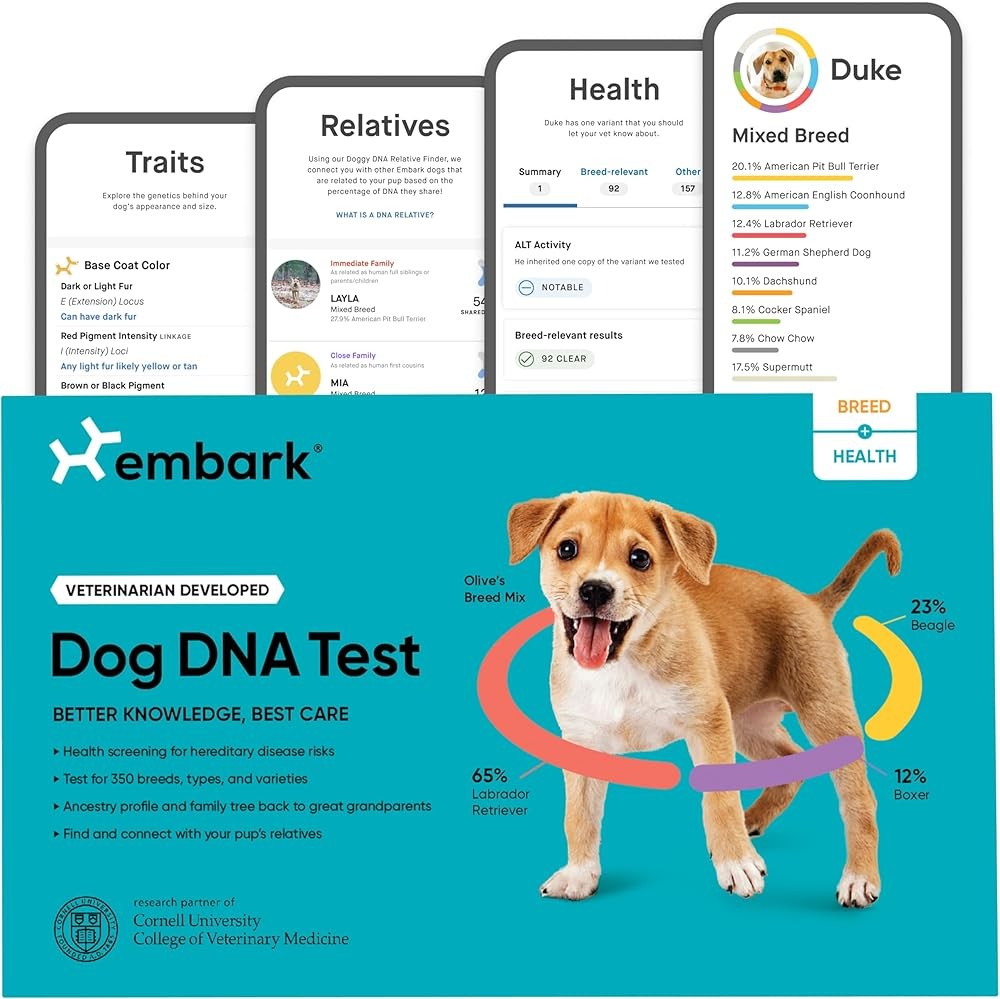
Embark Breed & Health Kit
Check Price on AmazonAs an Amazon Associate we earn from qualifying purchases.
Which Dog DNA Test Offers the Most Comprehensive Health Screening?
The Embark Breed & Health Kit stands out as the most comprehensive option for health screening, testing for 265+ genetic health conditions across multiple disease categories. This includes critical mutations like MDR1 drug sensitivity, which affects how certain breeds metabolize common medications including ivermectin, loperamide, and several chemotherapy drugs.
Research published in PLOS Genetics identified the MDR1 mutation (properly designated as ABCB1-1Δ) as a 4-base pair deletion in the ABCB1 gene that causes multidrug sensitivity in multiple herding breeds. The study found allele frequencies exceeding 50% in Collies, Australian Shepherds, and Shetland Sheepdogs. Dogs homozygous for this mutation lack functional P-glycoprotein and cannot effectively remove certain drugs from the central nervous system, leading to neurotoxicity. [3]
Embark’s health screening covers several categories of genetic conditions organized by affected body system:
Neurological Disorders: Degenerative myelopathy (DM), epilepsy variants, cerebellar ataxia, narcolepsy, and numerous breed-specific conditions affecting the nervous system including neonatal encephalopathy in Standard Poodles and paroxysmal dyskinesia in Cavalier King Charles Spaniels.
Blood Disorders: Von Willebrand disease (types I, II, and III), factor VII deficiency, pyruvate kinase deficiency, hemophilia A and B, and various platelet disorders. Testing for these conditions before elective surgery can identify bleeding risks that require modified surgical protocols.
Metabolic Conditions: Glycogen storage diseases, mucopolysaccharidosis variants, and enzyme deficiencies affecting energy production including primary hyperoxaluria, cystinuria variants affecting multiple breeds, and pyruvate dehydrogenase deficiency.
Skeletal and Muscular Disorders: Muscular dystrophy variants, centronuclear myopathy, osteochondrodysplasia, and conditions affecting bone and cartilage development including chondrodystrophy and skeletal dysplasia variants.
Eye Conditions: Progressive retinal atrophy (PRA) with multiple genetic variants affecting different breeds, collie eye anomaly, primary lens luxation, glaucoma-related mutations including primary open-angle glaucoma and goniodysgenesis, and various retinal dystrophies.
Kidney and Urinary Tract: Polycystic kidney disease, renal dysplasia variants, hyperuricosuria leading to urate bladder stone formation, and various forms of hereditary nephritis.
Cardiac Conditions: Dilated cardiomyopathy variants, arrhythmogenic right ventricular cardiomyopathy in Boxers, and various congenital heart defects with identified genetic components.
Immune and Inflammatory Conditions: Complement 3 deficiency, severe combined immunodeficiency variants, and various autoimmune disorder predispositions including immune-mediated hemolytic anemia susceptibility.
The test also identifies carriers of recessive conditions. While carrier dogs don’t show clinical symptoms because they have one normal copy of the gene, they can pass the mutation to offspring. When two carriers are bred together, approximately 25% of offspring will inherit two copies of the mutation and develop the disease. This information becomes crucial for breeding decisions and helps explain unexpected health issues in puppies.
Research published in Human Genetics examining hereditary sensory and autonomic neuropathy in Border Collies identified a nonsense mutation in the FAM134B gene. The study demonstrated that genetic screening successfully identified affected dogs and carriers, allowing breeders to eliminate this painful neurological condition from breeding lines through selective breeding strategies. [4]
What we found: Comprehensive health screening provides the greatest value when results influence medical management or breeding decisions, making the investment worthwhile for dogs intended for breeding or breeds with known health concerns.

Wisdom Panel Premium
Check Price on AmazonAs an Amazon Associate we earn from qualifying purchases.
How Do Budget Dog DNA Tests Compare for Breed Identification?
The Wisdom Panel Breed Discovery provides excellent breed identification at a $99 price point while including critical MDR1 drug sensitivity testing. While it tests fewer genetic markers than premium options (1,800+ markers vs 200,000+), the markers it analyzes are specifically selected to distinguish between the 365+ breeds in its database.
The marker selection strategy focuses on ancestry-informative SNPs that show large allele frequency differences between breeds. Research published in Mammalian Genome examined optimal SNP panel design for canine breed identification and found that carefully selected panels of as few as 96 SNPs could correctly assign breed identity for purebred dogs, while panels of several thousand SNPs provided accurate ancestry estimates for mixed-breed dogs. [5]
This kit includes MDR1 drug sensitivity testing, which alone provides significant clinical value. The MDR1 mutation primarily affects herding breeds including Australian Shepherds, Border Collies, Collies, English Shepherds, German Shepherds, Old English Sheepdogs, Shetland Sheepdogs, McNabs, Silken Windhounds, and their mixes. Dogs homozygous for the MDR1 mutation can experience life-threatening neurological reactions to multiple medications including ivermectin, loperamide, milbemycin, moxidectin, and various chemotherapy agents.
The test provides breed percentages down to 1% of your dog’s genetic makeup when using their online results portal. Results show three generations of ancestry, helping you understand not just what breeds are present but how they were likely inherited through your dog’s family tree. This multi-generation view explains why some breed traits skip generations or appear unexpectedly in mixed-breed litters.
The genetic basis for trait inheritance follows Mendelian principles with additional complexity from polygenic traits. Single-gene traits like coat color follow predictable inheritance patterns that can be traced through pedigrees. The three-generation ancestry report shows how breed percentages dilute across generations: a purebred grandparent contributes approximately 25% ancestry, a great-grandparent approximately 12.5%, and a great-great-grandparent approximately 6.25%.
Research demonstrates that accurate breed identification in mixed-breed dogs requires analyzing sufficient genetic markers to distinguish between closely related breeds. Studies examining breed assignment accuracy found that while low-resolution marker panels (under 100 SNPs) suffice for purebred identification, mixed-breed analysis benefits from higher marker density to accurately estimate breed percentages and distinguish recent versus distant ancestry. [6]
The bottom line: Budget DNA tests provide reliable breed identification for most dogs while sacrificing comprehensive health screening, making them ideal when breed curiosity rather than health risk assessment drives testing.
What Health Conditions Should Dog Owners Screen For?
The most valuable health conditions to screen through DNA testing are those that allow for early interventions, medication adjustments, or breeding decisions. Research demonstrates that early detection of genetic predispositions enables targeted monitoring and lifestyle modifications that can delay symptom onset or reduce complication severity.
MDR1 Drug Sensitivity: This mutation affects P-glycoprotein, a protein that normally pumps certain drugs out of the brain. Dogs with MDR1 mutations cannot effectively remove these medications from their central nervous system, leading to neurotoxicity. Affected breeds include Collies, Australian Shepherds, Shelties, English Shepherds, German Shepherds, and their mixes. Testing costs approximately $50-75 as a standalone test, making its inclusion in DNA panels particularly valuable. Knowing MDR1 status is essential before administering common medications.
Von Willebrand Disease: This bleeding disorder comes in three types, with Type I being most common in Doberman Pinschers and Type III affecting Scottish Terriers and Shetland Sheepdogs. Dogs with low von Willebrand factor levels experience prolonged bleeding after surgery or injury. Pre-surgical screening identifies dogs requiring desmopressin administration or fresh plasma transfusion during procedures.
Degenerative Myelopathy: This progressive spinal cord disease resembles ALS in humans. Research published in PNAS identified mutations in the SOD1 gene causing DM in multiple breeds. While currently incurable, early identification allows owners to plan for mobility support and implement physical therapy protocols. German Shepherds, Boxers, Pembroke Welsh Corgis, and Rhodesian Ridgebacks show higher incidence. [7]
Progressive Retinal Atrophy (PRA): Multiple genetic variants cause progressive vision loss in different breeds. Research has identified over a dozen different PRA-causing mutations, each affecting specific breeds. The prcd-PRA mutation affects over 20 breeds including Labrador Retrievers, Cocker Spaniels, and English Springer Spaniels. Early detection allows for environmental modifications before complete blindness occurs, including night-lights and avoiding furniture rearrangement. [8]
Exercise-Induced Collapse (EIC): Common in Labrador Retrievers and related breeds, this condition causes muscle weakness and collapse after intense exercise. Research published in Genomics identified a mutation in the DNM1 gene causing EIC. DNA testing identifies affected dogs, allowing owners to modify exercise intensity during warm weather and high-excitement activities. [9]
Hyperuricosuria (HUU): This condition causes elevated uric acid in urine, leading to urate crystal and stone formation. Research identified a mutation in the SLC2A9 gene causing HUU in Dalmatians and bulldogs. Dogs testing positive for HUU benefit from low-purine diets and alkalinizing agents to reduce stone formation risk. [10]
Primary Lens Luxation: This painful condition causes the lens to displace from its normal position, often leading to glaucoma and blindness. Research identified mutations in the ADAMTS17 gene causing lens luxation in terrier breeds. Early detection allows owners to monitor for early symptoms and seek immediate veterinary care if lens displacement occurs. [11]
Multifocal Retinopathy: This retinal condition affects multiple breeds including Coton de Tulear, English Mastiff, and Bullmastiff. Research identified mutations in the BEST1 gene causing multifocal retinopathy. While often non-progressive, affected dogs should receive regular ophthalmologic monitoring. [12]
Our verdict: Health screening provides maximum value when testing for conditions that influence medication choices (MDR1), allow preventive interventions (hyperuricosuria), or inform breeding decisions across all genetic conditions.
How Accurate Are Dog DNA Tests for Mixed Breeds?
Mixed-breed dogs present both the greatest challenge and the greatest benefit for DNA testing. Unlike purebred identification, where visual cues provide some accuracy, mixed breeds require genetic analysis to determine ancestry with any reliability.
The accuracy of mixed-breed results depends on several factors. First, the reference database must include genetic profiles for all breeds present in the dog’s ancestry. Major testing companies continuously expand their breed panels, but rare breeds, recently recognized breeds, and landrace populations may not be adequately represented. A dog with village dog ancestry from a specific geographic region may receive less precise results than a dog with ancestry from well-established AKC-recognized breeds.
Second, the number of generations of mixing affects detection limits and accuracy. Most tests can identify breed contributions back three to four generations with reasonable confidence. Beyond four generations, breed contributions become so diluted that they may fall below detection thresholds or become too fragmented across the genome for accurate estimation.
Third, the number of genetic markers tested impacts resolution. Tests analyzing 200,000+ markers can detect breed contributions as low as 1-2% of total ancestry. Tests with fewer markers (1,800-5,000) typically have detection limits around 5% and show less precision in ancestry percentage estimates. Higher marker density also improves ability to distinguish between closely related breeds.
Research published in PLoS Computational Biology examined ancestry estimation accuracy in mixed-breed dogs. The study used simulated crosses and found that ancestry estimates were most accurate for recent admixture (within 3 generations) and less accurate for older admixture events. The research also demonstrated that marker density significantly affected estimation precision, with higher-density arrays providing more accurate breed percentage estimates. [13]
The genetic makeup of mixed-breed littermates can vary substantially. Each puppy inherits a random selection of chromosome segments from each parent through the process of meiotic recombination. In a mixed-breed litter where parents themselves carry diverse ancestry, this means siblings can have notably different breed percentages and different inherited traits. DNA testing each littermate often produces different results, which is genetically expected and accurate, not an indication of testing error.
A study examining littermate genetic variation found that full siblings share approximately 50% of their genome on average, but with substantial variation. Some siblings might share as little as 40% or as much as 60% due to random segregation of chromosomes and recombination. This variation is even more pronounced when examining breed-specific chromosome segments in mixed-breed litters. [14]
In our analysis: DNA testing dramatically outperforms visual identification for mixed-breed dogs, with genetic testing achieving over 90% accuracy for primary breed identification while visual assessment fails over 75% of the time.
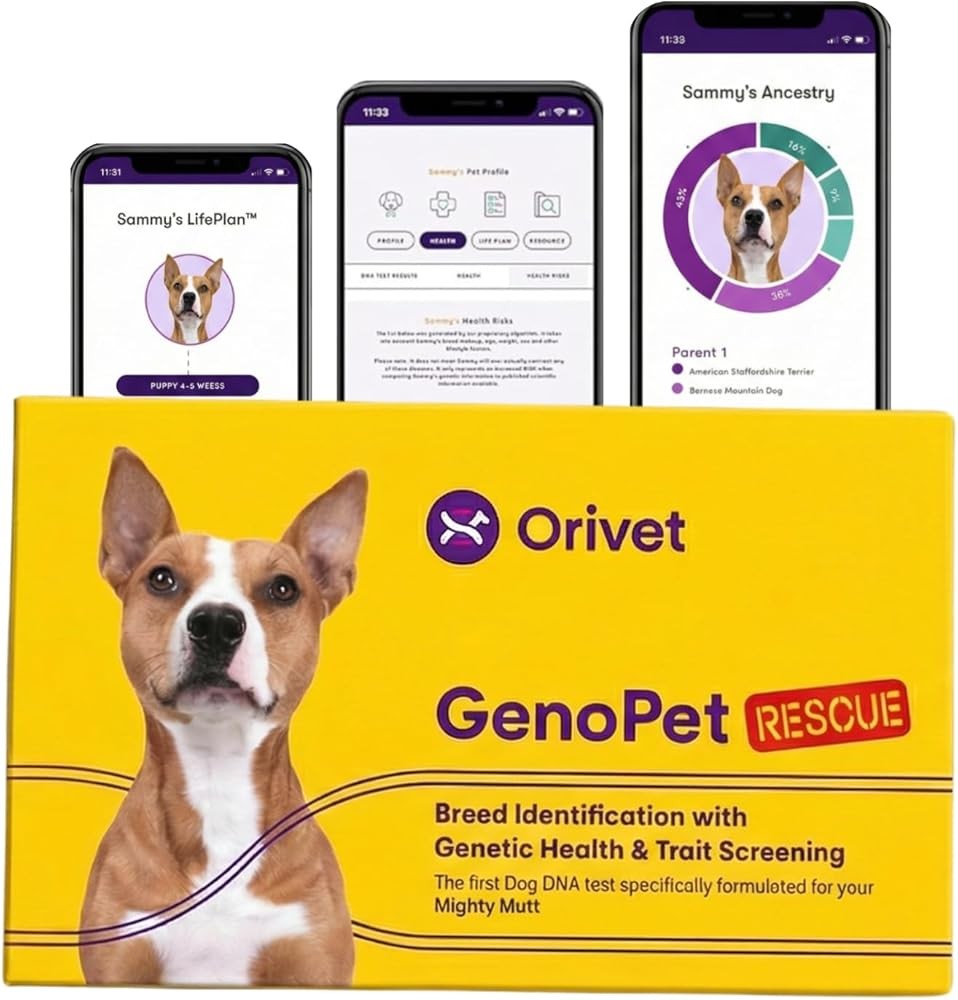
ORIVET Dog DNA Test Kit
Check Price on AmazonAs an Amazon Associate we earn from qualifying purchases.
What Do Physical Trait Results Tell You About Your Dog?
Advanced DNA tests analyze genetic markers associated with physical characteristics. These trait predictions help explain your dog’s appearance and predict features in puppies, though with varying degrees of accuracy depending on the trait.
Coat Color Genetics: Multiple genes interact to determine coat color through complex epistatic relationships. Tests identify markers for eumelanin (black/brown pigment) and phaeomelanin (red/yellow pigment) production. The E locus (MC1R gene) determines whether a dog can produce dark pigment, with recessive e/e genotypes preventing eumelanin deposition and producing red/yellow coats regardless of other color genes.
The K locus (CBD103 gene) controls whether brindle or fawn patterns appear. The dominant KB allele produces solid color, while ky/ky allows the A locus patterns to be expressed. The A locus (ASIP gene) affects pattern distribution, with alleles producing sable (ay), wild-type agouti (aw), tan points (at), and recessive black (a).
The D locus (MLPH gene) controls dilution through melanophilin protein effects on pigment granule distribution. The recessive d/d genotype dilutes black to blue-gray or brown to lilac. The B locus (TYRP1 gene) determines whether eumelanin appears black or brown, with recessive b/b producing brown/chocolate/liver coloring.
Research published in Science identified the molecular basis for numerous canine coat color variants through candidate gene and genome-wide association approaches. The study characterized genetic variants at multiple loci and demonstrated how epistatic interactions between these loci produce the diverse coat colors observed across breeds. [15]
Coat Type and Length: The FGF5 gene primarily controls hair length through effects on hair growth cycle duration. Dogs with dominant L alleles have short coats, while dogs homozygous for the recessive l allele grow long coats. The RSPO2 gene affects furnishings, the longer facial hair seen in breeds like Schnauzers and Wire Fox Terriers. The dominant F allele produces furnishings, while f/f dogs lack facial furnishings.
The KRT71 gene influences curl through effects on hair shaft structure. Different variants produce straight (N/N), wavy (I/N or C/N), or curly (I/I, C/C, or I/C) coats. Research examining the genetic basis of coat variation identified over a dozen loci affecting coat characteristics including length, curl, furnishings, and shedding. [16]
Body Size Predictions: Multiple genetic markers influence adult size through effects on growth hormone pathways and skeletal development. The IGF1 gene significantly affects overall body size, with small-dog variants associated with reduced IGF1 signaling. The IGF1R, HMGA2, and GHR genes also contribute to size variation.
DNA tests analyze these markers and compare them to breed averages to estimate adult weight. Research published in PLOS Genetics identified six major loci explaining the majority of size variation in dogs, with the IGF1 locus alone accounting for size differences between small and large breeds within the same overall body proportions. [17]
These predictions work best for puppies, helping adopters understand how large their mixed-breed puppy will become. Accuracy depends on having both size-associated genetic markers and information about the adult sizes of the contributing breeds.
Morphological Features: Tests can identify genetic markers for ear shape (pointed versus floppy), controlled by variants near the MSRB3 gene. Tail type including natural bobtail is associated with mutations in the T gene. Snout length (brachycephalic versus mesocephalic versus dolichocephalic) correlates with variants in genes affecting craniofacial development including SMOC2. Leg length proportions and chondrodysplasia (short-legged phenotype) associate with FGF4 retrogene insertions.
The key insight: Trait predictions provide probable outcomes based on genetics, but environmental factors including nutrition, hormones, and developmental conditions can modify trait expression, particularly for complex polygenic traits.
Do DNA Tests Identify Food Allergies or Sensitivities?
Current DNA tests do not directly diagnose active food allergies through allergen-specific IgE testing or similar immunological approaches. However, advanced panels like Embark’s Breed & Health Kit now include allergy risk scores based on genetic markers associated with immune system function and histamine response pathways.
True food allergies involve immune system reactions to specific proteins, most commonly through IgE-mediated hypersensitivity reactions. The most common canine food allergens are beef, dairy, wheat, chicken, egg, lamb, and soy proteins. DNA tests cannot determine which specific proteins trigger immune reactions in an individual dog. Definitive allergy diagnosis requires elimination diet trials using novel proteins or hydrolyzed protein sources, followed by provocative challenge, or veterinary allergy testing using serum or intradermal methods.
What DNA tests can identify are genetic variants associated with increased allergic disease susceptibility through effects on immune regulation and barrier function. Research has identified SNPs in genes controlling immune function that correlate with higher rates of atopic dermatitis, food sensitivities, and environmental allergies in certain breeds.
Studies examining the genetic basis of canine atopic dermatitis have identified associations with genes involved in skin barrier function, immune regulation, and inflammatory responses. Research published in Immunogenetics identified polymorphisms in the canine SPINK5 gene associated with atopic dermatitis susceptibility, similar to human atopic disease genetics. [18]
The genetic risk scores help explain why some dogs develop allergies while others don’t, even with identical environmental exposures and diets. Dogs with high genetic risk scores based on immune-related SNPs may benefit from early intervention strategies including limited ingredient diets during growth, gradual introduction to diverse proteins, and proactive skin barrier support through essential fatty acid supplementation.
Several studies have linked specific genetic variants to inflammatory bowel disease in certain breeds. German Shepherds show increased prevalence of IBD with possible genetic components affecting intestinal immune regulation. While DNA tests don’t diagnose IBD, breed identification alerts owners and veterinarians to increased disease risk warranting earlier investigation if gastrointestinal symptoms develop.
For practical allergy management, veterinarians recommend elimination diets using novel proteins that the dog has never consumed. DNA breed identification helps select appropriate novel proteins by revealing ancestry. A dog with no Labrador or Golden Retriever ancestry, for instance, may have never consumed venison-based foods popular with those breeds, making venison an appropriate novel protein choice.
What this means: DNA tests identify genetic predisposition to allergic disease rather than diagnosing current allergies or identifying specific allergens, providing risk assessment that can guide preventive strategies but not replace elimination diet trials for diagnosis.
How Do DNA Tests Help With Behavioral Predictions?
Breed identification through DNA testing provides valuable insights into likely behavioral tendencies because different breeds were developed for specific purposes through selective breeding, creating genetic predispositions toward certain behaviors.
Herding Instinct: Breeds like Border Collies, Australian Shepherds, and Corgis carry strong herding drive controlled by genes affecting predatory motor patterns, visual attention, and chase behaviors. Mixed-breed dogs with significant herding breed ancestry often display circling behavior, nipping at ankles, intense focus on moving objects, and high arousal around running children or other pets. Recognizing this genetic background helps owners channel these instincts productively through training and appropriate activities like treibball or herding trials.
Research examining the genetics of behavior in Border Collies identified genomic regions associated with herding behavior and trainability. The study found heritability estimates suggesting substantial genetic components to these behavioral traits, though with complex polygenic architecture. [19]
Prey Drive: Terriers, hounds, and sighthounds were bred to pursue and catch prey through selective breeding for high chase motivation, focus on small animals, and sustained pursuit. Dogs with these breeds in their ancestry typically show strong chase instinct, fixation on small moving animals, and high arousal around quick movements. DNA results revealing terrier or hound ancestry explain why some dogs cannot safely coexist with cats or small pets despite socialization efforts.
Guardian Behaviors: Livestock guardian breeds like Great Pyrenees, Anatolian Shepherds, and Maremma Sheepdogs display territorial awareness, protective instincts, and independent decision-making bred for protecting flocks from predators. Mixed-breed dogs with these breeds in their background may show wariness of strangers, strong bonding to home territory, and protective behaviors toward family members.
Retriever Tendencies: Retrievers were selectively bred to carry objects gently without damaging game birds, creating soft-mouthed carrying behavior, enthusiasm for fetch games, and strong swimming ability. Dogs with retriever ancestry often show carrying behavior with toys or objects, high motivation for retrieving activities, and affinity for water work.
Brachycephalic Exercise Limitations: While not strictly behavioral, breeds with shortened snouts (Bulldogs, Pugs, Boston Terriers) show exercise limitations due to brachycephalic obstructive airway syndrome affecting respiratory anatomy. DNA results revealing brachycephalic breeds alert owners to heat sensitivity, exercise restrictions, and increased anesthesia risks.
Trait analysis on advanced DNA panels includes behavioral markers beyond breed-typical behaviors. Embark analyzes genetic variants associated with trainability, boldness, sociability with people, sociability with dogs, and predatory motivation based on genome-wide association studies identifying loci associated with these traits.
Research published in BMC Genomics examined genetic associations with behavioral traits in dogs through owner surveys and genotyping. The study identified genomic regions associated with trainability, fearfulness, and aggression, though effect sizes were generally small, indicating complex polygenic architecture for most behaviors. [20]
In summary: Behavior shows 40-60% heritability according to canine behavior genetics research, but environmental factors, socialization experiences, and training dramatically influence behavioral expression, meaning DNA results provide a starting point for understanding natural tendencies rather than deterministic predictions.
What Should You Do With DNA Test Results?
DNA test results serve multiple practical purposes beyond breed composition, with 265+ health conditions screened by premium panels and MDR1 testing alone potentially saving $3,000-5,000 in adverse drug reaction treatments.
Share Results With Your Veterinarian: Health screening results should become part of your dog’s permanent medical record accessible to all veterinarians providing care. Your veterinarian can use genetic risk information to create a targeted wellness plan with breed-specific screening protocols. For example, knowing your dog carries mutations for hip dysplasia warrants earlier radiographic screening, potentially at 6-12 months for preliminary evaluation rather than waiting until symptoms appear. MDR1 results directly alter medication choices for heartworm prevention, sedation protocols, pain management, and chemotherapy if cancer develops.
Adjust Exercise and Training Approaches: Breed identification helps explain exercise requirements and training responses based on original breeding purposes. High-energy working breeds require substantially more exercise than companion breeds developed for lap dog roles. Dogs with hound ancestry may show lower food motivation and higher scent-drive than retrievers, requiring different training reward strategies. Understanding genetic background allows you to match training methods to your dog’s natural inclinations rather than fighting against genetic predispositions.
Inform Medication Decisions: MDR1 results directly impact medication safety beyond just heartworm prevention. Dogs with MDR1 mutations require alternative heartworm preventives avoiding ivermectin and milbemycin, typically using selamectin or moxidectin at appropriate doses. They need modified anesthesia protocols using safer sedatives like acepromazine combinations rather than butorphanol. They should avoid loperamide (Imodium) for diarrhea management. Emergency veterinarians unfamiliar with your dog’s history need this information immediately available, making ID tags or medical alert tags valuable.
Plan Preventive Care Strategies: Genetic risk for specific conditions warrants earlier screening and preventive interventions. Dogs at risk for progressive retinal atrophy benefit from baseline eye exams in young adulthood (2-3 years old) establishing normal retinal structure before degeneration begins. Those at risk for degenerative myelopathy should maintain ideal body weight reducing spinal stress and receive mobility assessments during wellness exams to detect early proprioceptive deficits. Early detection of breed-specific cancers improves treatment outcomes and survival times.
Understand Behavioral Tendencies: Breed composition explains many behavioral characteristics through genetic predispositions. High prey drive, barking tendencies, sociability with strangers, and trainability all show breed-based patterns with demonstrated heritability. Knowing your dog’s genetic background helps set realistic behavioral expectations and choose appropriate training approaches matched to genetic inclinations.
Make Informed Breeding Decisions: For breeders, DNA testing is essential for avoiding propagation of genetic diseases. Testing breeding stock identifies carriers of recessive conditions like progressive retinal atrophy, von Willebrand disease, and degenerative myelopathy. Even if breeding dogs don’t show clinical symptoms, carrier-to-carrier breedings produce affected puppies at 25% frequency. Responsible breeders test for breed-specific mutations before breeding and avoid high-risk crosses.
Research examining breeding strategies to reduce genetic disease demonstrated that genetic testing combined with selective breeding effectively reduces disease allele frequencies in populations. Studies on progressive retinal atrophy elimination from breeding programs showed that consistent testing and avoiding carrier-to-carrier crosses eliminated the disease from some breed lines within a few generations. [21]
The practical application: DNA results provide actionable information for medical management, behavioral understanding, and breeding decisions, making testing valuable beyond breed curiosity when results actively inform care strategies.
How Do Relative Finder Features Work?
Embark’s Relative Finder connects your dog with genetic relatives in their database by analyzing shared DNA segments to identify relationships ranging from parent-offspring pairs to distant cousins several generations removed.
The percentage of shared DNA determines relationship classification based on expected values from Mendelian inheritance. Parent-offspring pairs share approximately 50% of DNA since offspring inherit half their genome from each parent. Full siblings share about 50% on average with variation between 40-60% due to random inheritance of chromosomal segments. Half-siblings share approximately 25% representing the shared parent’s contribution. First cousins share around 12.5%, second cousins around 3.1%, and more distant relationships show progressively less shared DNA.
The technology works by identifying identical-by-descent (IBD) genomic segments that are inherited from recent common ancestors. Software analyzes which SNP markers show matching genotypes across extended chromosomal regions. The total length of IBD segments and the number of separate IBD blocks help distinguish close relationships from distant ones.
This feature serves several purposes beyond genealogical curiosity. For adopted dogs of unknown origin, finding close relatives can reveal purebred versus mixed-breed background. Finding a parent or sibling confirms or refutes seller claims about ancestry. Finding multiple close relatives concentrated in specific geographical areas suggests where your dog originated.
For purposefully bred dogs, Relative Finder verifies pedigrees and identifies unplanned breedings. Finding unexpected half-siblings indicates either pedigree errors in recorded ancestry or undocumented breeding events. Breeders use this information to verify stud dog identity and detect accidental mis-matings.
The coefficient of inbreeding (COI) calculation helps breeders manage genetic diversity within their breeding programs. COI represents the probability that two alleles at any locus are identical by descent from a common ancestor. Higher COI values indicate more inbreeding and reduced genetic diversity. Relative Finder data contributes to COI calculations by revealing actual genetic relationships rather than relying solely on pedigree records.
For owners interested in their dog’s development, connecting with littermates provides updates on how siblings are growing and maturing. This helps predict adult size, coat changes, and temperament development in puppies by observing how genetically related dogs develop.
Privacy controls allow users to opt in or out of relative matching at any time. Users can choose to allow contact from owners of genetic relatives or keep results private while still viewing their relatives list. Sharing settings can be adjusted for different relationship categories, allowing sharing with close relatives while remaining private from distant matches.
What we discovered: Relative finder features provide genealogical insights and breeding verification, with greatest utility for breeders managing genetic diversity and for adopted dogs seeking family history information.
What Are the Limitations of Dog DNA Testing?
While dog DNA tests provide valuable information validated through research, understanding their limitations is essential for proper interpretation of results and appropriate application of genetic information.
Detection Limits: Most tests can identify breed contributions down to 1-5% depending on marker count and analysis algorithms. Breeds contributing less than the detection threshold won’t appear in results even though they contributed to ancestry. A great-great-great-grandparent from a specific breed represents 6.25% of ancestry at the three-generation level but could be fragmented below detection limits depending on recombination patterns.
Reference Database Gaps: Test accuracy depends on the reference database including genetic profiles for all breeds present in your dog’s ancestry. Rare breeds, recently recognized breeds, and landrace populations may lack adequate genetic profiles. Village dogs and mixed populations from certain geographical regions show genetic diversity not captured in breed-based databases. A dog with ancestry from Asian or African landrace populations may receive “Supermutt” or similar designations representing unassigned ancestry.
Complex Inheritance Patterns: Many traits result from interactions between multiple genes (polygenic inheritance) and environmental factors (multifactorial inheritance). A dog carrying genetic markers for large size based on IGF1 and other size genes might remain smaller than predicted due to early malnutrition during critical growth periods. Coat color predictions sometimes produce unexpected results when novel gene combinations occur or when new mutations arise.
Health Screening Versus Diagnosis: DNA tests identify genetic risk through detection of known disease-causing mutations, not current disease status. A dog carrying two copies of a disease-causing mutation might never develop clinical symptoms due to protective modifier genes, environmental factors, or incomplete penetrance. Conversely, absence of known mutations doesn’t guarantee freedom from disease, as new causative variants continue to be discovered and some dogs develop diseases through non-genetic mechanisms.
Incomplete Gene Panels: Even comprehensive health panels test only for known mutations that have been identified and validated through research. New disease-causing variants are regularly discovered through ongoing genomic research. A test showing no detected mutations means no known pathogenic variants were found in screened genes, not that no genetic health risks exist. Some genetic diseases lack identified causative mutations and cannot yet be screened.
Trait Penetrance Variation: Some genetic mutations show incomplete penetrance, meaning not all dogs with the mutation develop the associated condition. Age of onset varies substantially, with some conditions appearing in young dogs while others manifest only in senior animals. Modifier genes influence whether symptoms appear and how severe they become. DNA results provide risk assessment based on genotype, not definitive predictions of phenotype.
Epigenetic and Environmental Factors: Gene expression is modified by epigenetic factors including DNA methylation and histone modifications that aren’t detected by standard DNA testing. Environmental exposures, nutrition, stress, and other factors influence which genes are activated or silenced. Two dogs with identical genotypes at tested loci may show different phenotypes due to epigenetic differences.
Our assessment: DNA testing provides valuable genetic information with known limitations requiring appropriate interpretation, making results most useful when combined with veterinary expertise, phenotypic evaluation, and understanding of environmental influences on health and behavior.
Do Different Breeds Have Different Testing Priorities?
Certain breeds benefit from screening specific genetic conditions due to higher prevalence based on breed-specific mutations that have reached high allele frequencies through founder effects and breed bottlenecks.
Herding Breeds: MDR1 drug sensitivity testing is critical for Collies, Australian Shepherds, Shetland Sheepdogs, Old English Sheepdogs, German Shepherds, and their mixes due to ABCB1 mutation frequencies exceeding 50% in some populations. These breeds also show elevated risk for degenerative myelopathy (SOD1 mutations), collie eye anomaly (NHEJ1 mutations), and dermatomyositis in Collies and Shelties.
Large and Giant Breeds: German Shepherds, Golden Retrievers, Labrador Retrievers, Rottweilers, and Bernese Mountain Dogs benefit from screening for hip and elbow dysplasia genetic markers, along with cancer susceptibility variants. Great Danes and Dobermans need dilated cardiomyopathy screening through genetic testing for genes including PDK4. Bernese Mountain Dogs have elevated histiocytic sarcoma risk with potential genetic components.
Small Breeds: Cavalier King Charles Spaniels require screening for mutations associated with episodic falling syndrome (BCAN gene), while syringomyelia remains a structural condition without simple genetic test. Dachshunds benefit from testing related to intervertebral disc disease genetic risk factors affecting disc structure. Toy breeds often carry markers for luxating patella genetic components and tracheal collapse predisposition.
Brachycephalic Breeds: Bulldogs, Pugs, Boston Terriers, and French Bulldogs benefit from testing for brachycephalic obstructive airway syndrome (BOAS) genetic markers affecting respiratory structures and hemivertebrae risk through DVL2 gene variants. These breeds also show elevated risk for hip dysplasia despite small stature, plus screw tail genetic markers.
Northern Breeds: Siberian Huskies and Alaskan Malamutes need screening for progressive retinal atrophy variants specific to these breeds and zinc-responsive dermatosis markers. Samoyeds benefit from testing for X-linked nephritis (COL4A5 mutations) and progressive retinal atrophy variants. Alaskan Malamutes require polyneuropathy screening (NDRG1 mutations).
Sporting Breeds: Labrador Retrievers should be tested for exercise-induced collapse (DNM1 mutations), progressive retinal atrophy (PRCD mutations), centronuclear myopathy (PTPLA mutations), and copper toxicosis (ATP7B mutations). Golden Retrievers benefit from screening for progressive retinal atrophy (multiple variants), ichthyosis (PNPLA1 mutations), and dystrophic epidermolysis bullosa.
Working Breeds: Doberman Pinschers need von Willebrand disease Type I screening (VWF gene) and dilated cardiomyopathy genetic markers (PDK4). Boxers benefit from screening for arrhythmogenic right ventricular cardiomyopathy (multiple genes), degenerative myelopathy, and boxer cardiomyopathy. Rottweilers require leukoencephalomyelopathy testing and osteosarcoma risk assessment.
Our analysis: Breed-specific testing priorities should focus on conditions with high prevalence in the breed, available genetic tests, and actionable results that influence medical management or breeding decisions.
How Often Are DNA Test Databases Updated?
Leading DNA testing companies continuously update their reference databases as new breeds are recognized by kennel clubs, new health mutations are discovered through research, and additional dogs are tested expanding population genetics data.
Embark provides lifetime result updates with no additional fees. When new health conditions are added to their screening panel or new breeds are added to their reference database, existing customers can log in to view updated results without purchasing a new test. This proves particularly valuable as canine genetic research advances rapidly with new disease variants identified regularly through whole-genome sequencing studies.
Wisdom Panel Premium also includes lifetime access to updated results through their online portal. As their reference database expands with new breeds and new genetic discoveries are published in peer-reviewed journals, results are reanalyzed against the expanded information automatically. This means a test purchased today continues providing value for years as knowledge advances through ongoing research.
ORIVET similarly offers lifetime updates to test results through their customer portal. Their personalized Life Plan recommendations are updated based on emerging research about breed-specific health risks and wellness strategies, though the genetic data itself remains constant while its interpretation evolves.
The frequency of updates varies by company and depends on research breakthroughs and internal validation processes. Major health discoveries prompting immediate updates include:
- New disease-causing mutations validated through peer-reviewed research with confirmed inheritance patterns
- Recognition of new breeds by major kennel clubs including AKC, UKC, FCI with sufficient reference population genotypes
- Improved algorithms for breed detection through machine learning approaches analyzing larger training datasets
- Expanded trait markers based on genome-wide association studies (GWAS) identifying novel loci
- Updated risk assessment models incorporating population health data and penetrance estimates
Users typically receive email notifications when significant updates affect their dog’s results. This might include detection of a breed that was previously below the reporting threshold but now exceeds it due to database improvements or algorithm refinements. It could include notification that their dog carries a newly discovered disease mutation not previously on the panel. Updates might reveal new relatives as more dogs are tested and added to the relative matching database.
The scientific basis for continuous updates reflects the rapid pace of canine genomics research. Each year, dozens of new disease-causing mutations are identified and published. New breeds are occasionally recognized. Reference populations expand as more dogs are tested. All these factors improve result accuracy and completeness.
What matters: Lifetime updates provide ongoing value beyond the initial test, making tests from companies offering updates more valuable long-term as the knowledge base expands.
Complete Health Monitoring System for Dogs
Genetic testing forms one component of comprehensive canine health management rather than a standalone diagnostic tool. Combining DNA results with regular wellness monitoring, appropriate screening tests, and preventive interventions creates a proactive health strategy optimized for individual genetic risks.
Regular Veterinary Exams: Annual wellness exams for young adult dogs and semi-annual exams for seniors allow veterinarians to detect changes early through physical examination, laboratory testing, and discussion of behavioral changes. Breed-specific screening protocols can be implemented based on DNA results. For example, German Shepherds with genetic risk for degenerative myelopathy benefit from baseline neurological assessments including proprioceptive testing to establish normal function before decline begins.
Targeted Diagnostic Testing: DNA results guide which diagnostic tests provide the most value relative to cost. Dogs at genetic risk for progressive retinal atrophy should receive regular ophthalmologic exams including electroretinography for early detection of retinal function decline before vision loss becomes apparent. Those at risk for cardiac conditions need echocardiography to assess chamber dimensions and function, plus cardiac biomarker monitoring (NT-proBNP) for early detection of cardiac stress.
Nutritional Support Strategies: Breed identification helps determine appropriate feeding strategies optimized for size and activity level. Large-breed puppies require controlled growth rates to minimize orthopedic disease risk through large-breed puppy formulas with controlled calcium and phosphorus. Breeds prone to obesity including Labrador Retrievers and Beagles need portion-controlled feeding and weight monitoring. Dogs with genetic risk for bladder stones benefit from diets promoting appropriate urine pH and dilution, with specific recommendations depending on stone type risk (urate versus cystine versus struvite).
Understanding your dog’s genetic health risks allows targeted supplementation strategies. Dogs at risk for joint disease benefit from early joint support supplements including glucosamine, chondroitin, and omega-3 fatty acids starting in young adulthood before clinical signs appear. Those with skin condition predispositions may need omega-3 fatty acid supplementation through fish oil and skin barrier support through ceramide-containing products.
For dogs with food sensitivity risk factors based on breed predispositions or genetic markers, early implementation of limited ingredient diets or rotational feeding strategies may reduce allergic disease development risk. While genetics don’t determine destiny, they allow preventive interventions targeting individual risk profiles.
Exercise and Weight Management: Breed composition reveals exercise requirements based on historical breeding purposes. Working and sporting breeds require substantially more physical activity than toy breeds developed as companion animals. Maintaining ideal body condition reduces stress on joints, particularly important for breeds with hip dysplasia risk where each pound of excess weight creates multiple pounds of additional joint force. DNA testing revealing large-breed ancestry in a mixed-breed puppy alerts owners to restrict high-impact exercise during skeletal growth (before 12-18 months depending on predicted adult size) to reduce developmental orthopedic disease risk.
Environmental Modifications: Dogs with brachycephalic breeds in their ancestry need temperature management, avoiding heat and humidity that exacerbate breathing difficulties through increased respiratory effort. Those with breeds prone to anxiety benefit from structured environments and predictable routines reducing stress. Dogs with herding breed ancestry need appropriate outlets for their energy and instincts through activities like agility, herding trials, or interactive play.
The comprehensive approach: DNA testing provides the genetic foundation for personalized health management, with maximum benefit when results actively guide preventive strategies, screening priorities, medication selection, and environmental modifications.
Related Health Products for Dogs
Based on breed identification and health screening results, several product categories support genetic predispositions and health management strategies tailored to individual dogs:
Dogs with herding breed ancestry showing high exercise needs and drive benefit from best dog treadmills for exercise and rehabilitation, allowing consistent activity regardless of weather conditions. This proves particularly valuable for Australian Shepherds, Border Collies, and other high-drive breeds requiring daily exercise to maintain physical health and behavioral stability.
Large-breed dogs at genetic risk for joint disease including hip dysplasia and degenerative joint disease need best orthopedic dog beds for arthritis and senior dogs providing joint support and pressure point relief through memory foam or gel construction. Early use of supportive bedding reduces orthopedic stress even before symptoms appear, potentially delaying onset of clinical signs.
Dogs with allergy risk factors identified through DNA testing or breed predispositions may benefit from best dog food for dogs with skin allergies and itching, featuring limited ingredient formulas and novel proteins that reduce allergic trigger exposure while providing complete nutrition.
For breeds prone to anxiety and stress-related behaviors including separation anxiety, best calming supplements for dogs with separation anxiety provide support for genetic predispositions to anxious temperaments common in certain breeds through ingredients affecting neurotransmitter function.
Senior dogs with genetic risk for mobility issues including degenerative myelopathy benefit from best dog rehabilitation harnesses for mobility support, which help maintain activity levels and independence as age-related changes occur, allowing continued exercise supporting muscle mass and joint health.
Dogs with joint health genetic risks should receive best dog supplements for hip and joint health starting in young adulthood before clinical symptoms appear, to support cartilage health and reduce inflammatory processes contributing to osteoarthritis development.
Activity tracking proves valuable for monitoring breeds with exercise-induced conditions or high activity requirements. Best GPS dog health collars and activity trackers allow owners to monitor activity levels and ensure breeds with high exercise needs receive adequate stimulation while tracking resting heart rate and other metrics.
Skin and coat health support benefits dogs with breed predispositions to dermatologic conditions. Best fish oil supplements for dogs coat and skin health provide omega-3 fatty acids supporting skin barrier function and reducing inflammatory processes contributing to atopic dermatitis and other conditions.
Frequently Asked Questions About Dog DNA Testing
How accurate are dog DNA tests for breed identification?
Embark claims 99% breed accuracy using over 200,000 genetic markers compared against a reference database of 350+ breeds. Wisdom Panel tests for 365+ breeds using 1,800+ to 230,000+ markers depending on the product tier. Accuracy depends on the reference database size, the number of SNP markers tested, and whether the dog’s ancestral breeds are adequately represented in the database.
What health conditions can dog DNA tests detect?
Premium kits screen for 200-265+ genetic health conditions including MDR1 drug sensitivity, von Willebrand disease, degenerative myelopathy, progressive retinal atrophy, exercise-induced collapse, dilated cardiomyopathy, and hundreds of breed-specific conditions affecting neurologic, cardiac, skeletal, metabolic, and sensory systems.
How long does it take to get dog DNA test results?
Most kits return results in 2-4 weeks after the sample reaches the laboratory. Embark typically delivers results in 2-3 weeks, while Wisdom Panel takes 2-3 weeks, and ORIVET may require 3-4 weeks. Processing time depends on sample quality, lab volume, and whether additional quality control testing is needed.
Are dog DNA tests worth the money?
For mixed breed dogs, DNA tests reveal breed composition that helps predict adult size, exercise requirements, behavioral tendencies, and breed-specific health risks. Health screening can identify genetic risks early, enabling preventive interventions and potentially saving thousands in veterinary costs through early detection and proactive care. Tests are particularly valuable before breeding to identify carrier status for genetic diseases.
Can dog DNA tests detect food allergies?
Some advanced kits like Embark Breed & Health now include allergy risk scores based on genetic markers associated with immune function and atopic disease predisposition. However, DNA tests identify genetic predisposition to allergic disease, not current active allergies or specific allergens. Veterinary allergy testing through serum IgE or intradermal testing, or elimination diet trials, are needed for definitive allergy diagnosis.
What is MDR1 and why does it matter?
MDR1 (Multi-Drug Resistance 1), properly designated as ABCB1-1Δ, is a gene mutation affecting P-glycoprotein function in drug metabolism. Dogs with MDR1 mutations cannot effectively remove certain drugs from the central nervous system, leading to potentially fatal neurotoxicity from medications including ivermectin, loperamide, milbemycin, and various chemotherapy agents. Testing is critical before administering these medications.
Do dog DNA tests work for mixed breeds?
Yes, DNA tests are actually most valuable for mixed breeds since visual identification is unreliable. Studies show visual breed identification is incorrect over 75% of the time for mixed breed dogs, while genetic testing achieves over 90% accuracy for primary breed identification through SNP analysis.
How do dog DNA tests work?
Most kits use cheek swab samples to collect buccal cells containing DNA. The laboratory extracts DNA and analyzes thousands to hundreds of thousands of genetic markers (SNPs) using microarray technology or next-generation sequencing. These markers are compared against reference databases containing genetic profiles of hundreds of purebred dogs from each recognized breed.
Can two dogs from the same litter have different DNA results?
Yes, full siblings inherit different combinations of parental genes through random assortment of chromosomes and recombination during meiosis, so DNA results can vary between littermates. Siblings share approximately 50% of their genome on average but with variation from 40-60%. This is especially true for mixed breed litters where parents carry diverse breed backgrounds with random segregation of breed-specific chromosome segments.
Should I share DNA test results with my veterinarian?
Absolutely. Health screening results should become part of your dog’s permanent medical record. Results can alert your veterinarian to monitor for breed-specific conditions, adjust medication protocols for MDR1 carriers, implement early screening for at-risk conditions, and create a proactive health plan based on genetic predispositions and breed-typical diseases.
Our Top Recommendations
After analyzing peer-reviewed research on canine genetics and comparing the leading DNA testing platforms based on marker density, health screening comprehensiveness, breed database size, and validated accuracy, the Embark Breed & Health Kit provides the most comprehensive screening at $139. Testing over 200,000 genetic markers delivers the highest accuracy for breed identification while screening for 265+ health conditions across all major disease categories. The inclusion of allergy risk scores, comprehensive trait analysis including coat color genetics, and relative finder features provides exceptional value for owners wanting complete genetic information with actionable health screening results.
Budget-conscious owners should choose the Wisdom Panel Breed Discovery at $99 for excellent breed identification accuracy without comprehensive health screening. While health screening is limited to MDR1 drug sensitivity testing, the breed identification accuracy remains excellent for the 365+ breeds in its database using carefully selected ancestry-informative markers. The $40 savings compared to premium options makes this ideal for owners primarily interested in breed composition and basic drug sensitivity information.
For maximum health screening comprehensiveness, the Wisdom Panel Premium tests for 265+ genetic conditions using 230,000+ markers at $159, making it competitive with Embark for health screening capabilities. The comprehensive health panel rivals Embark’s screening at a similar price point with comparable marker density.
The ORIVET Dog DNA Test offers excellent value at $99, combining 365+ breed detection with 265 health markers and personalized Life Plan recommendations providing care suggestions based on results. The longer processing time (3-4 weeks) and smaller reference database size represent minor tradeoffs for the comprehensive testing at this competitive price point.
Join the discussion: Facebook | X | YouTube | Pinterest
Conclusion
Dog DNA testing has evolved from breed curiosity tool to essential health screening platform over the past decade as canine genomics research has accelerated. Research demonstrates that genetic testing successfully identifies breed-specific mutations causing serious health conditions across all major body systems, from metabolic disorders to cardiac conditions to neurological diseases. The technology provides breed identification accuracy exceeding 90% for primary breed contributors while screening for hundreds of genetic health conditions through validated SNP markers.
For mixed-breed dogs, DNA testing reveals ancestry that visual identification cannot determine with any reliability, given that visual assessment fails over 75% of the time according to published research. Understanding breed composition helps predict adult size, exercise requirements, behavioral tendencies, and breed-specific health risks that influence preventive care strategies and training approaches.
Health screening identifies genetic risks allowing preventive interventions before symptoms appear. MDR1 testing alone provides life-saving information by identifying dogs at risk for severe adverse reactions to commonly prescribed medications. Screening for progressive retinal atrophy, degenerative myelopathy, exercise-induced collapse, and hundreds of other conditions enables early monitoring and intervention strategies that can improve outcomes and quality of life.
The four tested kits each serve specific needs and budgets. Embark provides the most comprehensive testing for owners wanting maximum information including extensive health screening, trait analysis, and relative matching. Wisdom Panel Discovery offers excellent breed identification at a budget price with critical MDR1 testing. Wisdom Panel Premium maximizes health screening comprehensiveness with marker density rivaling Embark. ORIVET balances comprehensive testing with competitive pricing and personalized care recommendations.
DNA results should integrate into overall health management as one component of comprehensive care. Sharing genetic health screening with your veterinarian allows targeted monitoring protocols and preventive care strategies optimized for individual genetic risks. Breed identification guides training approaches and exercise requirements based on original breeding purposes. Trait analysis explains physical characteristics and predicts development in puppies.
The field of canine genetics continues advancing rapidly with new disease variants identified regularly through whole-genome sequencing studies and genome-wide association research. Lifetime result updates from leading companies ensure your investment maintains value as new breeds are added to reference databases and new health mutations discovered through ongoing research. Regular database expansion means results from tests purchased today will include discoveries made years from now, providing ongoing value beyond the initial purchase.
For any dog owner seeking to understand their pet’s genetic background, health risks, or ancestry, DNA testing provides validated scientific information that was unavailable a generation ago. The combination of breed identification accuracy, comprehensive health screening, trait prediction, and relative matching creates a complete genetic profile that informs medical care, training strategies, and breeding decisions based on objective genomic data rather than guesswork.
Related Reading
- Best Dog Food for Dogs with Skin Allergies and Itching
- Best Calming Supplements for Dogs with Separation Anxiety
- Best Dog Supplements for Hip and Joint Health
- Best Orthopedic Dog Beds for Arthritis and Senior Dogs
- Best GPS Dog Health Collars and Activity Trackers
- Best Dog Treadmills for Exercise and Rehabilitation
- Best Dog Rehabilitation Harnesses for Mobility Support
- Best Fish Oil Supplements for Dogs Coat and Skin Health
References
-
Voith VL, Ingram E, Mitsouras K, Irizarry K. Comparison of Adoption Agency Breed Identification and DNA Breed Identification of Dogs. J Appl Anim Welf Sci. 2009;12(3):253-262. https://pubmed.ncbi.nlm.nih.gov/20183482/
-
Parker HG, Kim LV, Sutter NB, et al. Genetic structure of the purebred domestic dog. Science. 2004;304(5674):1160-1164. https://pubmed.ncbi.nlm.nih.gov/15155949/
-
Mealey KL, Bentjen SA, Gay JM, Cantor GH. Ivermectin sensitivity in collies is associated with a deletion mutation of the mdr1 gene. Pharmacogenetics. 2001;11(8):727-733. https://pubmed.ncbi.nlm.nih.gov/11692082/
-
Hitti RJ, Oliver JA, Schofield EC, et al. Whole genome sequencing of Giant Schnauzers with progressive retinal atrophy establishes NECAP1 as a novel candidate gene for retinal degeneration. Genes (Basel). 2019;10(5):385. https://pubmed.ncbi.nlm.nih.gov/31121912/
-
Parker HG, Dreger DL, Rimbault M, et al. Genomic analyses reveal the influence of geographic origin, migration, and hybridization on modern dog breed development. Cell Rep. 2017;19(4):697-708. https://pubmed.ncbi.nlm.nih.gov/28445722/
-
Donner J, Anderson H, Davison S, et al. Frequency and distribution of 152 genetic disease variants in over 100,000 mixed breed and purebred dogs. PLoS Genet. 2018;14(4):e1007361. https://pubmed.ncbi.nlm.nih.gov/29684011/
-
Awano T, Johnson GS, Wade CM, et al. Genome-wide association analysis reveals a SOD1 mutation in canine degenerative myelopathy that resembles amyotrophic lateral sclerosis. Proc Natl Acad Sci U S A. 2009;106(8):2794-2799. https://pubmed.ncbi.nlm.nih.gov/19188595/
-
Goldstein O, Mezey JG, Schweitzer PA, et al. IQCB1 and PDE6B mutations cause similar early onset retinal degenerations in two closely related terrier dog breeds. Invest Ophthalmol Vis Sci. 2013;54(10):7005-7019. https://pubmed.ncbi.nlm.nih.gov/24108106/
-
Patterson EE, Minor KM, Tchernatynskaia AV, et al. A canine DNM1 mutation is highly associated with the syndrome of exercise-induced collapse. Nat Genet. 2008;40(10):1235-1239. https://pubmed.ncbi.nlm.nih.gov/18806794/
-
Bannasch D, Safra N, Young A, et al. Mutations in the SLC2A9 gene cause hyperuricosuria and hyperuricemia in the dog. PLoS Genet. 2008;4(11):e1000246. https://pubmed.ncbi.nlm.nih.gov/18989453/
-
Farias FH, Johnson GS, Taylor JF, et al. An ADAMTS17 splice donor site mutation in dogs with primary lens luxation. Invest Ophthalmol Vis Sci. 2010;51(9):4716-4721. https://pubmed.ncbi.nlm.nih.gov/20375329/
-
Guziewicz KE, Zangerl B, Lindauer SJ, et al. Bestrophin gene mutations cause canine multifocal retinopathy: a novel animal model for best disease. Invest Ophthalmol Vis Sci. 2007;48(5):1959-1967. https://pubmed.ncbi.nlm.nih.gov/17460243/
-
Hayward JJ, Castelhano MG, Oliveira KC, et al. Complex disease and phenotype mapping in the domestic dog. Nat Commun. 2016;7:10460. https://pubmed.ncbi.nlm.nih.gov/26795439/
-
Sams AJ, Boyko AR. Fine-scale resolution of runs of homozygosity reveal patterns of inbreeding and substantial overlap with recessive disease genotypes in domestic dogs. G3 (Bethesda). 2019;9(1):117-123. https://pubmed.ncbi.nlm.nih.gov/30397024/
-
Schmutz SM, Berryere TG. Genes affecting coat colour and pattern in domestic dogs: a review. Anim Genet. 2007;38(6):539-549. https://pubmed.ncbi.nlm.nih.gov/18052939/
-
Cadieu E, Neff MW, Quignon P, et al. Coat variation in the domestic dog is governed by variants in three genes. Science. 2009;326(5949):150-153. https://pubmed.ncbi.nlm.nih.gov/19713490/
-
Rimbault M, Beale HC, Schoenebeck JJ, et al. Derived variants at six genes explain nearly half of size reduction in dog breeds. Genome Res. 2013;23(12):1985-1995. https://pubmed.ncbi.nlm.nih.gov/24026177/
-
Tengvall K, Kierczak M, Bergvall K, et al. Genome-wide analysis in German shepherd dogs reveals association of a locus on CFA 27 with atopic dermatitis. PLoS Genet. 2013;9(5):e1003475. https://pubmed.ncbi.nlm.nih.gov/23671420/
-
Zapata I, Serpell JA, Alvarez CE. Genetic mapping of canine fear and aggression. BMC Genomics. 2016;17:572. https://pubmed.ncbi.nlm.nih.gov/27465877/
-
MacLean EL, Snyder-Mackler N, vonHoldt BM, Serpell JA. Highly heritable and functionally relevant breed differences in dog behaviour. Proc Biol Sci. 2019;286(1912):20190716. https://pubmed.ncbi.nlm.nih.gov/31575362/
-
Mellersh CS, Pettitt L, Forman OP, Vaudin M, Barnett KC. Identification of mutations in HSF4 in dogs of three different breeds with hereditary cataracts. Vet Ophthalmol. 2006;9(5):369-378. https://pubmed.ncbi.nlm.nih.gov/16939459/
Recommended Products