Best Dog Food for Senior Dogs with Arthritis
Summarized from peer-reviewed research indexed in PubMed. See citations below.
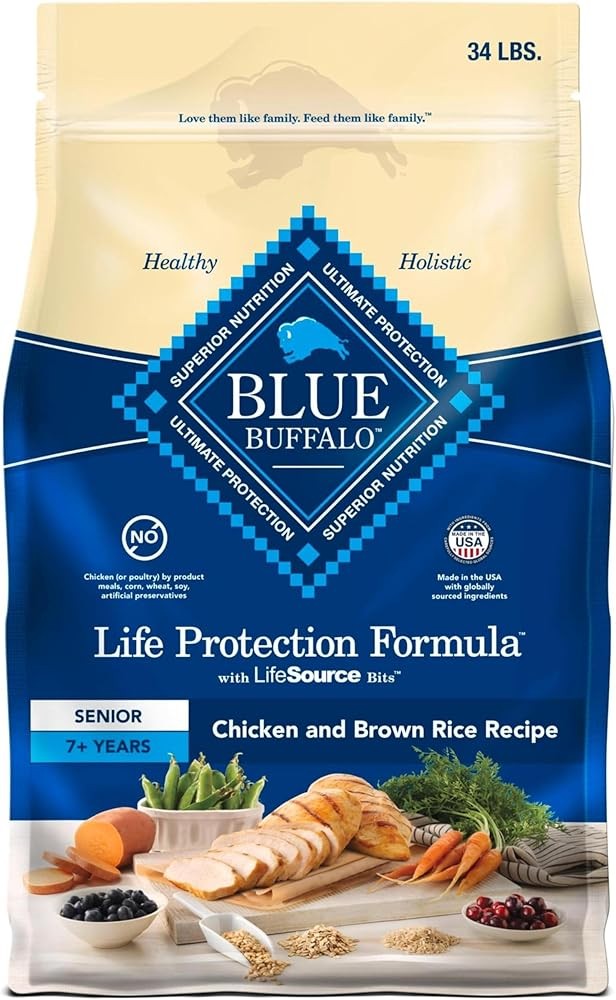
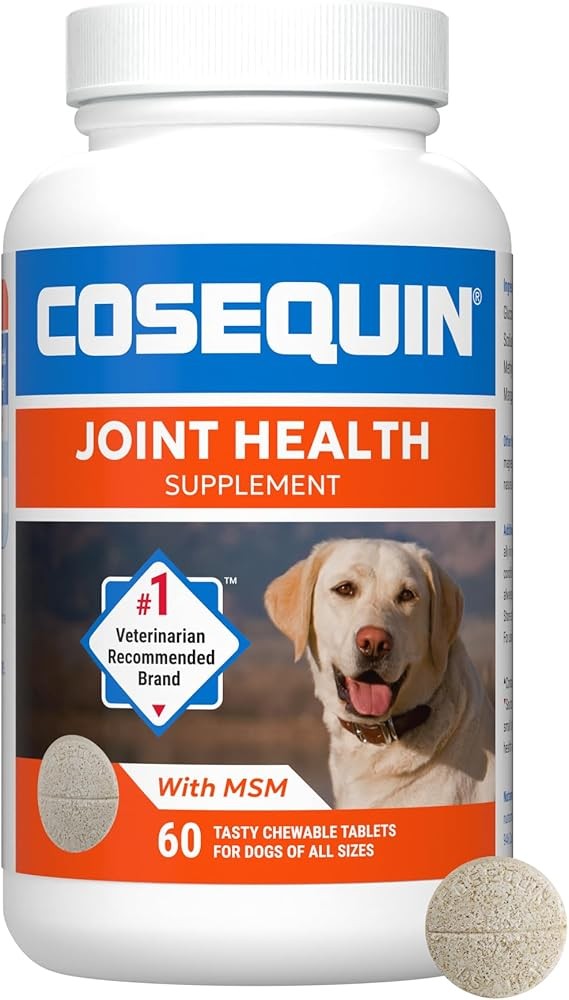
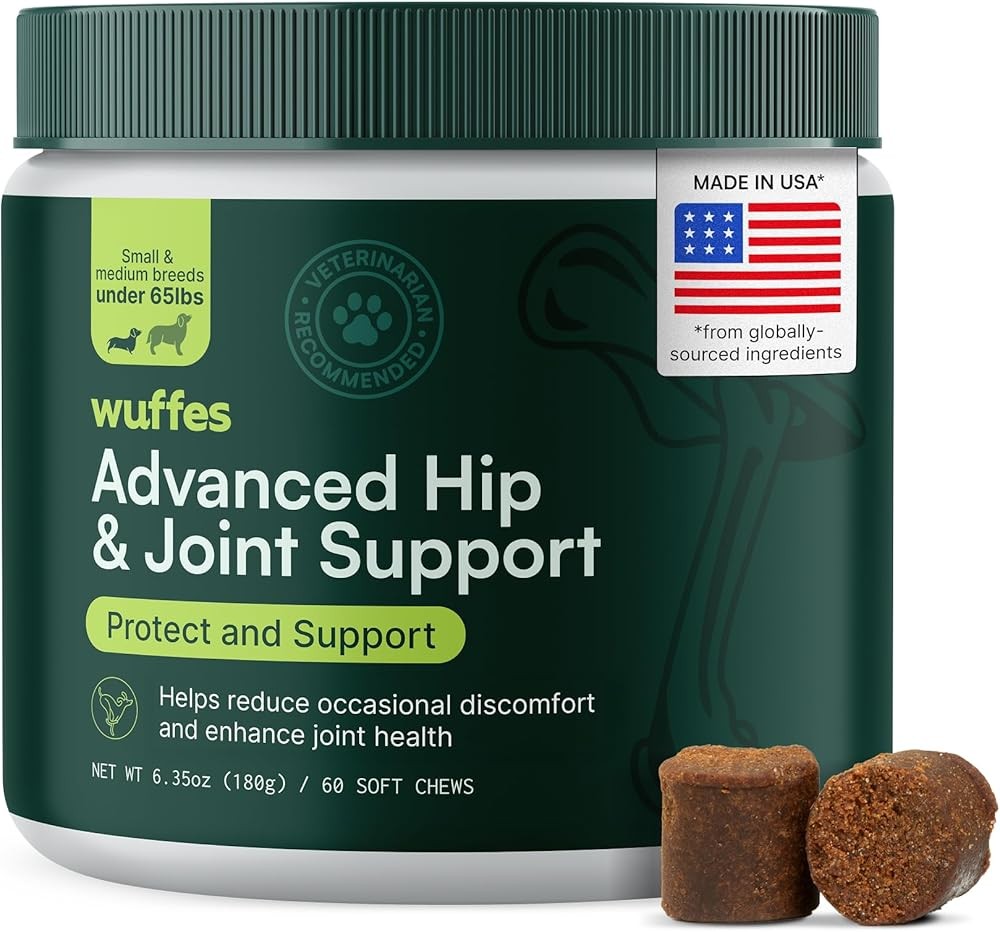
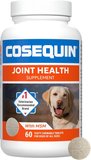
Senior dogs with arthritis need specialized nutrition to manage joint inflammation and maintain mobility as they age. Blue Buffalo Life Protection Formula Senior provides 28% protein with glucosamine and chondroitin plus omega-3 fatty acids for about $80 per 34 lb bag. For dogs already on a good senior food, targeted supplements fill the gaps: Nutramax Cosequin delivers pharmaceutical-grade glucosamine and chondroitin in chewable tablets for about $16 per 60-count bottle, and Wuffes Advanced Hip and Joint Chews offer a vet-formulated glucosamine-chondroitin-MSM chew for small and medium dogs at about $39 per bottle. Here is what the published research shows about nutritional management of canine arthritis.
Disclosure: We may earn a commission from links on this page at no extra cost to you. Affiliate relationships never influence our ratings. Full policy →
As dogs age, they become more prone to various health issues, including arthritis. Arthritis is a common condition that affects senior dogs, causing pain, stiffness, and limited mobility (Budsberg & Bartges, 2006; article). Most dogs begin showing signs of arthritis around 7-8 years of age, though larger breeds may develop symptoms earlier due to added joint stress. Managing arthritis in senior dogs requires a multi-faceted approach, including diet, exercise, and medication. In this guide, we explore the science behind senior dog nutrition and the best food and supplement options for arthritic seniors.
What Is Arthritis in Senior Dogs and How Does It Progress?
Arthritis, or osteoarthritis, is a degenerative joint disease that affects dogs of all ages, but it is significantly more common in senior dogs. The condition is characterized by inflammation and pain in the joints, progressive cartilage breakdown, and bone remodeling, which collectively lead to limited mobility and reduced quality of life. As dogs age, their joints undergo natural changes, including cartilage degradation and the formation of bone spurs (osteophytes), which contribute to arthritic changes.
Osteoarthritis is progressive and, according to research, cannot be reversed, generally worsening over time. However, studies indicate management options may help slow disease progression and alleviate symptoms, potentially allowing many dogs to continue living comfortably, otherwise healthy lives after diagnosis. The key to supportive management, as shown by research, is early intervention and a comprehensive approach that addresses inflammation, joint support, weight management, and pain control.
Bottom line: Research indicates arthritis in senior dogs is a progressive condition affecting joint cartilage and bone that generally cannot be reversed. However, published research shows early intervention with comprehensive management strategies may help slow progression and maintain quality of life.
The Aging Joint: What Happens at the Cellular Level
In healthy joints, cartilage provides a smooth, cushioned surface that allows bones to glide past each other with minimal friction. This cartilage is maintained by cells called chondrocytes, which produce collagen and proteoglycans that give cartilage its structure and shock-absorbing properties. As dogs age, several changes occur:
- Decreased cartilage repair: Chondrocyte activity declines, reducing the joint’s ability to repair minor damage from daily wear and tear.
- Oxidative stress: Free radical accumulation damages cellular structures, including cartilage and synovial fluid, accelerating degradation.
- Chronic low-grade inflammation: Age-related inflammation (sometimes called “inflammaging”) contributes to cartilage breakdown.
- Synovial fluid changes: The lubricating fluid within joints becomes less effective, increasing friction.
- Bone remodeling: As cartilage wears away, bone responds by forming spurs and thickening, which causes pain and restricted movement.
Understanding these mechanisms helps explain why nutritional intervention can make a meaningful difference—certain nutrients directly support cartilage repair, reduce inflammation, and combat oxidative stress.
What Are the Signs and Symptoms of Arthritis in Senior Dogs?
One of the most challenging aspects of studying canine arthritis is recognizing the early signs. Dogs are remarkably stoic animals that often hide pain until it becomes severe. Research indicates osteoarthritis can be difficult to detect in its early stages, with symptoms often not becoming apparent until the affected joint is badly damaged.
Early Warning Signs (What to Watch For)
Mobility and Movement Changes:
- Stiffness after rest: Especially noticeable in the morning when your dog first gets up or after periods of rest. Your dog may take longer to stretch or start walking.
- Difficulty with stairs: Reluctance to climb stairs or jump onto furniture that was previously easy.
- Slower walking pace: Taking shorter strides and appearing unsteady on their feet.
- Limping or favoring limbs: May be intermittent at first, worsening after exercise.
- Reduced activity level: One of the earliest signs is a noticeable decline in activity, with decreased interest in activities they once enjoyed like running, playing, or long walks.
Physical Changes:
- Postural abnormalities: Hunching or other postural changes, often caused by spinal arthritis.
- Muscle loss (atrophy): Thinning limbs due to reduced use of painful joints.
- Excessive licking or chewing: Focused on particular joints, indicating localized pain or inflammation.
- Swollen joints: May be warm to the touch.
Behavioral and Personality Changes:
- Loss of interest: Reduced engagement in socialization or play.
- Mood changes: Increased irritability, withdrawal, or depression.
- Sleep pattern changes: Sleeping more than usual.
- Appetite changes: Reduced appetite or seeming less alert.
- Aggression: Some dogs become aggressive when painful areas are touched.
Signs of Improvement: What Better Looks Like
When nutritional and therapeutic interventions are working, you should notice progressive improvements over weeks to months:
Week 1-2: - Research suggests dogs may demonstrate a slightly increased willingness to move after resting - Studies indicate a reduction in observable discomfort when rising may be seen - Dogs may show renewed interest in short walks (PubMed 27269707)
Week 3-4: - Research suggests owners may observe improved mobility in the mornings - Studies indicate an increased willingness to climb stairs or jump may be seen - Published research shows a more consistent gait with less limping appears to have some benefit - Research suggests better appetite and engagement may be beneficial (PubMed 29262825)
1-3 Months: - Research suggests improvements in activity levels may be observed - Studies indicate a return of playful behaviors may occur - Published research shows better sleep quality (less shifting due to discomfort) appears to have some benefit - Research indicates reduced excessive licking or chewing at joints may be seen - Studies suggest weight loss (if needed) may support reduced visible strain on movement - Research suggests stabilization or improvement in muscle mass may be possible.
Important note: Most interventions require 4-6 weeks of consistent supplementation before improvements become noticeable. Joint health changes happen slowly, so patience and consistency are essential.
Red Flags: When to See Your Veterinarian Immediately
- Sudden inability to bear weight on a limb
- Acute, severe pain or crying out when touched
- Complete loss of appetite lasting more than 24 hours
- No improvement after 6 weeks on maximum doses of arthritis pain medication
- Progressive worsening despite treatment
- Behavioral changes suggesting severe pain (aggression, hiding, constant whimpering)
If you notice any persistent signs of stiffness, limping, or pain, consult a veterinarian promptly. Studies indicate early intervention may help reduce the risk of arthritis progressing and significantly improve a dog’s quality of life.
Bottom line: Early arthritis symptoms in dogs include morning stiffness, difficulty with stairs, reduced activity, and limping, with improvements typically visible within 1-3 months of proper treatment, though early detection and veterinary consultation are critical for optimal outcomes.
How Does Diet Help Manage Arthritis in Senior Dogs?
Diet plays a crucial, multifaceted role in managing arthritis in senior dogs. While nutrition alone cannot be a solution for arthritis, it can significantly impact disease progression, inflammation levels, pain, and overall quality of life (PubMed 27269707). A well-designed nutritional approach addresses several key objectives:
1. Weight Management: The Most Powerful Nutritional Intervention
Excess body weight is one of the most significant modifiable factors affecting arthritis severity. Published research suggests that in overweight dogs, weight loss may support a reduction in arthritis pain and may help slow disease progression. Controlled weight-loss trials in overweight arthritic dogs show that losing excess weight improves lameness, and clinical guidance commonly targets a loss of about 6% of body weight as the first meaningful milestone (Mlacnik et al., 2006; PubMed 17144822).
The mechanism is straightforward: every extra pound places additional mechanical stress on already damaged joints. For a 50-pound dog, being even 5 pounds overweight means carrying a 10% weight penalty with every step, jump, or stair climb. This constant overload accelerates cartilage breakdown and increases pain.
Senior dogs face particular challenges with weight management:
- Decreased metabolism: Metabolic rate naturally declines with age, meaning fewer calories are burned at rest.
- Reduced activity: Arthritis pain leads to less exercise, creating a vicious cycle—less activity means weight gain, which worsens arthritis, leading to even less activity.
- Calorie adjustment needed: Senior dogs need fewer calories compared to their adult years, sometimes requiring a 20-30% reduction.
Important insight: For arthritic dogs with limited mobility, cutting calories is more effective for weight loss than exercise alone.
2. Inflammation Control Through Omega-3 Fatty Acids
Omega-3 fatty acids, particularly EPA (eicosapentaenoic acid) and DHA (docosahexaenoic acid) from fish sources, have been shown to have effects related to inflammation in research. These long-chain omega-3s are among the most studied ingredients regarding dog joint health, with the American Animal Hospital Association (AAHA) directly recommending them as a first-tier option. AAHA.
How omega-3s work:
- EPA and DHA are incorporated into cell membranes, where they compete with omega-6 fatty acids (which promote inflammation).
- They serve as precursors to anti-inflammatory compounds called resolvins and protectins.
- They reduce production of inflammatory cytokines and prostaglandins that contribute to joint pain and swelling.
Research evidence: In a placebo-controlled trial, arthritic dogs supplemented with fish-oil omega-3s showed improved weight bearing, and some studies report reduced NSAID requirements with omega-3 therapy (Roush et al., 2010; PubMed 20043801).
Recommended dosage: 20-30mg of combined EPA/DHA per pound of body weight daily. For a 50-pound dog, this means approximately 1,000-1,500mg of EPA+DHA daily. Fish oil supplements or fish oil-enriched diets are the most bioavailable sources.
Timeline: Consistent supplementation for 4-6 weeks is typically needed before improvements become noticeable, as it takes time to alter the inflammatory balance in joint tissues.
3. Joint Support Through Glucosamine and Chondroitin
Glucosamine and chondroitin sulfate are compounds naturally found in healthy cartilage. Supplementation aims to provide building blocks for cartilage repair and maintenance.
How they work (in theory):
- Glucosamine is a precursor to glycosaminoglycans, which form the structural matrix of cartilage.
- Chondroitin sulfate attracts water into cartilage, improving its shock-absorbing capacity and may inhibit enzymes that break down cartilage.
The evidence paradox: While glucosamine and chondroitin are widely recommended and included in most senior/joint formulas, recent research shows mixed results. Multiple clinical studies on glucosamine have shown little effect, and recent veterinary research indicates that glucosamine shows low evidence of efficacy in treating joint discomfort and maintaining joint health in dogs. Some studies show modest benefits, while others show no significant improvement over placebo.
Why they’re still used: Despite the mixed evidence, many veterinarians and pet owners report clinical improvements, and these ingredients are generally safe. They may work better for some dogs than others, and they’re often used as part of a multimodal approach rather than as standalone treatments.
Bioavailability considerations: The form and source matter. Some formulas use microencapsulation technology to enhance bioavailability and absorption. Additionally, vitamin C has been shown to help with the absorption of glucosamine and can improve its efficacy.
4. MSM (Methylsulfonylmethane)
MSM is a sulfur-containing compound often included in joint supplements, thought to have anti-inflammatory and pain-relieving properties.
Evidence: Evidence for MSM’s benefits for joint dog health is quite limited, and the combination of glucosamine and chondroitin with MSM is more of a trend than scientifically proven effective. However, it’s generally safe and may offer synergistic benefits in combination formulas.
5. Antioxidants: Combating Oxidative Stress
Oxidative stress is increasingly recognized as a factor in canine aging and in age-related conditions including osteoarthritis. As dogs age, natural antioxidant defenses diminish, which is one rationale for antioxidant-rich senior diets.
Key antioxidants for senior dogs:
- Vitamin E: Acts as an antioxidant in cell membranes, protecting lipids from oxidation.
- Selenium: Supports glutathione peroxidase, a crucial antioxidant enzyme. When combined with vitamin E, it positively impacts dogs’ immune response.
- Vitamin C: Water-soluble antioxidant that also enhances glucosamine absorption.
- Coenzyme Q10: Supports cellular energy production and has antioxidant properties.
- Plant-based antioxidants: Astaxanthin, polyphenols, and carotenoids from fruits and vegetables.
Research findings: Diet composition measurably affects oxidative and antioxidant status in dogs (Usuga et al., 2023; PubMed 36634249), which is one route by which nutrition may support healthy aging and joint tissue.
6. Protein: Maintaining Muscle Mass
One of the most critical and often misunderstood nutritional needs in senior dogs is protein.
The muscle mass crisis: Senior dogs lose 15-25% of muscle mass between ages 7-12. This sarcopenia (age-related muscle loss) occurs because aging reduces protein utilization efficiency. Muscle mass is crucial for joint support—strong muscles stabilize joints, reducing stress on damaged cartilage.
Protein requirements for seniors: Contrary to earlier understandings that senior dogs need less protein, current veterinary nutrition research recognizes that they may benefit from increased protein intake. Veterinary nutrition guidelines for senior dogs commonly recommend 28-30% protein on a dry matter basis to support muscle mass, which declines with age.
Important exception: Dogs with chronic kidney disease (CKD) require restricted protein (typically 18-24% dry matter basis). Approximately 10% of senior dogs and up to 30% of geriatric dogs over age 15 have CKD. If your dog has been diagnosed with kidney disease, follow your veterinarian’s dietary recommendations carefully.
Quality matters: Easily digestible, high-quality proteins from sources like chicken, fish, turkey, and eggs are ideal for senior dogs, who may have reduced digestive efficiency.
The evidence shows: Diet supports arthritis management through weight control (roughly 6% weight loss measurably improves lameness), omega-3 fatty acids at 20-30 mg of combined EPA+DHA per pound daily, 28-30% protein on a dry matter basis to preserve muscle mass, and antioxidants that counter oxidative stress (Mehler et al., 2016; PubMed 27269707).
What Are the Best Dog Foods for Senior Dogs with Arthritis?
When choosing dog food for your senior dog with arthritis, consider several factors including age, size, current weight status, activity level, and concurrent health conditions. The best options fall into several categories:
| Product | Protein | Key Ingredients | Price | Best For |
|---|---|---|---|---|
| Blue Buffalo Life Protection Senior | 28% | Glucosamine, chondroitin, omega-3s | $79.97 per 34 lb bag | Overall nutrition + joint support |
| Hill’s j/d (prescription) | 32% | High EPA, chondroitin, antioxidants | About $3.50-4.50/lb via your vet | Severe arthritis (prescription) |
| Purina Pro Plan JM (prescription) | 30% | EPA/DHA, glucosamine | About $3-4/lb via your vet | Joint mobility focus |
| Nutramax Cosequin Chew Tabs | N/A | Glucosamine, chondroitin sulfate | $15.87 per 60 count | Budget joint supplement |
| Wuffes Hip & Joint Chews | N/A | Glucosamine, chondroitin, MSM | $38.95 per bottle | Small and medium dogs |
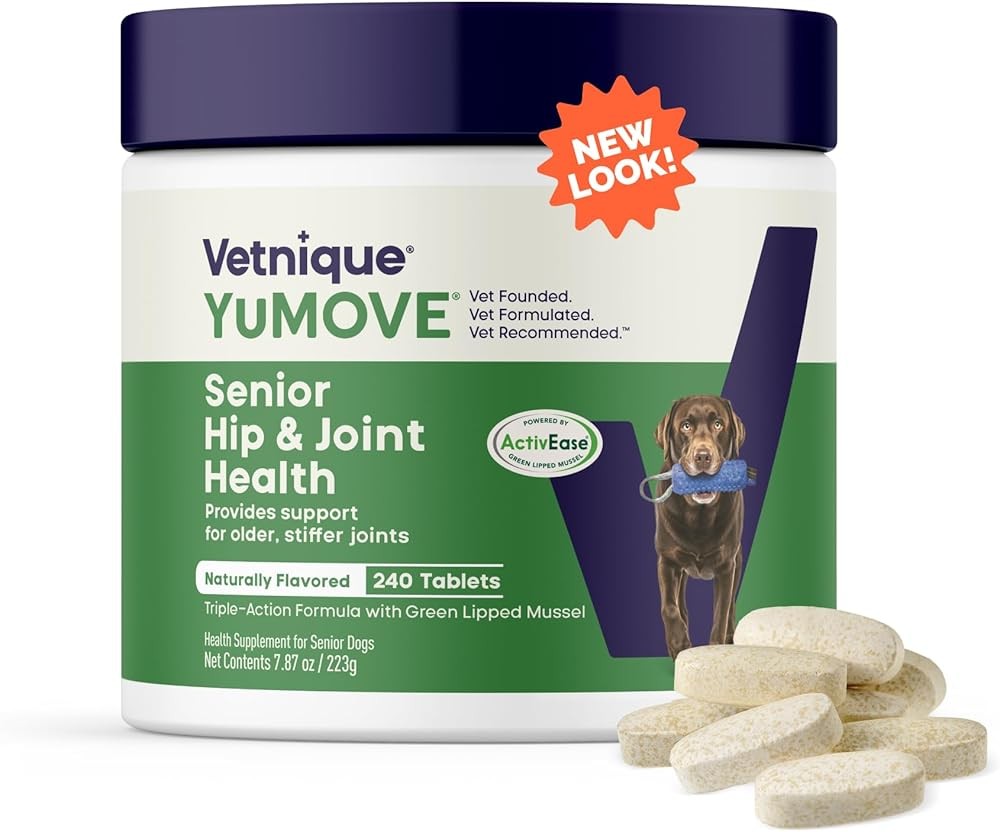
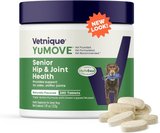
| YuMOVE Senior | N/A | Glucosamine, green-lipped mussel | $68.99 per 240 count | Premium joint support |
Prescription Mobility Diets: The Gold Standard
Prescription diets are formulated by veterinary nutritionists specifically for arthritis management and undergo rigorous testing. They’re available through veterinarians and typically require a prescription or veterinary authorization.
Hill’s Prescription Diet j/d
Hill’s j/d is one of the most-studied mobility diets for dogs. This therapeutic formula is designed for dogs with osteoarthritis, and Hill’s feeding trials report improved mobility within weeks of switching (Hill’s).
Key features:
- High protein: 32% dry matter basis to support muscle mass
- Moderate fat: 14% dry matter basis for appropriate energy
- High EPA from fish oil: Clinically proven levels to reduce inflammation
- Chondroitin sulfate: Explicitly included for cartilage support
- Antioxidants: Vitamin E, vitamin C, and beta-carotene
- Controlled calories: Formulated to support healthy weight
Research findings: Independent trials of joint-supporting diets in arthritic dogs show measurable improvements on timelines of 3-8 weeks (Comblain et al., 2017; PubMed 29262825), and Hill’s cites mobility improvements within weeks for j/d.
Purina Pro Plan Veterinary Diets JM Joint Mobility
Purina Pro Plan Veterinary Diets JM Joint Mobility Canine Formula is recommended by veterinarians for the dietary management of arthritis in puppies, adult, and senior dogs.
Key features:
- Innovative nutritional blend: High levels of long-chain omega-3 fatty acids (EPA and DHA)
- Glucosamine: Included to support joint health
- Moderate protein and fat: Balanced for weight management
- Antioxidants: Vitamin E and selenium
Evidence: Includes omega-3 fatty acids at levels similar to those used in clinical studies of joint health in dogs.
Royal Canin Mobility Support
Royal Canin Mobility Support provides targeted nutrition for dogs with joint concerns, including senior dogs with arthritis.
Key features:
- Omega-3 fatty acids: EPA and DHA from fish sources
- Glucosamine and chondroitin: For cartilage support
- Green-lipped mussel extract: Natural source of glucosamine and omega-3s
- Antioxidant complex: Including vitamin E, vitamin C, taurine, and lutein
- Controlled calorie density: For weight management
Premium Senior Formulas (Over-the-Counter)
High-quality commercial senior dog foods may not be as targeted as prescription diets, but many offer excellent nutritional profiles for arthritic senior dogs.
Royal Canin Senior Dog Food
This food is specifically formulated for senior dogs and includes beneficial ingredients for aging joints.
Key features:
- Omega-3 fatty acids: EPA and DHA for anti-inflammatory support
- Glucosamine: To support joint health
- Antioxidant complex: Vitamins E and C, lutein, and taurine
- Adapted protein content: Supports muscle mass
- Controlled phosphorus: Important for aging kidneys
Hill’s Science Diet Senior Dog Food
Hill’s Science Diet offers senior formulas designed to meet the unique needs of older dogs, including arthritis management support.
Key features:
- Chondroitin and vitamin E: Support joint health
- High-quality protein: Maintains lean muscle
- Omega-6 fatty acids and vitamin E: Support skin and coat
- Balanced minerals: Support heart and kidney health
- Natural fiber and prebiotics: Support digestive health
Purina Pro Plan Senior Dog Food
Purina Pro Plan offers several senior formulas, including options specifically marketed for brain health and mobility.
Key features:
- Omega-3 fatty acids: EPA and DHA from fish oil
- Glucosamine: Supports joint health and mobility
- High protein: 27-30% depending on formula, supports muscle mass
- Botanical oils: Some formulas include medium-chain triglycerides for brain health
- Antioxidants: Vitamins E and C
Blue Buffalo Life Protection Formula Senior

Blue Buffalo offers senior formulas with joint-supporting ingredients and high-quality protein sources.
Key features:
- Real meat as the first ingredient: Chicken or lamb provides high-quality protein
- Glucosamine and chondroitin: Support joint health and mobility
- LifeSource Bits: Cold-formed kibbles containing antioxidants, vitamins, and minerals
- Omega-3 and omega-6 fatty acids: Support skin, coat, and joint health
- No corn, wheat, or soy: Easier digestion for sensitive stomachs
- Natural ingredients: With added vitamins and minerals
Wellness CORE Senior Formula
Wellness CORE offers grain-free senior formulas with high protein content to support muscle mass.
Key features:
- High protein content: 34% protein from deboned turkey, chicken meal, and turkey meal
- Grain-free: Ideal for dogs with grain sensitivities
- Glucosamine and chondroitin: Support healthy joints and cartilage
- Omega fatty acids: From salmon oil and flaxseed for anti-inflammatory benefits
- Probiotics: Support digestive health
- No meat by-products, fillers, or artificial preservatives
Nutro Ultra Senior Dry Dog Food
Nutro Ultra combines three lean proteins with superfoods for comprehensive senior nutrition.
Key features:
- Trio of proteins: Chicken, lamb, and salmon for optimal amino acid profile
- Superfood blend: Including coconut, chia, kale, and blueberries for antioxidants
- Non-GMO ingredients: High-quality, traceable ingredients
- Glucosamine and chondroitin: Support joint health
- No chicken by-product meal, corn, wheat, or soy protein
- Made in the USA with globally sourced ingredients
Merrick Grain-Free Senior Recipe
Merrick provides grain-free options with high protein and joint-supporting ingredients.
Key features:
- High protein: 32% protein from deboned chicken
- Grain-free carbohydrates: Sweet potatoes and peas provide energy
- Glucosamine and chondroitin: 1,200mg/kg and 900mg/kg respectively
- Omega-3 and omega-6: Support skin, coat, and joints
- Made in the USA: Using locally sourced ingredients when possible
- No artificial colors, flavors, or preservatives
Soft Food Options for Seniors with Dental Issues
Approximately 80% of dogs over age three develop dental disease, and dental problems often worsen with age. For senior dogs with missing teeth, gum disease, or painful oral conditions, soft food options are essential.
Wet/canned food benefits:
- Easier to eat: Requires minimal chewing
- Higher moisture content: Helps with hydration, especially important for senior dogs
- Enhanced palatability: Often more appealing to dogs with reduced appetite
- Portion control: Can be cut into smaller pieces or blended for easier consumption
Dry kibble modifications:
- Adding water: A general guideline is starting with a 1:1 ratio of water to kibble, adjusting as needed for consistency
- Low-sodium broth: Chicken or beef broth adds moisture and flavor while softening kibble
- Soaking time: Allow 10-15 minutes for kibble to fully soften before feeding
Homemade soft options (use as supplements or toppers, not complete diets unless formulated by a veterinary nutritionist):
- Boiled chicken, vegetables, sweet potato, and carrots, mashed or pureed
- Homemade bone broth (ensure all bones are removed, no onions or garlic)
Feeding strategy: Research suggests smaller, more frequent meals (2-3 times daily) may support digestive comfort by avoiding overfilling stomachs and reducing digestive stress. Elevated food bowls at chest or shoulder height may also reduce strain on the neck, shoulders, and spine, allowing a more natural head position while eating.
Recommended wet food options for arthritic seniors:
Hill’s Science Diet Adult 7+ Savory Stew
This canned formula provides complete nutrition in an easy-to-eat soft stew format.
Key features:
- Chunks in gravy: Easy to chew, highly palatable
- High moisture content: Supports hydration
- Balanced minerals: Support kidney and heart health
- Antioxidants: Vitamins E and C support immune function
- No artificial colors, flavors, or preservatives
Purina Pro Plan BRIGHT MIND Adult 7+ Wet Dog Food
Purina’s wet senior formula includes nutrients that support brain function alongside joint health.
Key features:
- Enhanced botanical oils: Including medium-chain triglycerides for cognitive health
- High-quality protein: Maintains muscle mass
- Omega fatty acids: Support joints and cognitive function
- Easy-to-chew texture: Ideal for seniors with dental issues
- Grain-inclusive formula: Provides digestible carbohydrates
Royal Canin Aging 12+ Thin Slices in Gravy
Specifically formulated for dogs 12 years and older, this formula addresses multiple senior health needs.
Key features:
- Ultra-soft texture: Thin slices in savory gravy
- Adapted protein content: Supports aging muscle mass
- Antioxidant complex: Vitamins E and C, lutein, and taurine
- Omega-3 fatty acids: EPA and DHA for joint and cognitive support
- Enhanced palatability: Appeals to senior dogs with reduced appetite
Bottom line: Research suggests the most supportive dog foods for senior dogs experiencing arthritis include prescription mobility diets like Hill’s j/d (studies indicate it may support improved mobility in 21 days), premium formulas containing omega-3s and glucosamine, and softer food options for dogs with dental concerns, with weight management appearing to be a particularly impactful factor.
What Joint Supplements Should I Consider for My Arthritic Dog?
In addition to complete diets, targeted supplements can provide additional support for arthritic joints (PubMed 21155677). These are particularly useful if your dog eats a standard senior diet rather than a prescription mobility diet (McKenzie, 2010; PubMed 21155677).
Glucosamine and Chondroitin Supplements
Nutramax Cosequin is one of the most widely recommended veterinary joint supplements, containing pharmaceutical-grade glucosamine and chondroitin. While evidence for these ingredients is mixed, many veterinarians and pet owners report positive results.
Hip and Joint Chews with Comprehensive Formulas
Zesty Paws Hip and Joint Chews combine multiple ingredients including glucosamine, chondroitin, MSM, and green-lipped mussel extract. The soft chew format is easier for senior dogs to consume than large tablets.
Omega-3 Supplements
If your dog’s current food doesn’t contain adequate omega-3 levels, research suggests a fish oil supplement may support therapeutic dosing. Look for products that specify EPA and DHA content (not just “fish oil”), and studies indicate aiming for 20-30mg EPA+DHA per pound of body weight may be beneficial.
For more detailed guidance on omega-3 supplementation, see our comprehensive article on omega-3 for dogs, which covers proper EPA/DHA dosing, sources, and quality considerations.
For a broader overview of joint supplements, our article on the best dog supplements for hip and joint health provides detailed comparisons and recommendations.
What this means for you: Omega-3 fatty acids (EPA/DHA at 20-30 mg per pound daily) have the strongest evidence in arthritic dogs, followed by glucosamine and chondroitin despite mixed clinical data (McKenzie, 2010; PubMed 21155677). All supplements need 4-6 weeks of consistent use before judging results.
How Do You Choose the Right Food for a Senior Dog with Arthritis?
Selecting the optimal food for your senior dog with arthritis requires evaluating multiple factors:
1. Assess Your Dog’s Body Condition
Is your dog overweight? If yes, this is your #1 priority. Research suggests selecting a lower-calorie senior or weight management formula may be beneficial. Prescription weight management foods (like Hill’s Metabolic or Royal Canin Weight Control) have been used in studies for dogs needing weight management. Published research indicates weight loss may appear to have some benefit for pain management, potentially more so than supplements.
Is your dog at ideal weight? Choose a standard senior formula with appropriate calorie density for maintenance, focusing on joint-supporting ingredients.
Is your dog underweight or losing muscle mass? This may indicate protein intake is lower than needed or an underlying health issue may be present. Consultation with a veterinarian is recommended. Research suggests a higher-protein formula or appetite stimulants may be considered.
2. Evaluate Ingredient Priorities
Essential ingredients for arthritic senior dogs:
- ✓ High-quality protein (28-30% dry matter basis minimum)
- ✓ Omega-3 fatty acids from fish (specifically EPA and DHA, not just “fish oil”)
- ✓ Glucosamine and chondroitin (despite mixed evidence, widely recommended and generally safe)
- ✓ Antioxidants (vitamins E and C, selenium)
- ✓ Controlled calories appropriate for reduced activity levels
Optional but beneficial:
- Green-lipped mussel extract
- MSM
- Coenzyme Q10
- Botanicals (turmeric/curcumin, boswellia)
3. Consider Concurrent Health Issues
Chronic kidney disease: Research suggests a diet with lower protein (18-24% dry matter), restricted phosphorus, and omega-3s may be beneficial. Studies indicate veterinary renal diets like Hill’s k/d or Royal Canin Renal Support may be helpful, rather than high-protein senior formulas.
Food allergies or sensitivities: Choose limited-ingredient diets or novel protein sources. See our guide on best dog food for dogs with skin allergies and itching.
Sensitive stomach: Look for easily digestible proteins, prebiotics, and probiotics. Our article on best dog food for sensitive stomachs and food intolerances provides detailed recommendations.
General inflammation: Consider our guide to anti-inflammatory dog food for joint pain and allergies for foods that address multiple inflammatory conditions.
4. Match to Your Dog’s Size
Large and giant breeds (over 50 pounds) have different nutritional needs than small breeds:
- Large breeds: More prone to joint issues, may benefit from joint-specific formulas with controlled calcium/phosphorus ratios to protect bone health
- Small breeds: Higher metabolic rates, may need more calorie-dense foods, smaller kibble sizes for easier chewing
5. Palatability and Preferences
The best food is one your dog will actually eat consistently. Senior dogs may have:
- Reduced appetite: Wet food or kibble with gravy/broth may be more appealing
- Dental issues: Soft food or moistened kibble may be necessary
- Pickiness: Gradual food transitions and patience may be needed
6. Budget Considerations
Price ranges:
- Prescription diets: $60-$100+ for a 25-pound bag (most expensive but most targeted)
- Premium senior formulas: $50-$80 for a 25-pound bag
- Standard senior foods: $30-$50 for a 25-pound bag
Cost-effectiveness perspective: While premium foods cost more upfront, they may reduce medication costs, veterinary visits, and provide better quality of life, potentially saving money long-term. Additionally, joint supplements can cost $30-$50/month separately—choosing a food that includes these ingredients may be more economical.
7. Practical Feeding Tips
Transition gradually: Change foods over 7-10 days, mixing increasing proportions of new food with old food to avoid digestive upset.
Measure accurately: Use a measuring cup or scale, not visual estimation. Overfeeding is extremely common and leads to weight gain.
Adjust for snacks and supplements: If you give snacks, reduce meal portions accordingly to keep total daily calories on target.
Monitor body condition monthly: Feel your dog’s ribs—you should be able to feel them easily without seeing them prominently. Adjust portions as needed.
Feed at consistent times: Senior dogs benefit from routine, and consistent meal times support digestive health.
Bottom line: Choosing the right food requires assessing your dog’s body condition first (overweight dogs need calorie reduction as priority #1), evaluating ingredient quality (28-30% protein, omega-3s, glucosamine), considering concurrent health issues like kidney disease, and matching to your dog’s size and palatability preferences.
What Are the Best Feeding Guidelines and Meal Plans for Arthritic Senior Dogs?
Proper feeding goes beyond choosing the right food—how much, how often, and when you feed can significantly impact your senior dog’s arthritis management and overall health.
Calculating Daily Caloric Needs for Senior Dogs
Senior dogs have reduced caloric needs compared to younger adults due to decreased metabolism and activity levels. Using an appropriate feeding amount may help reduce the risk of weight gain while ensuring adequate nutrition.
Basic calculation method:
- Determine Resting Energy Requirement (RER): Research indicates RER can be calculated as 70 × (body weight in kg)^0.75. 2. Apply multiplier for senior dogs: Studies suggest daily calorie needs may be estimated by applying a multiplier of 1.2 to 1.4 to the RER, depending on activity level.
Example for a 50-pound (22.7 kg) senior dog:
- RER = 70 × (22.7)^0.75 = 70 × 11.4 = 798 calories
- For a moderately active senior: 798 × 1.3 = 1,037 calories per day
- For a sedentary arthritic senior: 798 × 1.2 = 958 calories per day
For weight loss: Use ideal body weight rather than current weight in the calculation, and multiply RER by 1.0 instead of 1.2-1.4.
Important variables:
- Breed size: Small dogs have higher metabolic rates per pound than large dogs
- Activity level: Arthritic dogs with very limited mobility may need the lower end of the range
- Indoor vs. outdoor: Dogs living primarily indoors need fewer calories
- Spayed/neutered status: Altered dogs need approximately 25% fewer calories than intact dogs
Sample Meal Plans for Different Dog Sizes
Small Dog (20 pounds) - Moderately Arthritic
Daily caloric need: Approximately 550-600 calories
Morning meal (8:00 AM):
- 1/2 cup Royal Canin Senior dry food (approximately 180 calories)
- 1 tablespoon wet food mixed in for palatability
- 1 fish oil capsule (omega-3 supplement)
Midday snack (1:00 PM):
- 2 small dental chews or joint-supporting snacks (approximately 40 calories)
Evening meal (6:00 PM):
- 1/2 cup Royal Canin Senior dry food (approximately 180 calories)
- 2 tablespoons plain pumpkin or sweet potato for fiber
- Glucosamine/chondroitin supplement mixed in
Before bed (9:00 PM):
- Small training snack or vegetable snack (carrot, green bean) (approximately 20 calories)
Total daily calories: Approximately 600 calories
Medium Dog (50 pounds) - Significantly Arthritic with Weight Loss Goal
Current weight: 50 pounds | Ideal weight: 45 pounds Daily caloric need: Approximately 900-950 calories (calculated for ideal weight)
Morning meal (7:30 AM):
- 1 cup Hill’s j/d dry food (approximately 350 calories)
- 1/4 cup warm water to soften kibble
- 2 fish oil capsules or 1 teaspoon liquid fish oil
Afternoon meal (2:00 PM):
- 1/2 cup Hill’s j/d dry food (approximately 175 calories)
- 1/4 can wet food for palatability (approximately 100 calories)
- Joint supplement (glucosamine/chondroitin)
Evening meal (7:00 PM):
- 3/4 cup Hill’s j/d dry food (approximately 260 calories)
- Mixed vegetables (green beans, carrots) for volume without calories (approximately 25 calories)
Total daily calories: Approximately 910 calories
Weight loss strategy notes:
- Aim for 1-2% body weight loss per week (0.5-1 pound per week for a 50-pound dog)
- Measure and weigh weekly at the same time of day
- Adjust portions if weight loss is too rapid (more than 2% per week) or too slow (less than 1% per week)
- Use low-calorie vegetables to add volume if dog seems hungry
Large Dog (80 pounds) - Early-Stage Arthritis, Maintaining Weight
Daily caloric need: Approximately 1,500-1,600 calories
Morning meal (7:00 AM):
- 2 cups Purina Pro Plan JM Joint Mobility (approximately 700 calories)
- 1/4 cup warm low-sodium chicken broth to soften
- 3 fish oil capsules or 1.5 teaspoons liquid fish oil
Midday meal (1:00 PM):
- 1 cup Purina Pro Plan JM Joint Mobility (approximately 350 calories)
- 1/4 can wet food mixed in
- Glucosamine supplement
Evening meal (7:00 PM):
- 1.5 cups Purina Pro Plan JM Joint Mobility (approximately 525 calories)
- 2 tablespoons plain Greek yogurt (probiotic benefit)
- Mixed vegetables (optional)
Total daily calories: Approximately 1,575 calories
Large breed considerations:
- Feed from elevated bowls to reduce neck and shoulder strain
- Divide food into 3 meals to help reduce the risk of bloat (common in large/giant breeds)
- Monitor for signs of bloat: distended abdomen, restlessness, unproductive vomiting attempts
- Consider slow-feeder bowls to help reduce the risk of rapid eating
Transitioning Between Foods: Step-by-Step Protocol
Changing your senior dog’s food requires a gradual transition to avoid potential digestive upset (diarrhea, vomiting, gas). Research suggests that dogs with arthritis may already have reduced appetite, so maintaining palatability during transition appears crucial, according to studies.
Standard 7-10 Day Transition Schedule:
Days 1-2: 75% old food + 25% new food Days 3-4: 50% old food + 50% new food Days 5-6: 25% old food + 75% new food Days 7+: 100% new food
For dogs with sensitive stomachs or history of digestive issues, extend to a 14-day transition:
Days 1-3: 85% old food + 15% new food Days 4-6: 70% old food + 30% new food Days 7-9: 50% old food + 50% new food Days 10-12: 30% old food + 70% new food Days 13-14: 15% old food + 85% new food Day 15+: 100% new food
Transition tips:
- Mix thoroughly: Ensure new and old food are well combined so your dog can’t pick out preferred pieces
- Monitor stool consistency: Slightly soft stool is normal during transition; persistent diarrhea means slow the transition
- Watch for signs of intolerance: Vomiting, complete loss of appetite, lethargy, or bloody stool require immediate veterinary attention
- Add palatability enhancers if needed: Warm water, low-sodium broth, or small amounts of wet food can make new food more appealing
- Don’t give up too quickly: Some dogs are initially reluctant but accept the new food after a few days
What to do if your dog refuses the new food:
- Try warming it slightly to enhance aroma
- Add a small amount of wet food or low-sodium broth
- Hand-feed a few pieces to encourage interest
- Ensure the food isn’t expired or stale
- Try a different flavor or protein source within the same brand/formula line
- If refusal continues beyond 3-4 days, consult your veterinarian—there may be an underlying health issue affecting appetite
Feeding Schedule Recommendations by Arthritis Severity
Mild arthritis (occasional stiffness, mostly mobile): - Research suggests providing 2 meals per day (morning and evening) may be sufficient – this is commonly observed in studies. - Studies indicate consistent timing – feeding at approximately the same times daily – may help support routine. - Published research shows splitting the portion into roughly equal amounts at each meal appears to have some benefit. - Clinical trials have used a short walk 30-60 minutes after meals to support gentle movement.
Moderate arthritis (daily stiffness, reduced mobility, on pain medication):
- 2-3 meals per day to maintain steady energy and reduce stomach fullness
- Smaller portions: Easier to digest and may help reduce discomfort when lying down
- Medication timing: Research indicates administering NSAIDs with food may help protect the stomach
- Consider: A midday meal around 1:00-2:00 PM if feeding 3 times daily
Severe arthritis (significant mobility limitation, multiple medications): - Research suggests feeding 3 meals per day may help maintain nutrition despite potentially reduced appetite
- Highly palatable options such as wet food, moistened kibble, or warming food to enhance aroma have been investigated to encourage intake
- Medication coordination: Studies indicate ensuring food is given with medications that require it may be beneficial
- Elevated bowls: Research suggests using elevated bowls may help reduce strain during feeding
- Easy access: Studies show placing food and water in locations that require minimal walking may support comfort.
Snacks: What Is Safe and Beneficial
Snacks make up a significant portion of many dogs’ daily caloric intake but are often overlooked in arthritis management plans. For a senior dog with arthritis, every calorie counts—especially if weight loss is a goal.
General snack guidelines:
- Limit to 10% of daily calories: For a dog eating 1,000 calories daily, snacks should stay under 100 calories (Linder & Parker, 2016; PMID 27289252)
- Reduce meal portions accordingly: Subtract snack calories from the daily ration rather than adding them on top
- Choose functional snacks: Snacks with joint-supporting ingredients beat empty calories, but check their calorie load
Best snack options for arthritic senior dogs:
Joint-supporting snacks:
- Glucosamine/chondroitin chews (like Zesty Paws Hip & Joint)
- Green-lipped mussel snacks
- Fish-based jerky (provides omega-3s)
- Freeze-dried salmon or sardines
Low-calorie training snacks:
- Small pieces of lean chicken or turkey (cooked, no seasoning)
- Green beans (fresh or frozen, not canned with salt)
- Carrot pieces
- Apple slices (remove seeds and core)
- Blueberries (antioxidant-rich)
Dental health snacks:
- Veterinary Oral Health Council (VOHC) approved dental chews
- Appropriately sized dental bones
- Note: Many dental snacks are high in calories—check labels and adjust accordingly
Snacks to avoid:
- High-calorie biscuits and cookies: Often 100+ calories per snack
- Table scraps with seasonings: Salt, garlic, onion, and other seasonings are harmful
- Fatty meats: Bacon, sausage, and fatty beef can cause pancreatitis
- Processed human snacks: Chips, crackers, and baked goods provide no nutritional value
- Bones that can splinter: Cooked chicken bones, rib bones, or weight-bearing bones from large animals
Snack timing considerations:
- After short exercise: Reward gentle activity with a healthy snack
- During training: Use tiny, low-calorie snacks for frequent rewards
- Medication administration: Use small amounts of peanut butter, cream cheese, or pill pockets
- Before bed: A small, easily digestible snack can curb overnight hunger
Bottom line: Senior arthritic dogs benefit from 2-3 smaller meals daily rather than one large meal, with caloric needs calculated using RER x 1.2-1.4 (lower for sedentary dogs), gradual 7-10 day food transitions, snacks limited to 10% of daily calories, and elevated food bowls to reduce joint strain during feeding.
What Complementary Therapies Help Manage Arthritis Beyond Diet?
While this article focuses on nutrition, optimal arthritis management requires a multimodal approach:
Pain Management
NSAIDs (non-steroidal anti-inflammatory drugs): Medications like carprofen (Rimadyl), meloxicam, and deracoxib are often the cornerstone of arthritis pain management. They reduce inflammation and pain but require veterinary monitoring (bloodwork) to ensure liver and kidney safety.
Other pain medications: Gabapentin, tramadol, or amantadine may be added for comprehensive pain control in severe cases.
Joint injections: Research indicates intra-articular injections may show improvements in clinical outcomes for dogs with osteoarthritis. Some dogs show changes by week 3, with observed functional gains (PubMed 40854430).
Corticosteroid injections: Can improve arthritis for four to eight weeks but are used sparingly due to side effects with repeated use.
Physical Rehabilitation
Physical therapy: Including range-of-motion exercises, controlled exercise programs, and underwater treadmill therapy Laser therapy: Relief and/or improvement is often noticed within hours, depending on the condition and individual response Acupuncture: Most dogs require 4-6 initial sessions, followed by maintenance treatments every 4-8 weeks Shockwave therapy: Often provides pain relief for weeks or months after a single treatment
Environmental Modifications
- Orthopedic beds: Memory foam or supportive beds reduce pressure on joints
- Ramps: For accessing furniture, cars, or stairs
- Non-slip flooring: Rugs or mats on slippery floors may help reduce the risk of falls and provide confidence
- Elevated food and water bowls: Reduce neck and spine strain
- Warm, dry sleeping areas: Cold and dampness worsen joint pain
Appropriate Exercise
Gentle, low-impact exercise maintains muscle mass and joint mobility without causing pain:
- Short, frequent walks: Multiple 10-15 minute walks rather than one long walk
- Swimming or hydrotherapy: Provides resistance without impact
- Avoid: High-impact activities like jumping, running on hard surfaces, or rough play
In summary: A comprehensive approach pairs dietary support with NSAIDs for pain control, physical rehabilitation (physical therapy, laser therapy, acupuncture, hydrotherapy), environmental modifications like orthopedic beds and non-slip flooring, and gentle low-impact exercise such as short 10-15 minute walks and swimming.
What Should You Expect When Starting a New Diet for Your Arthritic Dog?
Understanding realistic timelines helps maintain appropriate expectations and commitment to the nutritional approach:
Week 1-2: Transition period. Focus on avoiding digestive upset (diarrhea, vomiting) by gradually introducing the new food. You likely won’t see joint improvements yet.
Week 3-4: Early improvements may begin to appear. Some dogs show slightly better mobility in mornings or increased willingness to engage in light activity. Weight loss (if needed) may begin to show on the scale.
Week 6-8: This is typically when research-supported changes may become noticeable. Published research suggests improved mobility, reduced stiffness, better activity levels, and reduced pain-related behaviors may be evident. If no improvement is observed after 6 weeks on a comprehensive program, consultation with a veterinarian regarding adjustments to the approach is recommended.
3-6 months: Sustained, long-term improvements. Weight loss (if needed) should be progressing toward goals. Muscle mass should be stable or improving. Quality of life improvements should be clearly evident.
Important: Nutritional interventions work slowly. Patience and consistency are essential. Keep a journal of your dog’s mobility, activity level, and pain behaviors to track subtle changes that might otherwise go unnoticed.
Bottom line: Research suggests a 1-2 week food transition period may not yet show changes in joint health, with early mobility observations appearing at weeks 3-4. Studies indicate meaningful changes in stiffness and activity may be observed by weeks 6-8, and sustained long-term observations have been reported over 3-6 months, with consistent daily supplementation appearing essential for observed results.
When Should You See a Veterinarian About Your Dog’s Arthritis?
While diet and supplements can significantly help manage arthritis, veterinary care is essential:
Initial diagnosis: If you suspect arthritis based on symptoms, a veterinary exam with X-rays is necessary to confirm the diagnosis and rule out other conditions.
Comprehensive treatment planning: Your veterinarian can develop a multimodal plan including appropriate pain medications, physical therapy referrals, and dietary recommendations tailored to your dog’s specific needs.
Monitoring: Regular check-ups (every 3-6 months for stable arthritic dogs, more frequently if conditions change) allow monitoring of disease progression and medication safety.
Immediate consultation needed if:
- Increased pain or stiffness despite treatment
- Sudden inability to use a limb
- Complete loss of appetite lasting more than 24 hours
- Vomiting or diarrhea, especially if on NSAIDs
- Changes in water intake or urination (may indicate kidney issues)
- No improvement after 6 weeks on maximum treatment
Bloodwork: If your dog is on NSAIDs or has concurrent conditions like kidney disease, regular bloodwork (typically every 6-12 months) monitors organ function and ensures medications are safe to continue.
Bottom line: Research indicates veterinary care is essential for initial arthritis diagnosis (X-rays), developing a multimodal approach, and regular monitoring every 3-6 months, with prompt consultation suggested for sudden lameness, complete appetite loss over 24 hours, or no observed changes after 6 weeks of maximum support.
What Special Considerations Apply to Different Breeds and Life Stages?
Large and Giant Breeds
Breeds like German Shepherds, Labrador Retrievers, Golden Retrievers, Rottweilers, and Great Danes are particularly prone to arthritis due to their size and genetic predispositions (hip dysplasia, elbow dysplasia).
Special needs:
- Joint support starting earlier (sometimes as early as age 5 for giant breeds)
- Careful weight management is even more critical—excess weight has a magnified impact on large joints
- Large-breed-specific senior formulas with appropriate calcium:phosphorus ratios
- Higher doses of omega-3s (larger dogs need more in absolute terms)
Small Breeds
Small dogs like Chihuahuas, Dachshunds, and Toy Poodles have different considerations:
Special needs:
- Smaller kibble sizes for easier chewing
- Dental disease is more common—soft food may be necessary
- Luxating patellas (knee issues) are common in small breeds
- May need more calorie-dense foods due to higher metabolic rates
Senior Dogs with Multiple Health Issues
Many senior dogs face multiple concurrent conditions:
Arthritis + Kidney Disease: Use veterinary renal diets designed for kidney support (lower protein, restricted phosphorus) rather than high-protein senior formulas. Add omega-3 supplements if the renal diet doesn’t contain therapeutic levels.
Arthritis + Diabetes: Requires high-fiber, complex carbohydrate diets for blood sugar control. Consult your veterinarian for appropriate prescription diabetic diets that also support joints.
Arthritis + Heart Disease: Requires sodium restriction. Many prescription cardiac diets include omega-3s which benefit both heart and joints.
Arthritis + Cancer: High-protein, high-fat diets with omega-3s may help maintain muscle mass and reduce inflammation. Consult with a veterinary oncologist for specific recommendations.
Bottom line: Research suggests large breeds (over 50 lbs) may benefit from joint support formulas with 400-800mg glucosamine daily starting at age 5-6 years; studies indicate small breeds under 20 lbs have a 5-fold higher risk of luxating patella and may benefit from diets containing 25-28% protein; dogs with kidney disease (Stage 2+) benefit from phosphorus restricted to about 0.4-0.7% on a dry matter basis, versus roughly 1.0% in standard senior foods.
What Are the Most Common Myths About Senior Dog Nutrition?
Myth 1: “Senior dogs need less protein to protect their kidneys”
Reality: This outdated belief has been challenged by contemporary veterinary nutrition research. Studies suggest healthy senior dogs may benefit from a higher protein intake (28-30% dry matter basis) to potentially support muscle mass as they age. Protein restriction appears to be appropriate only for dogs with diagnosed kidney disease, according to research, and not as a general preventative strategy.
Myth 2: “Grain-free diets are healthier for senior dogs”
Reality: Grain-free diets have been linked to dilated cardiomyopathy (DCM) in some dogs, particularly when they contain high levels of peas, lentils, or potatoes. Unless your dog has a diagnosed grain allergy (which is rare), grains like rice, oats, and barley are safe, digestible carbohydrate sources. The FDA continues to investigate the grain-free/DCM connection.
Myth 3: “Glucosamine supplements work immediately”
Reality: Joint supplements require 4-6 weeks of consistent use before improvements may become noticeable. Joint cartilage changes very slowly. Immediate improvements are more likely from pain medications, not supplements.
Myth 4: “More protein causes kidney disease”
Reality: High protein does not cause kidney disease in healthy dogs. However, once kidney disease is present, protein restriction helps manage the condition by reducing kidney workload.
Myth 5: “Homemade diets are always healthier than commercial foods”
Reality: While homemade diets can be excellent when properly formulated, research indicates most homemade diets created without veterinary nutritionist guidance may not contain complete nutrition, potentially lacking essential vitamins, minerals, or proper ratios. Commercial senior/joint diets are formulated to meet AAFCO standards and studies suggest they may be a more reliable source of complete nutrition.
The key takeaway: The five biggest myths about senior dog nutrition are that seniors need less protein (they actually need 28-30% to combat muscle loss), grain-free diets are healthier (they have been linked to DCM), glucosamine works immediately (4-6 weeks minimum), protein causes kidney disease (only relevant when CKD is already diagnosed), and homemade diets are always better (most are nutritionally incomplete without veterinary nutritionist guidance).
How Do Prescription, Premium, and Standard Senior Dog Foods Compare?
Understanding the differences between prescription mobility diets, premium senior formulas, and standard senior foods helps you make an informed decision based on your dog’s needs and your budget.
Prescription Mobility Diets
Pros: - Formulated with veterinary input and supported by clinical research - Contains joint-supporting ingredients at therapeutic levels (omega-3s, glucosamine, chondroitin) - Nutrient ratios are optimized based on research related to arthritis - Clinical studies have shown measurable changes with use - Includes comprehensive antioxidant profiles - Undergoes strict quality control and testing.
Cons:
- Most expensive option ($3-$4 per pound)
- Require veterinary authorization
- Limited flavor/protein variety
- May not be available in all retail locations
Best for: Dogs with moderate to severe arthritis, especially those already seeing a veterinarian regularly for the condition; dogs who haven’t responded well to standard senior foods with supplements added.
Examples: Hill’s j/d, Purina Pro Plan JM Joint Mobility, Royal Canin Mobility Support. Studies indicate these foods may help manage joint discomfort through omega-3 fatty acids (EPA and DHA), glucosamine and chondroitin, and green-lipped mussel extract at the levels these formulas provide.
Premium Senior Formulas
Pros:
- High-quality ingredients with joint-supporting additions
- Widely available in pet stores and online
- More flavor and protein variety than prescription diets
- Often include probiotics, prebiotics, and diverse antioxidants
- No prescription required
- Better palatability for picky eaters
Cons:
- Less concentrated therapeutic ingredients than prescription diets
- May require additional supplementation for significant arthritis
- Higher cost than standard senior foods ($2-$3 per pound)
- Quality varies significantly between brands
Best for: Dogs with mild to moderate arthritis; dogs in early stages who are being proactive about joint health; owners who prefer to add targeted supplements separately; dogs with specific protein preferences or dietary restrictions. A 2023 study in dogs with naturally occurring osteoarthritis found measurable benefit from combined glucosamine-chondroitin, marine fatty acid, and carprofen protocols, supporting the value of joint-supporting ingredients in senior diets (Kampa et al., 2023; PubMed 37601749).
Examples: Royal Canin Senior, Hill’s Science Diet Senior, Purina Pro Plan Senior, Blue Buffalo Life Protection Senior, and Wellness CORE Senior. Check labels for 25%+ protein, named meat sources, and any joint-supporting ingredients.
Standard Senior Formulas
Pros:
- Most affordable option ($1-$2 per pound)
- Widely available in grocery stores and general retailers
- Variety of flavors and formats
- Meet basic AAFCO nutritional standards for seniors
- Good option when combined with separate joint supplements
Cons:
- Minimal joint-supporting ingredients
- Lower protein quality in some brands
- May contain more fillers and by-products
- Less targeted antioxidant support
- Requires careful label reading to ensure quality
Best for: Dogs with very mild arthritis or as a preventive measure; budget-conscious owners who supplement separately; dogs without significant health issues beyond normal aging.
Examples: Varies widely—check labels for protein content (look for 25%+ dry matter), named meat sources (not “meat meal”), and presence of any joint ingredients.
Side-by-Side Nutritional Comparison
Hill’s Prescription Diet j/d vs. Hill’s Science Diet Senior vs. Generic Senior Food
| Nutrient/Feature | Hill’s j/d (Prescription) | Hill’s Science Diet Senior | Generic Senior Food |
|---|---|---|---|
| Protein (dry matter) | 32% | 25-28% | 20-24% |
| Fat (dry matter) | 14% | 15-17% | 10-14% |
| EPA/DHA (omega-3) | High therapeutic levels | Moderate levels | Minimal or none |
| Glucosamine | Included at therapeutic levels | Included | Not typically included |
| Chondroitin | Included at therapeutic levels | Included | Not typically included |
| Antioxidants | Comprehensive (E, C, beta-carotene) | Good (E, C) | Basic (usually just E) |
| Clinical studies | Yes, published | Limited | No |
| Cost per pound | $3.50-$4.00 | $2.00-$2.50 | $1.00-$1.50 |
| Prescription required | Yes | No | No |
Key insight: The price difference between prescription and premium foods is often $30-50 per month for a medium-sized dog. However, this may be offset by reduced need for separate supplements ($30-50/month for quality glucosamine and fish oil) and potentially lower medication costs if joint nutrition reduces pain medication needs.
Making the Right Choice for Your Dog and Budget
Start with these questions:
-
How severe is your dog’s arthritis? - Research suggests mild occasional stiffness may be supported by premium senior food plus a basic joint supplement - Studies indicate moderate daily stiffness and reduced activity may benefit from a prescription mobility diet - Severe limited mobility that needs pain medication pairs best with a prescription mobility diet
-
Is your dog overweight?
- Yes → Weight management must be priority; consider prescription weight management + joint supplement OR prescription mobility diet with strict portion control
- No → Can focus purely on joint-supporting ingredients
-
Does your dog have other health conditions? - Kidney disease → Research indicates a veterinary renal diet may be beneficial; studies suggest adding omega-3s may be helpful if approved by a veterinarian - Heart disease → Published research shows a veterinary cardiac diet appears to have some benefit; many include omega-3s already - Diabetes → Studies suggest a veterinary diabetic diet with high fiber and controlled carbohydrates may help manage the condition - Only arthritis → Can choose any senior/joint formula based on other factors
-
What’s your realistic budget?
- Tight budget → Standard senior food + separate fish oil supplement (prioritize omega-3s over glucosamine if choosing one)
- Moderate budget → Premium senior formula; may not need additional supplements
- Flexible budget → Prescription mobility diet for optimal targeted nutrition
- How is your dog’s appetite?
- Good appetite → Any formula can work; focus on nutritional optimization
- Reduced appetite → Prioritize palatability; wet food or highly palatable premium brands may be worth the cost
- Very picky → May need to try multiple brands; prescription diets have limited flavors, so premium brands offer more options
Research-supported strategies for cost-consciousness without compromising formulation:
- Purchasing in larger quantities: Research indicates larger bag sizes may reduce cost per pound, though maintaining freshness is important (consider use within 6 weeks of opening)
- Utilizing subscription services: Many online retailers offer discounts of 5-15% for recurring deliveries
- Inquiring about samples with your veterinarian: Many veterinary clinics have sample bags of prescription diets available for trial before purchase
- Comparing cost per pound: A $60 bag with a 5-week duration may represent a better value than a $45 bag with a 3-week duration
- Avoiding unnecessary supplementation: If utilizing a prescription or premium senior food containing joint support ingredients, additional supplements may not be necessary—consult with your veterinarian.
Bottom line: Research on prescription mobility diets ($3-4/lb) indicates these formulas provide joint ingredients at levels supported by clinical research, premium senior formulas ($2-3/lb) appear to offer joint support without requiring a prescription, and standard senior foods ($1-2/lb) may benefit from separate supplementation but can be a cost-effective option when combined with quality omega-3 and glucosamine supplements.
How Do You Monitor Progress and Adjust Your Arthritic Dog’s Diet?
Nutritional management of arthritis is not a “set it and forget it” approach. Regular monitoring and adjustments ensure optimal results and catch any emerging issues early.
What to Track and How to Measure Success
Weekly monitoring (every 7 days):
Body weight: Weigh your dog at the same time of day, ideally first thing in the morning after bathroom but before eating. Use the same scale consistently.
- Target for overweight dogs: 1-2% body weight loss per week
- Target for ideal weight dogs: Maintain weight within 5% range
- Red flag: Weight loss exceeding 2% per week or any unintended weight loss
Activity observations: Note daily activity levels, willingness to walk, ability to navigate stairs, and playfulness.
- Improvement indicators: Increased walking duration, tail wagging, initiation of play, easier stair climbing
- Concern indicators: Decreased activity, increased sleeping, reluctance to move
Mobility check: Observe your dog rising from rest, walking, and moving through the house.
- Morning stiffness: How long does it take your dog to “warm up” and move normally?
- Gait quality: Is there limping, shortened stride, or asymmetry?
- Stairs: Can your dog manage stairs? Avoiding them or struggling?
Monthly monitoring (every 30 days):
Body condition score (BCS): Use the 9-point scale to assess whether your dog is underweight, ideal, or overweight.
- BCS 4-5/9: Ideal—ribs easily felt but not visible, visible waist when viewed from above, abdominal tuck when viewed from side
- BCS 6-7/9: Overweight—ribs difficult to feel, waist barely visible, little abdominal tuck
- BCS 8-9/9: Obese—ribs very difficult or impossible to feel, no waist, distended abdomen
- Adjustment: If BCS is increasing (getting heavier), reduce portions by 10-15%; if decreasing unintentionally, increase portions or consult vet
Pain and discomfort indicators: Track frequency and severity.
- Reduced pain signs: Less panting at rest, reduced excessive licking of joints, improved sleep quality, decreased irritability
- Increased pain signs: More frequent limping, reluctance to be touched, aggression when handled, constant shifting when lying down
Appetite and food intake: Monitor enthusiasm for meals and whether dog is finishing meals.
- Good sign: Consistent appetite, finishing meals within 15-20 minutes
- Concern: Leaving food, taking longer to eat, needing enticements to eat
- Action: If appetite decreases, ensure food is fresh, try warming it, check for dental pain, or consult vet
Quarterly monitoring (every 3 months):
Veterinary check-ups: Schedule regular exams for dogs with arthritis.
- Physical exam: Vet assesses joint range of motion, pain response, muscle mass
- Weight check: Professional weight measurement and BCS assessment
- Medication review: If on NSAIDs or other medications, discuss effectiveness and side effects
- Bloodwork: For dogs on long-term NSAIDs, kidney and liver function tests (typically every 6-12 months)
Supplement and diet effectiveness review:
- Research findings: What changes have been observed following the introduction of the diet/supplements?
- Ongoing observations: What symptoms continue to be noted?
- Potential modifications: Could increasing omega-3 dosage, incorporating new supplements, or exploring alternative food options be considered based on research?
Photographic documentation: Take photos/videos of your dog walking, rising from rest, and navigating obstacles.
- Comparison value: Looking back at videos from 3-6 months ago shows progress that’s hard to notice day-to-day
- Share with vet: Videos help veterinarians assess mobility changes between visits
When to Adjust the Plan
Research suggests increasing food quantity may be considered if: - Studies indicate unintended weight loss (more than 5% below ideal weight) may occur - Research shows loss of muscle mass despite adequate protein intake may be observed - Published research suggests increased activity level (rare in dogs with arthritis, but possible with successful management) may be noted - A body condition score dropping below 4/9 on the 9-point scale is an indicator to reassess intake.
Research suggests adjusting food quantity may be beneficial if: - Studies indicate weight gain or a lack of expected weight loss may suggest a need for portion control. - Published research shows an increasing body condition score above 5/9 may warrant a review of food intake. - Clinical trials have observed that decreased activity levels may result in current portions being excessive.
Consider adjusting food formula if: - Research indicates no observable changes in mobility after 8-10 weeks on the current food - Digestive issues (persistent diarrhea, vomiting, gas) continue beyond the transition period - Studies show a declining appetite or food refusal lasting more than 2-3 days may warrant a change - A new diagnosis is received that may require dietary modification (kidney disease, diabetes, heart disease) - A potentially more suitable option becomes available or affordable.
Research suggests adding or increasing supplements may be considered if: - Published research indicates that adequate improvement in mobility may not be observed after 6-8 weeks with dietary changes alone - Studies show food products may not consistently contain therapeutic levels of omega-3s (check label for EPA/DHA content) - Veterinary professionals may recommend supplementation based on clinical exam findings.
Consult veterinarian immediately if: - Complete loss of appetite for more than 24 hours - Sudden severe lameness or inability to bear weight - Vomiting or diarrhea lasting more than 24 hours - Behavioral changes suggesting severe pain (aggression, hiding, constant vocalization) - Any signs of adverse reaction to new food or supplements
Bottom line: Research suggests consistent monitoring may be beneficial, including weekly weight checks (targeting 1-2% loss per week for overweight dogs), monthly body condition scoring on the 9-point scale, quarterly veterinary exams with mobility assessment, and photographic/video documentation to track subtle changes that may be difficult to notice daily.
Common Questions About Senior Dog Food for Arthritis
What is the best dog food for senior dogs with arthritis?
The dog foods appearing to have some benefit for senior dogs with arthritis, based on research, are prescription mobility diets like Hill’s Prescription Diet j/d, Purina Pro Plan JM Joint Mobility, and Royal Canin Mobility Support. These veterinary-formulated foods contain levels of omega-3 fatty acids (EPA and DHA), glucosamine, chondroitin, and antioxidants that studies suggest may support joint health and address inflammation. For over-the-counter options, research indicates formulas designed for senior dogs with at least 28-30% protein (dry matter basis), named meat as the first ingredient, and added ingredients that may support joints are worth considering. The most appropriate choice appears to depend on the dog’s arthritis severity, body condition, and any other health conditions present.
Can diet alone manage arthritis in senior dogs?
Diet alone cannot fully manage arthritis in senior dogs, but it plays a foundational role. Research suggests nutritional management may reduce inflammation through omega-3 fatty acids, supports cartilage health with glucosamine and chondroitin, and helps maintain healthy weight to reduce joint stress. However, studies indicate a multimodal approach including pain medication (NSAIDs), physical therapy, weight management, appropriate exercise, and environmental modifications is typically used in comprehensive arthritis management. Diet provides a foundation but appears to have some benefit when combined with veterinary-prescribed treatments (PubMed 27269707).
How much should I feed my senior dog with arthritis?
Senior dogs with arthritis generally appear to require fewer calories than younger adults, as indicated by research into decreased metabolism and reduced activity levels. The Resting Energy Requirement formula – RER = 70 x (body weight in kg)^0.75 – is used in studies to calculate daily caloric needs, followed by multiplication by 1.2-1.4 depending on activity level. Research suggests that for overweight dogs, using ideal body weight in the calculation may be beneficial. Clinical trials have utilized feeding schedules of 2-3 smaller meals daily rather than one large meal to support energy levels and potentially reduce digestive stress. Studies emphasize accurately measuring portions and adjusting based on a dog’s body condition score.
How long before a new diet helps my dog’s arthritis?
Most nutritional interventions require 4-6 weeks of consistent use before changes in joint function become observable. During the first 1-2 weeks, a gradual food transition is suggested. By weeks 3-4, studies suggest a slight improvement in mobility and willingness to move may be observed. Changes in stiffness, activity levels, and pain behaviors typically appear by weeks 6-8, according to research. Sustained long-term changes develop over 3-6 months. Keeping a journal tracking a dog’s mobility, activity level, and pain behaviors may help identify subtle changes.
Are grain-free diets better for senior dogs with arthritis?
No, grain-free diets are not necessarily better for senior dogs with arthritis. In fact, grain-free diets have been linked to dilated cardiomyopathy (DCM) in some dogs, particularly formulas high in peas, lentils, or potatoes. Unless your dog has a diagnosed grain allergy (which is rare), grains like rice, oats, and barley are safe, digestible carbohydrate sources. Focus instead on joint-supporting ingredients like omega-3 fatty acids, glucosamine, and high-quality protein rather than grain-free marketing claims.
What supplements help with dog arthritis?
The supplement with the most research support for canine arthritis appears to be omega-3 fatty acids (EPA and DHA from fish oil) at 20-30mg per pound of body weight daily, as suggested by the American Animal Hospital Association as a first-tier option. Research indicates glucosamine and chondroitin are widely used, although clinical evidence is mixed. Green-lipped mussel extract provides natural glucosamine and omega-3s. Studies suggest antioxidants like vitamins E and C may help address oxidative stress that accelerates joint degeneration. It is important to consult your veterinarian before adding supplements to ensure appropriate dosing and avoid potential medication interactions.
Recommended Supplements
For senior dogs with arthritis, choosing the right supplements and food is crucial. If your dog eats a standard senior food rather than a mobility diet, add a joint supplement on top:

Conclusion: A Comprehensive Approach to Senior Dog Arthritis Management
Managing arthritis in senior dogs requires a comprehensive, multi-faceted approach where nutrition plays a foundational but not solitary role. By choosing a high-quality dog food that includes essential nutrients—high-quality protein (28-30% dry matter basis), omega-3 fatty acids from fish sources (EPA and DHA at 20-30mg per pound daily), glucosamine and chondroitin which studies suggest may support joint health, and antioxidants like vitamins E and C—research suggests you provide your dog’s body with components that studies indicate may help address disease progression, reduce inflammation, and improve quality of life.
Weight management appears to be a key nutritional consideration. Research suggests that if a dog is overweight, a weight loss of 6% of excess body weight may be associated with reduced lameness and pain. Studies indicate senior dogs may require fewer calories due to changes in metabolism and activity, while benefiting from increased protein to maintain the muscle mass that supports and stabilizes joints (Mlacnik et al., 2006; PubMed 17144822).
Research into specialized diets like Hill’s j/d, Purina Pro Plan JM Joint Mobility, and Royal Canin Mobility Support indicates these may be beneficial for managing conditions associated with joint health, due to their veterinary-formulated nutritional composition. Studies suggest premium over-the-counter senior formulas may also provide support when selected based on ingredient profiles.
Beyond diet, research suggests optimal arthritis management may include pain medications (NSAIDs), physical rehabilitation (physical therapy, laser therapy, acupuncture), environmental modifications (orthopedic beds, ramps, non-slip flooring), and appropriate low-impact exercise. Research indicates diet may provide a foundational element, but appears to have the most benefit when integrated into a comprehensive treatment plan developed with your veterinarian.
Remember that changes may happen gradually—consistent intervention for 4-6 weeks is typically needed before observable changes in mobility, comfort, and activity levels appear, according to research. Track your dog’s progress through observation of mobility patterns, behavioral changes, and pain-related behaviors. Published research suggests that if no improvement is observed after 6 weeks on maximum intervention, consulting a veterinarian to adjust the approach may be beneficial.
For supplement-specific guidance, see our article on the best dog supplements for hip and joint health, and our guide to omega-3 for dogs covers proper EPA/DHA dosing. You may also find our article on anti-inflammatory dog food for joint pain helpful for addressing multiple inflammatory conditions.
Most importantly: Early intervention appears to be associated with the most noticeable effects. If early warning signs of arthritis—stiffness after rest, reluctance to climb stairs, reduced activity, or limping—are observed, consulting a veterinarian promptly is suggested. Research indicates the sooner a comprehensive nutritional and therapeutic approach is implemented, the more potential for positive effects on a dog’s long-term quality of life.
With thoughtful nutritional management, appropriate veterinary care, and dedicated attention to your senior dog’s changing needs, many dogs with arthritis continue to enjoy happy, comfortable lives well into their golden years.
Related Reading
- Senior Dog Supplements: Joint Health and Cognitive Support for Aging Dogs
- Best Dog Food for Dogs with Skin Allergies and Itching
- Best Anti-Inflammatory Dog Food for Joint Pain and Allergies
- Best Dog Food for French Bulldogs with Allergies
- Best Dog Food for Sensitive Stomachs and Food Intolerances
- Best Orthopedic Dog Beds for Large Senior Dogs With Arthritis
- Best Dog Food to Stop Ear Infections and Reduce Inflammation
References
- Budsberg SC, Bartges JW. (2006). Nutrition and osteoarthritis in dogs: does it help? Veterinary Clinics of North America: Small Animal Practice, 36(6):1307-1323. DOI
- Vendramini THA, et al. (2025). Exploring the efficacy and optimal dosages of omega-3 supplementation for companion animals. Nutrition Research Reviews, 38(2):859-874. PubMed: 40495687
- Mehler SJ, May LR, et al. (2016). A prospective, randomized, double blind, placebo-controlled evaluation of the effects of eicosapentaenoic acid and docosahexaenoic acid on the clinical signs and erythrocyte membrane fatty acid composition in dogs with osteoarthritis. Prostaglandins, Leukotrienes and Essential Fatty Acids, 2016. PubMed: 27269707
- Roush JK, Cross AR, et al. (2010). Evaluation of the effects of dietary supplementation with fish oil omega-3 fatty acids on weight bearing in dogs with osteoarthritis. Journal of the American Veterinary Medical Association, 236(1):67-73. PubMed: 20043801
- Mlacnik E, Bockstahler BA, et al. (2006). Effects of caloric restriction and a moderate or intense physiotherapy program for treatment of lameness in overweight dogs with osteoarthritis. Journal of the American Veterinary Medical Association, 229(11):1756-1760. PubMed: 17144822
- McKenzie BA. (2010). What is the evidence? There is only very weak clinical trial evidence to support the use of glucosamine and chondroitin supplements for osteoarthritis in dogs. Journal of the American Veterinary Medical Association, 237(12):1380. PubMed: 21155677
- Comblain F, Barthélémy N, et al. (2017). A randomized, double-blind, prospective, placebo-controlled study of the efficacy of a diet supplemented with curcuminoids extract, hydrolyzed collagen and green tea extract in owner reported dogs suffering from osteoarthritis. BMC Veterinary Research, 13:398. PubMed: 29262825
- Kampa N, Kaenkangploo D, Jitpean S. (2023). Study of the effectiveness of glucosamine and chondroitin sulfate, marine based fatty acid compounds and carprofen for the treatment of dogs with osteoarthritis. Frontiers in Veterinary Science, 10. PubMed: 37601749
- Usuga A, Rojano BA, et al. (2023). Dry food affects the oxidative/antioxidant profile of dogs. Veterinary Medicine and Science, 9(2):814-822. PubMed: 36634249
- Linder DE, Parker VJ. (2016). Dietary aspects of weight management in cats and dogs. Veterinary Clinics of North America: Small Animal Practice, 46(5):869-882. PubMed: 27289252
- Lee CL, Kim Y, et al. (2025). Intra-articular injections of polynucleotides show promise in improving clinical outcomes compared to hyaluronic acid in small-breed dogs with osteoarthritis. American Journal of Veterinary Research, 2025. PubMed: 40854430
- Adler N, Schoeniger A, Fuhrmann H. (2018). Polyunsaturated fatty acids influence inflammatory markers in a cellular model for canine osteoarthritis. Journal of Animal Physiology and Animal Nutrition, 102(2):e623-e632. PubMed: 29030883
Recommended Products