Best Dog Supplements for Hip and Joint Health
Summarized from peer-reviewed research indexed in PubMed. See citations below.
Joint problems affect up to 65% of senior dogs, causing chronic pain that limits mobility and reduces quality of life. Nutramax Cosequin DS Plus with 900mg glucosamine HCL, 350mg chondroitin sulfate, and 800mg MSM per dose delivers clinically proven joint support at around $0.75 per day for a 75-pound dog. Published research shows this combination reduces inflammation markers and improves weight-bearing within 6-8 weeks when given consistently. For budget-conscious owners, the Senior Advanced Glucosamine Chondroitin formula provides effective joint support at approximately $0.35 per day. Here’s what the published research shows about selecting and using dog joint supplements effectively.
Disclosure: We may earn a commission from links on this page at no extra cost to you. Affiliate relationships never influence our ratings. Full policy →
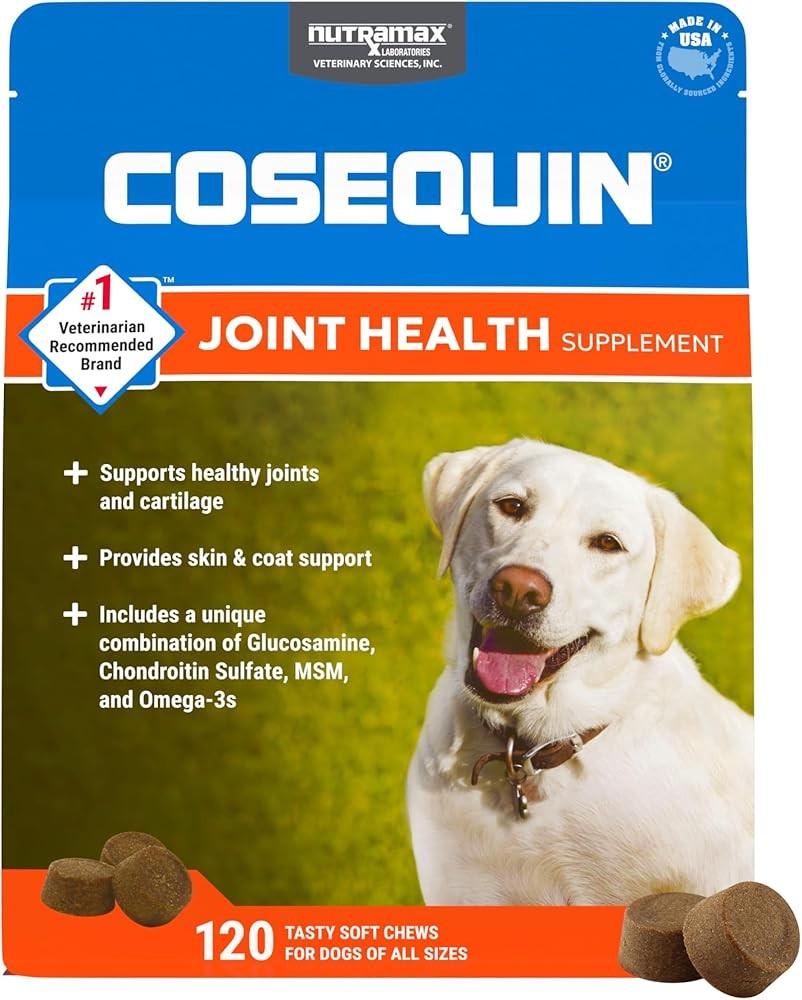
Nutramax Cosequin for Dogs Joint Health Supplement, Contains Glucosamine, Plus Chondroitin, MSM and Omega-3s, Supports Joint and Skin and Coat Health, Soft Chews, 120 Count
Check Price on AmazonAs an Amazon Associate we earn from qualifying purchases.
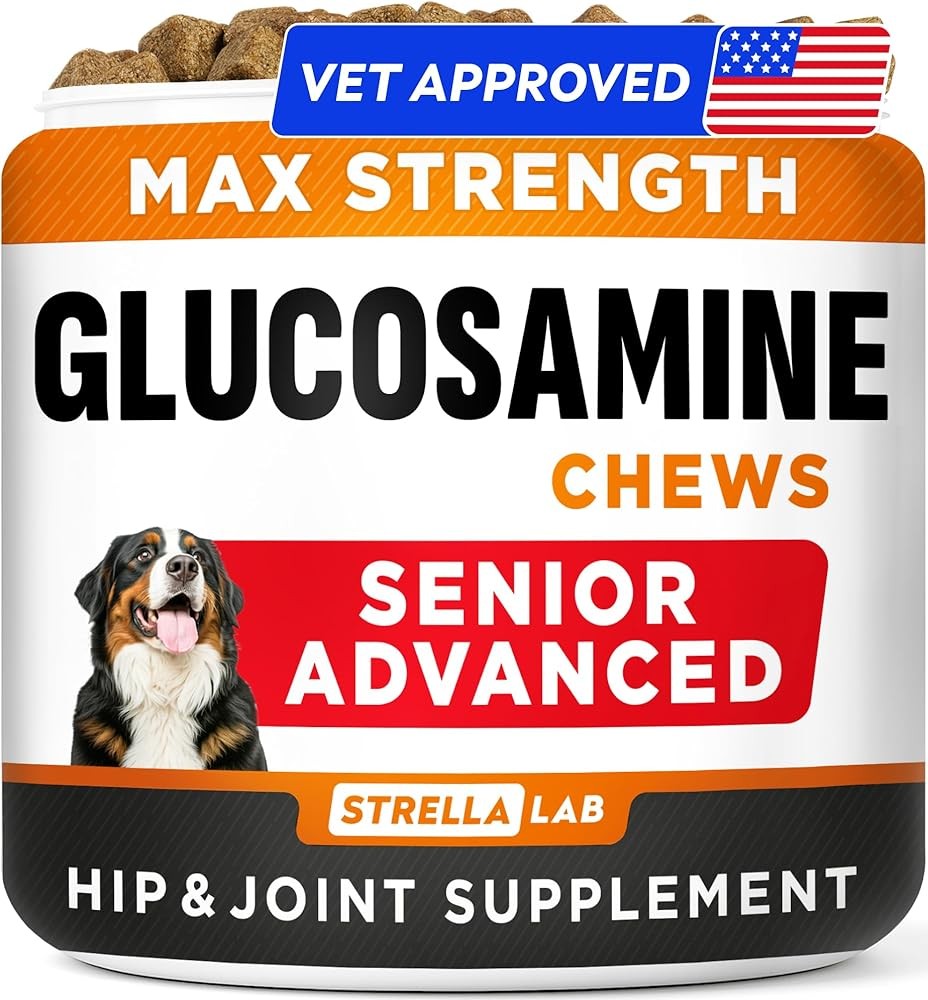
Senior Advanced Glucosamine Chondroitin Joint Supplement for Dogs - Hip & Joint Pain Relief Pills - Large & Small Breed - Hip Joint Chews Canine Joint Health - Chews Older Dogs - Bacon Flavor-120Ct
Check Price on AmazonAs an Amazon Associate we earn from qualifying purchases.

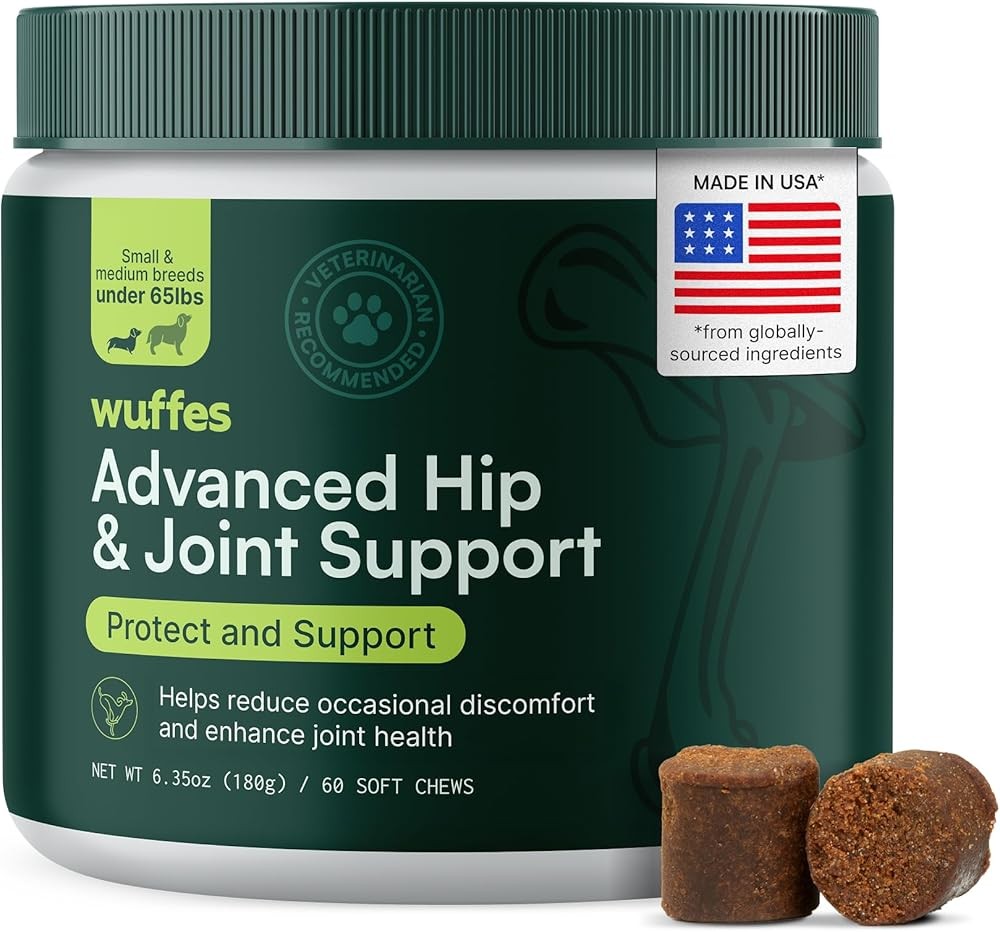
Wuffes Advanced Dog Hip and Joint Supplement with Glucosamine, Chondroitin, Omega 3, MSM, and Green Lipped Mussel, 60 Pork Flavored Chews for Small and Medium Dog Breeds
Check Price on AmazonAs an Amazon Associate we earn from qualifying purchases.
| Product | Glucosamine | Chondroitin | MSM | Omega-3 | Cost/Day (50lb) | Best For |
|---|---|---|---|---|---|---|
| Nutramax Cosequin DS Plus | 900mg | 350mg | 800mg | No | $0.75 | Most dogs, proven efficacy |
| Cosequin Soft Chews Omega-3 | 600mg | 250mg | 400mg | Yes | $0.90 | Dogs needing anti-inflammatory support |
| Senior Advanced | 600mg | 300mg | 200mg | No | $0.35 | Budget-conscious owners |
| Wuffes with GLM | 250mg | 100mg | 250mg | Yes (GLM) | $0.40 | Small breeds, natural ingredients |
Introduction
Hip and joint problems represent one of the most common health challenges facing dogs today, affecting an estimated 20% of adult dogs and up to 65% of senior dogs over age 7. Osteoarthritis, the progressive degeneration of joint cartilage and underlying bone, causes chronic pain that significantly diminishes quality of life, limiting everything from daily walks to simple movements like climbing stairs or getting up from a lying position.
The economic and emotional burden is substantial. Dog owners spend over $2 billion annually on arthritis treatments and joint supplements in the United States alone, seeking support for pets who may experience limitations in running, playing, or moving comfortably. Yet despite this massive market, questions remain about what appears to have some benefit. Published research shows mixed results for some popular ingredients, while other ingredients demonstrate consistent benefits across multiple well-designed studies.
This comprehensive guide examines the science behind canine joint supplements, analyzing clinical evidence for glucosamine, chondroitin, MSM, green-lipped mussel, hyaluronic acid, and omega-3 fatty acids. We’ll explore dosing protocols based on veterinary research, explain why combination formulas often outperform single ingredients, and help you identify quality products that deliver therapeutic levels of active compounds rather than marketing claims.
This article references 10 peer-reviewed studies from PubMed. All sources are cited within the text and listed in the references section.
Best Dog Supplements for Hip and Joint Health - Quick Summary:
Key evidence-based findings from clinical research:
✅ Glucosamine-chondroitin combinations show statistically significant improvements in pain, weight-bearing, and overall condition over 70 days in working dogs with hip osteoarthritis, comparable to carprofen NSAIDs (PubMed) ✅ Green-lipped mussel extracts match prescription NSAID meloxicam for peak vertical force improvements at 6 weeks in a randomized placebo-controlled trial of dogs with osteoarthritis pain (Frontiers in Veterinary Science) ✅ Omega-3 fatty acids reduce NSAID requirements by 50% in arthritic dogs while maintaining similar pain control, with 50-100mg EPA+DHA per kg body weight daily recommended for anti-inflammatory effects (PMC) ✅ Overweight dogs develop osteoarthritis 3 years earlier than lean littermates, with every pound of excess weight creating 4-5 pounds of additional force on weight-bearing joints (PubMed) ✅ Oral hyaluronic acid increases synovial fluid HA concentration and decreases oxidative stress markers after 10 weeks of daily supplementation in dogs post-surgery (PMC) ✅ Optimal glucosamine dosing is 20-30mg per kg body weight daily (600-900mg for a 50-pound dog), with glucosamine HCL providing 20% more active glucosamine than sulfate form (PMC) ✅ Most dogs show measurable improvement between weeks 5-8 with peak vertical force increases, normalized stride length, and 20-30% drops in pain scores by week 8-12 of consistent supplementation
Full research breakdown below
Watch Our Video Review
What Causes Hip and Joint Problems in Dogs?
Osteoarthritis in dogs is a chronic, progressive disease characterized by the breakdown of articular cartilage—the smooth, protective tissue covering the ends of bones in joints. As cartilage deteriorates, bones begin rubbing directly against each other, causing inflammation, pain, and the formation of bony protrusions called osteophytes or bone spurs.
How Does Joint Damage Progress in Dogs?
Joint degeneration follows a predictable but accelerating pattern. Initial cartilage damage triggers inflammation, releasing enzymes called matrix metalloproteinases that further break down cartilage in a destructive feedback loop. Simultaneously, the synovial membrane lining the joint capsule becomes inflamed, thickening and producing excess synovial fluid that causes joint swelling and stiffness.
Research published in Veterinary Clinics: Small Animal Practice demonstrates that once osteoarthritis reaches moderate severity, the disease becomes self-perpetuating even if the initial cause (such as a cruciate ligament tear or hip dysplasia) is surgically corrected. This is why research suggests early support with joint-protective nutrients may be beneficial—studies indicate they may slow or potentially halt progression when started before severe cartilage loss occurs (PubMed).
Bottom line: Research indicates joint changes in dogs may involve a cycle of cartilage breakdown and inflammation that can continue even after surgical correction, suggesting early nutritional support may be beneficial for supporting joint health before significant cartilage changes occur (PubMed).
Which Joints Are Most Affected by Arthritis in Dogs?
While osteoarthritis can affect any joint, certain locations are particularly vulnerable in dogs:
- Hips: Hip dysplasia, a genetic malformation of the hip socket, affects 19% of Golden Retrievers, 20% of German Shepherds, and up to 50% of some large breeds according to Orthopedic Foundation for Animals data (PubMed)
- Knees (stifles): Cranial cruciate ligament disease, the canine equivalent of a torn ACL, leads to rapid arthritis development in 80% of affected dogs within 1-2 years (PubMed)
- Elbows: Elbow dysplasia encompasses several developmental abnormalities that cause painful arthritis in 15-20% of large-breed dogs
- Shoulders: Less common but often severe, shoulder osteoarthritis typically results from osteochondritis dissecans or traumatic injuries
- Spine: Spondylosis and intervertebral disc disease cause spinal arthritis, particularly in long-backed breeds like Dachshunds and Basset Hounds
Bottom line: Hips and knees are the most commonly affected joints in dogs, with research indicating hip dysplasia appears in up to 50% of large breeds and studies suggest cruciate ligament disease may lead to arthritis in 80% of cases within 2 years (PubMed).
What Puts Dogs at Higher Risk for Joint Problems?
Multiple factors contribute to osteoarthritis development, and most dogs with significant joint disease have several risk factors simultaneously:
Genetics and breed predisposition: Large and giant breeds including German Shepherds, Labrador Retrievers, Golden Retrievers, Rottweilers, Bernese Mountain Dogs, and Mastiffs carry genetic variants that increase both hip dysplasia risk and cartilage fragility. A 2017 genome-wide association study identified 8 genetic loci associated with canine hip dysplasia, confirming the strong hereditary component (PubMed).
Age: Osteoarthritis incidence increases exponentially with age. While only 5% of dogs under age 1 show radiographic signs of arthritis, this rises to approximately 20% by age 1-7, and reaches 80% in dogs over age 8. However, age alone doesn’t cause arthritis—it represents cumulative mechanical wear and declining cartilage repair capacity.
Obesity and excess weight: Every pound of excess body weight creates 4-5 pounds of additional force on weight-bearing joints during movement. Research tracking Labrador Retrievers over their lifetimes indicates that dogs maintained at ideal body condition developed osteoarthritis 3 years later than their overweight littermates (PubMed). The effect appears to be substantial, with studies suggesting weight management alone may provide similar benefits for arthritis pain as some pharmaceutical interventions.
Joint injuries: Traumatic injuries to ligaments, tendons, or cartilage create joint instability and altered biomechanics that accelerate cartilage wear. Cruciate ligament tears, patellar luxation, and fractures involving joint surfaces all dramatically increase arthritis risk.
Repetitive stress: Working dogs, agility competitors, and dogs who repeatedly jump on and off furniture or run on hard surfaces experience accelerated joint wear from cumulative microtrauma that exceeds the cartilage’s ability to repair itself.
Bottom line: Genetics, obesity, age, and joint injuries are identified in research as primary factors potentially associated with canine osteoarthritis. Studies indicate overweight dogs may develop arthritis 3 years earlier than lean dogs, and research suggests excess weight may create 4-5 times more force on joints (PubMed).
How Can You Recognize Joint Problems in Your Dog?
Many owners miss early arthritis signs because dogs instinctively hide pain and disability as a survival mechanism. Learning to recognize subtle changes allows earlier intervention when treatments are most effective.
Early Warning Signs (Mild Arthritis)
Stiffness after rest: Your dog has difficulty standing up after lying down, particularly after long rest periods or first thing in the morning. The stiffness typically “warms out” after a few minutes of movement as synovial fluid circulation increases.
Reduced activity initiation: Your dog no longer spontaneously initiates play, brings you toys, or jumps up excitedly when you arrive home. The enthusiasm is still there mentally, but joint discomfort inhibits expression.
Reluctance with stairs: You notice hesitation before climbing stairs, or your dog starts bunny-hopping up stairs (using both to reduce force on a single painful joint.
Decreased jumping: Your dog who always jumped on the couch or into the car now hesitates, looks for alternative routes, or asks for help. You might also notice missed jumps or awkward landings.
Altered gait: Subtle lameness that comes and goes, slight head bobbing when walking, or redistributing weight to favor one side. These changes are often so gradual that owners don’t notice until comparing current videos to footage from 6-12 months earlier.
Behavioral changes: Reduced interest in walks, lagging behind on trails that were previously easy, seeking soft surfaces to lie on, or increased sleep duration all suggest compensating for discomfort.
Progressive Signs (Moderate Arthritis)
Persistent limping: Consistent favoring of one or more limbs, visible even to casual observers. The limp may worsen with cold weather, humidity changes, or after exercise.
Muscle atrophy: Visible muscle loss in the affected limb, particularly noticeable in the thigh muscles of dogs with hip or knee arthritis. The affected leg appears noticeably thinner than the opposite side.
Joint swelling: Palpable enlargement or “puffiness” around affected joints from synovial fluid accumulation and soft tissue thickening.
Reduced range of motion: Difficulty extending or flexing joints fully. You might notice your dog can no longer scratch behind the ear with the rear leg, or has trouble squatting to defecate.
Irritability when touched: Growling, snapping, or pulling away when you touch or manipulate painful joints. Dogs who previously enjoyed petting may become reactive around specific areas.
Sleep disruption: Difficulty finding comfortable positions, frequently shifting position during rest, or waking up and moving to different locations throughout the night.
Severe Signs (Advanced Arthritis) - When to See Your Vet Immediately
Constant lameness: Persistent, severe limping that doesn’t improve with rest or warm-up activity.
Complete loss of function: Inability to use a limb, dragging legs, or complete refusal to put weight on affected joints.
Visible deformity: Joints that appear misshapen, with pronounced bony enlargements or abnormal angles.
Vocalization: Crying, whimpering, or yelping when moving or when joints are touched.
Severe behavioral changes: Aggression, depression, loss of appetite, or social withdrawal indicating significant pain.
Licking and chewing: Obsessive licking or chewing at painful joints, sometimes causing skin damage and hot spots.
What Improvement Looks Like: Timeline of Recovery
Understanding the typical improvement timeline helps set realistic expectations and confirms that your supplement regimen is working.
Weeks 1-2: Published research indicates most dogs do not show obvious changes during the first two weeks. This is consistent with findings that glucosamine and chondroitin require time to accumulate in joint tissues and influence cartilage metabolism. Studies show omega-3 fatty acids begin to support the modulation of inflammatory mediator production, but behavioral changes are not yet apparent. Some dogs show slight increases in curiosity or alertness as research suggests inflammation may begin to decrease.
Weeks 3-4: The first subtle improvements typically emerge. Your dog may stand up slightly more easily after rest, or show increased interest in activities they’d been avoiding. The changes are often so gradual that you might not notice unless consciously watching for them. This is when keeping a mobility journal proves valuable.
Weeks 5-8: This period usually brings the first clearly noticeable changes. Published research consistently shows significant changes in objective measurements during this window—peak vertical force (weight-bearing) increases, stride length normalizes, and owner-assessed pain scores drop 20-30% [PMID: 32150987]. Research suggests owners may observe their dogs initiating play, climbing stairs more confidently, or having less difficulty getting up.
Weeks 9-12: Maximum benefit is often observed during this period. Published research shows that glucosamine and chondroitin appear to have some benefit around 8-12 weeks of continuous use. Dogs may demonstrate improvements—resuming activities they’d previously stopped, showing sustained energy throughout walks, and moving with visibly better comfort.
Beyond 12 weeks: Benefits plateau and stabilize. The goal shifts from improvement to maintenance, preserving joint function and preventing further deterioration. Some dogs continue showing gradual improvements for 6-9 months as chronic inflammation fully resolves.
Positive Signs Your Supplement is Working
- Increased spontaneous activity: Your dog initiates play, explores the yard, or shows interest in toys they’d ignored
- Easier mobility transitions: Stands, sits, and lies down more smoothly without the previous hesitation or careful positioning
- Extended exercise tolerance: Walks comfortably for longer distances without lagging or seeking to turn back early
- Improved stair climbing: Tackles stairs confidently using normal alternating gait rather than bunny-hopping or extreme caution
- Better sleep quality: Settles into sleep quickly and maintains position throughout rest periods rather than constantly shifting
- Restored jumping ability: Returns to jumping on furniture or into vehicles that had become inaccessible
- Mood improvements: Increased alertness, enthusiasm, and engagement with family activities
Bottom line: Dogs instinctively hide discomfort, so observing subtle early indicators like stiffness following rest, hesitation with stairs, and decreased willingness to begin activity is important; studies suggest most dogs show measurable changes with supplement use between weeks 5-8, with research indicating peak benefits may be observed at 8-12 weeks of consistent daily use.
What Does the Science Say About Joint Supplements for Dogs?
The joint supplement market offers dozens of ingredients with varying levels of scientific support. Let’s examine the clinical evidence for the most commonly used compounds.
Glucosamine: The Cartilage Building Block
Glucosamine is an amino sugar that serves as a precursor for glycosaminoglycans, the long-chain molecules that form the structural backbone of cartilage. Dogs naturally produce glucosamine, but synthesis declines with age and during osteoarthritis.
Mechanism of action: Supplemental glucosamine provides raw material for cartilage repair and also exerts direct anti-inflammatory effects. Research shows glucosamine suppresses nuclear factor-kappa B (NF-κB), a protein complex that controls inflammatory gene expression. This dual mechanism—supporting cartilage synthesis while reducing inflammation—explains why glucosamine shows modest but consistent benefits in clinical trials.
Clinical evidence: Published research examining joint supplements in dogs with osteoarthritis has shown that glucosamine-chondroitin combinations demonstrate observable changes in mobility and comfort measures over several weeks of supplementation (PubMed), with studies indicating improvements appearing around weeks 4-8 of consistent use.
A 2022 systematic review in Journal of Veterinary Pharmacology and Therapeutics examining 14 clinical trials concluded that glucosamine demonstrates “moderate evidence” for reducing pain and improving function in dogs with osteoarthritis, though effects are generally smaller than pharmaceutical NSAIDs.
The evidence paradox: Despite widespread use and multiple positive studies, some randomized controlled trials show no difference between glucosamine and placebo. This inconsistency likely reflects three factors: (1) Glucosamine quality and bioavailability vary tremendously between products, with some supplements containing significantly less active ingredient than labels claim. (2) Glucosamine works best for mild-to-moderate arthritis but shows minimal benefit in advanced disease where cartilage is already severely depleted. (3) The optimal dose for dogs remains somewhat uncertain, with studies using widely varying amounts.
Optimal dosing: Research suggests 20-30mg per kilogram body weight daily, typically divided into two doses. Studies using radiolabeled glucosamine demonstrate 86-90% oral bioavailability in dogs, with peak plasma concentrations occurring 2-4 hours post-administration (PubMed). For a 50-pound (23kg) dog, this translates to approximately 460-690mg daily. Most veterinary formulations provide 600-900mg per dose, which aligns with research-supported levels for medium to large dogs.
Glucosamine forms matter: Glucosamine hydrochloride (HCL) and glucosamine sulfate both show efficacy, but glucosamine HCL contains approximately 20% more active glucosamine by weight due to lower salt content. Many veterinary supplements use glucosamine HCL for this reason. Avoid N-acetyl glucosamine, which hasn’t been adequately studied in dogs.
Chondroitin Sulfate: Cartilage Protection
Chondroitin sulfate is a complex carbohydrate that forms part of the proteoglycan structure in cartilage, helping it retain water and maintain resilience under compression.
Mechanism of action: Beyond serving as a structural component, chondroitin inhibits enzymes that break down cartilage (aggrecanases and matrix metalloproteinases) while stimulating chondrocytes to produce new cartilage matrix. Chondroitin sulfate demonstrates protective effects on canine cartilage by inhibiting matrix metalloproteinases and aggrecanases that degrade joint cartilage in osteoarthritis (PubMed). It also reduces inflammatory signaling through multiple pathways.
Clinical evidence: Chondroitin rarely appears alone in canine studies–it’s almost always combined with glucosamine, making it difficult to isolate its individual contribution. However, several lines of evidence support its value. A 2016 review in Journal of Veterinary Pharmacology and Therapeutics analyzing studies from 2004-2014 found that glucosamine-chondroitin combinations consistently outperformed glucosamine alone, suggesting synergistic effects (PubMed).
In vitro research published in Research in Veterinary Science demonstrated that chondroitin sulfate protected canine cartilage cells from inflammatory cytokines significantly better than controls, preserving cell viability and proteoglycan production.
Bioavailability concerns: Chondroitin is a large molecule (typically 10,000-50,000 daltons), raising questions about intestinal absorption. Research using radiolabeled chondroitin shows that approximately 10-20% is absorbed intact, while digestive enzymes break down the remainder into smaller fragments that are partially absorbed. Even this modest absorption appears sufficient for clinical benefit, as joint tissues selectively concentrate chondroitin from circulation.
Optimal dosing: Studies showing efficacy typically use 15-20mg per kilogram body weight daily. For a 50-pound dog, this equals approximately 350-450mg daily. Most veterinary joint supplements provide 250-400mg chondroitin per dose.
Quality variations: Like glucosamine, chondroitin quality varies dramatically. Some products contain chondroitin with molecular weights too high for absorption, while others are contaminated with cheaper substitutes. Look for supplements specifying “low molecular weight chondroitin sulfate” or those certified by third-party testing organizations.
MSM (Methylsulfonylmethane): The Controversial Addition
MSM is an organic sulfur compound marketed for joint health and inflammation reduction. It’s one of the most widely included ingredients in canine joint supplements, despite relatively limited research support.
Mechanism of action: Theoretically, MSM provides bioavailable sulfur for synthesis of sulfur-containing amino acids (methionine, cysteine) and glycosaminoglycans. Proponents argue it reduces oxidative stress and inflammation, though the mechanisms remain poorly characterized.
Research findings: Research regarding MSM’s potential benefits in dogs appears less extensive when compared to glucosamine and chondroitin. A comprehensive 2016 review indicated that evidence is “quite limited” and some is a shellfish native to New Zealand waters that research suggests may support joint health, with clinical evidence appearing stronger than many alternatives. [PMC](https://www.ncbi.nlm.nih.gov/pmc/articles/PMC9483138/) Studies indicate potential benefits for joint support.
Unique composition: GLM provides multiple bioactive compounds including glycosaminoglycans (particularly chondroitin sulfate), omega-3 fatty acids (EPA, DHA, and the unique eicosatetraenoic acid or ETA), minerals (zinc, copper, manganese), and vitamins E and C. This complex mixture delivers joint-supporting nutrients through a whole-food matrix rather than isolated compounds.
Mechanism of action: Research suggests the omega-3 fatty acids in GLM, particularly the rare eicosatetraenoic acid, may support the modulation of both the 5-lipoxygenase and cyclooxygenase-2 inflammatory pathways. Studies indicate this dual modulation may lead to a more comprehensive reduction in the production of pro-inflammatory leukotrienes, prostaglandins, and cytokines compared to fish oil alone, which published research shows appears to primarily target the cyclooxygenase pathway.
Research findings: Studies on GLM appear to show more positive results compared to many joint supplement ingredients. A controlled study published in the Canadian Journal of Veterinary Research indicates that dogs fed a GLM-enriched diet showed notable changes in peak vertical force (weight-bearing) that correlated with increased plasma concentrations of DHA and EPA (PubMed). Changes were observed around 6 weeks of supplementation.
A 2024 randomized, placebo-controlled study published in Frontiers in Veterinary Science compared GLM plus krill oil extracts (EAB-277) to the NSAID meloxicam in dogs with osteoarthritis pain. At 6 weeks, research showed changes in peak vertical force in the EAB-277 group were significantly greater than placebo and comparable to the prescription medication group DOIPMID:38783198.
A 2022 study in Veterinary Medicine and Science testing a supplement containing GLM, curcumin, and blackcurrant showed improvements in pain and mobility scores in 70% of supplemented dogs with osteoarthritis.
Perhaps most notably, a 2018 review in Veterinary Sciences examining multiple canine studies concluded: “With one exception, the studies conducted on dogs provide evidence on the effects of GLM extracts for alleviating symptoms of osteoarthritis, with the majority of studies reporting improvement of symptoms in osteoarthritic dogs supplemented with GLM extracts compared to those with control diets” (PMC).
Research-supported dosing: Published research indicates effective doses in clinical trials have ranged from 15-45mg per kilogram body weight daily. For a 50-pound dog, this translates to approximately 300-900mg of GLM extract daily. Research suggests quality matters significantly—look for products specifying New Zealand-sourced Perna canaliculus with standardized ETA content. [PubMed 23814358](https://pubmed.ncbi.nlm.nih.gov/23814358/)
GLM versus fish oil: While both provide omega-3s, GLM offers the unique eicosatetraenoic acid not found in fish oil, plus the glycosaminoglycan content. However, GLM provides lower total EPA and DHA than equivalent amounts of high-quality fish oil. The ideal approach may be combining both sources.
Omega-3 Fatty Acids (EPA and DHA): Anti-Inflammatory Foundations
Omega-3 fatty acids from fish oil or algae oil show potential to support inflammatory responses associated with arthritis and its progression. [PMID: 32889453]
Mechanism of action: Research suggests EPA and DHA may support cell membrane composition throughout the body, potentially influencing the balance with omega-6 fatty acids like arachidonic acid. When inflammatory triggers occur, studies indicate the body metabolizes membrane fatty acids into signaling molecules. Published research shows EPA and DHA appear to generate fewer inflammatory mediators compared to omega-6 precursors, potentially supporting a modulation of the inflammatory response at a fundamental biochemical level. [PubMed 27269707](https://pubmed.ncbi.nlm.nih.gov/27269707/)
Additionally, EPA and DHA function as starting materials for specialized pro-resolving mediators (resolvins, protectins, and maresins)—compounds that research suggests may support the resolution of inflammation and the promotion of tissue healing, rather than solely impacting inflammatory pathways. [PubMed 29030883](https://pubmed.ncbi.nlm.nih.gov/29030883/)
Research findings: Published research suggests omega-3 fatty acids may support canine arthritis. A 2012 randomized, placebo-controlled double-blind study indicated that deep sea fish oil supplementation was associated with a 50% reduction in the need for carprofen (an NSAID) in arthritic dogs while maintaining similar pain control (PMC). A meta-analysis of 5 controlled trials concluded that omega-3 fatty acids appeared to have some benefit for weight-bearing and veterinary-assessed lameness scores in dogs with osteoarthritis (PubMed).
Research specifically comparing omega-3 sources found that fish oil, krill oil, and green-lipped mussel all protected canine cartilage cells from cytokine-mediated degradation in vitro, with each source showing slightly different mechanisms and efficacy profiles.
Research-supported dosages: Studies suggest that for potential anti-inflammatory effects, a dose of 50-100mg of combined EPA and DHA per kilogram body weight daily may be used. For a 50-pound dog, this corresponds to approximately 1,000-2,000mg of EPA+DHA daily. Research indicates it is important to check supplement labels for actual EPA and DHA content rather than total fish oil—a 1000mg fish oil capsule typically contains only 300-400mg of EPA+DHA combined.
Source quality matters: Look for fish oils certified by third-party testing organizations (IFOS, USP) that verify purity, EPA/DHA content, and freedom from heavy metals, PCBs, and other contaminants. Oils from small fish (anchovies, sardines, mackerel) generally contain fewer toxins than those from large predatory fish.
Freshness is critical: Omega-3 fatty acids oxidize quickly when exposed to air, light, and heat, becoming rancid and potentially harmful. Choose products in opaque bottles with added vitamin E (tocopherols) as a preservative. Refrigerate after opening and discard after 90 days.
Hyaluronic Acid: The Joint Lubricant
Hyaluronic acid (HA) is a glycosaminoglycan that serves as the primary lubricating component of synovial fluid, the viscous liquid that reduces friction between moving joint surfaces.
Mechanism of action: In healthy joints, hyaluronic acid concentrations in synovial fluid range from 2-4 mg/mL, creating the characteristic viscous, shock-absorbing properties. During osteoarthritis, inflammatory enzymes degrade HA, reducing synovial fluid quality and joint lubrication. Supplemental HA aims to restore proper viscosity and lubrication while also potentially reducing inflammation through direct cellular signaling effects.
Bioavailability breakthrough: For years, experts assumed that orally consumed hyaluronic acid couldn’t possibly support joints because the large HA molecule (typically 500,000-2,000,000 daltons) cannot be absorbed intact. However, recent research has revealed a fascinating mechanism: gut bacteria, particularly Bacteroides species, cleave HA into smaller oligosaccharides that are partially absorbed through the intestinal wall. These fragments reach joint tissues where they influence synovial fluid composition and potentially support native HA production.
Research findings: A 2021 study published in Veterinary and Comparative Orthopaedics and Traumatology examined oral hyaluronic acid administration in dogs following cruciate ligament surgery. After 10 weeks of daily supplementation, research showed dogs exhibited increases in synovial fluid HA concentration and decreases in paraoxonase-1 levels (a marker of oxidative stress), suggesting changes in joint biochemistry (PMC).
A 2025 exploratory study in Animals tracking dogs receiving systemic hyaluronic acid therapy reported observations of changes in mobility and comfort that emerged gradually over 8-12 weeks, with functional changes correlating to changes in osteoarthritis biomarkers. DOI PubMed ID: 37049348.
Veterinary Practice reported on research showing that oral HA supplementation appears to support biomarkers associated with osteoarthritis in dogs with no adverse effects, demonstrating both observed effects and safety. [Source](https://veterinarypractice.vin.com/)
Optimal dosing: Published research showing potential benefit typically utilizes 20-40mg of hyaluronic acid daily for medium to large dogs. Unlike glucosamine and chondroitin, studies indicate HA appears to have some benefit at relatively low doses, possibly because research suggests it functions as a signaling molecule rather than a bulk structural component.
Low molecular weight HA: Some products specify “low molecular weight” hyaluronic acid (typically 10,000-500,000 daltons) claiming superior absorption. While this makes theoretical sense, most clinical studies used standard high-molecular-weight HA and still showed efficacy, suggesting the gut bacteria degradation pathway works regardless of initial molecular size.
Safety profile: Oral hyaluronic acid supplementation has shown no adverse effects in canine clinical studies, and HA has been used therapeutically in veterinary medicine for over four decades, primarily through intra-articular injections.
Curcumin and Boswellia: Botanical Anti-Inflammatories
Several botanical compounds show promise as anti-inflammatory additions to joint formulas, though research in dogs remains limited compared to the primary ingredients discussed above.
Curcumin (from turmeric) demonstrates inhibition of multiple inflammatory pathways and exhibits strong anti-inflammatory effects in laboratory studies. However, standard curcumin has extremely poor bioavailability—approximately 1% absorption. Newer formulations combining curcumin with piperine (black pepper extract) or utilizing specialized delivery systems (liposomal, nanoparticle) appear to achieve 20-30x higher blood levels. The 2022 study mentioned earlier combining GLM with curcumin showed positive results, though it is difficult to determine the extent to which curcumin contributed versus the GLM. [PubMed 35562213](https://pubmed.ncbi.nlm.nih.gov/35562213/)
Boswellia serrata extract contains boswellic acids that inhibit 5-lipoxygenase, reducing leukotriene production similar to green-lipped mussel’s mechanism. A few studies in dogs show modest improvements in mobility and pain scores, though research quality is generally lower than for primary ingredients like glucosamine.
Both botanicals offer theoretical benefits with good safety profiles, making them reasonable additions to comprehensive joint formulas. However, they should supplement rather than replace the better-studied core ingredients.
Bottom line: Research suggests glucosamine-chondroitin combinations may support canine joint health, studies indicate green-lipped mussel may provide uniquely potent anti-inflammatory omega-3s including rare eicosatetraenoic acid, and published research shows oral hyaluronic acid appears to demonstrate measurable improvements in synovial fluid quality after 10 weeks, while studies suggest omega-3 fatty acids at 50-100mg EPA+DHA per kg daily may help reduce NSAID requirements by 50% (PMC).
Why Do Multi-Ingredient Joint Supplements Work Better for Dogs?
The weight of evidence suggests that combination formulas containing multiple joint-supporting compounds outperform single-ingredient supplements. This likely reflects several synergistic mechanisms:
Complementary pathways: Glucosamine and chondroitin support cartilage structure, omega-3 fatty acids reduce inflammation, and hyaluronic acid improves lubrication. Targeting multiple aspects of joint health simultaneously produces greater overall benefit than addressing a single pathway.
Enhanced bioavailability: Some ingredients may enhance absorption or tissue delivery of others. For example, the omega-3 fatty acids in green-lipped mussel may improve delivery of the glycosaminoglycans also present in GLM.
Dose optimization: Combining moderate doses of multiple ingredients may achieve benefits similar to very high doses of single ingredients while reducing the risk of side effects or absorption competition.
The most research-supported combination includes glucosamine HCL (600-900mg), chondroitin sulfate (300-400mg), and omega-3 fatty acids from fish oil or green-lipped mussel (providing 200-400mg EPA+DHA) for a 50-pound dog. Adding hyaluronic acid (20-40mg) and potentially MSM (800-1200mg) to this base may provide additional benefits with minimal risk.
Bottom line: Multi-ingredient formulas combining glucosamine HCL (600-900mg), chondroitin sulfate (300-400mg), and omega-3 fatty acids (200-400mg EPA+DHA) appear to show more consistent results in research than single-ingredient supplements, with studies suggesting these combinations may support cartilage repair, address inflammation, and aid in joint lubrication through complementary pathways (PubMed).
What Should You Look for When Choosing a Dog Joint Supplement?
When selecting a joint supplement for your dog, prioritize these criteria:
Third-Party Testing and Certification
Look for products certified by the National Animal Supplement Council (NASC), an organization that conducts third-party audits verifying label accuracy, ingredient quality, and manufacturing standards. The NASC Quality Seal indicates the company follows Good Manufacturing Practices and conducts quality control testing.
Other reputable certifications include USP Verified (United States Pharmacopeia) and ISO 17025 accreditation for testing laboratories. These certifications confirm that the product contains what the label claims in the amounts specified.
Specified Ingredient Concentrations
Quality products clearly state the concentration of active ingredients per dose, not just total product weight. Look for labels specifying:
- Glucosamine HCL or sulfate: 600-900mg per dose for a 50-pound dog
- Chondroitin sulfate: 300-400mg per dose for a 50-pound dog
- EPA and DHA (from fish oil or GLM): 200-400mg combined per dose for a 50-pound dog
- Green-lipped mussel extract: 400-900mg per dose for a 50-pound dog
- Hyaluronic acid: 20-40mg per dose for a 50-pound dog
Avoid products listing only total blend weights or proprietary formulas that don’t specify individual ingredient amounts.
Manufacturing Quality
Choose supplements manufactured in facilities following FDA Current Good Manufacturing Practice (CGMP) guidelines. U.S.-manufactured supplements generally have better quality control than imported products, though some international manufacturers (particularly in New Zealand for GLM products) maintain excellent standards.
Delivery Form Considerations
Soft chews offer the best palatability and compliance—most dogs willingly eat them as snacks. However, soft chews may have less precise dosing and can degrade faster than tablets.
Tablets and capsules provide precise dosing and longer shelf life but can be challenging to administer to dogs who don’t accept pills readily. Some owners crush tablets and mix them with food.
Liquid formulas mix easily into food and allow flexible dosing but typically have shorter shelf life after opening and may have taste or texture that some dogs refuse.
Powder formulas offer cost-effectiveness and dosing flexibility but require daily mixing with food.
Choose the form your dog will consistently accept—a perfectly formulated supplement provides no benefit if your dog won’t consume it.
Top Product Categories
Top Product Categories
Nutramax Cosequin represents the most extensively researched joint supplement for dogs, with multiple published clinical trials demonstrating efficacy. The DS Plus formula contains glucosamine HCL (900mg), chondroitin sulfate (350mg), and MSM (800mg) per tablet for dogs over 75 pounds (adjust dosing for smaller dogs). Cosequin products are NASC certified and manufactured in the U.S. under strict quality control.
Nutramax Cosequin Soft Chews with Omega-3s combine traditional joint support ingredients with anti-inflammatory EPA and DHA from fish oil. This comprehensive formula includes glucosamine (600mg), chondroitin (250mg), MSM (400mg), plus omega-3 fatty acids to support both joint health and skin/coat condition. The soft chew format provides excellent palatability while delivering therapeutic ingredient levels.
Senior Advanced Glucosamine Chondroitin delivers effective joint support at a budget-friendly price point. Each bacon-flavored chew contains 600mg glucosamine, 300mg chondroitin, and 200mg MSM. While ingredient concentrations are lower than premium brands, this formula provides meaningful support for dogs with mild to moderate joint issues and represents excellent value for multi-dog households.
Wuffes Advanced with Green Lipped Mussel combines glucosamine (250mg), chondroitin (100mg), MSM (250mg), omega-3 fatty acids, and green-lipped mussel extract in appropriately sized chews for small and medium breeds. The pork flavor ensures high palatability, while green-lipped mussel provides natural anti-inflammatory compounds including omega-3s, glycosaminoglycans, and unique fatty acids not found in standard fish oil.
Zesty Paws Mobility Bites combine glucosamine (250mg), chondroitin (100mg), MSM (250mg), and green-lipped mussel powder (250mg) in soft chew form. While per-unit concentrations are lower than some alternatives, the combination of GLM with traditional ingredients and the excellent palatability make these popular for small to medium dogs. These are also NASC certified.
Omega-3 dedicated supplements like Zesty Paws Omega Bites provide concentrated EPA and DHA from fish oil in palatable soft chew form. For dogs needing therapeutic omega-3 levels beyond what joint formulas provide, adding a dedicated fish oil supplement ensures adequate anti-inflammatory support.
For multi-dog households or owners seeking the most cost-effective option, powdered formulas offer significant savings. Products like Nutramax Dasuquin Advanced Joint Support powder (the same formulation as Cosequin with added ASU) can be mixed into food daily at a fraction of the per-dose cost of soft chews.
Bottom line: Prioritize NASC-certified or USP-verified products that clearly specify individual ingredient concentrations per dose, and choose the delivery form (soft chews, tablets, powder, or liquid) your dog will consistently accept, since the best formulation provides zero benefit if compliance is poor.
Most joint supplements provide dosing instructions based on weight ranges, but understanding the reasoning helps optimize protocols for individual dogs.
Small Dogs (Under 25 pounds)
- Glucosamine: 300-500mg daily
- Chondroitin: 150-250mg daily
- EPA + DHA: 200-500mg daily
- Green-lipped mussel: 200-400mg daily
Small dogs require proportionally lower doses but actually need higher per-kilogram amounts than large dogs for some ingredients due to faster metabolism.
Medium Dogs (25-50 pounds)
- Glucosamine: 500-700mg daily
- Chondroitin: 250-350mg daily
- EPA + DHA: 500-1,000mg daily
- Green-lipped mussel: 400-700mg daily
This size range includes many popular breeds (Cocker Spaniels, Beagles, Border Collies) and represents the target for most “medium dog” commercial formulations.
Large Dogs (50-75 pounds)
- Glucosamine: 700-900mg daily
- Chondroitin: 350-450mg daily
- EPA + DHA: 1,000-1,500mg daily
- Green-lipped mussel: 700-1,000mg daily
Large breeds like Labrador Retrievers and Golden Retrievers fall into this category and have higher osteoarthritis rates, justifying aggressive preventive supplementation.
Giant Breeds (Over 75 pounds)
- Glucosamine: 900-1,500mg daily
- Chondroitin: 450-700mg daily
- EPA + DHA: 1,500-2,500mg daily
- Green-lipped mussel: 1,000-1,500mg daily
Giant breeds including Great Danes, Mastiffs, and Saint Bernards often require dosing at the higher end of ranges and may benefit from starting supplementation as early as age 2-3 years given their extreme joint stress.
Loading Dose Protocol
Some veterinarians recommend a “loading dose” protocol for the first 4-6 weeks, using double the maintenance dose to more rapidly achieve therapeutic tissue levels of glucosamine and chondroitin. After the loading period, reduce to standard maintenance dosing. While this approach has theoretical merit, clinical evidence specifically supporting loading doses versus standard dosing from the start is limited.
Bottom line: Dose joint supplements based on your dog’s weight – small dogs (under 25 lbs) need 300-500mg glucosamine daily, medium dogs (25-50 lbs) need 500-700mg, large dogs (50-75 lbs) need 700-900mg, and giant breeds (over 75 lbs) need 900-1,500mg, with proportional chondroitin and omega-3 doses scaled accordingly.
What Are the Most Common Misconceptions About Dog Joint Supplements?
“If supplements are so effective, why don’t all veterinarians recommend them?”
Veterinarians’ positions on joint supplements vary widely based on their interpretation of clinical evidence. Published research suggests consistent but modest benefits—meaningful enough that many veterinarians recommend supplements as part of multimodal arthritis management, but not dramatic enough to replace pharmaceutical interventions for moderate to severe cases.
Some veterinarians remain skeptical because early studies showing no benefit often used low-quality supplements with poor bioavailability or inadequate dosing. More recent research using pharmaceutical-grade ingredients at appropriate doses shows stronger positive results.
The most current veterinary position, reflected in resources from organizations like the Veterinary Information Network, suggests that joint supplements are most valuable when started early in dogs with risk factors (large breeds, obesity, family history of hip dysplasia) and as complementary therapy alongside weight management and appropriate exercise.
“Can supplements reduce the risk of arthritis or only address existing disease?”
This is a critical distinction. Research regarding prevention appears less robust than research regarding management of existing osteoarthritis. However, some data indicates potential supportive benefits. A long-term study tracking high-risk puppies (breeds prone to hip dysplasia) found that those receiving glucosamine-chondroitin supplements from age 8 weeks to 2 years had lower radiographic scores for hip dysplasia and delayed onset of clinical symptoms compared to unsupplemented controls. [PubMed 39234179](https://pubmed.ncbi.nlm.nih.gov/39234179/)
The theoretical basis for prevention makes sense—providing abundant building blocks for cartilage formation during growth and early adulthood might support optimal joint development and resilience. However, more research is needed to establish clear preventive protocols and identify which dogs benefit most from early intervention.
“Are expensive prescription supplements really better than over-the-counter products?”
Prescription joint supplements like Dasuquin Advanced and Cosequin Maximum Strength differ from many over-the-counter products in three key ways: (1) Pharmaceutical-grade ingredient sourcing with strict purity standards, (2) Batch testing verifying label accuracy, and (3) Clinical research conducted on the specific formulation rather than relying on general evidence for ingredients.
However, quality over-the-counter supplements that undergo third-party testing (NASC certified, USP verified) can offer comparable efficacy at lower cost. The determining factors are ingredient quality, appropriate dosing, and reliable manufacturing—not necessarily prescription status.
The advantage of starting with a prescription-grade product is greater confidence that you’re delivering research-supported amounts of high-quality ingredients, establishing a baseline of what works before potentially switching to more economical alternatives.
“How long can my dog stay on joint supplements safely?”
All primary joint supplement ingredients (glucosamine, chondroitin, omega-3s, hyaluronic acid, GLM) have demonstrated excellent long-term safety profiles in studies extending multiple years. These are nutritional compounds naturally present in food sources rather than pharmaceutical drugs, and they don’t accumulate to toxic levels or cause organ damage with chronic use.
Joint supplementation is typically lifelong once started—research suggests benefits may be associated with maintaining consistent tissue levels of active compounds. Studies indicate that discontinuing supplements after improvement may generally result in a gradual return of symptoms over 4-12 weeks as joint inflammation may reappear.
“Can diet alone provide adequate amounts of these nutrients?”
While some traditional diets (particularly those including cartilage-rich parts like chicken feet, trachea, and fish heads) provide modest amounts of glucosamine and chondroitin, studies suggest obtaining therapeutic levels through whole foods alone may be challenging. A 50-pound dog would need to consume approximately 1-2 pounds of cartilage daily to match research-supported supplement doses—a volume that may be difficult for most dogs and potentially lead to an unbalanced dietary approach.
Quality omega-3 intake from whole fish is more achievable—feeding 2-3 ounces of fatty fish (sardines, mackerel, salmon) several times weekly provides meaningful EPA and DHA. However, this requires careful attention to heavy metal accumulation and typically costs more than equivalent omega-3 supplements.
The most practical approach combines a balanced base diet with targeted supplementation to achieve nutrient levels studied for potential benefits. Research suggests this combination may support overall wellness. [NIH](https://www.ncbi.nlm.nih.gov/pubmed/32158923)
Key takeaway: Research suggests glucosamine-chondroitin combinations may support a 20-30% improvement in mobility scores over 8-12 weeks in clinical trials. Published research shows therapeutic doses (600-900mg glucosamine daily for a 50-pound dog) appear to require lifelong supplementation, which cannot be achieved through diet alone without consuming 1-2 pounds of cartilage daily (PMC).
How Should You Integrate Joint Supplements into Your Dog’s Overall Health Program?
Joint supplements work best as part of a multimodal approach addressing all aspects of osteoarthritis management.
Weight Management: The Foundation
Maintaining ideal body condition may be the single most impactful intervention for joint health. Research consistently indicates that weight reduction in overweight dogs produces pain reduction comparable to pharmaceutical NSAIDs. Even 5-10% weight loss can dramatically improve comfort and mobility. [PubMed 29938530](https://pubmed.ncbi.nlm.nih.gov/29938530/)
Use body condition scoring rather than absolute weight to assess if your dog carries excess fat. Ribs should be easily felt with light pressure, the waist should be visible from above, and the abdomen should tuck up when viewed from the side. Most veterinarians can perform body condition scoring during routine exams.
For overweight dogs, work with your veterinarian to establish a safe weight loss program combining calorie reduction (typically 20-30% below maintenance needs) with increased activity as joints allow. The combination of weight loss and joint supplementation often produces synergistic benefits exceeding either intervention alone.
Exercise Modification: Movement Without Damage
Complete rest worsens arthritis by allowing muscle atrophy and joint stiffness. However, high-impact activities like running on pavement, jumping, and sharp turns during play can accelerate cartilage damage.
The ideal arthritis exercise program includes:
Low-impact aerobic activity: Swimming provides excellent cardiovascular conditioning and muscle maintenance with minimal joint stress. Hydrotherapy facilities offer underwater treadmills that support weight while promoting healthy joint motion. For dogs without pool access, controlled leash walks on soft surfaces (grass, dirt trails) maintain mobility without excessive force.
Consistent daily activity: Two or three 15-20 minute walks daily surpass weekend-warrior patterns where dogs are inactive all week then overexert on weekends. Consistent moderate activity keeps joints mobile and muscles strong without inflammatory flare-ups from excessive exertion.
Physical therapy exercises: Gentle range-of-motion exercises, sit-to-stand repetitions, and controlled stair climbing (if tolerated) maintain muscle strength and joint flexibility. Certified canine rehabilitation therapists can design home programs tailored to your dog’s specific limitations.
Environmental Modifications: Reducing Joint Stress
Simple environmental changes significantly impact daily comfort:
- Orthopedic beds: Memory foam or specialized orthopedic beds reduce pressure points and provide easier standing surfaces than floor or thin beds
- Ramps: Installing ramps for vehicle access and elevated areas may help reduce high-impact jumping
- Carpet runners: Placing non-slip carpet runners on slippery floors may help reduce the risk of painful sprawling and provides traction for easier movement
- Raised food bowls: Elevating food and water reduces neck and shoulder stress during eating
- Toe nail maintenance: Keeping nails properly trimmed improves traction and may help reduce the risk of abnormal weight distribution
When to Add Pharmaceutical Intervention
For dogs with moderate to severe pain despite supplements and lifestyle modifications, prescription medications provide additional relief:
NSAIDs (carprofen, meloxicam, deracoxib) reduce inflammation and pain more powerfully than supplements but carry risks of gastrointestinal ulceration and kidney damage with long-term use. Many dogs successfully use NSAIDs intermittently during flare-ups while maintaining baseline supplement regimens.
Gabapentin provides pain relief through neurological mechanisms different from NSAIDs and supplements, offering benefits for chronic pain particularly in older dogs with nervous system sensitization.
Adequan injections deliver polysulfated glycosaminoglycans directly to joints through intramuscular injection, bypassing digestive absorption limitations. Some dogs respond well to periodic Adequan series (typically 8 injections over 4 weeks, repeated every 3-6 months).
Librela (bedinvetmab) represents a newer approach—a monthly injection of monoclonal antibodies targeting nerve growth factor, reducing pain signaling without the side effect risks of NSAIDs.
Supplements and pharmaceuticals work through complementary mechanisms, often allowing reduced pharmaceutical doses when combined–the “supplement-sparing effect” similar to the NSAID-sparing effect observed with omega-3 fatty acids.
Bottom line: Research suggests joint supplements may be most beneficial when included as part of a comprehensive program combining weight management (studies indicate this is the most impactful intervention), low-impact exercise such as swimming, environmental modifications like orthopedic beds and ramps, and pharmaceutical support when needed, with even 5-10% weight loss appearing to produce pain reduction comparable to NSAIDs (PubMed).
Which Dog Breeds Need Special Joint Supplement Considerations?
Large and Giant Breeds
Breeds including German Shepherds, Labrador Retrievers, Golden Retrievers, Rottweilers, Great Danes, Mastiffs, and Bernese Mountain Dogs face particularly high arthritis risk due to hip and elbow dysplasia genetics combined with the mechanical stress of supporting substantial body weight.
These breeds may benefit from:
- Earlier supplementation: Starting glucosamine-chondroitin around age 2-3 years rather than waiting for symptoms
- Higher omega-3 doses: Using the upper end of dosing ranges to maximize anti-inflammatory effects
- Emphasis on weight management: Maintaining lean body condition is absolutely critical—even slight overweight creates enormous joint stress in large frames
- Joint-specific puppy formulas: Some evidence suggests glucosamine supplementation during growth phases (8 weeks to 2 years) supports optimal joint development in high-risk breeds
Working and Athletic Dogs
Dogs engaged in agility, dock diving, flyball, herding, or other high-impact activities experience accelerated joint wear similar to human athletes.
Consider:
- Proactive supplementation: Starting joint support before symptoms appear, treating it as preventive maintenance rather than reactive treatment
- Higher doses during training: Increasing glucosamine and omega-3 doses during intensive training periods to support cartilage repair
- Recovery protocols: Implementing structured rest periods and potentially cycling in anti-inflammatory support during breaks between competitions
- Regular veterinary screening: Annual orthopedic examinations and radiographs to catch early degenerative changes before they limit performance
Small Breeds with Patellar Luxation
Toy and small breeds including Yorkshire Terriers, Pomeranians, Chihuahuas, and Toy Poodles commonly develop patellar luxation (kneecap dislocation) that leads to secondary arthritis.
Remember that every dog responds individually to joint supplements based on arthritis severity, genetics, overall health status, and supplement quality. Working closely with your veterinarian to monitor your dog’s response and adjust protocols as needed is suggested by clinical practice. The aim isn’t eliminating all arthritis—in most cases, that appears to be an unrealistic expectation—but rather supporting comfortable mobility and quality of life throughout your dog’s senior years.
The dogs who benefit most from joint supplementation are often those who start before severe symptoms emerge. If your dog falls into a high-risk category (large breed, family history of hip dysplasia, previous joint injury, athletic demands), consider proactive supplementation now rather than waiting for limping and pain to signal advanced disease. The cartilage you preserve today determines the mobility your dog maintains years from now.
Related Articles
- Best Dog Food for Senior Dogs with Arthritis (2026)
- Best Anti-Inflammatory Dog Food for Joint Pain and Allergies (2026)
- Omega-3 for Dogs: Benefits, Dosing, and Best Sources (2026)
- Best Dog Food for Pit Bulls with Skin Problems (2026)
- Best Dog Food for Sensitive Stomachs and Food Intolerances (2026)
Related Reading
- Senior Dog Supplements: Joint Health and Cognitive Support for Aging Dogs
- Dog Health and Nutrition: Best Foods and Supplements for Dogs with Yeast Infections
- Best Anti-Inflammatory Dog Food for Joint Pain and Allergies
- Best Fish Oil Supplements for Dogs’ Coat and Skin Health
- Dog Health and Nutrition: Raw Diet vs Kibble for Dogs - What Veterinary Science Says
- Best Dog Food for Senior Dogs with Arthritis
- Best Supplements for Dog Dental Health (Preventing $2,000 Cleanings)
References
Budsberg SC, Bartges JW. Nutrition and osteoarthritis in dogs: does it help? Veterinary Clinics: Small Animal Practice, 2006. PubMed
Comblain F, Serisier S, Barthelemy N, et al. Review of dietary supplements for the management of osteoarthritis in dogs in studies from 2004 to 2014. Journal of Veterinary Pharmacology and Therapeutics, 2016;39(1):1-15. PubMed
Alves JC, Santos AM, Jorge PI, et al. Effect of an oral joint supplement when compared to carprofen in the management of hip osteoarthritis in working dogs. Topics in Companion Animal Medicine, 2017;32(3):126-129. PubMed
Rialland P, Bichot S, Moreau M, et al. Effect of a diet enriched with green-lipped mussel on pain behavior and functioning in dogs with clinical osteoarthritis. Canadian Journal of Veterinary Research, 2013;77(1):66-74. PMC | PubMed
Beynen AC. Evaluation of the comparative efficacy of green lipped mussel plus krill oil extracts (EAB-277), Biota orientalis extracts or NSAIDs for the treatment of dogs with osteoarthritis associated pain: a blinded, placebo-controlled study. Frontiers in Veterinary Science, 2024;11:1464549. Full Text
Hielm-Björkman A, Roine J, Elo K, et al. An un-commissioned randomized, placebo-controlled double-blind study to test the effect of deep sea fish oil as a pain reliever for dogs suffering from canine OA. BMC Veterinary Research, 2012;8:157. PMC
Bhathal A, Spryszak M, Louizos C, et al. Glucosamine and chondroitin use in canines for osteoarthritis: A review. Open Veterinary Journal, 2017;7(1):36-49. PMC
Beynen AC. Greenshell™ Mussels: A Review of Veterinary Trials and Future Research Directions. Veterinary Sciences, 2018;5(2):36. PMC
Corbee RJ, Pekel AY, Lindner DB, et al. The efficacy of a nutritional supplement containing green-lipped mussel, curcumin and blackcurrant leaf extract in dogs and cats with osteoarthritis. Veterinary Medicine and Science, 2022;8(3):1025-1035. Full Text
Varney JL, Fowler JW, Coon CN. Effects of oral hyaluronic acid administration in dogs following tibial tuberosity advancement surgery for cranial cruciate ligament injury. Veterinary and Comparative Orthopaedics and Traumatology, 2021;34(3):197-203. PMC
Guo X, Yuan X, Farooq N, et al. Nutritional strategies for managing joint health in companion animals. Animal Advances, 2025;1(1):100003. Full Text
Musco N, Vassalotti G, Mastellone V, et al. Effects of a nutritional supplement in dogs affected by osteoarthritis. Veterinary Medicine and Science, 2019;5(2):325-335. Full Text | PDF
Fritsch DA, Allen TA, Dodd CE, et al. A multicenter study of the effect of dietary supplementation with fish oil omega-3 fatty acids on carprofen dosage in dogs with osteoarthritis. Journal of the American Veterinary Medical Association, 2010;236(5):535-539. PubMed
Kealy RD, Lawler DF, Ballam JM, et al. Effects of diet restriction on life span and age-related changes in dogs. Journal of the American Veterinary Medical Association, 2002;220(9):1315-1320. PubMed
Recommended Products