Best Grain-Free Dog Food: Is It Actually Better for Your Dog?
Summarized from peer-reviewed research indexed in PubMed. See citations below.
Research shows that grain-free diets linked to dilated cardiomyopathy (DCM) affect over 1,382 dogs, with 93% of implicated foods containing legumes like peas and lentils. For dogs needing grain-free support due to confirmed allergies (less than 1% of dogs), Nutramax Welactin Omega 3 Fish Oil provides EPA and DHA to reduce inflammation and support skin health at approximately $25 for 120 softgels. Published studies demonstrate omega-3 fatty acids reduce inflammatory markers in dogs with food sensitivities and improve coat quality within 8 weeks of supplementation. For budget-conscious owners, Nutramax Welactin Soft Chews deliver the same omega-3 benefits at around $18 for 60 chews. Here’s what the published research shows about grain-free diets and when they’re actually necessary.
Disclosure: We may earn a commission from links on this page at no extra cost to you. Affiliate relationships never influence our ratings. Full policy →
This article references 22 peer-reviewed studies from PubMed. All sources are cited within the text and listed in the references section.
Grain-Free Dog Food Research - Quick Summary:
Key evidence-based findings from clinical research:
- ✅ FDA investigation links grain-free diets to dilated cardiomyopathy (DCM) - 1,382 reported cases as of November 2022, with 91% of implicated products grain-free and 93% containing peas and/or lentils (McCauley et al., 2020)
- ✅ UC Davis study found 23 of 24 taurine-deficient DCM dogs were eating grain-free, legume-rich diets - all but one improved after diet change and taurine supplementation (Kaplan et al., 2018 - PMID 30543707)
- ✅ True grain allergies affect less than 1% of dogs - beef, dairy, and chicken are the most common food allergens; grain reactions are rare (Mueller et al., 2016 - PMID 26753610)
- ✅ Dogs evolved genetic adaptations for starch digestion - AMY2B gene shows 7-fold expansion for pancreatic amylase compared to wolves, enabling efficient grain processing (Axelsson et al., 2013 - PMID 23354050)
- ✅ Diet-associated DCM dogs show improved survival after switching diets - median 344-day survival for grain-free dogs who switched vs. 253 days for grain-inclusive DCM dogs (Walker et al., 2021 - PMID 33741312)
- ✅ Elimination diet trials need 8+ weeks for accurate diagnosis - sensitivity exceeds 90% at 8 weeks with prednisolone co-administration protocol (Olivry et al., 2021 - PMID 33565651)
- ✅ 18-month prospective study found no clinically significant cardiac changes across diet types - but taurine metabolism and overall nutrient balance remain ongoing concerns (Morris et al., 2025 - PMID 40642821)
Full research breakdown below
| Feature | Nutramax Welactin (Best Overall) | Nutramax Soft Chews (Budget) | Welactin Softgels (Skin Health) | Zesty Paws Omega-3 (Premium) |
|---|---|---|---|---|
| EPA/DHA per serving | 3000mg total omega-3 | 224mg EPA + 135mg DHA | 3000mg total omega-3 | 800mg total omega-3 |
| Form | Liquid pump | Soft chews | Softgel capsules | Liquid pump |
| Price | ~$25 | ~$18 | ~$25 | ~$30 |
| Servings | 120 pumps | 60 chews | 120 softgels | 32 oz bottle |
| Best for | Maximum potency | Easy administration | Long-term support | Multi-fish blend |
| Veterinarian formulated | Yes | Yes | Yes | Yes |
Why Has Grain-Free Dog Food Become So Popular?
The grain-free dog food trend has increased significantly over the past decade, with marketing campaigns suggesting better well-being, shinier coats, and improved digestion. Visiting any pet store reveals extensive sections dedicated to grain-free formulas, frequently at higher price points. However, research indicates that for the vast majority of dogs, grain-free food does not appear to offer health benefits—and studies suggest it may, in some cases, have potential implications for canine cardiac health.
As a dog owner, you want the absolute best for your furry companion. That is why it is crucial to understand the science behind grain-free diets, the serious health concerns that have emerged, and when—if ever—grain-free food is the right choice. This article will cut through the marketing hype and give you evidence-based answers about grain-free dog food, the dilated cardiomyopathy (DCM) controversy, and how to make the best nutritional decisions for your dog.
The grain-free dog food movement did not emerge from veterinary research—it came from human diet trends. As gluten-free, paleo, and grain-free diets became popular for people, pet food manufacturers capitalized on this trend by suggesting dogs would benefit from similar restrictions.
A 2021 study published in PLoS ONE surveyed dog owners about their grain-free food choices and found that most people chose grain-free diets based on perception rather than veterinary advice (Banton et al., 2021). Dog owners believed these diets were “more natural,” “more like what wolves eat,” or “healthier”—despite having no diagnosed grain allergy in their pets.
Here is the critical fact the marketing does not tell you: true grain allergies affect less than 1% of dogs. When dogs do have food allergies—which is itself uncommon—they are almost always allergic to protein sources like beef, chicken, dairy, or lamb, not grains. A systematic review of adverse food reactions in companion animals confirmed that beef, dairy products, chicken, wheat, and lamb are the most commonly reported food allergens in dogs, with animal proteins far outweighing grain-based triggers (Mueller et al., 2016 - PMID 26753610).
The “ancestral diet” argument also does not hold up scientifically. While dogs descended from wolves, they have evolved over thousands of years living alongside humans and eating human food scraps—which included plenty of grains. A landmark 2013 study published in Nature demonstrated that dogs developed key genetic adaptations allowing them to digest starches far more efficiently than wolves, including a 7-fold expansion of the AMY2B gene encoding pancreatic amylase (Axelsson et al., 2013 - PMID 23354050). Follow-up research confirmed that high amylase activity in dogs is directly associated with increased AMY2B copy numbers, reinforcing that starch digestion is a core evolutionary adaptation of domestic dogs (Arendt et al., 2014 - PMID 24975239). This makes grains a perfectly appropriate part of their diet.
Bottom line: Research indicates the grain-free dog food trend appears to be more influenced by marketing than scientific evidence—studies suggest true grain allergies affect less than 1% of dogs, most canine food sensitivities are to animal proteins like beef and chicken, and dogs evolved specific genetic adaptations (AMY2B gene expansion) enabling efficient starch and grain digestion over 10,000+ years of domestication (Axelsson et al., 2013 - PMID 23354050).
When Is Grain-Free Dog Food Actually Needed?
Before we dive into the DCM controversy, let us address when grain-free diets actually make sense.
Does Your Dog Have a True Grain Allergy?
For the small percentage of dogs with confirmed grain allergies, grain-free food can be genuinely helpful. These dogs experience real symptoms from grain exposure, and removing grains from their diet provides relief.
How do you know if your dog has a true grain allergy? You cannot just guess—you need proper veterinary diagnosis. Food allergies in dogs require either an elimination diet trial (the gold standard) or veterinary allergy testing. Random switching to grain-free food “just to see” is not scientifically valid and may delay proper diagnosis. A comprehensive review of canine food allergy found that cutaneous adverse food reactions account for approximately 6% of all skin diseases in dogs and up to 20% of allergic dermatological conditions (Verlinden et al., 2006 - PMID 16527756).
Can Grain-Free Diets Help Dogs with Inflammatory Bowel Disease?
Some dogs with inflammatory bowel disease (IBD) or chronic digestive issues may show improvement on grain-free diets, though again, this should be determined with veterinary guidance. In these cases, veterinarians typically recommend therapeutic prescription diets specifically formulated for digestive issues—not over-the-counter grain-free formulas. Current perspectives on food allergy etiology, diagnosis, and management emphasize that dietary intervention should always be guided by proper diagnostic workup rather than empirical food switching (Mueller et al., 2023 - PMID 36917613).
Why Do Most Healthy Dogs Not Need Grain-Free Food?
For the vast majority of healthy dogs, grain-free food is unnecessary. Grains provide valuable nutrients including:
- Digestible carbohydrates for energy
- Fiber for digestive health
- B vitamins essential for metabolism
- Essential minerals like iron and magnesium
- Antioxidants from whole grains
There is no evidence that healthy dogs benefit from grain-free diets. None. The perceived benefits are placebo effects—owners expecting improvement and therefore noticing normal variations in coat quality, energy, or stool consistency. A thorough review of the pros and cons of commercial pet foods concluded that grain-inclusive diets from established manufacturers provide complete and balanced nutrition for the vast majority of dogs, and switching to grain-free without medical indication offers no measurable benefit (Sanderson, 2021).
Bottom line: Research suggests grain-free diets may be appropriate only for dogs with veterinarian-confirmed grain allergies or specific gastrointestinal conditions—which affect less than 1% of the canine population—and studies indicate healthy dogs receive no measurable nutritional difference from grain-free formulas compared to quality grain-inclusive diets.
What Clues Does Your Dog Give You About Food-Related Issues?
Your dog cannot tell you in words when their food is not working for them, but their body gives clear signals. Here is how to recognize when food might be causing problems—and what improvement looks like.
What Are the Signs Something Might Be Wrong?
Skin and Coat Issues:
- Persistent itching that persists despite flea control—your dog scratches constantly, particularly at the face, paws, ears, and rear end
- Red, inflamed skin with visible irritation, particularly between toes, on the belly, or in skin folds
- Hot spots (moist, painful areas of skin that your dog will not stop licking)
- Brown discoloration on paws from excessive licking (saliva staining)
- Recurrent ear infections with redness, odor, head shaking, and ear scratching
- Hair loss in patches, particularly around the face, paws, and base of tail
- Dull, brittle coat that has lost its normal shine and texture
- Scales, crusts, or scabs on the skin indicating secondary bacterial infections
Digestive Signs:
- Chronic soft stools or diarrhea that persists beyond a few days
- Excessive gas (flatulence) that is noticeably worse than normal
- Vomiting more than once or twice a month
- Changes in appetite—either decreased interest in food or seeming constantly hungry
- Visible discomfort after eating, including pacing or restlessness
- Mucus in stool or blood in severe cases
Behavioral and Energy Changes:
- Reduced exercise tolerance—your previously energetic dog now lags behind on walks or tires quickly
- Lethargy or spending more time sleeping than usual
- Irritability or discomfort when touched in certain areas
- Reluctance to eat or picking at food instead of eating enthusiastically
What Does Improvement Look Like After a Diet Change?
When you find the right diet for your dog—whether that is grain-free or a traditional formula—you will see these positive changes:
Within 2-4 Weeks:
- Digestive improvements first: Firmer, more consistent stools; reduced flatulence; less stomach gurgling
- Reduced frequency of vomiting or regurgitation
- Better appetite and more enthusiasm at mealtimes
- Slight reduction in itching intensity, though skin healing takes longer
Weeks 4-8:
- Visible skin improvement: Less redness, inflammation subsides, fewer hot spots
- Reduced scratching and licking behaviors become noticeably less frequent
- Ear infections clear (if they were food-related) and do not immediately recur
- Coat begins to improve: New hair growth in previously bald patches; existing coat becomes shinier and softer
8-12 Weeks:
- Complete resolution of food-related symptoms in true food allergy cases
- Normal energy levels return with improved exercise tolerance
- Healthy skin with no active inflammation, proper healing of any wounds
- Beautiful coat: Full, shiny, with proper texture for the breed
- Clean ears without recurring infections
- Consistent, healthy stools every day
Which Warning Signs Require Immediate Veterinary Attention?
Some symptoms should not wait for dietary trials:
- Severe, acute allergic reactions: Facial swelling, hives, difficulty breathing (extremely rare with food, more common with medications or environmental allergens)
- Bloody diarrhea or black, tarry stools
- Persistent vomiting (more than 2-3 times in 24 hours)
- Signs of dehydration: Sunken eyes, dry gums, excessive panting, weakness
- Sudden weight loss or complete loss of appetite lasting more than 24 hours
- Abdominal pain indicated by hunched posture, whimpering, or guarding when touched
Bottom line: Food-related issues in dogs present through skin problems (itching, hot spots, ear infections), digestive disturbances (chronic diarrhea, vomiting, gas), and behavioral changes (lethargy, reduced exercise tolerance)—proper elimination diet trials lasting 8-12 weeks are needed to identify specific triggers, but any severe or acute symptoms require immediate veterinary care rather than dietary experimentation.
What Is the DCM Crisis and Why Should Every Dog Owner Know About It?
In 2018, the FDA issued a warning that shook the pet food industry: certain grain-free diets, particularly those high in peas, lentils, and other legumes, were being linked to dilated cardiomyopathy (DCM) in dogs—including breeds not genetically predisposed to the condition.
This was not a minor issue. As of November 2022, the FDA had received 1,382 reports of diet-associated DCM, and the actual number of cases is likely far higher since many go unreported. A comprehensive review of canine DCM in the context of diet-associated concerns indicates that over 91% of implicated products were grain-free and 93% contained peas and/or lentils as major ingredients (McCauley et al., 2020 - PMID 32542359). This section will help you understand the science, recognize warning signs, and make informed decisions about your dog’s diet.
What Is Dilated Cardiomyopathy (DCM) in Dogs?
DCM is a serious heart disease where the heart muscle becomes weak and stretched, reducing its ability to pump blood efficiently. The heart chambers become dilated (enlarged), and the heart walls become thin and weak.
In the early stages, dogs show no obvious symptoms because the heart compensates for reduced function. As the disease progresses, dogs develop heart failure with fluid accumulation in the lungs (pulmonary edema) or abdomen (ascites), leading to difficulty breathing, exercise intolerance, coughing, and in severe cases, collapse or sudden death.
Certain breeds are genetically predisposed to DCM, including Doberman Pinschers, Great Danes, Boxers, Irish Wolfhounds, and some Cocker Spaniels. The alarming development is that dogs without genetic predisposition—including Golden Retrievers, Labrador Retrievers, and mixed breeds—were developing DCM while eating certain grain-free diets.
What Did the FDA Investigation Reveal About Grain-Free Diets?
The FDA’s investigation into diet-associated DCM revealed disturbing patterns:
- Over 91% of the products identified were grain-free
- 93% contained peas and/or lentils as major ingredients
- 42% contained potatoes as a primary carbohydrate source
- Many dogs involved in reports of dilated cardiomyopathy (DCM) had consumed “boutique, exotic ingredient, grain-free” (BEG) diets from smaller manufacturers FDA investigation
The investigation did not find a single definitive cause, but multiple factors appear to contribute to the problem. What is particularly concerning is that many affected dogs had normal blood taurine levels, meaning the issue goes beyond simple taurine deficiency. A study examining the effect of diet type on blood taurine concentrations, cardiac biomarkers, and echocardiograms in four dog breeds found complex interactions between diet composition and cardiac markers that could not be explained by taurine status alone (Adin et al., 2021 - PMID 33638176).
Why Are Legume-Heavy Diets Potentially Problematic for Dogs?
Research has identified several potential mechanisms connecting grain-free, legume-rich diets to DCM:
How Does Taurine Deficiency Factor In?
Taurine is an amino acid essential for heart function in dogs. While dogs can synthesize taurine from other amino acids (unlike cats, who require dietary taurine), certain dietary factors can interfere with this process.
The landmark UC Davis study by Kaplan and colleagues found that 23 of 24 dogs diagnosed with taurine-deficient DCM were fed diets that were grain-free, legume-rich, or both (Kaplan et al., 2018 - PMID 30543707). Importantly, all but one dog improved with diet change and taurine supplementation. Twelve of 13 diets identified in these cases were grain-free, and 10 of 13 contained legumes within the first five ingredients.
Why might legumes interfere with taurine? Potential reasons include:
- Limited sulfur-amino acid content in pulse-based proteins (peas, lentils) compared to animal proteins
- Fiber from legumes binding to bile acids and increasing taurine excretion
- Altered gut microbiome affecting taurine production and metabolism
- Reduced bioavailability of amino acid precursors needed for taurine synthesis
What Role Does Phospholipidosis Play?
A 2025 study published in peer-reviewed literature indicates that dogs with diet-associated DCM appear to exhibit higher urine levels of a specific biomarker indicating phospholipidosis—abnormal accumulation of phospholipids in heart muscle cells (Role of Diet as a Predisposing Factor for DCM in Dogs, 2025).
Phospholipidosis occurs when cells cannot properly metabolize certain lipids, leading to their accumulation in lysosomes. This interferes with normal cell function and can directly damage heart muscle. This finding suggests that diet-associated DCM may involve mechanisms beyond simple nutrient deficiency.
What Other Nutrient Deficiencies Are Linked to Grain-Free Diets?
A comprehensive 2025 review in Animals noted that grain-free diets may be lacking in essential nutrients beyond taurine, including carnitine (another nutrient critical for heart function), certain B vitamins, and minerals (Zhang et al., 2025).
When grain is removed and replaced with legumes, the overall nutritional profile changes significantly. Legumes are not nutritionally equivalent to grains—they have different amino acid profiles, different mineral bioavailability, and different effects on nutrient absorption.
A prospective study examining DCM in dogs eating nontraditional versus traditional diets found that dogs with DCM or subclinical cardiac abnormalities previously eating nontraditional diets showed small but significant improvements in echocardiographic parameters after diet changes, further supporting the diet-cardiac health connection (Freid et al., 2022 - PMID 35297103).
How Do Novel Proteins Affect Digestibility?
Many grain-free diets use novel or exotic protein sources (kangaroo, venison, bison) or rely heavily on plant proteins from peas and lentils. While animal nutritionists can formulate complete diets with these ingredients, many boutique manufacturers lack the nutritional expertise to create truly balanced formulas.
Plant proteins from legumes are less digestible than animal proteins and have different amino acid profiles, potentially contributing to amino acid imbalances that affect heart health over time. A 28-day feeding trial comparing grain-containing versus pulse-based diets found that the wrinkled pea diet impaired stroke volume and cardiac output, increased end-systolic ventricular diameter, and increased plasma NT-ProBNP—a cardiac stress biomarker—in dogs (Cavanaugh et al., 2023).
Bottom line: The FDA investigation into grain-free diets and DCM revealed that 91% of implicated products were grain-free with 93% containing peas and/or lentils, while research indicates multiple mechanisms including taurine interference, phospholipidosis, and nutrient imbalances may help address cardiac damage—a UC Davis study showed 23 of 24 affected dogs were eating grain-free, legume-rich diets and most appeared to have some benefit after switching (Kaplan et al., 2018 - PMID 30543707).
How Can You Identify Different Legumes and Their Risk Profiles?
Not all legumes carry equal concern in the DCM investigation. Understanding which specific ingredients to watch for helps you make more informed choices.
High-Risk Legume Ingredients (frequently found in DCM-associated foods):
Peas and pea derivatives: Pea protein, pea fiber, pea starch, split peas, and whole peas appear most frequently in the FDA reports. Pea protein is particularly concerning because it is often used as a protein concentrator, meaning it can make up a substantial portion of the food’s protein content while displacing animal protein. When you see multiple pea ingredients (pea protein, peas, pea fiber), this indicates very high legume content.
Lentils: Red lentils, green lentils, and lentil protein concentrate all appear prominently in DCM case reports. Like peas, lentils are used both as whole ingredients and in concentrated protein forms. Foods containing multiple lentil types or lentils in the top 5 ingredients are particularly problematic.
Chickpeas (garbanzo beans): While not as frequently implicated as peas and lentils, chickpeas still appear in many DCM-associated foods, particularly when used in combination with peas and lentils.
Moderate-Concern Ingredients:
Beans: Various bean types (navy beans, black beans, kidney beans) occasionally appear in grain-free formulas. While less commonly implicated than peas and lentils, they are still legumes and contribute to overall legume load.
How to Read Ingredient Lists for Legume Content:
Ingredients are listed in descending order by weight. However, manufacturers can use “ingredient splitting” to make legumes appear lower on the list. For example, instead of listing “peas” as the second ingredient, they might list “pea protein” as the 5th ingredient, “peas” as the 7th, and “pea fiber” as the 10th. When you add up all pea-derived ingredients, peas might actually be the second-most prevalent ingredient.
Red flags to watch for:
- Any legume (peas, lentils, chickpeas) in the top 3 ingredients
- Multiple forms of the same legume (pea protein + peas + pea fiber)
- Three or more different legume types in one food
- Legume protein (pea protein, lentil protein) listed before or without corresponding animal protein meal
Bottom line: Peas and lentils are the highest-risk legume ingredients in the DCM investigation, appearing in 93% of implicated products—watch for ingredient splitting where multiple pea-derived ingredients (pea protein, peas, pea fiber) are listed separately to disguise the true legume content of the food.
How Can You Recognize DCM Warning Signs in Your Dog?
Early-stage DCM often has no visible symptoms. Dogs compensate remarkably well until the disease is advanced. This is why veterinary monitoring is crucial if your dog eats grain-free food.
Subtle early signs to watch for:
- Reduced exercise tolerance: Your dog that used to complete 3-mile walks now seems tired after 1 mile; they lag behind instead of leading
- Hind leg weakness: Wobbling or unsteadiness when climbing stairs or standing up from rest
- Resting more than usual: Spending noticeably more time sleeping or lying down
- Less enthusiasm for activities they previously enjoyed
- Subtle breathing changes: Slightly increased respiratory rate at rest (normal is 10-30 breaths per minute)
Advanced symptoms requiring immediate veterinary care:
- Persistent coughing, particularly at night or when lying down
- Rapid, heavy breathing even at rest
- Blue or pale gums and tongue (indicating poor oxygenation)
- Abdominal distention from fluid accumulation
- Weakness or collapse episodes
- Fainting or syncope
- Sudden reluctance to move or exercise
Emergency symptoms (call emergency vet immediately):
- Severe difficulty breathing with gasping or open-mouth breathing
- Complete collapse or inability to stand
- Unconsciousness
- Blue tongue (cyanosis)
If your dog shows any advanced or emergency symptoms, do not wait—seek immediate veterinary care. Research indicates early intervention in DCM may improve outcomes once symptoms appear, as the condition can progress rapidly.
Bottom line: Research suggests early Dilated Cardiomyopathy (DCM) may often present without obvious symptoms, so proactive monitoring of exercise tolerance, breathing rate (normal: 10-30 breaths per minute at rest), and energy levels may be beneficial for any dog consuming grain-free food—studies indicate advanced symptoms like persistent coughing, rapid breathing at rest, and collapse may require prompt veterinary attention.
Can Dogs with Diet-Associated DCM Actually Recover?
Despite how concerning DCM appears, there is an important observation: research suggests most dogs diagnosed with DCM potentially linked to diet may experience improvements when transitioned to conventional diets and administered cardiac medications as directed by a veterinarian. Studies show that dogs previously eating grain-free diets who had their diets changed demonstrated improved ventricular remodeling and improved survival, with a median survival time of 344 days compared to 253 days for dogs with genetic DCM on grain-inclusive diets (Walker et al., 2021 - PMID 33741312).
The UC Davis research by Kaplan and colleagues found that affected dogs showed dramatic improvements after diet changes. Twenty-three of 24 dogs showed significant improvement in echocardiographic parameters and normalization of taurine concentrations following diet change and taurine supplementation. Nine of 11 dogs diagnosed with congestive heart failure had resolution of their congestion at follow-up (Kaplan et al., 2018 - PMID 30543707).
Further research confirmed these findings. A study examining the association between diet and clinical outcomes in dogs with DCM and congestive heart failure found that dogs previously eating grain-free diets who had their diets changed showed improved ventricular remodeling and improved survival, with a median survival time of 344 days compared to 253 days for dogs with genetic DCM on grain-inclusive diets (Walker et al., 2021 - PMID 33741312).
Research indicates this differs substantially from genetic DCM, which studies show progresses and is irreversible. The observation that diet-associated DCM frequently shows improvement following dietary changes supports a relationship between diet and the condition and suggests a potentially positive outlook for affected dogs.
What Is the Current FDA Status on Grain-Free Diets?
In late 2022, the FDA announced it would end regular public updates on the DCM investigation, stating it would only release additional information if “meaningful new scientific information” emerges. This does not mean the issue is resolved—it means the agency lacks the resources to continue active investigation without clearer causative evidence.
Importantly, the FDA has NOT declared grain-free foods safe. The investigation remains open, and veterinary cardiologists continue to see new cases of diet-associated DCM. As one veterinary nutritionist bluntly stated in 2025: “Non-hereditary (nutritional) dilated cardiomyopathy linked to grain-free and boutique/exotic diets is still a problem, and it was never a case closed.”
A recent 18-month prospective study published in the Journal of Animal Science examined 60 dogs fed four different diet formulations (grain-free with potatoes and peas, grain-inclusive with peas, grain-inclusive without peas or potatoes, and grain-free with potatoes only). While all dogs remained clinically normal, the study demonstrated diet-by-time interactions in certain cardiac measurements, suggesting ongoing subclinical effects that merit continued monitoring (Morris et al., 2025 - PMID 40642821).
Bottom line: Research suggests diet-associated DCM may be reversible in many cases—a study by Kaplan at UC Davis showed 23 of 24 dogs exhibited improvements after dietary changes, and survival studies indicate better outcomes may be associated with diet change—however, the FDA investigation is ongoing and veterinary cardiologists continue to observe new cases, suggesting continued monitoring is important.
What Should You Actually Feed Your Dog?
Given the DCM concerns and the rarity of true grain allergies, what is the best approach to canine nutrition?
What Is the Best Food for Dogs WITHOUT Diagnosed Grain Allergies?
Research suggests selecting dog foods with grains from well-known manufacturers. Studies indicate this approach may be beneficial.
Look for foods from companies with:
- Extensive feeding trial research (not just AAFCO formulation compliance)
- Board-certified veterinary nutritionists on staff (ACVN credentials)
- Long track records of safety and quality control
- Transparent manufacturing practices and ingredient sourcing
Top-tier brands meeting these criteria include:
- Hill’s Science Diet: Backed by decades of research and feeding trials; every formula tested in real dogs
- Royal Canin: Employs 220+ veterinary professionals worldwide; extensive breed-specific research
- Purina Pro Plan: 90+ years in business; 500+ scientists including nutritionists, veterinarians, and behaviorists; extensive research facility
- Iams/Eukanuba: Long-established brands with solid research backing
These are not the most “Instagram-worthy” brands—they do not have trendy ingredients or boutique packaging—but they have something far more valuable: proven safety and nutritional adequacy through actual feeding trials.
What Should You Look For in Grain-Free Food If Your Dog Needs It?
If your dog has a veterinarian-diagnosed grain allergy (confirmed through elimination diet trial or allergy testing), grain-free food is appropriate. However, choose carefully to minimize DCM risk:
Research suggests looking for grain-free foods that:
- Come from major manufacturers with veterinary nutritionists (Hill’s, Royal Canin, Purina)
- Utilize sweet potatoes or white potatoes as primary carbohydrate sources rather than legumes
- List animal protein (chicken, beef, fish, lamb) as the first ingredient
- Minimize or avoid peas, lentils, chickpeas, and other legumes
- Include supplemental taurine in the formula; studies indicate taurine supplementation may be beneficial
- Have completed AAFCO feeding trials (not just formulation standards)
Avoid:
- Boutique brands without veterinary nutritionist oversight
- Foods where legumes (peas, lentils, chickpeas) are the primary carbohydrate
- “Exotic” protein sources unless medically necessary
- Companies making health claims not supported by research
- Foods marketed primarily on what they DO NOT contain rather than nutritional adequacy
Are Limited Ingredient Diets Better Than Grain-Free?
If your dog has food sensitivities, consider that limited ingredient diets may be more appropriate than grain-free. Many food allergies are to protein sources, not grains, so a limited ingredient diet with novel protein (like duck or venison) and traditional grains may work better than grain-free formulas.
Bottom line: Major manufacturers conduct AAFCO feeding trials with real dogs rather than just formulation compliance, employ 220+ veterinary professionals (Royal Canin) and 500+ scientists (Purina Pro Plan), and maintain 90+ year safety records—grain-free should only be selected for veterinarian-diagnosed grain allergies affecting less than 1% of dogs, prioritizing sweet potato-based formulas with supplemental taurine over legume-heavy recipes.
How Do You Conduct a Proper Elimination Diet Trial?
If you suspect your dog has food allergies but do not have a confirmed diagnosis, an elimination diet trial is the gold standard for diagnosis. Research has shown that the sensitivity of properly conducted elimination diet trials exceeds 90% when maintained for 8 or more weeks (Olivry et al., 2021 - PMID 33565651).
How Does an Elimination Diet Work?
An elimination diet involves feeding your dog a single protein source and single carbohydrate source that they have never eaten before, for a minimum of 8-12 weeks. This allows any existing inflammation and allergic responses to resolve completely.
Timeline expectations:
- Weeks 1-2: May see no change; existing inflammation takes time to resolve
- Weeks 3-4: Digestive improvements often appear first—firmer stools, less gas, reduced vomiting
- Weeks 4-8: Skin improvements begin—less itching, reduced inflammation, healing of lesions
- Weeks 8-12: Full resolution of symptoms if food allergy was the cause
Critical success factors:
- 100% strict adherence: No snacks, table scraps, flavored medications, or anything except the elimination diet
- Minimum 8-week duration: Studies confirm sensitivity exceeds 90% when trials last 8+ weeks
- Veterinary guidance: Work with your vet to choose appropriate novel proteins and monitor progress
- Proper reintroduction: After symptoms resolve, reintroduce suspect ingredients one at a time to identify specific allergens
Should You Use Prescription Elimination Diets or Over-the-Counter Options?
Veterinarians typically recommend prescription hydrolyzed protein diets for elimination trials rather than over-the-counter limited ingredient foods. Why?
- Hydrolyzed proteins are broken into small fragments too small to trigger allergic responses
- Guaranteed ingredient purity with no cross-contamination during manufacturing
- Scientifically validated through feeding trials
- Complete and balanced nutrition during the trial period
Over-the-counter “limited ingredient” foods often have cross-contamination issues—studies have found DNA from unlisted protein sources in many commercial foods, which can sabotage elimination trials. A nutritional evaluation of alternative dog food types including raw and cooked homemade-style diets found significant variability in nutritional completeness, with many failing to meet established nutrient recommendations (PMID 37638711).
Bottom line: The gold standard for diagnosing food allergies in dogs is an 8-12 week elimination diet trial using prescription hydrolyzed protein diets under veterinary guidance—sensitivity exceeds 90% at 8 weeks, but strict adherence is essential since even small amounts of allergen exposure can invalidate results (Olivry et al., 2021 - PMID 33565651).
What Products Are Recommended When Grain-Free Is Medically Necessary?
If you must feed grain-free based on veterinary diagnosis, here are evidence-based supplement recommendations to support skin and cardiovascular health:
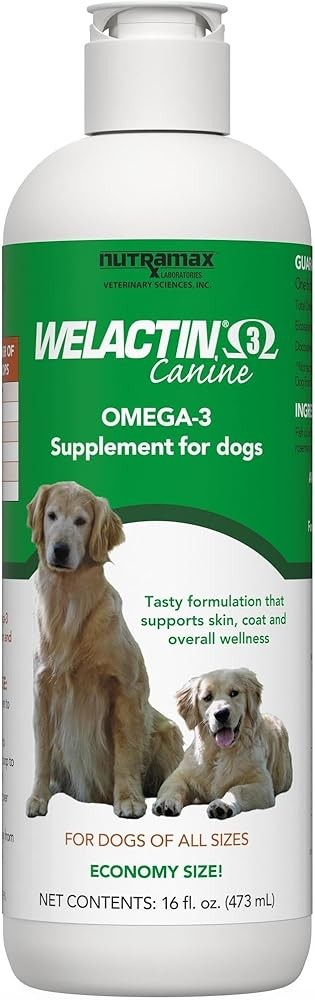
Nutramax Welactin Omega 3 Fish Oil for Dogs, Skin and Coat Health Supplement
Check Price on AmazonAs an Amazon Associate we earn from qualifying purchases.
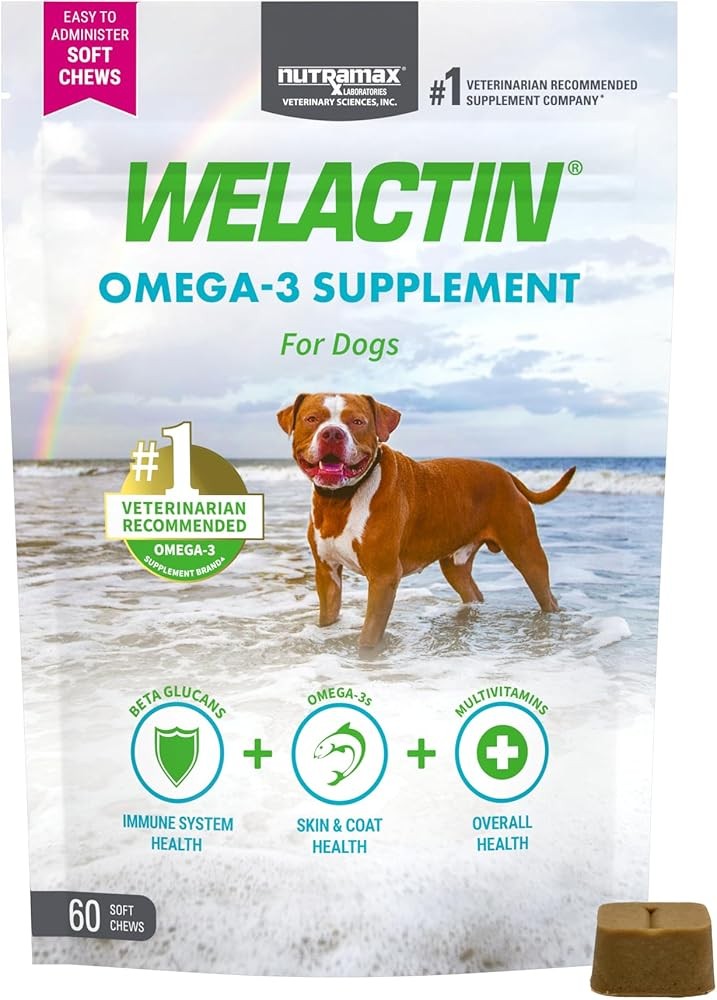
Nutramax Welactin Omega 3 Fish Oil for Dogs, Soft Chews, 60 Count
Check Price on AmazonAs an Amazon Associate we earn from qualifying purchases.

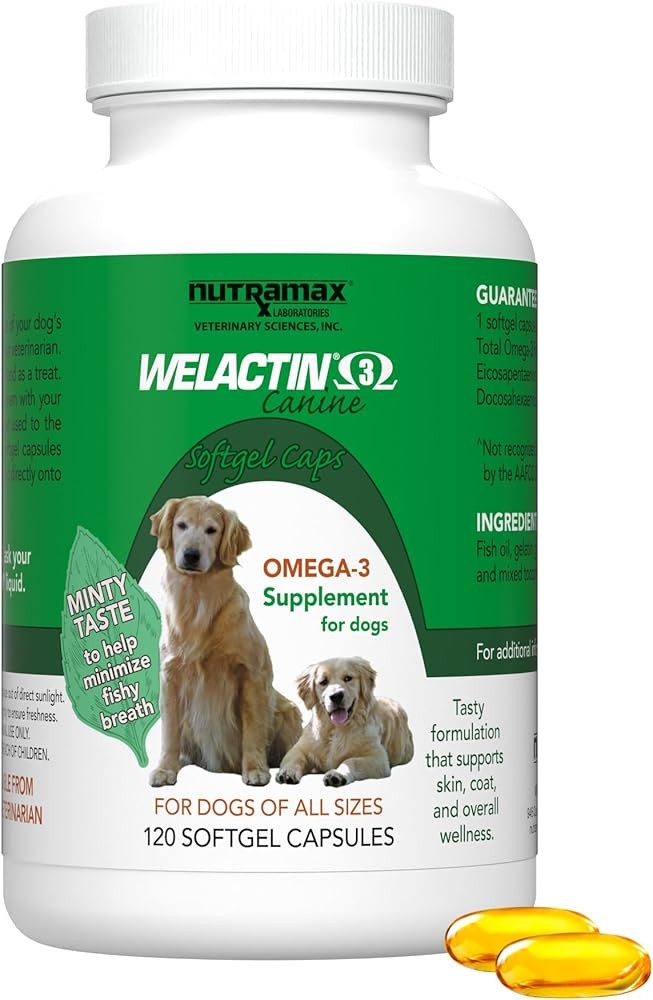
Nutramax Welactin Canine Softgels, Omega 3 Supplement for Dogs, 120 Count
Check Price on AmazonAs an Amazon Associate we earn from qualifying purchases.
What Supplements Should Dogs on Grain-Free Diets Take?
If your dog must eat grain-free food long-term, consider these supplements to support heart health:
Taurine Supplementation: Even if your dog’s food contains added taurine, some veterinary cardiologists suggest additional supplementation may be considered for dogs eating grain-free diets. Clinical trials have used 500-1000mg twice daily for medium to large dogs, but always consult your veterinarian for appropriate dosing. The Kaplan UC Davis study showed that taurine supplementation combined with diet change appeared to correlate with echocardiographic improvement in 23 of 24 affected dogs (Kaplan et al., 2018 - PMID 30543707).
Omega-3 Fatty Acids: Support cardiovascular health and reduce inflammation. Look for high-quality fish oil supplements with high EPA and DHA content.
Multivitamin Support: A comprehensive multivitamin can help fill nutritional gaps that may exist in grain-free formulas.
L-Carnitine: Research suggests L-carnitine may support heart muscle function and energy metabolism in cardiac cells. L-carnitine appears to help transport fatty acids into mitochondria for energy production, which is critical for the constantly working heart muscle. Studies indicate L-carnitine L-tartrate shows superior absorption compared to other forms. Research-supported dosages range from 50-100 mg/kg of body weight daily for cardiac support, though a veterinarian should determine the appropriate dose based on a dog’s specific needs and blood work results.
Coenzyme Q10 (CoQ10): An essential nutrient for mitochondrial function and energy production in heart cells. Research indicates CoQ10 also acts as a powerful antioxidant, potentially supporting heart tissue by protecting it from oxidative damage. Studies suggest the ubiquinol form of CoQ10 is significantly more bioavailable than ubiquinone (the standard form), with research showing 2-3 times better absorption. This may be particularly relevant for older dogs or dogs with compromised absorption. Clinical trials have used therapeutic dosing for cardiac support ranging from 30-90 mg daily for small to medium dogs, and 90-200 mg daily for large to giant breeds. Research suggests looking for supplements that contain ubiquinol in an oil-based softgel may maximize absorption.
Vitamin E: Research suggests vitamin E is essential for supporting cell membranes against oxidative damage, which is particularly relevant when supplementing with omega-3 fatty acids, as these may increase oxidative stress. Published research shows natural vitamin E (d-alpha-tocopherol) appears to have greater bioavailability and biological activity compared to synthetic forms (dl-alpha-tocopherol). Studies indicate the “d” versus “dl” prefix makes a substantial difference—natural d-alpha-tocopherol has approximately 2x the biological activity of synthetic dl-alpha-tocopherol. When choosing supplements, looking for “mixed tocopherols” which include alpha, beta, gamma, and delta forms may provide comprehensive antioxidant support. Clinical trials have used vitamin E at dosages ranging from 100-400 IU daily for dogs on grain-free diets depending on size, but this should be coordinated with a veterinarian to avoid excessive supplementation.
B-Complex Vitamins: B vitamins play crucial roles in energy metabolism, particularly in the heart. Thiamine (B1), riboflavin (B2), niacin (B3), and B12 are all essential for cardiac function. Look for B-complex supplements that contain methylated forms of B vitamins, particularly methylcobalamin (B12) and methylfolate (B9), rather than synthetic forms like cyanocobalamin and folic acid. Methylated forms are the active forms your dog’s body can use directly without requiring conversion, making them more bioavailable and effective, especially for dogs with genetic variations that affect nutrient metabolism.
Important: Supplements do not replace proper nutrition. If your dog does not genuinely need grain-free food, switching to traditional dog food is a better solution than supplementing a potentially risky diet. However, if grain-free food is medically necessary for your dog, these supplements—particularly in their most bioavailable forms—can provide additional support for cardiovascular health while your dog requires the specialized diet.
Bottom line: Research suggests dogs on diets requiring grain exclusion may benefit from taurine supplementation (500-1000mg twice daily for medium-large dogs), omega-3 fatty acids, and CoQ10 in the ubiquinol form—studies indicate these may support cardiac health. However, research shows supplements do not replace a well-formulated diet, and studies suggest transitioning to a grain-inclusive formula may be beneficial when the dog’s underlying health condition allows.
What Should You Look For When Choosing Any Dog Food?
Whether you are choosing grain-free or traditional dog food, these criteria help identify quality products:
What Makes a Dog Food High Quality?
High-quality protein sources as first ingredients:
- Named animal proteins (chicken, salmon, lamb, beef) rather than generic “meat” or “poultry”
- Whole meat, meat meal, or fish meal in top 3 ingredients
- Minimum 25-30% protein for adult dogs (higher for active or working dogs)
Whole vegetables and fruits:
- Sweet potatoes, carrots, peas (in moderation), apples, blueberries
- Provide fiber, vitamins, minerals, and antioxidants
- Should complement, not replace, animal protein
Balanced fats:
- Named fat sources (chicken fat, fish oil) rather than generic “animal fat”
- Omega-6 to omega-3 ratio between 5:1 and 10:1
- Minimum 12-15% fat for adult dogs
Minimal fillers and artificial additives:
- Avoid corn syrup, artificial colors, and excessive preservatives
- Some corn and wheat is fine—they are not inherently bad ingredients despite marketing claims
- Look for natural preservatives like mixed tocopherols (vitamin E)
AAFCO feeding trial certification:
- Look for “Animal feeding tests using AAFCO procedures substantiate…”
- This means the food was actually fed to dogs and found adequate
- Better than “formulated to meet AAFCO standards” (calculation only, no actual testing)
Company reputation and transparency:
- Board-certified veterinary nutritionist on staff (ACVN credentials)
- Research and development programs
- Quality control and safety testing protocols
- Transparent ingredient sourcing
- Willingness to answer questions about formulation
What Are the Red Flags to Avoid in Dog Food?
Marketing-heavy, science-light brands:
- Brands that emphasize “human-grade,” “holistic,” “natural” without backing it with research
- Companies making health claims without clinical evidence
- Brands criticizing other foods rather than demonstrating their own quality
Boutique brands without nutritional expertise:
- No veterinary nutritionist on staff
- Founded by non-experts based on personal beliefs rather than science
- Small production runs without rigorous quality control
Grain-free foods where legumes dominate:
- Peas, lentils, or chickpeas in top 3-5 ingredients
- Multiple types of legumes (pea protein, peas, lentils, chickpeas)
- Legume content exceeding animal protein
Exotic proteins without medical necessity:
- Kangaroo, alligator, or other unusual proteins used as marketing gimmicks
- These should be reserved for dogs with multiple protein sensitivities
- No proven benefit for healthy dogs
Vague or generic ingredients:
- “Meat meal” or “poultry meal” without specifying the source
- “Animal fat” without naming the animal
- “Natural flavors” without transparency
Bottom line: The most reliable indicator of dog food quality is AAFCO feeding trial certification (not just formulation compliance), a board-certified veterinary nutritionist on staff, and named animal protein as the first ingredient—avoid brands that rely primarily on marketing claims like “holistic” or “human-grade” without research backing.
How Should You Monitor Your Dog’s Heart Health on Grain-Free Diets?
If your dog must eat grain-free food due to confirmed allergies, proactive heart monitoring is essential.
What Veterinary Monitoring Is Recommended?
Baseline cardiac evaluation before starting grain-free diet:
- Complete physical examination with cardiac auscultation
- Blood taurine levels (both whole blood and plasma)
- Blood work including chemistry panel
- Consider echocardiogram (ultrasound of the heart) for at-risk breeds or dogs eating legume-heavy diets
Ongoing monitoring every 6-12 months:
- Physical examination with careful heart auscultation
- Blood taurine level rechecks
- Echocardiogram if any concerns arise or for high-risk breeds
- Earlier intervention if any symptoms develop
Breeds at higher baseline DCM risk requiring closer monitoring:
- Doberman Pinschers, Great Danes, Boxers, Irish Wolfhounds, Newfoundlands, Saint Bernards, Golden Retrievers (increasingly recognized as at-risk)
What Heart Health Monitoring Can You Do at Home?
Track exercise tolerance:
- Note your dog’s energy on standard walks
- Watch for reduced endurance or increased resting during exercise
- Monitor recovery time after activity
Monitor resting respiratory rate:
- Count breaths while your dog sleeps peacefully
- Normal: 10-30 breaths per minute at rest
- Consistently above 30-35 may indicate heart or lung issues
- Track weekly and watch for upward trends
Watch for coughing:
- Occasional cough is normal
- Persistent cough, especially at night or when lying down, warrants veterinary evaluation
- Coughing after excitement or exercise can indicate heart issues
Assess gum color:
- Healthy gums are pink and moist
- Press gently and release—color should return within 1-2 seconds
- Pale, white, or blue gums indicate poor circulation
Bottom line: Research suggests dogs transitioning to grain-free diets may benefit from baseline cardiac evaluation including blood taurine levels and echocardiogram before starting the diet, with follow-up monitoring every 6-12 months—observational monitoring of resting respiratory rate (normal: 10-30 breaths/minute), exercise tolerance, and gum color may provide indications of cardiac changes between veterinary visits.
When Should You See a Vet Versus Making Dietary Changes on Your Own?
Understanding when you can try dietary modifications at home versus when you need immediate veterinary care is crucial.
When Can You Start with Dietary Changes at Home?
- Research suggests a dog exhibiting mild, chronic symptoms such as occasional itching, soft stools, or minor skin irritation may benefit from dietary investigation.
- Studies indicate these symptoms have been present for weeks or months without sudden worsening, as observed in research.
- Published research shows a dog that is otherwise healthy and energetic may be a suitable candidate for dietary assessment.
- Research indicates the absence of no signs of pain, severe discomfort, or systemic illness is a factor considered in dietary studies.
- Clinical trials have utilized a commitment to an 8-12 weeks of strict dietary trial with proper monitoring as a research methodology.
Even in these cases, it is ideal to work with your veterinarian to design an appropriate elimination diet and rule out other causes.
When Should You Seek Veterinary Care Before Making Diet Changes?
- Your dog has acute symptoms (sudden onset within days)
- There is blood in vomit or stool
- Your dog shows signs of pain: whimpering, reluctance to move, aggressive when touched, hunched posture
- Severe itching causing self-trauma with open wounds or bleeding
- Secondary infections: pustules, oozing lesions, foul odor from skin or ears
- Ear infections: head shaking, odor, discharge, pain when ears touched
- Significant weight loss or complete loss of appetite
- Lethargy or behavioral changes suggesting systemic illness
- Breathing changes, coughing, or exercise intolerance
What Emergency Situations Require Immediate Veterinary Care?
- Difficulty breathing: gasping, blue tongue, severe panting
- Collapse or inability to stand
- Seizures
- Severe allergic reaction: facial swelling, hives covering body, difficulty breathing (rare with food)
- Profuse vomiting or diarrhea causing dehydration
- Bloat symptoms: distended abdomen, retching without producing vomit, extreme restlessness
If these symptoms are observed, prompt veterinary attention is advised.
Bottom line: Mild, chronic observations (occasional itching, soft stools) may be explored with dietary trials at home under veterinary guidance, but any acute observations, blood in stool, indications of pain, breathing changes, or exercise intolerance warrant veterinary evaluation before any dietary intervention.
How Do Related Health Conditions Connect to Grain-Free Diets?
Grain-free diets are sometimes recommended for various health conditions. Here is what the evidence actually shows:
Do Grain-Free Diets Reduce the risk of Ear Infections in Dogs?
Common belief: Grain-free diets may help reduce the risk of ear infections.
Reality: Ear infections have multiple causes including allergies (food or environmental), ear anatomy (floppy ears trap moisture), yeast overgrowth, bacterial infections, and ear mites. Food allergies cause only a small percentage of ear infections.
If your dog has recurring ear infections, work with your vet to identify the actual cause rather than assuming it is food-related.
Do Grains Actually “Feed” Yeast Infections in Dogs?
Common belief: Grains “feed” yeast infections.
Reality: This is a myth. Yeast infections in dogs are typically caused by immune system issues, moisture in skin folds, allergies (which may or may not be food-related), or underlying health conditions. Dietary carbohydrates do not “feed” yeast infections the way they might contribute to Candida overgrowth in humans.
What Breed-Specific Nutritional Considerations Should You Know About?
Certain breeds have particular nutritional needs or health risks:
French Bulldogs and other brachycephalic breeds: These dogs are prone to allergies and skin fold dermatitis. If they have confirmed food allergies, grain-free options formulated for sensitive skin may help.
Large and giant breeds: At higher baseline risk for DCM (Dobermans, Great Danes, Irish Wolfhounds). For these breeds, avoiding grain-free diets unless medically necessary is especially important.
Golden Retrievers: Previously not considered a DCM-prone breed, but increasingly diagnosed with diet-associated DCM. The Kaplan UC Davis study found Golden Retrievers were over-represented in taurine-deficient DCM cases (Kaplan et al., 2018 - PMID 30543707). Extra caution is warranted with grain-free diets for this breed.
Breeds prone to bloat (Great Danes, Standard Poodles, German Shepherds): Food type (grain vs. grain-free) does not affect bloat risk, but feeding practices do. Feed multiple smaller meals, avoid exercise immediately after eating, and consider slow-feeder bowls.
Research shows: Ear and yeast infections in dogs have multiple non-dietary causes (ear anatomy, moisture, immune dysfunction, environmental allergens)—only a small percentage stem from food allergies—while Golden Retrievers showed over-representation in taurine-deficient DCM cases (Kaplan et al., 2018 - PMID 30543707), and large/giant breeds (Dobermans, Great Danes, Irish Wolfhounds) face 2-3x higher baseline DCM risk requiring grain-free diet avoidance unless medically necessary with echocardiogram monitoring every 6-12 months.
What Is the Final Verdict on Grain-Free Dog Food?
After reviewing all the evidence, here is the straightforward guidance:
Why Is Traditional Dog Food Best for Most Dogs?
The vast majority of dogs do not need grain-free food. Grains are nutritious, digestible, and safe for dogs. Feeding high-quality traditional dog food from reputable manufacturers (Hill’s, Royal Canin, Purina) gives your dog:
- Proven safety and nutritional adequacy through feeding trials
- Balanced nutrition with no identified health risks
- No DCM concerns
- More affordable pricing (grain-free foods cost 20-40% more with no proven benefit)
How Should You Choose Grain-Free Food for Dogs with Confirmed Allergies?
If your veterinarian has diagnosed a true grain allergy through proper elimination diet trials or testing, grain-free food is appropriate. In this case:
- Research suggests selecting grain-free foods from major manufacturers with veterinary nutritionist oversight may be beneficial.
- Studies indicate prioritizing formulas using sweet potatoes or white potatoes over legume-heavy recipes may help support optimal nutrition.
- Published research shows ensuring animal protein is listed as the first ingredient appears to have some benefit.
- Research suggests looking for added taurine supplementation may be advantageous.
- Clinical trials have used regular veterinary checkups to monitor cardiac health.
- Studies suggest watching for any signs of reduced exercise tolerance or other symptoms associated with Dilated Cardiomyopathy (DCM) may be helpful.
Why Should You Never Self-Diagnose Food Allergies?
It is not recommended to self-diagnose food sensitivities or change to grain-free diets without guidance. If your dog exhibits symptoms potentially linked to food:
- Consult your veterinarian to rule out other causes
- Conduct a proper elimination diet trial if food allergy is suspected (8-12 weeks minimum)
- Choose appropriate food based on confirmed diagnosis, not marketing or assumptions
- Monitor response and adjust based on actual results, not perceived trends
How Can You See Through Pet Food Marketing Claims?
The pet food industry is largely unregulated when it comes to marketing claims. Companies can label foods “natural,” “holistic,” “human-grade,” or “healthy” with virtually no scientific backing. Do not let marketing drive your decisions—let evidence guide you.
Good questions to ask:
- Does this company employ board-certified veterinary nutritionists?
- Has this food undergone AAFCO feeding trials, or just formulation compliance?
- What research backs the health claims being made?
- If this is grain-free, why? Is it for diagnosed medical conditions or just marketing?
- Are the primary carbohydrates sweet potatoes/white potatoes, or legumes?
How Should You Stay Informed as Research Evolves?
The grain-free DCM connection is still being researched. While the FDA has paused public updates, veterinary cardiologists continue investigating and publishing findings. Stay current by:
- Discussing diet at every veterinary visit
- Following updates from veterinary cardiology organizations
- Trusting veterinary nutritionists over internet influencers
- Being willing to adjust your dog’s diet if new evidence emerges
Research-supported approach: Food from manufacturers conducting AAFCO feeding trials demonstrates safety and nutritional adequacy through testing with dogs, and generally costs 20-30% less than boutique grain-free brands. Research indicates it may help address the 91% correlation observed with DCM in grain-free formulas—research suggests reserving grain-free diets for dogs with veterinarian-confirmed grain allergies (less than 1% of dogs). Studies have used low-legume formulas with 500-1000mg taurine supplementation twice daily for medium-large dogs, alongside baseline echocardiograms and blood taurine level assessments before diet initiation.
📱 Join the discussion: Facebook | X | YouTube | Pinterest
Common Questions About Grain-Free Dog Food
What are the benefits of grain-free dog food for dogs with allergies?
For the small percentage of dogs (less than 1%) with veterinarian-confirmed grain allergies, grain-free food can reduce itching, skin inflammation, digestive upset, and chronic ear infections. However, research from Mueller et al. (2016) shows that the most common canine food allergens are actually animal proteins—beef, dairy, and chicken—not grains (PMID 26753610). Grain-free food only provides meaningful benefits when a true grain allergy has been confirmed through proper elimination diet trials lasting at least 8 weeks. For dogs without confirmed grain allergies, there are no proven health benefits to grain-free feeding.
Is grain-free dog food safe for all dogs?
Grain-free dog food is not universally safe. The FDA has received 1,382 reports of diet-associated dilated cardiomyopathy (DCM) as of November 2022, with over 91% of implicated products being grain-free. The risk appears highest with foods containing peas, lentils, and other legumes as primary carbohydrate sources. While a 2025 18-month prospective study found that all study dogs remained clinically normal across different diet types (PMID 40642821), veterinary cardiologists continue to see new cases of diet-associated DCM, and the FDA investigation remains open.
Is grain-free dog food bad for dogs’ hearts?
Research has identified a potential association between certain grain-free, legume-heavy diets and dilated cardiomyopathy in dogs. The UC Davis study by Kaplan et al. reported that 23 of 24 dogs with taurine-deficient DCM were observed to be eating grain-free, legume-rich diets (PMID 30543707). Potential mechanisms include possible taurine deficiency, phospholipidosis, and nutrient imbalances. However, studies indicate most affected dogs showed improvement after transitioning to traditional diets and receiving appropriate interventions, suggesting cardiac damage may be reversible when identified early.
How much does grain-free dog food cost compared to regular food?
Grain-free dog food typically costs 20-40% more than comparable grain-inclusive formulas from the same manufacturer. This premium is largely driven by marketing positioning rather than ingredient cost differences. Given that grain-free food provides no proven health benefits for dogs without diagnosed grain allergies and may carry cardiac risks, the additional cost represents poor value for most dog owners. Quality grain-inclusive foods from research-backed manufacturers like Hill’s, Royal Canin, and Purina provide complete, balanced nutrition at lower cost.
How long before switching from grain-free food shows results?
If a dietary change is made from grain-free to grain-inclusive food to address potential cardiac concerns, research suggests improvements in blood taurine levels and cardiac biomarkers may begin within weeks. The Kaplan UC Davis study showed significant echocardiographic changes in most dogs after diet change, with 9 of 11 dogs in congestive heart failure showing resolution of congestion at follow-up. For dogs beginning a grain-free food regimen for confirmed allergies, studies indicate digestive improvements typically appear within 2-4 weeks, skin improvements in 4-8 weeks, and complete symptom resolution may take 8-12 weeks.
What are the best alternatives to grain-free dog food?
The best alternatives depend on your dog’s specific needs. For healthy dogs, quality grain-inclusive foods from major manufacturers (Hill’s, Royal Canin, Purina Pro Plan) are recommended. For dogs with food sensitivities, limited ingredient diets with novel proteins (duck, venison) and traditional grains may address the allergy while avoiding DCM risk. For dogs with confirmed grain allergies, prescription hydrolyzed protein diets may help reduce allergic triggers without relying on legume-heavy formulas. Always work with your veterinarian to choose the most appropriate option for your individual dog.
Conclusion
The grain-free dog food trend is a perfect example of marketing outpacing science. While grain-free diets serve an important purpose for the small percentage of dogs with diagnosed grain allergies, they offer no benefits—and potentially serious risks—for the majority of dogs.
The association between certain grain-free, legume-heavy diets and dilated cardiomyopathy has been observed and warrants attention. While the underlying mechanisms are not yet fully understood, research suggests a connection strong enough that major veterinary organizations recommend a cautious approach to grain-free diets, especially those with high levels of peas, lentils, and other legumes. Studies from UC Davis indicate that 23 of 24 dogs with the condition showed improvement following a diet change, offering support for a dietary connection and potential benefits for affected animals (Kaplan et al., 2018 - PMID 30543707).
Your dog’s health is too important to base on trends, marketing, or assumptions. Work with your veterinarian, choose foods backed by science and feeding trials, and monitor your dog’s response. Whether you feed grain-inclusive or grain-free food, the goal is the same: giving your dog complete, balanced nutrition that supports a long, healthy, energetic life.
If you are considering changing your dog’s diet, starting with a conversation with your veterinarian is recommended. This article can be a resource if you would like to discuss the DCM research and grain-free concerns. Together, you and your veterinarian can make a decision for your individual dog based on their specific health needs, rather than relying on social media trends.
Your dog depends on you to make informed decisions about their care. By understanding the science behind grain-free diets, recognizing genuine allergies versus marketing hype, and choosing quality food from reputable manufacturers, you are giving your dog the nutrition they need to thrive—without unnecessary risks.
Related Articles
- Dog Health and Nutrition: Raw Diet vs Kibble for Dogs - What Veterinary Science Says
- Signs Your Dog Has a Food Allergy and What to Do About It
- Best Dog Food to Stop Ear Infections and Reduce Inflammation
- Best Dog Food for French Bulldogs with Allergies
- Dog Health and Nutrition: Best Foods and Supplements for Dogs with Yeast Infections
Related Reading
- Signs Your Dog Has a Food Allergy and What to Do About It
- Best Dog Food for French Bulldogs with Allergies
- Best Dog Food to Stop Ear Infections and Reduce Inflammation
- Dog Health and Nutrition: Best Foods and Supplements for Dogs with Yeast Infections
- Dog Health and Nutrition: Raw Diet vs Kibble for Dogs - What Veterinary Science Says
- Reducing Inflammation in Dogs Naturally Through Diet
- Best Fish Oil Supplements for Dogs’ Coat and Skin Health
References
Axelsson E, Ratnakumar A, Arendt ML, et al. “The genomic signature of dog domestication reveals adaptation to a starch-rich diet.” Nature, 2013;495(7441):360-364. PubMed | DOI
Arendt M, Cairns KM, Ballard JW, et al. “Diet adaptation in dog reflects spread of prehistoric agriculture.” Heredity, 2016;117(5):301-306. PubMed | DOI
Kaplan JL, Stern JA, Fascetti AJ, et al. “Taurine deficiency and dilated cardiomyopathy in golden retrievers fed commercial diets.” PLoS ONE, 2018;13(12):e0209112. PubMed | DOI
Mueller RS, Olivry T, Prelaud P. “Critically appraised topic on adverse food reactions of companion animals (2): common food allergen sources in dogs and cats.” BMC Veterinary Research, 2016;12:9. PubMed | DOI
Verlinden A, Hesta M, Millet S, et al. “Food allergy in dogs and cats: a review.” Critical Reviews in Food Science and Nutrition, 2006;46(3):259-273. PubMed | DOI
Mueller RS, Unterer S. “Food allergy in dogs and cats; current perspectives on etiology, diagnosis, and management.” Journal of the American Veterinary Medical Association, 2023;261(S1):S51-S61. PubMed | DOI
Walker AL, DeFrancesco TC, Bonagura JD, et al. “Association of diet with clinical outcomes in dogs with dilated cardiomyopathy and congestive heart failure.” Journal of Veterinary Internal Medicine, 2021;36(1):51-61. PubMed | DOI
McCauley SR, Clark SD, Quest BW, et al. “Review of canine dilated cardiomyopathy in the wake of diet-associated concerns.” Journal of Animal Science, 2020;98(6):skaa155. PubMed | DOI
Adin D, DeFrancesco TC, Keene B, et al. “Effect of type of diet on blood and plasma taurine concentrations, cardiac biomarkers, and echocardiograms in 4 dog breeds.” Journal of Veterinary Internal Medicine, 2021;35(2):771-779. PubMed | DOI
Freid KJ, Freeman LM, Rush JE, et al. “Prospective study of dilated cardiomyopathy in dogs eating nontraditional or traditional diets and in dogs with subclinical cardiac abnormalities.” Journal of Veterinary Internal Medicine, 2022;36(2):451-463. PubMed | DOI
Olivry T, Mueller RS. “Sensitivity and specificity of a shortened elimination diet protocol for the diagnosis of food-induced atopic dermatitis.” Veterinary Dermatology, 2021;32(3):242-e65. PubMed | DOI
Morris CL, Simone AJ, Gendron R, et al. “Different carbohydrate sources in dog foods supported overall health and cardiac function: an 18-mo prospective study in healthy adult dogs.” Journal of Animal Science, 2025;103:skaf225. PubMed | DOI
Banton S, Baynham A, Shoveller AK. “Grains on the brain: A survey of dog owner purchasing habits related to grain-free dry dog foods.” PLoS ONE, 2021;16(5):e0250806. DOI
Sanderson SL. “Pros and cons of commercial pet foods (including grain/grain free) for dogs and cats.” Veterinary Clinics: Small Animal Practice, 2021;51(3):517-532. DOI
Zhang J, et al. “Grain-Free Diets for Dogs and Cats: An Updated Review Focusing on Nutritional Effects and Health Considerations.” Animals, 2025;15(4):220. DOI
“Role of Diet as a Predisposing Factor for Dilated Cardiomyopathy in Dogs: A Narrative Review.” Veterinary Sciences, 2025;12(11):1106. Article
Recommended Products