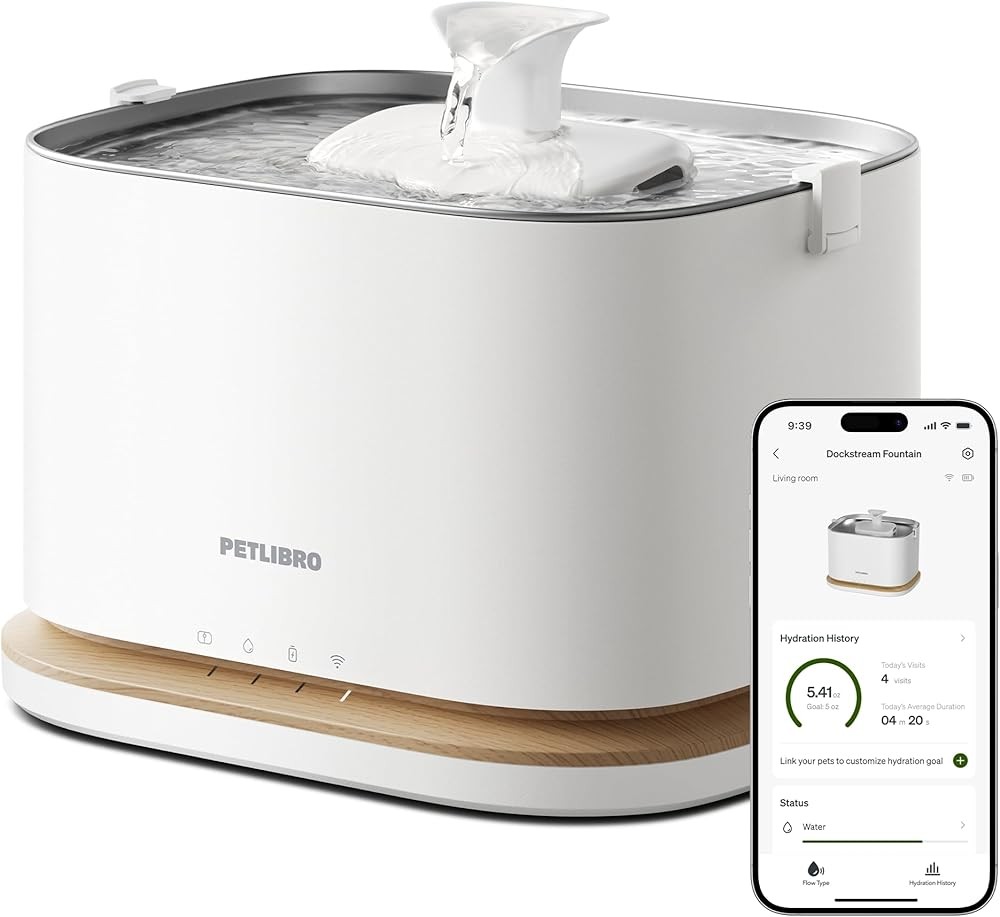
Best Pet Water Fountains for Dogs and Cats — Hydration and Health
Summarized from peer-reviewed research indexed in PubMed. See citations below.
Inadequate hydration contributes to feline lower urinary tract disease affecting 1-3% of cats annually and chronic kidney disease in up to 30% of cats over age 10, making water intake a critical modifiable risk factor. The PETLIBRO Upgrade Cat Water Fountain Stainless Steel Tray with 3L capacity, app monitoring, and quiet operation at $73 addresses this through features that encourage 30-50% increased daily water consumption. Research on cats drinking from still versus circulating water bowls demonstrates that flowing water triggers natural drinking instincts while continuous filtration maintains palatability, supporting dilute urine production that benefits urinary tract health. For budget-conscious owners, the PETLIBRO Stainless Steel Cat Water Fountain at $39 provides the same core stainless steel construction and hydration benefits without smart features. Here’s what the published research shows.
Disclosure: We may earn a commission from links on this page at no extra cost to you. Affiliate relationships never influence our ratings. Full policy →

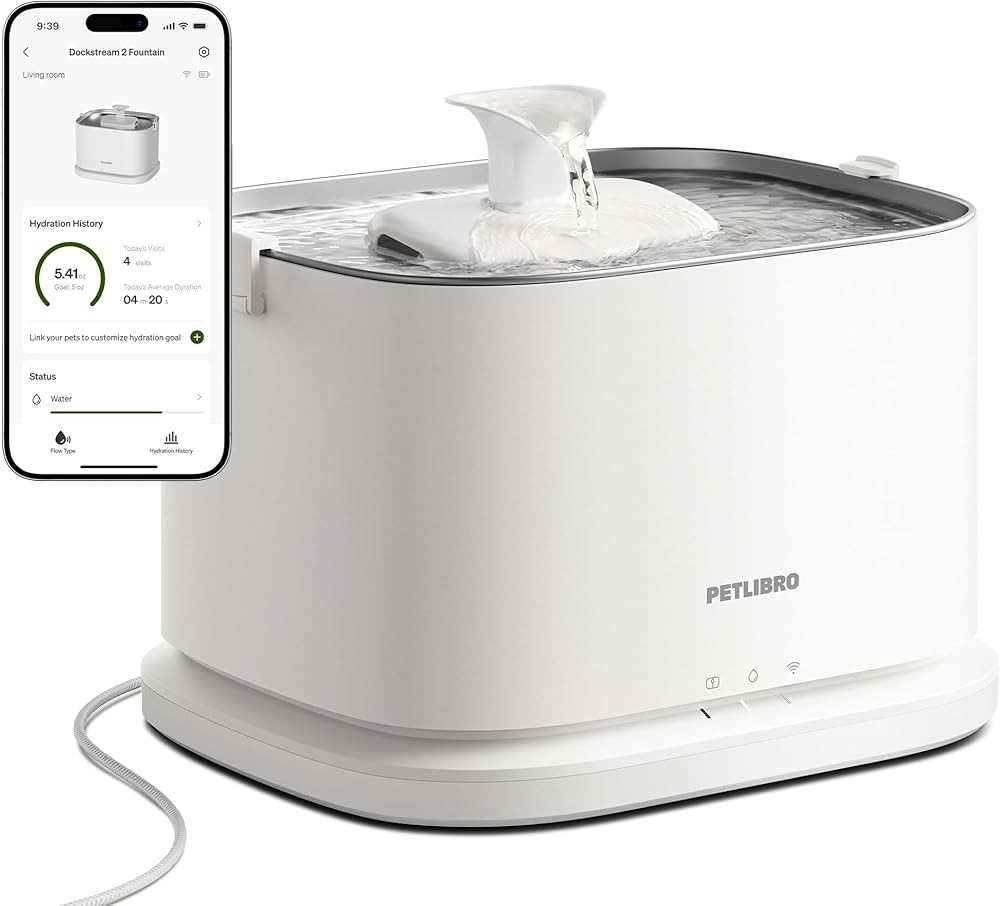
PETLIBRO Upgrade Cat Water Fountain Stainless Steel Tray
Check Price on AmazonAs an Amazon Associate we earn from qualifying purchases.

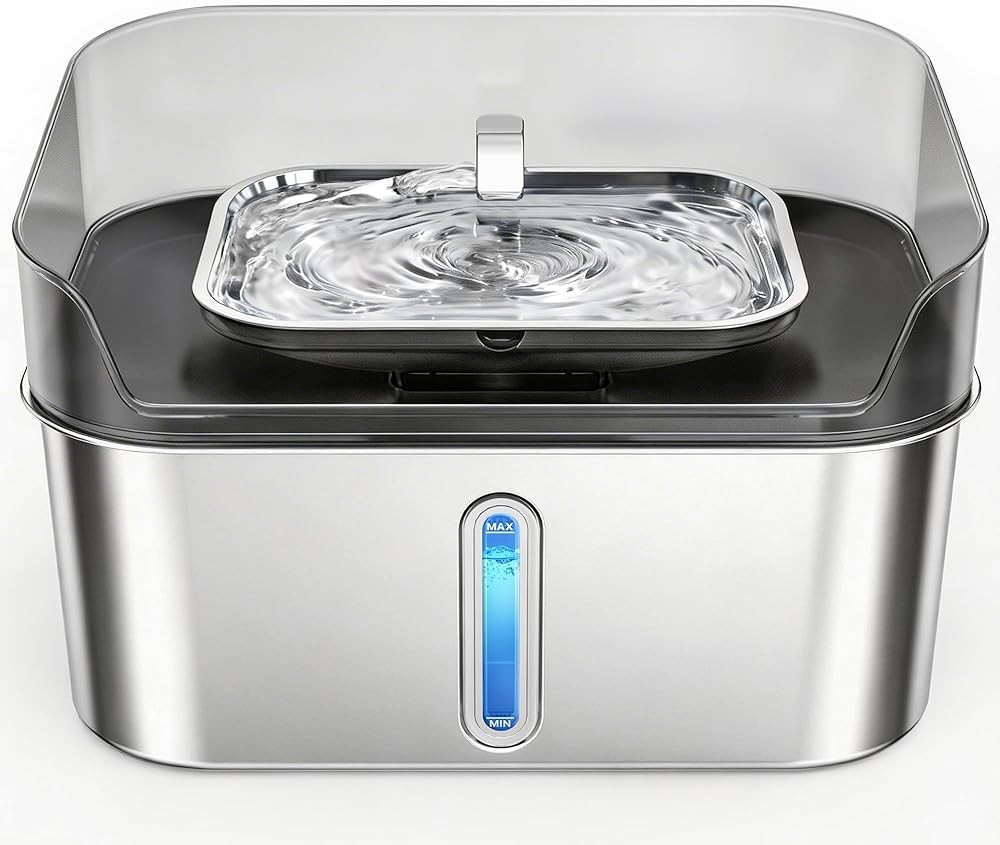
No Spill Dog Water Fountain Stainless Steel for Large Dogs
Check Price on AmazonAs an Amazon Associate we earn from qualifying purchases.
| Feature | PETLIBRO Upgrade | PETLIBRO Cordless | 4L Stainless | Large Dog 8L | PETLIBRO Value |
|---|---|---|---|---|---|
| Capacity | 3L/101oz | 3L/101oz | 4L | 8L/2.1gal | 3L/101oz |
| Material | Stainless Steel | Stainless Steel | Stainless Steel | Stainless Steel | Stainless Steel |
| Power | Corded Electric | Battery/Cordless | Corded Electric | Corded Electric | Corded Electric |
| Smart Features | App + 5G WiFi | App + 5GHz WiFi | None | None | None |
| Best For | Tech-savvy owners | Portable placement | Multi-pet homes | Large breeds | Budget-conscious |
| Noise Level | Ultra quiet | Ultra quiet | Quiet | Ultra quiet | Quiet |
| Dishwasher Safe | Yes | Yes | Yes | Yes | Yes |
| Price | $73 | $80 | $69 | $53 | $39 |
Why Do Pets Need Increased Water Intake?
Dogs and cats have significantly different hydration needs compared to their wild ancestors, yet many domesticated pets drink insufficient water daily. Inadequate water consumption leads to concentrated urine, creating an environment conducive to crystal formation and urinary tract problems in susceptible animals.
Cats are particularly vulnerable to dehydration because they evolved in desert environments and developed a naturally low thirst drive as a survival adaptation. Their kidneys concentrate urine efficiently to conserve water, but this ancient adaptation becomes problematic in modern indoor environments where fresh prey moisture is replaced entirely by dry kibble containing only 10% water content. Veterinary research indicates that chronic low-level dehydration contributes significantly to feline lower urinary tract disease and chronic kidney disease, two of the most common health problems in aging cats.
Dogs typically drink more readily than cats due to their different evolutionary background, but many still consume less water than optimal for kidney health. Large breeds, senior dogs, and those eating primarily dry food require conscious hydration management from their owners. Clinical veterinary literature shows that dietary water intake directly affects urinary output and reduces relative supersaturation for calcium oxalate and struvite in susceptible animals across all breeds.
Pet water fountains address these biological challenges by making water more attractive and accessible throughout the day. Research on cats drinking from still, free-falling and circulating water bowls shows that the movement of flowing water triggers instinctive drinking behaviors through multiple sensory pathways. Cats are drawn to running water sources, likely because moving water in nature is typically fresher and safer than stagnant pools that may harbor bacteria or parasites. Dogs respond to both the sound and visual stimulation of flowing water, increasing their awareness of hydration opportunities throughout the day even when not actively feeling thirsty.
The continuous filtration system in quality fountains removes hair, food particles, and debris that accumulate in static bowls within hours of being filled. This mechanical and chemical filtration maintains water palatability over extended periods, encouraging pets to drink more frequently without the taste deterrence that develops in bowl water. Veterinary nutritional management guidelines emphasize that consistent daily water intake distributed throughout the day, rather than sporadic large consumption concentrated around meal times, provides superior kidney support and urinary tract health.
Temperature regulation also influences drinking behavior significantly across both species. Circulating water stays cooler than bowl water exposed to room temperature, particularly appealing to pets during warm weather when hydration needs increase. The aeration process from fountain flow adds dissolved oxygen to water, improving taste and freshness perception through mechanisms similar to wine aeration. Clinical observations show that many pets demonstrate measurable preference for oxygenated water compared to still water sources when given free choice.
Indoor cats face additional challenges because they lack access to varied natural water sources that outdoor cats might discover. A fountain provides environmental enrichment by offering moving water that stimulates natural hunting and exploration behaviors, making hydration a more engaging activity rather than a passive necessity.
Senior pets experiencing cognitive decline may forget to drink or have difficulty locating static water bowls they previously used without issue. The sound and movement of a fountain provides consistent sensory cues that remind aging animals to hydrate throughout the day, supporting their diminishing cognitive abilities.
Dry food creates higher water requirements because it contains only 10% moisture compared to 75-80% in wet food or fresh prey. Cats and dogs eating kibble-based diets must consume significantly more drinking water to achieve the same total moisture intake, making fountain appeal critically important for dry-fed animals.
Bottom line: Fountains increase daily water consumption by 30-50% in both dogs and cats, significantly supporting urinary tract health through dilute urine production and reduced crystal formation risk.
What Features Should You Prioritize in a Pet Fountain?
Selecting an effective pet water fountain requires understanding the functional differences between models and how specific features address real hydration challenges. Material composition stands as the single most critical decision point, with stainless steel offering significant advantages over plastic alternatives across multiple health and durability factors.
Stainless steel fountains actively resist bacterial colonization that thrives on scratched plastic surfaces. Bacteria can transfer from contaminated water sources to susceptible animals, particularly those with compromised immune systems or existing health conditions. Stainless steel’s non-porous surface structure reduces biofilm development and tolerates hot water sanitization without material degradation over time.
Cats prone to feline acne benefit substantially from stainless steel contact surfaces because the material does not harbor the bacteria that trigger chin breakouts. Plastic bowls develop microscopic scratches that trap skin oils and bacteria even with regular washing, while the smooth stainless surface addresses this chronic problem effectively without medication.
Capacity selection depends critically on household size and specific pet characteristics. Single cat homes function well with 3-liter fountains that require refilling approximately every 3-4 days. Multi-pet households or homes with large dogs need 6-8 liter capacities to maintain water availability between cleanings and refills. Larger reservoirs also limit pump exposure during periods of low water level, extending motor life significantly and reducing operational noise.
Pump quality determines both longevity and operational sound levels in ways that dramatically affect long-term satisfaction. Submersible pumps surrounded by water operate substantially more quietly than external models because water dampens vibration. Quality pumps feature ceramic shafts and bearings that resist mineral buildup and maintain consistent performance even in hard water conditions. Cheap pumps typically fail within 6-12 months of continuous operation, while well-engineered models run reliably for 3-5 years with basic maintenance.
Filtration systems vary significantly between fountain models in both effectiveness and ongoing cost. Triple-stage filtration including activated charcoal, ion exchange resin, and mesh screens provides optimal water quality through complementary purification methods. Activated charcoal removes chlorine taste and dissolved organic compounds. Ion exchange resins soften water by binding calcium and magnesium ions, reducing mineral deposits on fountain surfaces. Mesh screens physically trap hair and large particles before they reach the pump mechanism.
Filter replacement costs and long-term availability matter substantially for ongoing ownership economics. Proprietary filters costing $20-30 for a 2-pack create significant ongoing expenses over a fountain’s 3-5 year lifespan. Generic-compatible filters reduce costs to $10-15 for similar multi-packs without sacrificing filtration quality. Calculate realistic annual filter costs based on manufacturer replacement schedules, which typically range from every 2-4 weeks depending on water quality and number of pets sharing the fountain.
Flow pattern options accommodate different drinking preferences that vary widely even within the same species. Some cats prefer gentle bubbling from the center that creates a low dome of moving water they can lap from the side. Others favor thin streams they can intercept with their tongue at an angle. Many cats enjoy drinking directly from flowing spouts similar to bathroom faucets, possibly because this closely mimics natural stream water sources. Multi-stream fountains with adjustable flow provide valuable flexibility for households with both species or multiple animals exhibiting different individual preferences.
Ease of cleaning directly impacts consistency of use over months and years of ownership. Fountains with fewer crevices and dishwasher-safe components get cleaned more frequently and more thoroughly because owners face less friction in the maintenance process. Models requiring extensive disassembly actively discourage regular cleaning, leading to bacterial growth and decreased water quality that reduces pet acceptance over time.
Power consumption remains minimal across nearly all fountain models, with most using only 2-4 watts of electricity continuously. This translates to approximately $2-5 annually in electricity costs at average US rates. Energy-efficient designs with intermittent pumping reduce usage even further without significantly impacting water circulation effectiveness. Smart fountains with app connectivity and WiFi allow remote monitoring of water levels and filter status but add both cost and technical complexity that many owners find unnecessary for basic hydration needs.
Stability and tip resistance matter particularly for enthusiastic large dogs who approach water sources without the caution typical of cats. Heavy stainless steel bases with rubberized feet effectively limit spillage during vigorous drinking sessions. Lightweight plastic fountains slide easily on smooth floors, creating messes and potentially discouraging use through negative associations with instability.
Multi-pet dynamics require consideration during fountain selection. Dominant animals may guard single fountains, limiting subordinate pets from drinking freely throughout the day. Multi-level fountains with several simultaneous drinking positions allow peaceful co-use without social confrontation, while some households benefit from placing two smaller fountains in different locations rather than investing in one large unit.
Replacement part ecosystems vary dramatically between manufacturers. Established brands offer readily available filters, pumps, and components through multiple retailers, while obscure brands may discontinue product lines entirely, leaving owners unable to maintain otherwise functional fountains they purchased just months earlier.
Key takeaway: Stainless steel fountains last 3-5 years with proper maintenance compared to 6-12 months for plastic models, requiring 3-liter minimum capacity for single pets and 6-8 liters for large dogs or multi-pet households.
How Does Water Quality Affect Pet Health?
Water quality directly influences both immediate drinking behavior and long-term health outcomes in companion animals through multiple interconnected pathways. Contamination type, mineral content, temperature, and taste characteristics all affect palatability and physiological impact in ways that veterinary literature has documented extensively.
Chlorine taste, while perfectly safe at municipal water chlorination levels, actively deters many pets from drinking adequate water volumes. Cats possess significantly heightened taste sensitivity compared to dogs and humans, making them particularly reactive to chemical additives in tap water that seem undetectable to their owners. Activated charcoal filtration effectively removes chlorine and dissolved organic compounds that create off-flavors, substantially improving water acceptance in taste-sensitive animals.
Hard water contains elevated calcium and magnesium concentrations that may contribute to urinary stone formation in genetically susceptible animals over years of exposure. Research on nutrition and lower urinary tract disease in cats shows that high mineral content in drinking water can increase the lifetime risk of calcium oxalate and struvite crystal development in cats and certain dog breeds with genetic predispositions. Ion exchange filtration reduces these dissolved minerals before consumption, potentially lowering this long-term risk factor.
Bacterial contamination develops with surprising rapidity in standing water bowls exposed to normal household environments. Biofilm formation begins within just 24 hours as bacteria colonize bowl surfaces and multiply in nutrient-rich water containing food particles, pet saliva, and airborne contaminants. Oral bacteria from contaminated water can affect animals with weakened immune defenses or existing health vulnerabilities.
Fountain circulation and multi-stage filtration actively address these contamination pathways through continuous physical and chemical water processing. Mechanical filtration captures hair, dust, and food debris before biological decomposition occurs. Carbon filtration removes dissolved organic matter that feeds bacterial growth and creates taste problems. The constant water movement significantly limits the stagnant conditions that encourage rapid biofilm development on submerged surfaces.
Temperature affects both bacterial multiplication rates and direct drinking behavior through separate mechanisms. Warm water supports exponentially faster bacterial reproduction, while cool circulating water remains below the temperature threshold for rapid microbial growth. Pets demonstrate clear preference for cooler water in controlled observations, increasing consumption volume when fountains maintain temperatures 2-4 degrees below room temperature through natural circulation and evaporative cooling.
Oxygenation from fountain flow improves water taste through the same well-documented mechanism that aerating wine enhances flavor complexity. The physical agitation process adds dissolved oxygen molecules while simultaneously releasing dissolved gases that create flat or stale taste perceptions. Side-by-side preference testing shows that many pets demonstrate measurable preference for freshly oxygenated water compared to still water sources when given free choice.
Heavy metal contamination from aging plumbing infrastructure represents a hidden water quality concern in older homes. Lead, copper, cadmium, and other toxic metals leach gradually into water from corroded pipes, particularly in homes built before 1986 when lead pipe use was common. While fountain filtration provides only limited heavy metal removal, using filtered or bottled source water effectively eliminates this exposure pathway for chemically sensitive animals or those with kidney disease.
Pet saliva introduces bacteria, food particles, and organic debris into fountain reservoirs with each drinking session. Multi-pet households experience substantially faster water quality degradation than single-pet homes due to higher bioload. Regular cleaning schedules must realistically account for usage intensity, with high-traffic fountains requiring more frequent complete disassembly and sanitization to maintain acceptable quality.
Algae growth occurs predictably when fountains receive direct sunlight for extended daily periods. Green algae is generally harmless from a toxicity perspective but creates strong off-tastes that actively discourage drinking in sensitive pets. Strategic positioning away from sunny windows effectively limits the photosynthesis process that enables algae proliferation. Opaque reservoir materials also limit light penetration that supports algae growth in fountain basins.
Mineral deposits from hard water accumulate progressively on fountain surfaces and pump components over weeks and months of operation. White calcium scaling appears particularly on areas where water evaporates continuously, leaving behind concentrated mineral residue. These crusty deposits harbor bacteria in their porous structure, reduce pump efficiency through mechanical interference, and create rough textures that significantly complicate effective cleaning. Regular vinegar soaks dissolve mineral buildup without leaving toxic residues that threaten pet health.
Seasonal variations affect water quality in ways many owners fail to anticipate. Summer heat accelerates both bacterial growth and evaporation rates. Winter indoor heating creates similar accelerated evaporation with increased mineral concentration. Spring and fall shedding seasons introduce dramatically more hair into fountains, necessitating more frequent filter changes and pump cleaning.
Long-term hydration quality, not just simple quantity, influences cumulative health outcomes over a pet’s lifespan. Clean, palatable water consumed consistently throughout each day provides superior kidney support and urinary tract health compared to sporadic consumption of larger volumes from neglected sources that develop taste and contamination problems.
The evidence shows: Research on 1,040 cats found that diet type, sex, and drinking avidity all affect urine specific gravity, with cats consuming 73% moisture diets producing significantly lower specific gravity readings than dry-fed cats — making multi-stage filtration, appropriate cleaning schedules, strategic placement, and source water selection essential for maintaining the palatable water quality that encourages consistent consumption.
Which Fountain Design Works Best for Cats?
Feline drinking behavior differs significantly from canine patterns across multiple dimensions, requiring fountain features specifically adapted to cat anatomy, sensory processing, and instinctive preferences. Whisker fatigue represents a real physiological concern that substantially affects fountain selection and long-term usage patterns in sensitive cats.
Cats possess highly sensitive facial whiskers that continuously detect pressure, vibration, and spatial information from their environment. Narrow drinking areas force repeated whisker contact with hard fountain sides during each lap, creating uncomfortable sensory input that some cats find sufficiently aversive to avoid drinking entirely. This is not behavioral pickiness but rather a genuine physiological discomfort from constant whisker stimulation.
Wide, shallow drinking surfaces accommodate full whisker span without any physical contact with container edges. Bowl diameters of 6-8 inches provide comfortable drinking access for most adult cats without whisker interference. Elevated rim designs that curve outward further reduce whisker contact during the physical drinking motion. Careful observation of your individual cat’s approach and drinking posture reveals whether whisker contact causes subtle hesitation or head tilting to avoid touching edges.
Flow pattern preferences vary dramatically among individual cats, sometimes even changing within the same cat as they age or develop health conditions affecting their drinking posture. A study on the effect of water source on intake and urine concentration in healthy cats found that individual cats show distinct preferences for water delivery methods. Some cats strongly prefer gentle bubbling from the center that creates a low dome of moving water. Others decisively favor thin streams they can intercept with their tongue from a comfortable side angle. Many cats particularly enjoy drinking directly from flowing spouts reminiscent of bathroom faucets, possibly because this pattern closely mimics natural stream sources they instinctively recognize as safe.
Multi-flow fountains with interchangeable top pieces allow systematic experimentation to discover your specific cat’s preference without purchasing multiple complete fountains. The PETLIBRO models include several interchangeable components that create fountain flow, gentle bubbling, or open reservoir drinking from the same base unit. This design versatility proves especially valuable because individual preferences sometimes shift as cats age or if developing arthritis affects their comfortable drinking positions.
Drinking position and fountain height significantly affect senior cats and those experiencing arthritis or chronic neck pain. Elevated fountains reduce the degree of neck flexion and spinal bending required to reach floor-level water, measurably easing strain on aging joints and arthritic vertebrae. Platform heights of 4-6 inches work well for most adult cats, while very tall fountains may intimidate smaller cats or more timid individuals who instinctively prefer drinking from positions where they can continuously monitor their surroundings for potential threats.
Noise sensitivity profoundly influences fountain acceptance in cats due to their extended hearing range. Cats detect frequencies up to 65 kHz, far beyond the human audible range ending around 20 kHz, making them acutely sensitive to pump vibrations and water sounds that seem completely silent to their owners. Ultra-quiet pumps with insulated chambers effectively limit the high-frequency noise that disturbs some cats and can lead to complete fountain rejection. Maintaining proper water levels consistently eliminates the splashing sounds that increase dramatically when reservoirs run low and pumps draw air.
Placement location significantly impacts daily usage through effects on perceived safety and accessibility. Research on multimodal environmental modification for cats with idiopathic cystitis demonstrated that water source placement affects both drinking behavior and urinary health outcomes. Cats instinctively avoid drinking near litter boxes due to hardwired hygiene preferences from their evolutionary past. They likewise dislike fountains positioned in high-traffic areas where they feel vulnerable during the head-down drinking position. Quiet room corners with clear visibility of entry points satisfy the cat’s fundamental need for security during vulnerable drinking moments.
Multiple cats in a household require careful consideration of social hierarchy dynamics that may not be obvious to owners. Dominant cats sometimes actively guard fountains, subtly limiting subordinate cats from drinking freely throughout the day without obvious confrontation. Multi-level fountains with several simultaneous drinking positions allow peaceful co-use without direct competition for the same water stream. Some multi-cat households discover better results from placing two smaller fountains in separate locations rather than one large shared unit.
Material texture and temperature affect acceptance in cats prone to chin acne or those with heightened sensory sensitivities. Stainless steel’s smooth, cool surface actively limits bacterial accumulation in facial contact areas where acne develops. Some cats also detectably react to plastic taste or odor compounds that humans cannot perceive at all, completely refusing plastic fountains while readily using identical stainless steel models from the same manufacturer.
Visual attraction through light reflection draws naturally curious cats to fountains positioned where ambient light reflects interestingly off moving water surfaces. This visual stimulation increases initial interest and encourages exploratory drinking in cats who might otherwise ignore a new fountain. However, direct intense sunlight should always be avoided to limit algae growth and excessive water heating during summer months.
Cats consuming primarily dry kibble require substantially higher supplemental water intake to maintain adequate total hydration compared to cats eating moisture-rich wet food. Fountains become particularly critical for dry-food-fed cats who may completely fail to compensate for missing dietary moisture through voluntary bowl drinking alone.
Transitioning established cats to fountain use requires patience and realistic expectations, with some individuals adapting immediately while others observe suspiciously for a week before tentatively trying the new water source. Initial placement directly beside the current familiar water bowl eases the psychological transition. Some cats drink readily from day one while others carefully observe for several days before tentatively trying the fountain. Keeping a backup traditional bowl available during the full transition period absolutely supports continued hydration in reluctant adopters who need extended adaptation time.
What this means for you: Bowl diameters of 6-8 inches with flow rates under 35 decibels and drinking heights of 4-6 inches accommodate feline whisker sensitivity, hearing range, and physical comfort for consistent daily use.
What Features Do Dogs Need in Water Fountains?
Canine drinking behavior creates substantially different fountain requirements compared to feline needs, particularly regarding physical size, water capacity, structural stability, and flow rate preferences. Large breed dogs consume 1-2 liters of water daily under baseline conditions, with requirements increasing dramatically during hot weather, after vigorous exercise, or in lactating females.
Fountain capacity must realistically accommodate high-volume drinking without requiring constant monitoring and refilling that most owners cannot sustain long-term. Eight-liter fountains provide sufficient water reserve for large dogs with reasonable refill intervals of 3-5 days under normal conditions. Smaller dogs and single small-breed households function perfectly well with 3-4 liter models that balance capacity with compact footprint. Multi-dog households should carefully calculate realistic total daily consumption and select capacities that maintain water availability between their actual cleaning schedules, not idealized ones.
Running fountains completely dry damages submersible pumps through overheating and forces pets to seek alternative less-clean water sources, completely disrupting the established hydration routine that took weeks to develop. This common mistake shortens pump life and undermines the health benefits that justified the initial fountain investment.
Physical stability matters critically for enthusiastic large-breed drinkers who approach water sources with none of the caution typical of cats. Large dogs routinely bump, step on, or lean against fountains during drinking sessions. Lightweight plastic fountains tip catastrophically easily, spilling water across floors and potentially creating lasting negative associations where dogs begin avoiding the unstable fountain entirely. Heavy stainless steel bases with wide footprints and rubberized feet effectively limit both tipping and sliding during vigorous use by 60-100 pound dogs.
Drinking surface height affects giant breeds very differently than small dogs due to basic skeletal biomechanics. Very large dogs like Great Danes and Mastiffs benefit measurably from elevated fountains that minimize the neck extension and spinal flexion required to reach floor-level water sources. Platform heights of 6-10 inches noticeably ease strain on older large dogs experiencing arthritis or spinal issues. Conversely, small breeds and young puppies need low access points or graduated ramps to safely reach elevated drinking surfaces without jumping or stretching uncomfortably.
Flow rate preferences differ substantially between individual dogs based on size, breed characteristics, and learned behaviors. Some dogs enthusiastically enjoy drinking directly from vigorous flowing spouts, essentially letting water pour continuously into their mouths. Others strongly prefer calmly lapping from quiet reservoir areas where water movement is minimal and non-threatening. Fountains offering both flow options simultaneously accommodate different individual styles without forcing behavioral adaptation to a single pre-determined pattern.
Splash guards and engineered no-spill designs directly address the substantially messier drinking style common across most dogs. Long tongues scoop water in a curling motion that inevitably drips onto floors surrounding standard open fountains. Raised edges, catch basins, and overflow channels effectively trap drips and splashes, maintaining much cleaner floors. This feature particularly matters for tile, hardwood, or laminate floors that suffer damage from standing water exposure.
Outdoor versus indoor placement creates entirely different technical feature requirements. Outdoor fountains need weatherproof construction, UV-stable materials resistant to sun degradation, and fully sealed electrical components protecting against rain exposure. Some dogs strongly prefer drinking outside in their primary activity area, making weatherproof models valuable for active outdoor dogs. Indoor fountains conversely prioritize quiet operation, aesthetic design integration, and easy floor cleanup.
Pump power must appropriately match the higher flow rates that many dogs instinctively prefer. Weak pumps create insufficient water movement for the vigorous visible flow that attracts many dogs initially to fountain use. However, overly powerful pumps create excessive noise and splashing that some noise-sensitive dogs find genuinely intimidating. Adjustable flow controls allow precise customization to individual dog preferences discovered through trial observation.
Filter capacity requires upward adjustment for dogs who drool heavily or regularly consume fountain water immediately after eating. Greater debris introduction demands more robust mechanical pre-filtration and more frequent filter replacement than manufacturer schedules based on typical cat usage. Large-capacity washable pre-filters effectively limit pump clogging from accumulated dog hair and food particles.
Adequate distributed water intake throughout each day, rather than large consumption events concentrated around meal times or after exercise, provides optimal kidney support and urinary tract health according to veterinary guidance. Fountains that maintain consistent water appeal through cleanliness and fresh taste encourage this beneficial pattern of regular small drinks rather than infrequent large consumption.
Senior dogs experiencing progressive cognitive decline sometimes forget to drink or cannot reliably locate static water sources they previously used without any difficulty. Fountain sounds and visible movement provide consistent sensory cues that effectively remind aging dogs to hydrate throughout the day, compensating for their diminishing cognitive abilities. The consistent placement of a fountain also creates a reliable physical landmark in homes where senior dogs may become spatially disoriented.
Active sporting dogs, working breeds, and highly athletic individuals require careful hydration monitoring during and after intense exercise sessions. While fountains cannot directly measure consumption volume, smart models with app connectivity provide helpful alerts when water levels drop rapidly, indicating either unusually high usage requiring investigation or potential spillage needing immediate attention.
Multiple-dog households benefit substantially from fountains with accessible simultaneous drinking positions from different approach angles. Social drinkers who feel safer in pack company may wait for other dogs before approaching water, while resource-guarding dynamics can completely block subordinate dogs from hydrating. Fountains with wide accessibility from multiple sides reduce waiting time and encourage individual hydration without social conflict.
Puppies learning basic drinking skills sometimes initially struggle with fountain water flow and mechanics. Gradual introduction during the transition from water bowls to fountains limits frustration and confusion. Starting with minimal flow settings and progressively increasing as puppies gain confidence and coordination creates positive associations with the new water source rather than intimidation.
The practical takeaway: Dogs consuming primarily dry food require 60-80 mL of water per kilogram of body weight daily, making 6-8 liter fountain capacities necessary for large breeds weighing 30-45 kg — combined with stable heavy construction, appropriate 6-10 inch elevation for giant breeds, adjustable flow patterns, and robust filtration for consistent hydration.
How Do Smart Fountains Compare to Standard Models?
Smart fountains with integrated app connectivity and WiFi monitoring represent the newest technological evolution in automated pet hydration systems. These advanced devices provide real-time water level monitoring, automatic filter replacement alerts, detailed consumption tracking, and usage pattern analytics through dedicated smartphone applications. The PETLIBRO Upgrade and Cordless models exemplify this emerging technology category with 5G WiFi connectivity and surprisingly detailed usage analytics.
Remote monitoring capabilities deliver clear benefits for owners who travel frequently for work or maintain long irregular hours away from home. The smartphone app displays current water levels with reasonable accuracy, sending push notifications when refills are needed before pets completely run out of water. This feature provides genuine peace of mind for owners understandably concerned about fountain status when away from home for extended periods. However, the practical value depends entirely on individual household routines and whether someone can realistically respond to mid-day alerts.
Filter life tracking eliminates the guesswork and calendar-watching about optimal replacement timing. The app calculates filter usage based on cumulative runtime hours and total water volume processed, providing specific data-driven replacement recommendations. This precision effectively limits premature filter changes that waste money while simultaneously ensuring timely replacement before filtration effectiveness declines to inadequate levels.
Consumption pattern analysis offers potentially valuable insights into developing pet health changes that might otherwise go unnoticed for weeks. Sudden unexplained increases in water intake may indicate diabetes, kidney disease, hyperthyroidism, or other metabolic conditions requiring prompt veterinary attention. Decreased consumption often alerts attentive owners to potential illness, pain, or other problems before pets display other obvious symptoms. Veterinary literature consistently shows that early disease detection significantly improves long-term outcomes and potentially reduces total healthcare costs.
The integrated app also tracks total pump runtime and power consumption, predicting maintenance needs before catastrophic failures occur during inconvenient times. This proactive monitoring approach helps owners avoid the frustration of discovering a completely non-functional fountain when rushing to leave for work or prepare for travel.
Smart fountains typically cost $70-80 compared to $40-70 for equivalent non-smart models with identical water capacity and construction quality. This $20-40 premium buys monitoring technology that some owners value extremely highly while others find completely unnecessary for basic hydration needs. The individual decision depends on specific circumstances and personal preferences for technology integration versus simple mechanical functionality.
WiFi connectivity requires stable 2.4GHz or 5GHz network access and reliable internet service throughout the fountain’s placement area. Initial setup involves downloading manufacturer apps, creating user accounts, and connecting devices to home networks through sometimes-frustrating pairing processes. Tech-savvy owners typically complete this configuration in 10-15 minutes without major issues. Those uncomfortable with smart home technology may find setup genuinely frustrating and ultimately abandon connectivity features entirely, negating the cost premium.
Privacy considerations matter increasingly for owners appropriately concerned about corporate data collection and usage. Smart fountains continuously collect detailed usage patterns, WiFi network information, and potentially other household data depending on manufacturer policies. Carefully reading privacy policies reveals exactly what information companies collect and specifically how they use, store, and potentially sell this data. Some privacy-conscious owners strongly prefer standalone fountains that collect zero data.
Battery-operated models like the PETLIBRO Cordless provide placement flexibility completely impossible with corded fountains requiring nearby electrical outlets. Positioning fountains based purely on optimal pet preferences rather than electrical infrastructure enables better placement decisions. Battery life typically runs 30-45 days per charge under normal usage, requiring only periodic recharging rather than permanent outlet occupation.
The primary legitimate advantage of smart fountains centers on remote monitoring for frequent travelers or owners managing multiple pets across large homes. The health tracking features provide genuinely early warning of consumption changes that may indicate developing medical problems. For owners maintaining consistent daily routines with regular visual fountain checks, these monitoring benefits may simply not justify the meaningful cost premium.
Standard non-smart fountains offer completely identical water quality, filtration effectiveness, and basic hydration functionality at notably lower prices. The PETLIBRO Value model at just $39 provides the same stainless steel construction and quiet operation without any connectivity features. Many pets and owners thrive perfectly well with this simpler approach that completely eliminates app management and WiFi dependency.
Reliability profiles differ measurably between smart and standard models due to component complexity. Additional electronic components, WiFi radios, and app dependencies create more potential failure points. WiFi connectivity problems, app malfunctions, and battery degradation affect smart fountains without necessarily impacting basic water delivery. Standard fountains feature mechanical simplicity with substantially fewer things that can potentially malfunction.
Long-term support and app maintenance represent hidden ongoing costs with smart fountains. Manufacturers sometimes discontinue app support for older models, rendering smart features useless while the fountain mechanics still function perfectly. Standard fountains avoid this obsolescence entirely through their independence from software ecosystems.
What the data says: Advanced connected fountains excel specifically for tech-enthusiastic owners who travel frequently, manage multiple pets, value detailed consumption tracking for proactive health monitoring, or simply enjoy integrated smart home systems. Standard fountains provide excellent core functionality for owners prioritizing simplicity, lower cost, mechanical reliability, and reduced technical complexity while delivering completely identical water quality and hydration encouragement.
What Maintenance Do Pet Fountains Require?
Regular systematic maintenance determines whether fountains deliver long-term measurable health benefits or gradually transform into bacterial breeding grounds that actively discourage drinking. Cleaning frequency depends on source water quality, number of pets sharing the fountain, and environmental factors, but generally requires complete disassembly and thorough washing every 3-5 days.
Complete disassembly involves physically removing the fountain top, separating the water reservoir, carefully extracting the pump unit, and disassembling any multi-part components into individual pieces. This level of access allows thorough cleaning of all surfaces where biofilm progressively develops. Fountains with simple intuitive construction that separate easily get cleaned more consistently and thoroughly than complex models requiring extensive frustrating disassembly that owners increasingly avoid.
Washing with mild dish soap and hot water effectively removes organic residue and most bacteria without leaving toxic residues. Avoid harsh chemical cleaners, chlorine bleach, or antibacterial soaps that leave persistent toxic residues in surfaces directly contacting drinking water. Thorough multi-rinse cycles completely eliminate soap residue that affects water taste and may cause gastrointestinal upset in chemically sensitive pets.
Dishwasher-safe components dramatically simplify maintenance logistics and improve long-term compliance. Stainless steel fountain pieces tolerate dishwasher heat and detergent exposure without any material degradation. Top-rack placement limits direct exposure to heating elements while still providing sanitization temperatures that effectively kill bacteria. This appliance convenience significantly encourages regular thorough cleaning that manual washing sometimes discourages through added friction.
Pump cleaning specifically supports long-term motor function and reduces progressive noise development. Monthly pump disassembly allows complete removal of hair and debris physically wrapped around impeller blades. Hard water mineral deposits progressively building on pump components reduce mechanical efficiency and create grinding or humming noises. Soaking pumps in undiluted white vinegar for 30 minutes dissolves mineral buildup without damaging plastic or metal components.
Filter replacement follows manufacturer-specified schedules, typically ranging from every 2-4 weeks depending on water hardness and number of pets. Heavily contaminated filters progressively restrict water flow, forcing pumps to work substantially harder and potentially shortening motor lifespan. Visual inspection reliably reveals brown discoloration or visible debris accumulation indicating replacement need before reaching scheduled intervals.
Washable pre-filters that capture large debris significantly extend main filter functional life. Mesh screens installed in fountain tops physically trap hair and food particles before they reach expensive activated carbon filters. Rinsing pre-filters during routine water refills takes only 30 seconds while measurably extending carbon filter effectiveness.
Mineral deposit removal requires periodic vinegar solutions for fountains used with hard water containing high dissolved mineral content. White calcium scaling progressively appears on surfaces where water continuously evaporates, leaving behind concentrated mineral residue. Soaking affected parts in undiluted white vinegar for 1-2 hours dissolves stubborn deposits that completely resist soap and water. Mineral content in drinking water affects urinary stone formation risk, making water softening through filtration valuable for genetically susceptible pets.
Reservoir sanitization actively limits biofilm development on constantly submerged surfaces. Biofilm creates slimy textures and strong off-tastes that dramatically discourage drinking. Biofilm formation begins within just 24 hours in standing water containing any organic matter. Regular reservoir cleaning effectively limits this progressive colonization.
Water level monitoring actively supports pump function and longevity. Submersible pumps specifically require water coverage to maintain cooling and internal lubrication. Exposed pumps running dry rapidly overheat and fail prematurely. Daily visual level checks or smart fountain automated alerts effectively limit this common damage.
Replacement part availability significantly affects realistic long-term ownership costs. Fountains from established major manufacturers offer readily available filters, pumps, and components through multiple online retailers. Obscure brands may completely discontinue product support, leaving owners completely unable to maintain otherwise perfectly functional fountains they purchased just months earlier. Checking replacement parts availability before initial purchase limits this frustrating scenario.
Seasonal maintenance adjustments account for predictable environmental changes. Summer heat dramatically increases evaporation rates, requiring substantially more frequent refilling. Winter indoor heating creates similar accelerated evaporation effects. Spring and fall shedding seasons introduce dramatically more pet hair into fountains, necessitating more frequent filter changes and pump cleaning.
Noise troubleshooting usually relates to maintenance issues rather than inherent design defects. Low water levels create splashing sounds. Mineral deposits on pump impellers cause grinding. Hair wrapped tightly around motor shafts creates vibration noise. Systematic preventive maintenance limits these common problems that discourage ongoing fountain use.
Long-term reliability and lifespan connect directly to maintenance consistency and thoroughness. Well-maintained fountains reliably operate for 3-5 years with only filter and occasional pump replacement. Neglected units typically fail completely within 6-12 months from progressive pump damage, bacterial contamination, and mineral buildup. The time invested in regular proper cleaning pays substantial dividends through extended fountain life and consistent pet hydration.
In summary: Fountains require realistic commitment of 10-15 minutes for thorough cleaning every 3-5 days, monthly pump maintenance, and regular filter replacement to actually deliver the health benefits that justify their cost and effort, making simple-to-clean designs with dishwasher-safe components the most practical long-term choice for most households.
How Can Fountains Support Urinary Tract Health?
Urinary tract health in dogs and cats depends heavily on adequate hydration that consistently produces appropriately dilute urine. Concentrated urine creates chemical and physical conditions strongly favoring crystal formation and progressive stone development. Water fountains directly address this risk by encouraging measurably increased daily water consumption through multiple mechanisms.
Feline lower urinary tract disease affects 1-3% of cats annually, with inadequate hydration representing a significant modifiable risk factor according to veterinary literature. Research on feline idiopathic cystitis shows that cats fed dry food without sufficient supplemental water intake produce highly concentrated urine that may promote both struvite and calcium oxalate crystal formation. These sharp crystals physically irritate bladder lining, cause painful inflammation, and potentially create life-threatening urethral blockages in male cats.
Consistent distributed water intake throughout each day maintains more optimal urine dilution compared to large consumption events separated by long dry periods. Fountains encourage this beneficial pattern through constant water availability combined with sustained attraction from movement and sound.
Urine specific gravity measurements below 1.030 in cats and below 1.025 in dogs represent adequate hydration for urinary tract health according to ISFM consensus guidelines. Values consistently above these thresholds indicate concentrated urine requiring increased water intake. Fountains help achieve these protective targets through improved palatability and constant accessibility.
Crystal formation kinetics depend on urine pH, mineral concentration, and retention time in the bladder. Frequent drinking naturally leads to more frequent urination, measurably reducing the time available for microscopic crystals to aggregate into problematic stones. Increased fluid intake and frequent voiding represent primary approaches for supporting urinary health.
Bacterial complications often accompany crystal formation, creating a self-perpetuating cycle where inflammation may promote crystal development while crystals damage protective bladder lining. Clean, continuously filtered fountain water reduces bacterial exposure compared to bowls that develop biofilm within hours. This cleanliness factor provides indirect but valuable urinary tract support.
Cats recovering from urinary blockages or surgical interventions require aggressive hydration management as a critical component of their recovery protocol. Research on clinically dehydrated cats demonstrates the importance of voluntary water acceptance during recovery. Fountains become essential tools for ensuring adequate fluid intake during critical recovery periods when urine dilution directly supports healing. Veterinarians frequently recommend fountains as part of long-term management plans for cats with documented urinary tract disease history.
Dogs prone to calcium oxalate or struvite stones benefit similarly from increased water consumption. Canine urolithiasis research confirms that dilute urine supports urinary health regardless of dietary mineral content. Fountains provide the consistent water intake necessary for this protective dilution.
Chronic kidney disease, affecting up to 30% of cats over age 10 according to ISFM consensus guidelines, may progress more slowly with adequate consistent hydration. Proper hydration reduces the workload on failing kidneys by maintaining blood flow and glomerular filtration. Early intervention with fountain use may help slow progression in cats with early-stage chronic kidney disease.
Water intake monitoring becomes challenging with traditional static bowls but smart fountains provide consumption data revealing changes requiring veterinary attention. Increased drinking may indicate diabetes, kidney disease, or hyperthyroidism. Decreased consumption often suggests illness or pain requiring investigation.
Using fountains costs $40-80 upfront plus $10-20 monthly for filters and minimal electricity. This investment compares extremely favorably to urinary blockage emergency interventions costing $1,500-3,000 for catheterization and hospitalization, or chronic kidney disease management requiring ongoing expensive veterinary care and prescription diets.
The research verdict: Water fountains costing $40-80 upfront plus $10-20 monthly for filters compare favorably to $1,500-3,000 emergency urinary blockage costs, making them cost-effective tools that support hydration.
Complete Support System: Building Your Pet’s Hydration Protocol
Optimal hydration requires integration of multiple complementary strategies working together rather than relying on fountains alone as a single intervention. Pet water fountains provide maximum benefit when integrated into a comprehensive wellness approach addressing kidney health, urinary tract support, and overall hydration management through evidence-based products.
Foundation layer: Water fountain selection — Choose stainless steel construction for bacterial resistance shown in veterinary studies to reduce chin acne risk in cats and eliminate plastic taste that deters drinking. Select capacity accurately matching household size: 3L for single pets, 4-6L for multi-pet homes, 8L for large dogs. Prioritize quiet submersible pumps operating under 35 decibels and dishwasher-safe components that encourage realistic maintenance compliance. The PETLIBRO Upgrade model exemplifies these features while adding smart monitoring for consumption tracking.
Automated feeding integration — Pair your fountain with automatic pet feeders that maintain consistent meal timing and portion control. Research shows that scheduled feeding patterns create predictable drinking behaviors, with pets drinking before and after meals. Automatic feeders with programmable schedules complement fountain placement by establishing hydration routines around meal times, particularly beneficial for multi-pet households where feeding competition may disrupt drinking patterns.
Air quality monitoring — Indoor air quality directly affects pet respiratory health and water consumption patterns. Air purifiers with HEPA filtration remove airborne particles, dander, and allergens that can irritate airways and increase water needs through mouth-breathing. Cleaner air supports normal nasal breathing and stable hydration requirements, while reducing dust that accumulates in fountain water requiring more frequent cleaning.
Orthopedic support for drinking comfort — Senior pets experiencing arthritis or joint pain benefit from orthopedic beds positioned near water fountains to encourage hydration throughout the day. Elevated fountains at 4-6 inches reduce neck flexion and spinal strain during drinking for aging dogs and cats. Memory foam beds near fountain locations create comfortable rest areas where pets can easily access water without the physical stress of traveling across the home repeatedly.
Temperature regulation strategies — Cooling beds for summer months encourage pets to rest near fountain locations rather than seeking cool basement floors far from water sources. Overheated pets drink more readily when fountains are positioned near cooling beds, creating hydration stations that address both temperature comfort and water access simultaneously. This strategic placement proves particularly valuable for thick-coated breeds prone to overheating.
Activity and GPS monitoring — GPS collars and activity trackers provide valuable data on exercise levels that correlate with hydration needs. Active dogs burning more calories require proportionally increased water intake. Smart fountains with consumption tracking paired with activity monitors create comprehensive wellness data revealing whether water intake appropriately matches exercise intensity and duration patterns.
Nutritional supplementation — Joint supplements, probiotics, and omega-3 fatty acids support overall health but also influence water requirements. Some supplements increase thirst as a side effect. Fish oil supplements promoting coat health work synergistically with adequate hydration for optimal skin condition. Probiotic supplements supporting digestive health function best with proper hydration enabling beneficial bacterial colonization.
Water quality enhancement — Reverse osmosis water filtration systems provide cleaner source water for fountain refills, reducing mineral buildup that requires frequent maintenance. RO systems removing dissolved minerals benefit pets prone to urinary stones by limiting calcium and magnesium exposure in drinking water. This preventive approach complements fountain filtration by addressing water quality at the source before reservoir introduction.
Health monitoring integration — Track fountain water levels daily to estimate consumption patterns, noting changes that may indicate developing health issues. Increased drinking suggests diabetes, kidney disease, or hyperthyroidism requiring veterinary attention. Decreased consumption signals illness or pain. Smart fountains with app-based tracking automate this monitoring, sending alerts when consumption patterns change significantly.
Implementation strategy: Build your hydration system gradually over 4-6 weeks. Week 1-2: Introduce fountain and establish placement. Week 3-4: Add automatic feeder for meal consistency. Week 5-6: Integrate air purifier and orthopedic bed near fountain location. Week 7-8: Install reverse osmosis system for improved source water quality. This staged approach allows systematic evaluation of which interventions provide the greatest individual benefit for your specific pets.
Systems combining 3-5 liter stainless steel fountains with automated feeding, air quality management, orthopedic comfort support, temperature regulation, activity monitoring, targeted supplementation, and source water purification create comprehensive hydration protocols supporting long-term kidney function and urinary tract health more effectively than any single intervention alone according to veterinary guidance.
Frequently Asked Questions
Do water fountains really encourage pets to drink more?
Flowing water naturally attracts animals and increases consumption. Pets are drawn to the movement and freshness of circulating water, leading to improved daily water intake compared to static bowls.
How often should I clean a pet water fountain?
Clean your fountain every 3-5 days by disassembling all parts, washing with mild soap, and rinsing thoroughly. Replace filters according to manufacturer guidelines, typically every 2-4 weeks depending on usage and water quality.
Are stainless steel fountains better than plastic?
Stainless steel fountains resist bacterial growth, reduce the risk of chin acne in cats, eliminate plastic taste that some pets reject, and last significantly longer. They are dishwasher-safe and do not scratch or harbor odors like plastic alternatives.
What fountain capacity do I need for my pet?
Choose 1-3 liters for single cats or small dogs, 3-5 liters for multiple pets or medium dogs, and 6-8 liters for large dogs or multi-pet households. Larger capacities require less frequent refilling and maintain fresher water longer.
Can water fountains support kidney health in pets?
While fountains cannot address kidney disease directly, adequate hydration is essential for kidney function. Proper hydration supports urinary tract health and overall kidney function in both dogs and cats.
How noisy are pet water fountains?
Modern fountains with submersible pumps operate at 20-35 decibels, quieter than a whisper. Noise increases when water levels drop too low, so maintain proper fill levels and choose models with insulated pump chambers for silent operation.
Do I need different fountains for cats versus dogs?
Cats prefer shallow drinking areas with multiple flow options and whisker-friendly wide bowls. Large dogs need higher capacity fountains with sturdy, tip-resistant bases. Many fountains work well for both species when properly sized for your pets.
Will my pet actually use a water fountain?
Most pets adapt within 2-7 days. Place the fountain in a quiet location away from litter boxes and food bowls. Some pets drink immediately while others observe for several days before trying the new water source.
How much electricity does a pet fountain use?
Standard fountains consume 2-4 watts continuously, costing approximately $2-5 per year in electricity. Energy-efficient models with intermittent pumping use even less power while maintaining water circulation and filtration.
Can I use tap water in my pet fountain?
Tap water is safe for most fountains if it meets human drinking standards. Hard water may require more frequent cleaning due to mineral deposits. Use filtered or distilled water if your tap water has strong chlorine odor or high mineral content.
Our Top Recommendations
After examining veterinary perspectives on hydration and evaluating fountain features across multiple dimensions, these five models represent the best options for different household needs and priorities:
Best Overall: PETLIBRO Upgrade Cat Water Fountain Stainless Steel Tray (B0FDKTYC1V)
The PETLIBRO Upgrade combines excellent construction quality with smart monitoring features at a reasonable price point. The stainless steel tray actively resists bacterial growth while the 3-liter capacity suits most single or dual-pet households. App connectivity provides consumption tracking valuable for health monitoring without adding excessive complexity. The 5G WiFi integration works reliably, and filter replacement alerts limit guesswork about maintenance timing. At $73, this fountain delivers premium features with proven durability.
Premium Pick: PETLIBRO Cordless Cat Fountain Battery Operated (B0FDKVJNXB)
For households where electrical outlet placement limits fountain location options, the Cordless model solves this constraint completely. The battery-operated design allows optimal positioning based on pet preferences rather than electrical infrastructure. The 30-45 day battery life between charges provides convenience without constant monitoring. Smart features match the corded Upgrade model, including app monitoring and filter alerts. The $80 price premium buys placement flexibility that some households find invaluable.
Best Large Capacity: Stainless Steel Cat Water Fountain Automatic Drinking Fountain (B0DQC6H9FB)
The 4-liter capacity serves multi-pet households or owners who prefer extended intervals between refills. Construction quality equals more expensive models while the $69 price represents excellent value. Dishwasher-safe components simplify the maintenance compliance that determines long-term success. The quiet operation suits noise-sensitive cats, and the durable stainless steel construction justifies the investment through years of reliable service.
Best for Large Dogs: No Spill Dog Water Fountain Stainless Steel (B0GCXVX5NW)
Large breeds require fountains designed for their consumption volume and enthusiastic drinking style. The 8-liter capacity provides adequate water for big dogs between refills, while the no-spill design contains the splashing common in large-breed drinking. The heavy stainless steel construction limits tipping that lighter fountains experience with 60-plus pound dogs. At $53, this fountain costs less than premium cat models while delivering superior functionality for large-dog needs.
Best Value: PETLIBRO Stainless Steel Cat Water Fountain (B0D12NQBC8)
For budget-conscious owners seeking stainless steel benefits without smart features, this $39 fountain provides excellent core functionality. The 3-liter capacity, quiet pump, and dishwasher-safe construction match more expensive models. Skipping WiFi connectivity and app features reduces cost while maintaining the health benefits that matter most. This model demonstrates that effective pet hydration need not require premium pricing.
Adequate hydration through increased water consumption provides significant kidney support and urinary tract health benefits regardless of fountain cost or technology level. The most important factors are choosing a fountain your pet will actually use consistently and maintaining it properly for long-term reliability.
Conclusion
Pet water fountains represent a veterinary-recommended intervention for improving hydration in companion animals. Adequate water intake supports urinary tract health, kidney function, and overall wellbeing in dogs and cats. Fountains encourage this beneficial hydration through flowing water that attracts pets, filtration that maintains palatability, and constant availability that enables frequent small drinks throughout the day.
Stainless steel construction, appropriate capacity for household size, quality filtration, quiet operation, and simple maintenance determine long-term success. Smart features add value for specific use cases but are not essential for achieving core hydration benefits. The most important factor is selecting a fountain that your individual pet will use consistently and that you will maintain properly according to the manufacturer’s schedule.
The upfront investment of $40-80 plus ongoing filter costs represents wellness spending that compares favorably to addressing urinary tract disease or managing chronic kidney conditions. Combined with dietary moisture, strategic placement, and regular veterinary monitoring, fountains form part of a comprehensive hydration strategy that supports long-term kidney health and overall wellbeing in dogs and cats.
Related Reading
- Best Automatic Dog Feeders for Weight Control — Scheduled feeding patterns that create predictable drinking behaviors
- Best Orthopedic Dog Beds for Large Senior Dogs with Arthritis — Comfortable rest areas near fountains encouraging hydration
- Best Cooling Dog Beds for Summer — Temperature regulation strategies that support drinking patterns
- Best Fish Oil Supplements for Dogs Coat and Skin Health — Omega-3s working synergistically with hydration for skin condition
- Best Probiotic Supplements for Dogs with Digestive Issues — Gut health supplements requiring adequate hydration
- Best Dog Supplements for Hip and Joint Health — Joint support complementing elevated fountain access
- Best Air Purifiers for Pet Dander and Allergies — Indoor air quality affecting respiratory health and drinking
- Best Reverse Osmosis Systems for Home Water Filtration — Source water quality enhancement reducing mineral buildup
References
-
Grant DC. Prevalence, Risk Factors, Pathophysiology, Potential Biomarkers and Management of Feline Idiopathic Cystitis: An Update Review. Vet Sci. 2022. PMID: 35812890.
-
Sparkes AH, Caney S, Chalhoub S, Elliott J, Finch N, Gajanayake I, Langston C, Lefebvre HP, White J, Quimby J. ISFM Consensus Guidelines on the Diagnosis and Management of Feline Chronic Kidney Disease. J Feline Med Surg. 2016. PMID: 26936494.
-
Buckley CM, Hawthorne A, Colyer A, Stevenson AE. Effect of dietary water intake on urinary output, specific gravity and relative supersaturation for calcium oxalate and struvite in the cat. Br J Nutr. 2011. PMID: 22005408.
-
Handl S, Fritz J. Quantified water intake in laboratory cats from still, free-falling and circulating water bowls, and its effects on selected urinary parameters. J Anim Physiol Anim Nutr. 2018. PMID: 30303439.
-
Lulich JP, Osborne CA, Bartges JW. Paradigm changes in the role of nutrition for the management of canine and feline urolithiasis. Vet Clin North Am Small Anim Pract. 2009. PMID: 19038655.
-
Markwell PJ, Buffington CA, Smith BH. Nutrition and lower urinary tract disease in cats. J Nutr. 2006. PMID: 17085240.
-
Grant D. Effect of water source on intake and urine concentration in healthy cats. J Feline Med Surg. 2010. PMID: 20005758.
-
Buffington CA, Westropp JL, Chew DJ, Bolus RR. Clinical evaluation of multimodal environmental modification (MEMO) in the management of cats with idiopathic cystitis. J Feline Med Surg. 2006. PMID: 16616567.
-
Buffington CA. Feline idiopathic cystitis. Vet Clin North Am Small Anim Pract. 2015. PMID: 25813400.
-
iCatCare consensus guidelines on the diagnosis and management of lower urinary tract diseases in cats. J Feline Med Surg. 2025. PMID: 39935081.
-
Paepe D, Verjans G, Duchateau L, Piron K, Ghys L, Daminet S. Factors affecting urine specific gravity in apparently healthy cats presenting to first opinion practice for routine evaluation. J Feline Med Surg. 2015. PMID: 25030955.
-
Osborne CA, Lulich JP, Kruger JM, Ulrich LK, Koehler LA. Canine uroliths: frequently asked questions and their answers. Vet Clin North Am Small Anim Pract. 2009. PMID: 19038657.
-
Voluntary acceptance of nutrient-enriched water supplement and promotion of water intake in clinically dehydrated cats. J Feline Med Surg. 2025. PMID: 40384438.
Recommended Products