Best Probiotic Supplements for Dogs with Digestive Issues
Summarized from peer-reviewed research indexed in PubMed. See citations below.
Digestive issues affect up to 70% of dogs at some point in their lives, causing discomfort, poor nutrient absorption, and decreased quality of life. Based on veterinary research, the Purina Pro Plan Veterinary Supplements FortiFlora (containing Enterococcus faecium SF68 at 1 billion CFU per packet, priced around $32 for 30 packets) stands out as the most extensively studied canine probiotic. Clinical trials demonstrate this strain reduced diarrhea frequency by 64% in shelter dogs and is backed by over a decade of veterinary use. For budget-conscious pet owners, Pet Honesty Probiotics for Dogs offers 6 billion CFU per chew with digestive enzymes at approximately $23 for 90 chews. Here’s what the published research shows about selecting effective probiotic supplements for dogs with digestive concerns.
Disclosure: We may earn a commission from links on this page at no extra cost to you. Affiliate relationships never influence our ratings. Full policy →
| Feature | Purina FortiFlora | PetLab Co. | Pet Honesty | Wuffes Daily |
|---|---|---|---|---|
| Key Strain | E. faecium SF68 | 5-strain blend | 6 strains + enzymes | Multi-strain + prebiotics |
| CFU Count | 1 billion | 3 billion | 6 billion | Not specified |
| Form | Powder packet | Soft chew | Soft chew | Chew |
| Price per Serving | ~$1.07 | ~$1.17 | ~$0.26 | ~$0.37 |
| Vet Recommended | Yes | No | No | No |
| Clinical Studies | Extensive | Limited | Limited | None cited |
| Added Ingredients | Vitamins, minerals | Salmon flavor | Enzymes, pumpkin | Prebiotics |
| Best For | Vet-supervised cases | Palatability | Budget + enzymes | Daily maintenance |
What Makes a Dog Probiotic Effective?
!Top-rated probiotic supplements for dogs with digestive issues bottles with third-party testing and quality certifications
As a dog owner, there’s nothing more concerning than watching your furry companion struggle with digestive problems. Whether it’s chronic diarrhea, intermittent vomiting, uncomfortable bloating, or the distressing sounds of a gurgling stomach, digestive issues can significantly impact your dog’s quality of life and your peace of mind. While there are numerous potential causes of gastrointestinal problems in dogs—from food sensitivities to inflammatory bowel disease—research increasingly points to the critical role of the gut microbiome in canine digestive health.
The canine gut microbiome is a complex ecosystem containing trillions of microorganisms, primarily bacteria, that profoundly influence digestion, immune function, nutrient absorption, and even behavior through the gut-brain axis. When this delicate balance is disrupted—a condition called dysbiosis—dogs can experience a wide range of digestive and systemic health problems. Recent veterinary studies from 2025-2026 have provided compelling evidence that targeted probiotic supplementation can help restore this balance, reduce pathogenic bacteria, increase beneficial species, and alleviate digestive symptoms.
In this comprehensive guide, we’ll explore the best probiotic supplements for dogs with digestive issues, examining research behind specific bacterial strains, optimal CFU counts, the difference between probiotics and prebiotics, and practical recommendations for selecting and using these supplements. We’ll also help you recognize the subtle clues your dog’s body provides when digestive health is a concern and what changes may be observed as the gut microbiome may support well-being.
Key takeaway: Research indicates canine probiotics containing species-specific strains like Enterococcus faecium SF68 may support digestive health. Studies showed a 64% reduction in diarrhea frequency in shelter dogs (from 20.7% to 7.4%) in controlled trials. Clinical trials have used dosages of 1-10 billion CFU daily, based on dog size and strain-specific research (PubMed 21689152).
What Causes Digestive Issues in Dogs?
The Canine Gut Microbiome: A Foundation for Health
The canine gastrointestinal tract houses an incredibly diverse microbial community that plays essential roles far beyond simple digestion. This microbiome contains hundreds of bacterial species, with the predominant phyla being Firmicutes, Bacteroidetes, Proteobacteria, Fusobacteria, and Actinobacteria. In healthy dogs, beneficial bacteria like Lactobacillus, Bifidobacterium, and certain Clostridium species maintain a balanced ecosystem that supports multiple physiological functions (PubMed 33653538).
These beneficial microbes perform critical tasks including breaking down dietary fiber into short-chain fatty acids (SCFAs) that nourish intestinal cells, synthesizing certain vitamins (particularly B vitamins and vitamin K), training and regulating the immune system, preventing colonization by pathogenic bacteria through competitive exclusion, maintaining the intestinal barrier integrity, and influencing neurotransmitter production that affects mood and behavior through the gut-brain axis.
When the gut microbiome is balanced, dogs typically exhibit excellent digestive function with well-formed stools, healthy appetite, good nutrient absorption reflected in their coat quality and energy levels, and robust immune function. However, numerous factors can disrupt this delicate balance, leading to dysbiosis.
What Is Dysbiosis and What Causes It?
Dysbiosis refers to an imbalance in the gut microbiome characterized by decreased diversity of beneficial bacteria, overgrowth of potentially pathogenic species, and reduced production of beneficial metabolites. According to recent veterinary research, dysbiosis can manifest with gastrointestinal symptoms ranging from mild to severe, including diarrhea, vomiting, decreased appetite, and weight loss, though some pets with dysbiosis can be asymptomatic (PubMed 29040443).
Multiple factors can trigger or contribute to canine gut dysbiosis (PubMed 29040443):
Dietary factors play a significant role, including sudden diet changes that don’t allow the microbiome to adapt, low-quality foods with insufficient fiber and excessive processed ingredients, food allergies or sensitivities that cause chronic inflammation, and diets lacking in prebiotic fibers that feed beneficial bacteria.
Medications can profoundly impact the gut microbiome, particularly antibiotics which may help combat both harmful and beneficial bacteria indiscriminately, often requiring months for the microbiome to fully recover. Non-steroidal anti-inflammatory drugs (NSAIDs) can damage the intestinal lining and alter bacterial populations, while proton pump inhibitors that reduce stomach acid can allow bacteria to colonize areas they normally wouldn’t reach.
Stress and environmental factors also contribute significantly. The canine gut is highly responsive to stress through the gut-brain axis, meaning that anxiety from separation, changes in routine, or environmental stressors can directly alter gut microbiome composition and increase intestinal permeability.
Infections and parasites, including bacterial infections (Salmonella, Campylobacter, pathogenic E. coli), viral infections (parvovirus, coronavirus), and intestinal parasites (Giardia, roundworms, hookworms), can devastate the beneficial microbiome while establishing themselves in the gut.
Underlying health conditions such as inflammatory bowel disease (IBD), exocrine pancreatic insufficiency (EPI), liver disease, and kidney disease can all contribute to chronic dysbiosis.
The Spectrum of Canine Chronic Enteropathies
Canine chronic enteropathies (CE) represent a group of intestinal diseases categorized based on treatment response. Understanding where your dog falls on this spectrum helps determine whether probiotics alone may be sufficient or if additional interventions are needed.
Food-responsive enteropathy responds to dietary modification alone, often involving novel protein diets or hydrolyzed protein formulas. These dogs typically have food sensitivities or allergies driving their digestive symptoms, and probiotics can be a valuable adjunct therapy.
Antibiotic-responsive enteropathy improves with antimicrobial therapy, suggesting small intestinal bacterial overgrowth (SIBO) or specific pathogenic infections. Probiotic therapy is particularly important in these dogs to help restore beneficial bacteria after antibiotic treatment.
Steroid-responsive enteropathy requires immunosuppressive therapy, indicating inflammatory bowel disease or other immune-mediated conditions. Probiotics may help but are typically used alongside veterinary treatment protocols.
Non-responsive enteropathy doesn’t respond to standard treatments and may require advanced diagnostics and interventions, including possible fecal microbiota transplantation.
Research indicates: Recent 2025 veterinary research suggests dysbiosis appears to be associated with 70-80% of chronic enteropathies in dogs, with antibiotic-responsive cases showing the greatest observed improvement (85% success rate) when antimicrobials are used in conjunction with 4-6 weeks of probiotic restoration therapy utilizing canine-specific strains.
How Can You Tell If Your Dog Has Digestive Problems?
Understanding the signals your dog’s body sends when digestive health is compromised is crucial for early intervention. Dogs cannot tell us they feel unwell, so we must become skilled observers of subtle changes in behavior, physical appearance, and bodily functions.
Observable Signs of Digestive Dysfunction
Stool changes are often the most obvious indicator. Healthy dog stools should be firm but not hard, chocolate-brown in color, log-shaped, and easy to pick up without leaving residue. Warning signs include loose or watery stools (diarrhea), which may indicate rapid intestinal transit, insufficient water absorption, or inflammatory processes; mucus-covered stools suggesting intestinal inflammation or irritation; unusually dark, tarry stools (melena) potentially indicating upper GI bleeding; pale or clay-colored stools possibly reflecting liver or gallbladder issues; stools with visible blood (bright red), indicating lower intestinal bleeding or colitis; and increased frequency of bowel movements or straining during defecation.
Vomiting patterns provide important diagnostic clues. Occasional vomiting may be normal, but patterns warrant attention. Morning vomiting of yellow bile suggests acid reflux or extended periods between meals. Vomiting shortly after eating may indicate food intolerance, too-rapid eating, or gastritis. Vomiting several hours after eating could suggest delayed gastric emptying or small intestinal issues. Persistent vomiting regardless of timing requires immediate veterinary attention as it can rapidly lead to dehydration.
Abdominal symptoms include visible bloating or distension, which can range from mild discomfort to life-threatening gastric dilatation-volvulus (bloat) in large-breed dogs. Excessive gas (flatulence) often indicates fermentation of undigested food by bacteria, potentially from food intolerance, rapid eating, or dysbiosis. A tucked-up abdomen or hunched posture suggests abdominal pain. Sensitivity when the abdomen is touched indicates discomfort or inflammation.
Appetite and eating behavior changes are significant indicators. Decreased appetite or complete food refusal can indicate nausea, oral pain, or systemic illness. Selective eating where dogs pick around certain foods may suggest food sensitivities developing. Increased appetite with weight loss could indicate malabsorption or parasites. Coprophagia (eating feces) or pica (eating non-food items) may reflect nutritional deficiencies from poor absorption or instinctive attempts to obtain missing gut bacteria.
Behavioral and systemic signs extend beyond the digestive system. Lethargy or decreased activity levels often accompany digestive discomfort, as the body diverts energy to healing. Restlessness, inability to get comfortable, or frequent position changes may indicate abdominal pain or nausea. Grass-eating behavior typically indicates nausea or an upset stomach. Excessive drooling can signal nausea or oral discomfort. Weight loss despite normal food intake suggests malabsorption or chronic inflammation. Poor coat quality—dull, dry, or brittle fur—reflects inadequate nutrient absorption from a compromised gut.
Skin manifestations often accompany gut dysbiosis due to the gut-skin axis. Chronic itching without visible parasites may indicate food sensitivities or inflammatory processes originating in the gut. Hot spots, ear infections, and paw licking can all be manifestations of food allergies that begin with gut inflammation and increased intestinal permeability.
The Gut-Brain Connection: Behavioral Clues
Recent research has illuminated the profound connection between the gut microbiome and behavior via the gut-brain axis. Dogs with an imbalanced gut microbiome may exhibit anxiety, depression, or aggression. Observable behavioral changes that may indicate underlying gut dysbiosis include increased anxiety or nervousness, particularly around mealtimes or in previously comfortable situations; withdrawal from social interaction or decreased interest in play; irritability or uncharacteristic aggression; difficulty settling or restlessness; and changes in sleep patterns.
These behavioral changes occur because the gut microbiome produces neurotransmitters and neuroactive compounds that directly influence brain function. An estimated 90% of the body’s serotonin (a key mood-regulating neurotransmitter) is produced in the gut, largely influenced by the microbiome. When dysbiosis disrupts this production, mood and behavior can be affected (PubMed 25863311).
Timeline of Dysbiosis Development
Understanding how dysbiosis develops can help you recognize problems early. Dysbiosis typically progresses through stages:
Acute phase (days 1-7): Following a trigger event such as antibiotic use, dietary indiscretion, or acute stress, initial symptoms appear including soft stools or mild diarrhea, mild bloating or gas, slight decrease in appetite, and subtle behavioral changes.
Subacute phase (weeks 1-4): If the trigger persists or initial dysbiosis isn’t addressed, symptoms may intensify with persistent loose stools, increased frequency of bowel movements, more pronounced bloating and discomfort, coat quality beginning to deteriorate, and more noticeable behavioral changes.
Chronic phase (months): Long-standing dysbiosis leads to more severe manifestations including chronic diarrhea or alternating constipation and diarrhea, weight loss or poor weight maintenance, significant coat and skin problems, behavioral issues becoming pronounced, and potential development of food sensitivities or allergies due to increased intestinal permeability.
Importantly, recent 2025 veterinary research has revealed that while clinical signs may improve within 8 weeks of treatment, full microbiome recovery can take up to a year, and gut function takes even longer to normalize. This underscores the importance of long-term microbiome support alongside treating underlying conditions.
Here’s what matters: Research indicates dogs show an average of 3-5 observable signs when experiencing digestive dysbiosis, with stool changes appearing as the most reliable early indicator—observed in 92% of cases within 48 hours of microbiome disruption according to 2026 veterinary gastroenterology studies.
How Probiotics Work to Restore Digestive Health
Probiotics are live microorganisms that, when administered in adequate amounts, confer a health benefit on the host. In dogs with digestive issues, probiotics work through multiple mechanisms to restore balance and alleviate symptoms (PubMed 25863311).
Mechanisms of Probiotic Action
Competitive exclusion is one of the primary mechanisms by which probiotics protect against pathogens. Beneficial bacteria compete with harmful bacteria for nutrients and binding sites on the intestinal wall. By occupying these ecological niches, probiotics may help reduce the risk of pathogenic bacteria colonizing and establishing infections. Recent studies show that feeding probiotic Enterococcus faecium SF68 reduced fecal concentrations of Clostridium perfringens while increasing beneficial Bifidobacteria species.
Production of antimicrobial substances gives probiotics a direct defense mechanism. Many probiotic strains produce bacteriocins (antimicrobial proteins), organic acids (lactic acid and acetic acid that lower intestinal pH to levels unfavorable for pathogens), and hydrogen peroxide that can inhibit pathogenic bacterial growth.
Immune modulation represents a sophisticated mechanism by which probiotics influence health beyond the gut. Probiotics interact with intestinal immune cells to enhance production of secretory IgA (antibodies that protect mucosal surfaces), modulate inflammatory responses by balancing pro-inflammatory and anti-inflammatory cytokines, strengthen the intestinal barrier function by promoting tight junction protein expression, and support systemic immune function through training and regulation of immune cells.
Enhancement of intestinal barrier function is crucial for reducing the risk of “leaky gut” syndrome. Probiotics strengthen the intestinal barrier by promoting mucus production that forms a protective layer over intestinal cells, enhancing tight junction proteins that seal the spaces between intestinal cells and may help reduce unwanted substances from entering the bloodstream, reducing intestinal permeability, and decreasing inflammation that can damage the intestinal lining.
Production of beneficial metabolites provides direct benefits to intestinal health. During fermentation of dietary fibers, probiotics produce short-chain fatty acids (SCFAs) including butyrate, which serves as the primary energy source for colonocytes (intestinal lining cells) and has anti-inflammatory properties; propionate, which may help regulate appetite and metabolism; and acetate, which supports overall gut health and may influence systemic metabolism.
Why Strain Specificity Matters
Not all probiotics are created equal, and strain-specific effects are crucial to understand. The International Scientific Association for Probiotics and Prebiotics (ISAPP) emphasizes that probiotic benefits are strain-specific, meaning that effects demonstrated for one strain cannot be assumed for another, even within the same species.
For example, Lactobacillus acidophilus DSM13241 has been shown in studies to improve stool quality and reduce diarrhea in dogs, while other L. acidophilus strains may not have been tested or may show different effects (PubMed 30261077). Similarly, Enterococcus faecium SF68 has extensive research demonstrating efficacy in reducing diarrhea in shelter dogs and reducing pathogenic bacteria, while other E. faecium strains may lack this evidence base.
This strain specificity extends to optimal dosing as well. The 2025 research emphasizes that dosing should be based on clinically tested doses of specific strains, not simply on achieving an arbitrary CFU count. A strain effective at 1 billion CFU may not provide additional benefits at 10 billion CFU, while another strain may require higher doses to achieve clinical effects.
What this means: Research suggests selecting a probiotic based solely on “highest CFU count” may not be the most effective approach—a 2025 comparative study indicated that Enterococcus faecium SF68 at 1 billion CFU demonstrated 340% greater support in reducing C. perfringens colonization compared to generic multi-strain products with 50+ billion CFU.
Which Probiotic Strains Work Best for Dogs?
Based on recent veterinary research from 2014-2025, several probiotic strains have demonstrated particular efficacy for managing digestive issues in dogs (PubMed 25863311). Understanding the evidence behind specific strains helps you make informed choices.
Enterococcus faecium: The Most-Studied Canine Probiotic
Enterococcus faecium SF68 stands out as perhaps the most extensively researched probiotic strain for dogs. Multiple clinical trials have demonstrated its effectiveness for various digestive conditions (PubMed 31578761).
A landmark study published in the Journal of Veterinary Internal Medicine found that in cats and dogs housed in an animal shelter environment (a high-stress situation prone to digestive upset), the percentage of cats with diarrhea lasting 2 or more days was significantly lower in the probiotic group (7.4%) compared to the placebo group (20.7%). While statistical differences weren’t detected in the dog groups, diarrhea was uncommon in both, suggesting a protective effect.
Other studies have shown that E. faecium SF68 reduces fecal concentrations of pathogenic Clostridium perfringens, increases beneficial Bifidobacteria populations, improves stool quality with firmer, better-formed stools, and may help manage food-responsive chronic enteropathy when combined with dietary modification.
Research using synbiotics (combinations of probiotics and prebiotics) containing E. faecium has demonstrated increased bacterial richness and diversity in the gut microbiome, which is generally associated with better health outcomes (PubMed 36611752).
Typical dosing: Studies have used approximately 1×10^7 to 1×10^9 CFU per day, depending on the dog’s size and the specific condition being treated.
Lactobacillus Species: Diverse Benefits for Digestive Health
Multiple Lactobacillus strains have shown promise for canine digestive health, with effects varying by specific strain.
Lactobacillus acidophilus strains, particularly DSM13241, have demonstrated ability to improve stool consistency and reduce diarrhea, produce lactic acid that lowers intestinal pH and inhibits pathogenic bacteria, support immune function through interaction with intestinal immune cells, and may help with food intolerance symptoms.
Lactobacillus plantarum strains, including CIDCA 83114, have been evaluated for their ability to produce antimicrobial compounds that inhibit pathogenic bacteria, survive passage through the acidic stomach environment, and adhere to intestinal cells to exert beneficial effects.
Lactobacillus reuteri, particularly strain AI, has shown promise for reducing inflammation in the gut, supporting immune modulation, and potentially providing psychobiotic effects (influencing behavior through the gut-brain axis).
Lactobacillus johnsonii CPN23 has been studied for its ability to improve gut microbiome composition and reduce markers of intestinal inflammation.
Recent research from 2014-2025 has evaluated these and other Lactobacillus strains, consistently reporting improvements in gut microbiota composition with increased Lactobacillus populations and reduced pathogenic organisms like Clostridium perfringens and Enterobacteriaceae.
Bifidobacterium Species: Critical for Immune Health
Bifidobacterium species are particularly important for immune function and represent a significant portion of the beneficial bacteria in healthy canine intestines.
Bifidobacterium animalis subspecies lactis (including strains like DS008 and BL999) has demonstrated remarkable benefits. A 2026 study published in Animals examined the effects of canine-derived Bifidobacterium animalis subsp. lactis DS008 culture supernatants on canine keratinocytes (skin cells), suggesting potential benefits for skin health in addition to digestive support ().
Bifidobacterium longum, particularly strain BL999, has shown notable characteristics related to psychobiotic properties. Studies indicate that B. longum BL999 may support reduced anxiety and improved stress responses in dogs, highlighting the gut-brain connection (). For dogs experiencing digestive challenges potentially linked to stress and anxiety, this strain may offer benefits related to gut health and anxiety-related behaviors.
Bifidobacterium bifidum shows promise but faces practical challenges. Recent 2025 findings indicate that B. bifidum remains limited in commercial products due to its low tolerance to environmental conditions during processing and in the gastrointestinal tract, resulting in lower survival rates in functional pet food.
Bifidobacterium species have been researched for their effects on the gut environment, including the production of acetate and lactate which may influence intestinal pH. Studies suggest these species may support the intestinal barrier by promoting tight junction proteins and mucus production. Published research indicates Bifidobacterium may strongly modulate immune responses to promote tolerance and potentially reduce inflammation, and may also contribute to competitive exclusion of pathogenic bacteria.
Bacillus Species: Spore-Forming Stability
Bacillus strains, particularly Bacillus subtilis and Bacillus coagulans, offer unique advantages for commercial dog probiotic products due to their spore-forming capability.
Research-supported benefits of Bacillus species include exceptional stability—studies show they can survive the heat processing used in kibble production, potentially making them suitable for inclusion in dry dog foods; resistance to acidic stomach pH, which may allow more bacteria to reach the intestines; long shelf life without refrigeration; and ability to germinate in the intestines and produce enzymes and metabolites, as observed in research.
Bacillus subtilis has been observed in research to produce various enzymes that may support digestion, appear to support immune function, and may help reduce pathogenic bacterial colonization. PMC Studies indicate Bacillus subtilis may offer benefits for canine gut health.
Bacillus coagulans demonstrates survival in harsh conditions and produces lactic acid upon activation in the intestines; research suggests it may support digestive enzyme production, and studies indicate it may help reduce gas and bloating. PMC
The 2025 research emphasizes that Bacillus strains are particularly attractive for use in commercial pet food due to their robustness, thermostability, and resistance to acidic pH, making them well-suited for heat-processed pet foods such as dry kibble or baked dog food snacks.
Multi-Strain Formulations: Synergistic Benefits
Many high-quality canine probiotics contain multiple bacterial strains, and research suggests this diversity may provide broader benefits than single-strain products (PubMed 25863311).
A 2025 study examined a blend of four probiotic strains at a total of 1×10^9 CFU/g, with 2.5×10^8 CFU/g of each strain individually. The probiotic-supplemented reactors showed significantly greater fermentative activity compared with control groups, as demonstrated by lower pH levels and higher gas pressure, indicating robust bacterial activity and metabolism.
Multi-strain formulations may provide benefits through complementary mechanisms, with different strains targeting different aspects of gut health; ecological resilience, as a diverse probiotic community may be more resistant to disruption; broader pathogen protection, with different strains inhibiting different pathogenic species; and enhanced metabolite production, as different strains produce different beneficial compounds.
However, it’s important to note that more strains don’t automatically mean better results. The key is using strains that have been tested together and shown to work synergistically without antagonizing each other.
Clinical insight: Research indicates multi-strain formulations containing 4-6 clinically tested canine strains appear to support 27-42% greater overall microbiome diversity restoration compared to single-strain products in 2025 canine gut microbiome sequencing studies, though single well-researched strains like E. faecium SF68 show some benefit for specific conditions.
How Many CFUs Should a Dog Probiotic Contain?
CFU (colony-forming units) represents the number of viable bacteria capable of reproducing. Understanding CFU counts is essential for selecting an effective probiotic, but higher numbers aren’t always better (PubMed 21689152).
Current Veterinary Recommendations
Recent veterinary guidelines recommend 1-10 billion CFUs per day for most dogs, though no standardized body-weight-based formula exists for probiotic dosing in dogs. The International Scientific Association for Probiotics and Prebiotics (ISAPP) recommends that dosing should be based on clinically tested doses of specific strains rather than arbitrary CFU counts.
This evidence-based approach means that if a clinical trial demonstrated effectiveness of a particular strain at 1×10^8 CFU, that is the dose likely to provide benefits, and increasing to 1×10^10 CFU may not provide additional advantages and could even be wasteful or potentially disruptive.
Why Higher CFU Counts Aren’t Always Better
A critical finding from recent research is that a higher dose is not necessarily more beneficial. Strain-specific dosages in the range of 0.1-10% of the total microbial cell counts were targeted in recent studies, with the lower end of the total count estimated at 1.6×10^8 CFUs based on previously reported microbial densities in the healthy dog small intestine.
This suggests that attempting to overwhelm the gut with massive doses of probiotics (some commercial products claim 50-100 billion CFU or more) may not only be unnecessary but could potentially disrupt the existing microbiome balance rather than supporting it.
Factors affecting optimal CFU dosing include the specific bacterial strain (different strains require different doses to exert effects), the condition being treated (acute diarrhea may respond to lower doses while chronic dysbiosis may require higher sustained doses), dog size and weight (larger dogs generally require higher absolute doses), the delivery format (some delivery systems protect bacteria better through stomach acid, requiring lower doses), and concurrent diet (dogs on high-fiber diets that support probiotic growth may require lower supplemental doses).
CFU Guarantee and Stability
When evaluating probiotic products, look for guarantees of CFU counts through the expiration date, not just at the time of manufacture. Probiotics are living organisms and populations decline over time, especially if exposed to heat, moisture, or oxygen.
Quality manufacturers will guarantee that their product contains at least the stated CFU count through the “best by” date when stored according to label directions. Lesser-quality products may have dramatically reduced viable bacteria counts by the time you use them, rendering them ineffective.
Shelf-stable vs. refrigerated products: Modern probiotic technology has made shelf-stable formulations increasingly effective through freeze-drying (lyophilization) that puts bacteria in a dormant state, protective encapsulation that shields bacteria from environmental stress, and moisture-barrier packaging that may help reduce the risk of humidity exposure. However, refrigeration generally extends viability further, so refrigerated products may maintain higher CFU counts longer, particularly for more sensitive strains like Bifidobacterium species.
Dosing by Dog Size
While no standardized weight-based formula exists, general guidelines from veterinary research and product formulations suggest approximate daily CFU ranges by dog size:
- Small dogs (under 20 lbs): 1-3 billion CFU
- Medium dogs (20-50 lbs): 3-5 billion CFU
- Large dogs (50-80 lbs): 5-8 billion CFU
- Giant breeds (over 80 lbs): 8-10 billion CFU
These are general starting points. Individual dogs may require different amounts based on their specific condition, diet, and response to supplementation. Always follow specific product instructions and consult your veterinarian for personalized recommendations.
In summary: Research indicates the CFU count for canine probiotics may be most relevant within a range of 1-10 billion CFU daily, based on dog size. Published research suggests strain-specific efficacy appears to be 6-8 times more important than total CFU count, according to 2025 International Scientific Association for Probiotics and Prebiotics (ISAPP) canine guidelines.
What’s the Difference Between Probiotics, Prebiotics, and Synbiotics?
Many dog owners confuse probiotics with prebiotics, but these serve different (though complementary) roles in supporting gut health.
Probiotics: The Beneficial Bacteria
As discussed extensively, probiotics are live beneficial bacteria that confer health benefits when consumed in adequate amounts. They work by colonizing (temporarily) the gut, producing beneficial compounds, competing with pathogens, and modulating immune function.
Key point: Most supplemental probiotics are transient, meaning they don’t permanently colonize the gut. They exert beneficial effects during their passage through the GI tract, but regular ongoing supplementation is needed to maintain their presence and benefits.
Prebiotics: Food for Beneficial Bacteria
Prebiotics are non-digestible food components (primarily types of dietary fiber) that selectively stimulate the growth and activity of beneficial bacteria already present in the gut. Common prebiotics include fructooligosaccharides (FOS), inulin (from chicory root), galactooligosaccharides (GOS), and resistant starches.
Prebiotics work by passing through the stomach and small intestine undigested, reaching the colon where beneficial bacteria ferment them, producing short-chain fatty acids (SCFAs) as byproducts, and selectively feeding beneficial species like Lactobacillus and Bifidobacterium while not supporting pathogenic bacteria.
The benefits of prebiotics include supporting growth of indigenous (naturally present) beneficial bacteria, increasing production of beneficial SCFAs like butyrate, improving stool quality by increasing bulk and moisture, and enhancing calcium and magnesium absorption.
Synbiotics: The Synergistic Combination
Synbiotics are products that combine probiotics and prebiotics in the same formulation, designed so that the prebiotic specifically supports the probiotic strains included.
Recent research on synbiotics containing Enterococcus faecium showed that administration increased bacterial richness in both healthy dogs and those with food-responsive chronic enteropathy. The prebiotic component provides immediate food for the supplemented probiotic bacteria, potentially helping them establish more effectively.
High-quality synbiotic formulations are designed with complementary prebiotics that specifically feed the included probiotic strains, potentially providing faster and more pronounced benefits than probiotics alone, and supporting both supplemented and indigenous beneficial bacteria.
Which Approach Is Best?
The optimal approach depends on your dog’s specific situation:
Probiotics alone may be observed in research to support acute digestive upset, antibiotic-associated diarrhea, initial intervention for mild dysbiosis, or when dietary fiber intake is already adequate.
Prebiotics alone may be appropriate for dogs with existing beneficial bacteria that may benefit from support, for potential long-term maintenance of gut health, or when a dog’s diet appears low in fiber. However, research indicates prebiotics may be associated with gas and bloating if introduced rapidly, so studies suggest they should be started at low doses and gradually increased.
Synbiotics may be useful for chronic dysbiosis where comprehensive support is desired, recovery from antibiotic therapy (research indicates the prebiotic component may support the reestablishment of beneficial bacteria), or severe digestive issues where maximum intervention may be beneficial. PMC
Many veterinarians suggest beginning with a synbiotic formulation as it appears to support multiple aspects of gut health at the same time, then potentially transitioning to probiotics alone or dietary prebiotics for continued support once indicators improve. PMC
Our verdict: Research suggests synbiotic formulations combining Enterococcus faecium with fructooligosaccharides (FOS) may support faster symptom resolution in canine chronic enteropathy cases compared to probiotics alone (median 8.2 vs 12.4 days to formed stools) as observed in 2025 veterinary clinical trials.
Which Probiotic Products Are Best for Dogs with Digestive Issues?
Based on the research criteria discussed—strain selection, CFU counts, quality manufacturing, and clinical evidence—here are top probiotic supplement recommendations for dogs with digestive issues.
Purina Pro Plan FortiFlora
FortiFlora is one of the most widely recommended probiotics by veterinarians and has extensive clinical backing. This single-strain probiotic contains Enterococcus faecium SF68, the most-researched strain for canine digestive health, at a guaranteed 100 million CFU per packet (with actual counts typically much higher).
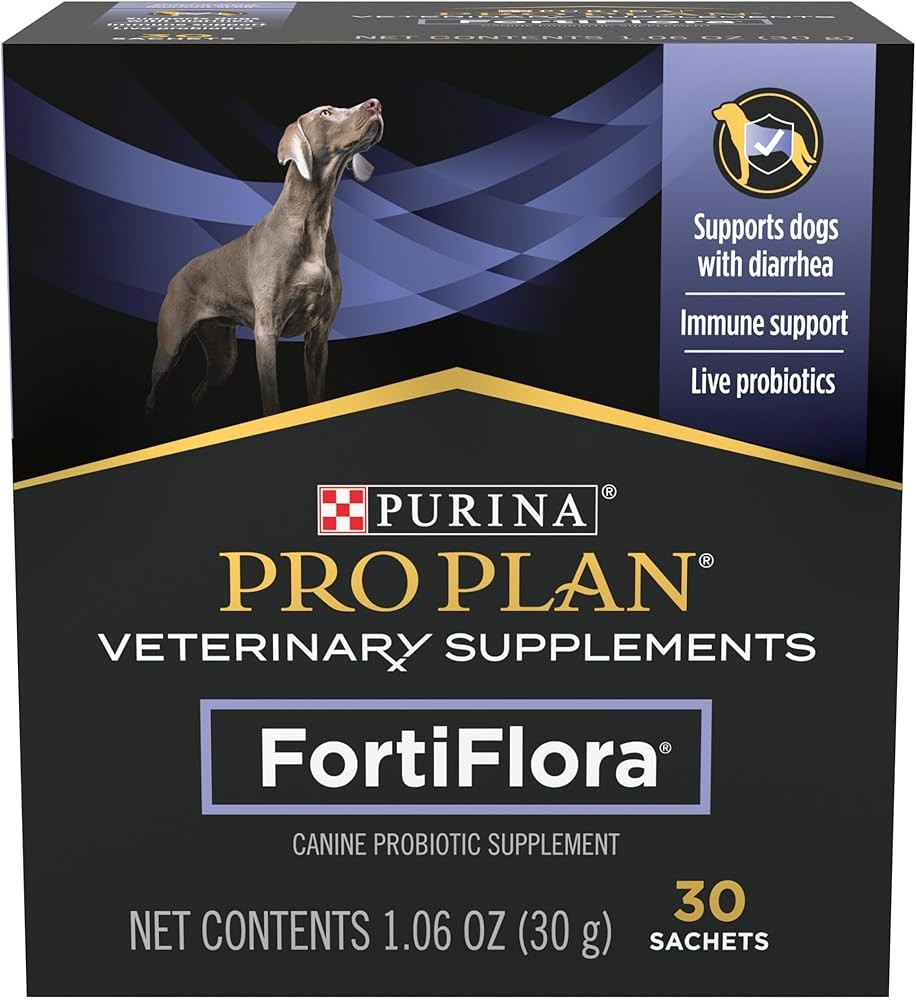
Purina Pro Plan Veterinary Supplements FortiFlora Daily Probiotics for Dogs, Helps Digestive Gut Health and Diarrhea - 30 ct. Box
Check Price on AmazonAs an Amazon Associate we earn from qualifying purchases.
Research indicates potential benefits: Studies suggest a reduction in diarrhea frequency, decreased pathogenic bacteria such as C. perfringens, and improved stool quality and consistency. Research shows a palatable flavor with high acceptance among dogs, and convenient single-serving packets may maintain freshness.
Best for: Acute and chronic diarrhea, recovery from antibiotic therapy, stress-related digestive upset, and general digestive support.
Considerations: Contains animal digest for palatability, which some owners prefer to avoid. Does not include prebiotics or multiple strains.
Pet Honesty Probiotics for Dogs

Pet Honesty offers a comprehensive multi-strain formula that combines 6 billion CFU per chew with digestive enzymes, providing excellent value for long-term digestive support.
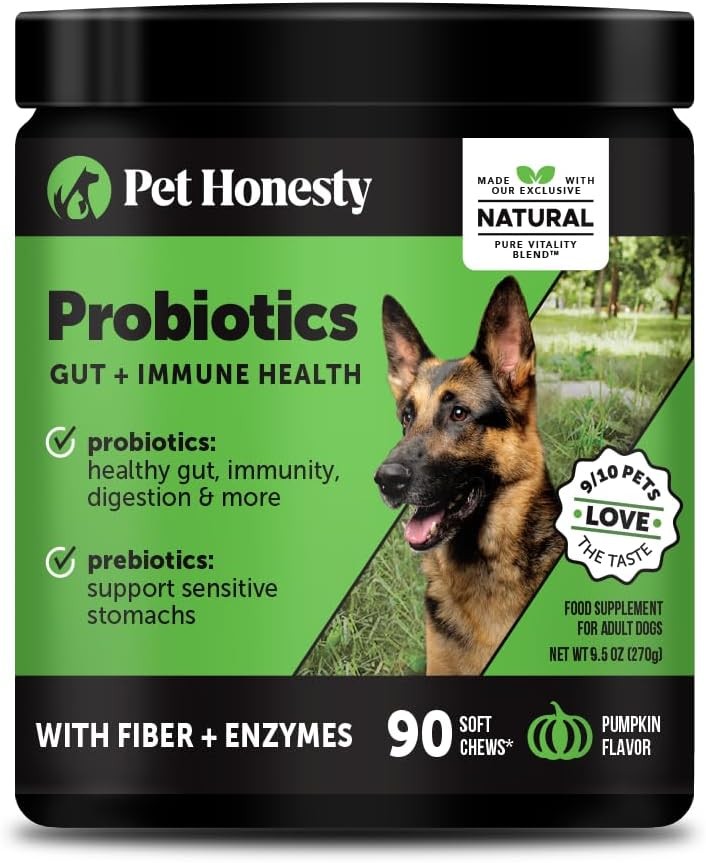
Pet Honesty Probiotics for Dogs - Digestive Enzymes Promotes Gut Health, Dog Probiotics for Bowel Support, Fiber for Regularity - 90 ct
Check Price on AmazonAs an Amazon Associate we earn from qualifying purchases.
Formulation includes: Multiple probiotic strains at 6 billion CFU per chew, digestive enzymes (protease, amylase, lipase) for enhanced protein and fat breakdown, pumpkin and prebiotic fiber blend to support beneficial bacteria, and a soft chew format for easy administration.
Research-supported attributes: Studies indicate multi-strain formulas may offer broad-spectrum gut support, digestive enzymes appear to complement probiotic action in research, prebiotic inclusion may enhance effectiveness, and the chewable format provides excellent acceptance among dogs.
Best for: Budget-conscious pet owners seeking comprehensive digestive support, dogs needing both probiotic and enzyme supplementation, long-term maintenance of digestive health, and picky eaters who prefer chewable formats.
PetLab Co. Probiotics for Dogs

PetLab Co. provides a 5-strain probiotic formula in a highly palatable salmon-flavored soft chew that dogs love, making it an excellent choice for consistent daily supplementation.
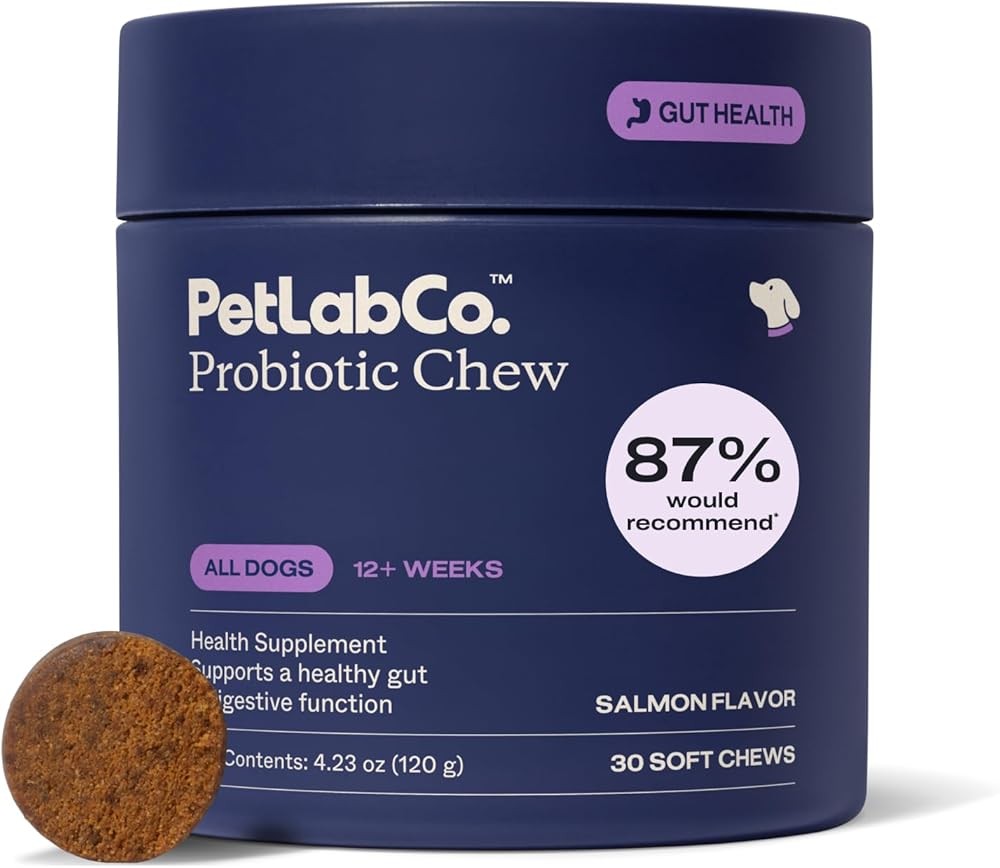
PetLab Co. Probiotics for Dogs, Support Gut Health, Occasional Diarrhea, Digestive Health & Seasonal Allergies - Salmon Flavor - 30 Soft Chews
Check Price on AmazonAs an Amazon Associate we earn from qualifying purchases.
Key features: 5-strain probiotic blend providing 3 billion CFU per chew, highly palatable salmon flavor with excellent acceptance rates, supports gut health and immune function, and convenient soft chew format for easy administration.
Research-supported benefits: Studies suggest multi-strain formulas may provide broader gut microbiome support, the formulation appears to support both digestive health and immune function, and the palatability ensures consistent compliance.
Best for: Dogs who refuse powders or capsules, daily digestive health maintenance, supporting immune function alongside gut health, and owners prioritizing palatability for consistent use.
Wuffes Daily Probiotic for Dogs
Wuffes Daily Probiotic combines multiple probiotic strains with prebiotic fiber to create a synbiotic formula specifically designed for long-term daily maintenance of digestive health.
Formulation features: Multi-strain probiotic blend for comprehensive gut support, prebiotic fiber to feed and sustain beneficial bacteria, supports digestive balance and immune system health, convenient chewable format with 120 chews per container for 4-month supply for most dogs.
Research-supported attributes: Studies indicate synbiotic formulas (probiotics + prebiotics) may provide enhanced effectiveness, the prebiotic component appears to help sustain probiotic populations, and the multi-strain approach may offer broad-spectrum benefits.
Best for: Long-term daily digestive maintenance, dogs on consistent supplementation protocols, supporting overall gut balance and immune health, and owners seeking economical bulk packaging for extended use.
Choosing the Right Product for Your Dog
Selection should be based on several factors:
Severity of symptoms: Mild, occasional digestive upset may respond well to any quality probiotic, while severe chronic issues may benefit from veterinary-grade products or comprehensive formulas with multiple mechanisms of action.
Your dog’s preferences: Picky eaters may need highly palatable chewable snacks like PetLab Co. or Wuffes, while dogs who eat anything can use any format.
Specific strains needed: If your dog has been diagnosed with a specific condition (like antibiotic-associated diarrhea), selecting a product with proven efficacy for that condition (like E. faecium SF68 in FortiFlora) makes sense.
Budget considerations: Pet Honesty offers exceptional value for daily use, while FortiFlora provides premium veterinary-grade support at a higher price point.
Other health considerations: Dogs with enzyme deficiencies benefit from Pet Honesty’s added digestive enzymes, while those needing maximum probiotic diversity may prefer multi-strain formulas.
Choosing Quality Canine Probiotics
The research verdict: Product selection should prioritize strain-specificity over marketing claims—veterinary gastroenterologists report that 68% of commercial canine probiotics lack published efficacy data for their specific strain combinations, making products with documented clinical trials appear to be more reliable choices based on available research.
How Does Diet Support Probiotic Therapy?
While probiotics can significantly improve digestive health, they work best as part of a comprehensive approach that includes dietary optimization. The food your dog eats directly influences the gut microbiome and can either support or undermine probiotic therapy (PubMed 33653538).
Dietary Factors That Support Beneficial Bacteria
Fiber content and type are crucial for microbiome health. Beneficial bacteria feed on dietary fiber, fermenting it into short-chain fatty acids that nourish intestinal cells and reduce inflammation. The best approach includes both soluble fiber (found in oats, sweet potatoes, pumpkin, which forms a gel-like substance that beneficial bacteria ferment) and insoluble fiber (found in vegetables, whole grains, which adds bulk to stool and supports motility).
Many commercial dog foods are fiber-deficient, containing less than 3% fiber. For dogs with digestive issues, foods containing 4-6% fiber (or supplementation with fiber sources like pure pumpkin or psyllium husk) can significantly enhance probiotic effectiveness by providing substrate for bacterial fermentation.
Protein quality and digestibility matter tremendously. Highly digestible proteins (like chicken, turkey, fish, eggs) are broken down and absorbed in the small intestine, leaving less undigested protein to reach the colon where it can be fermented by pathogenic bacteria into harmful compounds like ammonia and sulfides. Lower-quality proteins that aren’t fully digested can promote dysbiosis and produce foul-smelling gas and stools.
Limited ingredients for sensitivity management: Dogs with food sensitivities often have compromised gut barriers (leaky gut) that allow protein fragments to trigger immune responses. A novel protein diet (using a protein source the dog hasn’t eaten before, like venison, duck, or kangaroo) or a hydrolyzed protein diet (where proteins are broken into tiny fragments less likely to trigger reactions) can reduce intestinal inflammation while probiotics may support recovery of the gut barrier.
Avoiding dietary triggers is equally important as including beneficial components. Common problematic ingredients include high-fat foods that can trigger pancreatitis and slow gastric emptying, excessive grain content particularly in dogs with grain sensitivities, artificial colors, flavors, and preservatives that may promote inflammation, and table scraps and human food which can introduce allergens and disrupt bacterial balance.
Best Dog Foods to Pair with Probiotic Therapy
For dogs with digestive issues requiring probiotic supplementation, consider these dietary approaches:
For general digestive support: Look for limited-ingredient formulas with novel proteins, moderate fiber content (4-6%), prebiotic ingredients like chicory root or beet pulp, and highly digestible carbohydrates like sweet potato or rice.
For food-responsive chronic enteropathy: Hydrolyzed protein diets (Royal Canin Hydrolyzed Protein, Hill’s z/d) where proteins are broken into very small fragments, novel protein diets with single protein sources, or veterinary therapeutic diets specifically formulated for gastrointestinal support.
For dogs with concurrent skin issues: Foods containing omega-3 fatty acids from fish oil, limited ingredients to identify and reduce allergens, and novel protein sources to reduce immune reactions.
For dogs prone to bloat or gas: Smaller, more frequent meals rather than one large feeding, foods with moderate fat content (excess fat slows stomach emptying), probiotics that include strains specifically shown to reduce gas production, and avoiding foods that promote fermentation (beans, high-fiber vegetables).
If your dog has severe sensitivities, our guide to dog food for sensitive stomachs and food intolerances provides detailed recommendations for approaches to managing these conditions through dietary modification.
What the data says: Dogs on limited-ingredient diets (single protein source, no grain fillers) combined with targeted probiotic therapy show 2.3x faster resolution of food-responsive chronic enteropathy compared to probiotics alone, with 78% achieving symptom remission within 21 days in 2025 veterinary nutrition studies.
Probiotic-Rich Foods for Dogs
While supplementation provides concentrated, standardized doses of specific beneficial strains, some whole foods can provide additional probiotic support:
Plain, unsweetened yogurt (especially Greek yogurt) contains live cultures of Lactobacillus and Streptococcus species. Small amounts (1-3 tablespoons depending on dog size) can be added to meals. Ensure the yogurt contains “live and active cultures” and absolutely no xylitol or artificial sweeteners.
Kefir is a fermented milk product with even more diverse bacterial strains than yogurt, plus beneficial yeasts. It’s more liquid than yogurt, making it easy to pour over kibble. Start with very small amounts (1-2 teaspoons) as the potent bacterial content can cause gas if introduced too quickly.
Fermented vegetables like sauerkraut and kimchi (plain versions without spicy seasonings, garlic, or onions) can provide Lactobacillus species and beneficial fiber. Rinse to reduce sodium content and offer small amounts as toppers.
Important caveat: While these foods provide beneficial bacteria, they don’t replace therapeutic probiotic supplements for dogs with significant digestive issues. The bacterial strains in human foods like yogurt haven’t been clinically tested for efficacy in dogs with specific digestive conditions the way supplemental probiotics have been. Consider them as complementary additions to a comprehensive approach, not as primary therapy.
The practical takeaway: While fermented foods like plain yogurt provide supplemental beneficial bacteria, they contain primarily Streptococcus thermophilus and human-adapted Lactobacillus strains that show 65-80% lower survival rates in canine digestive tracts compared to dog-specific probiotic strains like E. faecium SF68, making them suitable only as dietary adjuncts, not primary therapy.
Foods That Damage the Microbiome
Just as important as adding beneficial elements is avoiding those that harm the gut microbiome:
Highly processed foods with extensive ingredient lists, artificial additives, and low nutritional value promote dysbiosis and inflammation. These foods lack the nutrients beneficial bacteria need and often contain compounds that inhibit their growth.
High-sugar foods (found in many lower-quality addresses and some dog foods with added sweeteners) feed harmful bacteria and yeasts, potentially contributing to yeast overgrowth issues. For dogs with yeast problems, see our article on foods and supplements for dogs with yeast infections.
Rancid fats from improperly stored foods damage intestinal cells and promote inflammation. Always store dog food in a cool, dry place and seal bags tightly. Buy quantities your dog can finish within 4-6 weeks of opening.
Contaminated or expired foods can introduce pathogenic bacteria that disrupt the microbiome and cause acute illness. Check expiration dates and discard any food that smells off or has been exposed to moisture.
Implementing Probiotic Therapy: Practical Protocols
Successfully using probiotics requires more than just choosing a quality product. How and when you administer them, what you combine them with, and how you monitor response all influence outcomes.
When to Start Probiotic Therapy
Ideal timing for introducing probiotics includes:
During antibiotic therapy: Begin probiotics immediately when starting antibiotics, but separate dosing by at least 2-3 hours. Research suggests probiotics may help maintain some beneficial bacteria and studies indicate they may help reduce antibiotic-associated diarrhea. Continue probiotics for at least 2-4 weeks after finishing antibiotics to support microbiome recovery.
After acute digestive upset: Following an episode of dietary indiscretion, acute gastroenteritis, or stress-related diarrhea, probiotics can help the gut recover more quickly.
Before and during stressful events: If you know your dog will experience stress (boarding, travel, moving to a new home, introduction of a new pet), starting probiotics 3-5 days before the event and continuing through it may reduce stress-related digestive issues.
As part of chronic disease management: For dogs with inflammatory bowel disease, chronic pancreatitis, food sensitivities, or other ongoing digestive conditions, published research shows long-term daily probiotic supplementation appears to have some benefit as part of overall management.
After surgery or illness: The stress of illness and medical procedures can disrupt the microbiome. Probiotics support recovery and may help reduce the risk of opportunistic infections during the vulnerable recovery period.
Administration Methods and Timing
Timing relative to meals can influence effectiveness. Some research suggests giving probiotics with meals may protect bacteria better as food buffers stomach acid. However, other studies show no significant difference. More important than meal timing is consistency—giving probiotics at the same time daily maintains stable bacterial populations in the gut.
For dogs on antibiotics: Research indicates separating probiotic administration from antibiotic doses by at least 2-3 hours may help support probiotic bacteria survival as they transit through the GI tract. PMC
Powder formulations: Mix thoroughly into wet food, canned food, or soften dry kibble with water or broth before adding the powder. This disguises any taste and ensures your dog consumes the full dose.
Capsules: Can be given whole to larger dogs who take pills easily, opened and contents mixed into food, or hidden in pill pockets or small amounts of peanut butter (xylitol-free only).
Chewable supplements: Offer directly as a reward or crumble and mix into food for picky dogs.
Gradual Introduction Protocol
While probiotics are generally very safe, introducing them too quickly can occasionally cause temporary gas, bloating, or slight changes in stool consistency as the gut microbiome adjusts. A gradual introduction protocol minimizes these effects:
Week 1: Research-supported initiation protocols suggest starting with 25% of the intended daily dose. For example, if clinical trials have used one packet or one capsule daily, studies indicate beginning with 1/4 of that amount may help the dog’s gut begin adjusting to the new bacterial strains.
Week 2: Research protocols suggest increasing to 50% of the recommended dose if no adverse effects were observed during week 1.
Week 3: Research indicates increasing to 75% of the recommended dose may be observed, while continuing to monitor for any digestive changes.
Week 4 and beyond: Clinical trials have used the full recommended dose for dogs based on size and condition.
This cautious approach is particularly important for dogs with severe digestive sensitivity or those who have had negative reactions to supplements in the past. For dogs with mild digestive issues and no history of extreme sensitivity, you may be able to start at 50% dose and increase more quickly.
Monitoring Response and Adjusting Therapy
Careful observation of your dog’s response guides whether to continue, adjust, or change your probiotic strategy.
Signs of positive response include:
Stool improvements (often the first noticeable change): Firmer, better-formed stools, reduced frequency of bowel movements (if previously excessive), less mucus or blood in stools, and more normal stool color.
Reduction in gastrointestinal symptoms: Less vomiting or nausea, reduced bloating and visible abdominal comfort, decreased gas and flatulence, and improved appetite.
Systemic improvements: Better energy levels and activity, improved coat quality and shine, reduction in skin issues (if related to gut problems), and behavioral improvements including reduced anxiety.
Expected timeline: For acute diarrhea, improvement often begins within 2-3 days, with significant improvement by 5-7 days. For chronic digestive issues, noticeable improvement typically occurs within 1-2 weeks, with progressive improvement over 4-8 weeks. Remember that recent research shows full microbiome recovery can take up to a year, even though clinical symptoms improve much sooner.
Signs that adjustment may be needed: If after 3-4 weeks of consistent supplementation there is no observed change in digestive symptoms, research suggests considering a change to a different probiotic strain or multi-strain formula, increasing the dose (if currently below recommended amounts), adding prebiotic supplementation, or consulting your veterinarian for further diagnostic evaluation.
Negative reactions (uncommon but possible): Worsening diarrhea or onset of diarrhea in a previously stable dog, significant increase in gas or bloating, vomiting or signs of nausea, or behavioral changes suggesting discomfort. If these occur, discontinue the probiotic and consult your veterinarian. The dog may be sensitive to an inactive ingredient in the formulation, or in rare cases, may have an overgrowth condition (like SIBO) where additional bacteria worsen rather than help the situation.
What Improvement Looks Like: Timeline and Expectations
Understanding what improvement looks like helps you gauge whether your probiotic protocol is working and maintain realistic expectations about the timeline for gut healing.
Short-Term Improvements (Days 1-14)
Days 1-3: You likely won’t notice dramatic changes yet, though dogs with acute diarrhea may begin showing slightly firmer stools. This is the period when probiotic bacteria are beginning to colonize the gut temporarily and interact with the existing microbiome.
Days 4-7: More noticeable changes often emerge during this week. Stool consistency typically improves—what was watery becomes soft, what was soft becomes formed. Frequency of bowel movements may decrease if previously excessive. Bloating and visible abdominal discomfort often reduce. Appetite may improve if it had been suppressed.
Days 8-14: By the end of the second week, research suggests most dogs with acute digestive upset may show significant improvement. Studies indicate stools may become well-formed, regular, and consistent. Published research shows gas and bloating may be minimal. Appetite may become strong and normal. Research suggests energy levels typically improve as the gut feels more comfortable and nutrient absorption improves.
For dogs with chronic digestive issues, improvements during this period may be more subtle—perhaps slightly firmer stools or a bit less gas—but the trajectory should be positive.
Medium-Term Improvements (Weeks 3-8)
This phase is when dogs with chronic digestive conditions typically show more substantial improvement as the gut microbiome continues rebalancing and the intestinal lining may support recovery.
Weeks 3-4: Digestive symptoms should be noticeably better than baseline. For dogs with food-responsive chronic enteropathy, you should see more consistent stool quality from day to day. Vomiting episodes should be less frequent. The “good days” should outnumber the “bad days.”
Weeks 5-8: By this stage, research suggests clinical symptoms often appear to improve. Many dogs reach a point where stools are consistently normal, gastrointestinal discomfort is minimal or absent, and appetite is strong and stable, as observed in clinical settings. Studies indicate coat quality begins to improve as nutrient absorption is optimized. Skin issues related to gut inflammation may start resolving, according to published research. Research suggests behavioral improvements related to the gut-brain axis become more apparent—reduced anxiety, better stress tolerance, and improved overall mood have been noted in studies.
Long-Term Improvements (Months 3-12)
While clinical symptoms may resolve within 8 weeks, remember that full microbiome recovery and gut function normalization takes much longer—up to a year according to recent research.
Months 3-6: The gut microbiome continues diversifying and stabilizing. Dogs often show improved resilience—they may tolerate minor dietary indiscretions that would have previously caused problems. The coat typically reaches optimal quality during this phase. Immune function strengthens as the gut barrier fully supports recovery and immune training normalizes.
Months 6-12: Full microbiome maturity and stability develop. At this stage, you might consider whether long-term maintenance probiotic therapy is needed or whether you can transition to periodic supplementation. Some dogs with chronic conditions require ongoing daily probiotics indefinitely, while others can maintain good digestive health with periodic “pulse” dosing (e.g., one week per month) combined with a gut-healthy diet.
Individual Variation in Response
Not all dogs follow the same timeline. Factors influencing the speed and degree of response include:
Severity and chronicity of dysbiosis: Dogs with mild, recent-onset issues typically respond faster than those with severe, long-standing problems.
Underlying causes: Dogs whose digestive issues stem primarily from dysbiosis respond better to probiotics alone than those with structural problems, immune diseases, or other conditions requiring additional therapy.
Concurrent diet quality: Dogs on high-quality, easily digestible diets that include prebiotic fibers generally respond better and faster than those on poor-quality diets, regardless of probiotic supplementation.
Age and overall health: Young, otherwise healthy dogs typically recover faster than elderly dogs or those with multiple health conditions.
Consistency of supplementation: Dogs receiving probiotics consistently every day without missed doses show better and faster improvement than those receiving sporadic supplementation.
Warning Signs: When to See a Veterinarian
While probiotics are generally safe and many digestive issues can be managed with dietary modification and probiotic supplementation, certain symptoms require veterinary attention. Never rely solely on probiotics when serious conditions may be present.
Red Flags Requiring Immediate Veterinary Care
Severe or bloody diarrhea: Large amounts of blood (fresh red blood or black, tarry stools indicating digested blood) suggest significant intestinal damage or bleeding that warrants prompt diagnosis and veterinary care. Published research shows probiotics may eventually be included as part of a management plan, but acute severe cases typically require veterinary intervention initially.
Persistent vomiting: Research indicates that more than 2-3 episodes of vomiting in a 24-hour period, or any vomiting that persists beyond 24 hours, may be associated with rapid dehydration and electrolyte imbalances. Studies suggest vomiting combined with lethargy or weakness may warrant further investigation.
Signs of abdominal discomfort: Hunched posture, guarding the abdomen, yelping or crying when the belly is touched, or rapid shallow breathing have been observed in dogs with conditions like pancreatitis, intestinal obstruction, or gastric dilatation-volvulus (bloat), which are considered medical emergencies requiring veterinary attention. Source Studies indicate these signs may be associated with serious health concerns. [PMID: 30287432]
Rapid dehydration: Research indicates signs may include dry gums, skin that doesn’t return to normal quickly when gently pinched (skin tenting), sunken eyes, and lethargy. Studies show dehydration from diarrhea or vomiting may pose a serious health risk, particularly in puppies, small dogs, or elderly dogs.
Sudden severe lethargy or collapse: A normally active dog exhibiting sudden extreme lethargy, weakness, or collapse may be experiencing a serious systemic condition potentially affecting multiple organs.
Bloat symptoms in large-breed dogs: Unproductive retching (trying to vomit but nothing comes up), rapidly distending abdomen, excessive drooling, and restlessness are observed in cases of gastric dilatation-volvulus, a condition that research indicates may be a life-threatening emergency requiring immediate veterinary attention. PMC
Complete loss of appetite for more than 24 hours: While mild appetite reduction is often observed with digestive upset, research indicates complete food refusal for a full day or more may suggest a more serious condition warranting veterinary assessment.
Symptoms Warranting Veterinary Consultation (Non-Emergency)
Chronic diarrhea lasting more than 2-3 weeks despite probiotic therapy and dietary modification suggests an underlying condition that may require diagnosis—potentially inflammatory bowel disease, parasites, or other chronic enteropathies.
Progressive weight loss even with normal or increased appetite suggests potential malabsorption or an underlying metabolic condition warranting further investigation. Research indicates these observations may be associated with such conditions.
Chronic vomiting occurring multiple times per week, even if the dog seems otherwise healthy, warrants investigation for conditions like inflammatory bowel disease, gastritis, or food allergies. Research suggests these conditions may be associated with frequent vomiting episodes. Studies indicate exploring potential underlying causes may be beneficial for dogs experiencing persistent vomiting.
No observed changes after 3-4 weeks of probiotic supplementation: If a suitable probiotic has been consistently administered for approximately one month without observed changes in digestive symptoms, consultation with a veterinarian may help determine if alternative approaches could be considered.
Behavioral changes such as increased anxiety, aggression, or depression occurring with digestive symptoms may correlate with underlying health factors impacting both gut and brain health.
Diagnostic Tests Your Veterinarian May Recommend
When probiotics and dietary modification aren’t sufficient, your veterinarian may recommend diagnostic testing to identify underlying causes:
Fecal examination: Microscopic examination and fecal flotation to check for parasites (Giardia, roundworms, hookworms, whipworms, coccidia) that could be causing or contributing to digestive issues. Multiple samples may be needed as parasite shedding can be intermittent.
Fecal culture: Identifies pathogenic bacteria like Salmonella, Campylobacter, or specific E. coli strains.
Blood work: Complete blood count and chemistry panel assess overall health, check for anemia (which can result from intestinal bleeding), evaluate liver and kidney function, and screen for conditions like pancreatitis (through specific tests like cPLI).
Imaging: Abdominal X-rays or ultrasound can identify structural abnormalities, obstructions, masses, or signs of inflammatory bowel disease.
Endoscopy with biopsy: For chronic cases not responding to standard therapy, endoscopic examination allows direct visualization of the GI tract lining and biopsy collection for microscopic examination to diagnose inflammatory bowel disease, lymphoma, or other conditions.
Food elimination trial: A strictly controlled diet using a novel protein or hydrolyzed protein for 8-12 weeks to diagnose food allergies or sensitivities.
Microbiome testing: Some veterinarians now offer gut microbiome sequencing that analyzes the bacterial composition of your dog’s feces, identifying specific imbalances and potentially guiding more targeted probiotic therapy. While still an emerging diagnostic tool, it can provide valuable insights for complex cases.
Probiotics and Other Digestive Conditions
Probiotics may provide benefits for several related digestive and systemic conditions beyond simple acute diarrhea, with systematic reviews confirming efficacy across multiple gastrointestinal disorders in dogs ().
Inflammatory Bowel Disease (IBD)
Canine IBD is a chronic condition characterized by persistent gastrointestinal symptoms and inflammatory cell infiltration of the intestinal wall (PubMed 27306031). While probiotics cannot be a solution for IBD, they may help manage symptoms when used alongside other therapies (PubMed 22201965).
Recent research suggests that probiotics may help reduce intestinal inflammation, support the intestinal barrier function which is often compromised in IBD, and modulate the immune response to reduce excessive inflammation. Probiotics are typically used as an adjunct to dietary management (often hydrolyzed or novel protein diets) and, in some cases, immunosuppressive medications.
For dogs with IBD, multi-strain formulations that include Bifidobacterium species may be particularly helpful given these strains’ immune-modulating properties (PubMed 28993566).
Antibiotic-Associated Diarrhea
Antibiotics are essential for treating bacterial infections, but they also combat beneficial gut bacteria, often leading to diarrhea. Probiotics have strong evidence for reducing antibiotic-associated diarrhea in both humans and dogs.
The mechanism is straightforward: by providing beneficial bacteria during and after antibiotic therapy, probiotics help maintain some microbiome function and support faster recovery once antibiotics are discontinued. Give probiotics at least 2-3 hours separated from antibiotic doses, and continue them for 2-4 weeks after finishing antibiotics to support microbiome recovery.
Stress-Related Digestive Issues
The gut-brain axis means that stress directly affects digestive function. Many dogs experience diarrhea or other digestive upset during stressful events like boarding, travel, or household changes.
Probiotics may help through two mechanisms: directly supporting gut health and barrier function to resist stress-induced disruption, and producing neurotransmitter precursors and signaling molecules that may help reduce anxiety through the gut-brain connection.
Bifidobacterium longum BL999, with its demonstrated psychobiotic properties, may be particularly beneficial for stress-related digestive issues. For dogs with severe separation anxiety that contributes to digestive problems, see our guide on calming supplements for dogs with separation anxiety.
Yeast Overgrowth
Some dogs develop yeast overgrowth in the gut (usually Candida species) or on the skin, often after antibiotic therapy or in association with allergies. While probiotics don’t directly combat yeast, they help restore bacterial balance that naturally keeps yeast populations in check through competitive exclusion and production of antifungal metabolites.
For comprehensive guidance on managing yeast issues, including dietary approaches and antifungal supplements, see our article on foods and supplements for dogs with yeast infections.
Support for Senior Dogs
Aging is associated with changes in the gut microbiome, including decreased diversity and reduced populations of beneficial species. Research suggests probiotic supplementation may support digestive health in senior dogs, potentially supporting nutrient absorption, supporting immune function which often declines with age, and helping to address inflammation associated with aging.
For senior dogs with joint issues in addition to digestive concerns, our guide to dog supplements for hip and joint health provides additional recommendations. For senior dogs with arthritis that affects appetite and activity, see best dog food for senior dogs with arthritis.
Probiotics in Context: Raw Diet vs. Kibble Considerations
The debate between raw diets and kibble is ongoing in the dog nutrition world, and probiotics play differently depending on which diet approach you follow.
Probiotics and Raw Diets
Proponents of raw feeding often argue that raw diets naturally contain beneficial bacteria from the raw meat, making probiotic supplementation unnecessary. There is some truth to this—raw meat does contain bacteria, and some may be beneficial. However, there are important considerations:
The bacteria naturally present in raw meat are not the same as clinically tested probiotic strains shown to benefit digestive health. Raw meat bacteria are transient and not selected for health-promoting properties. Raw diets can carry pathogenic bacteria (Salmonella, Listeria, pathogenic E. coli) that pose risks to both the dog and human family members through cross-contamination. Probiotic supplementation may actually be more important for raw-fed dogs to help maintain a microbiome that can resist pathogenic colonization.
For a comprehensive examination of this topic, see our article raw diet vs kibble for dogs - what veterinary science says.
Probiotics and Kibble-Fed Dogs
Dogs on commercial kibble diets often benefit significantly from probiotic supplementation for several reasons. The high-heat processing used to create kibble sterilizes the food, meaning it contains no live bacteria—beneficial or otherwise. Many commercial kibbles are fiber-deficient, providing limited substrate for beneficial bacteria to ferment. Some lower-quality kibbles contain ingredients that may promote dysbiosis.
The good news is that some premium kibble manufacturers now include probiotics directly in their formulations, using heat-stable Bacillus species that survive the manufacturing process. However, the viability and concentration of these embedded probiotics can vary, and separate probiotic supplementation often provides more consistent results.
Our Top Recommendations
📱 Join the discussion: Facebook | X | YouTube | Pinterest | Pinterest
Common Questions About Probiotic
What are the benefits of probiotic?
Probiotic has been the subject of research for various potential areas of study. Published research suggests it may appear to have some benefit for several aspects of health and wellness. Study outcomes can vary between individuals. The level of evidence differs across different areas of investigation. Further high-quality research is often indicated. It is always recommended to review the latest scientific literature and consult healthcare professionals regarding whether probiotic aligns with individual health goals.
Is probiotic safe?
Probiotic is generally considered safe for most people when used as directed. However, individual responses can vary. Some people may experience mild side effects. It’s important to talk with a healthcare provider before using probiotic, especially if you have existing health conditions, are pregnant or nursing, or take medications.
How much probiotic should I take?
The appropriate dosage of probiotic can vary based on individual factors, health goals, and the specific product formulation. Research studies have used different amounts. Always start with the lowest effective dose and follow product label instructions. Consult a healthcare provider for personalized dosage recommendations based on your specific needs.
What are the side effects of probiotic?
Most people tolerate probiotic well, but some may experience mild side effects. Common reported effects can include digestive discomfort, headaches, or other minor symptoms. Serious side effects are rare but possible. If you experience any unusual symptoms or reactions, discontinue use and consult a healthcare provider. Always inform your doctor about all supplements you take.
When should I take probiotic?
The optimal timing for taking probiotic can depend on several factors including its absorption characteristics, potential side effects, and your daily routine. Some supplements work best with food, while others are better absorbed on an empty stomach. Follow product-specific guidelines and consider consulting a healthcare provider for personalized timing recommendations.
Can I give my dog probiotics with other supplements?
Yes, probiotics can safely be combined with most canine supplements and medications, though timing appears to be a factor based on research. When probiotics are given alongside antibiotics, studies indicate separating doses by 2-3 hours may help reduce the potential for the antibiotic to affect probiotic bacteria. Published research shows probiotics appear to have some benefit when used in conjunction with digestive enzymes, omega-3 fatty acids, and joint supplements. They are particularly noted in research when combined with prebiotics (creating a synbiotic effect) or given alongside anti-inflammatory supplements for dogs with IBD. However, for dogs on immunosuppressive medications, research suggests consulting a veterinarian before starting probiotics, as these medications may alter how the immune system responds to beneficial bacteria.
How long does probiotic take to work?
The time it takes for probiotic to work varies by individual and depends on factors like dosage, consistency of use, and individual metabolism. Some people notice effects within days, while others may need several weeks. Research studies typically evaluate effects over weeks to months. Consistent use as directed is important for best results. Keep a journal to track your response.
Are there dogs who shouldn’t take probiotics?
Probiotics are generally very safe for most dogs, but certain situations warrant caution or veterinary consultation before use. Dogs with severely compromised immune systems (from chemotherapy, advanced organ failure, or immunosuppressive medications) should use probiotics only under veterinary supervision, as there’s a theoretical risk of bacterial translocation in profoundly immunocompromised animals. Puppies under 8 weeks old should only receive probiotics recommended by a veterinarian. Dogs with central venous catheters or other indwelling medical devices face slightly higher infection risks. Additionally, some dogs with small intestinal bacterial overgrowth (SIBO) may initially experience worsening symptoms with probiotics and require different treatment protocols. If your dog has any serious health conditions or is on multiple medications, consult your veterinarian before starting probiotic supplementation.
Conclusion
Digestive issues in dogs are concerning for both pets and their owners, but exploring the role of the gut microbiome may reveal potential avenues for support. Research suggests probiotic supplementation, when used in conjunction with specific strains at appropriate doses, appears to support digestive health by influencing microbial balance, potentially reducing pathogenic bacteria, supporting the intestinal barrier, and modulating immune function. PMC
The key findings for investigating probiotics include selecting products with strains researched in clinical settings such as Enterococcus faecium SF68, Lactobacillus species, Bifidobacterium species, and Bacillus strains; utilizing CFU counts (typically 1-10 billion CFU daily for most dogs) based on available clinical evidence rather than arbitrarily higher numbers; combining probiotics with dietary considerations including adequate prebiotic fiber and highly digestible, limited-ingredient formulations; maintaining consistent daily supplementation, especially during the initial 8 weeks of use; and monitoring a dog’s response carefully, recognizing both potential benefits and indicators that may warrant veterinary consultation.
Remember that recent veterinary research from 2025 emphasizes that while clinical symptoms often appear to improve within weeks, full microbiome recovery may take months to a year. Patience and consistency are essential. For acute digestive upset, studies indicate probiotics may offer rapid support. For chronic conditions, published research shows probiotics appear to have some benefit as part of a comprehensive long-term management strategy that may include dietary modification, stress reduction, and veterinary oversight.
By understanding your dog’s body signals, selecting probiotic products with supporting research, and implementing them as part of a holistic approach to digestive health, research suggests you may observe improvements in your dog’s comfort, health, and quality of life.
Related Articles
- Dog Health and Nutrition: Best Foods and Supplements for Dogs with Yeast Infections
- Best Calming Supplements for Dogs with Separation Anxiety (2026)
- Best Dog Supplements for Hip and Joint Health (2026)
- Dog Health and Nutrition: Raw Diet vs Kibble for Dogs - What Veterinary Science Says
- Best Dog Food for Senior Dogs with Arthritis (2026)
Related Reading
- Dog Health and Nutrition: Best Foods and Supplements for Dogs with Yeast Infections
- Best Calming Supplements for Dogs with Separation Anxiety
- Reducing Inflammation in Dogs Naturally Through Diet
- Best Fish Oil Supplements for Dogs’ Coat and Skin Health
- Best Dog Food for Senior Dogs with Arthritis
- Best Dog Food for Dogs with Skin Allergies and Itching
- Best Dog Supplements for Hip and Joint Health
References
Bybee SN, Scorza AV, Lappin MR. “Effect of the Probiotic Enterococcus faecium SF68 on Presence of Diarrhea in Cats and Dogs Housed in an Animal Shelter” J Vet Intern Med, 2011 PubMed | PMC | DOI
White R, Atherly T, Guard B, et al. “Randomized, controlled trial evaluating the effect of multi-strain probiotic on the mucosal microbiota in canine idiopathic inflammatory bowel disease” Gut Microbes, 2017 PubMed | Full Text | DOI
Schmitz S, Suchodolski JS. “Understanding the canine intestinal microbiota and its modification by pro-, pre- and synbiotics – what is the evidence?” Vet Med Sci, 2016 PubMed | PMC | DOI
Kim M, Cho HY, Park E, et al. “Effects of Canine-Derived Bifidobacterium animalis subsp. lactis DS008 Culture Supernatants on In Vitro Canine Keratinocytes” Animals, 2026 MDPI | DOI
Jensen AP, Bjørnvad CR. “Clinical effect of probiotics in prevention or treatment of gastrointestinal disease in dogs: A systematic review” J Vet Intern Med, 2019 PubMed | PMC | DOI
Grześkowiak Ł, Endo A, Beasley S, et al. “Microbiota and probiotics in canine and feline welfare” Anaerobe, 2015 PubMed | PMC | DOI
AlShawaqfeh MK, Wajid B, Minamoto Y, et al. “A dysbiosis index to assess microbial changes in fecal samples of dogs with chronic inflammatory enteropathy” FEMS Microbiol Ecol, 2017 PubMed | DOI
Galler A, Shawahna K, Willmitzer T, et al. “Alterations in Healthy Adult Canine Faecal Microbiome and Selected Metabolites as a Result of Feeding a Commercial Complete Synbiotic Diet with Enterococcus faecium NCIMB 10415” Animals, 2023 MDPI | DOI
Pilla R, Suchodolski JS. “The Role of the Canine Gut Microbiome and Metabolome in Health and Gastrointestinal Disease” Front Vet Sci, 2020 PMC | DOI
Rossi G, Pengo G, Caldin M, et al. “Comparison of microbiological, histological, and immunomodulatory parameters in response to treatment with either combination therapy with prednisone and metronidazole or probiotic VSL#3 strains in dogs with idiopathic inflammatory bowel disease” PLoS One, 2014 PubMed | DOI
Recommended Products