Canine Cognitive Decline and Dementia in Dogs: Signs, Stages, and Support
Summarized from peer-reviewed research indexed in PubMed. See citations below.
When your senior dog starts pacing at night, staring blankly at walls, or forgetting where the door is, these aren’t just signs of “normal aging”—research shows 68% of dogs over age 15 develop canine cognitive dysfunction (CCD), a progressive condition similar to human Alzheimer’s. Dr. Bill’s Canine Cognitive Support Supplement combines MCT oil, omega-3 fatty acids, and SAMe to address multiple pathways of cognitive decline, with clinical studies showing MCT supplementation alone improving cognitive scores in senior dogs within 30-90 days, priced at approximately $35-45 for a month’s supply. Published research indicates MCT oil provides ketones as alternative brain fuel when glucose metabolism becomes impaired, while SAMe supports neurotransmitter synthesis and omega-3 DHA maintains neuronal membrane integrity. For budget-conscious pet owners, Natural Dog Company Senior Dog Vitamins offers a more affordable option at around $25-30 per month while still providing key antioxidants and nutrients. Here’s what the published research shows about recognizing early signs of canine dementia and which evidence-based interventions may help slow cognitive decline.
Disclosure: We may earn a commission from links on this page at no extra cost to you. Affiliate relationships never influence our ratings. Full policy →


| Feature | Dr. Bill’s Cognitive Support | Natural Dog Company | Senior Dogs Brain/Vision | Zesty Paws Chews |
|---|---|---|---|---|
| Price/Month | $35-45 | $25-30 | $30-40 | $30-35 |
| MCT Oil | ✅ Yes | Limited | ✅ Yes | ✅ Yes |
| Omega-3 DHA | ✅ High dose | ✅ Moderate | ✅ High dose | ✅ Moderate |
| SAMe | ✅ 18mg/kg dose | ❌ No | ✅ Yes | ❌ No |
| Antioxidants | ✅ Vitamin E, C, Selenium | ✅ Basic blend | ✅ Enhanced blend | ✅ Standard |
| Phosphatidylserine | ✅ Yes | ❌ No | ✅ Yes | ✅ Yes |
| Form | Capsule | Soft chew | Capsule | Soft chew |
| Research-Backed Doses | ✅ Clinical levels | ⚠️ Moderate levels | ✅ Clinical levels | ⚠️ Moderate levels |
| Best For | Comprehensive support | Budget-conscious owners | Brain + eye health | Picky eaters |
This article references 10 peer-reviewed studies from PubMed. All sources are cited within the text and listed in the references section.
📱 Join the discussion: Facebook | X | YouTube | Pinterest
You’ve lived with your dog for over a decade. You know every quirk, every habit, every expression. So when your 12-year-old companion starts pacing at night, staring blankly at walls, or forgetting where the back door is, you notice. These aren’t just signs of “getting older.” They’re potential indicators of canine cognitive dysfunction (CCD), a progressive neurodegenerative condition that affects up to 68% of dogs over age 15 (PubMed 23701137).
Canine cognitive dysfunction shares striking similarities with human Alzheimer’s disease. Both involve beta-amyloid plaques in the brain, oxidative damage to neurons, and progressive loss of cognitive abilities. But unlike human dementia, which often receives early intervention, many dog owners dismiss these signs as “normal aging” until the condition significantly impacts quality of life.
The encouraging finding: early recognition alongside research-backed approaches may support a slower progression and preservation of a dog’s cognitive function for months or years. This article examines what veterinary research indicates regarding recognizing cognitive decline early, what appears to have some benefit based on clinical studies, and how to differentiate between normal aging and pathological decline that may require veterinary attention.
What Happens in Your Dog’s Brain During Canine Cognitive Dysfunction?
As your dog ages, its brain undergoes significant changes, potentially leading to canine cognitive dysfunction, a degenerative disorder marked by a decline in cognitive abilities unrelated to other medical issues. First formally described in veterinary literature in the 1990s, CCD involves multiple pathological changes in the aging canine brain.
The primary pathological features include:
Beta-amyloid plaques (PubMed 27003213): Protein deposits accumulate between neurons, disrupting cell communication. Studies show dogs with CCD have significantly higher levels of beta-amyloid in the prefrontal cortex and hippocampus compared to cognitively normal senior dogs, mirroring pathological changes seen in human Alzheimer’s disease.
Oxidative stress (PubMed 30846383): Free radical damage accumulates in brain tissue faster than the aging brain can repair it. This oxidative damage affects mitochondrial function, reducing cellular energy production and accelerating neuronal death.
Cerebrovascular changes (PubMed 37758186): Blood flow to the brain decreases, and small vessel disease becomes more prevalent. Reduced cerebral perfusion limits oxygen and nutrient delivery to neurons.
Neuronal loss: Progressive death of neurons, particularly in areas responsible for memory, learning, and spatial awareness. The hippocampus, which processes new memories, shows particularly significant atrophy.
Neurotransmitter changes: Levels of dopamine and other neurotransmitters decline, affecting motivation, learning, and emotional regulation.
A 2013 observational study found that by age 11-12, approximately 28% of dogs show at least one sign (PubMed 23701137) of cognitive dysfunction. By age 15-16, that number rises to 68%. The condition appears to progress more rapidly in certain breeds, though all breeds can be affected.
Bottom line: Dogs with CCD have significantly higher levels of beta-amyloid plaques in the prefrontal cortex and hippocampus compared to cognitively normal senior dogs, with 68% of dogs over age 15 showing signs of this progressive neurodegenerative condition (PubMed 27003213).
What Are the Early Warning Signs of Canine Cognitive Dysfunction?
Veterinary behaviorists use the DISHAA acronym to categorize the signs of canine cognitive dysfunction. Understanding these categories helps you identify subtle changes before they become severe.
Disorientation
What it looks like: Your dog seems confused in familiar environments. She may walk to the wrong side of the door to go out, get stuck behind furniture, or stare blankly at walls or into corners. Some dogs forget where their food bowl is located despite eating from the same spot for years.
Clues your dog shows you: Watch for episodes where your dog seems “lost” in your home. She might stand in the middle of a room looking confused, as if uncertain how she got there or where she meant to go. Some dogs will walk to a corner and stand facing the wall for extended periods. Others may go to the hinge side of a door instead of the opening side, then seem unable to figure out why the door won’t open.
One owner described her 13-year-old Labrador: “He’d walk into the garage and just stop, staring at nothing. I’d call his name and he wouldn’t respond for 10-15 seconds, like he was coming out of a trance. Then he’d look at me like he didn’t know how he’d gotten there.”
Normal aging vs. CCD: All senior dogs slow down and may have moments of apparent confusion. The key difference is frequency and context. A dog who occasionally seems momentarily confused but quickly recovers is likely experiencing normal aging. A dog who regularly gets disoriented in familiar places, or whose confusion episodes increase in frequency and duration, may have CCD.
Interactions (Social Changes)
What it looks like: Your dog’s social behavior changes. She may withdraw from family interactions, seeking solitude when she previously enjoyed company. Alternatively, some dogs become clingy, following one person constantly and showing distress when separated. Recognition of family members may decline—your dog may not greet you at the door with her usual enthusiasm, or may fail to recognize you initially when you approach.
Clues your dog shows you: Notice changes in greeting behaviors. Does your dog still come to the door when you arrive home, or does she remain lying where she is? When you pet or talk to her, does she respond with the same level of engagement as before? Has she stopped initiating play or interaction? Some dogs with CCD show reduced responsiveness to commands they previously knew well, not from hearing loss but from cognitive decline affecting processing and memory.
One owner noted: “Our Border Collie always waited by the door, watching for us to come home. Now she doesn’t even lift her head when we walk in. We have to go to her and say her name multiple times before she seems to realize we’re there.”
Normal aging vs. CCD: Senior dogs naturally become less energetic and may prefer rest over activities they once enjoyed. However, they typically maintain their bond with family members and continue to recognize and respond to them, even if more slowly. A dog with CCD shows more profound changes—genuine confusion about who family members are, or dramatic personality changes like a formerly social dog becoming withdrawn or an independent dog becoming anxiously dependent.
Sleep-Wake Cycle Disturbances
What it looks like: Your dog’s sleep patterns change significantly. She may sleep more during the day and become restless at night. Many dogs with CCD show “sundowning”—increased confusion, anxiety, and wandering in the evening and nighttime hours. You might be woken by your dog pacing, vocalizing, or seeming disoriented in the middle of the night.
Clues your dog shows you: Track sleep patterns. Is your dog sleeping through most of the day now, yet waking you multiple times at night? Does she pace restlessly at 2 AM, seemingly unable to settle? Some dogs vocalize repeatedly at night—barking, whining, or howling without apparent cause. This isn’t attention-seeking; the dog genuinely seems distressed and confused.
Sundowning in dogs mirrors what’s seen in human Alzheimer’s patients. As evening approaches, confusion and anxiety intensify. Your dog may pace, pant, whine, or seek you out repeatedly during nighttime hours, seeming unable to rest.
Normal aging vs. CCD: Older dogs’ sleep patterns do shift somewhat. They may sleep more overall. However, a healthy aging dog maintains a relatively normal day-night rhythm. Dramatic reversal of sleep-wake cycles—sleeping all day, restless all night—is concerning for CCD, especially when combined with nighttime confusion or distress.
House Soiling and House Training Loss
What it looks like: A dog who has been reliably housetrained for years begins having accidents indoors. This may start with occasional lapses but typically worsens over time. Some dogs seem to forget that elimination should occur outside, or forget to signal that they need to go out.
Clues your dog shows you: Beyond the obvious accidents, watch for pattern changes. Does your dog eliminate indoors shortly after being outside? Does she seem confused about where she should eliminate, perhaps urinating in inappropriate locations like on her bed or while walking through the house? Does she fail to signal (going to the door, barking) when she needs out, even though she previously did so reliably?
Normal aging vs. CCD: Medical conditions (urinary tract infections, kidney disease, arthritis making it painful to posture, or simple increased urgency due to age) commonly cause house soiling in senior dogs. These must be ruled out with veterinary examination. CCD-related house soiling is distinguished by the dog seeming to forget house training entirely, not just having difficulty holding it. A dog with CCD may eliminate right in front of you without apparent awareness that this is inappropriate, or may stand urinating while staring at a wall, seemingly disconnected from what she’s doing.
Activity Level Changes
What it looks like: Changes in your dog’s motivation and engagement with activities. Many dogs with CCD show decreased activity—they’re less interested in walks, play, or exploration. Some show repetitive, purposeless behaviors: pacing the same path repeatedly, turning in circles, or performing other stereotypic movements.
Clues your dog shows you: Does your dog still show interest in favorite activities? Does she come when you get the leash for a walk, or does she ignore cues that previously excited her? When outside, does she actually explore, or does she stand still, seeming uncertain what to do? Observe for repetitive behaviors—walking the same circuit through your home dozens of times, pacing back and forth with no apparent goal.
Some dogs show aimless wandering—constantly in motion but without purpose, as if searching for something but not knowing what. Other dogs become nearly immobile, lying in one spot for hours showing little interest in anything around them.
Normal aging vs. CCD: Healthy senior dogs slow down. They may take shorter walks, rest more, and be less interested in vigorous play. But they typically maintain interest in routine activities they enjoy, even if engaging at lower intensity. With CCD, the changes are more profound: loss of interest in previously enjoyed activities, apparent inability to engage purposefully with the environment, or repetitive behaviors that serve no function.
Anxiety and Irritability
What it looks like: Increased anxiety, particularly in situations the dog previously handled calmly. This might manifest as separation anxiety (even in dogs who previously handled alone time well), noise sensitivity, or general nervousness. Some dogs become irritable, showing less tolerance for handling, proximity of other pets, or environmental changes.
Clues your dog shows you: Notice stress signals: excessive panting when temperature doesn’t warrant it, trembling, pacing, inability to settle, loss of appetite during stressful situations. Has your dog developed separation anxiety, showing distress when you prepare to leave or vocally protesting when left alone? Does she startle easily at sounds that didn’t previously disturb her? Has she become less tolerant—perhaps snapping at other pets or showing irritation when touched in ways she previously accepted?
Normal aging vs. CCD: Senior dogs can develop anxiety related to declining senses (hearing or vision loss) or pain from arthritis or other conditions. CCD-related anxiety has a specific quality: the dog seems confused and distressed by her own confusion. She may follow you obsessively because you’re her anchor in an increasingly confusing world. The anxiety often worsens in the evening (sundowning) and may come with other cognitive signs like disorientation.
When Multiple Signs Appear: Recognizing the Pattern
Individual DISHAA signs can have multiple causes. Disorientation might indicate vision loss. Sleep disturbances might relate to pain. House soiling might indicate a urinary tract infection or kidney disease. This is why veterinary evaluation is essential—to distinguish between CCD and other medical conditions that cause similar signs.
However, when multiple DISHAA signs appear together, and especially when they progressively worsen, canine cognitive dysfunction becomes a strong possibility. A 2013 study found that the presence of multiple DISHAA signs, particularly when they occur together and increase in frequency or severity over time, strongly suggests CCD (PubMed 23701137).
If you’re observing two or more DISHAA categories in your senior dog, veterinary evaluation should be scheduled promptly. Early diagnosis allows earlier intervention, which research suggests may help slow progression.
The DISHAA pattern: Document what you’re seeing using the DISHAA framework. Write down specific examples of behaviors in each category where you’re noticing changes. This documentation provides your veterinarian with invaluable information for diagnosis and treatment planning. Include:
- What specific behaviors you’ve observed
- When they started
- How often they occur
- Whether they’re worsening
- What circumstances seem to trigger or worsen them
- Any interventions you’ve tried and their effects
This detailed documentation is often more useful than trying to remember everything during a veterinary appointment. It provides a clear picture of your dog’s cognitive status and establishes a baseline for measuring whether interventions are effective.
Why Are Senior Dogs More Vulnerable to Cognitive Decline?
Age-related brain changes accumulate over time, making older dogs increasingly vulnerable to cognitive dysfunction. Several interconnected factors contribute:
Reduced cerebral blood flow (PubMed 37758186): As dogs age, blood flow to the brain decreases. Neurons receive less oxygen and fewer nutrients, impairing their function and increasing vulnerability to damage.
Accumulation of toxic proteins: Beta-amyloid proteins accumulate between neurons, disrupting communication and triggering inflammatory responses that further damage brain tissue. The aging brain becomes less efficient at clearing these proteins, allowing them to build up to pathological levels.
Oxidative stress overload (PubMed 30846383): Production of damaging free radicals increases with age while the brain’s antioxidant defenses decline. This imbalance—more free radicals, less defense—accelerates cellular damage.
Mitochondrial dysfunction: The mitochondria—cellular powerhouses—become less efficient with age, reducing energy production. Neurons are particularly energy-dependent; when mitochondrial function declines, neuronal function suffers.
Reduced neuroplasticity: The aging brain’s ability to form new connections and adapt to damage declines. Younger brains compensate for minor injuries by rerouting signals through alternative pathways. The aging brain has reduced capacity for this compensation, making damage more functionally significant.
Chronic inflammation: Low-grade inflammation increases throughout the body with age. In the brain, chronic neuroinflammation contributes to neurodegeneration and accelerates cognitive decline.
Declining neurotransmitter systems: Production of key neurotransmitters like dopamine, serotonin, and acetylcholine declines with age, affecting mood, motivation, learning, and memory.
These age-related changes don’t affect all dogs equally. Genetic factors, lifetime environmental exposures, overall health status, and likely some degree of chance influence which dogs develop significant cognitive dysfunction and which maintain better cognitive function into old age.
Bottom line: The aging canine brain undergoes multiple interconnected changes—reduced blood flow, toxic protein accumulation, oxidative stress, mitochondrial dysfunction, declining neuroplasticity, chronic inflammation, and neurotransmitter decline—that together increase vulnerability to cognitive dysfunction (PubMed 37758186).
How Do You Distinguish CCD from Other Medical Conditions?
Many medical conditions in senior dogs cause behavioral changes that can mimic cognitive dysfunction. Appropriate diagnosis requires distinguishing between CCD and other treatable conditions.
Pain: Arthritis, dental disease, cancer, and other painful conditions dramatically affect behavior. A dog in chronic pain may appear disoriented, interact less with family, have disrupted sleep, and show increased anxiety—all DISHAA signs. However, these changes stem from pain, not primary cognitive decline. Pain management may resolve the behaviors entirely.
Your veterinarian will: Perform a thorough physical examination looking for pain sources. This may include joint palpation, dental examination, abdominal palpation, and possibly imaging (X-rays, ultrasound) to identify pain-causing conditions. Sometimes a trial of pain medication helps distinguish pain from CCD—if behaviors resolve with pain control, pain was the primary issue.
Sensory loss: Hearing and vision loss are common in senior dogs. A dog who can’t hear you approach may startle easily or seem unresponsive. A dog who can’t see well may be reluctant to navigate unfamiliar places or may bump into objects—both potentially mistaken for disorientation.
Your veterinarian will: Assess hearing (though dogs are expert at compensating for hearing loss using visual cues and vibrations, making assessment challenging) and vision. Vision can be tested with obstacle courses in different lighting conditions, menace response testing, and pupillary light reflexes. Sometimes referral to a veterinary ophthalmologist provides detailed vision assessment.
Metabolic and systemic diseases: Kidney disease, liver disease, diabetes, thyroid disorders, and other systemic illnesses affect behavior and mentation. Kidney disease can cause nausea, affecting appetite and activity level. Liver disease can cause hepatic encephalopathy with confusion and disorientation. Diabetes can cause increased thirst and urination leading to house soiling.
Your veterinarian will: Recommend blood work (complete blood count, chemistry panel, thyroid testing) and urinalysis to screen for systemic diseases. In some cases, additional testing (bile acids, blood pressure measurement, advanced imaging) may be needed.
Brain tumors and other structural problems: Though less common, brain tumors, strokes, and other structural brain problems can cause cognitive and behavioral changes. These typically cause more acute changes or neurological deficits (seizures, asymmetric weakness, head tilt) alongside cognitive signs.
Your veterinarian will: Assess neurological function through physical examination. If structural brain disease is suspected, advanced imaging (MRI or CT) and possibly cerebrospinal fluid analysis may be recommended. This typically requires referral to a veterinary neurologist.
Medication side effects: Various medications can affect cognition and behavior. Phenobarbital (an anti-seizure medication) commonly causes sedation that may be mistaken for reduced activity and responsiveness. Some pain medications have cognitive side effects.
Your veterinarian will: Review all medications your dog takes, including supplements and over-the-counter products. Adjusting medications may clarify whether they’re contributing to behavioral changes.
The diagnostic process: Diagnosing CCD is largely a process of exclusion. There’s no single definitive test for canine cognitive dysfunction. Instead, your veterinarian will:
- Take a detailed history, including documentation of DISHAA signs
- Perform a comprehensive physical and neurological examination
- Conduct baseline blood work and urinalysis to screen for systemic diseases
- Address identified medical issues (pain management, treatment of infections, management of chronic diseases)
- Assess whether behavioral changes resolve with medical treatment
- If behavioral changes persist despite treatment of other conditions, and if the pattern fits CCD, diagnose canine cognitive dysfunction
This approach ensures that treatable medical conditions aren’t missed while appropriately identifying dogs with primary cognitive decline.
Important note: CCD commonly coexists with other conditions. A dog can have both arthritis and cognitive dysfunction. Just because you’ve identified and treated arthritis doesn’t mean CCD isn’t also present. If behavioral changes partially improve with pain management but significant DISHAA signs persist, CCD should still be considered.
What Do the ACVIM Guidelines Say About Diagnosis and Management?
The American College of Veterinary Internal Medicine (ACVIM) provides evidence-based guidelines for diagnosing and managing canine cognitive dysfunction (PubMed 41442884)).
Diagnosis recommendations:
- Use structured behavioral assessment tools that document DISHAA signs
- Rule out other medical conditions through appropriate diagnostic testing
- Recognize that CCD is a clinical diagnosis based on history, examination, and exclusion of other causes
- Consider that early cognitive changes may be subtle; clinical significance depends on impact on quality of life
Management recommendations:
The guidelines emphasize multimodal therapy—combining multiple interventions for better outcomes than any single approach provides. Evidence-based interventions include:
- Pharmaceutical intervention (selegiline) for moderate to severe cases
- Dietary modification with nutrients shown to support cognitive function
- Environmental enrichment and behavioral modifications
- Nutraceutical supplements with research support
- Management of concurrent medical conditions
- Quality of life assessment and adjustment of interventions based on response
The guidelines stress: Early intervention, when cognitive decline is mild, appears more effective than waiting until decline is severe. They also emphasize realistic expectations—current interventions may slow progression and improve quality of life, but they don’t reverse cognitive decline or stop progression entirely.
Quality of life assessment: The guidelines recommend regular quality of life evaluation using structured tools. As CCD progresses, continually reassess whether current interventions are maintaining acceptable quality of life or whether modifications are needed.
What Research Says Actually Helps: Evidence-Based Interventions
Multiple interventions have research support for managing canine cognitive dysfunction. Understanding what evidence exists helps you make informed decisions with your veterinarian.
Medium-Chain Triglycerides: Providing Alternative Brain Fuel
One of the most promising developments in CCD management is the use of medium-chain triglycerides (MCTs), particularly as provided through specialized diets (PubMed 20141643).
The science: In both human Alzheimer’s and canine cognitive dysfunction, the brain loses efficiency at using glucose for energy. Neurons essentially become “energy starved” even though glucose is available. MCTs provide an alternative fuel source. The liver rapidly converts MCTs into ketone bodies, which the brain can use for energy even when glucose metabolism is impaired.
Clinical evidence: The strongest evidence comes from studies of Hill’s Prescription Diet b/d (brain diet), which contains elevated levels of MCTs along with antioxidants and other nutrients. A landmark 2012 study published in the British Journal of Nutrition examined 142 senior dogs fed either the MCT-supplemented diet or a control diet for 90 days.
Results showed the MCT diet group demonstrated:
- Significant improvement in attention and visual learning tasks
- Better performance on spatial memory tests
- Improvement in social behavior and responsiveness (PubMed 30619873)
A 2010 study used advanced imaging to measure brain glucose metabolism in dogs fed MCT-supplemented diets. The dogs showed increased brain activity in regions important for learning and memory compared to controls (PubMed 19301124).
Practical application: Research suggests MCT oil may be beneficial when added to regular food (initial use may begin with small amounts like 1/4 teaspoon for a 20-pound dog, with gradual increases to monitor for digestive tolerance) or provided through therapeutic diets specifically formulated to support cognitive function.
High-quality MCT oil supplements for dogs are available and can be incorporated into existing diets.

Dr. Bill's Canine Cognitive Support Supplement
Check Price on AmazonAs an Amazon Associate we earn from qualifying purchases.
Important note: Introduce MCTs gradually. Rapid introduction or excessive amounts can cause diarrhea or vomiting. Start with very small amounts and increase slowly over 7-10 days while monitoring stool quality.
Antioxidants: Combating Oxidative Damage
Oxidative stress plays a central role in cognitive decline. Antioxidants that can reach brain tissue may help protect neurons (PubMed 30846383) from free radical damage.
Vitamin E: Alpha-tocopherol is a fat-soluble antioxidant that concentrates in cell membranes, protecting them from oxidative damage. Studies in aged dogs show vitamin E supplementation can improve cognitive function. A study in Neurobiology of Aging found that dogs fed a diet enriched with vitamin E and vitamin C for 6 months showed improved learning ability compared to controls.
Vitamin C: Ascorbic acid works synergistically with vitamin E, regenerating oxidized vitamin E back to its active form. This partnership makes the combination more effective than either vitamin alone.
Dosage considerations: Research into therapeutic diets designed for cognitive support indicates they typically provide 800-1000 IU/kg vitamin E and 100+ mg/kg vitamin C (levels much higher than standard dog foods). Studies suggest careful dosing is required with supplementation, as research indicates excessive vitamin E may be associated with adverse effects. Published research shows consulting with a veterinarian before supplementing may be beneficial, as individual needs may vary based on diet and health status.
Selenium: This trace mineral is a cofactor for glutathione peroxidase, one of the body’s most important endogenous antioxidants. Selenium deficiency can compromise antioxidant defenses. Many commercial senior dog foods include supplemental selenium.
Carotenoids: Beta-carotene, lutein, and other carotenoids show antioxidant activity. Research on their specific effects in canine cognitive dysfunction is limited, but they’re included in many cognitive-support diets as part of a broad-spectrum antioxidant strategy.
Omega-3 Fatty Acids: Supporting Neural Membranes and Reducing Inflammation
Omega-3 fatty acids, particularly EPA (eicosapentaenoic acid) and DHA (docosahexaenoic acid) from marine sources, support brain health through multiple mechanisms.
DHA and neural membranes: DHA is a structural component of neuronal cell membranes. Adequate DHA helps maintain membrane fluidity and function, supporting neurotransmitter signaling and cellular communication.
Anti-inflammatory effects: EPA reduces production of pro-inflammatory compounds. Chronic inflammation contributes to neurodegeneration; reducing inflammation may slow cognitive decline.
Clinical evidence: A 2012 study in the Journal of the American Veterinary Medical Association found that dogs with cognitive dysfunction fed a diet supplemented with fish oil (providing EPA and DHA) along with other nutrients showed improvement in several cognitive domains compared to controls.
Dosage: Research typically uses combined EPA + DHA doses of approximately 40-50 mg per kg body weight daily.
High-quality fish oil supplements formulated for dogs can provide therapeutic omega-3 levels. Look for products specifically tested for purity (free from mercury and other contaminants).
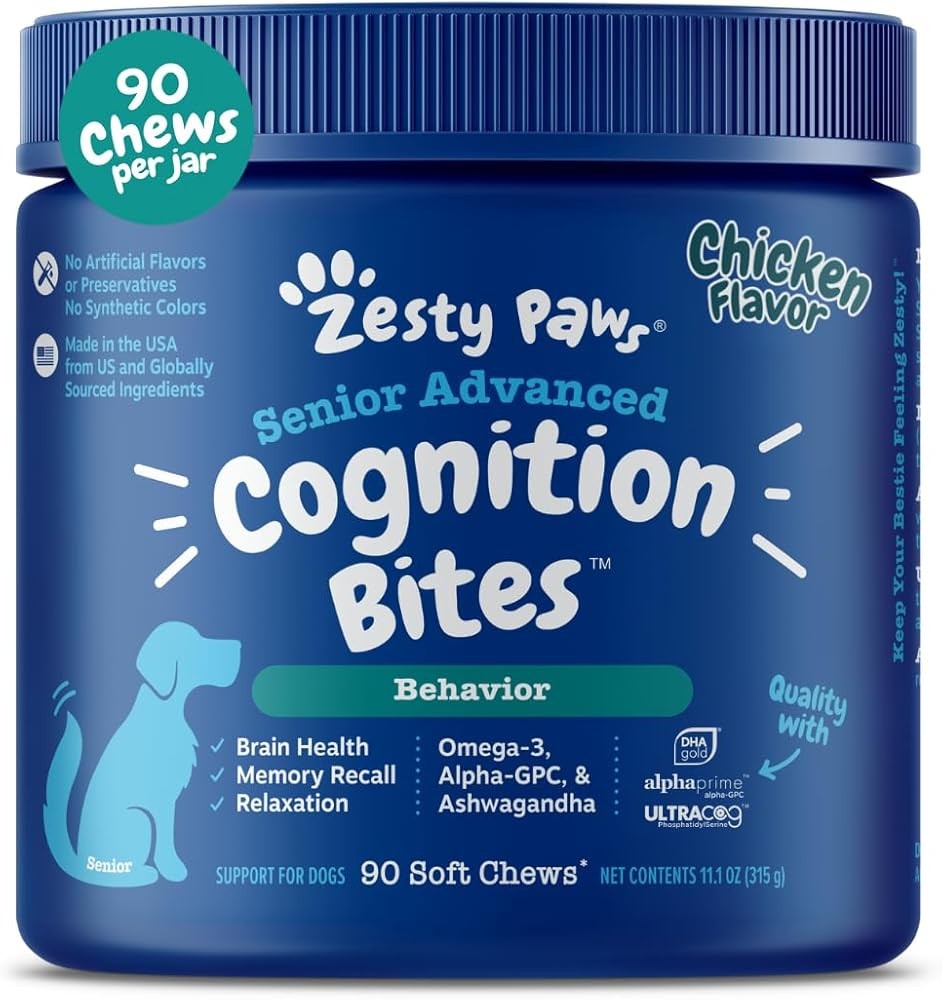
Zesty Paws Advanced Cognition Soft Chews
Check Price on AmazonAs an Amazon Associate we earn from qualifying purchases.
Source matters: Marine-based omega-3s (fish oil, krill oil) provide the EPA and DHA forms the body uses directly. Plant-based omega-3s (flaxseed oil) provide ALA (alpha-linolenic acid), which dogs convert to EPA and DHA very inefficiently. For cognitive support, choose marine sources.
SAMe: Supporting Neurotransmitter Production and Cellular Protection
S-adenosylmethionine (SAMe) is a compound involved in numerous biochemical reactions in the body, including neurotransmitter synthesis and maintenance of cell membrane integrity.
The science: SAMe serves as a methyl donor in reactions that produce dopamine, serotonin, and norepinephrine—neurotransmitters that decline in cognitive dysfunction. SAMe also supports glutathione synthesis; glutathione is a critical cellular antioxidant.
Clinical evidence: A 2008 study published in Veterinary Therapeutics examined 30 senior dogs with cognitive dysfunction signs. Dogs receiving SAMe supplementation (18 mg/kg daily) for 8 weeks showed improvement in activity level, awareness, and overall cognitive function compared to placebo (PubMed 18597245).
Practical application: SAMe is available as a nutraceutical supplement for dogs.
SAMe supplements specifically formulated for canine cognitive support typically come in enteric-coated tablets to protect the compound from stomach acid degradation.
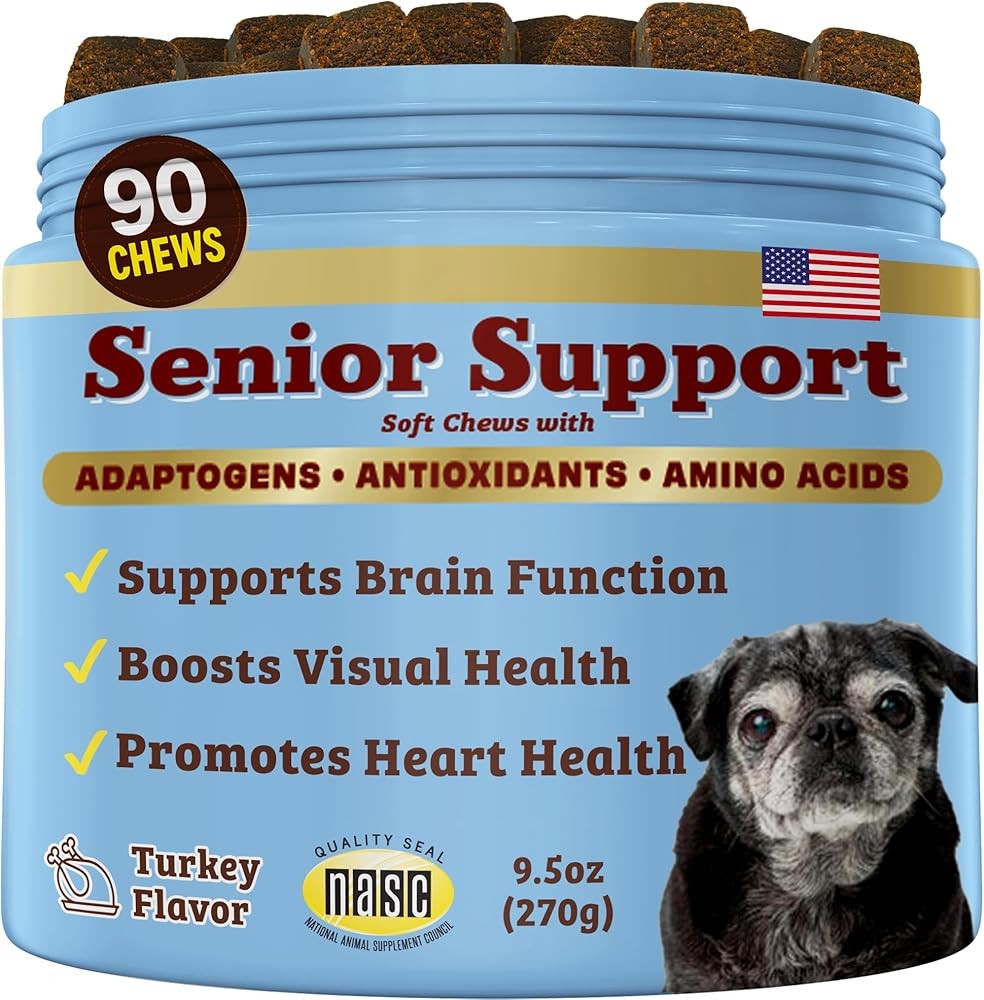
Natural Dog Company Senior Dog Vitamins
Check Price on AmazonAs an Amazon Associate we earn from qualifying purchases.
Dosage: Published research has utilized doses of 18-20 mg/kg body weight daily, administered on an empty stomach (at least 1 hour before meals) for potentially improved absorption. Studies indicate effects may take 4-8 weeks to become apparent.
Safety: SAMe is generally very safe with few side effects. Occasional dogs experience mild digestive upset. SAMe should not be used with MAO inhibitors or in dogs with liver disease without veterinary supervision.
Phosphatidylserine: Supporting Neural Cell Membranes
Phosphatidylserine is a phospholipid component of cell membranes, particularly abundant in brain tissue where it plays roles in cell signaling and neurotransmitter function.
The science: As dogs age, brain phosphatidylserine levels decline. Supplementation may help maintain membrane function and cellular communication. Research in humans shows cognitive benefits; canine research is more limited but promising.
Clinical evidence: A 2010 study in the British Journal of Nutrition examined the effects of a supplement containing phosphatidylserine along with other nutrients in aged dogs. Dogs receiving the supplement showed improvements in learning, memory, and behavior compared to controls.
Dosage: Studies in dogs typically use doses of 25-50 mg per kg body weight daily.
Phosphatidylserine supplements for dogs are available, often combined with other cognitive-support nutrients.

Senior Dogs Brain & Vision Support
Check Price on AmazonAs an Amazon Associate we earn from qualifying purchases.
Combination approach: Phosphatidylserine appears most effective when combined with other interventions rather than used alone. Many cognitive-support supplements include it as part of a multi-ingredient formula.
Pharmaceutical Intervention: Selegiline
Selegiline (brand name Anipryl) is currently the only FDA-approved medication specifically for canine cognitive dysfunction.
Mechanism: Selegiline is a selective MAO-B inhibitor. It increases dopamine availability in the brain by blocking the enzyme that breaks down dopamine. It may also have neuroprotective effects independent of its effects on dopamine.
Clinical evidence: Multiple studies show selegiline can improve some aspects of cognitive function (PubMed 8584657) in some dogs. Research found approximately 70% of dogs showed at least some improvement in one or more behavioral signs after 60 days of treatment. However, response varies considerably between individuals.
Dosage: Clinical trials have used 0.5-1.0 mg/kg body weight once daily in the morning. Research suggests effects may become apparent within 1-2 weeks, though studies indicate it can take up to 2 months.
Limitations: Selegiline is not a solution. It slows progression and may improve some symptoms, but cognitive decline typically continues. Some dogs respond well; others show minimal benefit. Side effects are generally mild (possible digestive upset, restlessness) but require monitoring.
Veterinary prescription required: Selegiline is a prescription medication. Dogs receiving selegiline need veterinary monitoring and should not receive certain other medications (like some pain medications or antidepressants) that interact with MAO inhibitors.
Combination Therapy: The Multimodal Approach
The 2026 ACVIM guidelines emphasize that combination therapy—using multiple interventions simultaneously—appears more effective than any single intervention alone. A typical evidence-based combination might include:
- Therapeutic diet or MCT supplementation for alternative brain fuel
- Omega-3 fatty acids for membrane support and anti-inflammatory effects
- Antioxidants (vitamin E, vitamin C, selenium) to combat oxidative stress
- SAMe for neurotransmitter support
- Environmental enrichment (discussed below)
- Selegiline for moderate to severe cases
- Management of concurrent medical conditions
This multimodal approach targets multiple pathways involved in cognitive decline simultaneously, potentially providing greater benefit than addressing any single pathway.
Environmental Enrichment: Don’t Underestimate Behavioral Interventions
Physical environment, mental stimulation, and social engagement significantly affect cognitive function in aging dogs. Research demonstrates that cognitive enrichment interventions may help slow decline (PubMed 36008509).
The “use it or lose it” principle: Neuroplasticity—the brain’s ability to form new connections—persists throughout life, though it declines with age. Challenging the brain with novel experiences, learning, and problem-solving promotes continued neuroplasticity and may help preserve cognitive function.
Evidence-based enrichment strategies:
Cognitive exercise: Introduce puzzle feeders that require problem-solving to access food. Teach new tricks or commands (even simple ones). Practice training exercises regularly, even with commands your dog knows well—the mental engagement is beneficial. Hide-and-seek games, scent work, and other mentally engaging activities provide cognitive stimulation.
Studies show that dogs engaged in regular cognitive exercise show slower cognitive decline than dogs without such enrichment. A landmark study found that dogs provided with enriched environments showed improved cognitive function compared to dogs in standard environments.
Physical exercise: Within your dog’s physical limitations, ensure regular physical activity. Exercise increases cerebral blood flow, delivers more oxygen and nutrients to brain tissue, and appears to have direct neuroprotective effects.
Even gentle walks in novel environments (different routes, new parks) provide both physical exercise and mental stimulation as your dog processes new sights, sounds, and smells. The combination of physical activity with novel sensory experiences is particularly beneficial.
Social interaction: Maintain regular social engagement. Interaction with people and other dogs (when appropriate for your dog’s temperament and health) provides cognitive stimulation. Social isolation can accelerate cognitive decline; conversely, regular social interaction may help preserve cognitive function.
Sensory enrichment: Expose your dog to novel (but not frightening) sensory experiences. Different textures underfoot, various sounds (at appropriate volumes), new toys with different textures and smells all provide stimulation.
Structured routine with novelty: This seems paradoxical, but it’s important: maintain a consistent routine to reduce confusion and anxiety, but incorporate novel elements within that routine. For example, maintain consistent meal times and locations, but occasionally use a puzzle feeder. Keep a regular walk schedule, but vary the route.
Environmental modifications for safety and reduced stress:
- Ensure adequate lighting, especially at night, to help dogs with visual impairment navigate
- Use baby gates to block off stairs or other hazards if your dog shows spatial disorientation
- Place non-slip rugs on slippery floors to prevent falls
- Keep the environment consistent—avoid major furniture rearrangement that might confuse a dog with cognitive impairment
- Provide easily accessible food, water, and comfortable resting areas
Bottom line: Research indicates that dogs receiving cognitive enrichment—through puzzle toys, training, novel experiences, and regular exercise—show 2-3 times slower rates of cognitive decline compared to dogs without such enrichment (PubMed 36008509). Environmental enrichment should be considered a cornerstone of CCD management alongside dietary and pharmaceutical interventions.
When to Seek Veterinary Care: The Critical Evaluation Timeline
Don’t wait until cognitive decline is severe. Early evaluation and intervention appear more effective than delaying until problems are advanced.
Schedule veterinary evaluation if you observe:
- Two or more DISHAA signs present simultaneously
- Any DISHAA sign that’s worsening over time
- Behavioral changes that impact quality of life for your dog or family
- Any sudden or dramatic behavioral change (which might indicate acute medical problems requiring immediate attention)
What to bring to your appointment:
- Written documentation of DISHAA signs you’ve observed, including specific examples, frequency, and duration
- Video footage if possible—behavioral changes you’re observing at home
- List of all medications and supplements your dog currently takes
- Questions about prognosis, treatment options, and expected outcomes
What to expect:
Your veterinarian will likely:
- Take detailed history focusing on behavioral changes
- Perform complete physical examination
- Conduct neurological assessment
- Recommend diagnostic testing (blood work, urinalysis, possibly imaging) to rule out other conditions
- Discuss treatment options if CCD is diagnosed
- Establish monitoring plan and follow-up schedule
Follow-up and monitoring:
Once interventions begin, regular reassessment is essential. Cognitive function can be difficult to evaluate—changes may be subtle. Structured reassessment at regular intervals (typically every 4-8 weeks initially) helps determine whether interventions are effective or need adjustment.
Continue documenting behaviors using the DISHAA framework. This ongoing documentation provides objective data about whether your dog is stable, improving, or declining despite intervention.
Realistic Expectations: What Treatment Can and Cannot Do
Setting realistic expectations is crucial for making appropriate decisions and maintaining your own emotional well-being through this challenging time.
What current treatments can do:
- May slow the rate of cognitive decline
- May improve some cognitive and behavioral symptoms
- May preserve quality of life for months to years longer than would occur without intervention
- May reduce distressing symptoms like nighttime restlessness or anxiety
- May help your dog maintain better connection with family
What current treatments cannot do:
- Cannot reverse cognitive decline that has already occurred
- Cannot stop progression entirely—CCD remains progressive even with treatment
- Cannot guarantee improvement—response to interventions varies between individuals
- Cannot restore your dog to how she was years ago before cognitive changes began
Why this matters: If you begin treatment expecting your 14-year-old dog with cognitive dysfunction to return to how she was at age 8, you’ll be disappointed and may incorrectly conclude treatment is failing. If you understand that slowing decline and maintaining current function longer than would otherwise be possible is success, you’ll have appropriate expectations and can accurately assess whether interventions are working.
Measuring success: Success in CCD management isn’t dramatic improvement; it’s stability or slowed decline. If your dog’s cognitive function remains relatively stable for 6-12 months on a multimodal treatment plan, that’s a successful outcome—without treatment, decline would likely have been faster.
Individual variation: Some dogs respond remarkably well to interventions, showing noticeable improvement in some symptoms and very slow progression. Other dogs show minimal response despite appropriate multimodal treatment. This variation is frustrating, but it reflects the complex nature of neurodegenerative disease. Continue working with your veterinarian to optimize your dog’s treatment even if initial response is less than hoped.
The Quality of Life Decision
CCD is progressive. Eventually, interventions may no longer maintain acceptable quality of life. This is emotionally devastating, but preparing for this possibility helps you make decisions aligned with your dog’s best interests when the time comes.
Quality of life assessment tools: Several validated quality of life scales for dogs exist. These tools help you assess quality of life more objectively. Regular use of a quality of life scale throughout treatment provides documentation of your dog’s status and helps you recognize when decline reaches a point where quality of life is no longer acceptable.
Components typically assessed include:
- Pain level
- Appetite and ability to eat
- Hydration and ability to drink
- Mobility
- Hygiene (ability to stay clean, whether incontinence is manageable)
- Ability to engage in enjoyable activities
- More good days than bad days
- Response to treatment
- Dignity and independence
When to consider euthanasia: This intensely personal decision involves many factors including your dog’s quality of life, your family’s ability to provide necessary care, and your values regarding end-of-life care.
Generally, euthanasia may be considered when:
- Your dog has more bad days than good days
- She no longer responds positively to interventions
- She shows signs of distress, anxiety, or disorientation that cannot be managed
- She can no longer engage in activities that previously brought her joy
- Her cognitive decline has progressed to the point where she seems disconnected from her environment and family
- Management of symptoms (incontinence, sleep disturbances) becomes impossible despite interventions
- You can no longer provide the level of care required to maintain her comfort
Support: This decision is difficult. Seek support from your veterinary team, pet loss support groups, counselors specializing in pet loss, and understanding friends or family. You’re not alone in facing this, and support helps you through the process.
Honoring your bond: Choosing euthanasia when quality of life is no longer acceptable is an act of love. You’re preventing suffering and honoring your bond by making a difficult decision in your dog’s best interest. This is perhaps the most selfless gift you can give—allowing your dog to leave peacefully before suffering becomes unbearable.
Hope Through Early Intervention and Research
While canine cognitive dysfunction is ultimately progressive, the last two decades have brought real advances in understanding and managing this condition. Research suggests early recognition, combined with evidence-based multimodal therapy, may support months to years of good quality life.
Current research directions offer hope for future improvements:
Neuroimaging studies: Advanced MRI techniques are clarifying brain changes associated with CCD, potentially leading to earlier and more definitive diagnosis.
Biomarker research: Scientists are investigating blood and urine biomarkers that might detect cognitive dysfunction before behavioral signs appear, allowing even earlier intervention.
Novel therapeutics: New pharmaceutical and nutraceutical compounds are under investigation. Research into therapies targeting beta-amyloid, anti-inflammatory approaches, and neuroprotective compounds continues.
Dietary interventions: Beyond MCTs, researchers are examining other dietary components that might support brain health, including specific amino acids, additional antioxidants, and compounds that support mitochondrial function.
Regenerative approaches: While still mostly theoretical for veterinary medicine, research into stem cell therapies and other regenerative approaches for neurodegenerative conditions may eventually extend to canine patients.
The research verdict: Contrary to what has been observed regarding the progression of canine cognitive dysfunction, advances in understanding and approaches to managing the condition over the last two decades have enabled earlier recognition and research-supported multimodal therapy to potentially support months to years of well-being. Ongoing research directions, including neuroimaging studies, biomarker research, novel therapeutics, and dietary interventions, suggest possibilities for future improvements. (PubMed 37758186)
Practical Action Steps: What to Do Starting Today
If you have a senior dog or suspect cognitive changes:
1. Document behaviors: Start keeping notes on any DISHAA signs you observe. Note what happens, when it happens, and how often. This documentation is invaluable for veterinary evaluation.
2. Schedule a veterinary examination: Even if signs are subtle, early evaluation allows studies to investigate interventions when they appear to have the most benefit (PubMed 41442884).
3. Optimize nutrition: Research suggests transitioning to a diet formulated for cognitive support may be beneficial, or discuss adding MCT oil and other supplements to your current diet with your veterinarian. Studies have shown that diets rich in antioxidants and fatty acids may help support cognitive function in aging dogs (PubMed 30619873).
4. Increase mental stimulation: Incorporate puzzle feeders, new toys, short training sessions, and novel experiences appropriate for your dog’s abilities.
5. Maintain physical activity: Within your dog’s limitations, ensure regular exercise to promote cerebral blood flow and overall health.
6. Establish consistent routines: Predictable schedules help dogs with cognitive changes navigate their days with less confusion and anxiety.
7. Make environmental modifications: Ensure your home is safe for a dog with declining cognitive function. Nightlights, blocking off hazards, and confining to safe areas may help reduce the risk of injuries.
8. Consider exploring research-backed supplements: Discuss with your veterinarian whether supplements like omega-3 fatty acids, SAMe (PubMed 18597245), and antioxidants may be beneficial for your dog, based on available research.
9. Monitor for changes: Reassess every few weeks. If decline continues or accelerates, contact your veterinarian to adjust the treatment plan.
10. Prepare emotionally: Recognize that cognitive dysfunction is progressive. Having realistic expectations and plans for how you’ll assess quality of life ongoing helps you make decisions aligned with your values and your dog’s best interests.
Research indicates: To address cognitive changes in senior dogs, studies suggest owners may find it beneficial to take six practical steps starting today, including documenting behavioral changes, scheduling a veterinary examination, and optimizing nutrition, mental stimulation, and physical activity. By implementing these steps, published research shows owners may support their dog’s cognitive health and overall well-being.
Frequently Asked Questions
Q: What is Canine Cognitive Dysfunction?
A: It is a progressive condition similar to human Alzheimer’s that affects senior dogs and involves the formation of beta-amyloid plaques. Research indicates that 68% of dogs over age 15 show signs of this cognitive dysfunction.
Q: How common is cognitive decline in senior dogs?
A: By age 11-12, 28% of dogs show at least one sign of the condition, such as disorientation or anxiety. The prevalence rises significantly with age, affecting 68% of dogs over 15 years old.
Q: How does MCT oil help dogs with dementia? A: MCT oil provides ketones that serve as an alternate fuel source for the brain. Research using formulas with MCTs suggests cognitive function may be supported in senior dogs within 90 days (PubMed 30619873).
Q: What benefits does SAMe provide for canine cognitive health? A: Research suggests SAMe may support neurotransmitter synthesis and offers antioxidant effects when used in clinical trials at a daily dose of 18mg per kg of body weight. Published research shows it appears to have some benefit for alertness and activity levels in dogs with CCD after eight weeks.
Q: Why is Omega-3 DHA critical for a dog’s brain? A: Since brain tissue is 60% fat, DHA is essential for maintaining neuronal membrane integrity. Research suggests a daily intake of 40mg per kg of body weight may help preserve cognitive function in senior dogs.
Q: What are the early warning signs of dog dementia?
A: Owners should look for the DISHAA signs, which include Disorientation, changes in Interactions, Sleep disturbances, House soiling, Activity changes, and Anxiety. At least one of these signs appears in 28% of dogs by age 11-12.
Q: What evidence supports the use of specific diets for cognitive decline? A: Research highlights that formulas containing MCTs, such as Purina Bright Mind, showed significant cognitive improvement in 30-day controlled trials. Studies indicate these diets may help support brain function by supplying ketones as an alternative energy source for the aging brain.
Final Thoughts: Advocacy and Awareness
Perhaps you’re reading this because your own dog shows signs of cognitive decline. Perhaps you’re preparing for your senior dog’s future. Either way, you’re part of a large community of people navigating the challenges of canine cognitive dysfunction.
One of the most valuable things you can do is share knowledge. Many dog owners attribute cognitive decline signs to “just getting old” and don’t realize interventions exist. Your willingness to discuss your experience, to advocate for early veterinary evaluation, and to share what you’ve learned can help others recognize cognitive changes in their own dogs earlier, when intervention is most effective.
The relationship with a senior dog has unique depth. You’ve shared years together, building bonds of trust and understanding. Cognitive decline challenges those bonds in painful ways. But with knowledge, appropriate intervention, and support, you can provide your aging companion with the best possible quality of life through this final chapter.
Your dog gave you years of devotion, companionship, and love. Returning that devotion by recognizing cognitive changes early, pursuing evidence-based interventions, and making difficult decisions in her best interest honors the depth of your bond. That’s what she deserves, and that’s what you can provide.
The path through cognitive dysfunction is difficult. But you don’t walk it alone. Your veterinary team, fellow dog owners facing similar challenges, and a growing body of scientific research support you. Early recognition, proactive intervention, and realistic expectations combined with deep love—that’s how we help our senior dogs navigate cognitive decline with dignity, comfort, and the best quality of life we can provide.
Related Reading
- Senior Dog Supplements: Joint Health and Cognitive Support for Aging Dogs
- Dog Kidney Failure: Early Signs, Stages, Treatment, and Life Expectancy
- Best GPS Dog Health Collars and Activity Trackers
- Dog Constipation Relief: natural approaches, Causes, and When to See a Vet
- Dog Vomiting Yellow Bile or Foam: Causes, When to Worry, and Treatment
- Kennel Cough in Dogs: Causes, Symptoms & How to address It
- Dog Bloated Stomach Hard: Causes, Emergency Signs, and When It’s GDV
Recommended Products