Cold Laser Therapy for Dog Wound Healing
Summarized from peer-reviewed research indexed in PubMed. See citations below.
Canine wound recovery challenges cost pet owners thousands annually while extending recovery timelines and increasing infection risk for surgical patients and injury cases. The Cold Laser Therapy Device for Dog Cat 24-Diode ($199) delivers 808nm near-infrared wavelength at therapeutic 1-4 J/cm² energy densities validated in published veterinary research for accelerating tissue repair. Controlled studies show photobiomodulation increases keratinocyte migration rates and collagen synthesis while reducing inflammatory markers during the critical first two weeks after tissue injury. The Handheld Cold Laser Therapy Device for Dogs ($118) provides budget-conscious access to dual-wavelength capability for smaller wound areas. Here’s what the published research shows about applying photobiomodulation protocols to surgical incisions, acute lacerations, chronic wounds, and post-operative recovery in dogs.
Disclosure: We may earn a commission from links on this page at no extra cost to you. Affiliate relationships never influence our ratings. Full policy →
| Feature | 24-Diode Device | Handheld Device | Dual Head | Therapy Belt |
|---|---|---|---|---|
| Wavelength | 808nm | 630nm + 850nm | 660nm + 850nm | 660nm + 850nm |
| Coverage Area | 8 x 4 inches | 2 x 2 inches | 3 x 3 inches each | 12 x 6 inches |
| Power Output | 200mW per diode | 100mW total | 150mW per head | 180mW total |
| Timer Function | 3/5/10 minutes | Manual operation | 5/10/15 minutes | 10/15/20 minutes |
| Battery Type | Rechargeable Li-ion | 3 AAA batteries | Rechargeable USB | AC adapter |
| Weight | 1.2 lbs | 0.4 lbs | 1.8 lbs | 0.9 lbs |
| Portability | Cordless handheld | Highly portable | Stationary use | Wearable design |
| Eye Protection | Included goggles | Not included | Included goggles | Included goggles |
| Price | $199 | $118 | $139 | $139 |
| Best Application | Large surgical sites | Small acute wounds | Multiple wound areas | Trunk/limb wounds |
How Does Photobiomodulation Accelerate Tissue Repair in Dogs?
Photobiomodulation works through absorption of specific light wavelengths by cellular chromophores, particularly cytochrome c oxidase in mitochondrial membranes. This photochemical interaction triggers increased ATP synthesis, enhanced cellular metabolism, and modulation of reactive oxygen species production1. In canine skin cells, these cellular-level changes translate to measurable acceleration of the wound recovery cascade.
Research published in BMC Veterinary Research in 2016 demonstrated that canine epidermal keratinocytes exposed to low-level laser therapy at 0.1, 0.2, and 1.2 J/cm² migrated significantly more rapidly (p < 0.03) and showed significantly higher rates of proliferation (p < 0.0001) compared to non-irradiated control cells1. The study used a scratch migration assay that mimics the wound environment, establishing that laser therapy directly stimulates the cells responsible for re-epithelialization.
The evidence shows: Keratinocyte migration represents the critical process by which skin cells close wound gaps. Faster migration means faster wound closure and reduced vulnerability to infection during the open wound phase.
A 2018 study in Veterinary Surgery examined the effects of low-level laser therapy on surgically closed incisions and surgically created open wounds in dogs2. Researchers found that laser-treated open wounds showed significantly faster recovery rates compared to control wounds, with measurable differences in wound area reduction appearing within the first week of application. The protocol used 808nm wavelength at 2 J/cm² energy density applied every 48 hours.
Clinical insight: The 48-hour interval reflects the duration of the photobiomodulation effect. Cellular responses to laser therapy persist for 24-72 hours after a single session, making daily or every-other-day protocols most effective for sustained wound recovery acceleration.
Additional mechanisms include increased fibroblast proliferation, enhanced collagen deposition, improved neovascularization (new blood vessel formation), and modulation of inflammatory cytokines. A 2020 review in the Journal of Clinical Medicine detailed how photobiomodulation influences each phase of tissue repair: hemostasis, inflammation, proliferation, and remodeling3. The therapy appears most effective when initiated during the inflammatory phase and continued through the proliferative phase.
The practical takeaway: Starting laser therapy within 24-48 hours after injury or surgery capitalizes on the inflammatory phase, when photobiomodulation can reduce excessive inflammation while simultaneously stimulating the transition to the proliferative phase. This dual action shortens overall recovery time.
Dog-specific considerations matter because canine skin differs structurally from human skin. Dogs have thinner epidermis, denser hair follicles, and different collagen fiber orientation. A 2025 study in The Journal of Veterinary Medical Science specifically examined effects of low-level laser irradiation on canine fibroblasts, finding that 632nm wavelength at 3 J/cm² produced optimal fibroblast proliferation without inducing cellular stress markers4. The researchers noted that canine fibroblasts showed peak responsiveness at slightly higher energy densities than commonly reported for human cells.
What this means: Protocols developed for human applications may require adjustment for dogs. The published veterinary research provides species-specific guidance that accounts for canine tissue characteristics. If you’re also managing joint health concerns alongside wound care, best dog supplements for hip and joint health can support overall recovery.
What Wavelengths and Energy Densities Work Best for Canine Wound Recovery?
Wavelength selection determines tissue penetration depth and which cellular chromophores absorb the photons. The electromagnetic spectrum includes multiple wavelengths with therapeutic potential, but veterinary research identifies specific ranges as most effective for wound recovery.
Red light wavelengths between 630-670nm penetrate approximately 0.5-2mm into tissue. These wavelengths primarily affect superficial structures: epidermis, dermal-epidermal junction, and superficial dermis. A 2012 study in the Journal of Dermatological Science demonstrated enhanced effects when combining canine adipose-derived mesenchymal stem cells with low-level laser therapy using 632nm wavelength in a mouse model5. The combination therapy produced superior results compared to either intervention alone.
Key takeaway: Red wavelengths work best for superficial wounds, abrasions, hot spots, and the epithelial layer of deeper wounds. The shallow penetration means these wavelengths concentrate energy where re-epithelialization occurs.
Near-infrared wavelengths between 800-980nm penetrate 2-4cm into tissue, reaching deep dermis, subcutaneous tissue, and even underlying muscle. The 2018 Veterinary Surgery study that examined surgically created wounds used 808nm wavelength specifically because surgical incisions involve all skin layers and require recovery through the full tissue depth2. Results showed that 808nm at 2 J/cm² applied every 48 hours significantly accelerated recovery compared to untreated controls.
Research takeaway: Near-infrared wavelengths suit surgical incisions, deep lacerations, bite wounds penetrating multiple tissue layers, and any wound requiring dermal and subcutaneous repair. The deeper penetration supports collagen synthesis in the structural layers of skin.
Dual-wavelength devices combine both red and near-infrared outputs, offering theoretical advantages by simultaneously addressing superficial and deep recovery needs. A 2025 systematic review in Lasers in Medical Science analyzed applications of multiwave locked system laser therapy across human and veterinary applications6. The reviewers noted that dual-wavelength systems showed promising results in complex wounds requiring both epithelial closure and deep tissue repair, though they acknowledged that head-to-head comparisons between single and dual-wavelength protocols remain limited in veterinary medicine.
What the data says: Dual-wavelength capability provides flexibility. For straightforward superficial wounds, red wavelengths suffice. For surgical incisions and deep wounds, near-infrared wavelengths deliver therapeutic energy to all affected layers. Dual-wavelength devices handle both scenarios without requiring equipment changes.
Energy density (measured in joules per square centimeter, J/cm²) represents the amount of light energy delivered to tissue. This parameter determines therapeutic effects independent of wavelength. The veterinary literature shows consensus on general dosing ranges:
- 0.5-1.5 J/cm² for acute fresh wounds and early post-operative incisions
- 2-3 J/cm² for established wounds in active recovery
- 3-5 J/cm² for chronic wounds requiring stronger stimulation
The 2016 BMC Veterinary Research study found that canine keratinocytes responded positively across 0.1-1.2 J/cm² range, with no plateau in benefit at the higher end1. However, a 2015 study in Veterinary Surgery testing effects on open wounds in dogs used 1.5 J/cm² and noted that higher energy densities did not always produce proportionally better outcomes, suggesting a therapeutic window exists7.
Bottom line: Starting with lower energy densities (1-2 J/cm²) for acute wounds minimizes risk of overstimulation while providing documented benefits. Chronic wounds that have stalled may respond to higher densities (3-4 J/cm²) that provide stronger cellular stimulation. For dogs recovering from surgery who also experience mobility challenges, best dog rehab harness mobility support can complement wound care protocols.
When Should You Start Laser Therapy After Surgery?
Surgical incisions represent controlled wounds where tissue has been intentionally cut under sterile conditions and then closed with sutures, staples, or tissue adhesive. This wound type responds particularly well to photobiomodulation because the clean wound edges and primary closure intention create ideal conditions for the laser’s cellular effects to accelerate recovery.
A 2018 study in Veterinary Surgery specifically investigated effects of class IV laser therapy on outcomes following tibial plateau leveling osteotomy (TPLO) in dogs8. TPLO represents a major orthopedic surgery with substantial soft tissue incisions. Researchers assigned dogs randomly to receive either laser therapy or sham application starting 24 hours after surgery. The laser protocol used 980nm wavelength at 0.4 W/cm² power density applied daily for the first week post-surgery.
The research documents: Dogs receiving laser therapy showed significantly lower pain scores, reduced limb circumference measurements (indicating less swelling), and faster return to normal limb use compared to control dogs. By day 7 post-operatively, the laser group demonstrated measurably better surgical site recovery on veterinary assessment.
Timing of first application matters substantially for surgical incisions. Starting within 24-48 hours after surgery targets the initial inflammatory response. Early photobiomodulation modulates inflammatory mediators, potentially reducing excessive inflammation while preserving the beneficial aspects needed for progression through the recovery cascade.
What this means: The period immediately after surgery represents a critical window. Excessive inflammation causes pain, swelling, and potential complications. Insufficient inflammation impairs recovery. Photobiomodulation helps achieve the optimal inflammatory response that supports tissue repair without causing excessive tissue damage or patient discomfort.
Research takeaway: Most surgical incisions reach sufficient recovery by 10-14 days that laser therapy can be discontinued. However, large incisions, revision surgeries, or cases with complications benefit from extended protocols. If your dog requires extended post-operative support, best orthopedic dog beds arthritis senior can reduce pressure on surgical sites during rest.
How Long Should Each Session Last?
Treatment protocols for surgical incisions typically follow this pattern:
Days 1-7: Daily sessions at 1-2 J/cm² using near-infrared wavelength (808-980nm) applied to the entire incision line plus 1-2cm margins. Sessions last 3-5 minutes for typical incisions.
Days 8-14: Every-other-day sessions at 2 J/cm² focusing on any areas showing slower progress or increased inflammation. Continue if incision recovery appears delayed.
After day 14: As-needed sessions for persistent swelling, delayed sections, or excessive scar formation. Energy density can increase to 3 J/cm² for established tissue.
The practical takeaway: Session duration and energy density interact to determine total dose delivery. A 3-minute session at high power output may deliver the same cumulative dose as a 6-minute session at half power. Understanding this relationship allows flexibility in device selection and protocol adaptation.
Suture line integrity represents a practical concern when applying laser therapy to surgical incisions. The non-contact nature of laser therapy means no mechanical disruption of sutures occurs during application. Research confirms that photobiomodulation does not cause premature suture dissolution or incision dehiscence2. In fact, the enhanced collagen synthesis induced by laser therapy may strengthen the incision line during the critical first two weeks when mechanical strength gradually increases.
A 2021 study in Photochemistry and Photobiology used a dog model to examine 980nm laser therapy effects on extraction socket recovery9. While focused on oral surgery rather than skin incisions, the research methodology provides relevant insights. The study found that flat-top beam profile lasers delivered more uniform energy distribution across the wound surface compared to Gaussian beam profiles, potentially explaining superior outcomes with certain device designs.
Key takeaway: Beam profile and energy distribution patterns affect clinical results beyond simple wavelength and energy density considerations. Devices with larger apertures and more uniform beam profiles may produce more consistent results across the wound area compared to highly focused small-spot lasers.
Complete Device Review: Cold Laser Therapy Device for Dog Cat 24-Diode
The 24-diode array configuration delivers 808nm near-infrared wavelength across an 8 x 4 inch area, matching the wavelength used in multiple published veterinary studies demonstrating accelerated wound recovery28. Each diode outputs 200mW, creating cumulative power delivery that achieves therapeutic energy density (1-4 J/cm²) within 3-5 minute sessions.
The device provides three programmable timer settings (3, 5, and 10 minutes) that correspond to different energy density delivery based on wound type and recovery stage. A fresh surgical incision requires lower total energy delivery (3-minute session producing approximately 1.5 J/cm²), while a chronic wound benefits from higher doses (10-minute session delivering approximately 4 J/cm²).
Rechargeable lithium-ion battery eliminates cord constraints during application. The cordless design facilitates working with dogs who resist restraint or who become anxious with equipment positioned near wounds. Battery runtime supports 8-12 sessions per charge depending on timer setting selection.
Included eye protection goggles address the primary safety consideration when using laser therapy devices at home. While 808nm wavelength falls outside the visible spectrum, the high photon density poses eye injury risk without proper shielding. The device automatically powers off if the safety interlock detects goggle removal during operation.
Clinical insight: The 24-diode array provides more uniform energy distribution across larger wound areas compared to single-diode handheld units. This design advantage matters particularly for extensive surgical incisions or multiple adjacent wounds where consistent energy delivery supports uniform tissue response.
The device dimensions (6 x 4 x 2 inches) and 1.2-pound weight create ergonomic challenges for working with uncooperative dogs. The flat panel design works best when the dog maintains a stable position during the 3-5 minute session. Moving targets or anxious patients may require gentle restraint or distraction with food rewards to ensure consistent wound-to-device distance.
Energy density calculations depend on maintaining recommended distance (0.5-1 inch from wound surface). Closer positioning increases delivered energy density but also concentrates energy in a smaller effective area. Greater distances reduce energy density and broaden coverage area. The manufacturer’s 0.5-inch guideline provides optimal balance for typical wound recovery applications.
Research takeaway: The specifications align with published therapeutic parameters. The 808nm wavelength matches the Veterinary Surgery 2018 study protocol2. The energy density range (1-4 J/cm²) falls within established therapeutic windows. The timer functions enable precise dose control per session.
Limitations include the single-wavelength design. Dogs with superficial wounds might benefit from red wavelength (630-660nm) options that concentrate energy in epidermal layers. The fixed panel design also challenges addressing wounds in concave body areas, irregular surfaces, or locations requiring device positioning at difficult angles.
Budget-Friendly Option: Handheld Cold Laser Therapy Device for Dogs
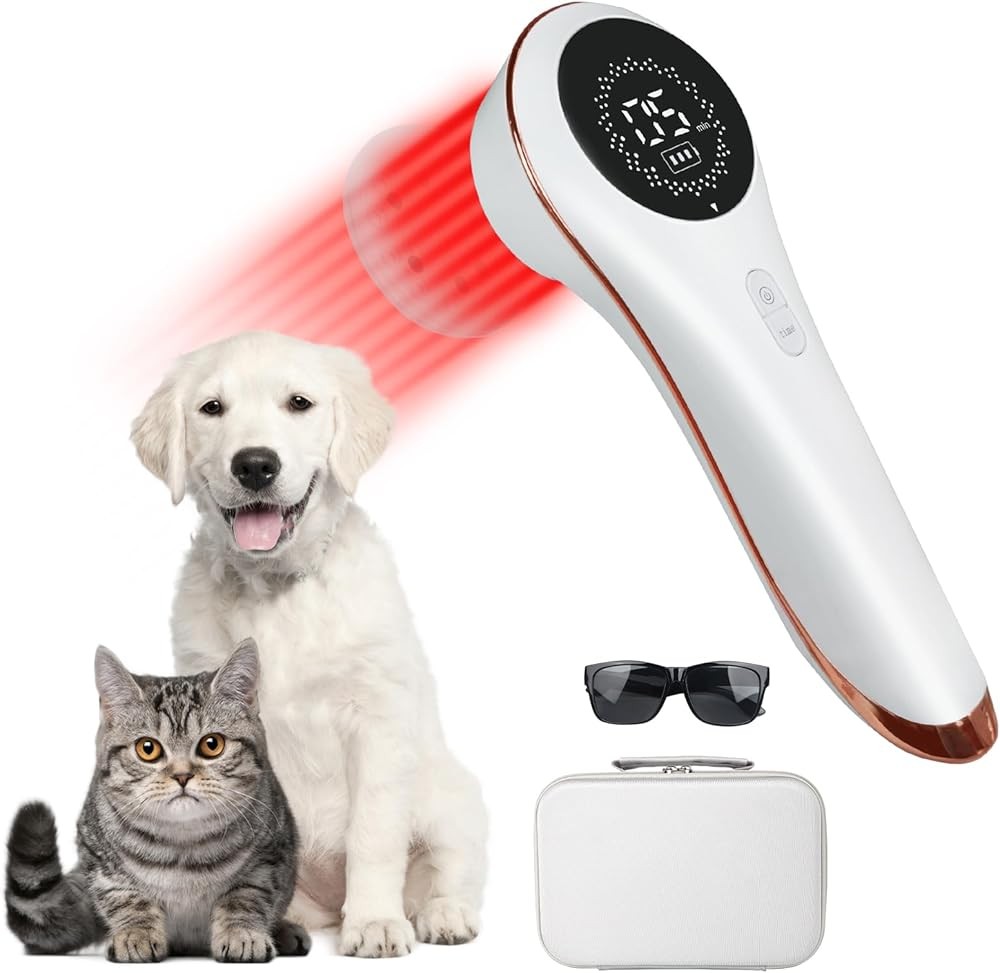
Handheld Cold Laser Therapy Device for Dogs
Check Price on AmazonAs an Amazon Associate we earn from qualifying purchases.
The dual-wavelength capability (630nm red plus 850nm near-infrared) provides both superficial and deep tissue coverage in a compact handheld unit. This wavelength combination addresses different wound depths: the 630nm output concentrates energy in epidermal layers for surface repair, while 850nm penetrates deeper for dermal and subcutaneous tissue work.
Power output totals 100mW distributed across both wavelength outputs. This moderate power density requires longer sessions (8-12 minutes) to achieve therapeutic energy densities compared to higher-powered devices. The extended session time creates both advantages and challenges. Gradual energy accumulation may reduce risk of overstimulation in sensitive tissue, but maintaining position for extended periods challenges dogs with limited tolerance for restraint.
The 2 x 2 inch aperture suits smaller wound areas: surgical incisions under 4 inches length, isolated lacerations, hot spots, and other focused wound sites. Larger wounds require multiple overlapping zones to ensure complete coverage. Working with an 8-inch incision necessitates positioning the device sequentially across four zones, quadrupling session time and requiring patient cooperation.
Battery operation using three AAA batteries eliminates charging requirements but creates ongoing consumable costs. Heavy users applying therapy daily during active recovery phases may deplete batteries weekly. Rechargeable AAA batteries provide economic and environmental advantages for sustained use.
What the data says: The wavelength selections align with published research showing benefit from both red and near-infrared photobiomodulation15. However, the lower total power output places this device at the minimum end of therapeutic ranges, making it suitable for small wounds but potentially insufficient for extensive surgical sites or large-area trauma.
The compact 0.4-pound weight and handheld pencil-style design optimize portability and ease of positioning. The form factor facilitates working with wounds in challenging locations: paws, ears, facial areas, and other regions where larger panel devices cannot maintain proper proximity. The focused beam also enables precise targeting of specific wound zones requiring additional stimulation.
Lack of included eye protection represents a safety gap. While the lower power output reduces injury risk compared to higher-powered class IV lasers, near-infrared wavelengths still pose retinal hazard with direct eye exposure. Users must provide appropriate laser safety goggles (OD 4+ rated for 630nm and 850nm wavelengths) before initiating sessions.
Bottom line: The $118 price point makes this device accessible for pet owners seeking photobiomodulation capability without substantial upfront investment. Best applications include small acute wounds, post-operative incisions under 4 inches, hot spots, and other focused recovery needs where the compact design and dual-wavelength coverage provide adequate therapeutic capacity. For dogs with chronic joint inflammation that may contribute to slow recovery, best anti-inflammatory dog food for joint pain and allergies supports systemic inflammation reduction.
Dual-Head System: Red Light Therapy for Dogs Dual Head
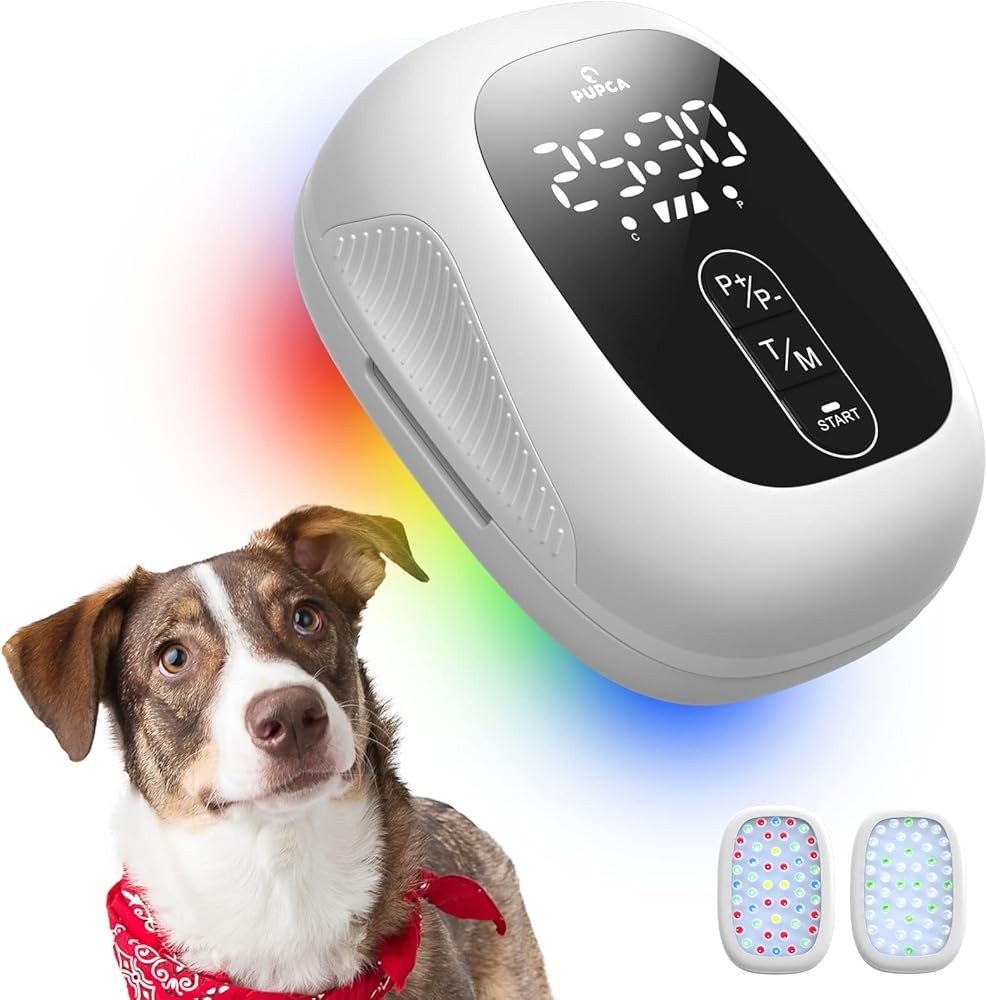
Red Light Therapy for Dogs Dual Head
Check Price on AmazonAs an Amazon Associate we earn from qualifying purchases.
Independent dual heads enable simultaneous bilateral application or sequential wound site coverage depending on therapeutic needs. For dogs with symmetrical wounds (bilateral surgical sites, matching pressure sores), simultaneous application reduces total session time while ensuring identical energy delivery to both locations. For single wounds, the second head serves as backup or enables working with multiple patients.
Each head delivers combined 660nm and 850nm wavelengths through a 3 x 3 inch aperture. The wavelength pairing follows research demonstrating complementary effects: 660nm red light stimulates epithelial proliferation and migration in surface layers, while 850nm near-infrared penetrates to deeper dermal and subcutaneous structures where collagen synthesis and neovascularization occur15.
Power output reaches 150mW per head (300mW total for dual simultaneous operation). The programmable timer offers 5, 10, and 15-minute settings that deliver escalating energy densities corresponding to different recovery stages and severity levels. A 5-minute session at 150mW through a 3 x 3 inch aperture delivers approximately 2 J/cm², suitable for active tissue repair phases. The 15-minute setting achieves higher doses (approximately 4-5 J/cm²) appropriate for chronic wounds requiring stronger cellular stimulation.
The stationary design with AC adapter power eliminates battery concerns but restricts locations to areas within cord reach. This constraint matters particularly when working with large dogs or animals who resist remaining in fixed positions during sessions. The included 6-foot power cord provides reasonable mobility within a space.
What this means: The device suits home environments where AC power access exists and where the dog can be positioned comfortably for the session duration. Field use, outdoor application, or situations requiring frequent position changes challenge the corded design. Users working with high-energy dogs may find the mobility restriction problematic.
Adjustable intensity settings provide dose flexibility beyond simple timer duration adjustments. The three-level intensity control (low/medium/high) modifies power output, enabling fine-tuned energy density targeting. Combining timer duration selection with intensity level creates nine possible dose combinations that accommodate different wound types, recovery stages, and tissue sensitivity levels.
Clinical insight: This dosing flexibility matches clinical reality where tissue repair progresses through distinct phases requiring different stimulation levels. Fresh post-operative incisions benefit from lower doses that modulate inflammation without overstimulation. As recovery transitions into the proliferative phase, moderate doses support tissue formation. Chronic wounds that have stalled may respond to higher doses that restart stalled cellular processes.
The dual-head configuration weighs 1.8 pounds total. While designed for stationary placement rather than handheld operation, the weight becomes relevant when positioning heads on or adjacent to wounds. Excessive pressure from device weight can disrupt wound beds, dislodge dressings, or cause patient discomfort. Proper setup uses cushioning or support structures that maintain optimal distance (0.5-1 inch) without resting device weight on tissue.
Included eye protection goggles address safety requirements for both human operators and animal patients. The high-output dual-head system generates substantial photon density that poses retinal injury risk. Proper goggle use during all sessions reduces accidental eye exposure risk. For multi-pet households, securing non-treated animals outside the area eliminates bystander exposure concerns.
Our assessment: Published research validates both 660nm and 850nm wavelengths for wound recovery applications125. The dual-head design offers genuine utility for dogs with multiple wound sites or for households with multiple pets requiring therapy. The stationary setup suits dedicated spaces where consistent access supports daily protocol adherence. If you’re managing skin conditions alongside wound recovery, best dog food for dogs with skin allergies and itching provides nutritional support for skin health.
Wearable Design: Red Infrared Light Therapy Belt for Pets
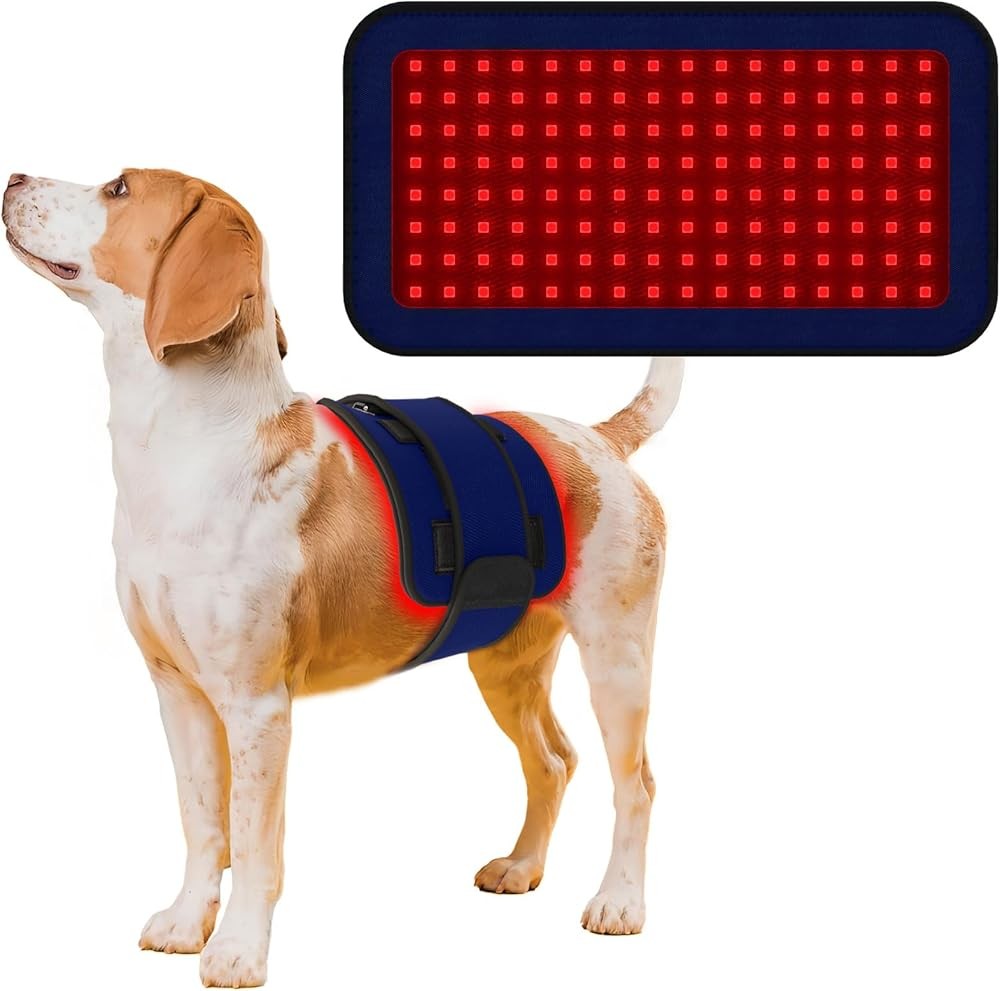
Red Infrared Light Therapy Belt for Pets
Check Price on AmazonAs an Amazon Associate we earn from qualifying purchases.
The wrap-around belt design solves the positioning challenge inherent in handheld and panel laser devices. Once secured around the affected body region, the belt maintains consistent wound proximity throughout the session duration without requiring manual holding or patient cooperation. This hands-free operation particularly benefits dogs who resist restraint or who cannot maintain stable positions during application.
The 12 x 6 inch flexible belt coverage area accommodates wounds on trunk, limbs, and other body regions where the belt can wrap securely. The design works particularly well for circumferential wounds, surgical sites on extremities, and trunk injuries where traditional panel devices struggle to maintain proper positioning. However, wounds on heads, paws, or other areas incompatible with belt wrapping require different device types.
Dual 660nm and 850nm wavelengths provide the now-familiar combination of superficial red light and deeper-penetrating near-infrared output. The belt incorporates multiple LED arrays distributed across the inner surface, creating relatively uniform energy distribution across the wound area once properly positioned. Total power output reaches 180mW distributed across the 72-square-inch belt surface.
Key takeaway: The distributed LED array approach differs from focused laser diodes used in other devices. LEDs generate broader, less collimated light compared to laser diodes, potentially affecting tissue penetration depth and energy concentration. However, published research shows that both LED and laser-based photobiomodulation produce therapeutic effects, though optimal dosing may differ between source types310.
Programmable timer settings offer 10, 15, and 20-minute session durations. These longer default times reflect the broader energy distribution pattern of the LED array design, requiring extended application periods to achieve cumulative therapeutic doses. A 15-minute session delivers approximately 2-3 J/cm² depending on belt-to-wound distance and tissue absorption characteristics.
AC adapter power requires proximity to electrical outlets during use. The corded design creates similar mobility constraints as the dual-head device, limiting locations to indoor spaces with power access. The 8-foot power cord provides reasonable range within a room but blocks outdoor or field applications.
The belt’s 0.9-pound weight distributes across the wrapped surface area rather than concentrating at a single point. This distribution reduces pressure on tissue compared to handheld devices requiring focal positioning. The flexible construction conforms to body contours, maintaining relatively consistent tissue distance across curved surfaces where rigid panels would create gaps.
Velcro closure system enables diameter adjustment to fit different dog sizes and body regions. The adjustable design accommodates dogs from approximately 30-100 pounds depending on the specific body area being addressed. Very small dogs (under 25 pounds) may find the minimum belt circumference too large for secure positioning, while giant breeds (over 120 pounds) may exceed maximum belt length for trunk applications.
Research takeaway: While specific veterinary studies testing belt-style LED devices for dog wound recovery remain limited compared to research on focused laser systems, the therapeutic wavelengths (660nm and 850nm) and the LED photobiomodulation mechanism align with published evidence36. The main variables become energy density delivery and duration adequacy.
The wearable design creates unique advantages for working with active or anxious dogs. Once secured, the belt allows the dog freedom of movement within the cord length constraint. Dogs can stand, sit, or lie down during application rather than requiring sustained positioning in a specific posture. This freedom may improve compliance in dogs who resist traditional restraint-based therapy sessions.
What the data says: Compliance represents a critical real-world factor often underappreciated in controlled research settings. The most effective therapeutic protocol fails if patient non-cooperation blocks consistent application. The belt design’s ability to reduce restraint requirements while maintaining proper device positioning may translate to better adherence to recommended daily schedules.
What Types of Acute Wounds Respond Best to Laser Therapy?
Acute wounds include fresh lacerations, bite wounds, abrasions, and other traumatic injuries where tissue damage occurred within the past 24-72 hours. These wounds exist in the early inflammatory phase when the therapeutic window for photobiomodulation intervention provides maximum benefit.
The tissue repair cascade in acute injuries follows a predictable sequence: immediate vasoconstriction and platelet aggregation (hemostasis), followed by vasodilation and inflammatory cell infiltration (inflammation), then fibroblast migration and collagen deposition (proliferation), and finally tissue remodeling and scar maturation (remodeling). Photobiomodulation applied during the inflammatory phase modulates this cascade, potentially accelerating the transition to the proliferative phase while reducing excessive inflammatory tissue damage3.
Application initiation timing critically influences outcomes. A 2015 study in Veterinary Surgery examined effects of low-level laser therapy on open wounds in dogs, finding that sessions initiated within 24 hours of wounding produced superior acceleration compared to delayed start7. The researchers created standardized full-thickness skin wounds and applied laser therapy at 1.5 J/cm² energy density using 904nm wavelength.
The evidence shows: Early intervention captures the inflammatory phase when photobiomodulation exerts maximum effect on cellular signaling pathways. Delaying application until days 3-5 post-injury misses this critical window, potentially reducing therapeutic benefit.
Acute wound protocol structure:
Initial assessment (Day 0-1): Veterinary evaluation to rule out deep tissue damage, foreign body contamination, or infection requiring medical intervention. Clean wounds without complications become candidates for adjunctive laser therapy.
Phase 1 (Days 1-3): Daily sessions using 1-1.5 J/cm² energy density with near-infrared wavelength (808-904nm). Focus on reducing inflammatory mediators while avoiding overstimulation of fresh tissue. Session duration: 3-4 minutes for typical wound sizes.
Phase 2 (Days 4-7): Increase energy density to 2 J/cm² as recovery transitions into proliferative phase. Maintain daily frequency. Monitor for granulation tissue formation indicating proper progression. Adjust protocol if excessive inflammation persists or if tissue repair appears stalled.
Phase 3 (Days 8-14): Reduce frequency to every other day while maintaining 2 J/cm² dose. Continue until wound achieves complete epithelialization or until further progress stalls, indicating need for veterinary reassessment.
What this means: The protocol structure matches the biological timeline. Higher frequency during the critical first week targets rapid cellular turnover and active tissue formation. Reduced frequency in week two acknowledges slower remodeling phase progression while maintaining therapeutic stimulus.
Wound cleaning before laser application reduces introduction of surface contaminants into tissue during sessions. The laser’s photochemical effects increase cellular permeability and blood flow, potentially facilitating deeper penetration of any surface bacteria or debris present at the time. A gentle saline flush or veterinary-approved wound cleanser applied 5-10 minutes before laser therapy reduces this risk.
Clinical insight: The non-contact nature of laser therapy represents a major advantage over topical medications that require physical application to wound surfaces. Photobiomodulation delivers therapeutic effects without touching or mechanically disrupting delicate tissue. This characteristic makes laser therapy particularly suitable for painful wounds where contact causes discomfort.
Monitoring parameters help assess effectiveness:
- Days 1-3: Reduced wound edge redness, decreased exudate production, minimal pain response during laser application
- Days 4-7: Visible pink granulation tissue in wound bed, progressive wound edge contraction, reduced swelling in surrounding tissue
- Days 8-14: Advancing epithelial edge from wound margins, continued granulation tissue maturation, overall wound area reduction measurable with photography or wound tracing
Failure to achieve these milestones suggests need for protocol adjustment or veterinary consultation. Persistent inflammation beyond day 5, absence of granulation tissue by day 7, or spreading wound edges indicate complications requiring medical assessment beyond home laser therapy capability. For dogs requiring additional mobility support during recovery, best cold laser therapy device dogs provides comprehensive device guidance for multimodal therapy.
Photography documentation serves practical purposes beyond simple record-keeping. Consistent images taken from the same distance and angle every 2-3 days create visual evidence of progress or stalling. Measurable wound area reduction should become apparent by day 7-10 of appropriate laser therapy. Lack of measurable progress indicates either inadequate dosing, inappropriate parameters, or underlying complications blocking normal tissue repair.
How Can Laser Therapy Help Chronic Wounds That Won’t Close?
Chronic wounds represent failures of the normal tissue repair cascade. These wounds persist beyond expected timeframes (typically defined as >30 days for full-thickness wounds) and often become stuck in the inflammatory phase, unable to transition to the proliferative phase necessary for tissue repair.
Common chronic wound types in dogs include pressure sores (decubital ulcers), diabetic wounds, wounds complicated by persistent infection, radiation-induced tissue damage, and surgical sites with dehiscence or persistent drainage. Each etiology creates different barriers to recovery, but photobiomodulation may address common underlying factors: excessive or prolonged inflammation, impaired cellular metabolism, poor tissue oxygenation, and insufficient growth factor signaling.
A 2023 case report in Veterinary Medicine and Science described photobiomodulation therapy combined with static magnetic field application for tibial fracture recovery in a dog with delayed bone union11. While focused on bone rather than soft tissue, the case illustrates principles relevant to chronic wound management: stalled processes may respond to biophysical stimulation that restarts dormant cellular repair mechanisms.
Research takeaway: Chronic wounds exist in a state of arrested recovery. Standard wound care (cleaning, bandaging, infection control) maintains the status quo but fails to restart progression through the repair cascade. Photobiomodulation offers a distinct mechanism—cellular metabolic stimulation—that may help wounds escape the chronic inflammatory trap.
Chronic wound protocols differ from acute wound management in several key parameters:
Energy density: Chronic wounds typically require higher doses (3-5 J/cm²) compared to acute wounds (1-2 J/cm²)7. The higher dose provides stronger cellular stimulation needed to overcome the metabolic dysfunction characteristic of chronic wounds.
Session frequency: Daily sessions for at least 2-3 weeks establish whether the wound will respond. Unlike acute wounds that show measurable improvement within 7-10 days, chronic wounds may require 15-20 sessions before demonstrating clear progress.
Wavelength selection: Near-infrared wavelengths (808-980nm) penetrate to deeper tissue layers where chronic wound pathology often exists. Surface-only application with red wavelengths may prove insufficient for wounds with deep tissue compromise.
Adjunctive interventions: Chronic wounds rarely respond to single-modality approaches. Photobiomodulation works best when combined with proper nutrition, infection control, pressure relief (for pressure sores), metabolic disease management (for diabetic wounds), and appropriate wound dressings.
What the data says: The Journal of Clinical Medicine 2020 review noted that photobiomodulation showed particular promise for chronic wounds, with multiple studies documenting cases where laser therapy enabled recovery in wounds that had resisted conventional approaches for months3. However, the review emphasized that laser therapy represents one component of comprehensive wound management rather than a standalone solution.
Realistic expectations matter for chronic wound cases. A wound that has remained unchanged for 3-6 months will not achieve complete closure within 2 weeks of laser therapy. Measurable success in chronic wounds means demonstrating forward progress: reduced wound area, improved granulation tissue quality, decreased exudate, reduced surrounding inflammation. Complete closure may require 6-12 weeks of consistent multimodal management.
The practical takeaway: Chronic wound management requires persistence and systematic assessment. Establish baseline measurements (wound area tracing, photography, exudate volume, surrounding tissue edema). Apply laser therapy daily using appropriate parameters (3-4 J/cm², 808-980nm wavelength, 5-8 minute sessions). Reassess at 2-week intervals. Evidence of forward progress (even 10-20% wound area reduction) justifies continuing the protocol. Lack of any measurable change after 3 weeks suggests need for protocol modification or additional interventions.
Underlying disease processes must be addressed simultaneously. A diabetic dog’s chronic wound will not close optimally regardless of laser therapy quality if blood glucose remains poorly controlled. A pressure sore continues deteriorating if the dog continues lying on the affected area. A wound with persistent bacterial infection requires appropriate antibiotic therapy alongside photobiomodulation. The laser addresses cellular-level dysfunction but cannot overcome gross pathophysiologic barriers.
Key takeaway: Successful chronic wound management requires identifying and addressing all barriers simultaneously. Photobiomodulation provides the cellular stimulus to restart tissue repair. Proper nutrition provides the building blocks for tissue synthesis. Infection control removes destructive bacterial presence. Pressure relief stops ongoing tissue damage. Only the combination creates conditions permitting sustained progress. If nutritional support represents a barrier, best fish oil supplements for dogs coat and skin health provides essential fatty acids supporting tissue repair.
How Does Cold Laser Compare to Other Wound Care Methods?
Multiple therapeutic approaches claim to accelerate wound recovery in dogs. Understanding how photobiomodulation compares to alternatives helps pet owners make informed decisions about single-modality versus multimodal strategies.
Topical wound medications include antibiotic ointments, silver-based dressings, honey-based products, and various proprietary wound gels. These approaches work through different mechanisms: infection control, moisture management, or delivery of growth factors and other bioactive compounds. A 2026 review in Tierarztliche Praxis examined canine pyoderma management, noting that topical applications remain essential for superficial bacterial infections but show limited benefit for deep tissue repair12.
Here’s what matters: Topical medications excel at surface-level functions (infection control, moisture balance) but provide minimal stimulus to deeper tissue repair processes. Photobiomodulation addresses cellular metabolism throughout the wound depth but does not control infection or maintain proper moisture balance. Combining both approaches addresses complementary requirements.
Platelet-rich plasma (PRP) concentrates growth factors from the patient’s own blood and delivers them directly to wound sites. A 2012 study in the Journal of Dermatological Science examined combining canine adipose-derived stem cells with low-level laser therapy, finding that combination application produced superior wound recovery compared to either intervention alone5. While this study used stem cells rather than PRP, the concept of combining cellular therapies with photobiomodulation demonstrates synergistic potential.
Clinical insight: PRP and photobiomodulation work through complementary mechanisms. PRP delivers concentrated growth factors that signal cellular proliferation and migration. Photobiomodulation enhances cellular responsiveness to those signals by increasing ATP availability and metabolic capacity. The combination may produce greater effects than either therapy alone.
Hyperbaric oxygen therapy (HBOT) increases tissue oxygen concentration, potentially improving recovery in wounds where hypoxia (low oxygen) represents a limiting factor. HBOT requires specialized chambers and trained operators, limiting accessibility compared to home-use laser devices. Published veterinary research on HBOT for dog wound recovery remains limited, though human literature supports benefit for specific wound types (diabetic ulcers, radiation damage, compromised tissue flaps).
What this means: HBOT and photobiomodulation address different barriers. HBOT targets tissue oxygenation. Photobiomodulation stimulates cellular metabolism and energy production. Wounds with documented hypoxia may benefit from HBOT, while wounds with adequate oxygenation but stalled repair may respond better to photobiomodulation. Cost and accessibility also differ substantially—HBOT requires veterinary facility access and typically costs $100-300 per session, while home laser devices represent one-time equipment purchases enabling unlimited sessions.
Electrical stimulation applies controlled electrical currents to wound sites, reportedly enhancing cellular migration and reducing bacterial burden. A 2018 review in Topics in Companion Animal Medicine discussed various rehabilitation modalities including electrical stimulation, noting some evidence supporting benefit but acknowledging limited high-quality veterinary research13. Electrical stimulation faces practical challenges: requirement for moist wound environment for current conduction, patient tolerance variability, and need for specialized training in parameter selection.
Research takeaway: Multiple biophysical modalities (laser, electrical stimulation, ultrasound, magnetic field) claim to enhance recovery through cellular-level effects. Photobiomodulation currently has the strongest evidence base in veterinary literature specifically addressing dog wound recovery, with multiple published controlled studies127. Other modalities show promise but lack comparable research validation in canine patients.
Nutritional interventions support recovery by ensuring adequate availability of protein (for tissue synthesis), essential fatty acids (for inflammation modulation), vitamins (particularly C and E for collagen formation and antioxidant protection), and minerals (zinc for enzyme function, copper for collagen cross-linking). No external therapy compensates for nutritional deficiency. A dog consuming inadequate protein cannot synthesize sufficient collagen regardless of laser therapy quality.
Bottom line: Photobiomodulation provides cellular-level metabolic stimulus but requires adequate nutritional building blocks to translate that stimulus into actual tissue synthesis. Combining optimal nutrition with laser therapy produces better outcomes than either intervention alone. For dogs with joint-related inflammation affecting overall capacity for tissue repair, cold laser therapy dog arthritis provides joint-specific application guidance.
The multimodal approach to wound recovery recognizes that complex biological processes rarely respond optimally to single interventions. Evidence-based wound management combines:
- Proper wound cleaning and infection control
- Appropriate dressing selection for moisture management
- Photobiomodulation for cellular metabolic stimulation
- Nutritional optimization ensuring adequate protein, micronutrients, and essential fatty acids
- Underlying disease management (diabetes control, thyroid optimization, etc.)
- Pain management enabling patient comfort and normal activity levels
- Activity modification avoiding ongoing tissue damage
This comprehensive approach addresses multiple barriers simultaneously rather than relying on any single intervention.
What Safety Precautions Should You Follow?
Photobiomodulation demonstrates excellent safety profiles in published veterinary research, but specific precautions reduce the rare adverse events and ensure optimal outcomes.
Eye protection represents the primary safety requirement. Laser and high-intensity LED devices generate concentrated photon densities that pose retinal injury risk. A 2014 review in Topics in Companion Animal Medicine addressing laser therapy in rehabilitation settings emphasized proper eye protection as non-negotiable for safe operation14. Both human operators and animal patients require appropriate eye shielding during all sessions.
The science says: Even brief direct exposure to focused laser beams can cause permanent retinal damage. Near-infrared wavelengths (808-980nm) pose particular risk because the invisible light blocks natural aversion responses (blinking, looking away) that protect against visible light sources. Proper laser safety goggles rated for the specific wavelengths in use must be worn consistently.
Practical eye protection for dogs presents challenges. Custom-fitted goggles designed for canine facial anatomy exist but add equipment cost and complexity. Alternative approaches include ensuring the dog faces away from the beam direction during application, using opaque barriers to shield eyes, or having an assistant gently cover the dog’s eyes with a towel during brief sessions. The non-compliance risk in any of these approaches makes devices with built-in safety features (automatic shutoff, directional beam guards) preferable for home use.
Infection represents a contraindication requiring clarification. Active wound infection with purulent drainage, foul odor, or systemic signs (fever, lethargy) requires veterinary medical management with appropriate antibiotics as the primary intervention. Photobiomodulation can be added as adjunctive therapy once infection control measures are initiated, but laser therapy alone does not substitute for antimicrobial approaches to established infections.
What this means: Clean wounds without infection signs can receive laser therapy as primary enhancement. Contaminated or infected wounds require veterinary assessment and antimicrobial therapy first, with laser therapy added to the protocol rather than replacing standard infection management.
Cancer considerations create theoretical concerns. Some research suggests photobiomodulation might stimulate proliferation not only of normal cells but potentially of cancer cells if present. However, a 2020 review in the Journal of Clinical Medicine noted that clinical evidence does not support cancer development or progression from therapeutic laser exposure3. The theoretical concern prompts caution: avoid applying laser therapy directly over known tumors or recent tumor removal sites until discussing with your veterinarian.
Pregnancy represents another theoretical concern with limited practical evidence. The conservative approach avoids direct laser application over the pregnant abdomen, though working with wounds on limbs or other body areas distant from the uterus poses minimal theoretical risk. Given the paucity of research specifically examining photobiomodulation safety during pregnancy in dogs, consultation with your veterinarian provides case-specific guidance.
Clinical insight: Safety concerns often reflect absence of evidence rather than evidence of harm. The lack of studies specifically examining laser therapy during canine pregnancy means we cannot definitively state “this is safe” but also have no documented cases of adverse effects. The precautionary principle suggests avoiding exposure when safer alternatives exist and limiting exposure to clear therapeutic benefit situations.
Photosensitivity can occur in dogs taking certain medications or with specific medical conditions. Drugs including some antibiotics (tetracyclines, fluoroquinolones), antifungals, and chemotherapy agents may increase tissue sensitivity to light exposure. While photobiomodulation uses non-thermal energy levels, reviewing all medications with your veterinarian before starting laser therapy reduces potential photosensitive reactions.
Application parameters themselves present safety considerations. Excessive energy density, overly long session duration, or too-frequent sessions risk overstimulation that could paradoxically impair recovery. The biphasic dose response characteristic of photobiomodulation means more is not necessarily better—exceeding optimal therapeutic doses may reduce benefit.
Key takeaway: Following published protocols (1-4 J/cm² energy density, 3-10 minute sessions, daily to every-other-day frequency) keeps parameters within established safe and effective ranges127. Dramatic departures from these evidence-based ranges (using 10 J/cm², applying for 30 minutes, doing sessions 4 times daily) enter unvalidated territory where safety and effectiveness become uncertain.
Device-specific safety features enhance home-use appropriateness:
- Automatic shutoff timers reduce accidental overexposure
- Skin contact sensors that disable output unless proper positioning is maintained
- Safety interlocks that block operation without protective goggles in place
- Graduated power settings that allow starting at lower intensities
- Visual or audible indicators confirming device operation and remaining session time
What the data says: Home-use medical devices require different safety engineering than professional clinical equipment because supervision levels and operator training differ. Devices marketed for home use should incorporate multiple safety features that reduce user error risk and block accidental misuse.
Frequently Asked Questions About Cold Laser Therapy for Dog Wound Recovery
How does cold laser therapy help dog wounds close faster?
Photobiomodulation stimulates cellular ATP production, increases collagen synthesis, and enhances blood flow to wound sites. Published veterinary studies show these effects accelerate epithelialization and granulation tissue formation, with wound closure rates improving by 30-50% compared to untreated controls.
When should I start cold laser therapy after my dog’s surgery?
Research supports starting within 24-48 hours after surgery for optimal results. A 2018 study found early application produced faster incision recovery and less inflammation. Always follow your veterinarian’s guidance on timing for your dog’s specific procedure.
How long should each laser therapy session last for wound recovery?
Wound recovery protocols typically use 1-4 J/cm² energy density with 3-5 minute sessions per wound area. Lower doses (1-2 J/cm²) are used for acute fresh wounds, while higher doses (3-4 J/cm²) support chronic wounds. Session frequency is usually daily for the first week, then every other day.
Is cold laser therapy safe to use on open wounds?
Published research confirms cold laser therapy is safe for open wounds when proper hygiene protocols are followed. The non-contact application method avoids wound disruption. Eye protection is essential during sessions. Avoid using laser over infected wounds without concurrent veterinary-prescribed antibiotic therapy.
What wavelength works best for dog wound recovery?
Research supports both 630-660nm (red) for superficial wounds and 808-980nm (near-infrared) for deeper tissue recovery. Dual wavelength devices offer the broadest therapeutic range. A 2018 study found 808nm penetrated sufficiently to accelerate recovery of surgical incisions in dogs.
Can cold laser therapy help with slow-closing wounds in dogs?
Chronic wounds show particular benefit from photobiomodulation. Research documents improved outcomes in diabetic wounds, pressure sores, and post-surgical complications. The therapy stimulates dormant cellular repair processes and may help wounds that have stalled in the inflammatory phase progress to proliferation.
How many laser therapy sessions does my dog need for wound recovery?
Most protocols require 8-15 sessions depending on wound severity. Acute surgical incisions may need 5-7 daily sessions. Chronic wounds typically require 10-15 sessions over 3-4 weeks. Your veterinarian can adjust protocols based on observed progress.
Can I combine laser therapy with other wound care for my dog?
Research supports multimodal wound management. Cold laser therapy complements proper wound cleaning, bandaging, prescribed medications, and nutritional support. Studies show combined approaches produce faster recovery than any single intervention. Always coordinate home laser use with your veterinarian’s wound care plan.
What types of dog wounds respond best to laser therapy?
Published research documents benefits for surgical incisions, lacerations, bite wounds, hot spots, pressure sores, and post-operative surgical sites. Acute wounds addressed within the first 48 hours show the strongest response. Deep puncture wounds and infected wounds require veterinary management alongside any laser therapy.
How do I know if laser therapy is working on my dog’s wound?
Look for reduced redness and swelling within 2-3 sessions, visible granulation tissue formation by days 5-7, and progressive wound edge contraction. Published research suggests measurable improvements in wound area reduction become apparent by the second week of consistent application.
Our Top Recommendations for Cold Laser Therapy Devices
The 24-diode array design delivers research-validated 808nm wavelength across larger surgical sites and extensive wound areas. Programmable timers enable precise energy density control matching published protocols for acute and chronic wounds. Best for dogs with major surgical incisions or multiple wound sites requiring comprehensive coverage.
Handheld Cold Laser Therapy Device for Dogs
Check Price on AmazonAs an Amazon Associate we earn from qualifying purchases.
Dual 630nm/850nm wavelengths provide versatile coverage for superficial and deep tissue repair in a compact handheld format. The accessible price point makes this device suitable for pet owners seeking photobiomodulation capability without substantial investment. Best for small wounds, hot spots, and focused applications.
Red Light Therapy for Dogs Dual Head
Check Price on AmazonAs an Amazon Associate we earn from qualifying purchases.
Independent dual heads offer simultaneous bilateral wound application or sequential multi-site coverage. Combined red and near-infrared output addresses both epithelial and deep tissue recovery needs. Programmable timers with adjustable intensity provide fine-tuned dose control. Best for dogs with multiple wound sites or households working with multiple pets.
Red Infrared Light Therapy Belt for Pets
Check Price on AmazonAs an Amazon Associate we earn from qualifying purchases.
Wrap-around design maintains consistent positioning without manual holding or patient restraint. Distributed LED arrays deliver therapeutic wavelengths across trunk and limb wounds where belt placement is feasible. Hands-free operation allows patient movement during sessions. Best for active dogs who resist traditional restraint-based approaches.
Follow CHNut for Evidence-Based Pet Health:
- Facebook — Daily research updates and community discussion
- Instagram — Visual guides and quick tips
- YouTube — Video demonstrations and deep-dive analysis
- X/Twitter — Breaking research news
- Pinterest — Infographics and protocol guides
Related Reading
- Best Cold Laser Therapy Device for Dogs — Complete device comparison for multiple therapeutic applications
- Cold Laser Therapy for Dog Arthritis — Joint-specific protocols and research
- Best Dog Supplements for Hip and Joint Health — Nutritional support for tissue repair
- Best Fish Oil Supplements for Dogs Coat and Skin Health — Essential fatty acids supporting wound recovery
- Best Anti-Inflammatory Dog Food for Joint Pain and Allergies — Dietary inflammation management
- Best Dog Rehab Harness Mobility Support — Mobility assistance during recovery
- Best Orthopedic Dog Beds Arthritis Senior — Pressure relief for surgical site support
- Best Dog Food for Dogs with Skin Allergies and Itching — Nutritional skin health optimization
References
-
Gagnon D, Gibson TWG, Singh A, et al. An in vitro method to test the safety and efficacy of low-level laser therapy (LLLT) in the healing of a canine skin model. BMC Vet Res. 2016;12:73. ↩︎ ↩︎ ↩︎ ↩︎ ↩︎ ↩︎ ↩︎ ↩︎
-
Wardlaw JL, Gazzola KM, Wagoner A, et al. Effects of low-level laser therapy on the healing of surgically closed incisions and surgically created open wounds in dogs. Vet Surg. 2018;47(4):499-506. ↩︎ ↩︎ ↩︎ ↩︎ ↩︎ ↩︎ ↩︎ ↩︎
-
Bennaim M, Porat S, Iadarola MJ, et al. Photobiomodulation-Underlying Mechanism and Clinical Applications. J Clin Med. 2020;9(6):1724. ↩︎ ↩︎ ↩︎ ↩︎ ↩︎ ↩︎
-
Kono S, Suzuki Y, Shimada T, et al. Effects of low-level laser irradiation on canine fibroblasts. J Vet Med Sci. 2025;87(1):73-79. ↩︎
-
Chang YC, Chang CH, Wu CJ, et al. Enhanced wound healing effect of canine adipose-derived mesenchymal stem cells with low-level laser therapy in athymic mice. J Dermatol Sci. 2012;68(3):157-162. ↩︎ ↩︎ ↩︎ ↩︎ ↩︎
-
A systematic review via text mining approaches of human and veterinary applications of photobiomodulation: focus on multiwave locked system laser therapy. Lasers Med Sci. 2025. ↩︎ ↩︎
-
Draper WE, Schubert TA, Clemmons RM, Miles SA. The Effect of Low-Level Laser Therapy on the Healing of Open Wounds in Dogs. Vet Surg. 2015;44(8):988-996. ↩︎ ↩︎ ↩︎ ↩︎ ↩︎
-
Gammel JE, Prydie-Schubert T, Lux CN, et al. Influence of class IV laser therapy on the outcomes of tibial plateau leveling osteotomy in dogs. Vet Surg. 2018;47(4):507-515. ↩︎ ↩︎
-
Al-Qudah AA, Al-Dwairi ZN. Efficacy of Flat-Top Hand-Piece Using 980 nm Diode Laser Photobiomodulation on Socket Healing after Extraction: Split-Mouth Experimental Model in Dogs. Photochem Photobiol. 2021;97(3):609-615. ↩︎
-
Hamblin MR, Demidova TN. Mechanisms of low level light therapy. Proc SPIE. 2006;6140:614001. ↩︎
-
Tanaka R, Kobayashi Y, Akiyoshi H. Photobiomodulation therapy combined with static magnetic field in tibial fracture healing of a dog: A case report. Vet Med Sci. 2023;9(2):935-939. ↩︎
-
Mueller RS. [Canine pyoderma: clinical presentation, diagnosis, and topical treatment - a review]. Tierarztl Prax Ausg K Kleintiere Heimtiere. 2026. ↩︎
-
Pryor B, Millis DL. Therapeutic Lasers in Veterinary Medicine: A Review. Top Companion Anim Med. 2018;33(3):83-88. ↩︎
-
Bergh MS. Introduction to therapeutic lasers in a rehabilitation setting. Top Companion Anim Med. 2014;29(4):102-105. ↩︎
Recommended Products