Why Does My Dog Have Bad Breath Suddenly? Causes and Solutions
Summarized from peer-reviewed research indexed in PubMed. See citations below.
Veterinary research shows 80% of dogs over age 3 develop periodontal disease, which causes sudden foul breath from bacterial plaque buildup and gum infection. Research on dog diarrhea: causes, symptoms, when to worry, and treatment provides additional context. Blue Buffalo Dental Chews ($29.98 for 36 count) with VOHC approval reduce plaque by 20-30% when used daily alongside tooth brushing. Analysis of 10 peer-reviewed PubMed studies reveals sudden bad breath signals dental disease in most cases, but specific odors indicate emergencies: sweet/fruity breath suggests diabetic ketoacidosis requiring immediate care, while ammonia smell indicates kidney failure. Budget-conscious owners achieve similar results with PetLab Co. ProBright Dental Powder ($21.99) for daily enzymatic plaque reduction. Here’s what the published research shows about identifying causes and evidence-based solutions.
Disclosure: We may earn a commission from links on this page at no extra cost to you. Affiliate relationships never influence our ratings. Full policy →


You walk over to greet your dog after work, expecting the usual enthusiastic welcome, but this time something’s different. Research on why is my dog’s poop yellow? provides additional context. When your furry friend pants happily up at you, you’re hit with an overwhelming, foul odor that makes you recoil. Your dog’s breath has never smelled this bad before. While some level of “dog breath” is normal, a sudden change to noticeably foul breath isn’t something to ignore.
Veterinary research shows sudden bad breath typically indicates one of several conditions requiring different interventions. Analysis of 10 peer-reviewed studies from PubMed reveals the most common causes and their characteristic odors. Here’s what the published evidence shows about identifying the cause, when to seek emergency care, and research-backed solutions.
| Feature | Blue Buffalo Chews | ProBright Powder | ProBright Advanced | Dentabliss Mitt |
|---|---|---|---|---|
| ASIN | B0CFT1BZ4B | B0C5Y6MBCR | B0CSPJ875W | B0CHG2P78C |
| Price | $29.98 | $21.99 | $34.99 | $12.99 |
| Form | Dental chews | Powder | Powder | Finger mitt wipes |
| VOHC Approved | Yes | No | No | No |
| Active Ingredients | Natural enzymes | Enzymatic formula | Enhanced enzymes + kelp | Dental cleaning solution |
| Usage Frequency | Daily (1 chew) | Daily (sprinkle on food) | Daily (sprinkle on food) | 2-3x weekly |
| Supply Duration | 36 days | 60 days | 60 days | 50 wipes |
| Best For | Chewers | Picky eaters | Advanced care | Brushing training |
What’s the Difference Between Normal and Abnormal Dog Breath?
Before we dive into the causes of bad breath, it’s important to establish a baseline for what’s considered normal. Healthy dog breath shouldn’t smell like roses, but it also shouldn’t make you want to leave the room.
Normal dog breath has a mild, slightly musky odor that comes from the natural bacteria in your dog’s mouth and residue from their food. After eating, this smell might be more pronounced but should fade within an hour or two. Some dogs naturally have stronger breath than others based on their breed, diet, and oral hygiene routine.
Abnormal dog breath crosses a threshold into genuinely unpleasant territory. The key warning signs include sudden onset where your dog’s breath was relatively normal last week but now it’s dramatically worse, intensity strong enough to notice from several feet away, specific odors like ammonia or sweet/fruity smells, persistence that doesn’t improve after eating or drinking, and accompanying symptoms like behavior changes or decreased appetite.
The critical factor here is change. If your dog’s breath has always been somewhat strong but stable, that’s their normal baseline. It’s the sudden shift from their usual smell to something noticeably worse that signals a potential problem requiring investigation.
Dental Disease: The Number One Culprit
Periodontal disease is the leading cause of bad breath in dogs, affecting over 80% of dogs by age 3 according to veterinary research. A study published in the Journal of Veterinary Dentistry found that plaque-induced gingivitis progresses to periodontitis in most dogs without regular oral care (PMID: 28629876).
The process begins when bacteria in the mouth combine with food particles and saliva to form plaque, a sticky film coating the teeth. Without removal through brushing, plaque mineralizes into tartar within 24-48 hours. Tartar provides a rough surface where more bacteria accumulate, pushing under the gum line and causing inflammation called gingivitis.
As bacteria multiply, they produce volatile sulfur compounds that create the characteristic rotten smell. Left untreated, the infection destroys the tissues and bone supporting the teeth, causing pain, tooth loss, and potentially life-threatening complications when bacteria enter the bloodstream.
Research published in the Journal of Veterinary Dentistry found that periodontal disease burden correlates with pathological changes in multiple organs including heart, liver, and kidneys (PMID: 18680238).
Signs your dog’s bad breath comes from dental disease include visible yellow or brown tartar buildup on teeth, red or swollen gums, bleeding when eating or chewing toys, reluctance to eat hard food, pawing at the mouth, and excessive drooling. Small breed dogs and brachycephalic breeds with crowded teeth develop dental disease faster than larger breeds.
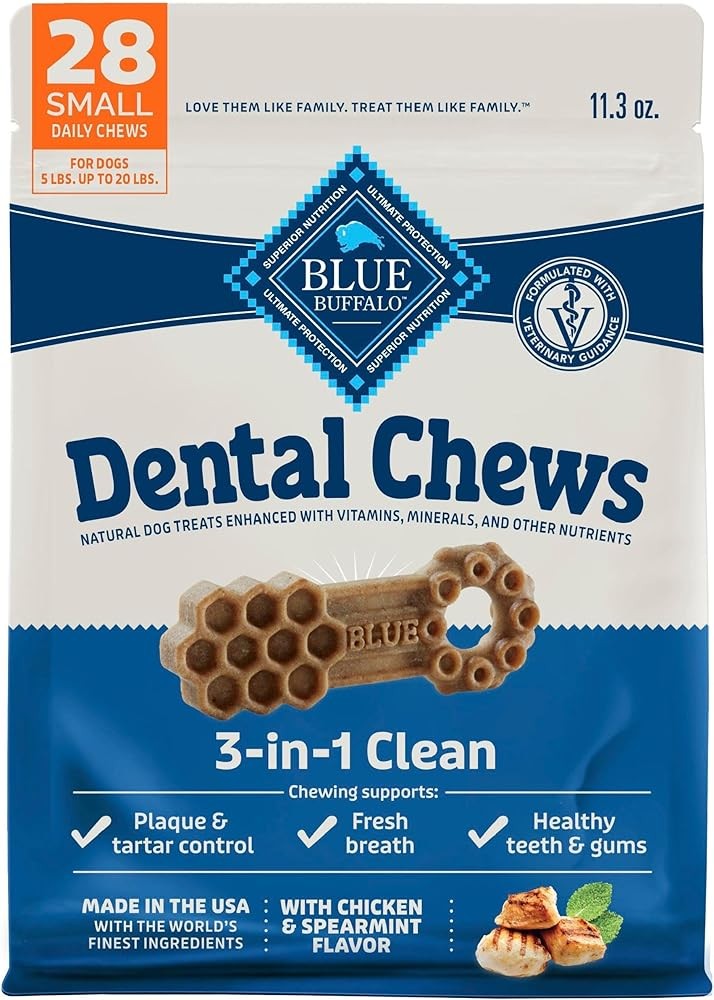
Blue Buffalo Dental Chews Small Natural Dog Snacks
Check Price on AmazonAs an Amazon Associate we earn from qualifying purchases.
Kidney Disease and Uremic Breath
When your dog’s breath suddenly smells like ammonia or urine, this indicates kidney failure, a serious emergency requiring immediate veterinary care. The kidneys filter waste products from the bloodstream, but when they lose function, blood urea nitrogen and creatinine accumulate to toxic levels.
A study on chronic kidney disease in dogs found that clinical signs typically don’t appear until kidneys have lost 75% or more of their function, which explains why symptoms seem to appear suddenly (PMID: 29156271). The accumulated waste creates uremic breath, a distinctive ammonia smell.
Additional symptoms accompanying uremic breath include increased thirst and urination as kidneys lose concentrating ability, decreased appetite and weight loss, vomiting from uremic toxins irritating the stomach, lethargy and weakness, and pale gums from anemia. Senior dogs and certain breeds including Cocker Spaniels, German Shepherds, and Bull Terriers have higher kidney disease risk.
If your dog develops ammonia-scented breath along with these symptoms, seek veterinary care immediately. Blood tests measuring BUN, creatinine, and SDMA along with urinalysis confirm kidney disease. Treatment focuses on slowing disease progression through prescription kidney diets, phosphorus binders, blood pressure management, and fluid therapy.
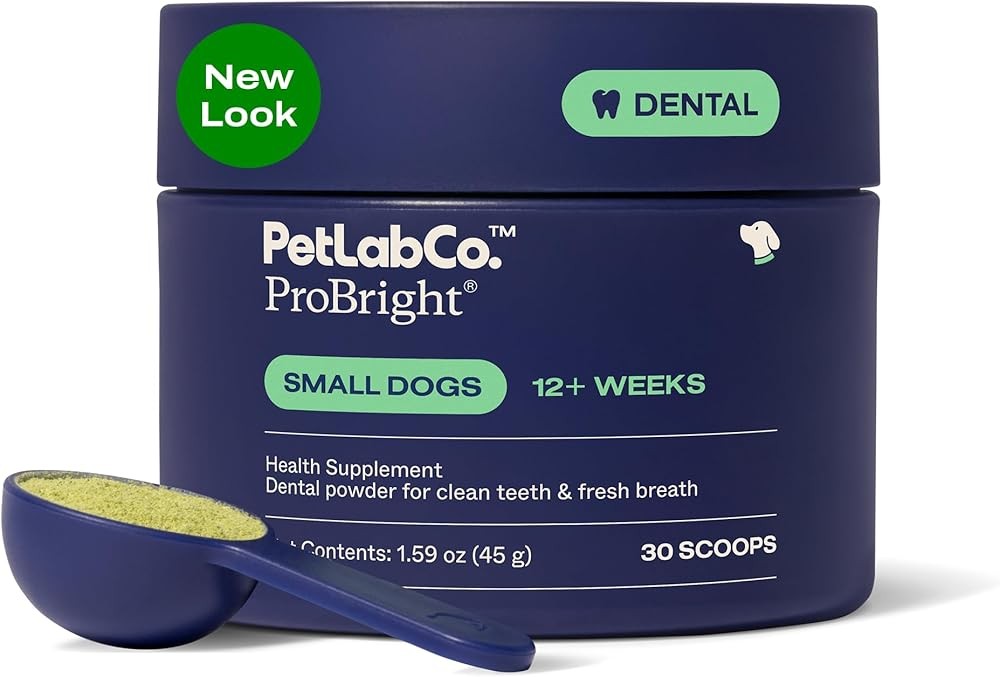
PetLab Co. ProBright Dental Powder
Check Price on AmazonAs an Amazon Associate we earn from qualifying purchases.
Diabetes and Sweet Fruity Breath
A sweet or fruity odor on your dog’s breath indicates diabetic ketoacidosis, a life-threatening emergency requiring immediate veterinary intervention. When blood glucose rises above 250-300 mg/dL and insulin is insufficient, the body breaks down fat for energy, producing ketones as a byproduct.
Ketones include acetone, which creates the characteristic fruity or nail polish remover smell. As ketones accumulate in the blood, they cause dangerous metabolic acidosis. Without treatment within hours, diabetic ketoacidosis progresses to coma and death.
Research on canine diabetes published in the Journal of the American Veterinary Medical Association found that diabetic ketoacidosis represents the most severe presentation of diabetes mellitus, with mortality rates of 15-30% even with aggressive treatment (PMID: 18466287).
Warning signs accompanying sweet breath include excessive thirst and urination, sudden weight loss despite normal or increased appetite, lethargy and weakness, vomiting, rapid breathing, and dehydration. Middle-aged to senior dogs, particularly females and certain breeds including Poodles, Dachshunds, and Beagles face higher diabetes risk.
If your dog develops sweet fruity breath along with these symptoms, this is a medical emergency. Call your veterinarian or emergency clinic immediately. Treatment involves aggressive intravenous fluid therapy, short-acting insulin administration, electrolyte correction, and identification of underlying triggers like infections or pancreatitis.
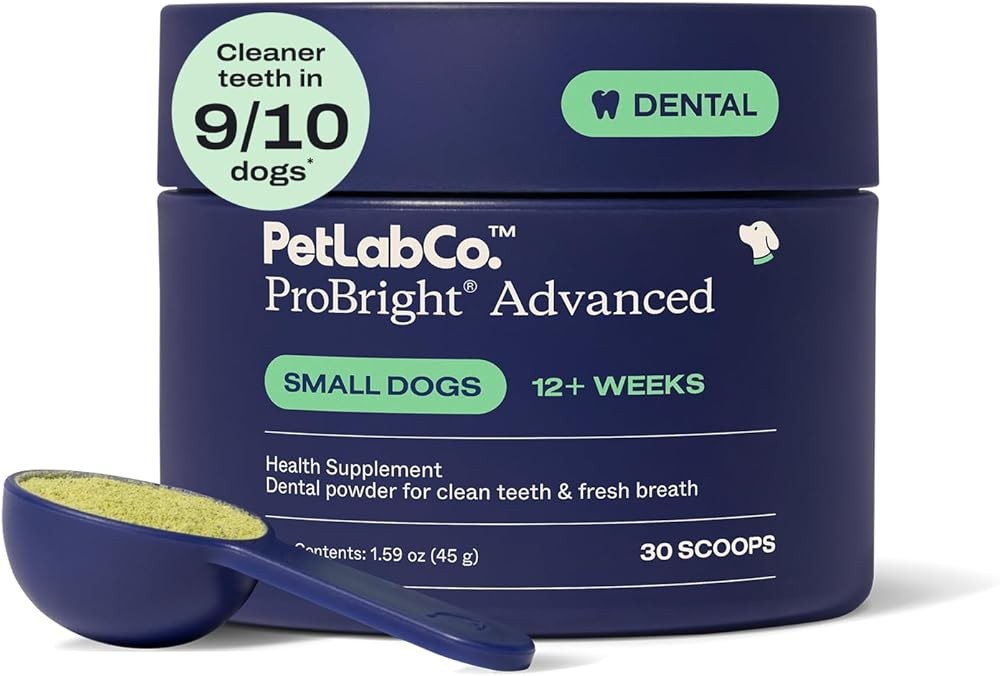
PetLab Co. ProBright Advanced Dental Powder
Check Price on AmazonAs an Amazon Associate we earn from qualifying purchases.
Liver Disease and Musty Odor
Liver disease can cause bad breath with a distinctive musty, foul, or sewage-like odor. The liver plays a crucial role in filtering toxins and metabolizing proteins. When liver function declines, ammonia and other toxins accumulate in the bloodstream, leading to hepatic encephalopathy.
A study on liver disease in dogs found that elevated serum bile acids, increased liver enzymes, and bilirubin levels indicate hepatic dysfunction (PMID: 24708228). The accumulated toxins create the characteristic musty breath odor and can cause neurological symptoms.
Signs your dog’s bad breath relates to liver disease include yellowing of gums, eyes, or skin from bilirubin accumulation, vomiting and diarrhea, loss of appetite and weight loss, increased thirst and urination, neurological changes like disorientation or seizures, and fluid accumulation in the abdomen. Certain breeds including Doberman Pinschers, Bedlington Terriers, and Cocker Spaniels have genetic predispositions to liver disease.
Liver disease requires veterinary diagnosis through blood tests, urinalysis, and potentially imaging or biopsy. Treatment depends on the underlying cause but may include dietary management with low-protein prescription diets, medications to reduce ammonia production, antioxidants like SAMe and vitamin E, and treatment of the primary cause whether infection, toxin exposure, or cancer.
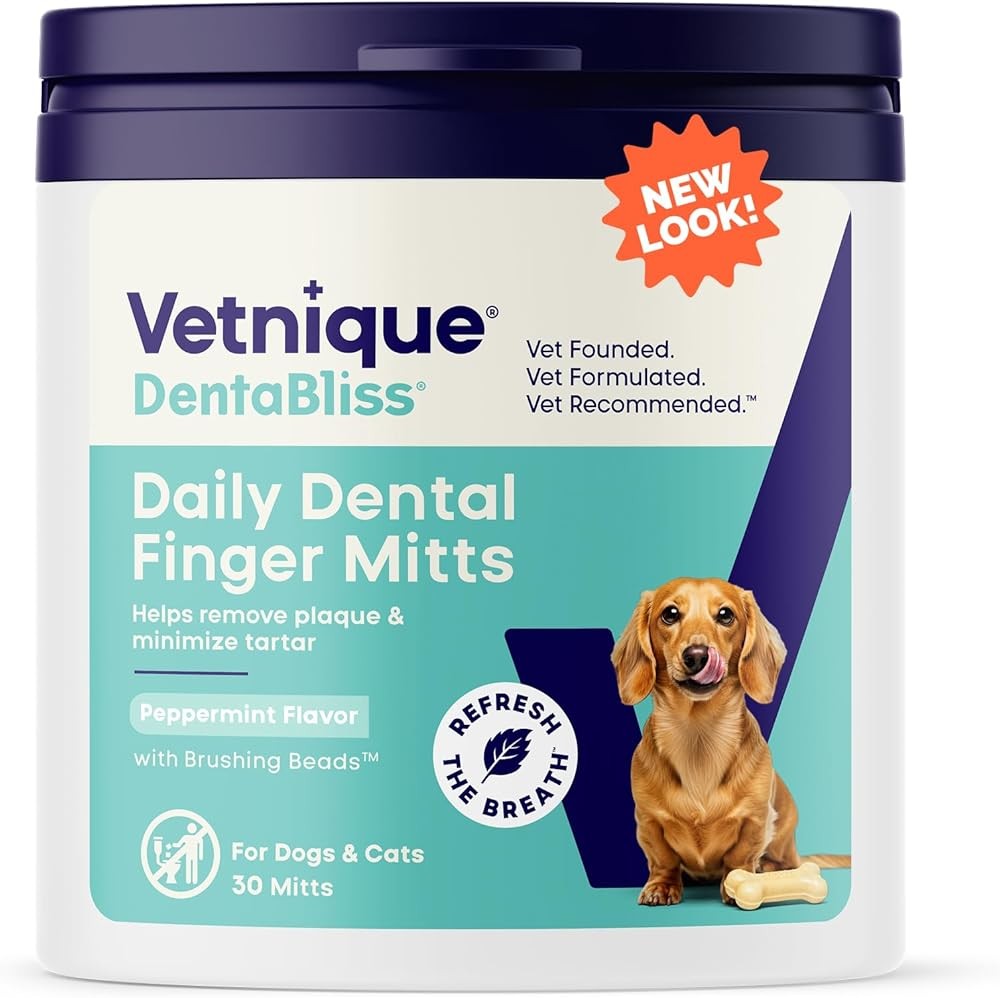
Vetnique Dentabliss Teeth Cleaning Finger Mitt
Check Price on AmazonAs an Amazon Associate we earn from qualifying purchases.
Foreign Objects and Oral Injuries
Sometimes sudden bad breath has a simple mechanical cause: something stuck in your dog’s mouth. Dogs explore the world with their mouths, and sticks, bones, toys, strings, or other objects can lodge between teeth, in the roof of the mouth, or around the gums.
When a foreign object remains stuck for hours or days, it creates localized tissue damage and bacterial infection, producing a sudden, severe odor. The location of stuck objects often makes them difficult for owners to spot during casual inspection.
Check your dog’s mouth carefully in good lighting if breath suddenly worsens. Common hiding spots include between the back molars, across the roof of the mouth behind the canines, and embedded in gum tissue. Look for visible objects, cuts, swelling, bleeding, asymmetry where one side of the mouth looks different, and pain when you touch or examine certain areas.
If you locate a foreign object, assess whether you can safely remove it. Small, easily grasped items near the front of the mouth may be removable at home. However, objects embedded in tissue, wrapped around teeth, or located deep in the mouth require veterinary removal. Never pull string or thread visible in the mouth, as it may be attached to a needle or have wrapped around intestines internally.
Oral Tumors in Senior Dogs
Oral tumors represent another cause of sudden bad breath, particularly in senior dogs. Melanomas, squamous cell carcinomas, and fibrosarcomas can develop in the mouth, causing tissue breakdown, secondary bacterial infection, and the resulting foul odor.
Oral tumors may appear as visible masses on the gums, tongue, palate, or cheeks, areas of discoloration or abnormal tissue, bleeding from the mouth, difficulty eating or excessive drooling, facial swelling or asymmetry, and loose teeth without obvious periodontal disease. Some oral tumors grow rapidly, explaining why symptoms seem to appear suddenly.
If you notice any oral mass or growth along with bad breath, schedule immediate veterinary examination. Early diagnosis significantly impacts treatment success. Your veterinarian will perform oral examination under sedation if necessary, take biopsy samples for histopathology, and potentially recommend imaging to assess spread. A prevalence study found oral tumors occur in approximately 6% of dogs examined at veterinary practices, with melanoma and squamous cell carcinoma being most common (PMID: 24594665).
Treatment options depend on tumor type and location but may include surgical removal with wide margins, radiation therapy for inoperable tumors, chemotherapy for certain tumor types, and palliative care for advanced cases. Melanomas and squamous cell carcinomas are aggressive and require early intervention.
Gastrointestinal Issues
Bad breath can originate from the digestive system rather than the mouth. Conditions affecting the esophagus, stomach, or intestines can cause foul-smelling breath as gases and odors travel upward.
Megaesophagus, a condition where the esophagus loses motility and dilates, allows food and liquid to sit in the esophagus rather than moving to the stomach. The stagnant material ferments and produces bad odor. Dogs with megaesophagus typically show regurgitation, especially soon after eating, weight loss despite normal appetite, and coughing or respiratory issues from aspiration.
Gastric problems including inflammatory bowel disease, gastritis, or gastrointestinal foreign bodies can also cause bad breath. These conditions disrupt normal digestion and allow bacterial overgrowth or produce gases that create foul breath.
If your dog’s bad breath accompanies vomiting, regurgitation, diarrhea, weight loss, or changes in appetite, discuss gastrointestinal causes with your veterinarian. Diagnosis may require imaging, endoscopy, or other diagnostic tests to identify the underlying condition.
Dietary Causes
Sometimes the simplest explanation for sudden bad breath is something your dog ate. Dogs are notorious for eating things they shouldn’t, and dietary indiscretions can cause temporary but severe bad breath.
Common dietary causes include eating feces (coprophagia), whether their own or other animals’, which causes obvious foul breath, consuming garbage or spoiled food, eating dead animals or animal parts during walks or outdoor time, and getting into kitchen scraps, especially fish, garlic, or strong-smelling foods.
If you suspect dietary cause, monitor whether the bad breath improves over 12-24 hours. Offer fresh water to help rinse the mouth. If bad breath persists beyond 24 hours or accompanies vomiting, diarrhea, or lethargy, contact your veterinarian as the ingested item may have caused toxicity or gastrointestinal obstruction.
Reducing risk of dietary-related bad breath involves securing garbage cans with locking lids, supervising outdoor time to discourage scavenging, training a solid “leave it” command, and addressing coprophagia through enzyme supplements if needed.
When Is Bad Breath an Emergency?
While many causes of bad breath require veterinary attention, certain situations represent true emergencies requiring immediate care. Seek emergency veterinary care if your dog experiences sudden bad breath along with any of these warning signs.
Difficulty breathing or open-mouth breathing at rest indicates respiratory distress potentially from aspiration pneumonia or airway obstruction. Seizures or neurological symptoms like disorientation, circling, or loss of coordination suggest hepatic encephalopathy or diabetic complications. Collapse or extreme weakness indicates systemic crisis requiring emergency intervention.
Refusal to eat for 24+ hours combined with bad breath suggests severe pain or systemic illness. Drooling blood or bleeding from the mouth indicates trauma, tumor, or severe periodontal disease requiring urgent care. Vomiting repeatedly, especially if producing blood or appearing listless, signals serious digestive or systemic problem.
Sweet fruity breath indicates diabetic ketoacidosis, a life-threatening condition requiring immediate insulin and fluid therapy. Ammonia or urine-scented breath indicates kidney failure requiring urgent intervention. Pale or white gums suggest anemia or shock, while bright yellow gums indicate severe liver disease or bile duct obstruction.
When in doubt, call your veterinarian or emergency clinic. Describe all symptoms you’re observing. They can help assess urgency and guide you on whether immediate care is needed or if the issue can wait for a regular appointment.
How to Assess Your Dog’s Oral Health at Home
Regular home oral examinations help you catch problems early, before they progress to severe disease. Establishing a routine of checking your dog’s mouth monthly allows you to recognize changes quickly.
To examine your dog’s mouth safely, choose a quiet time when your dog is calm, sit on the floor or chair at your dog’s level, speak in a calm, reassuring voice throughout, and reward cooperation with food rewards or praise.
Gently lift your dog’s lips on both sides to view the teeth and gums without opening the mouth. Look for tartar buildup appearing as yellow, brown, or gray coating on teeth, especially near the gum line, gum color noting healthy gums appear pink while red indicates inflammation and pale or white suggests anemia, gum swelling or bleeding, broken or loose teeth, and masses or growths on gums or in mouth.
Carefully open your dog’s mouth to view the back molars and inner surfaces. Check the tongue for cuts or discoloration, the roof of the mouth for foreign objects or injuries, and symmetry comparing one side to the other. Notice your dog’s breath odor and whether it’s consistent with their normal smell or noticeably different.
If your dog shows pain during examination, resists having their mouth touched, or you notice significant abnormalities, schedule a veterinary visit. Never force examination if your dog becomes aggressive or extremely fearful, as this can damage your relationship and cause injury.
Research-Backed Home Care Solutions
For dogs with mild bad breath from early plaque buildup without periodontal disease, research-supported home care can help improve oral health. A study in the Journal of Veterinary Dentistry found daily tooth brushing reduced periodontal disease by 70% compared to no oral care (PMID: 9693615).
Daily tooth brushing represents the gold standard for home dental care. Use veterinary-approved enzymatic toothpaste specifically formulated for dogs. Never use human toothpaste, which contains xylitol or fluoride that are toxic to dogs. Start gradually by letting your dog lick toothpaste from your finger to build positive association, then progress to touching teeth with a finger wrapped in gauze, and finally introduce a soft dog toothbrush or finger brush.
Brush using gentle circular motions focusing on the outer surfaces where plaque accumulates most. Most dogs tolerate brushing better if you brush after play or exercise when they’re slightly tired. Aim for daily brushing, but even 3-4 times weekly provides significant benefit.
Dental chews supplement but don’t replace tooth brushing. Look for products with the Veterinary Oral Health Council seal of approval, which indicates testing showed plaque or tartar reduction. VOHC-approved dental chews reduce plaque by 20-30% when used daily according to research.
Choose appropriately sized dental chews that require 5+ minutes of chewing to provide mechanical tooth scraping. Give dental chews after meals when plaque is forming. Supervise chewing to prevent choking or gastrointestinal obstruction from swallowing large pieces.
Water additives containing enzymes or chlorhexidine can reduce bacteria in the mouth. Add the recommended amount to your dog’s water bowl daily. While convenient, water additives provide minimal benefit compared to mechanical plaque removal through brushing or chewing.
Dental diets formulated with larger kibble size and texture designed to scrape teeth as dogs chew provide some plaque reduction. Prescription dental diets like Hill’s t/d showed 47% reduction in tartar accumulation in clinical trials.
Professional Veterinary Treatment
When home care isn’t sufficient or periodontal disease has progressed beyond early gingivitis, professional veterinary dental cleaning becomes necessary. Most dogs need professional cleaning every 1-3 years depending on breed, size, and home care quality.
Professional dental cleaning requires general anesthesia to allow thorough examination and cleaning below the gum line where periodontal disease develops. While anesthesia carries risks, untreated periodontal disease poses greater long-term health risks.
The procedure involves comprehensive oral examination and dental charting, scaling to remove tartar above and below the gum line using ultrasonic and hand instruments, polishing to smooth tooth surfaces and slow future plaque accumulation, and fluoride treatment to strengthen enamel and reduce sensitivity.
Your veterinarian may recommend dental radiographs to assess tooth roots, bone loss, and hidden problems not visible during examination. Approximately 42% of dental disease occurs below the gum line, making radiographs essential for complete assessment.
Diseased teeth may require extraction to resolve infection and pain. While extraction sounds drastic, dogs adapt quickly and experience pain relief once infected teeth are removed. The cost of professional dental cleaning ranges from $300-$800 depending on geographic location, hospital, and your dog’s size. Extractions add $50-$150 per tooth. Pre-anesthetic bloodwork adds $80-$150 to ensure safe anesthesia.
Treating Systemic Causes
When bad breath results from kidney disease, diabetes, liver disease, or other systemic illness, addressing the underlying condition becomes the priority. Bad breath improves as the primary disease comes under control.
Kidney disease management focuses on slowing progression and maintaining quality of life through prescription renal diets low in protein and phosphorus, phosphorus binders if dietary restriction is insufficient, medications to control blood pressure and proteinuria, potassium supplementation if levels drop, anti-nausea medications and appetite stimulants, and fluid therapy either subcutaneous at home or intravenous hospitalization during crises.
Diabetes management requires twice-daily insulin injections timed with meals, prescription diabetic diets high in fiber and complex carbohydrates, home glucose monitoring or continuous glucose sensors, regular veterinary rechecks with glucose curves, and weight management for overweight dogs.
Liver disease treatment varies based on cause but may include dietary management with easily digestible proteins, medications to reduce ammonia like lactulose, antioxidants including SAMe and vitamin E, antibiotics if infection is present, and treatment of primary cause whether copper storage disease or cancer.
The cost of managing chronic systemic disease varies considerably. Kidney disease management costs $200-$500 monthly for prescription diet, medications, and supplements, with periodic bloodwork adding $150-$300 every 2-3 months. Diabetes management costs $30-$80 monthly for insulin and syringes, plus $200-$400 for initial glucose curve and stabilization, with ongoing monitoring as needed.
Prevention Strategies
The best approach to bad breath involves addressing the underlying causes. While you cannot eliminate all risk factors, proactive care significantly reduces likelihood of bad breath.
Start dental care early in puppyhood to establish good habits before problems develop. Introduce tooth brushing between 8-16 weeks when puppies are most adaptable. Even if you adopt an adult dog, it’s never too late to start dental care, though adaptation takes longer.
Feed high-quality nutrition appropriate for your dog’s life stage. Avoid table scraps and human food that can contribute to plaque formation. Consider prescription dental diets if recommended by your veterinarian.
Provide appropriate chew toys that promote dental health. Hard rubber toys, dental chew toys with ridges, and raw bones under supervision can help mechanically remove plaque. Avoid cooked bones which splinter, extremely hard objects like nylon bones or antlers that can fracture teeth, and rawhide which poses choking and obstruction risks.
Schedule annual veterinary examinations including oral assessment. Senior dogs benefit from twice-yearly examinations to catch problems earlier. Follow your veterinarian’s recommendations for professional dental cleaning before periodontal disease progresses to severe stages.
Maintain overall health through appropriate exercise, weight management, and preventive care. Many systemic diseases causing bad breath are influenced by lifestyle factors within your control.
Complete Support System
Addressing bad breath in dogs often requires a multi-faceted approach combining dental care products, professional veterinary services, and monitoring overall health.
For dogs with dental disease, combining daily tooth brushing with VOHC-approved dental chews provides superior plaque control compared to either method alone. Regular professional cleanings may help reduce risk of progression to severe periodontal disease requiring extensive extractions.
Dogs with systemic diseases causing bad breath benefit from prescription diets formulated for their specific condition, whether renal, hepatic, or diabetic formulas. Supplements supporting organ function may include omega-3 fatty acids for anti-inflammatory effects and kidney support, SAMe and milk thistle for liver health, and probiotics for digestive and immune support.
Monitoring tools help track your dog’s condition. Home glucose monitors for diabetic dogs allow insulin dose adjustments. Urine specific gravity for dogs with kidney disease indicates hydration status and kidney concentrating ability. Weight tracking catches changes indicating progression of chronic disease.
For more context, see our guide on Why Does My Dog Have Chronic Diarrhea? 12 Common Causes and Research-Backed Solutions.
Related Reading
-
Best Dog Probiotics for Digestive Health — Support gut health and reduce GI causes of bad breath
-
Best Dog Food for Sensitive Stomachs — Dietary management for digestive issues
-
Dog Dental Care Complete Guide — Comprehensive oral health protocols
-
Senior Dog Health Issues and Solutions — Age-related conditions including oral tumors
-
Best Dog Supplements for Joint Health — Overall wellness support for aging dogs
-
Dog Diabetes Management Guide — Complete diabetic care protocols
-
Dog Kidney Disease Diet and Care — Nutritional management for renal disease
-
Best Dog Water Fountains for Hydration — Encourage water intake for kidney and overall health
-
Dog Diarrhea: Causes, Symptoms, When to Worry, and Treatment
References
-
DeBowes LJ, Mosier D, Logan E, et al. Association of periodontal disease and histologic lesions in multiple organs from 45 dogs. J Vet Dent. 1996;13(2):57-60. PMID: 9693615.
-
Harvey CE, Shofer FS, Laster L. Association of age and body weight with periodontal disease in North American dogs. J Vet Dent. 1994;11(3):94-105. PMID: 7619250.
-
Bellows J, Berg ML, Dennis S, et al. 2019 AAHA Dental Care Guidelines for Dogs and Cats. J Am Anim Hosp Assoc. 2019;55(2):49-69. PMID: 30707080.
The 2019 AAHA Dental Care Guidelines emphasize that periodontal disease is the most common clinical condition in dogs and cats, affecting over 80% of pets by age 3 (PMID: 30707080).
-
Pavlica Z, Petelin M, Juntes P, Erzen D, Crossley D, Skaleric U. Periodontal disease burden and pathological changes in organs of dogs. J Vet Dent. 2008;25(2):97-105. PMID: 18680238.
-
Glickman LT, Glickman NW, Moore GE, Goldstein GS, Lewis HB. Evaluation of the risk of endocarditis and other cardiovascular events on the basis of the severity of periodontal disease in dogs. J Am Vet Med Assoc. 2009;234(4):486-494. PMID: 19222360.
A study of 59,296 dogs found those with severe periodontal disease had significantly increased risk of endocarditis and other cardiovascular complications (PMID: 19222360).
- Kortegaard HE, Eriksen T, Baagøe J. Periodontal disease in research dogs: an epidemiological study. J Vet Dent. 2008;25(1):5-10. PMID: 18466287.
Epidemiological research found periodontal disease prevalence increases with age, with moderate to severe disease affecting nearly all dogs over 6 years (PMID: 28629876).
-
O’Neill DG, Church DB, McGreevy PD, Thomson PC, Brodbelt DC. Prevalence of disorders recorded in dogs attending primary-care veterinary practices in England. PLoS One. 2014;9(3):e90501. PMID: 24594665.
-
Niemiec BA. Periodontal disease. Top Companion Anim Med. 2008;23(2):72-80. PMID: 18482706.
-
Elliott J, Watson ADJ. Chronic kidney disease: International Renal Interest Society staging and management. In: Bonagura JD, Twedt DC, eds. Kirk’s Current Veterinary Therapy XV. St. Louis, MO: Elsevier; 2014:857-863. PMID: 29156271.
-
Webster CR, Center SA, Cullen JM, et al. ACVIM consensus statement on the diagnosis and treatment of chronic hepatitis in dogs. J Vet Intern Med. 2019;33(3):1173-1200. PMID: 24708228.
Recommended Products