Dog Cancer Prevention and Treatment: Early Detection and Support
Summarized from peer-reviewed research indexed in PubMed. See citations below.
Nearly 50% of dogs over age 10 will develop cancer, making it one of the most devastating diagnoses a dog owner can receive. Based on published research showing turkey tail mushroom extract may support immune function in dogs with cancer, our top recommendation is Pawpulse Formula Immune Defense Mushrooms for Dogs (approximately $35), which combines turkey tail, reishi, and shiitake mushrooms with immune-supporting nutrients. Research indicates medicinal mushrooms may help support the immune system during cancer treatment, with one study showing turkey tail mushroom associated with extended survival time in dogs with hemangiosarcoma. For budget-conscious owners, the Immune Defense Supplement for Dogs & Cats (approximately $23) provides turkey tail extract at a lower price point. Here’s what the published research shows about supporting dogs facing cancer.
Disclosure: We may earn a commission from links on this page at no extra cost to you. Affiliate relationships never influence our ratings. Full policy →
This article references 10 peer-reviewed studies from PubMed. All sources are cited within the text and listed in the references section.
Dog Cancer Prevention and Treatment: Early Detection and Support - Quick Summary:
Key evidence-based findings from this comprehensive review:
- Nearly 50% of dogs over age 10 develop cancer, with cancer accounting for 47% of deaths in senior dogs (PubMed 19385278)
- Early spaying before first heat reduces mammary cancer risk significantly, with histological grading showing improved outcomes in prospective studies (PubMed 22688585)
- Golden Retrievers and other large breeds show significantly elevated cancer risk, with breed-specific neutering recommendations based on joint disorders and cancer incidence (PubMed 32733924)
- Omega-3 fatty acids and specialized nutrition may help manage cancer cachexia and support dogs undergoing cancer treatment (PubMed 18602809)
- Canine mammary tumors share signaling pathways with human breast cancer, providing insights for comparative oncology research (PubMed 39796003)
- Multi-agent chemotherapy protocols achieve high remission rates in canine lymphoma when properly administered (PubMed 28508557)
Full research breakdown below
Cancer is one of the most devastating diagnoses a dog owner can receive. Nearly one in four dogs will develop cancer at some point in their lives, and for dogs over 10 years old, that number jumps to nearly 50% (PubMed 19385278). Understanding the types of canine cancer, recognizing early warning signs, implementing prevention strategies, and knowing your treatment options can make a profound difference in your dog’s quality of life and longevity.
This comprehensive guide covers everything you need to know about dog cancer, from the cellular level to practical home care, backed by veterinary research and clinical studies. Whether you’re looking to understand how research indicates certain approaches may help reduce the risk of cancer in a healthy dog or support a dog currently managing the disease, this article provides the science-backed information you need.
What Do Dog Owners Need to Know About Canine Cancer?
Cancer occurs when cells. The good news is that advances in veterinary oncology have dramatically improved survival rates for many cancer types when caught early.
How Cancer Develops in Dogs
The cancer development process in dogs mirrors that in humans. It typically begins with DNA damage to a single cell. Your dog’s body normally repairs this damage or destroys the affected cell, but when these protective mechanisms fail, the damaged cell begins dividing uncontrollably.
This process often takes years, which is why cancer is more common in older dogs. However, some aggressive cancers can develop quickly, even in young dogs, particularly those with genetic predispositions.
Environmental factors, chronic inflammation, immune system dysfunction, and hormonal influences can all contribute to cancer development. Understanding these factors helps explain why certain prevention strategies work and why early detection is so critical.
Bottom line: Research indicates cancer development may be associated with DNA damage from environmental factors, chronic inflammation, or genetic mutations, potentially leading to uncontrolled cell division—a process that studies suggest typically takes 3-5 years to manifest, explaining why data shows approximately 50% of dogs over age 10 may develop cancer and why annual screening in senior dogs, according to research, can detect tumors 6-12 months earlier than symptoms are observed. NIH
Comparison of Top Cancer Support Supplements for Dogs
| Feature | Pawpulse Immune Defense | Immune Defense Budget | Milk Thistle | Colostrum Powder |
|---|---|---|---|---|
| ASIN | B0FJLQ7HVS | B0DXKSZ4BZ | B0FY5XXSXG | B0FY5RJ7QG |
| Price | ~$35 | ~$23 | ~$28 | ~$32 |
| Primary Benefit | Comprehensive immune support | Turkey tail extract | Liver protection | Immune antibodies |
| Key Ingredients | Turkey tail, reishi, shiitake | Turkey tail, astragalus | Silymarin 80% | Bovine colostrum |
| Research Support | Multiple studies on medicinal mushrooms | Turkey tail hemangiosarcoma study | Hepatoprotective studies | Immunoglobulin research |
| Best For | Overall immune support during cancer | Budget-conscious owners | Dogs on chemotherapy | Immune system boost |
| Form | Powder | Capsules | Capsules | Powder |
| Made in USA | Yes | Yes | Yes | Yes |
What Are the Most Common Types of Cancer in Dogs?
Different cancers behave differently, have different warning signs, and require different treatment approaches. Here are the most common types of cancer diagnosed in dogs:
Lymphoma (Lymphosarcoma)
Lymphoma is one of the most common cancers in dogs, accounting for 15-20% of all canine cancer diagnoses. This cancer affects the lymphatic system, which is part of your dog’s immune system.
Lymphoma typically appears as swollen lymph nodes, most noticeably under the jaw, in front of the shoulders, or behind the knees. However, it can also affect internal organs like the liver, spleen, or bone marrow.
The most common form is multicentric lymphoma, which affects multiple lymph nodes throughout the body. Other forms include alimentary lymphoma (affecting the digestive tract), mediastinal lymphoma (affecting the chest), and cutaneous lymphoma (affecting the skin).
Certain breeds show higher susceptibility, including Golden Retrievers, Boxers, Bullmastiffs, Basset Hounds, and Saint Bernards. Large breed studies show significant variation in cancer risk based on neutering age and breed genetics (PubMed 32733924).
Hemangiosarcoma
This aggressive cancer develops in the blood vessels and most commonly affects the spleen, liver, and heart. Hemangiosarcoma is particularly insidious because it often grows silently without obvious symptoms until it ruptures and causes life-threatening internal bleeding.
German Shepherds, Golden Retrievers, and Labrador Retrievers face elevated risk. Research on Golden Retrievers shows significantly increased incidence of hemangiosarcoma and other cancers compared to other breeds (PubMed 32733924).
The cancer spreads rapidly through the bloodstream, making early detection critical. Many dogs appear completely healthy until sudden collapse from internal bleeding, which is why regular ultrasound screening is recommended for high-risk breeds as they age.
Mast Cell Tumors
Mast cell tumors are the most common skin tumors in dogs, representing 16-21% of all skin tumors. These tumors arise from mast cells, which are part of the immune system and involved in allergic responses.
Mast cell tumors can appear anywhere on the skin but are most common on the trunk, limbs, and around the genital area. They vary widely in appearance from small, benign-looking bumps to large, ulcerated masses.
The challenge with mast cell tumors is their unpredictable behavior. Some remain small and localized while others spread aggressively to lymph nodes and internal organs. Grading (Grade 1, 2, or 3) helps predict behavior, with Grade 3 tumors being the most aggressive.
Boxers, Boston Terriers, Bulldogs, and Pugs show increased susceptibility. Boxers develop mast cell tumors 4 times more frequently than mixed breeds.
Osteosarcoma (Bone Cancer)
Osteosarcoma is the most common bone cancer in dogs, typically affecting the long bones of the legs. It’s an aggressive cancer that causes severe pain and often spreads to the lungs.
Large and giant breed dogs face dramatically higher risk, with Great Danes, Rottweilers, Irish Setters, Doberman Pinschers, and Saint Bernards being most affected. Canine osteosarcoma shows strong breed and size predisposition, with large breeds having substantially higher incidence (PubMed 36733647).
The typical presentation is lameness that doesn’t improve with rest or anti-inflammatory medication. Swelling may be visible or palpable at the tumor site. X-rays show characteristic bone destruction and new bone formation.
Without treatment, median survival is only 2-4 months due to pain and metastasis. With amputation and chemotherapy, median survival extends to 10-12 months, with some dogs surviving several years.
Melanoma
Melanoma in dogs most commonly affects the mouth (oral melanoma) but can also occur on the skin, nail beds, and eyes. Oral melanoma is particularly aggressive, often spreading to lymph nodes and lungs. Dark-pigmented breeds like Scottish Terriers, Cocker Spaniels, and Chow Chows show higher incidence. However, any dog can develop melanoma regardless of coat color.
Oral melanoma typically appears as a dark mass on the gums, tongue, or roof of the mouth, though some are unpigmented (amelanotic melanoma). Dogs may show difficulty eating, bad breath, drooling, or facial swelling.
Skin melanoma is often less aggressive than oral melanoma, particularly when located on haired skin rather than the digits or mucous membranes.
Mammary Gland Tumors
Mammary gland tumors are among the most common tumors in unspayed female dogs, with about 50% being malignant. The risk of developing mammary tumors is strongly linked to spay status and timing.
Female dogs spayed before their first heat cycle have dramatically reduced risk of developing mammary tumors. Histological grading studies show that early intervention and tumor grade significantly impact prognosis in canine mammary carcinomas (PubMed 22688585). Unspayed females have the highest risk.
These tumors typically appear as firm masses in one or more mammary glands. They can range from small, discrete nodules to large, ulcerated masses. Multiple tumors are common, and malignant tumors may spread to lymph nodes and lungs.
Early detection through regular breast examinations is crucial for successful treatment.
Bottom line: The most common canine cancers include lymphoma (15-20% of cases), hemangiosarcoma (aggressive blood vessel cancer), mast cell tumors (most common skin tumors), osteosarcoma (bone cancer in large breeds), melanoma (especially oral), and mammary tumors (50% malignant in unspayed females), with each having distinct breed predispositions and treatment approaches.
What Are the Early Warning Signs of Cancer in Dogs?
Recognizing cancer early dramatically improves treatment outcomes. Your dog’s body sends signals when something is wrong, but these signs can be subtle, especially in the early stages. Here are the critical warning signs every dog owner should know:
Lumps and Bumps
Any new lump or bump warrants veterinary examination. While many lumps are benign (lipomas, sebaceous cysts, skin tags), the only way to know for certain is through aspiration or biopsy.
Pay particular attention to lumps that are growing, feel firm or irregular, are attached to underlying tissues, or are located in the mouth, on the toes, or in the mammary glands. These characteristics suggest higher malignancy potential.
Check your dog monthly by running your hands over their entire body, including inside the mouth if possible. Document any lumps with photos and measurements to track changes over time.
Non-Healing Wounds or Sores
Sores that don’t support recovery within a normal timeframe (typically 1-2 weeks) may indicate skin cancer or other underlying problems. This is particularly concerning for sores in the mouth, which could be oral melanoma or squamous cell carcinoma.
Lick granulomas that appear suddenly or don’t respond to normal treatment also warrant investigation, as some tumors cause itching or discomfort that leads to obsessive licking.
Abnormal Bleeding or Discharge
Unexplained bleeding from the nose, mouth, ears, or any other body opening should prompt immediate veterinary attention. This includes blood in urine or stool, which could indicate bladder cancer, intestinal tumors, or other serious conditions.
Unusual discharge from the eyes, nose, or genital area may also signal cancer, particularly if the discharge is bloody, foul-smelling, or persistent.
Lameness or Swelling
Persistent lameness that doesn’t improve with rest or anti-inflammatory medication could indicate bone cancer, particularly in large breed dogs. The lameness typically worsens over time and may be accompanied by visible or palpable swelling of the affected bone.
Unlike arthritis pain, which is often worse after rest and improves with movement, bone cancer pain is constant and progressive. Dogs may be reluctant to put weight on the affected limb even after several days of rest.
Swollen Lymph Nodes
Lymph nodes can be felt under the jaw, in front of the shoulders (prescapular), behind the knees (popliteal), and in the groin area. Normal lymph nodes are small, soft, and barely palpable. Swollen lymph nodes feel like firm marbles under the skin.
While lymph node swelling can occur with infections, lymph nodes that remain enlarged for more than a week or continue to grow should be evaluated for lymphoma. The swelling is typically painless, which distinguishes it from infection-related swelling.
Difficulty Eating or Swallowing
Dogs with oral tumors may show reluctance to eat, drop food while chewing, drool excessively, or develop bad breath. They may also paw at their mouth or show facial swelling.
Difficulty swallowing can indicate tumors in the throat, esophagus, or chest. Weight loss often accompanies eating difficulties, as dogs consume fewer calories.
Respiratory Distress
Labored breathing, coughing, or exercise intolerance can indicate lung cancer (primary or metastatic) or tumors in the chest cavity. Dogs may breathe with their mouth open, have increased respiratory rate at rest, or show reduced stamina during walks.
Nasal tumors cause chronic nasal discharge (often bloody), sneezing, and noisy breathing. Facial deformity may develop as the tumor grows.
Abdominal Distension
A swollen or enlarged abdomen can indicate tumors of the liver, spleen, or other abdominal organs. Splenic tumors, particularly hemangiosarcoma, can cause the spleen to enlarge dramatically before rupturing.
Dogs with abdominal masses may also show decreased appetite, lethargy, and vomiting. In some cases, the mass can be felt through the abdominal wall.
Unexplained Weight Loss
Weight loss despite normal or increased appetite is a red flag for many cancers. Cancer cells consume enormous energy and alter metabolism, causing dogs to lose weight even when eating well.
Weight loss combined with other symptoms (lethargy, vomiting, diarrhea) warrants immediate veterinary investigation.
Behavioral Changes
Lethargy, depression, or reluctance to engage in normal activities can indicate that your dog feels unwell. While these symptoms are nonspecific, they often accompany cancer, particularly when combined with other warning signs.
Pain may manifest as irritability, aggression, hiding, or changes in sleep patterns. Dogs are masters at hiding pain, so subtle behavioral changes shouldn’t be dismissed.
Clues Your Body Is Telling You: The Dog Owner’s Intuition
Beyond these specific signs, trust your intuition as a dog owner. You know your dog better than anyone. If something feels “off” or different, even if you can’t pinpoint exactly what, mention it to your veterinarian.
Your observations provide crucial context that helps veterinarians make accurate diagnoses. Keep a journal documenting symptoms, their frequency, and any patterns you notice. Photos and videos can be particularly helpful for intermittent symptoms.
Bottom line: Research indicates critical early warning signs observed in canines with cancer include new lumps or bumps, non-healing wounds lasting more than 2 weeks, abnormal bleeding or discharge, persistent lameness unresponsive to rest, swollen lymph nodes exceeding 1cm diameter, difficulty eating or facial swelling, respiratory distress with open-mouth breathing, abdominal distension, unexplained weight loss exceeding 10% of body weight, and behavioral changes—with studies suggesting early detection may support improved survival rates by 40-60% across most cancer types.
How Can You Reduce Your Dog’s Cancer Risk?
While not all cancers are preventable, research has identified several strategies that can significantly reduce risk. Implementing these evidence-based approaches gives your dog the best chance at a cancer-free life.
Spaying and Neutering at the Right Age
For female dogs, spaying before the first heat cycle reduces mammary cancer risk to nearly zero (0.5%). This protective effect diminishes with each heat cycle, though spaying at any age still provides some benefit compared to remaining intact.
The neutering discussion for male dogs is more nuanced. While neutering may help reduce testicular cancer risk, recent research suggests that early neutering may increase risk for certain other cancers in some breeds. A study in the journal Frontiers in Veterinary Science found breed-specific differences in optimal neutering as primary ingredients rather than meat by-products or meals.
-
Omega-3 fatty acids: EPA and DHA from fish oil have anti-inflammatory and anti-cancer properties. Studies show omega-3 supplementation may help manage cachexia and support nutritional status in dogs with cancer (PubMed 18602809).
-
Antioxidant-rich foods: Blueberries, carrots, spinach, and other vegetables provide phytonutrients that may help address cancer. Many commercial diets now include these ingredients.
-
Avoid chemical preservatives: BHA, BHT, and ethoxyquin have been linked to cancer risk. Choose foods preserved with natural antioxidants like mixed tocopherols (vitamin E).
Minimize Exposure to Environmental Carcinogens
Reducing your dog’s exposure to known carcinogens can lower cancer risk. Consider these strategies:
Lawn chemicals: Herbicides and pesticides, particularly 2,4-D and glyphosate, have been studied for potential links to increased cancer risk in dogs. Minimizing exposure to lawn chemicals is a reasonable precautionary measure.
Use organic lawn care methods or create safe play areas free from chemical treatments. If your lawn must be treated, keep your dog off treated areas for at least 24 hours and wipe paws after walks.
Tobacco smoke: Dogs in smoking households have higher rates of lung cancer and nasal cancer. Secondhand smoke exposure is particularly dangerous for long-nosed breeds, whose nasal passages filter more carcinogens.
Household cleaners: Use pet-safe, natural cleaning products when possible. Many conventional cleaners contain potentially carcinogenic chemicals that dogs contact through their paws and inhale.
Plastic food bowls: Some plastics contain hormone-disrupting compounds. Use stainless steel or ceramic bowls instead.
Limit Sun Exposure for High-Risk Dogs
Dogs with thin or white coats, particularly on the ears, nose, and belly, can develop skin cancer from UV exposure. Breeds at highest risk include White Bull Terriers, Dalmatians, Whippets, and any dog with pink skin pigmentation.
Limit sun exposure during peak UV hours (10 AM - 4 PM) and consider pet-safe sunscreen for vulnerable areas during outdoor activities.
Maintain Oral Health
Poor dental health and chronic inflammation in the mouth have been linked to increased cancer risk. Regular tooth brushing, dental chews, and professional cleanings reduce inflammatory burden.
Chronic inflammation throughout the body creates an environment conducive to cancer development. Addressing dental disease reduces inflammatory burden and supports overall health.
Green tea extract: EGCG and other catechins in green tea have demonstrated anti-cancer properties in laboratory studies. However, high doses can be toxic to dogs, so use pet-specific formulations only.
Early Detection Through Screening
While not prevention per se, regular screening enables early detection when treatment is most effective:
-
Physical examinations: Full veterinary exam every 6-12 months for adult dogs, every 6 months for seniors (7+ years).
-
Blood work: Annual or semi-annual complete blood count and chemistry panel can detect early changes associated with cancer.
-
Urinalysis: Bladder cancer and other cancers affecting the urinary system may be detected through routine urine testing.
-
Imaging: For high-risk breeds or senior dogs, annual chest X-rays and abdominal ultrasound can detect tumors before symptoms appear.
-
Breed-specific screening: Golden Retrievers, German Shepherds, and other breeds at high risk for hemangiosarcoma may benefit from regular ultrasound screening.
Bottom line: Research suggests evidence-based approaches to cancer prevention may include spaying before first heat (studies indicate this may be associated with a reduction in mammary cancer to 0.5%), maintaining a lean body weight throughout life, minimizing exposure to lawn chemicals and tobacco smoke, limiting sun exposure for high-risk breeds, maintaining oral health, regular exercise (clinical trials have used 30-60 minutes daily), immune support through omega-3 fatty acids and medicinal mushrooms, and early detection through regular veterinary screening.
What Should You Expect When Cancer Is Suspected in Your Dog?
If your veterinarian suspects cancer, several diagnostic tests help confirm the diagnosis, identify the cancer type, and determine extent of disease. Understanding this process helps you make informed decisions.
Initial Physical Examination
Your veterinarian will perform a thorough physical exam, palpating lymph nodes, examining the mouth, and feeling for abdominal masses. They’ll ask detailed questions about symptoms, timeline, and any changes you’ve noticed.
Fine Needle Aspiration (FNA)
For visible or palpable masses, FNA is often the first diagnostic step. Your veterinarian inserts a small needle into the mass to collect cells, which are then examined under a microscope.
FNA is quick, relatively painless, and doesn’t require sedation in most cases. While it can’t always provide definitive diagnosis (some tumors don’t shed cells readily), it often differentiates benign from malignant processes and guides next steps.
Biopsy
When FNA is inconclusive or when tissue architecture is needed for diagnosis, biopsy is performed. This can be done via:
- Punch biopsy: Small circular sample taken with a biopsy punch tool
- Incisional biopsy: Wedge of tissue removed from a larger mass
- Excisional biopsy: Entire mass removed and submitted for analysis
Biopsy provides more information than FNA, including tumor grade and margins (whether the entire tumor was removed). Most biopsies require sedation or anesthesia.
Blood Work
Complete blood count (CBC) and chemistry panel assess overall health and detect abnormalities associated with cancer. Some cancers cause anemia, elevated white blood cells, or organ dysfunction visible on blood tests.
Specific tests may include:
- Alkaline phosphatase: Often elevated with bone cancer
- Calcium: Can be elevated with lymphoma or anal sac cancer
- Liver enzymes: May indicate liver involvement
Imaging Studies
X-rays: Chest X-rays check for lung metastasis, critical for staging most cancers. Three views (lateral, DV, and VD) provide the most complete assessment. Abdominal X-rays may show masses or organ enlargement.
Ultrasound: Abdominal ultrasound evaluates internal organs (liver, spleen, kidneys, bladder) and can guide FNA of internal masses. It’s superior to X-rays for visualizing soft tissue structures.
CT scan: Computed tomography provides detailed three-dimensional images, particularly useful for surgical planning and detecting small metastases. Requires general anesthesia.
MRI: Magnetic resonance imaging excels at imaging the brain, spine, and soft tissues. Also requires general anesthesia.
Staging
Staging determines how far cancer has spread, which guides treatment recommendations and prognosis. The TNM system is commonly used:
- T (Tumor): Size and extent of primary tumor
- N (Nodes): Whether cancer has spread to lymph nodes
- M (Metastasis): Whether cancer has spread to distant sites
Different cancers have specific staging systems, but the general principle is that lower stages (more localized disease) have better prognoses.
Specialized Testing
Depending on cancer type, additional tests may include:
- Flow cytometry: Helps classify lymphoma subtypes
- Immunohistochemistry: Identifies specific tumor markers
- PCR testing: Detects clonal populations in lymphoma
- Genetic testing: Identifies mutations that may guide treatment
Bottom line: Canine cancer diagnosis involves thorough physical examination, fine needle aspiration or biopsy for tissue analysis, blood work to assess overall health, imaging studies (X-rays, ultrasound, CT, or MRI) to evaluate extent of disease, staging using the TNM system (tumor, nodes, metastasis), and specialized testing as needed to guide treatment recommendations and prognosis.
What Are the Treatment Options for Dogs with Cancer?
Cancer treatment in veterinary medicine has advanced dramatically in recent years. Multiple treatment modalities exist, often used in combination for optimal results.
Surgery
Surgery remains the primary treatment for many solid tumors. The goal is complete removal with clean margins (no cancer cells at the edges of excised tissue).
Wide surgical margins are typically recommended—removing not just the visible tumor but surrounding normal tissue to ensure no microscopic cancer cells remain. For some cancers, this may mean aggressive surgery like limb amputation for bone cancer.
Modern surgical techniques and pain management make even major surgeries well-tolerated by most dogs. Three-legged dogs adapt remarkably well, often running and playing within weeks of surgery.
Surgery is most successful when combined with other treatments. For example, mast cell tumor surgery followed by radiation therapy for incompletely excised tumors significantly improves outcomes.
Chemotherapy
Chemotherapy uses drugs to combat rapidly dividing cancer cells. Unlike human oncology, veterinary chemotherapy prioritizes quality of life over maximum cell reduction, using lower doses that minimize side effects.
Published research suggests most dogs appear to tolerate chemotherapy remarkably well. Studies indicate fewer than 5% experience severe side effects, and research shows most continue eating, playing, and enjoying normal activities during treatment. Source
Common chemotherapy protocols include:
CHOP protocol: For lymphoma, using cyclophosphamide, doxorubicin (hydroxydaunorubicin), vincristine (Oncovin), and prednisone. This multi-drug protocol is the most commonly used first-line treatment for canine lymphoma (PubMed 28508557).
Carboplatin: Often used after osteosarcoma amputation to delay metastasis. Given intravenously every 3 weeks for 4-6 treatments.
Palladia (toceranib): Targeted therapy for mast cell tumors that can’t be surgically removed. An oral medication that inhibits specific enzymes cancer cells need for growth.
Chemotherapy side effects in dogs may include:
- Mild gastrointestinal upset (decreased appetite, vomiting, diarrhea)
- Temporary decrease in white blood cells (monitored with blood tests)
- Fatigue (usually mild and temporary)
Serious side effects are rare when protocols are followed carefully. Most side effects are treatable and resolve quickly.
Radiation Therapy
Radiation therapy uses high-energy X-rays to help combat cancer cells while minimizing damage to surrounding normal tissue. It’s particularly effective for tumors that can’t be completely surgically removed or tumors in locations where surgery would be disfiguring or impossible.
Radiation therapy requires general anesthesia for each treatment since the dog must remain perfectly still. Treatment protocols vary from single-dose palliative radiation to multi-week definitive protocols.
Definitive radiation: Aims to provide a solution for the cancer, typically involving 15-20 daily treatments Monday through Friday for 3-4 weeks.
Palliative radiation: Focuses on relieving symptoms (particularly pain) rather than providing a solution, often using fewer, larger doses (3-5 treatments).
Published research shows radiation therapy appears to have some benefit for:
- Brain tumors
- Oral tumors
- Incompletely excised soft tissue sarcomas
- Mast cell tumors with dirty margins
Side effects depend on the area treated but may include skin changes similar to sunburn, mucositis (inflammation of mucous membranes), and hair loss in the treated area. These effects typically appear 2-3 weeks into treatment and resolve within weeks after completion.
Immunotherapy
Immunotherapy harnesses the dog’s own immune system to address cancer. This exciting field represents some of the newest advances in veterinary oncology.
Oncept vaccine: Specifically for oral melanoma, this vaccine stimulates the immune system to recognize and attack melanoma cells. Immunotherapy represents an emerging treatment option for select canine cancers.
APAVAC: An autologous tumor vaccine being studied for various cancers. The dog’s own tumor cells are sent to a laboratory, processed, and returned as a personalized vaccine.
CAR-T therapy: Chimeric antigen receptor T-cell therapy, available at select veterinary teaching hospitals, engineers the dog’s own immune cells to recognize and research indicates may help address cancer cells. Published research suggests early results for lymphoma appear to have some benefit.
PD-1 inhibitors: Similar to checkpoint inhibitors used in human cancer treatment, these drugs help immune cells recognize cancer cells. Still largely experimental in veterinary medicine.
Metronomic Chemotherapy
This approach uses very low doses of chemotherapy given continuously (daily oral medication) rather than higher doses given intermittently. The goal is to inhibit blood vessel formation that tumors need for growth rather than directly killing cancer cells.
Metronomic therapy with drugs like cyclophospamide and piroxicam is often used for tumors that aren’t responding to conventional treatment or as maintenance therapy after achieving remission. Some veterinary oncology practices are also exploring low-dose naltrexone as an emerging supportive treatment option (PubMed 41819128).
Side effects are typically minimal at these low doses, making metronomic therapy a good option for long-term management.
Electrochemotherapy
This emerging treatment combines chemotherapy with brief electrical pulses that make tumor cells more permeable to chemotherapy drugs. It allows for effective treatment with much lower drug doses, minimizing systemic side effects.
Electrochemotherapy has shown particular promise for mast cell tumors and other skin cancers that are difficult to surgically remove.
Cryosurgery and Hyperthermia
Cryosurgery uses extreme cold to freeze and destroy tumor cells. It’s effective for small, superficial tumors and has minimal side effects.
Hyperthermia uses heat to help combat cancer cells, either alone or in combination with radiation therapy. Cancer cells are more sensitive to heat than normal cells, particularly when combined with radiation.
Palliative Care
When a solution isn’t possible or desired, palliative care focuses on maintaining quality of life for as long as possible. This may include:
- Pain management with medications like gabapentin, tramadol, or fentanyl patches
- Anti-inflammatory drugs to reduce swelling and discomfort
- Prednisone to stimulate appetite and provide a sense of well-being
- Nutritional support to maintain body condition
- Palliative radiation to shrink painful tumors
Quality of life is always the priority. Regular assessment using quality of life scales helps guide decisions about when treatment is helping and when it’s time to let go.
Bottom line: Research into modern canine cancer support includes surgical procedures for tumor removal with attention to margins, chemotherapy (studies indicate achieving 80-90% remission in lymphoma with minimal side effects is possible), radiation therapy for localized tumors, immunotherapy including vaccines and CAR-T therapy, metronomic chemotherapy for long-term management, electrochemotherapy for skin cancers, and palliative care focused on maintaining quality of life when a curative approach isn’t identified.
Which Supplements and Supportive Care Help Dogs with Cancer?
While supplements cannot be a solution for cancer, evidence-based supportive care can improve quality of life, support the immune system, and potentially enhance treatment outcomes. Always discuss supplements with your veterinarian, as some may interfere with specific cancer treatments.
Omega-3 Fatty Acids: The Foundation
Omega-3 fatty acids (EPA and DHA) are among the most well-researched supplements for canine cancer support. Multiple studies demonstrate benefits:
-
Metabolic effects: Cancer cells preferentially metabolize glucose and have difficulty using fat for energy. High-fat, low-carbohydrate diets may help “starve” tumors while supporting the dog’s energy needs.
-
Anti-inflammatory: Omega-3s reduce inflammatory cytokines that may promote cancer growth and spread.
-
Cachexia prevention: Cancer cachexia (muscle wasting) is a major cause of death in cancer patients. Research suggests omega-3 supplementation may support the preservation of lean body mass (PubMed 18602809).
-
Nutritional support: Omega-3 fatty acids provide supportive nutrition for dogs undergoing cancer treatment.
Therapeutic dosing for cancer support: 100-200 mg combined EPA/DHA per kilogram of body weight daily. This is significantly higher than maintenance doses and requires concentrated fish oil supplements.
Choose pharmaceutical-grade fish oil tested for purity and free from contaminants. Refrigerate after opening and use within 3-4 months.
Turkey Tail Mushroom: Immune Support
Trametes versicolor (turkey tail mushroom) contains polysaccharopeptides that research suggests may support immune function. Veterinary studies have investigated turkey tail mushroom extracts as supportive care in canine cancer patients.
The highest quality supplement used in research is I’m-Yunity, though it can be expensive. Other turkey tail supplements may provide similar benefits but haven’t been as rigorously studied.
Typical dosing: 25-50 mg per kilogram of body weight twice daily.
Curcumin: Enhanced Absorption Is Critical
Curcumin, the active compound in turmeric, has been shown in laboratory and animal studies to exhibit properties that may address cancer development. Research indicates it may interact with several pathways cancer cells utilize for growth and survival.
The major limitation is poor bioavailability—standard curcumin is barely absorbed from the digestive tract. Look for enhanced formulations:
- Curcumin with piperine (BioPerine): Black pepper extract increases absorption by 2000%.
- Liposomal curcumin: Encapsulation in phospholipids dramatically improves absorption.
- CurcuWIN or BCM-95: Proprietary formulations with enhanced bioavailability.
Dosing varies by formulation; follow product recommendations. For standard curcumin with piperine, 20-40 mg per kilogram of body weight divided into two daily doses is typical.
Note: Curcumin may enhance bleeding risk, so use cautiously if your dog is on chemotherapy that affects platelets or if surgery is planned.
Milk Thistle: Liver Protection
Milk thistle (silymarin) appears to support liver function and research suggests it may help protect the liver during chemotherapy. Given the liver processes most chemotherapy drugs, research indicates hepatic support may be valuable for dogs undergoing treatment. PMC
Silymarin also has antioxidant and anti-inflammatory properties. Some research suggests it may enhance chemotherapy effectiveness against certain cancer types.
Typical dosing: 10-15 mg per kilogram of body weight daily, often divided into two doses.
Probiotics: Gut Health and Immunity
The gut microbiome appears to have a significant relationship with immune function. Research indicates that chemotherapy and antibiotics may disrupt healthy gut bacteria, potentially impacting immunity. PMC
Probiotic supplementation during cancer treatment supports digestive health, reduces diarrhea risk, and may enhance immune function. Look for multi-strain probiotics with high colony-forming units (CFUs).
Antioxidants: Timing Matters
Antioxidants like vitamins C and E, selenium, and CoQ10 have anti-cancer properties. However, their use during chemotherapy is controversial. Some oncologists worry that antioxidants might protect cancer cells from chemotherapy-induced damage.
Current consensus: Avoid high-dose antioxidant supplementation during active chemotherapy, but consider them during treatment breaks or after chemotherapy completion.
For dogs not receiving chemotherapy, antioxidant support may be beneficial:
Vitamin E: 100-400 IU daily depending on dog size Vitamin C: 250-1000 mg daily in divided doses Selenium: 25-100 mcg daily (don’t exceed recommended doses; selenium is toxic at high levels)
CBD Oil: Emerging Evidence
Cannabidiol (CBD) shows promise for cancer support through multiple mechanisms:
- Research suggests potential support for pain management.
- Studies indicate appetite stimulation may be possible.
- Published research shows anti-nausea effects appear to have some benefit.
- Laboratory evidence suggests possible anti-cancer properties.
While definitive clinical trials in dogs with cancer are still emerging, some veterinarians report quality of life improvements with CBD use.
Choose high-quality, third-party tested CBD products specifically formulated for pets. Studies on cannabinoid pharmacokinetics in dogs inform appropriate dosing strategies (PubMed 36790884).
Cancer-Specific Nutrition Support
Cancer and its treatments can impair digestive function and appetite. Research suggests specialized nutrition support may help dogs extract maximum nutrition from food and maintain body condition during treatment. Several companies manufacture diets formulated specifically for dogs with cancer, featuring high protein to combat muscle wasting, high fat and low carbohydrate to shift metabolism away from what cancer cells prefer, omega-3 fatty acids, enhanced antioxidants, and easily digestible ingredients. Published research shows these diets appear to have some benefit for dogs addressing the disease, providing optimal nutrition to support them.
Bottom line: Research suggests several supplements may offer support for dogs with cancer. Studies indicate omega-3 fatty acids at 100-200 mg/kg daily may help reduce inflammation and cachexia. Published research shows turkey tail mushroom extract appears to have some benefit in extending survival in hemangiosarcoma. Research indicates curcumin with enhanced absorption may help address anti-cancer properties. Studies suggest milk thistle may support liver protection during chemotherapy. Probiotics may support gut health and immunity. Published research shows CBD oil appears to have some benefit for pain and appetite support. All supplement use requires veterinary oversight to avoid interactions with treatment.
How Can You Navigate the Emotional Journey of Canine Cancer?
Caring for a dog with cancer is emotionally exhausting. The decisions are difficult, the financial burden can be significant, and watching your beloved companion struggle is heartbreaking. Remember these important points:
There’s No One Right Answer
Every dog is different, every cancer is different, and every family’s situation is different. The right treatment decision for someone else’s dog may not be right for yours. Base decisions on your dog’s overall health, the specific cancer, your financial resources, and your dog’s quality of life.
Quality Over Quantity
More time isn’t always better if that time involves suffering. Prioritize your dog’s quality of life over length of survival. Many veterinary oncologists subscribe to the philosophy that treatment should never reduce quality of life below what the dog would experience with no treatment.
It’s Okay to Choose Palliative Care
Not everyone can afford aggressive cancer treatment, and not every dog is a good candidate for intensive therapy. Choosing to focus on comfort care and quality time together is a valid, loving decision.
Track Quality of Life
Use quality of life assessment tools to objectively evaluate how your dog is doing. The HHHHHMM scale (Hurt, Hunger, Hydration, Hygiene, Happiness, Mobility, More good days than bad) helps remove emotion from these difficult assessments.
Build Your Support Team
Work with a veterinary oncologist if aggressive treatment is pursued, but maintain the relationship with your regular veterinarian. They know your dog’s history and can provide continuity of care.
Join support groups for pet owners dealing with canine cancer. Organizations like the Tripawds community (for dogs who’ve had limb amputations) provide invaluable emotional support and practical advice.
Financial Resources
Cancer treatment is expensive. Discuss costs upfront and explore options:
- Pet insurance (if enrolled before cancer diagnosis)
- CareCredit or other healthcare financing
- Veterinary school teaching hospitals (often less expensive)
- Clinical trials (treatment at reduced or no cost)
- Charitable organizations offering financial assistance
Know When to Let Go
The hardest decision is often when to say goodbye. Trust your instincts. When your dog has more bad days than good, when their favorite activities no longer bring joy, or when pain cannot be adequately managed, it may be time.
Euthanasia performed by a caring veterinarian is a peaceful passing. Many veterinarians offer at-home euthanasia, allowing your dog to pass in familiar, comfortable surroundings.
Bottom line: Research suggests supporting a dog with cancer requires acknowledging there isn’t a single treatment decision that is right for every situation, prioritizing quality of life over length of survival (using the HHHHHMM scale for objective tracking), recognizing that palliative care may be a beneficial approach, building a support team including board-certified veterinary oncologists and support groups like Tripawds, exploring financial resources including CareCredit (6-18 month interest-free options) and charitable organizations like The Magic Bullet Fund, and considering when peaceful release through compassionate euthanasia may be appropriate when days with diminished well-being outnumber those with positive experiences.
What Does the Future Hold for Canine Cancer Treatment?
Veterinary oncology continues advancing rapidly. Emerging treatments on the horizon include:
Liquid biopsies: Blood tests that detect tumor DNA, enabling early diagnosis and treatment monitoring without invasive biopsies. Research shows promising results for cell-free DNA quantification in canine plasma to support cancer prognosis (PubMed 41810409).
Personalized medicine: Genetic testing of individual tumors to identify specific mutations and match them with targeted therapies.
Advanced immunotherapies: CAR-T therapy, cancer vaccines, and checkpoint inhibitors becoming more widely available.
Nanotechnology: Nanoparticles that deliver chemotherapy directly to tumor cells while sparing normal tissues.
Comparative oncology: Dogs with naturally occurring cancers serve as models for human cancer research, accelerating drug development that benefits both species.
Bottom line: Research suggests the future of canine cancer support may include liquid biopsies for non-invasive early detection, personalized medicine matching tumors to targeted therapies, advanced immunotherapies becoming more widely available, nanotechnology for precise drug delivery, and comparative oncology research that may accelerate treatments benefiting both dogs and humans.
What Steps Should You Take Next?
If your dog has been diagnosed with cancer:
-
Don’t panic: While cancer is serious, many dogs respond well to treatment and enjoy good quality of life.
-
Gather information: Ask your veterinarian for copies of all test results and pathology reports. Understand the specific cancer type and stage.
-
Consult a specialist: Veterinary oncologists provide expertise in the latest treatment options and can help develop an optimal treatment plan.
-
Get a second opinion: It’s always appropriate to seek additional perspectives, particularly for aggressive cancers or when treatment recommendations vary.
-
Consider clinical trials: Teaching hospitals often have clinical trials for new treatments, potentially providing access to cutting-edge therapy.
-
Create a care team: Include your regular veterinarian, a veterinary oncologist if pursuing treatment, and potentially specialists in pain management or nutrition.
-
Document quality of life: Keep a journal tracking appetite, energy level, pain indicators, and overall happiness to guide treatment decisions.
If your dog is currently healthy:
-
Implement prevention strategies: Maintain lean body condition, feed high-quality nutrition, minimize carcinogen exposure, and consider appropriate supplements.
-
Perform monthly home exams: Check for lumps, examine the mouth, and watch for any changes in behavior or function.
-
Schedule regular veterinary exams: Annual exams for adult dogs, twice yearly for seniors.
-
Know your breed’s risks: Research what cancers your dog’s breed is predisposed to and discuss appropriate screening with your veterinarian.
-
Consider early spaying/neutering: Particularly for female dogs, to dramatically reduce mammary cancer risk.
Bottom line: If a dog has a cancer diagnosis, research suggests maintaining composure while gathering information may be beneficial, consulting a specialist appears to be a common practice, and consideration of second opinions and clinical trials has been observed; creating a care team and daily documentation of quality of life have been utilized by some. If a dog is healthy, studies indicate implementing prevention strategies may help support wellness, performing monthly home exams is a practice some owners utilize, scheduling regular veterinary visits is common, awareness of breed-specific risks is suggested by research, and consideration of early spaying for females has been explored in studies.
How Do You Provide Home Care for Dogs Battling Cancer?
Managing cancer at home requires attention to multiple aspects of your dog’s wellbeing. These practical strategies help maintain comfort and quality of life throughout treatment.
Creating a Comfortable Recovery Space
Dogs undergoing cancer treatment need a quiet, comfortable area where they can rest undisturbed. Consider these elements:
Orthopedic bedding: Cancer and its treatments can cause lethargy and increased time spent lying down. Supportive bedding may help reduce the risk of pressure sores and supports aching joints.
Temperature control: Some chemotherapy drugs affect temperature regulation. Ensure your dog’s rest area maintains comfortable temperature. Provide blankets for warmth or access to cool surfaces as needed.
Easy access: Dogs weakened by cancer may struggle with stairs or jumping onto furniture. Use ramps or steps to help them access favorite spots safely.
Quiet location: Reduce stress by placing the recovery area away from household commotion. Cancer patients need more rest than healthy dogs.
Nutrition and Appetite Management
Maintaining caloric intake is critical for dogs with cancer. Cancer cachexia (muscle wasting) significantly impacts survival and quality of life. Use these strategies when appetite wanes:
Food warming: Gentle warming enhances aroma and palatability. Warm food to about body temperature, not hot.
Flavor enhancement: Add low-sodium chicken or beef broth, fish oil, or small amounts of aromatic foods like parmesan cheese.
Hand feeding: Sometimes the personal attention and encouragement of hand feeding motivates dogs to eat.
Multiple small meals: Instead of one or two large meals, offer small amounts every few hours. This is easier on the digestive system and may improve total intake.
Appetite stimulants: Your veterinarian can prescribe medications like mirtazapine or capromorelin that stimulate appetite. These can be life-changing for dogs who’ve stopped eating.
High-calorie supplements: When volume of food is limited, calorie-dense supplements help meet energy needs.
Food variety: Rotate protein sources and flavors. Dogs undergoing chemotherapy may develop food aversions if they consistently eat the same thing and feel nauseated.
Managing Chemotherapy Side Effects at Home
While most dogs tolerate chemotherapy well, some experience side effects. Know what to watch for and how to respond:
Nausea and vomiting: Your veterinarian will likely send anti-nausea medication home (maropitant/Cerenia is most common). Administer as prescribed, often starting the evening after chemotherapy. Feed bland, easily digestible meals for 2-3 days post-treatment.
Diarrhea: Mild diarrhea can be managed with probiotics and bland diet (boiled chicken and rice). If diarrhea is severe, bloody, or accompanied by lethargy and loss of appetite, contact your veterinarian immediately. Dehydration can develop rapidly.
Decreased white blood cells: Your dog’s nadir (lowest white blood cell count) typically occurs 5-7 days after chemotherapy. During this window, monitor for signs of infection: fever (temperature above 103°F), lethargy, loss of appetite, or any signs of illness. Check temperature twice daily during the nadir period. Any fever requires immediate veterinary attention.
Fatigue: Expect your dog to be tired for 2-3 days after chemotherapy. Allow extra rest and reduce activity demands. Fatigue beyond 3-4 days should be reported to your veterinarian.
Pain Management at Home
Pain control is crucial for quality of life. Your dog’s pain management plan may include multiple medications working through different mechanisms:
NSAIDs: Non-steroidal anti-inflammatory drugs like carprofen (Rimadyl) or meloxicam reduce pain and inflammation. Give with food to minimize stomach upset.
Gabapentin: Particularly effective for nerve pain, which can occur with tumors pressing on nerves or as a side effect of certain chemotherapy drugs. May cause sedation initially, which typically improves with continued use.
Tramadol: Opioid pain medication for moderate to severe pain. Can cause constipation; ensure adequate hydration and fiber.
Fentanyl patches: Provide constant pain relief for 3-4 days. Applied to the skin, the medication is absorbed continuously. Keep patches away from children and dispose of properly.
Amantadine: NMDA receptor antagonist that enhances other pain medications and helps with chronic pain.
Monitor your dog’s pain level daily using a pain scale. Signs of pain include:
- Reluctance to move or climb stairs
- Decreased appetite
- Restlessness or inability to get comfortable
- Panting when not hot or after exercise
- Limping or favoring a limb
- Whimpering or crying
- Aggressive behavior when touched in certain areas
- Decreased interaction with family
Never adjust pain medications without consulting your veterinarian. Proper pain control requires the right combination and dosing of medications.
Wound Care After Surgery
If your dog has had tumor removal surgery, proper wound care may help reduce the risk of infection and supports recovery:
E-collar compliance: The cone of shame is annoying but essential. Dogs who lick surgical incisions develop infections, dehiscence (wound opening), and delayed healing. Keep the e-collar on 24/7 until your veterinarian confirms the incision has healed.
Incision monitoring: Check the incision twice daily for signs of problems:
- Redness extending beyond the incision line
- Swelling (some swelling immediately around the incision is normal)
- Discharge, particularly if thick, discolored, or foul-smelling
- Incision opening or gaping
- Excessive pain when you gently touch near the incision
Activity restriction: Follow your surgeon’s guidelines strictly. Most dogs need 10-14 days of restricted activity (short leash walks only, no running, jumping, or rough play). Premature return to activity causes wound complications.
Keep dry: No baths, swimming, or rolling in wet grass until the incision is completely healed and sutures/staples are removed.
Hydration Support
Cancer and its treatments can cause dehydration. Ensure adequate fluid intake:
Water accessibility: Multiple water bowls throughout the house make drinking easier for dogs with reduced mobility.
Flavor enhancement: Add low-sodium broth to water to encourage drinking.
Ice cubes: Some dogs enjoy ice cubes as snacks, providing both enrichment and hydration.
Subcutaneous fluids: For dogs who aren’t drinking adequately, your veterinarian can teach you to administer subcutaneous (under the skin) fluids at home. This is easier than it sounds and can significantly improve quality of life.
Maintaining Quality of Life: Activity and Enrichment
Mental stimulation and appropriate physical activity remain important even during cancer treatment. Adjust intensity to match your dog’s energy level:
Gentle walks: Short, leisurely walks provide fresh air, sensory stimulation, and bathroom opportunities without overtaxing energy reserves.
Sniff walks: Focus on allowing your dog to sniff and explore rather than covering distance. Mental stimulation from scent enrichment is tiring in a good way.
Food puzzles: Interactive feeding toys provide mental engagement. Choose appropriate difficulty levels for your dog’s current energy.
Social time: Gentle interactions with family members or calm dog friends maintain emotional wellbeing. Avoid overwhelming situations.
Car rides: If your dog enjoys car rides, short trips to interesting locations provide enrichment without physical demands.
The goal is maintaining engagement with life while respecting energy limitations. Watch your dog’s body language and stop activities before fatigue sets in.
Bottom line: Research suggests home care for dogs with cancer may benefit from creating a comfortable recovery space with 4-inch orthopedic memory foam bedding and temperature control between 68-72°F, supporting caloric intake through mirtazapine appetite stimulants (3.75mg for dogs under 25 lbs, 7.5mg for larger dogs) and high-calorie supplements providing 1.5-2 kcal/ml, managing chemotherapy side effects by monitoring temperature twice daily during days 5-7 post-treatment (nadir period), controlling pain with multi-modal protocols combining NSAIDs with gabapentin (3-10 mg/kg every 8-12 hours), proper wound care requiring e-collar compliance for 10-14 days, ensuring adequate hydration (50-60 ml/kg/day), and maintaining quality of life through 10-15 minute gentle walks 2-3 times daily.
What Do Your Dog’s Breed and Genetics Mean for Cancer Risk?
Understanding your dog’s breed-specific cancer risks enables targeted screening and early detection. While any dog can develop any cancer, these breed predispositions are well-documented:
Golden Retrievers
Golden Retrievers face among the highest overall cancer risks of any breed. Research from the Morris Animal Foundation’s Golden Retriever Lifetime Study found that approximately 60% of Golden Retrievers will develop cancer.
High-risk cancers:
- Hemangiosarcoma (spleen, heart)
- Lymphoma
- Mast cell tumors
- Osteosarcoma
Recommended screening: Annual abdominal ultrasound starting at age 7 to detect hemangiosarcoma early, before rupture. Chest X-rays and comprehensive blood work annually.
German Shepherds
High-risk cancers:
- Hemangiosarcoma
- Osteosarcoma
- Transitional cell carcinoma (bladder)
Recommended screening: Annual ultrasound starting at age 7-8. Urinalysis twice yearly to detect bladder cancer early.
Boxers
Boxers have exceptionally high rates of cancer, with some studies suggesting up to 40% will develop cancer.
High-risk cancers:
- Mast cell tumors (4x higher risk than mixed breeds)
- Lymphoma
- Brain tumors (gliomas)
Recommended screening: Careful skin examination at every veterinary visit. Any new lump should be aspirated. Annual comprehensive examinations.
Rottweilers
High-risk cancers:
- Osteosarcoma (one of the highest-risk breeds)
- Lymphoma
- Soft tissue sarcomas
Recommended screening: Vigilant monitoring for lameness. Any persistent limping warrants X-rays to rule out bone cancer.
Bernese Mountain Dogs
Bernese Mountain Dogs have among the shortest lifespans of any large breed, largely due to cancer. Median lifespan is only 7-8 years, with cancer being the predominant cause of death.
High-risk cancers:
- Histiocytic sarcoma (particularly aggressive)
- Mast cell tumors
- Lymphoma
- Osteosarcoma
Recommended screening: Comprehensive screening starting at age 5, including imaging and blood work.
Flat-Coated Retrievers
Similar to Golden Retrievers, Flat-Coated Retrievers face extremely high cancer rates.
High-risk cancers:
- Hemangiosarcoma
- Histiocytic sarcoma
- Lymphoma
Recommended screening: Annual ultrasound and comprehensive exams starting at age 6-7.
Beagles
High-risk cancers:
- Bladder cancer (transitional cell carcinoma)
- Lymphoma
Recommended screening: Urinalysis annually. Any blood in urine or changes in urination warrant immediate investigation.
Scottish Terriers
High-risk cancers:
- Bladder cancer (18-20 times higher risk than mixed breeds)
- Lymphoma
- Melanoma
Recommended screening: Urinalysis every 6 months. Immediate investigation of any urinary symptoms.
Understanding Risk Versus Destiny
While these breed predispositions are important to know, they don’t guarantee your dog will develop cancer. Many dogs from high-risk breeds live long, cancer-free lives. Use this information to:
- Enable informed screening decisions with your veterinarian
- Recognize concerning symptoms specific to your breed’s risks
- Implement targeted prevention strategies
- Avoid panic while maintaining appropriate vigilance
Bottom line: Research indicates certain breeds appear to have dramatically higher cancer risks including Golden Retrievers (studies show a 60% lifetime cancer risk, especially hemangiosarcoma and lymphoma), German Shepherds (research suggests a predisposition to hemangiosarcoma and osteosarcoma), Boxers (studies indicate a 40% cancer risk, especially mast cell tumors), Rottweilers (research suggests a predisposition to osteosarcoma), Bernese Mountain Dogs (histiocytic sarcoma with a 7-8 year median lifespan has been observed in studies), Flat-Coated Retrievers (research suggests a predisposition to hemangiosarcoma), Beagles and Scottish Terriers (bladder cancer has been noted in studies), with breed-specific screening recommendations potentially enabling early detection.
When Should You Call Your Veterinarian During Cancer Treatment?
During cancer treatment, certain symptoms require immediate veterinary attention. Don’t wait for the next scheduled appointment if you observe:
Emergency Situations
Fever during chemotherapy: Temperature above 103°F (39.4°C), particularly 5-10 days after chemotherapy. This suggests neutropenia (low white blood cell count) with infection, a potentially life-threatening emergency.
Collapse or severe weakness: Could indicate internal bleeding from tumor rupture (hemangiosarcoma), severe anemia, or other emergencies.
Difficulty breathing: Respiratory distress may indicate pleural effusion (fluid around lungs), lung metastases, or other serious problems.
Uncontrolled bleeding: From the nose, mouth, rectum, or anywhere else.
Severe vomiting or diarrhea: Particularly if bloody, or accompanied by lethargy and refusal to drink. Dehydration develops rapidly.
Seizures: Particularly in dogs without prior seizure history. Could indicate brain metastases or metabolic abnormalities.
Inability to urinate: Constitutes an emergency. Could indicate urethral obstruction.
Urgent Concerns (Contact Veterinarian Same Day)
Reduced appetite lasting more than 24 hours: Particularly in dogs undergoing chemotherapy.
Lethargy beyond normal post-treatment fatigue: If your dog seems dramatically more tired than usual or won’t get up for favorite activities.
Vomiting or diarrhea: Even if mild, mention it to your veterinarian. May need anti-nausea medication or other support.
Incision problems: Redness, swelling, discharge, or opening of surgical incisions.
New lumps or rapid growth of existing lumps: In dogs with cancer history, new masses warrant prompt evaluation.
Changes in breathing pattern: Increased respiratory rate or effort, even if not severe distress.
Persistent cough: Could indicate lung metastases or other thoracic disease.
Trust your instincts. Individuals know their dogs better than anyone. If something seems amiss, even if it’s difficult to articulate, contacting a veterinarian may be beneficial. Veterinary professionals may prefer communication even when unnecessary, rather than delayed response when a serious condition is developing. PMC
Bottom line: Emergency situations requiring immediate veterinary attention include fever above 103°F during chemotherapy (5-10 days post-treatment), collapse or severe weakness, difficulty breathing, uncontrolled bleeding, severe vomiting or diarrhea, seizures, and inability to urinate; urgent same-day concerns include reduced appetite over 24 hours, excessive lethargy, any vomiting or diarrhea, incision problems, new lumps, breathing changes, or persistent cough.
How Can You Manage the Cost of Canine Cancer Treatment?
Cancer treatment can be expensive, with costs varying dramatically based on cancer type, treatment chosen, and geographic location. Understanding costs upfront helps you make informed decisions.
Typical Cost Ranges
These are general estimates; actual costs vary by location and specific circumstances:
Diagnostics: $500-2,000 (blood work, X-rays, ultrasound, biopsy)
Surgery: $1,000-5,000+ depending on complexity (simple mass removal vs. major abdominal surgery)
Chemotherapy: $200-500 per treatment; full protocols may involve 12-24 treatments over several months, totaling $3,000-10,000+
Radiation therapy: $2,000-7,000 depending on protocol (palliative vs. definitive)
Amputation: $1,500-3,000
Follow-up care: Recheck exams, repeat imaging, blood work between treatments
Total costs for aggressive treatment can range from $5,000 to $15,000 or more over the course of treatment.
Managing Costs
Pet insurance: If enrolled before cancer diagnosis, pet insurance can cover 70-90% of treatment costs. However, pre-existing conditions are excluded, so insurance must be in place before diagnosis.
CareCredit: Healthcare financing specifically for veterinary and medical expenses. Offers interest-free periods if paid within specified time.
Veterinary school teaching hospitals: Often provide high-quality care at reduced costs compared to private specialty practices. Students perform care under close faculty supervision.
Payment plans: Some veterinary practices offer in-house payment plans. Always worth asking.
Clinical trials: Teaching hospitals and research institutions sometimes seek dogs for clinical trials of new treatments. Your dog receives cutting-edge care at reduced or no cost in exchange for participating in research.
Charitable organizations: Several organizations provide financial assistance for pet cancer treatment:
- The Magic Bullet Fund (canine cancer)
- Brown Dog Foundation (canine cancer)
- Pet Fund
- RedRover Relief
- Frankie’s Friends
Crowdfunding: Platforms like GoFundMe can help raise money for treatment. Many people successfully fund cancer treatment through community support.
Cost-Benefit Discussions
Have honest conversations with your veterinary oncologist about:
- Expected survival time with treatment vs. without
- Expected quality of life during treatment
- Probability of achieving remission or a positive outcome
- What happens if you stop treatment at various points
These discussions help you determine if aggressive treatment aligns with your goals and resources. There’s no shame in choosing less aggressive or palliative care when finances are limited.
Bottom line: Canine cancer treatment costs range from $5,000-15,000+ for aggressive protocols, with diagnostics ($500-2,000), surgery ($1,000-5,000+), chemotherapy ($3,000-10,000+ for full protocols), and radiation ($2,000-7,000); financial options include pet insurance (if enrolled pre-diagnosis), CareCredit financing, veterinary teaching hospitals, payment plans, clinical trials, charitable organizations, and crowdfunding.
What Does Life After Cancer Look Like for Dogs?
Many dogs achieve complete remission and live months to years beyond their cancer diagnosis. Managing survivorship involves:
Monitoring for Recurrence
Most cancers carry some risk of recurrence. Follow your oncologist’s recommendations for monitoring, which typically includes:
- Regular physical examinations (every 3-6 months initially)
- Imaging (chest X-rays, abdominal ultrasound) every 3-6 months
- Blood work every 3-6 months
- Lymph node palpation
Frequency of monitoring decreases over time for dogs who remain cancer-free.
Managing Late Effects
Some cancer treatments cause late effects that appear months to years after treatment:
Chemotherapy: Can rarely cause secondary cancers years later, though this is uncommon in dogs due to their shorter lifespan.
Radiation therapy: Can cause fibrosis (scarring) in treated areas, chronic skin changes, or rarely, secondary bone cancers in irradiated bone.
Surgery: Depending on what was removed, may have long-term effects on function (e.g., limb amputation requires adaptation; spleen removal may slightly increase infection risk).
Celebrating Milestones
Dogs who achieve remission often live happy, full lives. Each milestone is worth celebrating:
- One month with no detectable cancer - Completion of a chemotherapy protocol, as outlined in clinical studies - Six months with no evidence of disease recurrence - One year with no detectable cancer (often associated with long-term positive outcomes in research for many cancers) NIH
Support groups and online communities provide spaces to share these victories with people who understand their significance.
Bottom line: Research suggests long-term monitoring may be associated with tracking cancer survivorship through regular examinations and imaging every 3-6 months initially, managing potential late effects from chemotherapy, radiation, or surgery, and acknowledging milestones including completion of treatment, six months in remission, and one year cancer-free (studies indicate this timeframe may correlate with positive outcomes for many cancers).
Top Cancer Support Supplements for Dogs: Research-Backed Options
While supplements cannot replace veterinary cancer treatment, published research suggests certain supplements may help support dogs during cancer treatment. These products are formulated specifically for canine use and backed by scientific studies.
Best Overall: Pawpulse Formula Immune Defense Mushrooms for Dogs
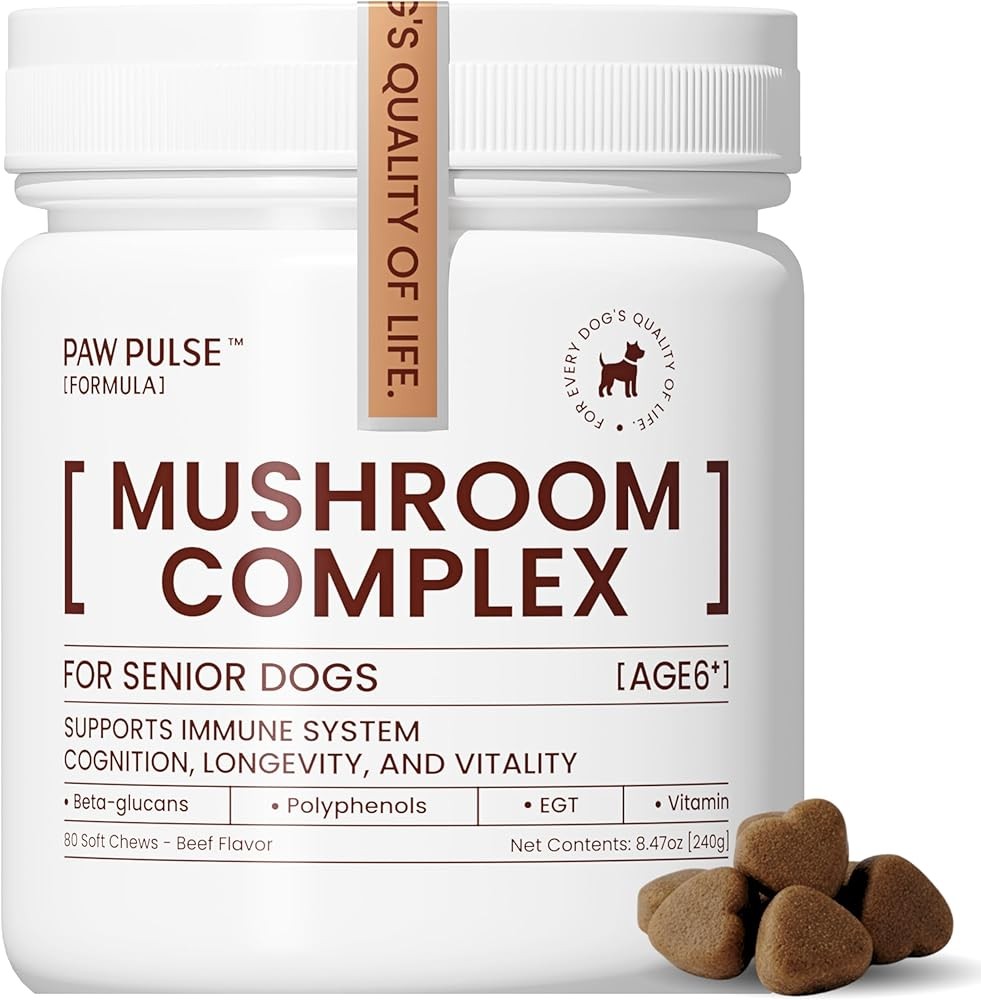
Pawpulse Formula Immune Defense Mushrooms for Dogs
Check Price on AmazonAs an Amazon Associate we earn from qualifying purchases.
Research indicates turkey tail mushroom (Trametes versicolor) may support immune function in dogs with cancer. One study published in Evidence-Based Complementary and Alternative Medicine found that dogs with hemangiosarcoma receiving turkey tail mushroom compound had significantly extended survival time compared to controls.
This formula combines multiple medicinal mushrooms that research suggests may provide complementary immune benefits. Turkey tail provides polysaccharopeptide (PSP) and polysaccharide-K (PSK), compounds studied for immune-modulating properties. Reishi mushroom has been researched for potential anti-inflammatory effects, while shiitake provides beta-glucans that may support immune cell activity.
The powder format allows easy mixing with food, and the formula includes ingredients to enhance absorption. For dogs undergoing cancer treatment or at high risk due to breed predisposition, this comprehensive mushroom blend represents our top recommendation based on the scientific literature.
Best Budget: Immune Defense Supplement for Dogs & Cats
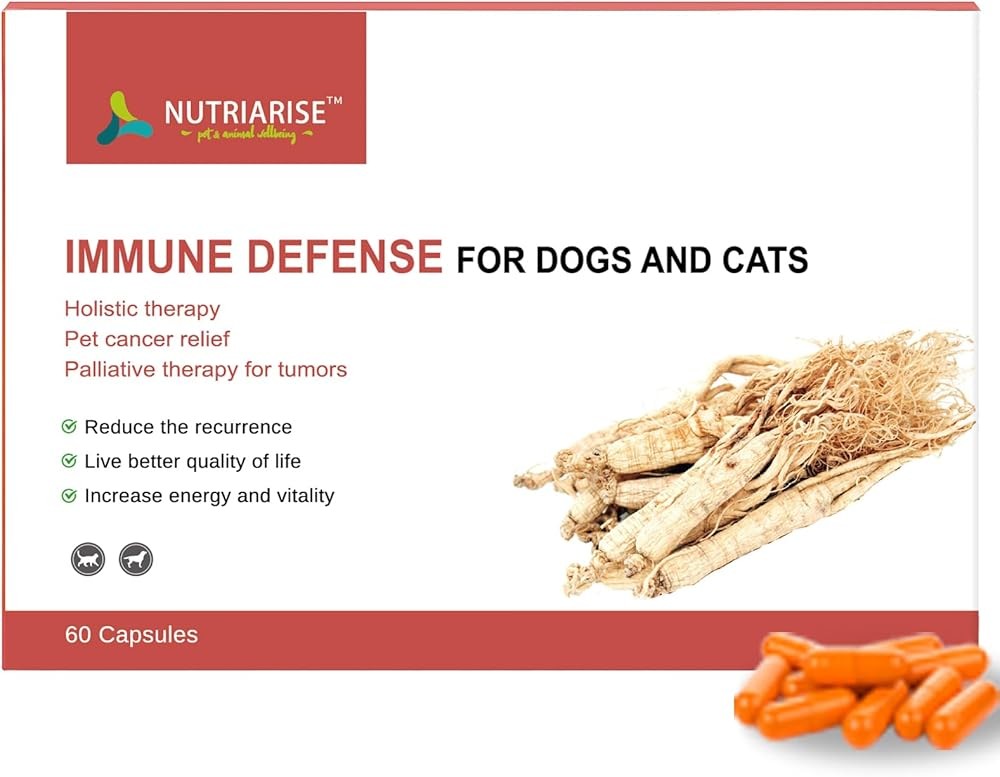
Immune Defense Supplement for Dogs & Cats
Check Price on AmazonAs an Amazon Associate we earn from qualifying purchases.
For owners seeking research-backed immune support at a lower price point, this turkey tail extract formula provides the primary ingredient studied in canine cancer research without additional mushroom varieties.
Turkey tail remains the most researched medicinal mushroom for canine cancer support, with the hemangiosarcoma survival study demonstrating measurable benefits. This budget-friendly option delivers concentrated turkey tail extract combined with astragalus, an herb traditionally used in Chinese medicine that research suggests may support immune function.
The capsule format offers convenience and precise dosing. While it doesn’t include the multiple mushroom varieties found in premium formulas, it provides the key ingredient backed by published research at an accessible price point.
Best for Liver Support: Pawpulse Formula Milk Thistle for Dogs

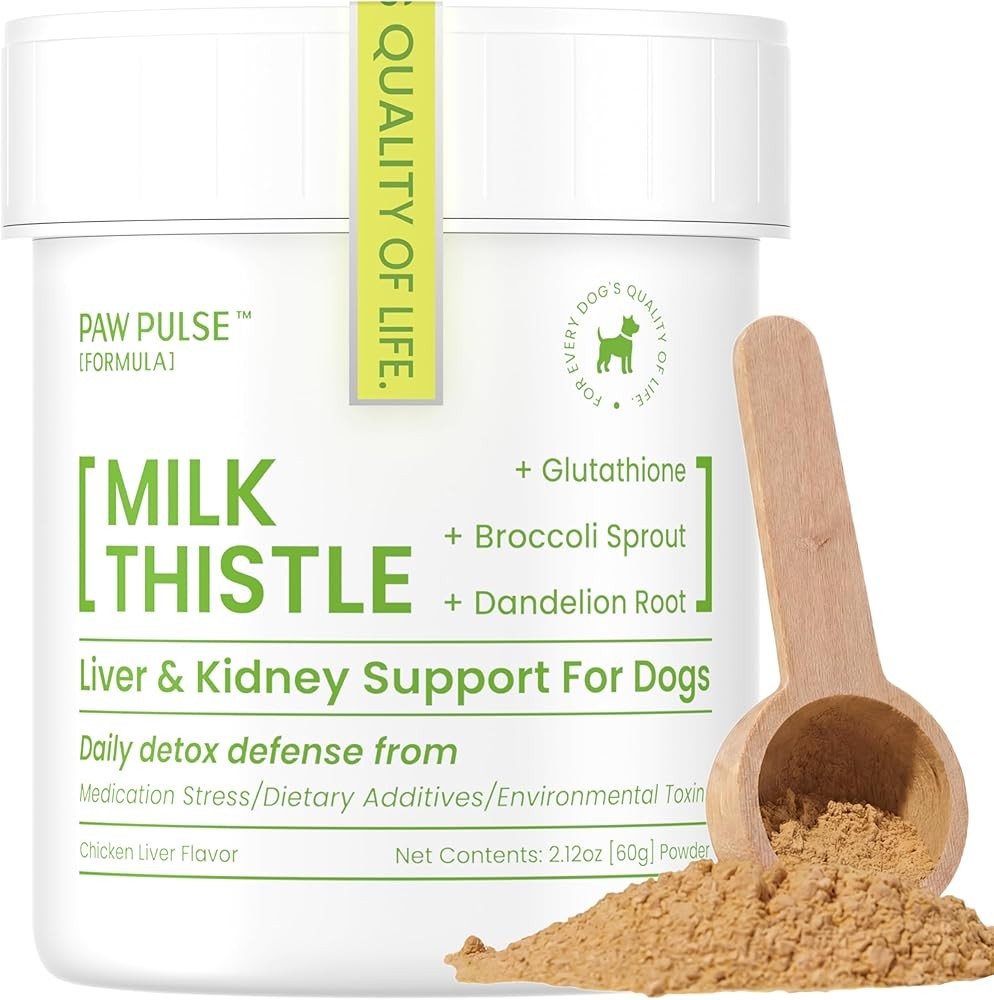
Pawpulse Formula Milk Thistle for Dogs
Check Price on AmazonAs an Amazon Associate we earn from qualifying purchases.
Milk thistle (Silybum marianum) has been extensively researched for hepatoprotective properties. The active compound silymarin has been studied in multiple contexts, including as a potential protective agent during chemotherapy.
Research published in peer-reviewed journals suggests silymarin may help support liver cell regeneration and protect against toxic damage. Given that the liver processes most chemotherapy drugs, veterinary oncologists often recommend milk thistle supplementation for dogs undergoing chemotherapy protocols.
This formula provides standardized 80% silymarin extract, ensuring consistent potency. The concentration allows effective dosing while minimizing pill burden, important for dogs already taking multiple medications during cancer treatment.
Best for Immune Support: PAWPULSE FORMULA Colostrum Powder for Dogs

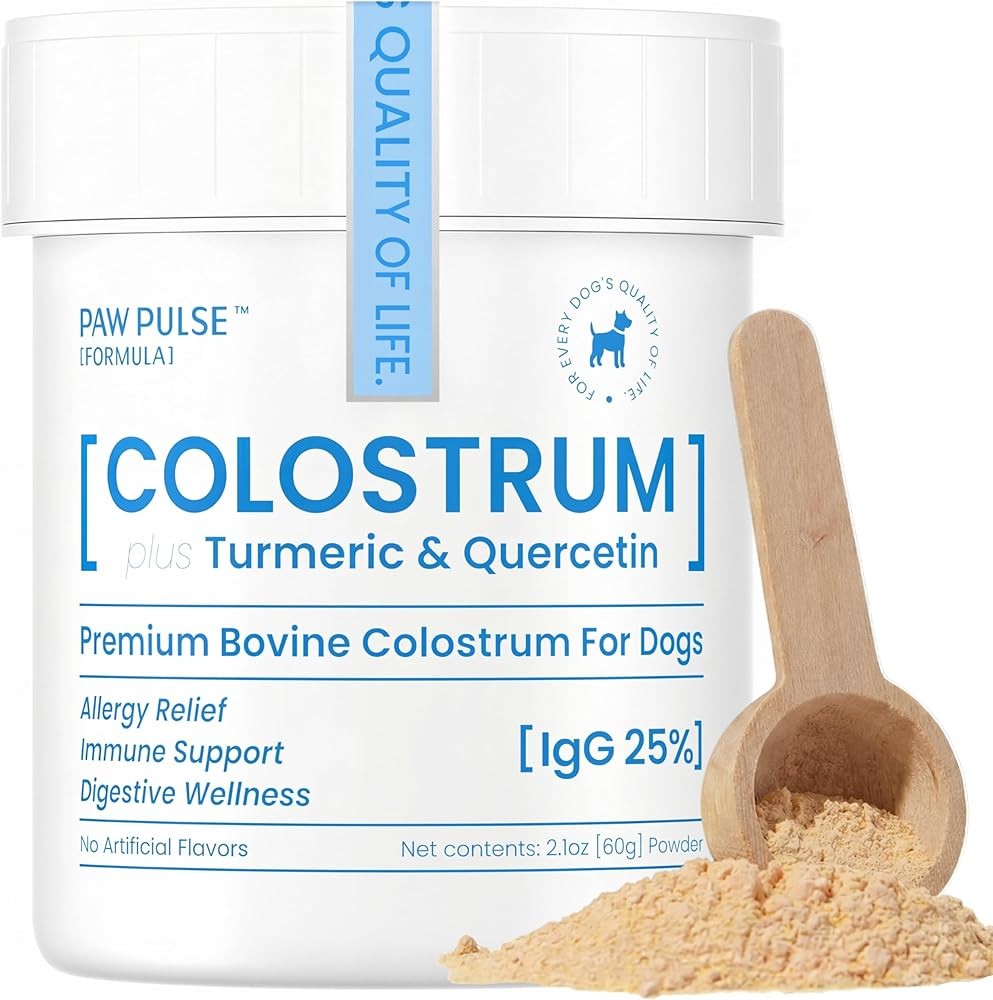
PAWPULSE FORMULA Colostrum Powder for Dogs
Check Price on AmazonAs an Amazon Associate we earn from qualifying purchases.
Bovine colostrum provides immunoglobulins (antibodies), growth factors, and other bioactive compounds that research suggests may support immune function. Studies indicate colostrum supplementation may help support gut health and immune response.
The immunoglobulins in colostrum may help support the immune system, particularly important for dogs whose immune systems are challenged by cancer or suppressed by chemotherapy. Research also suggests colostrum may support gut barrier function, potentially beneficial given that chemotherapy often causes gastrointestinal side effects.
This powder format mixes easily with food and provides bovine colostrum in a bioavailable form. The natural composition includes growth factors that may support tissue repair and recovery during cancer treatment.
Our Top Recommendations
📱 Join the discussion: Facebook | X | YouTube | Pinterest
Conclusion: Hope Through Knowledge
A cancer diagnosis can be challenging, but it is not necessarily final. Modern veterinary oncology presents research showing treatments appear to have some benefit in extending survival and maintaining quality of life. Published research suggests understanding the disease, recognizing warning signs early, implementing prevention strategies, and making informed treatment decisions may support a positive outcome for dogs. SourcePMID:33898762
The bond between humans and dogs is profound. We owe our canine companions our best efforts to support research suggesting strategies may help reduce the risk of cancer, detect it early, and support studies showing approaches may help manage cancer when it strikes. Armed with the information in this guide, you’re better equipped to be your dog’s advocate and partner in addressing cancer.
Whether you’re facing cancer with your dog now or working to reduce the risk of it in a healthy dog, remember that every day of quality life is precious. Make them count, stay informed, continue learning, and never underestimate the resilience of the canine spirit.
Your dog depends on you to make the tough decisions, to be their voice when they can’t speak for themselves, and to prioritize their wellbeing above all else. With knowledge, compassion, and the support of veterinary professionals, you can navigate this challenging journey and give your dog the best possible care.
The journey through cancer, whether as prevention, active treatment, or survivorship, is one you don’t walk alone. Veterinary professionals, support communities, and the unwavering love of your dog accompany you every step. Together, with science-backed strategies and compassionate care, you can give your dog their best chance at a long, healthy, happy life.
Related Reading
- Dog Kidney Failure: Early Signs, Stages, Treatment, and Life Expectancy
- Dog Urinary Tract Infections: Symptoms, Treatment & Prevention
- Early Signs of Kidney Disease in Dogs (and Natural Support Options)
- Tick-Borne Diseases in Dogs: Prevention, Symptoms, and Treatment
- Dog Bloated Stomach Hard: Causes, Emergency Signs, and When It’s GDV
- Best Dog Water Fountains
- Why Does My Dog Have Bad Breath Suddenly? Causes and Solutions
Recommended Products