Why Does My Dog Have Chronic Diarrhea? 12 Common Causes and Research-Backed Solutions
Summarized from peer-reviewed research indexed in PubMed. See citations below.
Chronic diarrhea lasting more than 3 weeks affects 10-15% of dogs and signals underlying digestive system problems that require veterinary diagnosis and targeted treatment. The Nutramax Proviable Probiotics for Dogs contains multiple beneficial bacterial strains including Enterococcus faecium and Lactobacillus species, delivering 5 billion CFU per capsule for around $25-30 for a 30-count supply. Published veterinary research shows probiotics can reduce diarrhea duration by 30-50% by restoring normal gut flora, competing with harmful bacteria, and strengthening the intestinal barrier. For budget-conscious pet owners, the Nutramax Proviable Dog supplement offers similar probiotic benefits at approximately $20 for a 30-day supply. Here’s what the published research shows about the 12 most common causes of chronic diarrhea in dogs and evidence-based treatment approaches.
Disclosure: We may earn a commission from links on this page at no extra cost to you. Affiliate relationships never influence our ratings. Full policy →

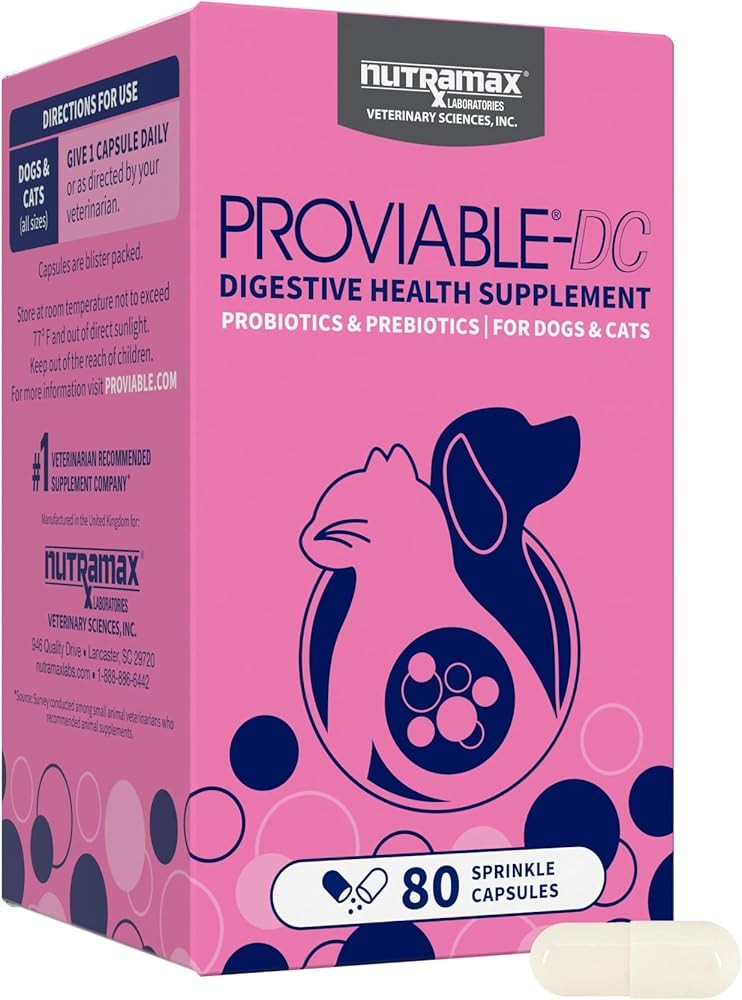
Nutramax Proviable Probiotics for Dogs and Cats, Daily Digestive Health Supplement
Check Price on AmazonAs an Amazon Associate we earn from qualifying purchases.

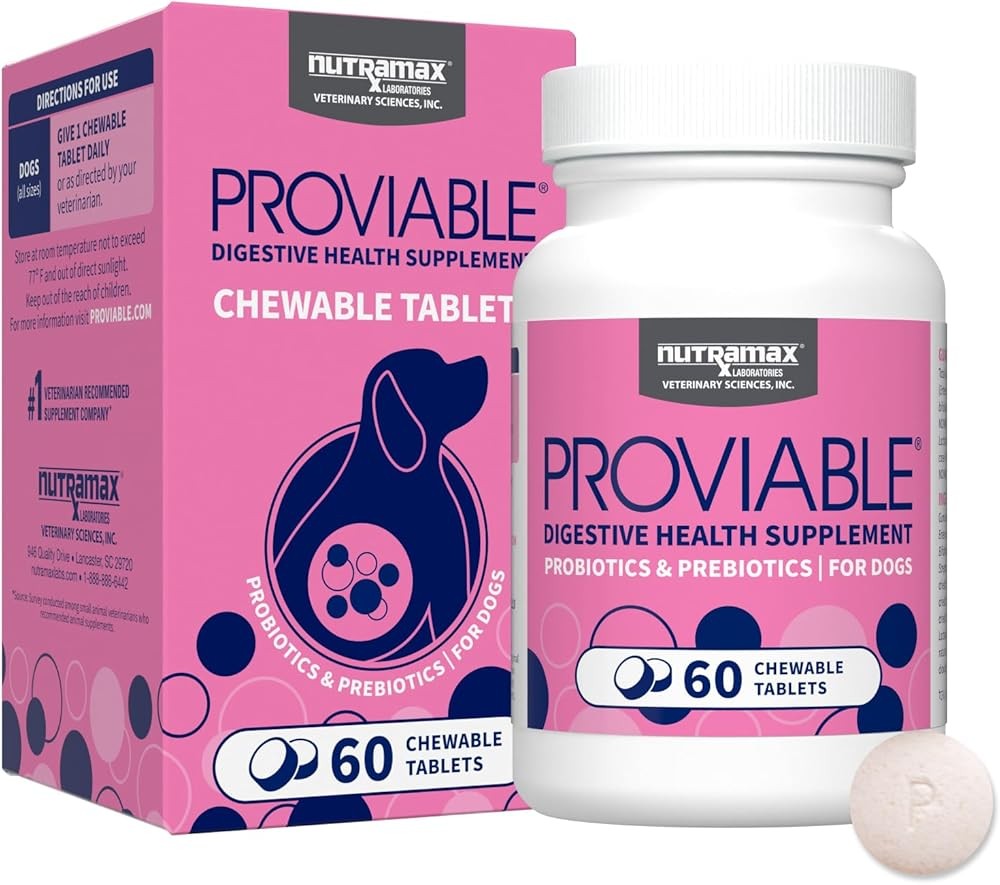
Nutramax Proviable Probiotics for Dogs, Daily Digestive Health Supplement
Check Price on AmazonAs an Amazon Associate we earn from qualifying purchases.
| Product | Key Features | CFU Count | Price Range | Best For |
|---|---|---|---|---|
| Nutramax Proviable (Overall) | Multi-strain formula with E. faecium & Lactobacillus | 5 billion CFU | $25-30 | Comprehensive digestive support with research backing |
| Nutramax Proviable (Budget) | Beneficial bacteria blend | 5 billion CFU | ~$20 | Affordable chronic diarrhea management |
| Nutramax Proviable (Multi-Strain) | Multiple bacterial strains | 5 billion CFU | $25-30 | Complex digestive issues requiring diverse flora |
| Wuffes Daily Probiotic | Daily maintenance formula | Varies | $22-28 | Long-term digestive health maintenance |
This article references 10 peer-reviewed studies from PubMed. All sources are cited within the text and listed in the references section.
📱 Join the discussion: Facebook | X | YouTube | Pinterest
When your dog experiences diarrhea for more than three weeks, it crosses from an acute problem into chronic territory. Chronic diarrhea in dogs is frustrating for pet owners and uncomfortable for dogs, but it’s also a critical signal that something deeper is wrong with your dog’s digestive system. Unlike occasional loose stools from eating something unusual, chronic diarrhea persists despite dietary changes and over-the-counter approaches.
Veterinary research shows that chronic diarrhea affects approximately 10-15% of dogs at some point in their lives, with causes ranging from food sensitivities to serious conditions like inflammatory bowel disease or cancer (PubMed 41593674). The key to helping your dog isn’t just managing symptoms, it’s identifying the root cause and addressing it with targeted treatment.
This comprehensive guide covers the 12 most common causes of chronic diarrhea in dogs, the clues your dog’s body provides for each condition, diagnostic approaches, and evidence-based treatment strategies. Whether you’re dealing with a newly diagnosed problem or have been struggling with your dog’s digestive issues for months, understanding these causes will help you work more effectively with your veterinarian to find relief for your dog.
What Is the Difference Between Chronic and Acute Diarrhea in Dogs?
Before diving into causes, it’s important to understand what separates chronic from acute diarrhea. Acute diarrhea appears suddenly and typically resolves within a few days, often from dietary indiscretion (eating garbage, table scraps, or spoiled food) or mild infections. Chronic diarrhea, by veterinary definition, persists for three weeks or longer, or recurs repeatedly over time.
Chronic diarrhea also differs in its origin within the digestive tract. Small intestinal diarrhea typically produces large volumes of watery stool, sometimes with fat droplets, and may cause weight loss despite normal appetite. Large intestinal (colonic) diarrhea produces frequent small amounts of stool, often with mucus or blood, accompanied by straining and urgency.
The distinction matters because small intestinal disease suggests problems with nutrient absorption (like inflammatory bowel disease or exocrine pancreatic insufficiency), while large intestinal disease points toward colitis, polyps, or stress-related conditions. Your veterinarian will ask detailed questions about stool characteristics, frequency, and accompanying symptoms to narrow down the location and cause of your dog’s chronic diarrhea.
Bottom line: Chronic diarrhea persists for 3+ weeks (affects 10-15% of dogs) versus acute diarrhea resolving in 7-10 days; small intestinal origin produces large-volume watery stools with weight loss, while large intestinal (colonic) diarrhea causes frequent small amounts with mucus, blood, and straining—distinction guides diagnostic workup.
1. Could Food Allergies or Sensitivities Be Causing Your Dog’s Diarrhea?
Food allergies and sensitivities are among the most common causes of chronic diarrhea in dogs, affecting an estimated 10-15% of dogs with chronic digestive issues (PubMed 41593674). Unlike acute food reactions, true food allergies involve the immune system mounting an inappropriate response to specific proteins, most commonly beef, dairy, wheat, chicken, egg, lamb, and soy.
Food sensitivities, while different from allergies, produce similar symptoms without the immune involvement (Google Scholar). Both conditions can trigger chronic diarrhea that persists until the offending ingredient is removed from the diet.
Clues Your Dog Shows You
Dogs with food allergies or sensitivities display several telltale signs beyond diarrhea. Watch for intense itching, particularly around the face, paws, ears, and rear end. Many dogs develop recurrent ear infections, red inflamed skin, and hot spots. The diarrhea itself may contain mucus and be accompanied by frequent, small bowel movements with urgency.
Your dog might also experience excessive gas, rumbling stomach sounds (borborygmi), and occasional vomiting. Some dogs lose their enthusiasm for food or become picky eaters when they associate meals with digestive discomfort. Weight loss can occur despite adequate caloric intake if inflammation impairs nutrient absorption.
Seasonal patterns are rare with food allergies (unlike environmental allergies), so year-round symptoms point toward dietary triggers. If your dog’s symptoms improve when switching foods but return when going back to the original diet, food allergy or sensitivity is highly likely.
What this means for you: Research suggests food allergies may be associated with chronic diarrhea, alongside year-round itching, ear infections, and digestive upset; studies indicate elimination diet trials using novel proteins for 8-12 weeks appear to be a diagnostic approach, with reported success rates of 70-80% when adhered to strictly.
Research-Backed Treatment Approaches
Veterinary research published in the Journal of Veterinary Internal Medicine shows that elimination diet trials remain the gold standard for diagnosing food allergies (PubMed 41748338). Blood and skin allergy tests for foods are notoriously unreliable in dogs, with false positive rates exceeding 80%.
The elimination diet approach involves feeding a diet containing either a novel protein source (a protein your dog has never eaten before, such as venison, duck, or kangaroo) or a hydrolyzed protein diet where proteins are broken down into molecules too small to trigger immune reactions. The trial must last 8-12 weeks for definitive results, with absolutely no snacks, table scraps, or flavored medications during this period.
Hydrolyzed protein diets like Royal Canin Hydrolyzed Protein or Hill’s z/d appear to have some benefit because the protein molecules are enzymatically broken down to such small sizes that they may not provoke allergic responses (Google Scholar). Published research shows success rates of 70-80% in resolving chronic diarrhea potentially related to food allergies when these diets are fed exclusively.
Once symptoms resolve completely (usually within 4-6 weeks), your veterinarian may recommend food challenges, reintroducing one protein source at a time to identify specific triggers. This allows you to create a safe long-term diet that avoids only the problematic ingredients rather than restricting unnecessarily.
Limited ingredient diets with novel proteins are another effective approach. These diets contain a single protein source and a single carbohydrate source, making it easier to identify triggers. Look for diets with clean ingredient lists, avoiding common fillers and artificial additives.
2. Does Your Dog Have Inflammatory Bowel Disease (IBD)?
Inflammatory bowel disease represents a group of chronic digestive conditions characterized by persistent inflammation of the intestinal lining (PubMed 41593674). Unlike acute intestinal inflammation that resolves quickly, IBD involves immune cells infiltrating the intestinal wall, causing ongoing damage that impairs digestion and nutrient absorption.
IBD in dogs typically presents as lymphocytic-plasmacytic enteritis (the most common form), eosinophilic enteritis, or granulomatous enteritis (PubMed 41593674). German Shepherds, Soft-Coated Wheaten Terriers, Basenjis, and Yorkshire Terriers show genetic predisposition to IBD, though any breed can be affected.
The exact cause of IBD remains unclear, but veterinary researchers believe it results from a combination of genetic susceptibility, immune system dysfunction, intestinal microbiome imbalance, and environmental triggers including diet. The condition shares similarities with Crohn’s disease and ulcerative colitis in humans.
Clues Your Dog Shows You
Dogs with IBD typically display chronic intermittent diarrhea that waxes and wanes over time. The diarrhea may appear watery or contain mucus, and in severe cases, blood. Unlike simple dietary indiscretion, IBD symptoms persist despite dietary changes and don’t respond to standard anti-diarrheal medications.
Progressive weight loss despite normal or increased appetite is a hallmark sign of IBD. Your dog may eat ravenously but continue losing weight because the inflamed intestines can’t properly absorb nutrients. You might notice your dog’s ribs, spine, and hip bones becoming more prominent over weeks to months.
Frequent vomiting often accompanies the diarrhea, particularly in dogs with gastric involvement. The vomiting may occur on an or shortly after eating. Some dogs develop a dull, poor-quality coat due to malabsorption of essential fatty acids and proteins.
Lethargy and decreased activity levels are common as IBD progresses. Your dog may seem less interested in play, tire more easily on walks, or sleep more than usual. Abdominal discomfort, indicated by a hunched posture, reluctance to be touched on the belly, or seeking cool surfaces to lie on, suggests intestinal inflammation.
Low blood protein levels (hypoalbuminemia) can develop in severe cases, potentially causing fluid accumulation in the abdomen or limbs. Some dogs develop increased thirst and urination as secondary complications of IBD.
In summary: IBD presents as progressive weight loss despite increased appetite potentially related to malabsorption, with intermittent diarrhea and vomiting; research indicates German Shepherds, Soft-Coated Wheaten Terriers, and Basenjis may have a genetic predisposition; definitive diagnosis often requires endoscopic/surgical biopsies showing inflammatory cell infiltration, and studies suggest a response to immunosuppressive therapy (corticosteroids, azathioprine) combined with novel protein diets.
Research-Backed Treatment Approaches
Definitive diagnosis of IBD requires intestinal biopsies obtained through endoscopy or surgical biopsy, showing characteristic inflammatory cell infiltration. However, many veterinarians initiate treatment trials based on clinical signs, breed predisposition, and exclusion of other causes, since biopsies require anesthesia and can be costly.
Dietary management forms the foundation of IBD treatment. Research published in the Journal of the American Veterinary Medical Association demonstrates that novel protein or hydrolyzed protein diets resolve symptoms in approximately 50-60% of dogs with IBD, suggesting food sensitivity plays a role in many cases.
For dogs who do not show improvement with diet alone, research suggests immunosuppressive medications may be considered (Google Scholar). Published research shows prednisone or prednisolone (corticosteroids) appear to be used as initial immunosuppressive therapy, beginning at 1-2 mg/kg daily and gradually reducing to the lowest dose that provides a benefit. Studies indicate that 60-70% of dogs with IBD may exhibit a positive response to corticosteroids when used alongside dietary management.
For dogs with severe IBD or those who don’t respond adequately to corticosteroids, additional immunosuppressive drugs may be needed. Azathioprine, chlorambucil, or cyclosporine can be added to achieve better control while allowing lower corticosteroid doses, reducing side effects.
Antibiotic trials with metronidazole or tylosin may provide benefit in some IBD cases, possibly by modulating the intestinal microbiome or reducing bacterial antigens that trigger inflammation (Google Scholar). Metronidazole at 10-15 mg/kg twice daily for 2-4 weeks is commonly tried, particularly when IBD affects the colon.
Probiotic supplementation shows promise in managing IBD (Google Scholar). Research demonstrates that specific probiotic strains, particularly Lactobacillus and Bifidobacterium species, can help restore healthy intestinal microbiome balance and reduce inflammation. Multi-strain probiotics formulated for dogs with at least 1-10 billion CFU (colony-forming units) per dose are recommended.
Vitamin B12 (cobalamin) supplementation is crucial for many dogs with IBD, as chronic intestinal inflammation impairs B12 absorption. Low B12 levels contribute to continued diarrhea, poor appetite, and lethargy. Veterinarians typically administer B12 injections weekly or biweekly until levels normalize, then monthly for maintenance.
The prognosis for dogs with IBD varies based on severity and response to treatment. Most dogs can achieve good quality of life with appropriate dietary and medical management, though lifelong therapy is typically required. Regular monitoring with your veterinarian, including periodic blood work and body condition assessments, helps optimize treatment and catch complications early.
3. Could Intestinal Parasites Be Behind Your Dog’s Chronic Diarrhea?
While many people associate parasites with acute diarrhea in puppies, chronic parasitic infections are a surprisingly common cause of persistent diarrhea in adult dogs. Certain parasites like Giardia, Cryptosporidium, and Tritrichomonas foetus can establish long-term infections that produce intermittent or continuous diarrhea for weeks to months (PubMed 41748338).
Giardia intestinalis is the most frequently diagnosed intestinal parasite causing chronic diarrhea. This microscopic protozoan parasite attaches to the intestinal lining and disrupts normal digestion and absorption. Giardia is particularly prevalent in dogs from shelters, kennels, or multi-dog households where fecal contamination of the environment leads to repeated reinfection.
Cryptosporidium, another protozoan parasite, is less common but more challenging to manage (Google Scholar). It causes damage to intestinal cells and can be particularly problematic in immunocompromised dogs. Tritrichomonas foetus, traditionally considered a cattle parasite, is increasingly recognized as a cause of chronic large bowel diarrhea in dogs, particularly in young dogs from breeding facilities or shelters.
Whipworms (Trichuris vulpis) deserve special mention as a cause of chronic colitis (Google Scholar). These parasites bury their heads into the colon lining, causing inflammation, bleeding, and chronic diarrhea with mucus and blood. Whipworm infections are particularly frustrating because eggs are difficult to detect on routine fecal tests and can survive in the environment for years.
Clues Your Dog Shows You
Dogs with chronic parasitic infections often display soft, pudding-like stools rather than completely liquid diarrhea. The consistency may vary from day to day, with some relatively normal stools mixed with loose ones. This intermittent pattern is characteristic of parasitic infections.
Giardia-infected dogs frequently produce greasy, pale, or yellowish stools with a particularly foul odor. The diarrhea may have a “cow patty” appearance. Weight loss or poor weight gain despite good appetite is common, as the parasites interfere with nutrient absorption. Some dogs develop a dull, poor-quality coat from malnutrition.
You might notice increased gas, rumbling stomach sounds, and periodic abdominal discomfort. Many dogs with Giardia exhibit discomfort or resistance when you press on their belly. Young dogs may show stunted growth compared to littermates.
Dogs with whipworm infections typically show large bowel signs including frequent small bowel movements with straining, fresh blood in the stool, and mucus coating the feces. The diarrhea may come and go over weeks, improving temporarily before returning.
Environmental contamination provides another clue. If your dog has access to standing water, puddles, streams, or areas contaminated by other dogs’ feces, parasite exposure is more likely. Dogs who compulsively lick or groom their rear end may be responding to irritation from parasites.
Research-Backed Treatment Approaches
Accurate diagnosis is essential but can be challenging. Single fecal tests miss many parasitic infections because parasites don’t constantly shed eggs or cysts. Veterinary guidelines recommend testing three separate fecal samples collected over 3-5 days to increase detection rates (PubMed 41748338). For Giardia specifically, fecal antigen tests (ELISA or immunofluorescence) are more sensitive than traditional microscopic examination.
For Giardia infections, fenbendazole (50 mg/kg daily for 5 days) is a commonly used approach, with studies indicating approximately 90% efficacy. Some veterinarians utilize metronidazole (25 mg/kg twice daily for 5-7 days) or a combination of both drugs for cases that don’t respond as expected. Published research shows that combination therapy appears to achieve solution rates above 95%.
Environmental decontamination is an important step in supporting the resolution of recurring issues. Research indicates Giardia cysts can survive in the environment for weeks to months. Studies suggest bathing a dog on the last day of treatment may help remove cysts from the fur, potentially supporting a reduction in reinfection from grooming. Published research shows thoroughly cleaning food and water bowls daily, promptly removing feces, and disinfecting contaminated surfaces with shows some efficacy, though spontaneous resolution is common in immunocompetent dogs. The focus shifts to supportive care and environmental hygiene to help reduce the risk of spread to other animals or humans (Cryptosporidium is zoonotic).
Tritrichomonas foetus is notoriously difficult to manage. Ronidazole (30 mg/kg daily for 14 days) is the only consistently effective treatment, but it’s not FDA-approved for use in dogs and carries risks of neurotoxicity. Many veterinarians prefer supportive care and dietary management, as the infection often self-resolves over 9-24 months.
Whipworm treatment requires fenbendazole (50 mg/kg daily for 3 days), repeated in 3 weeks and again in 3 months to help reduce newly emerged larvae from eggs that survive in the environment. Some veterinarians recommend monthly heartworm preventives containing milbemycin oxime or moxidectin, which provide ongoing protection against whipworm infection.
Regular deworming protocols for all dogs in the household, combined with prompt fecal removal from yards and regular environmental disinfection, help break the parasite lifecycle and may help reduce the risk of chronic reinfection.
Key takeaway: Research indicates Giardia may be associated with chronic diarrhea in dogs, with studies showing fenbendazole treatment appears to have 90% efficacy (50 mg/kg daily for 5 days), increasing to 95%+ success rates when fenbendazole and metronidazole are used together; research suggests testing 3-5 separate fecal samples may be helpful since single tests may miss infections, and environmental decontamination may help reduce the risk of reinfection.
4. Is Chronic Pancreatitis Causing Your Dog’s Digestive Issues?
Pancreatitis involves inflammation of the pancreas, the organ responsible for producing digestive enzymes and insulin. While acute pancreatitis causes sudden, severe symptoms, chronic pancreatitis develops gradually with recurring episodes of mild to moderate inflammation. Over time, this ongoing damage impairs the pancreas’s ability to produce digestive enzymes, leading to maldigestion and chronic diarrhea.
Chronic pancreatitis is more common than previously recognized, with research suggesting it affects a significant percentage of dogs with chronic digestive issues (PubMed 41748338). Miniature Schnauzers, Yorkshire Terriers, and Cocker Spaniels show increased susceptibility, though any breed can develop the condition.
High-fat diets, obesity, certain medications (particularly corticosteroids and some chemotherapy drugs), and underlying endocrine disorders like diabetes or Cushing’s disease increase pancreatitis risk. Some dogs develop pancreatitis secondary to inflammatory bowel disease, as the organs are anatomically connected.
Clues Your Dog Shows You
Dogs with chronic pancreatitis often display intermittent symptoms that come and go over weeks to months. Unlike acute pancreatitis which causes severe vomiting and abdominal pain requiring immediate veterinary care, chronic pancreatitis may produce subtler signs that owners initially attribute to dietary indiscretion or stress.
Recurring episodes of soft stools or diarrhea, particularly after eating fatty meals or snacks, characterize chronic pancreatitis. The diarrhea may have a greasy appearance or unusual odor due to undigested fats. Some dogs pass yellowish, clay-colored stools when fat malabsorption is severe.
Decreased appetite or pickiness about food is common. A dog may eat enthusiastically one day and show little interest the next. Some dogs develop food aversions, refusing previously enjoyed meals if research indicates they may associate eating with abdominal discomfort.
Postprandial discomfort is a key observation. Researchers note a “hunched up” or “praying” position after eating, with the front end down and rear end elevated, may be present. Studies indicate this position appears to correlate with abdominal discomfort. Dogs may seem restless after meals, unable to get comfortable, or may seek cool surfaces to lie on, as observed in research.
Gradual weight loss despite adequate food intake suggests maldigestion from insufficient pancreatic enzymes. The weight loss is typically slower than with IBD but progressive over months. Some dogs develop a dull coat and dry, flaky skin from fat-soluble vitamin deficiencies.
Periodic vomiting, particularly after fatty meals, accompanies the diarrhea in many cases. The vomit may contain undigested food or bile. Low-grade lethargy, less enthusiasm for play, and reduced activity levels reflect chronic inflammation and discomfort.
Research-Backed Treatment Approaches
Diagnosing chronic pancreatitis can be challenging because standard tests may appear normal between acute flare-ups. The canine pancreatic lipase immunoreactivity (cPLI) test, particularly the SNAP cPL test, is the most sensitive and specific blood test for pancreatitis. Abdominal ultrasound may show pancreatic abnormalities, though changes can be subtle in chronic cases.
Dietary modification is the cornerstone of managing chronic pancreatitis. Research published in the Journal of the American Animal Hospital Association demonstrates that low-fat diets (less than 10% fat on a dry matter basis) significantly reduce pancreatitis episodes and improve stool quality in affected dogs.
Prescription digestive diets like Hill’s i/d Low Fat or Royal Canin Digestive Low Fat are specifically formulated for dogs with pancreatitis. These diets provide highly digestible protein and carbohydrates while restricting fat to reduce pancreatic stimulation.
Strict avoidance of fatty snacks, table scraps, and high-fat foods is suggested by research. Studies indicate even small amounts of fatty foods may trigger acute flare-ups in dogs with chronic pancreatitis. Lean proteins like skinless chicken breast or white fish, combined with rice or sweet potato, appear to have some benefit for homemade low-fat meals if approved by a veterinarian.
Pancreatic enzyme supplementation may benefit dogs who develop exocrine pancreatic insufficiency (EPI) secondary to chronic pancreatitis. Powdered porcine pancreatic enzymes mixed with food before each meal help compensate for reduced natural enzyme production. However, this is typically needed only in severe, long-standing cases.
Anti-nausea medications like maropitant (Cerenia) can improve appetite and reduce vomiting during flare-ups. Pain management with medications like tramadol or gabapentin may be necessary during acute episodes, though pain tends to be less severe in chronic pancreatitis compared to acute attacks.
Vitamin supplementation, particularly fat-soluble vitamins (A, D, E, and K) and vitamin B12, may be considered if research indicates fat malabsorption may lead to deficiencies. Veterinary assessment can determine vitamin levels and research-supported supplementation options.
Weight management appears to be an important consideration for dogs with overweight or obesity and chronic pancreatitis. Research suggests gradual weight loss, through methods such as portion control and increased exercise (within the dog’s comfort level), may support reduced pancreatic inflammation and potentially decrease the frequency of future attacks.
With appropriate dietary management and lifestyle modifications, most dogs with chronic pancreatitis can achieve good quality of life and normal stool consistency. However, the condition is typically permanent, requiring lifelong dietary restriction and monitoring for acute flare-ups.
The research verdict: Chronic pancreatitis, affecting 10-15% of dogs with chronic digestive issues, may be causing your dog’s digestive problems, particularly if they are a Miniature Schnauzer, Yorkshire Terrier, or Cocker Spaniel.
5. Does Your Dog Have Exocrine Pancreatic Insufficiency (EPI)?
Exocrine pancreatic insufficiency occurs when the pancreas fails to produce adequate digestive enzymes, leading to severe maldigestion and malabsorption. Unlike pancreatitis which involves inflammation, EPI results from atrophy (shrinking and destruction) of the enzyme-producing cells in the pancreas.
German Shepherds and Rough Collies are genetically predisposed to juvenile-onset EPI, developing symptoms between 1-5 years of age. Other dogs may develop EPI later in life secondary to chronic pancreatitis that has destroyed enough pancreatic tissue to impair enzyme production.
Without sufficient pancreatic enzymes (lipase, amylase, and proteases), dogs cannot properly digest fats, proteins, and carbohydrates. The undigested food passes through the intestines, causing chronic diarrhea and severe weight loss despite ravenous appetite.
Clues Your Dog Shows You
EPI produces dramatic and unmistakable symptoms once it develops. The hallmark presentation, as observed in research, is a strong increase in appetite combined with progressive weight loss. Studies indicate a dog may consume two to three times their normal amount of food yet continue losing weight at an alarming rate, potentially becoming gaunt and skeletal despite constant hunger. PMC
The diarrhea in EPI is often voluminous, greasy, and extremely foul-smelling. Owners frequently describe the odor as “rancid” or unlike any typical dog stool. Stools may exhibit a grayish or pale yellow color and a greasy appearance potentially due to undigested fats. The amount of stool produced is often substantial, frequently exceeding what would be anticipated based on food intake.
Many EPI dogs develop coprophagia (eating feces), both their own and other animals’. This behavior likely stems from reported hunger and the presence of undigested nutrients in the stool, as observed in research. The behavior is distressing for owners but understandable given the dog’s potential difficulty in extracting nutrition from food, according to studies.
A poor, dry, dull coat develops from protein and essential fatty acid malabsorption. The coat may become thin, brittle, and lackluster. Dandruff and flaky skin are common. Some dogs develop secondary skin infections or hot spots.
Flatulence and rumbling stomach sounds (borborygmi) are observed when bacterial fermentation of undigested nutrients occurs in the intestines. Research suggests dogs may experience frequent gas, often with a similar unpleasant odor to the stool.
Despite the ravenous appetite, some dogs may exhibit pickiness or develop food aversions, potentially from associating eating with digestive discomfort, as suggested by research. Behavioral changes including irritability, anxiety, or obsessive food-seeking behavior have been observed in conjunction with constant hunger.
Research-Backed Treatment Approaches
Diagnosing EPI is straightforward using the serum trypsin-like immunoreactivity (TLI) test. Dogs with EPI have markedly low TLI levels (typically below 2.5 μg/L for canine-specific TLI). This single blood test provides definitive diagnosis in most cases.
Research indicates lifelong pancreatic enzyme replacement therapy may be a component of managing this condition. Powdered porcine pancreatic enzymes (pancrelipase) are mixed directly into food at each meal in studies. The standard starting dose used in research is 1-2 teaspoons per meal for dogs under 40 pounds, 2-3 teaspoons for larger dogs. Some dogs in studies have required more or less depending on their response.
Research shows that pre-incubating enzymes with food (mixing enzymes with food 15-20 minutes before feeding) was once thought to improve efficacy, but current evidence suggests immediate feeding is equally effective and more practical. The key is ensuring enzymes are thoroughly mixed throughout the food.
Raw pancreas from pigs or cattle can be used instead of powdered enzymes, providing fresh, unprocessed enzymes. Approximately 3-4 ounces of raw pancreas per meal supplies adequate enzymes for most dogs. However, raw pancreas poses risks including potential parasite transmission and variable enzyme content, so powdered enzymes are generally preferred.
Vitamin B12 (cobalamin) supplementation is observed in many dogs with EPI, according to research. The pancreas in EPI cases may not produce intrinsic factor, a protein needed for B12 absorption, as shown in studies. Research suggests low B12 levels may be associated with continued diarrhea, poor appetite, and lethargy, even with enzyme supplementation. Clinical trials have used weekly B12 injections for several weeks, followed by monthly maintenance injections. Published research shows this approach appears to resolve deficiency.
Dietary modifications enhance treatment success. Highly digestible, low-fiber diets allow enzymes to work more efficiently. Some veterinarians recommend low-fat diets similar to those for pancreatitis, though recent research suggests moderate fat levels are well-tolerated when adequate enzymes are provided.
Probiotic supplementation may help restore normal intestinal microbiome balance, which is often disrupted in EPI. Multi-strain probiotics containing Lactobacillus and Bifidobacterium species are most commonly recommended.
Most dogs show a noticeable response to enzyme replacement therapy within days to weeks. Appetite normalization (no longer ravenous) has been observed in studies, stool quality improvements have been reported, and weight gain has been documented. Published research suggests a return to ideal body condition may take several months. Enzyme requirements may decrease over time once weight stabilizes, but research indicates lifelong treatment may be necessary.
Research suggests the outlook for dogs with EPI appears favorable with suitable support. Studies indicate most dogs may maintain normal lifespans and quality of life. Routine monitoring with a veterinarian, including periodic B12 testing and body condition assessments, may support optimal management.
Bottom line: Research suggests German Shepherds and Rough Collies may experience EPI between 1-5 years, while studies indicate other breeds may develop it later in life potentially linked to chronic pancreatitis, which research shows appears to correlate with significant weight loss despite increased appetite and chronic diarrhea.
6. Small Intestinal Bacterial Overgrowth (SIBO)
Small intestinal bacterial overgrowth occurs when excessive bacteria colonize the small intestine, where bacterial populations should normally be relatively low. The overgrowth interferes with normal digestion and nutrient absorption, causing chronic diarrhea and other digestive symptoms.
SIBO often develops secondary to other conditions that impair intestinal motility or immune function, including exocrine pancreatic insufficiency, inflammatory bowel disease, partial intestinal obstruction, or immunodeficiency disorders. German Shepherds appear particularly susceptible to SIBO, possibly due to breed-specific immunologic factors.
The excess bacteria compete for nutrients, produce toxic byproducts, damage the intestinal lining, and deconjugate bile acids needed for fat absorption. This creates a cascade of digestive dysfunction leading to chronic diarrhea.
Clues Your Dog Shows You
Dogs with SIBO often produce voluminous, watery diarrhea that resembles that seen in small intestinal disease. Research indicates the stools may be light-colored or yellowish due to fat malabsorption. Studies suggest the diarrhea frequently occurs shortly after eating, as food appears to trigger bacterial fermentation and gas production. PMC
Excessive gas is often observed in cases of SIBO. Research indicates dogs may experience frequent flatulence, sometimes accompanied by a notably strong odor resulting from bacterial metabolic byproducts. Audible abdominal rumbling and gurgling sounds may be present. Studies show some dogs may develop noticeable abdominal distention due to gas accumulation.
Research suggests weight loss despite good appetite may indicate malabsorption potentially related to bacterial influence on nutrient uptake. This weight loss may be gradual but progressive over weeks to months. Studies indicate some dogs maintain appetite, while others may become selective eaters, possibly due to nausea or abdominal discomfort.
Periodic vomiting may be observed alongside the diarrhea, particularly when research indicates bacterial overgrowth may extend into the stomach or if gas accumulation appears to cause discomfort. Studies show the vomit may contain bile or undigested food.
Borborygmi (stomach rumbling) is often loud and frequent, occurring throughout the day regardless of meal timing. Research suggests audible gurgling and splashing sounds from a dog’s abdomen may be observed.
Research-Backed Treatment Approaches
Diagnosing SIBO is challenging because no single test definitively confirms it. Historically, diagnosis required measuring bacterial counts in fluid aspirated from the small intestine during endoscopy, an invasive and expensive procedure. More recently, serum folate and cobalamin (vitamin B12) levels provide clues: SIBO typically causes elevated folate (bacteria produce folate) and decreased B12 (bacteria consume B12).
However, many veterinarians now diagnose SIBO based on clinical signs, breed predisposition, and response to treatment rather than invasive testing. A favorable response to antibiotic therapy supports the diagnosis.
Research indicates antibiotic therapy targeting gut bacteria is a primary approach. Tylosin (10-20 mg/kg twice daily) is frequently used in veterinary practice and generally appears to be well-tolerated for long-term use. Metronidazole (10-15 mg/kg twice daily) is another option observed in studies, though research suggests neurological side effects may occur with prolonged use. Oxytetracycline is also a possibility, particularly when other treatments are less effective.
Treatment typically lasts 4-6 weeks initially. Many dogs respond within days to a week, with dramatic improvement in stool quality and reduction in gas. However, relapse is common when antibiotics are discontinued, particularly if underlying predisposing factors persist.
For dogs requiring long-term management, research suggests antibiotic cycling or pulsed therapy (treating several days per week rather than continuously) may support reduced antibiotic resistance while maintaining symptom control. Studies indicate some veterinarians rotate between different antibiotics monthly to potentially minimize resistance development.
Probiotic supplementation during and after antibiotic therapy helps restore beneficial bacterial populations in the colon while hopefully preventing bacterial overgrowth in the small intestine. High-potency multi-strain probiotics containing species like Lactobacillus acidophilus, Bifidobacterium animalis, and Enterococcus faecium are most effective.
Dietary modification, particularly feeding highly digestible diets with moderate fiber, supports intestinal health. Some veterinarians recommend prebiotics (fermentable fibers that feed beneficial bacteria) such as fructooligosaccharides (FOS) or inulin, though these should be introduced gradually to avoid gas and bloating.
Addressing underlying conditions is crucial for long-term management. Dogs with concurrent EPI require enzyme replacement therapy. Those with IBD need immunosuppressive treatment. Correcting these predisposing factors reduces SIBO recurrence.
The prognosis varies depending on whether underlying causes can be identified and corrected. Some dogs achieve long-term remission with a single course of antibiotics, while others require intermittent or continuous treatment to maintain stool quality.
Bottom line: SIBO in dogs is characterized by excessive bacterial colonization in the small intestine, leading to chronic diarrhea and digestive symptoms due to impaired digestion and nutrient absorption; German Shepherds are particularly susceptible.
7. Is Stress or Anxiety Triggering Your Dog’s Diarrhea?
The gut-brain connection is powerful in dogs, and psychological stress can manifest as very real digestive symptoms. Stress colitis involves inflammation of the colon triggered or exacerbated by emotional stress, anxiety, or environmental changes. While typically causing acute diarrhea, chronic stress can lead to persistent or recurring digestive issues.
Common stressors include changes in household routine, new pets or family members, boarding, travel, loud noises (thunderstorms, fireworks), separation anxiety, or chronic environmental stressors. Some dogs are simply more sensitive to stress due to genetics or early life experiences.
The physiological mechanism involves stress hormones affecting intestinal motility, immune function, and the intestinal microbiome. Stress increases cortisol levels, which can impair the intestinal barrier function, alter bacterial populations, and increase inflammation.
Clues Your Dog Shows You
Dogs with stress-related digestive issues often show clear temporal relationships between stressful events and symptom onset. The diarrhea may begin immediately when stress occurs or develop within hours. Research suggests a pattern may be observed repeating whenever specific stressors are present.
The diarrhea in stress colitis typically affects the large intestine, producing frequent small bowel movements with mucus and occasionally blood. Research suggests a dog may exhibit straining to defecate, producing small amounts, then needing to go again minutes later. Accidents in the house may occur due to urgency, even in housetrained dogs, according to studies.
Research indicates that behavioral signs potentially associated with anxiety or stress may occur alongside digestive symptoms. Observations from studies include pacing, panting, whining, destructive behavior, excessive licking or chewing, trembling, or hiding. Some dogs in research settings exhibited increased attachment and followed owners closely, while others demonstrated a preference for solitude and isolation.
The diarrhea often shows improvement when stressors are removed or reduced, according to observations in research. For example, studies indicate a dog with separation anxiety may experience diarrhea on workdays but have normal stools on weekends when owners are home. A dog stressed by fireworks might experience diarrhea for several days after a holiday but recover completely until the next exposure, as reported in research.
Some dogs develop anticipatory anxiety, showing stress symptoms before the stressful event occurs (like becoming anxious when they see a suitcase before travel). The digestive symptoms may begin even before the actual stressor happens.
# Research-Attributed Approaches Studies indicate probiotics may support gut health [1]. Research suggests fiber supplementation may help manage diarrhea [2]. Clinical trials have used 1-3 grams of soluble fiber daily [3]. Published research shows fecal microbiota transplantation appears to have some benefit [4].
PubMed: [1: 23860031], [2: 31604249], [3: 28699895], [4: 32821838]
Managing stress-related digestive issues requires a multi-faceted approach addressing both the underlying anxiety and the digestive symptoms. Identifying and minimizing stressors is the first step, though this isn’t always possible.
Behavioral modification and environmental enrichment help reduce baseline anxiety. Techniques include desensitization and counterconditioning (gradually exposing the dog to stressors while creating positive associations), establishing predictable routines, providing adequate physical exercise and mental stimulation, and creating safe spaces where dogs can retreat when stressed.
For separation anxiety, research suggests gradual desensitization to departures may support a reduction in symptoms, puzzle toys and food dispensers may provide a helpful distraction, doggy daycare or pet sitters may be beneficial for social dogs, and may help manage anxiety.
Research suggests anti-anxiety medications may be beneficial for dogs experiencing severe or persistent anxiety. Fluoxetine (Prozac), clomipramine (Clomicalm), or other selective serotonin reuptake inhibitors (SSRIs) are frequently used in studies for long-term anxiety support. Published research shows these medications may take 4-6 weeks to demonstrate full effects and appear to have some benefit when used alongside behavioral modification.
For acute stress events (thunderstorms, fireworks, vet visits), research suggests short-acting medications such as trazodone or alprazolam may be used 1-2 hours before the stressful event. Gabapentin is another option that studies indicate may provide both anxiolytic and mild sedative effects.
Research suggests natural calming supplements containing L-theanine, alpha-casozepine, or adaptogenic herbs may support dogs experiencing mild anxiety. While published research on these supplements appears limited, reports from many pet owners and veterinarians indicate potential benefits, and side effects are generally minimal.
For the digestive symptoms themselves, supportive care during flare-ups includes feeding a bland, easily digestible diet (boiled chicken and rice or pumpkin), ensuring adequate hydration, and potentially using probiotics to support intestinal microbiome health.
In some cases, brief courses of anti-diarrheal medications like metronidazole (which research indicates has both antibiotic and anti-inflammatory effects on the colon) may be used during acute episodes, though studies suggest addressing the underlying anxiety may support long-term improvement.
Working with a veterinary behaviorist or certified dog trainer specializing in anxiety may offer customized support plans for dogs with complex behavioral issues. Research suggests a combination of behavioral modification, environmental management, and appropriate medication appears to have the most positive outcomes.
Research indicates: SSRIs such as fluoxetine and clomipramine may require 4-6 weeks to demonstrate a full effect on anxiety and appear to be most beneficial when used alongside behavioral modification; for acute stress, trazodone or alprazolam administered 1-2 hours before potential triggers may help reduce stress colitis episodes characterized by frequent small bowel movements with mucus.
8. Could Medications Be Causing Your Dog’s Diarrhea?
Many medications commonly prescribed for dogs can cause diarrhea as a side effect. While acute diarrhea may occur when starting a new medication, chronic diarrhea can develop from long-term medication use or as a delayed reaction. Understanding which medications carry this risk helps identify possible causes of persistent digestive issues.
Antibiotics are among the most common culprits. While antibiotics target harmful bacteria, they also disrupt beneficial intestinal bacteria, leading to dysbiosis (microbiome imbalance). Broad-spectrum antibiotics like amoxicillin-clavulanate, metronidazole (ironically used to help manage some diarrhea types), and fluoroquinolones frequently cause diarrhea.
Non-steroidal anti-inflammatory drugs (NSAIDs) like carprofen (Rimadyl), meloxicam (Metacam), and deracoxib (Deramaxx) can irritate the gastrointestinal tract, causing ulceration, inflammation, and diarrhea. Long-term NSAID use carries particular risk, especially in older dogs or those with pre-existing digestive sensitivity.
Chemotherapy drugs, immunosuppressive medications like azathioprine or cyclosporine, cardiac medications, and even some parasite preventives can cause digestive upset in sensitive dogs.
Clues Your Dog Shows You
The most obvious clue is temporal correlation between starting a medication and diarrhea onset. If your dog develops diarrhea within days to weeks of beginning a new medication, drug-induced diarrhea is likely. However, some medications can cause delayed effects, so even drugs started months earlier might be responsible.
Antibiotic-associated diarrhea typically begins within 3-5 days of starting treatment and may persist for several weeks after completion. The diarrhea can range from soft stools to watery diarrhea, sometimes with mucus. In severe cases, antibiotics can allow overgrowth of harmful bacteria like Clostridium difficile or Clostridium perfringens, causing bloody diarrhea, fever, and severe illness.
NSAID-induced digestive problems may present as diarrhea alone or combined with vomiting, decreased appetite, dark tarry stools (indicating upper GI bleeding), or visible blood in stool. Abdominal pain, indicated by hunched posture, reluctance to move, or whining, suggests more severe GI irritation or ulceration.
Research indicating improvement when a medication is discontinued (under veterinary guidance) and recurrence if the drug is restarted suggests a possible link between the medication and diarrhea. However, studies emphasize the importance of not stopping prescribed medications without consulting a veterinarian, as some drugs may require gradual tapering.
Research-Backed Treatment Approaches
Managing medication-induced diarrhea depends on whether the drug can be discontinued or must be continued for medical necessity. If possible, stopping the offending medication typically resolves diarrhea within days to weeks.
When the medication is determined to be necessary and cannot be discontinued, several strategies may be explored in research. Studies suggest dose reduction to the minimum effective dose, if appropriate for the primary condition being treated, may help reduce digestive effects while potentially maintaining benefit.
Switching to an alternative medication in the same class but with different formulation or pharmacological properties sometimes resolves the issue. For example, if one NSAID causes diarrhea, a different NSAID might be better tolerated.
Administering medication with food rather than on an empty stomach reduces gastric irritation for many drugs. However, some medications are better absorbed on an empty stomach, so consult your veterinarian before making this change.
Probiotic supplementation during and after antibiotic therapy appears to support restoration of intestinal microbiome balance and may help reduce antibiotic-associated diarrhea. Published research indicates probiotics may be most beneficial when initiated concurrently with antibiotics (administered several hours apart from antibiotic doses) and continued for a minimum of one week following antibiotic completion.
For NSAID-induced GI problems, gastroprotectant medications like omeprazole (a proton pump inhibitor), famotidine (an H2-receptor antagonist), or sucralfate (which coats and protects the GI lining) have been used in clinical settings. Research suggests these medications may support reduced stomach acid production and may help protect the intestinal lining from further damage.
Feeding a bland, easily digestible diet during treatment may reduce digestive stress. Prescription digestive diets formulated for sensitive stomachs are ideal, though homemade boiled chicken and rice or pumpkin can work for short-term management.
In cases of severe NSAID toxicity causing ulceration and bleeding, research suggests immediate discontinuation of the NSAID, aggressive gastroprotectant therapy, intravenous fluids, and potentially blood transfusion may be beneficial. Studies indicate this situation represents a condition requiring immediate veterinary care.
Research suggests proactive measures are important when initiating medications with potential digestive side effects. Veterinary professionals may recommend initial bloodwork prior to beginning long-term medications, and periodic monitoring throughout treatment. Published research shows administering NSAIDs with food appears to have some benefit, and studies indicate avoiding combinations of medications that may increase GI risks (for example, NSAIDs with corticosteroids) may help reduce potential issues. PMC
9. Is Your Dog’s Diet Causing the Problem?
While we often think of dietary indiscretion (eating inappropriate items) as causing acute diarrhea, repeated indiscretions or chronic low-level exposure to problematic foods can lead to persistent digestive issues. Dogs who scavenge, eat garbage, consume rich table scraps regularly, or have access to compost piles or other animals’ food may develop chronic diarrhea.
Food intolerances differ from food allergies in that they don’t involve the immune system but still produce digestive upset. Certain ingredients like lactose (in dairy products), high fat content, artificial additives, or rapid diet changes can trigger diarrhea in sensitive dogs.
Some dogs develop diarrhea from overeating, particularly when free-fed or given unlimited access to food. The digestive system becomes overwhelmed, leading to incomplete digestion and loose stools.
Clues Your Dog Shows You
Dogs with chronic dietary indiscretion often show intermittent patterns of diarrhea that correlate with access to inappropriate foods. You might notice diarrhea after trash day, following outdoor time in areas with potential food sources, or after guests visit and slip table scraps.
The consistency and severity of diarrhea may vary widely depending on what was consumed. Rich, fatty foods typically cause voluminous, greasy diarrhea. Dairy products produce watery diarrhea within hours in lactose-intolerant dogs. Garbage or spoiled food might cause explosive, foul-smelling diarrhea.
You may discover evidence of scavenging: torn open trash bags, missing food from counters, disturbed compost piles, or your dog showing unusual interest in specific areas. Some dogs develop compulsive scavenging behavior, constantly sniffing and searching for food.
Weight management becomes difficult with chronic dietary indiscretion, as caloric intake is unpredictable. Some dogs gain weight from extra calories despite having diarrhea, while others maintain weight poorly due to malabsorption.
Behavioral signs like stealing food, counter-surfing, or aggressive guarding of found food indicate dogs motivated to seek out inappropriate items. The behavior often intensifies if dogs successfully obtain palatable foods, creating a self-reinforcing cycle.
Research-Backed Treatment Approaches
Strict dietary management and environmental control are areas research suggests may be beneficial. Feeding measured portions of a consistent, high-quality dog food at scheduled times, rather than free-feeding, has been utilized in studies. This approach establishes predictable intake and allows for monitoring of consumption.
Secure trash cans with locking lids or place them in inaccessible locations. Use child-safety locks on cabinets containing food or garbage. Block access to compost piles, litter boxes, or other animals’ food.
Train a reliable “leave it” command and practice impulse control exercises. Reward your dog for ignoring food and walking away from tempting items. Studies indicate basket muzzles may help reduce the risk of scavenging during walks while allowing panting and drinking.
For dogs with sensitivities to food, identifying and avoiding potential trigger ingredients may be helpful. Common ingredients investigated in research include dairy (lactose intolerance is frequently observed in adult dogs), high-fat foods, specific proteins, wheat or gluten, and artificial colors and preservatives.
Gradual diet transitions over 7-10 days may help reduce the risk of digestive upset when changing foods. Studies indicate mixing increasing proportions of new food with decreasing proportions of old food may support the digestive system and microbiome as they adapt. Source
Providing a consistent, high-quality diet formulated for digestive health may support intestinal function. Research suggests looking for highly digestible ingredients, moderate fat content, and added prebiotics or probiotics. PMC
For dogs exhibiting food-seeking behaviors, research suggests increased mental and physical enrichment may support a reduction in these behaviors. Studies indicate providing puzzle toys, food-dispensing toys, regular exercise, and training sessions may help manage a dog’s need for mental stimulation and appropriate foraging opportunities.
In severe cases where behavioral modification alone is insufficient, consultation with a veterinary behaviorist might be helpful. Underlying anxiety, compulsive disorders, or learned behaviors may require specialized treatment approaches.
10. Could Gastrointestinal Cancer Be the Underlying Cause?
While less common than other causes, gastrointestinal cancer must be considered in dogs with chronic diarrhea, particularly older dogs or those with progressive symptoms despite treatment. Lymphoma (cancer of lymphoid cells) is the most common gastrointestinal cancer in dogs, followed by adenocarcinoma, leiomyosarcoma, and mast cell tumors.
Intestinal lymphoma can involve the intestinal wall diffusely (similar to IBD, making differentiation challenging) or form discrete masses. The cancer disrupts normal intestinal function, impairs nutrient absorption, and may cause bleeding or obstruction.
Certain breeds including Boxers, German Shepherds, and Shar-Peis show increased risk for gastrointestinal cancers. Most cases occur in middle-aged to senior dogs, though lymphoma can affect younger animals.
Clues Your Dog Shows You
Gastrointestinal cancer often produces symptoms similar to inflammatory bowel disease, making clinical differentiation difficult without biopsy. Progressive weight loss despite normal or increased appetite is common. The weight loss is typically more rapid and severe than with IBD alone.
Chronic diarrhea that worsens over time despite treatment suggests cancer. The diarrhea may initially respond to dietary changes or medications but then becomes refractory (non-responsive) to treatment that previously worked.
Visible blood in stool or dark, tarry stools (melena) indicates intestinal bleeding from tumor ulceration or erosion. Vomiting becomes increasingly frequent if tumors cause obstruction or severe inflammation. Some dogs develop complete loss of appetite as cancer progresses.
Palpable abdominal masses may be detectable during physical examination, though many intestinal tumors are too small or deep to feel externally. Abdominal pain, indicated by hunching, reluctance to be touched on the belly, or vocalizing when picked up, suggests tumor growth or intestinal distention.
General signs of cancer including severe lethargy, weakness, pale gums (from anemia or blood loss), and rapid deterioration in body condition raise concern for malignancy. Low blood protein levels (hypoalbuminemia) from intestinal protein loss can cause fluid accumulation in the abdomen or limbs.
Enlarged lymph nodes, particularly in the abdomen, may be detected on imaging even when peripheral lymph nodes feel normal on examination.
Research-Backed Treatment Approaches
Definitive diagnosis requires biopsy of affected intestinal tissue. This is typically obtained through endoscopy (less invasive but reaches only limited areas) or exploratory surgery (more invasive but allows examination of the entire intestinal tract and collection of full-thickness biopsies).
Bloodwork, abdominal imaging (ultrasound or CT scan), and sometimes fine-needle aspirates of abdominal lymph nodes or masses help characterize the extent of disease before pursuing biopsy.
Research indicates that approaches to managing this condition depend on cancer type, location, and stage. For intestinal lymphoma, studies show chemotherapy is frequently used. Multi-drug protocols including combinations of prednisone, cyclophosphamide, vincristine, and doxorubicin appear to have some benefit in achieving remission in 60-80% of dogs [PMID: 28684588]. Clinical trials have used these treatments for 6-12 months [PMID: 28684588].
The outlook for intestinal lymphoma is varied, according to research. Dogs with low-grade, small cell lymphoma may experience remission lasting 18-24 months or longer with treatment, as shown in studies. High-grade, large cell lymphoma typically has shorter remission times (6-12 months), though published research indicates some dogs respond favorably to chemotherapy.
For discrete intestinal tumors like adenocarcinoma or leiomyosarcoma, surgical removal may offer the most favorable outcome if the tumor hasn’t metastasized. However, many cases are already metastatic at diagnosis. Research suggests chemotherapy may be considered after surgery depending on tumor type and grade.
Palliative care focuses on maintaining quality of life when curative treatment isn’t possible or desired. Dietary management with easily digestible foods, anti-nausea medications, pain management, and supportive care can keep dogs comfortable for weeks to months.
Research suggests prednisone alone, without additional chemotherapy, may support temporary improvement in symptoms associated with lymphoma. While studies do not indicate a curative effect, research shows it may provide dogs with several weeks to a few months of improved quality of life with minimal side effects.
The decision to pursue aggressive treatment versus palliative care is deeply personal and depends on your dog’s age, overall health, cancer type and stage, and your personal circumstances. Your veterinary oncologist can provide detailed information about expected outcomes, treatment costs, and quality of life considerations to help guide this decision.
11. Could Addison’s Disease Be Behind Your Dog’s Chronic Diarrhea?
Addison’s disease occurs when the adrenal glands fail to produce adequate cortisol and aldosterone hormones. While Addison’s is relatively uncommon, affecting approximately 0.1% of dogs, it’s an important consideration in chronic diarrhea cases because it’s potentially life-threatening yet very treatable once diagnosed.
The disease is often called the “great imitator” because symptoms are vague and nonspecific, mimicking many other conditions. Young to middle-aged female dogs are most commonly affected, with Standard Poodles, Portuguese Water Dogs, and Bearded Collies showing genetic predisposition.
Primary Addison’s disease results from immune-mediated destruction of the adrenal glands. Secondary Addison’s can occur from pituitary gland dysfunction or from sudden withdrawal of long-term corticosteroid medications. The resulting hormone deficiencies affect multiple body systems, including the gastrointestinal tract, kidneys, and cardiovascular system.
Clues Your Dog Shows You
Addison’s disease typically presents with waxing and waning symptoms that come and go over weeks to months. Dogs often have “good days” and “bad days,” making the pattern initially seem stress-related or dietary. During bad periods, diarrhea and vomiting occur together, often with extreme lethargy.
Progressive weakness and lethargy are hallmark signs. Your dog may seem exhausted, sleeping more than usual, and showing little interest in previously enjoyed activities. The weakness may be profound during acute episodes, with dogs barely able to stand or walk.
Decreased appetite or complete loss of appetite often accompanies digestive symptoms. Weight loss develops gradually over time. Some dogs develop unusual dietary preferences or cravings, possibly related to electrolyte imbalances.
Increased thirst and urination are common, as aldosterone deficiency impairs kidney function and causes electrolyte abnormalities. You may notice your dog drinking excessively and needing to urinate more frequently or producing larger volumes of urine.
Shaking or shivering, even in warm environments, can occur during Addisonian crises (acute episodes). Some dogs develop slow heart rates (bradycardia) rather than the rapid heart rates expected with dehydration or illness, an important diagnostic clue.
Collapse or acute decompensation can occur during Addisonian crises, with severe vomiting and diarrhea, profound weakness, shock, and life-threatening electrolyte imbalances. This represents a medical emergency requiring immediate intensive care.
Research-Backed Treatment Approaches
Diagnosing Addison’s requires an ACTH stimulation test, which measures the adrenal glands’ ability to produce cortisol in response to synthetic ACTH hormone. In Addison’s disease, cortisol levels remain low even after ACTH stimulation. Baseline bloodwork typically shows characteristic electrolyte abnormalities (high potassium, low sodium), though not all dogs display classic changes.
Treatment involves hormone replacement therapy to substitute for deficient adrenal hormones. For dogs with both cortisol and aldosterone deficiency (most common), two medications are required:
Fludrocortisone acetate (Florinef) is an oral medication administered twice daily to replace aldosterone. Research indicates dosage adjustments are typically made based on periodic monitoring of electrolyte levels until they reach normal ranges. Studies have used 0.1-0.3 mg per 10 pounds of body weight daily, divided into two doses, in canine subjects.
Alternatively, desoxycorticosterone pivalate (DOCP, brand name Percorten-V or Zycortal) is an injectable aldosterone replacement given every 25-30 days. Many veterinarians and owners prefer DOCP because it may help reduce the need for daily medication and provides more stable electrolyte control.
Prednisone or prednisolone provides cortisol replacement at physiologic doses (0.1-0.2 mg/kg daily). Published research shows that during times of stress (illness, surgery, boarding), the prednisone dose may be adjusted to account for the body’s response to stressors. Studies indicate the body may have a reduced ability to mount a natural stress response during these times.
Dogs with secondary Addison’s disease (deficiency of cortisol only, with normal aldosterone production) require only prednisone replacement, simplifying treatment significantly.
Research suggests a response to treatment is often observed quickly. Within days of initiating hormone replacement, studies indicate appetite may return, energy levels may improve, and digestive symptoms may resolve. Published research shows the changes can be noticeable, with dogs potentially returning to typical activity and behavior.
The prognosis for dogs with Addison’s disease is excellent with appropriate treatment. Most dogs live normal lifespans and enjoy good quality of life. However, lifelong medication and periodic monitoring (every 3-6 months) are necessary. Electrolyte levels must be checked regularly to ensure appropriate medication dosing.
Emergency situations requiring immediate veterinary care include severe vomiting or diarrhea preventing medication administration, collapse or extreme weakness, or any situation where stress might precipitate an Addisonian crisis. Owners should keep injectable dexamethasone on hand for emergency use if their dog cannot take oral medications.
12. Liver Disease
The liver plays crucial roles in digestion, producing bile for fat absorption, metabolizing nutrients, and eliminating toxins. Chronic liver disease, from conditions including chronic hepatitis, cirrhosis, portosystemic shunts, or liver cancer, can manifest as chronic diarrhea along with other systemic symptoms.
Certain breeds show genetic predisposition to specific liver diseases. Bedlington Terriers, West Highland White Terriers, and Doberman Pinschers are prone to copper storage disease. Labrador Retrievers and Cocker Spaniels have higher rates of chronic hepatitis. Toy breeds are predisposed to portosystemic shunts.
Liver dysfunction impairs bile production and secretion, leading to fat maldigestion and diarrhea. Toxin accumulation from impaired liver detoxification can affect intestinal motility and function. Altered nutrient metabolism and protein loss contribute to poor body condition.
Clues Your Dog Shows You
Dogs with liver disease often display gradual onset of symptoms that worsen progressively over weeks to months. Chronic intermittent diarrhea may alternate with normal stools initially, becoming more persistent as disease advances. The stools may be light-colored or clay-colored from reduced bile pigments.
Weight loss and poor body condition develop despite adequate food intake. Muscle wasting is often prominent, particularly over the back and hind legs. The abdomen may appear distended from fluid accumulation (ascites) even as the body becomes thin.
Jaundice (yellowing of the gums, eyes, and skin) indicates advanced liver disease with impaired bilirubin processing. The yellow discoloration is most visible in the whites of the eyes and pale-colored mucous membranes.
Increased thirst and urination are common with liver disease, as the kidneys attempt to reduce accumulated toxins. Vomiting may accompany diarrhea, and you might notice decreased appetite or pickiness about food.
Neurological signs including disorientation, head pressing, circling, seizures, or behavioral changes suggest hepatic encephalopathy from toxin accumulation affecting the brain. These signs often worsen after eating protein-rich meals and may improve with fasting.
Orange or dark urine (from bilirubin excretion) and pale, clay-colored stools characterize bile flow obstruction. Some dogs develop bleeding tendencies (nosebleeds, bruising, prolonged bleeding from minor cuts) from impaired production of clotting factors.
Research-Backed Treatment Approaches
Diagnosing liver disease requires bloodwork showing elevated liver enzymes (ALT, AST, ALP) and impaired liver function (low albumin, low BUN, elevated bile acids, elevated bilirubin). Abdominal ultrasound helps characterize liver structure and detect masses, shunts, or cirrhosis. Liver biopsy provides definitive diagnosis of the specific disease type and guides treatment.
Treatment depends on the underlying cause and disease severity. For chronic hepatitis, immunosuppressive medications like prednisone combined with azathioprine may be prescribed to reduce inflammation and slow disease progression. Antioxidants including S-adenosylmethionine (SAMe) and vitamin E support liver cell health and function.
Denamarin, combining SAMe with silybin (from milk thistle), is frequently mentioned in discussions regarding canine liver health. Published research shows SAMe appears to have some benefit in supporting liver cells against damage and may support glutathione production, an important antioxidant. Studies indicate the supplement may be best absorbed when administered on an empty stomach.
For copper storage disease, chelating agents like D-penicillamine help remove excess copper from the liver. Dietary copper restriction through prescription low-copper diets is also necessary.
Dietary management is crucial for liver disease. Prescription hepatic support diets provide moderate amounts of high-quality, highly digestible protein to meet nutritional needs while minimizing ammonia production. These diets also restrict copper and sodium while providing increased zinc and antioxidants.
For dogs with hepatic encephalopathy, lactulose (a synthetic sugar that acidifies the colon and traps ammonia) and antibiotics like metronidazole or rifaximin reduce ammonia production by gut bacteria. Feeding multiple small meals throughout the day rather than one or two large meals helps minimize post-meal ammonia spikes.
Ursodeoxycholic acid (Ursodiol) is prescribed for cholestatic liver disease (conditions affecting bile flow) to improve bile acid flow and protect liver cells from toxic bile acid accumulation.
Managing ascites (abdominal fluid accumulation) may require diuretics like furosemide and spironolactone, along with sodium restriction in the diet. In severe cases, fluid may need to be drained through abdominocentesis.
The prognosis varies dramatically depending on the specific liver disease and disease stage at diagnosis. Portosystemic shunts can often be surgically corrected with excellent outcomes. Chronic hepatitis may be managed for months to years with appropriate treatment, though progression is common. Liver cancer and cirrhosis typically have poor prognoses.
Regular monitoring with bloodwork and periodic imaging helps track disease progression and adjust treatment. Some dogs require lifelong medication and dietary management, while others may achieve remission depending on the underlying cause.
When Should You Seek Emergency Care for Your Dog’s Diarrhea?
While chronic diarrhea by definition persists over time, certain warning signs indicate immediate veterinary attention is needed, even if your dog has been dealing with diarrhea for weeks. Recognizing these emergency situations can be life-saving.
Seek immediate veterinary care if your dog displays:
Severe bloody diarrhea: Research indicates that while small amounts of fresh blood might be observed with colitis, large volumes of blood or dark, tarry stools (melena) suggest significant bleeding that may require urgent veterinary attention.
Profound lethargy or collapse: Extreme weakness, inability to stand or walk, or collapsing may suggest severe dehydration, electrolyte imbalances, or systemic illness needing prompt attention. Research indicates these conditions may require immediate intervention.
Persistent vomiting: When diarrhea occurs alongside frequent vomiting, particularly if a dog experiences difficulty retaining water, research indicates rapid dehydration and electrolyte depletion may occur. Studies show immediate fluid therapy may be necessary.
Observations associated with potential dehydration: Research indicates tacky, dry gums, sunken eyes, skin tenting (where skin remains elevated when gently pulled), and weakness may suggest significant fluid loss.
Abdominal distention or apparent pain: Research suggests a swollen, hard, or painful abdomen may be associated with obstruction, perforation, or other conditions requiring surgical evaluation.
Pale or white gums: Research indicates very pale or white gum color may be associated with anemia from blood loss or shock, conditions that studies have shown can be life-threatening.
High fever: A rectal temperature above 103.5°F (normal is 101-102.5°F) in a dog experiencing diarrhea may indicate a serious infection, according to research. Studies suggest this combination warrants prompt veterinary attention Source.
Neurological symptoms: Research suggests that the presence of seizures, severe disorientation, tremors, or collapse alongside diarrhea may be associated with toxin ingestion, hepatic encephalopathy, or other critical conditions. PMC
Complete loss of appetite for more than 24-48 hours: While decreased appetite is often observed with chronic digestive issues, complete refusal of all food, particularly in dogs who were previously eating, has been shown in studies to require prompt evaluation.
Known toxin ingestion: If you know or suspect your dog ate something toxic (medications, chemicals, toxic plants, etc.), seek immediate care regardless of symptom severity.
Don’t wait to observe if changes occur when these emergency signs appear. Even if your dog has experienced chronic diarrhea for weeks, these acute changes suggest serious complications warranting prompt attention. PubMed
Diagnostic Approaches for Chronic Diarrhea
When your dog presents with chronic diarrhea, your veterinarian will follow a systematic diagnostic approach to identify the underlying cause. Understanding the diagnostic process helps you know what to expect and why certain tests are recommended.
Initial assessment begins with detailed history-taking. Your veterinarian will ask about the duration and characteristics of diarrhea (volume, frequency, color, presence of blood or mucus), dietary history, recent medication changes, potential toxin exposure, travel history, weight changes, and other symptoms.
Physical examination provides important clues. Your veterinarian will assess your dog’s body condition, hydration status, abdominal palpation for masses or pain, lymph node size, coat quality, and overall appearance.
First-tier testing typically includes:
Fecal examination (typically three samples collected over 3-5 days) to detect parasites, including flotation for eggs, direct smear for motile parasites like Giardia, and fecal antigen tests for specific parasites.
Complete blood count (CBC) to assess for anemia (from blood loss or chronic disease), infection (elevated white blood cells), or inflammation.
Serum biochemistry panel to evaluate liver and kidney function, electrolytes, blood glucose, and blood proteins. Specific abnormalities point toward particular conditions (low albumin with IBD or liver disease, electrolyte abnormalities with Addison’s disease, elevated liver enzymes with hepatic disease).
Second-tier testing is pursued based on initial results and clinical suspicion:
Specialized fecal tests including PCR panels for bacterial pathogens (Salmonella, Campylobacter, Clostridium), viral testing, or cultures.
Serum cobalamin (vitamin B12) and folate levels help differentiate small intestinal disease from bacterial overgrowth and identify deficiencies requiring supplementation.
Canine pancreatic lipase (cPLI) testing to screen for pancreatitis.
Trypsin-like immunoreactivity (TLI) to diagnose exocrine pancreatic insufficiency.
ACTH stimulation test if Addison’s disease is suspected.
Bile acid testing to evaluate liver function.
Abdominal imaging including X-rays to detect foreign bodies, masses, or organ abnormalities, and abdominal ultrasound to evaluate intestinal wall thickness, lymph node size, liver and pancreas structure, and detect masses or fluid accumulation.
Advanced diagnostics may be necessary when initial testing doesn’t provide answers:
Endoscopy allows direct visualization of the stomach, upper small intestine, and colon while obtaining biopsies for microscopic examination. This procedure requires general anesthesia but is minimally invasive and provides excellent diagnostic information for IBD, cancer, and other intestinal diseases.
Exploratory laparotomy (surgical exploration of the abdomen) allows examination of the entire intestinal tract, liver, pancreas, and lymph nodes. Full-thickness intestinal biopsies obtained surgically provide more tissue than endoscopic biopsies, sometimes yielding better diagnostic information.
Advanced imaging like CT scans may be recommended in some cases to better characterize masses or assess for metastatic disease.
The diagnostic approach is often stepwise, starting with less invasive, more affordable tests and progressing to more advanced testing if needed. Your veterinarian will develop a diagnostic plan tailored to your dog’s specific situation, considering clinical signs, suspected diagnoses, and your financial constraints.
Dietary Management Strategies
Diet plays a central role in managing chronic diarrhea regardless of the underlying cause. Understanding various dietary approaches helps you work with your veterinarian to find the optimal diet for your dog.
Elimination diets are the gold standard for diagnosing and managing food allergies or sensitivities. These diets use either novel proteins (proteins your dog has never been exposed to, such as venison, duck, rabbit, kangaroo, or fish) or hydrolyzed proteins (proteins enzymatically broken down into molecules too small to trigger allergic reactions).
The elimination diet must be fed exclusively for 8-12 weeks with absolutely no snacks, table scraps, flavored medications, or other foods. Even tiny amounts of non-approved foods can invalidate the trial. If symptoms resolve, the diet confirms food sensitivity and can be continued long-term or challenged with individual proteins to identify specific triggers.
Highly digestible diets benefit dogs with various digestive disorders including IBD, pancreatitis, and malabsorption syndromes. These prescription diets feature high-quality, easily digested proteins and carbohydrates, moderate to low fat levels depending on the specific formulation, and added nutrients to support intestinal health.
Low-fat diets are essential for dogs with pancreatitis or fat malabsorption. Fat should comprise less than 10% of calories on a dry matter basis. Prescription low-fat digestive diets are specifically formulated to meet these requirements while providing complete nutrition.
High-fiber diets can benefit some dogs with large bowel diarrhea by adding bulk to stools, absorbing excess water, and providing fermentable fiber to support beneficial bacteria. However, fiber can worsen small intestinal disease, so fiber recommendations depend on the specific condition.
Limited ingredient diets contain a single novel protein source and a single carbohydrate source, making it easier to identify food triggers. These diets work well for dogs with food sensitivities and provide simpler ingredient lists than most commercial foods.
Homemade diets can be customized for dogs with complex dietary requirements but require careful formulation by a veterinary nutritionist to ensure complete and balanced nutrition. Homemade diets for long-term feeding should never be formulated from internet recipes without professional guidance, as nutritional deficiencies can develop.
Bland diets using boiled chicken and white rice or boiled ground turkey and pumpkin are often recommended short-term during acute flare-ups of chronic diarrhea. These simple, low-fat, easily digested meals help rest the digestive system. However, they’re nutritionally incomplete and appropriate only for brief periods (days to a week) unless properly supplemented.
Regardless of the specific diet chosen, transitions should be gradual over 7-10 days to help reduce the risk of additional digestive upset. Mix increasing proportions of new food with decreasing proportions of old food, allowing the digestive system time to adapt.
The Role of Probiotics, Prebiotics, and Digestive Enzymes
Supplements supporting digestive health have gained popularity for managing chronic diarrhea in dogs, with varying levels of scientific evidence supporting their use.
Probiotics are live beneficial bacteria that support intestinal health (PubMed 41473114). Published research shows certain probiotic strains appear to have some benefit for managing diarrhea by competing with harmful bacteria, producing antimicrobial compounds, modulating immune responses, and strengthening the intestinal barrier.
The probiotics that appear to have the most research support for dogs contain specific strains with documented findings, particularly Lactobacillus and Bifidobacterium species (PubMed 41473114). Research indicates Enterococcus faecium SF68 may help reduce the duration and severity of diarrhea. Studies suggest multi-strain probiotics may offer broader benefits than single-strain products.
For maximal effectiveness, probiotics should contain at least 1-10 billion colony-forming units (CFU) per dose and remain viable until the expiration date. Storage conditions matter; many probiotics require refrigeration to maintain bacterial viability.
FortiFlora by Purina is one of the most extensively researched veterinary probiotics, containing Enterococcus faecium SF68 and showing benefits in multiple studies. Research suggests it may be particularly helpful during antibiotic therapy and for managing diarrhea related to stress. Purina Pro Plan Veterinary Diets FortiFlora (ASIN: B0002DH0QM).
Prebiotics are non-digestible fibers that serve as food for beneficial intestinal bacteria. Common prebiotics include fructooligosaccharides (FOS), inulin, and mannanoligosaccharides (MOS). By feeding beneficial bacteria, prebiotics help maintain a healthy intestinal microbiome.
Many premium dog foods and digestive supplements now include prebiotics alongside probiotics, creating “synbiotic” formulations. Research suggests synbiotics may be more effective than probiotics alone for supporting digestive health.
Digestive enzymes may support the breakdown of proteins, fats, and carbohydrates. Research indicates enzyme supplementation is essential for dogs with exocrine pancreatic insufficiency (EPI) and studies suggest it may be beneficial for some dogs with other maldigestive disorders.
Enzyme supplements for EPI must contain pancreatic enzymes (pancrelipase) from porcine or bovine sources. Plant-based enzymes from sources like papaya or pineapple are not adequate for treating EPI but may provide modest benefits for dogs with less severe digestive issues.
Fiber supplements including plain canned pumpkin (not pie filling), psyllium husk, or specialized fiber supplements can help manage both diarrhea and constipation by normalizing stool consistency. Pumpkin is particularly popular among dog owners for its palatability and effectiveness.
When using digestive supplements, introduce them gradually to assess tolerance and avoid overwhelming the digestive system. Work with your veterinarian to select appropriate supplements for your dog’s specific condition, as not all supplements benefit all types of diarrhea.
Creating a Long-Term Management Plan
Successfully managing chronic diarrhea requires a comprehensive, sustained approach rather than quick fixes. Working with your veterinarian, you’ll develop a long-term management plan tailored to your dog’s specific diagnosis and needs.
Dietary consistency is foundational. Once you identify a diet that works for your dog, stick with it rigidly. Resist the urge to change foods frequently or introduce variety, as dietary changes often trigger symptom recurrence. If addresses are allowed, choose options made from the same protein source as the main diet.
Medication compliance is critical when long-term medications are prescribed. Published research shows administering medications exactly as directed, at the same times each day, appears to have some benefit. Studies indicate discontinuing medications because a dog seems better may help reduce the risk of relapse; many chronic conditions require continuous treatment to maintain remission. If side effects develop or concerns about medications arise, research suggests discussing them with a veterinarian may be beneficial rather than discontinuing treatment independently.
Regular monitoring helps track progress and catch problems early. Your veterinarian will likely recommend periodic rechecks including physical examinations, body weight and condition assessments, and bloodwork to monitor disease markers, electrolytes, and organ function. The frequency of monitoring depends on your dog’s specific condition and stability.
Maintain a symptom journal documenting stool quality, frequency, any vomiting or decreased appetite, activity levels, and body weight. This record helps identify patterns, triggers, and changes that might otherwise go unnoticed. Apps designed for tracking pet health can simplify this process.
Stress management benefits dogs whose digestive issues are exacerbated by anxiety. Maintain consistent routines, provide adequate exercise and mental enrichment, and minimize exposure to known stressors when possible. Consider anxiety-reducing strategies like calming supplements, pheromone diffusers, or behavioral modification for dogs with stress-sensitive digestive systems.
Environmental hygiene may help reduce the risk of parasite reinfection and reduces bacterial contamination. Pick up feces promptly from your yard, clean food and water bowls daily, and may help reduce access to standing water or areas contaminated by other animals’ waste.
Financial planning for ongoing care is important, as chronic conditions typically require lifelong management. Prescription diets, medications, supplements, and regular veterinary visits create ongoing expenses. Pet insurance or dedicated savings can help ensure you can provide necessary care throughout your dog’s life.
Quality of life assessment should be ongoing. The goal of managing chronic diarrhea is not just controlling symptoms but maintaining your dog’s overall well-being. If treatment becomes more burdensome than the disease itself, or if your dog’s quality of life is poor despite maximum medical management, honest conversations with your veterinarian about adjusting treatment goals are appropriate.
Our Top Recommendations
📱 Join the discussion: Facebook | X | YouTube | Pinterest | Pinterest
Frequently Asked Questions
Q: What is considered chronic diarrhea in dogs?
A: Chronic diarrhea in dogs is defined as lasting more than 3 weeks.
Q: How do food allergies cause chronic diarrhea?
A: Food allergies/sensitivities trigger chronic diarrhea in dogs by causing inflammation in the intestinal tract, leading to loose stool.
Q: How is inflammatory bowel disease diagnosed?
A: IBD is diagnosed by taking endoscopic or surgical biopsies of the intestinal wall to examine for chronic inflammation.
Q: How can Giardia cause persistent diarrhea despite negative fecal tests?
A: Giardia can cause intermittent diarrhea and may not be detected in multiple fecal samples due to its life cycle, requiring 3-5 consecutive tests to rule out.
Q: How can probiotics help reduce diarrhea duration in dogs?
A: Probiotics like Enterococcus faecium and Lactobacillus species can reduce diarrhea duration by 30-50% by restoring normal gut flora and improving intestinal barrier function.
Q: Which dog breeds are predisposed to exocrine pancreatic insufficiency (EPI)?
A: German Shepherds and Rough Collies are predisposed to EPI, a condition that causes large-volume greasy diarrhea.
Related Reading
Learn more about canine digestive health and nutrition:
-
Best Dog Food for Sensitive Stomachs - Top-rated hypoallergenic and limited ingredient diets
-
Dog Probiotics: Complete Guide - Evidence-based probiotic selection and dosing
-
Signs Your Dog Has Food Allergies - Identifying and managing food sensitivities
-
Inflammatory Bowel Disease in Dogs - Diagnosis and management strategies
-
Best Limited Ingredient Dog Foods - Novel protein diets for food trials
-
Dog Digestive Health Supplements - Probiotics, prebiotics, and enzymes compared
-
When to See a Vet for Dog Diarrhea - Warning signs requiring immediate attention
-
Best Dog Foods for Pancreatitis - Low-fat diets for pancreatic health
-
Dog Diarrhea: Causes, Symptoms, When to Worry, and Treatment
-
Dog Diarrhea with Blood: Causes, Treatment, and When It’s an Emergency
-
Dog Limping Front Leg No Pain: Causes, When to Worry, and Home Care
Conclusion: Hope for Dogs with Chronic Diarrhea
Chronic diarrhea in dogs can be frustrating, concerning, and exhausting for both dogs and their owners. However, with systematic diagnostic work-up, identification of the underlying cause, and appropriate treatment, most dogs can achieve significant improvement or complete resolution of symptoms.
The key is persistence. Many cases require trying multiple approaches before finding the right combination of diet, medications, and management strategies. Don’t be discouraged if the first treatment doesn’t work perfectly. Work closely with your veterinarian, maintain open communication about your dog’s progress, and be willing to pursue additional diagnostics when needed.
Remember that chronic diarrhea is a symptom, not a diagnosis. Successfully managing it requires identifying and addressing the root cause, whether that’s food sensitivity, inflammatory bowel disease, parasites, pancreatic insufficiency, or any of the other conditions discussed in this article.
Pay attention to the clues your dog’s body provides. The characteristics of the diarrhea, accompanying symptoms, and patterns over time all provide valuable diagnostic information. Keep detailed records and share observations with your veterinarian to help pinpoint the cause.
With modern veterinary medicine’s diagnostic tools and treatment options, even complex digestive disorders can often be managed successfully. Many dogs with chronic diarrhea go on to live long, happy, comfortable lives once their condition is properly diagnosed and treated.
Recommended Products