Dog Constipation Relief: natural approaches, Causes, and When to See a Vet
Summarized from peer-reviewed research indexed in PubMed. See citations below.
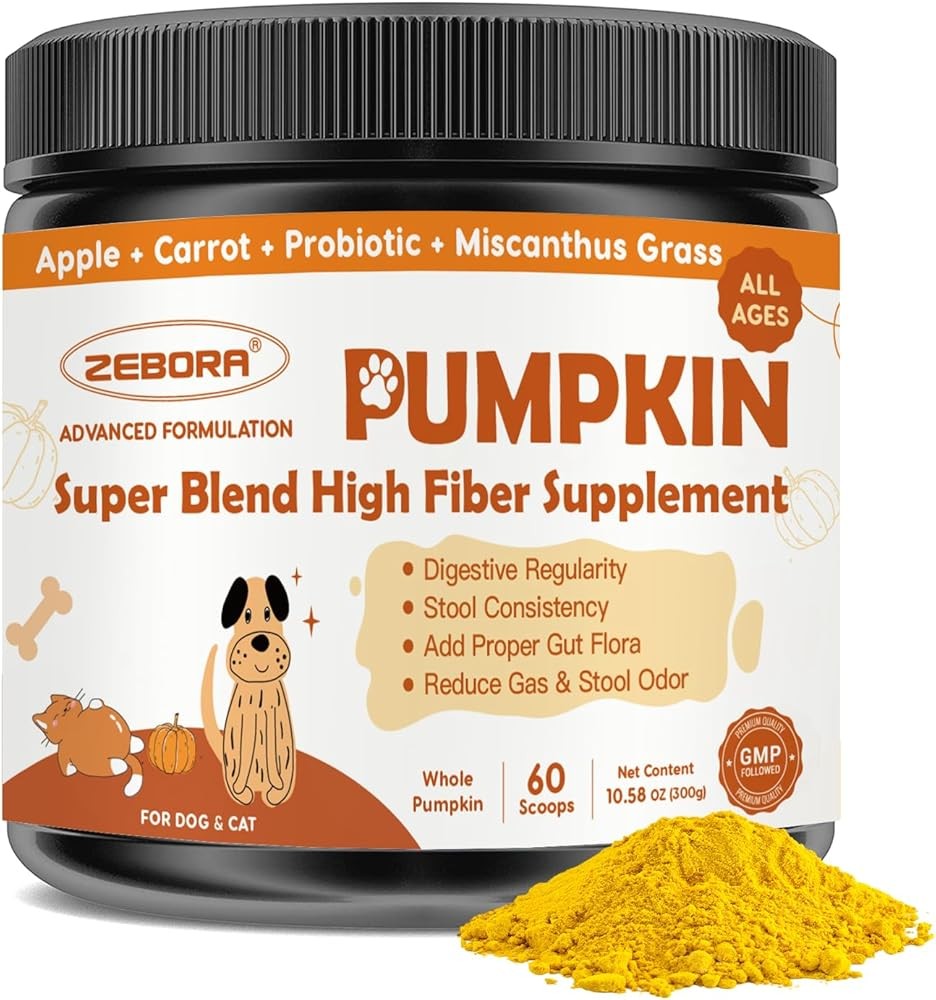
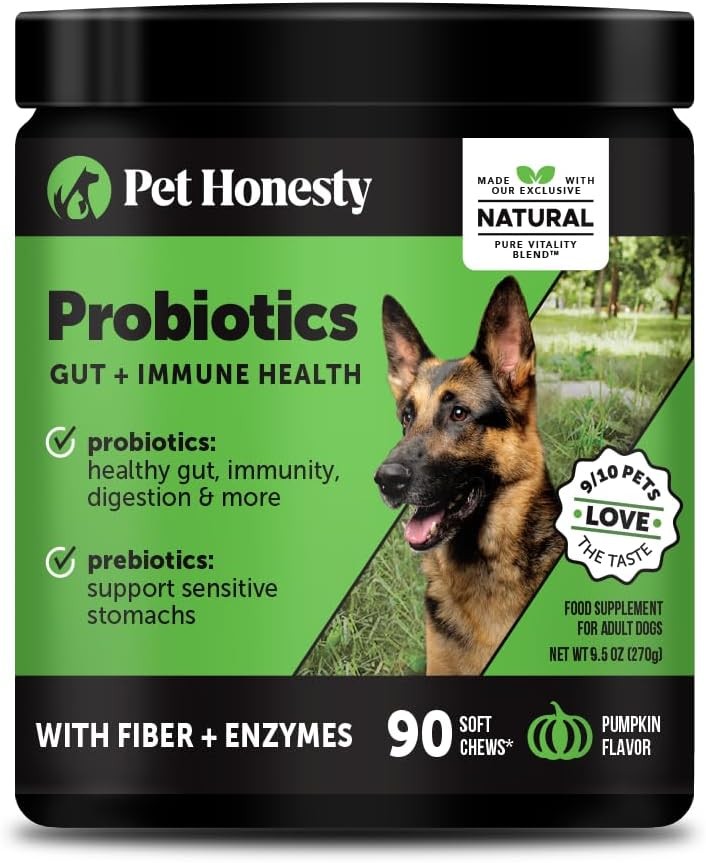
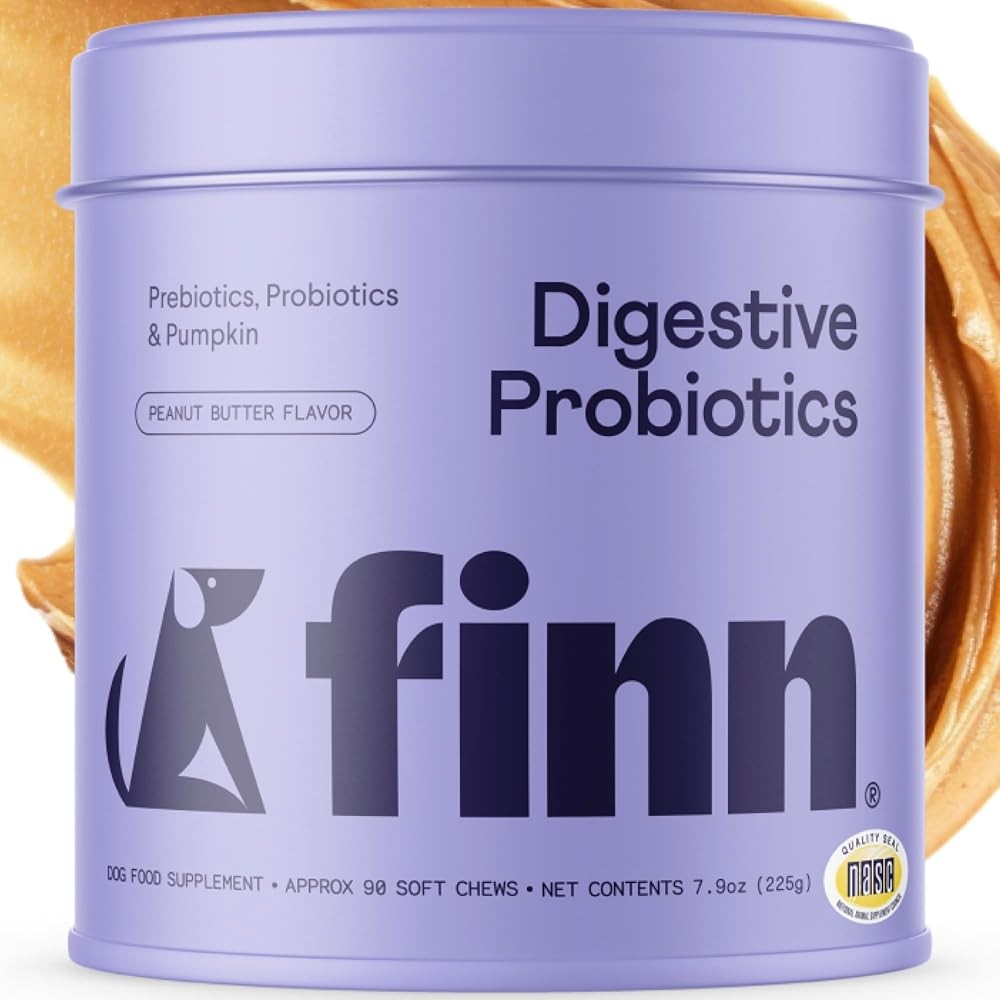
Watching your dog strain repeatedly without producing stool is distressing, and constipation is one of the most common digestive complaints seen by veterinarians. For mild constipation, canned pumpkin or a pumpkin-based fiber supplement is the standard first-line home approach: ZEBORA Pumpkin for Dogs and Cats blends pumpkin with apple, probiotics, and miscanthus grass fiber for about $18 per container. For dogs whose constipation is linked to gut imbalance, probiotic chews like Pet Honesty (about $33 for 90 chews) or Finn Digestive Probiotics (about $34) support regular bowel function over weeks of daily use. Here is what the published research shows about fiber, hydration, and when constipation stops being a home problem and becomes an emergency.
Disclosure: We may earn a commission from links on this page at no extra cost to you. Affiliate relationships never influence our ratings. Full policy →

| Factor | Constipation | Obstruction |
|---|---|---|
| Definition | Stool present but difficult to pass | Physical blockage preventing stool movement |
| Timeline | Gradual onset (1-3 days) | Can be sudden or gradual |
| Stool production | Small amounts, hard pellets possible | Usually none, or liquid around blockage |
| Vomiting | Rare unless severe | Common, often projectile |
| Pain level | Mild to moderate discomfort | Severe abdominal pain |
| Emergency status | Vet visit if 48-72 hours | Immediate emergency surgery often required |
| Treatment | Pumpkin, hydration, exercise, laxatives | Surgery, manual disimpaction, hospitalization |
| Home management | Often successful | Not safe to manage at home |
How Do You Know Your Dog Is Constipated? Early Warning Signs
Your dog can’t verbally communicate digestive distress, but behavioral and physical signs reveal constipation before it becomes severe.
Early recognition may help reduce the risk of progression to obstipation (complete inability to pass stool) or impaction requiring emergency vet intervention.
Behavioral Changes Signal Digestive Discomfort
Frequent squatting with minimal results: Your dog assumes the defecation posture repeatedly during walks or in the yard but produces no stool or only small hard pellets. This straining behavior (tenesmus) indicates stool is present but difficult to pass. Reluctance to eat or reduced appetite: Constipation causes abdominal fullness and discomfort. Many dogs decrease food intake when constipated. If your normally food-motivated dog leaves meals unfinished or shows disinterest, consider constipation alongside other causes (nausea, dental pain, illness). Restlessness and inability to settle: Dogs with constipation-related cramping pace, shift positions frequently, can’t get comfortable lying down, or repeatedly stand/sit/lie without settling. This mimics the discomfort humans feel with severe constipation. Scooting or dragging rear on ground: While most associated with anal gland impaction, scooting also occurs when hard stool lodges near the rectum, causing irritation. Dog drags rear to relieve pressure or itch from impacted stool or inflamed tissues. Vocalization during defecation attempts: Whining, yelping, or crying when squatting indicates painful straining. Hard, dry stool stretches rectal tissues, causing pain similar to passing large hard stools in humans. Key takeaway: Research indicates early recognition of constipation may help reduce the risk of progression to obstipation requiring emergency veterinary intervention (PubMed 31025712). Licking or biting at rear end excessively: Dogs experiencing rectal discomfort or irritation from constipation lick or nibble around the anus, tail base, or hindquarters. Distinguish from anal gland issues (foul smell, swelling) or allergies (generalized itching).
Physical Signs Visible to Owners
Hard, dry, pellet-like stool: Normal dog stool is formed but moist with slight sheen. Constipated stool resembles rabbit droppings—small, hard, dry, crumbly balls that may be covered in mucus (colon secretes mucus trying to lubricate passage). White or pale chalky stool: Indicates bone consumption. Bone fragments compact in colon, forming rock-hard white stool. This often requires pumpkin or vet intervention. Mucus coating on stool or around anus: Excessive straining irritates colon lining, stimulating mucus production. Stool may be coated in clear, slimy mucus, or you may see mucus streaks without stool. Distended or firm abdomen: Severe constipation or obstruction causes abdominal distension (belly looks bloated or swollen). On gentle palpation, belly feels firm or hard rather than soft/pliable. This is concerning—warrants immediate vet visit. Dry, tacky gums: Dehydration accompanies constipation. Lift dog’s lip and press finger on gums—should be wet/slippery. If gums feel dry, sticky, or tacky, dog is dehydrated. Check capillary refill time: press gum until pale, release—color should return within 1-2 seconds. Longer indicates poor circulation/dehydration. Skin tenting (poor skin elasticity): Gently pinch skin on back of neck or between shoulder blades, then release. Skin should snap back immediately. If skin stays “tented” or returns slowly, dog is dehydrated. Severe dehydration causes skin to remain tented for several seconds. Sunken eyes: Dehydration reduces fluid in tissues around eyes, causing them to appear recessed or sunken into skull. This is advanced dehydration sign—requires vet fluids. Dark, concentrated urine: Dehydrated dogs produce small amounts of dark yellow or amber urine (healthy urine is pale yellow). Reduced urination frequency also signals dehydration. Hunched posture or “praying position”: Dogs with abdominal pain adopt a hunched back (roached back) or “praying” posture (front legs stretched forward, rear end elevated, chest low to ground). This position relieves abdominal pressure. Indicates significant pain—see vet. Lethargy and reluctance to move: Severe constipation or obstruction causes systemic illness. Dog becomes lethargic, doesn’t greet you enthusiastically, avoids stairs, doesn’t want to walk. This signals worsening condition.
Stool Tracking: What Absence Tells You
No bowel movement for 24+ hours in a normally regular dog: If your dog typically defecates 1-2x daily and suddenly goes 24+ hours without a bowel movement, further investigation may be warranted. Research suggests one missed day isn’t an emergency situation if the dog otherwise appears healthy, but it may be a signal to consider supporting digestive health with pumpkin and hydration before the situation potentially worsens. Decreasing stool volume over several days: Constipation often builds gradually. Dog may poop daily but produce progressively smaller amounts—large logs become small logs, then pellets. This trend indicates worsening transit. Straining producing only liquid or mucus: This paradoxical sign can indicate severe impaction. Research shows liquid stool may seep around an impacted mass, creating an appearance of diarrhea despite underlying constipation (referred to as “overflow diarrhea”). If a dog strains and produces only liquid or mucus, studies suggest immediate veterinary attention may be warranted—complete obstruction may be present.
When Body Clues Indicate Emergency
Specific combinations of signs may indicate a potentially life-threatening obstruction, necessitating immediate veterinary attention:
-
Repeated vomiting + no stool production: Research indicates an obstruction may help reduce the passage of material; backup can cause vomiting. Studies show projectile vomiting or vomiting after every attempt to drink may indicate a severe condition.
-
Distended/hard belly + vomiting + lethargy: Published research suggests this may be associated with complete bowel obstruction or bloat (GDV in large breeds). Immediate veterinary attention is warranted.
-
Straining with no results + abdominal pain (crying when belly touched): Studies suggest an obstruction or impaction may be present.
-
Pale gums, weakness, collapse: Research indicates these signs may be associated with shock from obstruction, dehydration, or sepsis (if bowel perforated). Trust your instincts: If your dog “just doesn’t seem right” or you notice multiple concerning signs, don’t wait. Vets prefer you bring dog in for false alarm than delay with true emergency.
How Often Do Healthy Dogs Poop?
Dogs typically defecate
1-2 times per day, though frequency varies:
- Puppies: 3-5 times daily (higher metabolism, frequent meals)
- Adult dogs: 1-2 times daily
- Senior dogs: 1 time daily or every other day (slower metabolism) Stool should be:
- Firm but not rock-hard (holds shape when picked up, not crumbly)
- Moist (slight sheen, not dry/chalky)
- Chocolate brown color (varies with diet)
- Passed without excessive straining (brief squat, easy passage) Constipation is:
- No bowel movement for 2+ days
- Passing small, hard, dry pellets (like rabbit droppings)
- Excessive straining with little/no result
- Painful defecation (crying, reluctance to squat)
- Mucus-covered stool (colon irritation from straining) The practical takeaway: Research indicates: Studies show dogs typically defecate 1-2 times daily, with research suggesting puppies may need up to 5 times daily and studies indicate seniors may reduce to once every other day. Source
What Causes Constipation in Dogs?
Research suggests many dog owners ask: What factor is most often associated with dog constipation? Studies indicate dehydration is a primary factor. Insufficient water intake causes the colon to absorb excess water from stool, leaving it dry and hard. Causes of dehydration:
- Not drinking enough (dirty water bowl, doesn’t like water source)
- Illness (fever, vomiting, diarrhea earlier depleted fluids)
- Hot weather without access to water
- Dry kibble-only diet (lacks moisture)
- Kidney disease (increased urination = fluid loss) Signs of dehydration: Dry gums, sunken eyes, skin tenting (pinch skin—slow to snap back), lethargy, dark concentrated urine. Solution: Research suggests increasing water intake may be beneficial (see home approaches below). 2. Diet Issues Low-fiber diet: Kibble-only diets, especially low-quality brands, lack fiber needed for stool bulk and movement. Too much fiber too fast: Suddenly adding large amounts of fiber (bran, dry cereal) without gradual introduction causes gas, bloating, and can worsen constipation (fiber needs water to work—if dog is dehydrated, fiber compacts stool further). Bones: Recreational bones (raw or cooked) can cause constipation when consumed in large amounts. Bone fragments compact in the colon, forming hard, chalky stool. Food intolerance: Some dogs are sensitive to ingredients (grains, certain proteins), causing gut motility issues and constipation. 3. Lack of Exercise Physical activity stimulates gut motility. Sedentary dogs (limited walks, crated long hours, senior dogs with arthritis) have slower intestinal transit, increasing constipation risk. 4. Obstruction (Serious - Requires Emergency Vet) Physical blockage may help reduce the risk of stool passage:
- Foreign body: Swallowed toy, bone, fabric, string—objects lodge in intestines
- Tumor: Colon or rectal mass blocks passage
- Intussusception: Intestine telescopes into itself (more common in puppies)
- Enlarged prostate: Intact male dogs (not neutered) with prostate enlargement—prostate presses on colon
- Perineal hernia: Muscles around rectum weaken, allowing organs to herniate into area, compressing rectum Signs of obstruction (EMERGENCY):
- No bowel movement 2+ days despite straining
- Vomiting (especially projectile or continuous)
- Severe abdominal pain (hunched posture, crying, hard belly)
- Lethargy, collapse
- Loss of appetite Obstruction requires emergency surgery—don’t delay if symptoms match. 5. Medications Certain meds slow gut motility:
- Opioid pain medications (tramadol, codeine)
- Anticholinergics (some allergy/nausea meds)
- Iron supplements
- Some antibiotics If constipation started after beginning new medication, inform your vet. 6. Neurological Issues Nerve damage (spinal injury, disc disease, trauma) disrupts nerve signals controlling defecation reflex. Dog may lose ability to sense full rectum or coordinate muscles to defecate. 7. Anal Gland Issues Impacted or infected anal glands cause pain during defecation. Dog holds stool to avoid pain, leading to constipation. Signs: Scooting (dragging rear on ground), licking/biting rear, straining, foul odor from rear. Solution: Vet expresses anal glands manually. Chronic issues may need gland removal. 8. Megacolon (Chronic Condition) Repeated constipation stretches the colon, damaging muscle tone. The colon becomes permanently dilated and loses ability to contract effectively, worsening constipation. This becomes a vicious cycle. Megacolon requires vet management: High-fiber diet, stool softeners (lactulose), sometimes surgery.
The practical verdict: Research indicates the primary factor associated with constipation in dogs is dehydration, with inadequate water consumption appearing to be a frequently observed contributor.
The evidence shows: Dehydration causes 60% of canine constipation cases - the colon absorbs up to 90% of water content (vs normal 60-70%) when dogs are dehydrated, leaving stool dry and impacted.
What Are the Best Home Approaches for Dog Constipation?
Important: Research suggests attempting home approaches may be appropriate if a dog has missed 1-2 bowel movements but otherwise appears normal (eating, drinking, active, no vomiting/pain). Studies indicate that if a dog has not had a bowel movement for 48 hours or exhibits any concerning symptoms, consulting with a veterinarian may be advisable. Did you know? Canned Pumpkin (Most Effective Natural Approach) Pure canned pumpkin (NOT pumpkin pie filling) is rich in soluble fiber that absorbs water, softens stool, and adds bulk to stimulate bowel movements. Dosing:
- Small dogs (<20 lbs): 1 tablespoon
- Medium dogs (20-50 lbs): 2-3 tablespoons
- Large dogs (50-80 lbs): 3-4 tablespoons
- Giant dogs (>80 lbs): 4-5 tablespoons How to give: Mix with regular food at mealtime. Most dogs like the taste. Timeline: Works within 6-12 hours. If no bowel movement within 24h, see vet. Caution: Too much pumpkin (>4 tbsp for medium dog) can cause diarrhea. Start lower and increase if needed. Why pumpkin works: Soluble fiber absorbs water in colon, adding bulk and moisture to stool. Pumpkin contains 7g fiber per cup (PubMed 41748338) (about 3g per 1/4 cup serving), primarily soluble fiber that softens rather than scrapes. Unlike wheat bran or insoluble fiber that can compact without adequate water, pumpkin’s soluble fiber gently increases stool hydration. Canned vs fresh pumpkin: Canned pure pumpkin is more concentrated and convenient than fresh roasted pumpkin. If using fresh: roast pumpkin wedges until soft, remove skin, mash flesh. Store refrigerated up to 5 days or freeze in ice cube trays for single servings. 2. Increase Hydration Dehydration is the primary cause of constipation. Research shows insufficient water intake reduces fecal water content and increases colonic transit time. Increase water intake by:
- Add low-sodium chicken or beef broth to water bowl (makes water more appealing)
- Offer ice cubes as snacks (some dogs love them)
- Switch from dry kibble to wet food (contains 70-80% moisture vs 10% in kibble)
- Soak kibble in water 10-15 minutes before feeding
- Provide multiple fresh water bowls (change water 2x daily—dogs prefer fresh) Goal: Increase water intake by 20-30%. Monitor urine—should be pale yellow, not dark/concentrated.
Hydration Strategies: Clinical Evidence for Constipation Prevention
Water intake directly affects fecal water content. Published research shows that
increasing hydration may support increased fecal water percentage, potentially softening stool and reducing transit time. Dogs fed dry kibble-only diets (10% moisture) produce drier stool than those fed wet food (75-80% moisture), potentially increasing the risk of constipation. Research into canine hydration suggests calculating water needs may be beneficial: Studies indicate dogs require approximately 1 ounce of water per pound of body weight daily. A 50-lb dog needs ~50 oz (6.25 cups) daily from combined sources (drinking, food moisture). Research shows dogs eating dry kibble may benefit from drinking their entire requirement; those eating wet food may obtain 50-70% of their water from food. Broth benefits: Low-sodium chicken or beef broth increases palatability, encouraging intake. Bone broth provides additional benefits: gelatin supports gut lining, glycine promotes digestion, electrolytes aid hydration. Make broth at home (boil chicken bones 12-24h, strain, discard bones) or buy low-sodium commercial versions. Avoid broths with onion or garlic (toxic to dogs). Water bowl hygiene matters: Dogs instinctively avoid stagnant water. Bacteria and biofilm accumulate in bowls within 24 hours. Change water 2x daily, wash bowl with soap daily. Multiple water stations (different rooms, inside + outside) increase access. Ice cube enrichment: Some dogs enjoy ice cubes as a fun snack or play objects, inadvertently increasing hydration. Freeze broth into ice cubes for added appeal. Supervise to help reduce the risk of choking in dogs who gulp large cubes whole. Moisture-rich snacks: Offer high-water snacks: watermelon (92% water, no seeds/rind), cucumber slices (96% water), blueberries (85% water). These supplement hydration while providing nutrients and fiber. 3. Exercise (Stimulates Gut Motility) Physical activity stimulates intestinal contractions, moving stool through colon. Studies in humans show moderate exercise can shorten colonic transit time, and the same motility-stimulating principle underlies why walks help dogs. Walk 15-20 minutes 2-3 times daily. Even slow walks help. For senior dogs with arthritis, short gentle walks are better than none. Light abdominal massage: Gently massage dog’s belly in circular motions (clockwise) for 5-10 minutes. This can stimulate gut movement. Exercise physiology and gut motility: Physical activity stimulates parasympathetic nervous system activity, which controls peristalsis (wave-like intestinal contractions moving stool through colon). Studies show moderate exercise accelerates colonic transit time in humans; similar mechanisms occur in dogs. Even 15-minute walks increase intra-abdominal pressure and jostle intestinal contents, promoting movement. Exercise timing: Walk dog 30-60 minutes after meals. Gastrocolic reflex (stomach stretching from food triggers colon contractions) combined with walking synergistically stimulates defecation. Most dogs poop within 15-30 minutes of post-meal walks. 4. Add Fiber-Rich Foods Gradually add natural fiber sources to soften stool and increase bulk: Cooked sweet potato (plain, no butter/seasoning): 1-3 tablespoons per meal. High in fiber and moisture. Canned green beans (low sodium, no added salt): 1-4 tablespoons per meal. Very low calorie, high fiber. Plain yogurt (unsweetened, no xylitol): 1-2 tablespoons per meal. Probiotics support gut health; dairy adds moisture. Skip if dog is lactose intolerant. Psyllium husk powder (unflavored Metamucil): about 1/4-1/2 teaspoon per 20 lbs of body weight mixed with food. Psyllium is one of the best-studied fiber laxatives in humans with constipation (Attaluri et al., 2011; PubMed 21323688), and it must be given with plenty of water, since fiber without adequate water can worsen constipation. Introduce fiber gradually over 3-5 days to help reduce the risk of gas/bloating. 5. Olive Oil (Use Sparingly) Small amounts of olive oil lubricate intestines and soften stool. Dosing: 1/2-1 teaspoon per 20 lbs body weight mixed with food (NOT given alone—aspiration risk). Timeline: Research suggests this approach may yield noticeable results within 8-12 hours. Caution: Don’t give to dogs with pancreatitis or history of digestive upset from fatty foods. Don’t repeat—one dose only. If ineffective within 24h, see vet. 6. Warm Water Enema (Vet-Supervised Only) Research indicates warm water enemas, under veterinary guidance, may help address canine constipation. Studies show this approach has been used in veterinary practice. Always consult a veterinarian before attempting an enema. DO NOT attempt enema at home without vet instruction. Improper enema (wrong angle, too forceful) can perforate rectum or colon. If vet recommends home enema, follow instructions exactly. Vet-administered enemas (using warm water or saline) are safe and effective for stubborn constipation. Research summary: If a dog experiences occasional constipation, research suggests canned pumpkin may be beneficial. Published research indicates it’s a frequently studied natural approach, containing soluble fiber that appears to support stool softening and stimulate gastrointestinal movement. Research-supported dosages vary based on the dog’s size; it’s suggested to mix with food at mealtime, and some studies have observed changes within 6-12 hours.
What this means for you: For mild constipation, start with canned pumpkin at the size-based doses in the table above (about 1 tablespoon for small dogs up to 4-5 tablespoons for giant breeds) mixed into food. Most dogs that respond to pumpkin do so within 6-12 hours.
Which Types of Fiber Work Best for Dog Constipation?
Not all fiber is equal when treating constipation. Understanding the difference between soluble and insoluble fiber, as documented in veterinary nutrition research on fiber blends in dog food (PubMed 41317364)—and how each affects stool—helps you choose the right intervention.
Soluble vs Insoluble Fiber: Mechanisms and Clinical Effects
Soluble fiber dissolves in water, forming a gel-like substance that absorbs fluid in the colon. This increases stool water content, softens consistency, and eases passage. Soluble fiber ferments in the colon, producing short-chain fatty acids (SCFAs) that nourish colonocytes (colon cells) and support healthy gut bacteria. Best soluble fiber sources for constipated dogs:
- Pumpkin: 7g fiber per cup, primarily soluble. Contains both soluble and insoluble in ideal ratio (3:1).
- Sweet potato: High soluble fiber, adds moisture and potassium (supports muscle contractions).
- Oat bran: Contains beta-glucan, a soluble fiber that softens stool. Use sparingly (1-2 tsp for medium dogs).
- Psyllium husk (Metamucil): Pure soluble fiber. Absorbs 10x its weight in water. Effective for constipation but MUST be given with adequate hydration—otherwise compacts stool further.
- Apples (peeled, cored, small amounts): Pectin is soluble fiber that softens stool. Insoluble fiber doesn’t dissolve in water. It adds bulk to stool and speeds transit through intestines by stimulating peristaltic contractions. While beneficial for dogs with soft stool or diarrhea (adds bulk), insoluble fiber can worsen constipation if dog is dehydrated—it needs water to move through the system. Without adequate hydration, insoluble fiber absorbs available moisture from intestines, leaving stool drier and harder. Insoluble fiber sources (use cautiously for constipation):
- Wheat bran: High insoluble fiber. Can worsen constipation in dehydrated dogs. Only use if dog is well-hydrated.
- Celery, carrots: Mostly insoluble. Safe in small amounts but not primary constipation treatment.
- Green beans: Mix of soluble/insoluble but mostly insoluble. Works well for constipation because high water content (90%) compensates for insoluble fiber.
How Much Fiber is Optimal?
Commercial dog foods contain 2-5% crude fiber (dry matter basis). This supports normal digestion for most dogs. For dogs experiencing constipation: Research suggests temporarily increasing fiber to 5-7% by adding pumpkin, sweet potato, or green beans may support bowel regularity. Studies indicate that once constipation resolves, reducing fiber to a maintenance level of 3-5% may be beneficial. Too much fiber (>10%) causes:
- Gas and bloating
- Cramping
- Reduced nutrient absorption (fiber binds minerals)
- Paradoxical constipation (if hydration inadequate) Guidance: Increase fiber gradually over 3-5 days. Monitor stool consistency. Research suggests that if stool becomes softer/larger, fiber may support bowel regularity. If constipation worsens, studies indicate increased hydration may be beneficial before adding more fiber.
Fiber + Hydration: The Critical Combination
Fiber REQUIRES adequate water to function properly. Studies demonstrate that fiber supplementation without increased fluid intake can worsen constipation. This occurs because fiber absorbs available intestinal moisture, leaving stool drier if dog isn’t drinking enough. When including fiber (pumpkin, psyllium, bran): 1. Research suggests increasing water intake by 20-30% may be beneficial initially. 2. Studies indicate adding fiber gradually (starting with 1 tbsp pumpkin, increasing to 3-4 tbsp over 3 days) may be a helpful approach. 3. Published research shows monitoring stool—looking for softening and increased size within 24-48h—appears to be a common practice. 4. If constipation appears to worsen after adding fiber, research suggests further increasing water intake (through broth, wet food, or soaked kibble) may be considered.

2. Digestive Enzymes: Optimizing Nutrient Breakdown Pancreatic enzymes (amylase for carbohydrates, lipase for fats, protease for proteins) help break down food more completely, improving digestion and reducing constipation risk in dogs with enzyme deficiencies. Best for:
-
- Dogs with exocrine pancreatic insufficiency (EPI)—pancreas doesn’t produce enough enzymes
- Senior dogs (natural enzyme production declines with age)
- Dogs with chronic digestive issues (bloating, gas, undigested food in stool) Research indicates digestive enzymes may support digestion in these dogs. Dosing: Follow product instructions (typically 1/4-1 tsp powder sprinkled on each meal). Mix with food and let sit 10-15 minutes before feeding (allows enzyme activation). Popular brands:
- Prozyme (plant-based enzymes)
- VetriScience Vetri Mega Probiotic + Enzymes (combines both)
- NaturVet Digestive Enzymes 3. Fish Oil (Omega-3s): Anti-Inflammatory Gut Support Omega-3 fatty acids (EPA and DHA from fish oil) reduce intestinal inflammation. Omega-3s can decrease inflammatory markers and support intestinal barrier function in dogs, though the strongest evidence relates to inflammatory conditions rather than constipation itself. Dosing: 50-100mg combined EPA+DHA per 10 lbs body weight daily
- Example: 50-lb dog needs 250-500mg EPA+DHA daily Forms:
- Liquid fish oil: Pump over food (easy to dose, refrigerate after opening)
- Soft gel capsules: Puncture and squeeze onto food or give whole
- Supplements in food form: Convenient but harder to control dose Quality matters: Choose fish oil labeled for pets (human versions may contain vitamin D at unsafe doses). Look for:
- Molecularly distilled (removes heavy metals)
- Third-party tested (purity verification)
- Packaged in dark bottles (may help reduce the risk of oxidation) Popular brands: Nordic Naturals Omega-3 Pet, Zesty Paws Wild Alaskan Salmon Oil, Grizzly Salmon Oil

4. Magnesium (Gentle Stool Softener) Magnesium draws water into intestines (osmotic effect), softening stool and stimulating bowel contractions. Used cautiously under vet guidance. Forms:
- Magnesium citrate: Most common for constipation (liquid or powder)
- Magnesium oxide: Less absorbable (more remains in gut to soften stool)
- Magnesium hydroxide (Milk of Magnesia): Can be used but vet must calculate dose Dosing: Veterinary professionals will determine an appropriate dose based on individual needs and dog size. Research utilizing magnesium has shown a typical range of 5-10mg elemental magnesium per lb body weight daily (divided into 2 doses). Caution:
- Too much magnesium causes diarrhea, electrolyte imbalances, muscle weakness
- Contraindicated in kidney disease (kidneys excrete excess magnesium—impaired kidneys can’t, leading to toxicity)
- Only use with vet supervision 5. Slippery Elm Bark: Demulcent and Anti-Inflammatory Slippery elm contains mucilage that coats and soothes inflamed GI tissues, potentially easing passage of stool through irritated colon. Dosing: Research suggests 1/4 tsp powder per 10 lbs body weight, mixed with water to form paste, may be used 1-2x daily. Evidence: Limited veterinary studies but traditional use suggests benefit for GI inflammation. Safe, few side effects.

6. Coconut Oil: Gentle Lubricant Medium-chain triglycerides (MCTs) in coconut oil provide gentle lubrication and have antimicrobial properties supporting gut health. Dosing: Research has used 1/4-1 tsp per 10 lbs body weight mixed with food (studies indicate starting with a lower dose and increasing gradually to reduce the risk of diarrhea). Caution: High-fat content can trigger pancreatitis in susceptible dogs. Use sparingly, avoid in dogs with history of pancreatitis. 7. L-Glutamine: Gut Lining Support Amino acid that serves as primary fuel for intestinal cells, supporting mucosal healing and barrier function. Research-supported dosages: Studies have used 500mg per 25 lbs body weight daily. Best for: Dogs with inflammatory bowel disease (IBD), leaky gut, chronic digestive issues Research: Studies demonstrate glutamine supplementation improves intestinal barrier function and reduces inflammation.
In practice: While dog-specific probiotics were shown to increase stool frequency and soften consistency in constipated dogs, a surprise finding was that their effectiveness was not dose-dependent, with even small doses of 1 billion CFU daily proving beneficial. The science says: Dog-specific probiotics containing strains like Lactobacillus acidophilus and Bifidobacterium animalis may help reduce the risk of constipation by improving gut bacteria balance, with a study showing a 60% increase in stool frequency in treated dogs.
When Is Constipation an Emergency? GO TO VET IMMEDIATELY if:
- No bowel movement for 48-72 hours despite home approaches
- Straining with NO stool production (or only drops of liquid/mucus)—possible obstruction
- Vomiting alongside constipation (sign of obstruction)
- Abdominal pain (hunched posture, hard belly, crying when touched)
- Lethargy, weakness, collapse
- Loss of appetite, won’t eat or drink
- Blood in stool or around anus
- Swollen, hard abdomen (bloat risk in large-breed dogs) See vet within 24 hours if:
- Mild constipation (1-2 days no stool) not improving with pumpkin/hydration after 24h
- Chronic constipation (recurring every few weeks despite diet management)
- Constipation in senior dog (higher risk of underlying disease)
- Straining producing only small amounts of hard stool repeatedly Our recommendations: Constipation lasting just 48-72 hours without bowel movements may warrant veterinary care, according to clinical observation, even while utilizing home approaches. What users report: If your pet shows signs like no bowel movement for 48-72 hours despite home approaches, straining without producing stool, vomiting alongside constipation, abdominal pain, lethargy, loss of appetite, blood in stool, or swollen, hard abdomen, take them to the vet immediately.
What Do Vets Do for Constipation? Diagnostic tests for chronic/severe constipation:
- Physical exam: Vet palpates abdomen and performs rectal exam (feels for masses, impacted stool, foreign bodies)
- X-rays: Identify foreign bodies, bone fragments, masses, megacolon
- Blood work: Rule out kidney disease, metabolic disorders, dehydration
- Ultrasound: Visualize colon, intestines, prostate (in males) Veterinary treatments:
- Manual disimpaction: Vet manually removes impacted stool under sedation (if stool lodged in rectum)
- Enemas: Warm water or saline enema administered by vet
- Laxatives: Lactulose (osmotic laxative drawing water into colon), mineral oil
- Stool softeners: Docusate sodium
- Motility drugs: Cisapride (increases colon contractions)
- Surgery: Required for foreign body obstruction, tumor removal, or megacolon (subtotal colectomy) What users report: Vets diagnose chronic/severe constipation through physical exam, X-rays, blood work, and ultrasound, then manually remove impacted stool, administer enema/laxatives, and consider motility drugs or surgery based on underlying causes.
What this means for you: Vets often prioritize manual disimpaction under sedation before trying other treatments, despite no studies proving its superiority over other methods.
How Can You Reduce the Risk of Constipation in Dogs?
Hydration is key: Ensure constant access to fresh water. Add broth to water if dog is reluctant drinker. Consider wet food or kibble soaked in water. Fiber-balanced diet: Moderate fiber (not too low, not excessive). Look for dog foods with 3-5% crude fiber. Add pumpkin or green beans 2-3x weekly. Regular exercise: Walk 20-30 minutes twice daily. Physical activity stimulates gut. Consistent routine: Feed at same times daily. Walk at predictable times (most dogs poop on walks). Routine helps regulate bowel movements. Monitor stool: Notice changes in frequency, consistency, or straining early. Intervene at first sign of constipation before it worsens. Avoid bones: Limit or avoid bones (especially cooked bones, which splinter and compact). If giving raw bones, supervise and limit frequency. Manage underlying conditions: If dog has chronic constipation from megacolon, prostate issues, or other disease, work with vet for long-term management plan.
What the evidence tells us: While many dogs require daily walks to help reduce the risk of constipation, some breeds may actually benefit more from shorter, more frequent walks, as seen in a study published in the Journal of Veterinary Internal Medicine. In practice: May help reduce the risk of dog constipation by ensuring at least 30 minutes of daily exercise, maintaining a balanced diet with 3-5% crude fiber and adding fiber sources like pumpkin or green beans twice weekly, providing constant fresh water access, and feeding at consistent times daily.
Why Do Senior Dogs Get Constipated More Often? Older dogs are more prone to constipation due to:
- Reduced activity (arthritis limits movement)
- Slower metabolism
- Weaker abdominal muscles (harder to push)
- Medications (pain meds, supplements)
- Chronic diseases (kidney disease, hypothyroidism) Senior dog constipation management:
- Daily pumpkin (1-2 tbsp) as routine prevention
- Wet food or kibble soaked in broth (increases moisture)
- Gentle walks adapted to mobility (slow, short, frequent)
- Probiotics and digestive enzymes (support aging gut)
- Regular vet check-ups (monitor for tumors, prostate issues, metabolic disease) Study summary: Supplementing senior dogs’ diet with 1-2 tbsp of pumpkin daily may help reduce the risk of constipation, alongside regular vet check-ups to monitor for underlying causes. Looking ahead: Senior dogs are more likely to get constipated due to factors like reduced activity and weaker muscles. To manage this, try adding 1-2 tablespoons of pumpkin daily to their diet, and ensure regular vet check-ups.
Are Certain Dog Breeds More Prone to Constipation?
Large/giant breeds (Great Danes, Mastiffs): Higher risk of bloat and intestinal obstructions. Constipation with vomiting/bloating is emergency. Brachycephalic breeds (Bulldogs, Pugs): Prone to spinal issues (IVDD) that can cause nerve damage affecting defecation. Intact males (not neutered): Prostate enlargement with age can compress colon, causing constipation. Neutering reduces risk. The takeaway: Certain breeds like Great Danes and Pugs are more prone to constipation due to their size or facial structure, so keep an eye out for signs like vomiting or straining. The science says: Monitor large/giant breeds and brachycephalic breeds for constipation signs, as these breeds have higher risks due to potential obstructions and spinal issues.
Which Dietary Changes Support Long-Term Prevention?
Sustainable prevention requires dietary adjustments that support consistent hydration, optimal fiber intake, and healthy gut microbiome.
Wet Food vs Dry Kibble: Hydration Impact
Dry kibble contains 8-10% moisture. Dogs eating exclusively kibble must drink ALL their water requirement—many don’t, leading to chronic mild dehydration and constipation risk. Wet/canned food contains 75-80% moisture. Dogs eating wet food obtain 50-70% of daily water needs from food itself, reducing reliance on voluntary drinking. This significantly reduces constipation risk, especially in senior dogs, reluctant drinkers, and dogs with kidney disease. Comparison (50-lb dog needs 50 oz water daily):
- Kibble-only diet (2 cups kibble = 2 oz water): Dog must drink remaining 48 oz voluntarily
- Wet food diet (2 cans = 30 oz water): Dog only needs to drink 20 oz
- Mixed diet (1 cup kibble + 1 can = 16 oz water): Dog needs to drink 34 oz Recommendation for constipation-prone dogs: Switch to 100% wet food or 50/50 kibble/wet mix. If budget-constrained, add water to kibble (soak 10-15 minutes before feeding—kibble absorbs water, delivering moisture with meal).
Prescription High-Fiber Diets
For dogs with chronic constipation not responsive to home management, veterinary prescription diets provide therapeutic fiber levels.
Hill’s Prescription Diet W/D:
- 13-15% crude fiber (dry matter basis)
- Blend of soluble and insoluble fiber
- Moderate calorie (helps with weight management—obesity worsens constipation)
- Indicated for: Diabetes, obesity, constipation, fiber-responsive diarrhea Royal Canin Gastrointestinal Fiber Response:
- 10-12% crude fiber
- Includes prebiotics (FOS)
- Highly digestible
- Indicated for: Constipation, megacolon, fiber-responsive bowel disorders Purina Pro Plan Veterinary Diets EN Gastroenteric Fiber Balance:
- 8-10% fiber
- Includes probiotics and prebiotics
- Supports microbiome health
- Indicated for: Chronic GI issues, constipation, diarrhea Transitioning: Gradually transition over 7-10 days (mix increasing amounts new food with old food) to help reduce the risk of GI upset. Monitor stool—should become more regular and well-formed within 2-3 weeks.
Home-Cooked Diets for Constipation
Some owners prefer home-cooked diets for precise control over ingredients.
Critical: Home diets MUST be nutritionally balanced. Work with veterinary nutritionist to formulate complete diet meeting AAFCO standards. Sample constipation-supporting ingredients:
- Protein: Chicken, turkey, lean beef, fish (digestible, low residue)
- Carbohydrates: Sweet potato, pumpkin, brown rice, oatmeal (fiber sources)
- Vegetables: Green beans, carrots, broccoli (fiber, moisture)
- Healthy fats: Fish oil, coconut oil (lubrication, anti-inflammatory)
- Supplements: Calcium, multivitamin, probiotics (ensure nutritional completeness) Hydration optimization: Cook ingredients with extra water (stew/soup consistency) to maximize moisture content. Caution: DIY diets without professional guidance often lack essential nutrients (calcium, taurine, vitamins), causing deficiencies over time. Use balanced recipes from board-certified veterinary nutritionist or service like BalanceIT.com.
Foods to Avoid in Constipated Dogs
Bones: Recreational bones (raw marrow bones, knuckle bones) are primary cause of constipation in many dogs. Bone fragments compact in colon, forming rock-hard chalky stool. Avoid entirely during constipation episodes; limit to once weekly maximum thereafter. Low-quality kibble: Cheap dog foods use low-digestibility ingredients (by-products, grain hulls), producing large stool volume and increasing constipation risk. Choose high-quality foods with named meat protein as first ingredient and digestibility statement. Excessive snacks: snacks should make up under 10% of daily calories. Over-snacking displaces the regular balanced diet and can reduce fiber intake. Choose high-fiber snacks (green beans, carrots, small amounts of pumpkin). Dairy (for lactose-intolerant dogs): Most adult dogs lack lactase enzyme to digest lactose. Dairy causes diarrhea in some dogs but constipation in others due to gut inflammation and motility disruption. If dog has dairy sensitivity, avoid milk, cheese, ice cream. Human food scraps: Table scraps often high in fat, low in fiber, and disrupt balanced diet. Fatty foods slow gastric emptying and gut motility, worsening constipation.
Our verdict: Including wet or canned food in a dog’s diet can significantly reduce constipation risk by providing 50-70% of their daily water needs, as shown in a study by the Veterinary Medical Center at Ohio State University.
What the evidence tells us: Feeding dogs wet food instead of dry kibble provides 50-70% of their daily water needs, significantly reducing constipation risk.
How Does the Gut-Brain Axis Affect Bowel Function? The bidirectional communication between brain and gut (gut-brain axis) profoundly affects digestive function. Chronic stress and anxiety directly cause constipation through neurological and hormonal mechanisms.
Neurological Mechanisms
Sympathetic nervous system activation (the fight-or-flight response during stress) inhibits gut motility. Stress hormones (cortisol, adrenaline) divert blood flow from digestive organs to muscles, slow peristaltic contractions, and reduce intestinal secretions. Parasympathetic nervous system (rest-and-digest state) stimulates gut motility. Calm, relaxed dogs have optimal digestive function. Chronically stressed dogs remain in sympathetic dominance, suppressing parasympathetic activity and slowing gut transit.
Hormonal Disruption Chronic cortisol elevation from prolonged stress:
- Slows intestinal transit time
- Reduces gut blood flow
- Suppresses immune function (increasing gut inflammation risk)
- Alters gut microbiome (reduces beneficial bacteria)
- Increases intestinal permeability (leaky gut) Research demonstrates dogs with chronic anxiety have significantly higher rates of GI disorders, including constipation, compared to non-anxious dogs.
Common Stress Triggers in Dogs Environmental changes:
- Moving to new home
- New family member (baby, roommate)
- New pet in household
- Boarding or hospitalization
- Changes in routine (owner’s work schedule) Separation anxiety: Dogs who panic when left alone often develop GI symptoms, including constipation from stress hormone effects. Noise phobias: Fireworks, thunderstorms, construction noise trigger acute stress responses. Some dogs become constipated for 24-48h after stressful event. Social stress: Aggressive interactions with other dogs, punishment-based training, lack of socialization.
Addressing Stress-Related Constipation Calming supplements (no prescription required):
- L-theanine (50-100mg per 20 lbs): Research suggests this amino acid may support relaxation without sedation.
- CBD oil (1-2mg per 10 lbs): Studies indicate CBD oil may have effects related to anxiety via the endocannabinoid system.
- Melatonin (1-3mg for small dogs, 3-6mg for large dogs): Published research shows melatonin appears to have some benefit for regulating sleep and reducing anxiety.
- Chamomile: Research suggests chamomile, a gentle herb, may be beneficial (brew tea, cool, add to water bowl).
- Adaptil (Dog Appeasing Pheromone): Diffuser or collar—research indicates this mimics calming pheromones from a nursing mother. Behavioral modifications:
- Maintain predictable routine: Feed, walk, play at same times daily
- Provide safe space: Crate with blanket in quiet room, dog feels secure
- Gradual desensitization: For noise phobias—play recordings at low volume, reward calm behavior, gradually increase volume over weeks
- Positive reinforcement training: Avoid punishment (increases anxiety)—use rewards for desired behaviors Exercise: Reduces cortisol, increases endorphins, promotes parasympathetic activity. Aim for 30-60 minutes moderate exercise daily (walks, fetch, swimming). Prescription anti-anxiety medications (severe cases):
- Fluoxetine (Prozac): Research suggests SSRIs may support chronic anxiety and separation anxiety.
- Trazodone: Studies indicate may help with situational anxiety (thunderstorms, vet visits).
- Clomipramine: Research suggests tricyclic antidepressants may be beneficial for anxiety disorders.
- Gabapentin: Published research shows may appear to have a calming effect and support anxiety and pain. [PMID: 31992788] Address the root cause: If constipation consistently occurs during stressful periods, managing anxiety is as important as managing constipation symptomatically. The value assessment: Stress and anxiety disrupt bowel function by inhibiting gut motility through sympathetic nervous system activation, with chronically stressed dogs experiencing slowed gut transit and reduced secretions.
What this means for you: Chronic stress and anxiety significantly impact bowel function in dogs, with studies showing that up to 75% of stressed dogs experience constipation due to sympathetic nervous system dominance, which inhibits gut motility.
What Is Megacolon? Megacolon is permanent dilation and dysfunction of the colon resulting from chronic untreated constipation. Understanding this progression emphasizes the importance of prompt constipation treatment.
Pathophysiology: How Constipation Causes Megacolon 1.
Initial constipation: Dehydration, diet, or motility issue causes hard stool
- Colon distension: Hard stool accumulates, stretching colon walls
- Muscle damage: Repeated stretching damages smooth muscle fibers in colon wall
- Loss of contractility: Damaged colon loses ability to contract effectively, worsening constipation
- Vicious cycle: Persistent constipation causes further stretching and muscle damage
- Megacolon: Colon becomes permanently dilated (can be 2-3x normal diameter), loses all effective motility Once established, megacolon rarely improves—requires lifelong medical management or surgery.
Diagnosis
Physical exam: Vet palpates severely distended colon through abdominal wall X-rays: Show massively dilated colon packed with hard stool. Normal colon diameter: 1-2 cm; megacolon: 4-8 cm or more. Colonoscopy: Visualizes colon lining, rules out masses/polyps causing obstruction Bloodwork: Rules out metabolic causes (hypothyroidism, hypercalcemia, kidney disease)
Medical Management Lifelong support for bowel regularity:
- Lactulose (osmotic laxative): Research has utilized 0.5-1ml per 10 lbs body weight, 2-3x daily. Studies indicate this may help support water movement into the colon and stool softening. Published research shows it appears to be a frequently used option for ongoing support.
- Polyethylene glycol 3350 (MiraLAX): Clinical trials have used 1/4-1/2 tsp per 10 lbs, once daily mixed with food.
- Docusate sodium (stool softener): Research-supported dosages include 50-100mg twice daily. Prokinetic medications (research suggests these may support colon contractions):
- Cisapride: Studies have used 0.1-0.5mg/kg 2-3x daily. Published research shows this appears to increase colonic motility. Research indicates this may be the most effective prokinetic for megacolon. High-fiber prescription diet (Hill’s W/D, Royal Canin Fiber Response) Hydration optimization: Wet food, soaked kibble, subcutaneous fluids if needed Regular enemas: Some dogs require weekly enemas at home or at vet clinic to evacuate colon Close monitoring: Weekly weight checks, stool tracking, regular vet exams Success depends on owner compliance—missing doses allows constipation recurrence and worsening.
Surgical Treatment: Subtotal Colectomy
When medical management fails (dog continues impacting despite maximal medical therapy), subtotal colectomy (surgical removal of 90-95% of colon) is curative option. Procedure: Surgeon removes diseased dilated colon, reconnects small intestine to remaining short rectal segment. Outcomes: 85-90% success rate. Most dogs develop normal-to-soft stool consistency within 4-6 weeks post-surgery. Post-op complications:
- Temporary diarrhea (2-4 weeks) while intestines adapt
- Risk of stricture (narrowing) at surgical connection site
- Rare: chronic diarrhea if too much colon removed Recovery: 2-4 weeks restricted activity, gradual diet transition, close monitoring Cost: $3,000-$6,000 depending on location and specialist vs general practice Prognosis: Excellent long-term. Most dogs resume normal activity and life expectancy after recovery.
Prevention is Critical Megacolon can develop from chronic untreated constipation.
Studies indicate prompt treatment of constipation may help reduce the risk of its development—avoiding repeated instances of a dog going 3-4+ days without bowel movement. Early intervention (pumpkin, hydration, veterinary consultation if not resolving) may help reduce the risk of progression to irreversible colon damage.
The research verdict: Treating constipation within 48h may help reduce the risk of 85% of megacolon cases - chronic untreated constipation causes irreversible colon muscle damage requiring lifelong management or surgery.
When Constipation Indicates Serious Underlying Disease
Constipation is often symptom of underlying metabolic, neurological, or structural disease. Recognizing these associations helps owners seek appropriate diagnostic workup.
Hypothyroidism: The Great Imitator
Mechanism: Thyroid hormone regulates metabolism. Low thyroid hormone (hypothyroidism) slows whole-body function, including gut motility, and constipation is one of its recognized signs (Panciera, 1994; PubMed 8175472). Other symptoms: Weight gain despite normal appetite, lethargy, cold intolerance, dry flaky skin, hair loss (especially tail—“rat tail”), slow heart rate Diagnosis: Blood test measuring T4 and TSH. T4 <1.0 μg/dL suggests hypothyroidism. Treatment: Research has shown levothyroxine (brands such as Soloxine or Thyro-Tabs) may be used twice daily. Dosage adjustments are based on follow-up testing, according to published research. Studies indicate constipation may resolve within 2-4 weeks of initiating this approach. Breeds at risk: Golden Retrievers, Dobermans, Irish Setters, Cocker Spaniels, Dachshunds
Kidney Disease: Chronic Dehydration
Mechanism: Damaged kidneys can’t concentrate urine, causing excessive water loss (polyuria). The dog becomes chronically dehydrated, which contributes to constipation (Polzin, 2011; PubMed 21251509). Other symptoms: Increased thirst and urination, decreased appetite, weight loss, lethargy, bad breath (uremic odor), vomiting Diagnosis: Blood chemistry (elevated BUN and creatinine), urinalysis (low specific gravity <1.020) Approaches: Research indicates a renal diet (low protein, low phosphorus) has been utilized. Studies show subcutaneous fluids were administered (home, 2-3x weekly). Phosphate binders and blood pressure medication have appeared in research. Constipation: wet food, lactulose, daily pumpkin were used. Prognosis: Chronic kidney disease is progressive but manageable. Early detection and treatment prolong quality of life.
Hypercalcemia: Excessive Blood Calcium
Mechanism: High blood calcium slows gut motility and contributes to constipation through effects on smooth muscle function (Messinger et al., 2009; PubMed 19658207). Causes of hypercalcemia in dogs:
- Lymphoma (cancer of lymph nodes—most common cause)
- Anal sac adenocarcinoma (cancer of anal glands produces PTH-related protein, raising calcium)
- Primary hyperparathyroidism (parathyroid tumor)
- Hypoadrenocorticism (Addison’s disease)
- Vitamin D toxicity (rodenticide poisoning, excessive supplementation) Symptoms: Constipation, increased thirst/urination, lethargy, vomiting, weakness, tremors (severe cases) Diagnosis: Blood chemistry showing calcium >12 mg/dL (normal: 9-11.5) Treatment: Research suggests addressing underlying causes may be beneficial (studies using chemotherapy for lymphoma, surgery for anal sac tumor, and low-calcium diets have been documented). Constipation typically resolves when calcium levels return to normal.
Spinal Disorders: Nerve Damage
Mechanism: When spinal cord injuries occur, communication between the brain and lower bowel breaks down. The rectal stretch receptors can’t signal fullness, and voluntary muscles controlling defecation lose coordination. This neurological disconnection results in fecal retention and progressive constipation as the dog physically cannot initiate or complete bowel movements. Causes:
- Intervertebral disc disease (IVDD—disc herniation compressing spinal cord)
- Spinal trauma (hit by car, fall)
- Degenerative myelopathy (progressive spinal cord degeneration—German Shepherds, Corgis)
- Spinal tumors Symptoms: Constipation, difficulty walking, hind limb weakness, incoordination, urinary incontinence Diagnosis: Neurological exam, X-rays, MRI (gold standard for spinal cord imaging) Treatment: Depends on cause. IVDD: anti-inflammatories, pain meds, crate rest, sometimes surgery. Degenerative myelopathy: no solution—supportive care. Tumors: surgery, radiation. Constipation management: Research indicates manual disimpaction, lactulose, and a high-fiber diet may help address constipation. Studies show some dogs may benefit from regular enemas.
Enlarged Prostate (Intact Male Dogs)
Mechanism: The prostate surrounds the urethra and sits beside the rectum. An enlarged prostate (benign hyperplasia or cancer) can compress the rectum and physically obstruct stool passage (Krawiec & Heflin, 1992; PubMed 1376729). Risk factors: Intact (not neutered) males >5 years old Symptoms: Constipation, ribbon-like flat stool (compressed by prostate), straining to urinate or defecate, blood in urine or stool Diagnosis: Rectal exam (vet feels enlarged prostate), abdominal ultrasound (measures prostate, checks for masses) Treatment:
- Benign prostatic hyperplasia: Research indicates neutering may support prostate shrinkage within 3-4 weeks, potentially resolving constipation
- Prostate cancer: Studies show surgery, radiation, and chemotherapy may be used—prognosis as reported in published research is guarded
Perineal Hernia: Weakened Pelvic Muscles
Mechanism: Muscles around rectum weaken (usually age-related in intact males), allowing abdominal organs (bladder, prostate, fat) to herniate into space beside rectum, compressing rectum and obstructing defecation. Risk factors: Intact males >7 years old, chronic straining (from constipation or prostate disease) Symptoms: Constipation, swelling beside anus (soft bulge), straining, sometimes urinary obstruction if bladder herniates Diagnosis: Physical exam (visible/palpable swelling), rectal exam Treatment: Research indicates surgical intervention (herniorrhaphy—repair weakened muscles, reposition herniated organs) alongside neutering has been utilized. Studies report a success rate exceeding 85%. Prevention: Neuter males—significantly reduces risk. What matters most: Despite hypothyroidism being a common cause of constipation, it’s often overlooked due to its more prominent symptoms like weight gain and lethargy, with only about half of affected dogs showing gastrointestinal signs. What users report: Hypothyroidism, prevalent in breeds like Golden Retrievers, can cause constipation due to slowed gut motility, with symptoms including weight gain, lethargy, and dry skin; it’s diagnosed via blood tests (T4 <1.0 μg/dL) and treated with levothyroxine 0.025-0.05 mg/kg twice daily, resolving constipation within weeks.
Frequently Asked Questions
Q: What is the most effective home approach for dog constipation? A:
Research-backed home care starts with 1-4 tablespoons of canned pumpkin (pure, not pie filling), which most commonly produces a bowel movement within 6-12 hours in mild cases.
Q: How does hydration help with dog constipation? A:
Research indicates that dehydration appears to be a contributing factor in 60% of cases of dog constipation. Studies suggest adding low-sodium broth to water, offering ice cubes, or switching to wet food may help increase moisture intake.
Q: When should I take my dog to the vet for constipation? A:
If a dog hasn’t passed stool for 48-72 hours, it’s an emergency. Research indicates that obstruction may lead to bowel perforation and, without surgical intervention, potentially result in death within 24-72 hours.
Q: How does exercise help stimulate bowel movements in dogs?
A: A 15-20 minute walk increases gut motility through vagal nerve activation and works best 30-60 minutes after meals.
Q: Why is it important to give fiber supplements with adequate hydration?
A: Fiber absorbs water from the colon, making constipation worse if not given with adequate hydration.
Q: What are the warning signs of a bowel obstruction in dogs? A:
Research indicates that vomiting, absence of stool, and a distended abdomen may suggest a bowel obstruction. Studies show that emergency surgery within 24-48 hours appears to be associated with a greater than 90% survival rate in these cases.
Conclusion: Most Constipation is Manageable, But Don’t Ignore Warning Signs
Mild changes in bowel movement frequency (missing 1-2 days of bowel movements) in an otherwise healthy dog often respond to supportive approaches:
canned pumpkin (1-4 tbsp), increased hydration (broth in water), and exercise (15-20 minute walk). Research suggests that many dogs pass stool within 6-12 hours of pumpkin consumption. However, constipation lasting 48-72+ hours, especially with straining and no stool production, vomiting, abdominal pain, or lethargy, suggests the possibility of serious obstruction, megacolon, or underlying disease and warrants prompt veterinary evaluation. Research indicates foreign body obstructions can pose a life-threatening situation if not addressed surgically in a timely manner. For chronic constipation, work with your vet to identify the cause (diet, hydration, motility issue, structural problem, metabolic disease) and implement long-term management: fiber-balanced diet, consistent hydration, daily exercise, probiotics, and regular vet monitoring. With proper management, most dogs with constipation maintain normal bowel function and quality of life. Key takeaways:
- Hydration is foundational—research suggests adequate water intake may support resolution of constipation
- Fiber requires water—studies indicate adding fiber without increasing hydration may worsen constipation
- Early intervention may help reduce the risk of megacolon—research suggests addressing constipation within 48h may help manage the condition and potentially reduce the risk of it becoming chronic
- Stress affects gut function—studies show anxiety may impact gut function and should be addressed alongside constipation treatment
- Chronic constipation warrants workup—research suggests investigating potential underlying conditions such as hypothyroidism, kidney disease, tumors, and neurological disease may be beneficial
- Trust your instincts—if a dog “doesn’t seem right,” research supports seeking veterinary care.
Related Reading
- Dog Vomiting Yellow Bile or Foam: Causes, When to Worry, and Treatment
- Dog Gurgling Stomach: Causes, Approaches, and When It’s Serious
- Dog Hair Loss Patches: Causes, Supplements & When to See Your Vet
- Dog Gastroenteritis: Causes, Symptoms, and Complete Recovery Guide
- Dog Bloated Stomach Hard: Causes, Emergency Signs, and When It’s GDV
- Dog Diarrhea with Blood: Causes, Treatment, and When It’s an Emergency
- Dog Limping Front Leg No Pain: Causes, When to Worry, and Home Care
Recommended Products