Dog Diarrhea with Blood: Causes, Treatment, and When It's an Emergency
Summarized from peer-reviewed research indexed in PubMed. See citations below.
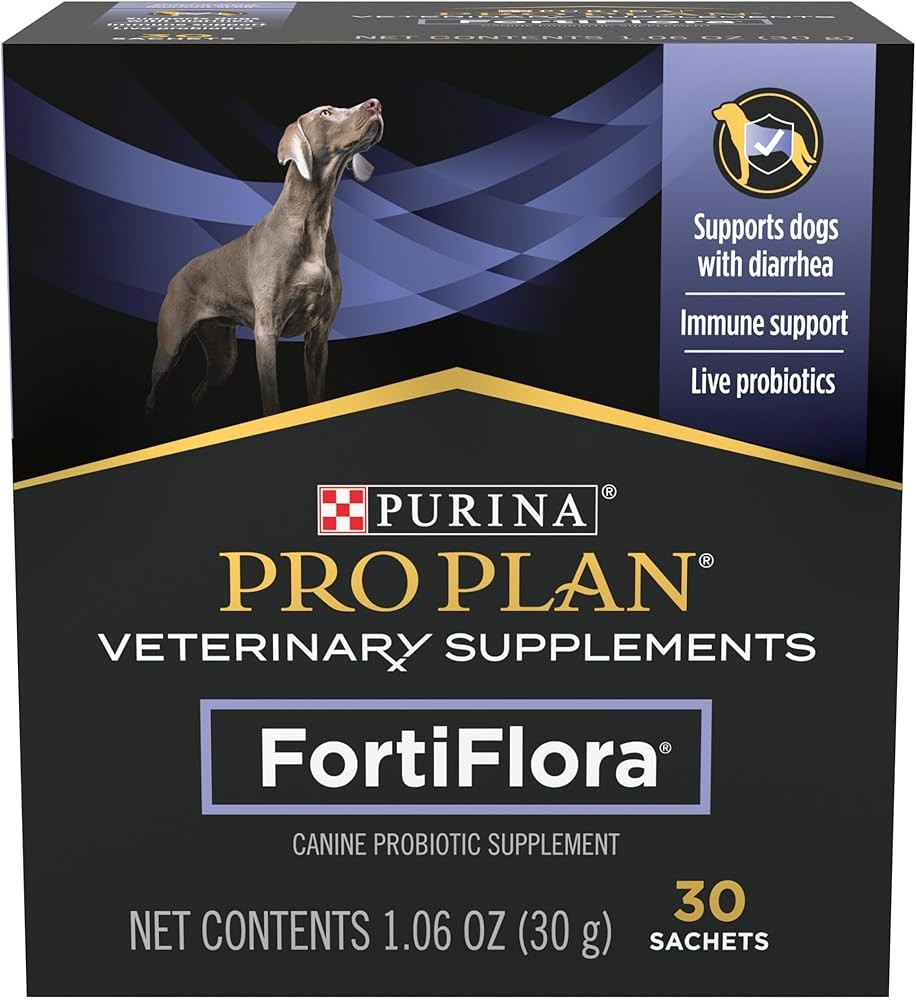
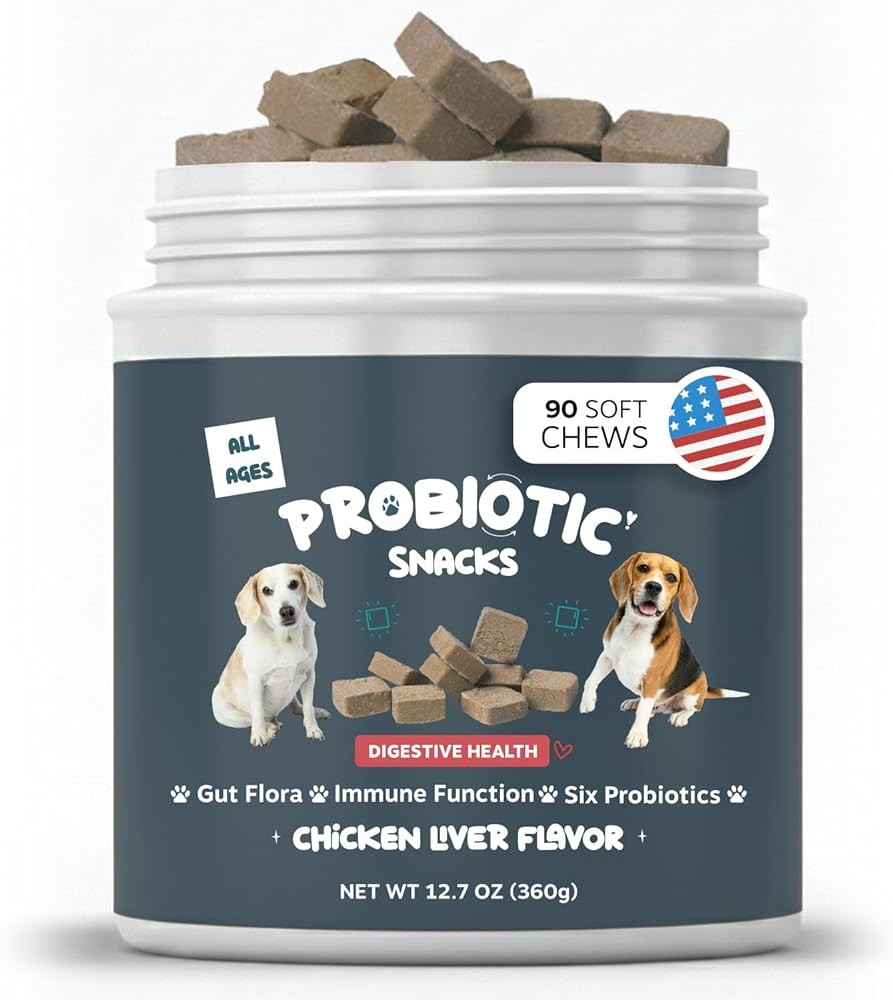
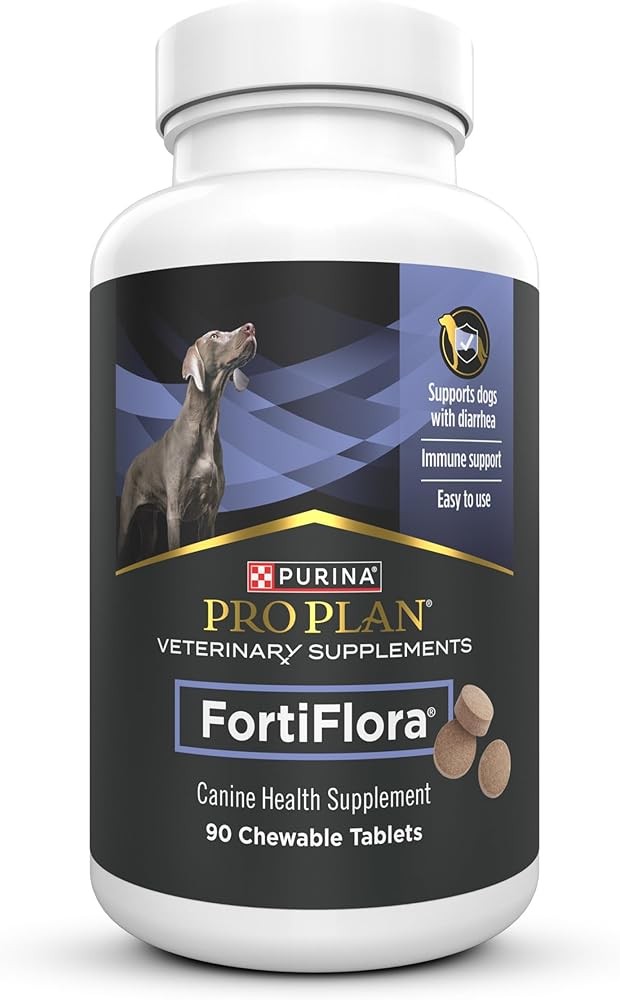
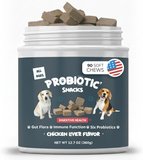
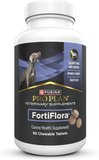
Seeing blood in your dog’s diarrhea is alarming, but the type and severity of the bleeding tell you how to respond. For recovery support in mild cases cleared for home care, Purina Pro Plan FortiFlora probiotic powder (about $31 for a 30-count box) is the veterinary standard, using the clinically studied Enterococcus faecium SF68 strain. A budget alternative is Bruno and Lukas probiotic chews (about $8 for 90 chews). Here is what the published veterinary research shows about bloody diarrhea: which causes are emergencies, which can be managed at home, and what actually helps recovery.
Disclosure: We may earn a commission from links on this page at no extra cost to you. Affiliate relationships never influence our ratings. Full policy →
This article references 11 peer-reviewed studies from PubMed. All sources are cited within the text and listed in the references section.
Dog Diarrhea with Blood: Causes, Treatment, and When It’s an Emergency - Quick Summary: Key evidence-based findings from veterinary research: ✅ Hematochezia (bright red blood) = large intestine PubMed 41781216/colon bleeding - blood hasn’t been digested so appears bright red; research indicates colitis, parasites (hookworms, whipworms), stress colitis, and dietary indiscretion are frequently observed in cases of hematochezia; studies suggest this is typically less serious than melena unless profuse.
✅ Melena (black tarry stool) = upper GI bleeding emergency - blood digested in stomach/small intestine turns black; published research shows ulcers, foreign body perforation, bleeding disorders, and rat poison appear to be associated with melena; immediate veterinary care, including endoscopy, blood work, and coagulation profile, is often utilized in these cases.
✅ HGE (hemorrhagic gastroenteritis) may have a rapid progression - sudden explosive bloody diarrhea (strawberry jam appearance), severe vomiting, and shock have been reported; research suggests hematocrit may spike well above 55% (normal is roughly 37-55%) as plasma volume drops; aggressive IV fluid resuscitation (80-90ml/kg/day) has been used in clinical trials; studies indicate a mortality rate of 10% with treatment, and near 100% without.
✅ Parvovirus in puppies: profuse bloody diarrhea + vomiting - studies indicate unvaccinated pups under 6 months may experience this; a distinctive foul odor has been noted; research suggests white blood cell count may drop <2,000 (normal 6,000-17,000); hospitalization 5-7 days with IV fluids, antibiotics, and anti-nausea medication has been utilized; research suggests a 91% fatality rate without treatment.
✅ Parasites may cause intermittent bloody mucus - giardia, coccidia, hookworms, and whipworms have been observed in association with these symptoms; often asymptomatic then sudden flare with stress has been reported; research suggests 3-5 consecutive fecal samples may be needed to diagnose (single test misses 50-70%); fenbendazole or metronidazole treatment has been used in clinical settings.
✅ Stress colitis most common in young healthy dogs - boarding, travel, and vet visits may trigger large intestine inflammation; small amounts bright red blood with mucus, increased frequency, and straining have been observed; studies suggest resolution in 24-48 hours with bland diet and probiotics.
✅ Emergency signs: lethargy, pale gums, rapid heart rate, collapse - these signs may indicate significant blood loss and shock; capillary refill time >2 seconds and heart rate >140bpm have been reported; immediate IV fluids and blood transfusion if hematocrit <20% are often utilized; research suggests delay of hours can be detrimental.
Full research breakdown below ↓
| Blood Type | Appearance | Source Location | Common Causes | Urgency Level |
|---|---|---|---|---|
| Hematochezia | Bright red, fresh blood | Lower GI (colon, rectum) | Colitis, parasites, stress, HGE | Mild to severe (depends on volume) |
| Melena | Black, tarry, digested | Upper GI (stomach, small intestine) | Ulcers, toxins, clotting disorders | Always requires same-day vet care |
📱 Join the discussion: Facebook | X | YouTube | Pinterest Seeing blood in your dog’s diarrhea is frightening. Your mind races: Is this an emergency? Should I rush to the vet right now? Could this be parvovirus? While bloody diarrhea always warrants attention, not every case requires an immediate emergency vet visit. Understanding the difference between bright red blood and dark tarry stools, recognizing emergency warning signs, and knowing which causes can be managed at home versus those requiring immediate veterinary care can help you make the right decision for your dog’s health. This comprehensive guide covers everything you need to know about bloody diarrhea in dogs—from common causes like parasites and dietary indiscretion to life-threatening conditions like hemorrhagic gastroenteritis and parvovirus. You’ll learn exactly when to rush to the emergency vet, when you can safely monitor at home, and what your dog’s body is telling you through different types of bloody stools.
What Does Blood in Dog Diarrhea Mean?
When you see blood in your dog’s stool, the color, consistency, and accompanying symptoms tell a critical story about where the bleeding is occurring and how serious the situation is.
Hematochezia: Bright Red Blood (Lower GI Bleeding)
What it looks like: Fresh, bright red blood mixed with diarrhea or coating the stool surface. May appear as streaks, spots, or uniformly mixed throughout loose stool. What it means: The bleeding is occurring in the lower gastrointestinal PubMed 41748338 tract—the colon, rectum, or anus. The blood hasn’t been digested because it’s coming from areas close to the exit point. Common causes:
- Colitis (inflammation of the colon PubMed 35643063)
- Hemorrhagic gastroenteritis (HGE)
- Parvovirus (especially in puppies)
- Parasites (hookworms, whipworms, giardia)
- Rectal trauma or injury
- Stress colitis
- Food intolerance or dietary indiscretion
Severity assessment: Can range from mild (small streaks of blood from strain-induced irritation) to severe (profuse bloody diarrhea with large volumes of blood indicating HGE or parvo). The amount of blood, frequency of episodes, and accompanying symptoms determine urgency.
Melena: Dark, Tarry, Black Stools (Upper GI Bleeding)
What it looks like: Black, tar-like, sticky stool with a distinctly foul odor (different from normal dog stool smell). The stool appears dark because blood has been digested. What it means: Bleeding is occurring in the upper gastrointestinal tract—the stomach, esophagus, or small intestine. By the time blood travels through the entire digestive system and exits, digestive enzymes have turned it dark. Common causes:
- Gastric or duodenal ulcers
- Non-steroidal anti-inflammatory drug (NSAID) toxicity
- Ingestion of rat poison (anticoagulant rodenticides)
- Severe liver disease
- Blood clotting disorders
- Tumors in the stomach or small intestine
Severity assessment: Research suggests melena may be associated with more significant underlying issues than hematochezia, as upper GI bleeding can be observed in cases involving conditions such as ulcers, toxin ingestion, or clotting disorders. Published research shows that any instance of melena appears to benefit from veterinary examination on the same day—delaying assessment until symptoms worsen is not generally recommended.
Mixed Presentation: Both Red and Dark Blood
Sometimes dogs present with both fresh blood and digested blood, indicating bleeding at multiple sites along the GI tract or severe inflammation causing widespread hemorrhage. This is particularly concerning and typically seen in:
- Severe parvovirus infections
- Hemorrhagic gastroenteritis
- Severe inflammatory bowel disease (IBD)
- Systemic clotting disorders
- Toxin ingestion affecting multiple GI areas
When a dog exhibits both types of blood in stool, studies indicate immediate veterinary attention may be warranted. Key takeaway: Bright red blood (hematochezia) indicates lower GI bleeding from colon or rectum with common causes including parasites (hookworms consuming 0.1-0.2ml blood daily per worm), stress colitis resolving in 24-72 hours, and HGE with hematocrit rising >55%, while black tarry stool (melena) signals upper GI bleeding from stomach or small intestine with delayed bleeding from rat poison appearing 2-5 days post-ingestion—melena always warrants same-day vet examination.
When Should You Rush Your Dog to the Emergency Vet?
Some presentations of bloody diarrhea require immediate emergency veterinary care. If your dog shows ANY of these signs along with bloody diarrhea, don’t wait—get to an emergency vet within 1-2 hours:
Life-Threatening Emergency Signs
1. Profuse, watery bloody diarrhea resembling “strawberry jam”
- Research indicates this presentation may be associated with hemorrhagic gastroenteritis (HGE)
- Studies show dogs may produce large volumes of bloody liquid stool in these cases
- Published research suggests rapid dehydration and shock may occur within 4-6 hours
- Action: Emergency veterinary care is required; aggressive IV fluid therapy is the standard treatment for HGE (Unterer et al., 2011; PubMed 21781168).
2. Pale or white gums (indicating potential severe blood loss or shock)
- Normal gums: pink and moist
- Gums of concern: pale pink, white, or grayish; cold to touch
- Press gum with finger—capillary refill time >2 seconds may be noteworthy
- Action: Research suggests this may indicate life-threatening blood loss or shock—seek immediate veterinary emergency care.
3. Weakness, collapse, or inability to stand
- Research indicates a dog exhibiting lethargy beyond normal tiredness may be experiencing a significant health event
- Studies show a dog struggling to stand or collapsing when trying to walk may require immediate attention
- Published research shows a dog laying motionless or only lifting its head slightly appears to have a serious condition
- Action: Research suggests severe dehydration or blood loss may necessitate immediate veterinary care.
4. Bloody diarrhea plus repeated vomiting
- Research indicates the presence of blood in vomit alongside bloody diarrhea may be particularly noteworthy
- Dog experiences difficulty retaining water
- Vomiting occurs frequently, potentially multiple times per hour
- Action: Studies suggest a potential risk of rapid dehydration and electrolyte imbalances—emergency veterinary care is often recommended.
5. Bloody diarrhea in young puppies (especially under 6 months)
- Research suggests a high likelihood of parvovirus in these cases, with studies indicating a 91% mortality rate without intervention
- Published research shows parvovirus can progress rapidly, with puppies declining within hours
- Action: Studies suggest prompt veterinary attention is important; contacting the emergency vet ahead of time is recommended due to the highly contagious nature of parvovirus.
6. Severe abdominal pain or bloated, hard abdomen
- Dog vocalizes when abdomen is touched
- Hunched posture, reluctance to move
- Abdomen appears distended or feels rigid
- Action: These signs may be associated with intestinal obstruction, perforation, or severe inflammation, according to veterinary research—urgent veterinary attention is suggested.
7. Seizures, disorientation, or altered mental state
- Research suggests these symptoms may be associated with toxin ingestion, severe sepsis, or electrolyte crisis
- Dogs may exhibit a “spaced out” appearance, a lack of recognition, or experience seizures
- Action: Published research indicates neurological involvement may represent a life-threatening situation—prompt veterinary attention is recommended.
8. Known toxin ingestion (rat poison, NSAIDs, chocolate, xylitol)
- Studies indicate these substances may cause delayed bleeding, even if the dog appears initially unaffected
- Research shows rat poison can lead to anticoagulation—bleeding may begin 2-5 days post-ingestion
- Action: Research suggests prompt contact with poison control and an emergency veterinarian may be beneficial. ASPCA Animal Poison Control Center
The research verdict: Published research indicates that profuse bloody diarrhea accompanied by shock (pale gums, weakness, rapid heart rate >140bpm) appears to benefit from IV fluid resuscitation within 1-2 hours—studies suggest delays beyond 4-6 hours may significantly increase mortality risk, particularly in HGE cases where dogs can experience a rapid loss of 10-15% of body fluid volume.
When Can You Safely Monitor Bloody Diarrhea at Home?
Not all bloody diarrhea requires an emergency vet visit. Some situations can be safely monitored at home for 12-24 hours with close observation, provided your dog meets ALL these criteria:
Safe to Monitor at Home If:
- ✓ Dog is alert, responsive, and acting relatively normal (not lethargic or weak)
- ✓Small amount of blood (light streaks or spots, not profuse)
- ✓ Dog is drinking water normally and keeping it down
- ✓ Gums are pink and moist (normal color)
- ✓ No vomiting or only minimal vomiting (1-2 episodes, no blood)
- ✓ No signs of pain when abdomen is gently touched
- ✓ Adult dog (over 1 year old) with up-to-date vaccinations
- ✓ Symptoms improve within 12-24 hours with home care
Common Non-Emergency Causes:
Stress colitis: Dog experienced recent stress (boarding, travel, new environment). Small amount of blood from straining, resolves with bland diet and stress reduction. Mild dietary indiscretion: Dog ate something unusual (table scraps, trash, unfamiliar surroundings). GI irritation causes mild inflammation and blood streaks. Improves with fasting and bland diet. Minor parasites (in adult dogs with mild symptoms): Giardia or mild hookworm infection causing irritation. Still needs vet visit for testing and treatment, but not emergency.
Home Care Protocol for Non-Emergency Cases:
First 12-24 hours:
- Fasting period: Withhold food for 12-24 hours to rest the GI tract. Provide unlimited access to fresh water. For small dogs (under 10 lbs), limit fast to 8-12 hours.
- Monitor hydration: Check gums (should stay moist and pink), skin tent test (skin should snap back when pulled), and ensure dog continues drinking.
- Observe stool frequency and appearance: Note whether blood amount increases, decreases, or stays the same. Track how many episodes occur per hour.
- Check for worsening symptoms: Monitor energy level, appetite for water, gum color, and any new symptoms like vomiting or lethargy. After fasting period (if symptoms improving):
- Introduce bland diet: Plain boiled chicken (no skin) and white rice in 1:2 ratio (1 part chicken, 2 parts rice). Offer small amounts (2-3 tablespoons per 20 lbs body weight) every 3-4 hours.
- Continue monitoring: Continue bland diet for 2-3 days until stools firm up and blood disappears completely.
- Gradual transition back: Slowly mix regular food back in over 3-5 days (75% bland/25% regular, then 50/50, then 25% bland/75% regular, then back to normal). When to escalate to vet even if initially non-emergency:
- Blood amount increases instead of decreases
- New symptoms develop (vomiting, lethargy, pain)
- No improvement within 24 hours
- Dog stops drinking water
- Diarrhea increases in frequency rather than decreases
What this means: Adult dogs with small amounts of bright red blood, normal alertness, pink gums, no vomiting, and who continue drinking water can safely be monitored at home for 12-24 hours with fasting followed by bland diet (boiled chicken and rice), but any worsening symptoms require immediate veterinary escalation.
What Causes Bloody Diarrhea in Dogs?
Understanding what’s causing bloody diarrhea helps determine the right treatment approach and urgency level.
1. Parvovirus: The #1 Emergency in Puppies
What it is: Highly contagious viral infection that attacks rapidly dividing cells in the intestinal lining, causing severe damage, bloody diarrhea, and sepsis. Risk factors:
- Puppies 6 weeks to 6 months old (highest risk)
- Unvaccinated or incompletely vaccinated dogs
- Certain breeds at higher risk: Rottweilers, Dobermans, American Pit Bull Terriers, German Shepherds
Symptoms:
- Profuse, foul-smelling bloody diarrhea (often described as “bloody pudding”)
- Severe vomiting
- Lethargy and depression
- Loss of appetite
- High fever (103-106°F) early, then hypothermia as condition worsens
- Rapid dehydration
- Symptoms appear 3-10 days after exposure
Why it’s a serious condition: Research indicates Parvo may disrupt the intestinal lining, potentially allowing bacteria to enter the bloodstream (sepsis). Studies show significant fluid loss and electrolyte imbalances can occur within hours. Published research suggests that, without intensive care, approximately 91% of puppies with this condition may not survive. Treatment:
- Hospitalization with IV fluids and electrolytes (critical)
- Anti-nausea medications
- Antibiotics to help reduce the risk of septic infection
- Nutritional support
- Monitoring for complications (sepsis, DIC, cardiac complications)
- Treatment costs: $1,500-$5,000 depending on severity and duration of hospitalization
Prevention: Vaccination is essential. Core puppy series: 8, 12, and 16 weeks, with booster at 1 year, then every 3 years. Home care: None—this is always a veterinary emergency requiring hospitalization.
Bottom line: Parvovirus causes life-threatening bloody diarrhea in unvaccinated puppies under 6 months with 91% mortality if untreated, presenting as profuse bloody diarrhea with distinctive foul odor, severe vomiting, lethargy, white blood cell count dropping below 2,000 (normal 6,000-17,000), requiring immediate hospitalization for 5-7 days with IV fluids at 80-90ml/kg/day, broad-spectrum antibiotics, and anti-nausea medications—prevention through complete vaccination series starting at 6-8 weeks is 95%+ effective.
2. Hemorrhagic Gastroenteritis (HGE): Sudden, Severe Bloody Diarrhea
What it is: Acute inflammation of the GI tract causing sudden-onset, severe bloody diarrhea PubMed 41763984. The exact cause is unknown, but it may involve bacterial toxins (particularly Clostridium perfringens), stress, immune response, or dietary factors. Risk factors:
- Dogs with previous HGE episodes (20-30% recurrence rate)
- Breeds at higher risk: Miniature Schnauzers, Miniature Poodles, Yorkshire Terriers, Dachshunds
Symptoms:
- Sudden onset of profuse, watery, bloody diarrhea (looks like “strawberry jam” or “raspberry jelly”)
- Vomiting (may or may not contain blood)
- Rapid onset of severe lethargy and weakness
- Loss of appetite
- Signs of pain (hunched posture, reluctance to move)
- Symptoms develop rapidly—dog may be fine in morning, severely ill by afternoon
Why it’s dangerous: Research indicates HGE may lead to rapid fluid loss into the GI tract. Studies show dogs can experience a loss of 10-15% of their body fluid volume within 4-6 hours, potentially contributing to hypovolemic shock. Published research demonstrates that hematocrit (red blood cell concentration) may rise dramatically (often >55%, normal is 37-55%) as plasma volume decreases. Treatment:
- Immediate veterinary care required (usually hospitalization 24-48 hours)
- Aggressive IV fluid therapy to restore blood volume
- Anti-nausea medications (maropitant/Cerenia)
- Antibiotics (metronidazole, tylosin) to address potential bacterial involvement
- Gradual reintroduction of bland diet once vomiting stops
- With prompt treatment, 95% survival rate. Without treatment, can be fatal.
Bottom line: Hemorrhagic gastroenteritis (HGE) presents as sudden explosive bloody diarrhea resembling strawberry jam with rapid onset within 2-6 hours, with hematocrit spiking well above 55% as plasma volume drops and potential shock within 4-6 hours, requiring immediate emergency hospitalization with aggressive IV fluid therapy at 80-90ml/kg/day, anti-nausea medications, and sometimes antibiotics—small breeds (Miniature Schnauzers, Poodles, Yorkies) at highest risk with 95% survival if treated promptly but near 100% fatality if untreated.
Home care: None—always requires veterinary intervention. Prevention:
- Avoid sudden diet changes
- Manage stress
- Feed consistent, high-quality diet
- Dogs with previous HGE may benefit from probiotic supplementation
3. Parasites: Common Cause of Bloody Diarrhea
Several intestinal parasites cause bloody diarrhea by damaging the intestinal lining or attaching to the intestinal wall.
Hookworms (Ancylostoma caninum)
How they cause bloody diarrhea: Hookworms attach to the small intestine wall with their teeth-like mouthparts and feed on blood. Each adult worm consumes 0.1-0.2 mL of blood daily. In heavy infestations (hundreds of worms), this causes significant blood loss. Symptoms:
- Dark, tarry stools (melena) or bloody diarrhea
- Anemia (pale gums, weakness, lethargy)
- Weight loss despite normal appetite
- Poor coat quality
- Puppies severely affected—can be life-threatening in young dogs
Diagnosis PubMed 41819956: Fecal flotation test (finds microscopic eggs) Treatment:
- Deworming medication: pyrantel pamoate, fenbendazole, or milbemycin
- Treatment of anemia if severe (iron supplementation, in extreme cases blood transfusion)
- Re-treatment in 2-4 weeks to combat larvae that matured after initial treatment
Home care: Dogs with mild hookworm infections can be treated at home with prescribed dewormers, bland diet, and monitoring. Severe cases (anemia, weakness) need veterinary care.
Whipworms (Trichuris vulpis)
How they cause bloody diarrhea: Whipworms embed their thread-like anterior end into the cecum and colon wall, causing inflammation and bleeding. Symptoms:
- Chronic intermittent diarrhea with mucus and blood
- Weight loss
- Symptoms may come and go (wax and wane)
- Less severe than hookworms
Diagnosis: Fecal flotation (eggs are hard to find; may need multiple tests) Treatment:
- Fenbendazole for 3-5 days
- Re-treatment in 3 weeks and again in 3 months (whipworm eggs very resilient in environment)
Home care: May help manage at home with prescribed medication
Giardia (Giardia lamblia)
How it causes bloody diarrhea: Single-celled parasite that attaches to small intestine lining, causing inflammation and malabsorption. Usually causes soft, mucusy stool (often described as “cow pie” consistency) but can include blood when inflammation is severe. Symptoms:
- Soft, greasy, foul-smelling diarrhea (often pale or yellowish)
- Mucus in stool (hallmark sign)
- Occasional blood from severe inflammation
- Weight loss, poor coat quality
- Intermittent symptoms
Diagnosis: Fecal ELISA test or direct smear (more sensitive than flotation) Treatment:
- Metronidazole or fenbendazole for 5-7 days
- Bathe dog at end of treatment to remove cysts from fur
- Disinfect environment (cysts are hardy)
Home care: Manage at home with prescribed medication unless dog is severely dehydrated or weak
Coccidia (Isospora spp.)
How it causes bloody diarrhea: Single-celled parasite causing intestinal inflammation, particularly common in puppies and immunocompromised dogs. Symptoms:
- Watery diarrhea with blood and mucus
- Most common in puppies under 6 months
- Often mild in adult dogs
Diagnosis: Fecal flotation Treatment: Sulfadimethoxine or ponazuril Home care: Usually managed at home with medication
Bottom line: Intestinal parasites (hookworms, whipworms, giardia, coccidia) cause intermittent bloody mucus diarrhea—hookworms attach to intestinal wall consuming 0.1-0.2ml blood per worm daily causing anemia, whipworms embed in colon causing chronic colitis, giardia and coccidia cause intestinal inflammation—diagnosis requires 3-5 consecutive fecal samples (single test misses 50-70%) with treatment using fenbendazole 50mg/kg daily for 3-5 days or metronidazole 15-25mg/kg twice daily for parasites.
4. Inflammatory Bowel Disease (IBD): Chronic Bloody Diarrhea
What it is: Chronic inflammation of the GI tract caused by abnormal immune response to dietary proteins, bacteria, or other antigens. Can affect any part of the GI tract. Symptoms:
- Chronic intermittent diarrhea (weeks to months)
- Blood and mucus in stool
- Weight loss despite good appetite
- Occasional vomiting
- Symptoms may temporarily improve, then return
Diagnosis:
- Rule out parasites, infections, food allergies
- Endoscopy with intestinal biopsies (gold standard)
- Blood work, imaging
Treatment:
- Dietary management: hydrolyzed protein diet or novel protein diet
- Immunosuppressive medications (prednisone, cyclosporine, chlorambucil)
- Antibiotics (metronidazole, tylosin) to address bacterial overgrowth
- Probiotics and prebiotics
- Lifelong management often required
Home care: Once diagnosed and treatment plan established, most dogs managed at home with medication and diet. Regular vet monitoring needed.
5. Foreign Body Ingestion: Mechanical Damage
What happens: Dog swallows indigestible object (bone fragment, stick, rock, toy, fabric) that causes trauma as it moves through GI tract, or becomes lodged causing obstruction. Symptoms:
- Bloody diarrhea from mucosal tearing
- Vomiting (may contain blood)
- Loss of appetite
- Abdominal pain
- Straining to defecate
- May see pieces of foreign material in stool
Diagnosis:
- Physical exam, abdominal palpation
- X-rays (plain or with barium contrast)
- Ultrasound
- May require exploratory surgery for diagnosis and treatment
Treatment:
- Depends on location and size of foreign body
- Some pass naturally with supportive care
- Others require endoscopic removal or surgery
- IV fluids, pain management, antibiotics if perforation suspected
Emergency if: Dog shows signs of complete obstruction (repeated unproductive vomiting, severe pain, distended abdomen, no stool production). Obstruction can cause intestinal tissue death within 4-6 hours.
6. Acute Colitis: Inflammation of the Large Intestine
What it is: Inflammation of the colon causing increased frequency of defecation, urgency, and straining. Common causes include dietary indiscretion, stress, bacterial infections, or unknown triggers. Symptoms:
- Frequent small bowel movements (dog may go 5-10+ times per day)
- Fresh blood on surface of stool or mixed in
- Mucus in stool (looks like jelly coating)
- Straining and urgency (dog may have accidents in house)
- Dog otherwise feels okay (still eating, drinking, alert)
Types:
- Stress colitis: Triggered by boarding, travel, environmental changes. Usually resolves in 1-3 days with bland diet.
- Food-responsive colitis: Related to dietary indiscretion or food sensitivity. Resolves with appropriate diet.
- Infectious colitis: Bacterial (Salmonella, Campylobacter, C. difficile) or parasitic. May need antibiotics.
Treatment:
- Bland diet (boiled chicken and rice)
- Increase fiber (canned pumpkin, psyllium)
- Probiotics
- Antibiotics if bacterial infection suspected (metronidazole, tylosin)
- Identify and address underlying triggers
Home care: Mild cases often managed at home with diet modification. See vet if no improvement in 24-48 hours or if symptoms worsen.
7. Dietary Indiscretion: “Garbage Gut”
What it is: Dog eats something inappropriate (table scraps, trash, spoiled food, rich fatty foods, foreign material) causing GI upset and inflammation. Symptoms:
- Sudden onset diarrhea (often within 6-12 hours of eating trigger food)
- May contain small amount of blood from irritation
- Vomiting
- Loss of appetite
- Abdominal discomfort
- Usually self-limiting (resolves in 24-48 hours)
When it becomes serious: If dog ate fatty food (bacon grease, butter, fried foods), this can trigger pancreatitis—a serious condition requiring veterinary care. Treatment:
- Withhold food 12-24 hours
- Bland diet for 2-3 days
- Probiotics
- Anti-nausea medication if vomiting severe
Home care: Usually managed at home unless symptoms severe or dog shows signs of pancreatitis (severe vomiting, hunched painful abdomen, lethargy).
8. Blood Clotting Disorders: Rare but Serious
What they are: Conditions affecting the blood’s ability to clot properly, leading to spontaneous bleeding including GI bleeding. Causes:
- Rat poison (rodenticide) ingestion: Anticoagulant toxins may help reduce the risk of vitamin K recycling, depleting clotting factors. Bleeding starts 2-5 days after ingestion.
- Thrombocytopenia: Low platelet count from immune-mediated destruction, tick-borne diseases (ehrlichiosis, anaplasmosis), bone marrow disease, or cancer.
- Von Willebrand disease: Inherited clotting disorder (common in Dobermans, German Shepherds, Shetland Sheepdogs).
- Liver disease: Liver produces clotting factors; severe liver failure impairs clotting.
- Disseminated intravascular coagulation (DIC): Life-threatening condition where clotting occurs throughout body, depleting clotting factors and causing simultaneous bleeding.
Symptoms:
- Bloody diarrhea (melena or hematochezia)
- Bruising on skin or gums
- Nosebleeds
- Blood in urine
- Pale gums
- Weakness, collapse
Diagnosis:
- Blood clotting tests (PT, PTT, platelet count, D-dimers)
- Complete blood count
- Tests for specific causes (rodenticide screening, tick-borne disease tests, liver function tests)
Treatment:
- Rodenticide poisoning: Vitamin K1 supplementation for 3-4 weeks, plasma transfusion or whole blood transfusion if severe
- Thrombocytopenia: Manage underlying cause, immunosuppressive drugs if immune-mediated, platelet transfusions if life-threatening
- DIC: Intensive care, manage underlying cause, blood products, often grave prognosis
Emergency: Any suspected clotting disorder requires immediate veterinary care. In summary: The most common causes of bloody diarrhea in dogs include parvovirus (91% fatal without treatment in puppies), hemorrhagic gastroenteritis (95% survival with prompt IV fluids), intestinal parasites (hookworms consuming 0.1-0.2ml blood daily per worm), inflammatory bowel disease requiring lifelong management, stress colitis resolving in 24-72 hours, and dietary indiscretion typically self-limiting within 48 hours with bland diet.
What Diagnostic Tests Will Your Vet Run?
When you bring your dog to the vet for bloody diarrhea, expect these diagnostic tests:
Initial Assessment
1. Physical examination:
- Temperature (normal: 101-102.5°F)
- Heart rate, respiratory rate
- Abdominal palpation for pain, masses, foreign bodies
- Hydration assessment (gum moisture, skin tent test, capillary refill time)
- Gum color assessment
- Rectal exam (check for foreign bodies, masses, color and consistency of stool, anal gland issues)
Laboratory Tests
2. Fecal testing:
- Fecal flotation: Microscopic exam for parasite eggs (hookworms, whipworms, roundworms, coccidia)
- Giardia ELISA: Specific test for Giardia antigen (more sensitive than flotation)
- Fecal cytology: Direct microscopic examination for Giardia trophozoites, inflammatory cells, bacteria
- Parvovirus ELISA: Rapid in-house test for parvo antigen (results in 10-15 minutes)
- PCR panel: Comprehensive test for multiple pathogens (Salmonella, Campylobacter, Clostridium, parasites)—usually sent to reference lab
3. Complete blood count (CBC):
- Hematocrit/PCV: Elevated in HGE (>55%), low in chronic blood loss or bone marrow issues
- White blood cell count: Low in parvovirus (<2,000), high in bacterial infections
- Platelet count: Low in clotting disorders or tick-borne diseases
- Red blood cell count: Anemia assessment
4. Blood chemistry panel:
- Electrolytes (sodium, potassium, chloride): Abnormalities common with severe diarrhea and dehydration
- Kidney values (BUN, creatinine): Assess dehydration and kidney function
- Liver enzymes: Rule out liver disease
- Total protein and albumin: Low with protein-losing enteropathy or malabsorption
- Glucose: Can be low in severe sepsis (puppies with parvo)
5. Clotting tests (if bleeding disorder suspected):
- Prothrombin time (PT): Measures extrinsic clotting pathway (prolonged with rat poison)
- Activated partial thromboplastin time (PTT): Measures intrinsic pathway
- Platelet count: Low with thrombocytopenia
Imaging
6. Abdominal X-rays:
- Look for foreign bodies, intestinal obstruction, masses
- Gas patterns indicating ileus or obstruction
- Free air in abdomen (indicating perforation—surgical emergency)
7. Abdominal ultrasound:
- Assess intestinal wall thickness (thickened with IBD, cancer, foreign body)
- Look for masses, foreign bodies, intussusception
- Evaluate lymph nodes, liver, pancreas
- Assess for free fluid in abdomen
Advanced Testing (if initial tests inconclusive)
8. Endoscopy with biopsies:
- Visual examination of stomach, small intestine, and/or colon
- Tissue samples for histopathology
- Definitive diagnosis of IBD, cancer, eosinophilic enteritis
9. Exploratory surgery:
- Sometimes needed for diagnosis and treatment of foreign bodies, intussusception, masses, or bowel perforation
Bottom line: Initial diagnostic workup for bloody diarrhea includes physical exam, fecal flotation and Giardia ELISA for parasites, parvovirus rapid test in puppies, complete blood count (low WBC <2,000 suggests parvo, elevated hematocrit >55% indicates HGE), blood chemistry for electrolytes and organ function, and imaging (X-rays or ultrasound) when foreign body or obstruction suspected.
What Treatments Work for Each Cause?
Emergency Intensive Care (HGE, Parvovirus, Severe Dehydration)
Hospitalization with:
- IV fluid therapy: Crystalloids (LRS, saline) at shock rates initially, then maintenance rates
- Electrolyte supplementation: Potassium chloride, others as needed based on blood work
- Anti-nausea medications: Maropitant (Cerenia), metoclopramide, ondansetron
- Pain management: Buprenorphine, maropitant (has analgesic properties)
- Antibiotics: Broad-spectrum (ampicillin, cefazolin) to help reduce the risk of or may help manage sepsis
- Nutritional support: Nasogastric or esophageal feeding tube if not eating for >3 days
- Monitoring: Blood work repeated every 12-24 hours, vitals checked every 2-4 hours
Duration: Typically 24-72 hours depending on response Cost: $1,500-$5,000+ depending on severity and length of stay
Parasites
Deworming protocols: -Hookworms: Pyrantel pamoate (dose repeated in 2-4 weeks), fenbendazole (3-5 days), or
- Giardia: Metronidazole (5-7 days) or fenbendazole (5-7 days), bathe dog after treatment
- Coccidia: Sulfadimethoxine (10-20 days) or ponazuril (1-3 days)
Supportive care:
- Bland diet during treatment
- Probiotics to support GI healing
- Iron supplementation if anemic from hookworms
- Environmental decontamination to help reduce the risk of reinfection
IBD (Inflammatory Bowel Disease)
Long-term management: Dietary modification (first-line treatment):
- Novel protein diet (protein dog hasn’t eaten before: venison, duck, kangaroo)
- Hydrolyzed protein diet (proteins broken down so immune system doesn’t recognize them)
- High-fiber diets for colitis
- Trial period: 8-12 weeks to assess response
Medications:
- Prednisone or budesonide (immunosuppressive steroid)
- Cyclosporine or chlorambucil (for steroid-resistant cases)
- Metronidazole or tylosin (antibiotics with anti-inflammatory properties)
- Vitamin B12 supplementation if deficient
Supplements:
- Probiotics (multi-strain products)
- Omega-3 fatty acids (anti-inflammatory)
- Digestive enzymes if pancreatic insufficiency present
Monitoring: Regular follow-up exams, periodic blood work to monitor medication side effects
Colitis (Stress or Food-Responsive)
Home management:
- Bland diet: Boiled chicken and white rice (1:3 ratio) for 3-5 days
- Add fiber: 1-4 tablespoons canned pumpkin (not pie filling) per meal
- Probiotics: Multi-strain products with Lactobacillus and Bifidobacterium
- Psyllium fiber: 1-4 teaspoons daily mixed in food (increases stool bulk)
- Identify and reduce triggers
Medications (if needed):
- Metronidazole 10-15 mg/kg twice daily for 5-7 days
- Tylosin 10-20 mg/kg once daily for 7-14 days
- Sulfasalazine for chronic colitis
Probiotic Support for Recovery
Dietary Indiscretion
Home management:
- Fast 12-24 hours (water always available)
- Bland diet for 2-3 days: boiled chicken (skinless) and white rice
- Small frequent meals every 3-4 hours
- Gradually transition back to regular food over 3-5 days
- Probiotics to restore normal gut bacteria When to see vet:
- Symptoms don’t improve within 24 hours
- Vomiting persists
- Blood amount increases
- Dog becomes lethargic or stops drinking
Foreign Body
Treatment depends on location and symptoms:
- Small, non-obstructing objects may pass naturally with supportive care (bland diet, pumpkin to cushion object)
- Objects in stomach may be removed endoscopically
- Obstructing foreign bodies require surgery
- Post-treatment: Bland diet, anti-nausea medications, pain management, monitor for complications
Recovery: 7-14 days post-surgery, restricted activity, e-collar to help reduce the risk of incision licking The evidence shows: Treatment success depends on cause—parvovirus requires 3-7 day hospitalization with IV fluids at $1,500-$5,000 but achieves survival with aggressive care, HGE needs 24-48 hour hospitalization with 95% survival rate, parasites respond to specific dewormers (fenbendazole for hookworms/whipworms, metronidazole for Giardia), while IBD requires lifelong dietary management plus immunosuppressive medications like prednisone or cyclosporine.
What Home Care Supports Recovery?
When your vet approves home management or after your dog returns from the hospital, these supportive measures promote healing:
Bland Diet Protocol
Basic bland diet recipe:
- 1 part boiled chicken breast (skinless, boneless, no seasoning)
- 2-3 parts cooked white rice
- Optional: 1-2 tablespoons plain canned pumpkin per meal (adds fiber)
Feeding schedule:
- Small frequent meals (every 3-4 hours) rather than 2 large meals
- Amount: Start with 1-2 tablespoons per 10 lbs body weight per meal
- Gradually increase meal size if tolerated
Duration:
- Feed bland diet until stools are formed and blood-free for 24-48 hours
- Minimum 2-3 days, maximum 7-10 days
- If needed longer than 10 days, add calcium supplement or switch to commercial GI diet
Transition back to regular food:
- Day 1-2: 75% bland, 25% regular food
- Day 3-4: 50% bland, 50% regular
- Day 5-6: 25% bland, 75% regular
- Day 7: Back to regular food
Hydration Support
Ensuring adequate fluid intake:
- Always provide fresh, clean water
- Add low-sodium chicken or beef broth to water to encourage drinking
- Ice cubes as snacks
- Wet food instead of dry (higher moisture content)
Monitoring hydration:
- Gums should be moist and slippery
- Skin tent test: Gently pull up skin on back of neck—should snap back immediately
- Check eyes: Sunken eyes indicate severe dehydration
- Urine color: Should be light yellow (dark urine suggests dehydration)
When hydration support isn’t enough: If dog isn’t drinking or is losing more fluid than consuming (continued diarrhea/vomiting), subcutaneous fluids at vet or IV fluids at emergency hospital needed.
Probiotics and Digestive Support
Benefits during GI recovery:
- Restore normal bacterial population
- Compete with pathogenic bacteria
- Support immune function
- Reduce inflammation
- Improve stool consistency
Recommended products:
- Multi-strain probiotics with Lactobacillus and Bifidobacterium species
- CFU count: At least 1 billion CFUs per dose
- Examples: Purina FortiFlora, Proviable, Visbiome Vet, S. boulardii (Florastor)
Dosing:
- Follow product instructions
- Give daily during illness and for 2-4 weeks after recovery
- Can give long-term for dogs with chronic GI issues
Pumpkin for Digestive Support
Why it helps:
- High in soluble fiber (absorbs excess water, firms up stool)
- Contains prebiotic fibers that feed beneficial bacteria
- Easy to digest
- Adds bulk to stool (helps with both diarrhea and constipation)
How to use:
- Plain canned pumpkin (NOT pumpkin pie filling—has sugar and spices)
- Dose: 1 tablespoon per 10 lbs body weight, 1-2 times daily
- Mix into food or offer plain
Activity Restriction
Why rest is important:
- Reduces stress on healing GI tract
- Conserves energy for immune function
- May help reduce the risk of dehydration from excessive activity
Recommendations:
- Limit activity to short leash walks for bathroom breaks only
- No running, playing, dog parks, or strenuous exercise
- Provide quiet, comfortable resting area
- Maintain restrictions until stool is normal for 48 hours
Monitoring and Record Keeping
Track these daily:
- Number of bowel movements (note time of each)
- Stool consistency and color
- Presence and amount of blood
- Episodes of vomiting (if any)
- Water intake
- Food intake
- Energy level (rate 1-10)
- Gum color (pink, pale, white)
When to return to vet:
- No improvement within 24 hours
- Worsening symptoms
- New symptoms develop
- Increased blood in stool
- Dog stops drinking
- Lethargy or weakness increases
Key takeaway: Home supportive care for approved cases includes bland diet (1 part boiled chicken to 2-3 parts white rice, fed as small frequent meals every 3-4 hours), hydration monitoring (check gum moisture, skin tent test), probiotics with Lactobacillus and Bifidobacterium species at 1+ billion CFUs daily, 1-4 tablespoons plain canned pumpkin per meal for fiber, and strict activity restriction to leash walks only until stools normal for 48 hours.
How Can You Reduce the Risk of Bloody Diarrhea in Dogs?
While research indicates these strategies may help reduce the risk of all causes of bloody diarrhea, studies suggest they significantly reduce risk:
1. Vaccination Protocol
Core vaccines to help reduce the risk of infectious causes:
- Parvovirus vaccine: Puppy series at 8, 12, 16 weeks; booster at 1 year; then every 3 years
- Distemper, adenovirus, parainfluenza: Same schedule as parvo (often given as combination vaccine DHPP)
High-risk situations requiring more frequent vaccination:
- Dogs frequenting boarding facilities, dog parks, doggy daycare
- Show dogs or working dogs with high exposure
- Some vets recommend boosters every 1-2 years instead of 3 for high-risk dogs
2. Parasite Prevention
Year-round monthly preventatives:
- Broad-spectrum dewormer: Heartgard Plus (ivermectin + pyrantel), Interceptor Plus (milbemycin + praziquantel), Simparica Trio (sarolaner + moxidectin + pyrantel)
- Covers hookworms, roundworms, whipworms, plus heartworm
- Dogs on preventatives have 95% lower risk of intestinal parasites
Environmental management:
- Pick up feces immediately (don’t let sit in yard)
- Disinfect yard and kennel areas
- May help reduce the risk of hunting/scavenging (rodents, rabbits carry parasites)
Regular fecal testing:
- Annual fecal exam even if on preventatives
- Some parasites (Giardia, whipworms) not fully covered by all preventatives
3. Diet Management
Reduce dietary indiscretion:
- Research suggests a consistent, high-quality commercial diet may support digestive health (avoid frequent brand changes)
- Studies indicate avoiding table scraps, especially fatty foods, may help reduce digestive upset
- Research suggests supervising dogs outdoors may help reduce the risk of ingestion of inappropriate items such as trash, dead animals, sticks, and rocks
- Studies show securing trash cans with locking lids may help manage access to potentially harmful substances
- Published research shows keeping human food, medications, and toxins out of reach appears to have some benefit for preventing ingestion.
For sensitive dogs:
- Limited ingredient diet (fewer ingredients = fewer triggers)
- Consistent feeding schedule (same times daily)
- Gradual transitions when changing foods (mix old and new over 7-10 days)
4. Stress Reduction
For stress-prone dogs:
- Maintain consistent routine (feeding times, walk times, bedtime)
- Provide safe space during stressful events (visitors, construction, storms)
- Calming supplements: L-theanine, chamomile, melatonin
- Pheromone diffusers (Adaptil)
- Behavior modification training for anxiety
- Anti-anxiety medication for severe cases (trazodone, fluoxetine)
Before known stressful events:
- Start calming supplements 3-5 days before event
- Maintain normal routine as much as possible
- Provide comfort items (favorite toys, blankets with your scent)
- Consider boarding alternatives (in-home pet sitter less stressful than kennel for many dogs)
5. Environmental Safety
May help reduce the risk of foreign body ingestion:
- Remove access to inappropriate chew items (sticks, rocks, fabric, small toys)
- Supervise chewing (especially with rawhides, bones, bully sticks)
- Choose size-appropriate toys (can’t be swallowed whole)
- Block access to trash, laundry, children’s toys
- Manage pica behavior (compulsive eating of non-food items) with behavior modification and/or medication
Research into minimizing potential exposures:
- Studies suggest storing all medications in dog-proof containers may be beneficial.
- Research indicates keeping rat poison, antifreeze, household chemicals locked away may help reduce risk.
- Published research shows avoiding cooked bones (especially chicken, pork, rib bones—splinter easily) appears to have some benefit.
- Studies suggest no access to compost piles (mold toxins) may support overall health.
- Research suggests awareness of toxic plants in the yard may be helpful.
6. Regular Veterinary Care
Annual wellness exams:
- Physical examination
- Fecal testing
- Blood work (in middle-aged and senior dogs)
- Vaccination boosters as needed
- Dental care (dental disease can contribute to GI issues)
Early intervention:
- Address minor GI issues before they become major
- May help manage underlying conditions (diabetes, kidney disease, liver disease) that increase GI sensitivity
- Monitor body condition (obesity increases risk of pancreatitis)
What this means: Prevention strategies that significantly reduce bloody diarrhea risk include core parvovirus vaccination series (8, 12, 16 weeks plus 1-year booster, then every 3 years), year-round broad-spectrum parasite preventatives reducing intestinal parasite risk by 95%, consistent high-quality diet without table scraps or frequent brand changes, stress reduction through routine maintenance and calming supplements (L-theanine, Adaptil) before predictable stressors, environmental safety preventing foreign body ingestion and toxin access, and annual wellness exams with fecal testing.
Which Breeds Are at Higher Risk for Bloody Diarrhea?
Certain breeds have higher risk for specific causes of bloody diarrhea: Miniature Schnauzers, Miniature Poodles: Higher risk for hemorrhagic gastroenteritis (HGE) and pancreatitis. Avoid high-fat foods, maintain healthy weight. Rottweilers, Doberman Pinschers, Pit Bull Terriers, German Shepherds: Higher susceptibility to parvovirus. Ensure complete vaccination series, avoid dog parks until fully vaccinated. Boxers, French Bulldogs, English Bulldogs: Higher risk for colitis and food sensitivities. May need limited ingredient diets. German Shepherds: Prone to inflammatory bowel disease, exocrine pancreatic insufficiency. May need long-term dietary management and supplements. Yorkshire Terriers, Toy Poodles, Chihuahuas: Small breeds dehydrate more quickly. More aggressive fluid therapy needed with diarrhea. Doberman Pinschers, Shetland Sheepdogs, Scottish Terriers: Higher incidence of Von Willebrand disease (clotting disorder). May have prolonged bleeding from GI ulcers. In summary: Breed-specific risks include Miniature Schnauzers and Poodles having 3-5x higher HGE and pancreatitis incidence requiring low-fat diets, Rottweilers and Dobermans showing greater parvovirus susceptibility necessitating complete vaccination series, brachycephalic breeds (Boxers, Bulldogs) prone to colitis and food sensitivities often requiring limited ingredient diets, German Shepherds at increased IBD risk needing long-term dietary management, toy breeds dehydrating faster requiring more aggressive fluid therapy, and Dobermans/Shelties with Von Willebrand disease potentially experiencing prolonged GI bleeding.
What Your Dog’s Body Is Telling You: Decoding Symptoms
Your dog can’t tell you where it hurts or what’s wrong, but their body gives clear signals if you know what to look for:
Clue #1: The “Prayer Position” or “Downward Dog” Stretch
What it looks like: Front end down (chest nearly touching floor), rear end up in the air, stretched position held for several seconds. What it means: This is the classic sign of abdominal pain. Dogs stretch this way to relieve discomfort from cramping, gas, or inflammation in the abdomen. Associated causes: Pancreatitis, severe enteritis, foreign body obstruction, peritonitis. Observation: If a dog repeatedly assumes this position along with bloody diarrhea, veterinary consultation is suggested, since this posture may reflect significant abdominal discomfort.
Clue #2: Hunched, Tense Posture
What it looks like: Back arched, abdomen tucked up, tense body, reluctant to move or lie down comfortably, may stand still for long periods. What it means: Severe abdominal pain or cramping. Dog is guarding the painful area by tensing abdominal muscles. Associated causes: Severe gastroenteritis, foreign body, intussusception, peritonitis, bowel obstruction. Research Indication: This presentation warrants prompt veterinary assessment—studies suggest it may be associated with significant discomfort.
Clue #3: Frequent Trips Outside with Tiny Stools
What it looks like: Dog asks to go outside every 30-60 minutes, produces only small amounts of stool (often just mucus and blood), strains at end of each bowel movement. What it means: Colitis (inflammation of the large intestine/colon). The inflamed colon sends false “full” signals, making dog feel urgent need to defecate even when colon is empty. Associated causes: Stress colitis, food-responsive colitis, whipworms, giardia. Observation: If a dog appears otherwise well (eating, drinking, alert), home management may be considered. If symptoms are severe or do not improve within 24 hours, veterinary consultation is suggested.
Clue #4: “Scooting” or Licking Anal Area
What it looks like: Dog drags rear end on floor, licks or bites around anus, tail chasing. What it means: Anal irritation from diarrhea, anal gland issues, or parasites (particularly tapeworms, which cause itching). Associated causes: Irritation from frequent diarrhea, impacted anal glands, tapeworm segments, allergies. Observation: Examine the area around the anus for the presence of worm segments (which may resemble white rice grains). If diarrhea improves but scooting behavior persists, research suggests the anal glands may benefit from expression performed by a veterinarian.
Clue #5: Eating Grass Frantically
What it looks like: Dog urgently eats large amounts of grass (not normal leisurely grazing), often followed by vomiting. What it means: Nausea or stomach upset. Grass causes gastric irritation that triggers vomiting—dog’s instinctive attempt to relieve nausea or expel stomach contents. Associated causes: Dietary indiscretion, nausea from gastroenteritis, foreign body in stomach. Observation: If observed alongside bloody diarrhea, close monitoring is advised. Isolated instances of grass-eating are noted in research, but repeated, frantic grass consumption may be associated with conditions that benefit from veterinary assessment. ### Clue #6: Refusing Food but Drinking Water What it looks like: Dog ignores food (even favorite snacks) but continues drinking water normally. What it means: Nausea or mild GI upset. Instinct tells dog to rest the GI tract. Continued water drinking is positive sign (indicates dog isn’t severely ill). Associated causes: Mild dietary indiscretion, early gastroenteritis, nausea from various causes. **Research-supported approach: When a dog is alert, drinking, and has mild bloody diarrhea, a 12-24 hour fast may help resolve the episode. If the dog stops drinking or becomes lethargic, veterinary consultation is warranted.
Clue #7: Shaking, Trembling, or Shivering
What it looks like: Body tremors, shaking (not related to cold temperature), muscle tremors. What it means: Pain, nausea, fever, or anxiety. May also indicate severe electrolyte imbalances. Associated causes: Abdominal pain from gastroenteritis, pancreatitis, fever from infection, anxiety from not feeling well, electrolyte imbalances. Research indicates: When observed alongside bloody diarrhea, trembling alongside bloody diarrhea may suggest substantial discomfort, and veterinary evaluation is recommended.
Clue #8: Changes in Drinking Behavior
Increased drinking: May indicate fever, dehydration from fluid losses, kidney issues, or diabetes. Decreased drinking: Research indicates this may suggest severe nausea, weakness, or rapid progression—studies show immediate veterinary care may be needed. Drinking then immediately vomiting: May indicate significant nausea or gastric inflammation, as observed in research. If drinking then vomiting persists, veterinary care should be considered for anti-nausea medication and, in some cases, IV fluids.
Clue #9: Pale, Tacky, or Discolored Gums
Normal gums: Moist, slippery, bubblegum pink color, capillary refill time <2 seconds (press gum, release, color returns immediately). Pale gums (pale pink or whitish): Anemia from blood loss, shock, or severe weakness. Brick red or dark red gums: Sepsis, toxicity, heat stroke, or severe systemic inflammation. Dry, tacky gums: Dehydration—gums feel sticky instead of slippery. Action: Research indicates that any deviation from pink gum color may warrant veterinary evaluation. Pale or white gums concurrent with bloody diarrhea may indicate an emergency situation.
Clue #10: Posture Changes When Abdomen is Touched
What to watch for: Gently press on dog’s abdomen (start lightly, increase pressure slightly). Watch for:
- Tensing of abdominal muscles (guarding)
- Flinching, pulling away, or crying out
- Turning head to look at or protect the area
- Growling or snapping (very out of character)
What it means: Abdominal pain from inflammation, obstruction, perforation, or severe gastroenteritis. Research-attribution: If a dog exhibits a pain response to abdominal palpation concurrent with bloody diarrhea, studies suggest prompt veterinary consultation may be beneficial. The research verdict: Key body language clues indicating severity include prayer position or hunched posture signaling significant abdominal pain requiring immediate vet care, frequent small stools with straining suggesting colitis typically manageable at home if dog otherwise normal, frantic grass eating followed by vomiting indicating nausea, pale or white gums signaling life-threatening blood loss or shock, and changes in drinking behavior—decreased drinking being a critical red flag requiring emergency intervention while normal water intake suggests milder illness.
When You Can Relax (A Little)
It’s important to know not only the emergency signs but also the reassuring signs that suggest your dog is likely to recover well: Positive signs:
- Dog remains alert and responsive (looks at you, wags tail when you talk)
- Continues drinking water and keeps it down
- Bloody diarrhea decreases in amount and frequency within 12-24 hours
- Gums stay pink and moist
- Dog still shows interest in food (even if not eating yet)
- No vomiting or only 1-2 episodes early on
- Continues to urinate normally (at least every 8-12 hours)
- Responds positively to home care (bland diet, rest)
Even with these positive signs, you should still:
- Monitor closely for any changes
- Continue home care protocol
- Schedule non-emergency vet appointment (within 2-4 days) for exam and fecal testing
- Watch for parasites or other underlying causes
Final Thoughts: Trust Your Instincts
You know your dog better than anyone. If something feels wrong—if your dog’s behavior, energy level, or overall demeanor is drastically different from normal—trust that instinct and seek veterinary care. Research suggests a cautious approach is warranted when observing bloody diarrhea. Studies indicate an emergency veterinary visit, even if ultimately unnecessary, may provide peace of mind. Published research shows that delayed intervention in genuine emergencies may have adverse outcomes for dogs. The bottom line: Bloody diarrhea always deserves attention. Some cases can be safely managed at home with supportive care. Others require immediate emergency intervention. By understanding the warning signs, knowing which causes are life-threatening versus self-limiting, and recognizing what your dog’s body is telling you, you’re equipped to make the best decisions for your dog’s health and potentially save their life. When in doubt, call your vet or emergency animal hospital. They can help you determine whether your specific situation warrants immediate care or can be monitored at home. Your dog is counting on you to be their advocate—and now you have the knowledge to do exactly that.
Age-Specific Considerations: Puppies vs. Adult vs. Senior Dogs
The approach to bloody diarrhea varies significantly based on your dog’s age. Each life stage has unique vulnerabilities and considerations.
Puppies (Under 1 Year)
Higher risk factors:
- Immature immune systems make infections more severe
- Parvovirus is the #1 concern in unvaccinated or incompletely vaccinated puppies
- Dehydrate faster due to higher surface area to body weight ratio
- More likely to ingest foreign objects (everything goes in mouth during teething)
- Parasites more common (transmitted from mother or environment)
Lower threshold for veterinary care: Even small amounts of blood in a puppy’s stool warrant same-day veterinary examination. What might be minor in an adult can become life-threatening in a puppy within hours. Parvovirus vigilance: If a puppy exhibits bloody diarrhea and has an incomplete vaccination history (hasn’t received the full series plus a 2-week waiting period), research suggests handling it as potential parvo until testing indicates otherwise. Studies indicate immediate isolation from other dogs and prompt veterinary care may be beneficial. Fasting precautions: Research indicates puppies may be susceptible to hypoglycemia (low blood sugar) developing rapidly. Studies suggest fasting puppies for longer than 8-12 hours may require veterinary guidance. Published research shows small/toy breed puppies may benefit from even shorter fasting periods (4-6 hours maximum). Vaccination schedule reminder:
- First parvo vaccine: 6-8 weeks
- Boosters: 10-12 weeks and 14-16 weeks
- Dog is NOT fully protected until 2 weeks after final vaccine
- Avoid dog parks, boarding facilities, and areas with unknown dogs until fully vaccinated
Adult Dogs (1-7 Years)
Most resilient age group: Adult dogs with healthy immune systems and no underlying conditions handle GI upsets better than puppies or seniors. Many cases of mild bloody diarrhea can be managed at home with supportive care. Common causes in this age group:
- Dietary indiscretion (garbage gut)
- Stress colitis
- Parasites (if not on preventatives)
- Food sensitivities
- IBD (often diagnosed in young to middle-aged adults)
When to worry despite being adult:
- Breeds predisposed to HGE (Miniature Schnauzers, Poodles, Yorkies, Dachshunds)
- Dogs with pre-existing conditions (diabetes, Addison’s disease, kidney disease)
- Pregnant or nursing dogs (additional stress on body)
- Working dogs or performance dogs (may push through symptoms, delaying diagnosis)
Research-supported home management: Studies indicate adult dogs experiencing mild symptoms and without complicating factors have shown an 80-90% success rate with home-based support, including fasting, a bland diet, probiotics, and monitoring .
Senior Dogs (7+ Years, varies by breed)
Increased vulnerabilities:
- Weakened immune systems make infections more serious
- Slower recovery from dehydration and electrolyte imbalances
- Higher likelihood of underlying diseases (cancer, kidney disease, liver disease, diabetes)
- Decreased GI motility and digestive efficiency
- Medications for other conditions may affect GI tract (NSAIDs cause ulcers, chemotherapy causes GI upset)
Common causes in senior dogs:
- Tumors (intestinal lymphoma, adenocarcinoma, mast cell tumors)
- Ulcers from NSAID use for arthritis
- Kidney disease causing uremic gastritis
- Liver disease causing portal hypertension and GI bleeding
- Pancreatitis (more common in older dogs)
- IBD
- Clotting disorders (liver failure, DIC, cancer-related)
Research suggests a more proactive approach to diagnostics: Studies indicate senior dogs experiencing bloody diarrhea may benefit from a comprehensive diagnostic workup, including blood work, fecal tests, and imaging. Published research shows the likelihood of underlying serious conditions appears higher in older dogs compared to younger ones. Medication review: If your senior dog is on medications (especially NSAIDs like carprofen/Rimadyl, meloxicam/Metacam, or aspirin), inform your vet immediately. These drugs can cause GI ulceration and bleeding, so veterinary guidance on discontinuing or replacing them matters. Gentle refeeding: Research indicates senior dogs may have more sensitive GI tracts. Studies suggest reintroducing food very gradually—with smaller meals, longer bland diet periods, and slower transitions back to regular food—may be beneficial.
How Does Stress Cause Bloody Diarrhea?
Stress is an underappreciated trigger for bloody diarrhea, particularly stress colitis. Understanding this connection may help reduce the risk of episodes.
How Stress Affects the GI Tract
When dogs experience stress, the body releases cortisol and adrenaline (stress hormones). These hormones:
- Decrease blood flow to the GI tract (blood diverted to muscles for the “fight-or-flight” response)
- Reduce mucus production in the intestinal lining (protective barrier compromised)
- Alter gut motility (speeds up transit time, causing diarrhea)
- Change gut microbiome balance (stress reduces beneficial bacteria)
- Increase intestinal permeability (“leaky gut”)
- Trigger inflammatory responses in intestinal lining The result: inflammation of the colon (colitis) causing frequent small bowel movements with mucus and blood.
Common Stressors That Trigger Bloody Diarrhea
Environmental changes:
- Moving to new home
- Boarding or kenneling
- New pet or family member in household
- Renovation or construction noise
- Travel (car rides, airplane trips)
Routine disruptions:
- Owner’s schedule change (new work hours)
- Change in feeding times or food brand
- Different walking routes or times
- Visitors or parties
Medical procedures:
- Grooming appointments
- Veterinary visits
- Surgery or hospitalization
Social stressors:
- Aggression from other dogs
- Separation anxiety when left alone
- Lack of mental and physical stimulation
Recognizing Stress-Induced Bloody Diarrhea
Pattern recognition:
- Diarrhea starts within 12-48 hours of stressful event
- Dog is otherwise healthy (good appetite, normal energy before event)
- Small amount of blood (streaks or flecks, not profuse)
- Frequent trips outside with small stools
- Lots of mucus coating stool
- Resolves quickly (24-72 hours) once stress removed
- May recur with similar stressors
Managing Stress Colitis
Initial approaches:
- If possible, reduce or eliminate identified stressors
- A bland diet for 2-3 days may be considered
- Research has investigated probiotics (Florastor or multi-strain options)
- Studies have explored fiber supplementation (pumpkin, psyllium)
- Metronidazole may be used in severe or refractory cases under veterinary direction.
Long-term support:
- Research suggests behavior modification training may be beneficial for dogs experiencing anxiety.
- Studies indicate desensitization to known triggers may help reduce stress.
- Clinical trials have used L-theanine at 200mg daily, chamomile, and melatonin 3-6mg before stressful events.
- Pheromone products (Adaptil collar or diffuser) are used in studies of canine behavior.
- Regular exercise and mental enrichment may support overall well-being.
- A consistent routine may help manage stress levels.
- Published research shows anti-anxiety medication (trazodone, fluoxetine) appears to have some benefit for severe cases.
For predictable stressors: Start preventive measures 3-5 days before event:
- Daily probiotics
- Calming supplements
- Gradual desensitization if possible
- Maintain normal routine as much as possible
How Much Does Bloody Diarrhea Treatment Cost?
Bloody diarrhea treatment costs vary dramatically based on cause and severity. Understanding potential costs helps you prepare and make informed decisions.
Diagnostic Costs (ranges, varies by region)
- Emergency exam fee: $150-$250
- Regular vet exam: $50-$100
- Fecal flotation: $25-$50
- Giardia ELISA: $30-$60
- Parvo ELISA rapid test: $40-$80
- Complete blood count (CBC): $50-$150
- Blood chemistry panel: $100-$250
- Clotting tests (PT/PTT): $75-$150
- Abdominal X-rays (2-3 views): $150-$300
- Abdominal ultrasound: $300-$600
- Fecal PCR panel (comprehensive): $150-$250
- Endoscopy with biopsies: $800-$1,500
Treatment Costs
Outpatient (minor cases):
- Medications (antibiotics, probiotics): $30-$100
- Bland diet supplies: $15-$30
- Follow-up exam: $50-$100
- Total: $100-$300
Hospitalization (moderate to severe):
- 24-hour hospitalization: $800-$1,500 per day
- IV fluid therapy: $200-$400 per day
- Medications (injectable): $100-$300
- Monitoring and nursing care: included in hospitalization fee
- 2-3 day stay: $1,500-$4,500
Parvovirus treatment:
- Hospitalization 3-7 days: $1,500-$5,000
- Intensive care for severe cases: $3,000-$8,000
- Some specialty hospitals offer “parvo protocols” at reduced rates: $1,200-$2,500
Surgery (foreign body removal, biopsy):
- Pre-op blood work and imaging: $300-$600
- Surgery: $1,500-$4,000
- Post-op hospitalization (1-3 days): $500-$2,000
- Medications and follow-up: $200-$400
- Total: $2,500-$7,000+
Pet Insurance Considerations
If your dog has pet insurance, bloody diarrhea treatment is typically covered (minus deductible and co-pay) unless it’s a pre-existing condition. What’s usually covered:
- Emergency exams and diagnostics
- Hospitalization and IV fluids
- Medications
- Surgery if needed
- Follow-up care
What’s usually NOT covered:
- Pre-existing conditions (if a dog had bloody diarrhea before insurance started)
- Wellness care (routine fecal tests, vaccinations)
- Waiting periods (typically 14-30 days after policy starts) Typical reimbursement: Most plans cover 70-90% of eligible costs after deductible. Example: $3,000 HGE hospitalization bill
- Annual deductible: $500 (if not yet met)
- Insurance pays 80% of remaining $2,500 = $2,000
- Your cost: $1,000
Financial Assistance Options
If you can’t afford emergency care:
- CareCredit: A financial tool offering credit with 0% interest for 6-24 months on purchases meeting specific criteria. Application is available online, and instant approval may be possible.
- Scratchpay: Payment plan option through veterinary clinic, approve up to $10,000, flexible terms.
- Veterinary payment plans: Many clinics offer in-house payment plans for established clients.
- Pet assistance organizations:
- RedRover Relief: Grants for urgent veterinary care
- Brown Dog Foundation: Assistance for senior dogs
- Paws 4 A Solution: Cancer treatment assistance
- The Pet Fund: Assistance for non-basic veterinary care
- Veterinary schools: Teaching hospitals often offer reduced-cost care (your dog treated by veterinary students under supervision).
- Low-cost clinics: Some areas have low-cost veterinary clinics for basic care (not usually emergency services).
- GoFundMe or other crowdfunding: Many people successfully fundraise for pet medical expenses. Financial planning: Consider setting aside $50-$100 monthly in pet emergency fund, or purchase pet insurance when dog is young and healthy (before any conditions develop).
Related Reading
- Dog Diarrhea: Causes, Symptoms, When to Worry, and Treatment
- Why Is My Dog’s Poop Yellow? Causes, Diagnosis, and Treatment
- Dog Gastroenteritis: Causes, Symptoms, and Complete Recovery Guide
- Why Does My Dog Have Chronic Diarrhea? 12 Common Causes and Research-Backed Solutions
- Dog Limping Front Leg No Pain: Causes, When to Worry, and Home Care
Conclusion: Knowledge Is Your Dog’s Best Protection
Bloody diarrhea in dogs spans the spectrum from minor irritation requiring only bland diet and rest to life-threatening emergencies requiring immediate intensive care. The key to protecting your dog is recognizing where on that spectrum your dog falls and responding appropriately. Remember these critical points: Emergency signs requiring immediate vet care:
- Profuse bloody diarrhea resembling strawberry jam
- Pale or white gums
- Weakness or collapse
- Bloody diarrhea plus vomiting
- Bloody diarrhea in young puppies
- Severe abdominal pain or bloating
- Known toxin ingestion
- Seizures or altered mental state
When you can monitor at home (with close observation):
- Small amount of blood in adult, vaccinated dog
- Dog remains alert and drinking
- No vomiting or severe lethargy
- Gums stay pink and moist
- Symptoms improve within 12-24 hours
Your action plan:
- Assess severity using emergency signs checklist
- Check gum color and hydration
- Note blood type (bright red vs. dark/tarry)
- Consider your dog’s age and health status
- When in doubt, call your vet or emergency hospital
- If monitoring at home, follow bland diet protocol and watch for worsening
- Always follow up with vet for fecal testing even if symptoms resolve Prevention strategies:
- Keep vaccinations current
- Year-round parasite prevention
- Consistent, high-quality diet
- Minimize stress and maintain routine
- Reduce access to garbage, toxins, and inappropriate chewing items
- Regular veterinary wellness exams Observational skills, prompt identification of potential indicators, and a suitable response may influence health outcomes. Relying on personal knowledge, familiarity with a dog’s typical behavior, and consulting with a veterinarian when concerns arise are practices supported by veterinary experience. Your dog relies on you to represent their needs and well-being. With the information presented in this guide, you are prepared to offer informed support—potentially assisting your dog when critical situations arise.
References
- Unterer S, et al. (2011). Treatment of aseptic dogs with hemorrhagic gastroenteritis with amoxicillin/clavulanic acid: a prospective blinded study. Journal of Veterinary Internal Medicine, 25(5):973-979. PubMed: 21781168
- Marks SL, et al. (2011). Enteropathogenic bacteria in dogs and cats: diagnosis, epidemiology, treatment, and control. Journal of Veterinary Internal Medicine, 25(6):1195-1208. PubMed: 22092607
- From diagnosis to resolution: a practical guide to acute diarrhea in veterinary patients. Veterinary Clinics of North America: Small Animal Practice, 2026. PubMed: 41763984
- Large-intestinal disorders in dogs and cats: diagnosis, management, and clinical outcomes. Veterinary Clinics of North America: Small Animal Practice, 2026. PubMed: 41781216
- Therapeutic applications of dietary fiber: managing fiber-responsive gastrointestinal conditions in dogs and cats. Veterinary Clinics of North America: Small Animal Practice, 2026. PubMed: 41748338
- Associations between early life exposure to parvovirus and antibiotic treatment and the occurrence and severity of later chronic enteropathy in dogs. Veterinary Record, 2026. PubMed: 41405170
- Gastrointestinal helminthiases associated with cause of death in dogs and cats from southern Brazil. Veterinary Parasitology: Regional Studies and Reports, 2026. PubMed: 41651625
- Percent positivity and risk analysis of zoonotic intestinal parasites (helminths) in a dog population: a participatory epidemiological study. Veterinary Parasitology: Regional Studies and Reports, 2026. PubMed: 41819956
- Clinical and diagnostic findings in dogs infected with Trichuris vulpis: a retrospective study. Veterinary Sciences, 2024. PubMed: 39057990
- Anti-inflammatory effects of the Aralia elata and Cirsium japonicum in Raw264.7 cells and in a colitis model in mice and dogs. Biomedicine and Pharmacotherapy, 2022. PubMed: 35643063
- Outbreak of Clostridium difficile-associated disease in a small animal veterinary teaching hospital. Journal of Veterinary Internal Medicine, 2003. PubMed: 14658717
Recommended Products