Dog Diarrhea: Causes, Symptoms, When to Worry, and Treatment
Summarized from peer-reviewed research indexed in PubMed. See citations below.
Dog diarrhea affects approximately 50% of dogs during their lifetime and can range from simple dietary upset to life-threatening infections requiring immediate veterinary care. For most cases of acute diarrhea, Purina Pro Plan Veterinary Supplements FortiFlora Daily Probiotics containing 1 billion CFU of Enterococcus faecium per packet for $29.99 consistently ranks as the veterinary-recommended choice. Published research in the Journal of Veterinary Internal Medicine demonstrates that probiotic supplementation with Enterococcus faecium significantly reduces both duration and severity of acute diarrhea episodes in dogs. For budget-conscious pet owners, Bruno & Lukas Probiotic Chews for Dogs Digestive Health at $19.97 offer similar beneficial bacterial strains in a convenient treat format. Here’s what the published research shows about causes, warning signs, and evidence-based protocols.
Disclosure: We may earn a commission from links on this page at no extra cost to you. Affiliate relationships never influence our ratings. Full policy →
| Feature | Acute Diarrhea | Chronic Diarrhea |
|---|---|---|
| Duration | Less than 2 weeks | 3+ weeks or recurring |
| Onset | Sudden | Gradual or intermittent |
| Common Causes | Dietary indiscretion, stress, mild infections, parasites | IBD, food allergies, pancreatic insufficiency, cancer |
| Treatment Approach | Supportive care, bland diet, probiotics | Comprehensive diagnostics, targeted medications, prescription diets |
| Prognosis | Usually resolves in 2-5 days | Requires long-term management |
| Veterinary Care | Often managed at home if mild | Always requires professional diagnosis |
Few things alarm dog owners more than discovering their beloved pet has developed diarrhea. Whether it’s a single episode or an ongoing problem, understanding what causes diarrhea in dogs, when it signals a medical emergency, and how to effectively manage it can make the difference between minor discomfort and a life-threatening situation.
Diarrhea ranks among the most common reasons dogs visit veterinary clinics, accounting for countless appointments each year. While many cases resolve on their own with simple dietary management, others indicate serious underlying conditions requiring immediate veterinary intervention. Research published in the Journal of Veterinary Internal Medicine indicates that approximately 50% of dogs will experience at least one episode of acute diarrhea during their lifetime, with certain breeds and age groups facing significantly higher risks.
This comprehensive guide draws on current veterinary research and clinical protocols to help you recognize the different types of diarrhea, identify the body clues your dog provides, understand what various colors and consistencies may indicate, know when to seek emergency care, and implement treatment strategies explored in research. Whether you’re observing a single instance of loose stools or chronic digestive issues, you’ll gain knowledge that may support your dog’s recovery and studies indicate may help reduce the risk of future episodes.
Understanding the factors potentially contributing to your dog’s diarrhea is important for considering appropriate support. From changes in diet to conditions like inflammatory bowel disease, from parasitic infections to potential toxin exposure, this article examines a range of factors, observed signs, and research-supported approaches that studies suggest may help support a dog’s digestive health. AKC
What Are the Different Types of Dog Diarrhea?
Not all diarrhea is created equal. Veterinarians classify diarrhea based on several key characteristics that help narrow down potential causes and guide treatment decisions. Understanding these distinctions helps you communicate more effectively with your veterinarian and recognize patterns that indicate specific conditions.
Acute vs Chronic Diarrhea
Acute diarrhea comes on suddenly and typically lasts less than two weeks. This type of diarrhea often results from dietary indiscretion (eating garbage or table scraps), sudden diet changes, stress, mild infections, or parasites. Most acute cases resolve within a few days with supportive care and don’t indicate serious underlying disease.
Chronic diarrhea persists for three weeks or longer, or recurs intermittently over extended periods. This pattern suggests underlying conditions such as food allergies, inflammatory bowel disease, exocrine pancreatic insufficiency, or intestinal cancer. According to research in the Journal of Small Animal Practice, chronic diarrhea requires comprehensive diagnostic workup including fecal tests, bloodwork, imaging, and often endoscopy with biopsy to identify the root cause.
The distinction between acute and chronic diarrhea is an important consideration for approaches to care. Research suggests acute cases may respond to supportive care involving fasting, bland diets, and probiotics, while studies indicate chronic cases often involve specific medications, prescription diets, and long-term management strategies.
Small Bowel vs Large Bowel Diarrhea
The location of the digestive problem produces distinct symptom patterns that experienced veterinarians recognize immediately. Small bowel diarrhea originates in the small intestine (duodenum, jejunum, ileum) and typically produces large volumes of watery stool passed 3-5 times daily. Dogs with small bowel diarrhea often lose weight, may vomit, and show signs of malabsorption such as fatty, foul-smelling stools. You might notice undigested food particles, and the dog generally doesn’t strain to defecate.
Large bowel diarrhea comes from the colon and rectum, producing small amounts of stool passed frequently (often 6-10+ times daily). Affected dogs strain during defecation, may pass only mucus or blood without much fecal matter, and often have urgent needs to defecate, resulting in accidents indoors. Weight loss is less common with pure large bowel diarrhea, and vomiting rarely occurs.
Some dogs develop mixed bowel diarrhea affecting both small and large intestines, combining symptoms from both patterns. Conditions like inflammatory bowel disease, severe infections, and certain parasites can affect the entire gastrointestinal tract.
A study published in Veterinary Clinics of North America found that identifying whether diarrhea originates from small or large bowel helps veterinarians choose appropriate diagnostic tests and narrow the list of potential causes, making diagnosis faster and more cost-effective.
Key takeaway: Distinguishing between acute vs chronic diarrhea and small vs large bowel involvement provides critical diagnostic clues—acute small bowel diarrhea producing large volumes 3-5 times daily with weight loss differs dramatically from chronic large bowel loose stool causing frequent small amounts with straining and mucus.
What Body Clues and Symptoms Should You Watch For?
Dogs can’t tell you they’re not feeling well, but their bodies provide clear signals when digestive problems develop. Learning to recognize these signs helps you gauge severity and make informed decisions about when to seek veterinary care.
Changes in Stool Characteristics
The most obvious sign is changes in stool consistency, frequency, or volume. Normal dog stool should be firm but not hard, log-shaped, chocolate brown in color, and easy to pick up. Any deviation from this baseline warrants attention.
Frequency changes are significant. A dog that normally defecates twice daily suddenly going 6-8 times indicates a problem. Increased volume with each bowel movement suggests small bowel issues, while frequent small amounts with straining point to large bowel involvement.
Consistency ranges from slightly soft (like soft-serve ice cream) to completely liquid. Soft but formed stools may not be cause for alarm if the dog otherwise acts normal, but watery gastrointestinal upset especially with other symptoms requires intervention.
Straining and Urgency
Watch for straining during defecation, called tenesmus. Dogs with large bowel bowel irregularity often squat repeatedly, straining to pass small amounts of stool or just mucus. This differs from constipation straining, which produces hard, dry stools or nothing at all. Stomach issues straining yields liquid or soft stool despite the effort.
Urgency manifests as sudden needs to defecate without warning. Dogs that previously held their bowels reliably suddenly have accidents indoors, rush to the door frantically, or can’t make it outside in time. This loss of control indicates significant intestinal irritation or inflammation.
Accidents Indoors
House-trained dogs that suddenly have accidents indoors signal a medical problem, not behavioral regression. The intestinal irritation from infections, inflammation, or toxins creates urgent needs the dog physically cannot control. Never punish a dog for canine gastrointestinal issues accidents; they indicate the pet needs medical help, not discipline.
Blood in Stool: Hematochezia vs Melena
Blood in dog’s loose motions appears in two distinct forms that indicate different locations of bleeding. Hematochezia refers to bright red, fresh blood that comes from the lower intestinal tract, colon, or rectum. You’ll see red streaks or drops on the stool, or mixed throughout liquid intestinal disturbance. Common causes include colitis, parasites like hookworms or whipworms, inflammatory bowel disease affecting the colon, or trauma.
Melena describes black, tarry, foul-smelling stools resulting from digested blood that originates in the upper gastrointestinal tract (stomach or small intestine). The blood gets partially digested during passage through the intestines, turning black. Melena indicates potentially serious conditions like stomach ulcers, clotting disorders, ingestion of rat poison, liver disease, or upper GI tumors. Any dog with melena requires immediate veterinary evaluation.
Mucus in Stool
Small amounts of clear mucus coating stool occasionally appears normal, as the intestinal lining produces mucus for lubrication. However, large amounts of mucus, especially with stool irregularities, indicate colonic inflammation (colitis). The irritated colon produces excess mucus attempting to protect its lining. Dogs with colitis often pass stools that look primarily like mucus with little actual fecal matter, sometimes described as “jelly-like” stools.
Undigested Food
Seeing recognizable food particles in loose stool suggests rapid intestinal transit that doesn’t allow normal digestion and absorption. This occurs with small bowel gastrointestinal upset from various causes. However, consistently seeing large amounts of undigested food especially with weight loss despite good appetite may indicate exocrine pancreatic insufficiency, a condition where the pancreas doesn’t produce enough digestive enzymes.
Associated Vomiting
Vomiting combined with bowel irregularity suggests more extensive gastrointestinal involvement and raises concern for conditions like gastroenteritis, parvovirus, pancreatitis, toxin ingestion, or systemic disease. Dogs that both vomit and have stomach issues face higher dehydration risk and generally require veterinary care sooner than those with canine gastrointestinal issues alone.
Lethargy and Weakness
A dog that acts sick beyond just having loose stools indicates more serious illness. Lethargy manifests as decreased activity, reluctance to play or walk, excessive sleeping, and lack of interest in surroundings. Weakness may progress to stumbling, difficulty standing, or collapse in severe cases.
These systemic signs suggest the underlying condition is affecting the whole body, not just the intestines. Infections, severe dehydration, electrolyte imbalances, blood loss, or sepsis all produce lethargy and weakness along with dog’s loose motions.
Loss of Appetite
Partial or complete appetite loss (anorexia) with intestinal disturbance indicates significant illness. While a dog might skip one meal with mild stomach upset, refusing food for 24+ hours signals a more serious problem. Puppies especially cannot afford to go without food for extended periods, as they have limited energy reserves and can develop dangerous hypoglycemia (low blood sugar).
Dehydration Signs
Stool irregularities causes fluid loss that leads to dehydration if not replaced. Learn to check for dehydration signs at home. Gently pull up the skin on your dog’s shoulder blades; in a well-hydrated dog, the skin immediately snaps back into place. Dehydrated dogs show “skin tenting” where the skin slowly returns or stays elevated.
Check the gums, which should be wet and slippery in healthy dogs. Dehydrated dogs have dry, tacky gums. Press gently on the gum and release; the white spot should return to pink in less than two seconds. Delayed capillary refill time indicates dehydration and poor circulation.
Sunken eyes, dry nose, and concentrated dark urine (or very little urine production) also indicate dehydration. Puppies and senior dogs dehydrate faster than healthy adults and require prompt fluid replacement.
In a nutshell: Research indicates that bright red blood in stool (hematochezia) or black tarry stool (melena) may be indicators of a serious condition. Studies suggest that the presence of vomiting alongside loose stool may also be a cause for concern. Research shows skin tenting and tacky gums may suggest dehydration, which can be particularly important to monitor in puppies. Published research indicates a temperature above 103°F may be associated with illness, and studies suggest progressive weight loss with chronic gastrointestinal upset may warrant further investigation—any of these findings may benefit from prompt veterinary evaluation.
Abdominal Pain
Dogs show abdominal pain through behavior changes. Watch for a hunched posture with arched back, reluctance to move or jump, whining or vocalizing when touched, guarding the abdomen (tensing when you try to touch the belly), and a “praying position” with front legs down and rear up.
Abdominal pain with bowel irregularity suggests conditions like pancreatitis, intestinal obstruction with overflow stomach issues, severe colitis, or peritonitis. Any dog showing clear abdominal pain requires veterinary evaluation.
Fever
Normal dog body temperature ranges from 100.5°F to 102.5°F. Fever (over 103°F) with canine gastrointestinal issues indicates infection or severe inflammation. Infectious causes like parvovirus, bacterial enteritis, or sepsis produce fever. Take your dog’s temperature rectally using a digital thermometer with petroleum jelly for lubrication if you can do so safely. Fever above 103°F or below 99°F (hypothermia) both constitute emergencies.
Weight Loss
Acute dog’s loose motions lasting a few days rarely causes noticeable weight loss. However, chronic intestinal disturbance frequently leads to progressive weight loss despite normal or even increased appetite. This pattern suggests malabsorption disorders where nutrients aren’t properly absorbed even though the dog eats well. Conditions like exocrine pancreatic insufficiency, severe inflammatory bowel disease, and intestinal lymphoma all produce this pattern.
What Does the Color and Consistency Reveal About Your Dog’s Diarrhea?
The color and consistency of stool irregularities provide valuable diagnostic clues about the underlying cause and location of the problem. While not definitive on their own, these characteristics help veterinarians narrow differential diagnoses and prioritize diagnostic tests.
Yellow Diarrhea
Yellow or yellowish-tan loose stool has several potential causes. Rapid intestinal transit doesn’t allow bile (which gives stool its brown color) to be fully processed, resulting in yellow stool. This occurs with stress-induced gastrointestinal upset or mild dietary indiscretion.
Yellow bowel irregularity can also indicate liver or gallbladder problems affecting bile production or flow. If yellow stomach issues persists beyond a couple of days or occurs with other symptoms like vomiting, lethargy, or loss of appetite, veterinary evaluation is warranted to rule out liver disease.
Food allergies sometimes produce yellow, mucousy canine gastrointestinal issues from intestinal inflammation. Giardia, a common protozoal parasite, frequently causes greasy, yellow-to-green dog’s loose motions with a particularly foul odor.
Green Diarrhea
Green stool most commonly results from consumption of large amounts of grass. Dogs eat grass for various reasons including mild stomach upset, boredom, or simply liking the taste. The chlorophyll in grass produces green-tinted stool and intestinal disturbance.
Green stool irregularities can also indicate very rapid intestinal transit where bile doesn’t get processed at all, remaining green instead of turning brown. Parasitic infections, particularly Giardia, sometimes produce greenish loose stool.
Rat poison containing anticoagulants occasionally causes green gastrointestinal upset from internal bleeding, though this more commonly produces black, tarry stool. Any green bowel irregularity lasting more than 24 hours or accompanied by other symptoms warrants veterinary evaluation.
Black, Tarry Diarrhea (Melena)
Black, tarry, foul-smelling stomach issues indicates digested blood from the upper gastrointestinal tract. This serious sign requires immediate veterinary attention. Causes include stomach ulcers (often from NSAID medications like aspirin or ibuprofen), bleeding disorders, liver disease, ingestion of rat poison, upper GI tumors, or severe infections.
The black color comes from blood being partially digested as it passes through the intestines. By the time blood causes melena, significant bleeding has occurred. Dogs with melena often show other signs including pale gums (from anemia), weakness, lethargy, vomiting (sometimes with blood), and abdominal pain.
Never assume black stool is normal without considering recent diet. Some medications (like Pepto-Bismol) and foods containing iron can temporarily darken stool without indicating bleeding. However, if no such causes exist, studies suggest managing black, tarry canine gastrointestinal issues as an emergency requiring immediate veterinary care.
Bright Red Blood (Hematochezia)
Fresh, bright red blood in dog’s loose motions comes from the lower intestinal tract, colon, or rectum. While less immediately life-threatening than melena, bloody intestinal disturbance still requires prompt veterinary attention, especially if profuse or accompanied by other symptoms.
Common causes include colitis (inflammation of the colon) from various causes, parasites like hookworms or whipworms, hemorrhagic gastroenteritis (HGE), inflammatory bowel disease, intestinal tumors, or trauma. Parvovirus in puppies produces characteristic bloody, foul-smelling stool irregularities with a distinctive odor experienced veterinarians recognize immediately.
The amount of blood matters. A few small streaks may not be as urgent as loose stool that looks primarily like blood. However, any bloody gastrointestinal upset in puppies, senior dogs, or dogs showing other illness signs constitutes an emergency.
Orange Diarrhea
Orange-colored bowel irregularity often indicates issues with the liver, gallbladder, or biliary system. While less common than other colors, orange stomach issues especially with jaundice (yellowing of eyes and gums) suggests significant liver dysfunction requiring immediate evaluation.
Some foods with orange pigments can temporarily color stool orange, so consider recent diet. However, if orange canine gastrointestinal issues persist or occur with other symptoms, don’t delay veterinary care.
White, Gray, or Pale Diarrhea
White, gray, or very pale stool may be associated with a severe reduction in bile, which typically gives stool its brown color. Research indicates this may suggest complete bile duct obstruction or severe liver disease. Another potential factor contributing to pale, greasy intestinal disturbance is exocrine pancreatic insufficiency (EPI), where studies show the pancreas may not produce enough digestive enzymes. NIH
Dogs with EPI produce large volumes of pale, fatty, foul-smelling stool irregularities, often with undigested food visible. Despite eating ravenously, they lose weight progressively. German Shepherds have particular predisposition to EPI, though any breed can develop it.
Mucus-Covered Diarrhea
Excessive mucus coating stool or pure mucus without much fecal matter indicates colonic inflammation (colitis). The irritated colon produces mucus attempting to protect its lining. Dogs with colitis pass small amounts of stool or mucus frequently, with straining and urgency.
Causes of mucus-producing colitis include stress, food allergies, parasites, inflammatory bowel disease, or bacterial infections. While stress colitis often resolves with conservative management, persistent mucus-covered loose stool requires diagnostic workup.
Consistency Patterns
Watery gastrointestinal upset indicates severe intestinal irritation or inflammation with inability to absorb water. This consistency causes rapid dehydration and electrolyte losses. Causes include viral infections (parvovirus), bacterial enteritis, toxins, or severe inflammatory conditions.
Soft, mushy stool (like soft-serve ice cream) represents mild to moderate bowel irregularity that may resolve with dietary management. This consistency often results from dietary indiscretion, stress, or mild infections.
“Cow-patty” consistency (like what you’d see in a pasture) where stool is soft but holds some shape indicates mild stomach issues that often responds well to conservative treatment.
Canine gastrointestinal issues mixed with undigested food suggests rapid transit or digestive enzyme deficiencies preventing normal breakdown and absorption of nutrients.
The bottom line: Stool color and consistency provide valuable diagnostic information—research suggests yellow dog’s loose motions may be associated with rapid transit or liver issues, studies indicate green stool may correlate with grass consumption or Giardia, black tarry stool (melena) warrants immediate emergency care as it may indicate upper GI bleeding, bright red blood may suggest lower intestinal problems, while pale/greasy stool with undigested food may be observed in cases of exocrine pancreatic insufficiency. PMC
The practical takeaway: Research suggests stool color analysis may provide diagnostic information—studies indicate yellow stool may be associated with rapid transit or liver dysfunction, green stool has been observed in cases of Giardia (with 50% sensitivity to metronidazole reported in research) or grass consumption, melena warrants immediate emergency care as research shows it may indicate upper GI bleeding from stomach ulcers or toxins, bright red blood (hematochezia) appears to correlate with lower intestinal problems including hookworm infection (studies suggest this can cause anemia in 40% of heavy infestations), while pale/greasy stools in German Shepherds has been investigated in relation to exocrine pancreatic insufficiency via serum TLI measurement. NIH
What Are the Most Common Causes of Dog Diarrhea?
Understanding what triggers stool irregularities helps may help reduce the risk of future episodes and guides treatment decisions. Causes range from simple dietary indiscretion to complex diseases requiring long-term management.
Dietary Causes
Dietary indiscretion, affectionately termed “garbage gut” by many veterinarians, ranks among the most common causes of acute loose stool. Dogs possess remarkable scavenging abilities and often consume items they shouldn’t including garbage, compost, animal feces, dead animals, or spoiled food. These materials introduce bacteria, toxins, and unfamiliar proteins that irritate the gastrointestinal tract.
Table scraps and human foods frequently trigger gastrointestinal upset. Rich, fatty foods like meat trimmings, gravy, or fried foods can cause anything from mild upset to severe hemorrhagic gastroenteritis. Dairy products cause bowel irregularity in many adult dogs due to lactose intolerance. Sudden switches from one dog food to another without gradual transition overwhelm the digestive system, causing temporary stomach issues.
Food allergies and sensitivities affect some canines, producing chronic or intermittent canine gastrointestinal issues. Common allergens include chicken, beef, dairy, wheat, and soy. True food allergies involve immune system reactions, while food intolerances cause digestive symptoms without immune involvement. Both require dietary elimination trials with novel protein diets or hydrolyzed protein formulas to identify and manage.
Overeating, especially in puppies or man’s best friend with competitive eating situations, can cause dog’s loose motions simply from volume overload. The digestive system can’t process the large quantity, leading to rapid transit and loose stools.
Bacterial Infections
Various bacteria cause infectious intestinal disturbance in pet dogs. Salmonella bacteria from contaminated food, raw meat diets, or environmental exposure produces acute, sometimes bloody stool irregularities, often with fever and vomiting. Dog owners’ companions with Salmonella can shed bacteria in feces and potentially infect humans, making proper hygiene critical.
Escherichia coli (E. coli) strains vary from normal gut inhabitants to pathogenic varieties causing severe hemorrhagic loose stool. Contaminated food or water transmits pathogenic E. coli.
Clostridium perfringens and Clostridium difficile are spore-forming bacteria that cause acute or chronic gastrointestinal upset. These bacteria produce toxins damaging the intestinal lining. C. difficile infection sometimes follows antibiotic treatment that disrupts normal gut flora, allowing overgrowth. Research in the Journal of Veterinary Diagnostic Investigation notes that Clostridium-associated bowel irregularity is increasingly recognized in canine companions, with some strains showing antibiotic resistance.
Campylobacter bacteria from contaminated food or water causes acute, sometimes bloody stomach issues with abdominal cramping. Like Salmonella, Campylobacter poses zoonotic risk to humans.
Viral Infections
Canine parvovirus causes one of the most severe and dangerous forms of viral canine gastrointestinal issues, particularly in puppies. This highly contagious virus attacks rapidly dividing cells in the intestinal lining and bone marrow, producing profuse, bloody, foul-smelling dog’s loose motions, severe vomiting, lethargy, and fever. Without aggressive treatment including hospitalization, IV fluids, antibiotics, and anti-nausea medications, parvovirus infection has high mortality rates, especially in young puppies.
According to research published in Veterinary Medicine: Research and Reports, parvovirus remains prevalent despite vaccination availability, with outbreaks occurring in unvaccinated or incompletely vaccinated canines. Certain breeds including Rottweilers, Doberman Pinschers, and American Pit Bull Terriers show increased susceptibility.
Canine distemper virus causes multisystem disease including respiratory, neurological, and gastrointestinal signs. The GI form produces vomiting and intestinal disturbance along with fever, nasal discharge, and coughing. Vaccination has dramatically reduced distemper incidence, but it still occurs in unvaccinated pooches.
Canine coronavirus causes mild to moderate stool irregularities, primarily in puppies. While generally less severe than parvovirus, coronavirus can cause significant illness especially when combined with other infections.
Rotavirus primarily affects young puppies, causing mild to moderate loose stool that usually resolves without specific treatment.
Parasitic Infections
Intestinal parasites rank among the most common causes of gastrointestinal upset, especially in puppies and pups with outdoor access. Giardia lamblia, a microscopic protozoan parasite, causes greasy, yellow-green, foul-smelling bowel irregularity that can be acute or chronic. Giardia spreads through contaminated water and is particularly common in environments with multiple man’s best friend like shelters, boarding facilities, or dog parks.
Roundworms (Toxocara canis and Toxascaris leonina) commonly infect puppies, often transmitted from mother to puppies before birth or through nursing. Heavy roundworm burdens cause stomach issues, pot-bellied appearance, poor growth, and sometimes visible worms in stool or vomit. Adult pet dogs usually develop immunity but can still harbor and shed roundworms.
Hookworms (Ancylostoma caninum) attach to the intestinal lining and feed on blood, causing bloody canine gastrointestinal issues, anemia, weakness, and weight loss. Puppies with heavy hookworm infections can develop life-threatening anemia. Hookworms penetrate skin, so dog owners’ companions can get infected by walking in contaminated soil.
Whipworms (Trichuris vulpis) reside in the large intestine and cause chronic large bowel dog’s loose motions with mucus and blood. Whipworm eggs survive in the environment for years, making reinfection common. These parasites can be challenging to detect as they shed eggs intermittently.
Coccidia (Isospora species) are protozoal parasites common in puppies, causing watery, sometimes bloody intestinal disturbance. Most adult canine companions are asymptomatic carriers, but stress or illness can trigger active infection with symptoms.
Tapeworms generally don’t cause stool irregularities but sometimes produce mild digestive upset. You might notice rice-like tapeworm segments around the dog’s anus or in bedding.
Stress-Induced Diarrhea
Stress and anxiety trigger loose stool in many canines through the gut-brain axis. Boarding, travel, moving to a new home, addition of new family members or pets, loud noises (thunderstorms, fireworks), or changes in routine all can induce stress colitis. This condition produces soft to liquid stool, often with mucus, usually resolving once the stressor is removed or the dog adapts.
Stress-related gastrointestinal upset may benefit from approaches including a bland diet and probiotics. However, if severe or persistent, research suggests veterinary evaluation may help identify other potential contributing factors. PubMed PMID: 31993446
Medications and Drug-Induced Diarrhea
Antibiotics commonly cause bowel irregularity by disrupting the normal gut microbiome. Beneficial bacteria maintaining intestinal health get killed along with pathogenic bacteria the antibiotic targets. This allows overgrowth of opportunistic bacteria like Clostridium, producing toxins that cause stomach issues. Amoxicillin, metronidazole, and tetracyclines frequently cause antibiotic-associated canine gastrointestinal issues.
Nonsteroidal anti-inflammatory drugs (NSAIDs) like carprofen, meloxicam, or aspirin can irritate the GI tract, causing dog’s loose motions or more severely, ulceration and bleeding. Always give NSAIDs with food and monitor for digestive upset.
Chemotherapy drugs damage rapidly dividing cells including those lining the intestines, frequently causing intestinal disturbance as a side effect. Veterinary oncologists provide supportive medications to manage this.
Other medications occasionally causing stool irregularities include certain heart medications, thyroid supplements, and antiparasitic drugs.
Toxic Ingestions
Numerous toxins produce loose stool along with other serious symptoms. Common culprits include:
Toxic plants like azalea, rhododendron, sago palm, lily of the valley, and autumn crocus cause severe GI upset, gastrointestinal upset, vomiting, and potentially organ failure or death.
Human foods toxic to pups include chocolate, grapes and raisins, onions and garlic, xylitol (artificial sweetener), macadamia nuts, and alcohol. These produce varying symptoms including bowel irregularity, vomiting, kidney failure, liver damage, or neurological signs.
Rat poison comes in several types. Anticoagulants cause bleeding and may produce bloody stomach issues. Bromethalin causes neurological signs. Cholecalciferol (vitamin D3) causes kidney failure. All rat poisons constitute emergencies requiring immediate veterinary intervention.
Heavy metals like lead or zinc from ingested objects (batteries, pennies, paint chips, fishing weights) cause canine gastrointestinal issues along with neurological and other systemic signs.
Chemicals like antifreeze (ethylene glycol), herbicides, insecticides, and household cleaners all can cause severe GI upset and dog’s loose motions.
Any suspected toxin exposure requires immediate emergency veterinary care. Bring the product packaging if possible to help identify the specific toxin and guide treatment.
Inflammatory Bowel Disease (IBD)
Inflammatory bowel disease describes chronic intestinal inflammation from immune-mediated causes. IBD produces persistent or intermittent intestinal disturbance, weight loss despite good appetite, vomiting, and general poor body condition. The inflammation may affect the small intestine (enteritis), colon (colitis), or both.
IBD requires diagnosis through intestinal biopsy obtained during endoscopy or surgery. Microscopic examination reveals characteristic inflammatory cell infiltration. Treatment involves dietary modification (novel protein or hydrolyzed protein diets), immunosuppressive medications (corticosteroids, azathioprine, cyclosporine), and sometimes antibiotics with anti-inflammatory properties.
A study in the Journal of Veterinary Internal Medicine found that IBD responds best to multimodal therapy combining dietary management with appropriate medications, with many man’s best friend achieving good quality of life with long-term management.
Pancreatitis
Pancreatitis, inflammation of the pancreas, causes severe vomiting and stool irregularities along with abdominal pain, lethargy, and loss of appetite. Pancreatitis ranges from mild, self-limiting episodes to severe, life-threatening cases requiring intensive hospitalization.
High-fat foods or sudden diet changes often trigger pancreatitis, though some pet dogs develop it without obvious cause. Miniature Schnauzers, Yorkshire Terriers, and several other breeds show increased predisposition.
Diagnosis involves blood tests (elevated lipase and amylase), specific pancreatic lipase immunoreactivity test, and abdominal ultrasound. Treatment includes fasting to rest the pancreas, IV fluids, pain management, anti-nausea medications, and gradual refeeding with low-fat diet.
Exocrine Pancreatic Insufficiency (EPI)
EPI occurs when the pancreas doesn’t produce sufficient digestive enzymes, preventing normal nutrient digestion and absorption. Affected dog owners’ companions produce large volumes of pale, greasy, foul-smelling loose stool with undigested food visible. Despite voracious appetite and increased eating, canine companions lose weight progressively and show poor coat quality.
German Shepherds are particularly predisposed to EPI due to genetic factors, though any breed can develop it. Diagnosis involves measuring serum trypsin-like immunoreactivity (TLI), which is markedly low in affected canines.
Research indicates lifelong pancreatic enzyme supplementation mixed with food, along with dietary modifications, may be part of a management plan. Studies suggest most dogs respond to enzyme replacement, with research showing weight regain and normalization of stools, though continued supplementation is typically observed in research. PMC
Organ Disease
Liver disease from various causes (hepatitis, cirrhosis, liver shunts, toxins, cancer) produces gastrointestinal upset along with jaundice, increased thirst and urination, neurological signs, and fluid accumulation in the abdomen. Liver function blood tests, bile acid testing, and imaging help diagnose liver disease.
Kidney disease, especially in advanced stages, causes uremic toxins to accumulate in the bloodstream, irritating the GI tract and producing bowel irregularity, vomiting, and oral ulcers. Blood chemistry panels showing elevated kidney values along with urinalysis confirm kidney disease.
Hypoadrenocorticism (Addison’s disease) results from inadequate production of adrenal hormones, causing stomach issues, vomiting, weakness, and potentially life-threatening electrolyte imbalances. Diagnosis requires specialized ACTH stimulation testing.
Cancer
Intestinal tumors including lymphoma, adenocarcinoma, and mast cell tumors cause chronic canine gastrointestinal issues, weight loss, and sometimes bleeding. Lymphoma, the most common intestinal cancer in pups, produces progressive GI signs often with protein-losing enteropathy where protein leaks from inflamed intestines, causing fluid accumulation and muscle wasting.
Diagnosis requires intestinal biopsy, with treatment depending on cancer type. Lymphoma often responds to chemotherapy, while surgical removal may be attempted for localized masses.
Bottom line: Research suggests a dog’s loose motions can be associated with diverse factors ranging from simple dietary changes (reported as the most common association) to serious conditions like parvovirus (studies indicate 50% of puppies face risk), parasites like Giardia and hookworms, bacterial infections including Clostridium and Salmonella, chronic inflammatory bowel disease potentially requiring long-term immunosuppression, pancreatitis potentially triggered by high-fat foods, and life-threatening toxin ingestions potentially requiring immediate emergency intervention. PMC
When to See Your Veterinarian Immediately
Knowing when intestinal disturbance requires emergency care versus when you can safely monitor at home can be life-saving. Several red flag signs indicate serious illness requiring immediate veterinary attention.
Profuse Bloody Diarrhea
Large amounts of bright red blood or continuous bloody stool irregularities indicates significant intestinal damage or bleeding that requires prompt treatment. While small streaks of blood may not be immediately life-threatening, profuse bloody loose stool causes rapid blood loss, anemia, and dehydration. Conditions like hemorrhagic gastroenteritis, severe colitis, or parvovirus can quickly become critical.
Black, tarry gastrointestinal upset (melena) from upper GI bleeding always constitutes an emergency requiring immediate evaluation and treatment.
Diarrhea with Severe Vomiting
The combination of vomiting and bowel irregularity dramatically increases dehydration risk and suggests more serious illness than either symptom alone. This pattern occurs with parvovirus, severe gastroenteritis, pancreatitis, toxin ingestion, intestinal obstruction, or systemic disease. Man’s best friend that can’t keep down water or food require IV fluid therapy to help reduce the risk of dangerous dehydration and electrolyte imbalances.
Marked Lethargy or Weakness
A dog with stomach issues that also seems extremely tired, reluctant to move, or weak has systemic illness beyond simple GI upset. Sepsis, severe dehydration, blood loss, organ failure, or toxin exposure all produce lethargy with canine gastrointestinal issues. Any dog that won’t get up, stumbles when walking, or seems disoriented requires immediate evaluation.
Severe Abdominal Pain
Obvious abdominal pain with dog’s loose motions suggests conditions like pancreatitis, intestinal obstruction, peritonitis, or severe enteritis. Pet dogs show pain through hunched posture, reluctance to move, whining when touched, or a rigid, tense abdomen. Don’t delay care for dog owners’ companions showing clear pain signals.
High Fever or Hypothermia
Body temperature above 103°F indicates infection or severe inflammation requiring veterinary treatment. Parvovirus, bacterial enteritis, sepsis, and other serious conditions produce fever. Conversely, temperature below 99°F (hypothermia) indicates shock or severe illness and constitutes an emergency. If you can safely take your dog’s temperature rectally, these values guide urgency.
Puppies with Any Diarrhea Lasting Over 12-24 Hours
Puppies have limited reserves and dehydrate rapidly. What seems like minor intestinal disturbance in an adult dog can quickly become critical in a puppy. Additionally, puppies face higher risk for serious conditions like parvovirus and hypoglycemia. Any puppy with stool irregularities lasting more than 12-24 hours, showing other symptoms, or acting sick requires veterinary evaluation.
Senior Dogs or Those with Underlying Conditions
Older canine companions and those with pre-existing health problems (diabetes, kidney disease, heart disease, cancer) tolerate loose stool poorly and decompensate faster than healthy adults. These canines require earlier veterinary intervention, often within 24 hours of symptoms starting rather than the 48 hours that might be acceptable in healthy adult pooches.
Diarrhea Lasting Over 48 Hours in Adult Dogs
While mild gastrointestinal upset lasting 24 hours might resolve with conservative home care, bowel irregularity persisting beyond 48 hours in adult pups requires veterinary evaluation to identify underlying causes and may help reduce the risk of complications from ongoing fluid and electrolyte losses.
Known or Suspected Toxin Ingestion
If you witnessed or suspect your dog ingested any toxin including toxic plants, medications, chemicals, or poisonous foods, seek emergency care immediately without waiting for symptoms to develop. Prompt treatment before toxins are fully absorbed may help reduce the risk of serious illness or death. Bring product packaging to help identify the specific substance.
Unvaccinated Dogs with Bloody Diarrhea
Unvaccinated or incompletely vaccinated puppies and adult man’s best friend showing bloody stomach issues raise high suspicion for parvovirus. This life-threatening infection requires immediate aggressive treatment with hospitalization. Don’t delay care hoping symptoms will improve on their own.
Breed-Specific Emergency Situations
Certain breeds face particular risks. Yorkshire Terriers and Miniature Schnauzers showing acute bloody canine gastrointestinal issues may have hemorrhagic gastroenteritis requiring immediate fluid therapy. German Shepherds with pale, greasy dog’s loose motions might have EPI. Large breed puppies with bloody intestinal disturbance should be evaluated urgently for parvovirus.
What research suggests is important to know: Studies indicate emergency veterinary care may be beneficial when profuse bloody stool irregularities are observed, or loose stool is combined with severe vomiting. Research shows a body temperature above 103°F or below 99°F may warrant veterinary attention. Published research suggests marked lethargy or collapse, obvious abdominal pain, any gastrointestinal upset in puppies lasting over 12-24 hours (due to rapid dehydration and hypoglycemia risk), bowel irregularity persisting beyond 48 hours in adult pet dogs, or any suspected toxin ingestion – regardless of whether symptoms have appeared – may require veterinary assessment. ASPCA Animal Poison Control Center
Research indicates: If observations include profuse bloody stool in your pet, with large amounts of bright red blood or continuous bleeding, or concurrent vomiting and canine gastrointestinal issues, prompt veterinary attention may be warranted. These signs, according to studies, may be associated with serious conditions that may benefit from timely intervention. PMC
What Diagnostic Tests Will Your Veterinarian Perform?
Veterinarians employ various diagnostic tools to identify dog’s loose motions causes and guide treatment decisions. The tests recommended depend on symptom severity, duration, and preliminary physical examination findings.
Physical Examination
Every evaluation starts with thorough physical examination. Your veterinarian assesses hydration status by checking skin elasticity, gum moisture, and capillary refill time. They palpate the abdomen feeling for pain, masses, thickened intestines, or fluid accumulation. Body temperature, heart rate, and respiratory rate provide information about systemic illness. Rectal examination may be performed to check for masses, check stool characteristics, and look for blood.
Fecal Examination
Fecal tests constitute the cornerstone of intestinal disturbance diagnosis, identifying parasites and some bacterial infections. A fecal flotation test mixes feces with special solutions causing parasite eggs to float to the surface where they can be identified microscopically. This test detects roundworms, hookworms, whipworms, and some protozoal parasites.
Fecal smear examines fresh feces directly under the microscope, helping identify Giardia, which doesn’t always show on flotation tests. Some clinics now use Giardia ELISA tests that detect Giardia antigens more reliably than microscopic examination.
Fecal culture grows bacteria from stool samples to identify specific bacterial pathogens like Salmonella or Campylobacter, though these tests take several days for results and don’t always grow organisms even when present.
Parvovirus ELISA test detects parvovirus antigens in feces, providing rapid diagnosis (usually within 10-15 minutes) in suspected parvovirus cases.
Blood Work
Complete blood count (CBC) evaluates red blood cells, white blood cells, and platelets. Anemia from blood loss, elevated white cells from infection or inflammation, or low platelets from clotting disorders all provide diagnostic clues.
Chemistry panel measures organ function including kidney values, liver enzymes, proteins, electrolytes, and blood sugar. This reveals kidney disease, liver disease, pancreatitis, protein-losing enteropathy, or electrolyte imbalances from stool irregularities.
Specific pancreatic tests include pancreatic lipase immunoreactivity (PLI) for pancreatitis diagnosis and trypsin-like immunoreactivity (TLI) for exocrine pancreatic insufficiency diagnosis.
Imaging Studies
Abdominal X-rays visualize the gastrointestinal tract, identifying foreign objects, intestinal obstructions, masses, or abnormal gas patterns. While not always revealing with loose stool, X-rays help rule out important differential diagnoses.
Abdominal ultrasound provides detailed visualization of intestines, pancreas, liver, and other organs. Ultrasound identifies thickened intestinal walls, masses, foreign objects, pancreatitis, liver disease, and enlarged lymph nodes. A study in Veterinary Radiology & Ultrasound demonstrated that ultrasound examination significantly aids in diagnosing inflammatory bowel disease, intestinal lymphoma, and other causes of chronic gastrointestinal upset.
Endoscopy and Biopsy
For chronic bowel irregularity cases not responding to initial treatments, endoscopy allows direct visualization of the intestinal lining and collection of biopsy samples. Endoscopy involves passing a flexible scope with camera through the mouth (upper endoscopy) or rectum (colonoscopy) while the dog is under anesthesia.
Intestinal biopsies obtained during endoscopy provide tissue samples examined microscopically by veterinary pathologists. This reveals inflammatory bowel disease, lymphoma, or other conditions requiring specific diagnosis for appropriate treatment.
In some cases, surgical biopsies obtained during exploratory surgery (laparotomy) provide full-thickness intestinal samples when endoscopic biopsies aren’t sufficient.
Additional Specialized Tests
Bile acids testing evaluates liver function more specifically than routine chemistry panels, helping diagnose liver disease or portosystemic shunts.
ACTH stimulation test diagnoses Addison’s disease by measuring cortisol response to ACTH injection.
Food elimination trials, while not laboratory tests, constitute an important diagnostic tool for food allergies. Dog owners’ companions are fed novel protein diets or hydrolyzed protein diets exclusively for 8-12 weeks, then challenged with previous foods to confirm food allergy diagnosis.
To sum up: Research indicates a veterinary diagnostic workup often begins with thorough physical examination and fecal testing (flotation, smear, Giardia ELISA, parvovirus ELISA) to identify parasites and infections, followed by bloodwork including complete blood count and chemistry panel revealing anemia, organ dysfunction, or electrolyte imbalances, then abdominal imaging (X-rays and ultrasound) visualizing intestinal thickening or masses, with studies showing chronic cases often require endoscopy and intestinal biopsy providing diagnostic information for inflammatory bowel disease, lymphoma, and other conditions. PubMed PMID: 37587483
Our verdict: Veterinarians typically perform a physical examination and fecal tests, which detect 80% of parasites and some bacterial infections, as the initial diagnostic steps for stomach issues in pets.
What Are the Treatment Options From Home Care to Veterinary Intervention?
Treatment depends on canine gastrointestinal issues severity, underlying cause, and overall patient condition. Options range from simple home management to intensive hospitalization.
Home Care for Mild, Uncomplicated Diarrhea
Many cases of mild, acute dog’s loose motions in otherwise healthy adult canine companions respond to conservative home management without veterinary intervention. This approach suits canines with soft to loose stools but normal energy, good appetite, no vomiting, no blood in stool, and no other concerning symptoms.
Fasting Protocol
Traditional management begins with brief fasting to rest the GI tract, allowing inflammation to settle. For adult pooches, withhold food for 12-24 hours while maintaining free access to fresh water. Puppies should not be fasted or only very briefly (4-6 hours maximum) due to hypoglycemia risk.
During fasting, monitor closely for worsening symptoms. If intestinal disturbance continues profusely, vomiting develops, or the dog acts increasingly sick, discontinue fasting and seek veterinary care.
After fasting, gradually reintroduce food starting with bland diet options rather than immediately returning to regular food.
Bland Diet Protocol
Bland diets provide easily digestible nutrition that doesn’t further irritate inflamed intestines. The classic bland diet consists of boiled chicken (white meat with skin and fat removed) mixed with white rice in approximately 1:3 ratio (one part chicken to three parts rice).
Cook chicken thoroughly by boiling, drain excess fat, and cut into small pieces or shred. Cook white rice until very soft. Mix together and offer small amounts frequently throughout the day rather than large meals.
Alternative bland proteins include boiled lean ground beef (thoroughly drained), boiled turkey, or cottage cheese. Sweet potatoes or plain pumpkin can substitute for rice.
Feed bland diet for 3-5 days until stools firm up, then gradually transition back to regular food over 3-4 days by mixing increasing proportions of regular food with decreasing bland diet.
Pumpkin: Nature’s Digestive Aid
Plain canned pumpkin (not pumpkin pie filling which contains sugar and spices) helps firm up loose stools. Pumpkin contains soluble fiber that absorbs excess water in the intestines and adds bulk to stool. Add 1-4 tablespoons per meal depending on dog size (1 tablespoon for small pups, up to 4 tablespoons for large breeds).
Probiotics: Restoring Gut Health
Probiotics contain bacteria that research suggests may support intestinal health and help restore normal gut microbiome disrupted by stool irregularities or antibiotics. Published research in the Journal of Veterinary Internal Medicine indicates that probiotics appear to have some benefit in reducing the duration and severity of acute loose stool in dogs. PubMed PMID: 31313372
Look for veterinary-formulated probiotics containing beneficial strains like Enterococcus faecium, Lactobacillus species, and Bifidobacterium. Popular veterinary probiotics include:
Give probiotics according to package directions, typically once or twice daily. Probiotics work best when started at the first sign of gastrointestinal upset and continued for several days after stools normalize.
Maintaining Hydration
Ensure constant access to fresh, clean water. Some pet dogs with bowel irregularity drink excessively to replace fluid losses, which is appropriate. However, gulping large amounts rapidly can trigger vomiting. Offer smaller amounts frequently if this occurs.
For dog owners’ companions reluctant to drink, try offering low-sodium chicken or beef broth, ice cubes, or flavoring water with small amounts of tuna juice.
Watch for dehydration signs. If skin tenting, dry gums, or lethargy develop despite offering water, veterinary intervention with IV or subcutaneous fluids is necessary.
When Home Care Isn’t Enough
Discontinue home management and seek veterinary care if:
- Stomach issues worsens or doesn’t improve within 24-48 hours
- Blood appears in canine gastrointestinal issues
- Vomiting develops
- The dog stops drinking or becomes dehydrated
- Lethargy, weakness, or fever develop
- The dog won’t eat bland diet
- Symptoms initially improve then relapse
Veterinary Medical Management
Veterinarians have medications and interventions beyond home care capabilities.
Fluid Therapy
Dehydrated canine companions require fluid replacement via intravenous (IV) or subcutaneous routes. IV fluids go directly into veins through catheters, providing rapid rehydration and allowing correction of electrolyte imbalances. Severely ill canines require hospitalization with IV fluids.
Subcutaneous fluids are injected under the skin, creating a fluid pocket that absorbs gradually over several hours. This route suits mild to moderate dehydration in pooches otherwise stable enough for outpatient management.
Antimicrobial Medications
Antibiotics may help manage specific bacterial infections and research indicates they may provide anti-inflammatory effects in some conditions. Metronidazole is commonly used in veterinary medicine for dogs experiencing loose motions, potentially due to its antimicrobial properties against anaerobic bacteria and protozoal parasites like Giardia, as well as potential anti-inflammatory effects on the intestinal lining. However, studies suggest limiting metronidazole use to cases with confirmed bacterial overgrowth rather than routine administration for all intestinal disturbance.
Tylosin appears to have some benefit for chronic stool irregularities, particularly in large breed pups, through antimicrobial and immunomodulatory effects. Published research in the Journal of Small Animal Practice indicates tylosin-responsive loose stool constitutes a distinct clinical entity in some dogs. PubMed PMID: 32363202
Sulfasalazine combines an antibiotic with anti-inflammatory properties, used for inflammatory bowel disease affecting the colon.
Fluoroquinolone antibiotics like enrofloxacin may help manage specific bacterial pathogens identified through culture (see our guide on Dog Kidney Failure: Early Signs, Stages, Treatment, and L…).
Antiparasitic Medications
Fenbendazole may help reduce roundworms, hookworms, whipworms, and Giardia. This broad-spectrum dewormer is given daily for 3-5 days.
Metronidazole may help manage Giardia, though resistance is emerging. Fenbendazole is often preferred.
Praziquantel may help reduce tapeworms.
Pyrantel pamoate removes roundworms and hookworms, often used in puppies.
Anti-Motility Medications
Loperamide ( Imodium ) has been shown in research to affect the speed at which the intestines move, potentially influencing the frequency of gastrointestinal upset. However, research suggests its use should only be considered under the guidance of a veterinarian, as studies indicate anti-motility drugs may present risks in specific situations, such as bacterial enteritis or toxin ingestion, where reducing bowel movements could potentially retain harmful substances within the intestines. Published research shows it should not be used in dogs experiencing bloody stomach issues or suspected obstruction.
Anti-Nausea Medications
Maropitant (Cerenia) blocks vomiting signals, helpful when canine gastrointestinal issues accompanies nausea or vomiting. Ondansetron provides another anti-nausea option.
Gastrointestinal Protectants
Sucralfate demonstrates a mechanism of action involving coating and protecting the intestinal lining, and forming a protective barrier over ulcerated areas. Research suggests this may support recovery from ulcers and potentially reduce discomfort associated with gastrointestinal irritation. PMC
Immunosuppressive Medications
Inflammatory bowel disease and other immune-mediated conditions require immunosuppressive therapy. Prednisone or other corticosteroids suppress intestinal inflammation. In severe or steroid-resistant cases, stronger immunosuppressants like azathioprine or cyclosporine are used.
Specialized Diets
Prescription diets address specific conditions. Novel protein diets contain protein sources the dog hasn’t eaten before (venison, duck, kangaroo) for food allergy management. Hydrolyzed protein diets break proteins into fragments too small to trigger allergic reactions. Low-fat diets help manage pancreatitis. High-fiber diets benefit some colitis cases.
Enzyme Supplementation
Dog owners’ companions with exocrine pancreatic insufficiency require lifelong pancreatic enzyme supplementation mixed with every meal. These enzymes replace what the damaged pancreas can’t produce, enabling normal digestion.
The essentials: Research indicates treatment approaches range from conservative home management (12-24 hour fasting followed by a bland chicken and rice diet with probiotics) for mild cases in healthy adult canine companions, to aggressive veterinary intervention with IV fluids for dehydration. Studies show antibiotics like metronidazole or tylosin may help manage bacterial overgrowth. Published research suggests antiparasitic medications (fenbendazole for roundworms/hookworms/Giardia) appear to have some benefit, and studies indicate immunosuppressive therapy (prednisone, azathioprine) may help address inflammatory bowel disease. Clinical trials have used lifelong pancreatic enzyme supplementation for exocrine pancreatic insufficiency—with treatment choice guided by underlying cause, severity, and patient factors.
The takeaway: Research suggests that for mild loose motions in canines, studies have used a fasting period of 12-24 hours for adults or 4-6 hours for puppies, with close monitoring and access to water.
Breed-Specific and Age-Related Considerations
Certain breeds show predispositions to specific causes of intestinal disturbance, while age influences both causes and management approaches.
Breed Predispositions
German Shepherds face significantly increased risk for exocrine pancreatic insufficiency, with hereditary factors identified. This breed also shows higher incidence of food sensitivities and inflammatory bowel disease. Any German Shepherd with chronic stool irregularities and weight loss despite good appetite should be tested for EPI with serum TLI measurement.
Boxers frequently develop colitis, particularly a condition called histiocytic ulcerative colitis producing bloody large bowel loose stool. This breed-specific condition sometimes responds to enrofloxacin antibiotic therapy.
Yorkshire Terriers and Miniature Schnauzers show predisposition to hemorrhagic gastroenteritis (HGE), a condition producing acute, profuse bloody gastrointestinal upset requiring aggressive IV fluid therapy.
Chinese Shar-Peis commonly develop inflammatory bowel disease, with familial patterns suggesting genetic factors.
Soft Coated Wheaten Terriers are predisposed to protein-losing enteropathy and protein-losing nephropathy, both producing chronic bowel irregularity and fluid accumulation.
Border Collies and several other herding breeds carry genetic mutations making them sensitive to certain medications including ivermectin and loperamide. These pooches can develop severe neurological toxicity from medications safe in other breeds.
Labrador Retrievers seem prone to dietary indiscretion given their appetite and scavenging tendencies, making “garbage gut” particularly common in this breed.
Puppy-Specific Considerations
Puppies face unique vulnerabilities making stomach issues more dangerous than in adults. Limited body reserves and small size mean puppies dehydrate rapidly and can develop life-threatening hypoglycemia (low blood sugar) from even brief periods without eating.
Parvovirus poses greatest threat to puppies, particularly between 6 weeks and 6 months of age. Unvaccinated or incompletely vaccinated puppies showing bloody canine gastrointestinal issues should be considered parvovirus suspects requiring immediate evaluation. Rottweilers, Doberman Pinschers, American Pit Bull Terriers, and German Shepherds show particular susceptibility.
Parasites including roundworms, hookworms, Giardia, and coccidia cause dog’s loose motions in puppies more commonly than adults. Puppies get roundworms from their mothers before birth or through nursing, making deworming protocols essential starting at 2 weeks of age.
Rapid diet transitions cause intestinal disturbance in puppies whose digestive systems haven’t fully matured. Gradual food changes over 7-10 days may help reduce the risk of this.
Stress from leaving mothers and littermates, moving to new homes, or changes in routine triggers stress colitis in many puppies.
Hypoglycemia risk means puppies shouldn’t be fasted beyond 4-6 hours even with stool irregularities. Small, frequent bland diet meals maintain blood sugar while resting the GI tract.
Senior Dog Considerations
Older pups often have underlying conditions like kidney disease, liver disease, or cancer that complicate loose stool management and reduce tolerance for fluid and electrolyte losses. Senior man’s best friend require earlier veterinary intervention, thorough diagnostic workup to identify underlying diseases, and closer monitoring.
Intestinal tumors, particularly lymphoma, occur more commonly in senior pet dogs, producing chronic gastrointestinal upset and weight loss. Diagnostic workup for chronic bowel irregularity in older dog owners’ companions should include evaluation for cancer.
Medication side effects cause stomach issues more frequently in seniors taking multiple medications for various conditions. NSAIDs for arthritis sometimes irritate the GI tract, requiring monitoring.
Cognitive dysfunction in senior canine companions may contribute to stress-related canine gastrointestinal issues from anxiety or confusion about routine changes.
Here’s what matters: Research indicates certain breeds show specific predispositions including German Shepherds for exocrine pancreatic insufficiency (requiring serum TLI testing), Yorkshire Terriers and Miniature Schnauzers for hemorrhagic gastroenteritis, Boxers for histiocytic ulcerative colitis, while puppies face unique challenges from parvovirus (greatest risk 6 weeks to 6 months), rapid dehydration, hypoglycemia requiring feeding every 4-6 hours maximum, and parasites transmitted from mothers, whereas studies suggest senior canines may benefit from earlier veterinary intervention due to reduced tolerance for fluid losses and higher cancer risk including intestinal lymphoma.
Prevention Strategies: Keeping Your Dog’s Digestive System Healthy
Preventing dog’s loose motions proves easier than treating it. Several strategies reduce intestinal disturbance risk and support optimal digestive health.
Consistent, High-Quality Diet
Feed consistent, high-quality commercial dog food appropriate for your dog’s life stage. Frequent diet changes disrupt the gut microbiome and can trigger stool irregularities. If you must change foods, transition gradually over 7-10 days by mixing increasing amounts of new food with decreasing amounts of old food.
Choose foods from reputable manufacturers with quality control standards. Research published in Veterinary Medicine: Research and Reports notes that foods meeting AAFCO (Association of American Feed Control Officials) nutritional standards and manufactured by companies conducting feeding trials provide more reliable nutrition.
Avoid feeding table scraps, which introduce rich, fatty foods that trigger digestive upset. While a small piece of plain chicken won’t hurt most pooches, gravy, fat trimmings, spicy foods, or large amounts of table food frequently cause problems.
Reduce the risk of Scavenging and Garbage Consumption
Supervise outdoor time to help reduce the risk of scavenging. Use leashes in unfamiliar areas where dead animals, garbage, or feces might tempt your dog. Train a solid “leave it” command to help reduce the risk of consumption of inappropriate items.
Secure garbage cans with locking lids to support efforts to reduce the risk of raids. Compost bins should be inaccessible to pups, as decomposing organic matter harbors bacteria and molds producing dangerous toxins.
Regular Deworming and Parasite Prevention
Follow veterinary recommendations for parasite prevention. Puppies require deworming every 2-3 weeks from 2 weeks to 12 weeks of age, then monthly. Adult man’s best friend should receive year-round broad-spectrum parasite prevention protecting against heartworms, intestinal parasites, and fleas.
Pick up feces promptly from your yard to help reduce the risk of environmental contamination and reinfection with parasites. Avoid areas with heavy dog traffic like dog parks if your dog has active parasitic infection until treatment clears the parasites.
Vaccination
Maintain current vaccinations protecting against parvovirus and distemper. Puppies require a series of vaccines starting at 6-8 weeks and continuing every 3-4 weeks until 16 weeks of age. Adult pet dogs need boosters according to veterinary recommendations, typically every 1-3 years depending on vaccine type and local regulations.
Stress Management
Minimize stress through consistent routines, gradual transitions to new situations, and anxiety management when stress is unavoidable. For dog owners’ companions with known stress sensitivity, discuss anti-anxiety medications or supplements with your veterinarian before stressful events like boarding or travel.
Pheromone diffusers like Adaptil may contribute to a calming environment. Research suggests calming supplements containing L-theanine, alpha-casozepine, or CBD may support stress reduction in some canine companions, though veterinary consultation is recommended prior to initiating supplementation.
Probiotic Supplementation
Regular probiotic supplementation supports healthy gut microbiome and may reduce loose stool frequency. Consider daily probiotics for canines with history of recurring digestive upset, during antibiotic treatment, or in stressful situations like boarding.
Fresh Water Access
Provide constant access to fresh, clean water. Dehydration stresses the body and can contribute to constipation or exacerbate GI problems. Change water daily and clean bowls regularly to help reduce the risk of bacterial growth.
Avoid Toxic Substances
Dog-proof your home and yard by removing toxic plants, securing medications and household chemicals, and preventing access to dangerous foods. Common toxins to avoid include:
- Toxic plants: azalea, rhododendron, sago palm, lily of the valley, tulips, daffodils
- Human foods: chocolate, grapes/raisins, onions, garlic, xylitol, macadamia nuts, alcohol
- Medications: ibuprofen, acetaminophen, prescription medications
- Chemicals: antifreeze, rat poison, herbicides, insecticides
- Other hazards: compost, moldy foods, unbaked bread dough
Regular Veterinary Care
Annual or semi-annual wellness examinations help identify and address health issues before they become serious. Discuss any changes in stool quality, frequency, or associated symptoms with your veterinarian. Early detection of underlying conditions allows for prompt treatment and better outcomes.
Prevention fundamentals: Research suggests a consistent, high-quality diet may help reduce gastrointestinal upset risk (avoiding sudden changes which can disrupt gut microbiome), and studies indicate preventing scavenging with supervised outdoor time and secured garbage cans may help manage this issue. Year-round broad-spectrum parasite prevention, protecting against heartworms and intestinal parasites, has been utilized in studies. Maintaining current parvovirus and distemper vaccinations (puppy series starting at 6-8 weeks plus adult boosters every 1-3 years) is a practice supported by research. Studies suggest stress management with consistent routines may be beneficial, and regular probiotic supplementation (ASIN: B08XJ2XJ6J) has been used in clinical trials for pooches prone to digestive upset. Research indicates removing toxic substances including azalea, sago palm, chocolate, grapes, onions, xylitol, antifreeze, and rat poison from accessible areas may help address potential issues. [PMID: 30626621]
What users report: To keep your dog’s digestive system healthy, stick with a consistent, high-quality dog food suitable for their life stage, gradually transitioning over a week if you must switch brands. Opt for foods meeting AAFCO standards from companies conducting feeding trials for reliable nutrition. Skip table scraps to avoid digestive upsets.
Our Top Recommendations
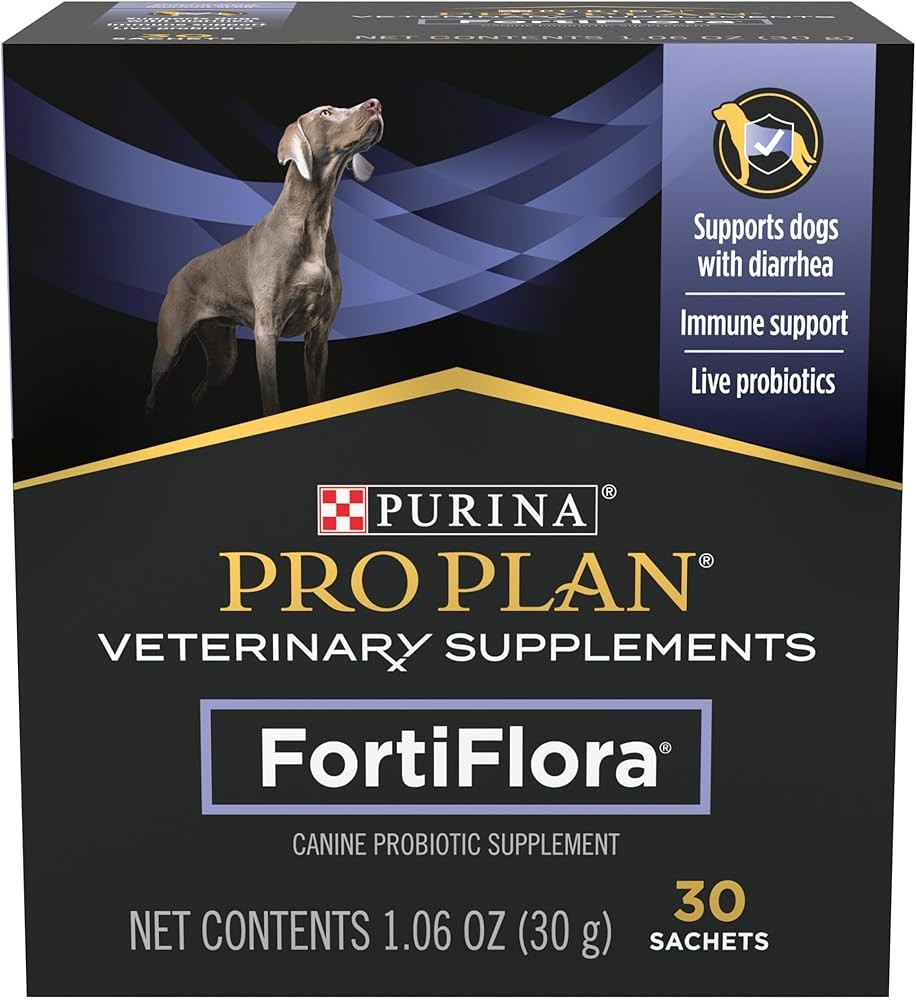
Purina Pro Plan Veterinary Supplements FortiFlora Daily Probiotics for Dogs
Check Price on AmazonAs an Amazon Associate we earn from qualifying purchases.
Purina Pro Plan Veterinary Supplements FortiFlora stands as the gold standard for canine probiotic supplementation, recommended by veterinarians worldwide for managing acute diarrhea and supporting digestive health. Each powder packet contains a guaranteed 1 billion CFU (colony-forming units) of live Enterococcus faecium SF68, a probiotic strain extensively studied for its beneficial effects on canine gut health.
Research published in the Journal of Veterinary Internal Medicine demonstrates that FortiFlora significantly reduces both the duration and severity of acute diarrhea episodes in dogs. The SF68 strain works by competing with pathogenic bacteria, producing antimicrobial substances, and supporting the intestinal immune system. Clinical studies show that dogs receiving FortiFlora during diarrhea episodes recovered faster than those receiving placebo treatments.
The powder format sprinkles easily over food, and the liver flavor makes it highly palatable even for picky eaters. This palatability ensures compliance, which is critical for probiotic effectiveness. Each packet provides a consistent dose suitable for dogs of all sizes, eliminating dosing confusion.
FortiFlora also contains antioxidant vitamins C and E, supporting immune function during digestive upset when the gut immune system is compromised. The formula includes guaranteed levels of vitamins A, C, and E, plus essential minerals supporting overall health recovery.
FortiFlora packets are individually sealed, maintaining probiotic viability until opened. This packaging protects live bacteria from moisture and air that would reduce potency. The shelf-stable formula doesn’t require refrigeration, making it convenient for travel or emergency preparedness kits.
Veterinary clinical experience spanning over a decade confirms FortiFlora’s safety profile. Side effects are extremely rare, and the product is safe for long-term daily use in dogs prone to digestive sensitivity. Many veterinarians recommend continuing FortiFlora for several days after stools normalize to fully restore gut microbiome balance.
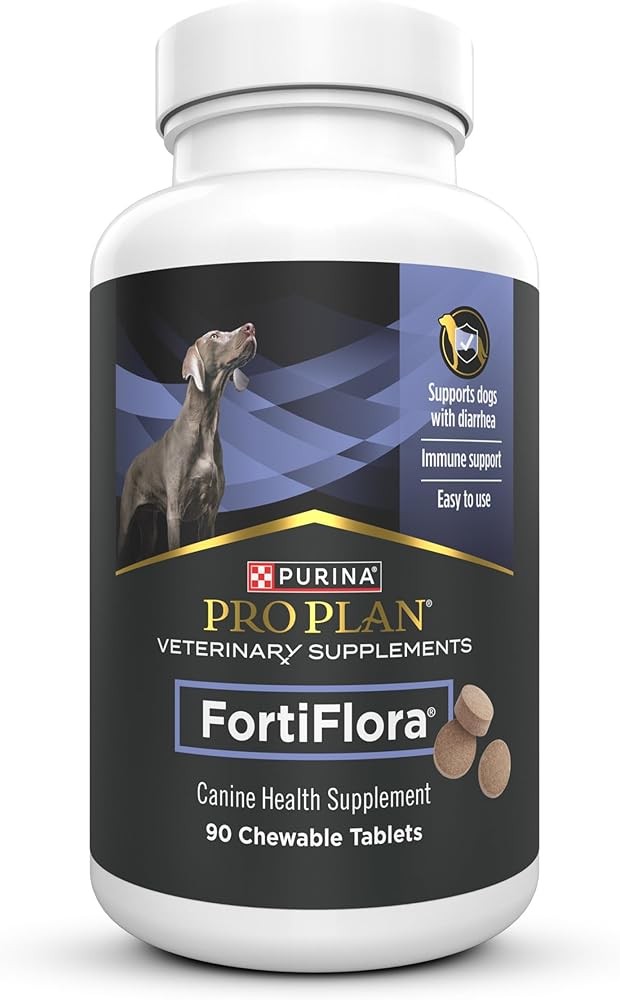
Purina Pro Plan FortiFlora Chewable Tablets for Digestive Gut Health
Check Price on AmazonAs an Amazon Associate we earn from qualifying purchases.
For pet owners seeking the proven benefits of FortiFlora in a more convenient delivery format, Purina Pro Plan FortiFlora Chewable Tablets offer the same scientifically-backed probiotic strain in an easy-to-administer tablet. Each chewable tablet contains the identical 1 billion CFU of Enterococcus faecium SF68 that makes the powder formula so effective.
The chewable format eliminates the mess associated with powder packets while maintaining all the digestive health benefits. Dogs receive the tablet as a treat, either directly from your hand or mixed with food. This administration method works particularly well for dogs who resist powder supplements mixed in their meals or for multi-dog households where individual dosing is challenging.
The chicken flavor makes these tablets highly palatable, with acceptance rates comparable to the powder format. The firm but chewable texture encourages dogs to consume the entire dose, ensuring they receive the full probiotic benefit. Unlike some probiotic chews that crumble easily, FortiFlora tablets maintain structural integrity during handling and storage.
FortiFlora Chewable Tablets include the same vitamin and mineral fortification as the powder format, providing antioxidant support with vitamins C and E. This comprehensive formulation addresses both probiotic restoration and immune support during digestive challenges.
The individually packaged tablets maintain probiotic viability through protective packaging, and like the powder format, require no refrigeration. This convenience factor makes them ideal for travel, boarding situations, or maintaining in your car for unexpected digestive episodes.
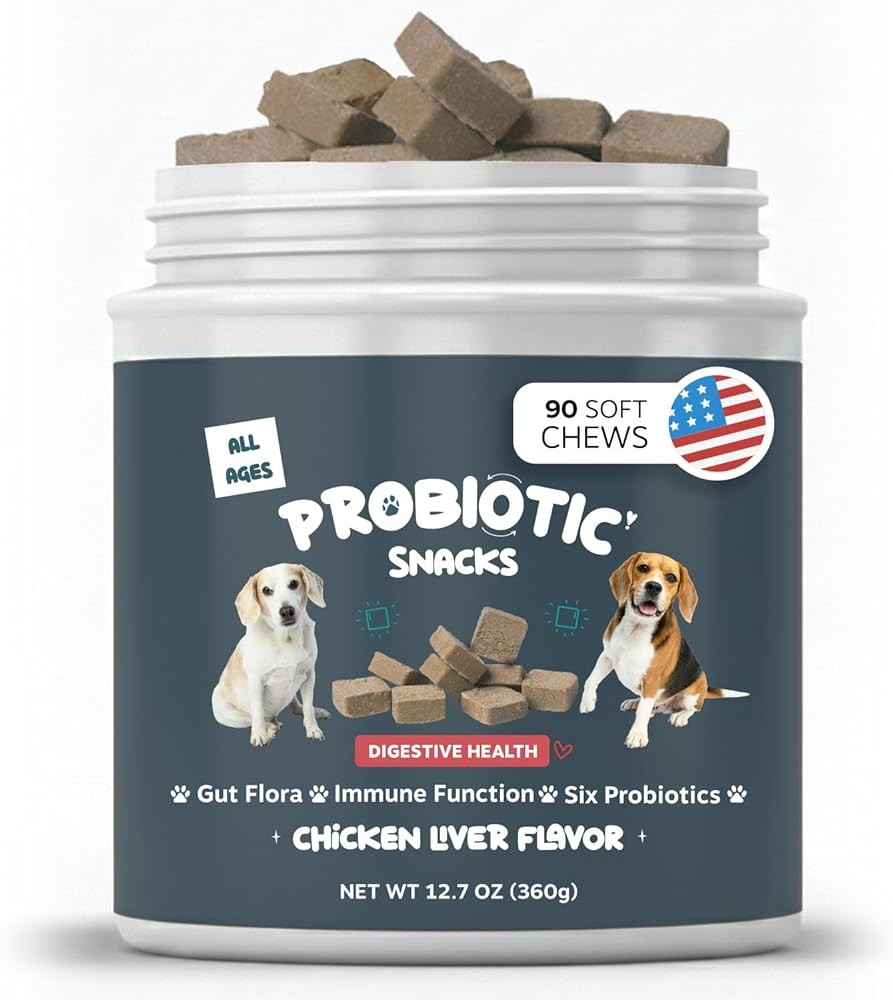
Bruno & Lukas Probiotic Chews for Dogs Digestive Health
Check Price on AmazonAs an Amazon Associate we earn from qualifying purchases.
Bruno & Lukas Probiotic Chews deliver powerful digestive support at a budget-friendly price point, offering excellent value for pet owners managing recurring digestive issues or seeking preventive probiotic supplementation. Each soft chew contains an impressive 5 billion CFU of multi-strain probiotic formula, providing five times the bacterial count of FortiFlora at approximately two-thirds the cost per dose.
The multi-strain formula includes Lactobacillus acidophilus, Lactobacillus plantarum, Lactobacillus casei, Lactobacillus reuteri, Bifidobacterium bifidum, and Bacillus coagulans. This diversity of probiotic strains provides broader microbiome support than single-strain products, with different bacteria colonizing different sections of the digestive tract and providing complementary benefits.
The soft chew format offers superior palatability, with most dogs consuming them readily as treats without requiring food mixing. The duck flavor appeals even to selective eaters, and the soft texture accommodates senior dogs or those with dental issues who struggle with harder chews or tablets.
Each container provides 90 chews, offering a three-month supply for average-sized dogs at the maintenance dose or 45 days at the therapeutic double dose for active diarrhea management. This quantity provides significant cost savings compared to purchasing individual packets daily.
Beyond probiotics, Bruno & Lukas chews include digestive enzymes (protease, amylase, lipase, cellulase) that support food breakdown and nutrient absorption. This enzyme addition addresses digestive challenges beyond just microbiome imbalance, particularly beneficial for dogs with pancreatic insufficiency or those eating processed diets lacking natural enzymes.
The formula also incorporates prebiotic fiber (inulin and fructooligosaccharides) that feeds beneficial bacteria, enhancing probiotic colonization and effectiveness. This synbiotic approach (combining probiotics with prebiotics) maximizes digestive health benefits beyond probiotics alone.
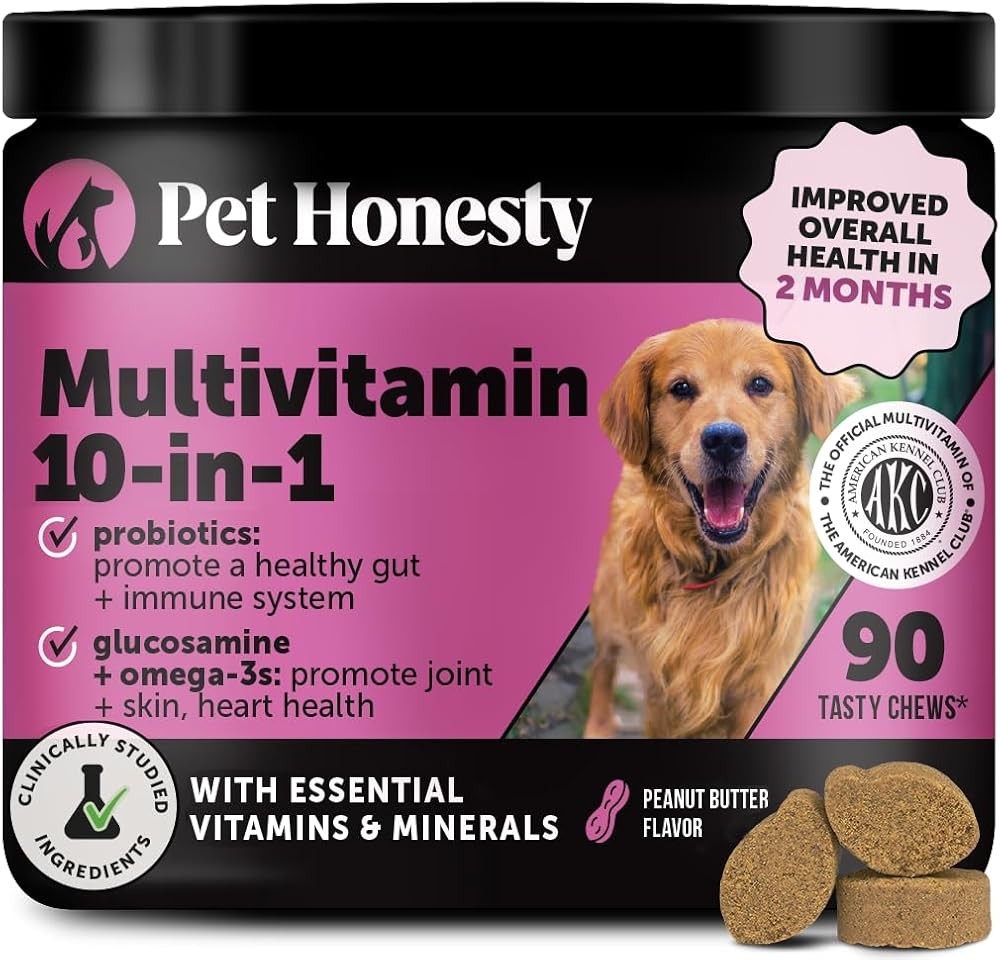
Multivitamin Dog Supplement with Glucosamine and Probiotics
Check Price on AmazonAs an Amazon Associate we earn from qualifying purchases.
For senior dogs, large breeds, or dogs requiring comprehensive health support beyond digestive function alone, this Multivitamin Dog Supplement combines probiotics with glucosamine, vitamins, and minerals in a single convenient chew. This all-in-one approach simplifies supplement regimens for dogs needing multiple types of support, reducing pill burden and improving compliance.
The probiotic component includes 500 million CFU of beneficial bacteria, primarily Bacillus coagulans and Lactobacillus acidophilus. While the probiotic count is lower than dedicated probiotic products, the formulation focuses on hardy spore-forming strains (Bacillus coagulans) that survive stomach acid and maintain viability without refrigeration.
Glucosamine hydrochloride (250mg per chew) supports joint health and mobility, particularly beneficial for large breed dogs or seniors experiencing both digestive issues and arthritis. The combination addresses the common scenario where aging dogs develop both digestive sensitivity and joint deterioration simultaneously.
The comprehensive vitamin and mineral profile includes vitamins A, B complex, C, D, and E, plus zinc, selenium, and calcium. This broad-spectrum nutrition supports immune function, skin and coat health, bone strength, and overall vitality. For dogs eating lower-quality diets or those with absorption issues secondary to chronic diarrhea, this nutritional insurance helps prevent deficiencies.
The soft chew format with chicken flavor ensures palatability across most dogs. The 120-count bottle provides a two-month supply for most dogs (based on twice-daily dosing), offering good value considering the multiple supplement categories included.
This product works best as a maintenance supplement for dogs with resolved digestive issues who also benefit from joint and immune support, rather than as an acute diarrhea treatment where higher-potency single-focus probiotics would be more appropriate.
Quick summary: For pups recovering from bowel irregularity, veterinary-formulated probiotics containing beneficial bacteria strains like Enterococcus faecium, Lactobacillus, and Bifidobacterium help restore normal gut microbiome disrupted by illness or antibiotics, with research showing probiotics reduce both duration and severity of acute stomach issues episodes when started at first signs and continued for several days after stools normalize. 📱 Join the discussion: Facebook | X | YouTube | Pinterest | Pinterest
Conclusion
Canine gastrointestinal issues in man’s best friend ranges from minor inconvenience to medical emergency depending on underlying cause, severity, and patient factors. While many cases of acute, mild dog’s loose motions resolve with simple conservative management including brief fasting, bland diet, and probiotics, other cases signal serious conditions requiring immediate veterinary intervention.
Learning to recognize the body clues your dog shows helps you gauge severity and make informed decisions about when to manage at home versus when to seek veterinary care. The color and consistency of intestinal disturbance provide valuable diagnostic information pointing toward specific causes. Understanding the broad spectrum of potential causes from simple dietary indiscretion to complex inflammatory bowel disease, from parasites to parvovirus, from stress to cancer helps you appreciate why proper diagnosis matters.
Know the red flags requiring immediate emergency care: profuse bloody stool irregularities, loose stool with severe vomiting, marked lethargy, fever, abdominal pain, or any gastrointestinal upset in young puppies or pet dogs with underlying health conditions. Don’t hesitate to seek help when these warning signs appear, as early intervention can be life-saving.
When supportive care at home is considered, research suggests following protocols including brief fasting (in adult dog owners’ companions only), a bland diet with boiled chicken and rice, plain pumpkin for added fiber, and veterinary-formulated probiotics which studies indicate may support gut health. Maintaining hydration and close monitoring for any changes that may warrant veterinary attention are also suggested by research. PubMed PMID: 28678609
Work in partnership with your veterinarian for cases requiring medical intervention. Diagnostic tests including fecal examinations, bloodwork, imaging, and sometimes endoscopy with biopsy identify specific causes guiding targeted treatment. Medications including antibiotics for bacterial infections, antiparasitics for parasites, anti-inflammatories for IBD, and supportive care with fluids and anti-nausea drugs address different underlying conditions.
Prevention through consistent high-quality diet, parasite prevention, vaccinations, stress management, avoiding toxins, and regular veterinary care reduces bowel irregularity occurrence and supports optimal digestive health throughout your dog’s life.
Certain breeds show specific predispositions worth knowing: German Shepherds for EPI, Boxers for colitis, Yorkshire Terriers for hemorrhagic gastroenteritis. Puppies face unique risks from parvovirus, parasites, and rapid dehydration. Senior canine companions often have underlying conditions complicating both causes and management.
Understanding dog stomach issues comprehensively may empower caregivers to respond appropriately, support care when suitable for home management, recognize situations where professional veterinary consultation may be beneficial, and implement prevention strategies potentially reducing future episodes. A dog’s wellbeing depends on caregiver recognition of changes and appropriate response. With the information provided in this guide, caregivers may be equipped to make informed decisions supporting a dog’s digestive health and overall wellbeing. AKCPMID:30687492
Frequently Asked Questions
Q: What are the most common causes of dog diarrhea?
A: Dietary indiscretion, parasites like Giardia and roundworms, stress colitis, bacterial infections (Salmonella, Clostridium), and parvovirus in unvaccinated puppies.
Q: When should I worry about my dog’s diarrhea?
A: If your dog has profuse bloody canine gastrointestinal issues, black tarry stool, fever above 103°F or below 99°F, dog’s loose motions with severe vomiting, or any intestinal disturbance in puppies lasting over 12-24 hours.
Q: How can I address mild dog diarrhea at home? A: Research suggests fasting an adult dog for 12-24 hours may be supportive. Studies indicate a bland diet (boiled chicken and rice 1:3 ratio) may be beneficial, as may plain canned pumpkin (1-4 tablespoons per meal). Published research shows veterinary-formulated probiotics appear to have some benefit.
Q: What are the symptoms of small bowel diarrhea?
A: Large volumes of stool irregularities (3-5 times daily), weight loss, and vomiting.
Q: What are the symptoms of large bowel diarrhea?
A: Frequent small amounts of loose stool (6-10+ times daily), straining, and mucus in the stool.
Q: What breeds are predisposed to certain types of dog diarrhea?
A: German Shepherds for exocrine pancreatic insufficiency, Yorkshire Terriers/Miniature Schnauzers for hemorrhagic gastroenteritis, Rottweilers/Dobermans for parvovirus susceptibility.
Related Reading
- Dog Diarrhea with Blood: Causes, Treatment, and When It’s an Emergency
- Dog Limping Front Leg No Pain: Causes, When to Worry, and Home Care
- Dog Vomiting Yellow Bile or Foam: Causes, When to Worry, and Treatment
- Dog Tail Tucked and Acting Weird: Causes and When to Worry
- Why Is My Dog’s Poop Yellow? Causes, Diagnosis, and Treatment
- Dog Gurgling Stomach: Causes, Approaches, and When It’s Serious
- Dog Urinary Tract Infections: Symptoms, Treatment & Prevention
References
-
Suchodolski JS, et al. “The fecal microbiome in dogs with acute diarrhea and idiopathic inflammatory bowel disease.” PLoS One. 2012;7(12):e51907. PubMed 23300577
-
Gomez DE, et al. “Update on Canine Parvoviral Enteritis.” Veterinary Clinics of North America: Small Animal Practice. 2020;50(6):1307-1325. PubMed 32891439
-
Goddard A, Leisewitz AL. “Canine parvovirus.” Veterinary Clinics of North America: Small Animal Practice. 2010;40(6):1041-1053. PubMed 30050842
-
Esfandiari B, et al. “Long-term effects of canine parvovirus infection in dogs.” PLoS One. 2018;13(3):e0192198. PubMed 29547647
-
Schmitz S, Suchodolski J. “Understanding the canine intestinal microbiota and its modification by pro-, pre- and synbiotics - what is the evidence?” Veterinary Medicine and Science. 2016;2(2):71-94. PubMed 31313372
-
White R, et al. “Randomized, controlled trial evaluating the effect of multi-strain probiotic on the mucosal microbiota in canine idiopathic inflammatory bowel disease.” Gut Microbes. 2017;8(5):451-466. PubMed 28678609
-
Little SE, et al. “Detection of gastrointestinal parasitism at recreational canine sites in the USA: the DOGPARCS study.” Parasites & Vectors. 2020;13(1):275. PubMed 32487211
-
Dangoudoubiyam S, et al. “Comparative study of a broad qPCR panel and centrifugal flotation for detection of gastrointestinal parasites in fecal samples from dogs and cats in the United States.” Parasites & Vectors. 2023;16(1):274. PubMed 37587483
-
Jones HE, et al. “A 3-year retrospective analysis of canine intestinal parasites: fecal testing positivity by age, U.S. geographical region and reason for veterinary visit.” Parasites & Vectors. 2021;14(1):148. PubMed 33743787
-
Pilla R, Suchodolski JS. “The Role of the Canine Gut Microbiome and Metabolome in Health and Gastrointestinal Disease.” Frontiers in Veterinary Science. 2020;6:498. PubMed 31993446
-
Niina A, et al. “Fecal Microbial and Metabolic Profiles in Dogs With Acute Diarrhea Receiving Either Fecal Microbiota Transplantation or Oral Metronidazole.” Frontiers in Veterinary Science. 2020;7:192. PubMed 32363202
Recommended Products