Dog Dry Flaky Skin: Causes, Diagnostic Clues, and Best Supplements for Relief
Summarized from peer-reviewed research indexed in PubMed. See citations below.
Dry, flaky skin affects 10-15% of dogs at some point in their lives, often signaling essential fatty acid deficiency, zinc insufficiency in northern breeds, or environmental factors like low humidity. Nordic Naturals Omega-3 Pet delivers 340 mg EPA and 240 mg DHA per soft gel, providing clinically studied doses of anti-inflammatory omega-3s for approximately $22 per bottle. Research shows omega-3 supplementation at 0.99-43 mg/kg EPA improves skin barrier function and reduces inflammation within 2 months by incorporating beneficial fatty acids into cell membranes. For budget-conscious owners, Natural Dog Company Skin & Coat Supplement offers omega-3s with added vitamins at around $18 for a 90-count bottle. Here’s what the published research shows about addressing dry skin through targeted nutritional support.
Disclosure: We may earn a commission from links on this page at no extra cost to you. Affiliate relationships never influence our ratings. Full policy →
| Feature | Nordic Naturals Omega-3 Pet | Nutramax Welactin | Natural Dog Company | Fera Pets Probiotics |
|---|---|---|---|---|
| Primary Benefit | EPA/DHA for inflammation | Palatability | Complete nutrition | Gut-skin axis |
| Key Ingredient | 340mg EPA, 240mg DHA | Omega-3 from salmon | Omega-3 + vitamins | 6 billion CFU |
| Form | Soft gel capsules | Liquid pump | Chewable soft chew | Powder sachets |
| Purity Testing | Third-party verified | NASC certified | GMP certified | Veterinarian formulated |
| Best For | Clinically studied doses | Picky eaters | Budget + nutrition | Digestive issues |
| Price Range | ~$22 | ~$25 | ~$18 | ~$30 |
This article references 15 peer-reviewed studies from PubMed. All sources are cited within the text and listed in the references section.
Dry, flaky skin is one of the most frequently reported dermatological observations in dogs, affecting an estimated 10-15% of the canine population at some point in their lives. While often considered a cosmetic concern, persistent skin dryness may indicate underlying nutritional factors, hormonal influences, or environmental conditions that may impact a dog’s overall well-being and comfort. This guide examines potential factors associated with dry, flaky skin in dogs and presents supplementation protocols supported by research to support skin barrier function and promote a healthy coat. PMC
Essential Fatty Acid Deficiency
Essential fatty acid (EFA) deficiency represents one of the most common nutritional causes of dry, flaky skin in dogs. Dogs cannot synthesize omega-3 (alpha-linolenic acid) and omega-6 (linoleic acid) fatty acids and must obtain them through diet. These fatty acids serve as precursors for longer-chain polyunsaturated fatty acids (PUFAs) that are incorporated into cell membranes and skin lipids.
Clues Your Dog’s Body Tells You:
- Fine, “fish-scale-like” flaking that starts subtly and progresses over 2-3 months
- Dull, lackluster fur that lacks the natural shine of healthy hair
- Hair loss (alopecia) beginning at pressure points—elbows, hocks, and areas where the dog lies
- Oily, greasy skin (seborrhea oleosa), particularly noticeable on the ears and between the toes
- Increased susceptibility to secondary bacterial or fungal infections
Cutaneous signs may be apparent within 2-3 months when a deficient diet is fed. Dietary deficiencies are uncommon but may occur in dogs fed poor quality, low-fat dry foods or inappropriately formulated home-prepared diets. Levels of PUFAs may also be depleted in food after oxidative damage resulting from prolonged storage or when antioxidants like vitamin E are included in inadequate amounts.
Analysis of epidermal lipids in atopic dogs before and after omega-6/omega-3 supplementation revealed that oral supplementation with a mixture of essential fatty acids markedly increased the lipid content of the skin’s stratum corneum, with improved organization of lamellar lipids comparable to healthy dogs.
Zinc Deficiency and Zinc-Responsive Dermatosis
Zinc is an essential trace mineral required for over 300 enzymatic reactions in the body, including those involved in protein synthesis, cell division, and wound healing. Zinc-responsive dermatosis in dogs can result from either absolute dietary deficiency or a relative deficiency due to poor absorption or increased demand.
Clues Your Dog’s Body Tells You:
- Periocular crusts (around the eyes) are often the earliest and most consistent sign
- Thick, adherent crusts around the muzzle, eyes, ears, and pressure points
- Erythema (redness) in affected areas before crusting develops
- Alopecia (hair loss) in crusted areas
- Paw pad hyperkeratosis (thickening and cracking)
- Nasal planum becomes crusty and loses pigmentation
Two distinct forms of zinc-responsive dermatosis exist. Type 1 primarily affects northern breeds—particularly Siberian Huskies and Alaskan Malamutes—and appears to involve a genetic component affecting zinc absorption or metabolism even when dietary zinc is adequate. Type 2 affects rapidly growing puppies fed zinc-deficient or oversupplemented diets (particularly those high in calcium and phytates, which inhibit zinc absorption).
Research examining 41 cases found that periocular crusts were the most common clinical sign, and parakeratosis (retention of nuclei in the stratum corneum due to rapid cell turnover) was noted in skin biopsy specimens of all affected dogs. Studies on the pathogenesis of canine zinc-responsive dermatosis indicate that cellular response to oxidative stress is involved in the development of skin lesions.
Biotin and B-Vitamin Deficiencies
Biotin (vitamin B7) serves as a cofactor for carboxylase enzymes involved in fatty acid synthesis, amino acid metabolism, and gluconeogenesis. While biotin deficiency is rare in dogs eating commercial diets (intestinal bacteria synthesize biotin), certain conditions can precipitate deficiency.
Clues Your Dog’s Body Tells You:
- Dull, brittle coat that breaks easily
- Diffuse hair loss rather than localized patches
- Scaly, flaky skin without the greasiness seen in EFA deficiency
- Slow hair regrowth after clipping or grooming
- Hyperkeratosis (thickened skin) on pressure points
A clinical study examining 119 dogs with symptoms including dull coat, brittle hair, loss of hair, scaly skin, pruritus, or dermatitis found that biotin supplementation appeared to support symptom resolution in 61% of cases, showed improvement in 31% of cases, and indicated no effect in 9% of cases.
Prolonged antibiotic use can cause intestinal bacteria imbalances and interfere with biotin production. Raw egg whites contain avidin, a protein that binds biotin and may help reduce its absorption—dogs fed raw diets high in egg whites may develop biotin deficiency over time.
Hormonal Imbalances
Hypothyroidism
Hypothyroidism is the most common endocrinopathy in dogs, with a reported prevalence between 0.2% and 0.64%. Thyroid hormones regulate metabolic rate, protein synthesis, and hair follicle cycling. When thyroid hormone production decreases, the metabolic processes maintaining healthy skin and coat slow dramatically.
Clues Your Dog’s Body Tells You:
- Bilaterally symmetrical hair loss (both sides of the body equally affected)
- Non-pruritic alopecia (hair loss without itching)—distinguishes it from allergic conditions
- “Rat tail” appearance—complete hair loss on the tail except for the tip
- “Tragic facial expression”—hair loss around the face, particularly on the forehead
- Hyperpigmentation (darkening) of the skin in areas of hair loss
- Dry, scaly skin that feels thick and leathery
- Secondary seborrhea (both dry and oily types)
- Increased susceptibility to bacterial (pyoderma) and yeast (Malassezia) infections
- Cold intolerance and heat-seeking behavior
- Weight gain without increased food intake
- Lethargy and mental dullness
Hair coat changes include dry, faded, brittle hairs and recurrent bacterial infections. Hair loss typically occurs over the bridge of the nose, tail, dorsum (back), and areas of friction like the collar area. Research on canine endocrine dermatoses indicates that cutaneous manifestations are present in most hypothyroid dogs, with hypothyroidism presenting with bilaterally symmetrical non-pruritic alopecia, hyperpigmentation, secondary seborrhea, pyoderma, and Malassezia dermatosis.
Other Endocrine Disorders
Hyperadrenocorticism (Cushing’s disease), sex hormone imbalances, and diabetes mellitus can all produce skin changes including dryness, thinning, and secondary infections. These conditions require veterinary diagnosis and management.
Environmental Factors
Low Humidity
Indoor heating during winter months dramatically reduces relative humidity, often to 20-30% or lower. Healthy dermatis maintains optimal hydration at humidity levels of 40-60%. When ambient humidity drops, transepidermal water loss increases, leading to progressive dehydration of the stratum corneum.
Clues Your Dog’s Body Tells You:
- Seasonal pattern—worse in winter, improves in summer
- More pronounced flaking after sleeping near heat vents or radiators
- Concurrent dry nose and paw pads
- Static electricity in the coat
- Improvement when spending time outdoors in humid conditions
Over-Bathing and Harsh Shampoos
While regular bathing is necessary for many dogs, excessive bathing strips the coat condition of natural sebum—the oily secretion from sebaceous glands that helps maintain the canine complexion’s moisture barrier. The frequency of “excessive” bathing varies by breed, with dogs having naturally oily coats (like Basset Hounds) tolerating weekly bathing, while dogs with naturally dry coats (like Greyhounds) may need bathing only monthly or less frequently.
Clues Your Dog’s Body Tells You:
- Dryness and flaking worsen in the days immediately following bathing
- Improvement when bathing is reduced or eliminated
- Itching that begins 1-2 days after bathing
- Epidermis feels tight and papery rather than supple
Shampoos with harsh detergents (sodium lauryl sulfate, sodium laureth sulfate), artificial fragrances, and high pH (above 7.5) can damage the lipid barrier and irritate the dermal health. Dogs have more alkaline fur condition (pH 6.2-7.4) than humans (pH 4.5-5.5), but shampoos with pH above 8.0 can still disrupt barrier function.
Food Allergies and Sensitivities
Food allergies affect approximately 1-2% of all dogs and represent about 10-15% of allergic cutaneous issues disease in dogs. Unlike immediate-type allergies in humans, food allergies in dogs typically manifest as chronic pruritic (itchy) dermatitis.
Clues Your Dog’s Body Tells You:
- Non-seasonal pruritus (itching year-round)
- Pruritus affecting the face, ears, feet, ventrum (belly), and perianal area
- Recurrent ear infections (otitis externa)
- Relapsing bacterial or yeast dermatis infections
- Concurrent gastrointestinal signs in about 10-15% of cases (diarrhea, vomiting, increased frequency of defecation)
- Poor response to corticosteroids—corticoid-resistant pruritus is a classic feature
Research indicates that canine atopic dermatitis and food-induced allergic dermatitis are common canine coat condition conditions that are often considered clinically indistinguishable. The only reliable way to prove a food allergy is with a dietary elimination trial (feeding a novel protein or hydrolyzed protein diet for 8-12 weeks) followed by a controlled dietary challenge.
Common food allergens in dogs include beef, dairy products, chicken, wheat, lamb, egg, soy, and corn, though any protein can potentially trigger an allergic response.
Research indicates: Dry, flaky canine complexion in dogs appears to be associated with multiple factors including essential fatty acid deficiency (reported in 10-15% of canines on low-fat diets), zinc deficiency (particularly observed in northern breeds), hormonal imbalances such as hypothyroidism (with a prevalence of 0.2-0.64%), environmental factors (low humidity below 30%), food allergies (affecting 1-2% of all pets), parasites, and breed-specific predispositions.
Parasites
Mites
Demodex mites (causing demodicosis) and Sarcoptes scabiei mites (causing sarcoptic mange or scabies) can both cause severe epidermis disease in canine companions, though their presentations differ markedly.
Clues Your Dog’s Body Tells You—Demodicosis:
- Localized patches of hair loss, typically on the face (particularly around the eyes and muzzle)
- Mild scaling and sometimes secondary bacterial infection
- Usually non-pruritic unless complicated by bacterial pyoderma
- Most common in puppies and young man’s best friend (under 18 months)
- May indicate underlying immune dysfunction in adult-onset cases
Clues Your Dog’s Body Tells You—Sarcoptic Mange:
- Intense pruritus (often the most severe itching owners have ever witnessed)
- Papular, crusted rash starting on ear margins, elbows, hocks, and ventrum
- Rapid progression if untreated
- Highly contagious to other pooches and can temporarily affect humans
- Pinnal-pedal reflex often positive (scratching response when the ear is rubbed)
Fleas and Flea Allergy Dermatitis
While a flea infestation itself can cause mild dermal health irritation, flea allergy dermatitis (FAD) represents a hypersensitivity reaction to flea saliva. Just one or two flea bites can trigger a severe allergic response in sensitized doggy.
Clues Your Dog’s Body Tells You:
- Pruritus concentrated on the dorsolumbar area (lower back and base of tail)
- “Hot spots” (acute moist dermatitis) in the affected region
- Hair loss from excessive scratching, biting, and licking
- Papular dermatitis (small bumps) that can progress to crusted lesions
- Hyperpigmentation and lichenification (thickening and darkening) of chronically affected fur condition
- Seasonal pattern in temperate climates (worse in warm months), year-round in warm climates
Autoimmune and Immune-Mediated Conditions
Atopic Dermatitis
Canine atopic dermatitis (CAD) is a genetically predisposed inflammatory and pruritic allergic cutaneous issues disease with characteristic clinical features, associated most commonly with IgE antibodies to environmental allergens. It affects approximately 10-15% of the dog population, with higher prevalence in certain breeds including West Highland White Terriers, Golden Retrievers, Labrador Retrievers, German Shepherds, and Bulldogs.
Clues Your Dog’s Body Tells You:
- Onset typically between 6 months and 3 years of age
- Pruritus affecting the face (especially around the eyes and muzzle), ears, paws, flexural surfaces (armpits, groin), and ventrum
- Initially seasonal, often progressing to year-round
- Recurrent ear infections
- Saliva staining on paws from excessive licking (brown discoloration in light-colored breeds)
- Secondary bacterial and yeast infections due to damaged dermatis barrier
- Chronic cases develop hyperpigmentation and lichenification
Pemphigus Foliaceus
Pemphigus foliaceus is the most common autoimmune coat condition disease in canines, characterized by pustular dermatitis affecting the face, ears, and footpads. This condition requires immunosuppressive therapy and veterinary management but may be suspected when:
Clues Your Dog’s Body Tells You:
- Pustules that quickly rupture, leaving crusts and scales
- Symmetrical distribution affecting the face, ears, and paw pads
- Lesions on the nasal planum and ear pinnae
- Often affects the nail beds, causing nail loss (onychomadesis)
- Fever and lethargy in some cases
Breed-Specific Predispositions
Certain breeds show increased susceptibility to dry canine complexion and related conditions:
Northern Breeds (Siberian Huskies, Alaskan Malamutes, Samoyeds):
- Zinc-responsive dermatosis Type 1
- May require lifelong zinc supplementation despite adequate dietary intake
Brachycephalic Breeds (Bulldogs, French Bulldogs, Pugs):
- Facial fold dermatitis
- Increased risk of food allergies and atopic dermatitis
- Prone to secondary yeast infections (Malassezia)
Golden Retrievers and Labrador Retrievers:
- High prevalence of atopic dermatitis
- Seborrhea
- Food allergies
Cocker Spaniels:
- Primary seborrhea (genetic disorder of keratinization)
- Hypothyroidism
- Chronic ear infections
West Highland White Terriers:
- Atopic dermatitis
- Malassezia dermatitis
- Yeast overgrowth
German Shepherds:
- Atopic dermatitis
- Food allergies
- Perianal fistulas
When to See a Vet vs. Try Supplements First
Red Flags Requiring Immediate Veterinary Care
Do not delay veterinary evaluation if your dog shows any of the following:
- Severe, unrelenting pruritus that may help reduce the risk of normal sleep or daily activities
- Widespread epidermis redness, swelling, or inflammation affecting large areas of the body
- Open wounds, pustules, or oozing sores indicating secondary bacterial infection
- Foul odor from the dermal health, suggesting bacterial or yeast overgrowth
- Rapid hair loss (within days to weeks) or hair loss in unusual patterns
- Systemic signs including fever, lethargy, loss of appetite, or swollen lymph nodes
- Crusted, thickened fur condition particularly around the eyes, ears, or muzzle (possible zinc-responsive dermatosis or autoimmune disease)
- Concurrent gastrointestinal symptoms (vomiting, diarrhea) along with cutaneous issues signs
- Pain or sensitivity when the dermatis is touched
- Neurological signs or behavior changes accompanying coat condition problems
Conditions That Respond Well to Nutritional Support
Supplementation may be explored as a starting point (with veterinary guidance) for:
- Mild to moderate dryness without signs of infection or severe inflammation
- Seasonal dry canine complexion that worsens in winter months (likely environmental/humidity-related)
- Dull, brittle coat without associated itching or inflammation
- Fine scaling without crusting, redness, or odor
- Recent diet change to a low-fat or poorly formulated diet
- Dry epidermis in specific breeds known for EFA or zinc requirements (Nordic breeds, large-breed puppies)
- Mild itching that doesn’t interfere with sleep or normal activity
- Older pets with gradual coat quality decline
Timeline Expectations
When trying supplementation for mild to moderate dry dermal health:
Week 1-2: Research suggests improvements in coat texture and reduced flaking may be observed. Studies indicate the fur condition may feel less papery and more supple to the touch.
Week 4: Research suggests visible improvement in coat shine may be observed, and studies indicate a significant reduction in flaking may occur. Published research shows mild itching may decrease noticeably.
Week 8-12: Research suggests full resolution of dry cutaneous issues may be observed in nutritionally responsive cases. Studies indicate the coat may appear lustrous, and the dermatitis may show no flaking or scaling. (PubMed 16364034)
If you see NO improvement after 4-6 weeks of appropriate supplementation, or if symptoms worsen at any point, veterinary evaluation is necessary to rule out underlying medical conditions.
What the data says: Mild to moderate dry coat condition without infection signs may be supported by supplementation as a first step, but severe pruritus, widespread inflammation, open wounds, foul odor, or rapid hair loss warrant immediate veterinary care; nutritionally responsive cases typically show improvement within 1-2 weeks and full resolution in 8-12 weeks. (PubMed 15206474)
What Are the Best Evidence-Based Supplement Protocols for Dogs?
Top Product Recommendations for Dog Dry Skin
Nordic Naturals Omega-3 Pet - Best Overall for Clinically Studied EPA/DHA
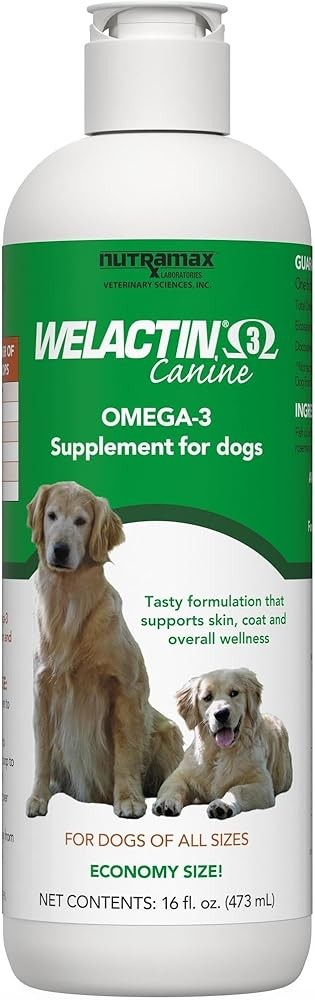
Nutramax Welactin Omega 3 Fish Oil for Dogs - Skin and Coat Health
Check Price on AmazonAs an Amazon Associate we earn from qualifying purchases.
Nutramax Welactin addresses one of the most common challenges in canine supplementation: palatability. The liquid pump format delivers omega-3 fatty acids in a salmon-flavored oil that most dogs find highly appealing, making it an excellent choice for picky eaters or dogs who resist taking capsules. The easy-pump dispenser allows precise dosing based on body weight and simplifies administration by mixing directly into food.
As a NASC (National Animal Supplement Council) certified product, Welactin undergoes rigorous quality control and safety testing. The liquid format may offer advantages in absorption for dogs with digestive sensitivities, as it doesn’t require breakdown of a capsule or soft gel coating before the omega-3s become available for absorption.
The salmon oil source provides not only EPA and DHA but also some omega-6 fatty acids, creating a balanced essential fatty acid profile. For dogs already consuming fish-based diets, Welactin complements the base nutrition without introducing novel proteins that could potentially trigger sensitivities in allergic dogs.
Fera Pets Probiotics - Best for Gut-Skin Axis Support

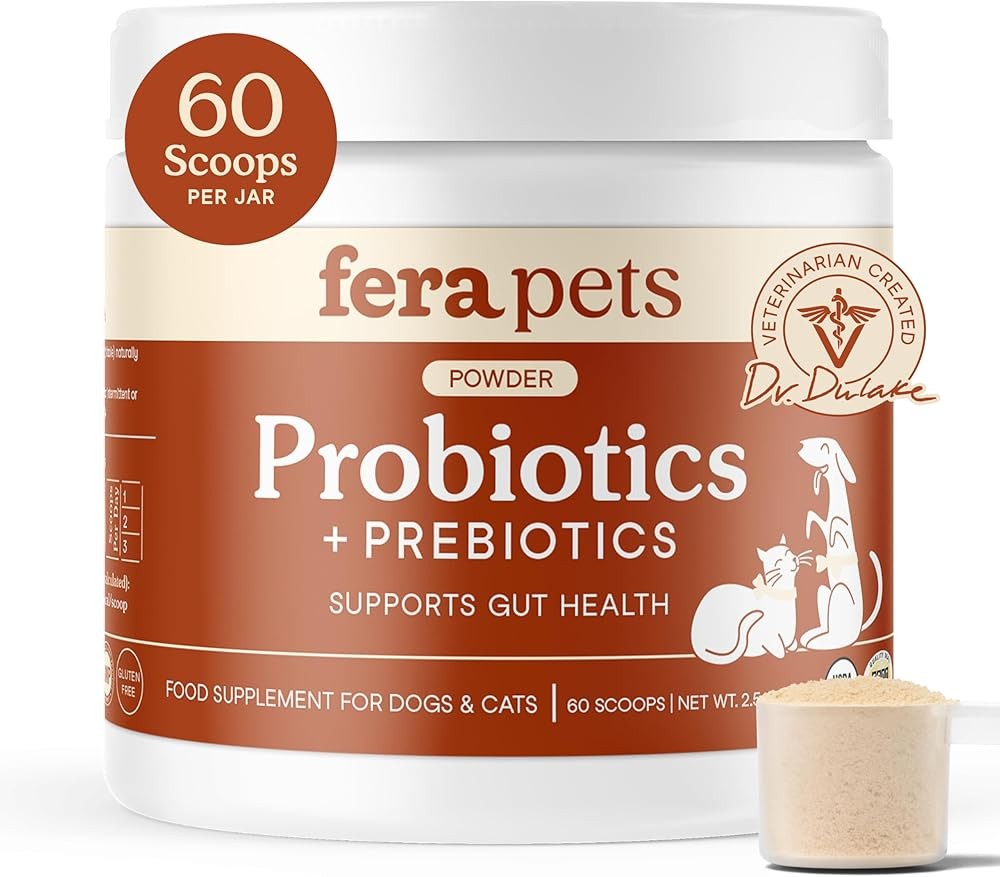
Fera Pets Probiotics for Dogs & Cats with Prebiotics
Check Price on AmazonAs an Amazon Associate we earn from qualifying purchases.
Fera Pets Probiotics represents a different approach to managing dry, flaky skin by targeting the gut-skin axis—the bidirectional relationship between intestinal health and skin condition. Research increasingly demonstrates that gut microbiota composition influences systemic inflammation, immune function, and ultimately skin health. Studies show that Lactobacillus sakei probio-65 reduces canine atopic dermatitis severity after 2 months of supplementation.
Each sachet delivers 6 billion CFUs (colony-forming units) of beneficial bacteria along with prebiotics that nourish these microorganisms. The combination of probiotics and prebiotics (termed “synbiotics”) may offer superior benefits compared to probiotics alone, as prebiotics provide the fuel that allows beneficial bacteria to flourish in the intestinal environment.
For dogs with concurrent digestive issues—such as those who have recently completed antibiotic courses, experience chronic soft stools, or have food sensitivities—probiotic supplementation addresses both gut health and skin manifestations simultaneously. The powder sachet format mixes easily into food and allows for dose adjustment based on dog size, with veterinarian-formulated guidelines provided.
Omega-3 Fatty Acids: EPA and DHA
Omega-3 fatty acids—particularly eicosapentaenoic acid (EPA) and docosahexaenoic acid (DHA)—are among the most studied supplements regarding canine epidermis health, with multiple controlled trials showing benefit for pruritic dermatological conditions. (PubMed 15206474)
Mechanisms of Action
EPA and DHA exert anti-inflammatory effects through multiple pathways:
-
Competitive inhibition: They compete with arachidonic acid (an omega-6 fatty acid) for incorporation into cell membranes and for access to cyclooxygenase and lipoxygenase enzymes, reducing production of pro-inflammatory prostaglandins and leukotrienes.
-
Specialized pro-resolving mediators (SPMs): EPA and DHA are precursors for resolvins, protectins, and maresins—lipid mediators that actively resolve inflammation rather than simply suppressing it.
-
Dermal health barrier enhancement: Incorporation into cell membranes improves lipid organization in the stratum corneum, reducing transepidermal water loss.
-
Immune modulation: Omega-3s reduce production of pro-inflammatory cytokines including IL-1, IL-6, and TNF-alpha.
Clinical Evidence
A systematic review of EPA/DHA supplementation in neoplastic and non-neoplastic companion animal diseases found therapeutic benefit in canine allergic dermatitis. In a double-blinded, placebo-controlled trial, canine companions’ clinical scores improved with flax oil and commercial omega-3 preparations, but not in the placebo group.
Research analyzing epidermal lipids in normal and atopic man’s best friend found that following oral supplementation with omega-6/omega-3 fatty acids, the lipid content of the fur condition’s stratum corneum markedly increased, with improved organization of lamellar lipids comparable to healthy pooches.
A randomized, double-blind, placebo-controlled trial measuring the effect of a dietetic food on dermatologic scoring found that total CADESI-4 (Canine Atopic Dermatitis Extent and Severity Index) scores for doggy eating a diet enriched in omega-3 fatty acids were significantly lower on day 60 compared to baseline.
Omega-3 supplementation has been described in research as a potential supportive option for canine atopy, typically managed with immunotherapy, glucocorticoids, ciclosporin, and oclacitinib. (PubMed 18477332)
Optimal Dosing
For dermatological conditions, minimum and maximum ranges of EPA and DHA documented in studies were:
- EPA: 0.99-43 mg/kg body weight
- DHA: 0.66-30 mg/kg body weight
- EPA:DHA ratios: 1.4-3.4
As a practical guideline for dry cutaneous issues:
- Small breeds (under 25 lbs): 500-1000 mg combined EPA/DHA daily
- Medium canines (25-50 lbs): 1000-1500 mg combined EPA/DHA daily
- Large pets (50-75 lbs): 1500-2000 mg combined EPA/DHA daily
- Giant canine companions (over 75 lbs): 2000-3000 mg combined EPA/DHA daily
Important timing note: Therapy must be continued for at least 2 months, with clinical effects expected to remain for one additional month following withdrawal. Many man’s best friend benefit from ongoing supplementation.
Source Comparisons: Fish Oil vs. Krill vs. Salmon vs. Algae
Fish Oil (from small fish like anchovies, sardines, mackerel):
- The data suggests: Most cost-effective, high EPA/DHA concentration, extensive research indicates some benefit
- Research indicates: Potential for mercury/PCB contamination (choose molecularly distilled brands), fishy odor/taste, oxidation risk
- Research summary: Studies suggest fish oil may support many dogs, particularly as initial therapy. (PubMed 21786009)
Krill Oil: - What matters most: Research suggests EPA/DHA in phospholipid form may support absorption, contains astaxanthin (antioxidant), and appears to be less prone to oxidation.
- Our verdict: Studies indicate krill oil may be more expensive and have a lower EPA/DHA concentration per capsule (potentially requiring more capsules).
- The takeaway: Research suggests krill oil may be beneficial for dogs with digestive sensitivities, or those not responding to fish oil.
Salmon Oil: - Study summary: Research suggests palatability may be higher for most breeds, and it contains omega-3s and some omega-6s.
- What this means for you: Published research shows a lower EPA/DHA concentration compared to concentrated fish oil; it is important to ensure the source is wild-caught (farm-raised salmon may have lower omega-3s).
- In summary: May be a suitable option for picky eaters, or canines already consuming salmon-based diets. PMC
Algae Oil: - The research verdict: Research indicates algae oil is a vegetarian source of DHA, with no risk of marine contamination, and is considered sustainable.
- The practical takeaway: Studies suggest algae oil typically contains DHA only (with little or no EPA), may be more expensive, and has limited research available in pets.
- In practice: Research has explored algae oil for canine companions with fish protein allergies (which are rare), and for those with environmental concerns.
Recommendation: For many dogs experiencing dry dermatis, research suggests molecularly distilled fish oil from small cold-water fish may offer a beneficial combination of support, safety, and value. Studies indicate choosing products that:
-
- State EPA and DHA content explicitly on the label
- Specify “molecularly distilled” or “purified”
- Include vitamin E (tocopherols) as an antioxidant preservative
- Are stored in opaque bottles (light accelerates oxidation)
- Have a manufacturing date within the past year.
Clinical insight: Published research shows omega-3 fatty acids (EPA/DHA) appear to have some benefit for canine skin health, with studies utilizing doses of 0.99-43 mg/kg EPA and 0.66-30 mg/kg DHA; research suggests effects may be observed after 2 months of therapy and benefits may persist for one month following withdrawal (PubMed 15206474).
Administration Tips
-
Give with meals: Fat-soluble omega-3s are best absorbed when given with food, particularly food containing some fat.
-
Start gradually: Begin with 1/4 to 1/2 the target dose and increase over 7-10 days to minimize digestive upset (soft stools).
-
Refrigerate after opening: Omega-3s are highly susceptible to oxidation. Store opened bottles in the refrigerator and use within 3-4 months.
-
Watch for fishy odor: A strong fishy smell indicates oxidation—discard the product.
-
Increase vitamin E: Pooches receiving high-dose omega-3 supplementation may benefit from additional vitamin E (see section below).
Essential Fatty Acid Balance: Omega-6:Omega-3 Ratios
While much attention focuses on omega-3 supplementation, the ratio of omega-6 to omega-3 fatty acids matters significantly for coat condition health. The ideal ratio for doggy is approximately 5:1 to 10:1 (omega-6:omega-3). Modern commercial dog foods often contain ratios of 20:1 or higher, promoting a pro-inflammatory state.
Gamma-Linolenic Acid (GLA)
GLA is an omega-6 fatty acid with anti-inflammatory properties, found in evening primrose oil, borage oil, and black currant seed oil. Unlike other omega-6 fatty acids (which can promote inflammation when present in excess), GLA is converted to dihomo-gamma-linolenic acid (DGLA), which produces anti-inflammatory prostaglandin E1.
Some studies indicate that combining omega-3s (EPA/DHA) with GLA may offer enhanced support for canine dermatological conditions compared to omega-3s alone. Research suggests a potential approach is to utilize a combined fish oil plus evening primrose oil product, or to add small amounts of evening primrose oil to fish oil supplementation.
GLA dosing: - The value assessment: Research suggests 50-100 mg GLA daily may be beneficial.
- Looking ahead: Clinical trials have used 100-150 mg GLA daily.
- Our recommendations: Studies indicate 150-250 mg GLA daily may support overall wellness.
Zinc Supplementation
For breeds with zinc-responsive dermatosis or suspected zinc deficiency, research suggests supplementation may support improvements within 4-8 weeks. (PubMed 11360336)
Forms and Bioavailability
Zinc Sulfate: Most commonly studied form, good bioavailability, may cause mild gastric upset in some canines
Zinc Gluconate: Gentle on the stomach, good absorption, often preferred for long-term supplementation
Zinc Methionine (Zinc Chelate): Chelated form with excellent bioavailability, more expensive but requires lower doses
Zinc Picolinate: Emerging form with high absorption, limited specific research in pets
Avoid zinc oxide, which has poor bioavailability.
Dosing
For zinc-responsive dermatosis:
-
- Initial dose: 1.0 mg elemental zinc per kg body weight (0.45 mg/lb), given orally once daily
- Clinical trials have used this dosage for 4 weeks to assess response
- If insufficient improvement is observed, research suggests increasing the dose by 50% may be considered
- Studies indicate some canine companions require 2-3 mg/kg for adequate response. (PubMed 11360336)
Important calculations: Zinc supplements contain zinc in compound form (e.g., zinc sulfate, zinc gluconate). Check the label for “elemental essential mineral” content:
- Zn sulfate (220 mg) contains approximately 50 mg elemental mineral supplement
- Skin health nutrient gluconate (100 mg) contains approximately 14 mg elemental anti-inflammatory agent
Example Dosing Calculation
For a 50 lb (22.7 kg) dog:
- Target dose: 22.7 mg elemental trace element daily
- Using nutritional supplement sulfate (220 mg capsules with 50 mg elemental essential mineral): Give ½ capsule daily
- Using Zn gluconate (50 mg tablets with 7 mg elemental mineral supplement): Give 3 tablets daily
Absorption Considerations
Several factors affect skin health nutrient absorption:
Inhibitors:
- Calcium: High-calcium diets reduce anti-inflammatory agent absorption—give trace element supplements at least 2 hours apart from calcium-containing meals or supplements
- Phytates: Present in grains and legumes, bind nutritional supplement and reduce absorption
- Iron: Competes with essential mineral for absorption
- Copper: Competes with Zn
Enhancers:
- Amino acids: Protein improves mineral supplement absorption—give with meals
- Vitamin C: Mild enhancement of skin health nutrient absorption
- Avoid overfeeding: Obesity is associated with reduced anti-inflammatory agent status
For man’s best friend on high-calcium diets (particularly large-breed puppy foods formulated for controlled growth), trace element supplementation should be given separately from meals.
Duration of Therapy
Pooches with Type 1 nutritional supplement-responsive dermatosis (northern breeds) typically require lifelong supplementation. Doggy with Type 2 (diet-induced) may be successfully treated by correcting the diet and supplementing for 2-3 months. Monitor for recurrence and resume supplementation if symptoms return.
Bottom line: Research indicates zinc supplementation at 1.0-3.0 mg/kg elemental zinc daily appears to produce noticeable changes within 4-8 weeks for zinc-responsive dermatosis, with studies suggesting northern breeds (Siberian Huskies, Alaskan Malamutes) may require ongoing therapy and rapidly growing puppies potentially benefiting from 2-3 months of treatment (PubMed 11360336).
Biotin and B-Vitamin Complex
While biotin deficiency is uncommon in breeds eating complete commercial diets, supplementation may benefit canines with poor coat quality, brittle hair, and scaling canine complexion, particularly those on antibiotics or with digestive issues affecting bacterial synthesis.
Clinical Evidence
Research involving 119 pets exhibiting dull coat, brittle hair, hair loss, scaly epidermis, pruritus, or dermatitis suggests that biotin supplementation:
-
- Showed complete resolution of symptoms in 61% of canine companions
- Demonstrated symptom improvement in 31% of dogs
- Revealed no effect in 9% of canine subjects. (PubMed 2602924)
Doggy most likely to benefit from biotin supplementation:
- Those on prolonged antibiotic therapy (which disrupts biotin-producing gut bacteria)
- Breeds fed raw diets high in egg whites (avidin in raw egg white binds biotin)
- Canines with inflammatory bowel disease or other malabsorption syndromes
- Older pets with declining coat quality
Dosing
Biotin-specific supplementation:
- The research suggests: 2.5-5 mg daily has been used in clinical trials
- Studies indicate: 5-10 mg daily may be a relevant dosage
- Reported in user experiences: 10-15 mg daily has been noted NIH
Most canine companions benefit from a complete B-complex rather than biotin alone, as B vitamins work synergistically. Look for products containing:
- Thiamine (B1)
- Riboflavin (B2)
- Niacin (B3)
- Pantothenic acid (B5)
- Pyridoxine (B6)
- Biotin (B7)
- Folate (B9)
- Cobalamin (B12)
Vitamin E (Tocopherols)
Vitamin E functions as a fat-soluble antioxidant that protects cell membranes from oxidative damage. In the dermal health, vitamin E neutralizes free radicals generated by UV radiation, pollution, and inflammatory processes.
Role in Skin Health
- Lipid peroxidation protection: May help reduce the risk of oxidation of polyunsaturated fatty acids in cell membranes
- Anti-inflammatory effects: Reduces production of inflammatory mediators
- Fur condition barrier support: Maintains membrane integrity in the stratum corneum
- Synergy with omega-3s: Protects omega-3 fatty acids from oxidation
Research suggests that dogs receiving high doses of omega-3 fatty acids may have increased requirements for vitamin E, potentially due to the susceptibility of omega-3s to oxidative damage.
Dosing
For general cutaneous issues support: - Storage essentials: Research suggests 100 IU daily may be beneficial.
- What the evidence tells us: Published research shows 200 IU daily appears to have some benefit.
- Looking ahead: Studies indicate 400 IU daily may help reduce the risk of further issues.
For pooches on high-dose omega-3 supplementation: - Research suggests increasing the dosage by 50-100% (e.g., 200-400 IU for medium doggy) may be observed in studies.
Forms: Choose products containing mixed tocopherols (alpha, beta, gamma, delta) rather than alpha-tocopherol alone. Mixed tocopherols provide broader antioxidant protection.
Probiotics for Skin Barrier Function
Emerging research on the gut-dermatis axis demonstrates that gut microbiota composition influences coat condition health through immunological and metabolic pathways. Dysbiosis (imbalance of gut bacteria) may contribute to inflammatory canine complexion conditions including atopic dermatitis.
The Gut-Skin Axis
Mechanisms linking gut microbiota to epidermis health:
- Systemic immune modulation: Gut bacteria influence systemic immune responses, including those affecting dermal health
- Short-chain fatty acid production: Beneficial bacteria produce SCFAs (butyrate, propionate, acetate) that reduce systemic inflammation
- Intestinal barrier integrity: Healthy microbiota maintain tight junction integrity, preventing “leaky gut” and systemic endotoxemia
- Competitive exclusion: Probiotics compete with pathogenic bacteria, reducing bacterial metabolites that promote inflammation
Clinical Evidence in Dogs
Recent research on probiotics for canine atopic dermatitis shows mixed but promising results. A systematic review and meta-analysis found that while probiotics did not show significant effects when measured by CADESI-4 scale across all studies, individual trials demonstrated benefit.
A study on Lactobacillus sakei probio-65 found that 2 months of administration significantly reduced disease severity index in breeds with canine atopic dermatitis. Research on early probiotic exposure showed that canines given probiotics early in life maintained better fur condition barrier function even 3 years later.
Research investigating the mechanism suggests that probiotic administration appears to have some benefit for canine atopic dermatitis by supporting improvements in gut microbial dysbiosis. In the probiotic group, studies observed an increase in short-chain fatty acid-producing bacteria in the Lachnospiraceae family, which may support intestinal barrier integrity. (PubMed 40264044)
A randomized controlled trial evaluating a novel probiotic and nutraceutical supplement on pruritic dermatitis found improvements in pruritus scores, though results varied by individual dog.
Strain Selection
Results across studies remain inconsistent, suggesting that probiotic effectiveness depends on the species and strain of bacteria used. Most promising strains for canine cutaneous issues health:
Lactobacillus species:
- L. sakei probio-65 (specifically studied for CAD)
- L. rhamnosus
- L. paracasei
- L. acidophilus
Bifidobacterium species:
- B. animalis
- B. longum
- B. bifidum
Multi-strain products may provide broader benefit than single-strain formulations.
Dosing
Probiotic potency is measured in colony-forming units (CFUs). For canine companions:
- Research suggests: 1-5 billion CFUs daily
- Studies indicate: 5-10 billion CFUs daily
- Published research shows: 10-20 billion CFUs daily. PMC
Important considerations:
- Choose products specifically formulated for dogs with canine-specific strains
- Verify “use by” date and proper storage (many require refrigeration)
- Give on an empty stomach or with a small amount of food for best survival through stomach acid
- Continue for at least 8-12 weeks to allow microbiota shifts
The takeaway: Research suggests probiotics may support the gut-skin axis by modulating systemic immunity and reducing inflammation, with studies indicating Lactobacillus sakei probio-65 may reduce canine atopic dermatitis severity after 2 months of administration, and multi-strain products containing 1-20 billion CFUs appearing to provide broader benefit than single-strain formulations (PubMed 40264044).
Digestive Enzymes
The connection between digestion and dermatitis health is more direct than many realize. Research suggests incomplete protein digestion may lead to larger, partially digested protein molecules reaching the bloodstream, potentially triggering immune responses. Additionally, studies indicate impaired fat digestion may reduce absorption of fat-soluble vitamins (A, D, E, K) and essential fatty acids—all crucial for coat condition health.
When to Consider Digestive Enzymes
Pooches most likely to benefit:
- Those with exocrine pancreatic insufficiency (EPI)
- Senior dogs with declining digestive enzyme production
- Canine companions with undigested food visible in stool
Enzyme Types
Proteases: Break down proteins into amino acids Lipases: Break down fats into fatty acids and glycerol Amylases: Break down starches into simple sugars
For canine complexion health, lipase is particularly important as research suggests it may support the absorption of essential fatty acids and fat-soluble vitamins. (PubMed 16364034)
Dosing
Follow manufacturer’s guidelines, typically:
- Mix with food 15-20 minutes before feeding
- Start with half the recommended dose and increase gradually to avoid digestive upset
- Give with every meal for man’s best friend with diagnosed pancreatic insufficiency
- May be used intermittently (for 4-6 weeks) in pooches with suspected malabsorption
How Should You Time and Combine Dog Supplements?
Synergistic Supplement Combinations
Certain supplements work better together:
Omega-3s + Vitamin E: - Research suggests vitamin E may help protect omega-3s from oxidation - Studies indicate giving these nutrients together may support optimal results - If clinical trials use high-dose omega-3s, research has shown a proportional increase in vitamin E may be used (PubMed 21786009)
Omega-3s + GLA (Evening Primrose Oil): - Research indicates a combination of omega-3 and omega-6 fatty acids may offer support for inflammatory responses - Studies suggest that incorporating GLA alongside omega-3s may demonstrate benefits compared to omega-3 supplementation alone.
Essential mineral + Amino Acids: - Research suggests protein/amino acids may support zinc absorption - Studies indicate giving mineral supplements with meals containing protein has been investigated.
Probiotics + Digestive Enzymes: - Research suggests enzymes may support nutrient breakdown, while studies indicate probiotics may support gut barrier function - These appear to be complementary mechanisms for optimizing nutrient absorption.
B-Complex + Probiotics: - Research indicates probiotics may produce B vitamins; supplementation may support probiotic activity - Studies suggest a beneficial synergy for dogs undergoing antibiotic treatment. (PubMed 22436376)
Optimal Dosing Schedules
Once-Daily Supplements (Best Given with Main Meal)
- Omega-3 fish oil
- Skin health nutrient (if given with food)
- Fat-soluble vitamins (A, D, E, K)
Twice-Daily Supplements (If Tolerated)
- High doses of omega-3s may be split to reduce digestive upset
- B-vitamins (water-soluble, not stored in body)
Separated from Meals
- Probiotics: Often best given on empty stomach, 30-60 minutes before meals (though follow specific product instructions—some are designed to be given with food)
- Anti-inflammatory agent for northern breeds: May need separation from calcium-containing meals
With Meals Containing Fat
- All fat-soluble supplements (omega-3s, vitamin E, vitamin A, vitamin D)
- Digestive enzymes containing lipase
Fat-Soluble vs. Water-Soluble Considerations
Fat-Soluble Vitamins (A, D, E, K) and Omega-3s:
- Require dietary fat for absorption
- Can be stored in body fat and liver
- Risk of toxicity with excessive supplementation (particularly vitamins A and D)
- Should be given with meals containing at least some fat
Water-Soluble Vitamins (B-Complex, Vitamin C):
- Do not require fat for absorption
- Not stored in significant amounts (except B12)
- Excess is excreted in urine
- Lower risk of toxicity
- Can be given with or without food
Food Interactions to Consider
Calcium-Rich Foods Inhibit:
- Trace element absorption
- Iron absorption
- For breeds on high-calcium diets or taking calcium supplements, give nutritional supplement separately
High-Fiber Diets May Reduce:
- Fat absorption (and thus fat-soluble vitamin and omega-3 absorption)
- Mineral absorption
- Consider timing supplements separately from high-fiber meals
Antioxidants May Affect:
- Mineral absorption (phytates in plant-based diets can bind minerals)
- Generally beneficial when combined with omega-3s (protect from oxidation)
Sample Supplementation Schedule
For a dog with dry, flaky epidermis without diagnosed medical conditions:
Morning (with breakfast): - Fish oil (dose based on dog’s weight) - Vitamin E (research suggests 200-400 IU for a medium dog may be beneficial) PMC - B-complex vitamin (clinical trials have used B-complex vitamins as a supportive measure)
Evening (with dinner):
- Essential mineral supplement (if needed, given 2 hours after a calcium-containing meal)
- Digestive enzymes mixed into food
Before bed (on empty stomach):
- Probiotic (1-20 billion CFU based on dog size)
This schedule separates Zn from calcium-containing meals, provides fat-soluble supplements with food, and gives probiotics when stomach pH is less acidic (before overnight fast).
What the evidence tells us: Research suggests that combining omega-3s with evening primrose oil may offer greater support for managing inflammation than omega-3s used independently, as indicated by some studies.
How Long Does It Take to See Improvement in Your Dog’s Skin?
Research suggests visible changes in a dog’s dermal health, such as reduced dryness and itching, may be observed within 1-2 weeks of consistent supplementation. ### Early Signs of Progress (1-2 Weeks)
Within the first 1-2 weeks of appropriate supplementation, you may notice:
Fur condition Texture Changes:
- Cutaneous issues feels less papery and dry to the touch
- Improved suppleness and elasticity
- Reduced “tenting” when dermatis is gently pinched
Reduced Itching:
- Less frequent scratching episodes
- Dog no longer wakes from sleep to scratch
- Reduced paw licking and face rubbing
Improved Coat Texture:
- Hair feels less brittle and breaks less easily during brushing
- Slight improvement in coat shine (more noticeable in dark-coated pets)
- Reduced static electricity
Decreased Flaking:
- Visible reduction in the amount of dander and scales
- Less “snow” on dark furniture where the dog rests
These early changes suggest that supplementation may be associated with positive outcomes and continued use has been observed in studies.
Full Resolution Timelines (4-12 Weeks)
Full resolution of dry coat condition varies based on underlying cause and severity:
Mild Cases (4-6 Weeks):
- Seasonal dry canine complexion due to low humidity
- Recent diet change to low-fat food (with correction and supplementation)
- Mild essential fatty acid insufficiency
Moderate Cases (6-8 Weeks):
- Established essential fatty acid deficiency
- Breed-specific coat issues in generally healthy canine companions
- Older man’s best friend with declining coat quality
Severe Cases (8-12 Weeks):
- Mineral supplement-responsive dermatosis
- Chronic seborrhea with secondary infections (requiring both supplementation and veterinary treatment)
- Atopic dermatitis (as adjunct to primary therapy)
Factors Affecting Duration:
Positive factors (faster improvement):
- Young, otherwise healthy pooches
- Prompt correction of dietary deficiencies
- Good compliance with daily supplementation
- Appropriate environment (humidifier use in winter, reduced bathing frequency)
- No concurrent infections or allergies
Negative factors (slower improvement):
- Senior doggy (slower cell turnover and regeneration)
- Concurrent medical conditions (hypothyroidism, Cushing’s disease)
- Ongoing allergen exposure (food allergies, environmental allergens)
- Secondary bacterial or yeast infections
- Poor supplement quality or inconsistent administration
Maintenance Protocols
Once epidermis and coat health is restored:
Continue Long-Term: - Research suggests omega-3 fatty acid supplementation may support skin health in many breeds with continued use - Studies indicate probiotics may be beneficial at maintenance doses, which may be lower than initial therapeutic doses - Published research shows a skin health nutrient appears to have some benefit for northern breeds with Type 1 anti-inflammatory agent-responsive dermatosis.
May Discontinue After 3-6 Months: - B-vitamin supplementation (unless dog is on chronic antibiotics) - Digestive enzymes (unless dog has diagnosed pancreatic insufficiency) - High-dose vitamin E (research suggests reducing to maintenance levels after omega-3 dose stabilizes)
Reassess Periodically:
- If symptoms recur after discontinuing supplementation, the underlying cause may require ongoing support
- Seasonal adjustments may be needed (higher doses in winter for humidity-related dryness)
- Senior canines may need to resume B-vitamins and digestive enzymes as they age
Research-supported observations: Studies suggest consistent supplementation may be associated with visible changes in a dog’s dermal health within 1-2 weeks, including observations such as reduced dryness, itching, and improved coat texture.
Grooming and Topical Support Strategies
While internal supplementation addresses the root causes of dry fur condition, strategic grooming practices and topical treatments support cutaneous issues barrier function and accelerate improvement.
Bathing Frequency and Technique
Optimal Frequency:
- Pets with naturally oily coats (Basset Hounds, Cocker Spaniels): Every 1-2 weeks
- Canine companions with normal coats (Most breeds): Every 4-6 weeks
- Man’s best friend with naturally dry coats (Greyhounds, Whippets, hairless breeds): Every 6-8 weeks or as needed
- Pooches with dry, flaky dermatis: Reduce bathing frequency while addressing underlying causes
Bathing Technique for Dry Coat condition:
- Pre-bath brushing: Remove loose dead hair and distribute natural oils
- Lukewarm water: Hot water strips natural oils more aggressively
- Thorough wetting: Ensure water penetrates to the canine complexion before applying shampoo
- Minimal shampoo: Use only enough to create light lather—excessive shampoo is harder to rinse and more likely to leave residue
- Gentle massage: Work shampoo into coat with fingertips, not nails
- Extended rinsing: Rinse for twice as long as you think necessary—residual shampoo contributes to dryness and irritation
- Conditioner application: For doggy with very dry coats, use a leave-in or rinse-out conditioner formulated for breeds
- Towel drying: Gently pat and squeeze water from coat rather than vigorous rubbing
- Air drying preferred: Allow to air dry when possible; if using a dryer, use cool or lukewarm setting
Gentle Shampoo Selection
Choose shampoos specifically formulated for canines with dry, sensitive epidermis:
pH-Balanced Formulations:
- Dog dermal health pH is 6.2-7.4 (more alkaline than human fur condition at 4.5-5.5)
- Use shampoos formulated for pets with pH of 6.5-7.5
- Avoid human shampoos, even baby shampoos, which are too acidic
Moisturizing Ingredients:
- Colloidal oatmeal: Soothes irritation, forms protective barrier
- Aloe vera: Moisturizing, anti-inflammatory
- Vitamin E: Antioxidant, supports cutaneous issues barrier
- Glycerin: Humectant that draws moisture into dermatis
- Fatty acids: Some shampoos include omega-3s and omega-6s
- Ceramides: Help restore lipid barrier
Ingredients to Avoid:
- Sodium lauryl sulfate (SLS) and sodium laureth sulfate (SLES)—harsh detergents
- Artificial fragrances and dyes
- Parabens (may cause sensitivity in some canine companions)
- High alcohol content (drying)
Humidifier Use
Indoor humidity levels below 30% significantly increase transepidermal water loss. Using humidifiers during dry seasons (typically winter in most climates, year-round in arid regions) can markedly improve coat condition hydration.
Recommendations:
- Target humidity: 40-50% (measured with a hygrometer)
- Place humidifier in the room where the dog sleeps
- Clean humidifiers regularly to help reduce the risk of mold and bacteria growth
- Consider a whole-house humidifier for severe cases
Additional Humidity Strategies:
- Avoid placing dog beds near heat vents or radiators
- Provide access to cooler areas of the house
- Consider limiting forced-air heating in favor of radiant heating when possible
Coconut Oil and Topical Treatments
Coconut Oil
Virgin coconut oil contains medium-chain triglycerides including caprylic acid and lauric acid, which have antimicrobial and moisturizing properties.
Topical Application:
- Apply small amounts to dry, flaky areas
- Massage gently into canine complexion
- Use sparingly—a little goes a long way
- May be applied to paw pads, elbows, and other pressure points
- Best applied after bathing while epidermis is still slightly damp
Oral Supplementation: - May be administered orally as a supplement - Research-supported starting dosages include small amounts (1/4 teaspoon for small dogs, 1 teaspoon for large dogs) - Studies have used gradual increases to 1 teaspoon per 10 pounds body weight - Note: Contains high levels of saturated fat; research suggests it may not be appropriate for dogs with pancreatitis or fat-sensitive conditions. NIH
Other Topical Treatments
Moisturizing Sprays:
- Leave-on conditioners in spray form
- Apply between baths to dry areas
- Look for products with aloe, vitamin E, and oatmeal
Spot Treatments:
- For very dry areas like elbows and paw pads
- Products containing shea butter, vitamin E, or lanolin
- Apply small amounts 1-2 times daily
Caution: Always help reduce the risk of breeds ingesting large amounts of topical products. Most coconut oil and moisturizers are safe if licked in small amounts, but some ingredients (essential oils, certain preservatives) can be toxic if consumed in quantity.
In summary: Bathing frequency varies based on coat type: every 1-2 weeks for oily coats, every 4-6 weeks for normal coats, and every 6-8 weeks or as needed for dry coats. For dry dermal health, reduce bathing frequency and ensure thorough wetting before applying minimal shampoo to maintain the fur condition’s natural oils.
When Supplements Aren’t Enough
For bacterial cutaneous issues infections in canines, supplements alone aren’t sufficient; prescription antibiotics like cephalosporins are required. ### Medical Conditions Requiring Prescription Treatment
If your dog’s dry, flaky dermatis doesn’t improve after 6-8 weeks of appropriate supplementation, or if certain clinical signs are present, prescription medications may be necessary:
Bacterial Infections (Pyoderma)
Signs:
- Pustules, papules (small bumps), or crusts
- Circular areas of hair loss with reddened centers
- Unpleasant odor
- Moist, oozing areas
Treatment:
- Systemic antibiotics (typically cephalosporins or amoxicillin-clavulanate) for 3-6 weeks
- Topical antibacterial shampoos (chlorhexidine, benzoyl peroxide)
- Supplements may be continued as adjunct therapy
Fungal Infections (Malassezia Dermatitis)
Signs:
- Greasy, waxy coat condition with brown discharge
- Distinctive “yeasty” or “corn chip” odor
- Hyperpigmentation (darkened canine complexion)
- Most common in epidermis folds, ear canals, between toes
Treatment:
- Antifungal shampoos (ketoconazole, miconazole)
- Oral antifungals for severe cases (ketoconazole, fluconazole, itraconazole)
- Address underlying cause (allergies, immune dysfunction)
Hypothyroidism
Diagnostic Testing:
- Total T4 (thyroxine)
- Free T4 by equilibrium dialysis
- TSH (thyroid-stimulating hormone)
- Consider additional testing if results are equivocal
Treatment:
- Levothyroxine (synthetic thyroid hormone) supplementation
- Typically lifelong therapy
- Dose adjusted based on follow-up bloodwork
- Dermal health symptoms usually improve within 6-12 weeks of achieving appropriate thyroid hormone levels
Supplements have been used alongside thyroid hormone replacement therapy, and research suggests they may support coat improvement.
Autoimmune Disorders
Pemphigus Foliaceus:
- Requires immunosuppressive therapy (prednisone, azathioprine, cyclosporine)
- Long-term management with gradual tapering to lowest effective dose
- Regular monitoring for side effects
Atopic Dermatitis (Severe Cases): May require:
- Apoquel (oclacitinib)—Janus kinase inhibitor that reduces itching and inflammation
- Cytopoint (lokivetmab)—Monoclonal antibody targeting IL-31
- Cyclosporine—Immune modulator for long-term control
- Allergen-specific immunotherapy—“allergy shots” to desensitize to environmental allergens
Supplements (especially omega-3s and probiotics) may be valuable additions to these treatments and studies indicate they may allow for lower dosages. PMC
Diagnostic Testing to Consider
When dry fur condition persists despite treatment, diagnostic tests help identify underlying causes:
Allergy Testing
Serum IgE Testing:
- Blood test measuring antibodies to specific allergens
- Less reliable than intradermal testing but easier to perform
- Useful for identifying environmental allergens (pollens, molds, dust mites)
Intradermal Cutaneous issues Testing:
- Small amounts of allergens injected into dermatis; reactions measured
- Gold standard for environmental allergy diagnosis
- Usually performed by veterinary dermatologist
- Results guide immunotherapy formulation
Elimination Diet Trial:
- Only reliable method to diagnose food allergies
- 8-12 weeks feeding novel protein or hydrolyzed protein diet
- All other foods, snacks, and flavored medications must be eliminated
- Followed by systematic reintroduction of ingredients to identify culprits
Skin Diagnostics
Coat condition Scrapings:
- Microscopic examination for mites (Demodex, Sarcoptes)
- Quick, inexpensive in-clinic test
- Multiple scrapings may be needed (mites can be difficult to find)
Canine complexion Cytology:
- Tape strip or impression smear examined microscopically
- Identifies bacteria, yeast, and inflammatory cells
- Helps guide antibiotic or antifungal therapy
Fungal Culture:
- For suspected dermatophyte (ringworm) infections
- Takes 7-14 days for results
- More accurate than visual examination alone
Epidermis Biopsy:
- Definitive test for autoimmune diseases, unusual infections, and neoplasia
- Requires sedation or anesthesia
- Examined by veterinary pathologist
- Consider when diagnosis is unclear after other testing
Blood Tests
Complete Blood Count (CBC) and Chemistry Panel:
- Screens for systemic diseases affecting dermal health
- Assesses organ function before starting long-term medications
Thyroid Panel:
- Total T4, Free T4 by equilibrium dialysis, TSH
- Essential when hypothyroidism is suspected
Endocrine Testing:
- ACTH stimulation or low-dose dexamethasone suppression test (for Cushing’s disease)
- Hormone panels if sex hormone imbalances suspected
Combination Approaches
Many pets achieve best results with integrated treatment combining:
Medications (when needed) + Supplements + Management:
Example for atopic dermatitis:
- Apoquel or Cytopoint to control itching and inflammation
- Omega-3 fatty acids (reduce inflammation, improve fur condition barrier)
- Probiotics (support gut-cutaneous issues axis)
- Hypoallergenic diet if food sensitivities identified
- Medicated baths with antimicrobial shampoo to control secondary infections
- Environmental control (HEPA filters, dust mite covers, frequent cleaning)
This multi-modal approach often allows for lower medication dosages while observing better overall management than any single intervention alone. (PubMed 40603066)
Research summary: Combining supplements with prescription antibiotics like cephalosporins for 3-6 weeks is crucial for treating bacterial dermatis infections in canine companions.
Practical Implementation: Getting Started
Begin by assessing your dog’s coat condition condition with clear, dated photographs. ### Step 1: Assess Your Dog’s Current Condition
Photograph the affected areas to track progress objectively. It’s easy to miss gradual improvement when you see your dog daily.
Note:
- Location and extent of dry, flaky canine complexion
- Severity (mild scaling vs. thick crusts)
- Presence of itching, redness, or odor
- Duration of symptoms
Step 2: Evaluate Current Diet
Check the guaranteed analysis:
- Is crude fat at least 5% for adults, 8% for puppies?
- Are omega-3 and omega-6 fatty acids listed?
- Is the food stored properly (cool, dry place; within expiration date)?
Consider diet quality:
- Low-quality, inexpensive foods often contain minimal essential fatty acids
- Foods stored long-term or exposed to heat/light may have oxidized fats with reduced nutritional value
Step 3: Rule Out Medical Emergencies
See your veterinarian immediately if your dog shows red flag symptoms (listed earlier). For mild to moderate dry epidermis without concerning signs, supplementation may be tried first with veterinary guidance.
Step 4: Select Initial Supplements
Start with the foundation: 1. High-quality fish oil (providing EPA/DHA at appropriate dose for your dog’s weight) 2. Vitamin E (particularly if using high-dose omega-3s). Research suggests these may support skin health. PMC
Add as indicated: 3. B-complex vitamin with biotin (if coat is dull and brittle) 4. Trace element (if your dog is a northern breed or shows signs of nutritional supplement-responsive dermatosis) 5. Probiotics (if your dog has digestive issues or has been on antibiotics)
Step 5: Implement Environmental Changes
- Add humidifier if indoor humidity is low
- Reduce bathing frequency
- Switch to gentle, moisturizing shampoo
- Move dog bed away from heat sources
Step 6: Track Progress
Weekly assessment:
- How does the coat feel?
- Is there less flaking?
- Is itching reduced?
4-week check:
- Compare to baseline photographs
- Assess overall improvement
- Decide whether to continue, adjust, or seek veterinary consultation
8-week evaluation:
- Most nutritionally responsive cases should show significant improvement by 8 weeks
- If minimal or no improvement, veterinary evaluation is warranted
Step 7: Maintain Long-Term
Once improvement is achieved:
- Continue omega-3 supplementation indefinitely for most man’s best friend
- May reduce dose to maintenance levels (about 50-75% of therapeutic dose)
- Resume higher doses if symptoms recur seasonally
What users report: Documenting affected areas with clear, dated photographs to objectively track changes and noting key dermal health condition details appears to be a practical approach to assessing a dog’s current condition.
Breed-Specific Recommendations
For Northern breeds, essential mineral supplementation at 1-2 mg/kg daily may help reduce the risk of fur condition issues. ### Northern Breeds (Siberian Husky, Alaskan Malamute, Samoyed)
Primary concern: Zn-responsive dermatosis Type 1
Protocol:
- Mineral supplement supplementation (1-2 mg/kg elemental skin health nutrient daily, often lifelong)
- Omega-3 fatty acids at standard doses
- Monitor for periocular crusting as earliest sign of anti-inflammatory agent insufficiency
- May need periodic dose adjustments
Bulldogs, French Bulldogs, Pugs (Brachycephalic Breeds)
Primary concern: Skin fold dermatitis, food allergies (1-2% prevalence), and Malassezia overgrowth
Protocol:
- Omega-3 fatty acids (higher end of dosing range due to inflammatory tendency)
- Probiotics (gut-dermatis axis support, high atopy prevalence)
- Regular cleaning of facial folds
- Consider elimination diet trial if food allergies suspected
Golden Retrievers, Labrador Retrievers
Primary concern: Atopic dermatitis (10-15% prevalence), seborrhea, and food allergies affecting coat quality
Protocol:
- Omega-3 fatty acids at therapeutic doses
- Probiotics
- GLA (evening primrose oil) may provide additional benefit
- Medicated baths may be needed for seborrhea control
Cocker Spaniels
Primary concern: Primary seborrhea (genetic keratinization disorder), hypothyroidism (0.2-0.64% prevalence), and chronic ear infections
Protocol:
- Thyroid testing if systemic signs present
- Omega-3 fatty acids
- B-complex vitamins
- Regular medicated baths with antiseborrheic shampoo
- Ear cleaning and maintenance
West Highland White Terriers
Primary concern: Atopic dermatitis (high breed prevalence) and secondary Malassezia dermatitis with yeast overgrowth
Protocol:
- Omega-3 fatty acids
- Probiotics
- GLA supplementation
- May need concurrent prescription therapy (Apoquel, Cytopoint, cyclosporine)
- Antimicrobial shampoos for Malassezia control
Conclusion: A Holistic Approach to Canine Skin Health
Dry, flaky coat condition in pooches is rarely a simple cosmetic issue—it’s a window into your dog’s nutritional status, hormonal balance, immune function, and overall health. While the temptation to seek quick fixes is understandable, truly restoring canine complexion health requires addressing root causes rather than merely suppressing symptoms.
The research is consistent: essential fatty acids, particularly omega-3s (EPA and DHA), appear to be a significant nutritional factor in canine epidermis health, with studies indicating effects extending beyond dermal health to systemic inflammation, joint health, and cognitive function. For many dogs with dry fur, omega-3 supplementation often forms the foundation of nutritional support, and published research shows noticeable improvement may be observed within 4-8 weeks. PMC PubMed ID: 32848829.
Trace element, biotin and B-vitamins, vitamin E, probiotics, and digestive enzymes appear as potentially valuable additions for specific situations—breeds that respond to nutritional supplementation, breeds with poor coat quality, those undergoing antibiotic treatment, and canines with digestive issues that may affect nutrient absorption. Research suggests that strategic supplementation, combined with appropriate grooming practices and environmental modifications, may support improvements in a dog’s cutaneous health and coat, potentially reducing the need for prescription medications in some cases. PMC
However, supplements are not a substitute for veterinary care when underlying health conditions exist. Hypothyroidism, bacterial and fungal infections, autoimmune diseases, and severe allergies require accurate diagnosis and appropriate health management. Research suggests supplements may serve as supportive therapies in these cases, with some studies indicating they may allow lower medication doses and better overall control.
As research on the gut-dermatis axis expands, the connection between digestive health, gut microbiota, and coat condition barrier function becomes increasingly clear. Studies suggest supporting your dog’s canine complexion health may support their overall health—from the inside out.
By understanding the clues your dog’s body provides, selecting evidence-based supplements, and knowing when veterinary intervention is necessary, you can help your dog achieve the healthy, lustrous coat that reflects optimal wellness and comfort.
Frequently Asked Questions
Q: What causes dry, flaky skin in dogs?
A: Essential fatty acid deficiency, essential mineral-responsive dermatosis in northern breeds, hypothyroidism, and low humidity below 30%.
Q: How does essential fatty acid deficiency cause dry skin?
A: It leads to fish-scale flaking, dull fur, and hair loss due to insufficient fat intake.
Q: What is the recommended omega-3 supplementation for dogs with dry skin?
A: 0.99-43 mg/kg EPA and 0.66-30 mg/kg DHA daily.
Q: How much elemental zinc is needed for dogs with zinc-responsive dermatosis?
A: 1.0-3.0 mg/kg daily, often lifelong.
Q: What are the symptoms of hypothyroidism that cause dry skin?
A: Bilaterally symmetrical non-pruritic alopecia and dry, scaly epidermis.
Q: How does low humidity worsen dry skin in dogs?
A: It increases transepidermal water loss, making dermal health drier seasonally in winter months.
Q: How can probiotics help improve dry skin in dogs?
A: Research indicates probiotics may support reduced severity of canine atopic dermatitis after 2 months of 1-20 billion CFU daily. (PubMed 40264044)
Related Reading
- Dog Hair Loss Patches: Causes, Supplements & When to See Your Vet
- Best Supplements for Dog Dental Health (Preventing $2,000 Cleanings)
- Dog Health and Nutrition: Best Foods and Supplements for Dogs with Yeast Infections
- Best Dog Supplements for Hip and Joint Health
- Best Fish Oil Supplements for Dogs’ Coat and Skin Health
- Best Dog Food for Dogs with Skin Allergies and Itching
- Best Dog Food for Pit Bulls with Skin Problems
Sources
- Effect of omega-3 fatty acids on canine atopic dermatitis - PubMed
- Analysis of epidermal lipids in normal and atopic dogs, before and after administration of an oral omega-6/omega-3 fatty acid feed supplement - PubMed
- Therapeutic Effect of EPA/DHA Supplementation in Neoplastic and Non-neoplastic Companion Animal Diseases: A Systematic Review - PMC
- Randomized, double-blind, placebo-controlled clinical trial measuring the effect of a dietetic food on dermatologic scoring and pruritus in dogs with atopic dermatitis - PMC
- Exploring the efficacy and optimal dosages of omega-3 supplementation for companion animals - PubMed
- Efficacy of an essential fatty acid-enriched diet in managing canine atopic dermatitis - PubMed
- Zinc-responsive dermatosis in dogs: 41 cases and literature review - PubMed
- Canine zinc-responsive dermatosis - PubMed
- Zinc-responsive dermatosis in northern-breed dogs: 17 cases - PubMed
- Oxidative stress in the pathogenesis of canine zinc-responsive dermatosis - PubMed
- Probiotics as an adjunct in the treatment of canine atopic dermatitis: a systematic review and meta-analysis - PubMed
- Early exposure to probiotics in a canine model of atopic dermatitis has long-term clinical and immunological effects - PubMed
- Probiotics ameliorate atopic dermatitis by modulating the dysbiosis of the gut microbiota in dogs - PubMed
- Clinical study on the effect of biotin on skin conditions in dogs - PubMed
- Comparative dermatology–canine endocrine dermatoses - PubMed
- Conditions associated with canine hypothyroidism - PubMed
- Food allergy in dogs and cats: current perspectives on etiology, diagnosis, and management - PubMed
- Dietary constituents are able to play a beneficial role in canine epidermal barrier function - PubMed
Recommended Products