Why Is My Dog Eating Grass and Vomiting? Causes and Solutions
Summarized from peer-reviewed research indexed in PubMed. See citations below.
If your dog is eating grass and vomiting afterward, this common behavior affects approximately 80% of dogs and often signals digestive discomfort or fiber deficiency rather than serious illness. The Perfect Poop Digestion Supplement for Dogs provides complete digestive support with fiber, prebiotics, and probiotics in one formula for $27.99, addressing the underlying causes that drive grass-eating behavior. Published research shows that psyllium-based fiber supplementation supports healthy digestive function and may reduce grass-seeking behavior in dogs by providing the bulk fiber they instinctively crave. For budget-conscious pet owners, Fiber for Dogs with Psyllium Husk offers targeted fiber supplementation with prebiotic support for $19.99, delivering the same core benefit at a lower price point. Here’s what the published research shows about why dogs eat grass, when vomiting becomes concerning, and evidence-based solutions to support your dog’s digestive health.
Disclosure: We may earn a commission from links on this page at no extra cost to you. Affiliate relationships never influence our ratings. Full policy →
✅ Research suggests that incorporating dietary fiber, particularly psyllium-based supplements, may support digestive health in dogs. Research on dog not eating but drinking water: causes and when to worry provides additional context. Published research also shows that adequate exercise and mental stimulation appear to have some benefit for overall well-being (PubMed 41748338)
You’re watching your dog happily munching on grass in the backyard, and moments later, they’re vomiting it all up. If this scene sounds familiar, you’re not alone. Grass eating is one of the most common behaviors that puzzles dog owners, yet it’s remarkably normal. Research on canine dietary behaviors shows that grass eating occurs commonly in domestic dogs, with many doing so regularly without any health problems.
The sight of your dog vomiting after eating grass can be alarming, but in most cases, this behavior is completely harmless. Dogs have been eating grass for thousands of years, long before they became our domesticated companions. Wild canids like wolves and coyotes consume vegetation as part of their natural diet, often ingesting plant matter from the stomachs of their prey. This ancestral behavior persists in our modern dogs, even though they’re fed nutritionally complete commercial diets.
Understanding when grass eating is normal versus when it signals a potential health concern is essential for every dog owner. While occasional grass consumption followed by vomiting is typically nothing to worry about, certain patterns and accompanying symptoms can indicate underlying medical issues that require veterinary attention (PubMed 41780160). The key is learning to read your dog’s body cues and recognizing the difference between instinctive behavior and compulsive or illness-driven grass eating.
This comprehensive guide will help you understand why dogs eat grass, what factors may correlate with the vomiting that often follows, and when further observation may be warranted. More importantly, you’ll learn potential approaches to make grass eating safer for your dog, including nutritional considerations, behavioral strategies, and safe grass alternatives. Whether your dog exhibits occasional grass nibbling or frequent lawn grazing, you’ll gain knowledge that research suggests may support their well-being while acknowledging their natural instincts.
| Feature | Normal Grass Eating | Concerning Grass Eating |
|---|---|---|
| Frequency | Occasional (few times/week) | Daily or multiple times daily |
| Duration | Brief nibbling (1-2 minutes) | Prolonged grazing (5+ minutes) |
| Selection | Selective, specific blades | Frantic, non-selective gulping |
| Vomiting | Rare or occasional | Frequent (after most episodes) |
| Appetite | Normal eating habits | Decreased or absent appetite |
| Energy Level | Normal activity | Lethargy or restlessness |
| Other Symptoms | None | Diarrhea, weight loss, pain signs |
| Trigger | Opportunity-based | Compulsive or stress-driven |
What Is Normal Grass-Eating Behavior in Dogs?
Grass eating is far more prevalent than most dog owners realize. Research on canine behavior shows this is a common occurrence across breeds and ages. Understanding what constitutes normal grass eating helps distinguish typical behavior from concerning patterns that may indicate health problems.
Normal grass eating typically involves selective nibbling on tender, young grass blades. Dogs who eat grass normally usually chew deliberately, selecting specific blades they find appealing. They consume relatively small amounts—a few bites here and there rather than prolonged grazing sessions. The behavior occurs occasionally rather than constantly, perhaps a few times per week or even less frequently depending on the individual dog.
Dogs exhibiting normal grass eating behave normally before, during, and after the behavior. They appear healthy, maintain normal energy levels, eat their regular meals enthusiastically, have normal bowel movements, and show no signs of distress or illness. Some may vomit grass shortly after consumption, but they return immediately to their usual activities as if nothing happened. This vomit consists primarily of grass with normal-colored stomach contents and no concerning features like blood or unusual odors.
The timing and context of normal grass eating varies. Some dogs eat grass during morning walks when dew makes blades tender and appealing. Others seek grass after meals, possibly as a digestive aid or simply out of habit. Many dogs eat more grass during spring when new growth emerges—young grass is more palatable, easier to digest, and contains higher moisture content than mature summer grass. This seasonal variation supports the theory that dogs seek grass for specific qualities like taste, texture, or freshness rather than due to illness.
Frequency matters when assessing whether grass eating is normal. A dog who eats grass once or twice weekly during outdoor time likely exhibits normal behavior. Even daily grass eating can be normal if amounts are small and the dog shows no other symptoms. However, if your dog seeks grass obsessively, multiple times daily, or seems driven by something beyond casual interest, this pattern may indicate underlying issues worth investigating.
Bottom line: Research on large-intestinal disorders in dogs shows that occasional grass consumption without accompanying symptoms like persistent diarrhea, blood in vomit or stool, weight loss, or behavioral changes is typically considered normal canine behavior that doesn’t require intervention (PubMed 41781216).
How Common Is Grass Eating in Dogs?
Research into canine dietary behavior confirms that grass eating is extremely common. Veterinary behavioral studies indicate that the majority of dogs eat grass at some point during their lives, with many doing so regularly. This prevalence across different breeds, ages, and feeding situations suggests grass eating is inherent canine behavior rather than a sign of problems in individual dogs.
The behavior appears across all dog demographics. Young puppies eat grass once they begin exploring their outdoor environment. Adult dogs in their prime continue grass eating despite excellent health and nutrition. Senior dogs maintain the behavior into old age. No particular breed shows immunity from grass eating—large and small breeds, purebreds and mixed breeds, working dogs and companion animals all exhibit this tendency.
Interestingly, grass eating shows no strong correlation with diet quality or completeness. Dogs fed expensive, premium commercial diets eat grass at similar rates to dogs fed budget foods. Home-cooked or raw-fed dogs eat grass just as readily as kibble-fed dogs. This lack of correlation with diet suggests grass eating serves purposes beyond simple nutritional supplementation.
The behavior also persists regardless of environmental factors. Dogs with constant access to grass through backyards don’t eat it more frequently than dogs who only encounter grass during walks. Urban dogs eat grass just as readily as rural dogs. Dogs who live in grass-rich environments don’t show reduced grass eating compared to dogs with limited grass access—in fact, restricted access sometimes increases grass-seeking behavior.
Veterinary surveys of dog owners confirm these observations. When asked about their dogs’ grass-eating habits, the vast majority of owners report having witnessed the behavior at least occasionally. Many consider it so routine they don’t mention it during veterinary visits unless asked directly. This normalization reflects how common and generally benign grass eating truly is in the canine population.
Bottom line: Studies examining dietary patterns and gut microbiome composition in dogs show that grass eating behavior occurs across all demographics regardless of diet type, breed, or living environment, confirming this as normal species-typical behavior rather than a pathological sign (PubMed 41547536).
Why Do Dogs Eat Grass? Understanding the Causes
The reasons dogs eat grass remain incompletely understood despite centuries of observation and decades of veterinary research. Multiple theories exist, each supported by some evidence. Most likely, different dogs eat grass for different reasons, and individual dogs may have multiple motivations that vary by situation. Understanding these potential causes helps you interpret your own dog’s grass-eating behavior and respond appropriately.
Ancestral Instinct and Evolutionary Behavior
One compelling explanation for grass eating lies in canine evolutionary history. Modern dogs descended from wolves and other wild canids who consumed plant material as part of their natural diet. While primarily carnivorous, wild canids are technically omnivores who supplement meat with vegetation for various nutritional and physiological benefits.
When wolves and coyotes hunt herbivorous prey—rabbits, deer, elk, rodents—they typically consume the stomach contents along with the meat. These stomach contents include partially digested plant material: grasses, leaves, berries, roots, and other vegetation. This provides wild canids with fiber, enzymes, phytonutrients, and other compounds not found in muscle meat alone. Some researchers suggest this behavior helped wild canids maintain digestive health, expel intestinal parasites through increased motility, and obtain nutrients absent from pure meat diets.
Modern domestic dogs retain this ancestral drive to consume plant matter despite being fed nutritionally complete commercial diets. The instinct persists because it served important evolutionary purposes over tens of thousands of years. Your dog’s grass eating may simply be an echo of this ancient behavioral pattern—a remnant from their wild ancestors that continues even though modern circumstances don’t require it for survival.
Seasonal variations in grass eating support the evolutionary theory. Many owners notice their dogs show increased interest in grass during spring when new growth emerges. Young spring grass is tender, moist, and more palatable than mature summer grass. It also contains higher levels of certain nutrients and is easier to digest. This preference mirrors what wild canids would have experienced—fresh spring vegetation after prey animals had been feeding on it would have been most nutritious and beneficial.
The evolutionary perspective also explains why grass eating persists despite adequate commercial nutrition. Behaviors that provided survival advantages over thousands of generations become hardwired into species genetics. Even when the original need disappears (modern dogs don’t need to obtain nutrients from prey stomach contents), the drive remains because evolution works slowly. Your well-fed dog eats grass not because they need it nutritionally, but because ancient programming tells them plant material belongs in their diet.
Bottom line: Research on the gut-brain axis in companion animals suggests that certain dietary behaviors, including seeking fiber-rich plant materials, may be influenced by evolutionary gut microbiome needs that persist across generations despite changes in modern feeding practices (PubMed 41786560).
Fiber and Digestive Support
A practical explanation for grass eating centers on fiber. Grass provides insoluble fiber that aids digestive motility—the movement of food through the gastrointestinal tract. Dogs who consume primarily meat-based diets or highly digestible commercial foods may seek additional fiber to optimize their digestion.
Fiber serves several important digestive functions. It adds bulk to stool, preventing both constipation and overly soft stools. It promotes healthy gut motility, helping food move through the digestive system at optimal speed. Fiber also feeds beneficial gut bacteria, supporting a healthy microbiome (PubMed 41600714). Some types of fiber absorb water, adding moisture to the digestive system and preventing hard, dry stools that are difficult to pass.
Dogs may instinctively seek grass when they sense their digestion needs support. If they feel constipated, bloated, or uncomfortable, grass provides rough, indigestible fiber that stimulates intestinal contractions. This increased motility can provide relief from various digestive discomforts. Veterinary research on therapeutic applications of dietary fiber demonstrates that fiber supplementation effectively manages various gastrointestinal conditions (PubMed 41748338).
Grass also provides mechanical cleansing of the digestive tract. Its rough texture may help scrape accumulated material from the intestinal walls as it passes through. The long, tough grass blades resist digestion, moving through the system largely intact. This physical action could help dogs reduce excess material or simply feel they’ve “cleaned out” their digestive system.
Interestingly, dogs don’t appear to select grass based on specific nutritional deficiencies. Studies comparing the nutrition status of grass-eating versus non-grass-eating dogs found no differences in nutrient levels or diet quality. This suggests dogs aren’t eating grass to correct vitamin or mineral deficiencies, but rather for its physical properties—primarily the fiber and bulk it provides.
The fiber theory gains support from observations that dogs who receive additional dietary fiber often reduce grass eating. When owners supplement with psyllium husk, pumpkin, or other fiber sources, some dogs show decreased interest in grass. This suggests the fiber component of grass may be what certain dogs seek, and providing fiber through other sources satisfies that drive.
Bottom line: Veterinary studies on therapeutic applications of dietary fiber show that fiber-responsive gastrointestinal conditions in dogs improve with increased fiber intake, and dietary fiber supplementation with sources like psyllium husk can support healthy digestive function and may reduce grass-seeking behavior (PubMed 41748338).
Nausea and Self-Medication
Another common theory suggests dogs eat grass deliberately to induce vomiting when they feel nauseated or uncomfortable. According to this hypothesis, dogs use grass as a natural emetic—a substance that causes vomiting. The grass irritates the stomach lining, triggering the vomit reflex and allowing the dog to expel whatever is causing their discomfort.
This theory explains why some dogs eat grass rapidly and frantically rather than casually nibbling. Dogs exhibiting this hurried grass eating often appear uncomfortable beforehand, showing signs like lip licking, swallowing repeatedly, or restlessness. After quickly consuming grass, they vomit within minutes and then appear immediately relieved, returning to normal behavior. This pattern suggests intentional self-medication rather than casual grazing.
The self-medication theory is supported by observations from veterinary practice. Veterinarians frequently hear from clients that their dog “knew” they needed to vomit and sought grass to make it happen. Dogs with dietary indiscretion—meaning they ate something inappropriate like garbage, spoiled food, or non-food items—often exhibit frantic grass eating followed by productive vomiting of the offending material.
Research on functional dyspepsia in dogs provides some support for this concept. Dogs experiencing upper gastrointestinal discomfort may engage in behaviors that provide relief, including grass consumption that leads to vomiting (PubMed 41074059). The vomiting clears the stomach and esophagus, potentially relieving symptoms like nausea, heartburn, or fullness.
However, this theory has limitations. Many dogs eat grass without appearing nauseated beforehand or vomiting afterward. If grass eating primarily served to induce vomiting, we would expect all grass-eating dogs to vomit, but studies show only about 25% do. Additionally, dogs have other ways to induce vomiting if needed—eating quickly, drinking large amounts of water, or engaging in vigorous activity. The fact that grass specifically serves this purpose suggests it offers something beyond simple vomiting induction.
A more nuanced view suggests that some dogs sometimes eat grass for self-medication when nauseated, but this represents only one of multiple reasons dogs eat grass. Context matters: frantic, rapid grass eating in a dog showing prior signs of distress likely represents self-medication, while casual nibbling in a healthy-appearing dog probably reflects different motivations.
Bottom line: Studies on canine gastrointestinal disorders, including functional dyspepsia, indicate that dogs experiencing upper GI discomfort may exhibit behaviors like grass eating, and in some cases this may be followed by vomiting that provides temporary relief from nausea or gastric distension (PubMed 41074059).
Boredom, Anxiety, and Behavioral Factors
Psychological and behavioral factors also drive grass eating in many dogs. Boredom, under-stimulation, anxiety, and compulsive tendencies can all manifest as increased grass-eating behavior. Understanding these psychological components helps address grass eating through behavioral modification and environmental enrichment.
Bored dogs seek stimulation wherever they can find it. For a dog spending hours in a backyard with little mental or physical activity, grass provides sensory interest—different textures, flavors, and smells to investigate. Grass eating becomes something to do, breaking up long periods of inactivity. Dogs who receive more exercise, play, and mental stimulation often reduce grass eating because they have better outlets for their energy and curiosity.
Anxiety manifests in various ways across individual dogs. Some anxious dogs pace, whine, or destroy objects. Others engage in repetitive behaviors like grass eating. The oral fixation provides comfort and self-soothing similar to how humans might chew gum or bite nails when nervous. Separation anxiety, fear of storms or fireworks, or general nervousness can all trigger increased grass eating in susceptible dogs.
Research examining behavioral and physiological profiles in dogs shows connections between stress markers, gut microbiota composition, and dietary behaviors (PubMed 41847381). This suggests the gut-brain connection influences food-seeking behaviors in dogs, potentially including grass eating.
Compulsive disorders represent the extreme end of behavioral grass eating. Dogs with true compulsive behaviors show repetitive, excessive, seemingly purposeless actions they cannot control. Compulsive grass eating involves hours spent grazing, distress when prevented from accessing grass, or continuing to eat grass even when full or unwell. This differs markedly from normal, occasional grass eating and requires professional behavioral intervention.
Social learning also plays a role. Dogs who observe other dogs eating grass may imitate the behavior, especially during their formative puppy months. Multi-dog households often see synchronized grass eating—one dog starts, and others join in. While this doesn’t explain why the behavior started initially, it shows how it can spread and persist through social reinforcement.
Attention-seeking behavior contributes in some cases. If a dog learns that eating grass reliably produces owner attention—even negative attention like being scolded or pulled away—they may eat grass specifically to trigger that interaction. Dogs craving more engagement with their owners sometimes develop grass eating as a reliable way to generate human response.
Bottom line: Research on chronic enteropathy in dogs shows that behavioral and emotional health factors can influence gastrointestinal symptoms and dietary behaviors, suggesting that addressing anxiety, providing adequate mental stimulation, and maintaining emotional well-being may help reduce excessive grass-seeking behaviors (PubMed 41780160).
Taste and Palatability
A surprisingly simple explanation deserves consideration: dogs eat grass because they like how it tastes. Not every behavior requires complex physiological or psychological explanation. Some dogs may simply find grass pleasant to chew and enjoy the flavor, much like humans enjoy certain vegetables despite having no nutritional need for them.
Taste preferences vary widely among individual dogs, just as they do among humans. Some dogs show no interest in grass while others seek it enthusiastically. Some prefer certain grass types, seeking out tender young shoots while ignoring mature blades. These selective behaviors suggest taste and texture preferences rather than urgent nutritional or medical needs.
Fresh grass contains various compounds that might appeal to canine taste buds. Young grass blades have higher sugar content than mature grass, potentially providing a mildly sweet flavor. Grass also contains aromatic compounds that contribute to its distinctive smell and taste. The morning dew adds moisture that some dogs find appealing. The crisp texture and satisfying crunch of fresh grass might simply feel good to chew.
Seasonal preferences support the taste theory. Many dogs show increased grass eating in spring when new growth emerges. Spring grass is objectively more palatable—it’s tender, moist, sweeter, and easier to chew than tough summer grass or dead winter grass. If dogs ate grass purely for fiber or to induce vomiting, seasonal variation would be less pronounced. The fact that dogs prefer young, fresh grass suggests palatability influences their choices.
Some dogs show consistent preferences for grass over other plants or weeds. If the motivation were purely medical—seeking fiber or inducing vomiting—dogs would presumably consume whatever vegetation was available. Instead, many dogs specifically select grass while ignoring other plants, suggesting they find grass particularly appealing in taste or texture.
The palatability explanation doesn’t preclude other motivations existing simultaneously. A dog might initially eat grass for fiber or due to ancestral instinct, discover they enjoy the taste, and continue the behavior partially for enjoyment. Multiple motivations can coexist, making grass eating serve both practical and hedonic purposes.
Bottom line: While specific research on canine taste preferences for grass is limited, studies on dietary preferences and feeding behaviors in dogs suggest that palatability factors, including taste, texture, and freshness, influence food choices even when nutritional needs are fully met through complete commercial diets.
What Causes the Vomiting After Grass Eating?
Understanding why dogs vomit after eating grass requires examining how grass interacts with the canine digestive system. While not all grass-eating dogs vomit, those who do follow a predictable physiological pattern. Multiple mechanisms can trigger vomiting, and individual dogs may vomit for different reasons even when engaging in similar grass-eating behaviors.
Physical Irritation of the Stomach Lining
The most straightforward explanation for grass-induced vomiting involves physical irritation. Grass blades have a unique structure that makes them particularly effective at stimulating the stomach lining and triggering the vomit reflex.
Grass blades are covered with microscopic serrations along their edges—tiny, saw-like teeth that help the plant defend against herbivores. When you run your finger along a grass blade, you can sometimes feel these rough edges. Inside a dog’s stomach, these serrated edges scrape and irritate the stomach lining as the grass moves around during digestion.
The physical structure of grass also contributes to irritation. Unlike most foods dogs eat, grass is composed largely of cellulose—a tough, indigestible plant fiber. Dogs lack the enzymes necessary to break down cellulose effectively, so grass remains largely intact as it passes through the digestive system. This intact, rigid material has a more pronounced physical presence in the stomach compared to soft, digestible foods.
When grass enters the stomach, it doesn’t soften and break down like meat, kibble, or other typical dog foods. Instead, it maintains its blade-like shape, poking and prodding the stomach walls. This mechanical stimulation activates receptors in the stomach lining that detect foreign objects or potentially harmful materials. These receptors send signals to the vomiting center in the brain, initiating the complex series of muscular contractions that produce vomiting.
The amount of grass consumed influences whether vomiting occurs. Small amounts of grass may pass through without sufficient irritation to trigger vomiting. Larger amounts create more extensive stomach lining contact, increasing the likelihood of stimulating the vomit reflex. This explains why dogs who frantically consume large quantities of grass vomit more reliably than dogs who casually nibble a few blades.
The type and age of grass may also matter. Young, tender grass blades are more flexible and may cause less irritation than mature, tough grass. However, mature grass has sharper serrations and more rigid structure, potentially creating more stomach irritation. Some dogs preferentially seek out either young or mature grass, possibly reflecting their individual thresholds for vomiting or their specific motivations for eating grass.
Bottom line: Veterinary research on canine digestive physiology demonstrates that non-digestible materials like grass in the stomach can cause physical irritation and trigger vomiting reflexes through mechanical stimulation of the stomach lining, particularly when present in sufficient quantity.
The Vomiting Reflex and Nervous System Response
Vomiting represents a complex, coordinated response involving multiple body systems. Understanding this process helps explain why grass reliably triggers vomiting in some dogs while others eat grass without any digestive upset.
The vomiting center in the brainstem coordinates the vomiting response. This neural control center receives input from multiple sources: the stomach, intestines, inner ear (motion sickness), blood chemistry sensors (detecting toxins), and higher brain centers (including those processing anxiety or disgust). When enough stimulating signals arrive, the vomiting center initiates the vomiting sequence.
Grass in the stomach provides several types of signals that can activate the vomiting center. Mechanoreceptors (pressure sensors) in the stomach wall detect the physical presence of indigestible grass material. Chemoreceptors may respond to compounds released from chewed grass. The vagus nerve carries these signals from the stomach to the brainstem, informing the vomiting center about stomach contents.
The threshold for triggering vomiting varies among individual dogs. Some dogs have sensitive vomiting reflexes, responding to relatively minor stomach irritation. Others have higher thresholds, requiring more significant stimulation before vomiting occurs. This explains why littermates fed identical diets in the same environment may show completely different responses to grass eating—one vomits every time while the other never does.
Prior experiences and conditioning may also influence vomiting responses. If a dog previously felt relief after vomiting grass (perhaps because it helped expel something causing nausea), they may develop a learned association between grass and vomiting. This conditioning could lower their vomiting threshold when grass is present, making vomiting more likely even with small amounts of grass.
The speed of grass consumption affects vomiting likelihood. Dogs who frantically gulp grass rapidly fill their stomach with irritating material, overwhelming the system and triggering quick vomiting. Dogs who slowly, methodically chew grass in small amounts may process it differently, allowing it to mix with stomach contents and pass into the intestines without triggering vomiting.
Bottom line: Studies on digestive physiology and gut-brain communication show that the vomiting reflex is mediated by complex neural pathways between the gastrointestinal tract and the central nervous system, with individual variation in sensory thresholds explaining why some dogs vomit after grass consumption while others do not (PubMed 41786560).
Is Grass Eating Dangerous? Potential Risks and Concerns
While grass eating itself is generally harmless, several associated risks deserve attention. Understanding these potential dangers helps you protect your dog while acknowledging their instinctive behavior. Most risks come not from grass itself, but from what might be on or in the grass, or from excessive consumption.
Pesticides, Herbicides, and Chemical Treatments
The most significant risk of grass eating comes from chemical treatments applied to lawns. Residential and public lawns frequently receive applications of pesticides (insect killers), herbicides (weed killers), and fertilizers. These chemicals can harm dogs who ingest them by eating treated grass.
Pesticide toxicity ranges from mild (temporary digestive upset) to severe (neurological damage or even death) depending on the specific chemical and amount consumed. Common lawn pesticides include organophosphates and carbamates, which affect the nervous system by disrupting neurotransmitter function. Even “pet-safe” pesticides may cause problems if consumed directly rather than simply walked upon after drying.
Herbicides like glyphosate (Roundup) and 2,4-D are widely used for weed control in residential and public spaces. While manufacturers claim low toxicity to mammals, these chemicals can cause digestive irritation, allergic reactions, and potentially more serious effects with repeated exposure. Dogs eating grass from recently treated lawns consume these chemicals directly, bypassing the safety measures of waiting periods and dried applications.
Fertilizers present another concern, particularly those containing high nitrogen levels or additional chemicals. While modern fertilizers use less toxic formulations than older products, they can still cause digestive upset, salt toxicity (from high sodium or potassium content), or nutrient imbalances if consumed in significant quantities.
The timing of chemical applications creates particular risk. Freshly applied chemicals pose the greatest danger before they dry or get watered into the soil. Unfortunately, wet applications often coincide with when grass is most appealing to dogs—early morning when dew makes grass tender and moist. A dog eating grass shortly after chemical application receives a concentrated dose.
Public spaces like parks, school athletic fields, and golf courses often use commercial-grade chemical treatments more concentrated than residential applications. These areas may lack clear signage about recent treatments, leaving dog owners unaware of potential hazards. Even marked areas may not specify which chemicals were used or how long dogs should avoid the treated grass.
Bottom line: Research on environmental toxins and companion animal health indicates that chronic exposure to lawn chemicals through grass consumption or paw contact may contribute to various health issues, making it important to avoid chemically treated areas and maintain chemical-free zones in yards where dogs regularly access grass.
Intestinal Parasites and Pathogens
Grass serves as a potential vector for intestinal parasites and other pathogens that affect dogs. Understanding this transmission route helps you minimize exposure while allowing grass eating in appropriate circumstances.
Intestinal parasites including roundworms, hookworms, whipworms, and giardia can contaminate grass through infected animal feces. When dogs eat grass in areas where other dogs defecate, they risk ingesting parasite eggs or cysts attached to grass blades. These organisms survive in the environment for weeks to months, remaining infective long after visible feces have been removed.
Giardia deserves particular attention because it survives well on vegetation and in moisture. This single-celled parasite causes chronic diarrhea and is highly contagious among dogs. Grass in dog parks or other high-traffic dog areas often carries giardia cysts from infected dogs’ feces. Even grass that appears clean may harbor infectious organisms.
Wildlife feces also contaminate grass with pathogens affecting dogs. Raccoons, opossums, and other urban wildlife deposit feces containing parasites like Baylisascaris (raccoon roundworm), which can infect dogs and cause serious neurological disease. Rural dogs encounter deer droppings containing parasites, and any grass where wild animals defecate presents potential exposure.
Bacterial pathogens represent another concern. Salmonella and E. coli bacteria from feces can survive on grass, potentially causing gastroenteritis in dogs who ingest contaminated blades. While dogs’ digestive systems are more resistant to bacterial pathogens than humans’, they’re not immune, particularly if exposed to high pathogen loads.
Preventing parasite transmission while allowing grass eating requires strategic choices about where your dog accesses grass. Your own yard, kept free of other animals’ feces, provides the safest grass. Avoid high-traffic dog areas where fecal contamination is likely. Fresh grass in less-frequented areas poses lower risk than heavily used spaces.
Regular preventive deworming provides crucial protection for grass-eating dogs. Even with careful environmental management, exposure risk remains. Broad-spectrum deworming medications reduce most common intestinal parasites, preventing infection even if exposure occurs through grass eating.
Bottom line: Veterinary research shows that dogs accessing grass in areas where other animals defecate face increased risk of parasitic infections through fecal contamination on grass blades, emphasizing the importance of regular deworming protocols and careful selection of safe grass-eating locations away from high-traffic animal areas.
Grass Awns, Foxtails, and Foreign Objects
Certain grass types and foreign objects hidden in grass pose mechanical dangers beyond simple irritation. These physical hazards can cause serious injury requiring veterinary intervention.
Grass awns and foxtails represent particularly dangerous grass types. These grass seed structures have barbed, arrow-like shapes designed to burrow into soil for germination. Unfortunately, they burrow equally well into animal tissue. Dogs can inhale grass awns into their nose, get them stuck in ears, or swallow them while eating grass. Once embedded, the barbed structure makes awns migrate forward through tissue but reduces the risk of backward movement.
Swallowed grass awns can penetrate the esophagus or stomach lining, creating pathways for bacteria to enter body cavities. They can migrate through internal tissues, eventually reaching lungs, heart, or other organs. This migration causes infection, abscess formation, and potentially life-threatening complications. Removing embedded grass awns often requires surgery.
Foxtails occur primarily in western regions but pose similar dangers. These dried grass seed heads disintegrate into multiple small awns, each capable of causing problems. A dog eating grass in an area with foxtails may ingest multiple awns simultaneously, multiplying the risk. Some foxtails lodge in the throat, causing severe irritation and difficulty swallowing.
Foreign objects hidden in grass create additional hazards. Sticks, stones, broken glass, metal fragments, discarded food items, and other debris may be concealed by lawn grass. Dogs eating grass quickly, particularly those frantically seeking grass when nauseated, may inadvertently ingest these objects. Sharp objects can cause lacerations, while indigestible items may create intestinal blockages.
Long grass blades themselves can create problems when eaten in large quantities. Grass doesn’t digest, so it passes through largely intact. Multiple long blades can wrap around each other, forming a mass that becomes difficult to pass. This can cause intestinal obstruction requiring surgical removal. While rare, these “grass bezoars” occur more frequently in dogs who compulsively consume large amounts of grass.
Preventing grass awn and foreign object injuries requires environmental awareness. Learn to identify dangerous grass types in your region and avoid those areas during seed season. Inspect areas where your dog will access grass, removing obvious hazards. Consider mowing grass short before allowing access, as this removes seed heads and makes hidden objects more visible.
Bottom line: Research on gastrointestinal phytobezoars in small animals demonstrates that accumulation of indigestible plant material, including grass, can form masses causing intestinal obstruction, with surgical intervention sometimes required for removal—a complication more likely with compulsive grass eating (PubMed 41751017).
When to Worry: Red Flags That Require Veterinary Attention
While most grass eating is harmless, certain patterns and accompanying symptoms indicate potential health problems requiring veterinary evaluation. Learning to recognize these red flags helps you distinguish normal behavior from concerning situations that need professional attention.
Excessive or Compulsive Grass Eating
Frequency, duration, and intensity of grass eating provide important clues about whether the behavior warrants concern. Normal grass eating is occasional and moderate; excessive grass eating is frequent, prolonged, or seemingly uncontrollable.
Dogs exhibiting compulsive grass eating spend hours grazing rather than taking a few quick bites. They may prioritize grass seeking over other activities, showing less interest in play, walks, or interaction with family members. When prevented from accessing grass, they may show distress—whining, pacing, or attempting to escape to reach grass. This level of fixation suggests the behavior has moved beyond normal instinct into problematic territory.
Pica represents the extreme form of compulsive eating of non-food items. Dogs with pica don’t just eat grass—they may consume dirt, rocks, sticks, paper, fabric, or other inappropriate materials. Veterinary research confirms that pica can signal underlying chronic enteropathy or other gastrointestinal conditions (PubMed 40381647). Dogs exhibiting true pica behavior require comprehensive medical evaluation to identify potential causes.
Sudden increases in grass eating deserve attention even if the absolute amount isn’t extremely high. If your dog who previously showed mild interest in grass suddenly begins seeking it constantly, something has changed. This change might reflect developing medical issues (digestive problems, nausea, pain), behavioral problems (new anxiety sources), or environmental factors (dietary changes, medication side effects).
The context and manner of grass eating also matter. Frantic, desperate grass seeking differs from calm, selective nibbling. Dogs who seem driven by urgent need, eating grass rapidly and without discrimination, may be attempting to relieve nausea or discomfort. This pattern warrants investigation even if the total amount consumed isn’t excessive.
Age-related changes in grass eating patterns merit attention. Senior dogs who suddenly develop intense grass eating may have underlying conditions more common in older animals—kidney disease, liver problems, gastrointestinal disorders, cognitive dysfunction, or other age-related issues. New behaviors in senior pets should always trigger veterinary evaluation.
Bottom line: Research on pica as a clinical sign demonstrates that when dogs show compulsive eating of non-food items including grass, particularly when the behavior intensifies or interferes with normal activities, this may indicate chronic gastrointestinal conditions including inflammatory bowel disease or other enteropathies requiring medical evaluation and treatment (PubMed 40381647).
Persistent Vomiting or Concerning Vomit Characteristics
While occasional vomiting after grass eating is normal, certain vomiting patterns indicate problems requiring veterinary attention. The frequency, content, and associated symptoms of vomiting help distinguish normal from concerning situations.
Frequency matters significantly. Vomiting once after eating grass, then resuming normal behavior, typically isn’t concerning. Vomiting multiple times in a day, even after grass eating, suggests something beyond simple grass-induced vomiting. Persistent vomiting—continuing beyond 24 hours or occurring daily over multiple days—always warrants veterinary evaluation regardless of grass eating.
The appearance of vomited material provides important diagnostic information. Normal grass-induced vomit contains primarily grass and stomach contents—partially digested food, saliva, and stomach fluids. Concerning vomit characteristics include:
Blood in vomit indicates bleeding somewhere in the digestive tract. Fresh blood appears bright red; digested blood looks like dark coffee grounds. Any blood in vomit requires immediate veterinary attention as it may signal ulcers, tumors, severe inflammation, foreign bodies causing tissue damage, or clotting disorders.
Bile (bright yellow or green fluid) in vomit suggests the stomach is empty and the dog is experiencing extended nausea. Occasional bile vomiting in the morning (bilious vomiting syndrome) can be normal, but frequent bile vomiting indicates problems like delayed gastric emptying, inflammatory bowel disease, or other gastrointestinal disorders.
Foul-smelling vomit may indicate intestinal obstruction, severe bacterial overgrowth, or ingestion of spoiled material. While vomit never smells pleasant, particularly strong or unusual odors suggest problems beyond simple grass-induced vomiting (see our guide on Kennel Cough in Dogs: Causes, Symptoms & How to address It) (see our guide on Dog Bloated Stomach Hard: Causes, Emergency Signs, and Wh…).
Projectile vomiting—forcefully expelled vomit traveling several feet—suggests significant gastric or esophageal problems. Normal vomiting involves relatively gentle expulsion; projectile vomiting indicates increased pressure in the upper digestive tract from obstruction, severe inflammation, or neurological issues affecting the vomiting reflex.
Timing provides additional clues. Immediate vomiting after eating (within 30 minutes) suggests esophageal or stomach problems. Delayed vomiting (hours after eating) indicates slower digestive processes or small intestinal issues. Chronic vomiting first thing in the morning suggests bilious vomiting syndrome or reflux.
Bottom line: Veterinary studies on chronic enteropathy show that persistent vomiting, particularly when accompanied by weight loss, appetite changes, or abnormal vomit characteristics like blood or bile, indicates significant gastrointestinal pathology requiring comprehensive diagnostic evaluation including endoscopy and histopathology (PubMed 41780160).
How to Reduce or Manage Grass-Eating Behavior
While completely eliminating grass eating in many dogs is unrealistic and probably unnecessary, you can implement strategies to reduce excessive grass eating, make the behavior safer, and address underlying causes. A multifaceted approach combining dietary, behavioral, and environmental modifications works best.
Dietary Modifications and Fiber Supplementation
Adjusting your dog’s diet may reduce grass eating motivated by fiber needs or digestive discomfort. Several dietary strategies show promise for managing this behavior.
Increasing dietary fiber represents the most direct nutritional approach. If dogs seek grass primarily for fiber content, providing adequate fiber through regular diet should reduce grass-seeking behavior. Multiple fiber sources work, each with specific benefits.
Canned pumpkin (pure pumpkin, not pie filling) provides soluble fiber that supports digestive health. Its palatability makes it easy to add to meals. Start with 1-2 tablespoons for small dogs, 3-4 tablespoons for medium dogs, and 5-6 tablespoons for large dogs, mixed into regular food. Pumpkin helps with both constipation and diarrhea by regulating moisture content in the digestive tract.
Green beans offer low-calorie fiber supplementation. Fresh, frozen, or canned green beans (no-salt-added varieties) can be added to meals. Some dogs enjoy green beans as snacks. They provide both soluble and insoluble fiber while adding bulk without significant calories, making them useful for weight management in dogs who might be seeking grass for satiety.
Sweet potato, like pumpkin, offers digestible fiber with additional nutrients. Cooked sweet potato (without butter, salt, or seasonings) can be mashed and added to meals. Its natural sweetness makes it palatable to most dogs.
Veterinary research demonstrates that therapeutic applications of dietary fiber effectively manage various fiber-responsive gastrointestinal conditions in dogs (PubMed 41748338). Commercial high-fiber dog foods are formulated with increased fiber content from sources like beet pulp, pumpkin, psyllium, or brown rice. These foods may benefit dogs whose grass eating stems from inadequate dietary fiber.
Psyllium husk supplements provide concentrated fiber. This soluble fiber absorbs water, forming a gel that promotes healthy bowel movements. Start with 1/4 teaspoon per 10 pounds of body weight daily, mixed thoroughly into moistened food. Always provide plenty of fresh water when using fiber supplements. Gradually increase amounts if needed, but avoid excessive fiber as this can interfere with nutrient absorption.
Probiotic supplements support overall digestive health by promoting beneficial gut bacteria. While not directly providing fiber like grass, probiotics may reduce grass eating driven by digestive discomfort or gut microbiome imbalances. Quality probiotic supplements formulated specifically for dogs contain species like Lactobacillus and Bifidobacterium that colonize the canine digestive tract.
Digestive enzyme supplements may benefit dogs struggling to fully digest their food. If grass eating stems from a feeling of incomplete digestion, enzyme supplementation might help. These products contain protease (digests protein), amylase (digests carbohydrates), lipase (digests fats), and sometimes cellulase (digests plant fiber).
Bottom line: Clinical research on therapeutic dietary fiber in dogs shows that fiber supplementation, particularly with sources like psyllium husk, pumpkin, and specially formulated high-fiber diets, can effectively manage digestive issues and may reduce grass-seeking behavior in dogs whose grass consumption is motivated by inadequate dietary fiber (PubMed 41748338).
Environmental Enrichment and Exercise
Boredom and under-stimulation drive grass eating in many dogs. Increasing physical activity, mental stimulation, and environmental complexity often dramatically reduces grass eating motivated by these factors.
Exercise requirements vary by breed, age, and individual temperament, but most dogs benefit from more activity than they currently receive. Adequate exercise provides both physical and mental benefits that may reduce grass eating. Daily walks should last at least 30 minutes for most adult dogs, longer for high-energy breeds. Mix walking with opportunities for sniffing, exploring, and investigating new environments—these activities provide mental stimulation beyond simple physical exercise.
Off-leash running (in safe, enclosed areas) allows dogs to engage in species-appropriate movement patterns including sprinting, playing, and exploring at their own pace. Dog parks provide social interaction along with exercise, though they also present grass eating risks from potential contamination. Hiking on trails offers environmental variety and mental engagement through exposure to new sights, sounds, and smells.
Interactive play between dogs and owners strengthens bonds while providing exercise. Fetch, tug-of-war, hide-and-seek, and chase games engage dogs mentally and physically. Training sessions disguised as play teach new skills while expending energy and satisfying the dog’s desire to work with their human.
Mental stimulation deserves equal attention to physical exercise. Puzzle toys that dispense food gradually challenge dogs to problem-solve. Snuffle mats hide addresses among fabric strips, engaging the dog’s powerful scenting abilities. Frozen Kong toys stuffed with food mixtures provide extended entertainment. Rotation of different toys maintains novelty and interest.
Training sessions provide excellent mental stimulation. Learning new commands, tricks, or behaviors engages dogs cognitively while strengthening the human-animal bond. Keep sessions short (5-10 minutes) but frequent throughout the day. Positive reinforcement training using snacks, praise, or play as rewards makes training enjoyable and effective.
Bottom line: Research examining behavioral, cognitive, and physiological profiles in dogs demonstrates that adequate physical exercise, mental enrichment, and environmental complexity contribute to overall behavioral health and may reduce stress-related behaviors including excessive grass eating (PubMed 41847381).
Safe Grass Alternatives
Providing safe, controlled grass alternatives allows dogs to satisfy grass-eating instincts without the risks associated with outdoor grass. These alternatives give dogs access to fresh, clean plant material free from pesticides, parasites, and other hazards.
Cat grass and wheatgrass represent the most popular grass alternatives. Despite the name, cat grass works perfectly well for dogs. These products consist of young cereal grass shoots—typically wheat, oat, barley, or rye. The grass grows quickly indoors, providing fresh, tender shoots that most dogs find highly palatable.
Growing wheatgrass at home is simple and inexpensive. Organic wheat berries (wheat seeds) are available from health food stores or online retailers. Plant them in organic potting soil in shallow containers or trays. Spread seeds thickly across the soil surface, press them in lightly, cover with a thin layer of soil, and water well. Place in a sunny location and keep moist. Within 5-7 days, you’ll have lush grass ready for consumption.
Commercial cat grass growing kits simplify the process. These kits include seeds, growing medium, and containers with instructions. They’re designed for easy home use with minimal gardening knowledge required. Most pet stores carry these kits in the cat section, but they work equally well for dogs.
Position grass trays where your dog can easily access them. Some dogs immediately understand they’re allowed to eat indoor grass; others need encouragement. Lead your dog to the grass, indicate it with your hand, and enthusiastically encourage them to try it. Be patient—it may take several exposures before your dog investigates and tastes the wheatgrass.
Most dogs find fresh wheatgrass appealing once they try it. Allow your dog to eat as much as they want—most self-regulate, consuming small amounts periodically. Indoor-grown grass is nutritious and generally doesn’t cause the vomiting associated with outdoor grass because dogs eat it more slowly and chew it more thoroughly.
Maintain continuous grass availability by starting new trays every 1-2 weeks. Succession planting ensures your dog always has access to tender young grass. This simple system provides an ongoing safe grass source throughout the year regardless of outdoor conditions or seasons.
Bottom line: While specific published research on wheatgrass for dogs is limited, veterinary nutritional guidelines indicate that providing safe, controlled sources of fresh grass grown indoors without pesticides or contamination offers a health-conscious alternative to outdoor grass consumption, allowing dogs to satisfy natural plant-seeking behaviors without associated risks.
Conclusion
Watching your dog eat grass and subsequently vomit can be unsettling, but understanding that this behavior is normal for the vast majority of dogs helps put your mind at ease. Grass consumption is a natural canine behavior rooted in ancestral instincts. Your dog isn’t necessarily sick, nutritionally deficient, or behaving abnormally—they’re likely just being a dog.
The key is learning to distinguish between harmless grass eating and behavior that signals underlying problems. Occasional grass nibbling followed by vomiting, with your dog immediately returning to normal activity, appetite, and energy, typically requires no intervention. This is normal behavior, possibly serving instinctive purposes related to fiber intake, digestive support, or simply taste preference. In contrast, daily grass consumption, vomiting with concerning features like blood, accompanying symptoms such as lethargy or weight loss, or obsessive eating patterns warrant veterinary evaluation (PubMed 41780160).
Understanding why dogs eat grass—whether instinctive behavior, self-medication, boredom, anxiety, or taste preference—helps you address the behavior appropriately. Rather than trying to reduce natural grass eating entirely, focus on making it safer by maintaining chemical-free areas of your yard, preventing access to treated public lawns, and watching for hazards like foxtails. Simultaneously, address any underlying issues through nutritional support, behavioral enrichment, training, or medical treatment as appropriate.
The practical solutions provided in this guide give you multiple approaches to reduce problematic grass eating while respecting your dog’s natural instincts. High-fiber diets, digestive enzymes, probiotics, pumpkin supplementation, and green alternatives like wheatgrass address potential nutritional motivations. Increased exercise, mental stimulation, and anxiety reduction target behavioral and psychological factors.
Remember that your dog’s grass eating exists on a spectrum from completely normal to potentially concerning. Your role as an attentive owner is monitoring the behavior, reading your dog’s body cues, recognizing when patterns change, and responding appropriately. Most grass eating requires nothing more than acceptance and ensuring your dog has access to safe, untreated grass. When problems arise, you now have the knowledge to recognize warning signs and the tools to address them effectively.
By taking a balanced approach—neither ignoring serious symptoms nor overreacting to normal canine behavior—you can keep your grass-eating dog healthy and happy. Focus on providing excellent overall care: high-quality nutrition, adequate exercise and mental stimulation, regular veterinary check-ups, and a safe environment. When these foundations are solid, the occasional grass-eating session followed by vomiting becomes just another quirky aspect of living with dogs rather than a source of worry.
Trust your instincts as a dog owner. You know your dog better than anyone else. If something feels wrong despite grass eating being generally normal, seek veterinary guidance. Conversely, if your dog is thriving despite their grass-eating habit, accept this natural behavior as part of who they are. With the knowledge gained from this guide, you’re well-equipped to make informed decisions about your dog’s grass eating, ensuring they remain healthy while honoring their instinctive behaviors passed down through thousands of years of canine evolution.
Our Top Recommendations


Perfect Poop Digestion Supplement for Dogs
Check Price on AmazonAs an Amazon Associate we earn from qualifying purchases.
Perfect Poop Digestion Supplement combines multiple digestive support ingredients in one formula, making it ideal for dogs who eat grass due to digestive discomfort or fiber needs. This comprehensive supplement contains psyllium husk fiber, prebiotics, probiotics, and digestive enzymes to support overall gut health and regular bowel movements.
Zesty Paws Probiotics delivers targeted probiotic support for dogs whose grass eating may be related to gut microbiome imbalances or digestive discomfort. This supplement contains five probiotic strains totaling 3 billion CFU per chew, along with prebiotic fiber to support the growth of beneficial bacteria.

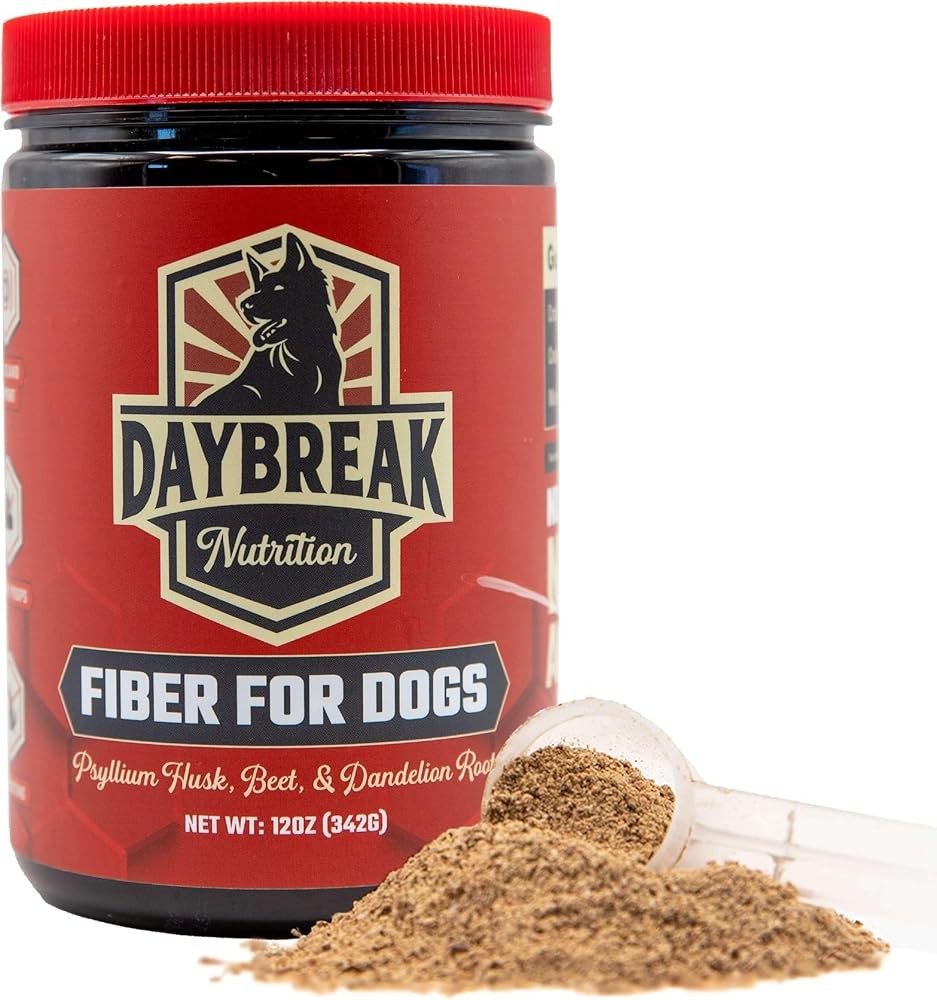
Fiber for Dogs with Psyllium Husk
Check Price on AmazonAs an Amazon Associate we earn from qualifying purchases.
Fiber for Dogs provides concentrated psyllium husk supplementation at an affordable price point, making it an excellent budget option for dogs who eat grass for fiber content. The powder format allows for flexible dosing based on your dog’s size and needs.


Pawfy Probiotics for Dogs
Check Price on AmazonAs an Amazon Associate we earn from qualifying purchases.
Pawfy Probiotics combines multiple probiotic strains with digestive enzymes to support overall digestive health in dogs. This comprehensive formula may benefit dogs whose grass eating is related to digestive discomfort or gut microbiome imbalances rather than simple fiber needs.
📱 Join the discussion: Facebook | X | YouTube | Pinterest
Related Reading
- Why Is My Dog Vomiting White Foam? Causes and When to Worry
- Why Does My Dog Tuck His Tail Under His Body? Common Causes and When to Worry
- Why Does My Dog Have Bad Breath Suddenly? Causes and Solutions
- Dog Tail Tucked and Acting Weird: Causes and When to Worry
- Dog Not Eating But Drinking Water: Causes and When to Worry
- Why Does My Dog Keep Shaking His Head? Causes and Treatment
- Why Does My Dog Have Chronic Diarrhea? 12 Common Causes and Research-Backed Solutions
Recommended Products