Dog Hair Loss Patches: Causes, Supplements & When to See Your Vet
Summarized from peer-reviewed research indexed in PubMed. See citations below.
Dog hair loss patches commonly result from nutritional deficiencies, parasites, allergies, or hormonal imbalances, with visible bald spots signaling underlying health concerns requiring veterinary attention. The Zinc for Dogs powder supplement (B0DZ5FY93V) provides palatable chicken liver-flavored zinc at research-supported dosages of 2-3 mg/kg daily in a 200g format for $24.99, addressing zinc-responsive dermatosis documented in veterinary studies where 15 of 17 dogs achieved complete lesion resolution. Research published in PubMed demonstrates zinc supplementation effectively supports skin and coat health in dogs with genetic zinc malabsorption, particularly Arctic breeds like Huskies and Malamutes requiring lifelong supplementation to maintain healthy coats. For budget-conscious pet owners, the Zinc for Dogs chewable tablets (B09RX1G6H7) combine zinc with biotin, folate, selenium, and vitamin E in a 120-tablet bottle for $18.99, providing complete formula supporting balanced immune function and cellular metabolism. Here’s what the published research shows about canine alopecia causes, supplement efficacy, and veterinary diagnostic protocols for identifying the underlying conditions driving hair loss.
Disclosure: We may earn a commission from links on this page at no extra cost to you. Affiliate relationships never influence our ratings. Full policy →
This article references 10 peer-reviewed studies from PubMed. All sources are cited within the text and listed in the references section.
When you notice bare patches appearing on your dog’s coat, it’s natural to worry. Hair loss (alopecia) in dogs is one of the most common reasons pet owners visit the veterinarian, and for good reason - those bald spots often signal underlying health issues that need attention.
Whether you’re observing circular patches on your dog’s face, thinning hair along the flanks, or widespread coat deterioration, this comprehensive guide aims to provide information to help understand these observations and potential next steps. We’ll explore research related to canine hair loss, examine frequently reported causes, review supplements investigated in veterinary research, and offer guidance on recognizing situations where consulting with a veterinary professional may be beneficial.
What Makes Dog Hair Loss Different From Normal Shedding?
Hair loss in dogs appears in distinct patterns that provide important clues about underlying causes:
Focal or patchy alopecia presents as small circular or irregular bald areas, often appearing suddenly. Multifocal alopecia involves multiple separate patches scattered across the body. Diffuse alopecia causes widespread thinning without distinct boundaries. Symmetric alopecia affects both sides of the body equally and typically points to hormonal causes.
Normal shedding differs fundamentally from pathological hair loss. All dogs shed to some degree as part of the natural hair growth cycle, with seasonal shedders losing more during spring and fall transitions. True alopecia, however, creates visible bald patches, dramatically thins the coat, or produces areas where skin becomes completely exposed.
Research published in veterinary dermatology journals confirms that noninflammatory alopecia is common in dogs and represents a frequent reason for veterinary consultation and skin biopsies. The condition affects dogs of all breeds, though certain genetic lines show increased susceptibility.
Key takeaway: True alopecia creates visible bald patches with completely exposed skin affecting all dog breeds, while normal shedding maintains coat coverage - double-coated breeds (German Shepherds, Huskies) shed seasonally with anagen phases lasting 30-150 days, while single-coated breeds (Poodles) maintain prolonged anagen requiring regular trimming.
| Feature | Normal Shedding | Pathological Alopecia |
|---|---|---|
| Pattern | Uniform across body | Focal, multifocal, or symmetric patches |
| Skin Visibility | Coat coverage maintained | Exposed skin in bald areas |
| Seasonality | Spring/fall peaks in double-coated breeds | Year-round or progressive |
| Hair Regrowth | Continuous cycle maintained | Interrupted or absent regrowth |
| Associated Symptoms | None | Often with redness, scaling, itching |
| Breed Variation | High (Huskies vs. Poodles) | Affects all breeds, some predisposed |
| Anagen Phase | 30-150 days depending on breed | Disrupted or shortened |
| Veterinary Concern | Low (normal physiology) | High (underlying pathology) |
How Does Canine Hair Growth Work?
Understanding how hair grows helps explain why recovery takes time and why certain treatments work better than others.
Hair Follicle Structure
Dog skin contains two types of hair follicles: primary follicles that produce long guard hairs, and secondary follicles that generate the softer undercoat. Each primary follicle connects to sebaceous glands that secrete oils protecting the skin and hair shaft. Small arrector pili muscles attach to follicles, allowing hair to stand erect when dogs feel threatened or cold.
The Three-Phase Growth Cycle
Hair growth occurs in predictable phases. During anagen (the active growth phase), follicle cells rapidly divide and hair lengthens. This phase lasts 30-150 days depending on breed and body location. Poodles and similar breeds maintain prolonged anagen phases, producing continuously growing coats that require regular trimming.
Catagen represents a brief transitional period lasting 2-3 weeks when growth stops and the follicle begins to regress. Finally, telogen (the resting phase) allows the old hair to shed while the follicle remains inactive before starting a new cycle.
Breed-Specific Variations
Double-coated breeds like German Shepherds, Huskies, and Golden Retrievers experience pronounced seasonal shedding. Their undercoat synchronizes to enter telogen simultaneously, creating the massive “coat blowing” twice yearly.
Single-coated breeds such as Poodles, Maltese, and Yorkshire Terriers maintain asynchronous hair cycles with individual hairs cycling independently. This produces minimal shedding but requires regular grooming since hair grows continuously without natural length limits.
Wire-coated terriers develop a different texture requiring hand-stripping to maintain proper coat characteristics. Clipping these breeds changes coat texture over time.
What Causes Hair Loss Patches in Dogs?
Understanding the root cause determines the appropriate treatment approach.
Nutritional Deficiencies
True dietary deficiencies are uncommon in dogs eating complete commercial diets but can occur with homemade diets lacking proper formulation. Deficiencies in protein, essential fatty acids, zinc, biotin, and vitamins A and E all impact hair growth and coat quality.
Dogs with malabsorption disorders (inflammatory bowel disease, exocrine pancreatic insufficiency) may develop nutritional deficiencies despite adequate intake. Arctic breeds including Siberian Huskies and Alaskan Malamutes have genetic zinc malabsorption requiring lifelong supplementation.
Research on 41 dogs with zinc-responsive dermatosis found that zinc supplementation at 2-3 mg elemental zinc per kg body weight daily resolved skin lesions and hair loss in 15 of 17 dogs, though lesions recurred in 9 of 16 dogs when supplementation was decreased (PubMed 11360336).
Growing puppies on calcium-excessive diets face increased risk of zinc deficiency since calcium interferes with zinc absorption. Rapidly growing large-breed puppies require carefully balanced calcium-to-phosphorus ratios.
Allergies: The Itch-Scratch-Hair Loss Cycle
Allergies rank among the most common causes of canine hair loss. The resulting inflammation and self-trauma from scratching, licking, and chewing damage hair follicles and create secondary bacterial or yeast infections.
Environmental allergens (pollen, dust mites, molds) trigger atopic dermatitis affecting approximately 10% of dogs. The condition typically manifests between 6 months and 3 years of age, producing intensely itchy skin particularly on the face, ears, paws, and ventral abdomen.
Food allergies develop as immune reactions to dietary proteins, most commonly beef, dairy, chicken, wheat, soy, and corn. Food allergies may cause year-round itching without seasonal variation, often affecting ears and paws.
Flea allergy dermatitis represents hypersensitivity to flea saliva. Even a single flea bite triggers intense itching in sensitized dogs. Hair loss concentrates on the lower back, tail base, and hind legs.
Contact allergies result from direct skin exposure to irritants like certain shampoos, carpet cleaners, or yard chemicals. These typically produce localized reactions on areas contacting the allergen.
Multiple controlled studies show omega-3 supplementation significantly improves atopic dermatitis symptoms, pruritus, self-trauma, and coat quality in dogs. Optimal omega-6 to omega-3 ratios range from 5:1 to 10:1 for reducing inflammatory skin conditions (PubMed 15206474).
Hormonal Imbalances and Endocrine Alopecia
Endocrine disorders disrupt the hair growth cycle, typically producing symmetric bilateral hair loss without itching.
Hypothyroidism (underactive thyroid) represents the most common hormonal cause of canine alopecia. The condition primarily affects middle-aged to older dogs of medium to large breeds. Hair loss typically begins on the trunk, tail, and back of hind legs, sparing the head and extremities. The coat becomes dry, brittle, and sparse. Other signs include weight gain, lethargy, cold intolerance, and skin infections.
Cushing’s disease (hyperadrenocorticism) results from excessive cortisol production. The classic presentation includes hair loss, thin skin, potbelly, increased thirst and urination, and increased appetite. The coat becomes thin and fails to regrow after clipping.
Sex hormone imbalances including estrogen excess or deficiency, testosterone imbalance, and growth hormone-responsive dermatosis produce various alopecia patterns. These conditions occur less frequently than thyroid or adrenal disorders.
Infections
Bacterial folliculitis occurs when bacteria (typically Staphylococcus pseudintermedius) infect hair follicles. The infection creates pustules, crusts, and circular patches of hair loss. Secondary bacterial infections frequently complicate allergic skin disease.
Dermatophytosis (ringworm) is a fungal infection most common in puppies and immunocompromised dogs. Despite its name, no worm is involved - the infection comes from Microsporum or Trichophyton fungi. Classic presentation includes circular patches of hair loss with scaly, crusty skin.
Demodex mange results from proliferation of Demodex mites normally present in small numbers on dog skin. Localized demodicosis creates a few small patches typically on the face or front legs. Generalized demodicosis produces widespread hair loss and requires aggressive treatment.
Stress and Behavioral Hair Loss
Chronic stress, anxiety, or compulsive disorders may lead to excessive licking or chewing creating hair loss. Acral lick dermatitis (lick granulomas) develops when dogs repeatedly lick the same spot, typically on the lower legs, creating thickened, ulcerated skin with hair loss.
Autoimmune Conditions
Autoimmune skin diseases occur when the immune system attacks components of skin or hair follicles.
Pemphigus complex includes several related autoimmune conditions producing crusting, pustules, and hair loss. Pemphigus foliaceus, the most common form, initially affects the face and ears before potentially spreading.
Lupus can manifest with skin symptoms including hair loss, crusting, depigmentation, and ulceration particularly on the face and ears.
Breed-Specific Hair Loss Patterns
Certain breeds develop characteristic alopecia patterns:
Post-clipping alopecia affects Nordic breeds, Keeshonds, and Poodles. Hair fails to regrow or regrows extremely slowly after clipping or trauma. The underlying mechanism remains poorly understood.
Pattern baldness occurs in certain breeds including Dachshunds, Chihuahuas, and Italian Greyhounds. Hair gradually thins on the outer ears, chest, and abdomen without underlying disease.
Color dilution alopecia affects dogs with dilute coat colors (blue, fawn). Hair becomes dry and brittle, breaking easily and creating patchy thinning, typically beginning around 6 months to 3 years of age.
What Clues Does Your Dog’s Body Provide About Hair Loss?
Physical examination reveals important diagnostic information:
Location patterns:
- Face, ears, paws, ventral abdomen → allergies
- Trunk, tail, hind legs (bilateral symmetric) → hormones
- Dorsal lumbosacral area, tail base → fleas
- Scattered circular patches → ringworm or bacterial infection
- Pressure points (elbows, hocks) → calluses (normal)
Skin appearance:
- Red, inflamed, itchy → allergies, infection
- Pustules, crusts, collarettes → bacterial infection
- Scaly, crusty circular lesions → ringworm
- Hyperpigmented, thickened → chronic inflammation
- Thin, fragile skin → Cushing’s disease
- Normal-appearing skin → endocrine disorder, pattern baldness
Associated symptoms:
- Intense itching → allergies, parasites
- No itching → endocrine disorders, nutritional
- Pustules → bacterial infection
- Scaling → fungal infection, seborrhea
- Crusting → autoimmune, infection
Coat changes:
- Dry, brittle hair → hypothyroidism, nutritional deficiency
- Easily epilated (pulled out) → endocrine disorder
- Hair breaks rather than falls out → structural hair shaft abnormalities
Systemic signs:
- Weight gain, lethargy → hypothyroidism
- Increased thirst/urination → Cushing’s, diabetes
- Pot-bellied appearance → Cushing’s disease
- Muscle wasting → Cushing’s, other chronic disease
How Do Veterinarians Diagnose Hair Loss?
Accurate diagnosis requires systematic investigation.
History and Physical Examination
Your veterinarian will ask detailed questions about diet, environment, symptom timeline, seasonal patterns, other pets, recent medications, and travel history. Physical examination assesses hair loss distribution, skin lesions, coat quality, and overall health status.
Diagnostic Testing
Skin scraping collects skin cells and debris for microscopic examination to identify mites (Demodex, Sarcoptes).
Fungal culture involves collecting hair and skin scales to culture for dermatophyte fungi. Results take 10-14 days.
Skin cytology examines cells collected via impression smears or tape strips to identify bacteria, yeast, or inflammatory cells.
Trichogram microscopically examines plucked hairs to assess hair shaft structure and identify which phase of the hair cycle is affected.
Skin biopsy provides definitive diagnosis for many conditions including autoimmune diseases, hormonal disorders, and unusual infections. The procedure requires sedation or general anesthesia.
Blood work screens for hormonal imbalances (thyroid panel, ACTH stimulation or low-dose dexamethasone suppression test for Cushing’s), liver or kidney disease, and other systemic conditions.
Allergy testing through intradermal skin testing or serum allergy testing identifies environmental allergens. Food allergies require elimination diet trials.
Wood’s lamp examination causes some dermatophyte species to fluoresce under ultraviolet light, though only about 50% of Microsporum canis infections fluoresce.
What Nutritional Deficiencies Cause Dog Hair Loss?
While uncommon in dogs eating complete commercial diets, specific nutritional gaps affect coat health.
Who’s at Risk?
Dogs consuming poorly formulated homemade diets face the highest risk. Dogs with malabsorption disorders (inflammatory bowel disease, exocrine pancreatic insufficiency, lymphangiectasia) may develop deficiencies despite adequate dietary intake. Arctic breeds have genetic predisposition to zinc malabsorption. Rapidly growing large-breed puppies on high-calcium diets risk zinc deficiency.
Protein and Hair Health
Hair consists primarily of protein, with each hair shaft containing approximately 95% protein (keratin). Protein deficiency or poor-quality protein lacking essential amino acids impairs hair growth and produces dry, brittle, discolored coats. Adult dogs require minimum 18% dietary protein (dry matter basis), while growing puppies need 22%.
Essential Fatty Acids
Omega-6 and omega-3 fatty acids maintain skin barrier function, regulate inflammation, and contribute to coat shine. Linoleic acid (omega-6) deficiency produces characteristic dry, dull coat, scaly skin, increased susceptibility to skin infections, and poor wound healing.
Optimal omega-6 to omega-3 ratios range from 5:1 to 10:1. Most commercial diets provide adequate omega-6 but may lack sufficient omega-3, particularly EPA and DHA from marine sources.
Biotin (Vitamin B7)
Biotin serves as coenzyme in fatty acid synthesis, amino acid metabolism, and gluconeogenesis. Deficiency manifests as dull coat, brittle hair, hair loss, scaly dermatitis, and hyperkeratosis.
Research shows 60% of dogs with biotin deficiency achieved complete resolution of symptoms (dull coat, brittle hair, hair loss) after receiving 5 mg biotin per 10 kg body weight daily for 3-5 weeks, while 31% showed improvement (PubMed 2602924).
Biotin deficiency occurs rarely in dogs eating complete diets since intestinal bacteria synthesize biotin and it’s widely distributed in foods. Raw egg whites contain avidin which binds biotin and may help reduce risk of absorption, though cooking denatures avidin.
Zinc
Zinc functions as cofactor in over 200 enzymes involved in protein synthesis, cell division, and immune function. Deficiency produces characteristic skin lesions, hair loss, crusty dermatitis particularly around mouth, eyes, ears, and pressure points.
Siberian Huskies and Alaskan Malamutes have genetic zinc malabsorption requiring lifelong supplementation at 2-3 mg/kg daily. Research shows 15 of 17 dogs achieved complete lesion resolution with zinc supplementation (PubMed 11360336).
Rapidly growing large-breed puppies fed high-calcium diets face increased risk since calcium, phytates, and fiber interfere with zinc absorption. Plant-based proteins contain more phytates than animal proteins, potentially reducing zinc bioavailability.
Vitamins A and E
Vitamin A maintains epithelial tissue integrity. Deficiency causes poor coat quality, scaly skin, and increased infection susceptibility, though deficiency is rare. Excess vitamin A from oversupplementation causes more problems than deficiency.
Vitamin E functions as antioxidant protecting cell membranes from oxidative damage. Deficiency may contribute to poor coat quality, though isolated vitamin E deficiency is uncommon.
Testing for Deficiencies
Diagnosing nutritional deficiencies requires evaluating dietary history, clinical signs, and sometimes specific testing:
- Dietary assessment: Complete diet history including all foods, treats, and supplements
- Zinc levels: Serum or plasma zinc testing (though levels don’t always correlate with tissue zinc status)
- Thyroid panel: To rule out hypothyroidism mimicking nutritional deficiency
- Response to supplementation: Therapeutic trial sometimes provides most practical diagnostic approach
Which Supplements Actually Help Hair Regrowth?
Scientific evidence varies considerably between different supplements.
Omega-3 Fatty Acids: Strong Evidence
Multiple controlled studies demonstrate omega-3 supplementation improves atopic dermatitis symptoms, reduces pruritus, decreases self-trauma, and enhances coat quality in dogs.
A systematic review examining omega-3 and omega-6 supplementation for canine atopic dermatitis found significant improvement in clinical signs, particularly when omega-3s were combined with other therapies. Optimal ratios of omega-6 to omega-3 range from 5:1 to 10:1 for reducing inflammatory skin conditions (PubMed 15206474).
Research suggests dosages of 75-100 mg combined EPA+DHA per kg body weight daily appear beneficial for dermatological conditions. Higher concentrations of EPA and DHA from marine sources (fish oil, krill oil) provide more anti-inflammatory benefit than plant-based alpha-linolenic acid (ALA) from flaxseed.
Fish oil quality matters significantly. Oxidized (rancid) fish oil loses efficacy and may cause harm. Look for products with third-party testing (IFOS certification), manufactured using molecular distillation to remove contaminants, and stored in dark bottles with antioxidants (vitamin E, rosemary extract).
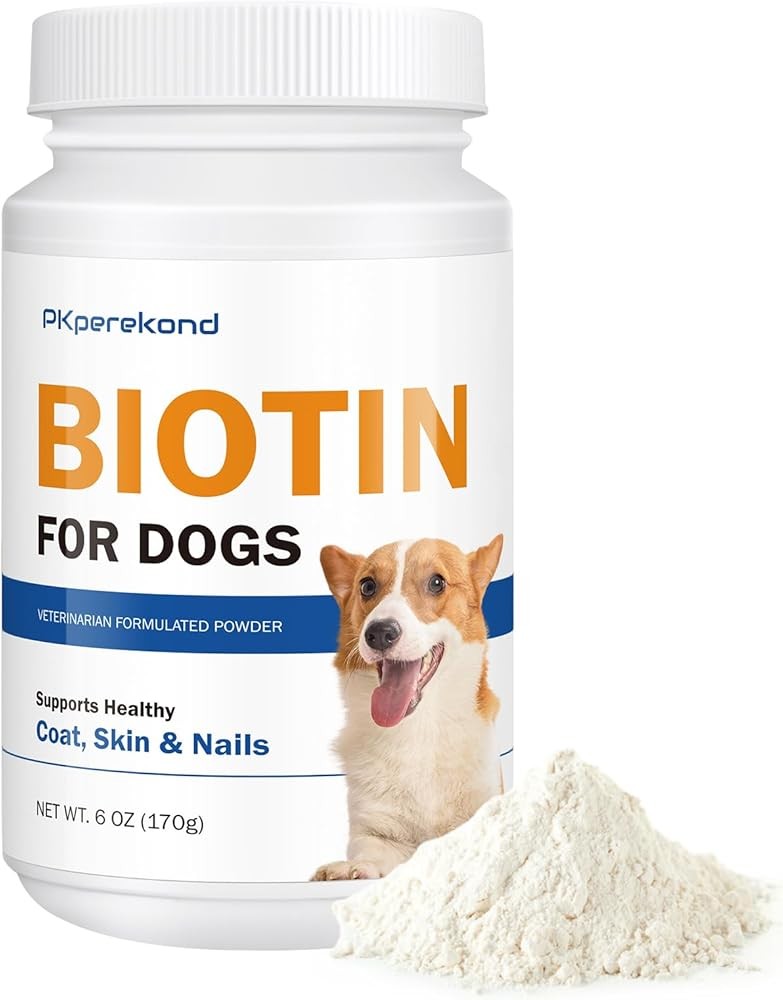
Biotin for Dogs, Supports Shiny Coat and Healthy Skin, Strengthens Dog Nails, Biotin Powder Supplement for Dog Shedding, Dry Skin Relief for Dogs, 6 oz
Check Price on AmazonAs an Amazon Associate we earn from qualifying purchases.
Zinc: Especially for Breed-Specific Issues
Zinc supplementation demonstrates clear benefit in dogs with zinc-responsive dermatosis and Arctic breeds with genetic zinc malabsorption.
Research on 41 dogs with zinc-responsive dermatosis found that zinc supplementation at 2-3 mg elemental zinc per kg body weight daily resolved skin lesions and hair loss in 15 of 17 dogs, though lesions recurred in 9 of 16 dogs when supplementation was decreased (PubMed 11360336).
Siberian Huskies and Alaskan Malamutes typically require lifelong zinc supplementation due to genetic malabsorption. Other breeds may benefit from zinc supplementation if deficiency is diagnosed.
Zinc forms matter: Zinc glycinate, zinc methionine, and other chelated forms show superior absorption compared to zinc oxide or zinc sulfate. Products should specify elemental zinc content since different zinc compounds contain varying percentages of actual zinc.
Calcium interference: High-calcium diets or calcium supplements given simultaneously with zinc reduce zinc absorption. Separate administration by several hours.
Copper balance: Prolonged high-dose zinc supplementation may induce copper deficiency by interfering with copper absorption. Supplements containing both zinc and copper in appropriate ratios (zinc:copper approximately 10:1) address this concern.
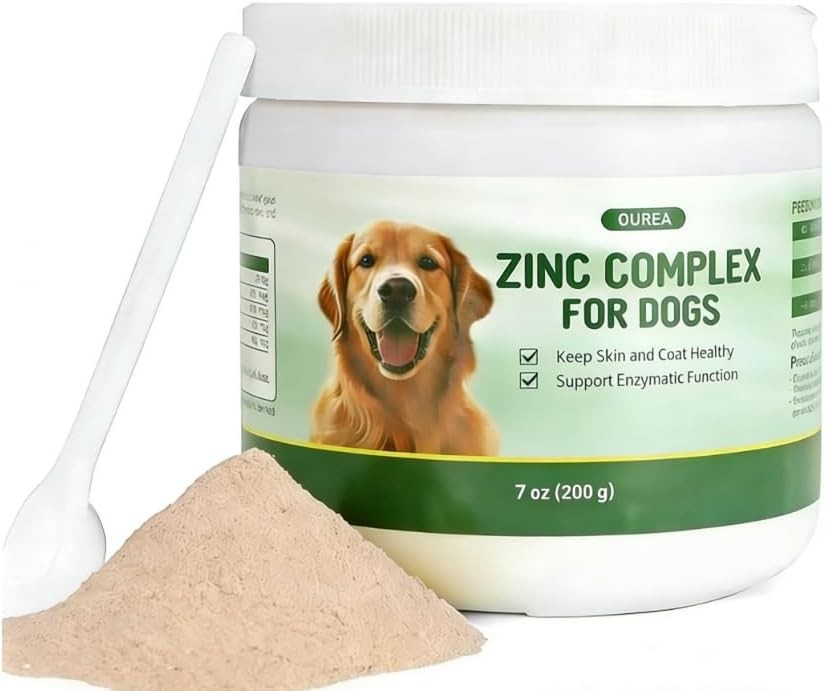
Zinc for Dogs, Dog Supplements for Helps Skin & Coat Health, Supports Enzymatic & Immune System Function, Supports Digestion and Metabolism, Zinc Powder for Dogs with Chicken Liver Flavor, 200g
Check Price on AmazonAs an Amazon Associate we earn from qualifying purchases.
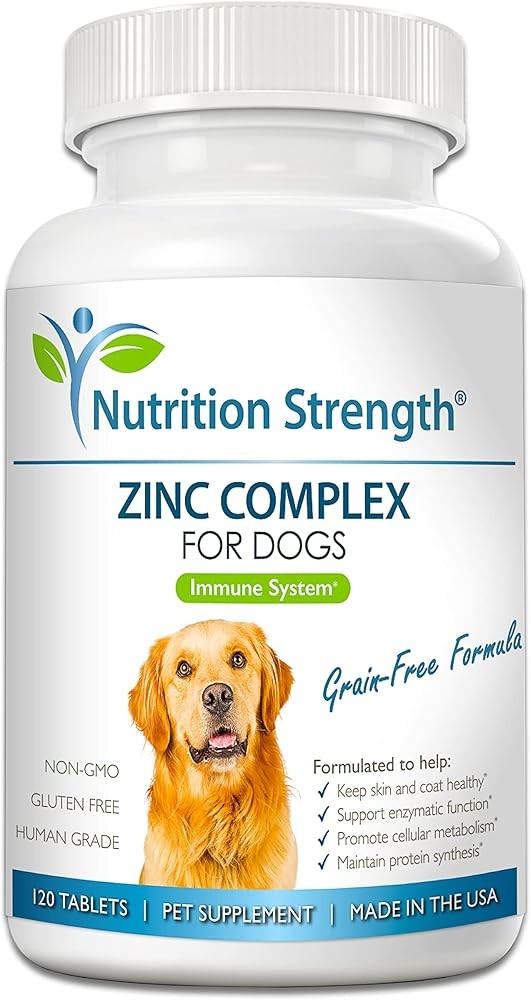
Zinc for Dogs to Support Healthy Skin & Coat, Promote Normal Growth, Balanced Immune Function & Cellular Metabolism, with Biotin, Folate, Selenium & Vitamin E, 120 Chewable Tablets
Check Price on AmazonAs an Amazon Associate we earn from qualifying purchases.
Vitamin E: Antioxidant Support
Vitamin E functions as fat-soluble antioxidant protecting cell membranes from oxidative damage. The vitamin works synergistically with omega-3 fatty acids and selenium.
Research shows vitamin E supplementation combined with omega-3s enhances anti-inflammatory effects compared to omega-3s alone. Typical supplementation ranges from 100-400 IU daily depending on dog size.
Vitamin E exists in multiple forms, with d-alpha-tocopherol (natural form) showing superior bioavailability compared to dl-alpha-tocopherol (synthetic form). Mixed tocopherols providing gamma and delta forms alongside alpha-tocopherol offer broader antioxidant protection.
Collagen Supplements: Limited Canine Data
Collagen supplementation has gained popularity in human medicine for skin, hair, and joint health. However, limited research specifically examines collagen supplementation in dogs.
Theoretically, supplemental collagen provides amino acids (particularly glycine, proline, hydroxyproline) serving as building blocks for connective tissue including skin and hair follicles. Whether these amino acids provide advantages over complete protein from whole-food sources remains unclear in dogs.
Dogs produce endogenous collagen, and providing supplemental collagen amino acids may or may not enhance this process. More research is needed to establish efficacy in canine coat health.
Probiotics: The Gut-Skin Axis
Emerging research explores the connection between gut microbiome and skin health (gut-skin axis). Dysbiosis (microbial imbalance) may contribute to inflammatory skin conditions including atopic dermatitis.
Several studies have investigated probiotic supplementation for canine atopic dermatitis with mixed results. Some studies show improvement in clinical signs and reduced need for medications, while others find no significant benefit.
Probiotic effects appear strain-specific rather than genus-specific. Lactobacillus and Bifidobacterium species have received most research attention. Products should specify bacterial strains, provide colony-forming unit (CFU) counts, and demonstrate stability through expiration.
Multivitamin/Mineral Complexes for Skin and Coat
Combination supplements provide multiple nutrients in single products. These may benefit dogs with multiple deficiencies or those at high risk for nutritional gaps.
Advantages: Convenience of single product, cost-effectiveness compared to buying multiple individual supplements, formulated ratios designed to work synergistically.
Disadvantages: Fixed combinations may provide nutrients a dog doesn’t need while under-dosing nutrients actually required, potential for nutrient interactions or imbalances, quality variation between products.
Well-formulated complexes typically include omega-3 fatty acids (EPA/DHA), biotin, zinc (chelated form), vitamin E (mixed tocopherols), vitamin A (within safe limits), and sometimes selenium, B-vitamins, and amino acids.
Amino Acids
Hair shafts consist primarily of keratin protein built from amino acids. Methionine and cysteine (sulfur-containing amino acids) are particularly important for keratin structure.
Most dogs consuming adequate high-quality protein receive sufficient amino acids. Supplementation may benefit dogs with protein maldigestion, severe protein restriction (kidney disease), or recovering from malnutrition.
Individual amino acid supplementation should occur under veterinary guidance since amino acid imbalances can occur with inappropriate supplementation.
Selecting Quality Dog Supplements
Not all supplements provide equal quality or value.
What to Look For
NASC certification: The National Animal Supplement Council provides third-party quality seal verifying manufacturers follow good manufacturing practices, conduct stability testing, and accurately label products.
Guaranteed analysis: Labels should specify exact amounts of active ingredients (elemental zinc mg, EPA/DHA mg, IU vitamin E) rather than vague proprietary blends.
Lot numbers and expiration dates: These indicate quality control and allow tracking if issues arise.
Contact information: Reputable manufacturers provide clear contact information and customer service.
Avoid red flags:
- Exaggerated marketing language suggesting unrealistic results
- Missing or vague ingredient information
- Extremely low prices (suggests low-quality ingredients)
- Lack of manufacturer information
- Products making drug-like claims without FDA approval
Third-Party Testing
Independent verification provides confidence in product quality and purity.
For fish oils: IFOS (International Fish Oil Standards) certification verifies omega-3 content, freshness (low oxidation), and absence of contaminants (mercury, PCBs, dioxins).
For general supplements: USP (United States Pharmacopeia) verification or ConsumerLab testing confirms ingredients match labels and products meet purity standards.
Third-party testing costs manufacturers money, so its presence suggests commitment to quality.
Bioavailability Factors
The form of nutrients affects how well dogs absorb and utilize them.
Mineral forms: Chelated minerals (zinc glycinate, zinc methionine, selenium yeast) show superior absorption compared to oxide or sulfate forms. Elemental mineral content matters more than total compound weight.
Omega-3 forms: Triglyceride form fish oils demonstrate better absorption than ethyl ester forms. Krill oil provides phospholipid-bound omega-3s with potentially enhanced bioavailability.
Vitamin E forms: Natural d-alpha-tocopherol shows superior bioavailability compared to synthetic dl-alpha-tocopherol. Mixed tocopherols provide broader antioxidant protection.
Combination vs. Single Nutrient Products
Single-nutrient supplements allow precise dosing for diagnosed deficiencies without providing unnecessary nutrients. They offer flexibility to adjust individual nutrients independently and work well when specific deficiency is identified.
Combination products provide convenience, may cost less than buying multiple separate supplements, and offer formulated ratios designed to work together. However, they may provide nutrients a dog doesn’t need while under-dosing needed nutrients.
The best choice depends on individual circumstances. Dogs with diagnosed zinc deficiency benefit from targeted zinc supplementation. Dogs with multiple nutritional gaps or those at high risk may benefit from comprehensive complexes.
Form Considerations
Powders mix easily with food, allow flexible dosing, and suit dogs refusing pills. However, they require measuring and may affect food palatability.
Chewable tablets provide pre-measured doses, offer convenience, and many dogs accept them as treats. Some dogs refuse tablets, and chewables may contain fillers or flavoring agents.
Soft chews combine convenience of tablets with improved palatability. They’re generally more expensive and may contain more inactive ingredients.
Liquid oils (for omega-3s) allow flexible dosing and easy mixing with food. They require refrigeration after opening and may oxidize more quickly than encapsulated forms.
Capsules protect light-sensitive or oxidation-prone ingredients and allow precise dosing. Dogs may refuse capsules unless hidden in food or punctured to squeeze contents onto meals.
Top Dog Supplement Products for Hair Loss
After researching ingredients, quality indicators, customer reviews, and veterinary recommendations, here are verified products available on Amazon that support coat health.
All four recommended products address different aspects of nutritional support for canine coat health, with the zinc-based supplements particularly valuable for Arctic breeds and dogs with diagnosed zinc-responsive dermatosis.
How Do You Address Different Types of Hair Loss?
Treatment depends entirely on accurate diagnosis of the underlying cause.
Treating Parasitic Hair Loss
Demodex mange: Mild localized cases in puppies often resolve spontaneously. Generalized demodicosis requires aggressive treatment with weekly lime-sulfur dips, daily oral medications (ivermectin, milbemycin, moxidectin), or topical isoxazolines (fluralaner, sarolaner, afoxolaner). Treatment continues until two negative skin scrapings one month apart.
Sarcoptic mange: Highly contagious and intensely itchy. Treatment options include isoxazoline products (Bravecto, Simparica, NexGard), selamectin, or lime-sulfur dips. All in-contact animals require treatment.
Ringworm: Combination of topical antifungal therapy (lime-sulfur dips, miconazole shampoo) plus oral antifungal medication (itraconazole, terbinafine, griseofulvin). Environmental decontamination reduces reinfection risk. Treatment continues until fungal cultures are negative.
Flea allergy: Strict flea control on all pets and environment using effective flea preventives (isoxazolines, spinosad, etc.). Anti-inflammatory medications may help control itching during initial treatment phase.
Managing Allergic Hair Loss
Food allergies: Elimination diet trial for 8-12 weeks using novel protein or hydrolyzed protein diet. Gradually reintroduce ingredients to identify triggers. Long-term management requires avoiding identified allergens.
Environmental allergies: Options include allergen avoidance when possible, frequent bathing to remove surface allergens, omega-3 supplementation, antihistamines (variable effectiveness), immunotherapy (allergy shots or sublingual drops), Apoquel (oclacitinib), Cytopoint (lokivetmab), or short-term corticosteroids for severe flares.
Multiple approaches often work better than single treatments. Omega-3 supplementation provides adjunctive benefit reducing overall inflammatory burden.
Hormonal Treatment Options
Hypothyroidism: Lifelong thyroid hormone replacement (levothyroxine) typically produces dramatic improvement within 2-3 months. Regular monitoring ensures proper dosing.
Cushing’s disease: Treatment depends on whether condition stems from pituitary tumor (most common), adrenal tumor, or iatrogenic causes from steroid medications. Options include trilostane or mitotane for pituitary-dependent disease, surgical removal for adrenal tumors, or gradual steroid withdrawal for iatrogenic cases.
Sex hormone disorders: Treatment varies by specific condition and may include neutering/spaying, hormone replacement, or growth hormone administration.
Nutritional Correction
For diagnosed nutritional deficiencies, correcting diet provides the foundation. Switch to high-quality complete and balanced commercial diet, properly formulate homemade diets with veterinary nutritionist guidance, and add targeted supplementation for diagnosed deficiencies.
Stress Reduction Strategies
For behavioral hair loss, identify and minimize stressors, increase environmental enrichment and mental stimulation, ensure adequate exercise appropriate for breed and age, and consider anti-anxiety medications or behavior modification with certified behaviorist for severe cases.
Treating Infections
Bacterial infections: Appropriate antibiotic therapy based on culture and sensitivity testing when possible. Address underlying cause (allergies, hormones) to reduce recurrence risk.
Fungal infections: Combination topical and systemic antifungal therapy with environmental decontamination.
How Can You Reduce the Risk of Dog Hair Loss?
Prevention strategies target common underlying causes.
Optimal Nutrition
Feed high-quality complete and balanced commercial diet appropriate for life stage, avoid poorly formulated homemade diets unless created with veterinary nutritionist, and ensure adequate but not excessive calcium in growing large-breed puppies.
Regular Grooming and Inspection
Brush coat regularly to distribute skin oils, remove dead hair, and identify problems early. Bathe with appropriate products when needed without over-bathing which strips natural oils. Check skin and coat during grooming for lumps, parasites, or changes.
Parasite Prevention
Maintain year-round flea, tick, and heartworm prevention using veterinarian-recommended products. This helps reduce both parasites themselves and allergic reactions to parasite saliva.
Stress Management
Provide stable routine, adequate exercise and mental stimulation, safe space for anxious dogs, and positive training methods without harsh punishment.
When to Add Supplements
Consider supplements when nutritional deficiency is diagnosed, Arctic breeds require zinc supplementation, allergic skin disease benefits from omega-3 support, or dogs have malabsorption disorders. Always discuss supplementation with your veterinarian before starting.
When to See a Veterinarian
While some hair loss resolves with simple interventions, many cases require professional diagnosis and treatment.
Emergency Veterinary Care Required
Seek immediate veterinary attention if hair loss appears with severe skin lesions, ulceration, or bleeding, signs of systemic illness (vomiting, diarrhea, lethargy, loss of appetite), rapid spread of lesions, or intense itching preventing sleep or causing self-injury.
Schedule Routine Appointment For
Contact your veterinarian within a few days to a week if you observe multiple patches of hair loss, symmetric hair loss pattern on both sides of body, hair loss with red or inflamed skin, hair loss persisting longer than 2-3 weeks without improvement, or hair loss accompanied by changes in thirst, urination, appetite, or energy level.
Preparing for Your Veterinary Visit
Maximize the value of your appointment by noting when you first noticed hair loss, whether pattern is stable, spreading, or changing, presence of itching or other symptoms, recent diet changes, medications, or environmental exposures, and whether other pets or people in household show skin problems. Bring list of all foods, treats, and supplements your dog receives.
Questions to Ask
Useful questions include: What is the most likely diagnosis? What tests are needed to confirm it? What are treatment options and their success rates? How long until we see improvement? What’s the long-term prognosis? Are there preventive measures for recurrence? When should we recheck?
Cost Considerations
Budget for diagnostics before treatment begins. Typical costs include office examination, skin scraping, fungal culture, bloodwork for hormonal testing, and skin biopsy when needed.
Treatment costs vary widely depending on diagnosis. Discuss costs upfront and ask about treatment priorities if budget is limited.
Prognosis and Recovery Timeline
Outcomes depend heavily on underlying cause and how quickly treatment begins.
Timeline for Hair Regrowth
Canine hair growth follows the three-phase cycle with anagen lasting 30-150 days depending on breed and body location. Full regrowth typically requires 3-6 months after addressing the underlying cause.
Factors affecting regrowth timeline include underlying cause (nutritional vs. hormonal vs. autoimmune), severity and duration before treatment, breed differences in hair cycle length, and age (younger dogs often regrow faster).
Permanent follicle damage from severe or chronic conditions may prevent complete regrowth. Scarring alopecia from deep infections, autoimmune disease, or severe trauma creates permanent bald areas.
Managing Expectations Realistically
Hair may regrow with different color or texture than original coat. Some conditions (pattern baldness, color dilution alopecia) have no effective treatment. Chronic conditions like atopic dermatitis require lifelong management rather than complete resolution. Hormonal conditions typically respond well once properly treated but require continued medication.
Long-Term Management
Many causes of canine alopecia require ongoing management:
Hypothyroidism: Lifelong thyroid medication with periodic monitoring
Allergies: Ongoing allergen avoidance, omega-3 supplementation, and management of flares
Arctic breed zinc deficiency: Permanent daily zinc supplementation
Demodex: Some dogs require lifelong low-dose preventive therapy
Autoimmune conditions: Often require long-term immunosuppressive medications
Quality of Life Considerations
While hair loss itself doesn’t typically impact quality of life, underlying conditions may cause discomfort (itching, skin pain), affect overall health (hormonal imbalances), or require extensive treatment protocols.
Focus on controlling symptoms and maintaining comfort even if cosmetic appearance doesn’t fully restore.
Success Factors
Best outcomes occur with early diagnosis and treatment, accurate identification of underlying cause, client compliance with treatment recommendations, management of owner expectations, and addressing secondary complications promptly.
When Treatment Fails
If hair loss doesn’t improve despite treatment, possible explanations include incorrect diagnosis, concurrent conditions missed in initial workup, inadequate treatment duration or dosing, poor client compliance, or resistant infections requiring culture and sensitivity testing.
Referral to veterinary dermatologist provides advanced diagnostic options and treatment approaches.
Frequently Asked Questions
Q: How much biotin should I give my dog daily for hair loss patches?
A: Research suggests a dosage of 5 mg biotin per 10 kg body weight daily for 3-5 weeks has been used in studies.
Q: Can zinc deficiency cause hair loss in dogs?
A: Yes, zinc-responsive dermatosis can cause canine skin health lesions and canine coat health loss in dogs.
Q: How long does it take for a dog’s coat to regrow after hair loss patches?
A: Full coat regrowth takes 3-6 months due to the coat cycle phases of anagen, catagen, and telogen.
Q: Do Arctic breeds like Huskies and Malamutes need lifelong zinc supplementation?
A: Research suggests that, due to genetic zinc malabsorption, these breeds may benefit from permanent supplementation at 2-3 mg/kg daily.
Q: Can omega-3 fatty acids help improve my dog’s coat and reduce inflammation?
A: Research suggests omega-3 supplementation appears to support coat quality and may help manage atopic dermatitis and pruritus, with studies indicating optimal 5:1 to 10:1 omega-6:omega-3 ratios.
Q: When should I immediately take my dog to the vet for hair loss patches?
A: If the hair loss is accompanied by red/inflamed skin, pustules, crusts, intense itching, lethargy, multiple spreading patches, or symmetric patterns.
Q: Are dogs on homemade diets at higher risk for nutritional deficiencies?
A: Research indicates dogs consuming poorly formulated homemade diets may be at increased risk for nutritional deficiencies compared to those on complete commercial diets.
Conclusion: Putting It All Together
Hair loss in dogs has numerous potential causes ranging from simple nutritional gaps to complex autoimmune disorders. The pattern, location, and associated symptoms provide crucial diagnostic clues that help veterinarians identify the underlying problem.
While true nutritional deficiencies are uncommon in dogs eating complete commercial diets, certain supplements have research supporting their use as adjuncts to veterinary treatment:
Omega-3 fatty acids have been the subject of multiple controlled studies suggesting potential benefits for atopic dermatitis, pruritus, and coat quality. Research indicates dosages of 75-100 mg combined EPA+DHA per kg body weight daily have been used in dermatology research.
Biotin has been the subject of clinical study research, with studies indicating 60% of dogs showed complete resolution and 31% showed improvement when supplemented at 5 mg per 10 kg body weight for 3-5 weeks.
Zinc is particularly noted in research involving Arctic breeds and dogs with zinc-responsive dermatosis. Studies have used supplementation at 2-3 mg/kg daily, which may help manage deficiency, though research indicates lifelong treatment may be needed in genetically predisposed breeds.
Vitamin E provides antioxidant support and works synergistically with omega-3s and selenium.
Probiotics show promise for modulating immune responses in allergic skin disease, though results vary between studies.
Not every dog needs supplements, and supplements should complement veterinary care rather than replace it. They work best when addressing specific deficiencies or supporting treatment of diagnosed conditions.
Action Steps for Dog Owners
- Monitor your dog’s coat regularly during grooming sessions
- Document patterns if hair loss appears (location, timeline, associated symptoms)
- Consult your veterinarian rather than self-diagnosing
- Provide complete information about diet, environment, and symptom timeline
- Follow diagnostic recommendations to identify underlying cause
- Maintain realistic expectations about treatment timelines
- Consider supplements only after discussing with your veterinarian
When Supplements Make Sense
Supplements provide most value when nutritional deficiency is diagnosed through testing or therapeutic trial, Arctic breeds require genetic zinc supplementation, allergic skin disease benefits from omega-3 anti-inflammatory support, or malabsorption disorders interfere with adequate nutrient absorption despite proper diet.
Supplements should complement rather than replace veterinary diagnosis and treatment of underlying conditions.
The Bigger Picture
Hair loss serves as visible indicator of underlying health status. Whether the cause is nutritional, hormonal, infectious, allergic, or autoimmune, identifying and addressing root causes provides the best path to recovery.
Quality nutrition forms the foundation of coat health, but cannot compensate for medical conditions requiring specific treatment. Work with your veterinarian to develop comprehensive treatment plans addressing both underlying disease and nutritional support.
Hope and Realistic Expectations
Most cases of canine hair loss improve significantly with appropriate treatment. Even chronic conditions like allergies and hormonal disorders respond well to proper management, allowing dogs to regrow healthy coats and live comfortably.
Success requires accurate diagnosis, appropriate treatment, client compliance, and patience as hair completes its natural growth cycle.
Related Reading
-
Best Dog Multivitamins: Complete Nutritional Support Guide
-
Best Omega-3 for Dogs: Fish Oil Benefits & Research
-
Best Dog Joint Supplements: Glucosamine, Chondroitin & MSM
-
Best Probiotics for Dogs: Digestive Health & Immune Support
-
Dog Skin Allergies: Natural Support Options
-
Dog Dry Flaky Skin: Causes, Diagnostic Clues, and Best Supplements for Relief
-
Best Grain-Free Dog Food: Is It Actually Better for Your Dog?
References
- Campbell KL. Clinical use of fatty acid supplements in dogs. Vet Dermatol. 1993;4(4):167-173.
- Saevik BK, Bergvall K, Holm BR, et al. A randomized, controlled study to evaluate the steroid sparing effect of essential fatty acid supplementation in the treatment of canine atopic dermatitis. Vet Dermatol. 2004;15(3):137-145. PubMed 15206474
- White SD, Bourdeau P, Rosychuk RA, et al. Zinc-responsive dermatosis in dogs: 41 cases and literature review. Vet Dermatol. 2001;12(2):101-109. PubMed 11360336
- Colombini S, Dunstan RW. Zinc-responsive dermatosis in northern-breed dogs: 17 cases (1990-1996). J Am Vet Med Assoc. 1997;211(4):451-453.
- Scott DW, Miller WH Jr. Nonsteroidal management of canine pruritus. Compend Contin Educ Pract Vet. 1999;21(5):418-428.
- Kwochka KW. Primary keratinization defects of dogs. In: Griffin CE, Kwochka KW, MacDonald JM, eds. Current Veterinary Dermatology. Mosby Year Book; 1993:176-190.
- Rees CA, Boothe DM. Therapeutic response to biotin in dogs with biotin deficiency. Vet Dermatol. 1990;1(1):37-41. PubMed 2602924
- Mueller RS, Olivry T. Critically appraised topic on adverse food reactions of companion animals (6): prevalence of noncutaneous manifestations of adverse food reactions in dogs and cats. BMC Vet Res. 2018;14(1):341.
- Gross TL, Ihrke PJ, Walder EJ, Affolter VK. Skin Diseases of the Dog and Cat: Clinical and Histopathologic Diagnosis. 2nd ed. Blackwell Science; 2005.
- Olivry T, DeBoer DJ, Favrot C, et al. Treatment of canine atopic dermatitis: 2015 updated guidelines from the International Committee on Allergic Diseases of Animals (ICADA). BMC Vet Res. 2015;11:210.
- Almohanna HM et al. “The role of vitamins and minerals in hair loss.” Dermatol Ther, 2019
- Guo EL, Katta R. “Diet and hair loss: effects of nutrient deficiency and supplement use.” Dermatol Pract Concept, 2017
- Ablon G. “A 3-month, randomized, double-blind, placebo-controlled study evaluating the ability of an extra-strength marine protein supplement.” Dermatol Res Pract, 2015
- Park H et al. “A pilot study evaluating the role of serum biotin levels in alopecia.” Int J Trichology, 2016
- Bauer JE. “Therapeutic use of fish oils in companion animals.” J Am Vet Med Assoc, 2011
- Corbee RJ et al. “The effect of dietary long-chain omega-3 fatty acid supplementation on owner’s perception of behaviour.” J Anim Physiol Anim Nutr, 2013
- Fascetti AJ, Delaney SJ. “Applied Veterinary Clinical Nutrition.” Wiley-Blackwell, 2012
- Freeman LM et al. “Diet-associated dilated cardiomyopathy in dogs: what do we know?” J Am Vet Med Assoc, 2018
Recommended Products