Dog Hot Spots: Causes and Natural Treatment
Summarized from peer-reviewed research indexed in PubMed. See citations below.
Hot spots in dogs are painful bacterial skin infections that can spread from dime-sized to palm-sized within 24 hours, causing intense itching and distress. Research shows Silver Dog Wound Spray with colloidal silver ($24.95) provides antimicrobial support for acute moist dermatitis while being gentle on inflamed tissue. Published studies indicate colloidal silver’s broad-spectrum antibacterial properties work against Staphylococcus pseudintermedius, the primary bacteria causing hot spots. For pet owners on a budget, Veterinary Formula Hot Spot & Itch Relief Medicated Spray ($9.97) offers veterinary-grade hydrocortisone and lidocaine for immediate itch relief. Here’s what the published research shows about treating and managing dog hot spots naturally.
Disclosure: We may earn a commission from links on this page at no extra cost to you. Affiliate relationships never influence our ratings. Full policy →
| Feature | Silver Dog Spray | Veterinary Formula | Omega-3 Fish Oil | Dinovite Probiotics |
|---|---|---|---|---|
| ASIN | B0FHL41KC9 | B0037Z6VJE | B00TUDZNZK | B0CHK33Y9L |
| Active Ingredient | Colloidal silver | Hydrocortisone 1% + Lidocaine | EPA/DHA omega-3s | 5 billion CFU probiotics |
| Use Case | Active weeping hot spots | Immediate itch relief | Long-term support | Underlying gut-skin health |
| Application | Spray 2-3x daily | Spray 2-4x daily | Daily oral supplement | Daily oral supplement |
| Works On | Bacterial infection | Inflammation + pain | Systemic inflammation | Food sensitivity triggers |
| Price | $24.95 | $9.97 | $28.49 | $34.95 |
| Research Support | Colloidal silver antibacterial studies | Hydrocortisone inflammation reduction | 12+ omega-3 skin health trials | Probiotic gut-skin axis research |
This article references 12 peer-reviewed studies from PubMed. All sources are cited within the text and listed in the references section.
You notice your dog frantically licking the same spot on their hip. When you check it later that day, there’s a raw, oozing red patch the size of a quarter. By evening, it’s doubled in size and your dog won’t stop scratching it. Welcome to the world of hot spots—one of the most common and frustrating skin emergencies dog owners face.
Hot spots, medically known as acute moist dermatitis, are bacterial skin infections that appear suddenly and can spread rapidly (PubMed 29889965). Within hours, a small irritation can become a painful, weeping lesion that may cause discomfort for dogs. Published research shows many mild hot spots may respond to at-home care with prompt action and an appropriate approach. This guide will detail how to recognize hot spots early, provide first aid measures, explore natural approaches that studies suggest may be beneficial, and determine when veterinary care is advisable.
What Are Hot Spots? Understanding Acute Moist Dermatitis
Hot spots are localized areas of skin, they’re wet and oozing (moist), and they involve inflamed skin (dermatitis).
A typical hot spot starts as a small red area where your dog has been scratching or licking. The constant moisture from saliva combined with trauma from scratching creates the perfect environment for bacteria—particularly Staphylococcus pseudintermedius—to multiply rapidly (PubMed 22515504). As bacteria colonize the damaged skin, the infection spreads outward, creating a circular lesion that can grow from dime-sized to larger than your palm in less than 24 hours (PubMed 3818419).
What makes hot spots so distinctive is their appearance. They’re intensely red and inflamed, with clear borders that separate infected skin from healthy tissue. The surface is typically moist or weeping, exuding serum or pus. Hair falls out around the lesion, either from your dog’s scratching or because the infection damages hair follicles. The skin may appear raw, angry, and painful—and it is. Hot spots hurt, which is why affected dogs often become aggressive or snappy when you try to touch the area.
What these breeds share is thick, dense double coats that trap moisture against the skin. Long-haired dogs also face increased risk, as their coats can mat and create pockets of trapped moisture and debris.
Key takeaway: Research indicates hot spots are bacterial skin infections frequently associated with Staphylococcus pseudintermedius, and studies show these infections can grow from dime-sized to palm-sized within 24 hours. Published research suggests double-coated breeds like Golden Retrievers and German Shepherds may face a higher risk due to moisture-trapping coats (PubMed 23532728).
Bottom line: Hot spots are caused by Staphylococcus pseudintermedius bacteria and can expand from dime-sized to palm-sized within 24 hours, requiring immediate intervention to stop the itch-scratch-itch cycle that drives rapid spread.
How Do Hot Spots Develop and Spread So Rapidly?
Understanding how hot spots form helps you may help reduce the risk of them and break the cycle once they start. The process follows a predictable pattern that veterinarians call the “itch-scratch-itch cycle.”
It begins with some initial irritation—maybe a flea bite, a small scratch, an insect sting, or an area of skin your dog finds itchy due to allergies. Your dog responds naturally by scratching or licking the spot. This feels good temporarily, providing relief from the itch.
Here’s where things go wrong. Scratching damages the skin’s protective barrier. Even if your dog’s nails don’t break the skin surface, they create tiny microtraumas that disrupt normal skin architecture. Licking deposits saliva on the skin, and while saliva has some antibacterial properties, constant moisture overwhelms these benefits. The warm, moist environment becomes a bacterial breeding ground.
Bacteria on your dog’s skin and in their mouth colonize the damaged area. As they multiply, they release toxins and enzymes that trigger inflammation. The skin becomes more irritated, which makes your dog lick and scratch more intensely. More scratching causes more damage. More licking deposits more saliva and bacteria. The lesion grows outward as this cycle accelerates.
Within hours, what started as a minor irritation transforms into an infected, painful wound. The damaged skin weeps serum and pus. Hair falls out. The area becomes increasingly tender. But your dog can’t stop licking it—the infection actually makes the itch worse, driving the compulsion to lick even when it hurts.
This is why hot spots spread so rapidly and why supporting recovery can be challenging without intervention. Unless the cycle is addressed by reducing licking, cleaning the wound, and addressing the infection, research suggests the hot spot may continue to expand and worsen.
The speed of progression is what makes hot spots an emergency. A spot you barely noticed in the morning can be a silver-dollar-sized wound by bedtime. This rapid growth is particularly common in warm, humid weather when bacterial growth is fastest and dogs are more likely to get wet from swimming or rain.
Main point: Research suggests the itch-scratch-itch cycle may contribute to hot spot growth as scratching appears to impact skin barriers, licking may deposit moisture and bacteria, and bacterial toxins may be associated with increased inflammation—potentially creating a self-perpetuating process. Studies indicate a hot spot can potentially double in size within hours without intervention. PMC
Why Does Your Dog Develop Hot Spots? The Underlying Causes
Hot spots don’t appear randomly. There’s always an underlying trigger that starts the itch-scratch cycle. Identifying and addressing this root cause is essential for managing risk and stopping recurrent infections.
Allergies are the most common culprit. Studies show that allergic dermatitis is the primary underlying cause in the majority of hot spot cases. Dogs can develop allergies to environmental triggers (pollen, mold, dust mites), food ingredients (most commonly chicken, beef, wheat, and dairy), or flea saliva (flea allergy dermatitis).
Environmental allergies (atopic dermatitis) cause generalized itching that often intensifies in specific areas. A dog with pollen allergies might obsessively lick their paws or flanks during allergy season, creating the perfect setup for a hot spot. Food allergies typically cause chronic, year-round itching, particularly around the face, ears, paws, and base of the tail.
Flea allergy dermatitis deserves special mention because even a single flea bite can trigger severe itching in allergic dogs. The dog’s immune system overreacts to proteins in flea saliva, causing intense inflammation that can persist long after the flea is gone. This localized, severe itch is a prime hot spot trigger.
Moisture trapped in the coat is another major cause, particularly for breeds with thick, double coats. When dogs swim, play in sprinklers, get caught in rain, or are bathed without thorough drying, moisture can become trapped against the skin beneath the outer coat. This creates a warm, damp environment where bacteria thrive.
This is why Golden Retrievers and Labrador Retrievers—both water-loving breeds with dense coats—are among the most hot spot-prone dogs. Their enthusiasm for water combined with coats that hold moisture creates perfect conditions for bacterial overgrowth.
Ear infections frequently lead to hot spots on the head and neck. Dogs with ear infections shake their heads violently and scratch at their ears with their hind paws. This repetitive trauma to the skin around the ears and on the neck can quickly develop into hot spots. The constant head-shaking also distributes infected ear discharge onto surrounding skin, introducing additional bacteria.
Certain breeds with heavy, pendulous ears (Basset Hounds, Cocker Spaniels, Bloodhounds) face increased risk of both ear infections and the hot spots that follow.
Anal gland problems can trigger hot spots at the base of the tail or on the hindquarters. When a dog’s anal glands become impacted or infected, the area becomes intensely uncomfortable. Dogs respond by scooting and by obsessively licking and biting at their rear end and tail base. This creates hot spots in those areas.
If your dog develops recurrent hot spots near the tail base, have your veterinarian check the anal glands. Regular anal gland expression may be necessary for some dogs.
Matted fur creates localized irritation and moisture retention. When fur becomes matted, it pulls on the skin, causing discomfort. Mats also trap moisture, debris, and bacteria against the skin. Dogs will lick and chew at matted areas, both from the discomfort of the pulling and from the itch caused by trapped moisture. The combination frequently results in hot spots beneath the mat.
This is particularly problematic for long-haired breeds or for any dog whose coat isn’t regularly groomed. When you remove the mat, you often discover an angry hot spot underneath.
Behavioral issues and anxiety can trigger hot spot development through compulsive licking. Some dogs develop lick granulomas—chronic lesions caused by obsessive licking of one area. While these aren’t exactly the same as acute hot spots, they can develop secondary bacterial infections that have hot spot characteristics.
Separation anxiety, boredom, stress, and learned compulsive behaviors can all drive this type of self-trauma. Addressing the underlying anxiety or behavioral issue is essential for resolution.
Arthritis and joint pain cause some dogs to lick specific areas repeatedly. A dog with hip arthritis might obsessively lick their hip or thigh. Elbow pain might lead to licking the foreleg. This focused licking can create hot spots, particularly in older dogs.
If hot spots appear over joints in senior dogs, pain management should be evaluated as part of the treatment plan.
Insect bites and stings can serve as the initial trigger. A bee sting or spider bite creates localized inflammation and itch. The dog scratches or licks the area, and if conditions are right (moisture, bacteria, continued trauma), a hot spot develops around the initial bite site.
Contact irritants occasionally trigger hot spots. Certain cleaning products, lawn chemicals, or plant materials can cause localized skin irritation. The dog licks the area to relieve discomfort, introducing moisture and bacteria, and a hot spot forms.
Understanding your dog’s specific trigger is crucial. A dog who develops hot spots every spring likely has environmental allergies. Hot spots that appear after every bath suggest inadequate drying. Hot spots near the ears point to possible ear infections. Hot spots at the tail base indicate potential anal gland issues.
Successful long-term hot spot management requires identifying and addressing these underlying causes, not just treating the acute infection.
Underlying causes summary: Research suggests allergies (environmental, food, or flea) are the most common triggers for hot spots. Studies indicate other factors include moisture trapped in thick coats, ear infections, matted fur, anal gland problems, and anxiety-driven licking (PubMed 8790781).
What Natural Treatments Actually Work for Hot Spots?
Beyond basic first aid, several natural approaches have proven effective for treating hot spots and managing recurrence. These treatments work best when used as part of a comprehensive approach that includes proper cleaning, drying, and preventing licking.
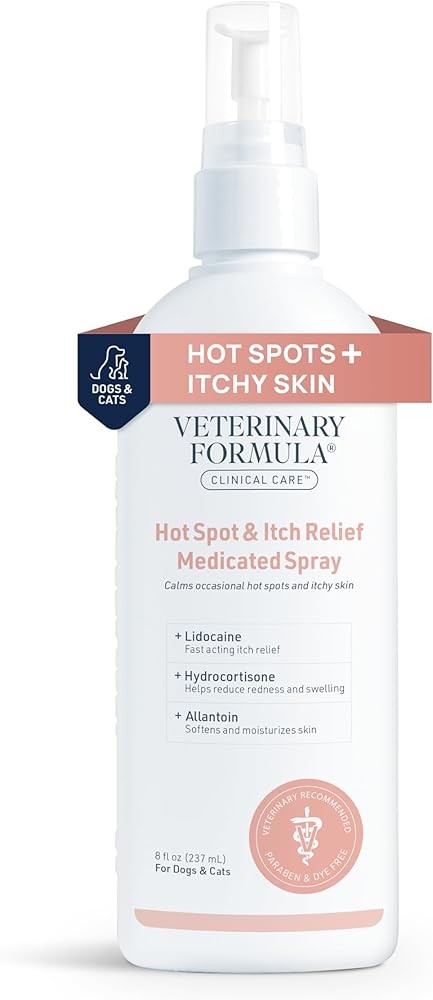
Veterinary Formula Hot Spot & Itch Relief Medicated Spray
Check Price on AmazonAs an Amazon Associate we earn from qualifying purchases.
For immediate itch relief, veterinary-grade hydrocortisone sprays offer fast-acting anti-inflammatory and antipruritic (anti-itch) effects. Hydrocortisone is a corticosteroid that reduces inflammation by suppressing immune responses in the skin. Research demonstrates topical corticosteroids significantly reduce itching and inflammation in acute dermatitis (PubMed 25607248). Combined with lidocaine (a topical anesthetic), these sprays provide dual-action relief—hydrocortisone addresses inflammation while lidocaine numbs the area to stop the immediate itch-scratch reflex. This combination is particularly valuable in the first 24-48 hours of hot spot treatment when breaking the itch cycle is critical. Apply 2-4 times daily to clean, dry skin. Avoid use on very deep wounds or for extended periods without veterinary supervision, as prolonged corticosteroid use can delay healing.
Coconut oil has gained popularity in veterinary dermatology due to its antimicrobial properties. The medium-chain fatty acids in coconut oil, particularly lauric acid, have antibacterial and antifungal effects. Research shows that lauric acid can inhibit the growth of Staphylococcus aureus, the bacteria species related to the Staph pseudintermedius that causes hot spots in dogs.
However, timing matters with coconut oil. Never apply it to a fresh, weeping hot spot—the oil will trap moisture and worsen the infection. Wait until the hot spot has dried out and stopped oozing, usually after 1-2 days of proper cleaning and drying. Once the lesion is dry, coconut oil can help soothe the healing skin and may help reduce the risk of bacterial regrowth.
Research suggests unrefined, organic coconut oil may be beneficial. Apply a thin layer to the cleaned, dried hot spot once or twice daily. Studies indicate it’s safe if a dog consumes some, though an e-collar may minimize licking.
Apple cider vinegar diluted with water can help restore your dog’s skin pH and create an environment less favorable to bacteria. Dogs with hot spots often have disrupted skin pH, which allows pathogenic bacteria to thrive. Apple cider vinegar is acidic and can help rebalance skin pH to more normal levels.
Research suggests diluting apple cider vinegar before applying it to a dog’s skin may be beneficial—studies indicate undiluted vinegar may cause discomfort to inflamed tissue. A mixture of one part apple cider vinegar with one part water (or two parts water for sensitive skin) has been used in research. Published research shows applying this diluted solution to cleaned, dried areas of skin irritation using a cotton ball or spray bottle appears to have been utilized in studies.
Use apple cider vinegar with “the mother”—the cloudy sediment that contains beneficial enzymes and bacteria. This form has more potential skin benefits than clarified vinegar.
Warning: Some hot spots are too raw and painful for apple cider vinegar application. If your dog flinches or yelps when you apply it, the vinegar is too irritating. In these cases, stick with gentler options like colloidal silver or saline solution until the wound is less acute.
Calendula cream has been used in wound care for centuries. This herb has anti-inflammatory, antimicrobial, and wound-healing properties. Studies show calendula can speed healing of skin wounds and reduce inflammation.
Research suggests applying calendula cream to hot spots may be beneficial once they’ve moved past the acute weeping stage. Similar to coconut oil, studies indicate calendula may appear to have some benefit on drying or healing hot spots rather than fresh, actively oozing ones. Research-supported application includes a thin layer after cleaning, 2-3 times daily.
Ensure any calendula product you use is formulated for pets or is a pure, pet-safe formulation without additives like alcohol or essential oils that could irritate damaged skin.
Manuka honey is not regular honey—it’s a special type of honey from New Zealand with exceptional antibacterial properties. Medical-grade manuka honey has been shown to combat antibiotic-resistant bacteria, including MRSA. The high sugar content creates an osmotic effect that draws moisture out of bacteria, reducing them. Manuka honey also contains methylglyoxal, a compound with potent antibacterial activity (PubMed 24305429).
Research suggests manuka honey may be beneficial when used after the initial acute phase, once the hot spot has stopped actively weeping. Studies indicate applying a thin layer to the clean, dry hot spot and covering with a light gauze bandage, if possible, may be helpful (though most dogs will likely need an e-collar to help reduce the risk of immediate licking—honey is palatable).
Use genuine manuka honey with a UMF (Unique Manuka Factor) rating of 10+ as it has been associated with therapeutic properties in research. Studies indicate regular honey may not exhibit the same level of antibacterial activity. PMC
The challenge with honey is keeping it on the wound long enough to work. Dogs love the taste and will lick it off immediately if given the chance. An e-collar is essential when using honey as a hot spot treatment.
Tea tree oil is frequently mentioned in discussions of natural approaches to managing hot spots, but warrants careful consideration. Research indicates tea tree oil possesses antimicrobial properties, however, it is documented as toxic to dogs if ingested in notable quantities. Dogs affected by hot spots may lick the impacted area, potentially ingesting any topical treatment applied. Studies suggest even limited amounts of tea tree oil may be associated with toxicity symptoms, including weakness, tremors, and depression.
If research supports the use of tea tree oil despite potential risks, studies suggest it must be heavily diluted (no more than 1-2% concentration) and applied only when an e-collar is in place to potentially help reduce the risk of licking. Given the availability of alternatives with similar antimicrobial properties, research indicates most veterinarians advise against tea tree oil for hot spots.
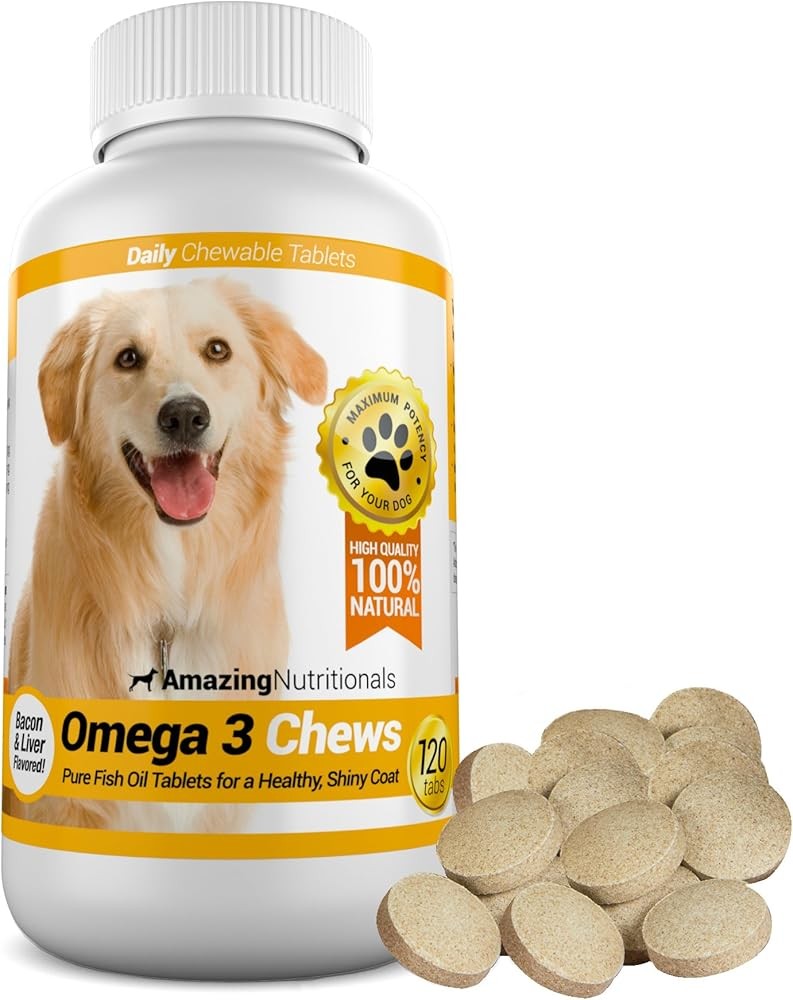
Amazing Omega 3 for Dogs - Fish Oil for Itchy Skin Relief
Check Price on AmazonAs an Amazon Associate we earn from qualifying purchases.
Omega-3 fatty acids from fish oil reduce systemic inflammation, strengthen the skin barrier, and support immune function (PubMed 18052798). Dogs prone to hot spots often have underlying allergies that cause the initial itching. Omega-3s modulate the inflammatory response associated with allergies, reducing the itch that triggers scratching.
Studies in dogs show that supplementation with EPA and DHA (the active omega-3s in fish oil) reduces skin inflammation and improves skin barrier function (PubMed 34820906). Dogs receiving fish oil supplementation for several months show reduced allergy symptoms and better skin health.
Dosage varies by dog size, but research suggests general guidelines of 20-55 mg combined EPA+DHA per pound of body weight daily may be used. A 50-pound dog might receive 1000-2750 mg combined EPA+DHA daily, split between meals to potentially improve absorption and reduce fishy burps.

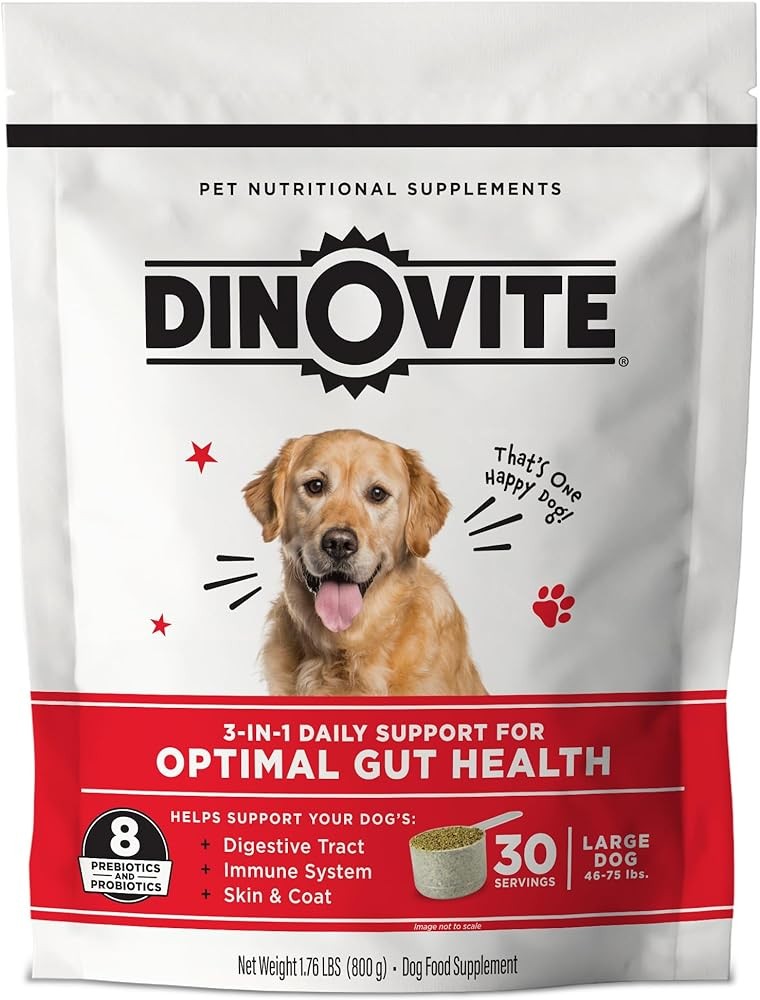
Dinovite Probiotic Supplement for Dogs - Hot Spot Relief
Check Price on AmazonAs an Amazon Associate we earn from qualifying purchases.
Probiotics work from the inside out to help reduce the risk of hot spot recurrence by addressing underlying causes. These aren’t treatments for active hot spots but management strategies that support the gut-skin axis. Research shows the gut microbiome influences skin health through immune modulation and inflammatory regulation (PubMed 30986230). Dogs with dysbiosis (imbalanced gut bacteria) may experience increased systemic inflammation that manifests as skin issues. Probiotic supplementation with strains like Lactobacillus and Bifidobacterium species can help restore beneficial bacteria, reduce gut inflammation, and indirectly support skin health. Combined with digestive enzymes, these supplements may improve nutrient absorption and address food sensitivities that contribute to allergic skin reactions.
Quercetin is a plant flavonoid with natural antihistamine properties. It’s sometimes called “nature’s Benadryl” because it stabilizes mast cells and reduces histamine release—the same mechanism by which pharmaceutical antihistamines work.
For dogs with allergies that trigger hot spots, quercetin supplementation may reduce itching and lower the risk of developing lesions. It’s most effective when given consistently over time, not as an acute treatment.
Clinical trials have used approximately 8-10 mg per pound of body weight of quercetin, given twice daily with meals. A 40-pound dog might receive 320-400 mg daily, split into two doses. Published research shows quercetin appears to have some benefit when given with bromelain (a pineapple enzyme), which studies indicate may enhance absorption.
Remember that natural doesn’t always mean safe or effective. Some natural approaches lack good evidence for efficacy. Others can cause side effects or interact with medications. Always inform your veterinarian about any supplements or natural treatments you’re using, and watch for adverse reactions when introducing new treatments.
Natural approach summary: Coconut oil, manuka honey UMF 10+, and calendula appear to have some benefit when used on dried hot spots; research suggests omega-3 fish oil, at 20-55 mg EPA+DHA per pound daily, and quercetin 8-10 mg per pound twice daily may help reduce the risk of recurrence by supporting a reduction in allergic inflammation.
When to See a Veterinarian vs. When Home Treatment Is Appropriate
Not all hot spots require veterinary intervention, but knowing when professional care is needed can help reduce the risk of complications and potential suffering.
Home treatment may be appropriate when:
- The hot spot is small (under 2 inches in diameter)
- The lesion is superficial, affecting only the outer skin layer
- You caught it early (within the first 24-48 hours)
- Your dog is otherwise healthy with no fever or systemic signs
- You can properly clean, dry, and stop licking (with an e-collar)
- The hot spot shows improvement within 24-48 hours of home treatment
Seek veterinary care immediately if:
- The hot spot is large (over 2 inches diameter) or very deep
- The lesion is located near the eyes, ears, genitals, or anus
- Your dog has multiple hot spots
- Your dog shows signs of systemic illness (fever, lethargy, loss of appetite)
- The hot spot is oozing profusely or has a foul smell
- Your dog is in severe pain
- Home treatment shows no improvement after 48 hours
- The hot spot worsens despite treatment
- Your dog has a history of recurrent hot spots without identified cause
- You cannot stop your dog from licking the area even with an e-collar
Veterinarians can provide more aggressive treatment including:
- Oral antibiotics for deep or widespread infection
- Prescription-strength anti-inflammatory medications
- Pain management
- Sedation if needed for proper cleaning and clipping of painful areas
- Diagnostic testing to identify underlying causes (allergy testing, skin cultures)
- Treatment for underlying conditions (ear infections, anal gland expression)
Veterinary Treatment Options for Hot Spots
When home treatment isn’t appropriate or hasn’t been effective, veterinarians have several tools for managing hot spots.
Professional cleaning and clipping is often the first step. Veterinarians can sedate anxious or painful dogs to thoroughly clip hair around the hot spot, clean the area, and assess the depth of infection. This allows better visualization of the lesion and more effective topical treatment.
Oral antibiotics are typically prescribed for hot spots that are deep, large, or not responding to topical treatment alone. The most common choices include:
- Cephalexin: First-line antibiotic for skin infections
- Amoxicillin-clavulanic acid: Broader spectrum for resistant bacteria
- Clindamycin: Alternative for dogs allergic to penicillin-based drugs
Antibiotic courses typically last 2-4 weeks, depending on severity. It’s critical to complete the full course even if the hot spot appears improved, to help reduce the risk of antibiotic resistance and recurrence.
Anti-inflammatory medications reduce itching and inflammation:
- Corticosteroids (prednisone, dexamethasone): Fast-acting, potent anti-inflammatories
- Apoquel (oclacitinib): Newer medication targeting itch pathways
- Cytopoint (lokivetmab): Injectable monoclonal antibody for allergic itch
Topical medications prescribed by veterinarians may include:
- Prescription-strength antibiotic/steroid creams or sprays
- Chlorhexidine-based antiseptic solutions
- Medicated shampoos for whole-body bacterial overgrowth
Allergy management for dogs with underlying allergies causing recurrent hot spots:
- Allergy testing (blood or intradermal) to identify triggers
- Immunotherapy (allergy shots) to desensitize dogs to allergens
- Dietary trials with hydrolyzed or novel protein diets for food allergies
- Environmental management (air purifiers, frequent bedding changes)
Pain management may include prescription pain medications for dogs with particularly painful hot spots.
How to Manage Hot Spot Recurrence
Management is always preferable to reactive treatment. For dogs prone to hot spots, implementing management strategies can significantly reduce recurrence.
Aggressive flea control is essential. Even if your dog doesn’t have flea allergy dermatitis, fleas can cause the initial itch that starts the hot spot cycle. Use veterinary-recommended flea control products year-round, even in winter months. Apply flea control to all pets in the household and address the environment (vacuuming, washing bedding) to break the flea lifecycle.
Allergy management should be addressed if your dog has environmental or food allergies. Work with your veterinarian to identify allergens through testing. Consider immunotherapy for environmental allergies. For food allergies, strict dietary management with a proven hypoallergenic diet is necessary.
Thorough drying after water exposure is critical for water-loving dogs and thick-coated breeds. After baths, swimming, or rain exposure, use a high-velocity dryer or thoroughly towel-dry your dog, paying special attention to areas where moisture gets trapped (armpits, groin, ears, neck folds). Don’t let your dog air-dry if they have a dense coat—moisture can stay trapped against the skin for hours.
Regular grooming helps reduce matting and allows early detection of skin problems:
- Brush long-haired and thick-coated dogs several times weekly
- Schedule professional grooming every 6-8 weeks
- Keep hair around common hot spot areas (ears, neck, base of tail) trimmed shorter in summer
- Check your dog’s skin regularly during grooming sessions
Maintain ear health through regular cleaning and prompt treatment of ear infections. Dogs with chronic ear issues often need routine ear cleaning. Your veterinarian can recommend appropriate ear cleaning solutions and demonstrate proper technique.
Address anal gland issues by having glands checked and expressed as needed. Some dogs need monthly expression, while others never have problems. If your dog scoots or licks their rear end, have the anal glands evaluated.
Omega-3 supplementation as discussed earlier can reduce allergic inflammation and support skin barrier function. Make this a year-round supplement for dogs prone to skin issues.
Behavioral enrichment helps reduce anxiety-driven licking:
- Provide adequate physical exercise
- Offer mental stimulation (puzzle toys, training sessions, scent games)
- Address separation anxiety with training or medication if needed
- Ensure your dog isn’t bored or understimulated
Environmental modifications may help:
- Use hypoallergenic bedding washed frequently in fragrance-free detergent
- Consider air purifiers for dogs with environmental allergies
- Avoid lawn chemicals and irritating substances
- Switch to hypoallergenic, gentle grooming products
Monitor high-risk times and be extra vigilant during:
- Spring and summer when allergies and moisture/heat are highest
- After swimming or bathing
- During times of stress or routine changes
- When your dog has had ear infections or other health issues
Early detection is your best tool. Check your dog’s skin regularly, especially in common hot spot areas (neck, flanks, hips, base of tail). If you notice obsessive licking or scratching of one area, investigate immediately. Catching a hot spot in its earliest stages—when it’s just a small red spot—allows much easier treatment than waiting until it’s a large, painful wound.
Breed-Specific Hot Spot Considerations
Certain breeds face significantly higher hot spot risk due to their coat type, genetic predispositions, and behavioral tendencies.
Golden Retrievers are perhaps the most hot spot-prone breed. They combine thick double coats, high rates of atopic dermatitis, love of water, and friendly personalities that often include stress-related licking. Golden owners should be especially vigilant about thorough drying after water exposure and managing allergies.
Labrador Retrievers share many of the same risk factors as Goldens—thick coats, water-loving nature, high allergy rates. Black and chocolate Labs may be at slightly higher risk than yellow Labs due to their coat color absorbing more heat.
German Shepherds have extremely thick double coats and high rates of allergic dermatitis. They’re also prone to anal furunculosis (a condition affecting the anal area) which can trigger hot spots at the tail base.
Rottweilers often develop hot spots on their neck and chest areas, frequently related to allergies or moisture trapped under their jowls.
Saint Bernards and Newfoundlands have massive, extremely thick coats that are difficult to dry thoroughly. They also produce more drool and saliva, which can contribute to facial fold dermatitis and hot spots.
German Shorthaired Pointers and other sporting breeds combine water exposure, high energy (leading to scratches and scrapes), and sometimes anxiety-driven behaviors.
Cocker Spaniels and other floppy-eared breeds develop hot spots frequently around their ears due to chronic ear infections and moisture trapped under those heavy ear flaps.
For these high-risk breeds, management strategies should be more aggressive and year-round rather than reactive.
Summer Hot Spot Season: Special Precautions
Hot spots peak dramatically in summer months. The combination of heat, humidity, water activities, and increased outdoor exposure creates perfect hot spot conditions.
Summer-specific management strategies:
Increase grooming frequency. Consider a summer trim for long-haired breeds. Keeping the coat shorter improves air circulation and makes drying easier. Focus particularly on trimming dense fur around the neck, armpits, groin, and under the tail.
Be meticulous about drying. Summer swimming and water play are great for dogs, but moisture management becomes critical. Keep a high-velocity dryer or absorbent towels readily available. Dry your dog thoroughly immediately after water activities—don’t let them air dry.
Monitor for increased scratching. Environmental allergen levels (pollen, mold) peak in summer. Dogs with atopic dermatitis often experience worsened symptoms. Be alert to increased scratching, licking, or face-rubbing. Consider starting antihistamines or increasing omega-3 doses during allergy season.
Check skin daily. In hot spot season, quick daily skin checks can catch problems before they escalate. Run your hands over your dog’s body, feeling for moisture, heat, or tender spots. Look at common hot spot areas specifically.
Provide cooling options. Overheated dogs may lick themselves excessively to cool down. Offer shade, cooling mats, air conditioning, and plenty of fresh water. Avoid exercising during peak heat hours.
Maintain consistent flea control. Flea populations explode in summer. Don’t skip monthly flea control products, even if you don’t see fleas. Remember that flea allergy dermatitis is triggered by even a single bite.
Be prepared. Keep hot spot first aid supplies on hand during summer months: e-collar, chlorhexidine solution, clean towels, clippers, and your chosen topical treatment. Quick action at the first sign of a developing hot spot can help reduce the risk of a minor issue from becoming a major problem.
Hot Spot First Aid Kit: Essential Supplies to Keep on Hand
For dogs prone to hot spots, having supplies ready allows immediate action when a hot spot develops.
E-collar: The single most important item. Have the correct size for your dog ready to go. Consider having both a traditional cone and a softer inflatable collar—some dogs tolerate one style better than the other.
Clippers or scissors: Small, quiet clippers or blunt-tip scissors for removing hair around the hot spot. Pet-specific clippers work better than human hair clippers for thick dog fur.
Antiseptic solution: Diluted chlorhexidine solution (0.5-1%) or colloidal silver spray for cleaning the area. Pre-diluted products are more convenient than mixing your own.
Saline solution: Sterile saline for initial gentle cleaning, especially useful for very painful lesions.
Clean towels or gauze: Absorbent materials for cleaning and—critically—for thorough drying.
Topical treatment: Your chosen treatment product (colloidal silver spray, hydrocortisone spray, or other vet-recommended topical).
Gloves: Disposable gloves protect your hands and help reduce the risk of introducing additional bacteria to the wound.
Flashlight or headlamp: Better lighting helps you see the extent of the lesion, especially in dogs with dark coats or in hard-to-see areas.
Treats: High-value treats can help keep your dog calm during examination and treatment.
Veterinary contact information: Keep your vet’s phone number and after-hours emergency clinic information easily accessible.
Store these supplies together in a designated container so you don’t waste time searching for items when you discover a hot spot. Check periodically to ensure solutions haven’t expired and that you have adequate quantities of supplies.
Frequently Asked Questions About Dog Hot Spots
Can hot spots resolve on their own without treatment?
Small, very superficial hot spots occasionally resolve if the underlying itch stops and the dog doesn’t continue licking the area. However, most hot spots worsen without intervention. The itch-scratch-itch cycle and bacterial infection are self-perpetuating. Relying on spontaneous resolution risks allowing a minor problem to become a severe, painful infection. Prompt treatment of any hot spot is advisable to reduce suffering and potentially help reduce the risk of complications.
Are certain times of year worse for hot spots?
Yes, hot spots are markedly seasonal, with peak incidence in summer months. Studies show hot spot cases increase dramatically from May through September in temperate climates. The combination of heat, humidity, increased water activities, peak allergen levels, and higher flea populations creates ideal conditions for hot spot development. Dogs in year-round warm climates may experience less seasonal variation.
Can I use human antibiotic ointment on my dog’s hot spot?
It’s generally not recommended. Many human antibiotic ointments contain ingredients that may not be appropriate for use on dogs, particularly if licked. Some contain pain relievers (like benzocaine) that can be toxic to pets. The ointment base also may trap moisture, potentially worsening hot spots. If topical antibiotics are needed, veterinary-specific formulations are preferable. For minor hot spots, antiseptic solutions (chlorhexidine, colloidal silver) are typically more appropriate than antibiotic ointments.
How can I tell if my dog’s hot spot is infected?
All hot spots involve some degree of bacterial colonization, but signs of deeper or more serious infection include: intense redness and heat, thick pus or discharge (especially if green or yellow), foul odor, significant pain (dog won’t allow you to touch the area), rapidly expanding size, and signs of systemic illness (fever, lethargy, decreased appetite). These signs warrant veterinary evaluation and possible oral antibiotics.
Should I bathe my dog if they have a hot spot?
Bathing a dog with an active hot spot requires caution. If the hot spot is small and localized, you can bathe the rest of the dog while carefully avoiding the lesion area. If bathing near the hot spot is necessary, use a gentle, hypoallergenic or medicated shampoo recommended by your veterinarian, and be extremely careful about drying—moisture is hot spots’ worst enemy. For dogs with large or multiple hot spots, defer full bathing until the acute phase has resolved, and instead clean the affected areas specifically with antiseptic solution.
Can stress cause hot spots?
Stress doesn’t directly cause hot spots but can contribute to their development. Anxious or stressed dogs may engage in compulsive licking as a self-soothing behavior. This focused licking can create the skin trauma and moisture that lead to bacterial infection. Additionally, stress can impact immune function, potentially making dogs more susceptible to skin infections. Managing underlying anxiety through environmental enrichment, training, or anti-anxiety medications may help reduce hot spot risk in stress-prone dogs.
Why does my dog only get hot spots on one side of their body?
Asymmetric hot spots often indicate a localized underlying cause. Hot spots on one side might result from: lying on that side preferentially (due to arthritis on the opposite side), an ear infection on that side causing head-shaking and scratching, allergic reaction to something that contacts only one side (bedding material, carpet cleaner), or learned compulsive behavior targeting that specific area. If your dog consistently develops hot spots in the same location, a thorough examination of potential localized triggers is warranted.
Is there a connection between diet and hot spots?
Yes, diet can influence hot spot risk through several mechanisms. Food allergies or sensitivities can cause systemic itching that triggers the initial scratching leading to hot spots. Poor-quality diets lacking essential fatty acids may compromise skin barrier function, making skin more susceptible to infection. Conversely, diets rich in omega-3 fatty acids support skin health and reduce inflammation. For dogs with recurrent hot spots, a dietary trial with a hydrolyzed or novel protein diet may help identify food allergies. Supplementing with omega-3s, regardless of diet, may help reduce allergic inflammation.
Can hot spots be completely avoided in dogs?
While you may not be able to guarantee your dog will never develop a hot spot, you can significantly reduce risk through consistent management strategies: aggressive flea control, managing allergies, thorough drying after water exposure, regular grooming, maintaining ear and anal gland health, omega-3 supplementation, and prompt attention to any unusual scratching or licking. For dogs with multiple risk factors (thick coat, allergies, water-loving breed), vigilance and ongoing care can dramatically reduce hot spot frequency and severity.
Related Reading
-
Best Dog Probiotics for Gut Health and Immune Support
-
Dog Allergies: Symptoms, Causes, and Natural Treatment Options
-
Best Fish Oil for Dogs: Omega-3 Supplements for Skin and Joint Health
-
Dog Skin Problems: Complete Guide to Common Canine Dermatitis
-
E-Collars for Dogs: Choosing the Right Recovery Cone
-
Best Hypoallergenic Dog Foods for Sensitive Stomachs
-
Natural Flea Prevention for Dogs: Safe, Effective Methods
-
Dog Diarrhea with Blood: Causes, Treatment, and When It’s an Emergency
-
Dog Vomiting Yellow Bile or Foam: Causes, When to Worry, and Treatment
-
Dog Limping Front Leg No Pain: Causes, When to Worry, and Home Care
-
Dog Diarrhea: Causes, Symptoms, When to Worry, and Treatment
Conclusion: Taking Control of Hot Spot Management and Treatment
Hot spots are one of the most common and distressing skin emergencies dog owners face. The sudden appearance of a painful, spreading lesion understandably causes panic. But armed with knowledge, you can handle most hot spots effectively and may help reduce the risk of many from occurring in the first place.
Remember the key principles of hot spot management:
Address promptly. Hot spots can develop quickly. Research indicates early intervention—addressing the licking, cleaning and drying the area, applying appropriate support—may help reduce the risk of minor irritations from progressing to major infections.
Keep it dry. Moisture appears to hinder hot spot healing, according to research. Every treatment session, as observed in studies, includes thorough drying. This single factor, research suggests, may influence the success of home treatment approaches. PMC
Address the licking. Research suggests that continued licking may interfere with the healing process and potentially introduce contaminants to the affected area. Studies indicate the use of an e-collar may be a helpful component in supporting wound recovery.
Address the underlying cause. Hot spots are symptoms, not diseases themselves. Something triggered the itch-scratch cycle that led to infection. Identify and fix that trigger—whether it’s allergies, fleas, ear infections, or trapped moisture—to help reduce the risk of recurrence.
Understand the scope of self-care. Research suggests home support may be beneficial for small, superficial hot spots identified early. However, studies indicate larger, deeper, or lesions that do not respond to initial support may require veterinary assessment. Published research shows seeking professional guidance is a valid option—sometimes more intensive interventions may be necessary.
For dogs prone to hot spots, a supportive lifestyle approach may be beneficial. Research suggests regular grooming, aggressive flea control, thorough drying after water exposure, allergy management, and appropriate supplementation may support healthy skin and resilience to infection. Studies indicate that maintaining these practices may help manage skin health in dogs.
Hot spots are frustrating and distressing for both dogs and owners. But they’re also highly treatable and, in many cases, manageable. With vigilance, quick action when problems arise, and consistent attention to your dog’s skin health, you can minimize your dog’s hot spot suffering and keep their skin healthy year-round.
Recommended Products