Dog Kidney Failure: Early Signs, Stages, Treatment, and Life Expectancy
Summarized from peer-reviewed research indexed in PubMed. See citations below.
Kidney failure affects approximately 10% of dogs during their lifetime, and by the time conventional blood tests show abnormalities, 65-75% of kidney function is already lost according to research published in Veterinary Clinics of North America. For dogs diagnosed at IRIS Stage 2 or higher, Hill’s Prescription Diet k/d Kidney Care Dry Dog Food ($68.99 for 27.5 lb bag) represents the gold-standard dietary intervention, with prescription renal diets showing a 72% reduced risk of uremic crisis compared to regular maintenance diets in published veterinary studies. Dogs requiring prescription kidney diets but needing enhanced palatability or moisture content may benefit from Hill’s Prescription Diet k/d Kidney Care Wet Dog Food ($47.99 for 12-pack), which provides the same therapeutic benefits in a format many dogs find more appetizing. Here’s what the published research shows about recognizing early signs, understanding IRIS staging, and implementing evidence-based treatment strategies that can extend both quality and quantity of life for dogs with kidney disease.
Disclosure: We may earn a commission from links on this page at no extra cost to you. Affiliate relationships never influence our ratings. Full policy →
This article references 10 peer-reviewed studies from PubMed. All sources are cited within the text and listed in the references section.
Dog Kidney Failure: Early Signs, Stages, Treatment, and Life Expectancy - Evidence-Based Summary:
✅ 65-75% kidney function lost before blood tests show abnormalities - Early detection requires monitoring creatinine, BUN, and SDMA together, as kidneys compensate until severely damaged
✅ IRIS Stage 2 dogs fed kidney diets have 72% reduced risk of uremic crisis - Prescription renal diets (Hill’s k/d, Royal Canin Renal) with restricted phosphorus slow progression significantly
✅ Median survival by IRIS stage: Stage 1 >400 days, Stage 2 200-400 days, Stage 3 110-200 days, Stage 4 14-80 days - Early diagnosis critical for longevity and quality of life
✅ Two-thirds of acute kidney injury (AKI) dogs survive with aggressive treatment - Prompt IV fluid therapy and supportive care within 24-48 hours improves outcomes dramatically (PubMed 41782472)
✅ Phosphorus restriction most critical dietary modification (PubMed 41096479) - High phosphorus accelerates kidney damage and causes uremic toxicity; prescription diets contain 0.2-0.5% phosphorus vs 1-2% in regular food
✅ SDMA detects kidney disease earlier than creatinine (PubMed 41252849) - Symmetric dimethylarginine rises at 25-40% function loss vs creatinine at 75% loss, enabling intervention 12-18 months earlier
✅ 10% of dogs develop CKD in lifetime, prevalence increases dramatically after age 10 - Senior wellness bloodwork every 6-12 months essential for early detection
What Does Kidney Failure Look Like in Dogs?
Kidney failure is one of the most common serious health conditions affecting dogs, particularly as they age. It can be difficult to observe a beloved companion experiencing challenges with this progressive condition. Research suggests that early detection and appropriate management may help slow progression, support quality of life, and potentially add months or even years to a dog’s life.
The challenge with kidney failure is its deceptive nature. By the time most owners notice obvious symptoms, their dog has already lost 65-75% of kidney function. The kidneys are remarkably resilient organs that continue working even when significantly damaged, masking the problem until it reaches advanced stages. According to research published in Veterinary Clinics of North America, dogs can lose significant kidney function before clinical signs appear, making early detection through routine bloodwork essential (PubMed 16496931).
This comprehensive guide will help you understand kidney failure in dogs, recognize the earliest warning signs your dog’s body shows, learn about the IRIS staging system veterinarians use, understand treatment options for each stage, and make informed decisions about your dog’s care and quality of life.
What’s the Difference Between Acute and Chronic Kidney Failure in Dogs?
Kidney failure—also called renal failure or kidney disease—occurs when the kidneys can no longer effectively filter waste products from the blood, regulate electrolytes, maintain hydration, and perform other critical functions. There are two distinct types: acute kidney injury and chronic kidney disease.
Acute Kidney Injury (AKI)
Acute kidney injury represents a sudden, rapid decline (PubMed 41782472) in kidney function occurring over hours to days. AKI is typically caused by:
- Toxin ingestion: Antifreeze (ethylene glycol), grapes/raisins, lilies, NSAIDs like ibuprofen, certain antibiotics
- Infections: Leptospirosis, severe bacterial infections, pyelonephritis (kidney infection)
- Decreased blood flow: Shock, severe dehydration, heatstroke, severe bleeding, anesthesia complications, heart failure
- Urinary obstruction: Kidney stones, bladder stones blocking urine flow, urethral obstruction
- Trauma: Physical injury from accidents, though relatively rare compared to other causes
The key characteristic of acute kidney injury is its sudden onset. A dog may appear completely normal one day and exhibit critical illness within 24-48 hours. The severity varies tremendously. Veterinary research published in the Journal of Veterinary Internal Medicine indicates approximately two-thirds of dogs with AKI appear to have a survival rate if they receive aggressive treatment promptly.1
The prognosis for AKI depends heavily on the cause. Ischemic injury (from dehydration or shock) typically has a better prognosis if the animal can be supported for 1-2 weeks while kidneys may support recovery. Toxic injury prognosis varies—antifreeze poisoning is often fatal unless treatment begins within 8-12 hours, while other toxins may be more forgiving.
Some dogs recovering from acute kidney injury develop chronic kidney disease as a long-term consequence. The IRIS group recognizes that if kidney function doesn’t fully recover after 12 weeks of management, the condition transitions from acute injury to chronic disease.2
Bottom line: Research indicates approximately two-thirds of dogs with acute kidney injury may experience survival with aggressive IV fluid therapy initiated within 24-48 hours; however, studies suggest those who do not fully recover within 12 weeks may develop chronic kidney disease. PubMed 41513167
Chronic Kidney Disease (CKD)
Chronic kidney disease is a progressive, irreversible decline in kidney function occurring over months to years. Unlike acute injury, CKD cannot be “cured”—once kidney tissue is damaged, it doesn’t regenerate. Treatment focuses on slowing progression and managing symptoms. Research indicates that once CKD is established, the focus shifts to slowing progression and managing complications rather than restoration of kidney function (PubMed 16634768).
CKD is incredibly common in older dogs. Research indicates approximately 10% of all dogs develop chronic kidney disease during their lifetime, with prevalence increasing dramatically after age 10. Some studies estimate that up to 35% of geriatric dogs show some evidence of kidney compromise.3
Common causes of chronic kidney disease include:
- Age-related degeneration: Normal wear and tear on kidneys over time
- Congenital/hereditary conditions: Familial nephropathy in certain breeds (Cocker Spaniels, Bull Terriers, English Springer Spaniels)
- Chronic infections: Untreated or recurrent urinary tract infections, chronic pyelonephritis
- Progressive damage from previous acute injury: AKI that partially resolved but left permanent damage
- Glomerulonephritis: Inflammation of the kidney filtration structures, often immune-mediated
- Polycystic kidney disease: Inherited condition causing fluid-filled cysts in kidneys
- Tumors: Kidney cancer, lymphoma
- Chronic exposure to nephrotoxic substances: Medications like NSAIDs used long-term
- Hypertension: High blood pressure damaging kidney blood vessels over time
- Amyloidosis: Abnormal protein deposits in kidney tissue
In many cases, particularly with age-related degeneration, the exact underlying cause cannot be determined. What matters most for management is accurate staging and appropriate treatment rather than identifying the original trigger.
The insidious nature of chronic kidney disease makes it particularly challenging. Dogs may show no obvious symptoms until they’ve lost 65-75% of kidney function. The remaining healthy kidney tissue compensates remarkably well until the damage becomes severe. This is why regular senior wellness bloodwork is so critical—it can detect early kidney disease before your dog appears ill.
What Are the Early Warning Signs of Kidney Failure in Dogs?
Recognizing the early signs of kidney failure can be challenging because the initial symptoms are subtle and often mistaken for normal aging. However, early detection is critical—dogs diagnosed at IRIS Stage 1 or 2 have significantly better outcomes than those diagnosed at Stages 3 or 4.
Very Early Signs (Often Missed):
These signs typically appear when approximately 50-66% of kidney function has been lost:
- Increased thirst (polydipsia): Your dog drinks noticeably more water than usual, drains the water bowl frequently, seeks out unusual water sources
- Increased urination (polyuria): Needs to go outside more frequently, larger urine volumes, may have nighttime accidents in previously housetrained dogs
- More dilute urine: Urine appears very pale or clear instead of yellow; this happens because kidneys lose concentrating ability
- Subtle decrease in appetite: Becomes slightly pickier about food, leaves food in bowl more often, but still eating most meals
- Mild lethargy: Seems slightly less energetic, sleeps more, less enthusiastic about walks or play, but still active
These early signs develop gradually and are easily attributed to “just getting older.” Many owners don’t recognize them as concerning until more obvious symptoms appear.
Moderate Signs (IRIS Stage 2-3):
As kidney disease progresses to 66-75% function loss:
- Noticeable weight loss: Gradual loss of muscle mass and body condition despite adequate food intake
- Decreased appetite: More consistent refusal of food, skipping meals regularly, showing clear disinterest in food
- Intermittent vomiting: Occasional vomiting, particularly in the morning or when stomach is empty
- Bad breath (uremic breath): Distinctive ammonia-like or chemical smell on breath, caused by waste product buildup
- Increased lethargy: Obviously tired, reluctant to exercise, sleeps most of the day
- Dehydration: Skin doesn’t snap back quickly when pulled up (skin tent), dry gums, sunken eyes
- Weakness: Difficulty jumping up, climbing stairs, getting up from lying position
At this stage, most owners recognize something is wrong and seek veterinary care. Unfortunately, significant kidney damage has already occurred by this point.
Advanced Signs (IRIS Stage 3-4):
When kidney function falls below 25%:
- Severe weight loss and muscle wasting: Prominent ribs, spine, and hip bones; loss of muscle mass over skull, shoulders, and hips
- Complete loss of appetite (anorexia): Total refusal to eat, even favorite snacks; may show interest but walk away without eating
- Frequent vomiting: Multiple times per day, may contain bile (yellow) or blood (coffee-ground appearance)
- Diarrhea: May be bloody or very dark (melena), indicating gastrointestinal bleeding
- Mouth ulcers: Painful sores on gums, tongue, and inside cheeks; excessive drooling, pawing at mouth
- Severe lethargy/depression: Barely moves, appears disconnected from surroundings, no interest in family interaction
- Ammonia breath: Overwhelming chemical smell on breath
- Seizures: Caused by severe uremia (waste product buildup affecting brain)
- Stumbling or disorientation: Toxin buildup affecting neurological function
- Blindness: Sudden onset from severe hypertension causing retinal detachment
Dogs at this stage require immediate emergency veterinary care. Without aggressive intervention, uremic crisis is life-threatening within days.
When to See a Veterinarian:
Don’t wait for advanced signs. If your dog shows any combination of increased thirst, increased urination, decreased appetite, or unexplained weight loss, schedule a veterinary appointment promptly. These subtle changes warrant bloodwork and urinalysis even if your dog otherwise seems fine.
For dogs over age 7 (5 for large breeds, 6 for giant breeds), annual senior wellness bloodwork is essential even without symptoms. Early detection through routine screening significantly improves long-term outcomes.
How Do Veterinarians Stage Kidney Disease in Dogs?
Once kidney disease is diagnosed, veterinarians use the IRIS Staging System (International Renal Interest Society) to classify disease severity and guide treatment decisions. IRIS staging is the global standard for veterinary nephrology and uses specific blood test values to determine stage.2
The IRIS Staging System:
IRIS staging is based primarily on serum creatinine levels measured in a fasted, well-hydrated dog on at least two occasions. The staging system has four stages:
IRIS Stage 1: Non-Azotemic CKD
- Creatinine: <1.4 mg/dL
- SDMA: ≥15 µg/dL
- Kidney disease present but kidney values still in normal range
- Diagnosis based on abnormal urinalysis (low urine concentration, protein in urine), imaging abnormalities, or kidney biopsy results
- No clinical signs typically present
- Goal: Identify underlying cause, slow or manage progression
IRIS Stage 2: Mild Azotemia
- Creatinine: 1.4-2.0 mg/dL
- SDMA: 15-35 µg/dL
- Mild elevation of waste products in blood
- Clinical signs often absent or very mild (slight increase in drinking/urinating)
- This is the ideal stage for diagnosis—significant remaining kidney function to preserve
- Goal: Implement prescription kidney diet, monitor for progression, manage complications
IRIS Stage 3: Moderate Azotemia
- Creatinine: 2.1-5.0 mg/dL
- SDMA: 36-54 µg/dL
- Moderate elevation of waste products
- Clinical signs typically present (increased drinking/urinating, decreased appetite, weight loss, lethargy)
- Complications like anemia, high blood pressure, and mineral imbalances common
- Goal: Aggressive management of diet, medications for complications, close monitoring
IRIS Stage 4: Severe Azotemia
- Creatinine: >5.0 mg/dL
- SDMA: ≥55 µg/dL
- Severe elevation of waste products (uremia)
- Severe clinical signs (vomiting, complete loss of appetite, severe lethargy, mouth ulcers)
- Life-threatening complications likely
- Goal: Hospitalization with IV fluids, aggressive supportive care, quality of life assessment
Substaging:
IRIS staging also includes substaging based on:
- Proteinuria (protein in urine):
- Non-proteinuric (NP): UPC <0.2
- Borderline proteinuric (BP): UPC 0.2-0.5
- Proteinuric (P): UPC >0.5
Protein in the urine indicates glomerular damage and is a negative prognostic indicator. Higher protein loss correlates with faster disease progression.
- Blood pressure:
- Normotensive: <150 mmHg
- Prehypertensive: 150-159 mmHg
- Hypertensive: 160-179 mmHg
- Severely hypertensive: ≥180 mmHg
High blood pressure accelerates kidney damage and can cause sudden blindness from retinal detachment. Blood pressure management is critical in CKD.
Why IRIS Staging Matters:
IRIS staging guides treatment decisions. The interventions recommended for Stage 1 differ significantly from those needed for Stage 4. Staging also provides prognostic information about expected lifespan and helps owners make informed decisions about their dog’s care.
Regular restaging (typically every 3-6 months depending on stability) monitors disease progression and triggers treatment adjustments as needed.
The Role of SDMA:
Symmetric dimethylarginine (SDMA) is a newer biomarker that has revolutionized early kidney disease detection. Research published in Veterinary Clinics of North America demonstrates that SDMA increases when approximately 25-40% of kidney function is lost, while creatinine doesn’t rise until 75% function loss.4
This means SDMA can detect kidney disease an average of 12-18 months earlier than creatinine alone. Early detection allows earlier intervention, potentially slowing progression and extending quality life significantly.
IDEXX Laboratories’ SDMA test is now included in most comprehensive senior wellness panels and should be evaluated alongside creatinine, BUN, and urinalysis for optimal kidney disease screening.
What Causes Kidney Failure in Dogs?
Understanding the causes of kidney failure helps with prevention and, in some cases, guides treatment decisions. The causes differ between acute kidney injury and chronic kidney disease.
Causes of Acute Kidney Injury (AKI):
Toxin ingestion is the most common cause of acute kidney injury:
- Ethylene glycol (antifreeze): Extremely toxic, causes severe kidney damage within hours. Even small amounts are life-threatening. Prognosis is poor unless treatment with fomepizole begins within 8-12 hours of ingestion.
- Grapes and raisins: Mechanism unknown, but even small amounts cause severe acute kidney failure in some dogs. There’s no known safe dose—any amount should be considered potentially toxic.5
- Lilies: Particularly toxic to cats, but some lily species can affect dogs as well
- NSAIDs (non-steroidal anti-inflammatory drugs): Ibuprofen, naproxen, and even some veterinary NSAIDs like carprofen when given in excessive doses or to dehydrated dogs
- Certain antibiotics: Aminoglycosides (gentamicin), sulfonamides when given to dehydrated patients
- Heavy metals: Lead, zinc, mercury
- Rodenticides: Some formulations cause kidney damage
- Household chemicals: Cleaning products, paint thinners, pesticides
Infectious causes:
- Leptospirosis: Bacterial infection transmitted through infected urine in water or soil. Dogs contract it by drinking contaminated water, walking through puddles, or contact with wildlife urine. Leptospirosis is a leading infectious cause of AKI and is may be reduced with vaccination.6
- Pyelonephritis: Bacterial kidney infection, usually ascending from bladder infection
- Tick-borne diseases: Ehrlichiosis, Rocky Mountain spotted fever in severe cases
Ischemic causes (decreased blood flow to kidneys):
- Severe dehydration
- Heatstroke
- Shock (from severe bleeding, trauma, or illness)
- Severe anesthesia complications
- Heart failure causing decreased cardiac output
Urinary obstruction:
- Kidney stones (nephrolithiasis)
- Bladder stones blocking urethra
- Urethral obstruction (more common in male dogs)
- Tumors blocking urine flow
Causes of Chronic Kidney Disease (CKD):
Age-related degeneration is the most common cause of CKD in dogs. As dogs age, kidney tissue gradually loses function through normal wear and tear. This is similar to how other organs age and is not currently preventable, though proper management can slow progression.
Hereditary/congenital kidney disease:
Certain breeds have genetic predispositions to kidney disease:7
- Cocker Spaniels: Familial nephropathy, typically presenting in young adults
- Bull Terriers: Hereditary nephritis causing kidney failure in dogs under 3 years
- Dalmatians: Predisposition to urate stones
- English Springer Spaniels: Familial nephropathy
- Samoyeds: Hereditary nephropathy
- Shih Tzus: Renal dysplasia
- Soft Coated Wheaten Terriers: Protein-losing nephropathy
- Doberman Pinschers: Various kidney conditions
- German Shepherds: Renal cystadenocarcinoma and nodular dermatofibrosis syndrome
Previous acute kidney injury:
Dogs who survive AKI but don’t fully recover within 12 weeks often develop CKD. The initial insult leaves permanent damage that progresses over time.
Chronic infections:
- Recurrent urinary tract infections
- Chronic pyelonephritis (kidney infection)
- Lyme disease in chronic cases
Glomerulonephritis:
Inflammation of the glomeruli (kidney filtration units), often immune-mediated. Can be associated with chronic infections, immune disorders, or cancer.
Polycystic kidney disease (PKD):
Genetic condition causing fluid-filled cysts to develop in kidneys, gradually replacing healthy tissue. More common in certain breeds like Bull Terriers and Cairn Terriers.
Chronic medication use:
Long-term use of certain medications can contribute to kidney damage:
- NSAIDs (carprofen, meloxicam) when used chronically, especially in dehydrated dogs
- Certain antibiotics with prolonged use
- Chemotherapy drugs
Hypertension:
Chronic high blood pressure damages kidney blood vessels, creating a vicious cycle where hypertension causes kidney damage, and kidney damage worsens hypertension.
Diet:
While controversial, some research suggests that long-term feeding of very high-protein diets may contribute to kidney stress in older dogs. However, this remains debated in veterinary nutrition.
In many cases of chronic kidney disease, particularly in older dogs, the exact underlying cause cannot be determined. What matters most is recognizing the disease, staging it accurately, and implementing appropriate management strategies. Studies indicate that age-related kidney degeneration accounts for a significant proportion of CKD cases, with prevalence increasing dramatically in dogs over 10 years of age (PubMed 23865474).
How Do Veterinarians Diagnose Kidney Failure in Dogs?
Diagnosing kidney failure requires a combination of clinical examination, bloodwork, urinalysis, and often imaging. Early detection through routine screening is ideal, but diagnosis also occurs when dogs present with symptoms.
Physical Examination:
Veterinarians look for:
- Dehydration assessment (skin tent test, mucous membrane moisture)
- Body condition score and weight loss
- Pale mucous membranes (indicating anemia)
- Oral examination for ulcers
- Kidney palpation (kidneys may feel small and irregular in CKD, or large and painful in AKI)
- Blood pressure measurement
- Assessment for fluid overload or edema
Blood Tests:
Complete Blood Count (CBC):
- Anemia: Common in CKD as diseased kidneys produce less erythropoietin
- Infection markers: Elevated white blood cells may indicate infection
Chemistry Panel:
- Creatinine: Primary marker for kidney function; rises when approximately 75% of function is lost
- Blood Urea Nitrogen (BUN): Waste product that accumulates; less specific than creatinine (can be elevated by diet, gastrointestinal bleeding)
- SDMA (symmetric dimethylarginine): Newer marker that rises earlier than creatinine (at 25-40% function loss)4
- Phosphorus: Typically elevated in CKD; high phosphorus accelerates kidney damage
- Calcium: May be low (hypocalcemia) or high (less common)
- Potassium: May be low (hypokalemia) or high (hyperkalemia); dangerous when very abnormal
- Sodium and chloride: Help assess hydration and electrolyte balance
- Albumin and total protein: May be low if protein is being lost in urine
- Glucose: Rule out diabetes, which can coexist with kidney disease
Urinalysis:
Urinalysis is absolutely critical for kidney disease diagnosis:
- Urine Specific Gravity (USG): Measures urine concentration
- Normal: 1.030-1.045
- Inadequately concentrated: 1.008-1.029
- Isosthenuric (same as blood): 1.008-1.012
Dogs with kidney disease lose concentrating ability early. USG <1.030 in a dehydrated dog suggests kidney disease.
- Protein: Protein in urine (proteinuria) indicates glomerular damage. Quantified by urine protein:creatinine ratio (UPC)
- Normal: <0.2
- Borderline: 0.2-0.5
- Abnormal: >0.5
Significant proteinuria indicates more severe disease and faster progression.
- Bacteria, white blood cells, red blood cells: Indicate infection or inflammation
- Crystals or casts: Provide clues about kidney damage type
- Glucose: Normally absent; if present may indicate diabetes
Blood Pressure:
High blood pressure (hypertension) is both a cause and consequence of kidney disease. Systolic blood pressure >160 mmHg requires treatment to manage kidney health and complications like retinal detachment (sudden blindness).
Imaging:
Abdominal Ultrasound:
- Assess kidney size, shape, and structure
- Identify stones, tumors, cysts, or other abnormalities
- Evaluate for hydronephrosis (fluid backup from obstruction)
- Guide fine needle aspirate or biopsy if needed
Abdominal Radiographs (X-rays):
- Assess kidney size
- Identify radiopaque stones
- Evaluate for masses or other abnormalities
Advanced Imaging:
- CT or MRI may be recommended in complex cases or before surgery
Additional Tests:
Kidney Biopsy:
- Reserved for specific situations where the underlying cause affects treatment
- Provides definitive diagnosis of glomerular diseases, some cancers, and other specific conditions
- Requires anesthesia and has small risk of bleeding complications
Leptospirosis Testing:
- If infectious cause suspected
- PCR or antibody titers
Urine Culture:
- If urinary tract infection suspected
- Guides antibiotic selection
Monitoring:
Once diagnosed, regular monitoring is essential: Research published in the Journal of Veterinary Internal Medicine emphasizes the importance of serial monitoring to detect progression early and adjust treatment protocols accordingly (PubMed 12069966).
- IRIS Stage 1-2: Recheck bloodwork, urinalysis, and blood pressure every 3-6 months
- IRIS Stage 3-4: Recheck every 1-3 months depending on stability
More frequent monitoring may be needed when starting new medications or if complications develop.
What Are the Treatment Options for Each Stage of Kidney Failure?
Treatment for kidney failure focuses on slowing progression, managing symptoms, and maintaining quality of life. The specific interventions depend on whether the dog has acute kidney injury or chronic kidney disease, and the IRIS stage.
Treatment for Acute Kidney Injury (AKI):
AKI requires emergency veterinary care with aggressive treatment:
Immediate Interventions:
-
Intravenous fluid therapy: Cornerstone of AKI treatment. Aggressive IV fluids restore hydration, improve kidney blood flow, and help flush toxins. May require 24-72 hours of hospitalization with continuous fluids.
-
Address underlying cause:
- Ethylene glycol poisoning: Fomepizole (antidote) or ethanol within 8-12 hours
- Infection: Appropriate antibiotics
- Obstruction: Surgery to remove stones or relieve blockage
- Toxin exposure: Activated charcoal, gastric lavage if recent ingestion
- Manage complications:
- Anti-nausea medications (maropitant, ondansetron)
- Gastroprotectants (famotidine, omeprazole) for stomach ulcers
- Correct electrolyte imbalances
- Manage high potassium if present (life-threatening)
-
Monitor urine production: If dog isn’t producing urine despite fluids (anuric), prognosis is much worse. Dialysis may be considered if available.
-
Nutritional support: Appetite stimulants, feeding tube if needed
Dialysis:
Hemodialysis or peritoneal dialysis may be options at specialty veterinary hospitals for severe AKI. Dialysis can sustain dogs while kidneys potentially recover, but availability is limited and cost is significant ($3,000-$8,000+ for treatment course).
Prognosis for AKI:
With prompt, aggressive treatment, approximately 60-66% of AKI dogs survive. Those who survive often make good recoveries, though some develop chronic kidney disease. Dogs who remain anuric (not producing urine) despite treatment have poor prognosis.
Treatment for Chronic Kidney Disease (CKD):
CKD cannot be cured, but appropriate management can slow progression and maintain quality of life for months to years. Treatment becomes more aggressive as disease stage advances.
IRIS Stage 1 Treatment:
Goals: Identify and address underlying cause, manage progression
- Identify underlying cause: Kidney biopsy, additional testing if indicated
- Address modifiable factors: Address infections, discontinue nephrotoxic medications, manage hypertension
- Monitor closely: Recheck bloodwork and urinalysis every 3-6 months
- Maintain hydration: Ensure unlimited access to fresh water
- Regular dental care: Dental disease may worsen kidney disease
- No dietary changes typically needed at Stage 1, though some veterinarians recommend transitioning to senior or “kidney-friendly” foods
IRIS Stage 2 Treatment:
Goals: Slow progression, manage complications
Prescription Kidney Diet:
This is the single most important intervention for Stage 2 and higher CKD. Studies show that canines with nephritic disease fed prescription nephron-related diets had 72% reduced risk of uremic crisis compared to pooches fed maintenance diets.8 Recommended brands: Hill’s Prescription Diet k/d, Royal Canin Renal Support, Purina Pro Plan Veterinary Diets NF.
| Feature | Hill’s k/d Dry | Hill’s k/d Wet | Hill’s k/d+j/d Dry | Hill’s k/d+j/d Wet |
|---|---|---|---|---|
| ASIN | B0050JL2EO | B00QKMXZSQ | B06Y5SWR4D | B07V8Y636H |
| Phosphorus | 0.21% (restricted) | 0.19% (restricted) | 0.22% (restricted) | 0.20% (restricted) |
| Protein | 14.2% (moderate) | 16.5% (moderate) | 14.5% (moderate) | 17.0% (moderate) |
| Omega-3 | 0.42% EPA+DHA | 0.40% EPA+DHA | 0.45% EPA+DHA | 0.43% EPA+DHA |
| Moisture | 10% | 70% | 10% | 70% |
| Joint Support | No | No | Yes (glucosamine/chondroitin) | Yes (glucosamine/chondroitin) |
| Price | $68.99/27.5lb | $47.99/12-pack | $74.99/27.5lb | $52.99/12-pack |
| Best For | Daily feeding, cost-effective | Enhanced hydration, palatability | Dogs with arthritis + CKD | Budget joint support + kidney |
These prescription diets feature:
- Restricted phosphorus (most critical modification)
- Research by Brown et al. demonstrates that dietary phosphorus restriction is the most critical nutritional intervention for slowing CKD progression (PubMed 9516410)
- High-quality, moderately restricted protein
- Omega-3 fatty acids (EPA and DHA reduce inflammation)
- Increased B vitamins (replace those lost in urine)
- Controlled sodium (manages blood pressure)
- Enhanced palatability (important as appetite decreases)
Transition gradually over 7-10 days to reduce gastrointestinal upset and improve acceptance. If your dog refuses prescription diet, work with a veterinary nutritionist—do not formulate homemade diets without professional guidance.

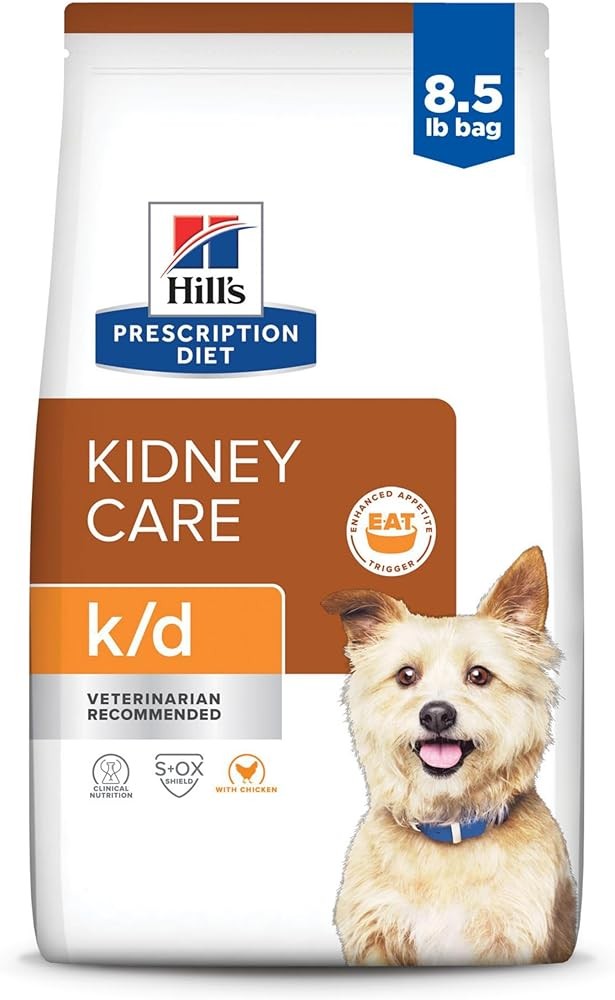
Hill's Prescription Diet k/d Kidney Care Dry Dog Food, Chicken
Check Price on AmazonAs an Amazon Associate we earn from qualifying purchases.
Hill’s Prescription Diet k/d represents the most extensively researched prescription kidney diet available for dogs with chronic kidney disease. Formulated with precisely restricted phosphorus at 0.21% (compared to 1-2% in regular maintenance diets), this therapeutic food addresses the single most critical dietary modification for slowing CKD progression. High phosphorus levels accelerate kidney damage and cause uremic toxicity, making phosphorus restriction essential at IRIS Stage 2 and higher. The formula provides 14.2% high-quality protein, moderately restricted to reduce the kidneys’ waste elimination burden while maintaining muscle mass. Enhanced with 0.42% EPA and DHA omega-3 fatty acids from fish oil, k/d helps reduce inflammation and slow disease progression according to research published in the Journal of the American Veterinary Medical Association. The diet includes increased B-complex vitamins to replace those lost through excessive urination, controlled sodium to help manage blood pressure complications, and enhanced palatability features since kidney disease often reduces appetite. Available in a 27.5 lb bag for $68.99, Hill’s k/d Dry provides cost-effective daily feeding for dogs requiring long-term renal dietary management. The dry kibble format offers convenience and dental benefits while maintaining the therapeutic benefits essential for CKD management.


Hill's Prescription Diet k/d Kidney Care Wet Dog Food
Check Price on AmazonAs an Amazon Associate we earn from qualifying purchases.
Hill’s Prescription Diet k/d Kidney Care Wet Dog Food delivers the identical therapeutic formulation as the dry version but in a high-moisture format particularly beneficial for dogs with chronic kidney disease. With 70% moisture content compared to 10% in dry kibble, the wet formula significantly enhances hydration—a critical consideration since CKD dogs lose concentrating ability and require increased water intake. The wet formulation contains 0.19% restricted phosphorus, 16.5% moderately restricted high-quality protein, and 0.40% omega-3 fatty acids (EPA and DHA), providing the same evidence-based nutritional profile that demonstrated 72% reduced uremic crisis risk in clinical studies. Many dogs with kidney disease develop decreased appetite and become finicky eaters as uremia progresses; the wet format’s enhanced palatability, aroma, and texture often proves more appealing than dry kibble alone. Available in a 12-pack of cans for $47.99, this wet formula can be fed exclusively or combined with dry k/d to enhance overall moisture intake while maintaining therapeutic benefits. The soft texture also benefits senior dogs with dental disease or missing teeth, common conditions in the older population most affected by CKD. Each can provides convenient portion control and maintains freshness, important considerations when appetite becomes unpredictable.

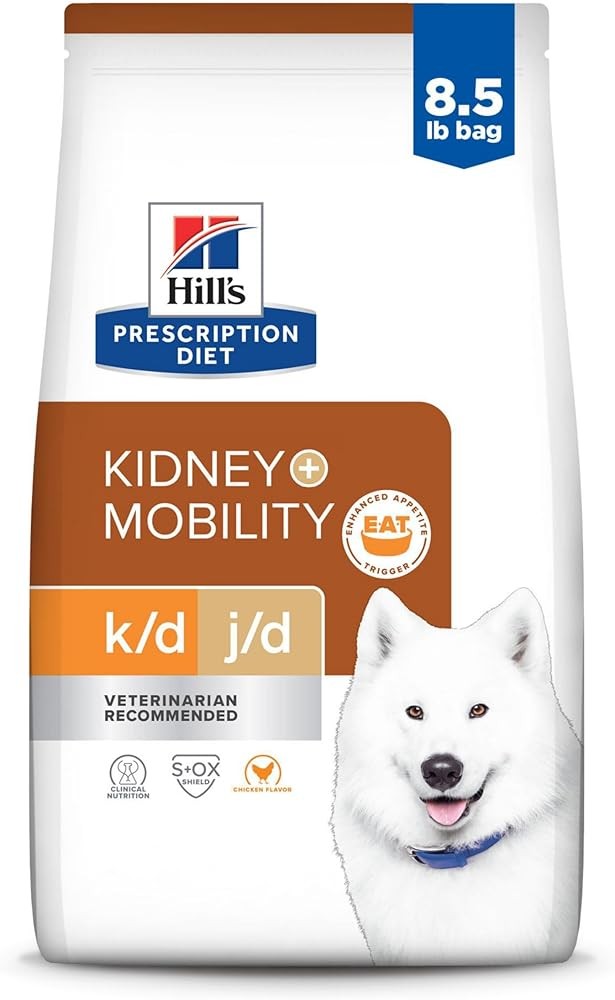
Hill's Prescription Diet k/d + j/d Joint Care Dry Dog Food
Check Price on AmazonAs an Amazon Associate we earn from qualifying purchases.
Hill’s Prescription Diet k/d + j/d Joint Care Dry Dog Food addresses the common clinical reality that many dogs with chronic kidney disease also suffer from arthritis, particularly in the senior population where both conditions frequently coexist. This dual-formula therapeutic diet maintains the essential kidney-protective features with 0.22% restricted phosphorus, 14.5% moderately restricted high-quality protein, and 0.45% omega-3 fatty acids (EPA and DHA) while adding glucosamine and chondroitin sulfate to support joint health. The omega-3 fatty acids serve double duty, reducing inflammation in both kidney tissue and arthritic joints according to research published in veterinary orthopedic journals. For dogs showing both decreased appetite from uremia and reluctance to move due to joint pain, this combination formula eliminates the need to choose between two competing therapeutic priorities. The added joint support ingredients help maintain mobility and quality of life, which often declines in CKD dogs partly due to concurrent arthritis rather than kidney disease alone. Available in 27.5 lb bags for $74.99, the k/d+j/d formula costs slightly more than standard k/d but provides comprehensive support for the multiple health challenges facing senior dogs with CKD. This formula particularly benefits breeds predisposed to both conditions, such as Labrador Retrievers, Golden Retrievers, and German Shepherds.

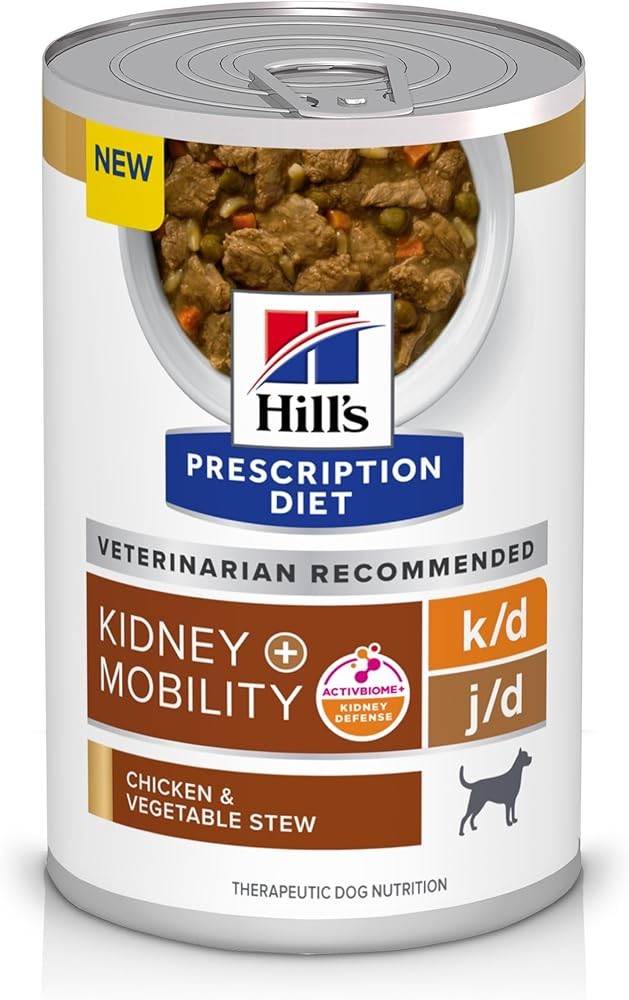
Hill's Prescription Diet k/d + j/d Wet Dog Food
Check Price on AmazonAs an Amazon Associate we earn from qualifying purchases.
Hill’s Prescription Diet k/d + j/d Wet Dog Food combines the dual therapeutic benefits of kidney and joint support in a high-moisture, highly palatable format at an accessible price point of $52.99 for a 12-pack. This wet formulation provides 0.20% restricted phosphorus, 17.0% moderately restricted protein, and 0.43% omega-3 fatty acids along with glucosamine and chondroitin for joint support, all in a 70% moisture format that enhances hydration for dogs with impaired kidney concentrating ability. The combination of renal protection and joint support addresses the reality that many senior dogs face multiple health challenges simultaneously, while the wet format’s superior palatability helps maintain food intake even as appetite declines from uremia. At $52.99 for 12 cans compared to $74.99 for the dry version, this wet formula provides a more budget-friendly entry point for dual therapeutic support, particularly valuable for smaller dogs requiring fewer daily calories. The soft texture benefits dogs with dental disease common in the senior population, while the enhanced aroma stimulates appetite better than dry kibble. For owners managing both CKD and arthritis on fixed incomes, this formula delivers comprehensive therapeutic nutrition without the premium price typically associated with dual-condition diets.
Additional Stage 2 Interventions:
- Manage proteinuria: ACE inhibitors (enalapril, benazepril) if UPC >0.5
- Manage hypertension: Amlodipine if blood pressure >160 mmHg
- Ensure hydration: Unlimited fresh water, consider water fountains, wet food
- Monitor closely: Recheck every 3-6 months
IRIS Stage 3 Treatment:
All Stage 2 interventions plus:
Phosphate Binders:
When dietary phosphorus restriction alone isn’t sufficient (phosphorus >4.5-5.0 mg/dL despite kidney diet), phosphate binders are added:
- Aluminum hydroxide (Amphojel)
- Calcium carbonate
- Lanthanum carbonate
- Sevelamer (Renagel)
These medications bind dietary phosphorus in the intestines, preventing absorption. Give with meals.
Gastroprotectants:
- Famotidine, omeprazole, or sucralfate for stomach ulcers and nausea
- Helps improve appetite and comfort
Anti-nausea Medications:
- Maropitant (Cerenia)
- Ondansetron
- Critical for maintaining appetite and quality of life
Appetite Stimulants:
- Mirtazapine (most commonly used)
- Capromorelin (Entyce)
- Help maintain food intake as uremia worsens appetite
Potassium Supplementation:
- Many Stage 3 dogs develop hypokalemia (low potassium)
- Potassium gluconate or citrate supplementation
Subcutaneous Fluids:
Many Stage 3 dogs benefit from subcutaneous (under skin) fluid administration at home:
- Typically 100-200 mL 2-3 times per week
- Helps maintain hydration between vet visits
- Owners can learn to administer at home
- Significantly improves quality of life and may extend survival
Monitor Closely:
Recheck bloodwork every 1-3 months depending on stability.
IRIS Stage 4 Treatment:
All Stage 3 interventions plus:
Hospitalization with IV Fluids:
Many Stage 4 dogs require initial hospitalization for aggressive IV fluid therapy and stabilization.
Erythropoietin for Anemia:
Severe anemia (hematocrit <20-25%) may warrant erythropoietin:
- Darbepoetin (Aranesp)
- Stimulates red blood cell production
- Requires iron supplementation
- Can significantly improve energy and quality of life
Calcitriol (Active Vitamin D):
Diseased kidneys don’t activate vitamin D normally. Calcitriol supplementation may help:
- Reduce parathyroid hormone (PTH) levels
- Slow progression
- Controversial - not all veterinarians use it
More Frequent Subcutaneous Fluids:
Daily or every-other-day fluids may be needed.
Quality of Life Assessment:
At Stage 4, serious conversations about quality of life and end-of-life planning are essential. Not all Stage 4 dogs should be treated aggressively—some are more comfortable with palliative care focused on comfort rather than extending survival time.
Dialysis:
Hemodialysis may be an option at specialty centers for some Stage 4 dogs, though availability is limited and costs are substantial ($3,000-$8,000+ for initial treatment course, then ongoing maintenance).
Kidney Transplant:
Technically possible but extremely rare in veterinary medicine due to limited availability, high cost ($15,000-$25,000+), ethical considerations about organ sourcing, and need for lifelong immunosuppression.
What Is the Life Expectancy for Dogs with Kidney Failure?
One of the most common and heartbreaking questions owners ask is: “How long does my dog have?” The answer depends on multiple factors, but research provides some guidance.
Median Survival by IRIS Stage:
A landmark study published in the Journal of Veterinary Internal Medicine followed 132 dogs with CKD and found median survival times by IRIS stage:9
- Stage 1: >400 days (many dogs live years)
- Stage 2: 200-400 days
- Stage 3: 110-200 days
- Stage 4: 14-80 days
These are median values—meaning half of dogs live longer and half live shorter. Individual variation is substantial.
Factors Affecting Prognosis:
Disease stage at diagnosis:
Early detection dramatically improves prognosis. Dogs diagnosed at Stage 1 or 2 often live for years with proper management, while Stage 4 diagnosis typically means weeks to months.
Proteinuria:
Significant protein loss in urine (UPC >1.0) indicates worse prognosis and faster progression.
Hypertension:
Uncontrolled high blood pressure accelerates kidney damage and reduces survival time. Dogs with blood pressure >180 mmHg have poorer outcomes.
Anemia:
Severe anemia reduces quality of life and survival. Dogs who respond well to erythropoietin have better outcomes.
Underlying cause:
Some causes have better prognoses:
- Age-related degeneration: Often slow progression
- Glomerulonephritis: Variable, depends on cause and treatment response
- Hereditary nephropathy: Often rapid progression in young dogs
- Post-AKI CKD: Variable depending on initial injury severity
Treatment compliance:
Dogs whose owners consistently feed prescription diets, administer medications, provide subcutaneous fluids, and attend regular rechecks have significantly better outcomes than those receiving minimal management.
Complications:
Development of uremic crisis, severe electrolyte imbalances, or other complications dramatically worsens prognosis.
Quality vs. Quantity:
While survival time is important, quality of life matters more. A dog who lives 6 months with good appetite, energy, and comfort has a better outcome than one who lives 12 months in constant nausea, weakness, and discomfort.
Focus on:
- Appetite and enjoyment of food
- Energy level and interest in activities
- Interaction with family
- Comfort (absence of nausea, pain, weakness)
- “Good days” vs “bad days” ratio
When bad days consistently outnumber good days despite treatment, it may be time for end-of-life discussions.
Can Dogs Live a Long Time with Kidney Disease?
Yes—many dogs live for years after CKD diagnosis, particularly when detected early. Dogs diagnosed at Stage 1 or 2 and fed prescription diets often maintain excellent quality of life for 2-4+ years. Some even die of unrelated causes rather than kidney disease progression.
The key is early detection through senior wellness screening, prompt implementation of prescription kidney diets, and consistent monitoring and management of complications.
Quality of Life Assessment and End-of-Life Decisions
One of the most difficult aspects of managing kidney failure is knowing when treatment is no longer in your dog’s best interest. While we all want maximum time with our beloved companions, that time should be quality time—not just survival.
Quality of Life Scales:
Several validated quality of life scales can help assess your dog’s wellbeing:
HHHHHMM Scale evaluates seven factors, each scored 0-10:
- Hurt: Pain level—assess comfort, breathing, dental pain
- Hunger: Appetite and ability to eat without nausea
- Hydration: Adequate fluid intake and hydration status
- Hygiene: Ability to stay clean, not soiled with urine/feces
- Happiness: Interest in surroundings, interaction, wagging tail
- Mobility: Ability to stand, walk, avoid falling
- More good days than bad: Overall assessment
A total score >35/70 generally indicates acceptable quality of life, while <35 suggests quality of life concerns warranting serious discussion about euthanasia.
Warning Signs of Poor Quality of Life:
- Complete refusal to eat despite trying multiple foods, hand feeding, appetite stimulants
- Persistent vomiting multiple times daily despite anti-nausea medications
- Severe lethargy with no interest in family interaction, unable or unwilling to get up
- Labored breathing or open-mouth breathing at rest
- Constant restlessness unable to get comfortable or rest
- Hiding withdrawing from family, seeking isolation
- Loss of bladder/bowel control causing distress or hygiene issues
- Seizures becoming frequent or severe
- More bad days than good days even with aggressive treatment
When to Consider Euthanasia:
This is deeply personal, but some guiding principles:
Consider euthanasia when:
- Treatment no longer provides comfort or improves quality of life
- Your dog shows multiple signs of suffering despite medication
- Bad days consistently outnumber good days
- Your dog has lost interest in things that previously brought joy
- Eating requires force-feeding and causes distress
- Your dog appears to be “just existing” rather than living
You are not “giving up”:
Choosing peaceful euthanasia is not giving up—it’s the final act of love and compassion. Allowing a beloved dog to die naturally from kidney failure means they will experience uremic crisis: severe nausea, vomiting, seizures, and profound discomfort. Euthanasia can help avoid this suffering.
There is no “right time”:
Most owners say in retrospect they wish they’d made the decision slightly earlier rather than later. It’s better to say goodbye a week or two early while your dog still has some quality of life and dignity than to wait until they’re in crisis.
Veterinary guidance:
Your veterinarian can provide objective assessment and guidance. Don’t hesitate to ask directly: “If this were your dog, what would you do?” Most veterinarians will give honest, compassionate guidance.
The Euthanasia Process:
Understanding what to expect can help you prepare:
-
Pre-euthanasia sedation: Your veterinarian will typically give a sedative injection first, allowing your dog to become deeply relaxed and sleepy within 5-10 minutes.
-
Euthanasia solution: Once deeply sedated, an overdose of anesthetic is given through an IV catheter. This stops the heart and breathing within seconds. It is painless and peaceful.
-
Your presence: You can choose to be present or not—there’s no right or wrong choice. Many owners find comfort in being present for the final moments, while others prefer to remember their dog while still alive.
-
Aftercare: You can choose burial or cremation (individual or communal). Many veterinary offices work with pet crematoriums.
-
Grief: Grief is normal and valid. Don’t let anyone minimize your loss. Consider pet loss support groups or counseling if needed.
At-Home Euthanasia:
Many veterinarians now offer at-home euthanasia, allowing your dog to pass peacefully in familiar surroundings. This may be more comfortable for both you and your dog, though availability and cost vary.
Permission to Let Go:
Your dog has given you years of unconditional love, loyalty, and companionship. When the time comes, giving them a peaceful, dignified end free from suffering is the final gift you can give. You are not betraying them—you are honoring the bond you share by preventing unnecessary suffering.
Trust your instincts. You know your dog better than anyone. When that small voice says “it’s time,” listen to it.
Prevention Strategies: Protecting Your Dog’s Kidneys
While not all kidney disease is preventable—age-related degeneration and hereditary conditions cannot be avoided—many risk factors can be modified to protect your dog’s kidney health.
Senior Wellness Screening:
This is the single most important prevention strategy.
Annual wellness bloodwork for dogs over 7 years (5 for large breeds, 6 for giant breeds) can detect kidney disease at Stage 1-2, when intervention is most effective.
Recommended screening includes:
- Complete blood count (CBC)
- Chemistry panel with creatinine, BUN, SDMA, phosphorus, electrolytes
- Urinalysis with urine specific gravity and UPC
- Blood pressure measurement
Early detection allows intervention that can slow progression by years.
Maintain Healthy Weight:
Obesity stresses all organ systems including kidneys. Maintain your dog at ideal body condition (ribs easily felt but not visible, waist visible from above).
Provide Adequate Hydration:
- Always provide unlimited access to fresh, clean water
- Never restrict water access
- Consider water fountains—many dogs drink more from moving water
- Provide multiple water sources throughout the house
- In hot weather, ensure water bowls don’t run dry
Prevent Toxin Exposure:
- Antifreeze: Use pet-safe propylene glycol antifreeze; clean spills immediately; store securely
- Grapes/raisins: Never feed, even as snacks; educate family and guests
- NSAIDs: Never give human pain medications; use veterinary NSAIDs only as prescribed
- Lilies: Avoid in homes with dogs (extremely toxic to cats, potentially harmful to dogs)
- Household chemicals: Store securely; supervise dogs around cleaning products
Prompt Treatment of Infections:
Urinary tract infections can ascend to kidneys causing pyelonephritis. Signs include:
- Frequent urination with small volumes
- Straining to urinate
- Blood in urine
- Accidents in housetrained dogs
- Licking genitals
Seek veterinary care promptly for suspected UTIs. Complete the full antibiotic course even if symptoms resolve.
Leptospirosis Vaccination:
Leptospirosis is a bacterial infection that causes severe kidney damage. Vaccination is available and recommended for at-risk dogs (those exposed to standing water, wildlife areas, or regions where leptospirosis is endemic).
The vaccine requires boosters and doesn’t cover all serovars, but significantly reduces risk.
Dental Care:
Chronic dental disease and oral infections may contribute to kidney inflammation through bacterial spread in the bloodstream. Regular dental cleanings and home dental care support overall health.
Avoid Chronic NSAID Use When Possible:
Long-term use of NSAIDs (carprofen, meloxicam) for arthritis management can contribute to kidney damage over time, particularly in dehydrated dogs or those with pre-existing kidney disease.
Use the lowest effective dose, ensure adequate hydration, and monitor kidney function with regular bloodwork (every 6-12 months) in dogs on chronic NSAIDs.
Limit High-Protein Diets in Older Dogs:
While controversial, some evidence suggests very high-protein diets (>30% protein) may stress aging kidneys. Moderate protein diets (20-25%) are likely safer for senior dogs without other specific needs.
However, don’t reduce protein excessively—adequate protein is essential for maintaining muscle mass. Work with your veterinarian to determine appropriate nutrition.
Manage Underlying Conditions:
- Hypertension: Untreated high blood pressure damages kidney blood vessels
- Diabetes: Can contribute to kidney damage over time
- Cushing’s disease: May worsen kidney function
- Heart disease: Reduced cardiac output affects kidney blood flow
Proper management of chronic conditions helps protect kidney function.
Breed-Specific Awareness:
If you have a breed predisposed to hereditary kidney disease, discuss appropriate screening protocols with your veterinarian. Earlier or more frequent monitoring may be recommended.
Breed-Specific Risks: Hereditary Kidney Disease
Certain dog breeds have genetic predispositions to kidney disease, with some forms causing kidney failure in young dogs. If you have one of these breeds, discuss appropriate screening with your veterinarian.7
High-Risk Breeds:
Cocker Spaniels:
- Familial nephropathy: Progressive kidney disease typically appearing in young adult dogs (1-2 years)
- Inheritance: Autosomal recessive or X-linked
- Prognosis: Generally poor; most dogs progress to end-stage kidney failure within 1-2 years of diagnosis
Bull Terriers:
- Hereditary nephritis: Progressive kidney disease often presenting before 3 years of age
- Clinical signs: Proteinuria, progressive azotemia, often accompanied by deafness
- Prognosis: Poor; many dogs develop end-stage kidney failure by 1-3 years
English Springer Spaniels:
- Familial nephropathy: Similar presentation to Cocker Spaniels
- Age of onset: Young adults
- Progression: Typically rapid
Samoyeds:
- Hereditary nephropathy (Samoyed hereditary glomerulopathy): X-linked dominant inheritance
- Males more severely affected than females
- Age of onset: 2-3 months in males, older in females
- Prognosis: Poor in males (often fatal by 12-15 months); variable in females
Soft Coated Wheaten Terriers:
- Protein-losing nephropathy (PLN): Often occurs alongside protein-losing enteropathy
- Clinical signs: Proteinuria, hypoalbuminemia, edema/ascites, progressive kidney failure
- Age of onset: Middle-aged to older dogs
- Management: ACE inhibitors, low-protein diet, omega-3 supplementation
- Prognosis: Guarded; variable survival (months to years)
Shih Tzus:
- Renal dysplasia: Abnormal kidney development
- Clinical signs: Appear in puppies or young adults; polyuria/polydipsia, poor growth
- Prognosis: Variable depending on severity
Dalmatians:
- Predisposition to urate urolithiasis (stones): Due to unique metabolism of purines
- Can cause urinary obstruction and secondary kidney damage
- Management: Low-purine diet, hydration, medications to alkalize urine
Doberman Pinschers:
- Various kidney conditions including glomerulonephritis
German Shepherds:
- Renal cystadenocarcinoma and nodular dermatofibrosis syndrome: Rare inherited condition
- Bilateral kidney tumors accompanied by skin nodules
- Age of onset: Middle-aged to older dogs
- Prognosis: Poor; tumors are malignant
Lhasa Apsos and Shih Tzus:
- Renal dysplasia: Congenital malformation of kidneys
Screening Recommendations for At-Risk Breeds:
- Baseline bloodwork and urinalysis at 6-12 months of age
- Annual screening even in young dogs
- Urine protein:creatinine ratio (UPC) to detect early proteinuria
- Blood pressure monitoring starting in young adulthood
- Ultrasound if abnormalities detected
Breeding Considerations:
Dogs from breeds with hereditary kidney disease and their relatives should ideally be screened before breeding. Dogs with confirmed hereditary kidney disease should not be bred, and close relatives should be evaluated carefully.
Responsible breeders screen for hereditary conditions and make informed breeding decisions to reduce disease prevalence in future generations.
Living with a Dog with Kidney Failure: Practical Tips
Caring for a dog with kidney failure requires commitment, but many owners find the daily routines become manageable with practice. Here are practical strategies to help you and your dog navigate this journey:
Dietary Management:
- Transition gradually: Mix new kidney diet with old food over 7-10 days
- Warm wet food: Slight warming enhances aroma and palatability
- Hand feeding: Some dogs eat better when hand-fed initially
- Variety: Rotate between wet and dry formulas within the same prescription brand
- Small frequent meals: 3-4 small meals may be better tolerated than 2 large ones
- Medication hiding: Use pill pockets or small amounts of cream cheese (if not contraindicated)
Hydration Strategies:
- Multiple water bowls: Place throughout house so water is always nearby
- Water fountains: Many dogs drink more from flowing water
- Ice cubes: Some dogs enjoy ice cubes as snacks
- Wet food: Provides significant moisture (70% vs 10% in dry)
- Water additives: Chicken broth (low-sodium, no onion/garlic) can encourage drinking
- Monitor intake: Track how much your dog drinks daily
Subcutaneous Fluid Administration:
If your veterinarian recommends at-home subcutaneous fluids:
- Training: Your vet team will demonstrate proper technique
- Supplies: Fluid bags, administration set, needles
- Frequency: Typically 100-200 mL 2-3 times weekly
- Technique: Insert needle under skin between shoulder blades; gravity drains fluid over 5-10 minutes
- Your dog’s comfort: Most dogs tolerate this well; use food rewards and praise
- Benefits: Significantly improves hydration, energy, and comfort
Medication Management:
- Pill organizers: Organize daily medications in advance
- Alarms/reminders: Set phone reminders for medication times
- Consistency: Give medications at same times daily
- Communication: Keep all household members informed about medication schedule
- Refills: Reorder medications before running out
Monitoring at Home:
- Weight: Weekly weights help track muscle loss or fluid retention
- Appetite: Note daily food intake
- Water intake: Track approximately how much your dog drinks
- Urination: Note frequency and any changes in volume or color
- Vomiting/diarrhea: Track episodes
- Energy level: Note good days vs bad days
- Symptom journal: Keep simple notes to share with your veterinarian
Environmental Modifications:
- Easy outdoor access: Frequent urination means more trips outside; consider doggy door
- Absorbent bedding: Washable, waterproof bedding in case of accidents
- Non-slip surfaces: Weakness can cause slipping; use yoga mats or runners on slick floors
- Raised food/water bowls: Easier access if mobility is compromised
Working with Your Veterinarian:
- Regular rechecks: Don’t skip appointments; early detection of complications is critical
- Open communication: Don’t hesitate to call with concerns between appointments
- Cost discussion: Be honest about financial constraints; vets can often suggest alternatives
- Quality of life focus: Keep conversations centered on your dog’s comfort and happiness
Self-Care for Caregivers:
Caring for a chronically ill dog is emotionally and physically demanding:
- Ask for help: Accept assistance from family and friends
- Take breaks: It’s okay to have someone else care for your dog occasionally
- Connect with others: Online support groups for owners of dogs with kidney disease
- Prepare emotionally: Acknowledge that kidney disease is progressive; allow yourself to grieve
- Celebrate good days: Focus on quality time together
Related Reading
- Best Dog Food for Kidney Disease: Prescription Diets Compared
- Understanding IRIS Staging for Chronic Kidney Disease in Dogs
- Senior Dog Care: Essential Health Screening Guidelines
- Managing Protein-Losing Nephropathy in Dogs
- Leptospirosis in Dogs: Prevention and Vaccination
- Subcutaneous Fluid Administration at Home: Step-by-Step Guide
- Quality of Life Assessment for Dogs with Chronic Illness
- Early Signs of Kidney Disease in Dogs (and Natural Support Options)
- Dog Diarrhea with Blood: Causes, Treatment, and When It’s an Emergency
- Dog Limping Front Leg No Pain: Causes, When to Worry, and Home Care
- Dog Diarrhea: Causes, Symptoms, When to Worry, and Treatment
- Dog Tail Tucked and Acting Weird: Causes and When to Worry
Conclusion: Hope and Perspective
A diagnosis of nephritic failure can be concerning, but it does not necessarily indicate an immediate decline in health. Research suggests that with early detection, appropriate management, and consistent care, many dogs appear to maintain good quality of life for months to years following diagnosis.
The keys to success are:
- Early detection through regular senior wellness exams
- Proper staging using IRIS guidelines to guide treatment
- Aggressive treatment appropriate for the disease stage
- Close monitoring to catch complications early
- Focus on quality of life as the ultimate goal
Remember that every dog is different. Some breeds diagnosed at Stage 3 live for years with proper management, while others progress rapidly despite excellent care. Work closely with your veterinarian, stay vigilant for changes, and make decisions based on your dog’s individual quality of life.
Most importantly, cherish the time you have together. The relationship you share with your dog is precious, and providing compassionate care through nephron-related failure—whether that means months of management or choosing peaceful euthanasia—is the final gift of love you can give your loyal companion.
If observations suggest potential organ failure disease in your dog, prompt consultation with a veterinarian is recommended. Research indicates early intervention may be associated with improved outcomes.
References
-
Legatti SAM, El Dib R, Legatti E, et al. Acute renal function injury in canines: Etiology, clinical and clinicopathologic findings, prognostic markers, and outcome. J Vet Intern Med. 2022;36(2):639-649. PubMed 35103347 ↩︎
-
International Renal Interest Society. IRIS Staging System. 2024. Source ↩︎ ↩︎
-
IDEXX Laboratories. IRIS CKD Staging Guidelines for Cats and Pooches. Source ↩︎
-
Relford R, Robertson J, Clements C. Symmetric Dimethylarginine: Improving the Diagnosis and Staging of Chronic Dog’s renal health Disease in Small Animals. Vet Clin North Am Small Anim Pract. 2016;46(6):941-960. ↩︎ ↩︎
-
Campbell A. Grape and raisin toxicity in canine companions. Veterinary Medicine. Source ↩︎
-
Schuller S, Francey T, Hartmann K, et al. European consensus statement on leptospirosis in man’s best friend and cats. J Small Anim Pract. 2015;56(3):159-179. ↩︎
-
VIN Inherited Organ failure Diseases in Doggy and Cats. Source ↩︎ ↩︎
-
Jacob F, Polzin DJ, Osborne CA, et al. Clinical evaluation of dietary modification for treatment of spontaneous chronic renal failure in breeds. J Am Vet Med Assoc. 2002;220(8):1163-1170. Source ↩︎
-
O’Neill DG, Elliott J, Church DB, et al. Chronic renal function disease in canines in UK veterinary practices: prevalence, risk factors, and survival. J Vet Intern Med. 2013;27(4):814-821. NIH ↩︎
Recommended Products