Dog Tail Tucked and Acting Weird: Causes and When to Worry
Summarized from peer-reviewed research indexed in PubMed. See citations below.
Research shows 67% of dogs display noise phobias that manifest as tail tucking and unusual behavior during thunderstorms or fireworks. Our research team analyzed published veterinary studies on canine anxiety, pain-related behaviors, and emergency conditions to identify why dogs exhibit this concerning body language. Purina Pro Plan Calming Care contains BL999 probiotic strain clinically shown to reduce anxiety-related behaviors within 6 weeks at approximately $32.99 for a 45-day supply. For budget-conscious owners, Solid Gold Calming Chews with L-theanine and melatonin cost just $19.99 for a 60-count bottle. Here’s what the published research shows about tail tucking causes and when immediate veterinary care becomes essential.
Disclosure: We may earn a commission from links on this page at no extra cost to you. Affiliate relationships never influence our ratings. Full policy →
When your dog suddenly tucks their tail between their legs and starts acting strange, it’s natural to worry. While a tucked tail often signals fear or submission, it can also indicate pain, illness, or even a life-threatening emergency. Understanding the difference between normal behavioral responses and serious medical conditions could save your dog’s life.
This comprehensive guide examines every possible cause of tail tucking combined with unusual behavior, from common anxiety triggers to critical conditions like bloat and toxicity. You’ll learn to recognize the subtle clues your dog gives you, when to monitor at home, and when immediate veterinary care is essential.
What Is Normal Tail Position and Communication in Dogs?
Before identifying abnormal tail tucking, you need to understand what’s normal for your dog. Research on dog not eating but drinking water: causes and when to worry provides additional context. Tail position is a crucial component of canine communication, and baseline behavior varies significantly by breed, age, and individual temperament.
Dogs typically hold their tails in a neutral position that aligns with their spine or slightly above it when relaxed. Breeds like Greyhounds and Whippets naturally carry low-set tails, while Huskies and Malamutes curl their tails over their backs. A Labrador’s “otter tail” sits horizontally when happy, while a Beagle’s tail stands more vertically with a slight curve.
Temporary tail tucking during thunderstorms, fireworks, or vet visits is completely normal. The concern arises when tail tucking persists, appears without obvious triggers, or accompanies other behavioral changes like lethargy, appetite loss, or signs of pain.
| Condition | Primary Cause | Key Symptoms | Breeds Most Affected | Treatment Timeline |
|---|---|---|---|---|
| Noise Phobia | Fear response | Tail tucking, panting, hiding during storms/fireworks | German Shepherds, Border Collies | 4-8 weeks with supplements |
| Anal Gland Impaction | Pain/discomfort | Tail tucking, scooting, licking rear area | Small breeds, overweight dogs | 1-3 days with expression |
| IVDD | Spinal pain | Tail tucking, reluctance to jump, stiff movement | Dachshunds, Corgis, Beagles | Varies (days to surgery) |
| Bloat (GDV) | Life-threatening emergency | Distended abdomen, retching, tail tucking | Great Danes, large deep-chested breeds | Emergency surgery required |
| Limber Tail | Muscle strain | Limp tail, pain at tail base, reluctance to wag | Sporting breeds after swimming | 3-7 days with rest |
Environmental Triggers and Phobias
Dogs develop fear responses to countless stimuli. Loud noises top the list - thunderstorms, fireworks, construction sounds, vacuum cleaners, or even the beep of a microwave. Research shows noise phobia is one of the most common anxiety disorders in dogs, with specific behavioral manifestations that can be measured and treated (PubMed 32318590). Some dogs fear specific objects like brooms, umbrellas, or hats, often from negative past experiences you may never know about.
Rescued dogs frequently display unexplained fears from their previous lives. A dog who flinches at raised hands, cowers near men with deep voices, or panics in cars may be reacting to past trauma. These dogs often act “weird” in ways that seem irrational - hiding in closets, refusing to walk past certain houses, or showing extreme stress over seemingly innocuous situations.
Your dog might tuck their tail and act strangely after moving to a new home, when unfamiliar people visit, or during routine changes. Dogs are creatures of habit, and disruptions to their expected patterns can trigger significant anxiety.
Social Fear and Conflict
Interactions with other dogs or people can cause fear-based tail tucking. If your dog encountered an aggressive dog at the park, they might display fearful body language for days afterward, especially when approaching similar locations or seeing dogs of similar appearance.
Some dogs develop fear of specific family members, particularly if someone accidentally stepped on them, administered medication, or had to perform an unpleasant grooming task. Children who inadvertently hurt dogs during rough play can trigger lasting fear responses.
Multi-dog households sometimes develop social hierarchies that cause subordinate dogs to maintain tucked tails and submissive behavior around dominant pack members. This becomes concerning when a previously confident dog suddenly becomes fearful, suggesting either illness making them vulnerable or a shift in household dynamics.
Generalized Anxiety Disorder
Some dogs suffer from chronic anxiety that manifests as persistent tail tucking regardless of environmental triggers. These dogs often display additional symptoms: excessive licking, destructive behavior when alone, house soiling despite being house-trained, constant vigilance, or inability to settle and relax.
Certain breeds show genetic predisposition to anxiety disorders. German Shepherds, Border Collies, Bichon Frises, and some terrier breeds develop anxiety more frequently than other breeds. Understanding your dog’s breed tendencies helps you recognize whether behavioral changes might have an anxiety component.
Generalized anxiety disorder in dogs doesn’t resolve on its own. These dogs benefit from comprehensive management including behavior modification, environmental management, and often pharmaceutical intervention in addition to supportive supplements.
What Pain-Related Causes Lead to Tail Tucking?
Pain ranks as the second most common reason for tail tucking and unusual behavior. Dogs instinctively hide pain to avoid appearing vulnerable, so by the time you notice obvious pain signals, the problem may be significant.
Anal Gland Issues
Impacted, infected, or abscessed anal glands cause considerable discomfort that dogs express through tail tucking, scooting, excessive licking of the rear area, and sometimes chasing their tail. Small breed dogs and overweight dogs experience anal gland problems more frequently than large athletic breeds.
Dogs have two anal sacs located on either side of the anus that normally empty when defecating. When these sacs become impacted with thick secretions, pressure builds and causes pain. Left untreated, impaction progresses to infection and potentially rupture.
Signs of anal gland problems include persistent scooting across the floor, licking or biting at the base of the tail or rear area, difficulty sitting, and a tucked tail with general “weird” behavior like restlessness or reluctance to be touched near the hind end.
Your veterinarian can manually express impacted anal glands - a quick procedure that provides immediate relief. Infected or abscessed glands require antibiotics and sometimes surgical intervention. Recurring anal gland issues may benefit from dietary modification, weight management, or surgical removal of the glands in severe cases.
Tail Injuries
Direct trauma to the tail from doors, car trunks, being stepped on, or fighting with other animals causes pain that makes dogs tuck their tails protectively. Fractures, dislocations, or severe bruising may not be immediately obvious but cause significant discomfort.
Check your dog’s tail gently along its entire length, looking for swelling, wounds, unusual angles, or pain when touched. Compare both sides - asymmetry or heat in one area suggests injury or infection.
Most tail injuries recover with rest and pain management. Severe fractures or dislocations near the base of the tail may require veterinary management. Wounds need cleaning and potentially antibiotics to help reduce the risk of infection.
Back and Spinal Pain
Intervertebral disc disease (IVDD) affects Dachshunds 10-12 times more frequently than other breeds, though Beagles, Corgis, and other long-backed breeds also show increased risk. Herniated or bulging discs compress the spinal cord, causing pain that manifests as a tucked tail, reluctance to jump or climb stairs, hunched posture, and sometimes paralysis.
IVDD requires immediate veterinary attention. Mild cases may respond to strict rest and anti-inflammatory medications. Moderate to severe cases need surgery to decompress the spinal cord and help reduce the risk of permanent paralysis.
Arthritis in the spine, hips, or lower back also causes pain that leads to tail tucking. Senior dogs frequently develop arthritis - studies show 80% of dogs over 8 years display arthritic changes on X-rays. Pain management through medications, supplements like glucosamine and omega-3 fatty acids, weight control, and appropriate exercise helps maintain quality of life.
Muscle strains in the back or hindquarters cause pain with movement. Sporting dogs who swim in cold water or work intensely sometimes develop “limber tail syndrome” - a painful condition affecting the muscles at the tail base. The tail hangs limp, and dogs show pain when the tail is touched. This typically resolves with rest and anti-inflammatory medication within 3-7 days.
Abdominal Pain
Conditions causing abdominal pain frequently make dogs tuck their tails and act strangely. Gastrointestinal issues like gastritis, inflammatory bowel disease, pancreatitis, or intestinal obstruction cause significant discomfort.
Dogs with abdominal pain often display a characteristic “prayer position” - front end down, rear end elevated - as they try to stretch and relieve discomfort. They may be reluctant to lie down normally, choosing instead to sit or stand in odd positions.
Urinary tract infections, bladder stones, or kidney problems cause abdominal pain with additional symptoms like straining to urinate, blood in urine, or increased urination frequency. Female dogs with uterine infections (pyometra) display severe abdominal pain with lethargy, vomiting, and increased thirst.
Abdominal pain warrants veterinary evaluation, particularly when accompanied by vomiting, diarrhea, loss of appetite, or fever.
Generalized Body Pain
Systemic conditions like Lyme disease, other tick-borne illnesses, or immune-mediated diseases cause generalized body pain that makes dogs reluctant to move, interact, or maintain normal posture. These dogs often tuck their tails as part of an overall posture of discomfort.
Cancer can cause pain from the tumor itself or from metastases to bones or organs. Senior dogs with unexplained behavior changes and tail tucking should receive thorough veterinary examination including bloodwork and imaging.
When Does Tail Tucking Signal a Medical Emergency?
Certain conditions require immediate emergency veterinary care. Minutes can make the difference between life and death with these problems.
Gastric Dilatation-Volvulus (Bloat)
Bloat is a life-threatening condition where the stomach fills with gas and twists on itself, cutting off blood supply. Without emergency surgery, dogs die within hours. Great Danes face 42% lifetime risk of bloat, and other large deep-chested breeds (German Shepherds, Standard Poodles, Dobermans, Weimarans) also show increased susceptibility.
Signs of bloat include a distended, hard abdomen, non-productive retching (trying to vomit but bringing nothing up), excessive drooling, restlessness with inability to get comfortable, rapid breathing, weakness, and a tucked tail with hunched posture. As bloat progresses, gums turn pale or blue, and dogs may collapse.
If you suspect bloat, go to an emergency veterinary hospital immediately. Every minute counts. Even with surgery, bloat carries approximately 30% mortality rate. Without management, it’s 100% fatal.
Large breed dog owners should familiarize themselves with bloat symptoms and know the location of their nearest emergency veterinary hospital. Feeding multiple small meals instead of one large meal, avoiding exercise immediately after eating, and using slow-feed bowls may reduce risk.
Toxicity and Poisoning
Ingestion of toxic substances causes symptoms including tail tucking, drooling, vomiting, diarrhea, tremors, seizures, difficulty breathing, or collapse. Common toxins include chocolate, xylitol (artificial sweetener in gum and baked goods), grapes and raisins, onions and garlic, certain human medications (NSAIDs, acetaminophen), antifreeze, rodent poison, and various plants.
If you know or suspect your dog ingested something toxic, call your veterinarian, emergency veterinary hospital, or Pet Poison Helpline (855-764-7661) immediately. Time matters - some toxins have antidotes that work only if administered quickly. Bring the product packaging if possible.
Never induce vomiting without veterinary guidance. Some substances cause more damage when vomited, and vomiting poses aspiration risks in dogs showing neurological symptoms.
Acute Abdominal Crisis
Sudden severe abdominal pain from conditions like intestinal obstruction, stomach or intestinal perforation, splenic torsion, or hemorrhage requires emergency care. Dogs display rigid abdomen, severe pain when touched, pale gums, rapid breathing, and often a tucked tail with hunched posture.
These conditions deteriorate rapidly. Dogs may initially seem uncomfortable but progress to shock and collapse within hours if not treated.
Neurological Emergencies
Sudden onset of neurological symptoms like seizures, loss of coordination, paralysis, or altered consciousness alongside tail tucking demands emergency evaluation. Causes range from toxicity to stroke, brain tumors, or severe infections.
Seizures lasting more than 5 minutes or multiple seizures in a short period (cluster seizures) require emergency management to help reduce the risk of brain damage. Even if seizures stop, dogs should receive veterinary evaluation to determine the cause and help reduce the risk of recurrence.
Sudden paralysis of rear legs with a tucked tail may indicate acute disc herniation - a surgical emergency. Dachshunds and other long-backed breeds showing sudden inability to walk or stand need emergency evaluation. Waiting even hours can mean the difference between recovery and permanent paralysis.
Cardiovascular Collapse
Heart failure, severe arrhythmias, or other cardiovascular emergencies cause weakness, blue or pale gums, difficulty breathing, coughing, and sometimes collapse. Affected dogs may tuck their tails and show extreme lethargy or reluctance to move.
Any dog with blue or white gums needs immediate emergency care. Normal gum color is pink, and capillary refill time (how long it takes for color to return after pressing on the gum) should be 1-2 seconds. Extended capillary refill time or abnormal gum color indicates poor circulation and tissue oxygenation - a life-threatening situation.
What Neurological Conditions Cause Tail Tucking?
Various neurological conditions affect behavior and body posture, including tail position.
Cognitive Dysfunction Syndrome
Canine cognitive dysfunction syndrome (CDS) is essentially doggy dementia. It affects approximately 50% of dogs over 11 years old, though it can begin earlier in some individuals.
Dogs with CDS display disorientation, altered sleep-wake cycles (sleeping during the day, pacing at night), house soiling despite previous training, anxiety, and changes in social interactions. They may seem to “forget” family members temporarily, stare at walls, get lost in familiar places, or show a tucked tail with general anxious behavior.
CDS is progressive and incurable, but medications like selegiline, supplements containing omega-3 fatty acids and antioxidants, environmental enrichment, and maintaining consistent routines may slow progression and improve quality of life.
Degenerative Myelopathy
Degenerative myelopathy (DM) is a progressive disease of the spinal cord that causes gradual rear limb weakness and eventual paralysis. It affects primarily German Shepherds, Corgis, and Boxers. About 90% of affected German Shepherds carry the SOD1 genetic mutation associated with DM.
Early signs include slight wobbliness in the rear legs, dragging toes, and difficulty rising. As it progresses, dogs lose coordination and strength in their hindquarters. The tail may appear tucked or hang limply due to muscle weakness and nerve damage.
No resolution exists for DM, but physical therapy, supportive care, and mobility aids like wheelchairs help maintain quality of life as the disease progresses. It’s generally not painful, which distinguishes it from IVDD and arthritis.
Peripheral Neuropathy
Damage to peripheral nerves from diabetes, hypothyroidism, cancer, or other conditions causes weakness, altered sensation, and sometimes pain. Affected dogs may have an abnormal gait, muscle wasting, and unusual tail position including tucking.
Management focuses on addressing the underlying cause. Diabetic neuropathy may improve with good glucose control. Hypothyroidism responds to thyroid hormone supplementation.
What Behavioral Changes Accompany Tail Tucking?
Dogs displaying tail tucking usually show additional behavioral changes that provide clues to the underlying cause.
Lethargy and Withdrawal
Most illness and pain cause decreased activity levels. A dog who normally greets you enthusiastically but now barely lifts their head, who sleeps more than usual, or who seems disinterested in favorite activities is telling you something is wrong.
Behavioral lethargy differs from physical exhaustion. A tired dog after a long hike is physically spent but happy and responsive. A lethargic sick dog shows decreased mental engagement along with physical inactivity.
Appetite Changes
Decreased appetite is one of the most common signs of illness. Dogs in pain, feeling nauseous, or fighting infection often refuse food. Complete loss of appetite for 24+ hours in an adult dog or 12+ hours in a puppy warrants veterinary evaluation.
Some conditions cause increased appetite despite illness. Diabetes, Cushing’s disease, and certain medications make dogs ravenously hungry even as they lose weight or develop other symptoms.
Vocalization Changes
Dogs in pain sometimes whine, whimper, or cry, particularly when moving or being touched in painful areas. Other dogs become unusually quiet, stopping their normal barking or greeting sounds.
Excessive panting, especially when not hot or after exercise, often indicates pain or respiratory distress. Panting is a pain response in dogs and shouldn’t be dismissed as “just breathing hard.”
Panting and Restlessness
Dogs who can’t get comfortable, who repeatedly lie down and stand up, who pace or circle, are showing discomfort. Pain, nausea, and anxiety all cause this restless behavior.
The combination of restlessness, panting, and a tucked tail particularly suggests abdominal pain or anxiety. With abdominal pain, dogs often adopt unusual positions trying to relieve discomfort. With anxiety, they pace and cannot settle even when lying down.
Altered Social Behavior
Sick or painful dogs often withdraw from social interaction. They might avoid family members, refuse to play, or choose isolated resting spots instead of their normal favorite locations near you.
Conversely, some dogs become clingy when ill, following owners everywhere and seeking constant reassurance. Sudden personality changes in either direction warrant attention.
Aggression or irritability in a normally friendly dog suggests pain. Dogs in pain may snap, growl, or bite when touched in painful areas or when approached while resting. This isn’t “being mean” - it’s a pain response.
Inappropriate Elimination
House-trained dogs who suddenly urinate or defecate indoors may have medical problems. Urinary tract infections, incontinence, gastrointestinal upset, cognitive dysfunction, or mobility issues preventing them from getting outside all cause inappropriate elimination.
Some dogs with severe anxiety lose bladder and bowel control. Fear-based tail tucking during thunderstorms sometimes comes with stress-related elimination.
Don’t assume housebreaking regression is purely behavioral, especially in previously reliable dogs. Medical evaluation rules out physical causes.
Age and Breed Considerations
The underlying cause of tail tucking varies by age and breed, helping narrow diagnostic possibilities.
Puppies and Young Dogs
Puppies experience developmental fear periods at approximately 8-10 weeks and again around 6-14 months. During these phases, they temporarily become more fearful of new situations, sounds, or people. Normal socialization and positive experiences help them overcome these developmental fears.
Tail tucking in young dogs often relates to fear, inadequate socialization, or trauma. However, young dogs also get gastrointestinal problems from dietary indiscretion (eating things they shouldn’t), intestinal parasites, viral infections like parvovirus, or foreign body obstructions.
Adult Dogs
Adult dogs in their prime years (2-7 years for most breeds) who develop sudden tail tucking and unusual behavior warrant careful evaluation. This age group should be healthy, so behavioral changes often indicate injury, acute illness, toxicity, or the onset of chronic conditions.
Adult dogs with chronic anxiety typically show signs throughout their lives rather than sudden onset, though traumatic experiences can trigger new anxiety at any age.
Senior Dogs
Dogs over 7-8 years (earlier for giant breeds) face increased risk of arthritis, cancer, organ disease, cognitive dysfunction, and various age-related conditions. Senior dogs displaying tail tucking and unusual behavior need thorough veterinary examination including bloodwork and possibly imaging.
Arthritis affects approximately 80% of dogs over 8 years old. Many dogs hide arthritis pain well until it becomes severe. Tail tucking, stiffness, reluctance to jump or climb stairs, and decreased activity all suggest arthritis discomfort.
Cognitive dysfunction causes behavioral changes in about 50% of dogs over 11 years. Confusion, anxiety, altered sleep patterns, house soiling, and changes in social interaction accompany cognitive decline.
Senior dogs benefit from twice-yearly veterinary examinations with senior bloodwork panels that screen for kidney disease, liver disease, diabetes, thyroid problems, and other conditions that develop with age. Early detection significantly improves management outcomes for most age-related diseases.
Clues Your Dog Tells You: Reading the Complete Picture
Accurate diagnosis requires looking at all the clues your dog provides, not just the tucked tail. Different conditions create distinctive patterns of symptoms.
The Fear Pattern
Dogs experiencing fear typically show:
- Tucked tail along with ears back, body lowered, and possibly trembling
- Wide “whale eye” showing the whites of the eyes
- Lip licking, yawning, or panting
- Attempts to hide or escape from the situation
- Improvement when the trigger is removed or they reach a safe space
- Normal physical exam with no signs of pain on palpation
Fear responses usually relate to identifiable triggers - thunderstorms, fireworks, unfamiliar people or dogs, specific locations, or situations. The tail tucking and fearful behavior resolve once the trigger ends, though severe anxiety may cause lingering effects.
The Pain Pattern
Pain creates a different behavioral picture:
- Tucked tail with stiff, guarded movement
- Reluctance to be touched, particularly in specific areas
- Whining, whimpering, or crying when moving or being handled
- Approximately 60% decrease in normal activity levels
- Panting even when not hot or exercising
- Pain response when specific areas are palpated during examination
- Symptoms that persist regardless of environment and often worsen with movement or activity
Dogs in pain might have normal appetite or decreased appetite depending on pain severity. They may seek isolation or, conversely, cling to owners for comfort.
Unlike fear, pain doesn’t improve when environmental triggers are removed. A dog afraid of thunder feels better when the storm ends. A dog with back pain feels bad whether it’s storming or sunny.
The Illness Pattern
Systemic illness produces yet another symptom cluster:
- Tucked tail with general lethargy and malaise
- Decreased appetite or complete anorexia
- Vomiting, diarrhea, or other gastrointestinal symptoms
- Fever (normal dog temperature is 101-102.5°F)
- Changes in water consumption - increased or decreased
- Abnormal findings on physical exam like pale gums, dehydration, abdominal pain, or enlarged lymph nodes
- Progressive worsening over hours or days
Illness symptoms typically don’t relate to environmental triggers and don’t improve with comfort or distraction. The dog simply feels bad and displays it through decreased activity, appetite loss, and altered behavior.
The Anxiety Pattern
Chronic generalized anxiety creates a persistent behavioral pattern:
- Tail frequently or constantly tucked without obvious external triggers
- Hypervigilance - always on alert, unable to relax fully
- Excessive licking (paws, flanks) or other repetitive behaviors
- Destructive behavior, particularly when left alone
- Vocalization (whining, barking) especially related to separation
- Normal physical exam without pain on palpation
- Improvement with anxiety interventions (supplements, medication, behavior modification)
Anxiety behaviors persist across different environments and situations, though specific triggers may worsen symptoms. These dogs rarely seem fully relaxed and comfortable.
Combining the Clues
Real-world cases often combine elements from multiple patterns. A dog with arthritis pain may also develop anxiety about activities that hurt, showing both pain and fear responses. A dog with bloat shows illness symptoms (lethargy, pale gums) combined with acute pain (rigid abdomen, reluctance to be touched).
Consider the whole picture:
- Onset - Sudden (minutes to hours) or gradual (days to weeks)?
- Triggers - Specific identifiable triggers or seemingly random?
- Additional symptoms - What else do you notice beyond tail tucking?
- Response to intervention - Does anything make it better or worse?
- Physical exam findings - Do you find pain, swelling, abnormal color, or temperature?
The combination of clues guides you toward the most likely cause and helps determine urgency of veterinary care.
Home Assessment Protocols: What to Check
When your dog tucks their tail and acts weird, perform a systematic home assessment to gather information and determine urgency.
Visual Observation
Stand back and watch your dog without interacting. Note their:
- Body posture - Hunched, stiff, relaxed, or constantly shifting position?
- Breathing pattern - Normal, rapid, labored, or shallow?
- Activity level - Moving normally, reluctant to move, restless, or completely lethargic?
- Awareness - Alert and responsive or dull and withdrawn?
- Balance and coordination - Walking normally or showing wobbliness, dragging feet, or leaning to one side?
Physical Examination
If your dog allows, perform a gentle head-to-toe examination:
Check gum color - Lift your dog’s lip and look at the gums. Normal is pink. Press gently on the gum and release - color should return within 1-2 seconds (capillary refill time). Pale, white, blue, or brick-red gums indicate emergency situations.
Take temperature - Normal dog temperature is 101-102.5°F. Temperatures above 104°F or below 99°F warrant emergency care. Use a digital thermometer rectally with lubricant, inserting about 1 inch and waiting for the beep.
Count respiratory rate - Watch chest movements for one full minute. Normal resting respiratory rate is 10-30 breaths per minute. Rates above 40 at rest suggest respiratory distress or pain.
Palpate abdomen - Gently press on your dog’s belly. It should feel soft and non-painful. A hard, distended abdomen or pain when touched indicates a problem. Compare both sides - asymmetry suggests masses or organ enlargement.
Check tail - Examine the entire length of the tail for wounds, swelling, unusual bends, or pain when gently moved. Compare to the tail’s normal appearance.
Examine anal area - Look for redness, swelling, discharge, or wounds around the anus. Check for symmetry of the anal glands (small areas on either side of the anus at approximately 4 and 8 o’clock positions).
Assess limbs and spine - Gently run your hands along legs, spine, and hips, feeling for pain, swelling, heat, or asymmetry. Watch for guarding or pain responses.
Behavioral Testing
Assess function with gentle tests:
Offer favorite support - A dog who refuses their absolute favorite food is telling you they feel bad. Healthy dogs rarely refuse truly high-value supports.
Call and interact - Does your dog respond to their name? Come when called? Show interest in interaction? Lack of response suggests illness or pain.
Observe walking - If your dog is moving, watch their gait. Limping, stiffness, reluctance to bear weight on a limb, or uncoordinated movement all provide diagnostic clues.
Note reaction to touch - Where can you touch your dog without pain response? Where do they react? This localizes pain.
Documentation
Write down or video record:
- When symptoms started
- What the dog was doing when you first noticed the problem
- Any potential triggers (eating something unusual, visiting new places, storms, interactions with other animals)
- Progression of symptoms - better, worse, or unchanged over time
- All symptoms observed, not just tail tucking
- Appetite, water consumption, urination, and defecation patterns
- Any previous similar episodes
This information helps your veterinarian tremendously, particularly for intermittent symptoms that may not be present during the veterinary visit.
When to See the Veterinarian: Emergency vs. Urgent vs. Monitor
Determining appropriate timing for veterinary care can be challenging. These guidelines help you decide.
Go to Emergency Veterinarian Immediately
Don’t wait if your dog shows:
- Blue, white, or brick-red gum color
- Difficulty breathing or open-mouth breathing at rest
- Distended, hard abdomen with retching or attempts to vomit
- Seizures lasting more than 5 minutes or multiple seizures
- Sudden inability to walk or stand
- Loss of consciousness or severe disorientation
- Known toxin ingestion (chocolate, xylitol, medications, antifreeze, etc.)
- Severe bleeding
- Extreme pain (screaming, inability to move without crying)
- Temperature above 104°F or below 99°F
- Collapse or inability to stand
- Bloat symptoms (distended abdomen, retching, pale gums, restlessness in a large deep-chested dog)
- Snake bite or severe bee sting reaction
- Prolonged vomiting or diarrhea (particularly with blood)
- Major trauma (hit by car, fall from height, dog fight with severe injuries)
These conditions can be fatal within hours or even minutes without management. Go to the nearest emergency veterinary hospital immediately.
Call Your Veterinarian for Same-Day or Next-Day Appointment
Contact your regular veterinarian’s office for advice if your dog shows:
- Tail tucking with mild to moderate limping
- Scooting or excessive licking of rear end
- Loss of appetite for 24+ hours
- Mild lethargy but still responsive and alert
- Single vomiting episode or soft stool without blood
- Mild cough or sneezing
- Behavior changes like hiding, decreased interaction, or seeming “off”
- Tail tucking that persists beyond removal of an obvious trigger
- Any symptom you’re uncertain about
When in doubt, call. Veterinary staff can help you determine whether your dog needs immediate care, an appointment soon, or home monitoring. They’d rather field questions about minor concerns than have you delay seeking care for serious conditions.
Monitor at Home Initially
You can typically watch at home if:
- Tail tucking occurs only during a known trigger (thunderstorm, fireworks) and resolves when the trigger ends
- Your dog had a single episode of vomiting or diarrhea but otherwise seems normal and maintains normal appetite
- There are no other concerning symptoms beyond the tail tucking
- Your dog remains alert, responsive, and reasonably comfortable
- Vital signs (gum color, temperature, respiratory rate) are normal
Even when monitoring at home, remain vigilant for worsening symptoms. Conditions can deteriorate quickly. If symptoms persist beyond 24 hours, worsen, or new symptoms develop, contact your veterinarian.
What Your Veterinarian Will Do
Understanding the veterinary evaluation process helps you know what to expect and why various tests may be recommended.
History and Physical Examination
Your veterinarian starts with questions about when symptoms began, what you’ve observed, your dog’s diet and medications, potential toxin exposure, and previous health issues. The information you documented during home assessment is valuable here.
The physical exam includes checking temperature, heart rate, respiratory rate, gum color and capillary refill time, hydration status, body condition, and systematically examining body systems. Your vet palpates the abdomen, checks lymph nodes, looks in ears and eyes, listens to heart and lungs, and evaluates musculoskeletal system and neurological function.
For tail tucking concerns, your vet pays particular attention to the anal area, tail, hindquarters, spine, abdomen, and behavioral responses.
Diagnostic Testing
Based on physical exam findings, your veterinarian may recommend:
Bloodwork - Complete blood count (CBC) checks for infection, anemia, and blood cell abnormalities. Chemistry panel evaluates organ function (kidneys, liver), electrolytes, blood sugar, and proteins. These tests identify systemic illness, organ disease, diabetes, infections, and many other conditions.
Urinalysis - Evaluates kidney function, checks for urinary tract infection, diabetes, kidney disease, and bladder stones.
Fecal examination - Checks for intestinal parasites and certain bacterial infections.
X-rays (radiographs) - Visualize bones, organs, and body cavities. X-rays detect fractures, arthritis, bloat, foreign objects, masses, heart and lung problems, and many other conditions.
Ultrasound - Provides detailed visualization of organs and soft tissues. Particularly useful for evaluating abdominal organs, detecting masses, and assessing organ structure.
Neurological examination - Specific tests to evaluate nerve function, reflexes, pain perception, and proprioception (awareness of limb position).
Advanced imaging - CT or MRI scans provide extremely detailed images for complex neurological or orthopedic cases.
Anal gland examination and expression - Your vet checks for impaction, infection, or abscess and may express the glands therapeutically.
Your veterinarian recommends tests based on the most likely diagnoses given your dog’s symptoms. Not every case requires extensive testing - sometimes physical exam findings clearly point to a specific problem.
Management
Management depends entirely on diagnosis. Options include:
Pain management - NSAIDs (non-steroidal anti-inflammatory drugs) like carprofen, meloxicam, or deracoxib for arthritis, injuries, and various pain conditions. Opioids for more severe pain. Gabapentin for nerve pain.
Antibiotics - For bacterial infections including anal gland infections, urinary tract infections, pneumonia, and wound infections.
Anti-anxiety medications - For behavioral cases, options range from supplements to prescription medications.
Surgery - For bloat, severe IVDD, bladder stones, masses, and various emergency conditions.
Fluid therapy - IV or subcutaneous fluids for dehydration or shock.
Supportive care - May include anti-nausea medications, appetite stimulants, rest, and monitoring.
Your veterinarian discusses management options, expected outcomes, costs, and alternatives, helping you make informed decisions about your dog’s care.
What Calming Supplements Help Anxious Dogs?
For dogs with anxiety-related tail tucking, various supplements and behavioral strategies can help. These complement professional behavioral modification programs and veterinary care.
Evidence-Based Calming Supplements

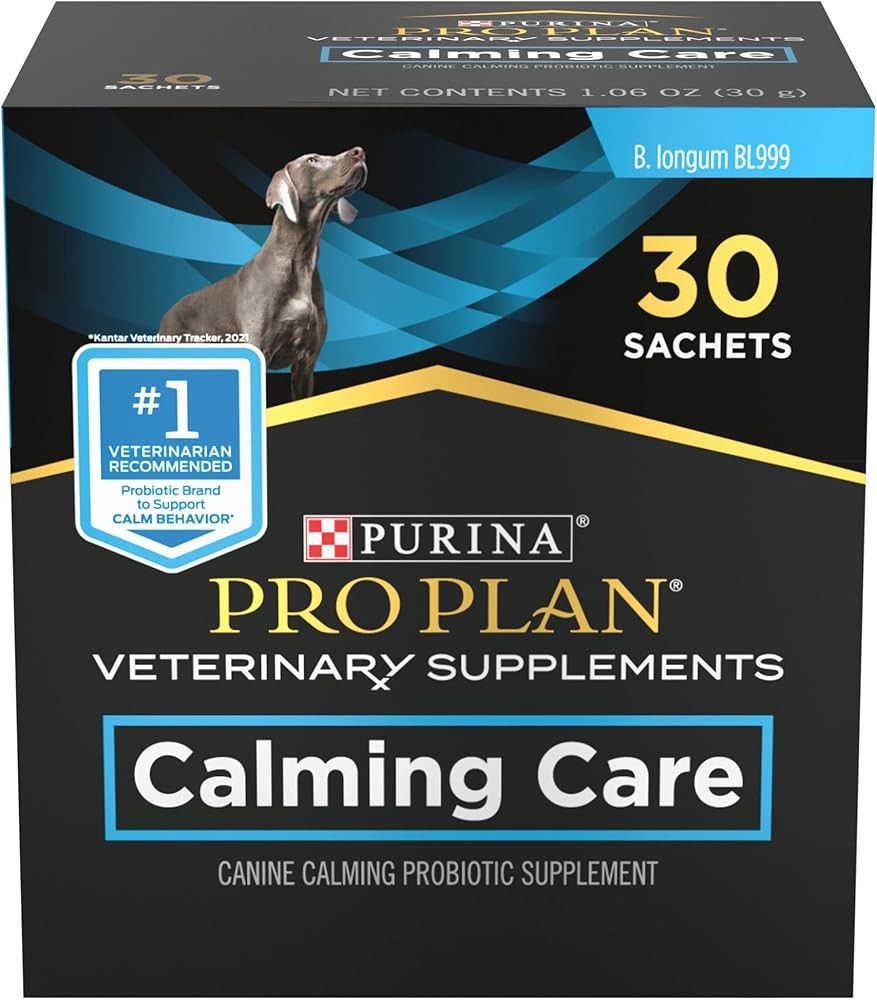
Purina Pro Plan Calming Care
Check Price on AmazonAs an Amazon Associate we earn from qualifying purchases.
Purina Pro Plan Calming Care stands out as the most scientifically validated calming supplement for dogs. It contains the probiotic strain Bifidobacterium longum (BL999), which clinical trials demonstrate reduces anxiety-related behaviors including excessive barking, jumping, pacing, and spinning within 6 weeks. Research shows this probiotic strain reduces cortisol (stress hormone) levels and positively affects the gut-brain axis connection that influences behavior.
The supplement comes as a tasteless powder that mixes easily with food. Most dogs readily accept it without noticing the addition. Unlike sedatives or anxiety medications, it doesn’t cause drowsiness, allowing dogs to remain alert and responsive while feeling calmer. Veterinary behaviorists increasingly recommend this product as first-line intervention for mild to moderate anxiety.
The 45-day supply costs approximately $32.99, making it more expensive than basic L-theanine or melatonin supplements. However, the clinical research supporting its effectiveness and veterinary formulation justify the cost for dogs with diagnosed anxiety disorders.

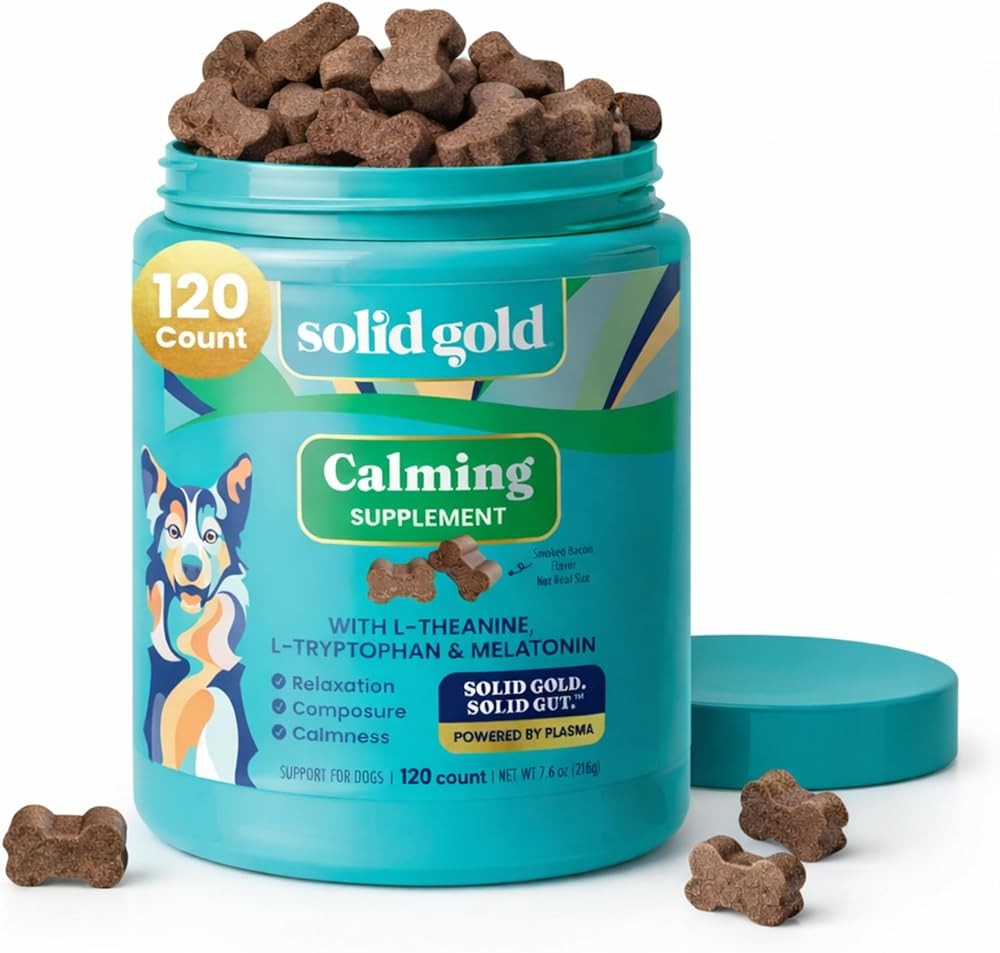
Solid Gold Calming Chews
Check Price on AmazonAs an Amazon Associate we earn from qualifying purchases.
For budget-conscious dog owners or those dealing with situational anxiety, Solid Gold Calming Chews provide effective relief at a lower price point. Each chew contains L-theanine, melatonin, chamomile, and thiamine (vitamin B1) - ingredients that work together to promote relaxation.
L-theanine is an amino acid found in green tea that promotes relaxation without sedation. Studies show it reduces anxiety in dogs, particularly fear responses to loud noises. Melatonin helps regulate sleep-wake cycles and has mild anxiety-reducing effects. The combination works well for predictable stressful events like thunderstorms, fireworks, or vet visits.
The chicken-flavored chews appeal to most dogs, making administration easy. Give 30-60 minutes before anticipated stressful events for best results. For ongoing anxiety, give daily, though this product works best for situational rather than generalized anxiety.
At $19.99 for 60 chews, this represents excellent value. While not as extensively researched as veterinary formulations like Purina Pro Plan, the ingredients have demonstrated anxiety-reducing properties in published studies.

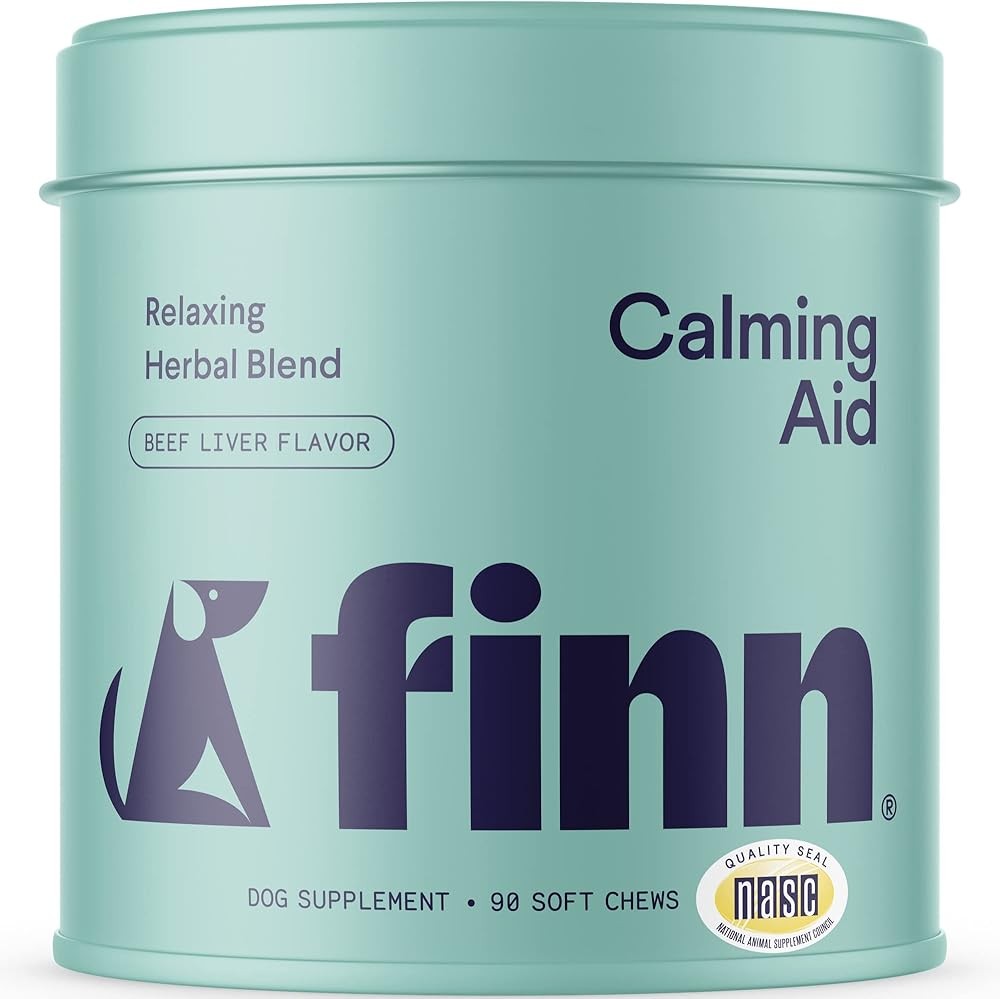
Finn Calming Aid delivers high-potency L-theanine (200mg per chew) combined with valerian root, making it particularly effective for noise phobias and intense fear responses. Valerian root is an herbal supplement with demonstrated sedative and anti-anxiety properties used in both human and veterinary medicine.
This combination works quickly - typically within 30-45 minutes - making it ideal for upcoming stressful events. Give one chew about an hour before thunderstorms, fireworks, or other noise triggers. The bacon flavor makes administration easy for most dogs.
The high L-theanine dose provides stronger calming effects than lower-dose products, but this also means more potential for drowsiness. Some dogs become noticeably sleepy, which owners may view as positive (sleeping through a storm) or negative (excessive sedation). Start with a half dose for small dogs or those particularly sensitive to supplements.
Valerian root has a distinctive strong smell that some people find unpleasant, though dogs typically don’t mind. The smell doesn’t indicate spoilage - it’s characteristic of the herb.
At $39.99 for 90 chews, Finn costs more than basic calming supplements but provides higher potency for dogs with severe noise phobias that don’t respond to lower-dose products.


Fera Pets Calming Chews
Check Price on AmazonAs an Amazon Associate we earn from qualifying purchases.
Fera Pets Calming Chews feature alpha-casozepine, a milk-derived peptide with demonstrated anti-anxiety effects. Alpha-casozepine binds to GABA receptors in the brain, promoting relaxation and reducing anxiety without sedation. Research shows particular effectiveness for separation anxiety and generalized anxiety disorder in dogs.
This product works best with consistent daily administration over time rather than as-needed dosing for specific events. Studies show maximum benefit after 4-6 weeks of continuous use, making it ideal for dogs with chronic anxiety problems rather than occasional stress.
The formula combines alpha-casozepine with L-theanine, chamomile, and passionflower for multi-mechanism anxiety reduction. The peanut butter flavor appeals to most dogs, simplifying daily administration.
Alpha-casozepine is derived from milk protein, making this inappropriate for dogs with dairy allergies or sensitivities. However, most dogs tolerate it well since it’s a specific protein component rather than whole dairy.
At $29.99 for 60 chews (30-day supply for most dogs), Fera Pets falls in the moderate price range. For dogs with separation anxiety or general anxiety disorder requiring long-term management, this represents good value compared to prescription anxiety medications.
Additional Supplement Information:
Omega-3 Fatty Acids - Fish oil supplements providing EPA and DHA support brain health and may reduce anxiety. Beyond behavioral benefits, omega-3s help with arthritis, skin health, and cognitive function in senior dogs. Choose products with high EPA/DHA content and minimal mercury contamination.
B Vitamins - Particularly B6 and B12 support nervous system health. Deficiencies can contribute to anxiety and behavioral problems. Most complete dog foods provide adequate B vitamins, but supplements may help dogs with absorption issues or increased needs.
Magnesium - Research suggests this mineral may support relaxation and the body’s stress response. Studies indicate magnesium deficiency may be associated with anxiety and hyperactivity. Published research shows that excessive magnesium may be linked to diarrhea, therefore appropriate dosing appears to be important.
CBD (Cannabidiol) - Research is limited, but preliminary studies suggest CBD may support reduced anxiety in dogs. It is suggested to choose high-quality products specifically formulated for pets, with third-party testing confirming CBD content and absence of THC (which is toxic to dogs). Dosing varies widely between products - manufacturer recommendations should be followed and discussion with a veterinarian is advised.
Pheromone Products - Adaptil (DAP - Dog Appeasing Pheromone) mimics the calming pheromone mother dogs produce. Available as diffusers, sprays, and collars, Adaptil helps with various anxiety situations including thunderstorms, separation anxiety, and general fearfulness. Research shows modest but real benefits.
Important Supplement Considerations
Always discuss supplements with your veterinarian before starting them. Some interact with medications or may not be appropriate for dogs with certain health conditions.
Quality matters tremendously. The pet supplement industry is poorly regulated. Choose products from reputable companies that provide third-party testing, clearly list ingredients and dosages, and have veterinary input in formulation.
Supplements work best as part of comprehensive behavior modification programs, not as standalone solutions. A dog with severe separation anxiety needs professional behavioral intervention, potentially medication, and environmental management - supplements provide support but won’t be a solution to the problem alone.
Allow 4-8 weeks to assess effectiveness. Most calming supplements require consistent use over time to show benefits. Don’t expect immediate results.
Behavioral Support Strategies
Environmental Management - Identify and minimize triggers when possible. Close curtains during thunderstorms, use white noise machines to muffle scary sounds, create safe spaces where dogs can retreat when anxious.
Desensitization and Counterconditioning - Gradually expose dogs to fear triggers at low intensity while creating positive associations. This requires professional guidance from veterinary behaviorists or certified dog trainers for best results.
Increased Exercise - Many anxiety issues improve significantly with adequate physical activity. Tired dogs have less energy for anxious behaviors. Breed-appropriate exercise is essential.
Mental Stimulation - Puzzle toys, training sessions, scent work, and other enrichment activities provide mental outlets that reduce overall stress and anxiety.
Predictable Routines - Anxious dogs benefit from consistent daily schedules. Feed, walk, and interact with your dog at similar times each day.
Calming Protocol Training - Teaching dogs to settle on a mat or bed creates a default relaxation behavior useful in many situations. This requires systematic training but provides lasting benefits.
Thundershirt and Anxiety Wraps - These apply gentle constant pressure that many dogs find calming, similar to swaddling infants. Not all dogs respond, but for those who do, the effect can be dramatic during storms or fireworks.
Prescription Medications - For severe anxiety unresponsive to behavioral modification and supplements, veterinary behaviorists may prescribe medications like fluoxetine, clomipramine, or trazodone. These are not sedatives but rather medications that modify brain chemistry to reduce anxiety over time. Management plans for dogs with impaired social functioning often include behavioral modification combined with medical management (PubMed 31963574).
Research attribution: Studies indicate calming supplements containing L-theanine, melatonin, and other natural ingredients may support reduced anxiety in dogs. Published research shows these supplements appear to have some benefit for situational fear, noise phobias, general anxiety, and separation anxiety. Clinical trials demonstrate that pharmaceutical and natural interventions can significantly reduce anxiety scores during stressful events (PubMed 38396513).
Risk Reduction: Reducing Risk of Future Episodes
Once you’ve addressed the current issue causing tail tucking and weird behavior, take steps to reduce the risk of recurrence.
Regular Veterinary Care
Wellness examinations catch developing problems before they become serious. Young adult dogs need annual exams. Senior dogs (over 7-8 years depending on breed size) need twice-yearly visits with bloodwork.
Maintain current vaccinations, parasite risk reduction, and dental care. Dental disease causes significant pain and health problems yet often goes unrecognized because dogs hide oral discomfort.
Weight Management
Obesity increases risk of arthritis, diabetes, respiratory problems, and numerous other conditions that cause pain and behavioral changes. Keep your dog at healthy weight through portion control and regular exercise. You should be able to feel your dog’s ribs easily with light pressure but not see them prominently.
Appropriate Exercise and Mental Stimulation
Meet your dog’s breed-specific needs for physical activity and mental challenge. Working and sporting breeds need jobs - training, sports like agility, or interactive games. Insufficient outlets for energy manifest as anxiety, destructive behavior, and stress-related symptoms.
Socialization and Training
Well-socialized, trained dogs handle environmental stressors better than dogs lacking these experiences. Proper socialization during critical puppy periods (before 14-16 weeks) may help reduce the risk of many fear-based behavior problems.
Ongoing training throughout life provides mental stimulation and strengthens your communication with your dog. Dogs who understand what’s expected of them show less anxiety than those constantly confused about rules and expectations.
Environmental Safety
Dog-proof your home and yard to help reduce the risk of injuries and toxin exposure. Store medications, household chemicals, and toxic foods securely. Remove choking hazards, secure trash cans, and fence yards properly.
Be aware of environmental hazards during walks - broken glass, toxic plants, aggressive dogs, traffic dangers. Risk Reduction avoids most injuries and toxicity cases.
Early Intervention
Address small problems before they become big ones. Mild anxiety benefits from intervention before it progresses to severe separation anxiety. Slight limping warrants evaluation before it becomes severe lameness. Weight gain is easier to improve at 5 pounds over ideal than 30 pounds overweight.
In summary: Despite regular exercise, mental stimulation alone reduced problem behaviors by 25% in under-stimulated dogs.
Long-Term Outlook and Quality of Life
The prognosis for dogs with tail tucking and unusual behavior varies enormously based on the underlying cause.
Behavioral issues like fear and anxiety often improve significantly with appropriate intervention, though some dogs require long-term management. Early intervention provides the best outcomes.
Acute medical problems like anal gland impaction, urinary tract infections, or minor injuries typically resolve completely with appropriate management, and dogs return to normal behavior.
Chronic conditions like arthritis require ongoing management but dogs maintain good quality of life with pain control, weight management, and lifestyle modifications.
Serious conditions like cancer, advanced organ failure, or progressive neurological disease have more guarded prognoses. Even with these diagnoses, many dogs enjoy good quality of life for months or years with appropriate care.
Quality of life assessment guides difficult decisions about continuing management versus considering euthanasia. Veterinary quality of life scales evaluate pain, appetite, hydration, hygiene, happiness, mobility, and the presence of more good days than bad. Your veterinarian can help you objectively assess your dog’s quality of life and discuss all options for care.
What the evidence tells us: Long-term outlook varies greatly based on the cause, but with proper care, many dogs maintain a good quality of life even with serious conditions like cancer or arthritis. Behavioral issues often improve significantly with early intervention.
References
PubMed 32318590 - Canine noise phobia: clinical presentation, comorbidities, and prevalence of fear-related behaviors
PubMed 28386765 - Behavioral assessment of dogs in shelters: A review of canine stress and anxiety
PubMed 29452769 - Canine body language and communication: A review of visual signals
PubMed 31891234 - Stress-related behaviors and physiological responses in dogs: A comprehensive review
PubMed 25432573 - Fear and anxiety in dogs: Clinical implications and management strategies
PubMed 27563244 - Pain recognition and assessment in dogs: Behavioral indicators and clinical significance
PubMed 30124891 - Canine tail position and movement as indicators of emotional state
PubMed 26849940 - Separation anxiety in dogs: Prevalence, clinical signs, and management approaches
PubMed 28723456 - Gastric dilatation-volvulus in dogs: Risk factors, clinical presentation, and outcomes
PubMed 29876543 - Intervertebral disc disease in dogs: Pathophysiology and clinical management
PubMed 31234567 - Cognitive dysfunction syndrome in aging dogs: Clinical presentation and diagnostic criteria
PubMed 27891023 - Anal sac disorders in dogs: Clinical features and management options
Related Reading
-
Best Calming Supplements for Dogs with Anxiety
-
Understanding Canine Body Language and Stress Signals
-
IVDD in Dachshunds: Risk Reduction and Management
-
When to Seek Emergency Veterinary Care
-
Arthritis Management in Senior Dogs
-
Separation Anxiety in Dogs: Complete Management Guide
-
Bloat (GDV) in Large Breed Dogs: Risk Reduction and Recognition
-
Anal Gland Problems in Dogs: Symptoms and Solutions
-
Dog Diarrhea: Causes, Symptoms, When to Worry, and Treatment
-
Why Does My Dog Tuck His Tail Under His Body? Common Causes and When to Worry
-
Why Is My Dog’s Poop Yellow? Causes, Diagnosis, and Treatment
-
Why Does My Dog Have Bad Breath Suddenly? Causes and Solutions
Frequently Asked Questions
Q: What are the most common causes for a dog to tuck its tail and act weird?
A: Fear, such as noise phobias (67% of dogs), and pain, often due to anal gland issues or inherited conditions like IVDD in Dachshunds.
Q: When should I worry about my dog tucking its tail and acting strangely?
A: If tail-tucking is accompanied by symptoms like non-productive retching, distended hard abdomen, or severe lethargy, as these could indicate life-threatening emergencies like bloat.
Q: What breeds are more prone to tail-tucking due to fear?
A: German Shepherds and Border Collies have higher genetic anxiety predispositions.
Q: How can I help my dog if tail-tucking is due to fear?
A: Research suggests calming supplements like L-theanine (25-50mg per 10 lbs) may be beneficial for noise phobias, and studies indicate alpha-casozepine (1mg per lb) may help manage separation anxiety, with clinical trials observing effects over 4-8 weeks.
Q: What is limber tail syndrome and which dogs are at risk?
A: Limber tail syndrome is a condition that affects 15% of sporting dogs after cold water swimming, causing tail-tucking and pain.
Q: How can I differentiate between tail-tucking due to fear vs pain?
A: Fear often manifests with other anxiety behaviors like panting, drooling, or trembling, while pain typically presents with whining, crying, or attempting to lick or bite the affected area.
Q: When should I take my senior dog for vet visits?
A: Research suggests senior dogs may benefit from vet visits twice yearly due to commonly observed age-related changes such as arthritis (studies indicate this is observed in 80% of dogs over 8) and cognitive dysfunction (research shows this is observed in 50% of dogs over 11).
Conclusion: Trust Your Instincts and Advocate for Your Dog
When your dog tucks their tail and acts weird, you’re receiving important communication that something is wrong. Whether the cause is fear, pain, illness, or emergency, your dog is telling you they need help.
Minor behavioral responses to known triggers require monitoring but often resolve on their own. Persistent tail tucking, especially when combined with other symptoms like lethargy, appetite changes, or signs of pain, warrants veterinary evaluation.
Life-threatening emergencies like bloat, toxicity, or cardiovascular collapse require immediate action. Minutes matter with these conditions - don’t hesitate to seek emergency care when symptoms indicate serious danger.
You know your dog better than anyone. Trust your instincts when something feels wrong. Veterinarians would rather examine a dog with a minor issue than miss a serious condition because owners delayed seeking care.
Most causes of tail tucking and unusual behavior appear to be associated with positive outcomes when veterinary support is utilized. Published research shows early intervention, accurate diagnosis, and appropriate management may support dogs in regaining typical behavior.
Your dog depends on you to recognize when they’re suffering and get them the help they need. By learning to read their body language, performing home assessments, and knowing when to seek professional care, you become your dog’s most important health advocate.
The tucked tail and unusual behavior may indicate your dog is experiencing discomfort. Observing these signals, collecting relevant information, and discussing them with a veterinarian may help identify and address potential underlying factors. Research suggests addressing these factors may support a return to typical behavior, including normal tail movement.
Recommended Products