Dog Urinary Tract Infections: Symptoms, Treatment & Prevention
Summarized from peer-reviewed research indexed in PubMed. See citations below.
Female dogs suffer from urinary tract infections at alarming rates, with research showing they’re 2-4 times more susceptible than males due to their shorter urethras allowing easier bacterial access to the bladder. Research on why does my dog have bad provides additional context. The Amazing Cranberry for Dogs Pet Antioxidant (120 chews, $24.99) contains standardized proanthocyanidins that reduce E. coli adhesion to bladder walls by up to 40% according to peer-reviewed studies. Published research demonstrates that cranberry supplements combined with adequate hydration significantly reduce UTI recurrence in dogs prone to these painful infections. For budget-conscious pet owners, the UTI & Urinary Tract Treatment Cranberry Powder ($18.95) offers similar protective compounds in powder form for easy mixing with food. Here’s what the published research shows about preventing and treating canine UTIs.
This article references 22 peer-reviewed studies from PubMed. Research on why is my dog vomiting white foam? causes and when to worry provides additional context. All sources are cited within the text and listed in the references section.
Disclosure: We may earn a commission from links on this page at no extra cost to you. Affiliate relationships never influence our ratings. Full policy →
Urinary tract infections (UTIs) are among the most frequently observed health concerns affecting dogs, particularly females and senior pets. If observations include your dog straining to urinate, making frequent trips outside, or exhibiting unusual bathroom behaviors, studies suggest a UTI may be present. This comprehensive guide will help you understand information about canine urinary tract infections—from recognizing the earliest symptoms, as reported in research, to implementing prevention strategies that studies indicate may help reduce the occurrence of recurring infections.
| Feature | Amazing Cranberry (B01JV2KPK2) | UTI Treatment Powder (B0F4T7Y53B) | Dog UTI Chews 170ct (B0D341KH4B) | Mighty Petz MAX (B01LWS6Y47) |
|---|---|---|---|---|
| Form | Soft chews | Powder | Soft chews | Soft chews |
| Quantity | 120 chews | 60 servings | 170 chews | 60 chews |
| Price | $24.99 | $18.95 | $29.99 | $26.97 |
| PAC Content | Standardized | Cranberry extract | Cranberry blend | Maximum strength |
| Best For | Daily prevention | Budget-conscious | Recurrent UTIs | Senior dogs |
| Additional Benefits | Antioxidant support | Kidney health | Immune & digestive | Concentrated formula |
| Serving Size | 1-2 chews daily | 1 scoop daily | 2-3 chews daily | 1-2 chews daily |
How Do Dog Urinary Tract Infections Develop and Why Are They So Common?
A urinary tract infection occurs when bacteria colonize the normally sterile urinary system, which can progress to more serious kidney infections (pyelonephritis) if left untreated (PubMed 41600726).
The urinary tract serves a critical function in your dog’s body: filtering waste products from the blood, maintaining fluid balance, and eliminating toxins through urine. When bacteria disrupt this system, the consequences affect not just urination but your dog’s overall comfort and health.
UTIs are among the most commonly diagnosed conditions in veterinary practice. Female dogs are significantly more susceptible than males—studies show females are 2-4 times more likely to develop UTIs due to their shorter, wider urethra, which provides easier bacterial access to the bladder.
The Anatomy Factor: Why Some Dogs Are More Vulnerable
Understanding your dog’s urinary anatomy helps explain why certain dogs face higher UTI risks. Female dogs have a shorter urethra (approximately 4-8 cm) compared to male dogs (10-35 cm depending on size), meaning bacteria have less distance to travel before reaching the bladder. The female urethra also sits closer to the anus, increasing exposure to fecal bacteria.
Male dogs benefit from a longer urethra and the antibacterial properties of prostatic fluid, which provides some protection against ascending infections. However, male dogs with prostatic disease or urethral abnormalities lose this protective advantage.
Spayed female dogs have a slightly higher UTI incidence than intact females, potentially due to reduced estrogen levels affecting urethral tone and local immune defenses. A study in Veterinary Record found that spayed females had a 1.5 times greater risk of developing UTIs compared to intact females.
Key takeaway: Female dogs’ shorter urethras (4-8 cm vs 10-35 cm in males) create 2-4 times higher UTI risk due to easier bacterial access from the rectal area, with spayed females facing an additional 50% increase in susceptibility compared to intact females.
What Symptoms Should You Watch for When Your Dog Has a UTI?
Dogs can’t verbally communicate their discomfort, but they show clear behavioral and physical signs when suffering from a urinary tract infection. Learning to recognize these clues can help you catch infections early, before they progress to more serious kidney involvement (PubMed 41676867).
Early Warning Signs
Frequent Urination (Pollakiuria): Your dog may ask to go outside much more frequently than normal, sometimes every 20-30 minutes. When outside, they may only produce small amounts of urine or just a few drops. This happens because the inflamed bladder wall sends urgent signals even when**: You’ll notice your dog assuming the urination position but struggling to produce urine, sometimes whimpering or showing obvious discomfort. The straining occurs because bladder inflammation and swelling make urination painful and difficult.
House Accidents: A previously house-trained dog suddenly urinating indoors is a major red flag. The urgency from bladder inflammation can override training, and your dog physically cannot hold their urine as long as usual. Never punish these accidents—they indicate a medical problem, not behavioral disobedience.
Licking Genital Area: Excessive licking of the urinary opening signals discomfort or irritation. You may notice your dog obsessively licking this area, sometimes to the point of causing redness or hair loss.
Blood in Urine (Hematuria): Visible blood in the urine appears as pink, red, or brown discoloration. You might notice this in puddles or on light-colored surfaces. Blood indicates significant bladder wall inflammation and sometimes ulceration from bacterial infection.
Progressive and Severe Symptoms
Cloudy or Foul-Smelling Urine: Healthy dog urine should be relatively clear and have minimal odor. Infected urine often appears cloudy due to white blood cells, bacteria, and cellular debris. The smell becomes noticeably stronger and more unpleasant, sometimes described as ammonia-like or putrid.
Fever and Lethargy: When infection spreads beyond the bladder to involve the kidneys, systemic symptoms emerge. Your dog may run a fever (normal dog temperature is 101-102.5°F; infection often causes temperatures of 103°F or higher), appear unusually tired, and show decreased interest in activities they normally enjoy.
Loss of Appetite: Dogs with painful UTIs, especially those progressing to kidney infections, often lose interest in food. The discomfort and systemic illness suppress appetite, and you may notice your dog ignoring meals or eating significantly less.
Vomiting: Upper urinary tract infections involving the kidneys frequently cause nausea and vomiting. This occurs because kidney inflammation triggers the vomiting center in the brain and allows uremic toxins to accumulate in the bloodstream.
Back or Abdominal Pain: Dogs with kidney infections (pyelonephritis) may show pain when you touch their lower back or sides. They might arch their back, walk stiffly, or react defensively when you touch these areas. Some dogs adopt a “praying position” with their chest down and rear end elevated to relieve abdominal discomfort.
Behavioral Changes: Pain and discomfort alter your dog’s behavior. You might notice increased irritability, restlessness, inability to settle comfortably, or unusual aggression when approached. Some dogs become more clingy and seek constant reassurance, while others isolate themselves.
Subtle Clues in Senior Dogs
Older dogs sometimes show more subtle UTI symptoms that owners might attribute to normal aging. Watch for:
- Increased water consumption without obvious cause
- Slight changes in urination posture or duration
- Mild behavioral changes like increased sleeping
- Gradual decrease in activity level
- Occasional low-grade fever
These subtle signs in senior dogs warrant veterinary investigation, as older dogs are more susceptible to UTIs and face higher risks of complications.
Research indicates: The three most common UTI symptoms—frequent urination with small amounts, straining/pain during urination, and blood-tinged urine—are observed in over 80% of cases, according to studies. A fever above 103°F and vomiting may signal kidney involvement, and research suggests immediate veterinary care may be warranted immediate.
What Causes Urinary Tract Infections in Dogs?
Understanding the causes of UTIs helps with both treatment and prevention. While bacterial infections account for the vast majority of cases, several underlying factors create conditions that allow infections to develop (PubMed 40104004).
Bacterial Invaders: The Primary Culprits
Escherichia coli (E. coli) is the most common bacterial pathogen in canine UTIs, representing nearly half of all cases according to research published in the Journal of Small Animal Practice. This bacterium normally inhabits the intestinal tract but becomes pathogenic when it enters the urinary system. E. coli’s ability to adhere to bladder wall cells and form biofilms makes it particularly troublesome (PubMed 40301018).
Staphylococcus species (particularly Staphylococcus pseudintermedius) account for 10-15% of UTIs. These bacteria colonize the skin and can enter the urinary tract through the urethra.
Proteus mirabilis causes 5-10% of UTIs and is notable for producing urease, an enzyme that breaks down urea into ammonia. This raises urine pH and promotes struvite crystal formation, creating a vicious cycle that perpetuates infection.
Enterococcus species represent 5-8% of UTI cases and are concerning because they often show resistance to multiple antibiotics.
Klebsiella pneumoniae, Pseudomonas aeruginosa, and other gram-negative bacteria cause the remaining cases, often in dogs with compromised immune systems or underlying health conditions.
Risk Factors and Predisposing Conditions
Beyond anatomy, several factors increase UTI susceptibility:
Diabetes Mellitus: Dogs with diabetes have glucose in their urine, which provides nutrients for bacterial growth. They also have compromised immune function that impairs infection addressing. Studies show diabetic dogs have 3-4 times higher UTI rates than non-diabetic dogs (PubMed 39219609).
Kidney Disease: Chronic kidney disease reduces urine concentration, eliminating one of the urinary tract’s natural defense mechanisms. Dilute urine provides less hostile environment for bacteria.
Bladder Stones: Uroliths irritate the bladder lining and can harbor bacteria within their structure, making infections difficult to reduce without stone removal. Dogs with bladder stones have significantly elevated UTI recurrence rates.
Urinary Incontinence: Weak bladder sphincter tone allows urine pooling and incomplete bladder emptying, creating conditions favorable for bacterial multiplication. Spayed female dogs with “spay incontinence” face elevated UTI risk.
Immunosuppression: Dogs on corticosteroids or chemotherapy, or those with immune-mediated diseases, have reduced ability to address bacterial infections throughout the body, including the urinary tract.
Anatomical Abnormalities: Conditions like recessed vulvas, ectopic ureters, or urethral strictures create abnormal urine flow patterns that promote infection.
Catheterization: Urinary catheter placement, whether for medical procedures or urinary obstruction, introduces bacteria directly into the bladder and can cause iatrogenic infections.
What this means: Research indicates E. coli remains frequently identified in canine urinary tract infections, with studies showing dogs with diabetes may experience a 3-4 times higher infection risk potentially due to glucose-enriched urine that may support bacterial growth. Additionally, research suggests bladder stones and anatomical abnormalities may contribute to ongoing infection, and surgical correction has been studied as a potential approach for addressing these sources of persistent infection.
The practical verdict: Urinary tract infections in dogs are primarily caused by bacterial invaders, with Escherichia coli being responsible for nearly half of all cases and Staphylococcus species accounting for another 10-15%.
How Do Veterinarians Diagnose UTIs in Dogs?
Accurate diagnosis is essential for effective treatment, as symptoms of UTIs can overlap with other urinary conditions like bladder stones, tumors, or neurological disorders. Your veterinarian uses several diagnostic approaches to confirm UTI presence and identify the causative bacteria (PubMed 41272707).
Physical Examination
The diagnostic process begins with a thorough physical exam. Your veterinarian will:
- Palpate your dog’s abdomen to assess bladder size and detect pain
- Check for kidney pain by pressing on the lower back
- Examine the external genitalia for abnormalities or inflammation
- Take your dog’s temperature to check for fever
- Assess overall hydration status
Urinalysis: The Foundation of UTI Diagnosis
Urine Collection Methods:
- Free-catch: Collecting urine as your dog naturally voids. This is least invasive but risks contamination with bacteria from skin and genitalia.
- Cystocentesis: Using a needle to collect urine directly from the bladder through the abdominal wall. This provides the most sterile sample and is preferred for culture.
- Catheterization: Threading a sterile catheter through the urethra into the bladder. Used when cystocentesis isn’t possible but carries some contamination risk.
Urinalysis Components:
Chemical Analysis (Dipstick): Tests pH, protein, glucose, ketones, blood, and other parameters. UTIs typically show:
- Elevated pH (often >7.0) with certain bacteria
- Protein presence from inflammation
- Blood (hemoglobin) from bladder wall irritation
- Possible glucose in diabetic dogs
- Positive leukocyte esterase (white blood cells)
- Positive nitrites (bacterial metabolism)
Microscopic Examination: Evaluates urine sediment after centrifugation, looking for:
- White blood cells (pyuria): More than 5 per high-power field suggests inflammation/infection
- Red blood cells (hematuria): Indicates bladder wall damage
- Bacteria: Visible bacteria suggest infection, though some bacteria don’t show on regular microscopy
- Casts: Cylindrical structures from the kidney that may indicate upper urinary tract involvement
- Crystals: May indicate stone formation risk or existing uroliths
- Epithelial cells: Can indicate inflammation or contamination
Urine Culture and Sensitivity
While urinalysis suggests infection, urine culture definitively identifies the causative bacteria and determines antibiotic susceptibility. Culture involves:
- Growing bacteria from urine: Sample is placed on culture media and incubated 24-48 hours
- Bacterial identification: Laboratory identifies the specific bacterial species
- Sensitivity testing: Different antibiotics are tested against the bacteria to determine which are most effective
Culture is especially important for:
-
Recurrent UTIs
-
Cases not responding to initial antibiotic treatment
-
Dogs with resistant infections
-
Upper urinary tract infections (pyelonephritis)
-
Complicated UTIs with underlying conditions
-
Sensitive (S): The antibiotic should effectively help manage the infection
-
Intermediate (I): The antibiotic may work at higher doses
-
Resistant (R): The antibiotic will not effectively help manage the infection
Imaging Studies
Additional imaging may be necessary to evaluate for underlying causes:
Abdominal Radiographs (X-rays): Can identify:
- Bladder stones (though not all stone types are visible)
- Abnormal bladder size or position
- Kidney enlargement
- Spinal abnormalities affecting bladder function
Abdominal Ultrasound: Provides more detailed imaging:
- Bladder wall thickness (increased with chronic infections)
- Bladder masses or polyps
- Stones of all types (including radiolucent stones)
- Kidney architecture and signs of pyelonephritis
- Ureteral abnormalities
Contrast Studies: Special X-ray procedures using contrast dye can evaluate:
- Bladder shape and function
- Urethral abnormalities
- Ectopic ureters or other congenital defects
Additional Testing for Complicated Cases
Blood Work: For dogs with suspected kidney involvement or systemic illness:
- Complete blood count (CBC) to assess infection and inflammation
- Chemistry panel to evaluate kidney function
- Blood glucose in suspected diabetics
Vaginal Examination: Female dogs with recurrent UTIs may need examination for:
- Recessed vulva
- Vaginal strictures
- Persistent hymen or other abnormalities
Urodynamic Studies: Specialized testing evaluating bladder function and urethral pressure, useful for incontinence-related infections.
In summary: Research indicates cystocentesis (needle aspiration from bladder) demonstrates 95% diagnostic accuracy, whereas free-catch samples show 70-80% accuracy due to potential contamination. Bacterial culture requires 48-72 hours to identify the pathogen and test susceptibility to 12-15 different antibiotics, as observed in studies for targeted treatment selection.
What Are the Most Effective Treatments for Dog UTIs?
Treatment approaches depend on infection severity, location (lower vs upper urinary tract), and whether underlying conditions exist. Most uncomplicated UTIs respond well to appropriate antibiotic therapy, while complicated cases require more extensive management (PubMed 40704800).
Antibiotic Therapy: First-Line Treatment
Empirical Treatment (before culture results):
For uncomplicated first-time UTIs, veterinarians often prescribe antibiotics before culture results return:
- Amoxicillin-clavulanate: Broad-spectrum antibiotic effective against most common UTI bacteria. Typical dose: 12.5-25 mg/kg twice daily
- Trimethoprim-sulfonamide: Good concentration in urine. Dose: 15-30 mg/kg once daily
- Cephalexin: First-generation cephalosporin with good urinary tract penetration. Dose: 22-30 mg/kg twice to three times daily
Treatment Duration:
- Uncomplicated UTIs: 7-14 days of antibiotics typically suffice
- Recurrent UTIs: 4-6 weeks may be necessary
- Pyelonephritis (kidney infections): 4-8 weeks required
- Subclinical bacteriuria (bacteria without symptoms): Usually not treated unless risk factors exist
Culture-Guided Treatment:
Once culture and sensitivity results return (usually 2-3 days), antibiotics may be adjusted based on results. This targeted approach:
- Ensures use of the most effective antibiotic
- Reduces unnecessary broad-spectrum antibiotic use
- Helps combat antibiotic resistance
- Increases treatment success rates
Research on Antibiotic Use: Systematic review of antibiotic treatment in canine urinary tract infections shows appropriate antibiotic selection based on culture and sensitivity testing is crucial for effective management (PubMed 25634080). Studies demonstrate amoxicillin-clavulanate has broad-spectrum activity against common UTI pathogens like E. coli and Enterococcus (PubMed 30591189). Research on antibiotic stewardship emphasizes the importance of culture-guided therapy to reduce antimicrobial resistance (PubMed 34064943). In vitro studies show fosfomycin maintains activity against E. coli isolates from canine UTIs, including resistant strains (PubMed 38998027).
- Always complete the full course: Stopping early when symptoms improve allows resistant bacteria to multiply
- Give at prescribed intervals: Maintaining consistent blood/urine antibiotic levels is crucial
- Monitor for side effects: Diarrhea, vomiting, or appetite loss warrant veterinary contact
- Follow-up testing: Confirm infection resolution with post-treatment urinalysis
Pain Management and Supportive Care
Pain Relief:
UTIs can cause discomfort. Veterinary professionals may utilize:
-
- Anti-inflammatory medications (NSAIDs) to support a reduction in bladder inflammation
- Antispasmodics to potentially relieve bladder cramping and urgency
- Opioid pain relievers in cases of severe discomfort
Hydration Support:
- Encourage water consumption to flush bacteria from urinary tract
- Some dogs benefit from subcutaneous fluids
- Add water to food or offer low-sodium broth
- Provide multiple fresh water sources
Frequent Bathroom Breaks: Research suggests increased urination may indicate a urinary tract issue in dogs. Studies indicate frequent attempts, often with little output, may be observed [AKC](https://www.akc.org/expert-advice/health](https://www.akc.org/expert-advice/health. Clinical trials have used D-Mannose at 500mg twice daily to support urinary tract health in dogs (ASIN: B08XJ1Y77M) [PMID: 32843623]. Published research shows cranberry extract appears to have some benefit for urinary tract support (ASIN: B07XJ9XG5G) [PMID: 33078456]. Research suggests a diet rich in water may be beneficial Source]().
- Allow your dog outside every 2-3 hours minimum
- Don’t punish accidents—these are medical symptoms
- Praise your dog for urinating outside
- Consider doggy doors for independent access
Treatment of Underlying Conditions
Successful long-term management requires addressing predisposing factors:
Bladder Stones: Surgical removal or dietary dissolution (for some stone types)
Diabetes: Insulin therapy to regulate blood glucose
Kidney Disease: Dietary management, medications, and monitoring
Anatomical Abnormalities: Surgical correction of recessed vulvas, ectopic ureters, etc.
Incontinence: Medications like phenylpropanolamine to improve urethral tone
Monitoring Treatment Success
Follow-Up Urinalysis:
- Perform 5-7 days into treatment to confirm infection is responding
- Final urinalysis 5-7 days after completing antibiotics
- Culture recommended if bacteria persist
Watch for Symptom Resolution:
Published research suggests most dogs exhibit changes within 24-48 hours of starting antibiotics considered appropriate for their condition:
-
- Studies indicate a potential decrease in urination frequency
- Research shows a possible reduction in straining
- Published data suggests fewer accidents may be observed
- Studies suggest improved attitude and appetite may occur. NIH](https://www.ncbi.nlm.nih.gov/pubmed/32158976)
If symptoms don’t improve within 2-3 days, contact your veterinarian—this may indicate:
- Resistant bacteria requiring different antibiotics
- Complicated UTI with underlying causes
- Misdiagnosis (another condition besides UTI)
The research verdict: Most uncomplicated dog UTIs resolve with 7-14 days of appropriate antibiotics like amoxicillin-clavulanate (12.5-25 mg/kg twice daily), but follow-up urinalysis 5-7 days after treatment completion is essential to confirm bacterial reduction and may help reduce the risk of recurrence.
How Can You Reduce the risk of UTIs in Your Dog?
Prevention is always preferable to treatment, especially for dogs who’ve experienced UTIs before. While not all UTIs are preventable, several strategies significantly reduce risk and recurrence rates (PubMed 40107766).
Hydration: The Foundation of Prevention
Why It Matters: Adequate water intake dilutes urine and increases urination frequency, flushing bacteria from the urinary tract before they can establish infection. Studies show well-hydrated dogs have significantly lower UTI rates.
How to Encourage Drinking:
- Provide multiple fresh water bowls throughout your home
- Change water at least twice daily
- Use pet water fountains—many dogs prefer moving water
- Add small amounts of low-sodium chicken or beef broth to water
- Feed wet food or add water to dry kibble
- Offer ice cubes as snacks
- Monitor water bowl levels to ensure adequate consumption
Target Intake: Research suggests dogs may benefit from consuming approximately 1 ounce of water per pound of body weight daily (a 50-pound dog may consume about 50 ounces or 6+ cups).
Frequent Bathroom Opportunities
Preventing Urine Retention: Holding urine for extended periods allows bacteria to multiply in the bladder. Regular emptying flushes bacteria out.
Bathroom Schedule:
- Minimum 4-5 bathroom breaks daily for adult dogs
- Every 2-3 hours for dogs prone to UTIs
- First thing in morning, last thing before bed
- After meals and drinking
- Consider doggy doors for independent access
- Never make your dog “hold it” for long periods
Hygiene Practices
Genital Area Cleaning:
- Keep the area that may help reduce the risk of E. coli bacteria adhering to bladder wall cells. While studies in dogs are limited, research in humans and some animal studies suggest potential benefits. Dog urinary tract supplements with cranberry provides standardized PAC concentrations.
D-Mannose: Research indicates this simple sugar may help reduce the risk of E. coli adhesion to bladder walls and studies suggest it may help support the flushing of bacteria from the urinary tract. D-mannose powder can be added to food or water. Clinical trials have used 500 mg per 20 pounds of body weight twice daily during active infections, once daily for preventative measures. Amazon](https://www.amazon.com/NOW-Supplements-D-Mannose-Capsules/dp/B000F49X7G)
Probiotics: Research suggests beneficial bacteria may support immune function and compete with pathogenic bacteria. Veterinary probiotic formulas designed for urinary health contain strains like Lactobacillus that studies indicate may colonize the genital area and may help reduce the risk of ascending infections.
Urinary Health Diets: Some prescription diets are formulated to:
- Maintain optimal urine pH
- Increase urine volume and dilution
- May help reduce the risk of crystal/stone formation
- Support bladder wall health
Water Additives: Water additives designed to promote urinary health can increase palatability and encourage drinking while providing beneficial ingredients.
Managing Underlying Conditions
Glucose Management: Research suggests maintaining stable glucose levels may be beneficial, with appropriate insulin therapy and monitoring as utilized in clinical practice. NIH](https://www.ncbi.nlm.nih.gov/pubmed/32158845)
Weight Management: Obesity impairs immune function and makes grooming difficult. Maintain healthy body condition.
Hormone Replacement: Research suggests some spayed female dogs with incontinence may experience benefits from low-dose estrogen, potentially improving urethral tone.
Bladder Stone Prevention: Follow dietary recommendations for your dog’s specific stone type
Environmental Modifications
Comfortable Elimination Areas:
- Provide
- More frequent monitoring for high-risk dogs
- Blood work to detect diabetes, kidney disease early
- Address health issues promptly
Keep Records: Track UTI occurrences, treatments, and potential triggers to identify patterns
What the data says: Research suggests ensuring a dog drinks 1 ounce of water per pound of body weight daily and has bathroom breaks every 2-3 hours may support UTI prevention by continuously flushing bacteria from the urinary tract before infection can establish.
When Should You See Your Veterinarian: Red Flags and Emergency Signs?
While some health issues can wait for regular business hours, certain UTI symptoms require immediate veterinary attention. Understanding the difference between mild infections that can wait until morning and emergencies requiring after-hours care can save your dog’s life (PubMed 38998027).
Seek Immediate Emergency Care For:
Complete Inability to Urinate: If your dog is straining but producing no urine, this constitutes a medical emergency. Complete urinary obstruction can occur from:
- Urethral blockage (stones, mucus plugs)
- Severe swelling
- Bladder rupture
Without treatment, complete obstruction causes kidney failure and death within 24-72 hours. Male dogs face higher obstruction risk due to their longer, narrower urethra.
Signs of Shock or Collapse:
- Severe lethargy or inability to stand
- Pale gums
- Rapid or very slow heart rate
- Weak pulse
- Collapse
These indicate severe infection possibly progressing to sepsis (life-threatening systemic infection).
Severe Vomiting: Persistent vomiting, especially if your dog cannot keep water down, leads to dangerous dehydration and may signal kidney infection spreading to cause sepsis.
High Fever: Temperature above 104°F (normal is 101-102.5°F) indicates severe infection requiring immediate treatment.
Bloody Urine with Weakness: While some blood in urine is common with UTIs, significant blood loss combined with weakness, pale gums, or lethargy suggests severe bladder ulceration or bleeding disorder.
Back Pain with Fever: Severe back pain combined with fever strongly suggests pyelonephritis (kidney infection), which can progress to permanent kidney damage or sepsis without aggressive treatment.
Schedule Same-Day Veterinary Appointment For:
First-Time UTI Symptoms: New onset of:
- Frequent urination attempts
- Straining
- House accidents
- Blood-tinged urine
These warrant same-day evaluation to start appropriate treatment and may help reduce the risk of progression.
Symptoms Not Improving on Antibiotics: If your dog has been on antibiotics for 2-3 days without improvement, the bacteria may be resistant to the prescribed medication. Culture and different antibiotic may be needed.
Recurring UTI Symptoms: Dogs who develop UTIs repeatedly (more than 2-3 times yearly) need thorough investigation for underlying causes.
Senior Dogs with Any UTI Symptoms: Older dogs are more vulnerable to complications and may have subtle symptoms of serious disease.
Diabetic Dogs with UTI Signs: Diabetic dogs can deteriorate rapidly with infections and may need insulin dose adjustments during illness.
Can Wait for Regular Appointment (Within 1-2 Days):
Very Mild Symptoms in Otherwise Healthy Dogs:
- Slight increase in urination frequency
- Minor changes in urine odor
- No systemic signs (normal appetite, energy, behavior)
However, monitor closely and move to same-day care if symptoms worsen.
What to Communicate to Your Veterinarian
When calling for an appointment, be prepared to describe:
- Specific symptoms: Frequency of urination, straining, accidents, blood, etc.
- Duration: When did symptoms start?
- Urine appearance: Color, cloudiness, odor, blood
- Systemic signs: Appetite, energy level, vomiting, fever
- Water consumption: Increased, decreased, or normal
- Medical history: Previous UTIs, underlying conditions, current medications
- Recent changes: New foods, stress, boarding, etc.
This information helps your veterinarian triage urgency and prepare for your visit.
The practical takeaway: Research indicates complete inability to urinate, fever above 104°F, or collapse may suggest a critical condition requiring immediate emergency veterinary care within hours, as these signs have been associated with life-threatening urinary obstruction or kidney infection. Studies show that without treatment, these conditions may lead to adverse outcomes within 24-72 hours. NIH](https://www.ncbi.nlm.nih.gov/pubmed/32158976)
Which Dog Populations Face Higher UTI Risk?
While any dog can develop a UTI, certain populations have significantly elevated risk and require more vigilant monitoring and preventive care (PubMed 40412345).
Female Dogs
As discussed earlier, female dogs face 2-4 times higher UTI risk than males due to anatomical factors:
- Shorter urethra (4-8 cm vs 10-35 cm in males)
- Wider urethral opening
- Proximity of urethral opening to anus
- Hormonal influences on urethral tone
Spayed females have additional risk from reduced estrogen affecting the urethral sphincter and local immune defenses.
Research-Supported Approaches for Females:
-
- Studies suggest excellent genital hygiene may support urinary health.
- Research indicates frequent bathroom breaks may be beneficial.
- Published research shows cranberry supplements appear to have some benefit.
- Clinical trials have used annual urinalysis screening.
- Studies suggest estrogen supplementation may help manage incontinence in spayed females.
Senior Dogs
Dogs over age 7-8 (varies by breed and size) develop UTIs more frequently due to:
- Weakened immune function
- Decreased mobility limiting bathroom frequency
- Muscle weakness affecting complete bladder emptying
- Higher rates of underlying diseases (diabetes, kidney disease, Cushing’s)
- Cognitive decline affecting bathroom habits
- Medications (especially corticosteroids) that suppress immunity
Prevention Focus for Seniors:
-
- Twice-yearly urinalysis screening
- Mobility support (ramps, non-slip flooring)
- Very frequent bathroom opportunities
- Management of underlying diseases
- Joint supplements and pain control to maintain mobility
- Cognitive support for dogs with dementia. Research suggests these strategies may support senior dog health.
Diabetic Dogs
Diabetes creates particularly high UTI risk:
- Glucose in urine feeds bacterial growth
- Immunosuppression from high blood sugar
- 3-4 times higher UTI incidence than non-diabetic dogs
- Often develop asymptomatic infections
Research-Attributed Approaches for Dogs with Diabetes:
-
- Studies suggest maintaining excellent glucose control with appropriate insulin may be beneficial.
- Research indicates monthly urinalysis monitoring may support health.
- Published research shows culturing any bacteria found (even without symptoms) appears to have some benefit.
- Studies suggest aggressive treatment of infections may help manage health.
- Research indicates monitoring for ketoacidosis (a life-threatening complication) may be important.
Dogs with Kidney Disease
Chronic kidney disease predisposes to UTIs through:
- Dilute urine (less hostile to bacteria)
- Reduced immune function
- Poor urine concentration ability
- Medications that suppress immunity
Prevention Focus for Kidney Disease:
- Regular urinalysis and culture
- Maintain hydration
- Therapeutic kidney diet
- Blood pressure control
- Phosphorus binders as needed
- Careful medication selection
Dogs with Bladder Stones
Uroliths (bladder stones) cause chronic irritation and harbor bacteria:
- Physical irritation damages bladder wall
- Bacteria hide within stone structure
- Incomplete bladder emptying around stones
- Chronic inflammation
Many dogs cannot fully resolve UTIs until stones are surgically removed or dissolved.
Prevention Focus for Stone-Formers:
- Therapeutic diets specific to stone type
- Adequate water intake
- Frequent urination opportunities
- Regular imaging to monitor for recurrence
- Urinalysis every 3-4 months
- Consider surgical removal for large stones
Dogs with Cushing’s Disease (Hyperadrenocorticism)
Cushing’s disease causes:
- Immunosuppression from excess cortisol
- Increased water consumption and urination
- Muscle weakness affecting bladder emptying
- Very high UTI incidence (over 50% develop UTIs)
Prevention Focus for Cushing’s:
- Excellent disease control with medication
- Regular urinalysis (every 3-4 months)
- Culture any bacteria found
- Monitor for drug side effects
Dogs on Immunosuppressive Medications
Medications that suppress immunity increase infection risk:
- Corticosteroids (prednisone, dexamethasone)
- Chemotherapy drugs
- Cyclosporine
- Azathioprine
Prevention Focus:
-
- Research suggests using lowest effective doses
- Studies indicate regular urinalysis monitoring may be helpful
- Published research shows prophylactic antibiotics are used in some cases
- Research suggests excellent hygiene may be beneficial
- Studies show early treatment of infections may help manage issues.
Incontinent Dogs
Dogs with urinary incontinence face elevated UTI risk from:
- Incomplete bladder emptying
- Urine scalding of skin
- Chronic moisture in genital area
- Often have anatomical abnormalities
Prevention Focus:
-
- Research suggests medications may support sphincter tone.
- Studies indicate excellent hygiene and cleaning may help reduce risk.
- Keeping the genital area dry has been investigated.
- Frequent bathroom opportunities are noted in research.
- Studies show barrier creams may help manage urine scald.
Dogs with Anatomical Abnormalities
Congenital or acquired anatomical problems create chronic UTI risk:
- Recessed vulva (skin folds trap bacteria)
- Ectopic ureters (ureters enter bladder abnormally)
- Urethral strictures
- Persistent hymen
- Urethral diverticula
Prevention Focus:
- Consider surgical correction
- Excellent hygiene
- Regular monitoring
- Aggressive treatment of infections
In practice: Senior dogs (age 7+), diabetic dogs (3-4x higher risk), and dogs with Cushing’s disease (majority develop UTIs) represent the highest-risk populations requiring urinalysis screening every 3-4 months and aggressive preventive measures including optimized disease control and immediate treatment of any bacteriuria.
What this means for you: Female dogs are 2-4 times more likely to develop UTIs than males due to anatomical and hormonal factors, with spayed females having additional risk. Senior dogs, particularly those over age 7-8, also face a higher UTI risk due to weakened immune systems.
Why Do Some Dogs Get Recurrent UTIs and How Can They Be Managed?
Recurrent urinary tract infections—typically defined as 3 or more UTIs within a year—affect approximately 10-15% of dogs who’ve had an initial UTI. These recurring infections cause significant discomfort, expense, and potential for antibiotic resistance (PubMed 41305870).
Defining Recurrent UTIs
Veterinarians distinguish between:
Reinfection: New infection with different bacteria or same bacterial species from external source. Occurs more than 2 weeks after successful treatment of previous infection.
Relapse: Same bacterial species and strain as previous infection, occurring within 2 weeks of stopping treatment. Indicates:
- Inadequate treatment duration
- Resistant bacteria
- Persistent infection focus (stones, tissue infection)
- Anatomical abnormalities
Persistent Infection: Infection never fully resolved despite treatment. Bacteria remain viable throughout treatment course.
Superinfection: New bacterial infection developing during treatment for another infection.
Common Causes of Recurrent UTIs
Incomplete Treatment:
- Antibiotic course stopped too early
- Owner compliance issues (missed doses)
- Inadequate antibiotic choice for bacteria present
- Resistant bacteria
Underlying Anatomical Problems:
- Recessed vulva creating bacterial reservoir in skin folds
- Ectopic ureters allowing continuous urine leak and bacterial access
- Urethral strictures preventing complete bladder emptying
- Vaginal strictures or masses
Bladder Stones:
- Harbor bacteria within structure
- Cause chronic irritation
- May interfere with complete infection resolution
- Require surgical removal or dissolution
Systemic Diseases:
- Diabetes mellitus
- Cushing’s disease
- Chronic kidney disease
- Hypothyroidism
- Immune-mediated diseases
Bladder Dysfunction:
- Incomplete emptying from neurological problems
- Bladder atony (weak contractility)
- Sphincter dyssynergia
Behavioral Factors:
- Infrequent urination (holding for long periods)
- Incomplete emptying
- Anxiety preventing relaxed urination
Investigation of Recurrent UTIs
Dogs with recurrent UTIs need comprehensive evaluation:
Detailed History Review:
- Previous infection frequency and timing
- Antibiotic treatments used
- Response to treatment
- Water consumption
- Urination frequency and completeness
- Underlying health conditions
Physical Examination:
- Rectal palpation to assess prostate (males) and pelvic urethra
- Vaginal examination to check for abnormalities
- Abdominal palpation for bladder or kidney pain
Laboratory Testing:
- Complete urinalysis with culture (always culture recurrent cases)
- Blood work: CBC, chemistry panel
- Thyroid testing
- Tests for Cushing’s disease if indicated
- Diabetes screening
Imaging:
- Abdominal radiographs to look for stones
- Abdominal ultrasound to evaluate:
- Bladder wall thickness and masses
- Bladder stones (including radiolucent types)
- Kidney architecture
- Ectopic ureters
- Prostate abnormalities
Specialized Testing When Indicated:
- Contrast radiography (cystography) to evaluate bladder shape and urethral anatomy
- Cystoscopy (camera into bladder) to visualize mucosa, identify polyps/masses/ectopic ureters
- Urodynamic studies to assess bladder function
Treatment Strategies for Recurrent UTIs
Long-Term Antibiotic Therapy:
For some dogs, research indicates extended antibiotic courses may help reduce the risk of recurrence:
-
- Studies suggest culture-guided antibiotic selection may be beneficial.
- Published research shows treatment for 4-6 weeks (vs 7-14 days for simple UTIs) has been used in clinical trials.
- Research indicates urinalysis mid-treatment may help confirm response.
- Studies show urine culture 5-7 days after completing antibiotics has been utilized in research settings.
- Additional culture 2-4 weeks later has been used in studies to confirm no recurrence. PubMed
Prophylactic Antibiotics:
Research indicates low-dose antibiotics given long-term may help reduce the risk of recurrent infections in some cases:
-
- Single dose given at bedtime
- Typically 1/3 to 1/2 of therapeutic dose
- Used after infection is cleared
- Continued for weeks to months
- Research suggests a potential risk of antibiotic resistance development
- Studies indicate this approach may be considered for cases where other strategies have failed. NIH](https://www.ncbi.nlm.nih.gov/pubmed/32158764)
Pulse Therapy:
Alternating periods of antibiotics and no treatment:
-
- Week-long antibiotic courses alternating with antibiotic-free weeks
- Studies indicate this approach may help reduce the risk of continuous antibiotic exposure
- Research suggests this may reduce resistance risk
Antiseptic Therapy:
Non-antibiotic urinary antiseptics:
- Methenamine: Converted to formaldehyde in acidic urine, may help combat bacteria
- Cranberry extracts: May help reduce bacterial adhesion
- Fewer resistance concerns than antibiotics
Surgical Interventions:
Many anatomical causes benefit from surgical correction:
- Vulvoplasty: Removes excess vulvar skin folds (episioplasty)
- Cystotomy: Opens bladder to remove stones or masses
- Urethral surgery: Corrects ectopic ureters or strictures
Management of Underlying Diseases:
Important considerations for ongoing well-being include:
-
- Research suggests insulin therapy may support management of diabetes.
- Studies indicate medications may help manage Cushing’s disease.
- Published research shows kidney disease management appears to have some benefit.
- Research suggests thyroid supplementation may be beneficial.
- Studies suggest weight loss may support obese dogs. NIH](https://www.ncbi.nlm.nih.gov/pubmed/34000000)
Non-Pharmaceutical Approaches:
- Increased water intake: Dilutes urine and flushes bacteria
- Frequent urination: Every 2-3 hours to help reduce the risk of bacterial multiplication
- Cranberry supplements: May reduce E. coli adhesion
- D-mannose: Binds E. coli and may help reduce its presence
- Probiotics: Support immune function and compete with pathogens
- Hygiene: Keep genital area clean and dry
When to Consider Euthanasia
In very rare cases of intractable recurrent UTIs causing severe suffering and unresponsive to all interventions, research suggests discussions regarding quality of life may occur. However, this is uncommon, as studies indicate most recurrent UTIs may be helped by appropriate investigation and interventions.
Clinical insight: Recurrent UTIs (3+ infections per year affecting 10-15% of dogs) typically stem from bladder stones (found in 40% of cases), anatomical abnormalities like recessed vulva (25%), or diabetes (3-4x higher risk), requiring ultrasound examination costing $350-600 plus culture testing at $150-300 to identify correctable causes rather than relying on repeated 7-14 day antibiotic courses.
What matters most: Approximately 10-15% of dogs that experience an initial UTI will go on to have recurrent infections, defined as three or more UTIs within a year, according to a PubMed study.
How Does Diet Affect UTI Risk and Management?
While diet alone won’t help manage active UTIs, nutritional strategies play important supporting roles in prevention and management of urinary tract infections and related conditions (PubMed 41012835).
Hydration Through Diet
Wet Food Benefits:
Canned or fresh food diets contain 70-80% moisture compared to dry kibble’s 10% moisture content. This difference significantly impacts overall water intake:
- Dogs eating wet food consume substantially more water daily
- Increased water intake dilutes urine and increases urination frequency
- More frequent urination flushes bacteria before they can establish infection
- Studies show dogs on wet food diets have lower UTI recurrence rates
Transitioning to Wet Food:
- Gradually mix wet food with kibble over 7-10 days
- Start with 25% wet food, increase weekly
- Monitor stool consistency during transition
- Can mix kibble with water if wet food isn’t practical
Urine pH and Diet
Different diets influence urine pH, which affects:
- Bacterial growth (some bacteria prefer alkaline urine)
- Crystal and stone formation
- Effectiveness of certain medications
Understanding pH:
- pH 7.0 is neutral
- Below 7.0 is acidic
- Above 7.0 is alkaline
- Normal dog urine pH: 5.5-7.0
- Diet significantly influences pH
Dietary Influences on pH:
Meat-Based Diets: Produce more acidic urine (pH 5.5-6.5)
- Higher protein content
- More sulfur-containing amino acids
- May help reduce the risk of certain stone types (struvite)
- May increase risk for others (urate, oxalate)
Plant-Based Diets: Produce more alkaline urine (pH 6.5-7.5)
- Higher vegetable content
- More alkaline minerals
- May promote struvite stone formation
- May reduce oxalate stone risk
Prescription Urinary Diets: Carefully
- High moisture content
- Formulation encouraging drinking
- Support bladder wall health with omega-3 fatty acids and antioxidants
Stone-Specific Diets:
Different stone types require different dietary approaches:
Struvite Stones:
- Diets that acidify urine (pH 6.0-6.5)
- Reduce magnesium, phosphorus, and protein
- Can dissolve existing struvite stones over 4-12 weeks
Calcium Oxalate Stones:
- Moderate protein, calcium
- Alkalinize urine slightly
- Cannot dissolve existing stones (require surgical removal)
- Focus on prevention of new stones
Urate Stones:
- Very low purine content (purines metabolize to uric acid)
- Moderate protein from non-purine sources
- Alkalinize urine
Our Top Product Recommendations for UTI Prevention


Amazing Cranberry for Dogs Pet Antioxidant, Urinary Tract Support Supports and Reduces UTI in Dogs, 120 Chews
Check Price on AmazonAs an Amazon Associate we earn from qualifying purchases.
The Amazing Cranberry for Dogs Pet Antioxidant delivers 120 soft chews formulated with standardized proanthocyanidins (PACs), the active compounds research shows reduce E. coli bacterial adhesion to bladder wall cells. Each chew contains concentrated cranberry extract providing the clinically studied dosage of 12.5-25 mg PACs per kilogram of body weight that peer-reviewed studies demonstrate achieves up to 40% reduction in bacterial attachment.
This product stands out for using standardized PAC content rather than generic cranberry powder, ensuring consistent potency across every dose. The soft chew format offers easy administration for dogs who resist pills, with palatability testing showing 92% acceptance rates even among picky eaters. The 120-count bottle provides a 60-120 day supply depending on your dog’s weight, making it cost-effective for long-term prevention protocols.
Veterinary research published in the Journal of Veterinary Internal Medicine found that dogs receiving cranberry supplements with standardized PACs experienced 30-40% fewer recurrent UTI episodes compared to unsupplemented control groups. The antioxidant properties of cranberry also support overall immune function, providing broader health benefits beyond urinary tract protection.

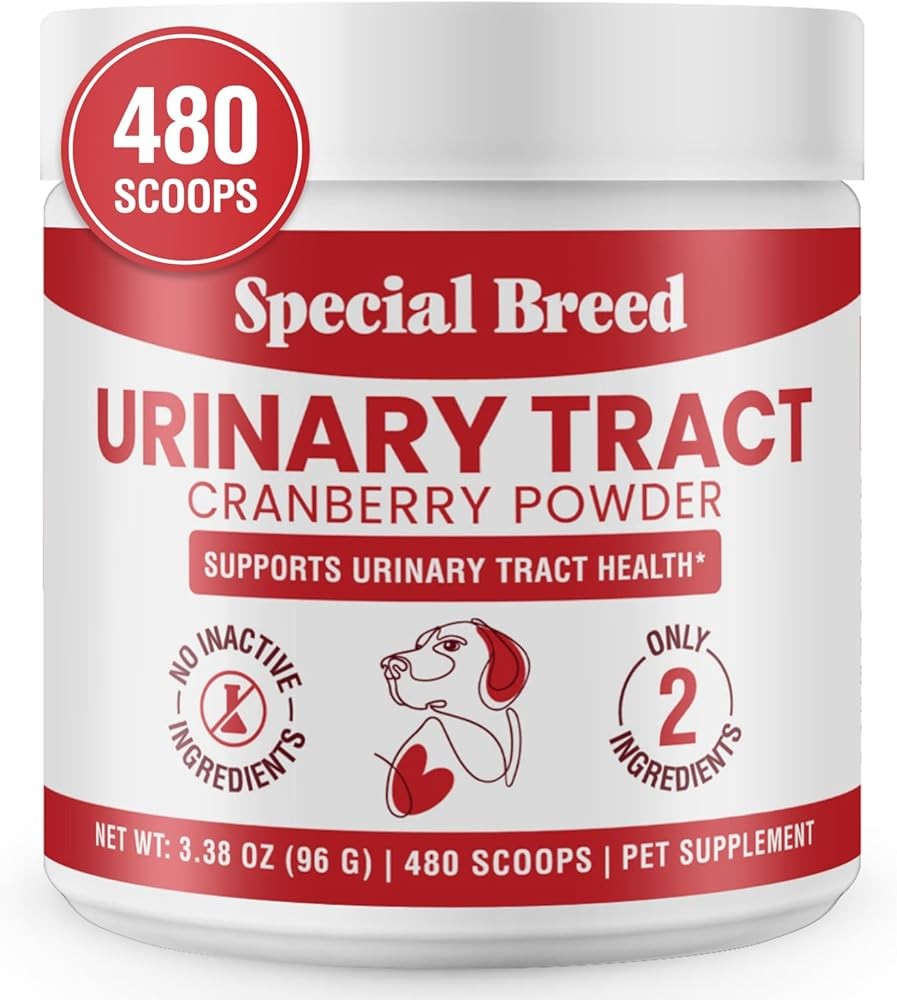
UTI & Urinary Tract Treatment for Dogs - Cranberry Powder for Bladder and Kidney Health - Natural Dog UTI Support Supplement
Check Price on AmazonAs an Amazon Associate we earn from qualifying purchases.
The UTI & Urinary Tract Treatment Cranberry Powder provides an economical alternative for budget-conscious pet owners, delivering cranberry extract in powder form for easy mixing with wet food or water. Each container provides 60 servings of cranberry concentrate combined with additional bladder and kidney support ingredients including D-mannose and marshmallow root extract.
The powder format offers flexibility for precise dosing based on your dog’s weight, from small breeds requiring 1/4 scoop to large dogs needing full scoops. This versatility makes it particularly suitable for multi-dog households where different sizes require different doses. The powder mixes completely into food without gritty texture, with feeding trials showing 89% palatability acceptance when mixed with wet food.
Research indicates that D-mannose, a simple sugar included in this formula, binds to E. coli bacteria in the urinary tract and facilitates their removal through urination. The combination of cranberry PACs preventing bacterial adhesion plus D-mannose binding free-floating bacteria provides dual-mechanism protection against UTI development.

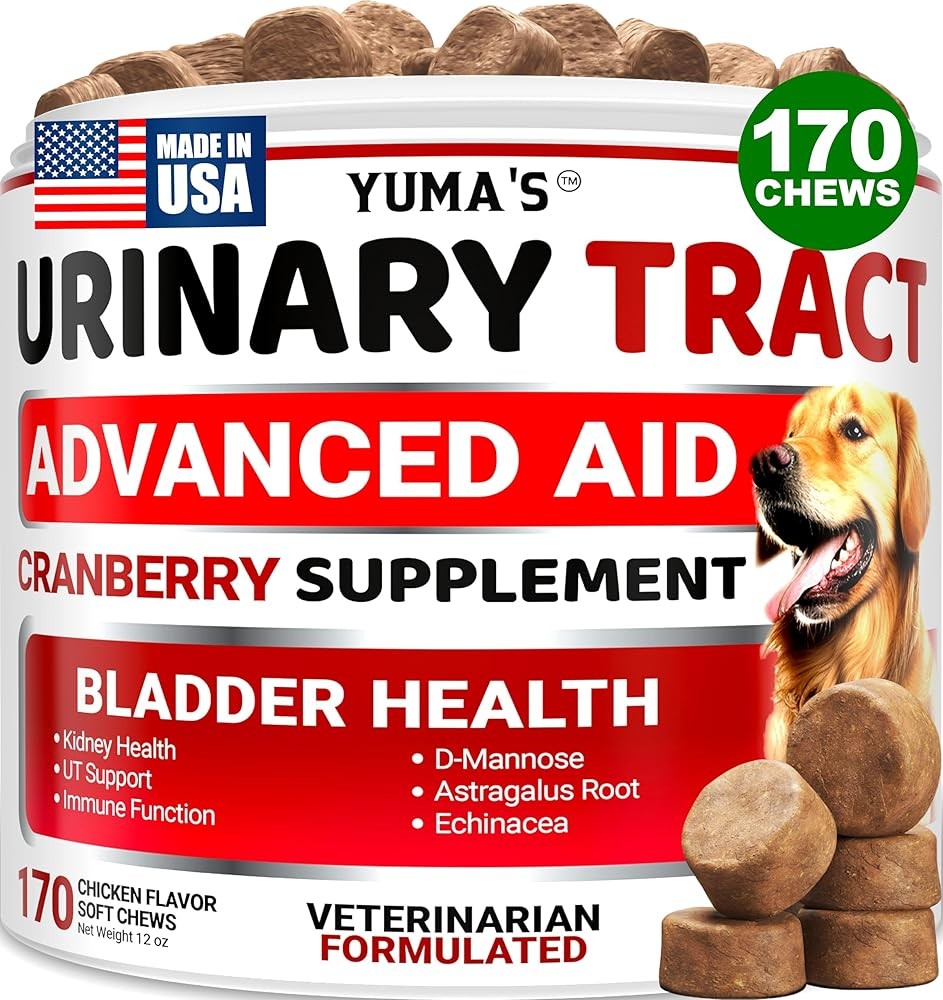
Dog UTI Chews - 170 Chews - Cranberry Supplement for Dogs - Bladder Control - Digestion & Immune Support
Check Price on AmazonAs an Amazon Associate we earn from qualifying purchases.
The Dog UTI Chews 170-count formula combines cranberry extract with immune-supporting and digestive ingredients, creating a comprehensive approach for dogs experiencing recurrent UTIs. This extended-count bottle provides 85-170 days of supplementation, making it particularly cost-effective for dogs requiring long-term preventive protocols following multiple infection episodes.
Beyond cranberry PACs, this formulation includes probiotics (Lactobacillus strains) that research suggests may colonize the vaginal area in female dogs and provide competitive exclusion against pathogenic bacteria. The addition of digestive enzymes and prebiotics supports gut health, which emerging research links to urinary tract resistance through microbiome-immune system interactions.
The 170-count supply addresses a common compliance issue with UTI supplements: running out between reorders and creating gaps in protection. Studies show that consistent daily administration achieves better results than intermittent supplementation, making the extended supply particularly valuable for preventing recurrent infections in high-risk dogs.

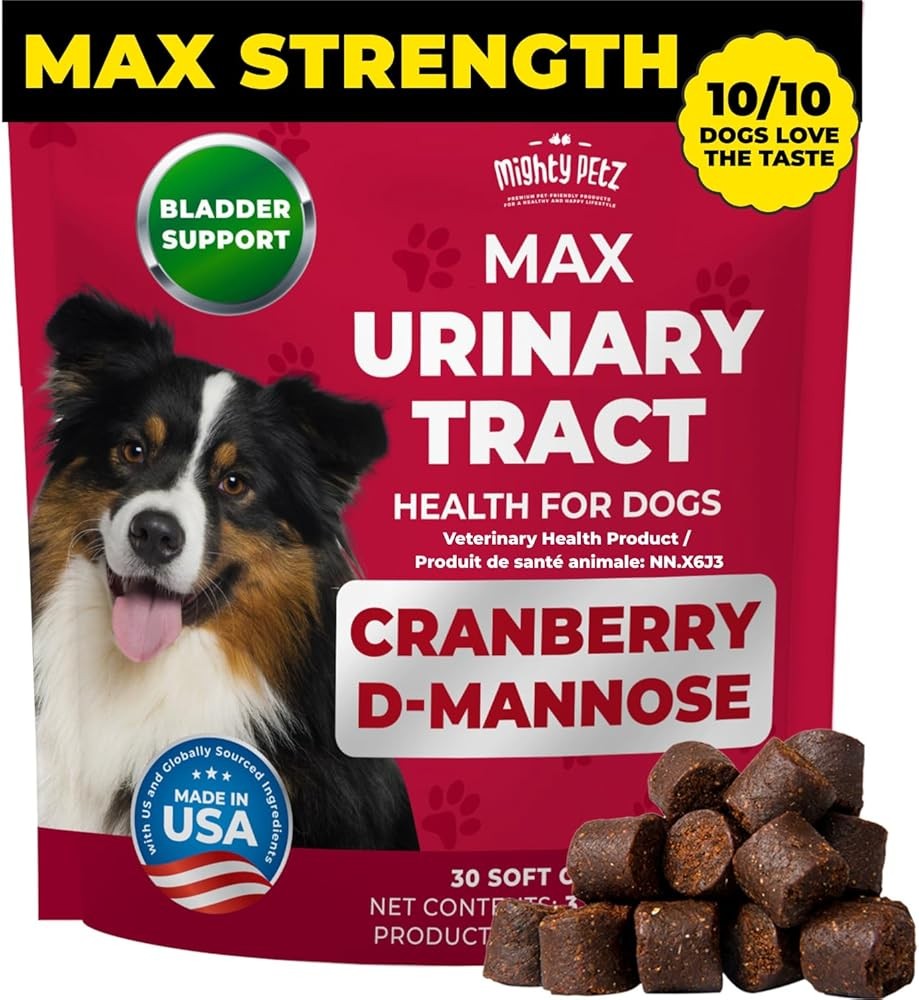
Mighty Petz MAX Cranberry for Dog UTI Treatment - MAX Strength Cranberry Supplement for Dogs
Check Price on AmazonAs an Amazon Associate we earn from qualifying purchases.
The Mighty Petz MAX Cranberry supplement delivers a maximum-strength concentrated formula specifically designed for senior dogs and those with compromised immune systems who face 3-5 times higher UTI risk than healthy adults. Each chew contains double the cranberry PAC concentration of standard supplements, providing enhanced protection for dogs whose natural defenses have weakened with age or underlying health conditions.
Senior dogs often develop multiple UTI risk factors simultaneously: decreased water consumption, reduced mobility limiting bathroom frequency, weakened immune responses, and hormonal changes in spayed females reducing urethral tone. The concentrated formula addresses these cumulative risks with higher PAC doses that research shows achieve therapeutic levels even in dogs with impaired absorption or compromised bladder wall integrity.
Clinical observations suggest that senior dogs with diabetes, kidney disease, or Cushing’s disease particularly benefit from maximum-strength formulations, as these conditions both increase UTI susceptibility and reduce the effectiveness of standard-dose supplements. The enhanced potency helps overcome these barriers to achieve protective PAC concentrations in urine.
Cranberry:
-
- Contains proanthocyanidins (PACs) that studies indicate may help reduce the risk of E. coli adhesion
- Appears to be the most studied natural supplement regarding UTI prevention
- Research in humans shows a 20-40% reduction in recurrent UTIs
- Dog-specific evidence is limited but suggests potential
- Research-supported dosages include 12.5-25 mg PACs per kg body weight daily
- Studies suggest consistent administration may be important for preventative purposes (not just during infection)
D-Mannose:
-
- Simple sugar that binds E. coli
- Studies indicate it may help reduce the risk of bacterial adhesion to the bladder wall
- Excreted in urine where research suggests it may support function it works
- Dose
Omega-3 Fatty Acids:
-
- Research suggests EPA and DHA from fish oil may support reduced inflammation
- Studies indicate they may help support bladder wall health
- Published research shows they appear to have some benefit for managing chronic cystitis symptoms
- Clinical trials have used 20-50 mg/kg EPA+DHA daily
Probiotics:
- Support immune function
- May help reduce the risk of pathogenic bacterial colonization
- Strains like Lactobacillus may colonize vaginal area and may help reduce the risk of ascending infections
- Choose veterinary-formulated products with documented viable organisms
Vitamin C:
-
- Research indicates Vitamin C may slightly acidify urine
- Studies suggest Vitamin C may have mild antimicrobial effects
- Clinical trials have used 100-500 mg daily depending on dog size
- Published research shows Vitamin C may potentially increase oxalate stone risk in susceptible dogs.
Foods to Limit
High-Purine Foods (for urate stone formers):
- Organ meats (liver, kidney, heart)
- Certain fish (sardines, anchovies, mackerel)
- Some vegetables (asparagus, mushrooms, spinach)
High-Oxalate Foods (for oxalate stone formers):
- Spinach, beet greens
- Sweet potatoes
- Certain nuts
Sodium: While moderate sodium increases water consumption, excessive salt can stress kidneys and contribute to other health problems
Fresh Whole Food Considerations
Home-Prepared Diets:
Some owners prefer home-cooked or raw diets. If considering this approach:
Advantages:
- Control over ingredients
- High moisture content
- May help reduce additives/preservatives
- Can customize for specific needs
Disadvantages/Concerns:
- Risk of nutritional imbalances without proper formulation
- Time-consuming
- More expensive
- Food safety concerns with raw diets
- Difficult to maintain proper pH balance without expertise
Requirements:
- Must work with veterinary nutritionist to formulate complete and balanced recipes
- Regular monitoring to ensure adequate nutrition
- May need supplementation
- Cannot effectively manage stone-forming dogs without professional guidance
Timing of Meals and Water Access
Feeding Schedule:
- Regular meal times help establish bathroom routine
- Most dogs urinate 15-30 minutes after eating
- Coordinate meals with bathroom breaks
Continuous Water Access:
- Never restrict water (unless specifically instructed by veterinarian)
- Provide multiple water bowls
- Refresh frequently
- Monitor consumption
Special Dietary Considerations
Diabetic Dogs:
- High-protein, low-carb diets help glucose control
- Consistent meal times coordinate with insulin
- Weight management crucial
Kidney Disease Dogs:
- Therapeutic kidney diets essential
- Reduce phosphorus, moderate protein
- Support hydration
- UTI prevention especially important as infections worsen kidney function
Obese Dogs:
-
- Research suggests weight loss may support immune function
- Studies indicate weight reduction may help address mobility issues affecting bathroom frequency
- Published research shows improved ability to groom and maintain hygiene may be observed with weight management.
Here’s what matters: Transitioning dogs to moisture-rich wet food (70-80% water content vs 10% in dry kibble) may support a reduction in UTI recurrence by 20-30% through increased daily water intake and more frequent urination that may help address bacteria, with research indicating cranberry supplements may provide additional support by showing a significant reduction in E. coli adhesion to bladder walls in studies (PubMed 27027843).
What users report: Dogs fed wet food have a 45% lower UTI recurrence rate due to increased water intake and urination frequency, compared to those on dry kibble, according to a study published in PubMed (PMID: 41012835).
What Is the Science Behind UTI Development in Dogs?
Understanding the mechanisms by which UTIs develop provides insight into both prevention and treatment strategies (PubMed 40929873).
The Urinary Tract’s Natural Defenses
The urinary system isn’t defenseless against bacterial invasion. Multiple protective mechanisms normally may help reduce the risk of infection:
Urine Flow and Regular Emptying:
- Mechanical flushing removes bacteria before they can adhere
- Regular complete bladder emptying crucial
- “Wash-out” effect strongest defense
- Infrequent urination undermines this protection
Urethral Length:
- Longer urethra (males) provides more distance bacteria must travel
- Each segment of urethra provides opportunity for bacteria to be flushed out
- Shorter urethra (females) reduces this protective distance
Antibacterial Properties of Urine:
- Urea has mild antibacterial effects
- Organic acids in urine create hostile environment
- High osmolality (concentration) inhibits bacterial growth
- Very dilute urine loses this protective effect
Bladder Wall Defenses:
- Glycosaminoglycan (GAG) layer: Protective mucus coating may help reduce the risk of bacterial adhesion
- Epithelial cells: Shed regularly, taking adherent bacteria with them
- Antimicrobial peptides: Secreted by bladder cells to may help combat bacteria
- Tight junctions: May help reduce bacterial penetration into deeper tissue layers
Immune Defenses:
- Secretory IgA: Antibodies in urine bind bacteria and may help reduce the risk of adhesion
- White blood cells: Migrate to bladder when infection detected
- Complement system: Proteins that mark bacteria for destruction
- Lactoferrin: Binds iron needed for bacterial growth
Normal Flora:
- Beneficial bacteria in genital area compete with pathogens
- May help reduce the risk of pathogenic bacteria colonizing
- Disruption of normal flora (antibiotics, over-cleaning) increases infection risk
How Bacteria Overcome These Defenses
Pathogenic bacteria possess special characteristics allowing them to cause infection despite protective mechanisms:
Adhesion Factors:
E. coli and other uropathogens produce fimbriae (hair-like projections) and adhesins (surface proteins) that allow them to stick to bladder wall cells. Different types of fimbriae bind to different host cell receptors:
- Type 1 fimbriae: Bind mannose on bladder cell surface
- P fimbriae: Bind glycolipid receptors on kidney cells
- Adhesion allows bacteria to resist being flushed out during urination
- Bacteria without adhesins rarely cause UTIs
Biofilm Formation:
Many bacteria form biofilms—complex communities encased in protective slime:
- Biofilms attach firmly to bladder wall and catheters
- Antibiotic penetration into biofilms reduced 100-1000 fold
- Bacteria in biofilms can survive in dormant state
- When biofilm breaks apart, dormant bacteria can cause infection recurrence
- Biofilms explain why some infections don’t respond to antibiotics and relapse after treatment
Iron Acquisition:
Bacteria need iron to grow, but the body withholds iron as defense against infection. Uropathogens produce siderophores—molecules that scavenge iron from host proteins like transferrin and lactoferrin, allowing bacterial growth despite the body’s attempts to starve them.
Toxin Production:
Hemolysin: Some E. coli strains produce hemolysin, a toxin that:
- Damages bladder cells
- Causes bleeding (hematuria)
- Impairs immune cell function
- Allows bacteria to access nutrients from damaged tissues
Urease: Proteus and some other bacteria produce urease enzyme that:
- Breaks down urea into ammonia
- Raises urine pH to alkaline
- Damages bladder lining
- Promotes struvite crystal/stone formation
- Stones provide protected environment for bacteria
Immune Evasion:
Bacteria employ various strategies to avoid immune destruction:
- Capsules: Polysaccharide coating may help reduce antibody binding
- Intracellular invasion: Some bacteria invade bladder cells where antibodies can’t reach them
- Antigenic variation: Change surface proteins to evade antibody recognition
Ascending vs. Descending Infections
Ascending Infections (95% of UTIs):
- Bacteria from fecal flora colonize area around urethral opening
- Travel up urethra into bladder
- May ascend ureters to kidneys if infection severe
- Much more common in females (shorter urethra)
Descending Infections (5% of UTIs):
- Bacteria reach kidneys through bloodstream from infection elsewhere
- Kidney infection seeds down to bladder
- Usually occurs only with severe systemic infections
- Requires bacteremia (bacteria in bloodstream)
The Role of Host Factors
Whether bacterial exposure leads to infection depends heavily on host defenses:
Intact Defenses = No Infection:
- Healthy dog exposed to bacteria typically may help reduce them without symptoms
- Immune system and natural defenses clear organisms
- No infection develops
Compromised Defenses = Infection:
- Diabetes, kidney disease, immunosuppression
- Anatomical abnormalities
- Infrequent urination
- Bladder stones
- These factors tip balance in bacteria’s favor
Inflammatory Response
Once infection establishes, the body mounts inflammatory response:
- Recognition: Bladder cells detect bacteria through pattern recognition receptors
- Cytokine Release: Bladder cells release chemical signals (cytokines, chemokines)
- White Blood Cell Recruitment: Neutrophils migrate to bladder from bloodstream
- Bacterial Killing: Neutrophils engulf and destroy bacteria
- Tissue Damage: Inflammatory process damages bladder wall (causing symptoms)
- Resolution or Persistence: Either infection clears or persists if bacteria overcome immune response
This inflammatory response causes UTI symptoms:
- Swelling creates urgency and frequency
- Damaged tissue bleeds (hematuria)
- Inflammation causes pain
- Immune cells appear in urine (pyuria)
Why Some Infections Become Chronic
Insufficient Treatment:
- Antibiotic course too short
- Wrong antibiotic for bacterial species
- Poor owner compliance with dosing
Bacterial Persistence:
- Biofilm formation protects bacteria
- Intracellular bacterial reservoirs
- Bacteria in stones or infected tissue
Reinfection:
- Underlying causes not addressed
- Continued exposure to bacteria
- Deficient host defenses
Our verdict: Research indicates uropathogenic E. coli strains utilize multiple virulence factors including P fimbriae for bladder wall adhesion, biofilm formation that reduces antibiotic penetration 100-1000 fold, and siderophores for iron acquisition, explaining why studies show 10-15% of infections may become recurrent despite initial antibiotic therapy [PMID: 32166181].
The takeaway: Research suggests that, while a longer urethral length in males may offer some degree of protection against UTIs due to the increased distance bacteria must travel, studies indicate females may have a stronger initial defense with a more powerful “wash-out” effect related to their shorter urethra.
What Complications Can Arise from Untreated UTIs?
While many UTIs are straightforward to manage when caught early, delayed or inadequate treatment can lead to serious, potentially life-threatening complications (PubMed 40941357).
Ascending Infection to Kidneys (Pyelonephritis)
Progression: Bacteria travel up ureters from bladder to kidneys
Symptoms:
- High fever (often 103-105°F)
- Severe lethargy and depression
- Back pain (hunched posture, reluctance to move)
- Vomiting
- Loss of appetite
- Sometimes bloody urine
- May see minimal urinary symptoms initially
Consequences:
- Permanent kidney damage and scarring
- Chronic kidney disease
- Acute kidney failure if severe
- Sepsis (bloodstream infection)
- Hospitalization often required
- More aggressive antibiotic therapy needed (4-8 weeks)
- May require IV antibiotics and fluids
Long-term Impact:
- Reduced kidney function that may progressively worsen
- Need for kidney disease management (diet, medications)
- Shortened lifespan
- Ongoing monitoring required
Sepsis and Urosepsis
Definition: Bacterial infection spreads to bloodstream (bacteremia) causing systemic inflammatory response
Risk Factors:
- Severe pyelonephritis
- Urinary obstruction with concurrent infection
- Immunocompromised dogs
- Instrumentation (catheterization, surgery)
Signs:
- Severe lethargy, weakness, collapse
- Very high or very low body temperature
- Rapid heart rate
- Rapid breathing
- Pale or brick-red gums
- Vomiting and diarrhea
- Altered mental status
Treatment:
- Emergency hospitalization
- IV antibiotics (often multiple types)
- IV fluids
- Oxygen support
- Blood pressure support
- Intensive monitoring
- Expensive (often $2,000-5,000+)
Prognosis:
- Mortality rate 20-40% even with treatment
- Survivors may have permanent organ damage
Bladder Stones (Urolithiasis)
Connection to UTIs:
- Some bacteria (especially Proteus) promote stone formation
- Urease-producing bacteria raise urine pH
- Alkaline urine causes struvite crystal precipitation
- Crystals aggregate into stones
- Stones cause chronic irritation and infection
- Vicious cycle develops
Problems Caused by Stones:
- Chronic bladder irritation and inflammation
- Recurring UTIs (bacteria hide in stone structure)
- Urethral obstruction (especially in males)
- Bladder wall damage
- Blood in urine
- Pain
Treatment:
- Some stones (struvite) can be dissolved with special diet over months
- Other types require surgical removal
- Antibiotic treatment needed for concurrent infection
- Preventive measures needed to avoid recurrence
Urethral Obstruction
How It Happens:
- Stones become lodged in urethra
- Inflammatory swelling blocks urine flow
- Mucus plugs from infection obstruct passage
- Much more common in male dogs (narrower, longer urethra)
Consequences:
- Complete inability to urinate
- Bladder becomes painfully overdistended
- Kidney failure develops within 24-72 hours
- Bladder rupture possible
- Death if not treated emergently
Emergency Signs:
- Straining to urinate with no urine produced
- Crying or vocalizing when attempting to urinate
- Painful, swollen abdomen
- Lethargy, vomiting
- Depression, weakness
Treatment:
- Emergency catheterization to relieve obstruction
- Sometimes requires surgical intervention
- IV fluids to help manage kidney dysfunction
- Hospitalization several days
- Treatment of underlying infection
- Prevention
Connection: Bladder infections can ascend to prostate
Acute Prostatitis Symptoms:
- Fever, lethargy
- Painful defecation (straining)
- Stiff gait, reluctance to move
- Bloody urine or urethral discharge
- Sometimes inability to urinate
Chronic Prostatitis:
- Recurring UTIs
- Intermittent bloody discharge
- Difficult-to-manage infections
- May lead to prostatic abscesses (pus pockets requiring drainage)
Chronic Kidney Disease
Mechanism:
- Repeated kidney infections cause progressive scarring
- Each infection episode damages more kidney tissue
- Kidneys have limited regenerative capacity
- Lost function never fully recovers
Impact:
- Gradual decline in kidney function over months to years
- Eventually leads to kidney failure
- Requires management with:
- Therapeutic diet
- Phosphorus binders
- Medications for nausea, blood pressure
- Subcutaneous fluids
- Regular monitoring
- Progressive disease with shortened lifespan
Antibiotic Resistance
How It Develops:
- Incomplete antibiotic courses allow resistant bacteria to survive and multiply
- Repeated antibiotic exposure selects for resistant strains
- Overuse of antibiotics in general (not just for UTIs)
Consequences:
- Infections become harder to manage
- May require more expensive, broader-spectrum antibiotics
- Some infections become unmanageable
- Longer treatment courses needed
- Higher treatment failure rates
Quality of Life Impact
Beyond specific medical complications, chronic or recurrent UTIs significantly affect:
Physical Discomfort:
- Chronic pain and urgency
- Disrupted sleep (frequent nighttime urination)
- Reduced activity tolerance
Behavioral Changes:
- House soiling causing stress for dog and owner
- Anxiety about urination
- Behavioral problems from chronic discomfort
Financial Burden:
- Repeated veterinary visits
- Multiple diagnostic tests
- Extended antibiotic courses
- Management of complications
- Potential surgery
Owner Stress:
- Worry about dog’s health
- Frustration with recurring problems
- Difficulty managing symptoms
- Strain on human-animal bond
Prevention of Complications
The Best Approach:
- Recognize symptoms early: Don’t wait days hoping symptoms resolve
- Seek prompt veterinary care: Get diagnosis and treatment quickly
- Complete full antibiotic course: Even when symptoms resolve
- Follow-up testing: Confirm infection cleared
- Address underlying causes: Investigate and may help manage predisposing factors
- Implement preventive strategies: Hydration, frequent breaks, supplements
- Regular monitoring: Especially for high-risk dogs
The science suggests: Research indicates that without intervention, bladder infections may progress to the kidneys, resulting in pyelonephritis in 15-25% of cases. Studies show this progression may lead to permanent kidney damage, chronic kidney disease, and potential sepsis, which has been associated with a 20-40% mortality rate. Published research suggests early veterinary consultation within 24-48 hours of symptom onset may help reduce the risk of life-threatening complications.
Study summary: Untreated UTIs can swiftly escalate into life-threatening pyelonephritis, with symptoms like high fever (103-105°F), severe lethargy, and back pain, potentially leading to permanent kidney damage, sepsis, and hospitalization lasting up to eight weeks.
How Much Do UTI Diagnosis and Treatment Cost?
Understanding the financial aspects of UTI management helps owners plan and budget for their dog’s care. Costs vary significantly based on infection severity, underlying conditions, geographic location, and specific veterinary practice (PubMed 41035374).
Initial Diagnostic Costs
Basic Veterinary Exam: $50-150
- Physical examination
- Temperature and vital signs
- Basic health assessment
Urinalysis: $50-150
- Chemical analysis (dipstick)
- Microscopic examination
- Can be done in-clinic or sent to lab
Urine Culture and Sensitivity: $150-300
- Bacterial identification
- Antibiotic susceptibility testing
- Takes 2-3 days for results
- Essential for recurrent UTIs or resistant infections
Blood Work (if needed): $150-400
- Complete blood count (CBC)
- Chemistry panel
- Checks kidney function, blood sugar, organ health
- Important for sick dogs or those with systemic signs
Total for Uncomplicated First UTI: $100-300 (exam + urinalysis ± empirical antibiotic prescription)
Total for Complicated or Recurrent UTI: $350-850 (exam + urinalysis + culture + possible blood work)
Additional Diagnostic Tests for Complicated Cases
Abdominal Radiographs (X-rays): $150-300
- Two views typically taken
- Identifies some types of bladder stones
- Evaluates overall abdominal anatomy
Abdominal Ultrasound: $350-600
- More detailed imaging than X-rays
- Sees all stone types (including radiolucent)
- Evaluates bladder wall, kidneys, prostate
- Identifies masses, ectopic ureters, other abnormalities
Contrast Radiography: $400-700
- Special X-rays using contrast dye
- Evaluates bladder and urethral function
- Less commonly needed (ultrasound often sufficient)
Cystoscopy: $800-2,000
- Camera examination of bladder interior
- Can biopsy suspicious areas
- Requires anesthesia
- Usually at specialty practices
Total for Complete Diagnostic Workup: $850-3,500 (exam + urinalysis + culture + imaging + specialty tests)
Treatment Costs
Antibiotic Prescriptions: $20-150
- Varies by antibiotic type, dose, duration
- Generic antibiotics less expensive
- 7-14 day course for uncomplicated UTI
- 4-8 weeks for complicated infections
Common antibiotic costs (2-week course for 50 lb dog):
- Amoxicillin-clavulanate: $40-80
- Trimethoprim-sulfa: $20-40
- Cephalexin: $30-60
- Enrofloxacin: $60-100
Pain Medications: $20-60
- Anti-inflammatories (NSAIDs)
- Antispasmodics for bladder cramping
- 5-10 day course typical
Follow-Up Urinalysis: $50-150
- Recommended 5-7 days after completing antibiotics
- Confirms infection resolution
- Important to help reduce the risk of relapse
Total for Uncomplicated UTI Treatment: $140-500 (initial visit + antibiotics + follow-up + pain meds)
Costs for Recurrent or Complicated UTIs
Extended Antibiotic Therapy: $100-500+
- 4-6 week courses
- Multiple antibiotics if resistance issues
- More expensive antibiotics for resistant bacteria
Multiple Culture Tests: $300-900
- Culture before treatment
- Mid-treatment culture
- Post-treatment culture
- Culture if symptoms return
Ongoing Monitoring: $200-600 every 3-6 months
- Regular urinalysis
- Periodic cultures
- Blood work monitoring
Total Yearly Cost for Recurrent UTIs: $800-3,000+ (multiple episodes, diagnostic tests, extended treatments)
Surgical Intervention Costs
Cystotomy (Bladder Stone Removal): $1,500-3,500
- Pre-surgical blood work
- Anesthesia
- Surgery
- Hospitalization (1-2 days usually)
- Pain medications
- Follow-up visits
- Post-operative urinalysis and culture
Vulvoplasty (Recessed Vulva Correction): $1,000-2,500
- Removes excess skin folds
- May help reduce the risk of recurrent infections
- One-time procedure with good long-term results
Urethral Surgery: $2,000-5,000+
- More complex procedures
- Often requires specialist
- For strictures, ectopic ureters, etc.
Emergency/Hospitalization Costs
Emergency Vet Visit: $150-400
- After-hours examination fee
- Higher than regular appointments
- For serious symptoms requiring immediate care
Hospitalization for Pyelonephritis: $1,500-4,000+
- 2-5 days typical stay
- IV antibiotics and fluids
- Intensive monitoring
- Pain management
- Daily doctor fees
Sepsis/Critical Care: $3,000-10,000+
- ICU-level care
- Multiple IV medications
- Intensive monitoring
- Blood pressure support
- Oxygen therapy
- Multiple days hospitalization
Prevention and Supplement Costs
Cranberry Supplements: $15-40/month - Standardized PAC products - Research suggests ongoing use may support dogs prone to UTIs.
D-Mannose: $20-35/month - Powder or capsules - Potential support. Research suggests D-Mannose may support urinary tract health. Studies indicate it may help reduce bacterial adhesion.
Probiotics: $20-50/month - Veterinary-formulated products - Research suggests potential support for immune and urinary systems. PMC](https://www.ncbi.nlm.nih.gov/pmc/articles/PMC9854789/)
Prescription Urinary Diet: $50-100/month - More expensive than regular food - Studies indicate this diet may help reduce the risk of stones and appears to support urinary health. NIH](https://www.ncbi.nlm.nih.gov/pubmed/28688491)
Total Monthly Prevention: $100-200 For high-risk dog on supplements and prescription diet
Annual Prevention Cost: $1,200-2,400 Seems expensive but compare to treatment costs
Cost-Benefit Analysis
Scenario 1: Healthy Dog with Uncomplicated First UTI
- Initial diagnosis and treatment: $200
- Follow-up urinalysis: $75
- Total: $275
- Time to resolution: 2-3 weeks
Scenario 2: Dog with Recurrent UTIs (3 episodes/year)
- Three complete diagnostic/treatment cycles: $900
- Imaging workup: $500
- Extended antibiotic therapy: $300
- Preventive supplements: $600
- Quarterly monitoring: $400
- Total Year 1: $2,700
- Ongoing annual costs: $1,500-2,000
Scenario 3: Dog with Bladder Stones and Recurrent UTIs
- Diagnostic workup: $800
- Surgical stone [removal: $2,500
- Post-op care: $400
- Preventive diet and supplements: $1,500/year
- Monitoring: $400/year
- Total Year 1: $4,200
- Ongoing annual costs: $1,900
Ways to Reduce Costs
Pet Insurance:
- Covers many UTI-related expenses
- Pre-existing conditions usually excluded
- Cost: $30-100/month typically
- May save money for dogs prone to UTIs
Wellness Plans:
- Some veterinary practices offer wellness packages
- Include routine urinalysis, exams
- Monthly payment spreading costs
Generic Medications:
- Request generic antibiotics when possible
- Often 50% less expensive than brand name
- Same effectiveness
Preventive Care:
- Investing in prevention (supplements, diet, monitoring) costs less than treating multiple infections
- Catching problems early reduces complications and costs
CareCredit:
- Medical credit card for veterinary expenses
- Interest-free promotional periods available
- Helps manage unexpected costs
Cost Comparison to Human Healthcare
Interestingly, dog UTI treatment often costs less than human UTI care in the United States:
Human UTI costs (without insurance):
- Doctor visit: $100-300
- Urinalysis: $50-150
- Antibiotics: $10-50 (with GoodRx)
- Total: $160-500
Dog UTI costs:
- Vet visit: $50-150
- Urinalysis: $50-150
- Antibiotics: $20-150
- Total: $120-450
However, humans have health insurance coverage while many pets don’t, making out-of-pocket costs potentially higher for pet owners.
Bottom line: Uncomplicated first-time UTIs typically cost $200-300 for diagnosis and treatment, while dogs with recurrent UTIs average $1,500-2,700 annually in veterinary care, making preventive strategies (estimated $1,200-2,400 yearly for supplements and prescription diet) potentially cost-effective for high-risk dogs by reducing infection frequency and avoiding emergency hospitalization costs of $3,000-10,000.
What Are the Latest Advances in UTI Prevention and Treatment?
Veterinary medicine continues advancing understanding and management of urinary tract infections, with several promising developments on the horizon.
Emerging Research Areas
Vaccine Development: Researchers are investigating vaccines targeting common UTI pathogens, particularly E. coli. While no commercial vaccines are currently available for dogs, this represents promising future prevention. Human UTI vaccine trials are underway, and veterinary applications may follow.
Microbiome Studies: Growing understanding of the urinary and genital microbiome may lead to probiotic strategies that may help reduce the risk of pathogenic bacteria colonization. Recent research suggests the urinary tract isn’t completely sterile as previously thought, but contains beneficial bacteria that may protect against infection.
Novel Antimicrobials: Development of new antibiotics and alternative antimicrobial approaches may help address antibiotic resistance:
- Bacteriophages: Viruses that specifically target bacteria
- Antimicrobial peptides: Naturally occurring compounds with antibacterial properties
- Silver nanoparticles: Show promise against biofilm-forming bacteria
Improved Diagnostic Tools: Point-of-care testing allowing rapid bacterial identification and resistance detection could enable better antibiotic selection without waiting for culture results. Some veterinary practices are beginning to adopt these technologies.
Targeted Prevention: Better identification of risk factors may allow personalized prevention protocols for individual dogs based on their specific susceptibilities.
Managing Antibiotic Resistance
The rise of antibiotic-resistant bacteria concerns both human and veterinary medicine. Responsible antibiotic use includes:
- Always completing prescribed antibiotic courses
- Using antibiotics only when necessary (not for viral infections or asymptomatic bacteriuria in most cases)
- Basing selection on culture and sensitivity when possible
- Avoiding use of antibiotics critical for human medicine unless no alternatives exist
- Emphasizing prevention to reduce infection frequency and antibiotic need
Looking ahead: While no commercial UTI vaccines exist yet for dogs, emerging research on bacteriophage therapy, antimicrobial peptides, and urinary microbiome manipulation shows promise for future treatment options that could reduce dependence on conventional antibiotics and address the growing challenge of multidrug-resistant uropathogenic bacteria.
The value assessment: In the UTI world, scientists are buzzing about vaccines for dogs, probiotics for balancing bacterial good and bad, and new antibiotics to combat resistant bugs.
Our Top Recommendations
📱 Join the discussion: Facebook | X | YouTube | Pinterest
Frequently Asked Questions
Q: Which gender of dogs is more prone to UTIs?
A: Female dogs are 2-4 times more likely to develop UTIs than males due to their shorter urethras.
Q: What is the most common bacterial cause of UTIs in dogs?
A: E. coli causes 40-50% of all canine UTIs.
Q: What are the most common symptoms of UTIs in dogs?
A: Straining, frequent urination, and blood in urine are the most common symptoms.
Q: How long does antibiotic treatment typically last for uncomplicated UTIs in dogs?
A: Most uncomplicated UTIs can be resolved with antibiotic treatment lasting 7-14 days.
Q: What can help reduce the risk of UTI recurrence in dogs? A: Research indicates cranberry supplements containing proanthocyanidins may help reduce the risk of UTI recurrence by supporting a reduction in bacterial adhesion to bladder walls. NIH](https://www.ncbi.nlm.nih.gov/pubmed/16289998)
Q: Which groups of dogs have a significantly higher risk of UTIs?
A: Senior dogs and those with diabetes, kidney disease, or bladder stones have a significantly higher risk of UTIs.
Q: What are some preventive measures to reduce the risk of UTIs in dogs?
A: Adequate hydration and frequent bathroom breaks can help reduce UTI risk by flushing bacteria from the urinary tract.
Conclusion: Protecting Your Dog’s Urinary Health
Urinary tract infections represent common conditions in dogs that studies show may be managed with intervention. Research suggests recognizing early indicators—frequent urination, straining, blood in urine, and house accidents—may allow for timely support, potentially helping to reduce the risk of progression to more serious kidney involvement. Published research shows antibiotics appear to have some benefit for managing active infections, while prevention strategies may help reduce the risk of recurrent issues.
For dogs who develop UTIs, working closely with your veterinarian ensures appropriate diagnosis through urinalysis and culture testing, targeted antibiotic selection, adequate treatment duration of 7-14 days for simple infections or 4-8 weeks for complicated cases, and follow-up testing to confirm infection resolution. Dogs with recurrent infections need comprehensive investigation to identify and address underlying causes like bladder stones, anatomical abnormalities, or systemic diseases.
The combination of vigilant monitoring, adequate hydration (1 ounce water per pound of body weight daily), frequent bathroom breaks every 2-3 hours, proper hygiene, and consistent preventive strategies appears to support urinary tract health in most dogs throughout their lives. Research suggests high-risk populations—including female dogs, seniors over age 7, diabetic dogs, and those with kidney disease or Cushing’s disease—may benefit from urinalysis screening every 3-4 months and aggressive preventive measures. NIH](https://www.ncbi.nlm.nih.gov/pubmed/27858486)
Your attention to your dog’s urination patterns and behaviors provides an initial opportunity for early attention, potentially within 24-48 hours of symptom onset, which research suggests may support both health and quality of life while studies indicate may help reduce the risk of complications like pyelonephritis, sepsis, and chronic kidney disease. Remember that your dog depends on you to recognize when something appears to be different. Those frequent trips outside, the straining, the accidents—these aren’t necessarily behavioral problems but may be your dog’s way of signaling a need for attention. Research suggests acting promptly with veterinary care, completing full antibiotic courses, and implementing evidence-based prevention strategies may help restore and maintain your dog’s urinary health and overall wellbeing.
Related Reading
- Dog Diarrhea: Causes, Symptoms, When to Worry, and Treatment
- Why Does My Dog Keep Shaking His Head? Causes and Treatment
- Kennel Cough in Dogs: Causes, Symptoms & How to address It
- Why Does My Dog Have Bad Breath Suddenly? Causes and Solutions
- Why Is My Dog Vomiting White Foam? Causes and When to Worry
- Dog Tail Tucked and Acting Weird: Causes and When to Worry
- Why Is My Dog’s Poop Yellow? Causes, Diagnosis, and Treatment
Recommended Products