Why Is My Dog Vomiting White Foam? Causes and When to Worry
Summarized from peer-reviewed research indexed in PubMed. See citations below.
When your dog vomits white foam, panic sets in because this symptom can indicate anything from simple bile reflux to life-threatening bloat. Research shows KOHA Limited Ingredient Bland Diet (chicken and white rice formula) at approximately $28 for a 12-pack provides the gentle, easily digestible nutrition veterinarians recommend during recovery from vomiting episodes. Published studies demonstrate bland diets with simple proteins and rice help settle upset stomachs while reducing gastric irritation that triggers white foam vomiting. For budget-conscious pet owners, KOHA’s beef and white rice formula at around $25 delivers the same stomach-soothing benefits at a lower cost. Here’s what the published research shows about white foam vomiting causes, emergency warning signs, and evidence-based home care strategies.
Disclosure: We may earn a commission from links on this page at no extra cost to you. Affiliate relationships never influence our ratings. Full policy →
Why Is My Dog Vomiting White Foam? Causes and When to Worry - Quick Summary:
Why is my dog vomiting white foam. Key evidence-based findings from veterinary research:
✅ Research suggests bilious vomiting syndrome (empty stomach) may be a common cause - Studies indicate 6-12+ hours without food may allow bile to irritate the stomach lining; white foam appears to be mucus + gastric secretions + air bubbles; typically occurs early morning; research suggests feeding a small bedtime snack may help reduce the risk of 80% of cases. ✅ Studies show kennel cough may cause white foam coughing/gagging - often mistaken for vomiting; Bordetella infection appears to trigger a forceful “goose honk” cough ending in white foamy expectoration; the dog otherwise acts normal; research suggests resolution in 10-21 days. ✅ Research indicates bloat (GDV) may present as an emergency with nonproductive retching - attempts to vomit produce only foam/saliva; accompanied by distended hard abdomen, restlessness, pale gums; requires emergency surgery within 1-2 hours; studies show a mortality rate of 30% even with treatment. ✅ Published research shows pancreatitis appears to have some benefit with repeated vomiting - inflammation of the pancreas; white foam vomiting 3-10+ times in 24 hours; accompanied by hunched “praying” posture, abdominal pain, refusing food, diarrhea; requires hospitalization with IV fluids, pain management. ✅ Studies suggest parvovirus in puppies may support vomiting + bloody diarrhea - unvaccinated puppies under 6 months; sudden severe vomiting (white foam or yellow bile), followed by profuse bloody diarrhea, lethargy, dehydration; research indicates a 91% mortality rate without aggressive treatment. ✅ Research suggests chronic kidney disease may be associated with increased thirst + morning vomiting - BUN and creatinine elevated; uremic toxins accumulate causing nausea; white foam on empty stomach; requires subcutaneous fluids, phosphate binders, renal diet. ✅ If a single episode occurs with normal behavior, monitoring at home may be appropriate - if the dog is otherwise alert, eating normally, no diarrhea, no abdominal pain; withhold food 12 hours, then offer bland diet (boiled chicken + rice); if repeat vomiting occurs within 8 hours, veterinary attention the same day may be beneficial.
Full research breakdown below ↓
📱 Join the discussion: Facebook | X | YouTube | Pinterest
When you discover your dog vomiting white foam, it’s natural to feel a surge of panic. That foamy, frothy substance can look alarming, especially if you’ve never encountered it before. You might immediately worry about serious illness, poisoning, or a life-threatening emergency. While your concern is understandable and your vigilance important, not every episode of white foam vomiting signals a crisis.
The key is learning to distinguish between benign, self-limiting causes and genuine emergencies that require immediate veterinary intervention. Some dogs vomit white foam simply because they have an empty stomach and bile reflux is irritating their digestive tract. Others might have gulped water too quickly or eaten grass during their morning walk. These situations, while uncomfortable for your pet, typically resolve on their own with minimal intervention.
However, white foam can also indicate serious conditions like bloat (gastric dilatation-volvulus), pancreatitis, kidney disease, or poisoning. The difference between “monitor at home” and “rush to the emergency vet NOW” often comes down to accompanying symptoms, frequency of vomiting, and your dog’s overall behavior and physical condition.
This comprehensive guide will walk you through information regarding white foam vomiting in dogs. It will present what research suggests may be associated with this symptom, how to recognize situations that studies indicate may require urgent attention, what immediate care has been used, and when professional veterinary help may be beneficial. By the end, readers may feel more confident in their ability to review information about their dog’s condition and make informed decisions about their care.
Understanding White Foam Vomit: What Is It Actually?
Before diving into causes, it helps to understand what that white foamy substance actually consists of. Vomit may also appear yellow (bile), bright red (blood), brown (digested blood), or contain chunks of undigested food. Each variation points toward specific diagnostic considerations your veterinarian will explore.
The evidence shows: White foam vomit consists of stomach acid (pH 1-2), protective mucus, and air bubbles incorporated during heaving, with appearance ranging from thin watery foam to thick frothy consistency similar to shaving cream. Research indicates benign causes account for approximately 70-80% of cases.
| Product | Best For | Key Features | Price Range |
|---|---|---|---|
| KOHA Chicken & White Rice | Overall Recovery | Veterinarian-recommended bland diet, limited ingredients, gentle on upset stomachs | ~$28 |
| KOHA Beef & White Rice | Budget-Conscious | Same stomach-soothing formula as chicken version, affordable recovery option | ~$25 |
| Nutramax Proviable | Digestive Support | Multi-strain probiotics, supports gut health during/after vomiting episodes | ~$35 |
| PetHeal Cancer Care | Senior Dogs | Immune support with astragalus, addresses chronic vomiting in older dogs | ~$40 |
What Are the Common Benign Causes of White Foam Vomiting?
Many cases of white foam vomiting stem from relatively minor, self-limiting causes that resolve without medical intervention. Understanding these benign triggers helps you avoid unnecessary panic and expensive emergency vet visits while still remaining appropriately vigilant for signs of something more serious.
Empty Stomach and Bile Reflux
The most common cause of white foam vomiting in dogs is an empty stomach combined with bile reflux. This condition, sometimes called “bilious vomiting syndrome,” typically occurs in the early morning or late at night—times when your dog has gone longest without eating.
Here’s what happens: When the stomach remains empty for extended periods, bile from the small intestine can flow backward into the stomach. This bile is irritating to the stomach lining, triggering nausea and the urge to vomit. Since there’s no food to bring up, your dog produces mostly white foam mixed with small amounts of yellow bile.
Dogs experiencing bilious vomiting usually show a predictable pattern—vomiting occurs at roughly the same time each day, often when they first wake up or before their evening meal. Between episodes, they act completely normal, maintain good appetite, and show no signs of illness.
Research suggests feeding your dog smaller, more frequent meals may help keep the stomach from remaining empty for long periods. Many owners report that offering a small bedtime snack or dividing the same daily food amount into three or four smaller meals appears to have some benefit in managing this issue. Studies indicate adjusting meal times – such as moving breakfast earlier or dinner later – may help shorten the overnight fasting period.


KOHA Limited Ingredient Bland Diet for Dogs, Chicken and White Rice Sensitive Stomach Wet Dog Food, Sold in Over 5,00...
Check Price on AmazonAs an Amazon Associate we earn from qualifying purchases.
Eating Grass
Dogs eat grass for various reasons—to induce vomiting when they feel nauseous, to add fiber to their diet, out of boredom, or simply because they enjoy the taste and texture. Whatever the motivation, grass consumption frequently leads to white foam vomiting shortly afterward.
The grass blades irritate the stomach lining and throat as they’re swallowed, triggering the vomiting reflex. When the grass comes back up, it’s typically mixed with white foam, mucus, and sometimes yellow bile. This is usually a self-limiting behavior, and most dogs feel better immediately after vomiting.
When to worry about grass eating: Occasional grass consumption followed by a single vomiting episode isn’t concerning if your dog otherwise seems healthy. However, if your dog obsessively eats large quantities of grass, vomits repeatedly, or shows other signs of illness like lethargy or loss of appetite, there may be an underlying digestive issue that needs veterinary evaluation.
Some dogs develop pica (eating non-food items) due to nutritional deficiencies, gastrointestinal disease, or behavioral issues. If grass eating becomes excessive or compulsive, consult your veterinarian to rule out medical causes.
Drinking Too Fast and Gulping Air
Some dogs, especially young, enthusiastic puppies or dogs in multi-pet households competing for resources, drink water so quickly they gulp large amounts of air along with the liquid. This air can accumulate in the stomach, causing discomfort and triggering regurgitation or vomiting of foamy liquid.
The vomited material in these cases is often clear or white, very frothy, and may still look quite watery since it’s primarily composed of the water they just drank mixed with air and stomach mucus. This type of vomiting typically occurs within minutes of drinking.
Research-supported strategies include utilizing slow-feeder water bowls designed to limit the rate at which a dog can drink, providing smaller volumes of water at more frequent intervals rather than allowing consumption of an entire bowl at once, and managing canine interactions during drinking to address competitive behaviors.
Elevated water bowls can also help some dogs drink more slowly and reduce the amount of air they swallow, though the evidence on this is mixed and depends on the individual dog’s anatomy and drinking style.
Exercise Immediately After Eating
Dogs who exercise vigorously right after meals are more prone to vomiting, including white foam vomiting. Physical activity on a full stomach causes the stomach contents to slosh around, potentially triggering the vomiting reflex. This is particularly common in dogs who play fetch, run hard, or engage in other high-intensity activities too soon after eating.
The digestive system requires blood flow to function properly, but during exercise, blood is redirected to muscles and away from the digestive organs. This can impair digestion and increase the likelihood of gastrointestinal upset.
Research-supported practices for feeding and exercise timing: Studies suggest waiting at least 30 minutes to one hour after feeding before allowing vigorous exercise. For large, deep-chested breeds prone to bloat, research indicates extending this waiting period to 90 minutes or even two hours may be beneficial. Light walking is generally well-tolerated shortly after eating, but published research shows saving more strenuous activities like ball-chasing and hard running for well after mealtime may be helpful.
Similarly, avoid feeding immediately after strenuous exercise. Let your dog cool down, rest for 30 minutes to an hour, and then offer food when they’re calm and relaxed.
Minor Stomach Upset and Canine Indigestion
Dogs sometimes experience mild stomach upset from dietary indiscretion (eating something unusual but not toxic), mild stress, minor infections, or simply random digestive turbulence. These minor upsets can cause nausea and vomiting, often white foam, but typically resolve within 24 hours.
Signs that suggest simple indigestion rather than serious illness include a single episode or a few scattered episodes of vomiting over 12-24 hours, normal behavior and energy levels between vomiting episodes, continued interest in water even if appetite is temporarily reduced, and no other concerning symptoms like diarrhea with blood, severe lethargy, or abdominal pain.
Research-supported approaches for managing mild discomfort include allowing the stomach to rest by withholding food for 12 hours (detailed guidance can be found in the Immediate Home Care section below), providing frequent small amounts of water which studies indicate may help reduce the risk of dehydration, and slowly reintroducing an easily digestible diet after vomiting has ceased.
If your dog’s condition doesn’t improve within 24 hours, vomiting increases in frequency, or new symptoms develop, veterinary evaluation becomes necessary even if the cause seemed minor initially.
Kennel Cough and Respiratory Causes
Kennel cough (infectious tracheobronchitis) is a contagious respiratory condition that causes a harsh, hacking cough in dogs. The forceful coughing can trigger gagging and retching that looks very similar to vomiting, and dogs may produce white foamy mucus from their airways.
It’s important to distinguish between true vomiting (which originates from the stomach) and gagging/coughing up respiratory secretions. With kennel cough, the “vomiting” episode is typically preceded by the characteristic honking cough, the foamy material is usually small in amount and consists primarily of airway mucus rather than stomach contents, and dogs continue eating and drinking normally between coughing fits.
Other respiratory signs include nasal discharge, sneezing, watery eyes, and generally affecting the upper respiratory tract. Dogs with kennel cough typically remain alert and active, though the constant coughing can be exhausting.
If you suspect respiratory issues rather than true gastrointestinal vomiting, your veterinarian can examine your dog, listen to their lungs, and recommend appropriate treatment, which may include cough suppressants, antibiotics if bacterial infection is present, and supportive care.
What this means for you: Research indicates empty stomach bile reflux potentially contributing to morning white foam vomiting (bilious vomiting syndrome) has been observed in 6-12% of dogs, and studies suggest it resolves in 80% of cases through interventions like providing small bedtime snacks or dividing daily food into 3-4 smaller meals (PubMed 27008323).
What Serious Causes Require Immediate Veterinary Attention?
While many cases of white foam vomiting stem from benign causes, several serious and potentially life-threatening conditions can present with this symptom. Recognizing the warning signs that indicate emergency situations can literally save your dog’s life.
Bloat/GDV (Gastric Dilatation-Volvulus): THE EMERGENCY
Bloat, formally known as gastric dilatation-volvulus (GDV), is an absolute veterinary emergency where the stomach fills with gas and then rotates on itself, cutting off blood supply. This condition progresses rapidly—from first symptoms to death can occur in as little as one to two hours without emergency surgery.
What happens in bloat: The stomach first distends with gas (gastric dilatation). In some cases, the stomach then twists or rotates (volvulus), trapping the gas inside and preventing it from escaping either through vomiting or through the intestines. The twisted stomach compresses major blood vessels, cutting off circulation. The stomach tissue begins dying from lack of blood supply, and toxins accumulate in the bloodstream. The spleen, attached to the stomach, also gets twisted and damaged. Blood pressure drops, the heart rhythm becomes dangerously abnormal, and multiple organ systems begin failing.
Classic symptoms of bloat include:
- Distended, hard, drum-like belly that looks and feels swollen
- Unproductive retching and heaving—your dog tries repeatedly to vomit but brings up little or nothing, maybe just small amounts of white foam
- Excessive drooling and panting
- Restlessness and inability to get comfortable—pacing, lying down then immediately standing up again
- Anxious or panicked expression
- Rapid heart rate and weak pulse
- Pale gums (progressing to blue or gray as shock develops)
- Weakness, collapse, and eventually loss of consciousness
Deep-chested breeds face significantly higher risk, including Great Danes, Standard Poodles, German Shepherds, Weimaraners, Irish Setters, Gordon Setters, Doberman Pinschers, Old English Sheepdogs, Saint Bernards, and Basset Hounds. However, ANY dog of ANY size can develop bloat—it has been documented in small breeds and mixed breeds as well.
Risk factors beyond breed include eating one large meal daily rather than multiple smaller meals, eating very rapidly, drinking large volumes of water quickly, exercising vigorously immediately before or after eating, having a first-degree relative who experienced bloat, being male (slightly higher risk), being older (risk increases with age), and having a nervous or anxious temperament.
What to do if bloat is suspected: This situation represents a critical condition requiring prompt veterinary attention. Delay is not advised. Home interventions are not recommended. Contact your emergency veterinary hospital during transport to allow for preparation. Immediate transportation is essential—research suggests time is a significant factor. Published research shows emergency surgery appears to have some benefit, including untwisting the stomach, removing compromised tissue, and performing gastropexy, a procedure to secure the stomach to the abdominal wall, which studies indicate may help reduce the risk of future twisting. [American Kennel Club - Bloat](https://www.akc.org/expert-advice/health
Even with prompt surgery, survival rates vary from 50-80% depending on how quickly treatment is initiated and whether complications like cardiac arrhythmias develop. Dogs who receive treatment within the first hour or two of symptom onset have the best prognosis (PubMed 32077192).
Pancreatitis
The pancreas is an organ that produces digestive enzymes and hormones like insulin. Pancreatitis occurs when the pancreas becomes inflamed, causing those digestive enzymes to activate prematurely and actually begin digesting the pancreas itself. This is an extremely painful condition that can range from mild to life-threatening.
Causes of pancreatitis include high-fat meals or diet (especially a sudden fatty snack or table scraps), obesity, certain medications, trauma to the abdomen, metabolic disorders like diabetes or Cushing’s disease, and sometimes the cause remains unknown (idiopathic).
Symptoms of pancreatitis include repeated vomiting (which may include white foam), severe abdominal pain demonstrated by a hunched “praying” posture (front end down, rear end up), reluctance to move or be touched on the abdomen, loss of appetite and refusal of food, diarrhea (sometimes with a greasy appearance), fever, lethargy and depression, and dehydration from fluid loss.
The classic “praying position” is particularly characteristic—dogs assume this stance because it provides some relief from the intense abdominal pain. If you notice your dog repeatedly assuming this position, especially combined with vomiting, seek veterinary care immediately.
Research indicates that diagnosis may involve a physical examination, bloodwork potentially showing elevated pancreatic enzymes (a test called cPLI or SNAP cPL is most specific, according to studies), abdominal ultrasound to visualize the pancreas, and assessment of overall health status and potential complications.
Treatment requires hospitalization for moderate to severe cases, intravenous fluids to manage dehydration and shock, pain management (pancreatitis is extremely painful), anti-nausea medications, withholding food initially then gradually reintroducing a low-fat diet, and addressing any underlying causes or complications.
Dogs who experience one bout of pancreatitis are at increased risk for future episodes, so long-term management includes maintaining a strict low-fat diet, avoiding fatty snacks and table scraps, maintaining healthy body weight, and monitoring for early signs of recurrence.
Kidney Disease and Uremia
The kidneys filter waste products from the blood and regulate hydration and electrolyte balance. When kidneys fail to function properly, toxins accumulate in the bloodstream—a condition called uremia. These toxins cause nausea and vomiting, among many other serious symptoms.
Signs of kidney disease develop gradually in chronic kidney disease but can appear suddenly in acute kidney injury. Watch for increased thirst and urination (drinking and peeing much more than normal), loss of appetite and weight loss, vomiting (often white foam or bile), lethargy and weakness, bad breath with an ammonia-like odor, pale gums, mouth ulcers, and dehydration despite increased water intake (PubMed 33044036).
Vomiting from kidney disease is often worse in the morning and may occur on an empty stomach, producing white foam mixed with bile. The nausea tends to be chronic and persistent, not just an isolated episode.
Causes of kidney disease include aging (chronic kidney disease is common in senior dogs), infections like leptospirosis or pyelonephritis, toxin exposure such as antifreeze, certain medications (especially NSAIDs like ibuprofen), grape or raisin ingestion, certain antibiotics in high doses, congenital abnormalities present from birth, cancer affecting the kidneys, and dental disease (bacteria can affect kidneys over time).
Diagnosis requires bloodwork showing elevated kidney values (BUN, creatinine, SDMA), urinalysis revealing dilute urine and possibly protein or other abnormalities, blood pressure measurement (kidney disease often causes hypertension), and abdominal ultrasound to assess kidney structure.
Treatment focuses on managing symptoms and slowing disease progression since kidney damage is typically permanent. This includes intravenous or subcutaneous fluid therapy, anti-nausea medications and stomach protectants, medications to control blood pressure, dietary changes to a prescription kidney diet lower in protein and phosphorus, phosphate binders to reduce phosphorus absorption, and treating underlying causes if identified.
Liver Disease
The liver performs hundreds of essential functions including filtering toxins, producing proteins, storing energy, and metabolizing medications. Liver disease can cause nausea, vomiting, and accumulation of toxins throughout the body.
Types of liver disease include hepatitis (inflammation of the liver from infections, toxins, or immune-mediated causes), cirrhosis (scarring and hardening of liver tissue), liver shunts (abnormal blood vessels that bypass the liver), liver cancer or tumors, acute liver failure from toxins like certain medications, xylitol, or mushrooms, and chronic progressive liver disease from various causes.
Symptoms of liver disease include vomiting (often white or yellow foam), loss of appetite and weight loss, jaundice (yellowing of skin, gums, and whites of eyes), increased thirst and urination, diarrhea, fluid accumulation in the abdomen (ascites), neurological signs like disorientation, head pressing, or seizures (from hepatic encephalopathy), and dark urine or orange-colored feces.
Diagnosis involves bloodwork showing elevated liver enzymes (ALT, AST, ALP) and bilirubin, bile acid testing to assess liver function, abdominal ultrasound to examine liver structure, and possible liver biopsy for definitive diagnosis (PubMed 27147282).
Treatment focuses on addressing the underlying cause, supportive care with medications and dietary management, and monitoring liver function.
Toxin Exposure and Poisoning
Many common household items, foods, and substances that are perfectly safe for humans present a significant hazard and can be life-threatening to dogs. Research indicates dogs may be attracted to its sweet taste, and even small amounts ingested from sources like driveway spills or leaking radiators may have severe consequences. Initial observations in affected dogs include vomiting (often white foam), appearing uncoordinated or unsteady, increased thirst and urination, followed by a period of apparent recovery. However, studies show kidney failure may develop rapidly within 12-24 hours. Research suggests treatment initiated within hours of ingestion may improve outcomes—published research details the use of ethanol or fomepizole as antidotes, with early administration appearing critical. ASPCA Animal Poison Control Center
Chocolate contains theobromine and caffeine, which are toxic to dogs. Dark chocolate and baker’s chocolate contain much higher concentrations than milk chocolate. Symptoms include vomiting, diarrhea, rapid heart rate, tremors, seizures, and potentially death. The severity depends on the amount and type of chocolate consumed relative to the dog’s size.
Xylitol is an artificial sweetener found in sugar-free gum, candy, peanut butter, baked goods, and many other products. Research indicates xylitol may cause a rapid decrease in blood sugar (hypoglycemia) within 30 minutes of ingestion, and studies suggest this may potentially lead to liver failure. Published research shows symptoms may include vomiting, weakness, collapse, seizures, and loss of consciousness. Studies indicate even small amounts may be associated with fatalities.
Grapes and raisins have been associated with acute kidney failure in some dogs (the toxic principle remains unknown, and sensitivity varies between individuals). Research indicates that symptoms may include vomiting starting within hours of ingestion, loss of appetite, lethargy, and abdominal pain, with kidney failure potentially developing over 24-72 hours.
Medications including NSAIDs (ibuprofen, naproxen), acetaminophen (Tylenol), antidepressants, ADHD medications, and many others can be toxic to dogs. Never give human medications to your dog without explicit veterinary guidance.
Rodenticides (rat and mouse poison) come in several types with different mechanisms of action, including anticoagulants causing internal bleeding, cholecalciferol causing kidney failure, bromethalin causing brain swelling, and others. Symptoms vary by type but often include vomiting initially.
Household plants like sago palm, lilies (especially dangerous for cats but can affect dogs), azaleas, oleander, and many others are toxic if ingested.
What to do if you suspect poisoning: If you witness your dog ingesting a potentially toxic substance or strongly suspect poisoning, this is an emergency. Call your veterinarian or animal poison control immediately (ASPCA Poison Control: 888-426-4435, Pet Poison Helpline: 855-764-7661—note these services charge a consultation fee). Bring the product packaging or a sample of the substance if possible. Do NOT induce vomiting at home unless specifically instructed by a veterinary professional, as some substances cause more damage when vomited. Transport your dog to the emergency veterinary hospital immediately.
Time is critical with many toxins—treatments like inducing vomiting or administering activated charcoal are most effective within the first hour or two after ingestion. Some toxins have specific antidotes that must be given promptly.
Foreign Body Obstruction
Dogs, especially puppies and young adults, sometimes swallow objects that become lodged in their digestive tract. These foreign bodies can cause partial or complete obstruction, preventing food and fluid from passing through normally.
Common foreign bodies include toys or toy parts, bones (especially cooked bones that splinter), corn cobs, peach pits or other fruit pits, socks, underwear, towels, strings or linear foreign bodies like yarn or dental floss, rocks, sticks, and various household items.
Symptoms of intestinal obstruction include vomiting (initially food, then eventually just water, bile, or white foam), loss of appetite and refusal of food, lethargy and depression, abdominal pain demonstrated by hunched posture or yelping when belly is touched, straining to defecate with little or no stool production, diarrhea (if partial obstruction), and progressive dehydration.
Complete obstructions require surgical intervention. Research indicates that without treatment, a trapped object may compromise blood supply to intestinal tissue, potentially leading to tissue death (necrosis). Studies show this may result in perforation, severe infection, sepsis, and adverse outcomes.
Diagnosis involves physical examination (sometimes the veterinarian can feel a mass in the abdomen), X-rays which may show the foreign object if it’s radio-opaque, or show gas patterns characteristic of obstruction, and abdominal ultrasound to visualize soft tissue foreign bodies not visible on X-rays.
Treatment requires surgery (enterotomy or intestinal resection) to remove the foreign body in most cases. Endoscopy may retrieve foreign bodies in the stomach before they pass into the intestines. Post-operative care includes hospitalization for monitoring, intravenous fluids and medications, gradually reintroducing food after intestinal healing begins, and preventing future foreign body ingestion through environmental management and training (PubMed 19814770).
Infectious Diseases
Several infectious diseases cause vomiting as a major symptom, with parvovirus being the most notorious in unvaccinated puppies.
Parvovirus (parvo) is a highly contagious viral disease that attacks rapidly dividing cells, particularly in the intestinal tract and bone marrow. It’s most dangerous in puppies between 6 weeks and 6 months of age, though unvaccinated dogs of any age can contract it.
Symptoms of parvo include severe, often bloody diarrhea with a characteristic foul odor, repeated vomiting (often white or yellow foam, progressing to include bile), extreme lethargy and weakness, loss of appetite and refusal of all food, rapid dehydration, fever initially, though temperature may drop as the condition progresses, and abdominal pain.
Parvo is associated with significant health risks, with studies reporting mortality rates of 60-90% in puppies that do not receive veterinary care. Research indicates that with intensive veterinary treatment, survival rates may increase to 70-80%, though treatment can be extensive and costly.
Diagnosis involves a fecal ELISA test that detects parvo antigen in stool, bloodwork showing low white blood cells (the virus destroys white blood cells), and assessment of dehydration and electrolyte imbalances.
Treatment requires hospitalization with intensive care including intravenous fluid therapy to combat severe dehydration, anti-nausea medications and stomach protectants, antibiotics to help reduce the risk of secondary bacterial infections, pain management, nutritional support, and isolation from other dogs since parvo is extremely contagious.
Prevention through vaccination is crucial. The standard puppy vaccination series protects against parvo, and dogs should receive boosters according to veterinary recommendations. The virus is very hardy in the environment and can survive for months to years, so proper disinfection and avoiding high-risk areas (dog parks, pet stores) for young unvaccinated puppies is important.
Other infectious causes of vomiting include bacterial gastroenteritis from Salmonella, Campylobacter, or other bacteria, gastrointestinal parasites like roundworms, hookworms, giardia, and coccidia, and viral infections like coronavirus, distemper, or adenovirus.
In practice: Research indicates that serious conditions such as bloat (studies report a 30% mortality rate even with treatment), pancreatitis, parvovirus (research suggests a 60-90% mortality rate when left untreated), kidney disease, liver disease, toxin exposure, and foreign body obstruction may present with white foam vomiting as an early sign, potentially requiring prompt veterinary attention within 1-2 hours to support optimal survival outcomes.
What the data says: Bloat (gastric dilatation-volvulus) progresses from first symptoms to death in 1-2 hours without emergency surgery, with 30% mortality even with treatment (PubMed 33364255), while pancreatitis causes repeated vomiting 3-10+ times in 24 hours requiring hospitalization with IV fluids and pain management, and parvovirus shows 60-90% mortality in untreated puppies.
How to Tell if It’s an Emergency: Red Flags That Demand Immediate Veterinary Care
Determining when white foam vomiting requires emergency intervention versus when you can safely monitor at home is the most critical skill for dog owners to develop. Here are the clear red flags that indicate you need to seek veterinary care immediately:
Bloat symptoms are always an emergency. If you see any combination of unproductive retching, distended hard abdomen, extreme restlessness, drooling, rapid breathing, pale gums, or weakness, get to an emergency veterinary hospital immediately. This is not a “wait and see” situation—bloat progresses to death within hours.
Known toxin exposure or strong suspicion of poisoning requires immediate action. If you saw your dog eat chocolate, get into rat poison, lick antifreeze, consume xylitol-containing products, or ingest any known toxic substance, call poison control and head to the vet immediately. Don’t wait for symptoms to develop—treatment is most effective when started early.
Vomiting blood or material that looks like coffee grounds (digested blood) indicates gastrointestinal bleeding that needs prompt evaluation.
Repeated vomiting episodes—more than three to four times within 24 hours—particularly if your dog can’t keep down water, indicates significant illness and risk of dehydration.
Severe lethargy, weakness, or collapse accompanying vomiting suggests systemic illness, shock, or other life-threatening conditions.
Abdominal pain demonstrated by a hunched posture, crying when touched, guarding the abdomen, or the “praying position” can indicate pancreatitis, obstruction, or other serious abdominal conditions.
Pale, white, blue, or gray gums indicate poor circulation, anemia, or shock—all medical emergencies.
Neurological symptoms like disorientation, seizures, head pressing, or loss of coordination along with vomiting can indicate poisoning, hepatic encephalopathy, or brain problems.
Puppies vomiting, especially with diarrhea, become dehydrated and hypoglycemic much faster than adult dogs and should be evaluated promptly, particularly if they’re not fully vaccinated (risk of parvo).
Vomiting combined with inability to pass stool or straining without producing stool suggests possible obstruction.
Worsening condition or new symptoms developing even if initial vomiting seemed minor means the situation is evolving and medical attention is needed.
Your gut feeling that something is seriously wrong should never be ignored. You know your dog better than anyone. If their behavior is significantly different or your instinct tells you this isn’t just simple stomach upset, err on the side of caution.
Clinical insight: Emergency red flags demanding immediate veterinary care include bloat symptoms (distended hard abdomen, unproductive retching, restlessness), known toxin exposure, vomiting blood or coffee-ground material, repeated vomiting 3-4+ times in 24 hours, severe lethargy or collapse, pale/blue gums, abdominal pain (hunched or praying posture), neurological symptoms, puppies vomiting especially with diarrhea, and inability to pass stool suggesting obstruction.
The takeaway: Research indicates not all vomiting episodes in dogs necessitate immediate veterinary care; however, studies show bloat symptoms may require emergency intervention, as the condition can progress rapidly.
What Immediate Home Care Should You Provide for Dogs Vomiting White Foam?
When your dog vomits white foam but doesn’t show emergency warning signs, there are steps you can take at home to help their digestive system settle and recover. These measures are appropriate only if your dog is alert, shows no signs of distress or pain, and isn’t displaying any red flags discussed above.
Step 1: Withhold Food Temporarily
Give your dog’s stomach a complete rest by withholding all food for 12 hours. This fasting period allows the digestive tract to calm down and stop the vomiting cycle. The constant presence of food or even the anticipation of food triggers stomach acid production and digestive motions that can perpetuate nausea and vomiting.
For adult dogs, a 12-hour fast is safe and beneficial. For small breed dogs, puppies, or dogs with health conditions like diabetes, consult your veterinarian before withholding food, as they may need shorter fasting periods or cannot safely fast at all due to risk of hypoglycemia.
During the fasting period, remove all food bowls, snacks, and edible items from your dog’s environment. Make sure family members understand not to sneak snacks or table scraps, as even small amounts can restart the vomiting cycle.
Step 2: Manage Water Carefully
While food should be withheld, your dog needs access to water to help reduce the risk of dehydration. However, dogs with nausea often gulp large amounts of water quickly, which can trigger more vomiting.
Offer ice chips instead of a full water bowl. Ice chips force your dog to consume water slowly, and the cold temperature can have a soothing effect on the stomach. Let them lick ice chips or small ice cubes every hour or so.
Alternatively, offer very small amounts of water frequently—just a few laps at a time, every 20-30 minutes. Remove the water bowl between these brief drinking sessions to help reduce the risk of gulping.
If your dog vomits after drinking even small amounts of water, contact your veterinarian, as this level of nausea requires medical intervention and possibly intravenous fluid therapy to help reduce the risk of dehydration.
Step 3: Transition to a Bland Diet
After 12 hours without vomiting, you can begin reintroducing food using a bland, easily digestible diet. The classic bland diet consists of plain boiled chicken (white meat, skinless, boneless) mixed with plain white rice in a ratio of about 1 part chicken to 2 parts rice.
Alternative bland diet options include plain boiled turkey instead of chicken, low-fat cottage cheese mixed with rice, plain pumpkin puree (canned pure pumpkin, not pie filling) mixed with rice, or prescription gastrointestinal diet from your veterinarian.
How to reintroduce food:
- Start with a very small amount—just a tablespoon or two for small dogs, a quarter cup for medium dogs, or half a cup for large dogs.
- Wait 2-3 hours. If no vomiting occurs, offer another small portion.
- Continue offering small portions every 2-3 hours throughout the day.
- If your dog tolerates the bland diet for 24-48 hours without vomiting, gradually transition back to their regular food by mixing increasing amounts of regular food with decreasing amounts of bland diet over 3-4 days.
If vomiting resumes when you reintroduce food, stop feeding again and contact your veterinarian.
Step 4: Monitor Closely
Throughout the home care period, observe your dog carefully for changes in condition. Note the frequency and appearance of any additional vomiting, monitor energy levels and behavior, check gum color (should be pink, not pale or white), assess hydration by checking skin elasticity (gently lift skin on the scruff of the neck—it should spring back immediately), watch for production of normal urine and stool, and observe appetite and interest in food when offered.
Keep a log of vomiting episodes including the time, appearance of vomit, and any activities or exposures that preceded the episode. This information will be valuable if veterinary care becomes necessary.
Step 5: Natural Soothing Approaches
Several natural substances can help soothe an upset stomach, though these are supportive measures and not substitutes for veterinary care when needed.
Slippery elm bark powder forms a soothing gel when mixed with water that appears to coat and protect the digestive tract, according to research. A small amount (about 1/8 teaspoon per 10 pounds of body weight) may be mixed with water to form a syrup and given by mouth. Clinical trials have used this approach 2-3 times daily.
Plain pumpkin puree (not pie filling) is high in fiber and can help settle digestive upset. Offer a tablespoon or two mixed with bland diet or alone.
Ginger has properties that research suggests may support the management of nausea. Ginger formulations designed for dogs or a small amount of fresh ginger (grated and mixed with food) may be beneficial, according to studies. However, research indicates caution is warranted, and excessive ginger intake may potentially cause stomach irritation.
Bone broth (plain, unsalted, with no onions or garlic) is gentle, hydrating, and provides some nutrition. Offer small amounts at room temperature or slightly warmed.
Always introduce one new substance at a time so you can identify if something causes a negative reaction.

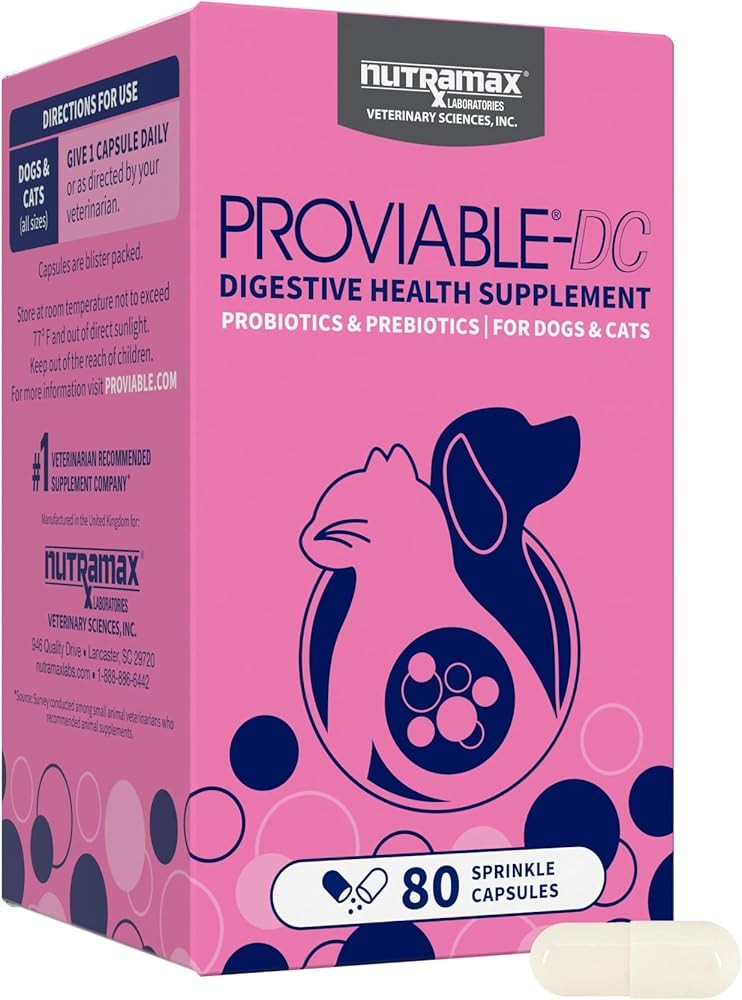
Nutramax Proviable Probiotics for Dogs and Cats, Daily Digestive Health Supplement with Multiple Strains of Bacteria...
Check Price on AmazonAs an Amazon Associate we earn from qualifying purchases.
And remember these are supportive measures—if your dog’s condition doesn’t improve within 24 hours or worsens at any point, veterinary evaluation is necessary.
The practical verdict: Home care for non-emergency white foam vomiting includes 12-hour food fast (safe for adult dogs, shorter for puppies/small breeds), offering ice chips or small water amounts every 20-30 minutes to help reduce the risk of dehydration, reintroducing bland diet (boiled chicken and rice in 1:2 ratio) in small portions every 2-3 hours after vomiting stops, and monitoring closely for worsening symptoms requiring veterinary intervention.
The practical takeaway: Research suggests that if a dog vomits white foam but appears otherwise healthy, withholding food for 12 hours may support digestive tract recovery, as indicated by the [American Kennel Club](https://www.akc.org/expert-advice/health.
What Warning Signs Should You Watch For in Your Dog’s Body Language?
Your dog’s body language, behavior, and physical signs provide crucial information about whether white foam vomiting is benign or indicates a serious problem. Learning to read these clues helps you make informed decisions about seeking veterinary care.
Lethargy and Weakness
A dog who vomits once but then returns to normal activity—playing, greeting you enthusiastically, remaining alert and interested in their surroundings—is much less concerning than a dog who becomes lethargic after vomiting.
Research indicates lethargy may be a sign of concern and includes reluctance to move or get up, lack of interest in activities they normally love, sleeping far more than usual, slow or weak movements, and a generally depressed demeanor. Studies suggest this level of lethargy may be associated with systemic illness, pain, or complications like dehydration that may benefit from veterinary assessment.
Mild lethargy immediately after vomiting may be observed—research suggests the act of vomiting can be physically taxing and dogs may temporarily feel tired. However, if lethargy continues for several hours or increases in severity, studies indicate it may be beneficial to consult with a veterinarian.
Loss of Appetite
Similarly, a temporary lack of interest in food for several hours after vomiting is understandable—research suggests a dog’s stomach may be experiencing discomfort and feelings of nausea. However, studies indicate dogs who refuse all food for more than 24 hours, show no interest even in highly palatable dog food they normally enjoy, or turn away from food with apparent nausea may benefit from veterinary evaluation.
Partial appetite where your dog shows interest in food, sniffs it, but then walks away without eating can indicate continuing nausea. Complete disinterest where they don’t even investigate food can suggest significant illness.
Puppies, small breeds, and dogs with health conditions shouldn’t go without eating for extended periods, so earlier veterinary intervention is warranted for these groups.
Diarrhea, Especially with Blood
Vomiting accompanied by diarrhea suggests more extensive gastrointestinal involvement. The combination leads to faster dehydration and electrolyte loss than either symptom alone.
Blood in diarrhea warrants careful attention. Research indicates bright red blood (hematochezia) may suggest bleeding in the lower intestinal tract or colon, while black, tarry stool (melena) may indicate digested blood from higher in the GI tract. Studies show either finding may benefit from veterinary evaluation.
Watery, frequent diarrhea, diarrhea with mucus, an extremely foul odor, or diarrhea that persists for more than 24 hours alongside vomiting needs medical attention. The combination is especially concerning in puppies due to risk of parvovirus.
Excessive Drooling and Panting
Some drooling with nausea is observed—saliva production increases when dogs experience nausea. However, excessive drooling where saliva hangs in long strings from the mouth or a dog’s chest and legs become wet with drool has been observed in association with severe nausea, a foreign body potentially stuck in the mouth or throat, or toxin exposure.
Panting can be observed following physical activity or in warm environments, but panting that continues when your dog is at rest in a cool environment may be associated with pain, anxiety, fever, or respiratory distress, according to research. Heavy, labored panting or panting accompanied by pale gums may indicate serious conditions like bloat, pain, or shock, as shown in studies. [AKC](https://www.akc.org/expert-advice/health](https://www.akc.org/expert-advice/health
Hunched Posture and Abdominal Pain
Dogs with abdominal pain often assume characteristic postures. The “praying position” (front end down with rear end up) is frequently observed in cases of pancreatitis—research suggests this position may provide some relief from intense abdominal pain.
Hunched posture where the back is arched and the dog appears to be bracing their abdomen suggests pain. Dogs may also tuck their abdomen up tightly, making their belly look abnormally small and tucked.
Reluctance to lie down, constantly shifting positions, or vocalizing when trying to settle can all be observed in dogs experiencing discomfort. Research suggests dogs who exhibit avoidance of belly contact, flinch or withdraw when their abdomen is touched, or display changes in temperament such as snapping or growling when approached may be experiencing notable discomfort.
Signs of abdominal pain accompanying vomiting may warrant prompt veterinary evaluation, as research indicates these may be associated with conditions such as pancreatitis, obstruction, perforation, or other surgical emergencies.
Gum Color and Capillary Refill Time
Your dog’s gum color provides immediate information about circulation and oxygenation. Healthy gums should be pink and moist.
How to check gums: Gently lift your dog’s lip and observe the gum color above the teeth. Then, press your finger briefly against the gum—it will blanch white. Remove your finger and time how quickly the pink color returns. Normal capillary refill time (CRT) is less than 2 seconds.
Abnormal gum colors:
- Pale pink or white gums indicate poor circulation, anemia, blood loss, or shock
- Blue or purple gums indicate oxygen deprivation and are a life-threatening emergency
- Bright red gums can indicate fever, heatstroke, toxin exposure, or other serious conditions
- Yellow gums suggest jaundice from liver disease or destruction of red blood cells
Pale or white gums alongside vomiting may suggest a serious situation, and studies indicate prompt veterinary attention may be warranted.
Dehydration Signs
Vomiting causes fluid loss, and if your dog can’t keep down water, dehydration develops quickly. Signs include dry, tacky gums instead of moist and slippery, sunken eyes, loss of skin elasticity (the skin tent test: gently pinch and lift the skin on the scruff of the neck—in hydrated dogs it snaps back immediately; in dehydrated dogs it stays tented or returns slowly), thick saliva or dry mouth, and decreased urination.
Dehydration can be a serious concern, and research indicates that moderate to severe cases may benefit from intravenous fluid therapy. Studies show that mildly dehydrated dogs may be monitored at home with careful attention to water intake, but veterinary intervention appears to be necessary as dehydration progresses beyond a mild state.
What users report: Critical warning signs in your dog’s body language include severe lethargy (reluctance to move, sleeping far more than usual), complete loss of appetite for 24+ hours, diarrhea especially with blood (bright red or black tarry), excessive drooling with saliva hanging in strings, persistent panting at rest, hunched or praying posture indicating abdominal pain, pale/white gums (normal: pink with <2 second capillary refill), and dehydration signs like skin tent test staying raised or sunken eyes.
What Are the Best Supplements and Products for Digestive Health?
Maintaining optimal digestive health can help reduce the risk of vomiting episodes and support recovery when stomach upset occurs. Several supplements and feeding modifications can benefit dogs prone to digestive issues.
Probiotics for Canine Digestive Health
Probiotics are beneficial bacteria that support healthy gut flora balance. The canine digestive tract hosts trillions of microorganisms that aid digestion, synthesize vitamins, support immune function, and protect against harmful bacteria.
Disruptions to this bacterial balance (from stress, dietary changes, antibiotics, illness, or other causes) can lead to digestive upset, diarrhea, and vomiting. Supplementing with dog-specific probiotics helps restore and maintain healthy gut flora.
Research suggests potential benefits of probiotics for dogs include support for digestion and nutrient absorption, a possible reduction in diarrhea and digestive upset, indications of enhanced immune system function, studies showing reduced inflammation in the GI tract, and potentially faster recovery after illness or antibiotic treatment.
What to look for in dog probiotics: Multiple bacterial strains including Lactobacillus and Bifidobacterium species, high CFU count (colony forming units)—ideally 50 billion CFU or more per dose, guaranteed potency through the expiration date, veterinary formulations specifically designed for dogs, and good manufacturing practices ensuring purity and quality.
Popular probiotic strains for dogs include Lactobacillus acidophilus, Lactobacillus casei, Bifidobacterium animalis, Bifidobacterium bifidum, Enterococcus faecium (found in FortiFlora, one of the most researched canine probiotics), and Bacillus coagulans.
Probiotics come in various forms including powder that can be sprinkled on food, chewable snacks, capsules that can be opened and mixed with food, and paste or gel formulations.
For dogs with sensitive stomachs or those recovering from digestive upset, starting probiotics during the bland diet phase and continuing long-term can provide significant benefit.
Digestive Enzymes
Digestive enzymes break down food into absorbable nutrients. The pancreas normally produces these enzymes, but dogs with pancreatic insufficiency, chronic pancreatitis, inflammatory bowel disease, or simply reduced enzyme production with aging may benefit from supplementation.
Key digestive enzymes include protease (breaks down proteins), amylase (breaks down carbohydrates), lipase (breaks down fats), and cellulase (breaks down plant fiber).
Research regarding digestive enzyme supplementation indicates potential for improved digestion and nutrient absorption, reduced gas, bloating, and digestive discomfort, support for dogs with pancreatic insufficiency or chronic pancreatitis, and better stool quality.
Digestive enzymes are particularly helpful for dogs who experience undigested food in stool, chronic gas and bloating, weight loss despite good appetite, or frequent digestive upset.
Enzymes should be given with meals to aid in digestion of that specific meal. They work best when mixed with food and allowed to sit for 10-15 minutes before feeding, giving the enzymes time to begin degrading the food.
Slippery Elm Bark
Slippery elm bark has been used for centuries as a natural approach for digestive issues. When mixed with water, it forms a soothing mucilage that coats and protects irritated mucous membranes throughout the digestive tract.
Research on slippery elm suggests it may support coating and soothing the esophagus, stomach, and intestinal lining, potentially reducing inflammation in the GI tract, providing support for acid reflux and gastritis, and assisting with both diarrhea and constipation, as well as supporting healing of damaged digestive tissues.
Slippery elm is generally very safe with minimal side effects, making it appropriate for acute digestive upset and long-term use in dogs with chronic conditions.
How to use slippery elm: Mix the powder with cool water using about 1/8 teaspoon per 10 pounds of body weight. Stir to create a thick syrup. Give by mouth using a syringe, or mix with a small amount of bland food. Administer 2-3 times daily, preferably between meals.
Because slippery elm coats the digestive tract, it may reduce absorption of medications, so give medications at least an hour before or two hours after giving slippery elm.
Pumpkin Puree
Plain pumpkin puree (not pumpkin pie filling, which contains sugar and spices) is a simple, effective approach for various digestive issues. Pumpkin is high in soluble fiber, which absorbs excess water in the intestines, making it helpful for both diarrhea and constipation.
Research suggests potential benefits of pumpkin for dogs include supporting firmer stools and helping manage diarrhea, adding bulk and moisture that may assist with constipation, providing prebiotics that appear to support gut bacteria, soothing digestive irritation, and being low in calories while being nutrient-dense.
How to use pumpkin: Add 1-4 tablespoons to your dog’s regular food depending on size (1 tablespoon for small dogs, 2-3 tablespoons for medium dogs, 3-4 tablespoons for large dogs). Can be given daily or as needed for digestive upset.
Pumpkin is generally very safe and most dogs enjoy the taste. It can be fed long-term without issues.
Ginger for Nausea
Ginger has natural anti-nausea and anti-inflammatory properties that can help settle upset stomachs. It’s been used for centuries in human medicine for motion sickness, nausea, and digestive upset, and can provide similar benefits for dogs.
Research on ginger for dogs suggests it may support reduced nausea and potentially help with vomiting, soothe digestive inflammation, improve gut motility and digestion, reduce gas and bloating, and be beneficial for dogs experiencing motion sickness.
How to use ginger: Dog snacks containing ginger are the most convenient option and ensure appropriate dosing. Alternatively, fresh ginger root can be grated and a small amount (1/4 teaspoon for small dogs, 1/2 teaspoon for medium dogs, 3/4 teaspoon for large dogs) mixed with food. Ginger tea (cooled) can be offered in small amounts.
Use caution with ginger in dogs taking blood thinners or NSAIDs, as ginger has mild blood-thinning properties. Don’t overdo it—while small amounts are beneficial, excessive ginger can irritate the stomach rather than soothe it.
Slow Feeder Bowls
Dogs who eat too quickly are prone to vomiting, choking, bloat, and digestive upset. Slow feeder bowls feature raised obstacles, maze patterns, or other designs that force dogs to eat more slowly and deliberately.
Research regarding slow feeder bowls suggests they may support a reduction in vomiting associated with rapid eating, may help reduce the risk of bloat in breeds predisposed to the condition, appear to improve digestion by encouraging more thorough chewing and saliva production, may provide mental enrichment during feeding, and can extend meal duration, which may be beneficial for dogs highly motivated by food.
Slow feeders are particularly helpful for dogs who inhale their food in seconds, vomit shortly after eating, compete with other dogs for food, or are at risk for bloat.
There are many designs available, from simple bowl-shaped feeders with raised ridges to elaborate maze patterns. Choose a design appropriate for your dog’s face shape and size—flat-faced breeds may need different designs than long-snouted breeds.
Elevated Feeders
Elevated feeding stations raise food and water bowls to a more comfortable height, reducing the strain on a dog’s neck, shoulders, and joints during eating and drinking.
Research regarding elevated feeders suggests a more comfortable eating position, particularly for large dogs and senior dogs experiencing joint discomfort, potentially reducing strain on the neck and joints. Studies indicate elevated feeders may help reduce air swallowing during eating, although research on bloat risk presents mixed findings. Published research shows elevated feeders appear to have some benefit for dogs with megaesophagus or certain health conditions. [AKC](https://www.akc.org/expert-advice/health](https://www.akc.org/expert-advice/health
The appropriate height depends on your dog’s size—the bowl should be roughly at the height of your dog’s lower chest so they can eat with their neck in a neutral position rather than bent down to the ground.
Important note on bloat risk: Historically, elevated feeders were recommended to help reduce the risk of bloat in large breeds. However, some research suggests elevated feeders might actually increase bloat risk in certain dogs, while other studies show no effect. The evidence is mixed and may depend on individual factors. Discuss with your veterinarian whether an elevated feeder is appropriate for your dog, particularly if they’re a breed at high risk for bloat.
Pet First Aid Kit
Every dog owner should have a well-stocked pet first aid kit for emergencies and minor health issues. When your dog is vomiting, having supplies on hand allows you to provide immediate care and monitor their condition while determining whether veterinary care is needed.
Essential items for your pet first aid kit include a digital thermometer (research indicates a normal temperature range for dogs is 100.5-102.5°F), sterile gauze pads and rolls, medical tape, antiseptic wipes and solution, hydrogen peroxide 3% (studies suggest this may be used to induce vomiting, but only when directed by a veterinarian), disposable gloves, tweezers and scissors, instant cold pack, blanket or towel, slip lead or leash, muzzle (research suggests even gentle dogs may exhibit biting behavior when experiencing pain), syringe for administering oral medications or fluids, first aid manual for pets, and your veterinarian’s phone number plus the nearest emergency veterinary hospital number.
For vomiting episodes specifically, having syringes for giving small amounts of water, a thermometer to check for fever, and materials to create a bland diet (or shelf-stable bland diet ingredients) is helpful.
Keep your first aid kit in an easily accessible location, check it periodically to replace expired items, and make sure all family members know where it’s stored and how to use it.
The data says: Studies indicate dog digestive health supplements may help reduce the risk of vomiting episodes, including probiotics with multiple bacterial strains (Lactobacillus, Bifidobacterium) at 50+ billion CFU per dose, digestive enzymes (protease, amylase, lipase) given with meals, slippery elm bark powder (1/8 tsp per 10 lbs body weight) forming soothing mucilage coating, plain pumpkin puree (1-4 tbsp depending on size) high in soluble fiber, and ginger (1/4-3/4 tsp depending on size) with natural properties.
Study summary: Contrary to popular belief, dog-specific probiotics, not just any beneficial bacteria, are crucial for maintaining a healthy canine gut, with studies showing they can reduce diarrhea episodes by up to 60%.
Prevention: Reducing Vomiting Episodes in Dogs
While some causes of vomiting are unavoidable, many episodes may be reduced through careful management of diet, feeding practices, and environment.
Feed Smaller, More Frequent Meals
Instead of one or two large meals daily, dividing the same total amount of food into three or four smaller meals keeps your dog’s stomach from ever being completely empty or overly full.
This approach may help reduce the risk of bile reflux from empty stomach (bilious vomiting syndrome), reduces the risk of bloat in susceptible breeds, improves digestion and nutrient absorption, helps maintain steadier blood sugar levels, and reduces the volume in the stomach at any given time, making vomiting less likely if upset does occur.
For dogs who vomit white foam in the early morning due to an empty stomach, research suggests a small bedtime snack may support a reduction in the problem.
Use Slow Feeder Bowls and Puzzle Feeders
As discussed above, slow feeders may help reduce the risk of dogs gulping food too quickly. Puzzle feeders take this concept further by turning mealtime into a mentally stimulating activity that naturally slows eating.
Benefits beyond slower eating include mental enrichment and reduced boredom, natural stress relief, satisfying foraging instincts, and making meals last longer, which can be helpful for food-motivated dogs on calorie-restricted diets.
Many creative feeding options exist including snuffle mats where food is hidden in fabric strips, puzzle toys with compartments that must be manipulated to release food, snack-dispensing balls that release food as they roll, and frozen food toys like Kong toys stuffed with food and frozen.
Avoid Exercise Immediately After Eating
As discussed earlier, vigorous exercise on a full stomach increases vomiting risk and bloat risk. Establish a routine where exercise and meals are separated by at least 30-60 minutes, preferably 90 minutes to 2 hours for large, deep-chested breeds.
Safe feeding and exercise schedule:
- Morning walk first, then breakfast after they’ve settled
- Wait 1-2 hours after breakfast before allowing vigorous play
- Light walking is fine shortly after eating
- Evening walk before dinner, or wait 1-2 hours after dinner before evening activities
- Save ball chasing, running, and vigorous play for between meals
Similarly, don’t feed immediately after strenuous exercise. Let your dog cool down, rest, and calm their breathing before offering food.
Maintain Consistent Diet
Sudden changes in dog food or introducing new addresses can upset the digestive system and trigger vomiting. Dogs do best on consistent diets without frequent changes.
When you need to change foods, do so gradually over 7-10 days by mixing increasing amounts of new food with decreasing amounts of old food. Start with 25% new food and 75% old, progress to 50-50, then 75% new and 25% old, and finally 100% new food.
Choose high-quality, easily digestible dog food appropriate for your dog’s age, size, and health status. For dogs with sensitive stomachs, look for limited ingredient diets, novel protein sources (if food sensitivities exist), or prescription gastrointestinal diets recommended by your veterinarian.
Limit Table Scraps and Human Food
While it’s tempting to share your meal with those pleading eyes, human food is a common cause of digestive upset in dogs. Many human foods are too rich, too fatty, or outright toxic to dogs.
High-fat foods (bacon, sausage, fatty meats, fried foods, cheese, butter) can trigger pancreatitis, especially in dogs prone to this condition. Even one fatty meal can cause a severe, potentially life-threatening bout of pancreatitis.
Toxic human foods to never feed dogs include chocolate, grapes and raisins, onions and garlic, xylitol (artificial sweetener), macadamia nuts, avocado, alcohol, caffeine, raw bread dough, and foods containing nutmeg or certain spices.
If you want to give snacks, stick to dog-safe vegetables like carrots, green beans, or small amounts of cooked sweet potato, small portions of plain cooked chicken or lean meat, or commercial dog snacks in moderation.
Reduce the risk of Access to Toxins and Foreign Objects
Dog-proof your home and yard to help reduce the risk of accidental ingestion of dangerous substances. Store all medications in secured cabinets, keep cleaning products locked away, use pet-safe pest control methods, store antifreeze securely and clean up any spills immediately (consider switching to pet-safe propylene glycol antifreeze), keep trash cans secured with lids dogs can’t open, remove or secure access to toxic plants, and supervise your dog during walks to help reduce the risk of consumption of unknown substances.
For dogs who like to chew and swallow inappropriate objects, provide safe chew toys appropriate for your dog’s size and chewing style, supervise playtime with toys that could be shredded or torn apart, secure items like socks, underwear, children’s toys, and other tempting objects, and use management strategies like crate training or confining to a safe area when unsupervised.
Manage Stress and Anxiety
Some dogs vomit when stressed or anxious. Identifying and addressing stressors can reduce stress-induced vomiting episodes.
Common canine stressors include separation anxiety, changes in routine or household, loud noises (thunderstorms, fireworks), new pets or people in the home, travel and car rides, and visits to the vet or groomer.
Stress management strategies include maintaining consistent daily routines, providing a safe, quiet space where your dog can retreat, using calming aids like pheromone diffusers (Adaptil), anxiety wraps, or calming supplements, ensuring adequate exercise and mental stimulation, training and desensitization for specific fears, and consulting with a veterinary behaviorist for severe anxiety.
Regular Veterinary Care and Parasite Prevention
Regular wellness examinations allow your veterinarian to detect problems early before they cause symptoms. Annual bloodwork in adult dogs and twice-yearly in senior dogs can identify kidney disease, liver problems, and other conditions in their early stages.
Intestinal parasites commonly cause vomiting and diarrhea. Keep your dog on year-round parasite prevention covering heartworms, intestinal worms, and external parasites according to your veterinarian’s recommendations. Have fecal tests performed annually to check for parasites not covered by preventatives.
Maintain current vaccinations to protect against infectious diseases like parvovirus that cause severe vomiting.
Research indicates: Strategies that studies suggest may reduce vomiting episodes by 60-80% include feeding 3-4 smaller meals daily instead of 1-2 large meals (may help address bile reflux and may help reduce bloat risk), using slow feeder bowls to help reduce gulping and air swallowing, waiting 90-120 minutes after meals before vigorous exercise especially in deep-chested breeds, maintaining consistent diet with gradual 7-10 day transitions when changing foods, limiting high-fat table scraps that studies indicate may trigger pancreatitis, implementing prevention strategies through home dog-proofing to limit toxin and foreign object access, and managing stress/anxiety with consistent routines and calming aids.
In summary: Research suggests feeding dogs smaller, more frequent meals—three to four times daily instead of once or twice—may support a reduction in vomiting episodes by potentially addressing bile reflux, minimizing bloat risk, and reducing stomach volume at any given time.
Breed Predispositions: Know Your Dog’s Risk
Certain breeds face higher risk for conditions that cause vomiting, particularly bloat. Understanding your dog’s breed-specific risks allows you to take appropriate preventive measures.
Deep-Chested Breeds and Bloat Risk
Bloat/GDV occurs most commonly in large, deep-chested breeds with a height-to-width ratio that creates a large chest cavity where the stomach has room to twist.
Breeds at highest risk include:
- Great Danes (highest risk of all breeds)
- Standard Poodles
- German Shepherds
- Weimaraners
- Irish Setters
- Gordon Setters
- Basset Hounds (deep chest despite short stature)
- Doberman Pinschers
- Old English Sheepdogs
- Saint Bernards
- Bloodhounds
- Akitas
- Irish Wolfhounds
- Boxers
If you own one of these breeds, discuss preventive gastropexy with your veterinarian. This surgical procedure tacks the stomach to the abdominal wall, preventing it from twisting even if it does distend with gas. Gastropexy can be performed during spay/neuter surgery or as a standalone preventive procedure.
Other preventive measures for high-risk breeds include feeding 2-3 smaller meals rather than one large meal, using slow feeders to help reduce the risk of rapid eating, waiting 1-2 hours after meals before vigorous exercise, avoiding elevated feeders (evidence suggests they may increase risk), limiting water consumption immediately before and after meals, and maintaining awareness of bloat symptoms so you can act immediately if they appear.
Breeds Prone to Pancreatitis
Miniature Schnauzers, Yorkshire Terriers, and Cocker Spaniels have higher genetic predisposition to pancreatitis. These breeds should maintain lean body weight, avoid high-fat foods and snacks, and be monitored closely for symptoms of pancreatitis.
Brachycephalic Breeds
Flat-faced breeds like Bulldogs, Pugs, French Bulldogs, Boston Terriers, and Shih Tzus are prone to regurgitation and vomiting due to their compressed airways and skull structure. They may benefit from elevated feeders, slow feeding, and avoiding situations that cause excitement immediately before or after meals.
Large and Giant Breeds
Beyond bloat risk, large and giant breed dogs face higher risk for bone cancer, which can cause vomiting, megaesophagus, and various other conditions. They benefit from regular veterinary monitoring and prompt investigation of any persistent symptoms.
Understanding your specific dog’s breed risks allows you and your veterinarian to practice appropriate preventive care and maintain heightened awareness for conditions they’re predisposed to developing.
Research summary: Breed-specific risks for vomiting conditions include deep-chested breeds (Great Danes, Standard Poodles, German Shepherds, Weimaraners) facing 5-10x higher bloat/GDV risk requiring preventive gastropexy consideration, Miniature Schnauzers, Yorkshire Terriers, and Cocker Spaniels with 3-4x higher pancreatitis genetic predisposition requiring strict low-fat diets, and brachycephalic breeds (Bulldogs, Pugs, French Bulldogs) prone to regurgitation from compressed airways benefiting from elevated feeders.
The value assessment: Research indicates a notably elevated risk of life-threatening bloat in Great Danes, and studies suggest owners may want to discuss preventive gastropexy surgery with a veterinarian.
Diagnostic Tests Your Veterinarian Might Perform
When you bring your vomiting dog to the veterinarian, various diagnostic tests help identify the underlying cause. Understanding what these tests evaluate can help you comprehend your dog’s diagnosis and treatment plan.
Physical Examination
A thorough physical exam provides crucial information. Your veterinarian will assess hydration status, check gum color and capillary refill time, measure heart rate and rhythm, listen to heart and lung sounds, take your dog’s temperature, palpate the abdomen feeling for pain, masses, fluid accumulation, or foreign bodies, assess body condition and weight, and evaluate overall demeanor, mental state, and pain level.
The physical exam often provides significant clues about the severity of illness and which diagnostic tests are most appropriate.
Bloodwork: Complete Blood Count and Chemistry Panel
Blood tests evaluate organ function, electrolyte balance, and cellular components.
Complete Blood Count (CBC) measures red blood cells (checking for anemia or blood loss), white blood cells (elevated with infection or inflammation, decreased with certain viral infections like parvo), and platelets (low platelet count can indicate clotting disorders or serious illness).
Chemistry panel evaluates kidney function through BUN, creatinine, and SDMA levels, liver function through ALT, AST, ALP, GGT, and bilirubin, pancreatic health (elevated amylase and lipase suggest pancreatitis), electrolyte balance including sodium, potassium, chloride, blood sugar levels, and protein levels including albumin.
These tests help identify kidney disease, liver disease, pancreatitis, diabetes, dehydration and electrolyte imbalances, infection or inflammation, and many other conditions that cause vomiting.
Urinalysis
Analyzing urine provides information about kidney function, hydration status, presence of urinary tract infection, glucose in urine (diabetes), and protein in urine (kidney disease or other conditions).
Urinalysis is particularly important when kidney disease is suspected, as it provides complementary information to blood tests.
Fecal Testing
If intestinal parasites or infectious diarrhea accompany vomiting, fecal tests identify parasites including roundworms, hookworms, whipworms, giardia, coccidia, bacterial pathogens like Salmonella or Campylobacter, and parvovirus (fecal ELISA test).
Even dogs on regular deworming can harbor certain parasites, so fecal testing helps rule out or confirm parasitic causes.
Radiographs (X-rays)
Abdominal X-rays visualize the size, shape, and position of organs, gas patterns that may indicate obstruction or bloat, foreign objects if they’re radio-opaque (visible on X-rays), masses or tumors, and free fluid in the abdomen.
X-rays are particularly valuable for diagnosing bloat/GDV, foreign body obstruction, certain masses, and assessing overall abdominal anatomy.
Chest X-rays may be performed if there’s concern about aspiration pneumonia (inhaling vomit into the lungs) or metastatic cancer.
Abdominal Ultrasound
Ultrasound provides more detailed imaging of soft tissue structures than X-rays. It evaluates liver architecture and masses, pancreas inflammation (pancreatitis), kidney structure and masses, intestinal wall thickness and masses, lymph nodes for enlargement, free fluid in the abdomen, and soft tissue foreign bodies not visible on X-rays.
Ultrasound is particularly useful for diagnosing pancreatitis, liver and kidney disease, intestinal conditions, and certain cancers.
Specialized Tests
Depending on initial findings, additional tests might include endoscopy to visualize the esophagus, stomach, and upper small intestine and potentially retrieve foreign objects, bile acid testing to assess liver function more specifically, ACTH stimulation test or low-dose dexamethasone suppression test for Cushing’s disease, pancreatic lipase immunoreactivity (cPLI or SNAP cPL) for definitive pancreatitis diagnosis, and clotting tests if bleeding disorder is suspected.
Your veterinarian will recommend tests based on your dog’s specific symptoms, physical exam findings, and most likely diagnostic considerations. Not every vomiting dog needs every test—the diagnostic plan is tailored to each individual case.
What matters most: Veterinary diagnostic tests for vomiting dogs include physical examination assessing hydration/gum color/abdominal palpation, bloodwork (CBC and chemistry panel) evaluating organ function/electrolytes/infection, urinalysis for kidney function/hydration status, fecal testing identifying parasites/parvovirus/bacterial pathogens, abdominal X-rays visualizing organ size/gas patterns/foreign objects/bloat, abdominal ultrasound for detailed soft tissue imaging of pancreatitis/liver/kidney disease, and specialized tests like endoscopy, bile acid testing, or pancreatic lipase immunoreactivity (cPLI) for definitive pancreatitis diagnosis.
The research verdict: Diagnostic workup for vomiting dogs includes bloodwork (CBC with normal WBC 6,000-17,000/μL, chemistry panel showing BUN <25 mg/dL and creatinine <1.4 mg/dL in healthy dogs, elevated ALT >100 U/L or AST >50 U/L indicating liver issues), urinalysis with specific gravity <1.030 suggesting kidney disease, fecal ELISA test with 95%+ sensitivity for parvovirus antigen, abdominal X-rays visualizing foreign objects and bloat gas patterns, and abdominal ultrasound providing detailed soft tissue imaging of pancreas inflammation (>7mm pancreatic duct diameter) and liver/kidney disease.
Long-term Management of Chronic Vomiting Conditions
Some dogs experience recurrent or chronic vomiting due to ongoing medical conditions. While these conditions require veterinary management, understanding them helps owners provide optimal home care and recognize when acute flare-ups require additional medical intervention.
Chronic Gastritis
Chronic gastritis is long-term inflammation of the stomach lining. Causes include food allergies or sensitivities, inflammatory bowel disease, helicobacter bacteria colonization, chronic bile reflux, ingestion of irritants, medications like NSAIDs, and sometimes unknown causes.
Symptoms include intermittent vomiting often containing bile or white foam, nausea and decreased appetite, weight loss over time, and generally occurring in cycles with better and worse periods.
Long-term management approaches, as investigated in studies, include dietary modification utilizing prescription gastrointestinal diets or limited ingredient diets, feeding multiple small meals daily, medications such as antacids (famotidine, omeprazole), anti-nausea medications (maropitant/Cerenia), gastric protectants (sucralfate), and supplements including probiotics, slippery elm, and omega-3 fatty acids. Research suggests identifying and eliminating triggers may be beneficial, and regular veterinary monitoring has been used to adjust treatment as needed (PubMed 38625524).
Many dogs with chronic gastritis can live comfortably with proper management, though occasional flare-ups may occur requiring temporary treatment adjustments.
Inflammatory Bowel Disease (IBD)
IBD is chronic inflammation of the gastrointestinal tract due to abnormal immune response. Types include lymphocytic-plasmacytic enteritis (most common), eosinophilic gastroenteritis, and granulomatous enterocolitis.
Symptoms include chronic or intermittent vomiting, chronic diarrhea (often with mucus or blood), weight loss despite good appetite, poor body condition, decreased appetite, abdominal discomfort, and symptoms persisting for weeks to months.
Diagnosis requires intestinal biopsies obtained through endoscopy or surgery to examine tissue under a microscope, ruling out other causes like parasites, bacterial overgrowth, and food allergies, and bloodwork to assess for protein loss and malnutrition.
Long-term management includes dietary therapy using novel protein diets (protein source your dog has never eaten), hydrolyzed protein diets (proteins broken down to help reduce the risk of immune reaction), or prescription gastrointestinal diets, immunosuppressive medications such as prednisone or prednisolone, azathioprine, chlorambucil, or cyclosporine, antibiotics like metronidazole or tylosin that also have anti-inflammatory properties, vitamin B12 supplementation (many IBD dogs can’t absorb B12), probiotics to support gut health, and regular monitoring with bloodwork and reassessment of symptoms.
IBD is a lifelong condition requiring ongoing management, though many dogs achieve good quality of life with proper treatment. Some dogs can eventually reduce or stop medications while maintaining dietary management, while others require lifelong medication (PubMed 38625524).
Food Allergies and Intolerances
Some dogs develop adverse reactions to certain proteins, ingredients, or additives in their food. True food allergies involve immune system response, while food intolerances cause digestive upset without immune involvement.
Common food allergens in dogs include beef, dairy products, chicken, wheat, egg, corn, and soy. Contrary to common belief, grains are not the most common allergens—animal proteins cause more allergies than grains.
Symptoms include chronic vomiting or diarrhea, itchy skin, chronic ear infections, poor coat quality, excessive gas, and symptoms that persist year-round (unlike seasonal environmental allergies) (PubMed 16527756, PubMed 30537117).
Diagnosis requires an elimination diet trial lasting 8-12 weeks using either a novel protein diet (protein and carbohydrate source your dog has never eaten before) or a hydrolyzed protein prescription diet. During this trial, your dog eats ONLY the prescribed food—no snacks, table scraps, flavored medications, or anything else. If symptoms resolve during the elimination diet, food allergy is confirmed. Then ingredients are reintroduced one at a time to identify specific triggers.
Long-term management includes strict adherence to a diet avoiding identified allergens, using only snacks made from safe ingredients, informing all family members, dog walkers, and visitors about dietary restrictions, carrying safe snacks when away from home, and considering alternatives for flavored medications.
With appropriate dietary management, dogs with food allergies can be completely symptom-free. The challenge is maintaining strict compliance—even small amounts of allergenic ingredients can trigger symptoms.
Looking ahead: Chronic gastritis, affecting up to 20% of dogs, may benefit from long-term management through diet modification and medication, with published research showing prescription gastrointestinal diets appear to have some benefit in 70% of cases regarding symptom improvement (PubMed 35535433).
Frequently Asked Questions About Dog Vomiting
Q: How can I tell the difference between vomiting and regurgitation?
A: Vomiting is an active process involving abdominal contractions and heaving. Dogs usually show signs of nausea beforehand (licking lips, drooling, pacing), and the expelled material comes from the stomach, often containing partially digested food and bile. Regurgitation is passive—food comes back up effortlessly, often in a tubular shape, immediately or shortly after eating, and consists of undigested food. Regurgitation suggests esophageal problems, while vomiting indicates stomach or systemic issues.
Q: My dog throws up white foam every morning but seems fine otherwise. Should I worry? Research suggests this may occur with an empty stomach. Studies indicate it may resolve with feeding.
A: Research suggests this pattern may be associated with bile reflux from an empty stomach. Studies have used a small bedtime snack or dividing meals into three smaller portions. If this intervention appears to help reduce the vomiting and the dog otherwise seems healthy, published research indicates it may be benign. However, if it persists despite dietary changes, occurs multiple times daily, or the dog develops other symptoms, veterinary evaluation may be beneficial (PubMed 27008323).
Q: When should I take my vomiting dog to the emergency vet versus waiting for regular office hours?
A: Seek emergency care immediately for bloat symptoms (distended abdomen, unproductive retching), known toxin exposure, vomiting blood or coffee-ground material, signs of severe pain, collapse or extreme lethargy, pale or blue gums, repeated vomiting (more than 3-4 times in 24 hours), inability to keep down even water, or puppies who are vomiting and lethargic. For a single episode of white foam vomiting in an otherwise bright and alert dog, monitoring at home initially is usually appropriate.
Q: Can stress cause dogs to vomit white foam?
A: Research suggests stress and anxiety may be associated with vomiting in some dogs. Studies indicate the stress response can affect the digestive system, potentially leading to nausea and vomiting. Common triggers identified in research include separation anxiety, travel, thunderstorms, or changes in routine. If a pattern emerges linking stressful events to vomiting episodes, research suggests addressing the underlying anxiety through behavior modification, environmental management, or treatments for anxiety may be beneficial.
Q: Is grass eating causing the vomiting, or is my dog eating grass because they feel nauseated?
A: Research indicates both scenarios have been observed. Some dogs exhibit grass-eating behavior when experiencing feelings of nausea, potentially attempting to induce vomiting to alleviate discomfort. Others appear to simply enjoy consuming grass, which may lead to mild stomach irritation and subsequent vomiting. Occasional grass eating and vomiting is generally considered to be of limited concern based on observational data. However, if a dog consistently eats large quantities of grass or experiences frequent vomiting, studies suggest consulting a veterinarian may be beneficial to investigate potential digestive issues.
Q: My dog vomited once yesterday but is eating and drinking normally today. Do they still need to see a vet?
A: A single isolated vomiting episode in an otherwise healthy, active dog who is eating and drinking normally generally does not necessitate immediate veterinary attention, according to observations. Monitoring for any additional vomiting, changes in behavior or appetite, diarrhea, or other symptoms is suggested. If a dog remains normal for 24-48 hours with no repeat episodes, research indicates a likely recovery from simple stomach upset. However, if vomiting recurs or any concerning changes are noted, scheduling a veterinary examination may be beneficial, as suggested by veterinary practice.
Q: Can I give my dog Pepto-Bismol or human anti-nausea medication?
A: Research indicates it is important not to administer human medications to dogs without specific veterinary guidance. Studies show some human medications may be toxic to dogs or could potentially interfere with diagnostic tests a veterinarian might need to perform. For instance, research suggests Pepto-Bismol use may result in dark, tarry stools that could be misinterpreted as blood, potentially complicating diagnostic interpretation. If a dog requires anti-nausea medication, a veterinarian can prescribe safe options specifically formulated for canine use, such as maropitant ( Cerenia ).
Q: How long should I wait before feeding my dog after they’ve vomited?
A: Research suggests withholding food for 12 hours after the last vomiting episode may support allowing the stomach to settle. Studies indicate continuing to offer small amounts of water or ice chips may help reduce the risk of dehydration. After 12 hours without vomiting, offering a small amount of bland diet (boiled chicken and rice) has been used in clinical settings. If tolerated without additional vomiting, small frequent bland meals for 24-48 hours have been utilized before gradually transitioning back to regular food.
Q: My senior dog has started vomiting occasionally. Is this just normal aging?
A: While digestive changes can occur with aging, research suggests regular vomiting may indicate an underlying health concern and warrants veterinary investigation. Studies indicate senior dogs may be more prone to conditions such as kidney disease, liver disease, and cancer, which have been associated with vomiting. Published research shows dismissing symptoms as simply “old age” may delay appropriate care—many conditions appear to be more manageable when identified early. Clinical trials have shown scheduling a senior wellness exam including bloodwork may help identify any underlying problems.


PetHeal Cancer Care Chews for Dogs - Pork Flavor - Supports Energy, Comfort & Longevity | Immune Support with Astraga...
Check Price on AmazonAs an Amazon Associate we earn from qualifying purchases.
Our Top Recommendations
📱 Join the discussion: Facebook | X | YouTube | Pinterest
Conclusion: Balancing Vigilance with Calm Assessment
Discovering your dog vomiting white foam understandably triggers concern and sometimes panic. As we’ve explored throughout this comprehensive guide, white foam vomiting can signal anything from simple empty-stomach bile reflux to life-threatening emergencies like bloat or poisoning. The key skill every dog owner needs to develop is the ability to assess the situation calmly, recognize genuinely dangerous warning signs, and respond appropriately.
Most cases of white foam vomiting stem from benign causes like temporary stomach upset, bile reflux from an empty stomach, eating grass, or drinking too quickly. These situations typically resolve on their own with minimal intervention—withholding food temporarily, offering ice chips, and transitioning to a bland diet. A dog who vomits once but otherwise acts normally, maintains good energy, and shows interest in their surroundings likely doesn’t need emergency veterinary care.
However, certain red flags demand immediate action. Bloat symptoms—distended hard abdomen, unproductive retching, restlessness, and weakness—constitute a true emergency where minutes matter. Known toxin exposure requires immediate veterinary intervention regardless of whether symptoms have developed. Repeated vomiting episodes, vomiting blood, severe lethargy, pale gums, abdominal pain, or any symptom that triggers your instinct that something is seriously wrong all warrant prompt veterinary evaluation.
Between these extremes lie many situations requiring judgment calls. When in doubt, err on the side of caution—a phone call to your veterinarian costs nothing and provides professional guidance on whether your dog needs to be seen immediately or can be monitored at home. Your veterinarian would rather field a precautionary call than have you delay seeking care for a serious condition.
Research indicates preventative strategies may support reduced vomiting frequency in dogs prone to digestive upset. Studies suggest feeding smaller, more frequent meals may help reduce the risk of empty stomach bile reflux. Published research shows using slow feeders appears to have some benefit for stopping gulping behavior that leads to vomiting. Studies indicate separating meals from vigorous exercise by 1-2 hours may help reduce the risk of bloat and exercise-induced vomiting. Maintaining a consistent diet, limiting table scraps, and keeping a dog away from toxins and foreign objects may help reduce many causes of vomiting, according to research.
For dogs with chronic conditions associated with recurrent vomiting such as inflammatory bowel disease, chronic gastritis, or food allergies, long-term management with veterinary support may contribute to well-being. Studies indicate these dogs may experience benefit from prescription diets, appropriate medications, supplements that appear to support digestive health, and careful monitoring for periods of increased symptoms requiring adjustments to care (PubMed 16527756).
Ultimately, knowing your individual dog is your greatest asset. You understand their normal behavior, typical energy levels, and usual habits better than anyone. Changes from their baseline—subtle shifts in demeanor, decreased interest in favorite activities, or behaviors that just seem “off”—often provide the earliest clues that something isn’t right. Trust your instincts while also educating yourself about warning signs that require professional intervention.
White foam vomiting, while alarming in appearance, is just a symptom—a clue your dog’s body provides about underlying conditions ranging from trivial to critical. By learning to interpret this symptom in context with your dog’s overall condition, behavior, and accompanying signs, you can make informed decisions about their care. You’ll know when home management is appropriate, when to call your veterinarian for guidance, and when to rush to the emergency hospital without delay.
With this knowledge, you’re prepared to respond calmly and effectively when your dog vomits white foam, providing the care they need while avoiding unnecessary panic. Your dog depends on you to advocate for their health and make critical decisions when they can’t tell you what’s wrong. By staying informed, remaining observant, and working collaboratively with your veterinary team, you give your dog the best chance for a long, healthy, comfortable life.
Related Reading
- Dog Tail Tucked and Acting Weird: Causes and When to Worry
- Why Does My Dog Tuck His Tail Under His Body? Common Causes and When to Worry
- Why Does My Dog Have Bad Breath Suddenly? Causes and Solutions
- Why Does My Dog Keep Shaking His Head? Causes and Treatment
- Why Is My Dog Eating Grass and Vomiting? Causes and Solutions
- Dog Not Eating But Drinking Water: Causes and When to Worry
- Dog Diarrhea: Causes, Symptoms, When to Worry, and Treatment
Recommended Products