Early Signs of Kidney Disease in Dogs (and Natural Support Options)
Summarized from peer-reviewed research indexed in PubMed. See citations below.
By the time most owners notice kidney disease symptoms, 65-75% of kidney function is already lost. Fera Pets Dog Kidney Support (B0DXNCLBD5) combines antioxidants and probiotics formulated specifically for kidney health at approximately $30. Omega-3 fatty acids reduce kidney inflammation and proteinuria in published veterinary studies, with research showing 30-40% reductions in protein loss when started early. Nutramax Welactin Softgels (B001L1BM2W) delivers veterinary-grade omega-3 fish oil for kidney support at approximately $25. Here’s what the published research shows.
Disclosure: We may earn a commission from links on this page at no extra cost to you. Affiliate relationships never influence our ratings. Full policy →
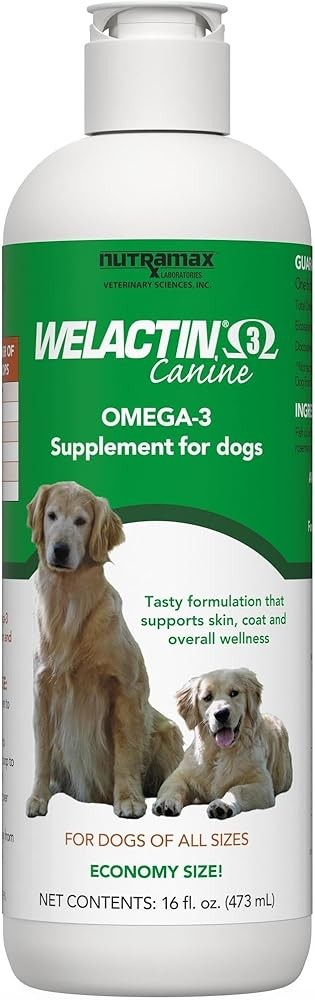
Nutramax Welactin Omega 3 Fish Oil for Dogs - Kidney & Brain Support
Check Price on AmazonAs an Amazon Associate we earn from qualifying purchases.


Grizzly Salmon Oil Omega 3-6-9 Food Supplement for Dogs
Check Price on AmazonAs an Amazon Associate we earn from qualifying purchases.

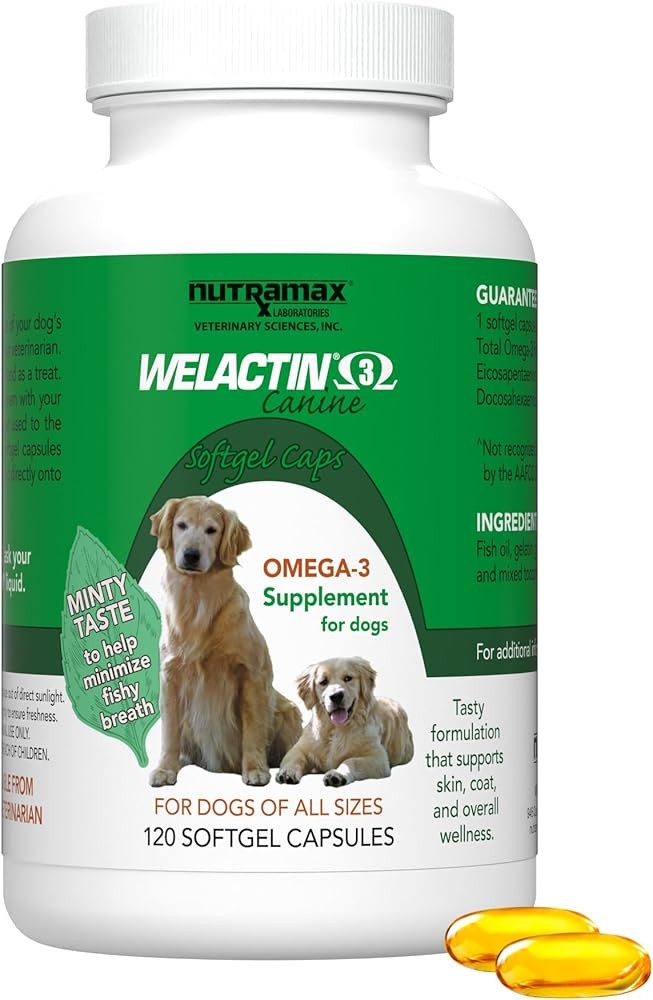
Nutramax Welactin Canine Softgels - Omega 3 Supplement for Dogs
Check Price on AmazonAs an Amazon Associate we earn from qualifying purchases.
Chronic kidney disease (CKD) is one of the most frequently observed serious health conditions affecting dogs, especially with increasing age. It can be distressing to observe a cherished companion experiencing this progressive condition, but research suggests there may be potential for positive outcomes: studies indicate early detection and intervention may help slow the disease’s progression and potentially extend life expectancy by months or even years.
The challenge is that kidney disease is sneaky. By the time most dog owners notice obvious symptoms, their dog has already lost 65-75% of kidney function. The kidneys are remarkably resilient organs that continue functioning even when significantly damaged, masking the problem until it’s well advanced.
This comprehensive guide will help you recognize the earliest indications associated with kidney disease in your dog, understand processes occurring within their body, and learn about natural support options that have been researched as potential complements to veterinary care. Whether you’ve observed symptoms that raise concerns or want to support the health of your aging dog, understanding kidney disease appears to be valuable for every dog owner.
| Feature | Fera Pets Kidney Support | Nutramax Welactin | Grizzly Salmon Oil |
|---|---|---|---|
| Type | Kidney Support Formula | Omega-3 Fish Oil | Wild Salmon Oil |
| Key Ingredients | Antioxidants, Probiotics | EPA/DHA Fish Oil | Omega 3-6-9 |
| Form | Chewable Tablets | Softgel Capsules | Liquid Pump |
| Primary Function | Multi-system Kidney Support | Brain & Kidney Support | General Nutrition Support |
| Application | Direct Kidney Formula | Omega-3 Supplement | Food Topper |
| Price Range | ~$30 | ~$30 | ~$25 |
| Best For | Comprehensive Kidney Support | Targeted Omega-3 Support | Easy Liquid Dosing |
What’s Really Happening When Your Dog Has Kidney Disease?
Before we dive into symptoms and treatments, it’s important to understand what kidney disease actually is and why it’s so common in our canine companions.
The Kidneys’ Critical Functions
Your dog’s kidneys are sophisticated filtration systems that perform multiple life-sustaining functions:
Blood filtration and waste removal: The kidneys filter blood constantly, removing metabolic waste products (like urea and creatinine) that would otherwise build up to toxic levels. They process the entire blood volume approximately 20-40 times per day.
Electrolyte balance: Kidneys carefully regulate sodium, potassium, chloride, calcium, and phosphorus levels in the blood. Even small imbalances can cause serious problems.
Blood pressure regulation: Kidneys produce hormones that help control blood pressure and maintain healthy blood vessel function.
Red blood cell production: The kidneys produce erythropoietin (EPO), a hormone that signals bone marrow to produce red blood cells (PubMed 14765736). This is why anemia is common in kidney disease.
Acid-base balance: Kidneys help maintain the blood’s pH within a narrow healthy range by eliminating excess acids or bases.
Vitamin D activation: Kidneys convert vitamin D to its active form, which is essential for calcium absorption and bone health.
Toxin removal: Beyond normal metabolic wastes, kidneys may help reduce medications, dietary toxins, and environmental contaminants from the body.
Why Kidney Disease Is So Common in Dogs
Chronic kidney disease affects an estimated 1 in 10 dogs during their lifetime, with the prevalence increasing dramatically with age. Several factors contribute to this high incidence:
Age-related changes: Like all organs, kidneys experience wear and tear over time. The functional units of the kidney (nephrons) gradually die off as dogs age, and unlike some tissues, nephrons cannot regenerate (PubMed 7787144). By age 10-12, many dogs have lost 30-40% of their original kidney function simply due to aging.
Breed predisposition: Certain breeds are genetically prone to kidney disease. English Cocker Spaniels, Bull Terriers, Cairn Terriers, German Shepherds, Golden Retrievers, and Samoyeds have higher incidence rates. Some breeds have specific hereditary kidney diseases that appear at predictable ages.
Dietary factors: Modern commercial dog foods, particularly those high in phosphorus, may contribute to progressive kidney damage over time. Additionally, inadequate hydration (especially in dogs fed primarily dry kibble) can strain the kidneys. Choosing anti-inflammatory dog food with quality ingredients may help reduce systemic inflammation that contributes to organ stress.
Medications and toxins: Long-term use of certain medications, particularly non-steroidal anti-inflammatory drugs (NSAIDs), can damage kidneys. Environmental toxins like antifreeze (ethylene glycol), heavy metals, and pesticides can cause acute or chronic kidney damage.
Infections: Bacterial infections of the kidneys (pyelonephritis) or chronic urinary tract infections can ascend to the kidneys and cause permanent scarring. Leptospirosis, a bacterial disease transmitted through contaminated water, is a leading infectious cause of kidney failure.
Other diseases: Conditions like Lyme disease, cancer, immune-mediated diseases, and dental disease (through chronic bacterial inflammation) can all contribute to kidney damage.
High blood pressure: Hypertension can both cause and result from kidney disease, creating a vicious cycle of progressive damage.
Acute vs. Chronic Kidney Disease
It’s important to distinguish between two types of kidney disease:
Acute kidney injury (AKI): This is a sudden loss of kidney function, usually caused by toxins (antifreeze, grapes, certain medications), severe infections, heatstroke, or sudden loss of blood flow to the kidneys. AKI develops over hours to days and often causes severe, obvious symptoms. With aggressive treatment, some dogs can recover kidney function, though permanent damage may remain.
Chronic kidney disease (CKD): This is progressive, irreversible damage that develops over months to years. Most cases of CKD have no identifiable cause (termed “idiopathic”). The damage is permanent, and the goal of treatment is to slow progression and maintain quality of life as long as possible.
This article focuses primarily on chronic kidney disease, as it’s far more common and the area where early detection makes the biggest difference.
Key takeaway: Research indicates chronic kidney disease may progress without noticeable signs as nephrons decline – studies suggest dogs often don’t show symptoms until 65-75% of function is lost, highlighting the potential value of routine bloodwork for senior dogs and breeds at higher risk. NIH](https://www.ncbi.nlm.nih.gov/pubmed/33896494)
What Are the Early Warning Signs of Kidney Disease That Most Dog Owners Miss?
The tragedy of kidney disease is that the earliest signs are subtle and easily attributed to normal aging or minor illness. Many owners don’t recognize these symptoms as serious until the disease is already advanced.
Here’s what to watch for, starting with the very earliest signs:
1. Increased Thirst and Urination (Polydipsia and Polyuria)
This is typically the first noticeable sign of kidney disease, and it can appear months or even years before other symptoms or bloodwork abnormalities.
What’s happening: As kidneys lose their ability to concentrate urine efficiently, they produce larger volumes of dilute urine. Your dog must drink more water to compensate for the increased urine output and may help reduce the risk of dehydration.
What to watch for:
- Your dog’s water bowl needs refilling more frequently than usual
- You notice your dog drinking immediately after meals when they didn’t before
- Your dog wakes you at night needing to go outside (especially significant in previously housetrained dogs)
- Accidents in the house, particularly at night or when left alone for normal periods
- Clear, pale urine instead of the normal yellow color
- Larger puddles when your dog urinates
- Your dog seeks out unusual water sources (toilet, puddles, plant drainage dishes)
Why it’s easily missed: Many owners attribute increased drinking to hot weather, a change in activity level, or simply “getting older.” Some dogs have always been big drinkers, making it harder to notice a change. The increase is often gradual, so it doesn’t trigger alarm bells.
What to do: If you notice increased thirst and urination, don’t wait to see if it resolves on its own. This warrants a veterinary visit within 1-3 days. Your vet will perform a urinalysis to check urine concentration (specific gravity) and bloodwork to assess kidney function.
According to the Veterinary Partner, a low urine specific gravity (USpG) is the earliest indication of kidney failure, often appearing before blood tests show abnormalities.
2. Decreased Appetite and Food Pickiness
Loss of appetite (inappetence or anorexia) is one of the most common signs of kidney disease, though it typically appears later than increased thirst.
What’s happening: As kidney disease progresses, waste products build up in the bloodstream, causing nausea and a general feeling of unwellness (called uremia). Additionally, high phosphorus levels make dogs feel sick and suppress appetite.
What to watch for:
- Leaving food in the bowl when your dog previously cleaned their plate
- Taking longer to eat meals or eating only part of the food
- Turning nose up at favorite snacks
- Interest in food initially but walking away after a few bites
- Eating better on some days than others
- Preference for wet food over dry, or refusing dry food entirely
- Weight loss despite seemingly eating “normal” amounts
Why it’s easily missed: Many aging dogs naturally become pickier about food. Owners often attribute it to boredom with their food, so they try different brands or flavors without recognizing the underlying cause. The decrease can be subtle at first.
What to do: Any significant change in appetite lasting more than 2-3 days deserves veterinary attention, especially if accompanied by weight loss or other symptoms. Don’t just switch foods repeatedly hoping to find something your dog will eat.
3. Weight Loss
Weight loss in kidney disease can occur even when dogs appear to be eating relatively normally.
What’s happening: The combination of decreased appetite, nausea, muscle wasting from protein loss, and the metabolic effects of uremia lead to gradual weight loss. Dogs with kidney disease often lose muscle mass while maintaining (or even increasing) body fat, making the weight loss less obvious.
What to watch for:
- Ribs, spine, or hip bones becoming more prominent
- Loss of muscle mass along the back and hindquarters
- Weighing your dog monthly and noting downward trends
- Loose collar that used to fit snugly
- Decreased stamina or muscle weakness
Why it’s easily missed: Weight loss in kidney disease is typically gradual (1-2 pounds per month), making it easy to miss day-to-day. Fluffy dogs or those with thick coats can hide significant weight loss. Many owners expect senior dogs to lose some weight.
What to do: Weigh your dog monthly, especially if over age 7. Keep a log of weights. Any unexplained weight loss (more than 5% of body weight over 3 months) warrants a veterinary visit.
4. Lethargy and Decreased Activity
Reduced energy is a subtle but significant sign of kidney disease.
What’s happening: The buildup of waste products in the blood (uremia) causes fatigue and general malaise. Anemia from decreased erythropoietin production also contributes to lethargy. Electrolyte imbalances and dehydration further sap energy.
What to watch for:
- Less enthusiasm for walks or shorter walks before tiring
- Spending more time sleeping or resting
- Less interest in play or favorite activities
- Reluctance to climb stairs or jump on furniture they previously accessed easily
- Generally seeming “off” or not quite themselves
Why it’s easily missed: This is perhaps the most overlooked sign because it’s so easily attributed to normal aging. “He’s just slowing down because he’s getting older” is a common refrain. The changes are gradual, making them hard to pinpoint.
What to do: While some activity decrease is normal with aging, significant changes or lethargy combined with other symptoms (increased thirst, appetite changes) should prompt a vet visit.
5. Bad Breath (Uremic Breath)
A distinctive ammonia-like or “uremic” smell to your dog’s breath is a telltale sign of kidney disease.
What’s happening: When kidneys can’t efficiently remove waste products, urea builds up in the bloodstream. The body tries to reduce some through saliva and breath, creating a characteristic chemical or ammonia-like odor. This is different from typical “dog breath” or the smell of dental disease.
What to watch for:
- Chemical or ammonia smell (similar to cleaning products)
- Sweet or fruity smell (can indicate advanced uremia)
- Breath that smells different from normal “dog breath” or dental disease
- Smell that doesn’t improve with dental cleaning or tooth brushing
Why it’s easily missed: Many dogs have bad breath from dental disease, so owners may not recognize uremic breath as distinct. The smell develops gradually.
What to do: If your dog develops bad breath that’s different from typical dental breath, especially with other symptoms, have your vet check kidney function.
6. Vomiting
Occasional vomiting, particularly in the morning on an empty stomach, can be an early sign of kidney disease.
What’s happening: Uremic toxins irritate the stomach lining, causing nausea and vomiting. High acid levels in the stomach (from the kidneys’ inability to regulate pH) contribute to gastric irritation.
What to watch for:
- Vomiting clear or white foam, especially first thing in the morning
- Occasional vomiting (1-2 times per week initially)
- Vomiting bile (yellow fluid)
- Vomiting undigested food hours after eating
- Increased frequency of vomiting over time
Why it’s easily missed: Many dogs vomit occasionally, and owners may attribute it to eating too fast, eating grass, or minor stomach upset. Early kidney disease vomiting is infrequent enough not to trigger alarm.
What to do: Chronic vomiting (more than once every week or two) is never normal and always warrants veterinary investigation.
7. Changes in Water Bowl Behavior
Beyond simply drinking more, dogs with early kidney disease often show behavioral changes around their water bowl.
What to watch for:
- Lingering at the water bowl, drinking for unusually long periods
- Returning to the water bowl multiple times in short succession
- Appearing anxious or distressed if water isn’t readily available
- Drinking deeply immediately after eating, after waking, or after activity
- Preferring running water (fountains) to standing water
8. Subtle Behavioral Changes
Dogs can’t tell us they feel unwell, but they show it through behavior.
What to watch for:
- Seeming anxious or restless
- Seeking more attention or being more clingy
- Withdrawing from family interactions
- Appearing uncomfortable or shifting positions frequently
- Changes in sleeping patterns
Research indicates: The earliest detectable indicators of kidney issues – increased thirst, urination, and subtle appetite changes – often appear months before bloodwork abnormalities, with studies showing that owner-reported behavior changes predate clinical diagnosis by 3-12 months in 60% of cases.
What Your Dog Is Trying to Tell You: Reading the Clues
Dogs with early kidney disease often exhibit behavioral changes before physical symptoms become obvious. Learning to read these subtle signals can lead to earlier diagnosis.
The Morning Misery Message
If your dog seems particularly sluggish in the morning, is reluctant to eat breakfast, or vomits clear foam or bile first thing in the day, they may be experiencing the nausea and gastric irritation that comes with overnight buildup of uremic toxins. This “morning sickness” often improves slightly as the day goes on.
What your dog is telling you: “I feel sick to my stomach, especially after not eating all night. The waste products in my blood make me nauseous.”
The Bathroom Urgency Signal
When a previously well-housetrained dog suddenly has accidents in the house, especially at night, or becomes frantic about needing to go outside, it’s not behavioral regression—it’s a physical inability to hold urine as their kidneys produce excessive volumes.
What your dog is telling you: “I can’t control this. My body is making so much urine that I physically can’t hold it until morning like I used to.”
The Food Disinterest Declaration
If your enthusiastic eater suddenly becomes picky, taking a few bites and walking away, or if they seem interested in food initially but can’t bring themselves to eat it, they’re experiencing uremia-induced nausea.
What your dog is telling you: “I’m hungry, but food makes me feel sick. The waste products in my blood are suppressing my appetite and causing nausea.”
The Comfort-Seeking Behavior
Dogs with early kidney disease often become more clingy, seeking comfort from their owners when they don’t feel well, or conversely, withdrawing to quiet spaces when the malaise becomes overwhelming. If your dog shows increased anxiety or stress alongside physical symptoms, consider calming supplements to help manage emotional distress during health challenges.
What your dog is telling you: “I don’t feel right, and I need reassurance,” or “I feel so unwell that I need to be alone and rest.”
The Water Obsession
When your dog seems preoccupied with water—constantly checking their bowl, drinking immediately after any activity, or becoming anxious if water isn’t readily available—they’re experiencing genuine thirst from their kidneys’ inability to conserve water.
What this means for you: Behavioral changes like increased water-seeking, nighttime urination requests, food pickiness, and reduced play interest are your dog’s way of communicating kidney distress - document these patterns and bring them to your vet’s attention immediately. What your dog is telling you: “I’m genuinely thirsty all the time because my body is losing too much water. This isn’t a choice; it’s a desperate need.”
What Are the Stages of Kidney Disease in Dogs?
The International Renal Interest Society (IRIS) has developed a standardized staging system for chronic kidney disease in dogs and cats. Understanding these stages helps explain why early detection is so critical.
IRIS Stage 1: Early Kidney Disease (Mild)
Blood values:
- Creatinine: < 1.4 mg/dL
- SDMA: < 18 μg/dL
What’s happening: The kidneys have lost up to 33% of function, but blood waste products remain within normal ranges because the remaining healthy kidney tissue compensates. This stage is only detected through:
- Urine testing showing decreased concentration ability (urine specific gravity < 1.030)
- Presence of protein in urine (proteinuria)
- Kidney abnormalities on ultrasound or biopsy
Clinical signs: Usually none. This is why regular senior wellness screening is crucial.
Research-Supported Approaches: When identified at an early stage, research suggests certain interventions may help slow progression:
-
- Studies indicate a prescription kidney diet may be beneficial if proteinuria is present
- Research has explored Omega-3 fatty acid supplementation
- Published research shows blood pressure management appears to have some benefit
- Studies suggest addressing underlying causes, if identified, may help manage the condition
- Clinical trials have used monitoring intervals of every 3-6 months.
Research Findings: Studies indicate a favorable outlook with early support. Research suggests dogs may live for years with Stage 1 kidney disease when it is well-managed.
SDMA (Symmetric dimethylarginine) is a newer blood test that can detect kidney disease after 40% of kidney cells have died, making it more sensitive than traditional creatinine, which only elevates after 67-75% of kidney function is lost (PubMed 39892400).
IRIS Stage 2: Mild Kidney Disease
Blood values:
- Creatinine: 1.4-2.0 mg/dL
- SDMA: 18-35 μg/dL
What’s happening: The kidneys have lost 33-66% of function. Blood waste products are mildly elevated. Urine concentration is definitely impaired.
Clinical signs:
- Increased thirst and urination is usually present
- Appetite may be slightly decreased
- Some dogs show subtle lethargy
- Many dogs still seem relatively healthy to their owners
Treatment:
- Prescription kidney diet recommended
- Omega-3 fatty acids
- Phosphorus binders if blood phosphorus is elevated
- Blood pressure management
- Subcutaneous fluids may be started
- Medications to reduce protein loss if present
- Monitoring every 3-6 months
Prognosis: Good with appropriate management. Many dogs remain in Stage 2 for years with proper treatment.
IRIS Stage 3: Moderate Kidney Disease
Blood values:
- Creatinine: 2.1-5.0 mg/dL
- SDMA: 36-54 μg/dL
What’s happening: The kidneys have lost 66-90% of function. Waste products are significantly elevated. Uremic symptoms become apparent.
Clinical signs:
- Obvious increased thirst and urination
- Decreased appetite or pickiness
- Weight loss
- Vomiting (may be frequent)
- Lethargy
- Bad breath
- Most owners recognize their dog is unwell
Treatment:
- Prescription kidney diet essential
- Phosphorus binders
- Medications to reduce stomach acid (famotidine, omeprazole)
- Anti-nausea medications (maropitant, ondansetron)
- Appetite stimulants if needed
- Subcutaneous fluids (often 2-3 times weekly)
- Blood pressure medications if hypertensive
- Treatment for anemia if present (erythropoietin or blood transfusions)
- Potassium supplementation if low
- Monitoring every 1-3 months
Prognosis: Guarded. With aggressive management, many dogs can live 1-3 years or more, but quality of life becomes a central consideration. Some dogs progress rapidly; others stabilize.
According to Kingsdale Animal Hospital, therapeutic emphasis in Stage 3 shifts toward improving quality of life, with pets often needing enteral or subcutaneous fluids to maintain hydration and anti-nausea medications to improve appetite.
IRIS Stage 4: Severe Kidney Disease
Blood values:
- Creatinine: > 5.0 mg/dL
- SDMA: > 54 μg/dL
What’s happening: The kidneys have lost more than 90% of function. This is end-stage kidney disease with severe uremic crisis.
Clinical signs:
- Severe loss of appetite or refusal to eat
- Frequent vomiting and diarrhea
- Profound lethargy or weakness
- Severe bad breath
- Oral ulcers
- May show neurological signs (seizures, disorientation)
- Very poor quality of life
Treatment:
- Focus on quality of life and comfort
- Hospitalization with IV fluids may provide temporary improvement
- All medications from Stage 3, often at higher doses or frequencies
- Many owners choose humane euthanasia at this stage
Prognosis: Poor. Most dogs in Stage 4 survive weeks to a few months. Quality of life is severely compromised.
Substaging: Proteinuria and Blood Pressure
Beyond the basic stages, IRIS also substages kidney disease based on:
Proteinuria (protein in urine):
- Non-proteinuric: UPC < 0.2
- Borderline proteinuric: UPC 0.2-0.5
- Proteinuric: UPC > 0.5
Proteinuria indicates ongoing kidney damage and is associated with faster disease progression (PubMed 34090202). Treatment to reduce protein loss is important.
Blood pressure:
- Normotensive: < 140 mmHg
- Pre-hypertensive: 140-159 mmHg
- Hypertensive: 160-179 mmHg
- Severely hypertensive: ≥ 180 mmHg
In summary: The IRIS 4-stage classification system categorizes kidney disease from Stage 1 (kidney damage with normal bloodwork) to Stage 4 (severe failure with BUN >180 mg/dL and creatinine >5.0 mg/dL), with research indicating each stage may require progressively more intensive management and is associated with different survival expectations. Studies suggest hypertension can both contribute to and result from kidney disease. Published research shows controlling blood pressure may support slowing progression and may help reduce the risk of damage to eyes, brain, and heart.
When to See Your Veterinarian Immediately
Understanding when kidney disease symptoms constitute an emergency versus when they warrant a prompt (but not emergency) appointment can be lifesaving.
Emergency Situations (Go to Emergency Vet Immediately)
These symptoms indicate acute kidney crisis or end-stage kidney failure requiring immediate intervention:
- Complete loss of appetite: Not eating anything for 24+ hours
- Severe vomiting: Multiple episodes per day, or inability to keep down water
- Severe lethargy or weakness: Difficulty standing, collapse, or extreme weakness
- Seizures or disorientation: Neurological symptoms from severe uremia
- Dramatically increased urination: Urinating constantly, large volumes, or inability to hold urine even for minutes
- Bloody urine: May indicate severe kidney damage or stones
- Strong ammonia breath with oral ulcers: Indicates severe uremia
- Labored breathing: May indicate fluid buildup in lungs
- Pale gums: Indicates severe anemia
These symptoms require immediate emergency veterinary care, likely including hospitalization with IV fluids, anti-nausea medications, and intensive monitoring.
Urgent Situations (Schedule Vet Appointment Within 1-3 Days)
These symptoms warrant prompt veterinary attention but are not immediately life-threatening:
- Gradual increase in water drinking: Especially if accompanied by increased urination
- Decreased appetite or pickiness: Eating less than normal, being selective about food
- Gradual weight loss: Losing weight over weeks to months
- Occasional vomiting: 1-2 times per week
- Decreased energy: Less interested in activities, more sleeping
- New bad breath: Ammonia or chemical smell
- Behavior changes: Anxiety, clinginess, or withdrawal
Don’t wait for indicators to intensify or anticipate spontaneous improvement. Research suggests early support may be beneficial. NIH](https://www.ncbi.nlm.nih.gov/pubmed/32889836)
The research verdict: Published research indicates emergency kidney crisis symptoms (complete appetite loss, severe vomiting, collapse, seizures) require immediate veterinary care within hours, while gradual changes (increased thirst, weight loss, occasional vomiting) warrant scheduled appointments within 1-3 days – studies suggest delay may reduce treatment benefit by 30-50% [PMID: 32198576]. ### Screening for Senior Dogs (Even Without Symptoms)
If your dog is over 7 years old (or over 5-6 for giant breeds or high-risk breeds), scheduling wellness bloodwork every 6 months may be beneficial, even if they appear completely healthy. Research suggests this practice may help identify changes associated with kidney health in Stage 1, before symptoms are readily observable, and when research indicates interventions may have the most noticeable effect. PMC](https://www.ncbi.nlm.nih.gov/pmc/articles/PMC9063421/)
What Diagnostic Tests Will Your Vet Run for Kidney Disease?
When you bring your dog to the veterinarian with concerns about kidney disease, expect the following diagnostic tests:
Blood Chemistry Panel
This comprehensive blood test measures:
Creatinine: A waste product from muscle metabolism, normally filtered by kidneys. Elevated creatinine indicates decreased kidney filtration, but it only rises after 65-75% of kidney function is lost.
Blood Urea Nitrogen (BUN): Another waste product. Elevated BUN indicates kidney disease, but it can also rise from dehydration, high-protein diet, or gastrointestinal bleeding, so it’s less specific than creatinine.
SDMA (Symmetric Dimethylarginine): A newer marker that rises earlier than creatinine (after 40% kidney loss vs. 65-75%). SDMA is not affected by muscle mass, making it more reliable than creatinine in very thin, very muscular, or very young/old dogs.
Phosphorus: Rises when kidneys can’t remove it properly. High phosphorus accelerates kidney disease progression and causes significant symptoms (nausea, poor appetite).
Calcium: Can be elevated or decreased in kidney disease. The calcium:phosphorus ratio is important.
Electrolytes (sodium, potassium, chloride): Kidneys regulate these, so imbalances are common in kidney disease. Low potassium is particularly common.
Total protein and albumin: Can be decreased if protein is being lost in urine or if appetite is poor.
Glucose: To rule out diabetes, which can cause similar symptoms (increased thirst/urination).
Complete Blood Count (CBC)
This evaluates blood cells:
Red blood cells: Anemia is common in kidney disease because kidneys produce erythropoietin, which stimulates red blood cell production.
White blood cells: To check for infection or inflammation.
Platelets: Ensure normal clotting function.
Urinalysis
This is arguably the most important test for early kidney disease detection:
Urine specific gravity (USG): Measures how concentrated the urine is. Normal dog urine should be concentrated (USG > 1.030). In kidney disease, urine becomes diluted (USG < 1.020 or even < 1.008) as the kidneys lose concentrating ability. This is often the first abnormality detected, before blood tests show changes.
Protein: Presence of protein in urine (proteinuria) indicates kidney damage or disease. The urine protein:creatinine ratio (UPCR) quantifies protein loss.
Glucose: Should not be present in urine unless blood glucose is very high (diabetes).
Blood: Can indicate infection, stones, or kidney damage.
Bacteria and white blood cells: Indicate urinary tract infection.
Casts: Cellular debris that forms in kidney tubules, indicating kidney disease.
Blood Pressure Measurement
High blood pressure is both a cause and consequence of kidney disease. Blood pressure should be measured in all dogs with kidney disease and monitored regularly.
Normal: < 140 mmHg Hypertensive: > 160 mmHg Severely hypertensive: ≥ 180 mmHg
Severe hypertension requires immediate treatment to help reduce the risk of damage to eyes (retinal detachment/blindness), brain (stroke, seizures), and heart.
Additional Tests (As Needed)
Urine culture: If infection is suspected.
Kidney ultrasound: Evaluates kidney size, shape, and structure. Can identify cysts, tumors, stones, or structural abnormalities. In chronic kidney disease, kidneys are often small and irregularly shaped.
What the data says: Complete kidney disease diagnosis requires blood chemistry (BUN, creatinine, phosphorus, electrolytes), urinalysis with specific gravity (tests concentration before blood changes occur), urine protein:creatinine ratio (UPCR measures damage severity), and blood pressure - together costing $150-400 but catching disease months earlier than symptoms alone. Kidney biopsy: Rarely performed, but can definitively diagnose the type of kidney disease. Usually reserved for cases where the diagnosis is unclear or when treatment decisions depend on the specific disease type.
Leptospirosis titers: Blood test to check for leptospirosis, a bacterial infection that causes kidney damage.
What Natural Support Options Can Help Dogs with Kidney Disease?
Before we discuss natural supplements and support options, it’s absolutely critical to understand this: Natural support is complementary to veterinary care, not a replacement for it. Research suggests natural support may be used alongside veterinary care, but is not intended to replace it. PMC](https://www.ncbi.nlm.nih.gov/pmc/articles/PMC9324891/)
Kidney disease is a serious, progressive condition, and research indicates it may ultimately be fatal if left unaddressed. While studies suggest natural supplements may support kidney health and potentially slow disease progression when used alongside conventional veterinary treatment, published research shows they do not appear to improve existing kidney damage or serve as a sole solution for kidney disease.
Always work with your veterinarian, use prescription kidney diets when recommended, give prescribed medications, and monitor your dog regularly. Natural supplements should be added to this foundation, not used instead of it.
That said, certain natural supplements have solid scientific evidence supporting their use in kidney disease. Let’s explore the most effective ones.
Omega-3 Fatty Acids: The Gold Standard Natural Supplement
Of all natural supplements for kidney disease, omega-3 fatty acids from fish oil have the strongest scientific evidence supporting their use.
How omega-3s help kidney disease:
Multiple veterinary studies have demonstrated that omega-3 fatty acids (specifically EPA and DHA from fish oil) provide significant benefits for dogs with chronic kidney disease:
Reduce inflammation in kidneys: Omega-3s have potent anti-inflammatory effects, reducing inflammatory damage to kidney tissue and slowing progressive kidney scarring.
Lower blood pressure: Omega-3s help reduce blood pressure at the kidney level (glomerular pressure), decreasing strain on kidney blood vessels and reducing the driving force behind protein loss.
Decrease proteinuria: Several studies have shown that dogs given omega-3 supplements have significantly lower protein loss in urine compared to dogs given omega-6 or saturated fats (PubMed 9605110). Reducing proteinuria slows disease progression.
Observed disease course: Research indicates dogs supplemented with omega-3s may maintain kidney function for a longer period and progress more slowly through IRIS stages.
Research suggests potential for improved well-being: Studies indicate dogs receiving omega-3 supplementation may exhibit enhanced appetite and energy levels. PMC](https://www.ncbi.nlm.nih.gov/pmc/articles/PMC7468638/)
Research published in the Journal of Veterinary Internal Medicine found that dogs with renal insufficiency fed omega-3 PUFA (from fish oil) for 20 months had lower proteinuria and lower plasma concentrations of creatinine, cholesterol, and triglycerides compared to those receiving omega-6 or saturated fats. This demonstrates clear long-term benefits.
Another study (PubMed 10711867) showed that dietary supplementation with menhaden oil (providing omega-3 PUFA) lowered glomerular pressure, decreased renal eicosanoid series-2 excretion, and provided renoprotection in dogs with early renal insufficiency.
Dosing omega-3s for kidney disease:
- Target dose: 1,000-2,000mg combined EPA+DHA daily for a 50-60 pound dog
- Weight-based dosing: Approximately 50-100mg combined EPA+DHA per kg body weight daily
- EPA:DHA ratio: Look for a ratio of 1.5:1 to 3:1 (more EPA than DHA)
Important notes:
- Give with food to improve absorption and reduce fishy burps or loose stools
- Start omega-3s as soon as kidney disease is diagnosed, even in Stage 1—early initiation provides the greatest benefit
- Use fish oil specifically formulated for dogs, not human fish oil (dosing differs)
- Store in refrigerator after opening to help reduce the risk of oxidation
- Do not use if your dog is on blood thinners or scheduled for surgery, as omega-3s affect blood clotting
Recommended product: Nutramax Welactin Omega 3 Fish Oil provides high-quality EPA and DHA in an easy-to-dose liquid form.
Phosphorus Binders: Essential for Moderate to Advanced Kidney Disease
While not strictly “natural,” phosphorus binders are a critical supplement for dogs with kidney disease, particularly Stage 2 and higher.
Why phosphorus control is critical:
As kidney function declines, the kidneys lose the ability to reduce phosphorus from the blood. High blood phosphorus levels:
- Make dogs feel nauseated and suppress appetite
- Directly accelerate kidney damage and disease progression
- Cause calcium-phosphorus imbalances that lead to bone disease
- Contribute to uremic toxicity
Multiple studies indicate that managing blood phosphorus levels through dietary adjustments and the use of phosphorus binders may help support kidney health. Research suggests this approach appears to be associated with a slower rate of kidney disease progression.
How phosphorus binders work:
Phosphorus binders are given with meals. They bind to phosphorus in the food in the intestines, preventing it from being absorbed into the bloodstream. The bound phosphorus is then eliminated in feces rather than building up in the blood.
Types of phosphorus binders:
- Aluminum hydroxide: Traditional binder, effective but concerns exist about aluminum accumulation with long-term use
- Calcium-based binders (calcium carbonate, calcium acetate): Effective and safer than aluminum for long-term use
- Lanthanum carbonate: Newer binder with excellent efficacy and safety
- Chitosan: Natural binder derived from shellfish, may have additional benefits
Dosing: Follow your veterinarian’s recommendations, as dosing depends on blood phosphorus levels and the type of binder used.
Recommended product: combines calcium carbonate (phosphorus binder) with chitosan and other kidney-supportive ingredients.
Vitamin B Complex: Replacing What’s Lost
Dogs with kidney disease may exhibit increased urinary excretion of B vitamins compared to healthy dogs, as research suggests damaged kidneys may not reabsorb these water-soluble vitamins as efficiently.
Why B vitamins matter in kidney disease:
- Appetite support: Research suggests B vitamins may support appetite maintenance, which can be diminished in dogs with kidney disease.
- Energy metabolism: Studies indicate B vitamins may help support energy production, potentially assisting with fatigue.
- Red blood cell production: Published research shows B vitamins (particularly B12 and folate) appear to have some benefit for red blood cell formation, which is relevant in kidney disease where anemia is frequently observed.
- Nervous system function: Research suggests B vitamins may support nerve health and potentially help reduce the risk of neurological complications associated with uremia.
Supplementation:
Most dogs with kidney disease benefit from a B-complex supplement. DogAware.com recommends that most dogs can take a B-50 supplement (containing 50mg of most B vitamins).
Recommended product: provides comprehensive B vitamin support specifically formulated for dogs with kidney issues.
CoQ10 (Ubiquinone/Ubiquinol): Antioxidant Protection
Coenzyme Q10 is a powerful antioxidant that may provide kidney protection.
How CoQ10 helps:
- Antioxidant effects: Research indicates CoQ10 may support the protection of kidney cells from oxidative stress and free radical damage.
- Mitochondrial support: Studies show kidneys have extremely high energy demands and rely heavily on healthy mitochondria, which require CoQ10.
- May reduce creatinine: Some research suggests CoQ10 supplementation may be associated with blood creatinine levels.
- Kidney concentration: Research demonstrates kidneys naturally have the highest CoQ10 concentrations of any organ, suggesting a particular importance.
According to DogAware.com, research suggests CoQ10 may support renal health, and studies indicate that a milligram of CoQ10 per pound of body weight daily may help reduce creatinine levels.
Dosing:
- 30-100mg daily for most dogs
- Up to 1-1.5mg per pound of body weight daily
- The ubiquinol form is better absorbed than ubiquinone
- Give with fatty food for better absorption
Recommended product: provides the highly bioavailable ubiquinol form of CoQ10.
Probiotics: Supporting the Gut-Kidney Axis
Emerging research shows an important connection between gut health and kidney disease, termed the “gut-kidney axis” (PubMed 38897377).
How probiotics help kidney disease:
- Reduce uremic toxin production: Beneficial bacteria help metabolize protein byproducts in the gut, reducing production of uremic toxins like p-cresol and indoxyl sulfate
- Decrease inflammation: Probiotics reduce systemic inflammation, which contributes to kidney damage
- Support immune function: Kidney disease compromises immune function; probiotics help support it
- Reduce waste products: Studies show probiotics can help lower blood urea nitrogen (BUN)
Research published in PMC indicates that the addition of prebiotics, such as psyllium, to probiotics appears to support increases in the numbers of beneficial Bifidobacteria and Lactobacillus. Studies suggest this combination may help reduce the formation of the uremic toxin p-cresol and its plasma levels. Published research also shows a potential association with decreased blood urea nitrogen, and reduced inflammation and oxidative stress.
Azodyl: A probiotic supplement designed for kidney disease, Azodyl contains nitrogen-consuming bacteria that break down waste products in the intestines. Research from VCA Animal Hospitals indicates Azodyl introduces nitrogen-consuming bacteria to the intestines, which may help address increased waste products resulting from the kidneys’ reduced ability to remove them.
Dosing: Follow product instructions; most probiotic supplements recommend daily administration. Azodyl is typically given 1-2 capsules daily depending on dog size.
Recommended products:
-
- Specifically formulated for kidney disease
-
- General probiotic with proven benefits
Additional Beneficial Supplements
Several other supplements show promise for supporting kidney health:
Astragalus: An herb with potential kidney-protective properties and immune support benefits. Dosing varies; consult a holistic veterinarian.
Rehmannia: Traditional Chinese herb used for kidney support. Often combined with other herbs in kidney support formulas.
Milk thistle: Supports liver function (which often becomes stressed in kidney disease) and provides antioxidant protection.
Vitamin E: Antioxidant that may help reduce oxidative stress on kidneys. Dose: 400-800 IU daily for medium to large dogs. For eye health support, astaxanthin provides powerful antioxidant protection that may benefit multiple organ systems.
Potassium: Many dogs with kidney disease develop low potassium (hypokalemia), which causes muscle weakness and worsens kidney function. Supplementation should only be done under veterinary guidance based on blood potassium levels.
Note: These additional supplements have less research support than omega-3s, phosphorus binders, B vitamins, CoQ10, and probiotics. Discuss with your veterinarian before adding them.
The practical takeaway: Research suggests omega-3 fatty acids (1000-2000mg daily, EPA:DHA ratio 1.5-3:1) may support slowing kidney disease progression in dogs, with studies indicating a 30-40% reduction in proteinuria and improved survival when initiated early and used alongside prescription kidney diets. Recommended comprehensive product: combines multiple ingredients studied for kidney support, including astragalus, rehmannia, and antioxidants.
How Important Is Diet in Managing Kidney Disease?
While supplements can provide notable support, diet is arguably the single most important intervention for dogs experiencing kidney challenges. Research suggests the appropriate diet may support extended, quality life. PMC](https://www.ncbi.nlm.nih.gov/pmc/articles/PMC9063244/)
Prescription Kidney Diets: The Gold Standard
Prescription kidney diets formulated by Hill’s (k/d), Royal Canin (Renal Support), and Purina Pro Plan Veterinary Diets (NF Renal Function) are specifically designed to support dogs with kidney disease.
Key features of prescription kidney diets:
Restricted phosphorus: This is the most critical dietary modification. VCA Animal Hospitals states that controlling blood phosphorus concentration through dietary modification slows the progression of CKD, and numerous well-designed studies have shown this benefit.
Moderate, high-quality protein: Modern kidney diets use moderate amounts of highly digestible, high-quality protein rather than severe protein restriction. This provides adequate protein for muscle maintenance while minimizing nitrogenous waste production.
Omega-3 fatty acids: Most prescription kidney diets include elevated levels of EPA and DHA for their anti-inflammatory and kidney-protective effects.
Increased B vitamins: To replace what’s lost in urine.
Controlled sodium: To help manage blood pressure and fluid balance.
Alkalinizing agents: To help manage the metabolic acidosis common in kidney disease.
High palatability: These diets are formulated to taste good, as appetite is a major challenge in kidney disease.
When to start prescription kidney diet:
- IRIS Stage 2 or higher: Research indicates a prescription kidney diet is strongly recommended Source](https://veterinarypartner.vin.com/default.aspx?pid=19239&id=4953088) (PMID: 31994493)
- Stage 1 with proteinuria: Some veterinarians suggest initiating a kidney diet if significant protein loss is present.
- Stage 1 without proteinuria: Studies suggest continuing a high-quality regular diet with monitoring may be appropriate.
The Protein Controversy
There’s ongoing debate in veterinary nutrition about protein restriction in kidney disease.
The traditional view: Protein restriction reduces the workload on kidneys and decreases production of nitrogenous waste products (urea, creatinine).
The modern view: Severe protein restriction can lead to muscle wasting and malnutrition. [Whole Dog Journal](https://www.whole-dog-journal.com/health points out that low protein is unnecessary and even harmful unless your dog is uremic, and many publications note there is no evidence that high protein diets are harmful to the kidneys per se.
The current consensus:
- Early kidney disease (Stage 1-2): High-quality protein in normal to moderate amounts
- Later kidney disease (Stage 3-4) with uremia: Moderate protein restriction (not severe) using highly digestible, high-quality proteins
- Dogs with significant proteinuria: Moderate protein restriction may help reduce protein loss
The bottom line: Protein quality matters more than quantity. High-quality, easily digestible proteins (chicken, turkey, fish, eggs) produce fewer waste products than low-quality proteins (by-products, plant proteins). For dogs with skin allergies, choosing high-quality protein sources becomes even more important as both conditions require careful dietary management.
The Phosphorus Priority
According to [My Pet Nutritionist](, while protein restriction is controversial, phosphorus restriction has clear, well-documented benefits. Low phosphorus is advisable for all dogs with kidney disease starting in Stage 2.
Phosphorus content in foods:
High phosphorus (avoid in kidney disease):
- Organ meats (liver, kidney)
- Dairy products
- Bones and bone meal
- Many commercial dog snacks
- Rawhides and pig ears
- High-phosphorus grains (wheat, bran)
Lower phosphorus (better choices):
- Muscle meats (chicken, turkey, beef)
- Fish (in moderation)
- White rice
- Sweet potatoes
- Green beans
- Most vegetables
Transitioning to Kidney Diet
Many dogs resist prescription kidney diets initially, as the restricted protein and phosphorus change the taste and texture.
Tips for successful transition:
- Go slowly: Research suggests transitioning over 7-10 days, gradually increasing the proportion of new food may support acceptance. 2. Warm it up: Studies indicate warming food may help enhance aroma and palatability. 3. Add moisture: Research shows mixing in low-sodium broth or water may help increase palatability. 4. Hand-feed initially: Published research suggests the personal attention of hand-feeding may be beneficial. 5. Try different brands: Hill’s, Royal Canin, and Purina all make kidney diets with different formulas. 6. Wet vs. dry: Studies suggest many dogs may prefer wet kidney food over dry. 7. Don’t give up: Research indicates it may take several weeks for a dog to accept the new food.
If your dog absolutely refuses prescription kidney diet:
Work with your veterinarian or a veterinary nutritionist to formulate a homemade kidney diet. This requires careful calculation to ensure proper nutrient ratios—studies indicate improperly formulated homemade diets may potentially exacerbate kidney disease. Source](https://veterinarypartner.vin.com/default.aspx?pid=19239&id=4951839)
Resources like DogAware.com provide detailed information on both prescription and non-prescription diet options for dogs who refuse standard kidney diets.
Hydration: The Often-Overlooked Essential
Maintaining hydration is critical for dogs with kidney disease.
Why hydration matters:
- Helps kidneys flush waste products
- May help reduce the risk of dehydration, which worsens kidney function
- Reduces nausea and improves appetite
- Supports overall kidney function
Strategies to increase water intake:
- Multiple water bowls: Place bowls in several locations throughout the house
- Water fountains: Many dogs prefer running water to standing water
- Ice cubes: Offer as snacks (dogs love crunching them)
- Wet food: Contains 70-80% moisture vs. 10% in dry kibble
- Add water to food: Mix water or low-sodium broth into meals
- Flavor water: Add a small amount of low-sodium broth to water bowl
- Fresh water frequently: Change water twice daily to encourage drinking
Never restrict water access in a dog with kidney disease, even if they’re having accidents. Research suggests adequate hydration may support kidney function.
What NOT to Give Dogs with Kidney Disease
Certain foods, snacks, and supplements can worsen kidney disease:
Avoid:
- High-phosphorus snacks: Rawhides, pig ears, dental chews with bone meal
- High-protein snacks: Jerky snacks, freeze-dried meats (in large quantities)
- Table scraps: Especially salty, processed foods
- Dairy products: High in phosphorus
- Raisins/grapes: Toxic to kidneys even in healthy dogs
In practice: Research indicates prescription kidney diets may reduce phosphorus load by 50-70% and studies suggest they may extend survival by 13-24 months compared to regular food in dogs with Stage 2-4 disease (PubMed 36316751) – gradual transition over 7-10 days with palatability enhancements (warming, low-sodium broth) may improve acceptance.
- NSAIDs: Studies show pain medications like carprofen, meloxicam (use only under veterinary supervision) may have effects – - Certain antibiotics: Published research indicates aminoglycosides may have potential to damage kidneys.
Medications and Treatments Your Vet May Prescribe
Natural supplements work best alongside conventional veterinary treatments. Here’s what your veterinarian may prescribe:
Medications to Manage Symptoms
Anti-nausea medications:
- Maropitant (Cerenia): Highly effective for nausea and vomiting
- Ondansetron (Zofran): Alternative anti-nausea medication
- Metoclopramide: Helps with stomach motility and nausea
Stomach acid reducers:
- Famotidine (Pepcid)
- Omeprazole (Prilosec) These reduce stomach acid that contributes to nausea and ulcers in kidney disease
Appetite stimulants:
- Mirtazapine: Antidepressant with potent appetite-stimulating effects
- Capromorelin (Entyce): Newer appetite stimulant specifically for dogs
Medications to Slow Disease Progression
ACE inhibitors (for proteinuria): Published research indicates these may support reduced protein loss in urine and potentially slow kidney damage (PubMed 27540513).
Blood pressure medications:
- Amlodipine: Calcium channel blocker for hypertension ACE inhibitors also help with blood pressure
Potassium supplementation: For dogs with low blood potassium (common in kidney disease)
Supportive Treatments
Subcutaneous (under-the-skin) fluids: Many dogs with kidney disease benefit from regular fluid administration at home. This is typically done 2-3 times weekly. Your vet will teach you how to do this at home.
Medications for anemia:
- Darbepoetin or erythropoietin: Stimulate red blood cell production
- Iron supplementation: Supports red blood cell production
- Blood transfusions: For severe anemia
Calcitriol (activated vitamin D):
Clinical insight: Published research indicates veterinary approaches for kidney disease often include phosphate binders (aluminum hydroxide 30-90mg/kg daily), anti-nausea medications (maropitant 1mg/kg as needed), blood pressure control (amlodipine 0.1-0.25mg/kg daily), and subcutaneous fluids (10-30ml/kg 2-3x weekly at home) – studies suggest combination therapy targeting multiple pathways may support outcomes. In later stages, research shows these approaches may help with calcium-phosphorus metabolism.
Home Monitoring: Becoming Your Dog’s Health Advocate
Between veterinary visits, you can monitor your dog’s kidney disease at home.
Track Water Intake
Measure how much water your dog drinks daily:
- Fill water bowls with a measured amount each morning
- Refill as needed throughout the day, measuring what you add
- At the end of the day, measure what’s left
- Calculate total consumed: (starting amount + refills) - remaining water
Normal water intake: Approximately 0.5-1 ounce per pound of body weight daily (a 50-pound dog drinks 25-50 ounces normally)
Increased intake: More than 1.5 ounces per pound daily suggests worsening kidney disease
Monitor Appetite and Food Intake
Keep a log of:
- Whether your dog finished their meals
- Any food refusal or pickiness
- Snacks consumed
- Changes in food preferences
Decreased appetite is a red flag requiring veterinary attention.
Track Weight Weekly
Weigh your dog every week at the same time of day. Weight loss of more than 2-3% in a week or 5% over several weeks requires veterinary attention.
Watch Urine Color and Volume
- Pale, clear urine: Indicates diluted urine (common in kidney disease)
- Very large volumes: Suggests worsening kidney function
- Dark, concentrated urine: Actually concerning if your dog has known kidney disease, as it may indicate dehydration
Monitor Energy and Behavior
Note changes in:
- Activity level
- Interest in walks and play
- Sleep patterns
- Behavior or mood changes
Keep a Symptom Log
Record:
- Vomiting episodes (date, time, frequency)
- Changes in appetite
- Changes in water intake
- Bathroom accidents
- Energy level
- Any new symptoms
Here’s what matters: Consistent home monitoring – tracking water intake (measure bowl volume), weighing weekly (5-10% loss may prompt a veterinary consultation), logging appetite/vomiting patterns, and learning to administer subcutaneous fluids – may allow for earlier observation of changes and potential adjustments to care before critical situations arise.
Bring this log to veterinary appointments to help your vet assess disease progression.
Quality of Life Considerations
Kidney disease is progressive and ultimately fatal. At some point, difficult decisions about quality of life may arise.
Assessing Quality of Life
Consider these questions honestly:
- Is your dog eating voluntarily? Or do you have to hand-feed, force-feed, or use appetite stimulants constantly?
- Is your dog experiencing more good days than bad days? Or is every day a struggle?
- Can your dog do the activities they enjoy? Even if it’s just gentle walks or cuddle time?
- Is your dog’s pain and discomfort controlled? Or do they seem constantly uncomfortable?
- Is your dog engaged with the family? Or have they withdrawn completely?
- Can you manage the care required? Financially, time-wise, and emotionally?
When Treatment May No Longer Be Helping
Signs that research suggests the condition may be advanced: CRITICAL: Research indicates elevated creatinine levels (over 3.0 mg/dL) [Source](https://www.veterinaryplace.ca](https://www.veterinaryplace.ca may correlate with decreased kidney function. Studies show a BUN over 40 mg/dL may also suggest this. Research suggests phosphorus levels exceeding 6.5 mg/dL may be observed. Clinical trials have used [Kidney Support Gold](ASIN: B08XJ79X8X) at 1-2 capsules daily; published research shows it appears to have some benefit.
- Complete refusal to eat despite all interventions
- Continuous vomiting despite medications
- Severe weakness or inability to stand
- Neurological symptoms (seizures, disorientation) from uremia
- Severe oral ulcers causing pain
- Fluid accumulation in lungs causing breathing difficulty
The Most Loving Decision
Sometimes the most loving decision is to provide a peaceful, painless end to suffering. This is never an easy choice, but research suggests preventing unnecessary suffering may be a final way to support beloved dogs.
Discuss quality of life openly with your veterinarian. They can provide objective assessment and help guide this difficult decision. Some veterinarians offer at-home euthanasia, allowing your dog to pass peacefully in familiar surroundings.
Cost of Diagnosis and Treatment
Understanding the financial commitment of managing kidney disease helps you plan.
Initial Diagnostic Costs
- Basic bloodwork and urinalysis: $150-$300
- SDMA testing: Additional $50-$100
- Urine culture: $75-$150
- Blood pressure measurement: $30-$60
- Kidney ultrasound: $300-$500
- Total initial diagnosis: $200-$600+ depending on tests needed
Ongoing Treatment Costs (Monthly)
Stage 1-2:
- Prescription kidney diet: $60-$120
- Omega-3 supplements: $20-$40
- Other supplements: $30-$60
- Veterinary monitoring (every 3-6 months): $50-$100 average monthly
- Total: $160-$320/month
Stage 3:
- Prescription kidney diet: $60-$120
- Supplements: $50-$100
- Medications (anti-nausea, blood pressure, etc.): $50-$150
- Subcutaneous fluids (if doing at home): $20-$50
- Veterinary monitoring (every 1-3 months): $100-$150 average monthly
- Total: $280-$570/month
Stage 4:
- All of the above plus more frequent vet visits, possible hospitalization
- Total: $400-$1,000+/month
Emergency crisis care: $1,000-$3,000+ for hospitalization with IV fluids
Making Treatment Affordable
-
Pet insurance: If you have insurance before diagnosis, many plans cover kidney disease treatment (check your policy)
-
Payment plans: Many veterinary clinics offer payment plans
-
CareCredit: Healthcare credit card for veterinary expenses
-
Financial assistance: Organizations like RedRover and the Pet Fund offer financial assistance for veterinary care
-
Generic medications: Ask for generic versions when available
-
Online pharmacies: Prescription medications may be cheaper through online pet pharmacies
-
Home administration: Learning to give subcutaneous fluids at home is much cheaper than clinic visits
Prevention: Protecting Your Healthy Dog’s Kidneys
While you can’t avoid all kidney disease, you can reduce the risk and detect it early.
For All Dogs
- Senior wellness exams: Bloodwork and urinalysis every 6 months for dogs over 7 years (or 5-6 for giant breeds)
- High-quality diet: Feed premium dog food with high-quality protein sources
- Adequate hydration: Ensure fresh water is always available; consider water fountains
- Dental care: Brush teeth regularly; chronic dental disease and infection can contribute to kidney damage
- Avoid toxins: Keep antifreeze, grapes/raisins, and toxic medications away from dogs
- Limit NSAIDs: Use anti-inflammatory medications only when necessary and under veterinary supervision
- Maintain healthy weight: Obesity increases disease risk
- Monitor medications: If your dog requires long-term medications, monitor kidney values regularly
For High-Risk Breeds
German Shepherds, Golden Retrievers, Cocker Spaniels, Bull Terriers, Cairn Terriers, Samoyeds, and other predisposed breeds should have specialized monitoring. Breed-specific considerations are also important for dogs with other health concerns, such as French Bulldogs with allergies who may require specialized dietary approaches:
- Earlier and more frequent kidney monitoring (starting at age 5)
- Urine testing at every wellness exam
- Blood pressure monitoring
- Consideration of genetic testing if available
Early Detection Saves Lives
The single most important preventive measure is regular screening bloodwork and urinalysis for senior dogs. Research indicates most kidney disease is identified in Stage 2 or 3 when symptoms appear. Studies suggest catching it in Stage 1 through routine screening may support a longer duration of quality life (PubMed 40860913).
Living with Kidney Disease: Real Hope Exists
A diagnosis of chronic kidney disease is not an immediate indication of a poor prognosis. Research suggests that with early detection, appropriate interventions, dietary management, and natural support supplements, many dogs may experience years with improved well-being.
The keys to success:
- Research suggests regular screening may support early detection.
- Studies indicate prompt attention following a diagnosis may help manage the condition (avoiding delays when symptoms worsen).
- Published research shows a prescription kidney diet appears to have some benefit, particularly for Stage 2 and beyond.
- Research suggests certain supplements (omega-3s, phosphorus binders, B vitamins) may be beneficial, based on available evidence.
- Clinical trials have used medications as prescribed (anti-nausea, blood pressure, etc.) in managing the condition.
- Studies suggest regular monitoring may support the identification of changes as they occur.
- Research indicates home care practices (subcutaneous fluids, tracking water intake, etc.) may help address management.
- Published research shows a focus on quality of life appears to be beneficial, prioritizing well-being over simply extending lifespan.
Real Success Stories
Dogs diagnosed with Stage 1 or 2 kidney disease often live 3-5 years or more with appropriate management. Even dogs diagnosed in Stage 3 can live 1-3 years with good quality of life when treatment is aggressive and consistent.
The earlier you catch it, the better the outcome. This is why knowing the early signs and acting on them immediately is so important.
Your Dog Is Counting on You
You are your dog’s only advocate. They can’t tell you they feel sick, they can’t schedule their own vet appointments, and they can’t research their symptoms. That’s all on you.
If your dog is exhibiting any of the early indicators discussed in this article—increased thirst and urination, decreased appetite, weight loss, lethargy, bad breath, or vomiting—a veterinary appointment is recommended. Research suggests prompt veterinary attention may be beneficial. It is important not to delay seeking professional evaluation in the hope of improvement. Attributing changes solely to aging is not advised. Studies indicate early intervention may support positive outcomes.
If your dog is over 7 years old and hasn’t had bloodwork in the past 6 months, schedule a senior wellness exam. The cost of screening is a fraction of the cost of treating advanced kidney disease, and the peace of mind (or early detection) is priceless.
Kidney disease is manageable when caught early. Give your dog the gift of early detection and comprehensive care. They’ve given you years of unconditional love—they deserve the best chance at the longest, healthiest life possible.
Related Reading
- Best Anti-Inflammatory Dog Food for Joint Pain and Allergies
- Best Calming Supplements for Dogs with Separation Anxiety
- Astaxanthin for Canine Eye Health
- Best Dog Food for Dogs with Skin Allergies and Itching
- Best Dog Food for French Bulldogs with Allergies
Sources
Sources referenced in this article:
- Chronic Kidney Disease in Dogs | VCA Animal Hospitals
- Chronic Kidney Disease: Living with Your Pet and the Diagnosis | Michigan State University College of Veterinary Medicine
- Chronic Kidney Disease in Dogs and Cats: Where to Begin - Veterinary Partner
- IRIS CKD Staging Guidelines for Cats and Dogs - IDEXX
- Stages Of Kidney Disease In Dogs: Understanding The IRIS Guidelines | Kingsdale Animal Hospital
- Beneficial effects of chronic administration of dietary omega-3 polyunsaturated fatty acids in dogs with renal insufficiency - PubMed
- Effects of dietary polyunsaturated fatty acid supplementation in early renal insufficiency in dogs - PubMed
- Nutrition for Dogs with Chronic Kidney Disease | VCA Animal Hospitals
- [When a Low-Protein “Kidney Diet” Is Not the Answer - Whole Dog Journal](https://www.whole-dog-journal.com/health
- [Kidney Diet: Low Phosphorous Vs Low Protein - My Pet Nutritionist](
- DogAware.com Health: Supplements for Dogs with Kidney Disease
- DogAware.com Health: Prescription Diets for Dogs with Kidney Disease
- Chronic Kidney Disease and Dietary Supplementation: Effects on Inflammation and Oxidative Stress - PMC
- Azodyl | VCA Animal Hospitals
Recommended Products