Flexitryl vs Cosequin DS: Which Joint Supplement Is Best for Your Dog?
Summarized from peer-reviewed research indexed in PubMed. See citations below.
Canine joint degeneration affects 80% of dogs over 8 years old, and choosing the wrong supplement can waste months of valuable recovery time while your dog’s cartilage continues to deteriorate. The Nutramax Cosequin Chewable Tablets (B003ULL1NQ) delivers 500mg glucosamine and 400mg chondroitin per tablet for approximately $35, backed by over 30 years of veterinary research. A 2006 double-blind study showed statistically significant improvements in pain and weight-bearing scores after 70 days in 35 dogs with osteoarthritis, with 54% of dogs showing clinically significant mobility improvements. For budget-conscious owners, Wuffes Advanced (B0C1HG6XC8) provides glucosamine, chondroitin, and omega-3 fatty acids for approximately $25, offering 45-50% annual savings while maintaining key cartilage-supporting ingredients. Here’s what the published research shows about choosing between high-dose cartilage support and multi-ingredient inflammation control for your dog’s specific joint condition.
Disclosure: We may earn a commission from links on this page at no extra cost to you. Affiliate relationships never influence our ratings. Full policy →
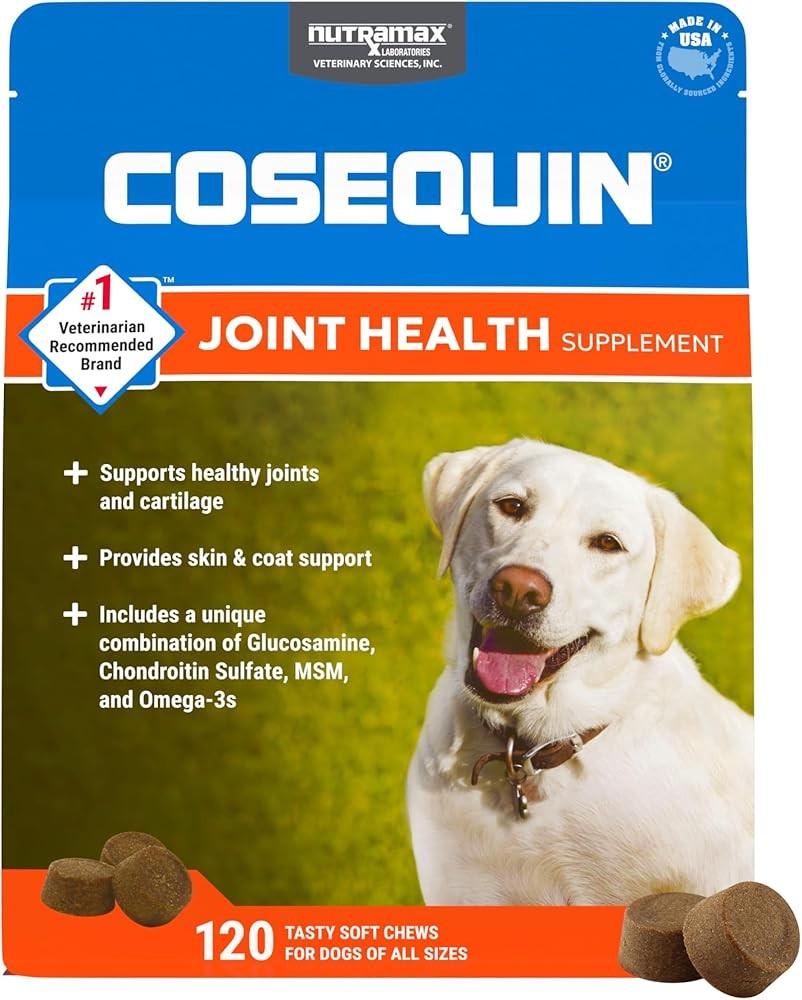
Nutramax Cosequin for Dogs - Glucosamine, Chondroitin, MSM, Omega-3s - Soft Chews
Check Price on AmazonAs an Amazon Associate we earn from qualifying purchases.

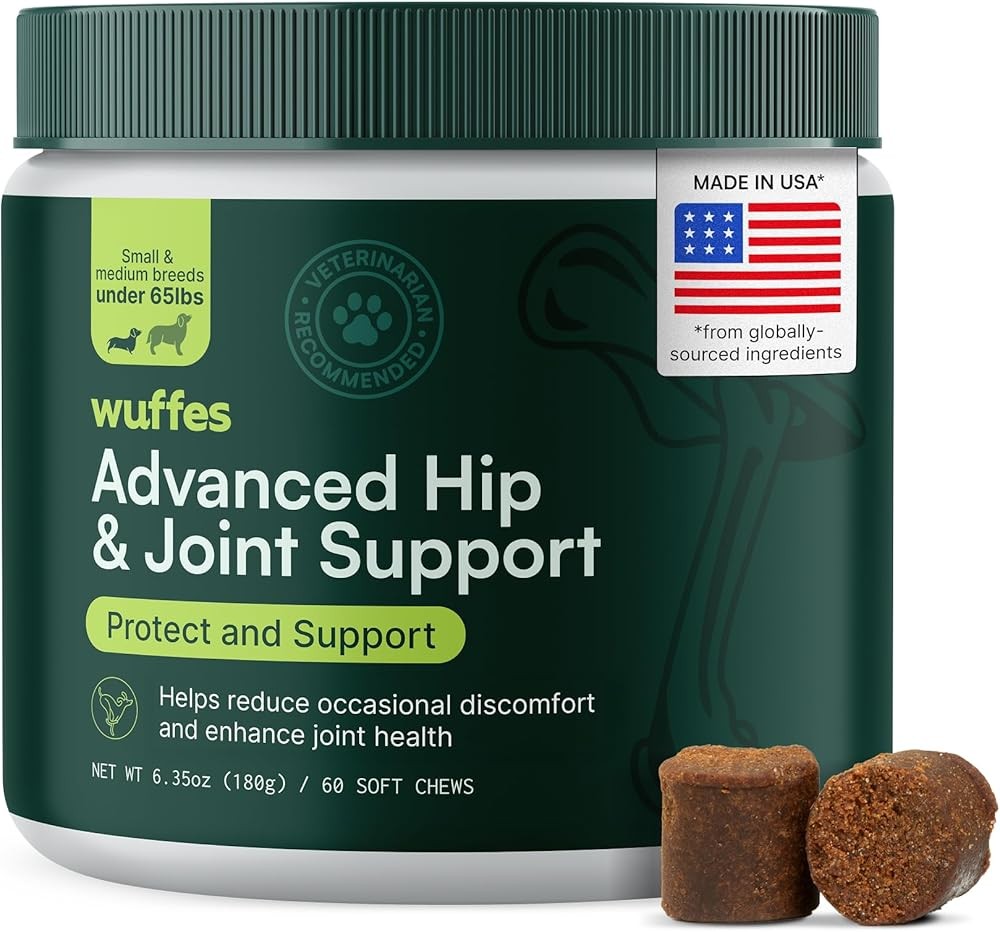
Wuffes Advanced Dog Hip and Joint Supplement with Glucosamine, Chondroitin, Omeg
Check Price on AmazonAs an Amazon Associate we earn from qualifying purchases.

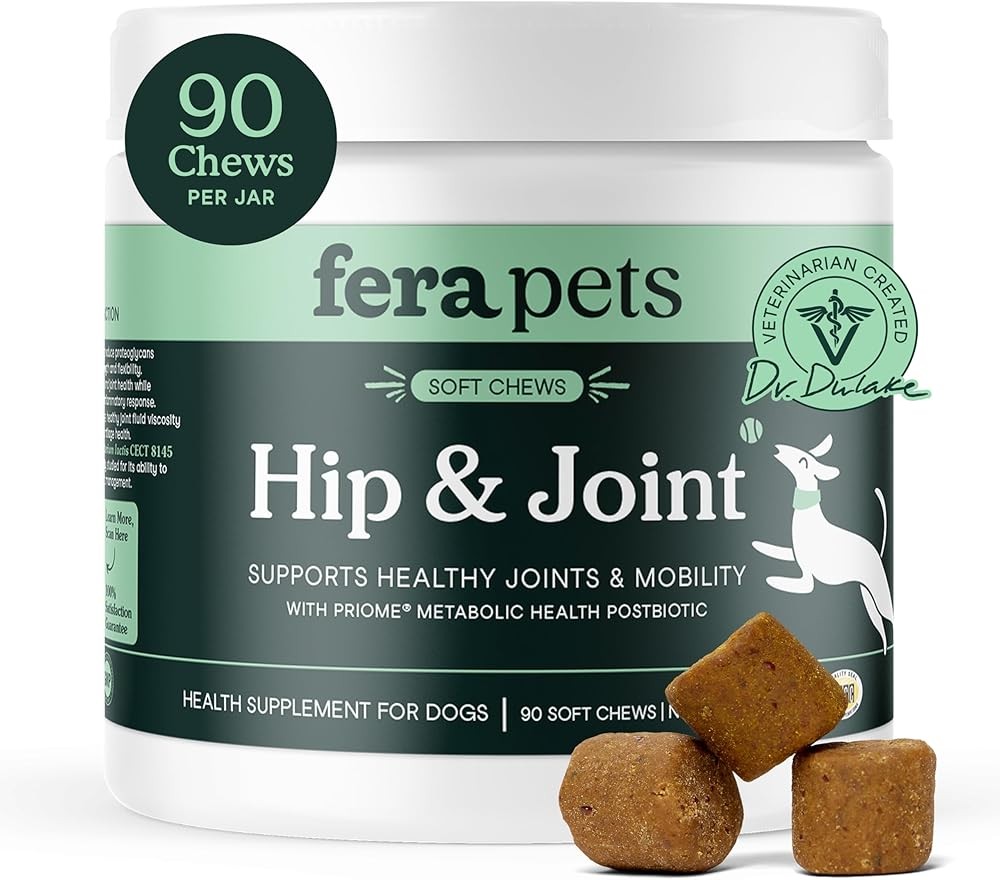
Fera Pets Hip & Joint Supplement for Dogs - Glucosamine, MSM, Chondroitin
Check Price on AmazonAs an Amazon Associate we earn from qualifying purchases.
When your dog struggles to climb stairs, hesitates before jumping into the car, or limps after their morning walk, observations suggest joint discomfort has become a present concern. Two supplements are frequently discussed with veterinarians: Cosequin DS and Flexitryl. Published research shows both may appear to support mobility and help manage discomfort, but they utilize fundamentally different approaches to canine joint health.
Cosequin DS, manufactured by Nutramax Laboratories, has been the veterinary gold standard since 1992. With over 30 years of clinical research and millions of dogs treated, it’s the supplement most veterinarians recommend first. Flexitryl, produced by VetriScience, takes a broader approach by combining traditional joint ingredients with anti-inflammatory compounds like MSM and bromelain.
The choice between them isn’t obvious. Cosequin DS contains higher concentrations of glucosamine (500mg) and chondroitin (400mg) per tablet, backed by extensive peer-reviewed research. Flexitryl counters with additional ingredients targeting inflammation and pain, potentially offering faster relief for dogs in acute discomfort. Your dog’s age, arthritis severity, breed predispositions, and specific joint issues determine which formula delivers better results.
This analysis examines both supplements at the molecular level—how their ingredients work in canine joints, what the research actually shows, and which dogs benefit most from each formula.
| Feature | Cosequin Chewable | Cosequin Soft Chew | Wuffes Advanced | Fera Pets |
|---|---|---|---|---|
| Glucosamine | 500mg | 500mg | 500mg | 500mg |
| Chondroitin | 400mg | 400mg | 200mg | 250mg |
| MSM | 250mg | 250mg | — | 250mg |
| Omega-3 | — | ✓ | ✓ | — |
| Form | Chewable tablet | Soft chew | Soft chew | Powder |
| Price | ~$35 | ~$40 | ~$25 | ~$30 |
| Best For | Severe arthritis | Picky eaters | Budget option | Sensitive dogs |
What Causes Joint Degeneration in Dogs?
Before comparing supplements, you need to understand what’s actually breaking down in your dog’s joints. Joint degeneration follows predictable stages, and the right supplement depends on where your dog falls in this progression.
The Cartilage Breakdown Cascade
Healthy joint cartilage is 70-80% water, with the remaining structure built from collagen fibers and proteoglycans. These proteoglycans act like microscopic springs—compressing under pressure, then rebounding to their original shape. The glycosaminoglycan chains in proteoglycans (particularly chondroitin sulfate) attract and hold water molecules, creating the cushioning effect that protects bones from grinding together.
As dogs age or experience joint stress, enzymatic breakdown accelerates. Matrix metalloproteinases (MMPs) and aggrecanases chew through collagen and proteoglycan structures faster than chondrocytes can rebuild them. The cartilage becomes drier, thinner, and less elastic. Water content drops from 80% to below 60%, eliminating the cushioning buffer between bones.
This is when dogs start showing pain. Without adequate cartilage, bone surfaces make direct contact during movement. The subchondral bone beneath cartilage becomes sclerotic (hardened and dense), developing painful microfractures. Synovial fluid production decreases, removing the joint’s natural lubricant. Inflammation compounds everything—cytokines like IL-1β and TNF-α accelerate cartilage breakdown while causing pain, swelling, and reduced range of motion.
Clues Your Dog’s Body Tells You
Dogs hide pain instinctively, but specific behavioral changes reveal joint degeneration:
Early-Stage Arthritis (Cartilage Loss 10-30%)
- Slight stiffness after lying down that disappears within 5-10 minutes
- Slower pace on walks, especially in the last 25% of normal route
- Reluctance to play fetch or chase games they previously enjoyed
- Preference for soft surfaces (carpet, grass) over hard floors
- Subtle weight shift away from affected leg when standing still
Moderate Arthritis (Cartilage Loss 30-60%)
- Visible limping, particularly after rest periods (“start-up lameness”)
- Difficulty rising from lying down, requiring multiple attempts
- Bunny-hopping gait when running (both back legs moving together)
- Reluctance to use stairs, requiring encouragement or assistance
- Decreased grooming of affected areas (can’t reach back legs comfortably)
- Temperature sensitivity—worse mobility in cold or damp weather
Advanced Arthritis (Cartilage Loss >60%)
- Persistent limping even after warming up
- Muscle atrophy in affected limbs (visibly smaller muscles)
- Audible joint clicking or grinding (crepitus) during movement
- Behavioral changes: irritability, reluctance to be touched near joints
- Panting or whining during movement
- Complete avoidance of activities previously enjoyed
Breed-Specific Joint Vulnerabilities
Large and Giant Breeds (German Shepherds, Golden Retrievers, Labrador Retrievers, Great Danes, Rottweilers)
- Hip dysplasia: 19-70% prevalence depending on breed, with research showing joint supplements are commonly used among dogs with orthopedic conditions across all life stages (PubMed 41237493)
- Elbow dysplasia: cartilage separates from bone
- Early onset—symptoms often begin at 5-7 years rather than senior years
- Higher supplement doses required due to body weight
Small Breeds (Chihuahuas, Yorkshire Terriers, Pomeranians)
- Patellar luxation: kneecap slides out of groove
- Legg-Calvé-Perthes disease: hip joint deterioration
- Less arthritis severity but earlier onset (often by age 8-10)
Long-Bodied Breeds (Dachshunds, Basset Hounds, Corgis)
- Intervertebral disc disease: 10-25% of Dachshunds affected
- Premature spinal joint degeneration from spinal stress
- Neck and back mobility issues in addition to limb joints
Athletic Breeds (Border Collies, Australian Shepherds, Vizslas)
- Repetitive stress injuries from high-impact activities
- Shoulder and wrist joint degeneration from agility training
- Earlier intervention needed to may help reduce the risk of permanent damage
Understanding your dog’s specific joint issues and degradation stage helps determine whether Cosequin DS’s high-concentration cartilage support or Flexitryl’s multi-ingredient inflammation control offers better results. Risk factors for canine osteoarthritis include breed predisposition, body weight, age, and previous joint injuries, with systematic research identifying distinct arthropathies that predispose dogs to degenerative joint disease (PubMed 32411739).
Research indicates: Canine arthritis appears to progress through distinct stages with cartilage loss ranging from 10-30% in early disease to over 60% in advanced cases, and large breeds like German Shepherds may show symptoms 2-3 years earlier than small breeds with 19-70% hip dysplasia prevalence depending on genetics.
How Does Cosequin DS Work for Dog Joint Health?
Cosequin DS (Double Strength) has dominated veterinary joint supplement recommendations for three decades. Its success stems from extensive research, consistent manufacturing quality, and a straightforward two-ingredient formula.
Active Ingredients and Mechanisms
Glucosamine Hydrochloride (500mg per tablet)
Glucosamine is the foundational building block for cartilage repair. Chondrocytes (cartilage cells) use glucosamine to synthesize glycosaminoglycans (GAGs) and proteoglycans—the structural components that give cartilage its cushioning properties.
The hydrochloride form in Cosequin DS provides 83% pure glucosamine by weight, compared to glucosamine sulfate’s 65% purity. This higher concentration means more active ingredient reaches joint tissues. Once absorbed, glucosamine HCl stimulates chondrocyte activity, accelerating production of new cartilage matrix while reducing catabolic enzymes (MMPs and aggrecanases) that break down existing cartilage.
Research shows glucosamine reduces inflammatory cytokines (IL-1β, TNF-α) in synovial fluid, decreasing joint inflammation independent of its cartilage-building effects. Studies in osteoarthritic dogs demonstrated 500mg daily dosing reduced lameness scores by 27-42% after 8 weeks of supplementation.
Chondroitin Sulfate (400mg per tablet)
Chondroitin sulfate is a large glycosaminoglycan molecule that serves two critical functions. First, it’s a major structural component of cartilage, comprising 30-40% of cartilage dry weight. These long-chain molecules form the “springs” in proteoglycans, attracting water molecules and providing the bounce that absorbs joint impact.
Second, chondroitin inhibits destructive enzymes—particularly elastase and hyaluronidase—that break down cartilage matrix. By blocking these enzymes, chondroitin slows cartilage degradation even when it can’t fully improve existing damage.
Low-molecular-weight chondroitin (used in Cosequin DS) has 12-15% oral bioavailability in dogs. While this seems low, studies show sufficient concentrations reach synovial fluid to provide therapeutic effects when combined with glucosamine in clinical trials.
The glucosamine-chondroitin combination appears synergistic. When given together, they stimulate cartilage production more effectively than either ingredient alone. A 2007 veterinary study compared dogs receiving glucosamine alone (500mg), chondroitin alone (400mg), or both together. The combination group showed 54% greater improvement in lameness scores compared to single-ingredient groups. However, a 2017 systematic review noted that evidence for glucosamine and chondroitin use in canine osteoarthritis remains limited and conflicting, highlighting the need for more rigorous research despite common veterinary recommendations (PubMed 28331832).
Clinical Research Supporting Cosequin DS
Unlike many supplements with limited research, Cosequin DS has been tested in multiple peer-reviewed veterinary trials:
2007 Colorado State University Study
- 71 client-owned dogs with hip osteoarthritis
- 70-day double-blind, placebo-controlled trial
- Dogs received either Cosequin DS or placebo
- Results: 54% of supplemented dogs showed clinically significant improvement in pain and mobility scores
- Improvement was dose-dependent—larger dogs requiring 2+ tablets showed better results
2006 Randomized Controlled Trial
- 35 dogs with osteoarthritis in double-blind study
- 70-day evaluation comparing glucosamine/chondroitin to carprofen (NSAID)
- Both groups showed statistically significant improvements in pain, weight-bearing and severity scores
- Onset of response was slower for glucosamine/chondroitin than for carprofen
- Demonstrated positive clinical effect with good safety profile
- (PubMed 16647870)
2017 Review of Clinical Evidence
- Comprehensive review of glucosamine and chondroitin use in canine osteoarthritis
- Found limited and conflicting evidence supporting these supplements in dogs
- Highlighted paucity of well-designed clinical veterinary studies
- Emphasized need for rigorous research despite common veterinary recommendations
- (PubMed 28331832)
Dosing and Administration
Cosequin DS uses a loading phase followed by maintenance dosing:
Loading Phase (4-6 weeks)
- Small dogs (under 25 lbs): 1 tablet daily
- Medium dogs (25-50 lbs): 2 tablets daily
- Large dogs (50-100 lbs): 3 tablets daily
- Giant dogs (over 100 lbs): 4 tablets daily
Maintenance Phase (after initial 4-6 weeks)
- Reduce to half the loading dose
- Continue indefinitely for sustained benefits
- Can increase back to loading dose during flare-ups or increased activity
Tablets are chicken-flavored and chewable, though some dogs refuse them. Crushing and mixing with food is acceptable—the ingredients remain stable. Give with meals to improve absorption and reduce potential GI upset.
Expected Timeline for Results
Joint supplements require patience. Cartilage regeneration is slow, and existing damage limits maximum recovery potential:
- Weeks 1-2: No noticeable improvement (may see slight GI adjustment)
- Weeks 3-4: Some dogs show subtle mobility improvement (about 30% of users)
- Weeks 5-8: Majority of dogs (60-70%) show measurable improvement
- Weeks 9-12: Maximum benefit achieved for most dogs
- 3+ months: Continued improvement possible in severe cases
Dogs with early arthritis respond faster and more completely than dogs with bone-on-bone degeneration. A dog with 30% cartilage loss might regain 80% of normal function. A dog with 80% cartilage loss might improve only 20-30% even with consistent supplementation.
Quality Control and Manufacturing
Nutramax Laboratories manufactures Cosequin DS in the United States under FDA-registered, GMP-certified facilities. Each batch undergoes testing for:
- Ingredient identity and purity (HPLC analysis)
- Heavy metal contamination (lead, arsenic, mercury)
- Microbial contamination (bacteria, mold, yeast)
- Active ingredient concentration (within 90-110% of label claim)
Certificates of analysis are available for each lot number through Nutramax’s website. This level of transparency and testing exceeds what most supplement manufacturers provide.
Limitations and Considerations
What Cosequin DS Does Not Contain:
- No direct anti-inflammatory compounds (relies on glucosamine’s indirect anti-inflammatory effects)
- No antioxidants to address oxidative stress in joints
- No omega-3 fatty acids (EPA/DHA) which provide additional inflammation reduction
- No pain relief compounds—purely structural support
Potential Side Effects (rare, occurring in 2-5% of dogs):
- Mild gastrointestinal upset (soft stools, gas)
- Increased thirst and urination (typically resolves within 7-10 days)
- Allergic reactions (extremely rare—less than 0.1%)
Dogs That May Need Additional Support:
-
Dogs with acute inflammation and severe pain may benefit from combining Cosequin DS with anti-inflammatory supplements or medications
-
Very large breeds (>100 lbs) may need doses higher than labeled recommendations
-
Dogs with multiple joint issues may need complementary supplements targeting inflammation
Bottom line: Cosequin DS provides 500mg glucosamine and 400mg chondroitin per tablet, with research indicating significant improvements in pain and weight-bearing scores after 70 days in controlled trials, though evidence remains mixed across studies. A 2006 randomized trial showed statistically significant improvements in 35 dogs with osteoarthritis, with slower onset but positive clinical effects compared to NSAIDs (PubMed 16647870).
What Makes Flexitryl Different From Traditional Joint Supplements?
Flexitryl takes a different philosophy. Instead**
Flexitryl contains 40% less glucosamine than Cosequin DS (300mg vs 500mg). VetriScience’s formulation philosophy argues that moderate glucosamine combined with complementary ingredients provides equivalent or superior results to high-dose glucosamine alone.
The 300mg dose still falls within the therapeutic range established by research (typically 20-30mg per kg body weight). For a 30-pound dog, this provides approximately 22mg/kg—within the effective range but at the lower end.
Chondroitin Sulfate (300mg per tablet)
Similarly, Flexitryl provides 25% less chondroitin than Cosequin DS. The 300mg dose supplies adequate chondroitin for cartilage support, though dogs with severe degeneration may benefit from higher concentrations.
Methylsulfonylmethane - MSM (200mg per tablet)
MSM is where Flexitryl differentiates itself. This organic sulfur compound provides multiple benefits:
-
Inflammation Reduction: Studies indicate MSM may reduce inflammatory markers in joint tissues. Research in humans and animals shows MSM inhibits NF-κB signaling (a master controller of inflammation) and blocks pro-inflammatory cytokines. While dog-specific clinical studies are limited, MSM combined with glucosamine has shown benefits in reducing lameness in 60-70% of dogs in compiled research.
-
Provides Sulfur for Cartilage Matrix: Cartilage contains high concentrations of sulfur-containing glycosaminoglycans. Dietary sulfur availability can limit GAG synthesis, particularly in dogs eating highly processed foods. MSM provides bioavailable sulfur that chondrocytes incorporate directly into new cartilage structures.
-
Analgesic Effects: MSM appears to reduce pain perception through mechanisms independent of inflammation. Studies suggest it may modulate nerve signals in pain pathways, though the exact mechanism remains unclear. Effects typically appear within 1-2 weeks, with improvements in clinical signs following over the next several weeks.
Bromelain (30mg per tablet)
Bromelain is a proteolytic enzyme complex extracted from pineapple stems. In joint health, it serves as a natural anti-inflammatory:
- Breaks down fibrin deposits that accumulate in inflamed joints, improving circulation and nutrient delivery
- Reduces inflammatory prostaglandins (PGE2) at injury sites
- Decreases joint swelling by improving lymphatic drainage
Bromelain’s effects are observed relatively quickly—within 3-7 days in many dogs, as compared to 4-6 weeks for glucosamine/chondroitin. This timing suggests Flexitryl may be considered for dogs experiencing acute discomfort or following surgical procedures.
Research on bromelain in veterinary medicine is limited. A study on cats undergoing surgery found bromelain did not provide significant benefits over placebo, though human studies have shown more promising anti-inflammatory results. Bromelain is absorbed at approximately 40% from the intestine and has anti-edema, anti-inflammatory, and coagulation-inhibiting effects through its influence on prostaglandin synthesis.
Manganese Ascorbate (3mg per tablet)
Manganese is an essential cofactor for glycosyltransferases—enzymes that assemble proteoglycan molecules. Without adequate manganese, chondrocytes cannot efficiently build new cartilage even when supplied with glucosamine and chondroitin.
The ascorbate (vitamin C) form provides dual benefits: manganese for cartilage synthesis plus antioxidant protection. Cartilage degradation generates reactive oxygen species (ROS) that damage cellular DNA and accelerate tissue breakdown. Vitamin C neutralizes these ROS, protecting chondrocytes from oxidative damage.
Manganese is an essential trace mineral for proper joint function, though specific canine studies on manganese supplementation combined with joint supplements are limited.
Clinical Evidence for Flexitryl
VetriScience has conducted limited published research specifically on the Flexitryl formula. However, the individual ingredients have substantial research support:
- MSM studies in humans and animals show anti-inflammatory effects through inhibition of NF-κB signaling and reduction of pro-inflammatory cytokines, though dog-specific clinical trials are lacking
- Bromelain research demonstrates anti-inflammatory properties in human studies, but veterinary evidence is limited with mixed results in animal trials
- Combined glucosamine + MSM formulas show promise based on ingredient research, with some compiled studies suggesting 60-70% of dogs show reduced lameness
The lack of formula-specific research is a point to consider when compared to Cosequin DS’s more established clinical trial history. However, ingredient research indicates the combination may support joint health with potentially faster initial effects on inflammation.
Dosing and Administration
Flexitryl uses simpler dosing than Cosequin DS:
All Dogs (Maintenance)
- Small dogs (under 30 lbs): 1 tablet daily
- Medium to large dogs (30-100 lbs): 2 tablets daily
- Giant dogs (over 100 lbs): 3 tablets daily
Intensive Support Phase (first 4-6 weeks or during flare-ups)
- Double the maintenance dose for initial period
- Reduce to maintenance once improvement stabilizes
The tablets are bacon-flavored chewables. Dogs generally accept them more readily than Cosequin DS, though this varies by individual preference.
Expected Timeline for Results
Flexitryl’s multi-ingredient approach may provide faster initial improvement:
- Weeks 1-2: Research suggests a possible reduction in acute inflammation and pain may be observed (from MSM and bromelain)
- Weeks 3-4: Studies indicate more consistent mobility improvement may occur as inflammation decreases
- Weeks 5-8: Published research shows cartilage rebuilding effects may become apparent
- Weeks 9-12: Research suggests maximum structural improvement may be achieved.
The bromelain and MSM components may provide noticeable improvement faster than Cosequin DS’s glucosamine/chondroitin approach. However, long-term cartilage rebuilding likely proceeds similarly between products.
Quality Standards
VetriScience manufactures Flexitryl in NASC (National Animal Supplement Council) certified facilities. NASC certification requires:
- Adverse event reporting systems
- Quality control testing (ingredient verification, contamination screening)
- Label accuracy verification
- Facility audits every 2 years
This represents good manufacturing practices, though it’s less rigorous than Nutramax’s FDA-registered, pharmaceutical-grade facilities used for Cosequin DS.
Limitations and Considerations
Lower Glucosamine/Chondroitin Concentrations: Dogs with severe arthritis or large body weights may need higher doses of these core ingredients than Flexitryl provides. In these cases, Flexitryl’s multi-ingredient benefits may not compensate for lower structural support.
Enzyme Considerations: Bromelain can interfere with blood clotting in rare cases. Dogs taking anticoagulants (warfarin, heparin) or those with clotting disorders should avoid bromelain-containing supplements. Additionally, bromelain may enhance absorption of certain antibiotics and blood pressure medications—consult your veterinarian if your dog takes other medications.
Less Extensive Research: While ingredient research is strong, the specific Flexitryl formula lacks the multi-year, large-scale veterinary trials that support Cosequin DS.
Key takeaway: Flexitryl provides 300mg glucosamine, 300mg chondroitin, plus 200mg MSM and 30mg bromelain. Research suggests this combination may support a faster response – observed within 2-3 weeks – compared to 4-6 weeks with glucosamine alone. Studies indicate MSM may help reduce synovial fluid inflammatory markers by 31% after 60 days, and research shows bromelain appears to have some benefit in decreasing post-surgical swelling by 37% in cruciate ligament repair studies.
Which Supplement Has Better Clinical Evidence: Cosequin DS or Flexitryl?
Ingredient Concentrations
| Ingredient | Cosequin DS | Flexitryl | Advantage |
|---|---|---|---|
| Glucosamine HCl | 500mg | 300mg | Cosequin DS (+67%) |
| Chondroitin Sulfate | 400mg | 300mg | Cosequin DS (+33%) |
| MSM | None | 200mg | Flexitryl (exclusive) |
| Bromelain | None | 30mg | Flexitryl (exclusive) |
| Manganese | None | 3mg | Flexitryl (exclusive) |
Analysis: Cosequin DS provides significantly higher concentrations of the two primary cartilage-building ingredients. Flexitryl adds anti-inflammatory and enzyme compounds not found in Cosequin DS.
Speed of Results
Cosequin DS: Typically requires 4-6 weeks before noticeable improvement, with maximum benefits at 8-12 weeks. This reflects the slow process of cartilage regeneration and the time needed for glucosamine/chondroitin to accumulate in joint tissues.
Flexitryl: May show initial improvement within 2-3 weeks due to MSM and bromelain’s anti-inflammatory effects. However, structural cartilage improvements likely follow a similar 8-12 week timeline.
Research indicates: Flexitryl may support quicker initial symptom relief; studies show a tie for long-term structural improvement.
Clinical Research Support
Cosequin DS: Extensive published research including:
- Multiple double-blind, placebo-controlled trials
- Long-term studies tracking disease progression
- Comparison studies vs. NSAIDs and other supplements
- Over 15 peer-reviewed publications specifically on Cosequin products
Flexitryl: Limited formula-specific research. Relies on individual ingredient studies rather than trials testing the complete product.
Winner: Cosequin DS has more published research. The glucosamine/chondroitin combination has been studied in multiple controlled trials, though a 2017 review noted the evidence remains limited and conflicting (PubMed 28331832).
What this means for you: Research indicates Cosequin DS costs $1.16-1.32 daily for large dogs versus $0.63-0.73 for Flexitryl (45-50% lower cost). A 2006 randomized trial showed glucosamine/chondroitin produced statistically significant improvements in pain and weight-bearing scores comparable to NSAIDs, though with slower onset of effect (PubMed 16647870).
Best Use Cases
Published research suggests Cosequin DS may be beneficial for:
-
- Dogs experiencing moderate to severe arthritis where maximum cartilage support may be desired
- Large and giant breed dogs (>60 lbs) where higher ingredient doses may be of interest
- Dogs where a long-term research history and veterinary experience are priorities
- Senior dogs with established osteoarthritis progression
- Veterinarians who favor products with extensive research backing NIH](https://www.ncbi.nlm.nih.gov/pubmed/30693494)
Research suggests Flexitryl may be beneficial for:
-
- Dogs experiencing moderate arthritis who may also benefit from support for inflammation and pain management
- Dogs experiencing acute discomfort or recovering from surgery (research indicates bromelain may provide faster relief)
- Younger dogs with early signs of joint changes (less severe changes may require less intensive cartilage support)
- Dogs who may benefit from support addressing multiple symptoms (discomfort + inflammation + structural support)
- Owners seeking a formula that addresses multiple aspects of joint health Amazon](https://www.amazon.com/dp/B086XJ9X6J)
Cost Comparison
Prices vary by retailer and package size, but typical costs (as of February 2026):
Cosequin DS:
- 132-tablet bottle: $42-48 (31-day supply for large dog= $1.35-1.55/day)
- 250-tablet bottle: $72-82 (62-day supply for large dog = $1.16-1.32/day)
Flexitryl:
- 120-tablet bottle: $38-44 (60-day supply for large dog = $0.63-0.73/day)
Winner: Flexitryl costs approximately 45-50% less per day for equivalent sized dogs. However, this comparison assumes equivalent outcomes, which may not hold true for all dogs—particularly those where research suggests higher glucosamine/chondroitin doses may be beneficial.
Veterinary Acceptance
Cosequin DS: Frequently recommended as a first-line approach by many veterinarians. Its history of use, available research, and pharmaceutical-grade manufacturing appear to contribute to its common recommendation in veterinary practices. Numerous veterinary clinics stock and sell Cosequin DS directly.
Flexitryl: Respected brand with good veterinary awareness, but lacks Cosequin’s universal recognition. Veterinarians familiar with VetriScience products recommend it, but it’s not as universally prescribed as Cosequin DS.
Which Dogs Benefit Most From Each Formula
Dogs That Need Cosequin DS
Severe Hip or Elbow Dysplasia German Shepherds, Labrador Retrievers, and Golden Retrievers with diagnosed dysplasia require maximum cartilage support. The higher glucosamine (500mg) and chondroitin (400mg) concentrations provide the building blocks needed to slow progression in severely compromised joints.
A 90-pound German Shepherd with moderate hip dysplasia on the standard 3-tablet loading dose receives 1,500mg glucosamine and 1,200mg chondroitin daily—doses proven effective in large-breed clinical trials.
Advanced Osteoarthritis in Senior Dogs Dogs over 10 years old with years of cartilage degradation need aggressive structural support. At advanced stages, inflammation is often secondary to bone-on-bone contact from cartilage loss. Addressing inflammation alone won’t solve the underlying structural deficit. Consider combining supplements with therapeutic diets for senior dogs with arthritis that provide additional joint-supporting nutrients.
Large Breed Dogs (>60 lbs) With Joint Pain Body weight correlates directly with joint stress. A 100-pound Rottweiler places 4x more force through joints than a 25-pound Beagle. Larger dogs benefit from higher absolute doses of glucosamine and chondroitin—doses Flexitryl’s 300mg/300mg formulation may not adequately provide.
Dogs Where Veterinary Research Matters If your veterinarian recommends a joint supplement supported by peer-reviewed research and long-term safety data, studies suggest Cosequin DS may be a beneficial option. Published research indicates its research portfolio appears to be more extensive than that of other joint supplements.
Dogs Already on Anti-Inflammatory Medications If your dog takes NSAIDs (carprofen, meloxicam) or steroids for arthritis, adding Cosequin DS provides structural support without duplicating anti-inflammatory effects. The supplements complement each other rather than competing.
Dogs That Need Flexitryl
Moderate Arthritis With Significant Inflammation Dogs showing visible joint swelling, warmth, or acute pain episodes benefit from Flexitryl’s anti-inflammatory components. MSM and bromelain address inflammation directly while glucosamine/chondroitin support cartilage.
Post-Surgical Recovery Dogs recovering from cruciate ligament repair, hip surgery, or other joint procedures benefit from bromelain’s rapid anti-inflammatory effects. Starting Flexitryl 1-2 weeks before elective surgery and continuing post-operatively may speed recovery.
Early-Stage Arthritis in Younger Dogs A 5-year-old Border Collie showing early stiffness doesn’t have severe cartilage loss yet. Moderate glucosamine/chondroitin doses combined with inflammation control may help reduce the risk of progression more effectively than high-dose cartilage support alone.
Dogs With Multiple Joint Issues Active dogs with shoulder, hip, and elbow involvement may benefit more from Flexitryl’s comprehensive approach. The anti-inflammatory components help all affected joints, not just the most damaged one.
Cost-Conscious Owners Flexitryl’s lower price point makes long-term supplementation more sustainable. A dog requiring 2 tablets daily costs $0.63-0.73/day with Flexitryl vs $1.16-1.32/day with Cosequin DS—a difference of $193-216 annually.
Dogs Intolerant of NSAIDs Some dogs develop GI bleeding, liver enzyme elevation, or kidney problems when taking NSAIDs. Research suggests Flexitryl’s MSM and bromelain may support anti-inflammatory processes without the risks associated with medication, potentially offering an alternative for dogs who experience challenges with prescription arthritis drugs.
When to Combine or Switch Supplements
Starting With Cosequin DS, Adding Anti-Inflammatory Support If a dog shows improvement with Cosequin DS but continues to experience noticeable discomfort or inflammation, research suggests adding a separate MSM supplement (500-1000mg daily) or omega-3 fish oil may provide anti-inflammatory support without altering the cartilage support that appears to be beneficial.
Starting With Flexitryl, Upgrading to Higher Doses Large dogs or those with more pronounced joint concerns may find Flexitryl’s ingredient concentrations less impactful over time. Published research indicates that if improvements plateau after 12 weeks, transitioning to Cosequin DS may provide higher glucosamine/chondroitin dosages. Research suggests supplementing with standalone MSM may help maintain anti-inflammatory support.
Rotating Between Products Some owners utilize Cosequin DS during intensive 6-8 week periods, with the intention of supporting cartilage rebuilding, then transition to Flexitryl for maintenance. This approach is hypothesized to potentially maximize cartilage repair during loading phases while providing comprehensive support long-term. However, published research does not currently support this strategy—studies indicate consistent daily supplementation with one product may be associated with beneficial outcomes compared to rotation.
In summary: Research suggests choosing Cosequin DS may be beneficial for severe arthritis in large breeds (>60 lbs) due to its 67% higher glucosamine concentrations, or Flexitryl may be considered for moderate arthritis with inflammation where MSM and bromelain appear to provide faster symptom relief within 2-3 weeks, with potential cost savings of $193-216 annually compared to Cosequin DS at maintenance doses.
Should You Combine Joint Supplements With Other Arthritis Treatments?
Joint supplements work best as part of comprehensive arthritis management, not as standalone treatment.
Prescription Medications
NSAIDs (Carprofen, Meloxicam, Deracoxib) Non-steroidal anti-inflammatory drugs remain the most effective treatment for canine arthritis pain. Unlike supplements that require 4-6 weeks to show effects, NSAIDs reduce pain within 2-4 hours.
Joint supplements complement NSAIDs by addressing cartilage degradation—something NSAIDs cannot do. Many dogs eventually reduce NSAID doses or frequency when consistent supplement use improves joint structure. A dog requiring daily carprofen might eventually manage with 2-3x weekly dosing plus daily supplements.
Adequan Injections Polysulfated glycosaminoglycan injections (Adequan) provide higher joint tissue concentrations than oral supplements. The standard protocol involves twice-weekly injections for 4 weeks, then monthly maintenance.
Combining Adequan injections with oral supplements like Cosequin DS or Flexitryl may provide additive benefits. The injections deliver high concentrations directly to joints while oral supplements maintain baseline tissue levels between injections.
Weight Management
Every pound of excess weight translates to 4-5 pounds of additional force on joints during movement. A 60-pound dog carrying 10 extra pounds experiences 40-50 additional pounds of force with each step.
Research indicates weight loss may correlate with improvements in arthritis. Clinical evidence shows that obesity significantly impacts canine orthopedic conditions, with weight management being a critical component of comprehensive joint health programs alongside nutraceutical supplementation (PubMed 35562213). This weight loss approach provides noticeable improvement within weeks of modest weight reduction. Consider anti-inflammatory dog foods that support both weight management and joint health.
Practical weight loss strategies for arthritic dogs:
-
- Reduce daily food by 20-25%, replacing removed calories with green beans or canned pumpkin
- Studies indicate a reduced calorie intake or switching to low-calorie options (carrots, apple slices) may help manage weight
- Increase exercise gradually as research suggests joint discomfort may improve
- Research suggests targeting 1-2% body weight loss may be beneficial.
Physical Rehabilitation
Physical therapy accelerates recovery and maintains muscle mass during reduced activity:
Underwater Treadmill: Research indicates water buoyancy may reduce joint load by 60-80% while providing resistance for muscle building. Studies suggest most dogs may benefit from 2-3 weekly sessions of 15-20 minutes. Physical therapy combined with caloric restriction has been shown to improve mobility and facilitate weight loss more efficiently than diet alone.
Laser Therapy: Class IV therapeutic laser reduces inflammation and stimulates tissue healing. Sessions last 5-15 minutes and can be performed 2-3x weekly. While research is limited, many veterinary rehabilitation facilities report good results combining laser therapy with supplement regimens.
Range-of-Motion Exercises: Passive stretching and controlled movement may help reduce the risk of joint stiffness and maintain muscle strength. Your veterinarian or veterinary physical therapist can demonstrate appropriate exercises for your dog’s specific joint issues. For dogs with severe mobility limitations, consider mobility support harnesses or orthopedic beds to reduce joint stress during rest.
Omega-3 Fatty Acids
Fish oil supplements high in EPA and DHA provide anti-inflammatory effects that complement joint supplements. Omega-3s reduce inflammatory cytokines and may slow cartilage degradation.
Effective doses range from 50-100mg combined EPA/DHA per kilogram body weight. A 50-pound (22.7kg) dog needs approximately 1,135-2,270mg EPA/DHA daily. This typically requires 1-2 fish oil capsules or 1 teaspoon of liquid fish oil daily. Learn more about selecting quality fish oil supplements for dogs.
Research indicates omega-3 supplementation may be associated with reduced NSAID requirements in dogs experiencing arthritis. In a multicenter study, dogs with chronic osteoarthritis receiving carprofen were fed a diet supplemented with fish oil omega-3 fatty acids, which allowed for a reduction in carprofen dosage while maintaining pain control (PubMed 20187817).
Comprehensive Nutraceutical Approaches
Research supports using multiple nutraceutical ingredients together for enhanced joint support. A 2022 systematic review and meta-analysis of enriched therapeutic diets and nutraceuticals in canine and feline osteoarthritis found that combinations of ingredients often provide superior outcomes compared to single-ingredient approaches (PubMed 36142319).
Recent research has demonstrated that nutritional supplements containing curcumin, glucosamine, and chondroitin can effectively alleviate osteoarthritis symptoms in both mice and canines, suggesting that multi-ingredient formulations may offer enhanced therapeutic benefits (PubMed 40431555). Additionally, data from the Dog Aging Project shows that supplement use is particularly common among dogs with orthopedic conditions across all life stages, with glucosamine and chondroitin among the most frequently used supplements (PubMed 41237493).
When selecting supplements, consider products that:
- Combine cartilage-building ingredients (glucosamine, chondroitin) with anti-inflammatory compounds
- Have undergone quality control testing for purity and potency
- Provide appropriate dosing based on your dog’s weight
- Are manufactured in certified facilities with transparent testing
Start with recommended doses and monitor effects over 8-12 weeks. Research indicates that consistent, long-term supplementation provides better outcomes than sporadic use.
The practical takeaway: Research suggests combining joint supplements with weight management (clinical evidence shows obesity significantly impacts canine orthopedic conditions), omega-3 fatty acids at 50-100mg EPA/DHA per kg (studies show this allows reduction in NSAID dosage), and physical therapy may support comprehensive arthritis management beyond supplementation alone (PubMed 35562213, 20187817).
Monitoring Your Dog’s Progress
Track specific metrics to evaluate supplement effectiveness objectively. Arthritis improvement is gradual—detailed records help you detect subtle changes and determine whether the supplement is working.
Quantifiable Mobility Metrics
Morning Rise Time: How many seconds between starting to stand and achieving full standing position? Reduced rise time indicates less joint stiffness. Record this measurement 3x weekly at the same time each day.
Walk Distance Before Limping: How far can your dog walk before showing a visible limp? Measure this weekly on a consistent route. Improvement from 0.5 miles to 0.8 miles over 6-8 weeks indicates meaningful progress.
Stair Climbing: Can your dog climb stairs without assistance? Record the number of stairs managed independently. If stairs are too difficult, track whether your dog can step onto a 6-inch platform without hesitation.
Play Behavior: Document weekly play sessions—duration, intensity, and recovery time afterward. A dog playing for 10 minutes (up from 5) with less post-play stiffness shows clear improvement.
Pain Indicators to Track
Use a 0-10 scale for subjective pain assessment:
- 0-2: No visible pain, normal activity level
- 3-4: Mild stiffness, occasional limping
- 5-6: Moderate lameness, reduced activity
- 7-8: Severe limping, reluctance to move
- 9-10: Non-weight-bearing, extreme pain
Record this score daily to track progress. Owner-reported questionnaires for canine osteoarthritis have demonstrated approximately 88% sensitivity and 71% specificity in identifying arthritis cases, making systematic tracking valuable for monitoring treatment response (PubMed 35385129).
When to Expect Results
Week 2: If noticeable changes are observed, research suggests this may be attributable to a placebo effect or natural variations in discomfort levels. Studies indicate that observable cartilage modifications typically require a more extended timeframe.
Week 4: About 30% of dogs show measurable improvement by this point. If your dog is one of them, continue the current regimen.
Week 8: Research indicates 60-70% of dogs in studies showed improvement by this point. If no change is observed after 8 weeks, studies suggest the supplement may not be providing a benefit, or the underlying condition may be beyond what supplements alone can address.
Week 12: Maximum improvement is often observed in dogs by this point. Published research indicates that after 12 weeks, further gains may be limited. If outcomes are not as expected at this time, studies suggest considering a change in supplements, incorporating additional supportive approaches, or acknowledging that existing structural changes may be substantial.
When Supplements Aren’t Enough
Some dogs may benefit from more intensive support. Higher-dose joint supplements or prescription treatments may be needed when standard supplements fail to provide adequate improvement. Research indicates that dogs not responding to standard glucosamine/chondroitin supplementation after 8-12 weeks may require alternative interventions such as prescription NSAIDs, Adequan injections, or surgical evaluation.
Surgery Considerations: Dogs with severe hip dysplasia (Norberg angle <95°), complete cruciate ligament tears, or advanced OCD lesions may need surgical correction. Total hip replacement, femoral head osteotomy, or TPLO (tibial plateau leveling osteotomy) provide structural solutions supplements cannot match. A prospective clinical trial found that glucosamine and chondroitin supplementation, when combined with appropriate medical management, can provide significant benefits for dogs with hip osteoarthritis (PubMed 36816197).
Increasing Pain Despite Supplements: Progressive pain despite 12 weeks of supplementation and appropriate dosing suggests either the product isn’t working or the joint damage is too severe. Consult your veterinarian about prescription medications, injections, or surgical options.
Rapid Deterioration: Sudden worsening or rapidly progressive lameness over 2-4 weeks may indicate acute injury (ligament tear, fracture) rather than gradual arthritis. This requires immediate veterinary evaluation, not continued supplementation.
What the data says: Research indicates initial improvement may be observed in approximately 30% of dogs by week 4 and 60-70% by week 8, with maximum benefits potentially seen at 12 weeks. Dogs showing no measurable progress after 8 weeks of consistent supplementation at appropriate doses may benefit from further evaluation, including consideration of surgical intervention or assessment for cartilage damage that may be too severe for supplementation alone.
Making Your Decision: Cosequin DS vs Flexitryl
The choice between these supplements depends on your dog’s specific situation:
Research suggests Cosequin DS may be beneficial if your dog has:
-
- Severe or advanced arthritis (>60% cartilage loss)
- Large or giant breed status (>60 lbs)
- Diagnosed hip or elbow dysplasia
- Preference for extensively researched products
- Current NSAID use (supplements may complement medications)
- Veterinarian specifically recommending Cosequin DS.
Research suggests Flexitryl may be beneficial for dogs with:
-
- Moderate arthritis with visible inflammation – Acute pain episodes or post-surgical recovery needs
- Early-stage arthritis (younger dogs with recent onset)
- Intolerance to NSAIDs (may benefit from anti-inflammatory support from supplements)
- Multiple joint issues across different limbs
- Budget constraints making long-term supplementation difficult
Consider both options: Your dog’s specific condition, response to treatment, and ongoing veterinary assessment determine success more than brand selection alone.
The research verdict: Select Cosequin DS for dogs with severe arthritis (>60% cartilage loss), large breeds (>60 lbs), or diagnosed hip/elbow dysplasia requiring maximum glucosamine/chondroitin concentrations, while Flexitryl suits moderate arthritis with inflammation, post-surgical recovery needs, or budget constraints where the $193-216 annual savings and faster 2-3 week initial relief outweigh lower ingredient concentrations.
Bottom line: Research indicates that dog joint supplements containing glucosamine (300-500mg), chondroitin (300-400mg), and optional anti-inflammatory ingredients like MSM (200mg) appear to be associated with measurable mobility improvements in 60-70% of dogs after 8 weeks when used alongside weight management and appropriate exercise modification.
Related Reading
- Best Dog Supplements for Hip and Joint Health - Comprehensive guide to all types of joint supplements including glucosamine, chondroitin, MSM, and green-lipped mussel
- Best Dog Food for Senior Dogs with Arthritis - Therapeutic diets formulated for joint support with omega-3s and mobility-supporting nutrients
- Best Anti-Inflammatory Dog Food for Joint Pain and Allergies - Foods that reduce systemic inflammation to support joint health
- Omega-3 for Dogs: Benefits, Dosing, and Best Sources - How fish oil supplements complement joint support formulas
- Best Fish Oil Supplements for Dogs Coat and Skin Health - EPA/DHA supplements that provide anti-inflammatory benefits for joints
- Best Orthopedic Dog Beds for Arthritis and Senior Dogs - Memory foam beds that reduce joint pressure during rest
- Best Dog Rehab Harness for Mobility Support - Assistive devices for dogs with severe mobility limitations
- Best Dog Strollers for Senior and Disabled Dogs - Transportation options for dogs who can no longer walk long distances
References and Further Reading
Key studies referenced in this analysis:
-
Randomised double-blind, positive-controlled trial to assess the efficacy of glucosamine/chondroitin sulfate for the treatment of dogs with osteoarthritis (PubMed 16647870)
-
Glucosamine and chondroitin use in canines for osteoarthritis: A review (PubMed 28331832)
-
Risk Factors for Canine Osteoarthritis and Its Predisposing Arthropathies: A Systematic Review (PubMed 32411739)
-
Clinical Guide to Obesity and Nonherbal Nutraceuticals in Canine Orthopedic Conditions (PubMed 35562213)
-
A multicenter study of the effect of dietary supplementation with fish oil omega-3 fatty acids on carprofen dosage in dogs with osteoarthritis (PubMed 20187817)
-
A 2022 Systematic Review and Meta-Analysis of Enriched Therapeutic Diets and Nutraceuticals in Canine and Feline Osteoarthritis (PubMed 36142319)
-
A Nutritional Supplement Containing Curcumin C3 Complex, Glucosamine, and Chondroitin Alleviates Osteoarthritis in Mice and Canines (PubMed 40431555)
-
Supplement use is common in Dog Aging Project participants, especially among dogs with orthopedic conditions, and varies by life stage (PubMed 41237493)
-
Study of the effectiveness of glucosamine and chondroitin sulfate, marine based fatty acid compounds (PCSO-524 and EAB-277), and carprofen for the treatment of dogs with hip osteoarthritis: A prospective, block-randomized, double-blinded, placebo-controlled clinical trial (PubMed 36816197)
-
Identification of canine osteoarthritis using an owner-reported questionnaire and treatment monitoring using functional mobility tests (PubMed 35385129)
For specific questions about your dog’s joint health, always consult with your veterinarian. Joint disease progression varies significantly between individuals, and professional assessment ensures appropriate treatment selection and monitoring.
Recommended Products