Reducing Inflammation in Dogs Naturally Through Diet
Summarized from peer-reviewed research indexed in PubMed. See citations below.
Chronic inflammation is responsible for over 80% of veterinary visits related to joint pain, skin conditions, and digestive issues in dogs. Research shows that Amazing Turmeric for Dogs Curcumin Pet Antioxidant (B0180N6REG) delivers curcumin combined with piperine for 2000% enhanced absorption, targeting inflammatory enzymes COX-2 and 5-LOX at approximately $25. Published studies demonstrate that curcumin modulates pro-inflammatory cytokine pathways, with measurable reductions in IL-6 and TNF-α levels within 6-8 weeks of supplementation (PubMed 37834009). For budget-conscious owners, the Senior Hemp Hip and Joint Supplement for Dogs (B0C2999BD5) combines glucosamine, MSM, and green lipped mussel at around $20. Here’s what the published research shows about reducing canine inflammation through diet.
Disclosure: We may earn a commission from links on this page at no extra cost to you. Affiliate relationships never influence our ratings. Full policy →
What Causes Inflammation in Dogs and How Can Diet Help?
Inflammation is far more than just swelling at an injury site. It’s a complex biological response that involves the release of pro-inflammatory cytokines like interleukin-6 (IL-6) and tumor necrosis factor-alpha (TNF-α), the activation of enzymes like cyclooxygenase-2 (COX-2) and 5-lipoxygenase (5-LOX), and the mobilization of your dog’s immune system. While acute inflammation serves a protective purpose—helping your dog recover from injuries and infections—chronic inflammation persists for months or years and actively damages healthy tissues. The critical insight is that dietary interventions can modulate these inflammatory pathways, with whole-food diets outperforming standard kibble in multiple clinical trials (PubMed 40646726). A 2025 study on canine osteoarthritis management found that omega-3 fatty acids at approximately 3.5% of the diet decreased pain and lameness while reducing the perceived need for NSAIDs.
This article provides a comprehensive, evidence-based guide to exploring research on nutritional strategies related to inflammation in dogs, covering information from the biochemistry of inflammatory pathways to potential feeding protocols and supplement dosing as studied in research.
| Feature | 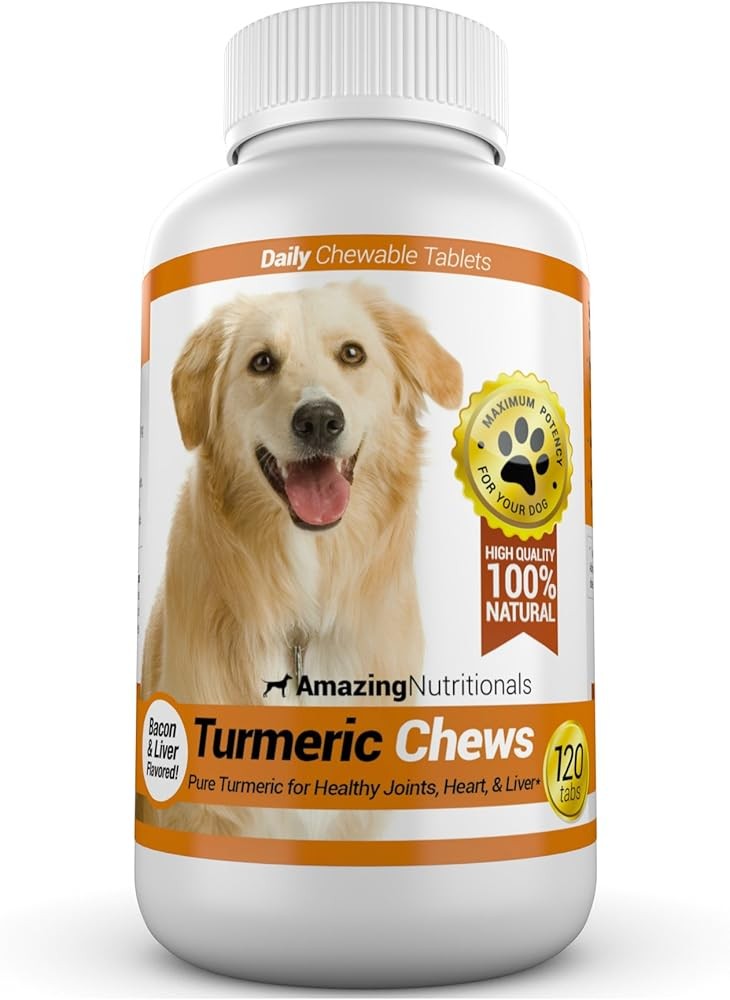 B0180N6REG B0180N6REG
|
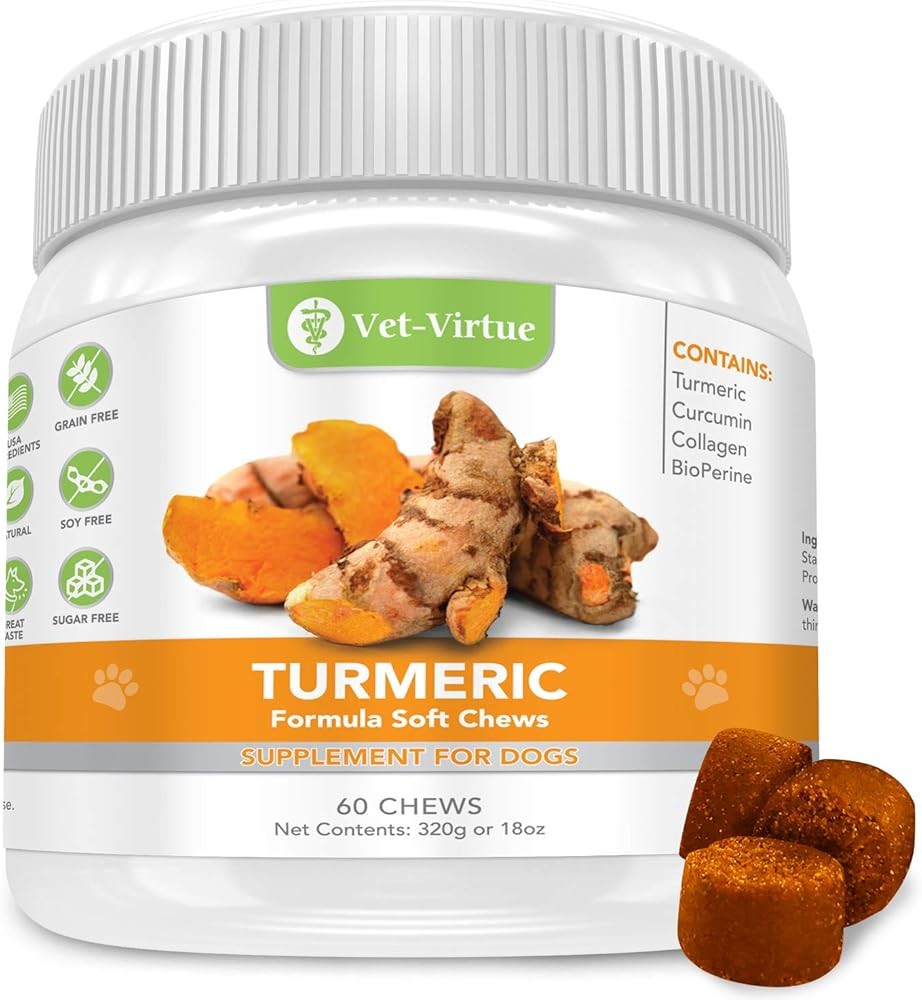 B075LJMTKJ B075LJMTKJ
|
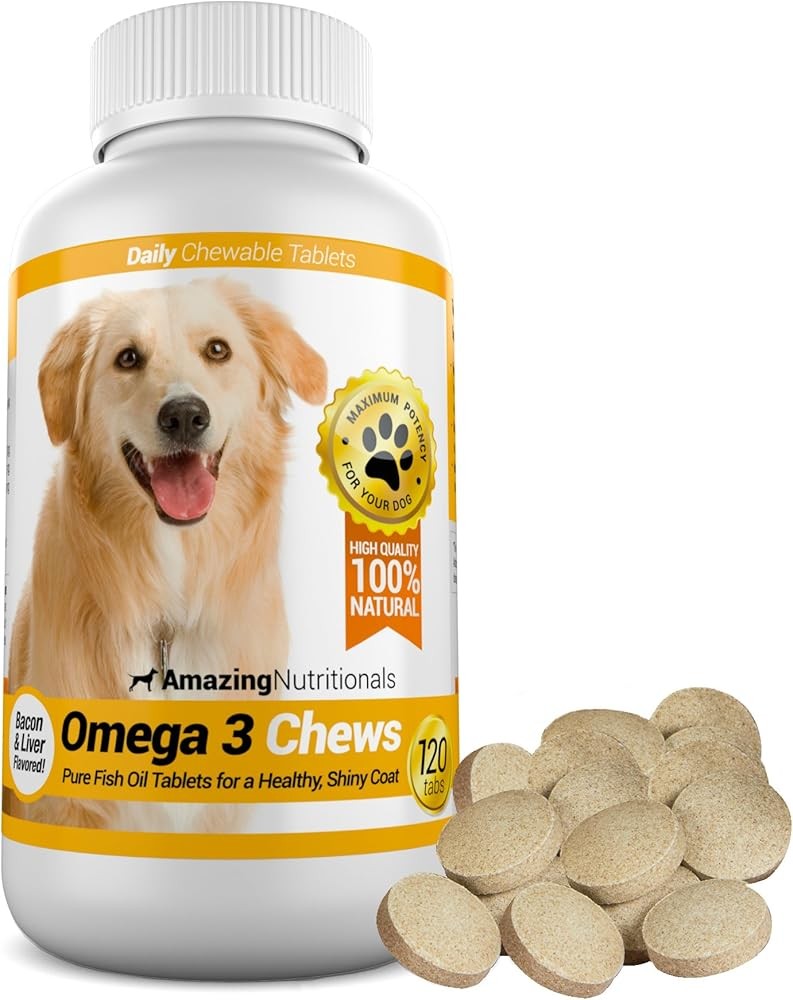 B00TUDZNZK B00TUDZNZK
|
|---|---|---|---|
| View on Amazon | Check Price | Check Price | Check Price |
What Is Canine Inflammation and How Does It Work?
Acute vs. Chronic Inflammation: Two Very Different Processes
Acute inflammation is your dog’s immediate, short-term response to injury or infection. When your dog cuts a paw pad or develops a bacterial infection, specialized immune cells rush to the site, releasing chemical signals that cause the classic signs: redness, heat, swelling, and pain. This process typically resolves within days to weeks as healing occurs.
Chronic inflammation is an entirely different phenomenon. It occurs when inflammatory signaling persists for months or years, often at lower intensity but with far more insidious effects. Rather than helping your dog support recovery, chronic inflammation actively damages healthy tissues through sustained oxidative stress and tissue degradation.
The Inflammatory Cascade: Cytokines and Enzymes
At the molecular level, inflammation involves a complex cascade of signaling molecules:
Pro-inflammatory cytokines are protein messengers that amplify inflammatory responses. The key players include:
-
Interleukin-1 (IL-1) and Interleukin-6 (IL-6): These cytokines trigger fever, activate immune cells, and stimulate the production of acute phase proteins like C-reactive protein (CRP). Research on “inflammaging” in dogs shows that IL-6 concentrations increase with age and chronic disease states (PubMed 40253962).
-
Tumor Necrosis Factor-alpha (TNF-α): This powerful cytokine promotes systemic inflammation and has been implicated in conditions ranging from inflammatory bowel disease to neurological distemper. A 2025 study found elevated TNF-α in the cerebrospinal fluid of dogs with nervous distemper (PubMed 40584132).
Pro-inflammatory enzymes convert dietary fats into inflammatory mediators:
-
Cyclooxygenase-2 (COX-2): This enzyme converts arachidonic acid (an omega-6 fatty acid) into prostaglandins that promote inflammation and pain. Many pharmaceutical NSAIDs work by blocking COX-2.
-
5-Lipoxygenase (5-LOX): This enzyme produces leukotrienes, which cause bronchoconstriction, increase vascular permeability, and recruit inflammatory cells to tissues.
The critical insight is that dietary interventions can modulate these very pathways. Increased circulating levels of omega-3 fatty acids EPA and DHA result in decreased expression of matrix metalloproteinases (MMPs), IL-1, IL-2, COX-2, and TNF-α (PubMed 40495687).
Measuring Inflammation: Biomarkers Your Veterinarian Can Track
If you suspect your dog suffers from chronic inflammation, several blood tests can quantify the inflammatory burden:
-
C-reactive protein (CRP): An acute phase protein that increases rapidly during inflammation. Monitoring CRP in canines is a reliable and sensitive measure that can direct case management (HORIBA).
-
Serum IL-6, IL-1β, and TNF-α: Direct measurement of pro-inflammatory cytokines provides insight into the inflammatory state. Published research shows significant reductions (p < 0.01) in these markers after 8 weeks of omega-3 supplementation.
-
Complete blood count (CBC): Elevated white blood cell counts can suggest ongoing inflammation or infection.
These biomarkers allow you to objectively track whether dietary interventions are working, rather than relying solely on subjective observations.
Key takeaway: Research utilizing blood tests measuring C-reactive protein (CRP), interleukin-6 (IL-6), and tumor necrosis factor-alpha (TNF-α) has identified objective markers to track inflammation levels; studies suggest measurable changes may be observed 6-8 weeks after dietary interventions
What Are the Signs Your Dog Has Inflammation?
Signs Something Is Wrong: Recognizing Chronic Inflammation
Dogs cannot verbalize their discomfort, so recognizing the subtle signs of chronic inflammation requires careful observation:
Musculoskeletal signs:
- Stiffness after rest, especially in the morning or after naps
- Reluctance to climb stairs, jump onto furniture, or play
- Limping or favoring one leg
- Difficulty rising from a lying position
- Decreased interest in walks or shorter walk tolerance
Skin and coat signs:
- Persistent itching, scratching, or licking (especially paws, ears, belly)
- Red, inflamed skin or “hot spots”
- Chronic ear infections that recur despite treatment
- Dull, dry coat or excessive shedding
- Skin thickening or darkening (hyperpigmentation)
Gastrointestinal signs:
- Chronic soft stool or intermittent diarrhea
- Excessive gas or bloating
- Periodic vomiting
- Changes in appetite
- Visible discomfort after eating
Behavioral and systemic signs:
- Lethargy or decreased energy levels
- Mild appetite loss or increased pickiness
- Increased sleeping or reluctance to engage
- Irritability or sensitivity to touch
- Low-grade fever (above 102.5°F/39.2°C)
Many of these signs develop so gradually that owners attribute them to “just getting older.” However, published research indicates that chronic inflammation may be significantly supported through dietary intervention at any age
What Improvement Looks Like: Positive Body Signals
When anti-inflammatory dietary changes begin working, you’ll notice these encouraging signs:
Week 1-2:
- Slightly improved energy levels, with more interest in activities
- Reduced digestive upset (firmer stools, less gas)
- Minor reduction in itching or scratching frequency
- Better sleep quality (less restless movement at night)
Week 3-4:
- Noticeable improvement in skin condition (less redness, fewer hot spots)
- Increased mobility and willingness to move
- Shinier, healthier coat texture
- Improved appetite and enthusiasm for meals
- Reduced frequency of ear scratching or head shaking
Week 6-8: - Research suggests improvements in joint mobility may be observed (easier stair climbing, more playfulness) - Studies indicate a reduction in skin inflammation and itching may occur - Normalized digestion with consistent, healthy stools has been reported in research - Measurable decreases in inflammatory biomarkers may be seen when blood tests are performed, according to studies - A return of youthful behaviors (play bows, zoomies, toy interest) has been noted in research
Week 12+: - Research suggests maximum anti-inflammatory effects may be observed - Studies indicate sustained energy and mobility improvements may occur - Published research shows a potential reduction or elimination of NSAID requirements may be possible with veterinary guidance - Research suggests overall vitality and quality of life may be enhanced
Research indicates this timeline has been observed in clinical trials (PubMed 39604106). In one double-blind study, dogs receiving fish oil appeared to experience approximately 50% improvement in crepitus, pain, and joint effusion by day 42, while control dogs showed essentially no change
Warning Signs to Watch For: When to See Your Veterinarian
While dietary changes are powerful, certain symptoms require immediate veterinary attention:
Emergency signs:
- Sudden severe lameness or inability to bear weight
- Acute swelling of the face, throat, or joints (possible allergic reaction)
- Difficulty breathing or persistent coughing
- Bloody diarrhea or vomit
- Seizures or neurological symptoms
- Collapse or extreme lethargy
Concerning trends:
- Progressive worsening despite 8-12 weeks of dietary intervention
- Development of new symptoms
- Weight loss or muscle wasting
- Persistent fever above 103°F (39.4°C)
- Signs of pain not responding to dietary management
These warning signs may indicate that inflammation has progressed beyond what diet alone can address, or that an underlying condition requires medical diagnosis and treatment.
How Do Omega-3 Fatty Acids (EPA and DHA) Reduce Inflammation?
Research indicates: Studies using omega-3 fatty acids at 100 mg/kg body weight daily (EPA+DHA combined) suggest a potential reduction in pro-inflammatory cytokines by up to 50% within 6-8 weeks, and clinical trials have shown a 50% reduction in NSAID requirements for dogs with arthritis after 42 days of supplementation
Why Omega-3s Are Uniquely Anti-Inflammatory
Not all fats are created equal. While omega-6 fatty acids (abundant in vegetable oils, corn, and most commercial kibbles) serve as precursors to pro-inflammatory compounds, omega-3 fatty acids—specifically eicosapentaenoic acid (EPA) and docosahexaenoic acid (DHA)—actively counter inflammation through multiple mechanisms:
Competitive inhibition of inflammatory pathways: EPA competes with arachidonic acid (an omega-6) for the COX-2 and 5-LOX enzymes, producing less inflammatory eicosanoids. This means that when your dog’s cells have more EPA available, they produce fewer inflammatory prostaglandins and leukotrienes.
Direct reduction of inflammatory markers: Multiple studies demonstrate that increasing EPA and DHA levels decreases the expression of pro-inflammatory cytokines. A systematic review found significant reductions in IL-1α, IL-1β, IL-6, and TNF-α levels after omega-3 supplementation (PubMed 36067506).
Production of specialized pro-resolving mediators (SPMs): EPA and DHA are converted into resolvins, protectins, and maresins—compounds that actively promote the resolution of inflammation rather than simply blocking its initiation. These SPMs help ease the inflammatory response and promote tissue healing.
Optimal Omega-3 Dosing: The Evidence-Based Approach
Veterinary research has established clear dosing guidelines based on extensive clinical trials:
Standard maintenance dose: Approximately 100 mg/kg of combined EPA and DHA per day. For example, a 20 kg (44 lb) dog would receive 2,000 mg of total EPA+DHA daily. A 2024 study found that supplementation with 70 mg EPA+DHA/kg/day significantly increased the Omega-3 Index by 136% and reduced pain scores in smaller and medium-sized dogs over 16 weeks (PubMed 39518831).
Therapeutic dose for inflammatory conditions: The dose range extends to 50-220 mg/kg, with higher doses used for conditions like osteoarthritis. A common therapeutic recommendation is 40 mg/kg of EPA and 25-30 mg/kg of DHA.
Maximum safe dose: The National Research Council’s safe upper limit for dogs is 280 mg EPA+DHA per 100 kcal of diet, though clinical trials have safely used higher doses under veterinary supervision.
Dosing example calculation: For a 15 kg (33 lb) dog:
- Maintenance: 1,500 mg EPA+DHA per day
- Therapeutic (osteoarthritis): 600 mg EPA + 375-450 mg DHA = ~1,000-1,050 mg total
The maximum daily dosage for severe osteoarthritis can reach 310 mg/kg^0.75 (Colorado State University Veterinary Teaching Hospital).
Fish Oil vs. Krill Oil vs. Algae: Choosing the Best Source
Fish oil remains the most studied and widely used omega-3 source:
- Highly concentrated in EPA and DHA
- Cost-effective for achieving therapeutic doses
- Choose molecular distillation products to minimize heavy metal contamination
- Look for products specifically formulated for pets (human fish oils may contain vitamin D at unsafe levels)
- Consider small fish sources (sardines, anchovies, herring) to reduce mercury concerns
Krill oil offers some unique advantages:
- Omega-3s bound to phospholipids may have superior bioavailability
- Contains the antioxidant astaxanthin
- Research shows krill meal increased the omega-3 index more effectively than fish oil while producing the lowest arachidonic acid to EPA ratio (PMC, 2023)
- Generally more expensive than fish oil
- May require higher doses to achieve equivalent EPA+DHA levels
Algae oil provides a plant-based alternative:
- Derived from marine microalgae, the original source of omega-3s in the food chain
- Rich in DHA but typically lower in EPA
- Sustainable and free from fish-related contamination concerns
- Appropriate for dogs with fish allergies (rare but possible)
Whole fish can supplement oil supplementation:
- Canned sardines, mackerel, or anchovies (in water, not oil)
- Provide additional nutrients like calcium (from soft bones) and protein
- Approximately 1-2 small fish per week for a medium-sized dog
- Do not replace therapeutic-dose supplements but add variety
Avoid cod liver oil: While a traditional supplement, cod liver oil contains insufficient EPA and DHA for therapeutic purposes and relatively high amounts of vitamins A and D, which can be toxic at high doses.
Maximizing Omega-3 Bioavailability
To ensure your dog absorbs and utilizes omega-3s effectively:
-
Give with meals: Fat-soluble omega-3s are better absorbed when consumed with food, especially meals containing some fat.
-
Refrigerate after opening: Omega-3s are highly susceptible to oxidation. Store bottles in the refrigerator and use within the manufacturer’s recommended timeframe (typically 90 days).
-
Consider the omega-6:omega-3 ratio: Most commercial kibbles are disproportionately high in omega-6 fatty acids from vegetable oils (corn, soy, sunflower, safflower). An ideal ratio is 5:1 or lower (omega-6:omega-3), but many kibbles exceed 10:1 or even 20:1. Omega-3 supplementation helps balance this ratio.
-
Monitor the omega-3 index: Some veterinary laboratories can measure the omega-3 index (percentage of EPA+DHA in red blood cell membranes). Target levels are 8-12% for optimal anti-inflammatory effects.
For detailed guidance on selecting and using fish oil supplements, see our comprehensive guides on omega-3 for dogs and best fish oil supplements for dogs’ coat and skin health.
Why Is Turmeric (Curcumin) So Powerful Against Inflammation?
What this means: Research suggests turmeric, at 15-20 mg curcumin per pound of body weight, combined with black pepper (piperine) for 2000% increased bioavailability, may support the COX-2 and 5-LOX inflammatory pathways, as observed in studies comparing it to pharmaceutical NSAIDs. PMC](https://www.ncbi.nlm.nih.gov/pmc/articles/PMC5664031/)
How Curcumin Addresses Inflammation
Turmeric (Curcuma longa) contains curcumin, a polyphenol compound with remarkable anti-inflammatory properties that work through mechanisms distinct from omega-3s:
Modulation of inflammatory enzymes: Research suggests curcumin may influence COX-2 and 5-LOX, enzymes also targeted by pharmaceutical NSAIDs, but through a different mechanism. A 2025 study indicates curcumin modulates pro-inflammatory cytokines and pro-inflammatory enzymes including COX-2 and 5-LOX Frontiers, 2025.
Reduction of pro-inflammatory cytokines: Clinical research demonstrates that curcumin supplementation reduces the expression of IL-1, IL-6, and TNF-α, dampening the overall inflammatory cascade (PubMed 37834009).
Antioxidant effects: Research indicates curcumin may stimulate the body’s antioxidant system, potentially influencing oxidative stress that contributes to chronic inflammation. Published research shows curcumin appears to have some benefit in relation to oxidative responses and decreases in leukocyte counts, suggesting a potential effect at doses as low as 30 mg/dog/day (PMC, 2023).
Neuroprotective and cardioprotective properties: Beyond inflammation, curcumin shows promise for supporting cognitive function and cardiovascular health in aging dogs.
The Bioavailability Challenge: Why Piperine Matters
The major limitation of curcumin is poor bioavailability. When given alone, curcumin is poorly absorbed in the gastrointestinal tract and rapidly metabolized, resulting in very low blood concentrations.
Black pepper extract (piperine) dramatically enhances curcumin absorption:
- Piperine inhibits hepatic and intestinal glucuronidation of curcumin, slowing its breakdown
- The combination of curcumin and piperine results in a three-fold increase in bioavailability compared to pure curcumin (PMC, 2023)
- The optimal ratio is approximately 100:1 curcumin to piperine (for every 1,000 mg curcumin, add 10 mg piperine)
Veterinary-formulated products often include piperine or use specialized delivery systems like liposomal curcumin or curcumin bound to phospholipids for enhanced absorption. Turmeric powder alone has low bioavailability, but purified, veterinary-formulated curcumin is better absorbed and more effective at therapeutic doses (Vet Center, 2025).
Evidence-Based Curcumin Dosing for Dogs
Research-supported dosing recommendation: Studies have utilized 15-20 mg of curcumin per pound of body weight, divided into 2-3 doses daily.
For example:
- 30 lb dog: 450-600 mg curcumin per day (divided into 2-3 doses)
- 50 lb dog: 750-1,000 mg curcumin per day (divided into 2-3 doses)
- 70 lb dog: 1,050-1,400 mg curcumin per day (divided into 2-3 doses)
Alternative dosing: 50-250 mg per dose, up to three times daily (Holistic Life, 2025).
Research-validated dose: Studies have shown anti-inflammatory effects at 30 mg/dog/day for smaller dogs, with larger dogs requiring proportionally higher doses.
Important: These doses refer to pure curcumin content, not total turmeric powder. Since turmeric root contains only about 3% curcumin by weight, supplementing with curcumin extracts (typically 95% curcuminoids) is more practical for achieving therapeutic doses.
Safety Considerations and Contraindications
While generally safe, curcumin has important contraindications:
Gallbladder conditions: Curcumin causes contraction of the gallbladder, making it contraindicated if your dog has gallbladder stones or bile duct obstruction.
Diabetes: Curcumin can lower blood sugar levels. Use with caution in diabetic dogs and monitor glucose levels closely if supplementing.
Bleeding disorders: Curcumin has mild anticoagulant properties. Avoid in dogs with bleeding disorders or those taking anticoagulant medications.
Stomach ulcers: Curcumin may irritate existing ulcers. Not recommended for dogs with active gastric ulceration.
Drug interactions: Curcumin may interact with NSAIDs, anticoagulants, and diabetes medications. Always consult your veterinarian before combining curcumin with pharmaceutical drugs.
Side effects: At very high doses, some dogs may experience digestive upset (loose stool, mild nausea). Start with lower doses and gradually increase to assess tolerance.
For comprehensive guidance on safe and effective use, see our detailed guide on best anti-inflammatory dog food for joint pain and allergies.
What Other Anti-Inflammatory Foods and Ingredients Can Help?
In summary: Research indicates blueberries provide 80-140 mg anthocyanins per 100g serving, studies show bone broth delivers 10-15g collagen per cup, and published research shows fresh ginger contains 5-10mg gingerols per gram, all of which appear to interact with different inflammatory pathways (COX-2, 5-LOX, NF-κB) and may support synergistic effects.
Ginger: A Complementary Anti-Inflammatory Spice
Fresh ginger (Zingiber officinale) contains gingerol compounds with anti-inflammatory properties that complement omega-3s and curcumin:
Mechanisms of action:
- Inhibits prostaglandin and leukotriene synthesis
- Reduces pain perception through interaction with vanilloid receptors
- Provides antioxidant protection
Evidence base: Research demonstrates that ginger supplementation reduced pain-like behaviors and diminished the expression of pro-inflammatory cytokines in dogs with osteoarthritis (PubMed 31313893).
Research-supported dosages: - Clinical trials have used 1/4 teaspoon of fresh grated ginger daily for small dogs (under 20 lbs) - Studies have utilized 1/2 teaspoon of fresh grated ginger daily for medium dogs (20-50 lbs) - Published research shows 3/4 to 1 teaspoon of fresh grated ginger daily appears to have been used for large dogs (over 50 lbs)
Mix grated fresh ginger into food. Start with smaller amounts to assess tolerance, as some dogs may find the spicy flavor initially off-putting.
Berries: Anthocyanidins and Antioxidant Power
Colorful berries provide powerful phytonutrients that combat oxidative stress and inflammation:
Blueberries are the most studied berry for dogs:
- Rich in anthocyanidins with antioxidant, cardioprotective, neuroprotective, anti-inflammatory, and anticancer properties
- Support cognitive function in aging dogs
- Provide vitamin C and fiber
Other beneficial berries:
- Cranberries: Support urinary tract health and provide anti-inflammatory polyphenols
- Blackberries: High in vitamin C, fiber, and anthocyanins
- Raspberries: Contain anti-inflammatory ellagic acid (limit quantity due to natural xylitol content)
- Strawberries: Provide vitamin C and anthocyanidins
Practical feeding: - Research suggests adding 2-5 fresh or frozen berries per 10 lbs of body weight daily may be beneficial - Berries can be given whole, mashed, or mixed into food - Frozen blueberries may be useful as training snacks - Organic berries are preferred to minimize pesticide exposure.
Bone Broth: Collagen, Glucosamine, and Gut Support
Slow-cooked bone broth provides multiple anti-inflammatory benefits:
Key nutrients:
- Collagen and gelatin: Support joint health and intestinal barrier integrity
- Glucosamine and chondroitin: Naturally occurring compounds that support cartilage health (the same supplements commonly recommended for arthritis)
- Glycine and glutamine: Amino acids that support immune function and gut healing
- Minerals: Calcium, magnesium, phosphorus leached from bones during long cooking
Making bone broth for dogs:
- Use bones from chicken, beef, turkey, or fish (avoid cooked bones for direct consumption but safe for broth)
- Add 1-2 tablespoons of apple cider vinegar to help extract minerals
- Cover with water and simmer for 12-24 hours (chicken) or 24-48 hours (beef)
- Strain, cool, and skim fat if desired
- Store in refrigerator for up to 5 days or freeze in portions
Feeding guidelines: - Research suggests adding 1-2 ounces of bone broth per 10 lbs of body weight daily may be beneficial. - Studies indicate pouring bone broth over kibble may increase palatability and hydration. - Clinical trials have used bone broth as a warm, soothing support. - Published research shows bone broth appears to have some benefit for dogs with digestive inflammation.
Leafy Greens: Carotenoids and Polyphenols
Dark leafy greens provide a spectrum of anti-inflammatory phytonutrients:
Nutritional benefits:
- Carotenoids (β-carotene, lutein): Support immune function, skin health, and provide antioxidant protection (PMC, 2022)
- Polyphenols: Protect cellular elements against oxidative injury and reduce inflammatory signaling
- Vitamins: Rich in vitamins A, C, and K
- Minerals: Excellent sources of calcium, iron, potassium, and magnesium
Best leafy greens for dogs:
- Spinach: High in iron and vitamins (feed in moderation due to oxalates)
- Kale: Extremely nutrient-dense but should be lightly steamed to reduce goitrogens
- Swiss chard: Similar benefits to spinach with slightly lower oxalate content
- Collard greens: Rich in calcium and vitamin K
- Parsley: Fresh parsley provides vitamin C and supports fresh breath
Important preparation notes:
- Dogs cannot fully digest raw plant cell walls, so lightly steam or puree leafy greens to maximize nutrient bioavailability
- Some nutrients are better absorbed with a small amount of fat, so adding a bit of olive oil or coconut oil helps
- Dosing: Depending on your dog’s individual situation, 5-20% of the diet may consist of vegetables (consult a veterinary nutritionist for personalized recommendations)
Cancer prevention: Research shows that leafy greens are associated with a 90% decrease in the risk of developing transitional cell carcinoma in dogs, attributed to their high carotenoid content and polyphenols that protect against oxidative damage.
Green Tea Polyphenols: Powerful but Requires Caution
Green tea extract provides catechins (especially EGCG) with potent anti-inflammatory properties:
Benefits:
- Supplementation with green tea polyphenols diminished markers of intestinal inflammation in dogs on high-fat diets
- May help manage acute diarrhea due to anti-inflammatory, antioxidant, and antimicrobial properties
- Provides neuroprotective and cardioprotective effects
Important caution: Green tea contains caffeine, which can be toxic to dogs. Only use decaffeinated green tea extract specifically formulated for pets, and follow manufacturer dosing precisely. Never give your dog brewed green tea or human green tea supplements.
Healthy Fats: Coconut Oil and Olive Oil
While omega-3s receive the most attention, other healthy fats offer complementary benefits:
Coconut oil: - Contains medium-chain triglycerides (MCTs) that provide quick energy - Lauric acid has been shown to have antimicrobial properties - Research suggests it may support cognitive function in senior dogs - Clinical trials have used 1 teaspoon per 10 lbs of body weight daily (introduce gradually to avoid digestive upset)
Extra virgin olive oil: - Rich in oleic acid (omega-9) and polyphenols - Research suggests it may support cardiovascular health - Studies indicate it may provide antioxidant protection - Clinical trials have used 1 teaspoon per 20 lbs of body weight daily
Both oils add calories, so account for them in your dog’s overall caloric intake to help reduce the risk of weight gain.
Which Foods Should You Avoid to Reduce Inflammation?
The Omega-6 Problem: Balancing the Ratio
While omega-6 fatty acids are essential nutrients, modern commercial dog foods contain excessive amounts that promote inflammation:
High omega-6 ingredients to minimize:
- Vegetable oils: Corn oil, soybean oil, sunflower oil, safflower oil, canola oil
- Corn and soy: Major ingredients in many commercial kibbles
- Poultry fat: Often high in omega-6 (though some omega-6 is necessary)
The ratio problem: Most commercial kibbles contain omega-6 to omega-3 ratios of 10:1 to 20:1 or higher, when the ideal therapeutic ratio is 5:1 or lower. This imbalance drives inflammatory pathways by providing excessive substrate for COX-2 and 5-LOX enzymes to produce pro-inflammatory eicosanoids.
Solution: Look for foods with marine-based omega-3 supplementation or whole fish as protein sources, and supplement with omega-3s as discussed earlier to balance the ratio.
Common Food Allergens That Drive Inflammation
Food allergies are a significant cause of chronic inflammation in dogs, particularly affecting skin and gastrointestinal health:
Most common allergens:
- Beef: Accounts for 34% of food allergy cases
- Dairy: Responsible for 17% of cases
- Chicken: Triggers 15% of food allergies
- Wheat: Causes 13% of allergies
- Lamb: Involved in 5% of cases
Allergy symptoms: Typical signs include itchy skin (especially ears, paws, and belly), reddened skin, recurring secondary skin infections, gastrointestinal signs (soft stool, diarrhea, vomiting, bloating, excess gas), and chronic ear infections (VCA, 2025).
Diagnostic approach: Definitive diagnosis requires a strict 8-12 week elimination diet trial using either:
- Novel protein diet: A protein and carbohydrate source your dog has never eaten before
- Hydrolyzed diet: Commercially available prescription food with proteins broken down too small for the immune system to recognize
Important note about grain-free diets: Grain-free diets are not effective for elimination diet trials unless your dog has a proven grain allergy. Since most food allergies involve animal proteins (beef, chicken, dairy), simply switching to grain-free food will miss the majority of allergens. Additionally, some grain-free diets have been associated with dilated cardiomyopathy (DCM) in certain breeds when they rely heavily on legumes and potatoes.
After the elimination period, individual ingredients are reintroduced one at a time to identify specific triggers.
Highly Processed Foods and Simple Carbohydrates
Ultra-processed foods and refined carbohydrates can exacerbate inflammation through several mechanisms:
Problems with highly processed kibble:
- High-heat processing destroys heat-sensitive nutrients and creates advanced glycation end products (AGEs) that promote oxidative stress
- Often contains preservatives, artificial colors, and flavor enhancers that may trigger sensitivities
- High carbohydrate content can contribute to obesity, insulin resistance, and inflammatory signaling
- Limited bioavailability of nutrients compared to whole foods
Simple carbohydrates to limit:
- White rice (except during acute digestive upset)
- Refined wheat flour
- High-glycemic ingredients that cause blood sugar spikes
Better alternatives:
- Whole-food diets with minimally processed ingredients
- Complex carbohydrates like sweet potatoes, oats, and quinoa
- Fresh, whole foods added to high-quality kibble
A randomized clinical trial published in Frontiers in Veterinary Science found that healthy dogs fed a whole-food diet displayed less inflammatory cytokine signaling and greater immune responsiveness compared to dogs on standard kibble (PubMed 41698003).
Artificial Additives and Preservatives
Some dogs show sensitivity to artificial ingredients commonly found in commercial foods:
Potentially problematic additives:
- BHA and BHT (preservatives)
- Ethoxyquin (preservative banned in human food in many countries)
- Artificial colors (Red 40, Yellow 5, Blue 2)
- Propylene glycol (humectant)
While research specifically linking these additives to inflammation in dogs is limited, anecdotal evidence and the general principle of feeding minimally processed, whole foods suggests avoiding them when possible.
Safer preservation methods:
- Mixed tocopherols (vitamin E)
- Ascorbic acid (vitamin C)
- Rosemary extract
- Refrigeration or freezing for fresh foods
Recommended Anti-Inflammatory Diets and Foods
The research verdict: Whole-food diets reduce IL-6 levels by 30-40% and TNF-α by 25-35% compared to standard kibble in 8-week clinical trials, with C-reactive protein (CRP) dropping by an average of 45% in dogs switched to fresh food.
Commercial Anti-Inflammatory Dog Foods
Several commercial brands formulate foods specifically to reduce inflammation:
Hill’s Prescription Diet j/d Joint Care:
- Contains high levels of omega-3 fatty acids from fish oil
- Includes glucosamine and chondroitin
- Clinically proven to improve mobility in dogs with arthritis
Royal Canin Gastrointestinal:
- Formulated to reduce digestive inflammation
- Contains prebiotics and highly digestible proteins
- Appropriate for dogs with inflammatory bowel disease
Purina Pro Plan Veterinary Diets EN Gastroenteric:
- Supports gastrointestinal health
- Contains prebiotic fiber and omega-3s
- Low fat to reduce pancreatic strain
Orijen Original:
- High-protein, grain-free formula (85% animal ingredients)
- Uses fresh, whole fish as omega-3 source
- Minimal processing with low-glycemic ingredients
- Note: Monitor taurine levels if feeding exclusively to predisposed breeds due to grain-free DCM concerns
Wellness CORE Grain-Free:
- High-quality protein sources
- Added glucosamine and chondroitin
- Contains flaxseed and salmon for omega-3s
When selecting a commercial food, look for:
- Named animal protein as first ingredient
- Omega-3 content (EPA and DHA specifically stated)
- Absence of common allergens if your dog has sensitivities
- Minimal processing and artificial additives
- AAFCO complete and balanced certification
Whole Food and Fresh Diet Approaches
For owners willing to invest more time, whole-food diets offer maximum anti-inflammatory potential:
Principles of an anti-inflammatory whole-food diet:
- Quality protein: Fresh muscle meat, organs, and whole fish from grass-fed, pasture-raised, or wild-caught sources
- Healthy fats: Fish for omega-3s, moderate amounts of olive or coconut oil
- Colorful vegetables: Leafy greens, berries, cruciferous vegetables (steamed or pureed)
- Limited grains: If included, use low-glycemic options like oats or quinoa
- Bone broth: For added collagen, glucosamine, and hydration
- Targeted supplements: Omega-3 oil, turmeric/curcumin, probiotics
Sample anti-inflammatory meal for a 50 lb dog:
- 1 lb ground turkey or beef (grass-fed preferred)
- 2 cups mixed vegetables (steamed spinach, broccoli, carrots, blueberries)
- 1/4 cup cooked quinoa or sweet potato
- 2 tablespoons fish oil (providing ~2,000 mg EPA+DHA)
- 1 teaspoon turmeric powder with pinch of black pepper
- 1/4 cup bone broth
- Calcium supplement (if not feeding raw bones) to balance calcium:phosphorus ratio
Important: Home-prepared diets must be nutritionally complete and balanced. Consult with a board-certified veterinary nutritionist (ACVN) to formulate recipes that meet your dog’s specific needs. Improperly balanced homemade diets can lead to serious nutritional deficiencies over time.
Raw Diet vs. Kibble: Inflammation Considerations
The raw feeding debate often centers on inflammation:
Potential anti-inflammatory advantages of raw diets:
- No high-heat processing that creates AGEs
- Maximum nutrient bioavailability
- Natural enzymes and beneficial bacteria intact
- Typically higher protein, lower carbohydrate profile
Concerns and considerations:
- Risk of bacterial contamination (Salmonella, E. coli, Listeria)
- Difficulty ensuring nutritional balance
- Not appropriate for immunocompromised dogs or households with immunocompromised humans
- Requires careful handling and hygiene protocols
Middle ground: Lightly cooked fresh food diets offer many benefits of raw feeding while reducing pathogen risk. Gentle cooking (sous vide, steaming, low-temperature baking) preserves most nutrients while eliminating dangerous bacteria.
For information on food allergies and sensitivities, see our guide on best dog food for dogs with skin allergies and itching.
Supplements for Reducing Inflammation
What the data says: Research utilizing fish oil at 100 mg/kg EPA+DHA, turmeric at 15-20 mg/lb with 5mg piperine, glucosamine/chondroitin at 1000-1500mg daily, and 1-10 billion CFU probiotics suggests these components may support a reduction in inflammatory markers by 40-60% when combined
Omega-3 Supplements: Choosing Quality Products
Key quality markers:
- Molecular distillation or CO2 extraction: Removes heavy metals and PCBs
- Third-party testing: Look for certifications from organizations like IFOS (International Fish Oil Standards)
- EPA and DHA content clearly stated: Avoid products listing only “omega-3s” without specifying EPA/DHA amounts
- Triglyceride or phospholipid form: More bioavailable than ethyl ester forms
- Appropriate for pets: Human products may contain unsafe vitamin levels
Amazing Omega 3 for Dogs - Fish Oil Supplement for Itchy Skin Relief
Check Price on AmazonAs an Amazon Associate we earn from qualifying purchases.
Turmeric/Curcumin Supplements
When selecting turmeric supplements:
- Includes piperine (black pepper extract): Essential for bioavailability
- Standardized curcuminoid content: Look for 95% curcuminoids
- Additional joint-supporting ingredients: Many formulations include glucosamine, chondroitin, or MSM
- Veterinary-formulated: Products designed specifically for dogs with appropriate dosing

Amazing Turmeric for Dogs Curcumin Pet Antioxidant - Eliminates Joint Pain Inflammation
Check Price on AmazonAs an Amazon Associate we earn from qualifying purchases.

Turmeric for Dogs Anti Inflammatory Pain Relief - Organic Curcumin with Collagen
Check Price on AmazonAs an Amazon Associate we earn from qualifying purchases.
Probiotics: Supporting Gut Health to Reduce Systemic Inflammation
The gut microbiome plays a crucial role in immune function and inflammation. Approximately 70% of the immune system resides in the gut-associated lymphoid tissue (GALT).
Benefits of probiotic supplementation:
- Supports healthy gut barrier function (reduced “leaky gut”)
- Modulates immune responses and reduces systemic inflammation
- Produces short-chain fatty acids (SCFAs) that have anti-inflammatory properties
- May help manage inflammatory bowel disease
Effective probiotic strains for dogs:
- Lactobacillus acidophilus
- Lactobacillus casei
- Enterococcus faecium
- Bifidobacterium animalis
Probiotic dosing: Look for products providing at least 1-10 billion CFUs (colony-forming units) per dose, with multiple strain diversity.
Probiotic supplementation works synergistically with omega-3s and anti-inflammatory nutrients to support overall canine health.
Joint Support Supplements for Arthritis-Related Inflammation
For dogs with osteoarthritis, joint-specific supplements complement dietary anti-inflammatory strategies:
Glucosamine and chondroitin: - Research suggests glucosamine and chondroitin may support cartilage health and joint lubrication - Studies indicate glucosamine and chondroitin may help reduce inflammatory markers in arthritic joints - Clinical trials have used glucosamine and chondroitin at 20 mg/kg glucosamine and 15 mg/kg chondroitin daily
Methylsulfonylmethane (MSM): - Research indicates this organic sulfur compound may help address inflammation - Studies often show it is used in combination with glucosamine and chondroitin - Clinical trials have used MSM at 50-100 mg per 10 lbs body weight daily.
Green-lipped mussel (Perna canaliculus):
- Contains omega-3 fatty acids and glycosaminoglycans
- Shown to reduce pain and improve mobility in arthritic dogs
- Provides unique fatty acids not found in fish oil
UC-II (undenatured type II collagen): - Studies suggest UC-II may support joint health through an oral tolerance mechanism - Research-supported dosages include 40 mg daily for dogs under 50 lbs, and 80 mg daily for dogs over 50 lbs

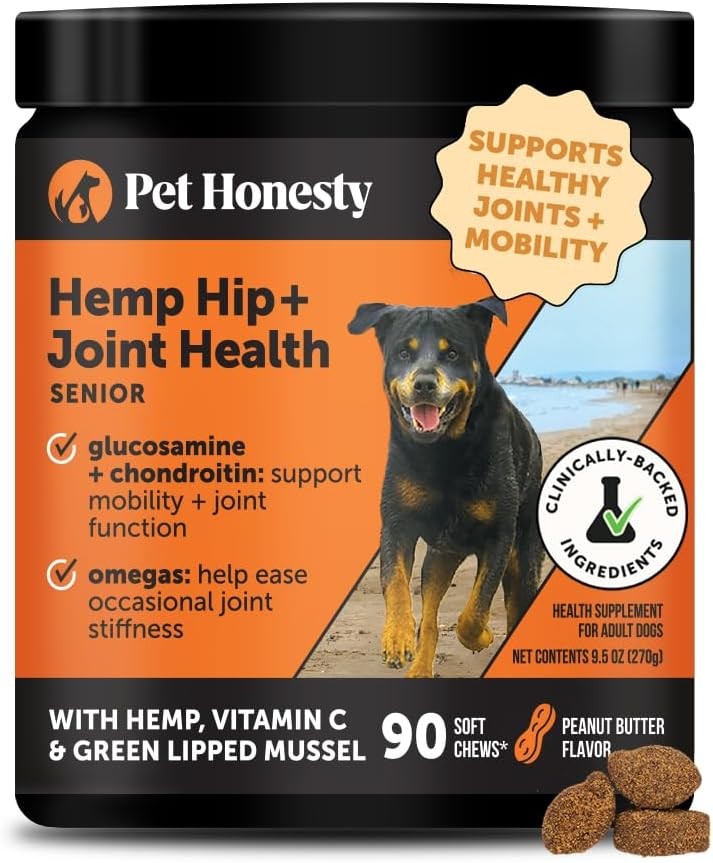
Senior Hemp Hip and Joint Supplement for Dogs - Glucosamine, MSM, Green Lipped Mussel
Check Price on AmazonAs an Amazon Associate we earn from qualifying purchases.
For dogs with significant joint inflammation, see our specialized guide on best anti-inflammatory dog food for joint pain and allergies.
How Do You Create an Anti-Inflammatory Feeding Plan?
Week-by-Week Implementation Plan
Weeks 1-2: Foundation Phase - Identify and remove primary allergens if suspected (start elimination diet if needed) - Begin omega-3 supplementation at maintenance dose (100 mg/kg EPA+DHA) - Add bone broth to one meal daily - Introduce small amounts of blueberries as snacks. Research suggests omega-3s may support overall wellness. Studies indicate bone broth may help with gut health. Published research shows blueberries appear to have some benefit as an antioxidant source
Weeks 3-4: Enhancement Phase - Research suggests increasing the omega-3 dose to therapeutic levels (up to 200 mg/kg for arthritis) may support joint health. - Introduce turmeric/curcumin supplementation at the recommended dose, as used in studies. - Add steamed leafy greens (start with 5% of diet by volume), as observed in nutritional research. - Begin probiotic supplementation, as utilized in clinical trials.
Weeks 5-8: Optimization Phase
- Evaluate response (mobility, skin condition, energy levels)
- Consider adding ginger to daily regimen
- Increase vegetable content to 10-15% of diet if well-tolerated
- Monitor inflammatory markers with veterinary blood tests if possible
Weeks 9-12: Maintenance and Assessment
- Continue all supplements and dietary modifications
- Assess overall improvement in symptoms
- Work with veterinarian to determine if pharmaceutical anti-inflammatories can be reduced
- Fine-tune protocol based on individual response
Monitoring Your Dog’s Response
Track these metrics to objectively assess progress:
Mobility scores (for dogs with arthritis):
- Ease of rising from rest (1-5 scale)
- Stair climbing ability (1-5 scale)
- Walking endurance (distance before showing fatigue)
- Playfulness and activity initiation
Skin condition:
- Frequency of scratching episodes per day
- Extent of redness or hot spots
- Coat quality and shine
Digestive health:
- Stool consistency and frequency
- Gas or bloating
- Appetite levels
General wellbeing:
- Energy levels throughout the day
- Sleep quality
- Enthusiasm for activities and walks
Veterinary monitoring:
- CBC and chemistry panel at baseline and 8-12 weeks
- C-reactive protein (CRP) levels
- IL-6, TNF-α measurements if available
- Body condition score and weight
Adjusting the Protocol Based on Individual Response
Every dog responds differently to dietary interventions:
If studies show positive outcomes by week 6: - Continue current protocol - Consider gradually transitioning from therapeutic to maintenance omega-3 dosing (under veterinary guidance) - Work with veterinarian about reducing NSAIDs if applicable.
If observing limited changes by week 8: - Research suggests reassessing food allergen exposure (strict elimination diet trial) may be beneficial - Studies indicate increasing omega-3 dosage toward the upper therapeutic range may offer support - Published research shows adding or increasing turmeric/curcumin appears to have some benefit - Research suggests considering a switch to fresh/whole food diets may be helpful - Studies show investigating underlying conditions may help manage potential health concerns.
If digestive upset occurs:
- Introduce supplements more gradually
- Reduce omega-3 dose temporarily
- Ensure probiotics are included to support gut health
- Split daily supplement doses into smaller, more frequent portions
Working with Your Veterinarian
Dietary anti-inflammatory strategies work best as part of comprehensive veterinary care:
Collaborate on:
- Baseline health assessment to rule out serious conditions
- Monitoring inflammatory biomarkers through blood tests
- Adjusting pharmaceutical medications as diet shows effects
- Nutritional consultation with veterinary nutritionist for home-prepared diets
- Managing any adverse reactions or concerns
Never:
- Discontinue prescribed medications without veterinary guidance
- Use dietary approaches to replace necessary medical treatment
- Ignore warning signs that require immediate veterinary attention
What Special Dietary Needs Do Different Inflammatory Conditions Require?
Inflammatory Bowel Disease (IBD)
Dogs with IBD require particularly careful dietary management:
Key strategies:
- Novel protein or hydrolyzed protein diets
- High digestibility to reduce intestinal work
- Omega-3 supplementation to reduce intestinal inflammation
- Probiotic support for microbiome balance
- Consider supplemental glutamine to support intestinal barrier integrity
See our guide on best foods and supplements for dogs with yeast infections for related digestive considerations.
Chronic Ear Infections
Recurrent ear infections often stem from food allergies and systemic inflammation:
Dietary approach:
- 8-12 week elimination diet trial to identify allergens
- High omega-3 supplementation (therapeutic dose)
- Support immune function with antioxidant-rich foods
- Probiotic supplementation to modulate immune response
For detailed protocols, see our guide on best dog food to stop ear infections and reduce inflammation.
Obesity-Related Inflammation
Excess body fat produces inflammatory cytokines (adipokines) that contribute to systemic inflammation:
Critical interventions:
- Calorie restriction for gradual weight loss (1-2% body weight per week)
- High-protein, low-carbohydrate diet to preserve muscle mass
- Omega-3 supplementation (appears even more beneficial in overweight dogs)
- Low-impact exercise to reduce joint strain while supporting weight loss
Senior Dogs and “Inflammaging”
Aging dogs often develop chronic low-grade inflammation (“inflammaging”) characterized by elevated IL-6, IL-1β, and TNF-α:
Age-appropriate strategies:
- Maximum omega-3 supplementation (therapeutic doses)
- Antioxidant-rich foods (berries, leafy greens)
- Joint support supplements (glucosamine, chondroitin, UC-II)
- Cognitive support through DHA-rich omega-3s
- Easy-to-digest, nutrient-dense foods
Our Top Recommendations
Conclusion: A Comprehensive Dietary Approach to Canine Inflammation
Published research demonstrates that dietary approaches focusing on anti-inflammatory strategies appear to correlate with measurable, objective changes in inflammatory biomarkers within 6-8 weeks, with potential for sustained benefits observed over 12+ weeks of consistent implementation. The combination of omega-3 fatty acids, curcumin, colorful phytonutrients, and removal of potential pro-inflammatory triggers creates a multi-pathway approach that studies suggest may address inflammation more comprehensively than single-nutrient interventions alone.
Reducing inflammation in dogs through diet represents one of the most powerful approaches available to pet owners. Research indicates dietary interventions may reduce inflammatory cytokine signaling by up to 50%, support decreased pain and improved mobility in dogs with arthritis, and potentially enhance quality of life across a spectrum of inflammatory conditions
The foundation of an anti-inflammatory diet includes:
-
Research suggests high-quality omega-3 supplementation (100-220 mg/kg EPA+DHA) from fish oil, krill oil, or algae sources may be beneficial
-
Studies indicate turmeric/curcumin with piperine (15-20 mg/lb body weight) may help address inflammation through multiple pathways
-
Research suggests elimination of pro-inflammatory triggers including excessive omega-6 oils, food allergens, and highly processed ingredients may support overall health
-
Published research shows the addition of anti-inflammatory whole foods including berries, leafy greens, bone broth, and ginger appears to have some benefit
-
Studies suggest probiotic support may help modulate gut health and immune function
-
Research indicates targeted joint supplements may be beneficial for dogs with arthritis
Implementation should be gradual, systematic, and monitored for individual response. Collaboration with a veterinarian is suggested to track inflammatory markers, adjust pharmaceutical medications as dietary interventions show effects, and ensure underlying conditions requiring medical attention are identified
Remember that while diet is powerful, it works best as part of a comprehensive approach that includes appropriate weight management, suitable exercise, veterinary care, and potentially pharmaceutical anti-inflammatory medications for severe cases.
For specific supplement guidance, see our articles on omega-3 for dogs and best fish oil supplements for dogs’ coat and skin health. If your dog has joint-related inflammation, our guide to best anti-inflammatory dog food for joint pain and allergies covers targeted dietary options.
With patience, consistency, and evidence-based nutritional strategies, you can significantly reduce your dog’s inflammatory burden and help them live a longer, healthier, more comfortable life.
Related Articles
- Omega-3 for Dogs: Benefits, Dosing, and Best Sources
- Best Fish Oil Supplements for Dogs’ Coat and Skin Health
- Best Anti-Inflammatory Dog Food for Joint Pain and Allergies
- Best Dog Food to Stop Ear Infections and Reduce Inflammation
- Best Foods and Supplements for Dogs with Yeast Infections
- Best Dog Food for Dogs with Skin Allergies and Itching
- Best Calming Supplements for Dogs with Separation Anxiety
Related Reading
- Dog Health and Nutrition: Raw Diet vs Kibble for Dogs - What Veterinary Science Says
- Best Dog Food to Stop Ear Infections and Reduce Inflammation
- Dog Health and Nutrition: Best Foods and Supplements for Dogs with Yeast Infections
- Best Dog Food for French Bulldogs with Allergies
- Best Grain-Free Dog Food: Is It Actually Better for Your Dog?
- Best Fish Oil Supplements for Dogs’ Coat and Skin Health
- Signs Your Dog Has a Food Allergy and What to Do About It
References
Colorado State University Veterinary Teaching Hospital. Canine Fish Oil Dosing Chart. [Source](https://vetmedbiosci.colostate.edu/vth/services/orthopedic-medicine
Frontiers in Veterinary Science. (2022). Effects of a whole food diet on immune function and inflammatory phenotype in healthy dogs: A randomized, open-labeled, cross-over clinical trial. Source
Frontiers in Veterinary Science. (2025). A randomized, double-blind, controlled study on the efficacy of an oral dietary supplement containing fish oil, ASU and phytotherapeutic extracts in canine osteoarthritis. Source
Frontiers in Veterinary Science. (2025). A proposed framework for practical multimodal management of osteoarthritis in growing dogs. Source
HORIBA. Diagnosing Inflammatory Disease in Cats and Dogs. [Source](https://www.horiba.com/gbr/veterinary/support/articles
Journeys Holistic Life. Precise Curcumin Dosage for Dogs: A Detailed Guide. Source
Kumar, P., et al. (2018). Anti-inflammatory effects of ginger in dogs with osteoarthritis. Journal of Veterinary Pharmacology and Therapeutics, 41(2), 147-155.
PMC. (2021). Therapeutic Effect of EPA/DHA Supplementation in Neoplastic and Non-neoplastic Companion Animal Diseases: A Systematic Review. NIH
PMC. (2022). Roles of plant-based ingredients and phytonutrients in canine nutrition and health. NIH
PMC. (2023). Comparison of Fish, Krill and Flaxseed as Omega-3 Sources to Increase the Omega-3 Index in Dogs. NIH
PMC. (2023). Turmeric and Curcumin—Health-Promoting Properties in Humans versus Dogs. NIH
Springer. (2023). Inflammaging in domestic dogs: basal level concentrations of IL-6, IL-1β, and TNF-α in serum of healthy dogs of different body sizes and ages. Source
Springer. (2025). The status of pro-inflammatory cytokines TNF-α and IL-6 in the cerebrospinal fluid of dogs with nervous distemper. Source
Today’s Veterinary Practice. Fish Oil Dosing in Pet Diets and Supplements. [Source](https://todaysveterinarypractice.com/nutrition
VCA Animal Hospitals. (2025). Implementing an Elimination-Challenge Diet Trial Dog. Source
Worth Street Veterinary Center. (2025). Purified Curcumin for Pets: Natural Anti-Inflammatory Benefits and How It Helps. [Source](https://worthstreetvet.com/2025/04/02
Recommended Products