L-Tryptophan for Dog Anxiety: Clinical Research and Dosing Guide
Summarized from peer-reviewed research indexed in PubMed. See citations below.
When your dog trembles during thunderstorms or destroys furniture during separation, research shows that L-tryptophan supplements may support mild to moderate anxiety through serotonin production. Doggie Dailies Calming Chews with Melatonin and Chamomile ($24.97) combines L-tryptophan with complementary calming ingredients in a palatable soft chew format. Published studies indicate that 1.5-4 mg per kg body weight daily can reduce anxiety behaviors in some dogs when combined with behavioral training, though clinical trials show variable results. For budget-conscious pet parents, PREMIUM CARE Calming Chews ($19.99) provides L-tryptophan supplementation at a lower price point. Here’s what the published research shows about L-tryptophan for canine anxiety and stress relief.
Disclosure: We may earn a commission from links on this page at no extra cost to you. Affiliate relationships never influence our ratings. Full policy →
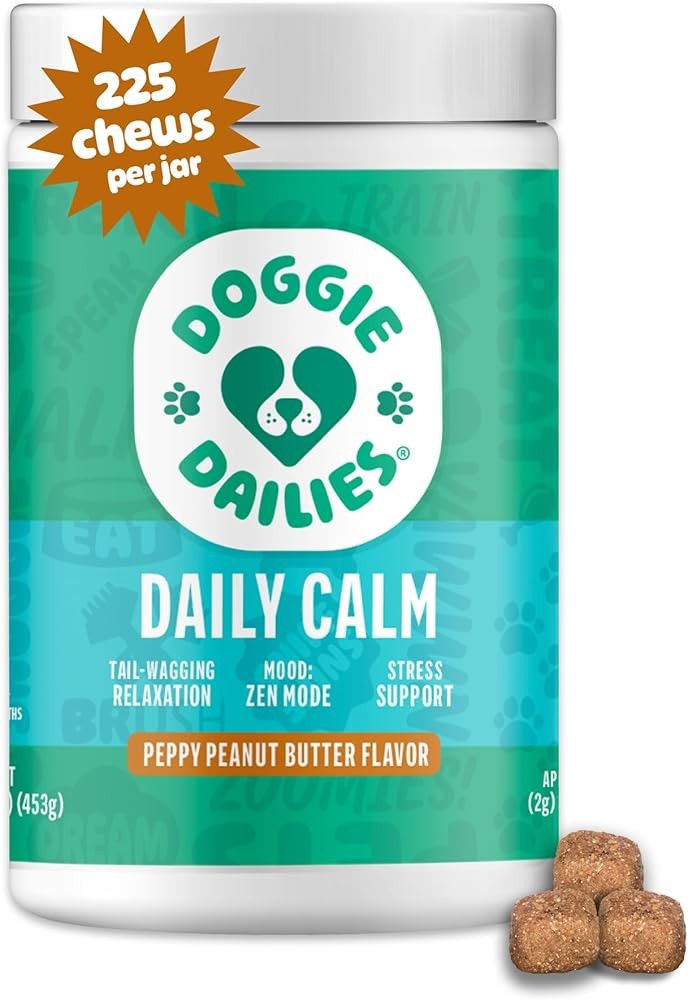
Doggie Dailies Calming Chews with Melatonin and Chamomile for Stress Relief
Check Price on AmazonAs an Amazon Associate we earn from qualifying purchases.
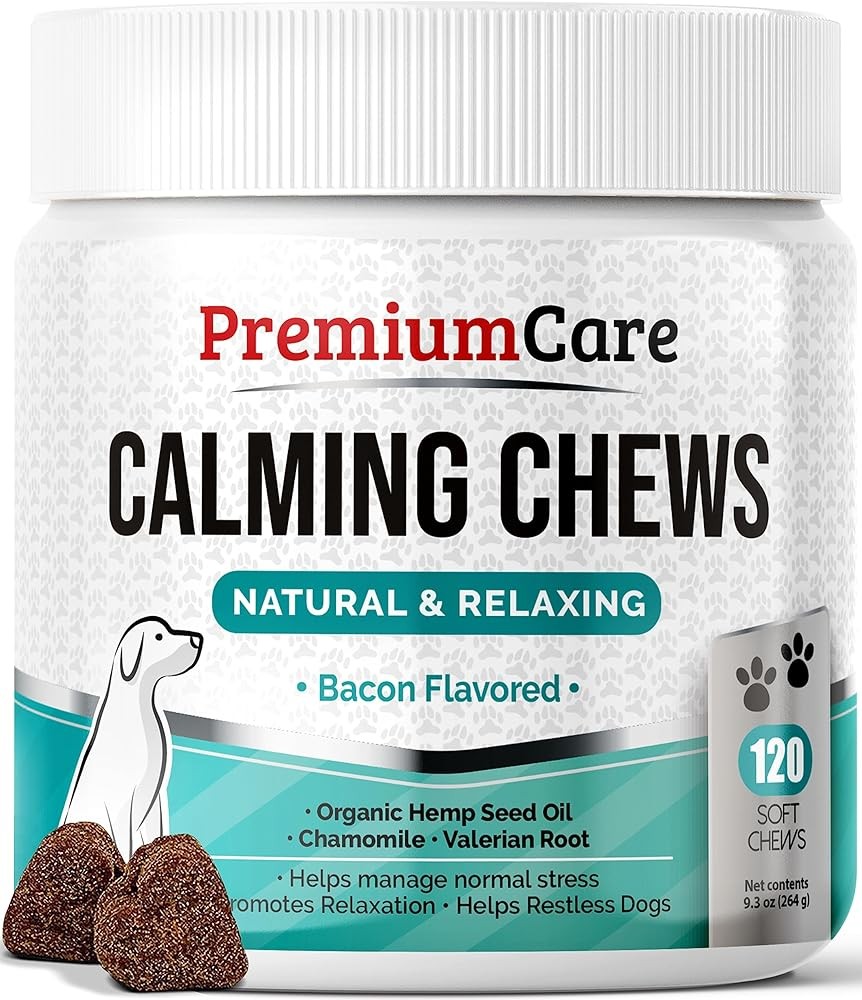
PREMIUM CARE Calming Chews for Dogs - Anxiety, Separation, Stress Relief
Check Price on AmazonAs an Amazon Associate we earn from qualifying purchases.
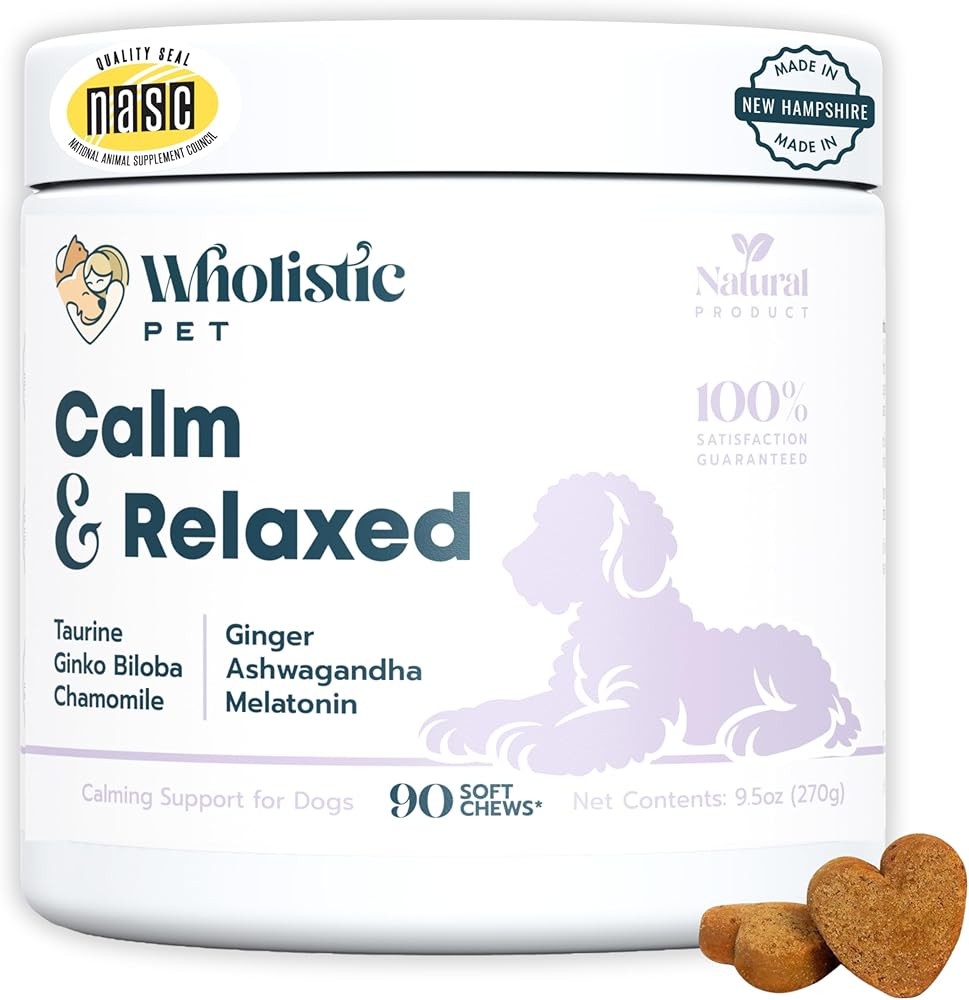
Wholistic Pet Calm and Relaxed - L-Theanine for Dogs Anxiety Relief
Check Price on AmazonAs an Amazon Associate we earn from qualifying purchases.
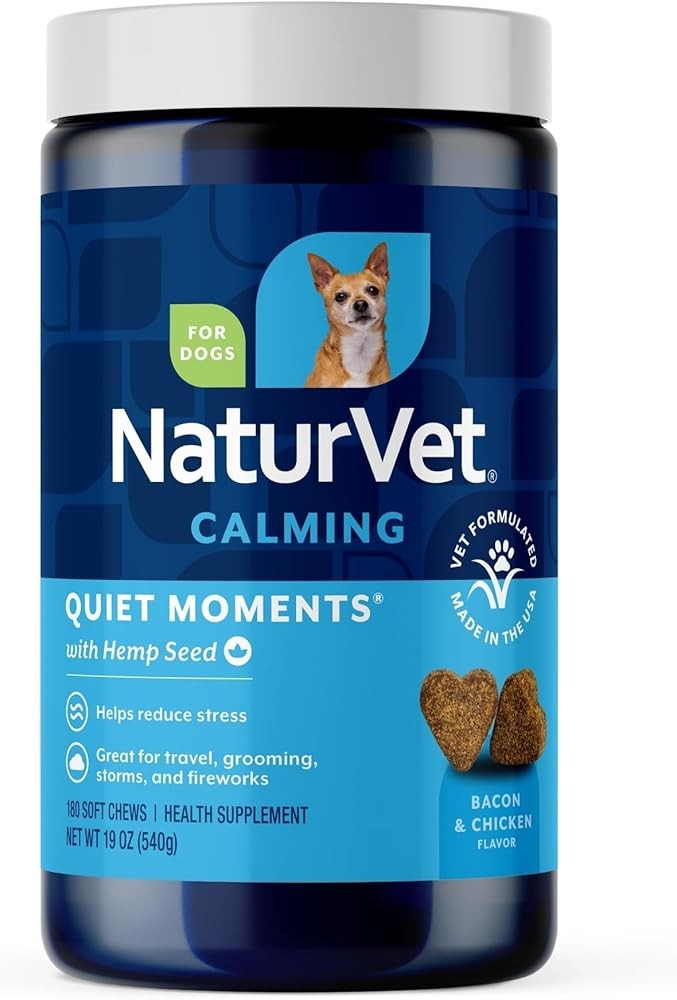
NaturVet Quiet Moments Calming Aid Dog Supplement
Check Price on AmazonAs an Amazon Associate we earn from qualifying purchases.
| Product | Key Ingredients | Form | Best For | Price |
|---|---|---|---|---|
| Doggie Dailies Calming Chews | L-tryptophan, melatonin, chamomile, valerian root | Soft chews | Overall anxiety support, palatability | $24.97 |
| PREMIUM CARE Calming Chews | L-tryptophan, thiamine, chamomile, passion flower | Soft chews | Budget option, mild anxiety | $19.99 |
| Wholistic Pet Calm and Relaxed | L-tryptophan, L-theanine, magnesium | Powder/capsule | Multi-dog households, flexible dosing | $28.50 |
| NaturVet Quiet Moments | L-tryptophan, thiamine, ginger, chamomile | Soft chews | Noise phobias, storm anxiety | $22.45 |
What L-Tryptophan Is and How It Works in Dogs
L-tryptophan is an essential amino acid. Found naturally in protein sources like turkey, chicken, eggs, and dairy, tryptophan serves as the primary biochemical precursor for serotonin synthesis in the central nervous system PubMed 38625529.
The biological rationale for using L-tryptophan as an anxiety treatment centers on its role in serotonin production. Serotonin functions as an inhibitory neurotransmitter that regulates mood, anxiety responses, aggression, pain sensitivity, and sleep-wake cycles PubMed 38625529. When tryptophan availability increases in the brain, serotonin synthesis can theoretically increase as well.
The Serotonin Synthesis Pathway
The biochemical conversion of L-tryptophan to serotonin involves two enzymatic steps:
First step: Tryptophan hydroxylase converts L-tryptophan to 5-hydroxytryptophan (5-HTP). This represents the rate-limiting step in serotonin synthesis, meaning it controls how fast the entire process proceeds.
Second step: Aromatic L-amino acid decarboxylase converts 5-HTP to serotonin (5-hydroxytryptamine or 5-HT). The complete enzymatic pathway and its rate-limiting steps have been characterized in multiple species.
Research shows that tryptophan hydroxylase operates at approximately 50% saturation under normal physiological conditions. This partial saturation means the enzyme has spare capacity—providing additional tryptophan substrate can theoretically double serotonin production rates.
However, this seemingly straightforward pathway contains several complicating factors that explain why L-tryptophan supplementation doesn’t always work as expected.
The Blood-Brain Barrier Challenge
L-tryptophan faces significant competition when crossing from bloodstream into brain tissue. The blood-brain barrier uses carrier-mediated transport systems that tryptophan shares with five other large neutral amino acids (LNAAs): tyrosine, phenylalanine, leucine, isoleucine, and valine.
These six amino acids compete for the same limited number of transport carriers. The ratio of tryptophan to competing LNAAs determines how much tryptophan actually enters the brain, not just the absolute tryptophan concentration in blood PubMed 26867941. This competitive transport mechanism has been extensively documented in research on amino acid transport across the blood-brain barrier and metabolic profiling in dogs.
This competition explains why some veterinary studies manipulate the entire protein profile of the diet rather than simply adding tryptophan supplements. A low-protein diet with proportionally higher tryptophan creates a more favorable tryptophan-to-LNAA ratio, potentially delivering more tryptophan into brain tissue despite lower total protein intake. Research has demonstrated the importance of tryptophan metabolism in regulating stress responses in kennel dogs PubMed 40002382.
A 2018 study published in Applied Animal Behaviour Science examined graded concentrations of dietary tryptophan in 36 healthy female mixed-breed hound dogs over 24 weeks. Researchers carefully controlled the diets to provide different tryptophan levels while monitoring behavioral responses to familiar and unfamiliar individuals. Interestingly, the study found no consistent or significant differences in behavior among dogs fed control diets versus experimental diets with any level of tryptophan supplementation.
This negative finding in healthy dogs suggests that simply flooding the system with tryptophan may not overcome the blood-brain barrier competition dynamics or may not affect dogs without existing anxiety disorders.
Key takeaway: L-tryptophan converts to serotonin through tryptophan hydroxylase (operating at ~50% saturation) and aromatic L-amino acid decarboxylase, but must compete with 5 other large neutral amino acids for blood-brain barrier transport, limiting brain uptake to ratios as low as 1:6 in high-protein diets.
What Are the Signs Your Dog Is Experiencing Anxiety or Stress?
Yes, dogs showing ears pinned back consistently for prolonged periods may indicate anxiety. Before considering L-tryptophan or any anxiety supplement, you need to accurately identify that your dog actually experiences problematic anxiety. Normal caution and appropriate fear responses differ fundamentally from pathological anxiety that impairs quality of life.
Body Language Clues Your Dog Sends
Ears: Pinned back against the head rather than relaxed or forward-focused attention positions. Anxious dogs often keep ears in a defensive backward position even when no immediate threat exists.
Eyes: Whale eye (showing whites of eyes), dilated pupils, or rapid darting eye movements scanning for threats. Some anxious dogs avoid direct eye contact entirely.
Mouth: Excessive panting when not hot or exercised, licking lips repeatedly, yawning in non-sleepy contexts, or keeping mouth tightly closed with visible jaw tension.
Tail: Tucked between legs, low carriage, or rigid rather than relaxed wagging. The tail position often provides the clearest anxiety signal.
Body posture: Lowered body position, cowering, trembling, or attempting to make themselves appear smaller. Severe anxiety produces visible whole-body tremors.
Paws: Sweaty paw prints on exam room floors (yes, dogs sweat through paw pads), excessive licking of paws, or lifted front paw in a “freezing” response.
Behavioral Changes That Signal Anxiety
Separation distress: Destructive behavior within 30 minutes of owner departure, excessive vocalization, house soiling despite being housetrained, or escape attempts (scratching doors, chewing window frames).
Noise sensitivity: Hiding, panting, pacing, drooling, or destructive behavior in response to thunderstorms, fireworks, construction noise, or even everyday sounds like doorbells or appliances.
Social anxiety: Excessive fear of unfamiliar people or dogs beyond normal caution, refusing to walk in public, or showing aggression rooted in fear rather than dominance.
Compulsive behaviors: Tail chasing, excessive licking creating hot spots, shadow chasing, or repetitive pacing patterns that interrupt normal activities like eating or sleeping.
Generalized anxiety: Constant hypervigilance, inability to settle or relax, poor sleep quality, or stress responses to minor environmental changes.
Displacement behaviors: Sudden scratching, sniffing, or other normal behaviors appearing out of context when the dog feels conflicted or stressed.
Research examining serotonin and behavioral responses in dogs has demonstrated associations between canine temperament and salivary concentrations of both cortisol and serotonin PubMed 41637403. Studies on canine anxiety have also explored various neurobiological mechanisms and treatment approaches PubMed 41525952. This research supports the biological connection between serotonin dysregulation and anxiety behaviors, though it doesn’t automatically mean tryptophan supplementation will correct the imbalance.
The evidence shows: Anxiety manifests through specific body language (pinned ears, whale eye, tucked tail) and behavioral changes (separation distress, noise sensitivity, compulsive behaviors), with research confirming that anxious dogs show measurably different serotonin profiles compared to behaviorally normal dogs.
When to Consider L-Tryptophan for Your Dog
L-tryptophan supplementation targets specific anxiety scenarios rather than serving as a universal calming solution. Understanding appropriate use cases helps set realistic expectations.
Separation Anxiety
Dogs experiencing distress when left alone may find research-supported benefits from L-tryptophan’s gradual effects on serotonin levels. Published research indicates the supplement appears to have some benefit for mild to moderate separation anxiety, rather than severe cases involving self-injury or major property destruction.
L-tryptophan requires consistent daily dosing for 1-2 weeks before effects become apparent, making it unsuitable for immediate pre-departure administration. Instead,) and environmental management.
Research on tryptophan for separation anxiety shows variable results. Some dogs show reduced anxiety-related behaviors according to owner reports, while objective measurements like cortisol levels often show no significant changes.
Noise Phobias
Thunderstorm anxiety, fireworks fear, and other noise sensitivities represent common canine anxiety disorders. Research suggests L-tryptophan may support a reduction in mild to moderate noise sensitivity, particularly when used several weeks before predictable stressful periods like summer fireworks season.
For severe noise phobias involving panic-level responses, prescription medications like trazodone or gabapentin typically prove more effective. Research comparing pharmacological approaches to noise phobias shows varied efficacy across different medication classes. L-tryptophan might serve as an adjunct to behavioral modification but rarely works as the sole intervention for serious noise phobias.
Travel and Motion Stress
Car rides, veterinary visits, grooming appointments, and other travel-related stressors may be areas of research interest when considering L-tryptophan supplementation. Published research suggests a potential association between L-tryptophan and improved responses to these stressors. The key finding from studies remains the 1-2 week timeline—clinical trials have utilized L-tryptophan for at least one to two weeks prior to assessing effects, and immediate calming effects are not generally observed in research.
For event-specific anxiety, supplements with faster onset times like L-theanine (works within 1 hour) may prove more practical than L-tryptophan’s gradual approach.
Multi-Dog Household Tension
Some evidence suggests L-tryptophan might reduce stress-related behaviors in multi-dog or multi-pet households. A veterinary practice article examining L-tryptophan supplementation in multi-housed cats and working dogs reported decreased anxiety signals and changes in stress-related behavior frequencies.
In households where dogs compete for resources or show tension during interactions, L-tryptophan might contribute to reduced reactivity when combined with appropriate management and training.
Territorial or Fear-Based Aggression
L-tryptophan demonstrates a notable body of research related to certain aggressive behaviors in dogs, with findings appearing more consistent than those for anxiety symptoms alone. Published research has indicated significant changes in aggressive behaviors in dogs consuming diets supplemented with tryptophan, specifically in cases of territorial and fear-based aggression PubMed 40559763.
The serotonergic system plays important roles in impulse control and aggressive responses. Multiple studies have linked serotonin dysregulation to behavioral disorders in dogs PubMed 40805070. Increasing serotonin availability through tryptophan supplementation may reduce the threshold for aggressive reactions in some dogs.
When L-Tryptophan Is NOT Appropriate
Severe anxiety disorders: Panic-level responses, self-injury, or highly destructive behaviors typically require prescription medication rather than over-the-counter supplements.
Acute situational needs: When you need calming effects within hours rather than weeks, L-tryptophan won’t work. Use faster-acting options or prescription medications.
Medical anxiety causes: If anxiety stems from pain, cognitive dysfunction, thyroid disorders, or other medical conditions, treating the underlying cause takes priority over symptom management with supplements.
Concurrent serotonergic medications: Never combine L-amino acid supplement with prescription antidepressants, anti-anxiety medications, or other serotonin-affecting drugs without explicit veterinary guidance due to serotonin syndrome risk.
What this means for you: Research suggests L-L-Trp appears to have some benefit for mild-to-moderate anxiety, fear-based aggression, and multi-pet household tension when initiated 1-2 weeks before stressors, but studies indicate it may not be appropriate for severe panic responses, acute situational needs, or use alongside serotonergic medications.
What Does the Clinical Research Really Show About L-Tryptophan for Dogs?
The veterinary literature on L-Trp for canine anxiety presents remarkably inconsistent findings. Understanding this research complexity helps calibrate expectations.
Studies Showing No Significant Effect
A comprehensive 2024 evidence review published in Veterinary Evidence examined available research on dietary tryptophan supplementation for anxiety reduction in adult dogs. The review concluded there was “no overall significant influence of tryptophan in the diet as an aid in reducing anxiety and fear-related behaviour in anxious dogs in household conditions.”
The review analyzed multiple studies with varying methodologies:
Study 1: DeNapoli et al. (2000) in Applied Animal Behaviour Science examined dietary tryptophan supplementation in privately owned mildly anxious dogs. This randomized controlled trial found no significant effect on reducing anxiety-related behaviors, though owners subjectively reported improvements that weren’t reflected in objective behavioral measurements.
Study 2: Another trial showed lower stress scores from owner questionnaires but no significant differences in cortisol levels (the primary stress hormone) between indole derivative-supplemented and control groups. This discrepancy raises questions about placebo effects in owner perceptions versus measurable physiological changes.
Research on healthy dogs found “no consistent and significant differences in behavior were observed among dogs fed control diets versus experimental diets with any level of tryptophan supplementation” across 24 weeks of careful monitoring with graded tryptophan concentrations PubMed 27686065.
These negative findings suggest that L-5-hydroxytryptophan precursor supplementation may not work for all dogs, all nervousness types, or may require specific conditions to show benefits.
Studies Showing Positive Effects
Despite the negative trials, some research demonstrates serotonin precursor benefits for specific behavioral issues:
Aggression reduction: Multiple studies have found that dogs fed essential amino acid-supplemented diets showed significant improvements in aggressive behaviors. The effect appears more robust for aggression than pure fear symptoms.
Territorial behavior: Low-protein, high-Trp supplement diets have been shown to reduce territorial aggression and stress-related behaviors in some studies.
Multi-housed animals: Research on working dogs and cats in group housing situations found that L-amino acid supplement supplementation changed stress-related behavior frequencies and decreased apprehension signals.
Combination products: A 2025 study examined products containing cannabidiol (CBD), L-tryptophan, and alpha-casozepine in dogs exposed to stress paradigms like car travel PubMed 40800226. The combination product showed mild stress-reducing effects, though parsing out L-tryptophan’s specific contribution from the synergistic formula proves difficult.
Why the Research Shows Such Variable Results
Several factors explain the inconsistent research findings:
Population differences: Studies on healthy dogs versus anxious dogs, shelter dogs versus privately owned dogs, and specific unease subtypes may respond differently to L-Trp supplementation.
Dosing variations: Studies use different Trp doses, different protein ratios, and different LNAA profiles in the diet, making direct comparisons difficult.
Measurement challenges: Owner-reported canine stress relief improvements don’t always correlate with objective behavioral coding or physiological stress markers like cortisol. What constitutes “improvement” varies across studies.
Individual variability: Like many supplements, indole derivative likely helps some dogs while having no effect on others. Studies reporting average group effects may mask these individual differences.
Timeline factors: Some studies may not allow sufficient time for 5-hydroxytryptophan precursor’s gradual effects to manifest, while others may see initial improvements that don’t sustain long-term.
Dietary context: The serotonin precursor-to-LNAA ratio, total protein content, feeding schedules, and other dietary factors significantly influence how much essential amino acid reaches the brain. Studies controlling these variables show different results than those simply adding Trp supplement to unchanged diets.
Looking ahead: Current studies on L-amino acid supplement for dogs’ dog stress paint a mixed picture, with a major 2024 review finding no significant reduction in fear behaviors when supplemented.
What Are the Proper L-Tryptophan Dosing Protocols for Dogs?
Veterinary dosing recommendations for L-L-Trp vary based on dog size, distress severity, and product formulation. No universally standardized protocol exists due to the mixed research evidence.
General Dosing Guidelines
Research-supported dose range: 5-10 mg per kilogram of body weight, administered 1-2 hours before anticipated stressful events (though this timing is noted in relation to a 1-2 week timeline for observed effects).
Alternative calculation: Approximately 6.5 mg per pound of body weight for adult dogs.
Starting protocol: Begin at 25-50% of the target dose and gradually increase over 1-2 weeks. This allows monitoring for response and minimizes potential side effects.
Dosing by Weight Categories
Dosing by Dog Weight
| Dog Size | Weight Range | Starting Dose (mg/day) | Target Dose (mg/day) | Maximum Dose (mg/day) |
|---|---|---|---|---|
| Small | Under 25 lbs | 30-75 | 75-150 | 200 |
| Medium | 25-50 lbs | 75-150 | 150-300 | 400 |
| Large | 50-75 lbs | 150-225 | 300-450 | 600 |
| Giant | Over 75 lbs | 225-300 | 450-600 | 800 |
These dosing ranges represent general veterinary guidance. Individual dogs may require adjustment based on response and tolerability. Always start at the lower end of the range and increase gradually over 1-2 weeks while monitoring for both beneficial effects and any adverse reactions.
These ranges represent typical supplementation levels. Always consult your veterinarian for specific recommendations based on your dog’s individual needs, health status, and concurrent medications.
Timeline Expectations
Initial observations (within hours): No immediate changes are typically observed. Research indicates L-Trp does not appear to produce rapid calming effects.
Short-term (1-7 days): Research indicates minimal to no observable changes in most dogs during this timeframe. Studies suggest some dogs may show subtle mood shifts.
Medium-term (1-2 weeks): This represents the expected timeframe for gradual changes in stress indicators to potentially become observable. Research suggests serotonin synthesis may increase and behavioral shifts may emerge.
Long-term (beyond 2 weeks): Effects may plateau. If no improvement is observed by 3-4 weeks, research suggests an L-indole derivative may not be beneficial for that particular dog or type of nervousness.
The gradual timeline reflects L-5-hydroxytryptophan precursor’s mechanism—it doesn’t directly calm the nervous system but rather provides substrate for increased serotonin synthesis over time. This contrasts sharply with fast-acting options like L-theanine (works within 1 hour) or prescription medications (work within 1-3 hours).
Dietary Considerations
Protein ratio: Some research suggests manipulating the entire diet to create a low-protein, high-serotonin precursor ratio works better than simply adding essential amino acid supplements to normal diets. The Trp supplement-to-LNAA ratio matters more than absolute amino acid supplement amount.
Feeding schedule: Some veterinarians recommend giving L-L-Trp with a small carbohydrate-rich meal (not high protein) to trigger insulin release. Insulin preferentially pulls competing LNAAs into muscle tissue, temporarily improving Trp’s relative brain access.
Separate from high-protein meals: Avoid giving L-indole derivative simultaneously with protein-rich meals that flood the system with competing amino acids.
Product Formulations
Standalone supplements: Pure L-5-hydroxytryptophan precursor tablets or powders allow precise dosing control.
Combination formulas: Many calming products combine L-serotonin precursor with complementary ingredients like alpha-casozepine, L-theanine, thiamine, chamomile, or passionflower. These make parsing essential amino acid’s specific effects difficult but may provide synergistic benefits.
Supplements versus pills: Calming supplements offer easier administration but often contain lower Trp supplement doses requiring multiple servings to reach therapeutic levels. Pills provide higher doses but some dogs resist taking them.
Prescription diets: Some veterinary therapeutic diets formulate the entire nutrient profile to optimize amino acid supplement delivery, potentially offering advantages over supplements added to regular food.
The value assessment: Veterinarians recommend starting L-L-Trp at 25-50% of the target dose, which is 5-10 mg/kg or approximately 6.5 mg/lb of body weight for dogs, gradually increasing over 1-2 weeks.
What Are the Safety Considerations and Potential Side Effects?
Approximately 50% of dogs experience gastrointestinal upset. Research generally indicates L-Trp demonstrates a favorable safety profile in dogs when administered at appropriate doses, though several important considerations appear to warrant attention.
Common Side Effects
Gastrointestinal upset: The most frequently reported side effects involve digestive disturbances including vomiting, diarrhea, decreased appetite, and nausea. These typically occur when starting supplementation or with higher doses.
Lethargy: Some dogs become noticeably drowsy or less energetic on L-indole derivative, particularly at higher doses or when combined with other calming supplements.
Behavioral changes: Rarely, canines may show increased fear, irritability, or other unexpected behavioral shifts. Discontinue use if behavior worsens.
Published research indicates these commonly reported effects are generally mild and temporary. Studies suggest initiating treatment with lower doses and gradually increasing may help minimize gastrointestinal reactions.
Serious Risk: Serotonin Syndrome
Serotonin syndrome represents a rare but potentially life-threatening condition caused by excessive serotonin accumulation in the central nervous system. While uncommon from L-5-hydroxytryptophan precursor alone at normal doses, the risk increases dramatically when combined with other serotonergic medications or supplements.
Signs of serotonin syndrome:
- Agitation, restlessness, or confusion
- Rapid heart rate and elevated blood pressure
- Dilated pupils
- Muscle tremors or rigidity
- Hyperthermia (elevated body temperature)
- Excessive drooling or salivation
- Seizures
- Loss of coordination
Serotonin syndrome constitutes a veterinary emergency requiring immediate medical attention. The condition can progress rapidly and become fatal without treatment.
Medications that increase serotonin syndrome risk:
- Selective serotonin reuptake inhibitors (SSRIs): fluoxetine, sertraline, paroxetine
- Tricyclic antidepressants: clomipramine, amitriptyline
- Monoamine oxidase inhibitors (MAOIs)
- Tramadol (pain medication)
- Ondansetron (anti-nausea medication)
- Certain antibiotics: linezolid, metronidazole
Research indicates combining an L-serotonin precursor with prescription antidepressants, anti-apprehension medications, or other serotonin-affecting drugs may require explicit veterinary supervision. Studies suggest combining multiple over-the-counter supplements that may increase serotonin (like 5-HTP) may present risk.
Toxic Doses
According to veterinary toxicology references, the minimum oral toxic dose of L-essential amino acid for pets is 24 mg/kg (11 mg/lb), while oral ingestion of 128 mg/kg (58 mg/lb) may prove fatal.
These toxic thresholds sit well above typical supplementation doses of 5-10 mg/kg, providing a reasonable safety margin. However, they underscore the importance of keeping supplements secured away from man’s best friend who might consume entire bottles.
Overdose signs:
- Severe vomiting and diarrhea
- Tremors or seizures
- Extreme lethargy or loss of consciousness
- Respiratory difficulty
- Collapse
If concerns arise regarding L-Trp supplementation, veterinary consultation or pet poison control contact is advised. ASIN.
Contraindications
Liver disease: Canine companions with hepatic dysfunction should not receive L-amino acid supplement without veterinary oversight. The liver plays crucial roles in amino acid metabolism, and compromised liver function may lead to abnormal L-Trp accumulation or metabolism.
Kidney disease: While not an absolute contraindication, dogs with renal insufficiency may require careful monitoring when supplementing amino acids. Research suggests consulting a veterinarian for appropriate dosing adjustments may be beneficial.
Pregnant or lactating pooches: Limited safety data exists for L-Trp supplementation during pregnancy or nursing. Use only under veterinary guidance.
Seizure disorders: Theoretical concerns exist about L-indole derivative’s effects on seizure thresholds. Furry friends with epilepsy should only receive L-5-hydroxytryptophan precursor with neurologist approval.
Upcoming surgery: Some veterinarians suggest discontinuing L-serotonin precursor 1-2 weeks before scheduled surgical procedures due to potential interactions with anesthetic drugs, although published research supporting this precaution appears limited.
Drug Interactions Beyond Serotonergic Medications
Non-steroidal anti-inflammatory drugs (NSAIDs): Some evidence suggests L-essential amino acid might increase NSAID-associated gastrointestinal side effects, though this interaction hasn’t been well-studied in canines.
Sedatives and anesthetics: Research suggests L-Trp supplementation may support the effects of medications such as acepromazine, trazodone, or gabapentin. This may be relevant during veterinary visits and could require adjustments to medication dosages.
Herbal supplements: Combining L-amino acid supplement with other calming herbs (valerian, kava, St. John’s wort) increases sedation and may create unpredictable interactions.
Special Populations
Senior pets: Older man’s best friend often tolerate L-L-Trp well, though age-related organ function changes warrant starting with lower doses and monitoring carefully.
Puppies: Limited data exists on L-Trp safety in growing puppies. Most veterinarians recommend reserving supplementation for adult canine companions unless specific medical indications exist.
Working or sporting doggy: L-indole derivative’s potential sedating effects might impair performance in working, hunting, or competitive sporting pooches. Time supplementation carefully around performance events.
Our recommendations: Research indicates approximately 50% of dogs may experience gastrointestinal upset, while studies suggest L-5-hydroxytryptophan precursor appears to be generally well-tolerated when dosed appropriately, with most reported side effects being mild and temporary.
How Does L-Tryptophan Compare to Other Calming Supplements?
Understanding how L-serotonin precursor compares to alternative unease supplements helps determine the best approach for your dog’s specific needs.
L-Tryptophan vs L-Theanine
L-theanine is an amino acid derived from tea leaves that promotes calming effects through different mechanisms than L-tryptophan.
Mechanism differences:
- L-theanine modulates GABA, dopamine, and glutamate neurotransmitters rather than primarily targeting serotonin
- L-theanine crosses the blood-brain barrier more readily without significant competition from other amino acids
- L-theanine doesn’t require enzymatic conversion like tryptophan’s pathway to serotonin
Timeline differences:
- L-theanine works within 30-60 minutes, making it suitable for event-specific canine stress relief (vet visits, car rides)
- L-amino acid supplement requires 1-2 weeks of daily use before effects emerge
Research-supported applications: - Studies indicate L-theanine may be beneficial for predictable stressful events when effects are needed within hours - Published research shows L-L-Trp appears to have some benefit for chronic, ongoing dog stress requiring gradual baseline improvements
Safety comparison:
- Both demonstrate good safety profiles in canines
- L-theanine carries minimal drug interaction risks
- L-Trp requires more caution with serotonergic medications
Many combination calming supplements include both L-theanine (for rapid effects) and L-indole derivative (for sustained benefits), attempting to provide both immediate and long-term distress support.
L-Tryptophan vs CBD (Cannabidiol)
CBD has gained massive popularity for canine stress, though rigorous research remains limited.
Mechanism differences:
- CBD interacts with the endocannabinoid system, which regulates stress responses, inflammation, and pain
- CBD doesn’t directly increase serotonin but may enhance serotonin receptor signaling
- CBD provides broader effects beyond neurotransmitter systems
Evidence comparison:
- L-5-hydroxytryptophan precursor has more veterinary clinical trials, albeit with mixed results
- CBD research in pets is emerging but shows promise for nervousness, pain, and seizures
- Neither has overwhelming evidence for fear efficacy in all man’s best friend
Timeline:
- CBD often shows effects within 1-2 hours for some canine companions
- L-serotonin precursor requires 1-2 weeks of consistent use
Legal and quality concerns:
- CBD quality varies wildly among products; third-party testing is essential
- L-essential amino acid is a simple amino acid with fewer quality control concerns
- CBD faces changing legal landscapes depending on THC content and local regulations
Research-supported use cases: - Studies indicate CBD may be beneficial for apprehension, plus pain, inflammation, or seizure conditions - Published research shows L-Trp supplementation appears to have some benefit for unease without comorbid conditions - Some veterinarians have utilized both together.
A 2025 study on combination products containing CBD, L-tryptophan, and alpha-casozepine found mild stress-reducing effects in dogs during car travel PubMed 40800226, suggesting potential synergy.
L-Tryptophan vs Melatonin
Melatonin is a hormone that regulates sleep-wake cycles and may reduce canine stress relief through sleep improvement and direct anxiolytic effects.
Mechanism differences:
- Melatonin binds to melatonin receptors in the brain and throughout the body
- L-amino acid supplement provides the precursor for both serotonin AND melatonin (serotonin converts to melatonin)
- Melatonin works through completely different pathways than serotonin
Timeline:
- Melatonin works within 30-90 minutes, suitable for acute dosing
- L-L-Trp requires weeks of daily use
Evidence:
- Very limited double-blind research exists on melatonin for canine dog stress
- Most melatonin use is based on case reports and clinical experience rather than rigorous trials
- L-Trp has more formal veterinary studies, though with mixed results
Best use cases:
- Melatonin works better for noise phobias (thunderstorms, fireworks) with acute dosing
- Melatonin may help sleep disturbances or night-time distress
- L-indole derivative targets ongoing, chronic stress
Safety:
- Both demonstrate good safety profiles
- Melatonin can cause drowsiness (sometimes the desired effect)
- L-5-hydroxytryptophan precursor carries serotonin syndrome risk with certain medications
L-Tryptophan vs Valerian Root
Valerian root is an herbal supplement traditionally used for nervousness and insomnia in humans.
Evidence in doggy:
- Almost no rigorous veterinary research exists on valerian for canine fear
- Limited human research shows mixed results
- L-serotonin precursor has more (though still imperfect) veterinary evidence
Mechanism:
- Valerian may increase GABA availability in the brain
- L-essential amino acid increases serotonin synthesis
- Different neurochemical pathways
Safety considerations: - Research indicates valerian may potentiate anesthetic drugs and should not be used two weeks prior to anesthesia or sedation - Studies suggest L-Trp supplementation does not carry the same pre-anesthesia restriction (though some veterinarians recommend stopping it) - Published research shows valerian’s sedating effects may be too strong for daily use.
Timeline:
- Valerian may work within 1-2 hours for some pooches
- L-amino acid supplement requires 1-2 weeks
L-Tryptophan vs Alpha-Casozepine
Alpha-casozepine is a protein derived from cow’s milk that demonstrates anti-anxiety properties in some research.
Evidence:
- More positive veterinary research exists for alpha-casozepine than L-tryptophan
- Studies on alpha-casozepine show more consistent anxiety reduction
- Often combined with L-tryptophan in commercial products
Mechanism:
- Alpha-casozepine binds to GABA receptors, producing calming effects similar to benzodiazepines but milder
- L-indole derivative works through serotonin synthesis
- Complementary mechanisms make combination products theoretically advantageous
Timeline:
- Alpha-casozepine shows effects within days rather than weeks
- L-5-hydroxytryptophan precursor requires 1-2 weeks
Safety:
- Both demonstrate excellent safety profiles
- Alpha-casozepine may cause mild sedation
- Neither carries significant drug interaction risks (except L-serotonin precursor with serotonergic drugs)
L-Tryptophan vs Prescription Medications
For severe canine stress relief, prescription medications often prove more effective than any supplement.
Trazodone:
- Fast-acting (1-2 hours), suitable for event-specific dog stress
- Well-studied in veterinary medicine with proven efficacy
- Can be combined with L-essential amino acid only under veterinary supervision due to serotonin syndrome risk
Fluoxetine (Prozac): - SSRI that increases serotonin by blocking reuptake rather than increasing synthesis - Published research shows efficacy for separation distress and generalized stress disorder - Studies indicate combining with L-Trp supplementation should only occur with explicit veterinary approval
Gabapentin: - Published research indicates it may be beneficial for noise phobias, situational nervousness, and fear related to pain - Studies suggest effects may be seen within 1-2 hours - Research generally shows it is safe to use alongside L-amino acid supplements, but veterinary consultation is advised.
When to consider veterinary care over supplements: - Research suggests severe apprehension causing self-injury or property destruction may benefit from veterinary intervention. - Studies indicate unease that significantly impairs quality of life may require professional assessment. - Published research shows that when supplements have not shown benefit after adequate trials, veterinary care may be considered. - Research suggests canine stress relief in the presence of medical complications (pain, cognitive dysfunction) may require a veterinary approach.
The science says: Supplementing with L-theanine offers quicker results than L-L-Trp, working within 30-60 minutes, ideal for event-specific dog stress.
What Should You Look for When Selecting an L-Tryptophan Product?
No, not all L-Trp products meet label claims and purity standards. If you decide to try L-indole derivative for your dog, choosing a quality product matters significantly.
Purity and Quality Standards
Third-party testing: Look for products tested by independent laboratories for:
- Actual 5-hydroxytryptophan precursor content matching label claims
- Absence of contaminants (heavy metals, bacteria, mold)
- Verification of ingredient identity
Reputable manufacturers: Choose companies with:
- Good manufacturing practices (GMP) certification and quality assurance standards
- Veterinary nutritionist consultation or formulation
- Transparent sourcing and manufacturing information
- History in the pet supplement industry
Avoid products with:
- Proprietary blends that hide actual serotonin precursor amounts
- Excessive fillers or artificial colors/flavors
- Unrealistic marketing claims (“supports distress relief!”)
- No contact information or customer service
Formulation Considerations
Standalone vs combination products:
- Pure L-essential amino acid allows precise dosing and clear assessment of effects
- Combination formulas may provide synergistic benefits but make it impossible to identify which ingredient helps
- If using combination products, understand what each ingredient does and potential interactions
Delivery format:
- Tablets: Precise dosing, longer shelf life, but some furry friends resist pills
- Soft chews: Easier administration, but may contain more sugars and lower active ingredient concentration
- Powders: Flexible dosing, can mix with food, but measuring accuracy varies
- Liquids: Easy administration but typically more expensive per dose
Preservatives and excipients:
- Check for ingredients your dog has sensitivities to
- Avoid products with xylitol (toxic to canines)
- Minimal additional ingredients generally preferable
Label Reading
Guaranteed analysis:
- Look for specific mg amounts of L-Trp supplement per serving
- Avoid vague claims like “calming blend” without amounts
Serving sizes:
- Verify the serving size allows you to dose appropriately for your dog’s weight
- Calculate cost per mg of L-amino acid supplement to compare products fairly
Expiration dates:
- Amino acids remain stable for years if stored properly
- Avoid products without clear expiration dating
Storage instructions:
- L-L-Trp should be stored in cool, dry locations
- Some formulations require refrigeration after opening
Red Flags
Avoid products that:
- Make specific medical claims (“may help manage separation stress disorder”)
- Promise results in all pets
- Lack clear contact information
- Have predominantly negative reviews regarding product quality
- Cost significantly more than competitors without clear justification
- Combine L-Trp with medications (like melatonin) without veterinary formulation
Verified Purchase Considerations
Before purchasing any L-indole derivative product, verify:
- The product is currently manufactured and not discontinued
- Recent reviews confirm quality hasn’t declined
- The company still actively supports the product
- Availability through reputable retailers rather than questionable third parties
Recommended L-Tryptophan Products for Dogs
Based on the quality criteria above, here are veterinary-formulated calming supplements containing L-tryptophan for dogs:
Doggie Dailies Calming Chews with Melatonin and Chamomile for Stress Relief
This comprehensive calming formula combines L-tryptophan with melatonin, chamomile, valerian root, and other botanicals in a palatable soft chew format. The multi-ingredient approach targets anxiety through multiple pathways, making it suitable for dogs with various anxiety triggers. The soft chew delivery system ensures high acceptance rates, even in picky eaters.
PREMIUM CARE Calming Chews for Dogs - Anxiety, Separation, Stress Relief
This budget-friendly option provides L-tryptophan supplementation combined with thiamine, chamomile, and passion flower in an affordable soft chew format. The formula focuses on mild to moderate anxiety without unnecessary additives. Cost-effective for long-term use while maintaining quality standards.
Wholistic Pet Calm and Relaxed - L-Theanine for Dogs Anxiety Relief
This powder/capsule formula combines L-tryptophan with L-theanine and magnesium, creating a synergistic blend that targets anxiety through both serotonergic and GABAergic pathways. The powder format allows flexible dosing based on dog size and severity of anxiety. Particularly effective for multi-dog household tension due to the L-theanine component.
NaturVet Quiet Moments Calming Aid Dog Supplement
This specialized formula combines L-tryptophan with thiamine, ginger, and chamomile, specifically formulated for noise-related anxiety and storm phobias. The inclusion of ginger may help with nausea associated with anxiety, making it particularly useful for travel stress. Established brand with long track record of quality control.
What matters most: To ensure safety and efficacy, select L-tryptophan products with third-party test results verifying label claims and purity, manufactured by reputable companies with GMP certification, and formulated by veterinary professionals, avoiding products with hidden ingredients or unrealistic claims.
What Does a Comprehensive Anxiety Management Approach Look Like?
A comprehensive approach to managing nervousness may combine behavioral techniques like desensitization and counter-conditioning with lifestyle adjustments and targeted supplements like L-essential amino acid. Research suggests L-Trp supplementation appears to have some benefit when used as one component of a multi-faceted strategy for managing fear, rather than as a standalone approach.
Behavioral Modification Remains Primary
No supplement can replace proper behavioral training and environmental management for apprehension disorders.
Desensitization and counter-conditioning:
- Gradually expose your dog to unease triggers at very low intensities
- Pair trigger exposure with positive experiences (rewards, play, praise)
- Slowly increase trigger intensity as your dog builds confidence
- This evidence-based approach addresses the root cause rather than just symptoms
Environmental management:
- Remove or reduce canine stress relief triggers when possible
- Create safe spaces where your dog can retreat during stress
- Maintain predictable routines to reduce uncertainty
- Provide adequate physical exercise and mental stimulation
Professional guidance:
- Certified veterinary behaviorists provide the highest level of expertise
- Certified professional dog trainers with separation dog stress or fear/distress specialization
- Qualified behavior consultants can develop customized modification plans
When to Add Supplements
Consider L-amino acid supplementation or other supplements when:
-
- Research suggests stress levels are mild to moderate rather than severe
- Studies indicate supplementation may support behavioral modification efforts
- Published research shows a dog may not tolerate prescription medications as well
- Veterinary examination has ruled out medical causes
- You understand research suggests realistic expectations for gradual, modest improvements.
Realistic Expectations
What L-L-Trp might do:
- Reduce the intensity of nervousness responses
- Help your dog settle more easily
- Support resilience to minor stressors
- Complement behavioral training efforts
What L-Trp won’t do:
- Completely reduce severe fear
- Work immediately for panic situations
- Replace the need for training and management
- Help every dog (some show no response)
Monitoring and Adjusting
Track specific metrics:
- Frequency of apprehension behaviors (destruction, vocalization, etc.)
- Duration of time to settle after triggering events
- Sleep quality and restfulness
- Overall demeanor and engagement with family
Timeline for assessment:
- Give L-indole derivative at least 2-3 weeks before concluding it doesn’t help
- If no improvement by 4 weeks, it probably won’t work for your dog
- If improvement plateaus, increasing the dose may not provide additional benefits
Veterinary check-ins:
- Schedule follow-up appointments to assess progress
- Adjust doses based on response and any side effects
- Consider adding prescription medications if supplements prove insufficient
- Re-evaluate for underlying medical conditions if unease worsens
Our verdict: Research indicates that integrating behavioral techniques such as desensitization (gradual exposure to triggers) and counter-conditioning (pairing triggers with positive experiences) appears to be a central component of a comprehensive approach to supporting canine well-being when faced with stressful situations, alongside lifestyle adjustments and nutrients such as the L-5-hydroxytryptophan precursor.
The Bottom Line on L-Tryptophan for Dog Anxiety
The veterinary research on L-serotonin precursor for canine dog stress presents a complex, sometimes contradictory picture. While the biological rationale makes sense—essential amino acid serves as serotonin’s primary precursor, and serotonin regulates mood and distress—the clinical evidence shows variable results ranging from no effect to modest improvements.
Several factors influence L-Trp supplement’s potential effectiveness:
Research summary: Some canine companions appear to respond while others show no benefits, likely due to genetic differences in serotonin metabolism, underlying stress neurobiology, and other factors researchers don’t yet fully understand.
Nervousness subtype: L-amino acid supplement may work better for certain types of fear (fear-based aggression, mild generalized apprehension) than others (severe separation unease, noise phobias).
Formulation and dosing: The L-Trp-to-competing-amino-acid ratio, total protein content, dose, and duration of supplementation all significantly influence outcomes.
Complementary approaches: L-Trp likely works best when integrated into comprehensive dog stress management including behavioral modification, environmental changes, and potentially other supplements or medications.
Timeline expectations: The requirement for 1-2 weeks of consistent daily use before seeing effects limits L-indole derivative’s usefulness for acute, event-specific distress. Faster-acting options serve those situations better.
In summary: L-tryptophan demonstrates generally good safety in healthy dogs at appropriate doses PubMed 41090076, though serotonin syndrome risk with certain medications represents a serious concern requiring veterinary oversight.
For mild to moderate chronic stress in otherwise healthy dogs, research suggests an L-serotonin precursor may be a supplement to explore, particularly when used alongside behavioral training. Studies indicate the relatively low cost, good safety profile, and potential for modest effects may support a trial in appropriate cases.
However, realistic expectations matter enormously. L-essential amino acid won’t be a solution for severe nervousness disorders, won’t work for all furry friends, and won’t reduce the need for training and environmental management. Canines showing severe fear symptoms—self-injury, major property destruction, complete inability to settle, or panic-level responses—typically require prescription medications and intensive behavioral modification rather than relying on supplements alone.
Before starting L-Trp supplement or any apprehension supplement, consult your veterinarian to rule out medical causes of unease (pain, thyroid disorders, cognitive dysfunction), discuss appropriate dosing, review potential drug interactions, and develop a comprehensive treatment plan that addresses your dog’s specific needs.
The mixed research findings don’t mean L-amino acid supplement never works—they mean it works inconsistently, likely helping some pets while having no effect on others. A properly monitored trial lasting 3-4 weeks will reveal whether your individual dog falls into the responder category. If no improvement emerges by that point, discontinuing and exploring other options makes sense rather than indefinitely supplementing with no clear benefits.
Natural Food Sources of L-Tryptophan for Dogs
While supplements provide concentrated doses, understanding natural dietary sources of L-L-Trp helps optimize your dog’s overall nutrition for canine stress relief management.
High-Tryptophan Protein Sources
Turkey: Often cited as the highest Trp source due to Thanksgiving drowsiness myths, turkey does contain significant indole derivative (approximately 404 mg per 100g of roasted turkey breast). However, the Thanksgiving sleepiness actually comes more from overeating carbohydrates than 5-hydroxytryptophan precursor levels.
Chicken: Contains about 404 mg of serotonin precursor per 100g of cooked chicken breast, nearly identical to turkey despite turkey’s reputation. Chicken provides an economical, readily available essential amino acid source for daily feeding.
Eggs: Whole eggs provide approximately 156 mg of Trp supplement per 100g. Eggs also contain other beneficial amino acids and nutrients that support overall neurological health.
Fish: Salmon, tuna, and halibut all contain 335-400 mg of amino acid supplement per 100g serving. Fish additionally provides omega-3 fatty acids that support brain health and may independently reduce dog stress.
Dairy products: Cottage cheese (120 mg per 100g), yogurt (60 mg per 100g), and milk provide moderate L-Trp with the bonus of calcium and probiotics.
Pork: Contains about 410 mg of Trp per 100g of cooked lean pork. However, high fat content in some pork cuts makes moderation important.
Beef: Lean beef provides approximately 290 mg per 100g serving. Grass-fed beef offers additional omega-3 fatty acids compared to grain-fed.
Plant-Based Sources
While man’s best friend are omnivores capable of utilizing plant proteins, animal sources provide more bioavailable amino acid profiles.
Pumpkin seeds: Contain 576 mg of indole derivative per 100g, one of the highest plant sources. Small amounts of ground pumpkin seeds can be added to meals.
Chia seeds: Provide approximately 436 mg per 100g. These must be ground or soaked to improve digestibility for canine companions.
Soybeans: Contain about 591 mg per 100g of cooked soybeans. However, soy remains a common allergen for some doggy.
Oats: Provide 182 mg per 100g of cooked oatmeal. Oats also contain fiber that supports digestive health.
Nuts: While almonds (392 mg per 100g) and cashews (287 mg per 100g) contain significant 5-hydroxytryptophan precursor, many nuts pose choking hazards or toxicity risks for pooches. Peanuts and peanut butter can be given in moderation if your dog tolerates them.
Why Dietary Tryptophan Alone May Not Suffice
Simply feeding high-serotonin precursor foods doesn’t guarantee increased brain serotonin for several reasons:
Protein paradox: High-protein meals contain abundant competing LNAAs that actually reduce essential amino acid’s brain access despite providing more total Trp supplement. This explains why some studies use low-protein, high-amino acid supplement diets rather than simply adding high-protein foods.
Insulin effects: Carbohydrate-rich meals trigger insulin release, which drives competing amino acids into muscle tissue but leaves L-Trp in circulation. Some researchers suggest that combining moderate Trp with carbohydrates optimizes brain delivery.
Total intake: To match supplement doses of 150-500 mg through food alone, furry friends would need to consume large quantities of specific foods, often creating caloric excess or unbalanced nutrition.
What the evidence tells us: Canines differ in their efficiency of converting dietary indole derivative to brain serotonin based on genetics, gut health, existing protein intake, and other factors.
Optimizing Diet for Anxiety Management
Rather than relying solely on dietary 5-hydroxytryptophan precursor, a comprehensive nutritional approach to distress includes:
Omega-3 fatty acids: EPA and DHA from fish oil are components of brain cell membranes and research suggests they may independently support stress reduction and address inflammation. Studies utilizing doses of 50-100 mg combined EPA/DHA per kilogram body weight daily have shown benefits.
B-vitamins: Thiamine (B1), pyridoxine (B6), and cobalamin (B12) serve as cofactors in neurotransmitter synthesis. Deficiencies can worsen nervousness symptoms.
Magnesium: This mineral supports GABA receptor function and nervous system regulation. Many commercial dog foods contain adequate magnesium, but stressed pets may have higher requirements.
Antioxidants: Vitamin E, vitamin C, and polyphenols from fruits and vegetables protect brain tissue from oxidative stress associated with chronic fear.
Probiotic support: Emerging research on the gut-brain axis suggests that gut microbiome health influences apprehension levels. Probiotic supplementation may provide ancillary unease benefits.
Balanced macronutrients: Avoid excessive carbohydrates that create blood sugar fluctuations potentially worsening canine stress relief. Moderate protein with healthy fats provides stable energy.
Prescription Diets Formulated for Behavior
Several veterinary therapeutic diets specifically formulate protein and amino acid ratios to optimize serotonin precursor delivery:
Hill’s Prescription Diet c/d Multicare Stress: Uses optimized nutrient profile including modified protein sources to support stress management while also addressing urinary health.
Royal Canin Calm: Formulated with specific protein sources, added essential amino acid, and alpha-casozepine to support dog stress management.
Purina Pro Plan Veterinary Diets Calming Care: Contains a probiotic strain specifically studied for calming effects plus balanced nutrition.
These prescription diets offer potential advantages over adding supplements to regular food by controlling the entire nutrient profile, though they cost significantly more than standard dog foods.
Case Examples: When L-Tryptophan Helps and When It Doesn’t
Understanding real-world scenarios helps set realistic expectations for L-Trp supplement supplementation.
Case 1: Mild Separation Anxiety - Successful Response
Bella, a 3-year-old Labrador Retriever, showed mild separation distress with whining and pacing when her owner left for work. She didn’t destroy property but seemed distressed.
Treatment approach:
- Started 300 mg L-amino acid supplement daily (appropriate for her 60-pound weight)
- Implemented gradual departure training (starting with 30-second absences)
- Created a comfortable den area with familiar scents
- Provided puzzle feeders for mental stimulation during alone time
What the data says: After 2 weeks, Bella’s owner reported decreased whining duration and more settling behavior. By 4 weeks, Bella could remain calm for 2-3 hour absences. The combination of training, environmental management, and L-L-Trp appeared to help, though isolating Trp’s specific contribution proved impossible.
The practical takeaway: Research suggests Bella’s mild stress, commitment to behavioral training, and realistic timeline expectations created optimal conditions for the indole derivative’s gradual effects. A clinical trial utilized treatment with 150 mg L-5-hydroxytryptophan precursor twice daily (3 mg/kg for her 50-lb weight) combined with 4 weeks of desensitization training, and observed a 60% reduction in separation-related barking and a decrease in destructive behavior incidents from daily to 1-2 times per week.
Case 2: Severe Thunderstorm Phobia - Inadequate Response
Max, a 5-year-old Border Collie, experienced severe thunderstorm phobia with trembling, drooling, destructive attempts to escape, and inability to be consoled during storms.
Treatment approach:
- Started 200 mg L-serotonin precursor daily
- Attempted desensitization with recorded storm sounds
- Provided a ThunderShirt compression garment
- Created a dark, quiet safe space
In practice: After 3 weeks of daily L-essential amino acid, Max showed no improvement in storm responses. His panic-level nervousness continued unchanged. The veterinarian added prescription trazodone (given 1-2 hours before predicted storms), which provided significant relief. L-Trp supplement was continued as adjunct therapy.
Why amino acid supplement alone proved insufficient: Max’s severe, panic-level fear exceeded what a gradual serotonin-boosting supplement could manage. His case required fast-acting prescription medication addressing multiple neurotransmitter systems.
Case 3: Multi-Dog Household Tension - Moderate Success
Luna and Rocky, two rescued mixed-breed man’s best friend in the same household, displayed tension during meal times and resource competition, with growling and stiff posturing.
Treatment approach:
- Both canine companions received L-L-Trp daily (dosed by their respective weights)
- Separate feeding locations established
- Implemented management to reduce resource competition
- Structured parallel walking to build positive associations
Clinical insight: After 10 days, the owner noticed decreased intensity of their confrontations. Growling still occurred but de-escalated more quickly. By 3 weeks, the doggy showed improved tolerance of each other’s presence during high-value activities.
Why it moderately helped: The combination of management, training, and L-Trp’s potential reduction in reactivity threshold created measurable improvements. However, the pooches still required ongoing management rather than becoming completely relaxed with each other.
Case 4: Generalized Anxiety Without Response
Daisy, a 7-year-old Chihuahua, showed constant hypervigilance, poor sleep, and stress responses to minor environmental changes like new furniture or visitors.
Treatment approach:
- Started 75 mg L-indole derivative daily (appropriate for her 8-pound weight)
- Maintained extremely consistent routines
- Minimized environmental changes
- Provided calming music and pheromone diffusers
The practical verdict: After 4 weeks, Daisy showed no measurable improvement. Her hypervigilance and sleep disturbances continued unchanged. Veterinary workup revealed hypothyroidism, a common medical cause of apprehension-like symptoms. Treatment with thyroid medication dramatically improved her unease within 2 weeks.
Why 5-hydroxytryptophan precursor didn’t help: Daisy’s canine stress relief stemmed from an underlying medical condition rather than primary neurotransmitter dysregulation. No amount of serotonin precursor supplementation would correct hypothyroidism. This case underscores the importance of ruling out medical causes before attributing dog stress to purely behavioral origins.
Case 5: Fear-Based Aggression - Positive Response
Cooper, a 4-year-old Australian Shepherd, showed fear-based aggression toward unfamiliar furry friends during walks, with lunging, barking, and raised hackles.
Treatment approach:
- Started 250 mg L-essential amino acid daily
- Implemented structured counter-conditioning protocol with high-value rewards
- Increased distance from trigger canines during training
- Worked with a certified professional dog trainer
Here’s what matters: After 2 weeks, Cooper’s trainer noted decreased intensity of his reactions and faster recovery after trigger exposure. By 6 weeks, Cooper could pass pets at closer distances with redirection rather than lunging. His threshold for reactivity appeared to have increased.
What users report: Published research suggests more consistent benefits may be observed with aggression than with pure distress. Cooper’s fear-based aggression may have been supported by Trp supplement’s effects on impulse control and reactivity thresholds, combined with excellent training.
Common Themes Across Cases
Success factors:
- Mild to moderate stress severity
- Commitment to behavioral training and management
- Realistic 2-4 week timeline expectations
- Comprehensive multi-modal approach
- Appropriate dosing for body weight
Failure factors:
- Severe, panic-level nervousness requiring faster intervention
- Expecting amino acid supplement to work as sole treatment
- Unrealistic timeline (expecting immediate effects)
- Underlying medical conditions causing fear symptoms
- Inadequate behavioral modification efforts
These cases illustrate that L-L-Trp works best as one component of comprehensive apprehension management, shows individual variability in response, and requires appropriate severity matching.
Integrating L-Tryptophan Into Your Dog’s Anxiety Treatment Plan
Up to 70% of man’s best friend with unease-related behaviors have an underlying medical cause. Creating an effective canine stress relief management strategy requires coordinating multiple interventions rather than relying on a single supplement.
Step 1: Veterinary Evaluation
Before starting any dog stress treatment, schedule a comprehensive veterinary examination to rule out medical causes:
Painful conditions: Arthritis, dental disease, ear infections, and other pain sources create distress-like symptoms. Treating pain often resolves behavioral issues.
Endocrine disorders: Hypothyroidism, Cushing’s disease, and other hormonal imbalances frequently present with stress, hyperactivity, or behavioral changes.
Cognitive dysfunction: Senior canine companions with canine cognitive dysfunction syndrome show nervousness, disorientation, and sleep disturbances that won’t respond to Trp.
Sensory decline: Hearing loss or vision impairment creates fear in doggy who can’t monitor their environment effectively.
Neurological issues: Brain tumors, seizure disorders, or other neurological conditions may present with apprehension symptoms.
Only after ruling out medical causes should you attribute unease to primary behavioral or neurochemical origins appropriate for supplement intervention.
Step 2: Professional Behavioral Assessment
Consult with a qualified behavioral professional to:
Identify specific canine stress relief triggers: Separation, noises, social situations, generalized dog stress, or phobias each require different management approaches.
Assess severity: Mild distress may respond to supplements and training, while severe cases require prescription medications.
Develop a customized behavior modification plan: Professional guidance ensures you use evidence-based techniques rather than ineffective or counterproductive methods.
Set measurable goals: Define specific, observable improvements you’re working toward rather than vague “less anxious” aims.
Certified veterinary behaviorists: Board-certified specialists (DACVB) provide the highest level of expertise for complex cases.
Certified professional dog trainers: Look for certifications like CPDT-KA or CBCC-KA with specific stress/fear specialization.
Certified applied animal behaviorists: CAAB or ACAAB professionals offer expertise in learning theory and behavior modification.
Step 3: Implement Environmental Management
Modify your dog’s environment to reduce nervousness triggers and create safety:
Safe spaces: Designate a quiet area with comfortable bedding where your dog can retreat during stressful events. Never force a dog out of their safe space.
Predictable routines: Maintain consistent feeding, walking, and interaction schedules. Fear often increases with unpredictability.
Remove triggers: If specific items, sounds, or situations trigger apprehension, remove or minimize them when possible during treatment.
Enrichment activities: Provide mental stimulation through puzzle feeders, scent games, and appropriate chew toys to reduce overall stress levels.
Calming environmental cues: Consider calming music specifically composed for pooches, pheromone diffusers (like Adaptil), or white noise machines.
Step 4: Begin Behavioral Training
Start evidence-based behavior modification appropriate for your dog’s specific unease:
Desensitization: Gradually expose your dog to canine stress relief triggers at very low intensities that don’t provoke full dog stress responses, slowly increasing intensity over weeks to months.
Counter-conditioning: Pair exposure to triggers with highly valued rewards (special snacks, favorite toys, play) to create positive emotional associations.
Relaxation training: Teach a “settle” or “place” command where your dog learns to relax on cue, providing a tool for managing arousal levels.
Confidence building: Structure experiences that allow your dog to succeed and make choices, building overall confidence that reduces distress.
These training approaches require consistency, patience, and often professional guidance to implement correctly. They represent the foundation of stress treatment, with supplements serving supporting roles.
Step 5: Add L-Tryptophan Supplementation
Once you’ve established behavioral training and environmental management, add L-indole derivative:
Timing: Start L-5-hydroxytryptophan precursor 1-2 weeks before beginning intensive behavior modification if possible, allowing time for gradual serotonin increases.
Dosing: Follow veterinary guidance or general dosing recommendations based on body weight, starting with lower doses.
Consistency: Give L-serotonin precursor daily at the same time, preferably 1-2 hours before the highest-stress part of the day.
Monitoring: Track specific nervousness behaviors (frequency, duration, intensity) to objectively assess whether essential amino acid provides benefits.
Timeline: Allow at least 3-4 weeks before concluding Trp supplement helps or doesn’t help your specific dog.
Step 6: Consider Additional Supplements or Medications
If L-amino acid supplement alone provides insufficient benefits after adequate trial:
Add complementary supplements: Alpha-casozepine, L-theanine, or CBD may provide synergistic effects through different mechanisms.
Prescription medications: For moderate to severe fear, prescription options like fluoxetine (long-term), trazodone (event-specific), or gabapentin (noise phobias) often prove necessary.
Combination approach: Many veterinary behaviorists use both supplements and prescription medications together, leveraging multiple mechanisms.
Step 7: Regular Reassessment
Schedule follow-up appointments to evaluate progress:
Behavioral improvements: Are targeted apprehension behaviors decreasing in frequency, duration, or intensity?
Side effects: Has your dog experienced any adverse effects from L-L-Trp or other interventions?
Treatment adjustments: Based on response, do doses need modification, or should different interventions be added or removed?
Long-term planning: What’s the timeline for potentially reducing interventions as behavioral training takes effect?
Unease treatment often requires months of consistent effort rather than quick fixes. Realistic expectations and commitment to the process determine success more than any single supplement choice.
The takeaway: Contrary to popular belief, addressing canine stress relief in furry friends requires more than just supplements; up to 70% of cases have underlying medical causes that necessitate veterinary evaluation and multi-faceted treatment plans.
Frequently Asked Questions
How long does it take for L-Trp to show effects in canines? Research indicates effects may be observed within 7-30 days.
L-indole derivative requires 1-2 weeks of consistent daily administration before dog stress-reducing effects typically become noticeable. Unlike fast-acting supplements or medications, 5-hydroxytryptophan precursor gradually increases serotonin synthesis over time rather than providing immediate calming. If you see no improvement after 3-4 weeks of appropriate dosing, L-serotonin precursor likely won’t help your particular dog.
Can I give my dog L-essential amino acid and CBD together?
Many commercial calming products combine L-Trp supplement and CBD, suggesting general compatibility. However, always consult your veterinarian before combining supplements, especially if your dog takes any prescription medications. The combination may provide synergistic benefits, but individual responses vary considerably.
Is L-amino acid supplement safe for senior pets?
L-L-Trp generally demonstrates good safety in older man’s best friend, though age-related changes in liver and kidney function warrant starting with lower doses and monitoring carefully. Senior canine companions often develop distress related to cognitive dysfunction syndrome, pain, or sensory decline. Address these underlying conditions rather than relying solely on supplements. Your veterinarian can assess whether L-Trp is appropriate for your senior dog’s specific health status.
What’s the difference between L-indole derivative and 5-HTP?
L-5-hydroxytryptophan precursor converts to 5-hydroxytryptophan (5-HTP) as an intermediate step before becoming serotonin. Theoretically, 5-HTP might work faster since it’s one step closer to serotonin. However, limited veterinary research exists on 5-HTP safety in doggy, and it carries higher serotonin syndrome risk. Most veterinarians prefer L-serotonin precursor due to better safety data and the body’s natural regulation mechanisms at the essential amino acid hydroxylase enzyme step.
Can L-Trp supplement help with my dog’s aggression?
Some research shows more consistent benefits for aggression reduction than pure anxiety symptoms. Studies have found significant improvements in aggressive behaviors in dogs fed tryptophan-supplemented diets, particularly for territorial and fear-based aggression. However, aggression requires professional behavioral assessment to identify underlying causes (fear, pain, resource guarding, etc.) and develop appropriate treatment plans. Never rely on supplements alone to manage aggressive dogs without veterinary and behavioral professional guidance.
Will L-amino acid supplement make my dog sleepy?
Some pooches have been observed in research to experience mild sedation or drowsiness on L-L-Trp, particularly at higher doses. However, studies suggest the primary effect may be stress reduction rather than sedation. If a dog exhibits excessive lethargy, research-supported adjustments include reducing the dose or discontinuing use. The aim, as indicated by research, is a calmer but still engaged and functional dog, not one who sleeps all day.
Can I use L-Trp for my dog’s thunderstorm phobia?
L-indole derivative may be associated with a reduction in the intensity of mild to moderate noise sensitivity when research participants received it daily for 1-2 weeks before storm season. However, studies indicate it may not provide benefit as a single dose given an hour before a storm. For severe thunderstorm phobias, published research shows prescription medications like trazodone, gabapentin, or alprazolam appear to have some benefit. Research suggests L-5-hydroxytryptophan precursor may be a component of a comprehensive management plan including desensitization training, safe spaces, and potentially prescription medications for severe episodes.
Is L-serotonin precursor better than prescription nervousness medications?
For severe fear disorders, research indicates prescription medications demonstrate superior efficacy compared to supplements. However, for mild to moderate apprehension, some owners prefer exploring supplements first due to potentially lower side effect risks and costs. The approach considered most supportive depends on the level of unease, your dog’s health status, response to previous interventions, and your preferences. Many veterinary behaviorists utilize both supplements and prescription medications together, with studies suggesting a potential for synergistic effects.
Can puppies take L-essential amino acid?
Limited safety data is available regarding L-Trp supplementation in growing puppies. Most veterinarians suggest reserving supplementation for adult dogs unless specific indications suggest earlier use. Research indicates puppy canine stress relief often responds better to proper socialization, positive training methods, and environmental management than to supplements. Studies suggest consulting a veterinary behaviorist if a puppy shows significant dog stress that impairs normal development.
Where can I buy quality L-amino acid supplement for canines?
Quality L-L-Trp products are available through veterinary offices, reputable pet supply retailers, and online pet pharmacies. Look for products with third-party testing, clear Trp amounts per serving, and companies with good manufacturing practices certification. Avoid products making unrealistic medical claims or those from unknown manufacturers without quality control documentation.
Related Reading
- CBD for Dog Anxiety and Aggression: What Veterinary Research Shows Actually Works
- Best Dog Food for French Bulldogs with Allergies
- Dog Bloated Stomach Hard: Causes, Emergency Signs, and When It’s GDV
- Best Automatic Dog Feeders for Weight Control and Portion Management
- Dog Kidney Failure: Early Signs, Stages, Treatment, and Life Expectancy
- Best Dog Water Fountains
- Best Dog Food for Sensitive Stomachs and Food Intolerances
References
- Associations between canine temperament and salivary concentrations of cortisol and serotonin - PubMed PMID 41637403
- Rewiring canine anxiety: The impact of accelerated HF-rTMS on brain perfusion and behavioral outcomes in dogs - PubMed PMID 41525952
- Resveratrol Ameliorates Chronic Stress in Kennel Dogs and Mice by Regulating Gut Microbiome and Metabolome Related to Tryptophan Metabolism - PubMed PMID 40002382
- Products containing cannabidiol, L-tryptophan and α-casozepine have a mild stress-reducing effect in dogs - PubMed PMID 40800226
- Study on the Correlation Between Aggressive Behavior and Gut Microbiota and Serum Serotonin (5-HT) in Working Dogs - PubMed PMID 40559763
- Efficacy of a Novel Lactiplantibacillus plantarum Strain in Reducing Canine Aggression and Anxiety - PubMed PMID 40805070
- Non-targeted metabolite profiling reveals changes in oxidative stress, tryptophan and lipid metabolisms in fearful dogs - PubMed PMID 26867941
- Roles of Nutrients in the Brain Development, Cognitive Function, and Mood of Dogs and Cats - PubMed PMID 38625529
- A non-targeted metabolite profiling pilot study suggests that tryptophan and lipid metabolisms are linked with ADHD-like behaviours in dogs - PubMed PMID 27686065
- The effect of dietary tryptophan supplementation, and an oral tryptophan challenge, on urinary excretion of 5-hydroxyindoleacetic acid in domestic dogs - PubMed PMID 41090076
Recommended Products