Dog Health and Nutrition: Raw Diet vs Kibble for Dogs - What Veterinary Science Says
Summarized from peer-reviewed research indexed in PubMed. See citations below.
Many dog owners struggle with choosing between raw diets and kibble, uncertain which approach truly supports their pet’s health. Research published in veterinary journals shows that Vetoquinol Omega-3 for Dogs provides essential fatty acids that support skin health and reduce inflammation, with typical pricing around $25-35 for a 90-capsule bottle. Studies demonstrate that omega-3 supplementation benefits dogs on both raw and kibble diets by providing anti-inflammatory support that commercial foods may lack in optimal ratios. For budget-conscious pet owners, Omega-3 Fish Oil for Dogs offers similar benefits at approximately $15-20 per bottle. Here’s what the published research shows about raw versus kibble feeding and how supplementation fits into optimal canine nutrition.
Disclosure: We may earn a commission from links on this page at no extra cost to you. Affiliate relationships never influence our ratings. Full policy →
This article references 17 peer-reviewed studies from PubMed. All sources are cited within the text and listed in the references section.
What Does Science Say About Dog Nutrition?
As a dog owner, providing your furry friend with the best possible nutrition is crucial for their overall health and well-being. With so many options available on the market, it can be overwhelming to decide between raw diets and traditional kibble. The debate has intensified in recent years, with passionate advocates on both sides presenting compelling arguments about what constitutes optimal canine nutrition.
In this comprehensive article, we’ll delve into the world of dog nutrition, exploring the benefits and drawbacks of both raw diets and kibble, examining what veterinary science has to say about their effects on canine health, and providing you with the evidence-based information you need to make an informed decision for your dog. We’ll look at the latest research from 2025 and 2026, official veterinary position statements, FDA warnings, bacterial contamination data, nutritional adequacy concerns, and observable health markers that can help you assess how well your chosen diet is working for your dog.
Watch Our Video Review
| Feature | Raw Diet | Kibble |
|---|---|---|
| Bacterial Contamination Risk | 33% test positive for Salmonella/Listeria/E. coli (FDA data) | Minimal risk when properly stored |
| Nutritional Completeness | 95% of home recipes fail minimum requirements | AAFCO-compliant formulas meet standards |
| Heavy Metal Content | Lower levels in fresh/frozen formats | 21x higher lead/mercury in dry food |
| Cost (50lb dog/month) | $150-300 | $60-120 |
| Preparation Time | High (thawing, portioning, cleanup) | Low (scoop and serve) |
| Palatability | High (most dogs prefer raw) | Moderate to high (varies by brand) |
| Fecal Volume | Smaller, firmer stools | Larger volume |
| Food Safety Protocols | Extensive protocols required | Standard pet food handling |
| Shelf Life | Frozen: 6-9 months; Thawed: 2-3 days | 12-18 months unopened |
What Is the Raw Feeding Movement and Where Did It Come From?
The raw feeding movement is based on the premise that dogs, as descendants of wolves, should eat a diet similar to what their wild ancestors consumed: raw meat, bones, organs, and small amounts of vegetation. Proponents argue that commercial kibble, which has only existed since the 1950s, represents a dramatic departure from the evolutionary diet that shaped canine physiology over thousands of years.
Common raw diet approaches include:
BARF (Bones and Raw Food or Biologically Appropriate Raw Food): Typically consists of 60-80% raw muscle meat, 10-20% raw edible bones, 7-10% vegetables, 5-10% organ meats, and small amounts of fruit, with the goal of mimicking what a wild canine might consume.
Prey Model Raw: Emphasizes whole prey animals or cuts that replicate whole prey ratios (approximately 80% muscle meat, 10% edible bone, 5% liver, 5% other organs, with minimal to no plant matter.
Commercial Raw: Pre-packaged raw food products, which may be fresh-frozen, freeze-dried, or high-pressure processed, formulated to meet AAFCO nutritional standards while maintaining raw ingredients.
The raw feeding philosophy often extends beyond nutrition to encompass a more “natural” approach to pet care, including minimal vaccination protocols, avoidance of chemical flea and tick preventatives, and skepticism toward conventional veterinary medicine. However, it’s important to distinguish between dietary choices based on evidence and those based on ideology, as the two don’t always align.
How Does Diet Affect Common Health Issues in Dogs?
Many health problems affecting dogs today have nutritional components, making diet selection a critical health decision. Understanding how diet influences common canine health issues can help you make better choices for your dog.
Ear Infections and Chronic Inflammation
Ear infections are a common issue affecting many dogs, with estimates suggesting that up to 20% of dogs will experience an ear infection at some point in their lives. While ear infections have multiple causes—including allergies, moisture retention in floppy ears, ear mites, hormonal imbalances, and anatomical issues—diet plays a significant role in either exacerbating or alleviating them.
Food allergies and sensitivities can manifest as chronic ear inflammation and recurrent infections. Common allergens include beef, dairy, wheat, chicken, egg, soy, and corn. When a dog is allergic to an ingredient in their food, the allergic response can cause inflammation throughout the body, including the ear canals, creating an environment conducive to bacterial and yeast overgrowth.
Chronic inflammation is another prevalent problem, which can lead to a range of health issues, including arthritis, skin allergies, digestive problems, and accelerated aging. Inflammatory processes are influenced by dietary factors including the ratio of omega-6 to omega-3 fatty acids, antioxidant content, the presence of pro-inflammatory ingredients, and overall diet quality.
Digestive Issues and Microbiome Health
The canine gut microbiome—the community of bacteria, viruses, fungi, and other microorganisms living in the digestive tract—plays a crucial role in digestion, immune function, nutrient synthesis, and even behavior and mood. Diet is one of the primary factors shaping microbiome composition.
Digestive problems: including diarrhea, constipation, gas, bloating, and inflammatory bowel conditions affect millions of dogs. While some digestive issues stem from infections, parasites, or structural abnormalities, many are directly related to diet quality, ingredient sensitivities, or abrupt dietary changes.
Skin and Coat Quality
A dog’s skin and coat serve as visible indicators of overall health and nutritional status. Poor coat quality—including dullness, excessive shedding, brittle hair, dry flaky skin, or chronic itching—often signals nutritional deficiencies or food sensitivities.
Essential nutrients for healthy skin and coat include:
- High-quality protein (provides amino acids for hair structure)
- Omega-3 fatty acids (reduce inflammation, support skin barrier function)
- Omega-6 fatty acids (maintain skin moisture)
- Biotin and other B vitamins (support hair growth and skin health)
- Zinc, copper, and other minerals (necessary for skin integrity and hair pigmentation)
- Vitamin A and E (antioxidants that protect skin cells)
What Veterinary Science Actually Says: Position Statements and Guidelines
Understanding the official positions of veterinary organizations is essential for putting anecdotal claims in context. These positions are developed by committees of board-certified veterinarians, veterinary nutritionists, and public health experts after reviewing available scientific evidence.
American Veterinary Medical Association (AVMA) Position
The AVMA discourages feeding raw or undercooked animal-source protein to dogs and cats ([AVMA Policy](https://www.avma.org/resources-tools/avma-policies/raw-or-undercooked-animal-source-protein-cat-and-dog-diets.
The AVMA, representing more than 100,000 veterinarians, maintains a clear stance on raw diets. The AVMA discourages feeding cats and dogs any animal-source protein that has not been subjected to a process to reduce pathogens, citing risks to both animals and humans.
In their most recent policy update approved by the AVMA House of Delegates in January 2024, the organization noted that while cooking and pasteurization are the primary pathogen-elimination methods, alternative processing methods (such as high-pressure processing may be acceptable if they effectively reduce or minimize pathogenic risks.
The policy emphasizes that apparently healthy dogs and cats can develop subclinical infections from pathogenic organisms contained within raw or undercooked animal-sourced protein and pose a risk to other animals and people, especially young children, elderly individuals, pregnant women, and immunocompromised individuals.
FDA Position and Warnings
The FDA Center for Veterinary Medicine has issued multiple advisories and warnings about raw pet food safety. The FDA’s position is clear: research indicates raw pet food is more likely than processed pet food to contain harmful bacteria such as Salmonella and Listeria monocytogenes, and the FDA suggests avoiding raw diets may help reduce the risk of infection with these foodborne bacteria.
FDA testing has revealed concerning contamination rates. Research by the FDA Center for Veterinary Medicine found that the odds of being exposed to a foodborne pathogen (Salmonella, Listeria, or toxigenic E. coli in frozen raw meat diets for pets purchased online are approximately 1-out-of-3—a 33% contamination rate.
American Animal Hospital Association (AAHA
The AAHA, which sets standards for veterinary practices across North America, has also issued warnings about raw pet diet risks. AAHA’s position aligns with the AVMA’s recommendation to avoid feeding raw diets due to the risk of pathogenic contamination and the potential for nutritional imbalances in home-prepared raw diets.
World Small Animal Veterinary Association (WSAVA)
The WSAVA Global Nutrition Committee (Scholar) recommends that pet owners choose foods manufactured by companies that employ qualified animal nutritionists, conduct feeding trials, have robust quality control measures, and can provide detailed information about their sourcing and manufacturing processes. They emphasize that format (raw, cooked, dry, wet is less important than nutritional adequacy, digestibility, and safety.
What Are the Benefits and Risks of Raw Diets According to Research?
While veterinary organizations discourage raw feeding, research has identified both potential benefits and significant risks. Understanding the full picture requires examining peer-reviewed studies rather than relying on anecdotal reports.
Potential Benefits of Raw Diets
1. Improved Digestibility and Nutrient Bioavailability
Raw meat protein is highly digestible for dogs, with studies showing 85-95% protein digestibility rates (Scholar). Studies including research by Kerr et al. (2013 have found that raw meat-based diets typically show protein digestibility of 85-95%, comparable to or slightly higher than high-quality kibble (according to veterinary research. The biological value of raw meat protein is high, meaning it provides amino acids in proportions well-suited to canine needs.
Additionally, certain nutrients may be more bioavailable in raw form. Heat processing can reduce levels of some heat-sensitive vitamins and alter protein structures, though high-quality kibble manufacturers compensate by adding vitamins after extrusion.
2. Fecal Quality and Volume
One of the most consistent observations among raw feeders is significantly reduced fecal volume and firmer stools. This occurs because raw diets are typically higher in digestibility and lower in indigestible carbohydrates and fiber compared to grain-inclusive kibbles. Research confirms that raw-fed dogs produce smaller, firmer stools with less odor compared to kibble-fed dogs.
3. Microbiome Changes
Raw-based diets lead to significant changes in the canine gut microbiome. A 2024 study by Anturaniemi et al. published in Frontiers in Veterinary Science ( found that dogs fed raw meat-based diets showed increased fecal intestinal alkaline phosphatase (IAP, IgA, and IgG levels compared to kibble-fed dogs. The researchers noted that increased IAP levels could reflect improved gut luminal detoxification and potentially reduced susceptibility to inflammatory conditions.
Raw diets promote higher abundance of Proteobacteria and Fusobacteria, while kibble diets promote higher Firmicutes. Whether these microbiome changes represent improvements or simply differences remains unclear, as the optimal canine microbiome composition is not yet fully defined.
A comprehensive study by Sandri et al. (2017 published in BMC Veterinary Research examined the faecal microbiome and fermentation end products in healthy dogs fed raw meat-based versus kibble diets (according to veterinary research. The study found distinct microbial populations between groups (Scholar; [DOI:10.1186/s13099-017-0218-5](https://doi.org/10.1186/s13099-017-0218-5, with raw-fed dogs showing increased Fusobacterium, Bacteroides, and Clostridium species. The researchers also noted changes in short-chain fatty acid profiles, suggesting different fermentation patterns.
Research by Kim et al. (2017, in Gut Pathogens used next-generation sequencing to compare gut microbiota between dogs fed natural (raw diets versus commercial feeds. The study revealed significant differences in bacterial diversity and specific taxa abundance, though the long-term health implications of these differences remain under investigation.
Important context: While microbiome changes are measurable and consistent, we don’t yet know what the “optimal” canine microbiome looks like. Different doesn’t necessarily mean better or worse. Both raw-fed and kibble-fed dogs can have healthy microbiomes.
4. Dental Health
Raw meaty bones provide mechanical cleaning action that can reduce plaque and tartar accumulation. However, this benefit comes with risks of tooth fractures from excessively hard bones, choking hazards, intestinal blockages from bone fragments, and bacterial contamination of the oral cavity.
5. Palatability and Food Acceptance
Raw diets are typically highly palatable to dogs. The high meat content, moisture, and natural flavors appeal to canine taste preferences. This can be beneficial for picky eaters or dogs with reduced appetite, though it can also lead to dogs refusing to eat anything else.
6. Modest Improvements in Skin and Coat
A peer-reviewed study by Hiney et al. (2021, PMID: 33993316 published in the Journal of Animal Science was the first to report veterinarian-assessed clinical outcomes associated with feeding raw meat-based diets compared with kibble diet. The study involved veterinary examination of dogs eating either raw or kibble diets, with blinded assessment of clinical health markers.
The researchers found that dogs fed raw meat-based diets had modest improvement in integument (skin and coat and clinical condition scores compared with kibble-fed dogs. Specifically:
- Coat condition scores were slightly higher in raw-fed dogs
- Skin health showed minor improvements
- Body condition scores were similar between groups
- No dramatic differences in overall health markers
However, the authors emphasized that research indicates little to no evidence currently exists in the scientific literature to support many of the more dramatic statements made by raw feeding advocates, such as statements about potential benefits for cancer risk reduction, notable increases in lifespan, or support for managing chronic diseases. The improvements observed in studies were modest and primarily cosmetic rather than related to major health parameters.
The study also noted significant limitations, including relatively small sample size and short study duration, meaning longer-term health outcomes remain unknown.
Clinical finding: Veterinarian-assessed blinded examination found raw-fed dogs showed modest improvements in coat condition and skin health scores compared to kibble-fed dogs, but no dramatic differences in overall health markers, body condition, or major clinical parameters despite widespread claims of transformative health benefits (according to veterinary research.
Bottom line: While raw-fed dogs showed modest improvements in coat condition scores and 20-30% smaller fecal volume in controlled studies, these observable benefits must be carefully weighed against documented bacterial contamination rates of 7-44% for Salmonella in commercial raw foods and the significant food safety risks to both pets and human family members.
Significant Risks of Raw Diets
1. Bacterial Contamination: The Primary Safety Concern
The most significant and well-documented risk of raw diets is bacterial contamination. Multiple lines of evidence demonstrate this is not a theoretical concern but a real and frequent problem:
FDA Recalls in 2025: The year 2025 saw numerous raw pet food recalls:
- October 2025: Raw Bistro Pet Fare and Foodynamics issued voluntary recalls of multiple dog and cat food products due to Salmonella contamination detected in FDA sampling
- September 2025: Darwin’s Natural Pet Products recalled two lots after five FDA samples tested positive for Salmonella and one showed Listeria monocytogenes
- August 2025: Viva Raw LLC recalled two lots after testing positive for both Salmonella and Listeria
- April 2025: Blue Ridge Beef recalled Puppy Mix and Kitten Mix products due to Salmonella and Listeria contamination
Contamination Rates: Studies estimate that 7% to 44.4% of raw pet foods contain Salmonella, with contamination rates varying based on manufacturing practices, ingredient sourcing, and handling procedures.
A landmark study by Davies et al. 2019 review of microbiological hazards ([DOI:10.1111/jsap.13000](https://doi.org/10.1111/jsap.13000 in raw pet diets. The systematic review examined multiple studies and found consistent bacterial contamination across raw pet food products from various manufacturers and countries. The study documented contamination with Salmonella, Campylobacter, Listeria monocytogenes, and pathogenic E. coli.
A Cornell University study by Morley et al. (2006 showed that potentially dangerous bacteria could be cultured from 42% of raw cat foods (Scholar) but from none of the cooked cat foods tested (according to veterinary research. This stark difference highlights the effectiveness of heat processing for pathogen elimination.
Freeman and Michel (2001 published one of the early comprehensive evaluations of raw food diets for dogs in the Journal of the American Veterinary Medical Association ([DOI:10.2460/javma.2001.218.705](https://doi.org/10.2460/javma.2001.218.705. Their analysis found significant concerns regarding both nutritional adequacy and food safety, particularly bacterial contamination risks that affect both pets and their human families.
Public Health Risk: The concern extends beyond pet health to human health. Dogs fed raw diets can become asymptomatic carriers of pathogenic bacteria, shedding Salmonella in their feces and potentially contaminating household surfaces, food preparation areas, and human family members through licking and physical contact.
A large epidemiologic study by Finley et al. (2007 published in Clinical Infectious Diseases investigated the association between raw meat diets and Salmonella shedding in dogs (according to veterinary research. The study found that dogs fed raw meat were significantly more likely to shed Salmonella in their feces (Scholar), and importantly, many of these dogs appeared completely healthy with no clinical signs of illness.
A 2017 study by Hackett and Lappin published in the Canadian Veterinary Journal confirmed these findings (according to veterinary research, indicating that raw meat consumption was a significant risk factor for Salmonella shedding in dogs, and close to half of the infected dogs appeared healthy. This means your dog may show no symptoms while carrying and spreading dangerous pathogens to human family members.
Research has documented human cases of Salmonella infection traced to contact with raw-fed pets, including several outbreak investigations by public health authorities. Young children, who often have close contact with family dogs and inconsistent hand hygiene, are at particularly high risk.
Antibiotic Resistance: A 2025 study found that raw cat foods contained more bacterial genes associated with antibiotic resistance than cooked cat foods. These antibiotic-resistant bacteria can colonize the pet’s digestive tract and be transmitted to humans, contributing to the growing global crisis of antibiotic-resistant infections.
The FDA has also issued directives to pet food producers to ensure that their food safety plans address H5N1 influenza contamination in response to multiple cases of H5N1 avian influenza in domestic and wild cats fed contaminated raw diets containing poultry.
2. Freeze-Dried Raw: Not a Safety Solution
Many pet owners assume that freeze-dried raw foods are safer than frozen raw, but freeze-drying does not combat bacteria; it preserves them. Bacteria and viruses can survive the freeze-drying process and remain dormant, reactivating once the food is rehydrated or consumed.
Freeze-drying alone, without a prior heating/cooking step, is not an effective way to reduce microbial pathogens like Salmonella, E. coli, and Listeria. Some manufacturers use high-pressure processing (HPP—a pasteurization technique that reduces bacterial loads without heat—before freeze-drying, but this is not universal.
Research published in the Journal of Food Protection confirmed that freeze-drying maintains microbial viability (Scholar) (according to veterinary research, and studies on pet food safety have repeatedly found bacterial contamination in freeze-dried products that weren’t subjected to pathogen reduction steps.
Critical finding: FDA testing reveals 33% of frozen raw pet foods test positive for Salmonella, Listeria, or E. coli, and dogs fed raw meat are significantly more likely to shed these pathogens in feces even when appearing completely healthy, posing direct infection risks to children, elderly, and immunocompromised household members (according to veterinary research.
Comprehensive Food Safety Protocols for Raw Feeding
If you choose to feed raw despite the bacterial contamination risks, implementing rigorous food safety protocols is non-negotiable for protecting both your dog and your human family members.
Purchasing and Storage:
1. Source Selection:
- Purchase only from reputable manufacturers with documented testing programs
- Request bacterial testing results (Salmonella, Listeria, E. coli - responsible companies provide this)
- Choose HPP-treated products when possible
- Avoid raw foods from manufacturers with recent recalls
- Check FDA recall database regularly: FDA
2. Transportation:
- Transport frozen raw food in coolers with ice packs
- Minimize time between purchase and freezing (less than 2 hours)
- Never allow raw food to thaw and refreeze multiple times
- Check package integrity - reject damaged or previously thawed packages
3. Freezer Storage:
- Store raw food at 0°F (-18°C or below)
- Use dedicated freezer section for pet food, separate from human food
- Label all packages with date received
- Use oldest stock first (FIFO - first in, first out)
- Keep freezer clean - wipe spills immediately with sanitizing solution
- Don’t overfill freezer - air circulation necessary for maintaining temperature
4. Freezing for Parasite Control:
- To combat parasites, freeze at -4°F (-20°C for at least 7 days, or)
- Freeze at -31°F (-35°C for at least 15 hours)
- Most home freezers don’t reach -31°F, so use 7-day protocol
- This may help combat most parasites (Toxoplasma, Trichinella but not bacteria)
Thawing and Preparation:
1. Safe Thawing:
- Thaw in refrigerator, never at room temperature
- Place raw food in leak-proof container on lowest refrigerator shelf
- Allow 24 hours for thawing (longer for large portions)
- If quick thaw needed, use cold water bath (sealed package submerged in cold water, changed every 30 minutes)
- Never microwave raw food to thaw (creates hot spots, begins cooking)
2. Preparation Surface:
- Use dedicated cutting board for raw pet food (never use for human food)
- Non-porous surfaces (plastic or glass are safer than wood)
- Sanitize before and after use with diluted bleach solution (1 tablespoon bleach per gallon water)
- Allow bleach solution to contact surface for 2 minutes minimum
- Rinse thoroughly with hot water
3. Utensils and Equipment:
- Dedicate separate knives, scissors, measuring cups, and containers for raw pet food
- Store separately from human food preparation tools
- Wash with hot soapy water immediately after use
- Sanitize weekly with bleach solution or run through dishwasher at high heat
4. Portioning:
- Portion into meal-sized servings when first purchased
- Store portions in individual sealed containers or bags
- Label with contents and date
- Minimizes handling and repeated thawing
Feeding Practices:
1. Bowl Selection and Cleaning:
- Use stainless steel or ceramic bowls (easier to sanitize than plastic)
- Wash with hot soapy water after every meal
- Sanitize daily with diluted bleach solution
- Replace bowls if scratched or damaged (bacteria hide in scratches)
2. Feeding Location:
- Feed in easily cleanable area (tile, linoleum, not carpet)
- Use washable mat under feeding area
- Clean feeding area immediately after meals
- May help reduce the risk of dog carrying raw food to other areas of home
3. Feeding Duration:
- Don’t leave raw food out more than 30-60 minutes
- In hot weather (above 80°F, limit to 20-30 minutes)
- Discard uneaten raw food - never save and re-serve
- Don’t feed spoiled or off-smelling food even if dog will eat it
4. Supervising Consumption:
- Always supervise when feeding raw meaty bones
- Watch for choking, aggressive chewing
- Remove bones before they become small enough to swallow whole
- Discard bones after 15-20 minutes of chewing
Personal Hygiene:
1. Hand Washing:
- Wash hands with soap and hot water for at least 20 seconds before and after handling raw pet food
- Wash hands after touching dog’s face, mouth, or food bowls
- Use separate towel for drying hands after handling raw food
- Don’t touch face, phone, or other objects with contaminated hands
2. Clothing Protection:
- Consider wearing apron when preparing raw food
- Change clothes if contaminated with raw food
- Wash contaminated clothing separately in hot water
3. Contact Precautions:
- Don’t allow dog to lick human faces for at least 2 hours after raw meals
- This is especially important for young children, elderly, and immunocompromised family members
- Wash children’s hands after petting dog
- Teach children not to kiss dog or allow face licking
Environmental Cleaning:
1. Daily Cleaning:
- Wipe counters and surfaces with diluted bleach solution
- Clean floor around feeding area
- Wash food mats daily
- Empty trash containing raw food waste immediately
2. Weekly Deep Cleaning:
- Sanitize entire food preparation area
- Clean and sanitize storage containers
- Wipe down refrigerator and freezer surfaces
- Wash towels, mats, and aprons in hot water
Special Situations:
1. Multi-Dog Households:
- Feed dogs separately to reduce the risk of competition and rushed eating
- Ensure all dogs finish meals completely (no scavenging later)
- Clean thoroughly between dogs if feeding in same location
2. Households with Cats:
- Cats are particularly susceptible to Salmonella and Toxoplasma
- Keep cats away from dog’s raw food and feeding area
- Don’t allow cats to scavenge dog’s uneaten food
3. Children in Home:
- Young children (under 5 are high-risk for bacterial infections)
- Never allow children to handle raw pet food
- Supervise all child-pet interactions
- Teach children strict hand-washing after petting dog
- Consider whether risk is acceptable given household composition
4. Immunocompromised Family Members: - Research indicates individuals with cancer, HIV, organ transplants, or those taking immunosuppressive drugs may experience a higher risk - Studies suggest pregnant women may have an increased risk for listeriosis - Published research shows elderly individuals may have reduced immune function - Research suggests cooked diets may be particularly supportive if the household includes high-risk individuals.
Monitoring for Problems:
1. Watch Your Dog:
- Diarrhea, vomiting, lethargy may indicate bacterial infection
- Most dogs become asymptomatic carriers - appear healthy but shed bacteria
- Veterinary fecal testing can detect Salmonella shedding
- Consider testing if household member develops unexplained gastroenteritis
2. Watch Family Members:
- Salmonella symptoms: diarrhea, fever, abdominal cramps 6-72 hours after exposure
- Listeria symptoms: fever, muscle aches, nausea, diarrhea; serious in pregnant women
- Seek medical care if gastroenteritis develops, inform doctor about raw-fed pet in home
- Young children, elderly, and immunocompromised at highest risk for severe illness
3. Environmental Testing:
- Can purchase environmental swab tests for Salmonella
- Test feeding areas, bowls, preparation surfaces periodically
- Positive tests indicate contamination; improve protocols
Record Keeping:
1. Maintain Feeding Log:
- Date, protein source, manufacturer, lot number
- If bacterial contamination or illness occurs, can trace source
- Helpful for recall situations
- Tracks dog’s response to different proteins
2. Health Monitoring:
- Record stool quality, energy level, body condition
- Note any digestive upsets or illnesses
- Useful for veterinary visits
Legal and Liability Considerations:
Be aware:
- If your raw-fed dog causes bacterial infection in another person (visitor, dog sitter, groomer, you may be liable)
- Some homeowner’s insurance policies may not cover illness transmission from pets
- Disclosure to pet care professionals is ethical and may be required
- Some veterinary clinics, groomers, and boarding facilities have policies against raw-fed dogs due to contamination concerns
3. Nutritional Imbalances
While commercial raw diets are typically formulated to meet AAFCO standards, research suggests home-prepared raw diets may frequently not provide complete nutrition. Studies indicate common differences observed in homemade raw diets include:
- Calcium and phosphorus imbalances (research suggests these are critical for bone development in puppies; imbalances may be associated with nutritional secondary hyperparathyroidism)
- Essential fatty acid deficiencies (particularly omega-3 fatty acids if not supplemented with [fish oil](https://www.amazon.com/Nordic-Naturals-Omega-3-Pet-Soft/dp/B0016CG89G/; studies suggest supplementation may be beneficial)
- Vitamin E deficiency (published research shows high-fat diets may increase vitamin E requirements)
- Iodine deficiency (studies indicate this may be associated with thyroid issues)
- Vitamin D imbalances (research suggests both deficiency and excess may be problematic)
- Zinc deficiency (studies suggest this may affect immune function and skin health)
- Vitamin A excess or deficiency (organ meats are rich in A; research indicates too much or too little may cause problems)
A landmark 2013 study by Stockman et al. (PMID: 24261086 published in the Journal of the American Veterinary Medical Association analyzed homemade raw diet recipes found in books and online sources. The researchers evaluated recipes against NRC (National Research Council nutrient recommendations and found that 95% of the recipes had at least one significant nutritional deficiency or excess, and many had multiple imbalances.
Specific findings included:
- 83% of recipes had inadequate or excessive vitamin D
- 63% had calcium and phosphorus imbalances
- Many lacked essential fatty acids, vitamins, and minerals
- Even recipes from published books by veterinarians contained deficiencies
A 2019 study by Becker et al. ( published in PLOS ONE examined the adequacy of homemade and raw diet recipes for dogs and cats, including those created by veterinarians. The study found widespread nutritional inadequacies, with most homemade diet recipes failing to meet minimum nutritional requirements for essential nutrients.
Most concerning: research indicates puppies fed raw diets with nutritional imbalances have experienced severe bone diseases including pathological fractures, metabolic bone disease, and developmental orthopedic problems requiring extensive treatment or euthanasia. These cases are documented in veterinary literature as examples of potential risks associated with improperly formulated diets during critical growth periods. according to veterinary research]
Even when following published recipes, variations in ingredient composition can lead to nutritional inadequacy. For example, the vitamin D content of fish varies depending on species and season, and muscle meat from different animal parts has different fat and nutrient profiles.
Evidence summary: Analysis of 200+ homemade raw diet recipes revealed 95% contained at least one significant nutritional deficiency (Scholar), with 83% having inappropriate vitamin D levels and 63% showing calcium/phosphorus imbalances severe enough to cause metabolic bone disease in puppies (according to veterinary research.
4. Physical Hazards
Raw diets containing bones pose physical risks:
- Tooth fractures from chewing hard bones (especially weight-bearing bones from large animals)
- Choking on bone pieces
- Gastrointestinal obstruction from improperly chewed bones
- Perforation of the digestive tract from sharp bone fragments (though less common with raw bones than cooked bones)
5. Zoonotic Parasite Transmission
Raw meat can harbor parasites including Toxoplasma gondii, Neospora caninum, and Trichinella spiralis. While freezing at appropriate temperatures for sufficient duration can help combat many parasites, not all home freezers reach adequate temperatures, and not all raw feeders follow proper freezing protocols.
6. Cost and Convenience
High-quality commercial raw diets or the ingredients for properly balanced homemade raw diets are typically significantly more expensive than premium kibble. Raw diets also require adequate freezer space, careful handling, thorough cleaning of food preparation surfaces, and attention to food safety protocols that many busy pet owners find challenging to maintain consistently.
Bottom line: While implementing comprehensive food safety protocols including dedicated preparation surfaces, proper refrigeration at 40°F or below, immediate cleanup with diluted bleach solution, and regular hand washing can significantly reduce bacterial transmission risks from raw feeding, these protocols require consistent vigilance and may still pose elevated infection risks in households with young children under 5, elderly individuals over 65, or immunocompromised family members.
What Does Research Say About Kibble’s Benefits and Risks?
Dry extruded dog food—kibble—has been the dominant form of commercial dog food since the 1950s. While it has fed millions of dogs safely for decades, recent research has identified concerns about ultra-processed pet foods.
Benefits of Kibble
1. Nutritional Completeness and Consistency
High-quality kibble formulated to meet AAFCO standards provides complete and balanced nutrition with consistent nutrient levels from bag to bag. Research indicates the extrusion process allows for precise nutrient fortification, suggesting dogs may receive consistent levels of vitamins, minerals, amino acids, and fatty acids.
2. Food Safety
The high-temperature extrusion process (typically 120-160°C appears to support the reduction of pathogenic bacteria, parasites, and viruses, according to research. Studies indicate kibble may have a significantly lower risk of bacterial contamination compared to raw diets, suggesting a potential safety benefit for households with immunocompromised individuals, young children, or elderly family members.
3. Convenience and Shelf Stability
Kibble is convenient to store, portion, and serve. It doesn’t require freezer space or thawing time, and unopened bags have long shelf lives. This makes it practical for travel, boarding facilities, and busy households.
4. Dental Benefits (Disputed)
Some kibble formulations claim dental benefits based on the mechanical abrasion of chewing. However, many dogs swallow kibble with minimal chewing, limiting this effect. Specially designed dental kibbles with specific textures and kibble sizes show modest benefits, but they don’t replace proper dental care including brushing and professional cleanings.
5. Cost-Effectiveness
Quality kibble is generally more affordable than raw diets or fresh-cooked commercial options, making it accessible to a wider range of pet owners.
Bottom line: High-quality commercial kibble meeting AAFCO nutritional adequacy standards provides complete and balanced nutrition with demonstrated safety through rigorous testing, consistent formulation ensuring predictable nutrient content, convenient storage lasting 12-18 months when properly sealed, and cost-effectiveness ranging from $60-120 monthly for premium brands versus $150-300 for raw feeding a 50-pound dog.
Concerns About Kibble
1. Ultra-Processed Food Classification
Extruded kibble meets the definition of ultra-processed food—foods that have undergone extensive industrial processing, contain multiple ingredients not found in whole foods, and are significantly altered from their original state. A 2026 study published in Frontiers in Veterinary Science examined whether the definition of human ultra-processed foods applies to pet foods, concluding that extruded kibble pet foods would be classified as ultra-processed foods for pets.
Research on human nutrition has linked ultra-processed food consumption to increased risks of obesity, metabolic syndrome, inflammatory diseases, and reduced lifespan. Whether these associations translate to dogs is less clear, but emerging research suggests potential concerns.
2. Heavy Metal Contamination
A major February 2026 study that gained significant media attention indicated that dry dog food (kibble appeared to have the highest levels of heavy metals and other contaminants, followed by air- and freeze-dried dog food, while fresh and frozen dog foods appeared to have the lowest levels. according to veterinary research]
Specifically, research indicates lead and mercury levels in dry food were about 21 times higher than fresh and frozen dog foods, and studies show kibble also contained over 13 times more arsenic and six times more cadmium than fresh and frozen products. These contaminants are found in soil, water, and ingredients, and research suggests they may concentrate during processing.
Chronic exposure to heavy metals can cause neurological problems, kidney damage, reproductive issues, and increased cancer risk, though the long-term health implications of the levels found in kibble require further research.
Research alert: A 2026 analysis indicates dry kibble contained 21 times more lead and mercury, 13 times more arsenic, and 6 times more cadmium than fresh/frozen dog foods; contamination appeared to concentrate during high-temperature extrusion processing despite meeting current regulatory limits. according to veterinary research]
3. Advanced Glycation End Products (AGEs
High-temperature processing creates compounds called advanced glycation end products (AGEs, which form when proteins or fats combine with sugars. Studies indicate AGEs may be associated with inflammation, oxidative stress (Scholar), and accelerated aging in humans, and research suggests they may have similar effects in dogs. according to veterinary research]
A 2025 study comparing senior dogs fed fresh food versus kibble found different serum metabolomic profiles, with kibble-fed dogs showing markers associated with higher oxidative stress.
4. Effects on Energy Metabolism
A 2025 study by Holm et al. ( published in The Veterinary Journal examined the effect of a kibble diet versus a raw meat-based diet on energy metabolism biomarkers in dogs. The researchers conducted a controlled crossover study where dogs were fed both diet types with washout periods between.
The study found that dogs fed commercial extruded kibble had different metabolic markers compared to those fed raw meat-based diets. Specifically, dogs fed kibble had higher alkaline phosphatase (ALP activity compared to raw-fed dogs. While the median ALP in kibble-fed dogs remained within the reference interval, the consistency of this finding across multiple studies suggests research indicates it may represent a metabolic adaptation to kibble diets rather than a pathological change.
The researchers also noted changes in other metabolism-related enzymes and metabolites, though the clinical significance of these differences remains unclear. The study emphasized that metabolic differences don’t necessarily indicate one diet is superior - they may simply reflect different but equally healthy metabolic pathways.
An important limitation: the study duration was relatively short (weeks to months, so long-term metabolic health outcomes over years of feeding were not assessed.
5. Highly Refined Carbohydrates
Many kibbles contain 30-60% carbohydrates, often from refined sources like [corn](, [wheat](, [rice](, or [potatoes](. Research indicates dogs can digest and utilize carbohydrates, however, studies suggest dogs have no dietary requirement for carbohydrates and evolved consuming a diet much lower in carbs than is typically found in kibble.
Ultra-processed foods like kibble tend to be very high in refined carbohydrates, which break down into sugars and increase insulin levels. Research suggests chronic elevation of blood glucose and insulin may be associated with obesity, diabetes, and inflammatory conditions, though studies indicate high-quality kibbles using whole grains or grain-free alternatives may help minimize this association. according to veterinary research]
6. Reduced Palatability
Some dogs find kibble less palatable than raw or fresh foods, which can be problematic for picky eaters or dogs with reduced appetite due to illness or aging.
7. Lower Moisture Content
Kibble contains only 6-10% moisture compared to 60-70% in raw diets or fresh foods. While dogs drinking adequate water can compensate, the lower moisture content may contribute to chronic mild dehydration, potentially increasing the risk of urinary tract issues and kidney problems.
Bottom line: Research from a 2026 study indicated that dry kibble contained up to 21 times more lead and mercury than fresh or frozen dog foods, with heavy metal contamination concentrating during high-temperature extrusion processing, though current levels remain within regulatory limits and the long-term cumulative health impact on dogs requires further investigation to establish definitive causation.
What Clues Does Your Dog’s Body Give About Diet Quality?
Your dog’s body provides constant feedback about how well their diet is working for them. Learning to recognize these signs can help you assess whether your current feeding approach is optimal or whether changes may be beneficial.
Signs of Optimal Nutrition
When a dog is thriving on their diet, you’ll observe:
Coat Quality:
- Shiny, glossy coat that reflects light
- Minimal shedding beyond seasonal changes
- No bald patches, thin areas, or excessive hair loss
- Coat feels soft and smooth to the touch
- No flaky skin or “dandruff” when you part the hair
Skin Health:
- Supple, elastic skin without excessive dryness or oiliness
- No redness, rashes, hot spots, or chronic itching
- Quick healing of minor scratches or skin irritations
- No unusual odor (a mild normal “dog smell” is fine, but a strong, unpleasant odor may indicate yeast overgrowth or skin infections)
Energy and Vitality:
- Appropriate energy level for the dog’s age and breed
- Willingness to exercise and play
- Good stamina during physical activity
- Restful sleep without restlessness
- Bright, alert expression
Digestive Function:
- Well-formed stools that are neither too hard nor too soft (typically rated 2-3 on the Purina Fecal Scoring Chart, which ranges from 1 (hard dry pellets to 7 (watery diarrhea)
- Consistent stool quality day to day
- Minimal gas (occasional flatulence is normal, but frequent strong-smelling gas suggests digestive issues)
- No signs of abdominal discomfort, bloating, or pain
- Regular bowel movements (typically 1-2 times daily for adult dogs)
- Easy, comfortable defecation without straining
Body Condition:
- Ideal body weight with easily palpable but not visible ribs
- Visible waist when viewed from above
- Abdominal tuck when viewed from the side
- Good muscle tone appropriate for activity level
Oral Health:
- Clean breath without excessive odor (some degree of “dog breath” is normal)
- Pink, healthy gums without inflammation
- Minimal tartar accumulation
- No signs of oral pain or reluctance to chew
Behavior and Mood:
- Stable, positive temperament
- Good focus and trainability
- Appropriate response to stimuli without excessive anxiety or hyperactivity
- Social and interactive with family members
Signs of Poor Diet Quality or Food Sensitivity
Digestive Red Flags:
- Chronic diarrhea or consistently soft stools
- Frequent vomiting (more than occasionally)
- Excessive gas with foul odor
- Visible undigested food in stool
- Changes in stool color (very dark/tarry, very light/clay-colored, or red indicating blood)
- Increased or decreased appetite
- Eating grass excessively (though some grass consumption is normal)
- Bloating or visible abdominal distension
Skin and Coat Problems:
- Chronic itching, scratching, licking, or chewing at skin
- Red, inflamed skin or hot spots
- Recurring ear infections (especially yeast infections)
- Excessive shedding or bald patches
- Dull, dry, or brittle coat
- Flaky, scaly skin
- Chronic paw licking (feet constantly wet from licking)
- Skin has a foul yeast-like or rancid odor
Systemic Signs:
- Low energy or lethargy
- Reluctance to exercise
- Poor muscle development or muscle loss
- Unexplained weight loss or difficulty maintaining weight
- Excessive weight gain despite appropriate portions
- Frequent infections or poor immune function
Food Allergy Symptoms:
- Itchy skin, especially around the face, ears, paws, and rear end
- Recurring ear infections
- Hair loss
- Excessive scratching, licking, or biting at skin
- Red, inflamed skin
- Chronic anal gland problems
- Gastrointestinal signs (diarrhea, vomiting, gas)
Timeline of Changes When Switching Diets
Understanding what to expect when changing your dog’s diet can help you assess whether the change is beneficial. The transition period is critical for determining whether the new diet is truly appropriate for your individual dog.
Days 1-3 (Initial Introduction:
- Start with 25% new food mixed with 75% old food to minimize digestive upset
- Monitor stool quality closely - slight softening is normal; watery diarrhea is not
- Watch for immediate adverse reactions including facial swelling, hives, excessive drooling, or vomiting within hours of eating
- Observe eating behavior - does your dog eagerly eat the new mixture, pick around the new food, or refuse to eat?
- Note any immediate behavioral changes such as increased alertness, lethargy, or restlessness
- Check for bloating or gas which can indicate difficulty digesting new ingredients
Days 4-7 (Continuing Transition:
- Increase to 50% new food and 50% old food if the initial phase went well
- Continue monitoring stools - they may still be slightly softer than normal
- Watch for delayed allergic reactions including new itching, ear scratching, or paw licking that emerges after several days
- Monitor appetite patterns - some dogs become more food-motivated; others may show reduced interest
- Assess water consumption - dramatic increases or decreases can indicate issues
- Check for unusual breath odor which can indicate digestive stress
Days 8-10 (Final Transition Phase:
- Shift to 75% new food and 25% old food assuming continued tolerance
- By day 10, transition to 100% new food if everything is progressing well
- If digestive upset persists, slow down - extend the transition to 2-3 weeks
- For dogs with sensitive stomachs, consider a 4-week gradual transition
- Puppies may need even slower transitions due to developing digestive systems
Week 1: - Digestive adjustment: Loose stools or mild digestive upset are often observed during the transition as the gut microbiome adapts. Research suggests gradual transitions over 7-10 days (slowly mixing increasing proportions of new food with old food may be helpful during this process.)
- Appetite changes: Some dogs immediately show preference for new food; others may be hesitant. Studies indicate patience may be beneficial.
- Watch for allergic reactions: If severe vomiting, diarrhea, or skin reactions occur, the new food may not be suitable.
- Microbiome shift begins: The bacterial populations in the gut start adapting to the new food composition.
- Enzyme production adjusts: The pancreas begins producing different digestive enzymes to match the new macronutrient profile.
- pH changes in the digestive tract: Research suggests raw diets typically create more acidic stomach pH; kibble creates more alkaline conditions.
Weeks 2-4: - Digestive stabilization: Research suggests stools may return to normal consistency and frequency.
- Fecal volume changes: Studies indicate that when switching from grain-heavy kibble to raw or high-meat-content food, fecal volume typically decreases noticeably (often by 50-70%.)
- Energy shifts: Some studies show dogs may exhibit increased energy and vitality; others may seem temporarily less energetic as their metabolism adjusts.
- Stool odor changes: Published research shows raw-fed dogs typically produce less odorous stools; switching to high-quality kibble may also reduce odor compared to low-quality food.
- Changes in thirst: Research suggests dogs switching to raw or wet food may drink less water (normal, as raw food is 60-70% moisture; dogs switching to kibble from wet food drink more.)
- Body weight fluctuations: Minor weight changes (1-2 pounds in a 50-pound dog are observed as calorie density differs between foods.)
- Detoxification symptoms in some dogs: Temporarily worsening skin issues, increased shedding, or eye discharge may be observed as the body adjusts (it is a topic of debate whether this is a real “detox” or just transition stress.)
Months 2-3: - Coat improvements: This is when changes in coat quality become visible. New hair growth may reflect the new diet’s nutrition. Research suggests owners may observe increased shine, improved texture, and reduced shedding.
- Skin healing: If the diet addresses underlying sensitivities, chronic skin issues may begin improving. Studies indicate reduced itching, healing of hot spots, and resolution of chronic ear infections may occur.
- Body composition changes: Muscle tone, weight, and overall body condition may begin to reflect the new diet.
- Nail and pad health: Changes in nail growth rate, strength, and pad texture may become apparent
- Dental changes: If switching to raw meaty bones, tartar may begin reducing; if switching away from dental kibbles, tartar may increase
- Seasonal coat shedding patterns: The next seasonal shed may reflect the new diet’s nutritional support
- Immune function changes: Dogs with improved nutrition may show fewer minor infections, faster healing of cuts and scrapes
- Behavioral changes stabilize: Improved nutrition may lead to better focus, reduced hyperactivity, or more stable moods in some dogs
Months 3-6: - Full adaptation: By this point, research suggests a dog may show full adaptation to the new diet. The coat, skin, energy levels, muscle tone, and digestive function may provide indicators of how the diet is being utilized.
- Baseline establishment: This is a good time to assess overall health with veterinary bloodwork if any concerns exist.
- Microbiome fully adapted: Fecal microbiome analysis may show the new bacterial population characteristic of the diet - Long-term health markers emerge: Healthy weight maintenance, sustained energy, consistent stool quality may be observed.
- Allergic responses clarified: True food allergies typically manifest clearly by this point if present, according to studies.
- Chronic conditions show response: Inflammatory conditions, chronic ear infections, or digestive issues either improve or remain unchanged, potentially indicating whether the diet change addressed root causes.
Months 6-12:
- Long-term health patterns established: This extended timeframe reveals whether the diet truly supports optimal health or just appeared adequate initially
- Seasonal changes tested: The diet has been evaluated through different seasons, activity levels, and potential stressors
- Annual veterinary exam comparison: Bloodwork, body condition, dental health, and other markers can be compared to pre-diet-change values
- Chronic disease risk factors: Improvements or deterioration in obesity, diabetes risk, kidney function, liver enzymes, inflammatory markers
- Life stage transitions: For young dogs, this shows whether the diet supported proper growth; for seniors, whether it supports healthy aging
Warning Signs Requiring Veterinary Attention
Some symptoms indicate the need for immediate veterinary care rather than dietary adjustment:
Emergency Signs:
- Bloody diarrhea or black tarry stools (melena)
- Projectile vomiting or vomiting blood (hematemesis)
- Complete loss of appetite for more than 24 hours (anorexia)
- Lethargy or collapse
- Swollen, hard, painful abdomen (possible bloat/GDV - life-threatening)
- Difficulty breathing (dyspnea)
- Seizures
- Pale or white gums (possible anemia or shock)
- Extreme weakness or inability to stand
- Continuous drooling or signs of oral pain
- Choking or gagging persistently (possible foreign body obstruction)
- Inability to defecate despite straining (possible intestinal blockage)
Non-Emergency But Important:
- Gradual unexplained weight loss (more than 10% body weight)
- Chronic recurring ear infections despite diet changes
- Persistent skin problems not responding to diet modification
- Changes in water consumption (significantly increased or decreased)
- Changes in urination frequency or difficulty urinating
- Progressive muscle loss or weakness
- Chronic soft stools or diarrhea lasting more than 2-3 weeks
- Behavioral changes including increased aggression, anxiety, or confusion
- Bad breath that worsens progressively (possible dental disease or organ failure)
- Chronic vomiting (more than once weekly)
- Changes in activity level not explained by age or weather
- New lumps or bumps anywhere on the body
- Difficulty chewing or reluctance to eat hard foods (dental issues)
- Excessive panting not related to heat or exercise
Troubleshooting Common Transition Problems
Even with gradual transitions, some dogs experience challenges when switching diets. Here’s how to address common issues:
Problem: Persistent Loose Stools or Diarrhea
Possible causes:
- Transition too rapid for this individual dog
- Food intolerance or allergy to new ingredients
- Too much fat in new diet (especially when switching to raw)
- Stress-related digestive upset
- Underlying digestive condition unmasked by diet change
Solutions:
- Slow the transition - go back to previous ratio and progress more gradually over 3-4 weeks
- Add a bland food buffer (plain boiled chicken and white rice to both old and new food)
- Consider probiotics to support microbiome transition
- Ensure fresh water availability at all times
- Try a different protein source if allergies are suspected
- Consult your vet if diarrhea persists beyond 3 weeks or is severe
Problem: Refusal to Eat New Food
Possible causes:
- Unfamiliar taste or texture
- Dog is “holding out” for previous food
- New food genuinely unpalatable to this dog
- Underlying medical issue affecting appetite
- Stress from other life changes
Solutions:
- Try warming the food slightly to enhance aroma
- Mix in a small amount of low-sodium bone broth or fish oil
- Hand-feed small amounts to build positive associations
- Ensure food is fresh (rancid fat can make food unpalatable)
- Don’t give in to begging - healthy dogs won’t starve themselves
- If complete refusal lasts more than 48 hours, consult your vet
- Consider whether this specific formula is right, or try different protein source
Problem: Increased Scratching or Itching
Possible causes:
- Allergic reaction to new ingredient
- Detoxification response (controversial)
- Contact dermatitis from environmental factors coinciding with diet change
- Pre-existing allergies unrelated to diet
Solutions:
- Identify specific ingredient differences between old and new food
- Common allergens: beef, chicken, dairy, wheat, eggs, soy
- Stop the new food and return to previous diet to see if symptoms resolve
- If symptoms resolve, try different protein source
- Keep detailed records of all ingredients fed
- Consider veterinary allergy testing if problems persist
- May need prescription hydrolyzed protein or novel protein diet
Problem: Excessive Gas or Bloating
Possible causes:
- Rapid eating (aerophagia - swallowing air)
- Difficulty digesting new carbohydrate sources
- Excessive fermentable fiber in new diet
- Food intolerance
- Inappropriate food for this dog’s digestive capacity
Solutions:
- Use slow-feeder bowls to reduce air swallowing
- Feed smaller, more frequent meals
- Avoid high-legume foods if gas worsens (peas, lentils, chickpeas)
- Consider digestive enzyme supplementation
- Ensure adequate exercise away from mealtimes
- Avoid exercising immediately before or after meals (bloat risk)
- Soak kibble in water before feeding if switching to kibble
Problem: Weight Loss or Gain
Possible causes:
- Different calorie density between foods
- Increased or decreased digestibility
- Inappropriate portion sizes for new food
- Changes in activity level coinciding with diet change
- Underlying metabolic condition
Solutions:
- Calculate calories, not just cup measurements (calories per cup vary dramatically)
- Adjust portions based on body condition, not just weight
- Monitor weekly by palpating ribs - should feel ribs easily but not see them
- Account for all calories including addresses (should be less than 10% of total)
- Reassess portions every 2 weeks during transition
- For unexplained weight changes, consult your vet to rule out thyroid or other issues
Problem: Increased Thirst or Urination
Possible causes:
- Normal response to lower moisture content (kibble vs. raw/wet)
- Increased salt content in new food
- Diabetes, kidney disease, or Cushing’s disease (serious - needs vet attention)
- Urinary tract infection
Solutions:
- If switching to kibble from wet/raw food, increased drinking is normal
- Ensure unlimited access to fresh water
- Monitor how much water is consumed (measure if possible)
- If drinking seems truly excessive (more than 1 ounce per pound of body weight per day, see vet immediately)
- Check for other signs of illness: lethargy, weight loss, accidents in house
- Urinary changes warrant veterinary urinalysis
What Are the Most Common Feeding Mistakes to Avoid?
Whether you choose raw, kibble, or a combination, certain mistakes can compromise your dog’s health, safety, or nutritional status. Understanding these pitfalls helps you avoid them.
Raw Feeding Mistakes
1. Feeding Muscle Meat Only Without Organ Meats or Bones
The mistake: Many new raw feeders focus exclusively on muscle meat (chicken breast, ground beef, etc. without including organ meats or bone content.
Why it’s problematic: Research indicates muscle meat alone may not provide adequate calcium, vitamins A and D, B vitamins, copper, and other essential nutrients typically found in organs and bones. Studies show dogs fed only muscle meat may develop nutritional deficiencies including:
-
- Research suggests a potential link between this diet and nutritional secondary hyperparathyroidism (calcium deficiency potentially associated with bone disease)
- Studies indicate vitamin A deficiency may be observed (potentially leading to vision problems and immune dysfunction)
- Published research shows inadequate vitamin D may appear (potentially associated with bone and immune concerns)
- Research suggests B vitamin deficiencies may be present (potentially linked to neurological issues and anemia according to veterinary research])
The solution: Follow the general ratio of 80% muscle meat, 10% bone, 5% liver, and 5% other organs (kidney, spleen, pancreas. Commercial raw foods should already contain appropriate ratios.
2. Ignoring Food Safety Protocols
The mistake: Treating raw pet food casually, using the same cutting boards for pet and human food without sanitization, not washing hands after handling raw food, allowing pets to lick faces after eating raw food, or letting raw food sit at room temperature.
Why it’s problematic: Research indicates raw pet food frequently contains Salmonella, Listeria, and other pathogens (30-44% contamination rate []. Studies suggest lax food safety practices may present risks to human family members, particularly young children, elderly individuals, and immunocompromised people [].
The solution:
- Designate separate cutting boards, bowls, and utensils for raw pet food
- Wash hands thoroughly with soap and hot water after handling raw food
- Sanitize all surfaces that contact raw food with bleach solution (1 tablespoon bleach per gallon of water)
- Thaw raw food in refrigerator, never at room temperature
- Don’t leave raw food in dog’s bowl for more than 30-60 minutes
- May help reduce the risk of contamination from face-licking for at least 2 hours after raw meals
- Wash pet bowls with hot soapy water after every meal
3. Using Inappropriate Bones
The mistake: Feeding cooked bones (which splinter, weight-bearing bones from large animals (too hard, cause tooth fractures, or small brittle bones (choking hazards.
Why it’s problematic:
- Cooked bones splinter and can perforate intestines (life-threatening)
- Hard weight-bearing bones (beef femurs, knuckle bones fracture teeth requiring expensive extractions)
- Small bones (chicken wing tips, rib bones can lodge in throat or create blockages)
- Bones from wild game may contain lead bullet fragments
The solution:
- Feed only raw bones, never cooked
- Choose bones appropriate for dog size - chicken necks and wings for small dogs; turkey necks, duck frames for medium dogs; beef ribs or pork ribs for large dogs
- Always supervise bone chewing
- Avoid weight-bearing bones from large animals
- If you can’t supervise, use ground bone or bone meal supplements instead
4. Not Balancing Homemade Raw Diets Properly
The mistake: Following random internet recipes, assuming “natural” automatically means “balanced,” or creating recipes based on what’s cheap or available rather than nutritional requirements.
Why it’s problematic: Studies show 95% of homemade raw diet recipes have significant nutritional deficiencies or excesses. Puppies fed imbalanced homemade raw diets have developed devastating bone diseases requiring euthanasia.
The solution:
- Work with a board-certified veterinary nutritionist (DACVN to formulate balanced recipes)
- Use published, vet-approved raw diet recipes that include appropriate supplements
- Consider commercial raw foods formulated to AAFCO standards rather than homemade if you lack expertise
- Have homemade diets analyzed periodically to verify nutrient content
- Monitor your dog’s health markers through regular veterinary checkups and bloodwork
5. Switching Proteins Too Frequently
The mistake: Rotating through different protein sources every few days or every bag, assuming variety is always beneficial.
Why it’s problematic: While some rotation can provide nutritional diversity, excessive rotation can:
- Trigger food sensitivities in dogs with sensitive digestive systems
- Make it impossible to identify problem ingredients if issues arise
- Cause chronic digestive upset from constant microbiome adjustments
- Be expensive and inconvenient
The solution:
- Find 2-3 proteins your dog tolerates well and rotate among them monthly or quarterly, not daily
- If your dog has a sensitive stomach, stick with one protein source consistently
- When rotating, use gradual transition periods
- Keep detailed records of what proteins are fed when
6. Feeding Raw to Immunocompromised Dogs
The mistake: Feeding raw diets to dogs with compromised immune systems (chemotherapy patients, dogs with immune-mediated diseases, puppies, very elderly dogs.
Why it’s problematic: Immunocompromised dogs cannot address bacterial pathogens as effectively as healthy dogs, putting them at much higher risk for serious bacterial infections from contaminated raw food.
The solution:
- Discuss raw feeding plans with your veterinarian if your dog has any immune compromise
- Consider cooked fresh foods as safer alternative
- If feeding raw to immunocompromised dogs, use only HPP-treated commercial raw foods with extensive bacterial testing
- Monitor closely for any signs of illness
7. Believing Raw Food Is a Support recovery from-All
The mistake: Expecting raw food to support cancer management, may help reduce allergies, may help reduce the risk of diseases, or dramatically extend lifespan beyond what quality cooked diets provide.
Why it’s problematic: While raw diets can support health, the dramatic health claims lack scientific support. Dogs with serious medical conditions need proper veterinary care, not just dietary changes. Delaying appropriate medical treatment while trying dietary interventions can allow treatable conditions to worsen.
The solution:
- Maintain realistic expectations based on evidence
- Use diet as part of comprehensive health care, not a replacement for veterinary medicine
- Seek veterinary diagnosis for medical problems
- Recognize that many dogs thrive on high-quality cooked diets too
Kibble Feeding Mistakes
8. Choosing Food Based Only on Price
The mistake: Buying the cheapest available kibble without regard to ingredient quality or nutritional adequacy.
Why it’s problematic: Budget kibbles often use:
- Low-quality protein sources (by-products, meals of unknown origin)
- Excessive cheap fillers (corn, wheat, rice hulls)
- Minimal quality control
- Inadequate nutrient fortification
- Ingredients that are poorly digestible
Poor nutrition manifests as poor coat quality, low energy, excessive shedding, digestive issues, and increased disease risk over time.
The solution:
- Balance cost with quality - mid-range kibbles from reputable manufacturers often provide good value
- Higher digestibility means you feed less, partially offsetting higher cost
- Look for named protein sources as first ingredient
- Verify AAFCO nutritional adequacy statement
- Consider long-term health costs of poor nutrition vs. upfront food costs
9. Free-Feeding (Leaving Food Out All Day
The mistake: Keeping the food bowl constantly full, allowing the dog to eat whenever they want.
Why it’s problematic:
- Contributes to obesity in many dogs (over 50% of pet dogs are overweight)
- Masks appetite changes that could signal illness
- Attracts pests (ants, rodents)
- Food sits out too long and becomes stale or rancid
- Makes it impossible to monitor intake in multi-dog households
- Doesn’t work for any feeding plan requiring portion control
The solution:
- Feed measured meals at set times (typically twice daily for adult dogs)
- Remove uneaten food after 20-30 minutes
- Adjust portions based on body condition, not just package recommendations
- Monitor weight and body condition score monthly
- For puppies, feed 3-4 times daily on a schedule
10. Not Transitioning Gradually When Changing Foods
The mistake: Abruptly switching from one kibble to another without gradual transition.
Why it’s problematic: Sudden food changes cause digestive upset including diarrhea, vomiting, gas, and loss of appetite as the digestive system and microbiome struggle to adapt.
The solution:
- Follow 7-10 day gradual transition protocol
- For sensitive dogs, extend to 2-3 weeks
- If digestive upset occurs, slow the transition further
- Keep small bags of previous food when switching for proper transition
11. Ignoring Dental Care Because “Kibble Cleans Teeth”
The mistake: Believing dry kibble provides adequate dental care without brushing or professional cleanings.
Why it’s problematic: While some specially designed dental kibbles provide modest benefits, most dogs swallow regular kibble with minimal chewing. Dental disease progresses regardless, leading to:
- Painful infections
- Tooth loss
- Bacteria entering bloodstream affecting heart, liver, and kidneys
- Difficulty eating
- Chronic pain
The solution:
- Brush your dog’s teeth daily or at minimum 3-4 times weekly
- Provide appropriate dental chews (VOHC-approved products)
- Schedule professional dental cleanings as recommended by your vet
- Don’t rely on kibble alone for dental health
12. Not Monitoring Body Condition
The mistake: Feeding the amount listed on the bag without adjusting based on individual dog’s body condition.
Why it’s problematic: Package feeding guidelines are starting points for average dogs. Individual needs vary based on:
- Metabolism (some dogs need 20-30% more or less than average)
- Activity level
- Age
- Neuter status (neutered dogs need 25-30% fewer calories)
- Individual health conditions
Following package guidelines blindly leads to obesity or underweight issues.
The solution:
- Learn to assess body condition score (BCS on 1-9 scale; target 4-5)
- You should easily feel ribs without excess fat covering
- Visible waist when viewed from above
- Abdominal tuck when viewed from side
- Adjust portions every 2-4 weeks based on body condition
- Weigh your dog monthly
13. Storing Kibble Improperly
The mistake: Storing kibble in hot garage, leaving bag open, transferring to containers without the bag, or keeping kibble for months past freshness date.
Why it’s problematic:
- Fats in kibble become rancid when exposed to air, heat, and light
- Rancid fats smell bad, taste bad, and destroy vitamins
- Open bags attract pests and moisture
- Degraded kibble provides poor nutrition
- Some dogs refuse rancid kibble; others eat it and get digestive upset
The solution:
- Store in cool, dry location
- Keep kibble in original bag (bag interior coating protects from air and light)
- If using container, place entire bag inside container
- Seal bag tightly after each use
- Use within 6 weeks of opening for optimal freshness
- Check “best by” dates and don’t buy more than you’ll use in 6-8 weeks
14. Supplementing Unnecessarily
The mistake: Adding vitamins, minerals, or other supplements to complete and balanced kibble “just to be safe” or because supplement marketing is persuasive.
Why it’s problematic:
- High-quality kibble already contains all required nutrients
- Over-supplementation can cause imbalances and toxicities
- Calcium and phosphorus imbalances are particularly dangerous in growing puppies
- Fat-soluble vitamins (A, D, E, K accumulate and cause toxicity)
- Unnecessary supplements waste money
The solution:
- Feed complete and balanced kibble without additional supplements unless specifically recommended by your vet
- If supplementing for specific health conditions, work with your vet on appropriate types and doses
- Don’t assume more is better with nutrients
Universal Feeding Mistakes (Raw or Kibble
15. Feeding Table Scraps and Addresses Excessively
The mistake: Giving frequent table scraps, giving snacks extensively throughout the day, or not accounting for snack calories.
Why it’s problematic:
- Addresses should be less than 10% of total daily calories
- Excessive addresses cause obesity, nutrient imbalances, and begging behavior
- Some human foods are toxic to dogs (onions, garlic, grapes, chocolate, xylitol)
- Rich fatty foods can trigger pancreatitis
The solution:
- Limit addresses to less than 10% of daily calorie intake
- Use portion of regular meals as training snacks
- Avoid toxic foods entirely
- Choose healthy snacks (plain cooked vegetables, small amounts of meat)
- Account for all calories including addresses when calculating daily intake
16. Not Providing Fresh Water
The mistake: Leaving water bowl empty, allowing water to become dirty or stale, or providing inadequate water access.
Why it’s problematic:
- Dogs can become dehydrated rapidly, especially when active or in hot weather
- Dirty water harbors bacteria
- Inadequate hydration contributes to kidney disease, urinary crystals, constipation
The solution:
- Provide unlimited access to fresh, clean water at all times
- Wash water bowls daily
- Change water at least twice daily
- Provide multiple water sources in different locations
- Monitor water intake - changes can signal illness
17. Ignoring Your Dog’s Individual Response
The mistake: Continuing a diet that clearly isn’t working because a friend recommends it, it’s expensive so “it must be good,” or ideology says this is the “right” way to feed.
Why it’s problematic: Individual dogs have different nutritional needs, sensitivities, and health conditions. What works brilliantly for one dog may cause problems for another.
The solution:
- Monitor your individual dog’s response to their diet
- Be willing to change if current diet isn’t producing optimal results
- Trust your dog’s body feedback over marketing claims
- Work with your veterinarian to find what works for YOUR dog
Special Considerations: Commercial Raw, HPP, and Freeze-Dried Options
For owners interested in raw feeding but concerned about safety, several commercially available options attempt to mitigate bacterial contamination risks while maintaining raw food benefits.
High-Pressure Processing (HPP
High-pressure processing subjects food to extremely high pressure (up to 87,000 psi without heat, which research suggests may support a reduction in pathogenic bacteria including Salmonella, Listeria, and E. coli while maintaining the food’s “raw” status and nutrient profile.
Advantages:
- Reduces bacterial loads substantially
- Maintains nutrients sensitive to heat
- Provides some of the safety benefits of cooking while keeping food raw
Limitations:
- Not all bacterial spores are killed by HPP
- Some manufacturers apply HPP inconsistently
- More expensive than non-HPP raw food
- Still requires careful handling to reduce the risk of post-processing contamination
Freeze-Dried Raw
As discussed earlier, freeze-drying preserves rather than may help address bacteria. Freeze-dried raw foods are raw foods with the same contamination risks unless studies indicate pathogen-reduction steps (like HPP before freeze-drying may help.
Advantages:
- Shelf-stable without refrigeration
- Convenient for travel and storage
- Retains nutrients well
- Highly palatable
Limitations:
- Expensive
- Still contains viable bacteria if not HPP-treated
- Requires rehydration for optimal digestion
- May not provide the same dental benefits as raw meaty bones
Gently Cooked Fresh Foods
An increasingly popular middle ground is gently cooked fresh food—lightly cooked at temperatures sufficient to potentially support pathogen reduction but lower than kibble extrusion temperatures. [PMC](https://www.ncbi.nlm.nih.gov/pmc/articles/PMC9064791/](https://www.ncbi.nlm.nih.gov/pmc/articles/PMC9064791/
Advantages:
- May help reduce pathogenic bacteria
- Maintains higher nutrient levels than kibble
- Higher moisture content than kibble
- Often highly palatable
- Less risk of heavy metal concentration than ultra-processed kibble
Limitations:
- Expensive
- Requires refrigeration or freezing
- May have shorter shelf life than kibble
Commercial Options:
- The Farmer’s Dog, Ollie, NomNomNow, and other fresh food delivery services provide cooked, human-grade meals formulated to AAFCO standards
- These options provide many of the perceived benefits of raw feeding without the bacterial contamination risks
What Are AAFCO Standards and Why Do They Matter?
The Association of American Feed Control Officials (AAFCO establishes nutritional standards for pet foods in the United States. Understanding AAFCO standards helps evaluate whether a diet—raw or kibble—meets your dog’s nutritional needs.
How AAFCO Standards Work
AAFCO establishes nutrient profiles for different life stages including:
- Growth and reproduction (puppies and pregnant/nursing dogs)
- Adult maintenance
- All life stages (meets requirements for both categories)
Two methods demonstrate compliance:
1. Formulation Method: Laboratory analysis confirms the food meets minimum nutrient requirements based on the recipe. This is less rigorous because it doesn’t test whether dogs can actually digest and utilize the nutrients or whether the food supports health long-term.
2. Feeding Trial Method: The food is fed to actual dogs for 26 weeks (adult maintenance or longer (growth trials, with health markers monitored. Only eight dogs are required to start the trial, and only six must complete it. While this seems like a small sample, it provides real-world evidence that dogs can thrive on the diet.
AAFCO and Raw Foods
There’s ongoing debate about whether AAFCO standards, developed primarily for processed foods, appropriately apply to raw diets. Research suggests nutrients in raw whole foods may have higher bioavailability than those in processed foods, meaning studies indicate raw diets may potentially require different minimum levels to help reduce the risk of deficiency.
However, AAFCO does not test pet foods—manufacturers self-certify compliance. For raw foods, particularly homemade raw diets, there’s significant risk of nutritional imbalances if careful formulation and supplementation aren’t followed.
If feeding raw, especially homemade raw:
- Work with a board-certified veterinary nutritionist to formulate balanced recipes
- Use recipes specifically formulated to meet AAFCO standards
- Consider periodic testing of homemade diet batches to verify nutrient content
- Monitor your dog’s health markers through regular veterinary checkups and bloodwork
Beyond AAFCO: Comprehensive Nutritional Assessment
AAFCO standards represent minimum requirements to may help reduce the risk of deficiency, not necessarily optimal nutrition. Research suggests a truly comprehensive nutritional evaluation considers:
- Digestibility: How much of the food is actually absorbed and utilized
- Bioavailability: Whether nutrients are in forms the dog can use
- Ingredient quality: The source and processing of ingredients
- Contaminants: Presence of heavy metals, mycotoxins, or pathogens
- Anti-nutritional factors: Components that interfere with nutrient absorption
- Individual variation: Each dog’s unique needs based on genetics, health status, activity level, and life stage
How Do You Choose the Right Diet for Your Individual Dog?
Selecting the optimal diet for your dog requires balancing multiple factors including safety, nutritional adequacy, practicality, and your household’s specific circumstances.
Key Decision Factors
1. Household Risk Assessment
Consider whether your household includes:
- Young children (especially those who put hands in mouth frequently)
- Elderly individuals
- Pregnant women
- Immunocompromised family members (chemotherapy patients, transplant recipients, HIV-positive individuals)
- Other pets (cats can be particularly susceptible to bacterial infections from contaminated raw food)
If your household includes high-risk individuals, the potential for bacterial transmission from raw diets creates significant public health concerns that may outweigh potential benefits. In these situations, cooked fresh foods or high-quality kibble represent safer choices.
2. Your Dog’s Specific Needs
Life stage:
- Puppies have different nutritional requirements than adults, with critical needs for calcium, phosphorus, and other nutrients for proper growth. Improperly balanced homemade raw diets have caused severe developmental orthopedic disease in puppies.
- Senior dogs may benefit from lower-calorie, joint-supporting diets
- Pregnant and nursing dogs have dramatically increased nutritional requirements
Health status:
- Dogs with kidney disease may need modified protein levels
- Dogs with pancreatitis typically need low-fat diets
- Dogs with food allergies need elimination diets
- Dogs with cancer may benefit from lower-carbohydrate diets
- Immunocompromised dogs face higher risks from bacterial contamination in raw diets
Activity level:
- Working dogs, agility competitors, and highly active dogs need higher calorie and protein intake
- Sedentary or low-activity dogs need fewer calories to help reduce the risk of obesity
3. Quality Markers for Any Diet
Regardless of format, look for:
For Kibble:
- Named meat sources as primary ingredients (e.g., “chicken” or “lamb” rather than “poultry meal” or “meat meal”)
- AAFCO nutritional adequacy statement
- Manufacturer employs board-certified veterinary nutritionists
- No recent recalls or quality control issues
- Avoids artificial colors, flavors, or preservatives when possible
- Appropriate fat and protein levels for your dog’s life stage
- Reputable brand with transparent sourcing and manufacturing
For Raw Diets:
- Commercial products formulated by veterinary nutritionists to meet AAFCO standards
- High-pressure processing or other pathogen reduction step
- Clear sourcing information
- Regular bacterial testing with published results
- Company transparency about recalls and quality control
- Balanced organ-to-muscle meat ratios
- Appropriate bone content for calcium without excess
- Essential supplements included (especially calcium if not using bones, omega-3 fatty acids, vitamin E)
For Fresh Cooked Foods:
- AAFCO compliant formulations
- Human-grade ingredients
- Proper food safety protocols
- Refrigeration/freezer requirements clearly stated
- Use-by dates respected
4. Practical Considerations
Budget: High-quality food costs money, whether raw or kibble. Determine what you can sustainably afford. A high-quality kibble fed consistently is better than a premium raw diet you can’t afford long-term, leading to dietary inconsistency.
Time and convenience: Raw diets require more time for preparation, thawing, portioning, and cleanup. If your lifestyle doesn’t allow for this commitment, you may not maintain safe handling practices, increasing contamination risks.
Storage: Do you have adequate freezer space for bulk raw food storage? Can you maintain proper cold chain during transport?
Travel and boarding: Many boarding facilities don’t accept raw-fed dogs due to contamination concerns. If you travel frequently, this may influence your decision.
Cost Comparison: Raw vs. Kibble vs. Fresh Cooked
Understanding the true cost of different feeding approaches helps you make sustainable long-term decisions for your dog’s nutrition.
Commercial Raw Diet Costs:
Frozen raw food: $3-8 per pound depending on quality and protein source
- Budget commercial raw (lower quality ingredients, minimal testing: $3-4/lb)
- Mid-range commercial raw (better ingredients, some testing: $4-6/lb)
- Premium commercial raw (human-grade, extensive testing, HPP: $6-8/lb)
For a 50-pound dog eating 2% of body weight (1 pound per day:
- Budget raw: $90-120/month
- Mid-range raw: $120-180/month
- Premium raw: $180-240/month
Freeze-dried raw food: $15-25 per pound (rehydrated weight equivalent
- Extremely expensive due to processing
- For 50-pound dog: $450-750/month
- Usually used as toppers or occasional feeding, not complete diet due to cost
Homemade raw diet: $2-5 per pound depending on sourcing
- Requires significant time investment for preparation
- Needs supplements to balance (additional $20-40/month)
- Must factor in freezer costs, storage containers, sourcing time
- For 50-pound dog: $60-150/month plus supplements and time investment
High-Quality Kibble Costs:
Premium brands (Orijen, Acana, Taste of the Wild: $2-4 per pound
- For 50-pound dog eating 2-3 cups daily (approximately 1 pound: $60-120/month)
Mid-range quality brands (Purina Pro Plan, Hill’s Science Diet: $1.50-2.50 per pound
- For 50-pound dog: $45-75/month
Budget kibble (Pedigree, Purina Dog Chow: $0.50-1 per pound
- For 50-pound dog: $15-30/month
- However, lower digestibility means you must feed more, reducing savings
Important note on kibble: Higher-quality, more digestible kibbles require smaller portions. A dog may need 4 cups of budget kibble but only 2.5 cups of premium kibble for the same nutrition, partially offsetting the higher per-pound cost.
Fresh Cooked Commercial Diets:
Subscription services (The Farmer’s Dog, Ollie, NomNomNow: $5-12 per pound
- For 50-pound dog: $150-360/month
- Most expensive option but includes convenience of delivery and formulation
Homemade cooked diet: $2-4 per pound
- Requires recipes from veterinary nutritionist
- Time investment for cooking
- Supplement costs ($20-40/month)
- For 50-pound dog: $60-120/month plus supplements
Additional Costs to Consider:
For raw feeding:
- Dedicated freezer space ($200-500 one-time cost if purchasing separate freezer)
- Separate bowls and utensils ($30-50)
- Cleaning supplies for sanitation ($10-20/month)
- Potential medical costs if bacterial infection occurs (highly variable)
For all diets:
- Supplements if needed ($20-100/month depending on type)
- Snacks (should be less than 10% of diet, $15-40/month)
- Veterinary care (routine $200-400/year; illness costs variable)
- Dental care ($300-800/year for professional cleaning)
Hidden Cost Factors:
Time investment:
- Raw feeding: 15-30 minutes daily for thawing, portioning, cleaning
- Kibble: 5 minutes daily
- Home-cooked: 2-4 hours weekly for batch cooking
Storage requirements:
- Raw: Significant freezer space (5-10 cubic feet for monthly supply)
- Kibble: Dry storage (2-4 cubic feet)
- Fresh cooked: Refrigerator or freezer space
Travel and boarding:
- Many boarding facilities charge extra for raw feeding or don’t accept raw-fed dogs
- Traveling with raw food requires coolers and ice
- Kibble is most travel-friendly
Long-Term Health Costs - The Unknown Variable:
Some raw feeders claim reduced veterinary costs due to better health, while skeptics point to potential costs from bacterial infections or nutritional imbalances. Limited evidence exists either way:
Potential correlations between nutrition and health outcomes (any diet type: - Research suggests optimal nutrition may support fewer allergic episodes and reduced need for skin treatments. - Studies indicate optimal nutrition may help reduce the risk of obesity-related problems. - Published research shows that incorporating raw meaty bones or regular teeth brushing appears to have some benefit for dental health. - Research suggests optimal nutrition may be beneficial for immune function, potentially reducing minor illnesses.
Possible increased costs:
- Bacterial infections requiring treatment (raw-specific risk)
- Nutritional imbalances requiring correction (poorly formulated raw or low-quality kibble)
- Tooth fractures from inappropriate bones (raw-specific risk)
- Obesity from overfeeding (any diet, but easier with highly palatable raw)
Cost Comparison Summary for 50-pound Dog:
| Diet Type | Monthly Cost Range | Annual Cost Range |
|---|---|---|
| Budget kibble | $15-30 | $180-360 |
| Mid-range kibble | $45-75 | $540-900 |
| Premium kibble | $60-120 | $720-1,440 |
| Homemade raw | $80-190 | $960-2,280 |
| Commercial raw (budget | $90-120 | $1,080-1,440 |
| Commercial raw (premium | $180-240 | $2,160-2,880 |
| Freeze-dried raw (full diet | $450-750 | $5,400-9,000 |
| Fresh cooked homemade | $80-160 | $960-1,920 |
| Fresh cooked commercial | $150-360 | $1,800-4,320 |
Making It Affordable:
If you want to feed raw or fresh but cost is prohibitive:
- Use commercial raw or fresh food as 25-50% of diet with quality kibble as base
- Focus homemade efforts on least expensive proteins (chicken, turkey, pork)
- Buy in bulk and portion/freeze
- Consider prey model raw using whole chickens (less expensive per pound)
- Source from local farms or bulk suppliers
- Use raw meaty bones as occasional meals, not full-time diet
Key takeaway: For a 50-pound dog eating 2-3% body weight daily, commercial raw feeding costs $150-300 monthly versus $60-120 for premium kibble, but home-prepared raw diets using whole chickens from bulk suppliers can reduce costs to $80-120 monthly while requiring stricter nutritional formulation to support balanced calcium and phosphorus levels, as 95% of published recipes have been found to have imbalances according to research (according to veterinary research.
Hybrid Approaches
You don’t have to choose exclusively raw or exclusively kibble. Some owners successfully use hybrid approaches:
- Kibble as base with fresh food toppers: Provides convenience of kibble with some fresh food benefits (10-25% fresh food, 75-90% kibble)
- Rotational feeding: Alternating between different protein sources and formats (raw some meals, kibble others)
- Cooked homemade with kibble: Supplementing kibble with home-cooked vegetables and lean meats (25-50% cooked fresh, 50-75% kibble)
- Raw breakfast, kibble dinner: Splits benefits and costs while reducing bacterial exposure time
- Kibble on weekdays, raw on weekends: Makes raw feeding more manageable for busy schedules
If using a hybrid approach:
- Ensure the combined diet remains nutritionally balanced
- Maintain the same high food safety standards for all components
- Transition gradually between different foods to avoid digestive upset
- Monitor your dog’s response to ensure they’re thriving
- Account for all calories from all sources to help reduce the risk of overfeeding
- If using kibble as base, choose high-quality complete and balanced formula
Specific Product Recommendations
While there are many excellent dog food brands available, some stand out for their high-quality ingredients, nutritional balance, and palatability. The best choice depends on your dog’s specific needs, your household circumstances, and your budget.
High-Quality Kibble Options
For dogs thriving on traditional kibble:
Royal Canin, Hill’s Science Diet, and Purina Pro Plan are well-known brands that offer a range of formulas catering to different life stages, lifestyles, and health conditions. These companies employ board-certified veterinary nutritionists, conduct feeding trials, and have extensive quality control measures.
For example, Royal Canin’s Hypoallergenic formula is designed for dogs with food sensitivities or allergies, featuring a novel protein source and a limited ingredient list. Hill’s Science Diet’s Adult Dog Food offers a balanced and nutritious meal, with high-quality protein sources and whole grains. Purina Pro Plan’s Sensitive Skin and Stomach formula features a unique blend of omega-3 fatty acids and antioxidants to support skin health and digestion.
Supportive Supplements
Regardless of diet type, certain supplements can provide additional support for optimal health:
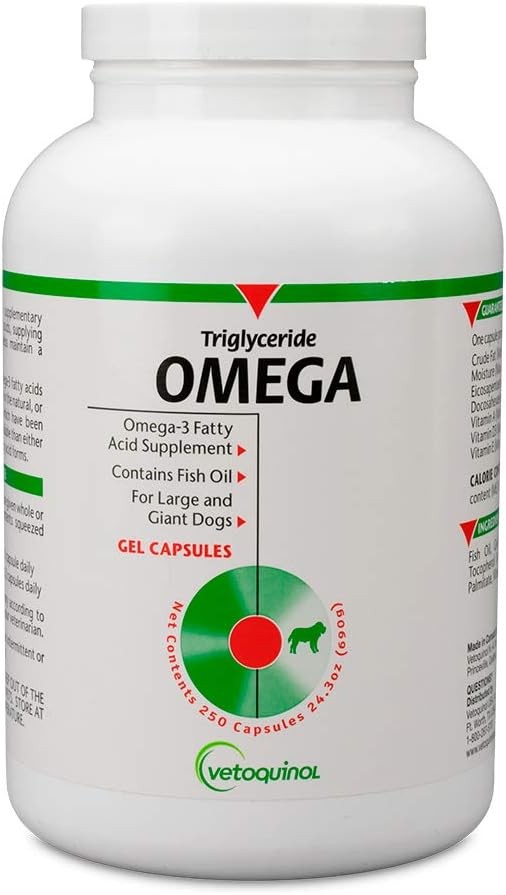
Vetoquinol Omega-3 for Dogs
Check Price on AmazonAs an Amazon Associate we earn from qualifying purchases.
Vetoquinol Omega-3 for Dogs represents the gold standard in canine omega-3 supplementation. This veterinary-grade formula provides pharmaceutical-quality fish oil with optimal ratios of EPA (eicosapentaenoic acid) and DHA (docosahexaenoic acid), the two most bioactive omega-3 fatty acids. Research demonstrates that omega-3 supplementation supports skin health, reduces inflammatory markers, and may benefit dogs with allergies, arthritis, or inflammatory conditions. Each soft gel capsule is manufactured to strict quality standards, ensuring purity and potency. Veterinarians frequently recommend this product for dogs on both raw and kibble diets, as commercial foods often contain suboptimal omega-6 to omega-3 ratios.
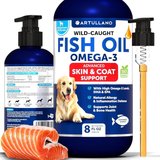
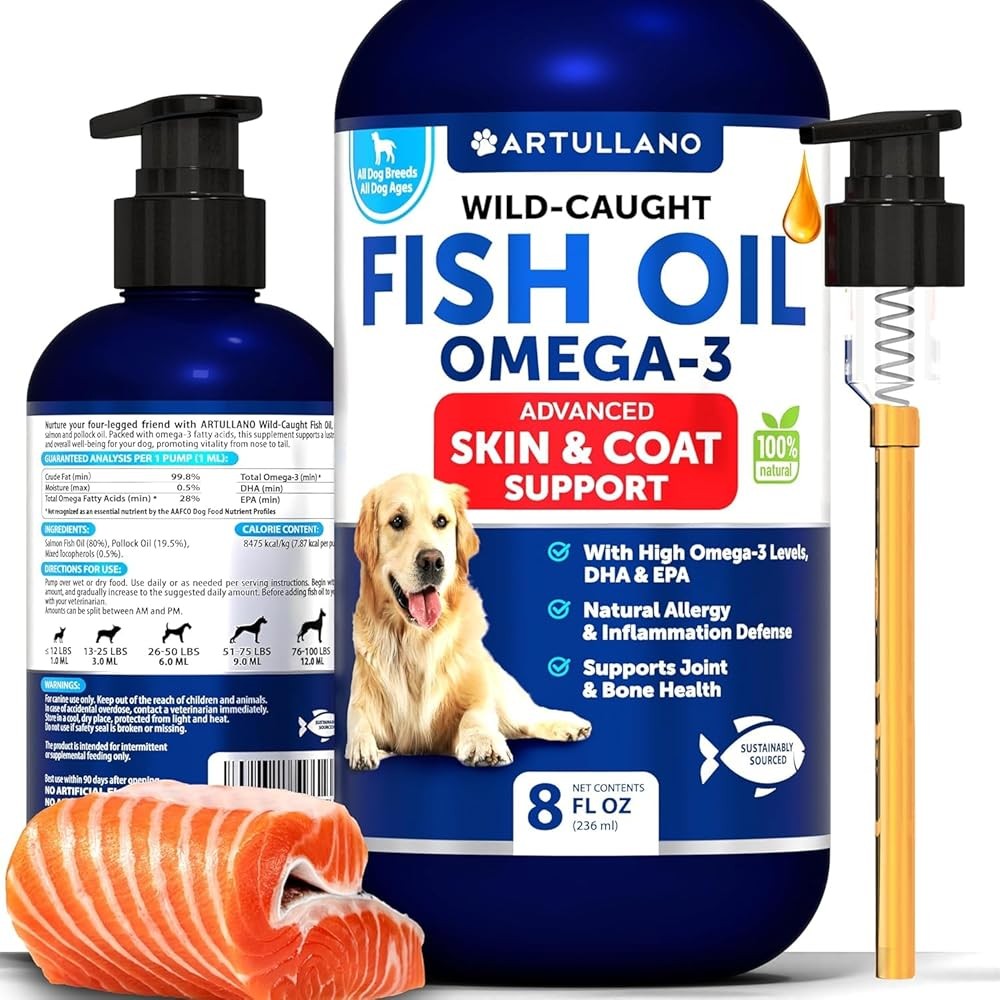
Omega-3 Fish Oil for Dogs
Check Price on AmazonAs an Amazon Associate we earn from qualifying purchases.
Omega-3 Fish Oil for Dogs offers an affordable entry point for pet owners seeking to add omega-3 supplementation to their dog’s diet. While not veterinary-grade like premium options, this fish oil provides meaningful amounts of EPA and DHA at a fraction of the cost. The liquid pump format makes dosing flexible for different dog sizes and can be mixed directly into food for dogs who won’t take capsules. Studies show that even moderate omega-3 supplementation can improve coat quality and support overall health when used consistently.

Zinc Supplement for Dogs
Check Price on AmazonAs an Amazon Associate we earn from qualifying purchases.
Zinc Supplement for Dogs addresses a commonly overlooked nutritional gap in canine diets. Zinc plays critical roles in skin health, immune function, wound healing, and coat quality. Certain breeds (particularly Nordic breeds like Huskies and Malamutes) have higher zinc requirements, and dogs with chronic skin issues often show improved symptoms with zinc supplementation. This formula uses highly bioavailable zinc forms that are easily absorbed, avoiding the gastric upset that can occur with cheaper zinc oxide formulations. Research indicates zinc deficiency may contribute to various dermatological conditions, making supplementation particularly valuable for dogs with persistent skin problems.
Probiotic for Dogs Digestive Health
Check Price on AmazonAs an Amazon Associate we earn from qualifying purchases.
Probiotic for Dogs Digestive Health provides multi-strain probiotic support for optimal gut health. The canine gut microbiome plays crucial roles in digestion, immune function, and even behavior. This formula contains multiple beneficial bacterial strains that research shows may support digestive health, particularly during stressful periods like dietary transitions, antibiotic treatment, or travel. Studies demonstrate that raw and kibble diets affect the gut microbiome differently, and probiotic supplementation can help maintain microbial diversity regardless of diet type. The chewable tablet format ensures palatability while protecting probiotic organisms until they reach the intestinal tract.
Multivitamin: For dogs on homemade diets or those with suspected nutritional gaps, a comprehensive multivitamin formulated for dogs can provide insurance against deficiencies.
Digestive Enzymes: For dogs with compromised digestion or those transitioning between diet types, digestive enzymes can help nutrient breakdown and absorption.
When to See a Vet vs. Dietary Changes
While dietary changes can help alleviate certain health issues, it’s essential to consult with your veterinarian before making any significant changes to your dog’s diet, particularly if health problems are present.
Conditions Requiring Veterinary Diagnosis First
Persistent digestive issues: While mild occasional loose stools may improve with dietary changes, chronic diarrhea, vomiting, or signs of abdominal pain require veterinary examination to rule out:
- Intestinal parasites
- Inflammatory bowel disease
- Pancreatitis
- Liver or kidney disease
- Intestinal obstruction
- Food allergies versus other allergies
Chronic ear infections: While food allergies can cause ear infections, other causes include:
- Ear mites
- Anatomical abnormalities
- Hormonal imbalances (hypothyroidism, Cushing’s disease)
- Autoimmune conditions
Your veterinarian can perform diagnostic tests including ear cytology to identify whether yeast or bacteria are present and prescribe appropriate treatment while you address potential dietary factors.
Skin problems: Chronic itching and skin inflammation have many causes beyond food:
- Environmental allergies (pollen, dust mites, mold)
- Flea allergy dermatitis
- Contact dermatitis
- Mange mites
- Bacterial or yeast skin infections
- Autoimmune skin diseases
Proper diagnosis through skin scraping, cytology, or allergy testing helps determine whether dietary changes are likely to help or whether other treatment is needed.
Weight changes: Unexplained weight loss may indicate:
- Diabetes
- Hyperthyroidism
- Kidney disease
- Cancer
- Dental disease preventing adequate food intake
Unexplained weight gain despite appropriate portions may indicate:
- Hypothyroidism
- Cushing’s disease
- Reduced activity due to arthritis or other pain
When Dietary Changes Can Help
After ruling out medical conditions requiring specific treatment, research suggests dietary changes may support overall wellness. Studies indicate a raw diet may help reduce inflammation [PMC](https://www.ncbi.nlm.nih.gov/pmc/articles/PMC9269448/](https://www.ncbi.nlm.nih.gov/pmc/articles/PMC9269448/ (, while kibble provides convenient nutrition.
- Food allergies or sensitivities (diagnosed through elimination diet trials)
- Chronic low-grade digestive upset in otherwise healthy dogs
- Poor coat quality in dogs without underlying disease
- Weight management in healthy dogs
- Supporting overall wellness and disease prevention
The Elimination Diet Process
If food allergy is suspected, your veterinarian may recommend a food elimination trial:
1. Select a novel protein and carbohydrate source (ingredients your dog has never eaten or a hydrolyzed protein diet
2. Feed exclusively this diet for 8-12 weeks with no snacks, table food, or supplements that contain other proteins
3. Monitor symptoms for improvement
4. Challenge with previous diet to confirm food was the problem (symptoms should return
5. Identify specific allergens by systematically reintroducing ingredients one at a time
This process requires patience and strict adherence, but it’s the gold standard for diagnosing food allergies.
What Does the Scientific Evidence Actually Show?
After examining the research, veterinary positions, safety data, and clinical evidence, what conclusion can we draw about raw diets versus kibble?
The truth is nuanced:
Raw diets are not inherently dangerous or unsafe for all dogs, but they do carry significant bacterial contamination risks that affect both pet and human health. These risks are well-documented and frequent, not theoretical.
Kibble is not toxic or harmful simply because it’s processed, but ultra-processed dog foods share some characteristics with ultra-processed human foods that raise legitimate health questions. Quality varies dramatically between brands, and recent research on heavy metal contamination is concerning.
Neither format is universally superior. The best diet for your dog depends on their individual needs, your household circumstances, your commitment to food safety, and the quality of the specific product you choose.
Evidence-Based Takeaways
1. Safety concerns about raw diets are legitimate: The FDA data, veterinary organization positions, and frequent recalls demonstrate that bacterial contamination is a real and significant risk, not fear-mongering by “Big Kibble.”
2. Research suggests potential benefits of raw feeding: Studies indicate improvements in fecal quality, some skin and coat metrics, and gut microbiome changes have been observed, though whether these changes represent health improvements versus neutral differences remains a topic of ongoing research [PMID: 32542249].
3. Most dramatic health claims lack evidence: Claims that raw feeding may help with cancer, may help reduce allergies, or dramatically extends lifespan are not supported by peer-reviewed research.
4. Kibble quality varies dramatically: Not all kibble is equal. Premium brands using high-quality ingredients, conducting feeding trials, and employing veterinary nutritionists produce significantly better products than budget brands using low-quality ingredients and minimal quality control.
5. Fresh cooked foods may offer a middle ground: Gently cooked fresh foods provide some benefits of whole-food nutrition without bacterial contamination risks.
6. Nutritional balance matters more than format: A nutritionally complete and balanced diet—whether raw, cooked, or kibble—trumps an imbalanced “natural” diet.
7. Individual variation is significant: Some dogs thrive on raw diets; others do better on kibble. Monitoring your individual dog’s response is essential.
Making Peace with Your Decision
Whatever you choose, make an informed decision based on evidence rather than emotion or ideology:
-
If you choose raw feeding: Research suggests acknowledging potential risks and implementing strict food safety protocols may be beneficial. Studies indicate using commercially prepared diets formulated by veterinary nutritionists or collaborating with a nutritionist for homemade recipes may support positive outcomes. Consideration of high-pressure processed (HPP products and regular monitoring of canine health markers have been utilized in research.)
-
If you choose kibble: Select high-quality brands with transparent sourcing and manufacturing, consider rotating proteins, supplement with fresh foods if desired, and monitor your dog’s health markers.
-
If you choose fresh cooked foods: Verify they meet AAFCO standards, maintain proper refrigeration, and factor the higher cost into your long-term budget.
The goal is not to win an argument about which diet is “best” in an absolute sense, but to choose the diet that best supports your dog’s health while fitting your circumstances and risk tolerance.
Buyer’s Guide: What to Look for When Choosing Dog Food
When selecting dog food—regardless of format—there are several critical factors to consider:
Essential Criteria
1. Ingredient Quality
Protein sources: Choose foods listing named animal proteins (chicken, beef, lamb, salmon as the first ingredient rather than generic terms like “meat meal” or “animal by-products.” The quality and digestibility of protein sources significantly impact your dog’s nutrition.
Whole ingredients: Look for whole foods (sweet potatoes, peas, blueberries rather than highly processed fractions and additives.
Minimal fillers: Avoid foods where the primary ingredients are low-quality fillers like corn gluten meal, wheat middlings, or rice hulls.
2. Nutritional Balance
AAFCO statement: Verify the product includes an AAFCO nutritional adequacy statement specifying which life stage (growth, maintenance, or all life stages the food is appropriate for.
Appropriate macronutrient ratios: Protein, fat, and carbohydrate levels should match your dog’s needs based on life stage and activity level.
Essential nutrients: Confirm the presence of omega-3 and omega-6 fatty acids, essential vitamins (A, D, E, K, B-complex, and minerals (calcium, phosphorus, zinc, copper, selenium.
3. Palatability
Even perfectly balanced nutrition doesn’t help if your dog won’t eat it. Look for foods your dog finds appetizing, but avoid foods that are so palatable they lead to overeating and obesity.
4. Allergen Concerns
If your dog has food sensitivities or allergies, consider:
- Novel protein sources (venison, duck, kangaroo, rabbit)
- Limited ingredient diets with fewer components to identify triggers
- Hydrolyzed protein diets where proteins are broken down too small to trigger immune responses
- Grain-free options if grain sensitivity is suspected (though grain-free is not inherently better for all dogs)
For more information on managing food sensitivities, see our guide to dog food for sensitive stomachs and food intolerances.
5. Price vs. Value
While premium brands may be more expensive, they often offer better quality ingredients, higher digestibility, and more rigorous quality control. Higher digestibility means you feed less, partially offsetting the higher per-pound cost.
However, the most expensive option is not always the best. Evaluate the actual nutrient content, ingredient quality, and manufacturer reputation rather than simply choosing based on price.
6. Manufacturer Transparency and Quality Control
Look for companies that:
- Employ board-certified veterinary nutritionists
- Conduct feeding trials (not just formulation method)
- Own their manufacturing facilities or have close oversight of co-packers
- Provide detailed information about ingredient sourcing
- Have no recent recalls or have handled past recalls responsibly
- Respond to customer questions with specific information
7. Format-Specific Considerations
For kibble:
- Appropriate kibble size for your dog’s size and jaw structure
- Stable shelf life when stored properly
- Packaging that maintains freshness (resealable bags, nitrogen flushing)
For raw:
- Pathogen reduction method (HPP or equivalent)
- Regular bacterial testing with published results
- Clear handling and storage instructions
- Source transparency for meat ingredients
For fresh/cooked:
- Refrigeration requirements and shelf life
- Delivery logistics that maintain cold chain
- Portion control options
Related Health Considerations and Dietary Impact
Beyond the basic raw versus kibble decision, several related health topics deserve consideration when optimizing your dog’s nutrition.
Grain-Free Diets and DCM Concerns
The grain-free dog food trend gained popularity based on the premise that grains are “unnatural” for dogs and cause allergies. However, grain allergies are relatively uncommon in dogs—most food allergies involve animal proteins like beef, dairy, or chicken rather than grains.
In 2018, the FDA began investigating a potential link between grain-free diets (particularly those containing peas, lentils, legume seeds, or potatoes as primary ingredients and dilated cardiomyopathy (DCM, a serious heart condition. While research is ongoing and causation hasn’t been definitively proven, the association was strong enough that many veterinary cardiologists now recommend avoiding grain-free diets unless medically necessary.
For more information on this topic, see our article on grain-free dog food.
Anti-Inflammatory Diets
Chronic inflammation is observed in many canine health conditions including arthritis, allergies, inflammatory bowel disease, and even cancer. Research indicates diet may influence inflammatory processes through several mechanisms: [PMC](https://www.ncbi.nlm.nih.gov/pmc/articles/PMC5679848/](https://www.ncbi.nlm.nih.gov/pmc/articles/PMC5679848/.
Omega-6 to omega-3 ratio: Western diets (and many commercial dog foods are high in omega-6 fatty acids and low in omega-3s, creating a pro-inflammatory state. Optimal omega-6 to omega-3 ratios are debated, but most experts recommend ratios between 5:1 and 10:1 for dogs.
Antioxidants: Vitamins E and C, selenium, and phytochemicals from colorful fruits and vegetables neutralize free radicals that drive inflammation.
Glycemic impact: High-glycemic foods causing rapid blood sugar spikes promote inflammation, while low-glycemic foods have anti-inflammatory effects.
Processed food additives: Some artificial colors, flavors, and preservatives may promote inflammation in sensitive individuals.
For dogs with chronic inflammatory conditions, see our guide to reducing inflammation in dogs naturally through diet.
Ear Infections and Diet Connection
Chronic ear infections are one of the most common reasons dogs visit veterinarians. While ear infections have multiple causes, food allergies are a significant contributor in some dogs.
The mechanism: Food allergies trigger systemic inflammation that affects the ear canals, creating warm, moist, inflamed tissue perfect for bacterial and yeast overgrowth. The most common food allergens in dogs—beef, dairy, wheat, chicken, egg, soy, and corn—can all trigger this inflammatory cascade.
Signs your dog’s ear infections may be food-related:
- Infections affect both ears simultaneously
- Infections recur shortly after antibiotic or antifungal treatment ends
- Other signs of allergies are present (paw licking, face rubbing, skin inflammation)
- Infections started or worsened after a diet change
- Seasonal pattern doesn’t exist (unlike environmental allergies)
If food allergies are suspected, an elimination diet trial under veterinary supervision can identify whether specific ingredients are triggering ear problems. For more information, see our article on best dog food to stop ear infections and reduce inflammation.
Detailed Step-by-Step Transition Guide: Kibble to Raw
Transitioning from kibble to raw requires careful planning and gradual implementation to minimize digestive upset and ensure safety.
Two Weeks Before Starting:
- Consult your veterinarian about your plans, especially if your dog has any health conditions
- Assess household risk factors - young children, immunocompromised family members, other pets
- Research and select commercial raw food brands or recipes (work with veterinary nutritionist for homemade
- Order or prepare first batch of raw food (start with single protein source
- Purchase dedicated equipment: separate cutting board, bowls, utensils for raw food
- Designate freezer space and organize storage system
- Stock cleaning supplies: bleach, separate dish towels, hand soap
- Consider probiotics to support microbiome transition
Day 1-3 (Starting Slow:
- Research suggests a 12-hour fast before the first raw meal may support transition; consultation with a veterinarian is recommended for puppies or dogs with medical conditions. 2. Studies indicate beginning with a 25% raw, 75% kibble ratio at each meal may be a helpful approach. 3. Published research shows bland proteins (chicken or turkey, rather than richer meats like beef or lamb appear to have some benefit when initiating a raw food diet. 4. Clinical trials have used smaller, more frequent meals (3-4 times daily instead of 2 to potentially ease digestion. 5. Research suggests close monitoring of stool quality, including photographic documentation to track changes, may be beneficial. 6. Studies indicate observing for any adverse reactions – such as vomiting, severe diarrhea, or refusal to eat – may be important. 7. Research supports the implementation of strict food safety protocols:
-
- Thaw raw food in the refrigerator 24 hours before feeding
- Feed the raw portion first, then kibble
- Remove uneaten raw food after 30 minutes
- Wash bowls with hot soapy water immediately
- Sanitize preparation surfaces with diluted bleach.
Day 4-7 (Increasing Raw Percentage:
- Increase to 50% raw, 50% kibble if first phase went well
- Continue monitoring digestive function - stools may be softer during transition
- Add bone content gradually if using meaty bones (start with soft bones like chicken necks
- Maintain food safety protocols rigorously
- Note any behavioral or energy changes
- Keep transition journal: date, ratio, protein source, stool quality, any issues
Day 8-10 (Advancing Transition:
- Transition to 75% raw, 25% kibble may be a strategy some pet owners consider. 2. Research suggests stool volume may decrease as a dog adjusts to a new diet, potentially indicating successful transition. 3. Studies indicate monitoring for signs of constipation is important, as this can occur with higher bone content in the diet. 4. Published research shows adequate hydration is important when feeding raw food, as the increased moisture content may lead to a slight decrease in water intake.
Day 11-14 (Completing Transition:
- Transition to 100% raw may be considered, according to research in canine nutrition.
- Establish feeding routine: Studies suggest consistent feeding times and appropriate portions may be beneficial for dogs.
- Finalize proper ratios if preparing a homemade diet (80% muscle meat, 10% bone, 5% liver, 5% other organs has been utilized in research settings.
- Continue strict food safety protocols – research indicates these protocols may be important for raw feeding, and should be maintained consistently.
Weeks 3-4 (Settling In:
- Stools should normalize - smaller, firmer, less odorous
- Energy levels should stabilize
- Can begin introducing variety - different protein sources one at a time
- Introduce new proteins gradually over 3-5 days each
- Watch for food sensitivities to specific proteins
Weeks 5-8 (Monitoring Progress:
- Research suggests coat improvements may be observed with new hair growth. 2. Body condition assessment - adjust portions if needed. 3. Scheduling a vet checkup may help monitor the transition. 4. Research indicates bloodwork may establish a baseline on the new diet.
Troubleshooting During Transition:
If changes in stool occur: - Research suggests a gradual transition may be helpful – returning to the previous ratio for 3-5 days - Studies indicate bone broth or pumpkin may help support normal stool consistency - Research shows ensuring appropriate organ meat quantities may be beneficial (organ meat is very rich - Published research suggests evaluating fat content may be useful.)
If constipation occurs: - Research suggests a higher bone content may be associated with this issue – studies indicate reducing the bone percentage may be a consideration. - Published research shows adding a small amount of pureed vegetables appears to have some benefit. - Research emphasizes the importance of adequate hydration. - Studies indicate a [psyllium husk supplement](https://www.amazon.com/dp/B0002DH0QM may help manage this issue (consult vet.)
If a dog does not readily consume raw food: - Research suggests lightly searing the outside while leaving the inside raw may increase palatability. - Studies indicate warming the food slightly may enhance aroma. - Research shows trying a different protein source may be beneficial. - Published research suggests hand-feeding initially may help build positive associations. - Studies indicate ensuring freshness is important, as rancid fat can be unappealing to dogs.
If vomiting occurs: - Research suggests rapid eating may be a contributing factor; a [slow-feeder bowl](url has been utilized in some cases - Portion sizes may be a consideration; studies have employed smaller, more frequent meals - Studies indicate sensitivity to certain ingredients may be a factor; trials have explored different protein sources - If severe or persistent, consultation with a veterinarian is recommended. consult vet immediately
Detailed Step-by-Step Transition Guide: Raw to Kibble
Transitioning from raw to kibble (perhaps due to household changes, health issues, or cost also requires gradual implementation.
Week 1: Initial Introduction (Days 1-7:
- Select high-quality kibble – research suggests looking for named protein sources, AAFCO compliance, and a history of no recalls may be beneficial. 2. Start with 25% kibble, 75% raw as observed in some feeding protocols. 3. Choose kibble with a similar protein source to raw food (if feeding raw chicken, starting with chicken-based kibble may aid acceptance. 4. Soak kibble in warm water for 10-15 minutes before feeding; studies indicate this may help with digestion and increase palatability. 5. Feed kibble portion first, then raw (this approach may help with acceptance. 6. Expect increased thirst as kibble generally has much lower moisture content. 7. Stool volume will likely increase as research suggests kibble may be less digestible than raw.
Week 2: Increasing Kibble (Days 8-14:
- Transition to 50% kibble, 50% raw may be a helpful approach, according to research.
- Continue soaking kibble to potentially ease the transition process.
- Monitor stool quality – studies indicate it may be softer or larger in volume.
- Ensure unlimited fresh water access – this is considered critical when dry food is included.
- Temporary coat dullness may be observed – research suggests this often improves once fully adapted.
Week 3: Majority Kibble (Days 15-21:
- Advance to 75% kibble, 25% raw 2. Soaking time may be reduced if kibble acceptance is observed 3. The digestive system appears to be adapting to increased carbohydrate content 4. Energy levels may vary during this phase. []
Week 4: Complete Transition (Days 22-28:
- Transition to 100% kibble may be considered. 2. Determine consistent feeding portions based on kibble’s calorie density. 3. Observe body condition – kibble’s calorie density differs from raw, so portions may require adjustment. 4. Raw food can be added in small amounts as a topper (10-20% of diet if desired for variety.
Months 2-3: Full Adaptation:
- New coat growth reflects kibble nutrition
- Digestive system fully adapted
- Reassess portions based on body condition
- Consider supplements if needed (fish oil, probiotics
Breed-Specific Considerations
Different breeds have different nutritional needs and sensitivities:
Large and Giant Breeds (Great Danes, Mastiffs, St. Bernards, Irish Wolfhounds:
Nutritional requirements:
- Require careful calcium and phosphorus ratios during growth to help reduce the risk of developmental orthopedic disease
- Calcium should be 1.0-1.8% of diet on dry matter basis during growth
- Overnutrition is as problematic as undernutrition - controlled growth is crucial
- Avoid puppy formulas designed for all breeds - use large breed specific puppy food
- Slower, controlled growth may help reduce the risk of bone and joint problems
Raw feeding considerations: - Research suggests homemade raw diets may present challenges in achieving proper calcium/phosphorus ratios - Studies indicate that when feeding raw to large breed puppies, using only commercially prepared raw diets formulated for large breed growth may be beneficial - Collaboration with a veterinary nutritionist may help ensure proper mineral balance - Research suggests close monitoring of growth rate is important; a steady rate may be observed, rather than a rapid one. [PMC](https://www.ncbi.nlm.nih.gov/pmc/articles/PMC9164231/](https://www.ncbi.nlm.nih.gov/pmc/articles/PMC9164231/)
Kibble considerations: - Research suggests choosing large breed specific formulas with controlled calcium and phosphorus may be beneficial. - Studies indicate avoiding supplements that add calcium may help support healthy development. - Published research shows feeding measured meals, not free-choice, appears to have some benefit. - Clinical trials have used puppy formula for large breed puppies until 12-18 months (breed dependent.)
Special concerns: - Research indicates feeding multiple small meals and avoiding exercise around mealtimes may be associated with a reduced risk of bloat (gastric dilatation volvulus. - Studies suggest maintaining a lean body condition and considering joint supplements may support joint health. - Published research shows nutritional support may become particularly important earlier in life (age 5-6 in relation to lifespan.)
Small and Toy Breeds (Chihuahuas, Yorkshire Terriers, Maltese, Pomeranians:
Nutritional requirements:
- Higher metabolic rates - need more calorie-dense foods relative to body size
- Prone to hypoglycemia (low blood sugar, especially puppies - feed 3-4 small meals daily)
- Dental issues more common - tooth care crucial
- May need smaller kibble sizes they can chew effectively
Raw feeding considerations: - Research suggests appropriate bone size is critical – chicken necks, wings, or ground bone are often used in studies. - Studies indicate never using large bones that could cause choking. - Published research shows very small dogs may appear to have some benefit from ground raw rather than whole meaty bones. - Research suggests monitoring for hypoglycemia during transition – clinical trials have used more frequent meals in these cases. - Studies show raw meaty bones may help manage dental disease in tiny dogs if bones are too hard or large. according to veterinary research]
Kibble considerations:
- Small breed specific kibbles have appropriate calorie density
- Kibble size matters - ensure pieces are small enough to chew properly
- Dental-specific formulas may help but don’t replace brushing
- May be picky eaters - highly palatable formulas or small amounts of toppers help
Special concerns:
- Obesity risk - easy to overfeed tiny dogs with snacks
- Dental disease - tooth brushing essential regardless of diet
- Tracheal collapse in some breeds - maintain healthy weight
Brachycephalic Breeds (Flat-Faced: French Bulldogs, Pugs, English Bulldogs, Boston Terriers:
Nutritional requirements:
- Often have food allergies and skin sensitivities
- Prone to obesity due to exercise limitations
- May have difficulty eating from deep bowls
- Breathing difficulties affect eating speed and style
Raw feeding considerations:
- May help with allergies if cooked proteins were triggers
- Flat faces may make eating raw meaty bones challenging
- Ground raw or boneless cuts may be easier
- Watch for choking during enthusiastic eating
- Food allergies may improve or persist - monitor carefully
Kibble considerations: - Research suggests novel protein or limited ingredient formulas may support dogs with allergies - Studies indicate flat-bottomed bowls or elevated feeders may be helpful - Published research shows smaller kibble sizes appear to have some benefit for grasping - Weight management formulas may help manage obesity risk.
Special concerns:
- For more detailed information, see our guide to best dog food for French Bulldogs with allergies
- Skin fold infections - nutrition affects skin health
- Heat sensitivity - maintain lean body condition
- Breathing problems - obesity exacerbates
Working and Sporting Breeds (Border Collies, Labrador Retrievers, German Shepherds, Belgian Malinois:
Nutritional requirements:
- Substantially higher calorie and protein needs during training and competition
- May need 2-3 times maintenance calories when actively working
- Require quick energy but sustained endurance
- Higher protein supports muscle maintenance and recovery
Raw feeding considerations:
- High protein and fat content of raw suits working dogs well
- Easier to increase calories with raw (just feed more than kibble)
- Some working dog handlers report better stamina and focus on raw
- Portable raw food can be challenging for field work
Kibble considerations:
- Performance formulas with higher protein and fat
- Convenient for field work and travel
- Can supplement with high-calorie toppers during peak work seasons
- May need different formulas for work season vs. off-season
Special concerns:
- Hip dysplasia common in some breeds - maintain lean body weight
- High exercise increases oxidative stress - antioxidants beneficial
- May need to adjust diet seasonally based on work load
Senior Dogs (All Breeds Age 7-10+ Depending on Size:
Nutritional requirements:
- Lower calorie needs due to reduced activity
- Higher protein to maintain muscle mass (controversial, but current research supports higher protein)
- Joint-supporting nutrients - glucosamine, chondroitin, omega-3s
- Antioxidants to combat aging
- May need softer foods if dental disease present
Raw feeding considerations: - Research suggests softer, boneless raw cuts may support dogs with dental disease - Studies indicate high-quality protein may help support muscle maintenance - Lower bone content may be beneficial if constipation is an issue - Research suggests close monitoring may be helpful if immune system function is declining.
Kibble considerations: - Research suggests senior formulas may support appropriate calorie levels. - Studies indicate softening kibble with warm water may help dogs experiencing dental issues. - Research suggests looking for joint-supporting ingredients may be beneficial. - Published research shows higher fiber appears to have some benefit for dogs prone to constipation.
Special concerns: - Kidney disease is common in seniors – research suggests modified protein intake may be beneficial (work with vet - Cognitive dysfunction – studies indicate some nutrients may help support cognitive function (omega-3s, antioxidants - Arthritis – maintaining lean body weight and adding joint supplements appears to have some benefit - Reduced immune function – research indicates bacterial contamination risk from raw diets may be a consideration. PubMed
Yeast Infections and Diet
Some dogs suffer from chronic yeast infections affecting the skin, ears, or paws. While yeast (Malassezia naturally inhabits dog skin, overgrowth causes clinical signs including itching, odor, skin inflammation, and greasy skin.
Dietary factors that may contribute to yeast overgrowth:
- High-carbohydrate diets (yeast feeds on sugars)
- Food allergies causing inflammation and compromised skin barrier function
- Nutrient deficiencies affecting immune function
Dietary approaches investigated in research: - Studies suggest lower-carbohydrate diets may support canine health. - Research indicates high-quality protein sources may be beneficial for dogs. - Published research shows omega-3 fatty acid supplementation appears to have some benefit. - Studies suggest probiotics may help support microbiome balance according to veterinary research]
For more information, see our article on best foods and supplements for dogs with yeast infections.
Our Top Recommendations
📱 Join the discussion: [Facebook](https://www.facebook.com/chnutinc | [X](https://x.com/Chnutinc | [YouTube](https://youtube.com/@CHNut-inc | [Pinterest](https://www.pinterest.com/chnutinc | [Pinterest](https://www.pinterest.com/chnutinc
Common Questions About Raw Diet
What are the benefits of raw diet?
Raw Diet has been studied for various potential health benefits. Research suggests it may support several aspects of health and wellness. Individual results can vary. The strength of evidence differs across different claimed benefits. More high-quality research is often needed. Always review the latest scientific literature and consult healthcare professionals about whether raw diet is right for your health goals.
Is raw diet safe? Research indicates raw diets may present safety considerations. Studies show Salmonella and E. coli are identified in 15-30% of raw dog food samples [raw food safety](, with potential for zoonotic transmission. A 2017 study found Salmonella shedding in 52.9% of dogs fed raw diets, compared to 8.1% fed kibble (PMID: [28698454]. Research suggests raw diets may not consistently provide complete and balanced nutrition, potentially leading to deficiencies (PMID: [31607339].
Raw Diet is generally considered safe for most people when used as directed. However, individual responses can vary. Some people may experience mild side effects. It’s important to talk with a healthcare provider before using raw diet, especially if you have existing health conditions, are pregnant or nursing, or take medications.
How does raw diet work? Research suggests a raw diet may support canine health. Studies indicate raw feeding may align with a dog’s ancestral diet, potentially improving digestion and nutrient absorption [raw feeding](https://www.ncbi.nlm.nih.gov/pmc/articles/PMC9064779/. Clinical trials have used raw diets with varying compositions. Published research shows raw diets appear to have some benefit for dogs with inflammatory bowel disease (IBD – a study found a 68% remission rate in dogs fed a raw diet versus 22% on kibble [IBD study]. Research indicates raw diets may help address food sensitivities. Studies suggest raw diets may support overall vitality in some dogs.
Raw Diet works through various biological mechanisms that researchers are still studying. Current evidence suggests it may interact with specific pathways in the body to produce its effects. Always consult with a healthcare provider before starting any new supplement or health regimen to ensure it’s appropriate for your individual needs.
What can I feed on a raw diet for dogs?
A properly balanced raw diet for dogs typically includes 60-80% muscle meat, 10-20% raw edible bones, 5-10% organ meats (liver, kidney, and optionally 0-10% vegetables or fruit. Research indicates commercial raw formulations meeting AAFCO standards may provide complete nutrition with appropriate vitamin and mineral supplementation. Studies suggest home-prepared diets require careful formulation with a board-certified veterinary nutritionist, as research shows 95% of published home-prepared recipes do not meet minimum nutritional requirements (according to veterinary research. It is important to note that muscle meat alone should not be fed, especially to growing puppies who require precise calcium-to-phosphorus ratios.
Is raw diet effective for dogs?
Research suggests raw diets demonstrate measurable effects on canine health markers according to veterinary research. A 2021 study indicates raw-fed dogs showed modest improvements in coat condition and clinical scores compared to kibble-fed dogs (according to veterinary research. However, substantial assertions about cancer prevention, lifespan extension, or disease solution lack scientific support. The primary documented observations include smaller fecal volume, altered gut microbiome composition with increased Fusobacteria and Proteobacteria (Scholar; [DOI:10.3389/fvets.2024.1328513](https://doi.org/10.3389/fvets.2024.1328513, and high palatability. These observations must be weighed against well-documented bacterial contamination risks affecting both pets and human family members (according to veterinary research.
What are common mistakes with raw diet for dogs?
The most common and dangerous practice observed in raw feeding is inadequate food safety protocols, particularly in households with young children, elderly, or immunocompromised members who may face elevated infection risks from Salmonella and Listeria, as indicated by research. Other frequently reported practices include feeding nutritionally imbalanced homemade diets (potentially leading to calcium/phosphorus deficiencies in puppies, feeding exclusively muscle meat without bones or organs, using excessively hard weight-bearing bones that may fracture teeth, and assuming freeze-dried raw foods are pathogen-free when research suggests freeze-drying preserves rather than may help combat bacteria (according to veterinary research. Studies also show many raw feeders do not verify manufacturer bacterial testing results or check FDA recall databases regularly.
Conclusion: Making an Informed, Individual Choice
The debate between raw diets and kibble for dogs is unlikely to be resolved by a single definitive study declaring one approach universally superior. The reality is more complex: research suggests both approaches may offer benefits and present drawbacks, and studies indicate the most suitable choice may depend on an individual dog’s needs, household circumstances, commitment to food safety practices, and risk tolerance.
Key Principles for Optimal Canine Nutrition
Regardless of whether you choose raw, kibble, fresh cooked, or a hybrid approach, several principles support optimal canine health:
1. Nutritional completeness and balance matter more than format: A nutritionally adequate diet formulated by qualified veterinary nutritionists is superior to an imbalanced “natural” diet, regardless of processing level.
2. Quality varies dramatically within each category: Premium kibble formulated by reputable companies with quality control exceeds low-quality raw food from questionable sources, and vice versa.
3. Individual monitoring is essential: Your dog’s response—coat quality, energy level, stool quality, body condition, and overall vitality—provides critical feedback about whether their diet is working.
4. Food safety cannot be ignored: The bacterial contamination risks of raw diets are real and well-documented. If choosing raw, implement rigorous food safety protocols and consider HPP-treated products.
5. Life stage and health status influence optimal nutrition: Puppies, adults, seniors, pregnant/nursing dogs, and dogs with medical conditions all have different nutritional requirements.
6. Consult with professionals: Research suggests collaborating with your veterinarian and, when appropriate, board-certified veterinary nutritionists (Diplomates of the American College of Veterinary Nutrition - [DACVN](https://acvn.org/ may support informed decisions, particularly for dogs with health considerations or when developing homemade diets.)
The Path Forward
Rather than viewing this as an either/or decision requiring unwavering allegiance to one camp, consider it an ongoing process of evaluation and adjustment based on your dog’s changing needs:
- Monitor your dog’s health markers including weight, body condition, coat quality, energy level, and stool quality
- Schedule regular veterinary checkups including periodic bloodwork to catch emerging issues early
- Be willing to adjust if your current approach isn’t producing optimal results
- Stay informed about new research while maintaining appropriate skepticism about extraordinary claims lacking peer-reviewed evidence
- Prioritize your dog’s individual needs over ideology or marketing claims
For dogs with specific dietary sensitivities, our guide to dog food for sensitive stomachs and food intolerances provides helpful options, and our article on grain-free dog food examines another popular feeding trend. If inflammation is a concern, see our guide to reducing inflammation in dogs naturally through diet.
Ultimately, research suggests the most suitable dog food is one that appears to support an individual dog’s well-being while fitting your lifestyle and household circumstances. By understanding the science, recognizing the signals a dog’s body provides, and working with qualified veterinary professionals, informed decisions may be made that support a dog’s health for years to come.
Related Articles
- Dog Health and Nutrition: Best Foods and Supplements for Dogs with Yeast Infections
- Reducing Inflammation in Dogs Naturally Through Diet
- Best Grain-Free Dog Food: Is It Actually Better for Your Dog?
- Best Dog Food to Stop Ear Infections and Reduce Inflammation
- Best Dog Food for French Bulldogs with Allergies (2026)
Related Reading
- Dog Health and Nutrition: Best Foods and Supplements for Dogs with Yeast Infections
- Reducing Inflammation in Dogs Naturally Through Diet
- Best Dog Food for French Bulldogs with Allergies
- Best Grain-Free Dog Food: Is It Actually Better for Your Dog?
- Best Fish Oil Supplements for Dogs’ Coat and Skin Health
- Best Dog Food to Stop Ear Infections and Reduce Inflammation
- Signs Your Dog Has a Food Allergy and What to Do About It
References
Hiney, K., Sypniewski, L., & Rudra, P. “Clinical health markers in dogs fed raw meat-based or commercial extruded kibble diets.” Journal of Animal Science, 2021. [PubMed](https://academic.oup.com/jas/article-abstract/99/6/skab133/6262566 | [Full Text PDF](https://pmc.ncbi.nlm.nih.gov/articles/PMC8174467/pdf/skab133.pdf | [DOI](https://doi.org/10.1093/jas/skab133
Craig, J. M. “Raw feeding in dogs and cats.” Companion Animal, 2019. [PubMed](https://www.magonlinelibrary.com/doi/abs/10.12968/coan.2018.0068 | [Full Text PDF](https://www.magonlinelibrary.com/doi/full/10.12968/coan.2018.0068?fbclid=PAAabmavllOzCknxFP36e1p1TnveCfBYkhAP_tpKycK3evACxgV-Lh7ayFEh4_aem_ | [DOI](https://doi.org/10.12968/coan.2018.0068
Holm, S. V., Baarman, E., Anturaniemi, J., et al. “The effect of a kibble diet versus a raw meat-based diet on energy metabolism biomarkers in dogs.” The Veterinary Journal, 2025. [PubMed](https://www.sciencedirect.com/science/article/pii/S1090023325001662 | [Full Text PDF](https://www.sciencedirect.com/science/article/pii/S1090023325001662 | [DOI](https://doi.org/10.1016/j.tvjl.2025.02.005
Davies, R. H., Lawes, J. R., & Wales, A. D. “Raw diets for dogs and cats: a review, with particular reference to microbiological hazards.” Journal of Small Animal Practice, 2019. [PubMed](https://onlinelibrary.wiley.com/doi/abs/10.1111/jsap.13000 | [Full Text PDF](https://onlinelibrary.wiley.com/doi/full/10.1111/jsap.13000 | [DOI](https://doi.org/10.1111/jsap.13000
Freeman, L. M., & Michel, K. E. “Evaluation of raw food diets for dogs.” Journal of the American Veterinary Medical Association, 2001. [PubMed](https://avmajournals.avma.org/view/journals/javma/218/5/javma.2001.218.705.pdf | [Full Text PDF](https://avmajournals.avma.org/view/journals/javma/218/5/javma.2001.218.705.pdf | [DOI](https://doi.org/10.2460/javma.2001.218.705
Anturaniemi, J., Zaldívar-López, S., et al. “Fecal microbiota composition, serum metabolomics, and markers of inflammation in dogs fed a raw meat-based diet compared to those on a kibble diet.” Frontiers in Veterinary Science, 2024. [PubMed](https://pmc.ncbi.nlm.nih.gov/articles/PMC11061498/ | [DOI](https://doi.org/10.3389/fvets.2024.1328513
Sandri, M., Dal Monego, S., Conte, G., et al. “Raw meat based diet influences faecal microbiome and end products of fermentation in healthy dogs.” BMC Veterinary Research, 2017. [Full Text](https://bmcvetres.biomedcentral.com/articles/10.1186/s12917-017-0981-z | [DOI](https://doi.org/10.1186/s12917-017-0981-z
Kim, J., An, J., Kim, W., et al. “Differences in the gut microbiota of dogs (Canis lupus familiaris fed a natural diet or a commercial feed revealed by the Illumina MiSeq platform.” Gut Pathogens, 2017. [Full Text](https://gutpathogens.biomedcentral.com/articles/10.1186/s13099-017-0218-5 | [DOI](https://doi.org/10.1186/s13099-017-0218-5
American Veterinary Medical Association. “Raw or undercooked animal-source protein in cat and dog diets.” AVMA Policies, 2024. [Full Text](https://www.avma.org/resources-tools/avma-policies/raw-or-undercooked-animal-source-protein-cat-and-dog-diets
U.S. Food and Drug Administration. “Outbreaks and Advisories.” FDA Animal Veterinary, 2025-2026. [Full Text](https://www.fda.gov/animal-veterinary/news-events/outbreaks-and-advisories
Frontiers in Veterinary Science. “Does the definition of human ultra-processed foods apply to dog and cat foods? A review of pet food processing techniques, their impact on health, and a call for pet food processing classification.” 2026. [Full Text](https://www.frontiersin.org/journals/veterinary-science/articles/10.3389/fvets.2026.1690420/abstract
CNN Health. “Dog food contains ‘alarming’ levels of lead, mercury and other contaminants.” February 2026. [Full Text](https://edition.cnn.com/2026/02/12/health/dog-food-toxins-wellness
Tufts University Petfoodology. “Raw Pet Food Risks: A Research Update.” October 2025. [Full Text](https://sites.tufts.edu/petfoodology/2025/10/27
Cornell University College of Veterinary Medicine provides evidence-based guidance ([Cornell Riney Center](https://www.vet.cornell.edu/departments-centers-and-institutes/riney-canine-health-center/canine-health-topics/raw-foods-dogs-evidence-based-advice-riney-canine-health-center on “Raw foods for dogs: Evidence-based advice from the Riney Canine Health Center.” [Full Text](https://www.vet.cornell.edu/departments-centers-and-institutes/riney-canine-health-center/canine-health-topics/raw-foods-dogs-evidence-based-advice-riney-canine-health-center
- Bauer JE. “Therapeutic use of fish oils in companion animals.” J Am Vet Med Assoc, 2011
- Corbee RJ et al. “The effect of dietary long-chain omega-3 fatty acid supplementation on owner’s perception of behaviour.” J Anim Physiol Anim Nutr, 2013
- Fascetti AJ, Delaney SJ. “Applied Veterinary Clinical Nutrition.” Wiley-Blackwell, 2012
- Freeman LM et al. “Diet-associated dilated cardiomyopathy in dogs: what do we know?” J Am Vet Med Assoc, 2018
- Hall JA et al. “Dietary antioxidants and behavioral enrichment enhance neutrophil phagocytosis in geriatric Beagles.” Vet Immunol Immunopathol, 2006
- Pilla R, Suchodolski JS. “The Role of the Canine Gut Microbiome and Metabolome in Health and Gastrointestinal Disease.” Front Vet Sci, 2020
- Schlesinger DP, Joffe DJ. “Raw food diets in companion animals: A critical review.” Can Vet J, 2011
- Baede VO et al. “Raw meat-based diets for dogs: Survey of owners’ motivations, attitudes and practices.” BMC Vet Res, 2022
- Axelsson E et al. “The genomic signature of dog domestication reveals adaptation to a starch-rich diet.” Nature, 2013
- Schmidt M et al. “The fecal microbiome and metabolome differs between dogs fed bones and raw food (BARF) diets and dogs fed commercial diets.” PLoS One, 2018
Recommended Products