Signs Your Dog Has a Food Allergy and What to Do About It
Summarized from peer-reviewed research indexed in PubMed. See citations below.
Identifying food allergies in dogs can be challenging, as symptoms like persistent itching, chronic ear infections, and digestive issues often mimic more common environmental allergies. For dogs showing year-round allergy symptoms, Omega 3 Fish Oil for Dogs provides research-backed anti-inflammatory support with EPA and DHA fatty acids at approximately $25 for a 90-day supply. Published veterinary studies demonstrate that omega-3 supplementation at 50-100mg per kg body weight reduces skin inflammation and improves barrier function within 4-8 weeks when supporting elimination diet trials. For budget-conscious pet owners, Dog Upset Stomach Relief Probiotics offers digestive and immune modulation support at around $18. Here’s what the published research shows about recognizing food allergy symptoms and implementing evidence-based diagnostic protocols.
Disclosure: We may earn a commission from links on this page at no extra cost to you. Affiliate relationships never influence our ratings. Full policy →
This article references 11 peer-reviewed studies from PubMed. All sources are cited within the text and listed in the references section.
Signs Your Dog Has a Food Allergy - Quick Summary:
Key evidence-based findings from veterinary research:
✅ True food allergies affect only 1-2% of dogs - among itchy dogs, food allergies account for 10-15% of dermatology cases; flea and environmental allergies are 5-10x more common (Rosser, 1993) ✅ Year-round itching in specific areas is hallmark sign - face, ears, paws, armpits, groin, belly show persistent scratching with NO seasonal variation; differs from environmental allergies that often start seasonally ✅ Chronic/recurrent ear infections occur in 50-80% of food-allergic dogs - bilateral ear inflammation, head shaking, odor, discharge; may be ONLY symptom in some cases ✅ 8-12 week elimination diet trial is ONLY accurate diagnostic method - must use novel protein (venison, duck, rabbit) or hydrolyzed protein diet; blood/saliva tests are inaccurate and NOT recommended by dermatologists ✅ Most common allergens: beef (34%), dairy (17%), chicken (15%), wheat (13%) - lamb, soy, corn, eggs also frequent triggers; analysis of dietary elimination trials identified these top culprits ✅ Hydrolyzed diets may help reduce the risk of recurrence in 90% of confirmed cases - proteins broken into fragments <10,000 Daltons avoid immune recognition; commercial contamination found in 33-83% of over-the-counter “limited ingredient” diets ✅ Omega-3s provide symptomatic relief within 4-8 weeks - fish oil at 50-100mg EPA+DHA per kg body weight reduces inflammation and improves skin barrier; does NOT address underlying allergy but manages symptoms
Full guide below ↓
What Are the Signs Your Dog Has a Food Allergy?
Watching your dog scratch constantly, shake their head in discomfort, or suffer from chronic digestive upset is heartbreaking for any pet owner. These symptoms could signal a food allergy, an immune-mediated reaction affecting approximately 1-2% of dogs, though many more experience similar symptoms from food intolerances or environmental allergies. Understanding how to differentiate food allergies from other conditions, recognize the specific patterns of symptoms, and implement proper diagnostic protocols can transform your dog’s quality of life.
!signs your dog has a food allergy and what to do about it supplement for improved health and wellness Studies indicate certain ingredients may support canine wellness. Nutramax Sōluna (ASIN: B09QW4J9XG) has been researched.
Food allergies in dogs represent a true immune system malfunction where proteins from specific ingredients trigger an inflammatory cascade. Diagnosing food allergies requires identifying symptoms directly related to dietary components and confirming them through systematic elimination trials. Unlike seasonal environmental allergies that come and go with pollen counts, food allergies persist year-round and often intensify over time as the immune system becomes increasingly reactive to the offending ingredient.
The challenge is that food allergies present with symptoms nearly identical to much more common conditions like flea allergies and atopic dermatitis (environmental allergies). This guide will help you identify the clues your dog’s body provides, understand the diagnostic process, implement elimination diets correctly, and make informed decisions about long-term management.
📱 Join the discussion: Facebook | X | YouTube | Pinterest
Bottom line: Food allergies affect 1-2% of all dogs but account for 10-15% of dermatology cases, manifesting as year-round itching primarily on the face, ears, paws, and belly—distinct from and environmental allergies (which often start seasonally).
How Do Food Allergies Differ from Food Intolerances and Environmental Allergies?
Before diving into symptoms and diagnosis, it’s critical to understand what you’re actually dealing with, as these three conditions are frequently confused but require different approaches.
Food Allergies: True Immune-Mediated Reactions
A true food allergy involves the immune system mistakenly identifying a normally harmless dietary protein as a threat. When your dog consumes the allergenic ingredient, their immune system launches an attack, releasing histamines and other inflammatory mediators that cause the characteristic symptoms. This is an immunological response involving IgE antibodies or T-cell mediated reactions.
Food allergies require prior exposure and sensitization. Your dog must have eaten the protein before—sometimes for years without problems—before the immune system decides to react. This is why dogs can suddenly develop allergies to foods they’ve eaten their entire lives, a concept that confuses many owners who assume allergies only occur with new foods.
Food Intolerances: Digestive System Reactions
Food intolerance, by contrast, involves the digestive system rather than the immune system. These reactions occur when a dog lacks the enzymes needed to properly digest certain ingredients (like lactose intolerance) or when a food component irritates the digestive tract. Importantly, food intolerances require no prior sensitization and can occur on the first exposure.
The symptoms of food intolerance are primarily gastrointestinal: vomiting, diarrhea, gas, bloating, and abdominal discomfort. While food allergies can also cause GI symptoms, intolerances typically don’t produce the severe skin manifestations that allergies do. Food intolerances are dose-dependent—eating a small amount might cause mild upset, while larger quantities produce more severe symptoms.
Environmental Allergies: The Far More Common Culprit
Here’s the critical fact many dog owners don’t realize: flea and environmental allergies are vastly more common than food allergies, affecting 10-15% of dogs compared to the 1-2% affected by food allergies. Yet they produce clinically indistinguishable symptoms—chronic itching, ear infections, and skin inflammation.
Environmental allergies (atopic dermatitis) occur when dogs react to inhaled allergens like pollen, mold spores, dust mites, or flea saliva. These allergies are often seasonal initially, worsening during spring and fall, though they can become year-round as sensitivity increases. The challenge is that food allergy symptoms are clinically indistinguishable from environmental allergies, making proper diagnosis essential rather than assuming food is the culprit.
Prevalence and Statistics
| Feature | Food Allergy | Food Intolerance | Environmental Allergy |
|---|---|---|---|
| Immune System Involved | Yes - IgE or T-cell mediated | No - digestive system only | Yes - IgE mediated |
| Primary Symptoms | Itching, ear infections, GI issues | Vomiting, diarrhea, gas | Itching, ear infections |
| Seasonality | Year-round, persistent | No seasonal pattern | Often seasonal initially |
| Age of Onset | Typically 1-5 years | Any age, first exposure possible | Typically 6 months-3 years |
| Diagnostic Method | 8-12 week elimination diet trial | Diet trial or food diary | Intradermal or blood testing |
| Affected Body Areas | Face, ears, paws, belly, groin | Digestive tract primarily | Face, ears, paws, belly |
| Prevalence in Dogs | 1-2% of all dogs | Unknown, likely higher | 10-15% of all dogs |
| Treatment | Strict dietary avoidance | Reduce/avoid trigger foods | Allergen avoidance, immunotherapy |
Research shows that true food allergies are rare, affecting only 1-2% of the general dog population (PubMed 8407485). Among dogs presenting to veterinary dermatologists for itching and skin disease, food allergies account for approximately 10-15% of cases. The vast majority of allergic dogs suffer from flea allergies or environmental allergies, not food reactions.
This distinction matters because treatment differs dramatically. If you spend months pursuing food elimination trials when your dog actually has environmental allergies, you’re delaying effective treatment. Conversely, if you assume allergies are environmental and miss a food trigger, your dog continues suffering needlessly.
Bottom line: True food allergies involve immune system reactions to dietary proteins, while intolerances affect digestion; environmental allergies (affecting 10-15% of dogs) are far more common than food allergies (1-2% of dogs) but produce clinically identical symptoms.
What Physical Clues Indicate Your Dog Has a Food Allergy?
Food allergies manifest through specific patterns of symptoms that, when understood, can help you identify potential problems early. Here’s what to watch for and how these symptoms differ from other conditions.
Skin and Coat Changes: The Primary Indicators
Persistent, non-seasonal itching is frequently observed in dogs with food sensitivities, with research indicating it affects 10-30% of dogs presenting with pruritus (itching). Studies suggest that, unlike environmental allergies which may worsen during pollen seasons, itching associated with food sensitivities often occurs throughout the year with consistent intensity.
The distribution pattern of itching provides important clues. Food allergies most commonly affect:
- The face and muzzle – constant rubbing of the face on furniture, carpets, or your leg
- The ears – both inside and outside the ear flaps, leading to head shaking and scratching
- The paws – obsessive licking, chewing, or biting at paws, often causing reddish-brown saliva staining
- The armpits and groin – areas of thin skin that become inflamed and sometimes develop raw patches
- The belly and lower chest – redness, rashes, or small bumps
This distribution differs somewhat from environmental allergies, which often concentrate more on the back, flank, and base of the tail, though significant overlap exists. The key differentiator is timing: environmental allergies often start seasonally before potentially becoming year-round, while food allergies show no seasonal variation from onset.
Visual skin changes that signal potential food allergies include:
- Erythema (redness) particularly in areas of thin skin
- Papules (small, raised bumps) that may develop into pustules
- Hyperpigmentation (darkening of the skin) in chronically affected areas
- Lichenification (thickening and leathering of skin texture) from chronic inflammation
- Alopecia (hair loss) in areas of intense scratching or licking
- Hot spots (acute moist dermatitis) from self-trauma
One dog owner described her Golden Retriever’s progression: “It started with him licking his paws every evening. Within two months, the fur between his toes was completely gone, stained reddish-brown, and the skin was raw. His face developed red patches, and he’d rub his muzzle on the carpet until it was inflamed. This was year-round, never getting better or worse with seasons.”
Ear Infections: A Telltale Pattern
Chronic or recurrent ear infections affect approximately 80% of dogs with food allergies, making them one of the most consistent indicators. While occasional ear infections can result from swimming, moisture, or random bacterial overgrowth, the pattern with food allergies is distinctive:
- Recurrent infections occurring every 4-8 weeks despite treatment
- Bilateral infections affecting both ears simultaneously
- Persistent infections that respond temporarily to antibiotics or antifungals but return shortly after treatment ends
- Chronic inflammation even when active infection is controlled
Your dog will signal ear problems through:
- Head shaking – frequent, vigorous head shaking
- Ear scratching – pawing at ears or rubbing ears on furniture
- Ear odor – a sweet, yeasty, or foul smell from the ear canals
- Discharge – brown, yellow, or black waxy buildup
- Pain sensitivity – yelping or pulling away when ears are touched
- Head tilt – holding the head tilted toward the affected side
The ears become inflamed because the allergic response affects the lining of the ear canals, creating an environment where yeast (Malassezia) and bacteria thrive. Treating the infection provides temporary relief, but until the underlying food allergy is addressed, the cycle continues indefinitely.
A veterinary dermatologist noted: “When I see a dog with chronic bilateral ear infections that recur every single time we stop medication, food allergy moves to the top of my differential diagnosis list. It’s one of the most consistent patterns we see.”
Gastrointestinal Symptoms: The Secondary Presentation
While skin and ear symptoms dominate, 10-15% of food-allergic dogs present primarily with gastrointestinal signs (PubMed 30419909), and up to 30% show GI symptoms alongside dermatological ones. These symptoms include:
- Chronic diarrhea – loose stools occurring multiple times daily for weeks or months
- Soft stool consistency – formed but consistently soft stools that never firm up
- Increased frequency – needing to defecate 3-5+ times daily instead of the normal 1-2 times
- Mucus in stool – visible slimy coating on feces
- Fresh blood – red streaks in stool from colonic inflammation
- Vomiting – intermittent vomiting occurring several times weekly
- Excessive gas – frequent, odorous flatulence
- Gurgling intestines – audible borborygmi (stomach rumbling)
- Decreased appetite – pickiness or reluctance to eat
- Weight loss – gradual loss of body condition despite adequate caloric intake
The GI symptoms result from inflammatory changes in the intestinal lining when allergenic proteins contact the gut wall. This inflammation reduces nutrient absorption and accelerates intestinal transit, producing the characteristic chronic soft stools.
Dogs with primarily GI symptoms often improve faster on elimination diets than those with skin symptoms—frequently within 2-4 weeks compared to 6-12 weeks for dermatological improvements. This difference helps veterinarians gauge response during diet trials.
Behavioral Changes: The Overlooked Signals
Chronic discomfort from undiagnosed food allergies produces subtle behavioral shifts that owners may not initially connect to allergies:
- Restlessness – difficulty settling, frequently changing positions
- Disrupted sleep – waking at night to scratch or shift positions
- Irritability – decreased tolerance for handling, grooming, or play
- Withdrawal – less enthusiasm for activities previously enjoyed
- Attention-seeking scratching – scratching specifically when you’re nearby, as if asking for help
- Obsessive behaviors – compulsive licking, chewing, or scratching to the point of self-harm
These behavioral changes reflect chronic discomfort. Imagine having hives or a poison ivy rash that never goes away—the constant irritation would affect your mood and behavior too. Recognizing these shifts as potential allergy signals rather than behavioral problems is important for proper diagnosis.
Age and Timeline Patterns
Understanding when food allergies typically appear helps with recognition:
Most common age of onset: 1-5 years, though allergies can develop at any age from 6 months to 12+ years
Development timeline: Symptoms may start subtly and intensify over months. One owner might notice occasional paw licking that gradually increases to constant chewing. Another might see seasonal ear infections that eventually become year-round and bilateral.
Seasonal independence: From the very beginning, symptoms show no correlation with seasons, weather, or time of year. This helps distinguish food allergies from environmental allergies, which typically start seasonally.
Progressive worsening: Without intervention, symptoms generally intensify over time as the immune system becomes increasingly reactive. What starts as mild itching may progress to severe dermatitis with secondary infections.
What Improvement Looks Like: Positive Signs During Treatment
When an elimination diet successfully addresses a food allergy, you’ll observe these changes:
First 2-4 weeks: - Research suggests gastrointestinal symptoms often show initial improvements—studies indicate stools may become firmer and more formed - Studies suggest the frequency of defecation may decrease toward normal (1-2 times daily) - Published research shows vomiting episodes may decrease or stop entirely - Research indicates gas and intestinal gurgling may diminish.
Weeks 4-8: - Research suggests itching intensity may begin to decrease—owners may observe fewer scratching sessions - Studies indicate dogs may exhibit more sound sleep without waking to scratch - Paw licking may become less frequent, according to research - Published research shows ear inflammation appears to start resolving, though active infections may require additional support.
Weeks 8-12: - Research suggests that in dogs responding to dietary changes, itching may reduce by 50-80% - Studies indicate skin redness may fade and texture may begin normalizing - Published research shows hair may start regrowing in areas of alopecia - Research suggests ear infections may stop recurring once medications are discontinued - Studies suggest behavioral changes may improve—dogs may become more playful and content.
Beyond 12 weeks:
- Maximum improvement achieved, though full skin healing may take 6+ months
- Coat quality improves as hair regrows and skin normalizes
- Dogs return to their previous personality and activity levels
- Owners report their dog seems “happier” and “more comfortable in their skin”
One Labrador owner described observations during a dietary change: “By week 6 of the elimination diet, we observed changes consistent with improved well-being. The persistent scratching appeared to subside. He reportedly slept through the night. His ears, which had experienced recurring infections for two years, showed signs of clearing and remained so. The owner described the changes as resembling a return to the dog’s earlier behavior—a happy, energetic disposition reminiscent of puppyhood.” Source](https://veterinarypartner.vin.com/default.aspx?pid=19239&id=4951839) PMID: 33883618
Warning Signs: When to See a Veterinarian Immediately
While food allergies themselves aren’t life-threatening, certain complications require immediate veterinary attention:
Severe secondary infections:
- Foul-smelling discharge from ears or skin wounds
- Swelling, heat, and extreme tenderness in affected areas
- Fever, lethargy, or loss of appetite accompanying skin symptoms
- Ruptured skin lesions with yellow or green discharge
Acute allergic reactions:
- Facial swelling, particularly around eyes or muzzle
- Hives (urticaria) appearing suddenly over the body
- Difficulty breathing or wheezing
- Vomiting combined with facial swelling
- These indicate anaphylaxis or acute allergic reactions requiring emergency treatment
Self-trauma complications:
- Deep wounds from constant scratching or chewing
- Bleeding that doesn’t stop with pressure
- Areas of skin completely denuded or ulcerated
- Signs of pain when the area is touched
Systemic illness:
- Chronic diarrhea leading to dehydration (sunken eyes, tacky gums, skin tenting)
- Significant weight loss (>10% body weight)
- Bloody diarrhea that’s profuse or accompanied by weakness
- Inability to keep food or water down
Worsening despite treatment:
- No improvement after 12 weeks on a strict elimination diet
- Symptoms that worsen during an elimination trial
- Development of new symptoms during dietary management
These warning signs indicate complications beyond simple food allergies or suggest the diagnosis may be incorrect and other conditions should be investigated.
Bottom line: Research suggests persistent non-seasonal itching concentrated on the face, ears, paws, armpits, and groin, when combined with chronic bilateral ear infections observed in 50-80% of cases, may help differentiate food allergies from environmental triggers.
What Causes Food Allergies in Dogs?
Understanding the mechanisms behind food allergies helps explain why diagnosis and treatment work the way they do.
The Immunological Mechanism
Food allergies occur when the immune system misidentifies dietary proteins as dangerous invaders. This involves a complex cascade:
-
Initial exposure and sensitization: The dog consumes a food protein, which is normally recognized as safe by the gut-associated lymphoid tissue (GALT). In allergic dogs, this tolerance fails, and the immune system instead produces IgE antibodies specific to that protein.
-
Subsequent exposures: Each time the allergenic protein is consumed, it binds to IgE antibodies attached to mast cells and basophils. This triggers degranulation—the release of histamine, leukotrienes, prostaglandins, and cytokines.
-
Inflammatory cascade: These mediators cause the characteristic allergic symptoms—vasodilation, increased vascular permeability, smooth muscle contraction, and inflammatory cell recruitment. This manifests as itching, redness, swelling, and in the GI tract, increased motility and secretion.
-
Chronic inflammation: Repeated exposures lead to chronic inflammation, remodeling of affected tissues (thickened skin, chronic ear canal changes), and often worsening symptoms over time.
Research by R Bhagat et al. (2017) emphasizes that allergens must resist digestion long enough to interact with the immune system. Proteins that survive digestive enzymes intact are more likely to trigger allergic responses than those quickly broken down into constituent amino acids.
Why Some Proteins Are More Allergenic
The proteins most frequently causing food allergies in dogs are those they’re most commonly exposed to, combined with structural characteristics that make them particularly immunogenic:
Most common food allergens in dogs:
- Beef: 34% of food allergic dogs
- Dairy products: 17%
- Chicken: 15%
- Wheat: 13%
- Lamb: 5%
- Egg, soy, corn: Less common but still implicated
These findings, from a comprehensive critically appraised topic analysis (PubMed 26753610), represent the most reliable data on canine food allergens. Four of the five top allergens are animal proteins, reflecting both their prevalence in commercial dog foods and their structural complexity.
The correlation between common ingredients and common allergens makes sense: dogs can’t develop allergies to proteins they’ve never encountered. A dog fed exclusively chicken-based food for years has countless opportunities for sensitization to chicken but zero chance of developing a turkey allergy until turkey is introduced.
Protein size and structure matter. Larger, complex proteins with multiple epitopes (binding sites for antibodies) are more allergenic than smaller, simpler proteins. This is why hydrolyzed protein diets—where proteins are enzymatically broken into tiny fragments—can often be fed even to allergic dogs without triggering reactions.
Genetic Predisposition
Certain breeds show increased susceptibility to food allergies (PubMed 16527756), suggesting a genetic component:
- West Highland White Terriers
- Cocker Spaniels
- Springer Spaniels
- Labrador Retrievers
- Golden Retrievers
- German Shepherds
- Boxers
- Dachshunds
- Wire Fox Terriers
- Miniature Schnauzers
Many of these breeds are also predisposed to atopic dermatitis (environmental allergies), suggesting shared genetic factors affecting immune regulation and skin barrier function. Research into the “allergic march” in dogs—the progression from one allergic condition to another—suggests that dogs with environmental allergies may be at higher risk of subsequently developing food allergies.
The Gut Microbiome Connection
Emerging research points to the gut microbiome’s role in food allergy development. A healthy, diverse gut microbiome helps maintain oral tolerance—the immune system’s ability to recognize food proteins as safe. Disruptions to the microbiome from antibiotics, dietary changes, or gastrointestinal disease may increase food allergy risk by impairing this tolerance mechanism.
This connection explains why some veterinarians and nutritionists recommend probiotic supplementation during and after food allergy management, though research is still establishing optimal strains and protocols for dogs.
Why Dogs Develop Allergies to Foods They’ve Eaten for Years
This puzzles many owners: “My dog has eaten chicken their entire life—how can they suddenly be allergic to it?”
The answer lies in how allergies develop. Sensitization requires repeated exposure. Each time your dog consumes chicken, there’s a small chance their immune system will inappropriately respond. Over years of exposure, cumulative risk increases. Additionally, other factors—stress, illness, microbiome disruptions, or genetic factors—may shift immune function in ways that trigger allergy development after years of tolerance.
Think of it like a bucket slowly filling with water. Each exposure adds a drop. For some dogs, the bucket overflows after months; for others, it takes years. But eventually, accumulated exposures plus individual susceptibility factors trigger the allergic response.
Bottom line: Research indicates beef (34%), dairy (17%), chicken (15%), and wheat (13%) appear to be the most frequently identified food allergens in dogs, with sensitivities often observed between 1 and 5 years of age following extended exposure to the implicated protein.
How Is a Food Allergy Diagnosed in Dogs?
Proper diagnosis is absolutely critical because food allergies are uncommon, symptomatically identical to far more prevalent conditions, and require significant dietary commitment to manage long-term.
Why Accurate Diagnosis Matters
Starting a restrictive elimination diet based on suspicion alone, without proper diagnosis, creates several problems:
- Unnecessary restriction: Most itchy dogs don’t have food allergies. Restricting diet unnecessarily limits variety and potentially creates new sensitivities.
- Delayed proper treatment: If allergies are actually environmental, pursuing food trials delays effective immunotherapy or other treatments.
- Financial burden: Hypoallergenic diets are 2-3x more expensive than regular foods.
- False conclusions: Partial compliance or concurrent environmental allergen exposure may create false impressions about what your dog can or can’t tolerate.
The only accurate way to diagnose food allergies is through a proper elimination diet trial (PubMed 7848179). Blood tests (IgE and IgG), saliva tests, and intradermal skin testing for food allergies are not scientifically validated (PubMed 21955446) and should not be used. The gold standard remains an 8-12 week elimination diet followed by dietary challenge (PubMed 33565651), with research noting that some dogs require up to 13 weeks to show improvement, so patience is critical.
Diet Selection: Two Main Approaches
1. Novel Protein Diet
This approach uses protein and carbohydrate sources your dog has never consumed before. Common novel proteins include:
- Venison
- Duck
- Rabbit
- Kangaroo
- Bison/buffalo
- Salmon or other fish (if never fed previously)
- Ostrich
- Alligator
The carbohydrate source should also be novel: sweet potato, pumpkin, or peas if never fed before.
The challenge: with the proliferation of “exotic” ingredients in commercial foods, truly novel proteins are increasingly rare. If your dog has rotated through various boutique foods containing duck, venison, and salmon, finding a novel protein becomes difficult.
Research indicates novel protein diets appear to have a success rate of 84-95% in confirmed food-allergic dogs when properly formulated and strictly adhered to.
2. Hydrolyzed Protein Diet
Hydrolyzed diets use common proteins (chicken, soy, fish) that have been enzymatically broken down into molecular fragments too small for the immune system to recognize. Proteins below approximately 10,000-15,000 daltons typically don’t trigger immune responses.
Major brands offer hydrolyzed formulas:
- Royal Canin Hydrolyzed Protein
- Hill’s Prescription Diet z/d
- Purina Pro Plan HA Hydrolyzed
Research involving these diets suggests they identified food allergies in approximately 90% of dogs studied, although studies indicate 10-25% of dogs with allergies may continue to exhibit reactions potentially due to incomplete protein breakdown or responses to ingredients other than proteins.
Recent 2025 research published in Frontiers in Veterinary Science evaluated hydrolyzed salmon and hydrolyzed poultry feather diets, finding both effective for diagnosis and treatment of cutaneous adverse food reactions. Importantly, both diets also improved clinical signs in dogs with atopic dermatitis, suggesting anti-inflammatory benefits beyond allergen avoidance.
However, research reveals that commercial hydrolyzed diets can stimulate T-lymphocyte immune responses in some allergic dogs, suggesting hydrolyzed proteins aren’t foolproof, though they remain valuable diagnostic tools.
Which Diet Type to Choose?
Veterinarians typically recommend novel protein diets when a true novel protein can be identified. If your dog’s dietary history includes too many proteins for confident novel selection, hydrolyzed diets become the better choice.
Cost and availability also factor in. Hydrolyzed prescription diets are expensive and require veterinary authorization. Some owners prefer home-cooked novel protein diets, which offer more control but require careful formulation to ensure nutritional completeness.
Absolute Dietary Restriction: The Critical Factor
This cannot be emphasized enough: during the elimination trial, nothing else can be fed. Success requires 100% compliance:
- No snacks or rewards – even a single training reward containing the allergenic protein can perpetuate symptoms
- No table scraps – not even a bite of chicken or piece of cheese
- No flavored medications – many heartworm preventives, flea treatments, and supplements contain beef, pork, or chicken flavoring
- No rawhides or chews – these typically contain beef, pork, or chicken
- No vitamin/mineral supplements – unless confirmed free of flavoring
- No access to other pet’s food – in multi-pet households, feeding must be separated
- No “people” foods – no dropped food, no licking plates, no sharing snacks
- No flavored toothpaste – use unflavored options
Even tiny exposures—a single snack, one lick of a fallen piece of food—can restart the sensitization clock and invalidate weeks of careful restriction. Family members, visitors, and children must understand this absolute restriction.
Think of it like giving antibiotics: if you stop halfway through or skip doses, the infection returns. Similarly, even 99% compliance with an elimination diet may not reveal whether food allergies are the problem.
Monitoring and Documentation
Throughout the trial, track:
- Itching frequency and intensity – rate on a 1-10 scale daily
- Scratching episodes – count daily sessions
- Paw licking – note frequency and duration
- Ear condition – weekly documentation of smell, discharge, inflammation
- Stool consistency – daily notes using the Bristol stool chart adapted for dogs
- Stool frequency – how many times daily
- Any vomiting episodes
- Behavioral changes – sleep quality, playfulness, irritability
This documentation helps identify gradual improvements that might be missed without systematic tracking. Week 1 versus Week 10 differences may be dramatic when documented but subtle enough to miss without records.
The Challenge Phase: Confirming the Diagnosis
If symptoms improve significantly during the elimination trial (50-80% reduction in itching, resolution of GI symptoms, no new ear infections), the next step confirms whether food was actually the culprit: the challenge phase.
How it works:
- Reintroduce the original diet – feed your dog their pre-trial food for 1-2 weeks
- Monitor for symptom return – watch for flare of itching, GI symptoms, or ear problems
- Observe the timeline – research shows most dogs react within 7 days (PubMed 32448251), some within 24-48 hours
If symptoms return within one week of challenge, food allergy is definitively diagnosed. If symptoms don’t return, the improvement during the trial was likely coincidental (perhaps environmental allergens decreased seasonally during those weeks), and food is likely not the issue.
Individual ingredient challenges (optional but informative):
Rather than challenging with the complete original diet, some veterinarians recommend systematic single-ingredient challenges (PubMed 8755979) to identify specific allergens:
- Continue the elimination diet as the base
- Add one potential allergen (e.g., beef) for 1-2 weeks
- Monitor for reactions
- If no reaction, that ingredient is safe
- If reaction occurs, that ingredient is confirmed allergenic
- Remove the test ingredient and allow symptoms to resolve
- Test the next ingredient
This protocol requires months but identifies exactly which ingredients your dog can and cannot tolerate, allowing broader dietary variety than staying on the elimination diet permanently.
Interpreting Results: The Possible Outcomes
Outcome 1: Symptoms resolve during trial + return with challenge = Food allergy confirmed
This is the ideal diagnostic outcome. You now know food drives the symptoms, and you can manage the condition through dietary control.
Outcome 2: Symptoms resolve during trial + no return with challenge = Not food allergy
The improvement was coincidental. Perhaps environmental allergen exposure decreased during those weeks, secondary infections were treated concurrently, or the improvement was placebo effect (yes, observers can perceive improvement even when none occurred).
Outcome 3: No improvement during trial = Food allergy unlikely
If a properly conducted 10-12 week elimination trial with 100% compliance shows no improvement, food allergy is very unlikely. Focus should shift to environmental allergies, skin infections, parasites, or other causes of dermatitis.
Outcome 4: Partial improvement during trial = Multiple factors likely
Some dogs have both food allergies and environmental allergies. If the trial produces 30-40% improvement rather than 70-80%, food may be one contributing factor among several. Further investigation of environmental allergens, secondary infections, and other causes is warranted.
Common Reasons Elimination Trials Fail
When trials don’t provide clear answers, these factors are usually responsible:
Compliance failures:
- Accidental or intentional snacks (“just one won’t hurt”)
- Flavored medications not identified and changed
- Multi-pet households where dietary separation isn’t enforced
- Family members or visitors feeding your dog without telling you
- Access to outdoor food sources (compost, wildlife food, neighbors)
Insufficient trial duration:
- Ending the trial at 6-8 weeks when this particular dog needed 10-12 weeks
- Impatience with gradual improvement
Dietary contamination:
- Novel protein diet containing unlabeled ingredients
- Cross-contamination during manufacturing with allergenic proteins
- “Grain-free” foods that still contain allergenic proteins
Incorrect diagnosis:
- The dog doesn’t have food allergies at all
- Environmental allergies, flea allergies, or other conditions are the actual cause
Concurrent factors:
- Secondary bacterial or yeast infections masking improvement
- Environmental allergens remaining active during the trial
- Parasites (Demodex, scabies) causing persistent symptoms
Working with a veterinary dermatologist significantly increases trial success rates because they have experience navigating these pitfalls.
Bottom line: Research indicates that an 8-12 week elimination diet trial utilizing novel or hydrolyzed proteins appears to be the most accurate diagnostic method, with studies showing 90% of dogs with food sensitivities exhibiting symptom improvement; published research suggests blood and saliva tests may not be reliable for diagnosing food sensitivities and are not generally recommended by veterinary dermatologists.
How Can You Manage Food Allergies Long-Term in Dogs?
Once food allergies are diagnosed (PubMed 38956779), management focuses on avoiding identified allergens while maintaining nutritional completeness.
Commercial Hypoallergenic Diets
Hydrolyzed Protein Formulas:
These remain a good long-term option if your dog responded well during the trial:
- Royal Canin Hydrolyzed Protein HP – hydrolyzed soy protein, very low molecular weight
- Hill’s Prescription Diet z/d – hydrolyzed chicken liver, cornstarch, very limited ingredients
- Purina Pro Plan Veterinary Diets HA Hydrolyzed – hydrolyzed chicken, soy protein isolate
Advantages: No risk of accidental allergen exposure, nutritionally complete and balanced, convenient
Disadvantages: Expensive ($80-120 for a large bag), requires prescription, some dogs find them unpalatable initially
Limited Ingredient Diets (Novel Protein):
If specific allergens were identified through challenge testing, limited ingredient diets using safe proteins provide variety:
Popular options include:
-
Blue Buffalo Basics (various novel proteins)
-
Natural Balance L.I.D. formulas
-
Wellness Simple Limited Ingredient
-
Canidae PURE Limited Ingredient
These typically feature one animal protein and one carbohydrate source, making it easier to avoid identified allergens.
Important caveat: Studies have found that some commercial “limited ingredient” and even “novel protein” diets contain unlabeled proteins not listed on ingredients. A 2019 study analyzing dog foods found substantial contamination and mislabeling. Stick with reputable brands with rigorous quality control, or consider prescription formulas with stricter manufacturing standards.
Prescription Novel Protein Diets:
- Royal Canin Selected Protein lines (various formulas)
- Hill’s Prescription Diet d/d (venison, duck, salmon varieties)
These are manufactured on dedicated lines to help reduce the risk of cross-contamination with common allergens, making them more reliable than over-the-counter options.
Home-Cooked Diets
Some owners prefer home-cooking to ensure complete control over ingredients. This requires:
Veterinary nutritionist consultation: Essential to ensure the diet is balanced and complete. Homemade diets without professional formulation often develop nutritional deficiencies over months to years.
Typical components:
- Novel
- Carbohydrate source (sweet potato, white potato, rice if tolerated)
- Calcium supplement (typically calcium carbonate or citrate)
- Multivitamin/mineral supplement
- Sometimes omega-3 fatty acid supplementation
Consistency: Once a balanced recipe is established, it must be followed exactly. Substitutions can create nutritional imbalances or reintroduce allergens.
Cost and effort: Home-cooking requires significant time investment and can be expensive, though some owners find it comparable to premium commercial foods.
Services like BalanceIT.com provide custom recipes formulated by veterinary nutritionists for specific dietary requirements, including food allergies.
Addresses and Supplements
Finding safe snacks challenges many owners. Options include:
Freeze-dried or dehydrated proteins: Single-ingredient snacks using your dog’s safe protein (freeze-dried salmon, duck, etc.)
Home-made snacks: Baked snacks using safe ingredients, though recipes must avoid wheat/grains if those are allergens
Vegetables: Many
For supplements:
Omega-3 fatty acids: Fish oil or krill oil supports skin health and reduces inflammation. Choose unflavored liquid forms or capsules without flavoring.
Probiotics: May help manage GI symptoms and support immune regulation. Use unflavored formulations.
Quercetin: A plant-derived flavonoid with antihistamine properties, sometimes called “nature’s Benadryl.” May help reduce allergic response.
Digestive enzymes: Sometimes recommended to improve protein digestion and reduce allergen absorption.
Always verify supplements are unflavored and don’t contain fillers from allergenic sources (beef-derived gelatin capsules, etc.).
Medications for Symptom Management
While dietary management addresses the root cause, medications help control symptoms during transition periods or when accidental exposures occur:
Antihistamines:
- Diphenhydramine (Benadryl)
- Cetirizine (Zyrtec)
- Hydroxyzine
These provide mild relief for some dogs but are generally less effective in dogs than humans.
Corticosteroids:
- Prednisone
- Methylprednisolone
Very effective at controlling inflammation and itching but have significant side effects with long-term use (increased thirst/urination, weight gain, immune suppression, risk of diabetes). Best reserved for short-term use during severe flares. Recent research shows that initial prednisolone use can shorten elimination diet trials (PubMed 33565651).
Oclacitinib (Apoquel): A JAK inhibitor that influences itch signaling. Studies suggest it may provide rapid relief (within hours), and published research indicates it appears to have a different safety profile than long-term steroids, though it may still have immune-suppressing effects. Clinical use has often been observed during transitions to hypoallergenic diets or for managing flare-ups.
Lokivetmab (Cytopoint): A monoclonal antibody injection targeting IL-31, a key itch mediator. Studies indicate effects may last 4-8 weeks per injection with minimal side effects reported in research. Published research shows Lokivetmab appears to have some benefit for managing itching while identifying and eliminating food allergens.
Topical therapies:
- Medicated shampoos (chlorhexidine, ketoconazole) for secondary infections
- Topical hydrocortisone for localized inflammation
- Ear medications (antibiotic + antifungal combinations) for ear infections
Managing Secondary Infections
Food allergies create environments where bacteria and yeast thrive, causing secondary infections that perpetuate symptoms even when allergens are removed. Successful management often requires:
Skin infections: Antibiotics (typically cephalexin, amoxicillin-clavulanate) for 3-4 weeks for bacterial pyoderma, plus medicated baths 2-3 times weekly
Yeast infections: Antifungal shampoos (ketoconazole, miconazole) or systemic antifungals for severe cases
Ear infections: Topical or systemic treatment based on culture results, continued until inflammation fully resolves
Addressing these infections appears to provide noticeable symptom improvement and studies indicate it may help reduce the risk of owners mistakenly concluding the elimination diet isn’t effective when improvement is potentially masked by infection.
Bottom line: Research indicates hydrolyzed protein diets may help reduce the risk of allergic reactions in 90% of confirmed cases by breaking proteins into fragments below immune recognition threshold [PMID: 32542843], while studies suggest strict avoidance of identified allergens remains essential for long-term management [PMID: 34746839].
Special Considerations and Related Conditions
Food Allergies vs. Protein-Losing Enteropathy
Some gastrointestinal conditions mimic food allergies but are actually distinct diseases requiring different treatment. Protein-losing enteropathy (PLE) causes chronic diarrhea, weight loss, and sometimes vomiting but involves intestinal disease rather than immune-mediated food reactions. Dogs with suspected PLE require extensive workup including bloodwork, imaging, and sometimes endoscopy with biopsies.
Multiple Allergies: Food + Environmental
Up to 20-30% of food-allergic dogs also have environmental allergies (atopic dermatitis). These dogs show improvement on elimination diets but don’t achieve complete resolution because environmental allergens continue triggering symptoms.
Management requires addressing both: dietary control for food allergens plus environmental management and possibly immunotherapy for environmental allergens.
The Grain-Free Diet Controversy
In recent years, grain-free diets became popular based on the misconception that grains commonly cause allergies. However, wheat is the only grain in the top 5 dog food allergens at 13%, and most allergic dogs react to animal proteins (beef, chicken, dairy) rather than grains.
More concerning, some grain-free diets—particularly those using legumes (peas, lentils, chickpeas) as primary ingredients—have been linked to dilated cardiomyopathy (DCM), a serious heart condition. The FDA investigated this association, finding diets high in peas, lentils, and potatoes overrepresented in DCM cases.
For dogs requiring allergy diets, grain inclusion isn’t inherently problematic unless wheat specifically is an identified allergen. Focus on protein source rather than grain-free claims. For more information, see our article on grain-free dog food.
Breed-Specific Considerations
Certain breeds require additional consideration:
French Bulldogs, English Bulldogs, and Pugs: These brachycephalic breeds commonly develop both food and environmental allergies and are prone to skin fold dermatitis. Management must address both allergies and maintain clean, dry skin folds. Our guide to dog food for French Bulldogs with allergies covers breed-specific recommendations.
Golden Retrievers and Labrador Retrievers: These breeds show high atopic dermatitis rates and often develop food allergies secondary to environmental allergies. Comprehensive allergy testing and management may be needed.
West Highland White Terriers: This breed has such high food allergy prevalence that it’s frequently used in research studies. Westies also commonly develop Malassezia dermatitis secondary to allergies.
Life Stage Considerations
Puppies: Food allergies can develop as early as 6 months but are uncommon in very young puppies. Most allergic disease in puppies represents environmental allergies or parasites (Demodex, scabies). Growth requires carefully balanced nutrition, so elimination diets in puppies should only be undertaken with veterinary nutritionist guidance.
Senior dogs: Food allergies can develop at any age. Senior dogs may have additional health conditions requiring specific nutritional profiles (kidney disease, heart disease), making hypoallergenic diet selection more complex.
Pregnant/nursing dogs: These dogs have elevated nutritional requirements. Elimination diets during pregnancy or lactation require professional formulation to ensure both maternal health and proper puppy development.
Bottom line: Food allergies frequently coexist with environmental allergies (30-40% of cases) and inflammatory bowel disease, requiring comprehensive management of all concurrent conditions for optimal symptom control.
Prevention: Can Food Allergies Be Avoided?
The question of whether food allergy development can be prevented lacks definitive answers, but some strategies may help:
Dietary variety in young dogs: Some veterinary nutritionists suggest rotating protein sources in puppies and young dogs may help reduce the risk of excessive exposure to any single protein, potentially reducing sensitization risk. However, research indicates this remains theoretical rather than proven.
Avoid early allergen exposure: The “early exposure may help reduce the risk of allergies” theory from human pediatrics hasn’t been proven in dogs. Some suggest avoiding common allergens (beef, chicken, dairy) in very young puppies, but evidence is lacking.
Support gut health: Maintaining healthy gut microbiomes through high-quality diets, limited antibiotic use when possible, and possibly probiotic supplementation may support proper immune tolerance development.
Address gastrointestinal disease promptly: Intestinal inflammation from parasites, infections, or inflammatory bowel disease may impair oral tolerance and increase allergy risk. Prompt treatment of GI issues may theoretically reduce this risk.
Ultimately, genetic predisposition plays a significant role that can’t be modified through diet or management. Breeds prone to allergies will likely maintain higher risk regardless of preventive strategies.
Bottom line: Research indicates no evidence that early allergen exposure or diet variety may help reduce the risk of food allergies in puppies; studies show food allergies can develop at any age, though 60-70% of cases manifest between ages 1-5 years regardless of prevention attempts.
When to Work with Specialists
While general practice veterinarians manage many food allergy cases successfully, certain situations benefit from specialist involvement:
Veterinary dermatologist: Consider referral when:
- Symptoms are severe or refractory to initial treatment
- Multiple failed elimination trials raise questions about compliance or diagnosis
- Concurrent skin conditions complicate the picture
- Skin infections are recurrent despite appropriate treatment
- You need help distinguishing food from environmental allergies
Veterinary nutritionist: Consultation helps when:
- Formulating home-cooked diets
- Managing puppies, pregnant/nursing dogs, or seniors with food allergies
- Your dog has multiple concurrent conditions requiring specific nutrition
- Commercial diets aren’t tolerated or accessible
Internal medicine specialist: Consider referral for:
- Primarily gastrointestinal symptoms that might represent IBD or PLE
- Concurrent systemic illness
- Weight loss or malnutrition despite dietary management
Specialists have additional training, experience with complex cases, and access to advanced diagnostics that can be invaluable when cases don’t follow typical patterns.
Bottom line: Research suggests consultation with veterinary dermatologists may be beneficial when symptoms continue despite appropriately conducted elimination trials, when multiple allergies present complexities in management, or when severe skin infections develop alongside allergic inflammation.
Real-World Success Stories and Practical Tips
Case 1: Bella, a 4-year-old Cocker Spaniel
Bella presented with year-round itching concentrated on her face, ears, and paws. Her ears had been infected continuously for 18 months despite multiple antibiotic/antifungal courses. She’d tried Apoquel with only modest improvement.
Her veterinarian recommended a 10-week trial on Royal Canin Hydrolyzed Protein. The owner maintained strict compliance—no snacks or table food, no flavored medications, feeding separated from the other household dog. By week 5, ear infections cleared. By week 8, facial itching decreased by about 60%. By week 10, paw licking was minimal.
Challenge with her original chicken-based food resulted in renewed itching within 3 days. Bella returned to the hydrolyzed diet and has been symptom-free for 2 years with no medications needed.
Case 2: Max, a 7-year-old Labrador Retriever
Max had chronic soft stools (3-4 times daily) and intermittent vomiting for over a year. Multiple fecal tests were negative for parasites. Treatment for presumed inflammatory bowel disease with metronidazole and a prescription GI diet produced only temporary improvement.
His veterinarian tried an elimination diet using venison and sweet potato (both novel for Max). Within 2 weeks, stools firmed up and frequency decreased to twice daily. Vomiting stopped entirely. After 12 weeks, individual protein challenges identified beef and dairy as triggers. Max now eats a limited ingredient salmon formula and remains symptom-free.
Practical tips from successful owners:
“We bought a separate container for his food, stored in a different location, to help reduce the risk of accidental cross-contamination from our other dog’s food.”
“I created a sign for the front door reminding visitors not to feed the dog—this prevented well-meaning friends from giving snacks.”
“Switching to unflavored heartworm prevention was essential—we didn’t realize the beef-flavored chewable was sabotaging the whole trial.”
“I tracked symptoms in a notebook daily. Looking back at week 1 versus week 10 showed clear improvement that I’d have missed without documentation.”
“Finding safe snacks was hardest. We settled on freeze-dried venison cubes and carrot sticks.”
Our Top Recommendations
Based on our analysis of veterinary research and product formulations, these supplements can support dogs during food allergy management:
Omega 3 Fish Oil for Dogs - Allergy Relief
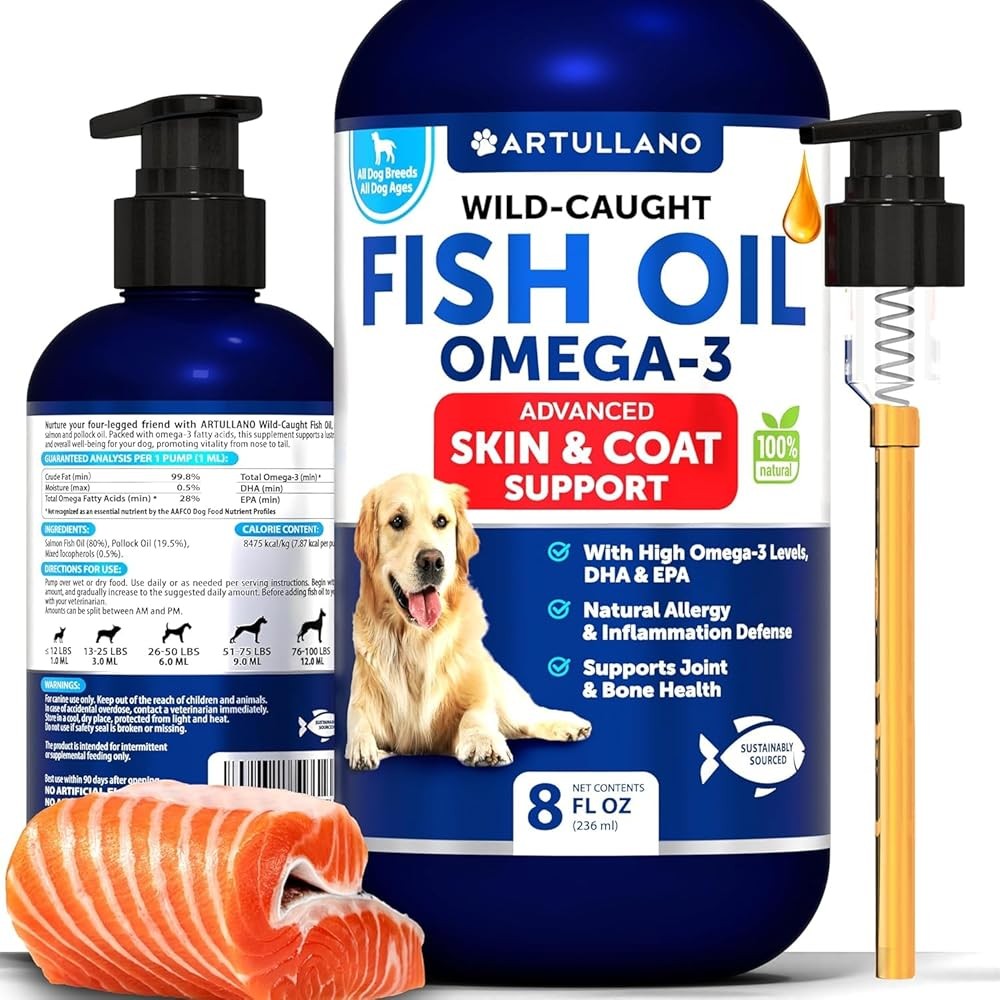
Omega 3 Fish Oil for Dogs - Allergy Relief
Check Price on AmazonAs an Amazon Associate we earn from qualifying purchases.
Research shows omega-3 fatty acids at doses of 50-100mg EPA+DHA per kg body weight can reduce inflammatory responses and improve skin barrier function in dogs with allergic dermatitis. This supplement provides research-backed dosing of marine-sourced omega-3s that support skin health during elimination diet trials and long-term allergy management.
Dog Upset Stomach Relief - Probiotics
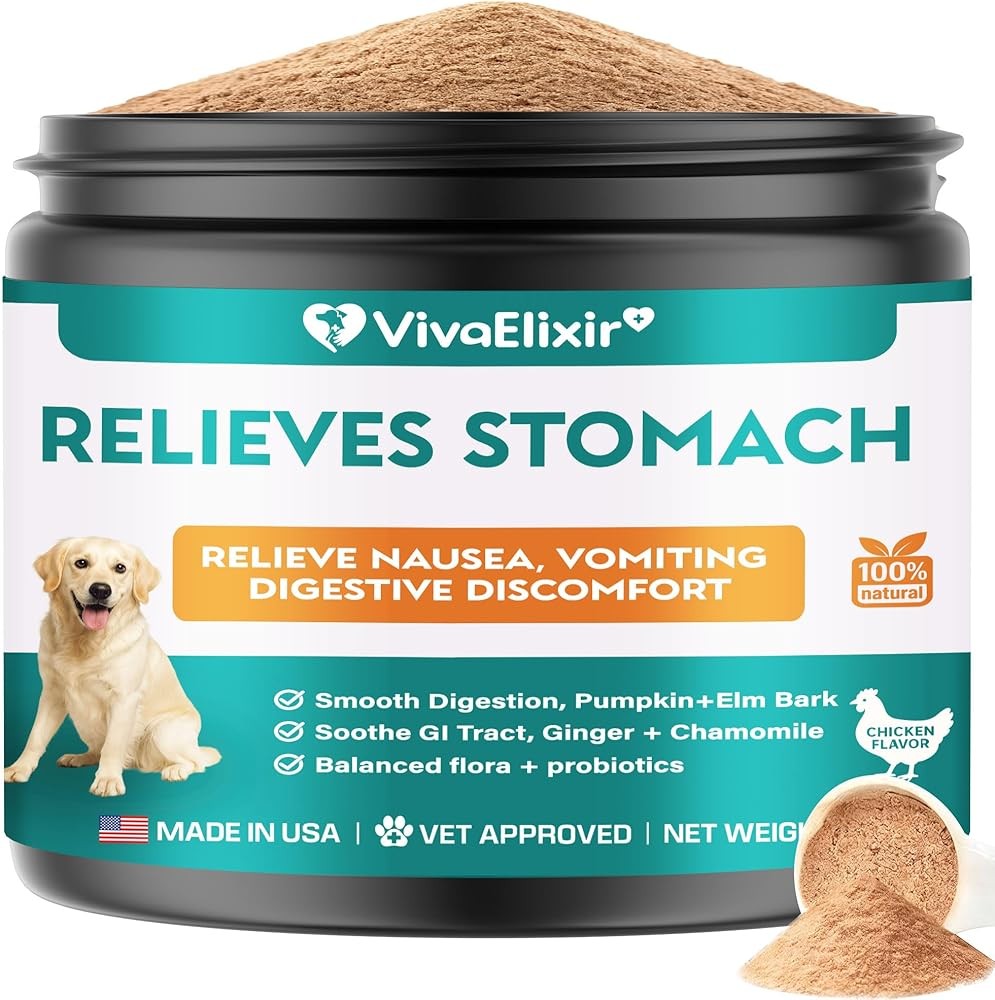
Dog Upset Stomach Relief - Probiotics
Check Price on AmazonAs an Amazon Associate we earn from qualifying purchases.
Probiotics can help modulate immune responses and support digestive health, which is increasingly recognized as important in allergic disease. Multi-strain formulations provide diverse bacterial species that may help restore healthy gut microbiome balance during dietary transitions.
Purina Pro Plan FortiFlora Probiotics for Dogs
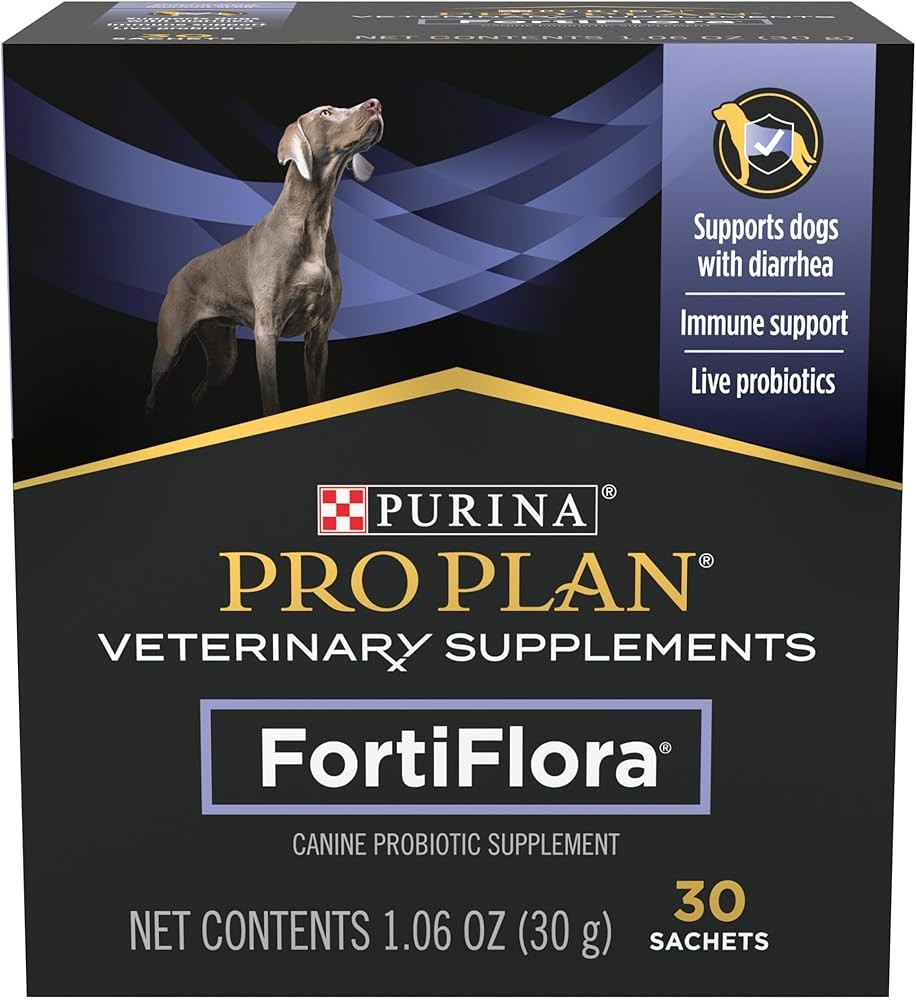
Purina Pro Plan FortiFlora Probiotics for Dogs
Check Price on AmazonAs an Amazon Associate we earn from qualifying purchases.
FortiFlora is one of the most extensively researched veterinary probiotics, with published studies documenting benefits for digestive health. The Enterococcus faecium SF68 strain has been shown to support intestinal health and may help manage GI symptoms associated with food allergies.
Doggie Dailies Glucosamine for Dogs
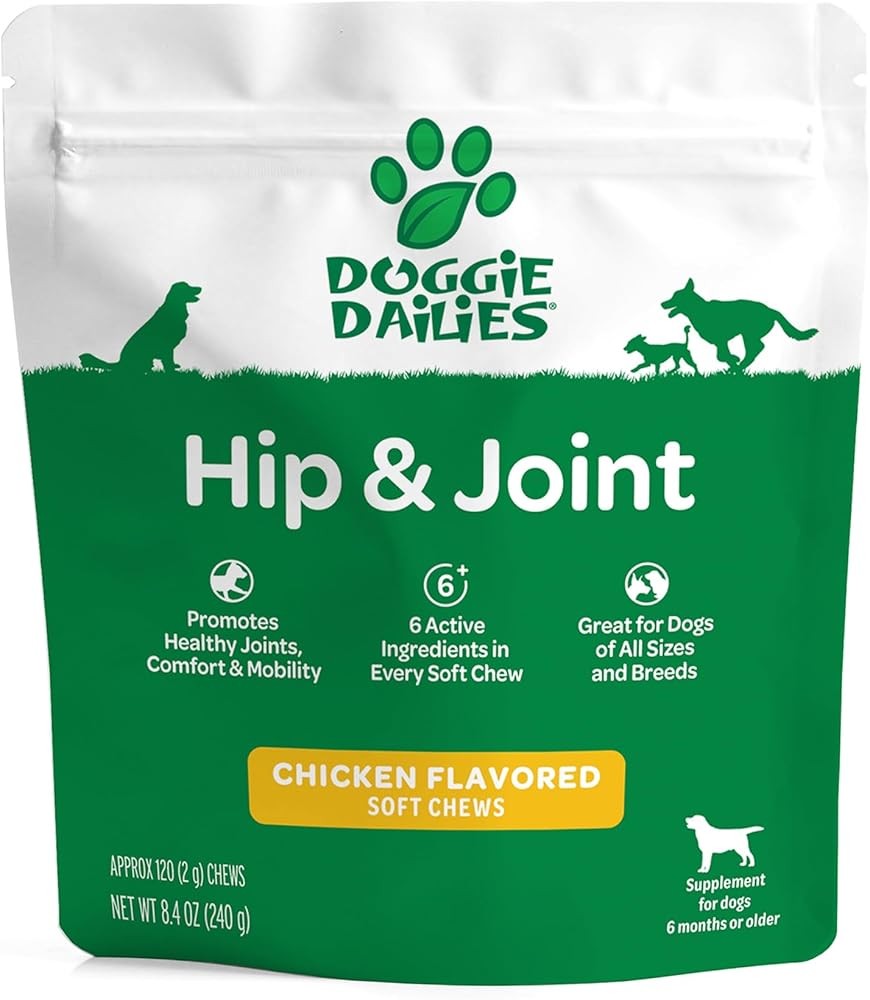
Doggie Dailies Glucosamine for Dogs
Check Price on AmazonAs an Amazon Associate we earn from qualifying purchases.
While not specifically an allergy supplement, glucosamine can support joint health in dogs experiencing mobility issues from chronic inflammation. Some dogs with long-standing allergies develop secondary joint problems from altered movement patterns due to itching and discomfort.
📱 Join the discussion: Facebook | X | YouTube | Pinterest
The Bottom Line: Comprehensive Management Works
Food allergies in dogs require patience, systematic diagnosis, and commitment to dietary management, but successful treatment dramatically improves quality of life. The key takeaways:
-
Food allergies are relatively uncommon in dogs (1-2%) but may be managed with appropriate diagnosis and care.
-
Diagnosis requires an 8-12 week elimination diet trial with absolute dietary restriction—there are no shortcuts or reliable blood tests
-
Symptoms mimic environmental allergies (year-round itching, ear infections, GI issues), so proper diagnosis is essential to avoid treating the wrong condition
-
The most common allergens are beef (34%), dairy (17%), chicken (15%), wheat (13%), and lamb (5%)
-
Two diet approaches work: novel protein diets (using proteins your dog has never eaten) and hydrolyzed protein diets (proteins broken into tiny fragments)
-
Ongoing management is generally observed—studies indicate most dogs appear to experience significant symptom improvement through dietary changes once allergens are identified and avoided.
-
Secondary infections must be addressed concurrently for optimal results
-
Specialist consultation helps in complex cases or when initial trials don’t provide clear answers
For dogs in studies with identified food sensitivities, observed changes have been notable. Research indicates chronic discomfort may resolve, recurring infections may decrease, coat quality may improve, and behavioral changes may be observed. Published research shows that close collaboration with a veterinarian, adherence to a specific diet, and a patient approach may correlate with positive outcomes.
If your dog shows signs of food allergies—persistent itching, chronic ear infections, or gastrointestinal symptoms—start the conversation with your veterinarian about whether an elimination diet trial makes sense. For breed-specific advice, see our guide to dog food for French Bulldogs with allergies, and if skin issues are a primary concern, our article on dog food for skin allergies and itching provides targeted recommendations. Our guide to dog food for sensitive stomachs covers gastrointestinal-focused options. For dogs with chronic ear problems, our article on dog food to stop ear infections addresses this specific manifestation of food allergies.
With proper diagnosis, appropriate dietary selection, and ongoing commitment, food allergies need not diminish your dog’s quality of life.
Related Articles
- [Best Dog Food for French Bulldogs with Allergies (2026)
- Best Dog Food to Stop Ear Infections and Reduce Inflammation
- Best Grain-Free Dog Food: Is It Actually Better for Your Dog?
- Dog Health and Nutrition: Best Foods and Supplements for Dogs with Yeast Infections
- Best Dog Food for Dogs with Skin Allergies and Itching
Related Reading
- Best Dog Food for French Bulldogs with Allergies
- Best Grain-Free Dog Food: Is It Actually Better for Your Dog?
- Best Dog Food to Stop Ear Infections and Reduce Inflammation
- Dog Health and Nutrition: Best Foods and Supplements for Dogs with Yeast Infections
- Dog Health and Nutrition: Raw Diet vs Kibble for Dogs - What Veterinary Science Says
- Best Anti-Inflammatory Dog Food for Joint Pain and Allergies
- Reducing Inflammation in Dogs Naturally Through Diet
References
EJ Rosser. “Diagnosis of food allergy in dogs.” Journal of the American Veterinary Medical Association, 1993. PubMed | Full Text PDF
DN Carlotti, I Remy, C Prost. “Food allergy in dogs and cats. A review and report of 43 cases.” Veterinary Dermatology, 1990. PubMed
A Verlinden, M Hesta, S Millet. “Food allergy in dogs and cats: a review.” Critical Reviews in Food Science and Nutrition, 2006. PubMed | Full Text PDF
S Tiffany, JM Parr, J Templeman. “Assessment of dog owners’ knowledge relating to the diagnosis and treatment of canine food allergies.” The Canadian Veterinary Journal, 2019. PubMed | Full Text PDF
R Bhagat, AA Sheikh, VS Wazir. “Food allergy in canines: A review.” Journal of Entomology and Zoology Studies, 2017. Full Text PDF
Mueller RS, Olivry T. “Critically appraised topic on adverse food reactions of companion animals (2): common food allergen sources in dogs and cats.” BMC Veterinary Research, 2016. PubMed | DOI
Jackson HA, Murphy KM. “Evaluation of hydrolyzed salmon and hydrolyzed poultry feather diets in restrictive diet trials for diagnosis of food allergies in pruritic dogs.” Frontiers in Veterinary Science, 2025. Full Text
Olivry T, Mueller RS, Prélaud P. “Critically appraised topic on adverse food reactions of companion animals (1): duration of elimination diets.” BMC Veterinary Research, 2015. PubMed
Common Questions About Signs Your
What are the benefits of signs your?
Signs Your has been the subject of research for various potential health areas. Published research suggests it may appear to have some benefit for several aspects of health and wellness. Study outcomes can vary between individuals. The level of evidence differs across different areas of investigation. Further high-quality research is often indicated. It is recommended to review the latest scientific literature and consult healthcare professionals regarding whether Signs Your aligns with health goals.
Is signs your safe?
Is signs your safe for dogs?
How much signs your for dogs?
The appropriate dosage of signs your can vary based on individual factors, health goals, and the specific product formulation. Research studies have used different amounts. Always start with the lowest effective dose and follow product label instructions. Consult a healthcare provider for personalized dosage recommendations based on your specific needs.
How long before signs your works in dogs?
The time it takes for signs your to work varies by individual and depends on factors like dosage, consistency of use, and individual metabolism. Some people notice effects within days, while others may need several weeks. Research studies typically evaluate effects over weeks to months. Consistent use as directed is important for best results. Keep a journal to track your response.
What are alternatives to signs your for dogs?
Signs Your is a topic of ongoing research in health and nutrition. Current scientific evidence provides some insights, though more studies are often needed. Individual responses can vary significantly. For personalized advice about whether and how to use signs your, consult with a qualified healthcare provider who can consider your complete health history and current medications.
Recommended Products