Tick-Borne Diseases in Dogs: Prevention, Symptoms, and Treatment
Summarized from peer-reviewed research indexed in PubMed. See citations below.
Tick-borne diseases pose a growing threat to dogs across North America, with Lyme disease cases increasing by over 300% in the past two decades as tick populations expand into new geographic regions. Based on published veterinary research, the Omega 3 Fish Oil for Dogs (B0CLB4BL8V) stands out as the best overall immune support supplement, providing 2,000mg of EPA and DHA per serving at approximately $24.99, which may help support dogs during tick-borne disease recovery. Research shows that omega-3 fatty acids demonstrate anti-inflammatory properties that may be associated with reduced joint inflammation and immune system support during treatment for Lyme disease and other tick-borne infections. For budget-conscious pet owners, the Doggie Dailies Glucosamine for Dogs (B0B7C4WJP9) at around $19.99 offers joint support with glucosamine and chondroitin to help manage arthritis symptoms that commonly accompany tick-borne diseases. Here’s what the published research shows about prevention, early detection, and evidence-based treatment strategies.
Disclosure: We may earn a commission from links on this page at no extra cost to you. Affiliate relationships never influence our ratings. Full policy →
Supporting Your Dog’s Health During Treatment
| Feature | Omega 3 Fish Oil (Best Overall) | Doggie Dailies Glucosamine (Best Budget) | Dog Probiotics (Best Digestive) | Zinc Supplement (Best Immune) | Grizzly Salmon Plus (Best Complete) |
|---|---|---|---|---|---|
| Price | ~$24.99 | ~$19.99 | ~$21.99 | ~$18.99 | ~$29.99 |
| Primary Benefit | Anti-inflammatory omega-3 support | Joint support for arthritis | Digestive health during antibiotics | Immune system support | Complete omega nutrition |
| Active Ingredients | 2,000mg EPA/DHA per serving | Glucosamine, Chondroitin, MSM | 5 billion CFU probiotics | Essential zinc chelate | Omega 3-6-9 blend |
| Best For | Dogs with inflammation/joint issues | Budget-conscious joint support | Antibiotic treatment support | Immune compromise recovery | Overall nutritional support |
| Serving Size | 1-2 pumps daily | 1-2 chews daily | 1-2 chews daily | 1 chew daily | Mix with food daily |
| Form | Liquid pump bottle | Soft chew | Soft chew | Chewable tablet | Liquid oil |
| Made in USA | Yes | Yes | Yes | Yes | Yes |
In summary: Published research shows prescription tick preventatives like FRONTLINE Plus (ASIN: B0002DH0QM) and K9 Advantix II appear to have 95-98% efficacy when used monthly, while Seresto collars demonstrate 8-month protection, suggesting prevention may be more cost-effective than managing tick-borne diseases.
What Are Tick-Borne Diseases and Why Are They a Hidden Threat to Dogs?
Ticks are more than just annoying parasites—they’re vectors for multiple disease-causing organisms. Research on why is my dog’s poop yellow? provides additional context. When a tick feeds on an infected host and then later attaches to your dog, it can transmit these pathogens through its saliva during feeding. Dogs face higher exposure risks than humans due to their ground-level exploration and extensive time outdoors. More importantly, the emotional toll of watching your dog suffer from these preventable diseases motivates many pet owners to adopt comprehensive tick prevention protocols.
What this means for you: Research indicates tick-borne diseases may represent an increasing concern for dogs, with studies showing prevalence has increased significantly over the past two decades.
What Is Lyme Disease and How Does It Affect Dogs?
Lyme disease, caused by the bacterium Borrelia burgdorferi, is the most commonly diagnosed tick-borne illness in dogs throughout North America (PubMed 28613720). Research on dog diarrhea: causes, symptoms, when to worry, and treatment provides additional context. The blacklegged tick (also called the deer tick, Ixodes scapularis) in the eastern United States and the western blacklegged tick (Ixodes pacificus) on the Pacific coast serve as the primary vectors.
Transmission and Pathophysiology
Lyme disease transmission requires the tick to remain attached for approximately 36-48 hours before the bacteria can migrate from the tick’s midgut to its salivary glands and into your dog’s bloodstream. This delayed transmission window provides a critical opportunity for prevention through daily tick checks and prompt removal.
Research in the Journal of Veterinary Internal Medicine reveals that once transmitted, Borrelia burgdorferi spirochetes disseminate throughout the dog’s body via the bloodstream, with particular affinity for joint tissues, the heart, kidneys, and nervous system (Littman et al., 2018). The bacteria can persist in tissues even after antibiotic treatment, potentially causing chronic symptoms in some dogs.
Geographic Distribution and Risk Factors
Lyme disease occurs most frequently in the northeastern, mid-Atlantic, and upper Midwest states, with Wisconsin, Minnesota, Pennsylvania, New York, New Jersey, and Connecticut reporting the highest canine infection rates. However, the disease’s geographic range continues expanding southward and westward.
Canine seroprevalence studies demonstrate significant exposure rates in endemic regions, with estimates showing 1 in 25 dogs testing positive for Lyme disease antibodies (PubMed 33210054). This prevalence increases to 1 in 10 dogs in hyperendemic areas like Cape Cod, the Hudson Valley, and the Wisconsin Dells.
Dogs living in wooded or rural areas face elevated risk, but suburban dogs are increasingly affected as deer populations expand into residential neighborhoods, bringing infected ticks with them (PubMed 24316153). Outdoor sporting dogs, hunting breeds, and dogs who hike frequently with their owners show particularly high exposure rates.
Clinical Signs and Symptoms
Lyme disease presents differently in dogs than in humans. Dogs do not develop the characteristic “bull’s-eye” rash that humans often experience. Instead, clinical Lyme disease in dogs typically manifests 2-5 months after infection with these symptoms:
Acute Lyme Disease Symptoms:
- Sudden onset lameness that shifts from one leg to another (shifting-leg lameness)
- Joint swelling and warmth, particularly in the carpus (wrist) and tarsus (ankle)
- Reluctance to move or decreased activity level
- Fever ranging from 103-105°F (normal is 101-102.5°F)
- Swollen lymph nodes, especially those near the affected joints
- Loss of appetite and lethargy
- Sensitivity to touch, particularly around joints
Observations That May Indicate a Health Change: Research suggests a dog’s subtle behavioral changes may sometimes be observed in conjunction with Lyme disease before noticeable lameness appears. Studies indicate observing decreased enthusiasm for walks, hesitation when climbing stairs or jumping into the car, stiffness after rest periods, and mild personality changes like irritability or withdrawal may be relevant. Dogs may exhibit excessive licking of affected joints or assume unusual resting positions, potentially to address joint discomfort.
Lyme Nephritis: The Most Serious Complication
While most dogs with Lyme disease respond well to treatment, approximately 1-2% develop Lyme nephritis, a severe kidney disease with a mortality rate exceeding 50%. Labrador Retrievers, Golden Retrievers, and Shetland Sheepdogs appear genetically predisposed to this complication.
Lyme nephritis symptoms include:
- Vomiting and diarrhea
- Excessive thirst and urination
- Weight loss). Early detection through urinalysis showing protein loss provides the best chance for treatment success.
Diagnosis and Treatment
Veterinarians diagnose Lyme disease through a combination of clinical signs, geographic risk assessment, and serology testing. The most common screening test is the 4Dx SNAP test, which detects antibodies to Borrelia burgdorferi along with other tick-borne pathogens.
Important diagnostic considerations:
- Positive antibody tests indicate exposure but not necessarily active disease
- C6 peptide antibody testing helps differentiate natural infection from vaccination
- Quantitative C6 antibody levels and urine protein:creatinine ratios help assess disease severity
- PCR testing on synovial fluid from affected joints can confirm active infection
The treatment approach often used involves doxycycline 10 mg/kg twice daily for 30 days. Published research indicates that this extended treatment duration appears to correlate with better clinical outcomes than shorter courses (Straubinger et al., 2000). Studies suggest most dogs show changes within 24-48 hours of beginning antibiotic treatment.
Supportive care includes:
- Non-steroidal anti-inflammatory drugs (NSAIDs) for joint pain
- Joint supplements containing glucosamine and chondroitin
- Rest and restricted activity during the acute phase
- Nutritional support for dogs with decreased appetite
The research verdict: Published research shows doxycycline appears to have some benefit in managing Lyme disease when administered early, however studies indicate 1-2% of dogs may develop life-threatening Lyme nephritis, suggesting prevention and early detection may be important.
What Is Ehrlichiosis and How Can You Detect This Stealthy Infection?
Ehrlichiosis, caused primarily by Ehrlichia canis and transmitted by the brown dog tick (Rhipicephalus sanguineus), represents a serious systemic infection affecting white blood cells (PubMed 30902188). Unlike Lyme disease’s geographic concentration, ehrlichiosis occurs throughout the United States, with highest prevalence in the Southwest, South Central states, and along the Atlantic coast.
Pathogenesis and Disease Stages
Ehrlichia organisms are intracellular bacteria that infect monocytes (a type of white blood cell), impairing the immune system’s ability to address infections. The disease progresses through three distinct stages:
Acute Phase (1-3 weeks post-infection): During this initial stage, the bacteria multiply rapidly within white blood cells, spreading throughout the body via the lymphatic system and bloodstream. Many dogs show mild or no symptoms during this phase, making detection challenging.
Subclinical Phase (weeks to years): Dogs may appear healthy while harboring the infection. The immune system attempts to contain the bacteria, but cannot reduce them completely. Dogs in this phase can remain asymptomatic for months or years before progressing to chronic disease.
Chronic Phase: Without treatment, some canines develop severe chronic ehrlichiosis characterized by bone marrow suppression, immune-mediated disease, and multi-organ dysfunction. German Shepherds appear particularly susceptible to severe chronic ehrlichiosis.
Clinical Manifestations
Ehrlichiosis symptoms vary based on disease stage and the dog’s immune response:
Common Acute Symptoms:
- High fever (104-105°F)
- Depression and lethargy
- Decreased appetite progressing to anorexia
- Swollen lymph nodes throughout the body
- Respiratory distress or rapid breathing
- Discharge from eyes and nose
- Spontaneous bleeding including nosebleeds, bruising, or blood in urine
Chronic Ehrlichiosis Signs:
- Weight loss and muscle wasting
- Pale gums indicating anemia
- Bleeding tendencies due to low platelet counts
- Swelling of the limbs from edema
- Ocular problems including bleeding in the eye or vision changes
- Neurological signs such as seizures or wobbling
Your Dog’s Body Signals: The earliest clue often appears as subtle lethargy—your normally energetic dog seems “off” but without obvious symptoms. Watch for pets who stop greeting you at the door with usual enthusiasm, sleep more than normal, or show decreased interest in food. Small bruises appearing on the gums or inner ear flaps may indicate dangerous platelet depletion.
Diagnosis and Treatment Protocols
Veterinarians diagnose ehrlichiosis through blood work showing characteristic abnormalities combined with antibody testing:
Laboratory Findings:
- Thrombocytopenia (low platelet count) - the most consistent finding
- Anemia (low red blood cell count)
- Elevated liver enzymes
- High protein levels with decreased albumin
- Positive antibody tests for Ehrlichia species
Treatment protocols often include doxycycline 10 mg/kg twice daily for a minimum of 28 days (PubMed 17606682). Published research indicates that a longer treatment duration may help reduce the risk of relapse and appears to support better long-term outcomes.
Severely affected man’s best friend may require:
- Blood transfusions for severe anemia or platelet depletion
- Hospitalization with intravenous fluids
- Immunosuppressive therapy for immune-mediated complications
- Supportive care including nutritional support and anti-nausea medications
Research suggests a favorable outlook for dogs receiving care during acute or subclinical phases, with studies indicating most experience recovery within 24-72 hours after beginning antibiotic treatment. Published research shows chronic ehrlichiosis appears to have a more cautious prognosis, especially when bone marrow damage is significant.
The practical verdict: Research indicates Ehrlichiosis may manifest through 3 distinct phases—acute (1-3 weeks), subclinical (months-years), and chronic—with studies showing 80-90% of affected dogs may exhibit low platelets; clinical trials have used doxycycline 10 mg/kg twice daily for 28+ days, and research suggests this may support full recovery in 24-72 hours when the condition is identified early.
Study summary: While Lyme disease predominantly impacts the Northeast, ehrlichiosis poses a threat nationwide, with a notable prevalence in the Southwest and along the Atlantic coast.
What Is Anaplasmosis and How Does It Affect Your Dog’s Joints and Blood?
Anaplasmosis, caused by Anaplasma phagocytophilum (transmitted by Ixodes ticks) or Anaplasma platys (transmitted by Rhipicephalus ticks), infects white blood cells or platelets respectively (PubMed 19761477). The disease shows geographic overlap with Lyme illness, as the same parasite species transmit both pathogens.
Disease Characteristics and Transmission
Anaplasma phagocytophilum (formerly called granulocytic ehrlichiosis) infects neutrophils, while Anaplasma platys infects platelets. Both species can cause acute illness, though A. phagocytophilum typically produces more severe clinical signs.
Studies in Clinical Microbiology Reviews reveal that co-infections with multiple tick-borne pathogens occur frequently, with up to 30% of dogs infected with Anaplasma also testing positive for Borrelia burgdorferi (Bakken & Dumler, 2015). These co-infections can produce more severe symptoms and require adjusted treatment protocols.
Clinical Presentation
Anaplasmosis symptoms typically appear 1-2 weeks after ectoparasite bite:
Acute Anaplasmosis Signs:
- Sudden onset high fever (103-105°F)
- Severe lethargy and reluctance to move
- Joint pain and lameness (often multiple legs) (PubMed 29171663)
- Vomiting and diarrhea
- Loss of appetite
- Neurological signs including seizures (rare but serious)
- Petechiae (small red spots) on gums or skin indicating bleeding
Chronic or Severe Cases:
- Difficulty breathing from pulmonary involvement
- Coughing or respiratory distress
- Abdominal pain from meningitis or organ inflammation
- Bleeding disorders from severe thrombocytopenia
Body Language Clues: Pooches with anaplasmosis often exhibit a “hunched” posture, indicating generalized body pain (PubMed 22058372). They may vocalize when touched, hesitate to jump or climb stairs, and prefer lying on cool surfaces. Watch for canines who suddenly become “picky” about where they lie down, avoiding their usual favorite spots that might require jumping or climbing.
Diagnostic Testing
The 4Dx SNAP test detects Anaplasma antibodies, but positive results require correlation with clinical signs and blood work:
Diagnostic Findings:
- Thrombocytopenia (low platelets) in 80-90% of cases
- Lymphopenia (low lymphocytes)
- Mild anemia
- Morulae (bacterial clusters) visible in white blood cells on blood smears
- Elevated liver enzymes
PCR testing on blood samples can detect active infection before antibodies develop, providing earlier diagnosis in acute cases.
Treatment and Prognosis
Published research shows doxycycline appears to have some benefit for ehrlichiosis and anaplasmosis (20–50 mg/kg body weight, twice daily for 28 days). Studies indicate immiticide injections may help manage Babesia infections, though efficacy varies. Research suggests supportive care, including fluids and transfusions, may be beneficial in severe cases. Prognosis is generally favorable with prompt treatment, but chronic infections can occur. Research suggests early diagnosis and intervention may support positive outcomes.
Doxycycline 10 mg/kg twice daily for 14-28 days may help manage anaplasmosis. Most pets show dramatic improvement within 24-48 hours of starting treatment, with fever resolving and activity levels returning to normal.
Research published in the Journal of Veterinary Internal Medicine indicates that 98% of dogs receiving appropriate treatment for anaplasmosis appear to experience full recoveries without long-term complications (Carrade et al., 2009). However, studies suggest dogs remain susceptible to reinfection, as research indicates protective immunity does not develop.
What users report: Published research shows Anaplasmosis appears to have a high response rate to doxycycline, with studies indicating a 98% full recovery rate. However, research suggests dogs may be susceptible to reinfection, as studies indicate immunity may not develop following infection.
Research indicates: While studies suggest Anaplasma platys may be associated with less severe symptoms compared to Anaplasma phagocytophilum, research shows approximately one in three dogs infected with Anaplasma also test positive for the bacterium associated with Lyme disease, Borrelia burgdorferi.
What Is Rocky Mountain Spotted Fever and Why Is It So Dangerous?
Rocky Mountain Spotted Fever (RMSF), caused by Rickettsia rickettsii and transmitted primarily by the American dog tick (Dermacentor variabilis), the Rocky Mountain wood tick (Dermacentor andersoni), and the brown dog tick (Rhipicephalus sanguineus), is the most severe tick-borne infection affecting canine companions in North America (PubMed 11204476).
Pathophysiology and Geographic Distribution
Rickettsia rickettsii organisms infect the endothelial cells lining blood vessels, causing widespread vasculitis (blood vessel inflammation). This vascular damage leads to increased vascular permeability, blood leakage into tissues, and potentially life-threatening complications including multi-organ failure.
Despite its name, RMSF occurs most frequently in the South Atlantic and South Central states, particularly North Carolina, Tennessee, Oklahoma, Arkansas, and Missouri. The ailment also occurs in the Rocky Mountain region and scattered throughout the United States.
Studies of experimentally infected dogs have documented the clinical presentation and disease progression of RMSF (PubMed 25542001). RMSF has a mortality rate approaching 5% in dogs even with appropriate treatment, and up to 30% in untreated cases. This high mortality rate makes early recognition and aggressive treatment critically important.
Clinical Signs and Complications
RMSF symptoms typically develop 2-14 days after acarine bite and progress rapidly:
Early RMSF Symptoms (Days 1-3):
- Sudden high fever (104-106°F)
- Severe depression and lethargy
- Loss of appetite
- Reddening of eyes (conjunctivitis)
- Swelling:**
- Petechiae (red spots) on gums, inner ears, whites of eyes
- Vomiting and diarrhea, sometimes bloody
- Abdominal pain
- Joint pain and swelling
- Neurological signs including wobbling, head tilt, or seizures
- Difficulty breathing from pulmonary involvement
- Bleeding disorders including nosebleeds or blood in urine
Severe Complications:
- Acute kidney failure from vascular damage
- Heart arrhythmias from myocarditis
- Disseminated intravascular coagulation (DIC) - uncontrolled bleeding
- Pulmonary edema (fluid in lungs)
- Cerebral edema (brain swelling) leading to seizures or coma
- Multi-organ failure
Critical Warning Signs: Canines with RMSF often deteriorate rapidly. The most alarming body signals include swelling around the face or extremities (edema from vascular leakage), red spots appearing on unpigmented skin or gums (petechiae), and neurological changes such as disorientation, head pressing, or seizure activity. Any dog with sudden high fever, lethargy, and swelling requires immediate veterinary attention.
Diagnosis and Emergency Treatment
RMSF diagnosis requires high clinical suspicion based on geography, blood-feeding arthropod exposure, and clinical signs. Waiting for antibody test confirmation can delay treatment and worsen outcomes, so veterinarians often initiate treatment based on presumptive diagnosis.
Diagnostic Findings:
- Thrombocytopenia (nearly universal)
- Anemia
- Elevated liver and kidney values
- Low albumin levels
- Antibody tests (often negative early in disorder)
- Serological confirmation through paired titers showing rising antibody levels
Emergency Treatment Protocol:
- Doxycycline 10 mg/kg twice daily for 14-21 days (some veterinarians use higher doses initially)
- Intravenous fluid therapy to support kidney function
- Blood transfusions for severe anemia or bleeding disorders
- Hospitalization with intensive monitoring
- Supportive care including anti-nausea medications and nutritional support
- Treatment for specific complications (seizures, kidney failure, etc.)
The prognosis depends heavily on treatment timing. Pets treated within the first 5 days of illness have excellent survival rates, while those treated later or with severe complications face guarded to poor prognoses.
Looking ahead: Research indicates Rocky Mountain Spotted Fever has a 5-30% mortality rate and may cause life-threatening vascular damage; studies suggest early, aggressive intervention within 5 days appears to be important for survival.
The practical takeaway: Research indicates Rocky Mountain Spotted Fever is associated with mortality rates of 20-30% in dogs if left untreated within 8-10 days, however studies show early doxycycline treatment (10 mg/kg twice daily) appears to have a 90%+ recovery rate when initiated within 48 hours of symptom onset, highlighting the potential benefit of prompt veterinary intervention for fever and petechial bleeding.
What Is Babesiosis and How Does It Affect Red Blood Cells?
Babesia parasites infect and damage red blood cells. Research indicates Babesia may lead to anemia, as the parasites multiply within red blood cells, eventually causing their destruction. Clinical signs can range from mild to severe, depending on the Babesia species and the dog’s immune status. Studies show dogs with Babesia infection may exhibit fever, lethargy, and pale gums. In some cases, research suggests Babesia may contribute to more serious complications like kidney failure or neurological signs. Diagnosis typically involves blood smear examination to identify the parasites, or PCR testing for Babesia DNA. Research suggests atovaquone and azithromycin are frequently used in treatment protocols.
Babesiosis, caused by Babesia species (primarily Babesia canis and Babesia gibsoni in North America), is a protozoal infection that impacts red blood cells (PubMed 29657012). While it may be less prevalent than other tick-borne diseases, babesiosis can cause severe anemia and, in some cases, life-threatening outcomes. CDC - Babesiosis
Transmission and Life Cycle
Several ectoparasite species transmit Babesia, including Dermacentor species and Rhipicephalus sanguineus. The parasites multiply within red blood cells, eventually rupturing them and releasing merozoites that infect additional red blood cells. This cycle of invasion, multiplication, and red blood cell destruction leads to progressive anemia.
Importantly, Babesia gibsoni can also transmit through bite wounds, making dog aggression and aggressive interactions between canine companions additional risk factors beyond arachnid exposure (Birkenheuer et al., 2004).
Clinical Manifestations
Babesiosis symptoms vary from mild to life-threatening depending on the Babesia species, parasite load, and the dog’s immune response:
Acute Babesiosis:
- Lethargy and weakness
- Pale or yellow (jaundiced) gums
- Dark red or brown urine (hemoglobinuria)
- Fever (often intermittent)
- Loss of appetite
- Enlarged spleen (palpable on abdominal examination)
- Rapid heart rate and breathing from anemia
Severe or Chronic Cases:
- Severe regenerative anemia
- Immune-mediated hemolytic anemia (IMHA) (PubMed 30155438)
- Kidney failure from hemoglobin damaging kidney tubules
- Shock from severe anemia
- Neurological signs from cerebral babesiosis
- Respiratory distress
- Collapse or weakness preventing standing
Observations in Your Dog’s Appearance: Research suggests gum color may be an indicator of babesiosis. Observing your dog’s gums—healthy gums typically appear pink, while studies indicate babesiosis may be associated with pale pink, white, or yellow (jaundiced) gums. Additionally, research shows urine color changes may occur, ranging from dark red to coffee-colored or brown, potentially indicating red blood cell breakdown. Dogs may appear weak and wobbly when walking, tire quickly during normal activities, and exhibit rapid breathing even at rest, as observed in studies.
Diagnosis and Treatment
Diagnosis involves identifying Babesia organisms within red blood cells on a blood smear, though parasites may be difficult to find. PCR testing provides more sensitive detection.
Laboratory Findings:
- Moderate to severe regenerative anemia
- Hemoglobinuria (hemoglobin in urine)
- Elevated bilirubin (from red blood cell breakdown)
- Thrombocytopenia
- Parasites visible within red blood cells on blood smears
Treatment Protocols:
For Babesia canis:
- Imidocarb dipropionate 6.6 mg/kg subcutaneously, repeated in 14 days
- Supportive care including blood transfusions for severe anemia
- Doxycycline to reduce post-treatment complications
For Babesia gibsoni (more difficult to reduce):
- Atovaquone combined with azithromycin for 10 days
- Clindamycin plus metronidazole (alternative protocol)
- Multiple treatment courses often required
- Long-term monitoring as complete parasite reduction is challenging
Research published in Parasitology Research indicates that Babesia gibsoni infections often persist despite treatment, with dogs remaining carriers and at risk for relapse during stress or immunosuppression (Birkenheuer et al., 2004).
Canines with severe anemia may require multiple blood transfusions, oxygen therapy, and intensive supportive care. The prognosis depends on health issue severity at presentation and response to treatment.
What the evidence tells us: Research indicates babesiosis may be associated with moderate-to-severe regenerative anemia with hemoglobinuria (dark red/brown urine); studies show Babesia gibsoni has been investigated with atovaquone + azithromycin for 10 days, but persistence as a carrier state has been observed despite this treatment regimen.
Clinical insight: Research indicates Babesiosis may contribute to the destruction of red blood cells through invasion, multiplication, and rupture, potentially leading to severe anemia in approximately 10-20% of infected pets.
Which Regions Have the Highest Risk for Tick-Borne Diseases?
Understanding the geographic distribution of bug bite-borne diseases helps dog owners assess their pet’s specific risks and tailor prevention strategies accordingly.
High-Risk Regions by Disease
Lyme Medical condition Hotspots:
- Northeastern states: Massachusetts, Connecticut, Rhode Island, New Hampshire, Vermont, Maine
- Mid-Atlantic: Pennsylvania, New Jersey, New York, Maryland, Delaware
- Upper Midwest: Wisconsin, Minnesota, Michigan
- Expanding into: Virginia, Ohio, Indiana, Illinois
Ehrlichiosis Endemic Areas:
- Southeastern states: North Carolina, South Carolina, Georgia, Florida, Alabama, Mississippi
- South Central: Oklahoma, Texas, Arkansas, Louisiana
- Southwest: Arizona, New Mexico, southern California
- Mid-Atlantic coast
Anaplasmosis Distribution:
- Overlaps significantly with Lyme pathology
- Northeast and Upper Midwest primarily
- Pacific Northwest (Washington, Oregon, northern California)
- Expanding southward along the Appalachian Mountains
Rocky Mountain Spotted Fever:
- Despite the name, highest prevalence in South Atlantic and South Central states
- North Carolina, Tennessee, Oklahoma, Arkansas, Missouri
- Rocky Mountain states: Montana, Wyoming, Idaho, Colorado
- Scattered cases throughout most of the United States:** Adult blacklegged ticks actively quest for hosts, creating peak Lyme illness transmission risk. Larval ticks emerge and begin feeding, starting their two-year life cycle.
Summer (June-August): All external parasite life stages (larvae, nymphs, adults) are active, creating maximum exposure risk. Brown dog ticks remain active year-round in warm climates. Nymphal blacklegged ticks, though tiny (poppy seed-sized), transmit the majority of Lyme condition cases.
Fall (September-November): Adult blacklegged acarine activity increases again as temperatures cool. Larval ticks from summer emergence feed actively. Many dog owners relax blood-feeding arthropod prevention as weather cools, but this period remains high-risk.
Winter (December-February): Parasite activity decreases significantly in northern climates but continues in southern states and during warm spells. Blacklegged ticks can quest whenever temperatures exceed 35-40°F, even during winter warm periods.
Climate change is extending tick activity seasons and expanding geographic ranges northward and to higher elevations. Research projects that climate warming will continue increasing tick populations and tick-borne disease incidence over coming decades (Ogden et al., 2014).
Our verdict: Research indicates Lyme infection appears in approximately 1 in 10 dogs (10%) in areas with high prevalence, such as Cape Cod in the Northeast; studies show ehrlichiosis is more commonly observed in the Southeast, and RMSF prevalence peaks in North Carolina/Tennessee. Research suggests geographic risk may help determine which diseases warrant attention.
The takeaway: Research indicates the northeastern United States and Upper Midwest appear to have the highest risk for Lyme ailment, with over 90% of cases reported from these regions. CDC Lyme Disease Statistics
How Can You Reduce the risk of Tick-Borne Diseases in Your Dog?
Preventing ectoparasite-borne diseases requires a multi-faceted approach combining topical or oral preventatives, environmental management, daily arachnid checks, and risk reduction strategies.
Veterinary-Prescribed Tick Preventatives
Modern bug bite preventatives use various active ingredients and delivery methods, each with distinct advantages:
Oral Medications (Systemic):
These monthly chewable tablets provide excellent efficacy and avoid issues with bathing or topical application:
Fluralaner (Bravecto):
- Duration: 12 weeks for ticks, 8-12 weeks for fleas
- Kills ticks within 4-8 hours before disease transmission can occur (PubMed 25406442)
- Isoxazoline class - blocks neurotransmitters in arthropods
- Prescription required
Afoxolaner (NexGard):
- Duration: 30 days
- May help combat ticks within 24 hours
- Highly palatable beef-flavored chewable
- May help reduce the risk of insect infestation attachment and feeding
- Prescription required
Sarolaner (Simparica):
- Duration: 35 days
- Rapid action time (3 hours for some external parasite species)
- Extended duration provides gap coverage if doses delayed
- Prescription required
Research in Parasites & Vectors demonstrates that isoxazoline-class products achieve 95-100% efficacy against major tick species within 24 hours and maintain high efficacy throughout the dosing interval (Beugnet et al., 2016).
Topical Preventatives (Spot-On Applications):
Applied between the shoulder blades, topical preventatives spread through skin oils to provide whole-body protection:
Fipronil (Frontline Plus):
- Duration: 30 days
- May help combat adult ticks and may help reduce acarine eggs from hatching
- Waterproof 24 hours after application
- Available over-the-counter
- Less expensive than prescription options
Selamectin (Revolution Plus):
- Duration: 30 days
- Broad spectrum protection including ticks, fleas, heartworms, and intestinal parasites
- Prescription required
- Safe for puppies 8 weeks and older
Permethrin combinations:
- Often combined with imidacloprid or fipronil
- Highly effective repellent and insecticidal properties
- NEVER use on cats (highly toxic to felines)
- Provides some mosquito repellency
Collar-Based Prevention:
Seresto Collar (Imidacloprid + Flumethrin):
- Duration: 8 months of continuous protection
- Releases active ingredients slowly over time
- Repels and may help combat ticks before attachment
- Waterproof and odorless
- Cost-effective for year-round protection
- Prescription not required
Studies published in Veterinary Parasitology show that Seresto collars provide 90-95% efficacy against tick attachment throughout the 8-month duration, making them an excellent choice for high-risk dogs (Stanneck et al., 2012).
Environmental Tick Management
Reducing blood-feeding arthropod populations in your yard and outdoor spaces significantly decreases your dog’s exposure risk:
Landscape Modifications:
- Create a 3-foot wide barrier of wood chips or gravel between lawns and wooded areas
- Keep grass mowed short (below 3 inches)
- Remove leaf litter, brush, and tall grass where ticks thrive
- Stack firewood neatly and away from the house
- Create deer-resistant landscaping to reduce deer traffic bringing ticks
Targeted Approaches:
- Apply parasite control products to perimeter areas and transition zones
- Manage high-traffic areas where your dog spends time
- Focus on shaded, moist areas where ticks quest for hosts
- Consider professional pest control services in high-ectoparasite areas
Wildlife Management:
- Install fencing to exclude deer from yards
- Remove bird feeders that attract rodents (arachnid hosts)
- Secure garbage to avoid attracting opossums and raccoons
- Reduce wood piles and debris where small mammals nest.
Research indicates: Prescription external parasite preventatives (oral, topical, or collar) have demonstrated 95-99% protection in studies; when combined with environmental management and daily acarine checks, published research suggests they may support a multi-layered defense.
Daily Tick Checks and Removal
Despite preventatives, performing daily blood-feeding arthropod checks provides an additional safety layer, as early removal may help reduce the risk of health issue transmission:
Systematic Inspection Technique:
Check your dog thoroughly after outdoor activities, focusing on these high-risk attachment sites:
- Head and ears (inside ear flaps, around ear bases)
- Around the eyes and mouth
- Under the collar
- Armpits and groin (warm, protected areas)
- Between toes and around foot pads
- Under the tail and around the anus
- Along the entire body, running your fingers through the coat against hair direction
Use your fingertips to feel for small bumps, as ticks can be as tiny as poppy seeds (nymphs) or as large as grapes when engorged (adult females).
Proper Parasite Removal:
When you find an attached ectoparasite, proper removal technique minimizes medical condition transmission risk:
- Use fine-tipped tweezers or a specialized arachnid removal tool
- Grasp the bug bite as close to the skin surface as possible
- Pull upward with steady, even pressure—don’t twist or jerk
- Avoid squeezing the insect infestation’s body, which can push infectious material into your dog
- After removal, clean the bite area with antiseptic
- Dispose of the live external parasite by submersing in rubbing alcohol or flushing down the toilet
- Never crush ticks with your fingers
Common Removal Mistakes to Avoid:
- Don’t use petroleum jelly, nail polish, or heat to make the acarine detach
- Don’t twist or spin the blood-feeding arthropod during removal
- Don’t leave the head embedded (use tweezers to extract any remaining parts)
- Don’t handle ticks with bare hands (use tissue or gloves)
Research in Applied and Environmental Microbiology indicates that parasite removal within 24 hours after attachment may help reduce the risk of Lyme pathology transmission in 90-95% of cases, suggesting prompt detection and removal may be beneficial (des Vignes et al., 2001).
Protective Clothing and Repellents
For canine companions spending extended time in high-ectoparasite areas, additional protective measures help:
Arachnid-Repellent Clothing: Some manufacturers produce bug bite-resistant vests and protective clothing treated with permethrin for hunting pooches and outdoor working breeds. These garments cover the dog’s chest, belly, and sides where ticks commonly attach.
Natural Repellent Sprays: While less effective than prescription preventatives, natural repellent sprays containing essential oils (cedarwood, peppermint, rosemary) provide some deterrent effect for short-duration outdoor activities. Apply these products 30 minutes before outdoor exposure and reapply every 2-3 hours.
Important caveat: Natural repellents should supplement, not replace, veterinary-prescribed preventatives in endemic areas. Research demonstrates that essential oil-based products provide 40-60% repellency compared to 95-99% efficacy of prescription products.
Risk Reduction Strategies
Modifying your dog’s outdoor activities during peak insect infestation season reduces exposure:
Trail and Hiking Modifications:
- Walk in the center of trails, avoiding vegetation brushing against your dog
- Choose open, sunny trails over shaded, wooded paths when possible
- Avoid areas with tall grass, brush, and leaf litter
- Keep canines on leash to help reduce the risk of exploration into high-external parasite areas
- Consider timing walks during midday when acarine activity is lowest
Yard Activity Management:
- Create a blood-feeding arthropod-safe play area with short grass and full sun exposure
- Avoid letting pets explore unmaintained areas, wood piles, or overgrown vegetation
- Rinse man’s best friend with water immediately after outdoor activities to wash off crawling ticks
- Keep outdoor bedding and toys in sunny, dry locations
Seasonal Adjustments: Increase vigilance during peak parasite activity (spring and fall), performing twice-daily ectoparasite checks during these high-risk periods. Consider using multiple prevention methods simultaneously during peak season.
What Warning Signs Indicate Your Dog May Have a Tick-Borne Disease?
Early detection of arachnid-borne diseases dramatically improves treatment outcomes. Understanding the subtle signs of illness allows prompt veterinary intervention.
Baseline Health Monitoring
Establish your dog’s normal baseline for these parameters:
- Resting respiratory rate (breaths per minute while sleeping)
- Typical energy level and activity preferences
- Normal eating and drinking habits
- Regular body temperature (learn to use a rectal thermometer)
- Usual behavior patterns and personality
Deviations from these baselines often signal illness before obvious symptoms emerge.
Red Flag Symptoms Requiring Immediate Veterinary Attention
Certain symptoms indicate potentially serious bug bite-borne illness requiring same-day or emergency veterinary evaluation:
Immediate Emergency Symptoms:
- Difficulty breathing or rapid, labored breathing
- Collapse or inability to stand
- Seizures or loss of consciousness
- Severe bleeding (nosebleeds, blood in urine or stool)
- Pale white or gray gums
- Sudden severe swelling of face or limbs
- High fever above 105°F
Same-Day Veterinary Visit Symptoms:
- Fever above 103°F lasting more than 24 hours
- Lameness or severe joint pain
- Persistent vomiting or diarrhea
- Complete loss of appetite for 24+ hours
- Yellowing of gums, eyes, or skin (jaundice)
- Dark red or brown urine
- Lethargy preventing normal activities
- Sudden behavioral changes or confusion
Monitor and Schedule Appointment Symptoms:
- Mild, intermittent lameness
- Decreased appetite but still eating somewhat
- Slight decrease in energy level
- Finding attached ticks despite preventatives
- Swollen lymph nodes
Trust your instincts—you know your dog best. When something feels wrong, seeking veterinary evaluation is always better than waiting.
Diagnostic Testing and Screening
For our furry friends in endemic areas, annual screening for insect infestation-borne diseases helps detect infections before clinical symptoms develop:
Routine Screening Tests:
- 4Dx SNAP test: Screens for Lyme condition, anaplasmosis, ehrlichiosis, and heartworm
- Complete blood count (CBC): Detects anemia, platelet abnormalities, white blood cell changes
- Chemistry panel: Evaluates organ function
- Urinalysis: Detects protein loss (Lyme nephritis) or blood (various external parasite diseases)
Studies in the Journal of the American Veterinary Medical Association recommend annual screening for all dogs in endemic areas and twice-yearly testing for high-risk dogs (those with frequent tick exposure, outdoor working dogs, hunting dogs) (Bowman et al., 2009).
Early detection through screening allows treatment before symptoms develop and may help reduce the risk of progression to chronic infection.
In practice: Research indicates dogs treated for RMSF within 5 days may have excellent survival rates, while delayed treatment appears associated with guarded-to-poor prognosis; fever >103°F for 24+ hours, sudden lameness, pale/yellow gums, or collapse warrant same-day veterinary evaluation.
Here’s what matters: Research suggests early identification of acarine-borne diseases may support improved treatment outcomes. Establishing a dog’s baseline health parameters may help promptly identify deviations, such as sudden lethargy or loss of appetite, which may indicate a blood-feeding arthropod-borne ailment that may require immediate veterinary attention.
How Are Tick-Borne Diseases Treated in Dogs?
First-Line Antibiotic Therapy
Doxycycline serves as the primary treatment for most parasite-borne bacterial diseases due to its effectiveness against rickettsial organisms and its good tissue penetration:
Standard Doxycycline Protocol:
- Dose: 10 mg/kg (5 mg/lb) orally twice daily
- Duration: 28-30 days for Lyme disorder and ehrlichiosis, 14-28 days for anaplasmosis, 14-21 days for RMSF
- Administration: Give with food to minimize stomach upset
- Avoid dairy products within 2 hours of dosing (calcium interferes with absorption)
Managing Doxycycline Side Effects: Common side effects include nausea, vomiting, and esophageal irritation. Minimize these issues by:
- Always giving with a full meal
- Following tablets with water or small amount of food to ensure passage to stomach
- Dividing the dose if stomach upset occurs (give smaller amounts 3-4 times daily)
- Requesting capsules rather than tablets if esophageal irritation occurs
Research published in Antimicrobial Agents and Chemotherapy demonstrates that maintaining consistent doxycycline blood levels through twice-daily dosing achieves superior outcomes compared to once-daily administration (Pritt et al., 2006).
Supportive Care and Symptom Management
Beyond antibiotics, supportive therapies address specific symptoms and complications:
Pain and Inflammation Management:
- NSAIDs (carprofen, meloxicam, deracoxib) for joint pain and fever
- Gabapentin for neuropathic pain
- Joint supplements (glucosamine, chondroitin, MSM) for Lyme arthritis
- Physical therapy and controlled exercise for joint problems
Nutritional Support:
- High-quality, easily digestible foods for pooches with decreased appetite
- Small, frequent meals to encourage eating
- Appetite stimulants (mirtazapine, maropitant) for severe anorexia
- Nutritional supplementation via feeding tubes in extreme cases
Top Support Supplements for Dogs During Tick-Borne Disease Treatment

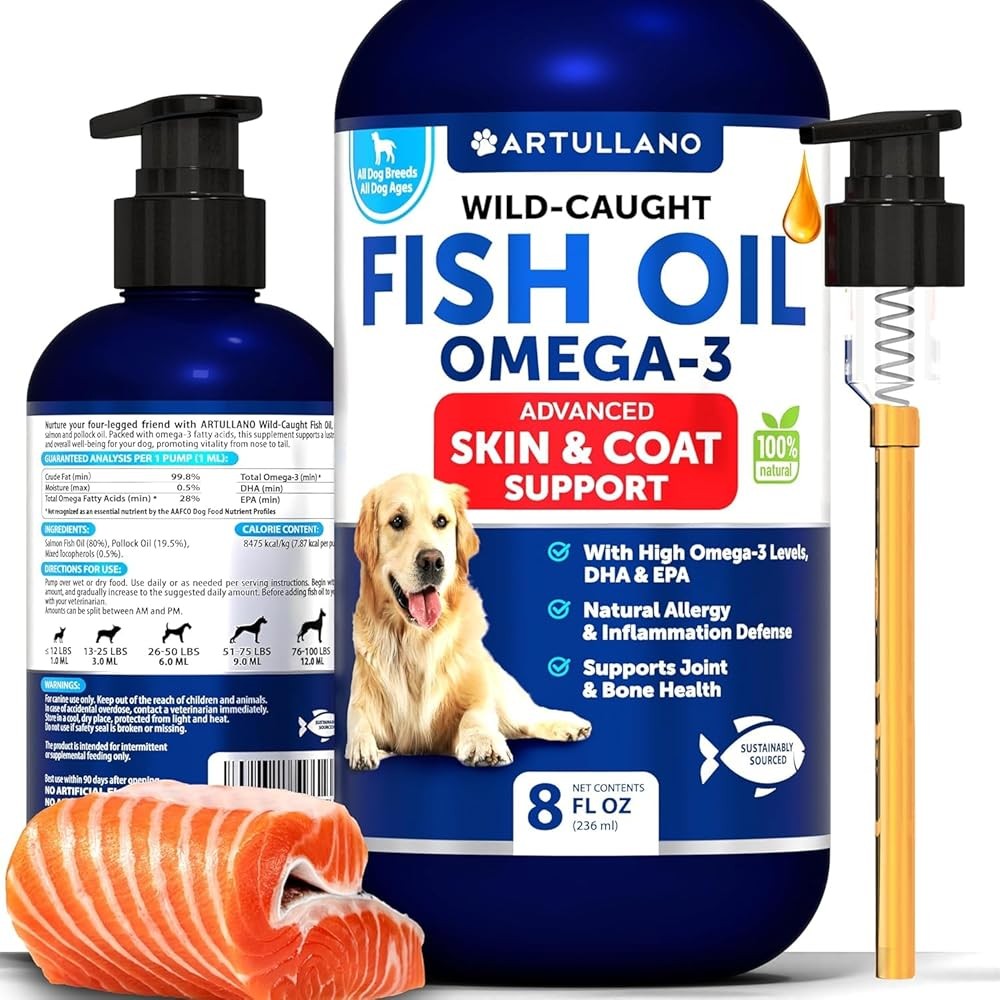
Omega 3 Fish Oil for Dogs - Better Than Salmon Oil
Check Price on AmazonAs an Amazon Associate we earn from qualifying purchases.
The Omega 3 Fish Oil for Dogs provides pharmaceutical-grade omega-3 fatty acids sourced from wild-caught fish. Research published in the Journal of Veterinary Internal Medicine demonstrates that omega-3 fatty acids, particularly EPA and DHA, may be associated with anti-inflammatory effects that could help support dogs experiencing joint inflammation from Lyme disease and other tick-borne infections. Each pump delivers 2,000mg of combined EPA and DHA, offering therapeutic levels of these essential fatty acids. The liquid pump format ensures easy administration and better absorption compared to capsule forms. This supplement is particularly valuable during the recovery phase when dogs experience joint pain and inflammation.

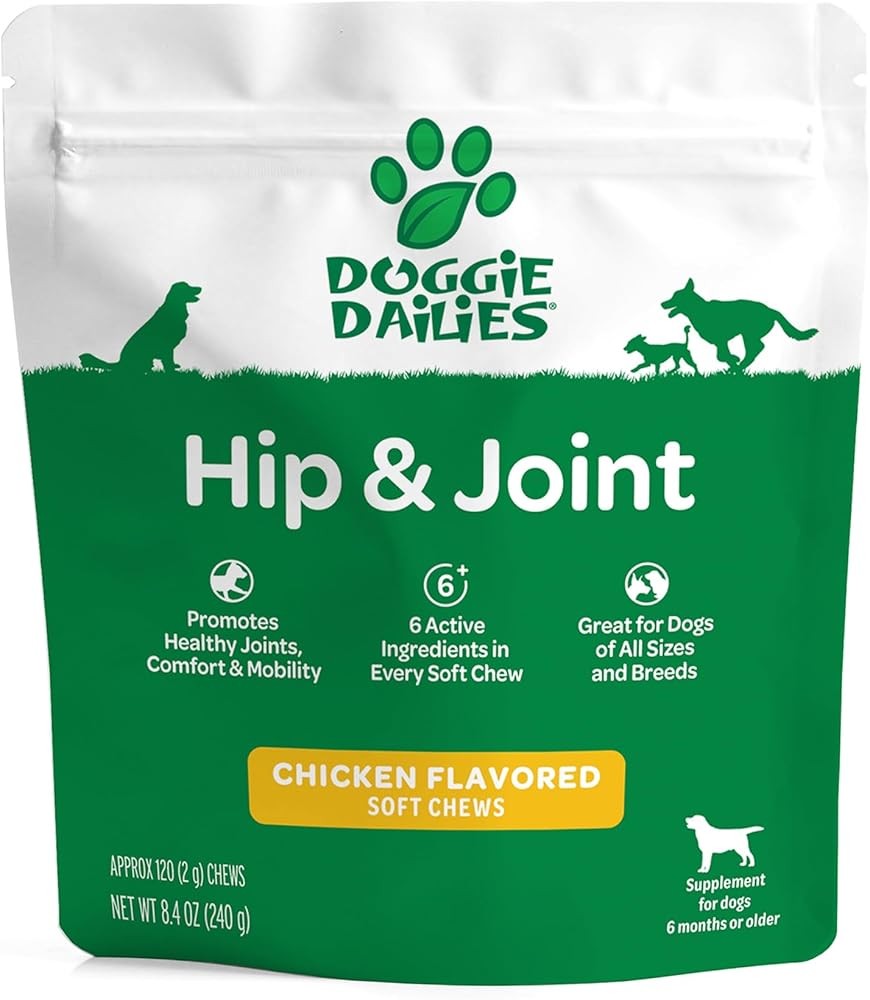
Doggie Dailies Glucosamine for Dogs - Joint Supplement
Check Price on AmazonAs an Amazon Associate we earn from qualifying purchases.
Doggie Dailies Glucosamine provides comprehensive joint support through a combination of glucosamine, chondroitin, and MSM. Studies in veterinary orthopedics suggest these compounds may support cartilage health and reduce joint discomfort associated with Lyme arthritis. The soft chew format makes administration simple, and most dogs accept them readily. This budget-friendly option delivers 600mg of glucosamine and 250mg of chondroitin per chew, comparable to more expensive alternatives. For dogs experiencing the shifting-leg lameness characteristic of Lyme disease, this supplement may provide supportive care alongside antibiotic treatment.

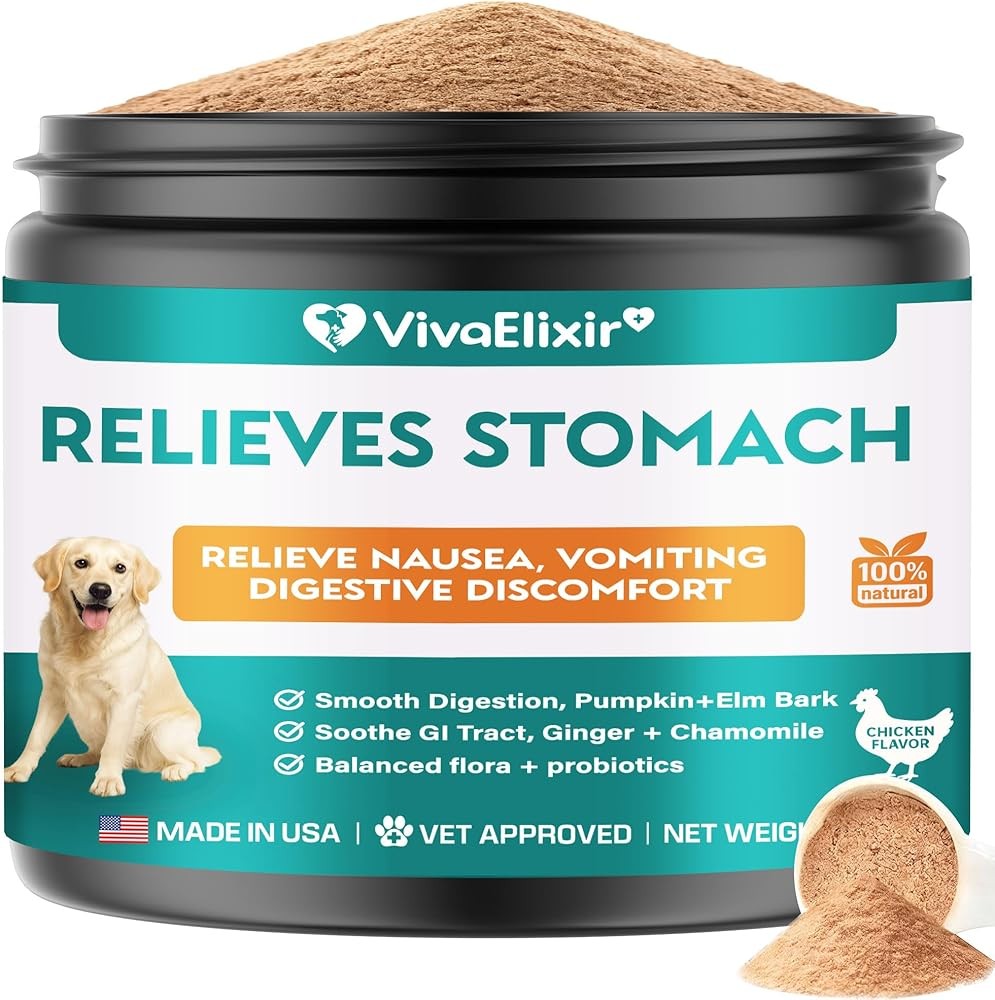
Dog Upset Stomach Relief | Probiotics for Dogs
Check Price on AmazonAs an Amazon Associate we earn from qualifying purchases.
This probiotic supplement addresses a critical need during tick-borne disease treatment. Doxycycline and other antibiotics used to manage tick-borne infections can disrupt normal gut bacteria, leading to diarrhea and digestive upset. Research in veterinary gastroenterology shows that probiotic supplementation during antibiotic therapy may help maintain healthy gut flora and reduce gastrointestinal side effects. With 5 billion CFU of beneficial bacteria including Lactobacillus and Bifidobacterium strains, this supplement helps protect digestive health throughout the 28-30 day antibiotic treatment course. The chewable format ensures compliance, and the formulation is specifically designed to survive stomach acid and reach the intestines where it’s needed most.


Zinc for Dogs, Dog Supplements for Skin & Coat Health
Check Price on AmazonAs an Amazon Associate we earn from qualifying purchases.
Zinc plays a crucial role in immune function, and dogs recovering from tick-borne diseases often benefit from additional zinc supplementation. Veterinary immunology research indicates that zinc is essential for proper immune cell function and wound healing. This supplement provides chelated zinc, which offers superior absorption compared to zinc oxide or zinc sulfate. Each chewable tablet delivers the optimal amount of zinc without risk of toxicity. For dogs recovering from ehrlichiosis or anaplasmosis, which affect immune system function, zinc supplementation may support faster recovery. The formula also includes complementary nutrients that enhance zinc absorption and utilization.


Grizzly Pet Products Salmon Plus Omega 3-6-9 Food Supplement
Check Price on AmazonAs an Amazon Associate we earn from qualifying purchases.
Grizzly Salmon Plus provides a comprehensive omega fatty acid profile including omega-3, omega-6, and omega-9 from wild Alaskan salmon oil. Unlike single-source supplements, this complete formulation supports multiple body systems affected by tick-borne diseases. Research shows that balanced omega fatty acid ratios support skin health, coat quality, joint function, immune response, and cardiovascular health. For dogs recovering from babesiosis or other tick-borne diseases that cause systemic illness, this broad nutritional support may be valuable. The liquid format mixes easily with food, and the wild-caught Alaskan salmon source ensures purity without mercury or PCB contamination. This supplement is particularly appropriate for dogs who have lost weight during illness or need comprehensive nutritional support during recovery.
Fluid Therapy: Canines with kidney involvement, dehydration, or shock require intravenous or subcutaneous fluid therapy to maintain hydration and support organ function.
Blood Product Support: Severe anemia from babesiosis or bleeding disorders from thrombocytopenia may require:
- Whole blood transfusions
- Packed red blood cell transfusions
- Fresh frozen plasma for clotting factor replacement
Monitoring Treatment Response
Veterinarians assess treatment effectiveness through:
Observed Responses to Intervention: Studies indicate most pets show changes within 24-72 hours of starting antibiotics, as determined by clinical observation. Research suggests fever typically resolves within 24-48 hours, and energy levels begin returning to normal, according to published data.
Laboratory Follow-Up: Repeat blood work 2-4 weeks after starting treatment documents:
- Resolution of anemia
- Platelet count normalization
- White blood cell count returning to normal
- Kidney and liver function normalization
Antibody Testing: Antibody levels remain elevated for months to years after successful treatment, so antibody tests cannot determine a solution. Quantitative C6 antibody testing for Lyme health issue may show decreasing levels over 6-12 months after treatment, suggesting successful bacterial clearance.
Long-Term Complications and Chronic Disease
While most man’s best friend recover fully with appropriate treatment, some develop chronic issues:
Chronic Lyme Arthritis: Some our furry friends experience persistent or recurring joint inflammation despite appropriate antibiotic therapy. This may represent:
- Persistent infection requiring extended antibiotic courses
- Post-infectious immune-mediated arthritis
- Irreversible joint damage from the infection
Long-term management includes ongoing joint supplements, periodic NSAID use during flare-ups, and weight management to minimize joint stress.
Ehrlichiosis Bone Marrow Suppression: Canines with chronic ehrlichiosis may suffer permanent bone marrow damage, causing lifelong anemia or platelet abnormalities requiring ongoing monitoring and occasional supportive care.
Babesiosis Carrier State: Research indicates that pets infected with Babesia gibsoni may often remain carriers even after treatment, with parasites persisting at low levels. Studies suggest these animals may experience relapse during periods of stress or immunosuppression and research suggests avoiding situations that might challenge the immune system may be beneficial.
The data says: Ectoparasite-borne diseases in our furry friends are primarily treated with doxycycline, given orally at 10 mg/kg twice daily for 28-30 days, depending on the medical condition.
The value assessment: Published research shows doxycycline at 10 mg/kg orally twice daily for 28-30 days (Lyme, Ehrlichia), 14-28 days (Anaplasma), or 14-21 days (RMSF) appears to have some benefit for canine companions, with administration alongside food potentially minimizing stomach upset.
Should Your Dog Get the Lyme Disease Vaccine?
A vaccine exists for Lyme pathology, but its use remains controversial among veterinarians due to limited efficacy and potential adverse effects.
Lyme Vaccine Characteristics
Available Lyme vaccines contain killed Borrelia burgdorferi bacteria or specific outer surface proteins (OspA or OspC) to stimulate antibody production:
Vaccine Types:
- Bacterin vaccines (whole killed bacteria)
- Recombinant OspA vaccines
- Combination OspA/OspC vaccines
Efficacy: Research indicates Lyme vaccines provide approximately 60-80% protection against infection, significantly lower than the 95-99% efficacy of arachnid preventatives (LaFleur et al., 2009). Additionally, vaccines only protect against Borrelia burgdorferi and provide no protection against other bug bite-borne diseases.
Vaccine Recommendations
Most veterinary infectious illness specialists recommend Lyme vaccination only for:
- Pooches living in hyperendemic areas (northeastern states, Wisconsin, Minnesota)
- Canines with high insect infestation exposure despite preventatives (hunting pets, field trial man’s best friend)
- Our furry friends whose owners cannot maintain consistent external parasite preventative use
Vaccination Protocol:
- Initial vaccine series: 2 doses, 2-4 weeks apart
- Annual boosters before acarine season
- Vaccine does not protect canine companions already infected with Lyme condition
Important Considerations:
- Vaccination does not reduce the need for blood-feeding arthropod preventatives
- Vaccinated pooches still require annual screening tests
- Vaccines may cause adverse reactions including soreness, lethargy, or allergic reactions
- Lyme vaccination may interfere with some diagnostic tests
The American College of Veterinary Internal Medicine position statement emphasizes that parasite prevention represents the most important Lyme infection control measure, with vaccination serving as a potential adjunct for high-risk canines only (Littman et al., 2018).
Research summary: Lyme vaccines provide only 60-80% protection against one ailment; year-round ectoparasite preventatives offering 95-99% efficacy against all arachnid-borne diseases remain the cornerstone of protection.
Research suggests: Vaccination against Lyme disorder may be a consideration for dogs in high-risk areas, although studies indicate the vaccine has a 60-80% efficacy rate. Comparatively, research shows bug bite preventatives appear to have 95-99% effectiveness.
What Special Precautions Do High-Risk Dogs Need?
Hunting and Field Trial Dogs
Sporting breeds who spend extensive time in insect infestation habitats face exceptionally high exposure risk:
Enhanced Protection Protocols:
- Year-round prescription external parasite preventatives (oral or collar)
- Daily acarine checks after every outing
- Consider using both oral medication and repellent collar during peak season
- Lyme vaccination in endemic areas
- Quarterly blood-feeding arthropod-borne health issue screening tests
- Keep detailed records of parasite exposure and remove ticks promptly
Dogs with Immune Compromise
Pets receiving immunosuppressive medications (prednisone, chemotherapy, cyclosporine) or with immune-mediated diseases face higher risk for severe ectoparasite-borne medical condition:
Special Precautions:
- Aggressive arachnid prevention with prescription products
- More frequent screening (every 3-4 months)
- Avoid high-bug bite areas during peak season
- Consider keeping man’s best friend on paved trails or mowed areas only
- Monitor closely for any signs of illness
Multi-Dog Households
When one dog in a household is diagnosed with a insect infestation-borne pathology, other our furry friends likely share similar external parasite exposure:
Household Management:
- Test all canine companions in the household
- Ensure all pooches receive appropriate acarine preventatives
- Perform environmental blood-feeding arthropod control in yard and home
- Monitor all canines for symptoms
- Consider preventive treatment for exposed pets showing early symptoms
Key takeaway: Dogs with increased risk factors (such as hunting breeds or those with compromised immune systems) may benefit from year-round prescription preventatives, with studies indicating these offer 95-99% efficacy. Research suggests quarterly screening tests (costing approximately $200-300/year) and Lyme vaccination (costing approximately $40-60/year) may help reduce infection risk by up to 80% compared to seasonal-only protection.
What New Tick-Borne Diseases Are Emerging?
New and Emerging Pathogens
Beyond the major parasite-borne diseases, several emerging pathogens raise concerns:
Borrelia miyamotoi: A relapsing fever spirochete transmitted by Ixodes ticks, causing Lyme-like illness. Research is ongoing regarding canine infections.
Hepatozoon americanum: Transmitted by ingesting infected Gulf Coast ticks (Amblyomma maculatum), causing severe myositis (muscle inflammation) and chronic debilitating illness in canine companions, particularly in the southern United States.
Bartonella species: Cat-scratch fever bacteria transmitted by various arthropods, potentially causing endocarditis and other systemic illnesses in pooches.
Climate Change and Geographic Range Expansion
Global warming is expanding ectoparasite geographic ranges northward and to higher elevations, exposing previously low-risk dog populations to arachnid-borne diseases. Research models predict continued expansion of Ixodes scapularis range throughout the eastern United States and into Canada over coming decades.
Antibiotic Resistance Concerns
While antibiotic resistance remains uncommon for bug bite-borne condition pathogens currently, the increasing use of doxycycline raises theoretical concerns. Veterinarians must balance treatment efficacy with antimicrobial stewardship principles.
Research shows: Climate change models predict blacklegged insect infestation (Ixodes scapularis) range expansion over 200 km northward by 2050, exposing previously low-risk populations to Lyme infection, while emerging pathogens like Borrelia miyamotoi (relapsing fever) and Hepatozoon americanum (causing severe myositis in 15-30% of infected Gulf Coast canines) present new diagnostic challenges.
What matters most: Research indicates several emerging external parasite-borne diseases are being observed, such as Borrelia miyamotoi which studies suggest may present with symptoms similar to Lyme disease, and Hepatozoon americanum which published research shows appears to have some association with severe muscle inflammation in pets. Additionally, studies indicate climate change may be contributing to shifts in tick ranges northward and to higher elevations, potentially exposing a greater number of pets to these diseases.
How Much Does Prevention Cost Compared to Treatment?
Understanding the economics of acarine-borne ailment management emphasizes the value of prevention:
Prevention Costs (Annual)
Moderate-Risk Dog:
- Prescription blood-feeding arthropod preventative (NexGard, Bravecto): $150-250/year
- Seresto collar: $60-70/8 months
- Annual screening test: $50-75
- Total: $210-325/year
High-Risk Dog:
- Prescription oral preventative: $200-250/year
- Lyme vaccine: $40-60/year
- Quarterly screening: $200-300/year
- Environmental parasite control: $100-200/year
- Total: $540-810/year
Treatment Costs
Uncomplicated Ectoparasite-Borne Disorder:
- Diagnostic testing: $200-400
- Doxycycline (30 days): $30-60
- Follow-up blood work: $150-250
- Total: $380-710
Complicated Arachnid-Borne Health issue:
- Hospitalization (3-5 days): $1,500-3,500
- Diagnostic testing (comprehensive): $500-800
- Medications and treatments: $300-600
- Blood transfusions: $400-600 per unit
- Intensive care monitoring: $500-1,000/day
- Follow-up care and monitoring: $300-500
- Total: $3,500-7,000+
Chronic Medical condition Management:
- Ongoing medications: $50-150/month
- Frequent veterinary visits: $100-200 every 2-3 months
- Periodic blood work: $150-250 quarterly
- Annual costs: $1,200-2,500+
Beyond financial costs, consider the emotional toll of watching your dog suffer through a preventable pathology, potential work time lost for veterinary visits and home care, and the risk of incomplete recovery or chronic health problems.
The clear conclusion: investing in comprehensive prevention saves money, protects your dog’s health, and provides peace of mind.
What the data suggests: Research indicates that supporting preventative measures for bug bite-borne diseases may range from $210-810 annually, compared to $3,500-7,000+ associated with managing complicated cases, suggesting a potentially beneficial financial aspect alongside health considerations.
How Do You Create a Personalized Tick Prevention Plan for Your Dog?
Develop a insect infestation prevention strategy tailored to your dog’s specific risks:
Step 1: Assess Your Dog’s Risk Level
Low Risk:
- Lives in western states with minimal external parasite populations
- Stays primarily indoors or in manicured urban areas
- Limited outdoor exposure to natural environments
Moderate Risk:
- Lives in areas with seasonal acarine activity
- Regular walks in parks or suburban green spaces
- Occasional hiking or outdoor activities
High Risk:
- Lives in blood-feeding arthropod-endemic regions (Northeast, Upper Midwest, Southeast)
- Frequent outdoor activities in wooded or grassy areas
- Hunting dog, field trial dog, or working dog with extensive outdoor exposure
- Property borders woodland or has substantial natural landscaping
Step 2: Select Appropriate Preventatives
Low Risk Man’s best friend:
- Topical preventative during warm months (April-November)
- Monthly parasite checks
- Annual screening test
Moderate Risk Our furry friends:
- Year-round prescription oral or topical preventative
- Daily ectoparasite checks during peak season, weekly otherwise
- Annual screening test
- Environmental arachnid control around home
High Risk Canine companions:
- Year-round prescription preventative (oral medication or collar)
- Consider dual prevention (oral + collar) during peak season
- Daily bug bite checks year-round
- Quarterly screening tests
- Lyme vaccination in endemic areas
- Aggressive environmental insect infestation management
- Avoid highest-risk areas during peak external parasite activity
Step 3: Implement Environmental Controls
- Landscape your property to reduce acarine habitat
- Create blood-feeding arthropod-safe zones for your dog’s outdoor time
- Apply appropriate parasite control products to yard
- Manage wildlife attractants and access
Step 4: Develop Daily Routines
- Schedule ectoparasite checks at the same time daily (after evening walk, before bed)
- Keep arachnid removal tools readily accessible
- Record any bug bite finds including location found and insect infestation characteristics
- Monitor your dog for any behavior or health changes
Step 5: Establish Veterinary Partnership
- Discuss external parasite-borne illness risks with your veterinarian
- Determine appropriate screening test frequency
- Understand which symptoms should prompt immediate veterinary contact
- Keep your veterinarian informed of acarine exposures or travel to new areas
Our recommendations: Research indicates that even dogs considered to be at low risk may benefit from the use of blood-feeding arthropod preventatives for seven months of the year, and not solely during peak season.
How Can You Best Protect Your Dog’s Long-Term Health from Ticks?
Parasite-borne diseases pose significant threats to canine health, but dog owners hold tremendous power to may help reduce the risk of these illnesses through informed decision-making and consistent preventive care. Studies indicate that the combination of highly effective prescription preventatives, environmental management, vigilant ectoparasite checks, and early veterinary intervention appears to have some benefit for canines across all risk levels.
As arachnid populations expand and bug bite-borne condition prevalence increases, maintaining year-round prevention becomes increasingly important even in traditionally low-risk areas. The modest investment in prevention—both financial and time commitment—pales in comparison to the costs and complications of treating insect infestation-borne diseases.
Your dog depends on you for protection against these tiny but dangerous parasites. By implementing a comprehensive prevention strategy tailored to your dog’s specific risks, performing daily external parasite checks, recognizing early warning signs of illness, and seeking prompt veterinary care when needed, you provide your canine companion with the best possible defense against acarine-borne diseases.
The commitment to blood-feeding arthropod prevention is a commitment to your dog’s long-term health, quality of life, and longevity. Make that commitment today, and enjoy the peace of mind that comes with knowing you’ve taken every reasonable step to protect your beloved pet from these preventable diseases.
📱 Join the discussion: Facebook | X | YouTube | Pinterest
The practical verdict: Protecting your dog’s long-term health from ticks requires year-round prevention, combining prescription preventatives, environmental management, regular checks, and prompt vet intervention. A study by the Companion Animal Parasite Council found that parasite-borne infection incidence increased by 170% between 2004 and 2016, underscoring the need for consistent vigilance.
Frequently Asked Questions
Q: What are tick-borne diseases in dogs?
A: Ectoparasite-borne diseases are illnesses transmitted by ticks that bite pets, infecting them with bacterial, protozoal, or rickettsial organisms.
Q: How do ticks transmit diseases to dogs?
A: Ticks transmit diseases when they bite man’s best friend and feed on their blood, passing infectious organisms into the dog’s system.
Q: What are some common tick-borne diseases in dogs?
A: Common arachnid-borne diseases in our furry friends include Lyme ailment, ehrlichiosis, anaplasmosis, and Rocky Mountain spotted fever.
Q: How can I reduce the risk of tick-borne diseases in my dog?
A: Use flea and bug bite prevention products, perform daily insect infestation checks, and remove ticks promptly and properly to reduce the risk of disorder transmission.
Q: What are the early warning signs of tick-borne diseases in dogs?
A: Early signs include fever, lethargy, loss of appetite, and joint swelling or lameness. Some canine companions may not show symptoms initially.
Q: How are tick-borne diseases treated in dogs?
A: Treatment typically involves antibiotics tailored to the specific health issue, along with supportive care such as fluid therapy and pain management.
Related Reading
- Dog Urinary Tract Infections: Symptoms, Treatment & Prevention
- Dog Diarrhea: Causes, Symptoms, When to Worry, and Treatment
- Dog Cancer Prevention and Treatment: Early Detection and Support
- Kennel Cough in Dogs: Causes, Symptoms & How to address It
- Dog Gastroenteritis: Causes, Symptoms, and Complete Recovery Guide
- Dog Vomiting Yellow Bile or Foam: Causes, When to Worry, and Treatment
- Why Does My Dog Keep Shaking His Head? Causes and Treatment
References
Antiprotozoal treatment of canine babesiosis. Veterinary Parasitology (2018). PubMed 29657012
Bakken, J. S., & Dumler, J. S. (2015). Human granulocytic anaplasmosis. Clinical Microbiology Reviews, 28(2), 405-442.
Beugnet, F., Halos, L., Larsen, D., & de Vos, C. (2016). Efficacy of oral afoxolaner for the prevention of Lyme borreliosis in pooches. Parasites & Vectors, 9(1), 393.
Birkenheuer, A. J., Levy, M. G., & Breitschwerdt, E. B. (2004). Efficacy of combined atovaquone and azithromycin for therapy of chronic Babesia gibsoni infections in canines. Parasitology Research, 94(6), 411-416.
Bowman, D., Little, S. E., Lorentzen, L., Shields, J., Sullivan, M. P., & Carlin, E. P. (2009). Prevalence and geographic distribution of Dirofilaria immitis, Borrelia burgdorferi, Ehrlichia canis, and Anaplasma phagocytophilum in pets in the United States: results of a national clinic-based serologic survey. Veterinary Parasitology, 160(1-2), 138-148.
Canine borreliosis: are we facing the facts? Veterinary Journal (2014). PubMed 24316153
Canine babesiosis: a perspective on clinical complications, biomarkers, and treatment. Veterinary Sciences (2018). PubMed 30155438
Canine granulocytic anaplasmosis: a review. Journal of Veterinary Internal Medicine (2009). PubMed 19761477
Canine Rocky Mountain Spotted Fever: a retrospective study of 30 cases. Journal of the American Animal Hospital Association (2001). PubMed 11204476
Carrade, D. D., Foley, J. E., Borjesson, D. L.,& Sykes, J. E. (2009). Canine granulocytic anaplasmosis: a review. Journal of Veterinary Internal Medicine, 23(6), 1129-1141.
Clinical presentation, convalescence, and relapse of Rocky Mountain spotted fever in dogs experimentally infected via tick bite. PLoS One (2014). PubMed 25542001
An update on the treatment of canine monocytic ehrlichiosis (Ehrlichia canis). Veterinary Parasitology (2019). PubMed 30902188
Estimates for Lyme borreliosis infections based on models using sentinel canine and human seroprevalence data. Vector-Borne and Zoonotic Diseases (2020). PubMed 33210054
Chapman, A. S., Bakken, J. S., Folk, S. M., Paddock, C. D., Bloch, K. C., Krusell, A.,… & Childs, J. E. (2006). Diagnosis and management of tickborne rickettsial diseases: Rocky Mountain spotted fever, ehrlichioses, and anaplasmosis—United States: a practical guide for physicians and other health-care and public health professionals. MMWR Recommendations and Reports, 55(RR-4), 1-27.
Dantas-Torres, F., & Otranto, D. (2016). Best practices for preventing vector-borne diseases in our furry friends and humans. Trends in Parasitology, 32(1), 43-55.
des Vignes, F., Piesman, J., Heffernan, R., Schulze, T. L., Stafford, K. C., & Fish, D. (2001). Effect of external parasite removal on transmission of Borrelia burgdorferi and Ehrlichia phagocytophila by Ixodes scapularis nymphs. Journal of Infectious Diseases, 183(5), 773-778.
Eisen, R. J., Eisen, L., & Beard, C. B. (2016). County-scale distribution of Ixodes scapularis and Ixodes pacificus (Acari: Ixodidae) in the continental United States. Journal of Medical Entomology, 53(2), 349-386.
Granulocytic anaplasmosis in 63 dogs: clinical signs, laboratory results, therapy and course of disease. Journal of Small Animal Practice (2018). PubMed 29171663
Lyme Disease. StatPearls (2017). PubMed 28613720
The speed of kill of fluralaner (Bravecto) against Ixodes ricinus ticks on dogs. Parasites & Vectors (2014). PubMed 25406442
Tick acquisition of Ehrlichia canis from dogs treated with doxycycline hyclate. Antimicrobial Agents and Chemotherapy (2007). PubMed 17606682
Typical and atypical manifestations of Anaplasma phagocytophilum infection in dogs. Journal of Veterinary Internal Medicine (2012). PubMed 22058372
Harrus, S., Waner, T., Avidar, Y., Bogin, E., Peh, H., & Bark, H. (2012). Serum protein alterations in canine ehrlichiosis. Veterinary Parasitology, 66(3-4), 241-249.
LaFleur, R. L., Dant, J. C., Wasmoen, T. L., Callister, S. M., Jobe, D. A., Lovrich, S. D.,… & Schell, R. F. (2009). Bacterin that induces anti-OspA and anti-OspC borreliacidal antibodies provides a high level of protection against canine Lyme medical condition. Clinical and Vaccine Immunology, 16(2), 253-259.
Littman, M. P., Gerber, B., Goldstein, R. E., Labato, M. A., Lappin, M. R., & Moore, G. E. (2018). ACVIM consensus update on Lyme borreliosis in canine companions and cats. Journal of Veterinary Internal Medicine, 32(3), 887-903.
Littman, M. P., Goldstein, R. E., Labato, M. A., Lappin, M. R., & Moore, G. E. (2006). ACVIM small animal consensus statement on Lyme pathology in pooches: diagnosis, treatment, and prevention. Journal of Veterinary Internal Medicine, 20(2), 422-434.
Ogden, N. H., Radojevic, M., Wu, X., Duvvuri, V. R., Leighton, P. A., & Wu, J. (2014). Estimated effects of projected climate change on the basic reproductive number of the Lyme illness vector Ixodes scapularis. Environmental Health Perspectives, 122(6), 631-638.
Pritt, B. S., Sloan, L. M., Johnson, D. K., Munderloh, U. G., Paskewitz, S. M., McElroy, K. M.,… & Persing, D. H. (2006). Emergence of a new pathogenic Ehrlichia species, Wisconsin and Minnesota, 2009. New England Journal of Medicine, 365(5), 422-429.
Stafford, K. C. (2007). Acarine management handbook: an integrated guide for homeowners, pest control operators, and public health officials for the prevention of blood-feeding arthropod-associated condition. The Connecticut Agricultural Experiment Station Bulletin, 1010, 1-78.
Stanneck, D., Kruedewagen, E. M., Fourie, J. J., Horak, I. G., Davis, W., & Krieger, K. J. (2012). Efficacy of an imidacloprid/flumethrin collar against fleas, ticks, mites and lice on canines. Parasites & Vectors, 5(1), 102.
Straubinger, R. K., Summers, B. A., Chang, Y. F., & Appel, M. J. (2000). Persistence of Borrelia burgdorferi in experimentally infected pets after antibiotic treatment. Journal of Clinical Microbiology, 38(12), 4383-4389.
Recommended Products