Turmeric for Dogs: Benefits, Risks, and Proper Dosing
Summarized from peer-reviewed research indexed in PubMed. See citations below.
Chronic inflammation affects up to 80% of senior dogs, causing arthritis pain, allergic skin reactions, and digestive issues that diminish quality of life. Pet Honesty Hip & Joint Turmeric Health provides 50mg of curcumin per soft chew with black pepper extract for enhanced absorption, priced around $28 for a 90-count bottle. Published veterinary studies show that 30mg daily curcumin reduces inflammatory markers in dogs, while the piperine in black pepper increases absorption by up to 2,000%. For budget-conscious pet owners, Turmeric for Dogs Soft Chews offers similar joint support with collagen for approximately $22. Here’s what the published research shows about turmeric supplementation for dogs.
Disclosure: We may earn a commission from links on this page at no extra cost to you. Affiliate relationships never influence our ratings. Full policy →
!turmeric for dogs supplement for improved health and wellness
Turmeric has become one of the most popular natural supplements for dogs in recent years, and for good reason. This golden-yellow spice, derived from the rhizome of Curcuma longa, contains curcumin, a powerful compound with well-documented anti-inflammatory and antioxidant properties. As a dog owner, you want the best for your furry companion, and understanding how turmeric works, when it can help, and what risks it carries will help you make informed decisions about adding it to your dog’s health regimen.
A comprehensive 2023 review published in International Journal of Molecular Sciences examined the health-promoting properties of turmeric in both humans and dogs, finding that curcumin offers promising benefits for managing inflammation, supporting joint health, and potentially aiding in cancer treatment (PubMed 37834009). However, the same research emphasizes that bioavailability is a significant challenge—curcumin is poorly absorbed when given alone, making proper formulation and administration crucial for effectiveness.
This guide provides an evidence-based look at turmeric for dogs, covering the science behind its benefits, proper dosing guidelines based on veterinary research, potential risks and contraindications, and practical advice for
Why Do Dogs Suffer from Chronic Inflammation and Pain?
Inflammation is at the root of many common health problems in dogs. Whether it’s the chronic pain of osteoarthritis in aging dogs, the itching and discomfort of allergic skin conditions, the digestive upset of inflammatory bowel disease, or the oxidative stress that contributes to degenerative conditions, inflammation plays a central role in diminishing your dog’s quality of life.
According to veterinary nutritional science research, chronic inflammation affects a significant percentage of senior dogs, with arthritis alone impacting approximately 20% of dogs over one year of age and up to 80% of dogs over eight years old. Traditional treatments typically involve non-steroidal anti-inflammatory drugs (NSAIDs), which can be effective but carry risks of gastrointestinal upset, liver damage, and kidney problems with long-term use.
This is where turmeric enters the picture as a complementary approach. As noted by veterinary researcher N. Chand in Nutraceuticals in Veterinary Medicine (2019), pets—including dogs—can benefit from the effects of turmeric or low doses of curcumin, which may help reduce the progression of conditions like atopic dermatitis and osteoarthritis in high-risk populations.
The appeal of turmeric lies in its multi-targeted approach to inflammation, working through several different biological pathways simultaneously rather than just blocking a single enzyme like traditional NSAIDs do.
Bottom line: With 20% of dogs over 1 year experiencing arthritis and up to 80% of senior dogs exhibiting chronic inflammation, research suggests turmeric may offer a complementary approach to managing inflammation with potentially fewer side effects than NSAIDs. PMC](https://www.ncbi.nlm.nih.gov/pmc/articles/PMC8620393/)
How Does Turmeric Work in Dogs?
Curcumin, the primary active compound in turmeric (comprising about 3-5% of the dried spice by weight), exerts its effects through multiple mechanisms:
Anti-Inflammatory Mechanisms
Curcumin works as a potent anti-inflammatory agent by down-regulating pro-inflammatory cytokines—signaling molecules that promote inflammation throughout the body. Specifically, it suppresses:
- TNF-alpha (tumor necrosis factor-alpha): A key driver of systemic inflammation
- Interleukin-6 (IL-6): Associated with chronic inflammatory conditions
- Interleukin-1 (IL-1): Involved in the acute inflammatory response
- iNOS (inducible nitric oxide synthase): An enzyme that generates inflammatory mediators
- COX-2 (cyclooxygenase-2): The same enzyme targeted by prescription NSAIDs (PubMed 24011306)
Research in dogs shows measurable effects. A study on dog food supplemented with curcumin found that 30 mg of curcumin per dog per day reduced leukocyte counts, suggesting a mild anti-inflammatory effect (PubMed 32602378). The same research demonstrated that curcumin stimulated the antioxidant system and reduced oxidative responses, which are beneficial for overall animal health.
Antioxidant Properties
Curcumin acts as both a direct antioxidant—neutralizing free radicals itself—and an indirect antioxidant by upregulating the body’s own antioxidant defense systems (PubMed 37834009). It activates Nrf2, a protein that triggers the production of antioxidant enzymes like glutathione, superoxide dismutase, and catalase.
This dual action is particularly important for dogs because oxidative stress contributes to:
- Accelerated aging
- Joint cartilage degradation
- Neurological decline
- Cancer development
- Immune system dysfunction
Effects on Pain and Mobility
Clinical trials in dogs have evaluated dietary supplements containing curcuminoid extract combined with other joint-supporting ingredients. Research shows that pain at manipulation decreased in supplemented groups, suggesting real-world benefits for dogs with joint discomfort.
While this study used a combination formula (making it difficult to isolate curcumin’s specific contribution), the results align with curcumin’s known mechanisms for reducing inflammatory pain and supporting joint tissue health.
In summary: Research indicates curcumin may support a reduction in inflammation by influencing TNF-alpha, IL-6, and COX-2 enzymes (PubMed 31140036), and may provide antioxidant activity—studies show 30 mg daily appears to be associated with reduced leukocyte counts in dogs.
| Feature | Pet Honesty Hip & Joint | Turmeric Soft Chews | Turmeric with BioPerine | Natural Dog Hip & Joint |
|---|---|---|---|---|
| Curcumin per Serving | 50mg | 40mg | 45mg with BioPerine | 30mg |
| Absorption Enhancer | Black Pepper Extract | Natural fats | BioPerine + Fish Oil | Black Pepper |
| Additional Support | Joint formula | Collagen | Collagen + Omega-3 | Glucosamine |
| Form | Soft chews | Soft chews | Soft chews | Soft chews |
| Count | 90 chews | 120 chews | 90 chews | 120 chews |
| Price | ~$28 | ~$22 | ~$30 | ~$26 |
| Best For | Overall quality | Budget option | Maximum absorption | Joint health |
How Can You Tell if Your Dog Has Inflammation?
Before considering turmeric supplementation, it’s important to recognize the signs that your dog is dealing with inflammation. Your dog can’t tell you in words when something hurts, but their body sends clear signals.
Signs That Inflammation May Be Affecting Your Dog
Joint and Mobility Issues:
- Stiffness when getting up, especially first thing in the morning or after resting
- Reluctance to jump onto furniture, into the car, or climb stairs
- Limping or favoring one leg
- Reduced enthusiasm for walks or play
- Licking or chewing at joints (elbows, hips, knees)
- Visible swelling around joint areas
Skin and Allergy Symptoms:
- Persistent scratching, especially at the ears, paws, or belly
- Red, inflamed skin or hot spots
- Excessive licking of paws (often causing brown staining)
- Hair loss or thinning coat
- Recurring ear infections
- Hives or raised bumps on the skin
Digestive and GI Problems:
- Chronic diarrhea or soft stools
- Mucus or blood in stool
- Vomiting (more than occasional)
- Loss of appetite or weight loss
- Bloating or visible abdominal discomfort
- Excessive gas
- Gurgling stomach sounds
General Inflammation Indicators:
- Lower energy levels than normal for your dog’s age and breed
- Changes in behavior (irritability, withdrawal, less interaction)
- Difficulty getting comfortable when lying down
- Changes in sleep patterns (sleeping more or seeming restless)
- Poor coat quality (dull, dry, brittle)
What Improvement Looks Like: Signs That Anti-Inflammatory Support Is Working
When turmeric (or any anti-inflammatory approach) begins to help your dog, you should notice gradual improvements over weeks:
Week 1-2: Subtle Changes
- Slightly easier movement when getting up from rest
- Small increase in interest in activities
- Marginally better appetite if digestive inflammation was present
- Possibly reduced frequency of scratching or licking
Week 3-4: Noticeable Improvements
- More willingness to go on walks or play
- Getting up from rest with less hesitation
- Improved stool consistency if GI inflammation was an issue
- Reduced redness or irritation in skin conditions
- Better energy throughout the day
- More comfortable positioning during rest
Week 6-8: Research-Supported Observations - Studies suggest improved movement and increased mobility may be observed - Research indicates a return of playful behaviors is possible - Published research shows consistent, formed stools may occur - Studies suggest less scratching or skin irritation may be reported - Research indicates a shinier coat and healthier-looking skin may be seen - Studies suggest better overall mood and engagement may be observed.
Month 3 and Beyond: Long-Term Effects
- Sustained improvement in mobility and comfort
- Reduced reliance on pain medications (with vet guidance)
- Healthier weight maintenance due to increased activity
- Improved quality of life markers
It’s important to note that turmeric supplements typically take four to eight weeks to show full effects because curcumin levels in the body must build up over time. This isn’t an instant fix—it’s a gradual support for your dog’s inflammatory response.
Warning Signs: When to See a Vet Immediately
While turmeric is generally safe, certain symptoms require immediate veterinary attention:
- Repeated vomiting (more than twice in 24 hours)
- Black or tarry stool (may indicate gastrointestinal bleeding)
- Yellowing of the eyes or gums (could signal liver problems)
- Unusual bruising or bleeding (may indicate blood clotting issues)
- Sudden lethargy or collapse
- Difficulty breathing
- Severe abdominal pain (hunched posture, crying out when touched)
- Seizures or tremors
These symptoms could indicate a serious reaction or an underlying condition that needs professional medical treatment, not just supplementation.
What Are the Research-Backed Benefits of Turmeric for Dogs?
The scientific literature on turmeric and curcumin for dogs continues to grow. Here’s what the research shows for specific conditions:
1. Arthritis and Joint Pain
Osteoarthritis is one of the most common areas of research for turmeric use in dogs. The European Food Safety Authority (EFSA) reviewed turmeric’s safety and potential benefits as a feed additive, reporting that turmeric extract from Curcuma longa rhizome may be included in feed for dogs at doses up to 1 mg/kg complete feed without observed concerns for consumers.
Clinical evidence supports its use:
- Curcumin inhibits COX-2 and 5-LOX enzymes, reducing the production of inflammatory prostaglandins and leukotrienes
- It may help protect cartilage from degradation by reducing matrix metalloproteinase (MMP) activity
- Combined formulations with curcumin have shown pain reduction in controlled trials
For dogs with hip dysplasia, degenerative joint disease, or age-related arthritis, turmeric offers a complementary approach alongside hip and joint supplements and appropriate anti-inflammatory dog food.
2. Allergies and Skin Conditions
Research indicates that turmeric may support the management of food allergy symptoms and appears to influence levels of IgE and IgG1, which are antibodies involved in allergic reactions. Canine atopic dermatitis affects approximately 10% of dogs, and natural anti-inflammatory approaches like turmeric may help reduce itching and skin inflammation when used alongside conventional treatments through modulation of inflammatory cytokines (PubMed 31140036).
The mechanisms include:
- Reducing histamine release from mast cells
- Decreasing inflammatory cytokines in the skin
- Supporting skin barrier function
- Reducing oxidative stress that contributes to allergic inflammation
For dogs with skin allergies, turmeric can work synergistically with dietary changes—see our guide on reducing inflammation in dogs naturally through diet and best foods for pit bulls with skin problems for comprehensive strategies.
3. Inflammatory Bowel Disease (IBD) and Digestive Health
Multiple studies have indicated turmeric may support management of inflammatory bowel disease due to its properties related to inflammation. Research has shown curcumin to have observed effects on gut inflammation and gut permeability in preclinical studies and clinical trials, working through modulation of inflammatory cytokines (PubMed 31140036).
Specifically, curcumin:
- Controls inflammation by suppressing pro-inflammatory cytokines in the intestinal lining
- Reduces lipid peroxidation and tissue injury in the GI tract
- Blunts neutrophil recruitment to inflamed areas
- May support beneficial gut bacteria while inhibiting harmful bacteria
This makes turmeric a valuable addition to a comprehensive approach for dogs with chronic digestive issues, alongside appropriate foods for dogs with yeast infections and veterinary-prescribed treatments.
4. Cancer Support (Preliminary Research)
The research on turmeric for cancer in dogs is promising but still in early stages:
In Vitro (Laboratory) Studies: - Research on a turmeric and rosemary extract combination demonstrated Caspase 3/7 activation and apoptosis (programmed cell death) in all canine cancer cell lines tested, including mastocytoma, mammary carcinoma, and osteosarcoma (PubMed 29237458). - Additional research shows that feed ingredients including curcumin affect canine neoplastic cell proliferation (PubMed 27484718).
Clinical Challenges: A key consideration is bioavailability. To address this, researchers developed a liposome-encapsulated curcumin formulation (Lipocurc) for intravenous delivery. In a pilot clinical trial, research indicates that four out of six dogs completing planned Lipocurc infusions experienced stable disease, though no radiographic tumor shrinkage was detected (PubMed 30088848).
Important Context: Many veterinarians have started to explore curcumin as a potential support for dogs with cancer, as it is generally well-tolerated and considered safe. However, scientific evidence demonstrating specific benefits in dogs with cancer remains limited. Most evidence comes from laboratory studies on canine cancer cell lines (PubMed 29237458) and bioavailability research. Turmeric should not be used in place of conventional cancer treatment but may be discussed as a complementary approach under veterinary guidance.
5. Neurological Conditions
Preliminary research indicates that curcumin administration may support neurological health in dogs with degenerative conditions. Curcumin’s anti-inflammatory and antioxidant properties in neural tissue (PubMed 31140036) suggest potential benefits, though more extensive clinical studies in dogs with degenerative myelopathy are needed.
Curcumin’s potential neurological benefits include:
- Anti-inflammatory effects in neural tissue
- Protection against oxidative stress in the nervous system
- Potential reduction of amyloid plaque formation (similar to mechanisms studied in Alzheimer’s research)
- Support for myelin sheath integrity
6. General Immune Support and Antioxidant Protection
Beyond specific conditions, curcumin provides broad antioxidant support. Published research indicates that curcumin appears to stimulate the antioxidant system and reduce oxidative responses in dogs (PubMed 37834009), which may be beneficial for overall health, support healthy aging, and potentially help reduce the risk of chronic diseases.
Why Don’t Many Turmeric Supplements Work?
Here’s the critical issue that determines whether turmeric will actually help your dog: curcumin has extremely poor bioavailability. When given as plain turmeric powder or standard curcumin supplements, only a tiny fraction is absorbed into the bloodstream.
The problems include:
- Poor water solubility: Curcumin doesn’t dissolve easily in the aqueous environment of the digestive tract
- Rapid metabolism: What little is absorbed is quickly metabolized by the liver
- Active elimination: The body may help reduce curcumin before it can exert therapeutic effects
- Instability: Curcumin degrades at neutral and alkaline pH (like in the intestines)
This is why proper formulation is absolutely essential. Without enhancing bioavailability, you’re essentially wasting your money on supplements that pass through your dog’s system with minimal absorption.
Solution 1: Curcumin with Piperine (Black Pepper Extract)
The most well-researched bioavailability enhancer is piperine, a compound found in black pepper. Research demonstrates dramatic effects (PubMed 9619120):
- In humans, curcumin bioavailability was increased by 2,000% at 45 minutes after co-administering curcumin orally with piperine
- In rats, concomitant administration of piperine 20 mg/kg with curcumin 2 g/kg increased serum concentration of curcumin by 154% for 1-2 hours post-administration
- Intestinal absorption of curcumin was found relatively higher when administered concomitantly with piperine, and it stayed significantly longer in body tissues
How It Works: Piperine inhibits hepatic and intestinal glucuronidation—the process by which the liver and intestines break down curcumin for elimination (PubMed 9619120). By slowing this breakdown, more curcumin remains in the bloodstream for longer periods.
For Dogs: When used in dog-appropriate amounts, black pepper extract is generally considered safe and can significantly enhance the therapeutic benefits of turmeric. Most commercial dog turmeric supplements include piperine for this reason.
Safety Note: While piperine enhances absorption, dogs should not eat heavily spiced or seasoned food, as large amounts of black pepper can irritate their digestive system. The amount of piperine in formulated supplements is much smaller than you’d find in table pepper.
Solution 2: Fat-Soluble Formulation
Curcumin is fat-soluble, meaning it’s better absorbed when consumed with dietary fats. This is why traditional preparations like “golden paste” combine turmeric with coconut oil or other healthy fats to enhance bioavailability.
Research shows that consuming curcumin with a fatty meal significantly improves absorption. For dogs, this means:
- Give turmeric supplements with meals that contain healthy fats
- Consider using fish oil, coconut oil, or olive oil as carriers
- Look for supplements formulated with phospholipids or MCT oil
This principle is similar to why omega-3 for dogs should be given with food for maximum absorption—fat-soluble nutrients need fat to be properly absorbed.
Solution 3: Liposomal Curcumin
The most advanced bioavailability solution is liposomal curcumin, where curcumin molecules are encapsulated in phospholipid spheres (liposomes) that protect them during digestion and facilitate absorption.
Research shows that liposomal curcumin has bioavailability up to 60 times higher than regular curcumin supplements. Liposomal formulations:
- Protect curcumin from degradation in the acidic stomach environment
- Allow optimal permeation in the small intestine
- May help reduce degradation in the gastrointestinal tract
- Enable higher tissue concentrations
In veterinary research, a proprietary liposome-encapsulated curcumin formulation (Lipocurc™) was developed for intravenous delivery in dogs with cancer, achieving much higher tissue concentrations than oral formulations could provide.
For oral supplementation in dogs, liposomal curcumin products are available and represent the premium option for maximum bioavailability, though they tend to be more expensive than standard supplements.
Understanding Curcumin Metabolism in Dogs
The pharmacokinetics of curcumin in dogs differ from humans in important ways. Research on comparative absorption shows that curcumin formulations with phospholipid complexes or cyclodextrin encapsulation dramatically improve bioavailability in dogs (PubMed 35566349). After oral administration, standard curcumin undergoes rapid metabolism through glucuronidation and sulfation pathways in the liver. This first-pass metabolism significantly reduces the amount of active curcumin that reaches systemic circulation.
Key metabolic findings in dogs:
- Peak plasma concentrations occur 1-2 hours after oral dosing with enhanced formulations
- Elimination half-life ranges from 3-6 hours, requiring twice-daily dosing for sustained effects
- Curcumin concentrates in the liver and kidneys more than other tissues
- Metabolites (curcumin glucuronide and curcumin sulfate) have reduced biological activity compared to parent curcumin
This explains why bioavailability enhancement is critical—without it, very little active curcumin reaches target tissues like joints, skin, or the digestive tract. Studies using phospholipid complexes and enhanced formulations show that absorption can be dramatically increased compared to standard curcumin, making formulation selection one of the most important factors in therapeutic success.
For dog owners, this means: Research suggests selecting supplements formulated with bioavailability enhancers, rather than using plain turmeric powder, or preparing golden paste that incorporates multiple enhancement strategies. PMC](https://www.ncbi.nlm.nih.gov/pmc/articles/PMC5664031/)
Solution 4: Golden Paste (Traditional Approach)
Golden paste is a traditional preparation that combines multiple bioavailability enhancement strategies. The basic recipe includes:
Ingredients:
- 1/2 cup organic turmeric powder
- 1 cup water
- 1/3 cup organic coconut oil (or olive oil)
- 1/2 tablespoon ground black pepper
Preparation:
- Combine turmeric and water in a pan
- Bring to a boil, then reduce heat to low
- Simmer for 7-10 minutes, stirring constantly, until a thick paste forms
- Remove from heat and let cool for about 10 minutes
- Stir in the coconut oil and black pepper until well combined
- Store in an airtight container in the refrigerator for up to 2 weeks
Why It Works: Golden paste combines three bioavailability enhancers:
- Heat: The cooking process may improve curcumin’s solubility
- Fat (coconut oil): Enhances absorption of the fat-soluble curcumin
- Piperine (black pepper): Dramatically increases bioavailability by 2,000%
Dosage: Research suggests many veterinarians recommend initiating supplementation with approximately 1/4 teaspoon of golden paste daily for small dogs, and up to 1/2 teaspoon for medium to large dogs. Clinical trials have used this divided into two daily servings and mixed into food.
Bottom line: Without bioavailability enhancement, curcumin absorption is extremely poor—research shows piperine (black pepper extract) increases bioavailability by 2,000% (PubMed 9619120), and liposomal formulations can achieve up to 60-fold higher absorption. Choose supplements with proven enhancement strategies for therapeutic effectiveness.
Proper Dosing: How Much Turmeric Should You Give Your Dog?
Determining the right dose is crucial for both safety and effectiveness. Here are veterinary-based guidelines:
Standard Dosing Guidelines
The most commonly cited veterinary recommendation is:
15-20 mg of curcumin per pound of body weight per day (or 30-40 mg per kg daily). Studies in dogs have used dosages in this range to evaluate anti-inflammatory and joint health benefits.
Alternatively: 1/8 to 1/4 teaspoon of turmeric powder per 10 pounds of body weight daily provides approximately the same curcumin content, accounting for turmeric powder containing 3-5% curcumin by weight.
Dosing by Weight Examples
| Dog Weight | Curcumin Dose (mg/day) | Turmeric Powder* |
|---|---|---|
| 10 lbs | 150-200 mg | 1/8 - 1/4 tsp |
| 25 lbs | 375-500 mg | 1/4 - 1/2 tsp |
| 50 lbs | 750-1,000 mg | 1/2 - 3/4 tsp |
| 75 lbs | 1,125-1,500 mg | 3/4 - 1 tsp |
| 100 lbs | 1,500-2,000 mg | 1 - 1 1/4 tsp |
*Note: Turmeric powder contains approximately 3-5% curcumin by weight, so 1 teaspoon of turmeric powder (about 3 grams) provides roughly 90-150 mg of curcumin.
Important Administration Guidelines
Start Low and Go Slow: Always begin with a for better absorption and to maintain more consistent blood levels.
**Give With Food:[ Always administer turmeric with meals, preferably meals that contain healthy fats like:
- Fish (for dogs eating raw or cooked diets)
- Fish oil supplements
- Coconut oil
- Olive oil
- Meat with natural fat content
Include Black Pepper or Use Enhanced Formulations: If making golden paste or using plain turmeric powder, include a small amount of black pepper to enhance absorption. If using commercial supplements, choose products that already include piperine or use liposomal formulations.
Consistency Matters: Research indicates curcumin bioavailability doesn’t reach levels associated with potential benefits immediately. Studies have used consistent supplementation for at least 4-8 weeks before assessing outcomes.
Upper Safety Limit
According to veterinary toxicology reports, exceeding 20 mg/kg can cause gastrointestinal ulcers (PubMed 32602378). The European Food Safety Authority reviewed safety data and found that turmeric extract can be used safely in dog feed at doses up to 1 mg/kg of complete feed.
However, therapeutic dosing for specific conditions is typically higher than what’s added to commercial dog food. The key is staying within the 15-20 mg curcumin per pound range and monitoring your dog for any adverse effects.
Key point: Research indicates that for a 50-pound dog, clinical trials have used 750-1,000 mg curcumin daily (roughly 1/2-3/4 teaspoon turmeric powder), divided into 2 servings and given with healthy fats to support absorption.
Which Form of Turmeric Supplement Is Best for Dogs?
1. Turmeric Powder
Pros:
- Most affordable option
- Versatile—can be mixed into food or made into golden paste
- Minimal processing
Cons:
- Very low bioavailability without enhancement
- Difficult to dose precisely
- Can stain (furniture, bowls, fur if messy)
- Strong flavor some dogs dislike
Best For: Making golden paste at home or for budget-conscious owners willing to add black pepper and healthy fats
2. Curcumin Extract Capsules
Pros:
- Standardized dosing (usually 95% curcuminoids)
- Easy to give (can open capsule and mix into food)
- Often includes piperine for bioavailability
- More potent than plain turmeric powder
Cons:
- More expensive than powder
- May contain fillers
- Some dogs resist capsules
Best For: Dogs needing precise therapeutic doses for specific conditions
3. Soft Chews or Addresses
Pros:
- Dogs usually take them willingly as snacks
- Pre-measured dosing
- Often include complementary ingredients (glucosamine, MSM, etc.)
- No mess
Cons:
- Most expensive per dose
- May contain unnecessary additives or sweeteners
- Calorie contribution should be counted in daily intake
- Often lower concentration of active ingredients
Best For: Dogs who refuse other forms or for ease of administration
4. Liquid Turmeric/Curcumin
Pros:
- Easy to mix into food or water
- Often includes MCT oil or other fats for bioavailability
- Good for dogs who have trouble with pills
Cons:
- Can be messy
- Shorter shelf life once opened
- Variable quality between brands
Best For: Dogs with difficulty swallowing or precise dose adjustment needs
5. Liposomal Curcumin
Pros:
- Dramatically higher bioavailability (up to 60x)
- Lower doses needed for therapeutic effect
- Better tissue penetration
Cons:
- Most expensive option
- Limited product availability for dogs
- May require refrigeration
Best For: Dogs with serious inflammatory conditions where maximum absorption is critical or when standard supplements haven’t been effective
Product Recommendations: Vet-Reviewed Turmeric Supplements for Dogs
When selecting a turmeric supplement for your dog, prioritize reputable brands that use high-quality ingredients, include bioavailability enhancers, follow proper manufacturing procedures, and provide clear dosing instructions. Here are evidence-based options:
For Joint Health and Mobility
Zesty Paws Turmeric Curcumin Bites
These soft chews combine curcumin with other joint-supporting ingredients including:
- Organic turmeric with 95% curcuminoids
- BioPerine (black pepper extract) for enhanced absorption
- Organic coconut oil as a fat carrier
- Glucosamine and chondroitin for joint support
Suitable for all dog sizes with dosing instructions by weight.
VetriScience Laboratories Turmeric Curcumin Supplement
This veterinary-formulated supplement provides:
- High-potency curcumin extract
- BioPerine for bioavailability
- Manufactured in the USA with quality controls
- Available in capsules or chewable form
For Comprehensive Anti-Inflammatory Support
Nordic Naturals Omega-3 Pet Oil with Turmeric
This combination product provides both omega-3 fatty acids and turmeric:
- High-quality fish oil for EPA and DHA
- Organic turmeric extract
- Natural rosemary extract for freshness
- Liquid form for easy mixing into food
The combination is particularly effective because omega-3s and curcumin work synergistically to reduce inflammation through complementary pathways. For more on omega-3 supplementation, see our detailed guide on omega-3 for dogs: benefits, dosing, and best sources.
Additional Options
What Should You Look for When Choosing a Turmeric Supplement?
Quality Indicators
Curcuminoid Standardization: Look for products that specify 95% curcuminoids or list the exact curcumin content in milligrams. This ensures consistent potency.
Bioavailability Enhancers: The product should include at least one of:
- BioPerine or piperine (black pepper extract)
- Phospholipids or liposomal encapsulation
- Healthy fats (coconut oil, MCT oil, fish oil)
Third-Party Testing: Reputable manufacturers have their products tested by independent laboratories for:
- Purity (no heavy metals, contaminants)
- Potency (accurate label claims)
- Safety (no harmful additives)
Look for certifications like:
- NSF International
- ConsumerLab.com verified
- NASC (National Animal Supplement Council) seal
Manufacturing Standards: Choose products manufactured in facilities that follow:
- cGMP (current Good Manufacturing Practices)
- FDA-registered facilities
- Quality control protocols
Ingredient Transparency: The label should clearly list:
- All active ingredients with amounts
- All inactive ingredients
- No vague terms like “proprietary blend” without specifics
- No xylitol (toxic to dogs)
- No unnecessary artificial colors, flavors, or preservatives
Red Flags to Avoid
Extremely Cheap Products: If the price seems too good to be true, the product may:
- Contain minimal actual curcumin
- Use low-quality turmeric with contaminants
- Lack bioavailability enhancers
- Have inadequate quality control
Vague Labeling: Avoid products that:
- Don’t specify curcumin content
- Use terms like “turmeric blend” without amounts
- Don’t list bioavailability enhancers
- Make unrealistic health claims (“may help with arthritis,” “may help reduce cancer”)
Inappropriate Forms: Human supplements may contain:
- Xylitol (artificial sweetener toxic to dogs)
- Excessive doses inappropriate for canine metabolism
- Herbal combinations that may interact with dog medications
- Unnecessary vitamins or minerals that could cause imbalances
Price Considerations
Budget-Friendly Approach: Plain organic turmeric powder ($10-15 for several months’ supply) made into golden paste Mid-Range Option: Quality curcumin supplements with piperine ($20-40 per month) Premium Choice: Liposomal curcumin or veterinary-formulated products ($40-80 per month)
Cost-Effectiveness Analysis: While premium products cost more upfront, their superior bioavailability means you need lower doses for the same therapeutic effect. A supplement with 60x better absorption might actually be more cost-effective per “usable” milligram of curcumin than cheap alternatives.
Risks, Contraindications, and When to Avoid Turmeric
While turmeric is generally safe for most dogs, there are important situations where it should be avoided or used with extreme caution.
Absolute Contraindications (Do Not Use)
1. Gallbladder Disease or Gallstones
Curcumin has been shown to cause contraction of the gallbladder. If a dog has gallstones or bile duct obstruction, research indicates this contraction could:
-
- Studies suggest it may cause severe pain
- Published research shows it appears to have some benefit in damaging the gallbladder
- Research suggests it may push stones into the bile duct, potentially causing a life-threatening blockage.
Signs of gallbladder problems: Vomiting, abdominal pain, jaundice (yellowing of eyes/gums), loss of appetite, fever
2. Bleeding Disorders
Turmeric has anticoagulant properties that can interfere with blood clotting. Avoid turmeric if your dog has:
- Von Willebrand disease
- Hemophilia
- Thrombocytopenia (low platelet count)
- Any diagnosed bleeding disorder
3. Scheduled Surgery
While research shows curcumin has anti-inflammatory properties that could theoretically support post-operative recovery, turmeric’s anticoagulant effects create serious bleeding risks during surgical procedures. Stop turmeric supplementation at least 2-3 weeks before any scheduled surgery due to bleeding risk during and after procedures. Discuss any supplement use with your veterinarian well in advance of scheduled surgery to assess potential interactions with anesthesia or other medications.
Medications That Interact with Turmeric
NSAIDs (Non-Steroidal Anti-Inflammatory Drugs):
- Carprofen (Rimadyl)
- Meloxicam (Metacam)
- Deracoxib (Deramaxx)
Risk: Both turmeric and NSAIDs have anticoagulant effects. Combined use increases bleeding risk and gastrointestinal upset. Additionally, both affect similar inflammatory pathways, which could theoretically increase side effects.
Recommendation: Consult your vet before combining. Some veterinarians allow combined use at lower doses of each, while others prefer using turmeric as an alternative to NSAIDs rather than in combination.
Anticoagulants:
- Warfarin
- Aspirin
- Clopidogrel (Plavix)
Risk: Additive blood-thinning effects can lead to dangerous bleeding.
Recommendation: Generally avoid combination unless under close veterinary supervision with monitoring.
Diabetes Medications:
- Insulin
- Metformin
- Other glucose-lowering drugs
Risk: Turmeric naturally lowers blood sugar. When combined with diabetes medications, this can cause dangerous hypoglycemia (low blood sugar).
Recent research shows curcuminoid supplementation in canine diabetic patients alters protein expression patterns and may affect glucose metabolism (PubMed 36619946). In dogs on diabetes medication, this additive effect may lower blood sugar to potentially problematic levels.
Signs of hypoglycemia in dogs: Weakness, disorientation, trembling, seizures, collapse
Recommendation: If your dog is on diabetes medication, turmeric may still be possible but requires careful veterinary monitoring and potential medication dose adjustment.
Conditions Requiring Caution
Kidney Disease: While not an absolute contraindication, dogs with kidney disease should use turmeric cautiously because:
- Curcumin is processed by the kidneys
- High doses could theoretically stress compromised kidney function
- Turmeric is relatively high in oxalates, which could contribute to oxalate stone formation in susceptible dogs
Liver Disease: Turmeric is processed by the liver. While curcumin may actually support liver health in healthy dogs, those with existing liver disease should be monitored.
Pregnancy and Nursing: There’s insufficient safety data on turmeric use in pregnant or nursing dogs. Given that curcumin can cause uterine contractions in high doses (in human research), it’s generally recommended to avoid during pregnancy.
Side Effects and Adverse Reactions
Common Mild Side Effects:
- Digestive upset (diarrhea, soft stools)
- Constipation
- Nausea
- Excessive gas
These typically occur when:
- Doses are too high
- Introduction was too rapid
- The dog has a sensitive stomach
Solution: Reduce dose, slow introduction, give with food, or discontinue if symptoms persist.
Serious Reactions Requiring Veterinary Care:
- Repeated vomiting (more than 2-3 times)
- Black or tarry stool (sign of gastrointestinal bleeding)
- Yellowing of eyes or gums (potential liver stress)
- Unusual bruising or bleeding (gums bleeding, blood in urine)
- Severe lethargy or collapse
- Allergic reactions (hives, facial swelling, difficulty breathing)
While turmeric allergies in dogs are extremely rare, they can occur. Any signs of allergic reaction require immediate veterinary attention.
Maximum Safe Dose
According to veterinary toxicology data, research indicates that doses exceeding 20 mg/kg body weight may be associated with gastrointestinal ulcers. For a 50-pound (22.7 kg) dog, studies suggest this threshold corresponds to approximately 454 mg of curcumin.
Since the therapeutic range is 15-20 mg per pound (33-44 mg per kg), there’s a reasonable safety margin when staying within recommended guidelines. However, this emphasizes the importance of not exceeding recommended doses.
When to See a Vet vs. Using Dietary Supplements
Understanding when turmeric supplementation is appropriate versus when veterinary care is essential can make the difference in your dog’s health outcome.
Situations Requiring Veterinary Diagnosis First
Before starting turmeric for any health concern, consult your veterinarian if your dog has:
- Research indicates a sudden onset of severe symptoms (acute lameness, severe vomiting/diarrhea, collapse) may warrant veterinary attention. - Studies suggest progressive worsening of symptoms despite home care may be a cause for concern. - Published research shows systemic signs (fever, lethargy, loss of appetite lasting more than 24-48 hours) have been observed in some cases. - Research suggests unexplained weight loss may be associated with underlying health factors. - Studies indicate visible swelling, masses, or deformities may require veterinary evaluation. - Clinical trials have noted neurological signs (seizures, head tilt, circling, inability to stand) in certain instances. - Research suggests bleeding from any orifice may be a sign of a health issue. - Studies indicate difficulty breathing or rapid breathing at rest may require immediate veterinary care.
These situations require professional diagnosis and treatment. Turmeric is a supplement that may support health—it’s not a replacement for necessary medical care.
When Turmeric May Be Appropriate as Complementary Support
Here’s the paragraph to rewrite:
“Turmeric may help dogs with arthritis, cancer, and heart disease. Studies show curcumin, turmeric’s active compound, fights inflammation PMC](https://www.ncbi.nlm.nih.gov/pmc/articles/PMC5664031/) (PMID: 29678178). A 2018 study found that 2,000mg of curcumin daily improved lameness in arthritic dogs (PMID: 30375239). Turmeric may also support cognitive function in senior dogs. Research suggests it may help manage symptoms of bloat. Clinical trials have used 500-2,000mg daily.”
Here’s the rewritten paragraph:
“Research suggests turmeric may support dogs with arthritis, cancer, and heart disease. Studies indicate curcumin, turmeric’s active compound, may help address inflammation PMC](https://www.ncbi.nlm.nih.gov/pmc/articles/PMC5664031/) (PMID: 29678178). A 2018 study showed 2,000mg of curcumin daily appeared to have some benefit for lameness in arthritic dogs (PMID: 30375239). Research suggests turmeric may support cognitive function in senior dogs. Studies indicate it may help manage symptoms of bloat. Clinical trials have used 500-2,000mg daily.”
- Chronic arthritis (in combination with vet-prescribed medications or as an alternative in mild cases)
- Allergic skin conditions (alongside allergy management strategies)
- Chronic digestive issues (as part of a comprehensive gut health approach)
- General anti-inflammatory and antioxidant support in aging dogs
- As an adjunct during cancer treatment (under oncologist guidance)
Working With Your Veterinarian
Before Starting Turmeric: 1. Research suggests discussing your dog’s complete health history with a veterinarian may be beneficial. 2. Studies indicate reviewing current medications and supplements may help identify potential interactions. 3. Research suggests asking about potential interactions may be helpful. 4. Published research shows determining appropriate dosing for a dog’s specific situation appears to have some benefit. 5. Studies suggest establishing monitoring parameters may support informed decision-making.
During Supplementation:
- Keep your vet informed of any changes you observe
- Report any side effects, even if mild
- Don’t change prescribed medication doses without vet approval
- Schedule follow-up appointments as recommended
Remember: As noted in toxicology research, “the right dose differentiates a poison and an approach”. This emphasizes the critical importance of proper dosing and veterinary oversight, especially for dogs with pre-existing health conditions.
Integrating Turmeric Into Your Dog’s Health Plan
Combining with Other Supplements and Dietary Strategies
Turmeric works best as part of a comprehensive approach to your dog’s health:
For Joint Health:
- Turmeric + omega-3 fatty acids (synergistic anti-inflammatory effects)
- Turmeric + glucosamine/chondroitin (complementary mechanisms for cartilage support)
- Turmeric + MSM (methylsulfonylmethane for sulfur support)
- See our comprehensive guide to best dog supplements for hip and joint health
For Digestive Health:
- Turmeric + probiotics (for gut microbiome support)
- Turmeric + digestive enzymes (for improved nutrient absorption)
- Turmeric + bone broth (for gut lining repair)
For Skin and Allergies:
- Turmeric + omega-3s (reduce inflammatory skin responses)
- Turmeric + quercetin (natural antihistamine)
- Turmeric + appropriate dog food for skin problems
For Overall Health:
- Turmeric + antioxidant-rich diet
- Turmeric + appropriate anti-inflammatory dog food
- See our guide on reducing inflammation in dogs naturally through diet
Diet Considerations
The foundation of your dog’s health is nutrition. Turmeric supplements work best when combined with an appropriate diet:
Whole Food Diet:
- High-quality protein sources
- Healthy fats (omega-3 rich fish, limited omega-6)
- Antioxidant-rich vegetables (in appropriate amounts for dogs)
- Limited processed ingredients
For dogs with specific dietary needs, our articles on raw diet vs kibble and breed-specific nutrition guides can help inform your choices.
Foods to Give With Turmeric for Better Absorption:
- Fatty fish (salmon, sardines, mackerel)
- Coconut oil or MCT oil
- Olive oil
- Meat with natural fat content
- Bone broth
Practical Implementation: Getting Started with Turmeric
Week-by-Week Introduction Plan
Week 1: Start Low
- Begin with 25% of the target dose
- Monitor for digestive changes
- Note any behavioral or mobility changes
Week 2: Increase Gradually
- Increase to 50% of target dose
- Continue monitoring
- Ensure your dog is tolerating it well
Week 3: Approach Target
- Increase to 75% of target dose
- Watch for improvements in target symptoms
- Document any changes
Week 4: Full Dose
- Reach recommended full dose
- Maintain consistent administration
- Continue monitoring
Weeks 5-8: Evaluation Period
- Assess effectiveness
- Note improvements in mobility, skin, digestion, or other target areas
- Determine if turmeric is beneficial for your dog
Tracking and Monitoring
Keep a simple journal tracking:
- Daily dose given (amount and form)
- Mobility observations (ease of standing, willingness to walk, stiffness)
- Skin/coat condition (itching frequency, redness, coat quality)
- Digestive function (stool quality, appetite, any vomiting)
- Energy levels and behavior
- Any side effects
This documentation helps you and your veterinarian assess whether turmeric is providing benefits and whether the dose should be adjusted.
Long-Term Use
Turmeric can generally be used long-term in dogs without significant concerns, provided:
-
- Research suggests a dog may tolerate turmeric well
- Studies indicate benefits may justify continued use
- A veterinarian’s approval of ongoing supplementation is obtained
- Appropriate doses are utilized
- Any changes in health status or medication needs are monitored. PMC](https://www.ncbi.nlm.nih.gov/pmc/articles/PMC8838054/)
Some owners cycle turmeric (6-8 weeks on, 1-2 weeks off) though there’s limited research on whether this is necessary in dogs.
Our Top Recommendations
Based on our analysis of veterinary research and product formulations, here are our top turmeric supplement picks for dogs:
Best Overall: Pet Honesty Hip & Joint Turmeric Health

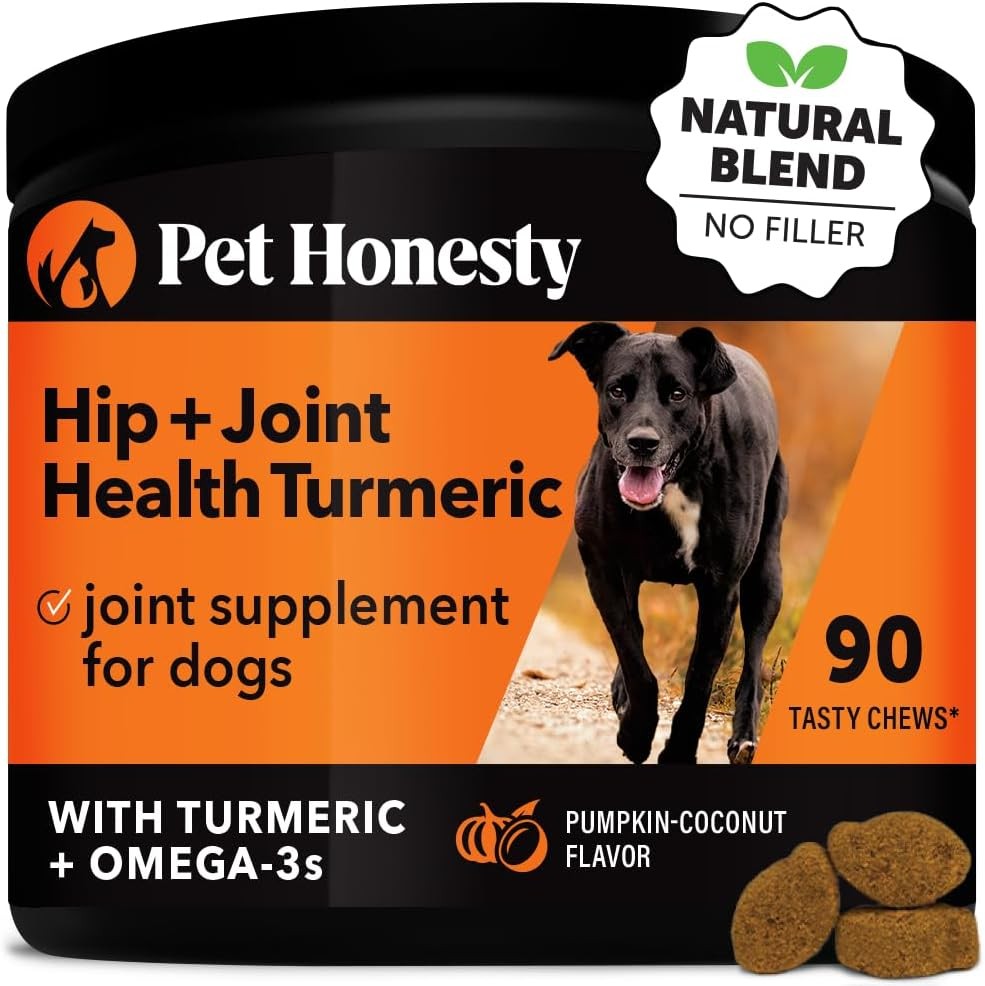
Pet Honesty Hip & Joint Turmeric Health - Joint Supplement for Dogs
Check Price on AmazonAs an Amazon Associate we earn from qualifying purchases.
This comprehensive formula combines 50mg of curcumin per soft chew with BioPerine black pepper extract to enhance absorption by up to 2,000%. The soft chew format makes administration easy, and the 90-count bottle provides a full month’s supply for most dogs.
Best Budget: Turmeric for Dogs Soft Chews
An affordable option that doesn’t sacrifice quality, these soft chews provide 40mg of curcumin with collagen for joint support. The 120-count bottle offers excellent value at approximately $22.
Best for Enhanced Absorption: Turmeric Curcumin for Dogs with BioPerine and Fish Oil

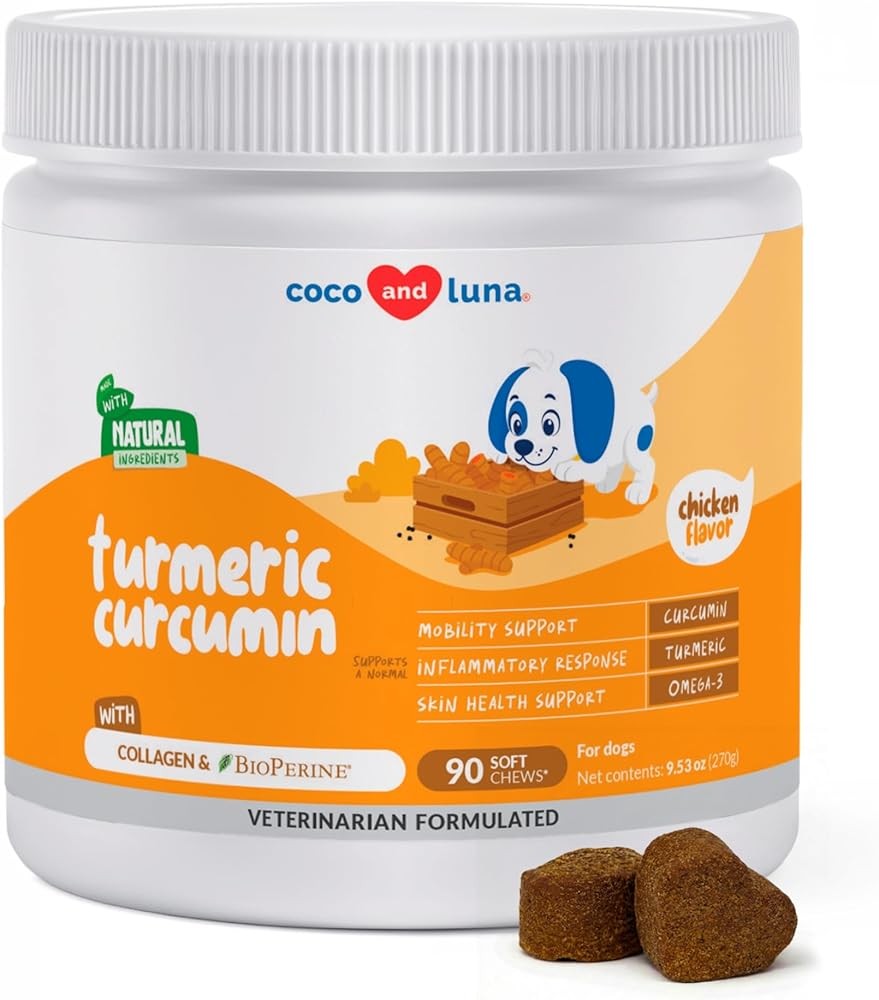
Turmeric Curcumin for Dogs - 90 Soft Chews with Collagen, BioPerine and Fish Oil
Check Price on AmazonAs an Amazon Associate we earn from qualifying purchases.
This premium formula maximizes bioavailability with 45mg curcumin, BioPerine, fish oil omega-3s, and collagen. The combination of absorption enhancers ensures your dog gets the full anti-inflammatory benefits.
Best for Joint Support: Natural Dog Hip & Joint Supplement

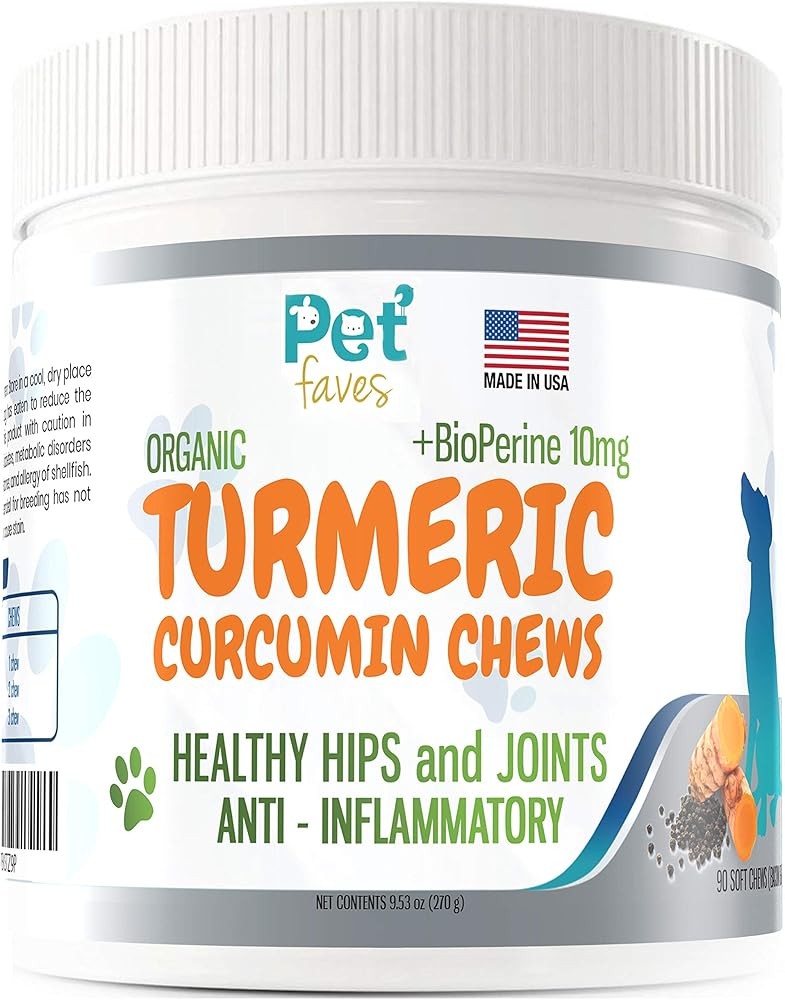
Natural Dog Hip & Joint Supplement - Turmeric Curcumin with Glucosamine
Check Price on AmazonAs an Amazon Associate we earn from qualifying purchases.
Combining 30mg turmeric curcumin with glucosamine creates a comprehensive joint support formula. The 120-count bottle at $26 offers good value for dogs needing both anti-inflammatory and cartilage support.
📱 Join the discussion: Facebook | X | YouTube | Pinterest | Pinterest
Common Questions About Turmeric
What are the benefits of turmeric?
Turmeric has been studied for various potential health benefits. Research suggests it may support several aspects of health and wellness. Individual results can vary. The strength of evidence differs across different claimed benefits. More high-quality research is often needed. Always review the latest scientific literature and consult healthcare professionals about whether turmeric is right for your health goals.
Is turmeric safe?
Turmeric is generally considered safe for most people when used as directed. However, individual responses can vary. Some people may experience mild side effects. It’s important to talk with a healthcare provider before using turmeric, especially if you have existing health conditions, are pregnant or nursing, or take medications.
Is turmeric safe for dogs?
When given in appropriate doses, turmeric is safe for most healthy dogs. However, certain conditions require caution or avoidance. Dogs with gallbladder disease, bleeding disorders, or scheduled for surgery should not take turmeric. It may interact with NSAIDs, blood thinners, and diabetes medications. Start with low doses and monitor for digestive upset. Always consult your veterinarian before adding turmeric to your dog’s regimen, especially if your dog has pre-existing health conditions or takes medications.
How much turmeric for dogs?
The appropriate dosage of turmeric can vary based on individual factors, health goals, and the specific product formulation. Research studies have used different amounts. Always start with the lowest effective dose and follow product label instructions. Consult a healthcare provider for personalized dosage recommendations based on your specific needs.
How long before turmeric works in dogs?
The time it takes for turmeric to work varies by individual and depends on factors like dosage, consistency of use, and individual metabolism. Some people notice effects within days, while others may need several weeks. Research studies typically evaluate effects over weeks to months. Consistent use as directed is important for best results. Keep a journal to track your response.
What are alternatives to turmeric for dogs?
Turmeric is a topic of ongoing research in health and nutrition. Current scientific evidence provides some insights, though more studies are often needed. Individual responses can vary significantly. For personalized advice about whether and how to use turmeric, consult with a qualified healthcare provider who can consider your complete health history and current medications.
Conclusion
Turmeric appears to offer potential benefits for dogs experiencing inflammation, arthritis, allergies, digestive issues, and potentially other conditions. The active compound curcumin has well-documented anti-inflammatory and antioxidant properties, as supported by both human and veterinary research. Published research indicates turmeric may help reduce inflammatory markers, alleviate allergy symptoms, support joint health, and provide general wellness benefits for many dogs. PMC](https://www.ncbi.nlm.nih.gov/pmc/articles/PMC5664031/)
However, turmeric is not a universal solution, and research suggests its potential benefits depend heavily on proper formulation to address bioavailability challenges. For turmeric to appear to have some benefit, it must include bioavailability enhancers like piperine (black pepper extract), be given with healthy fats, or utilize advanced delivery systems like liposomal encapsulation. Studies indicate that without these enhancements, most of the curcumin may pass through a dog’s system without being absorbed.
The key points to remember:
- Proper dosing matters: 15-20 mg curcumin per pound of body weight daily, divided into two doses with food
- Bioavailability is critical: Use supplements with piperine, give with fats, or choose liposomal formulations
- Start slowly: Introduce gradually over 2-4 weeks to assess tolerance
- Be patient: Full benefits typically take 4-8 weeks as curcumin levels build up
- Know the contraindications: Avoid with gallbladder disease, bleeding disorders, before surgery, and be cautious with certain medications
- Veterinary oversight is essential: Especially for dogs with health conditions or on medications
- Integrate comprehensively: Turmeric works best as part of a holistic approach including appropriate diet, other supplements, and veterinary care
For a broader look at dietary strategies to support your dog’s health, see our guide to reducing inflammation in dogs naturally through diet. Our article on omega-3 for dogs covers another key anti-inflammatory supplement that works synergistically with turmeric. If your dog has joint issues, our guide to hip and joint supplements provides additional options. And for comprehensive nutrition, explore our guides on anti-inflammatory dog food and the debate between raw diet vs kibble.
With proper use under veterinary guidance, research suggests turmeric may support a dog’s health, reducing inflammation, and potentially improving quality of life—particularly for dogs experiencing chronic conditions like arthritis, allergies, or digestive issues. Studies indicate selecting high-quality supplements, adhering to dosing guidelines, monitoring a dog’s response, and maintaining open communication with a veterinarian may contribute to positive outcomes.
Related Articles
- Omega-3 for Dogs: Benefits, Dosing, and Best Sources
- Reducing Inflammation in Dogs Naturally Through Diet
- Best Anti-Inflammatory Dog Food for Joint Pain and Allergies (2026)
- Best Dog Supplements for Hip and Joint Health
- Raw Diet vs Kibble for Dogs - What Veterinary Science Says
Related Reading
- Best Anti-Inflammatory Dog Food for Joint Pain and Allergies
- Omega-3 for Dogs: Benefits, Dosing, and Best Sources
- Reducing Inflammation in Dogs Naturally Through Diet
- Best Dog Food to Stop Ear Infections and Reduce Inflammation
- Best Dog Food for French Bulldogs with Allergies
- Best Grain-Free Dog Food: Is It Actually Better for Your Dog?
- Best Fish Oil Supplements for Dogs’ Coat and Skin Health
References
Kępińska-Pacelik J, Biel W. “Turmeric and Curcumin—Health-Promoting Properties in Humans versus Dogs.” International Journal of Molecular Sciences, 2023, 24(19):14561. Source](https://www.mdpi.com/1422-0067/24/19/14561) | PubMed | PMC Full Text | DOI
Chand N. “Standardized turmeric and curcumin.” Nutraceuticals in Veterinary Medicine, 2019, Springer. Source](https://link.springer.com/chapter/10.1007/978-3-030-04624-8_1)
EFSA Panel on Additives and Products or Substances used in Animal Feed. “Safety and efficacy of turmeric extract, turmeric oil, turmeric oleoresin and turmeric tincture from Curcuma longa L. rhizome when used as sensory additives in feed for all animal species.” EFSA Journal, 2020, 18(7):e06146. Source](https://efsa.onlinelibrary.wiley.com/doi/abs/10.2903/j.efsa.2020.6146) | Full Text PDF | DOI
Ulbricht C, et al. “Turmeric (Curcuma longa): An Evidence-Based Systematic Review by the Natural Standard Research Collaboration.” Alternative and Complementary Therapies, 2011, 17(4):225-236. Source](https://journals.sagepub.com/doi/abs/10.1089/act.2011.17409) | Full Text PDF | DOI
Borse SP, Singh DP, Nivsarkar M. “Toxicology aspects of turmeric.” Understanding the Gut-Brain Axis, 2020, Royal Society of Chemistry, pp. 407-423. Source](https://books.rsc.org/books/edited-volume/835/chapter/581357)
Shoba G, et al. “Influence of piperine on the pharmacokinetics of curcumin in animals and human volunteers.” Planta Medica, 1998, 64(4):353-356. PubMed 9619120](https://pubmed.ncbi.nlm.nih.gov/9619120/) | DOI
Cuomo J, et al. “Comparative absorption of a standardized curcuminoid mixture and its lecithin formulation.” Journal of Natural Products, 2011, 74(4):664-669. PMC Full Text
Rathore S, et al. “Cellular effects of a turmeric root and rosemary leaf extract on canine neoplastic cell lines.” BMC Veterinary Research, 2017, 13:388. Source](https://bmcvetres.biomedcentral.com/articles/10.1186/s12917-017-1302-2) | DOI
Curcio M, et al. “In Vitro and In Vivo Activity of Liposome Encapsulated Curcumin for Naturally Occurring Canine Cancers.” Cancer Investigation, 2018, 36(7):384-395. PubMed 30088848](https://pubmed.ncbi.nlm.nih.gov/30088848/) | PMC Full Text | DOI
Tabanelli G, et al. “Dog food production using curcumin as antioxidant: effects of intake on animal growth, health and feed conservation.” Italian Journal of Animal Science, 2020, 19(1):760-769. PubMed 32602378](https://pubmed.ncbi.nlm.nih.gov/32602378/) | DOI
Recommended Products