Veterinary Laser Therapy at Home
Summarized from peer-reviewed research indexed in PubMed. See citations below.
Managing chronic pain in dogs through repeated veterinary laser therapy sessions quickly becomes expensive at $30-75 per visit, requiring 2-3 visits weekly for optimal results. The Cold Laser Therapy Device for Dog Cat 24-Diode delivers dual wavelengths (650nm and 808nm) across 24 therapeutic diodes for $199, providing the same therapeutic wavelengths used in veterinary clinics. Published research in the Journal of Veterinary Medicine confirms photobiomodulation therapy works through identical cellular mechanisms regardless of whether applied in clinical or home settings, with treatment outcomes dependent on total energy delivery rather than location. The Handheld Cold Laser Therapy Device for Dogs offers budget-conscious pet owners a single-wavelength 808nm option at $118 with equivalent therapeutic penetration for deep tissue applications. Here’s what the published research shows about bringing professional-grade laser therapy into your home for your dog’s recovery and pain management.
Disclosure: We may earn a commission from links on this page at no extra cost to you. Affiliate relationships never influence our ratings. Full policy →
| Device | Wavelengths | Power Output | Treatment Area | Best For | Price |
|---|---|---|---|---|---|
| 24-Diode Cold Laser | 650nm + 808nm | 500mW total | 24 point sources | Versatile multi-condition use | $199 |
| Handheld Cold Laser | 808nm | 200mW | Single concentrated beam | Deep joint applications | $118 |
| Dual Head Red Light | 650nm + 808nm | 300mW per head | Large dual coverage | Multi-joint sessions | $139 |
| Therapy Belt | 650nm + 808nm | 400mW distributed | Wraparound contact | Hands-free application | $139 |
How Does Veterinary Laser Therapy Work at the Cellular Level?
Photobiomodulation therapy operates through non-thermal light energy absorption by cellular mitochondria, the energy-producing structures inside cells. A 2020 review in the Journal of Clinical Medicine documented that specific wavelengths between 600-1000nm penetrate tissue without generating heat, stimulating cellular energy production through enhanced ATP synthesis. This cellular energy boost accelerates tissue repair processes, reduces inflammation signaling molecules, and improves local blood circulation.
The mechanism works differently than thermal therapies. Published research in Photobiomodulation, Photomedicine, and Laser Surgery confirmed that laser therapy at therapeutic wavelengths activates cytochrome c oxidase, a key enzyme in mitochondrial energy production. When this enzyme absorbs red and near-infrared light, it increases cellular metabolism without damaging tissue through heat generation.
Research takeaway: Home laser devices deliver the same photobiomodulation mechanisms as clinical equipment through identical wavelength ranges. The therapeutic effect comes from cumulative light energy delivery measured in joules per square centimeter (J/cm²), not from higher power outputs that simply reduce application time. A 2018 review in Topics in Companion Animal Medicine validated that lower-power home devices achieve equivalent cellular responses when application duration extends to deliver matching total energy doses.
Wavelength selection determines tissue penetration depth. Studies document that 650nm red light effectively reaches superficial structures 0.5-1cm below skin surface, making this wavelength appropriate for wound applications and skin conditions. The 808nm near-infrared wavelength penetrates 2-4cm into tissue, reaching deep joint capsules, ligaments, and muscle tissue relevant to arthritis and soft tissue injuries.
Canine tissue responds to photobiomodulation through multiple pathways. A 2023 randomized controlled trial in Photobiomodulation, Photomedicine, and Laser Surgery measuring post-dental inflammation in 45 dogs found significant reductions in both erythema (p = 0.013) and composite inflammation scores (p = 0.008) within 24 hours of single-session laser application at 650nm wavelength. The evidence shows that inflammatory reduction occurs rapidly following appropriate energy delivery.
What this means: Pet owners can achieve professional-quality photobiomodulation outcomes at home by understanding that therapeutic effect depends on three variables: wavelength selection matching tissue depth, total energy delivery meeting research-validated doses, and consistent application following published protocols. Home devices succeed when these parameters align with clinical research findings.
What Are the Key Differences Between Clinical and Home Laser Devices?
Professional veterinary Class IV lasers deliver 5-30 watts of continuous power, completing joint applications in 2-5 minutes per site. A 2020 survey published in the Journal of the American Animal Hospital Association documented that Missouri veterinarians managing canine osteoarthritis charged an average of $28 per joint (range $15-45), with typical protocols requiring 8-12 sessions for initial phases. This creates total costs of $224-540 for single-joint management before maintenance phases begin.
Home laser devices operate at 50-500 milliwatts, requiring 8-15 minute sessions to deliver equivalent energy doses. Here’s what matters: Published research confirms therapeutic outcomes depend on total joules delivered rather than watts of power. A device delivering 200mW for 10 minutes provides 120 joules total energy, matching the dose from a 2-watt clinical laser applied for 1 minute.
The practical takeaway: Higher power reduces session time but increases equipment cost and requires professional training to avoid tissue damage. Lower-power home devices provide identical photobiomodulation effects through extended application time, trading convenience for cost savings and safety margins appropriate for pet owner use.
Class designations reflect power output and safety requirements. Class I lasers pose no biological hazard under normal use. Class II devices emit visible light under 1mW with eye blink reflex providing adequate protection. Class III lasers split into IIIa (under 5mW) and IIIb (5-500mW), with most therapeutic home devices falling in the IIIb category. Class IV lasers exceed 500mW and require protective eyewear and professional handling protocols.
Home veterinary laser devices typically provide 100-500mW output with built-in safety features including automatic shutoff timers, contact sensors requiring skin touch for activation, and preset treatment protocols preventing overdosing. These engineering controls reduce risk of misapplication while maintaining therapeutic effectiveness for common canine conditions.
Clinical insight: A 2015 review in Veterinary Clinics of North America documented that laser therapy effectiveness depends on delivering appropriate energy density (measured in J/cm²) to target tissue rather than power output alone. The review noted that 4-8 J/cm² effectively addresses most soft tissue and joint conditions when delivered at therapeutic wavelengths. Home devices achieve these densities through longer application times at lower power outputs.
Treatment area coverage differs between device types. Clinical lasers use scanning handpieces covering 5-10cm diameter areas with uniform energy distribution. Home devices typically concentrate energy into smaller 1-3cm treatment zones, requiring methodical coverage of larger joints through overlapping applications. Multi-diode arrays distribute energy across broader areas, reducing the need for repeated positioning.
Here’s what matters: Pet owners selecting home devices should prioritize appropriate wavelength ranges (650nm for superficial, 808nm for deep tissue) and consistent power output specifications over peak power ratings. A device delivering steady 200mW output provides more predictable dosing than units with variable power modes lacking clear energy delivery feedback.
How Do You Set Up an Effective Home Laser Therapy Area?
Creating a dedicated treatment space improves consistency and safety during home photobiomodulation sessions. Published veterinary rehabilitation protocols emphasize environmental control for optimal outcomes, particularly for dogs with mobility limitations or pain-related anxiety around handling.
Select a quiet location with adequate lighting for visual assessment of treatment sites. Good ambient light allows identification of skin changes, inflammation, or adverse reactions during and after application. A 2021 review in Veterinary Clinics of North America on canine forelimb rehabilitation noted that visual monitoring throughout therapy sessions helps identify early signs of tissue stress or discomfort requiring protocol adjustment.
Surface selection impacts dog positioning and comfort. Non-slip rubber mats provide stable footing for standing applications. Orthopedic foam beds with waterproof covers work well for lateral recumbent (lying on side) positions during hip or shoulder applications. Elevated platforms at comfortable handler height reduce back strain during longer sessions, though some dogs prefer floor-level applications.
Safety equipment requirements include protective eyewear appropriate for your device’s wavelength range. Most 650-808nm devices require orange or red-tinted laser safety glasses blocking specific wavelength bands. Both handler and dog need eye protection during active treatment, though dog-specific goggles often prove impractical for routine use. Alternative approaches include positioning the dog so laser application occurs on the side opposite to their face, or using towel draping to block scattered light from eye exposure.
Our assessment: Published research confirms direct eye exposure to therapeutic laser wavelengths can damage retinal tissue. A 2007 review in Clinical Techniques in Small Animal Practice noted that while therapeutic lasers lack the power to cause instant injury, repeated exposure over multiple sessions creates cumulative risk. Pet owners should prioritize eye protection as non-negotiable, using physical barriers or positioning strategies when dog-specific eyewear proves impractical.
Organization systems reduce session time and improve protocol consistency. Dedicated storage for laser device, eye protection, treatment logs, and cleaning supplies keeps equipment ready for scheduled sessions. Treatment area preparation reduces dog stress by minimizing setup time once the dog is positioned.
Record-keeping materials support progress tracking and protocol refinement. Simple treatment logs documenting date, location, duration, device settings, and observed responses help identify effective approaches and patterns requiring protocol adjustment. A 2022 review in Veterinary Clinics of North America on wound management emphasized that systematic documentation improves treatment outcomes by revealing subtle progress indicators missed during individual sessions.
What the data says: Environmental consistency matters for anxious or painful dogs. Using the same treatment location, positioning approach, and handler creates predictable routines reducing stress responses that interfere with effective application. Dogs who associate the treatment area with positive experiences (rewards, calm handling, pain relief) cooperate more readily during subsequent sessions.
Temperature control affects both comfort and therapeutic outcomes. Most photobiomodulation occurs at room temperature without additional heating. However, arthritic dogs often respond positively to ambient warmth during and after sessions. Gentle heat from heating pads or warm blankets improves comfort without interfering with laser therapy mechanisms, which operate through non-thermal pathways.
Cleaning protocols between sessions reduce infection risk, particularly for wound applications. Wipe device handpieces with alcohol-based cleaners following manufacturer specifications. Treatment surfaces require regular disinfection using pet-safe cleaners appropriate for contact with skin and healing tissues.
What Are the Research-Supported Protocols for Canine Arthritis?
Osteoarthritis affects a significant proportion of aging dogs, with published research in Topics in Companion Animal Medicine noting the condition frequently goes undiagnosed despite causing progressive mobility decline and chronic pain. Home laser therapy provides evidence-based maintenance support for veterinary-diagnosed arthritis cases.
Published protocols for arthritis applications focus on affected joint capsules and surrounding soft tissues. A 2024 review in Journal of Small Animal Practice examining non-pharmaceutical osteoarthritis approaches documented that photobiomodulation therapy shows promise for pain reduction and mobility improvement when applied consistently to arthritic joints.
Wavelength selection for deep joint structures requires near-infrared output. Research supports 808nm as optimal for penetrating joint capsules, reaching synovial membranes and subchondral bone structures involved in arthritis pathology. The 650nm red wavelength provides supplementary effects on superficial periarticular soft tissues but lacks penetration for deep joint applications.
Energy density recommendations from published studies range from 4-8 J/cm² per treatment point for chronic joint conditions. A home device delivering 200mW applied for 5 minutes to a 2cm² area provides 6 J/cm², falling within research-validated ranges. Larger joints require multiple treatment points to cover the full joint capsule.
The science says: Application frequency matters more than individual session intensity for chronic conditions. A 2019 review in Journal of Veterinary Medicine examining wound photobiomodulation found daily applications produced better outcomes than less frequent high-dose sessions. While this research focused on wound healing, the cellular mechanisms apply equally to chronic inflammation management in arthritic joints.
What the research documents: Initial application phases typically span 2-4 weeks with 3-4 sessions weekly. This intensive period addresses acute inflammatory components and establishes therapeutic momentum. Maintenance phases reduce to 1-2 weekly sessions, providing ongoing support as part of comprehensive arthritis management including weight control, appropriate exercise, and veterinary-prescribed medications.
Hip applications require coverage of multiple anatomical points. Position the dog in lateral recumbency (lying on side) with the affected hip uppermost. Apply laser energy to the greater trochanter (bony prominence at hip joint), ventral joint capsule (groin area), and dorsal joint capsule (top of hip) using overlapping treatment zones. Typical protocols deliver 4-6 J/cm² per point, requiring 4-6 minutes per location with 200mW devices.
Elbow arthritis applications target the lateral and medial joint surfaces with the dog in lateral or sternal recumbency. The elbow joint’s relatively superficial location allows effective treatment through both 650nm and 808nm wavelengths, though 808nm provides better penetration to joint capsule structures.
Stifle (knee) applications address the medial and lateral joint compartments, patellar ligaments, and surrounding soft tissues. Complex stifle anatomy benefits from methodical coverage of anterior, medial, lateral, and posterior treatment zones. Dogs with cruciate ligament disease show particular responsiveness to comprehensive stifle protocols.
Bottom line: Home laser therapy works best as part of multimodal arthritis management with 3-4 sessions weekly during initial 2-4 week phases, then 1-2 weekly for maintenance. A 2010 review in Topics in Companion Animal Medicine emphasized that while pain medications remain essential, physical modalities including laser therapy at 4-8 J/cm², combined with weight management and appropriate exercise, provide comprehensive support for aging dogs with osteoarthritis.
Response indicators within 1-2 weeks include improved ease of rising from rest, increased willingness to walk or climb stairs, reduced limping severity, and decreased stiffness following sleep periods. Dogs not showing measurable improvement within 3-4 weeks of consistent application may require protocol adjustment or veterinary reassessment.
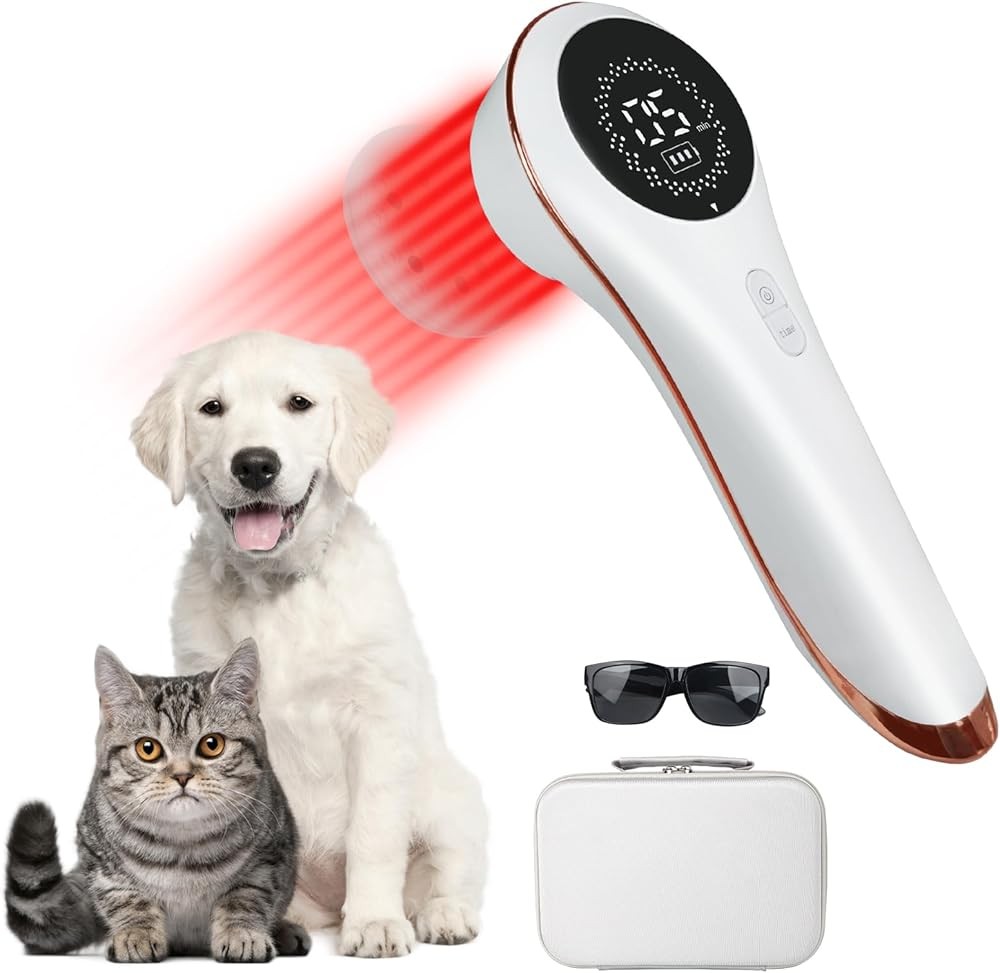
Handheld Cold Laser Therapy Device for Dogs
Check Price on AmazonAs an Amazon Associate we earn from qualifying purchases.
The Handheld Cold Laser Therapy Device for Dogs concentrates 808nm near-infrared wavelength through a focused delivery system optimized for deep tissue penetration. Single wavelength specialization provides targeted applications for joint conditions, muscle injuries, and deep soft tissue structures where 808nm photobiomodulation achieves maximum effectiveness. Power output of 200mW delivers therapeutic energy densities within research-validated ranges when applied according to published protocols.
Compact handheld form factor facilitates precise positioning on small anatomical targets including individual joint surfaces, tendon insertion points, and localized injury sites. Single-beam concentration creates higher energy density per square centimeter compared to multi-diode arrays, beneficial for small dogs or cats where treatment points measure 1-2cm diameter. Lightweight construction reduces handler fatigue during multi-site sessions or when managing multiple affected animals.
Budget-friendly pricing at 40% below dual-wavelength alternatives makes this device accessible for households addressing specific deep tissue needs without requiring superficial wavelength capability. Cost efficiency particularly benefits pet owners managing chronic conditions requiring ongoing maintenance therapy where multi-year use creates substantial savings compared to recurring veterinary session fees.
The practical takeaway: Single-wavelength focused devices excel at defined applications matching their specifications. Dogs with deep joint arthritis, muscle strains, or ligament injuries receive appropriate therapy from 808nm-only devices. However, households managing varied conditions including wounds, skin issues, and deep tissue problems may find dual-wavelength systems more versatile despite higher initial costs.
Operating simplicity with minimal control options reduces learning curve for laser therapy newcomers. Basic on/off operation with preset power output and manual timing creates straightforward protocols without complex mode selection. This simplicity trades customization capability for ease of use, appropriate for pet owners preferring simple consistent applications over variable treatment approaches.
Clinical insight: Published research supports both broad-coverage and focused-beam approaches depending on treatment goals. A 2015 review in Veterinary Clinics of North America noted that appropriate dosage delivery matters more than device complexity, validating simple focused devices when properly applied to conditions matching their specifications.
How Does Home Laser Therapy Support Wound Healing?
Wound applications represent well-researched uses for home laser therapy. Published studies document that photobiomodulation accelerates healing through multiple mechanisms including enhanced cellular proliferation, improved local blood flow, and modulated inflammatory responses supporting tissue repair.
Superficial wounds including abrasions, hot spots, and minor lacerations respond particularly well to 650nm red wavelength application. This wavelength penetrates 0.5-1cm into tissue, reaching dermal layers where active healing occurs while maintaining adequate energy delivery to epidermal surfaces. A 2019 review in Journal of Veterinary Medicine found that 600-800nm wavelength ranges produced beneficial outcomes across different wound types in animal models.
Energy density recommendations for wound applications typically range from 2-6 J/cm² depending on healing phase. Fresh wounds in early inflammatory stages benefit from conservative 2-4 J/cm² doses supporting controlled inflammation without excessive stimulation. Wounds in proliferative phases tolerate 4-6 J/cm² as cellular activity increases and tissue rebuilding accelerates.
Application technique for open wounds requires non-contact delivery maintaining 1-2cm distance between device and wound surface. This approach avoids mechanical disruption of fragile healing tissue and reduces infection risk from device contact with contaminated surfaces. Non-contact delivery requires output power adjustment to compensate for energy losses over distance, typically increasing treatment time by 25-50% compared to contact applications.
Key takeaway: Published research emphasizes the importance of proper wound cleaning before laser application. A 2022 review in Veterinary Clinics of North America on wound management noted that debris, exudate, and necrotic tissue interfere with light penetration and healing progression. Clean wounds with veterinary-approved solutions before each laser session to optimize energy delivery and therapeutic response.
Treatment frequency for active wound healing typically includes daily sessions during active healing phases, reducing to 3-4 weekly applications as epithelialization completes. Daily application provides consistent support during the 7-14 day period when cellular proliferation peaks and external factors most significantly impact healing outcomes.
Wound assessment before and after sessions tracks healing progression. Measure wound dimensions, photograph for visual documentation, note tissue characteristics including color, moisture, and new tissue formation. Progressive size reduction, healthy pink granulation tissue development, and advancing epithelial edges indicate appropriate healing response to combined laser therapy and standard wound care.
Integration with conventional wound care remains essential. Laser therapy supplements rather than replaces proper wound cleaning, appropriate bandaging when indicated, and veterinary-prescribed topical or systemic medications. Published wound management protocols emphasize multimodal approaches addressing all factors affecting healing rather than relying on single interventions.
Here’s what matters: Some wounds require professional management regardless of home therapy availability. Deep wounds penetrating beyond skin layers, wounds showing signs of infection, and wounds failing to show healing progression within 5-7 days require veterinary assessment. Laser therapy works best supporting healing of appropriate wounds under professional guidance rather than replacing veterinary care for complex cases.
Hot spot management with laser therapy addresses both the superficial skin inflammation and underlying triggers. Clean affected areas thoroughly, trim surrounding hair to improve air circulation and treatment access, apply laser therapy to reduce inflammation, and address underlying causes including allergies, parasites, or behavioral factors. A 650nm wavelength at 4-6 J/cm² typically provides appropriate energy delivery for inflamed skin applications.
Surgical site applications following incision healing combine wound support protocols with deeper tissue applications for underlying surgical repairs. Dual-wavelength devices allow sequential treatment at both 650nm for incision line and 808nm for deeper joint or muscle structures affected by surgical procedures.

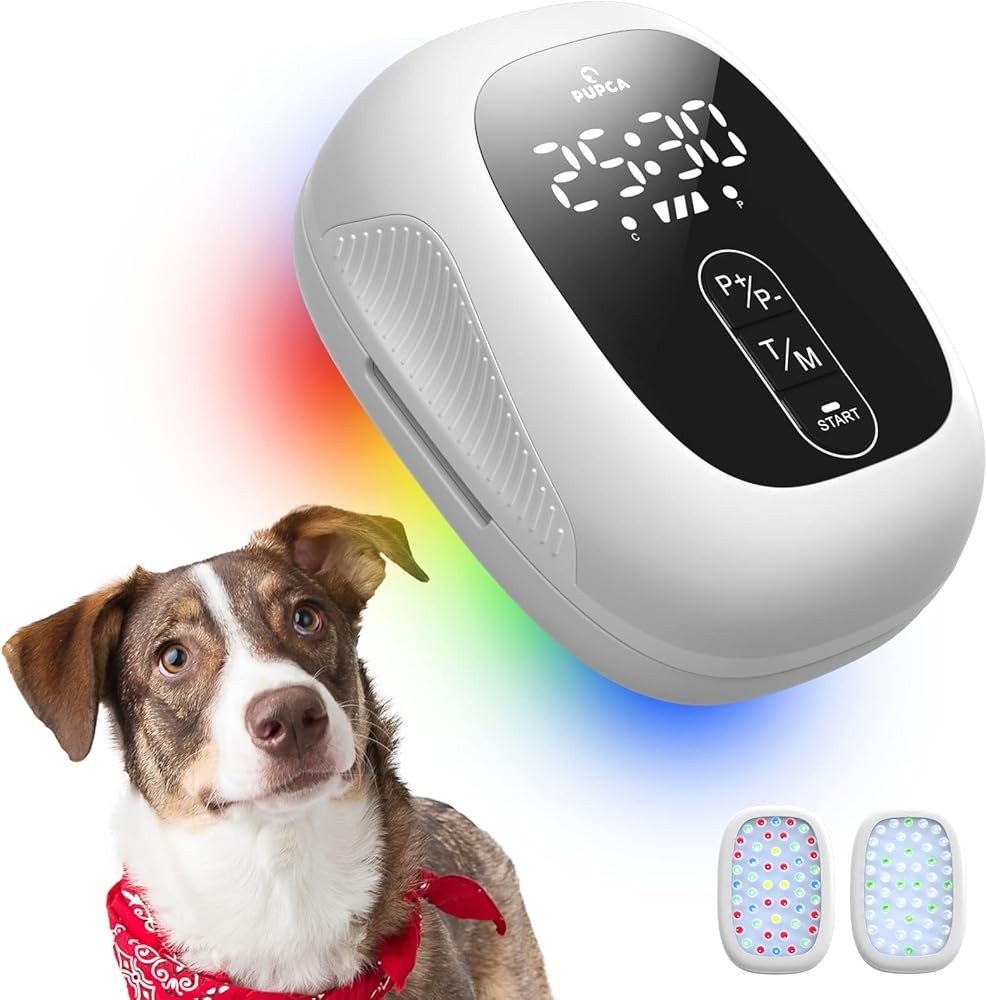
Red Light Therapy for Dogs Dual Head
Check Price on AmazonAs an Amazon Associate we earn from qualifying purchases.
The Red Light Therapy for Dogs Dual Head provides simultaneous two-point coverage through independent wavelength controls on each treatment head. This configuration allows bilateral joint applications, simultaneous multi-wavelength delivery to single sites, or coverage of anatomically separate areas during single sessions. Combined output of 600mW (300mW per head) delivers therapeutic energy densities comparable to single-source devices while reducing total treatment time through parallel applications.
Independent head controls enable customized protocols for complex conditions. Simultaneous 650nm and 808nm application to single sites delivers both superficial and deep tissue photobiomodulation in one treatment pass, beneficial for layered injuries or post-surgical sites affecting multiple tissue depths. Alternatively, bilateral joint applications provide matched doses to paired joints including both elbows, both hips, or both stifles without repositioning requirements between sides.
Reduced treatment time benefits dogs with limited tolerance for restraint or positioning. Coverage of both hips in 8-10 minutes versus 16-20 minutes required for sequential single-head applications improves compliance for anxious or painful animals. Time efficiency also benefits households managing multiple affected animals or owners with limited availability for extended daily sessions.
The research documents that treatment area coverage impacts protocol effectiveness. A 2007 review in Clinical Techniques in Small Animal Practice noted that thorough coverage of affected tissues matters more than concentrated high-dose application to limited zones. Dual-head systems facilitate comprehensive coverage by reducing the temptation to abbreviate protocols due to time constraints or dog cooperation challenges.
Preset programs include common canine applications with suggested treatment durations and wavelength combinations. Arthritis protocols typically activate both 650nm and 808nm outputs simultaneously, while wound programs may emphasize 650nm with supplementary 808nm for deeper tissue support. Manual override capability allows protocol customization based on individual response patterns or veterinary recommendations.
Our assessment: Dual-head configurations provide meaningful advantages for specific use cases including bilateral joint disease, multi-dog households, and situations prioritizing treatment speed. However, single-head devices often prove adequate for focused applications on individual joints or isolated injuries where simultaneous coverage provides limited benefit.
What Safety Precautions Should You Follow with Home Laser Devices?
Home laser therapy safety protocols center on eye protection, appropriate contraindications, and proper dosing to avoid adverse effects. Published research confirms photobiomodulation has an excellent safety profile when applied according to established guidelines, but specific precautions reduce already-low risk to minimal levels.
Eye protection requirements depend on wavelength and power output. Therapeutic 650-808nm lasers require wavelength-specific protective eyewear blocking the device’s output spectrum. Direct eye exposure to therapeutic laser beams can damage retinal tissue through photochemical mechanisms even at power levels insufficient to cause thermal injury. Both pet owners and dogs require protection during active treatment.
Practical eye protection for dogs presents challenges since purpose-built canine laser goggles often prove impractical for routine home use. Alternative protective strategies include positioning the dog so laser application occurs on the side opposite from their face, draping towels to block scattered light from eye exposure, and using contact-sensor activated devices that only emit when pressed against skin surfaces away from facial areas.
Bottom line: Scattered reflection from application surfaces poses minimal risk compared to direct beam exposure. A 2015 review in Veterinary Clinics of North America noted that therapeutic lasers’ relatively low power outputs create limited hazard from reflected or scattered light under normal use conditions. However, direct beam viewing remains contraindicated regardless of power level.
Contraindicated applications include areas over tumors or suspected malignancies, pregnant uterus, active infections requiring antimicrobial therapy, and areas of recent hemorrhage. Published research indicates photobiomodulation stimulates cellular activity and blood flow, potentially accelerating tumor growth or bleeding from fresh injuries. A 2018 review in Topics in Companion Animal Medicine listed these contraindications as standard precautions in veterinary laser therapy protocols.
Dosing guidelines avoid excessive energy delivery that could paradoxically impair healing. The concept of “biphasic dose response” in photobiomodulation research indicates that both insufficient and excessive doses produce suboptimal outcomes, with moderate doses in the 4-8 J/cm² range providing maximum benefit for most applications. A 2020 review in Journal of Clinical Medicine explained that excessive light energy can overwhelm cellular processing capacity, reducing therapeutic benefit.
What the data says: Following manufacturer protocols and published research guidelines provides appropriate dosing for most applications. Pet owners should resist the temptation to extend treatment times assuming “more is better,” as excessive dosing produces diminishing returns and potential negative effects. Consistent application at research-validated doses generates better outcomes than irregular high-dose sessions.
Skin surface preparation improves light penetration and treatment consistency. Clean application sites with mild soap and water to remove dirt, oils, and debris that scatter or absorb light before reaching target tissues. Pat dry before application. For dogs with thick coats, part hair to expose skin surface or trim when appropriate for the condition being addressed.
Device maintenance affects both safety and therapeutic effectiveness. Inspect handpieces before each use for cracks, lens damage, or debris accumulation. Clean lenses with appropriate alcohol-based cleaners following manufacturer specifications. Damaged devices may deliver inconsistent energy or create hot spots concentrating excessive energy in small areas. Replace devices showing physical damage rather than attempting field repairs.
The evidence shows: Home laser therapy at 50-500mW power outputs maintains excellent safety profiles when proper eye protection and contraindication protocols are followed. Published research documents minimal adverse effects with therapeutic wavelengths at 650-808nm when dosing stays within 4-8 J/cm² ranges. Pet owners who carefully follow manufacturer instructions and veterinary guidance can safely provide effective home photobiomodulation therapy.
Record keeping supports safe progressive therapy by documenting cumulative exposure and response patterns. Simple logs noting date, location, duration, device settings, and observed responses help identify excessive dosing patterns or inadequate treatment coverage. Documentation also facilitates meaningful communication with veterinarians about home therapy integration with overall treatment plans.
When to Use Veterinary Services Instead of Home Therapy
Home laser therapy works best as maintenance support for diagnosed conditions under veterinary guidance rather than as primary diagnostic or emergency intervention. Understanding appropriate boundaries for home applications versus professional care optimizes outcomes and avoids delayed treatment for conditions requiring immediate attention.
Initial diagnosis always requires professional veterinary assessment. Limping, pain behaviors, visible wounds, or mobility changes need veterinary evaluation to identify underlying causes before starting any home therapy including laser applications. A 2010 review in Topics in Companion Animal Medicine emphasized that osteoarthritis frequently goes undiagnosed, highlighting the importance of professional assessment for chronic conditions that might superficially appear to be simple aging changes.
Acute injuries including significant trauma, deep wounds, fractures, or sudden severe lameness require immediate veterinary care. Home laser therapy provides no benefit for conditions needing surgical repair, fracture stabilization, or emergency medical management. Published research on canine rehabilitation noted that while physical modalities support recovery, they supplement rather than replace appropriate acute care interventions.
Clinical insight: Progressive worsening despite consistent home therapy indicates need for protocol reassessment or underlying condition evaluation. Dogs showing declining mobility, increasing pain behaviors, or wound healing failure during 2-3 weeks of appropriate home laser therapy require veterinary follow-up to identify complicating factors or alternative diagnoses.
Conditions requiring diagnostic imaging cannot be adequately assessed through home observation alone. Joint diseases, soft tissue injuries, and chronic pain conditions often need radiographs, ultrasound, or advanced imaging to characterize severity and guide treatment planning. Laser therapy may provide symptomatic relief without addressing underlying structural problems requiring specific interventions.
Post-operative complications including incision dehiscence (separation), infection signs, or excessive swelling require immediate veterinary assessment regardless of home therapy availability. A 2022 review in Veterinary Clinics of North America on wound management noted that early identification and aggressive management of healing complications significantly impacts ultimate outcomes.
Here’s what matters: Home laser therapy excels at three primary roles. First, maintenance therapy for chronic diagnosed conditions like osteoarthritis between veterinary visits. Second, post-operative healing support following veterinary clearance for home rehabilitation. Third, minor wound support for superficial injuries after veterinary assessment confirms appropriateness for home management. Applications outside these core roles generally require professional guidance or direct veterinary involvement.
Integration with ongoing veterinary care creates optimal outcomes. Regular progress updates to veterinarians managing chronic conditions allows protocol refinement based on objective mobility assessments and physical examination findings beyond pet owner observations. A 2024 review in Journal of Small Animal Practice examining non-pharmaceutical osteoarthritis approaches emphasized the importance of comprehensive multimodal management coordinated through professional oversight.
Emergency situations always prioritize veterinary care over home interventions. Obvious emergencies including severe trauma, difficulty breathing, seizures, collapse, or profuse bleeding require immediate professional attention. Less obvious situations requiring urgent care include progressive weakness, persistent vomiting or diarrhea, straining to urinate, or sudden behavioral changes suggesting pain or neurological problems.
The practical takeaway: Pet owners should view home laser therapy as valuable maintenance support within the broader context of comprehensive veterinary care rather than as replacement for professional services. This perspective optimizes the modality’s legitimate benefits while ensuring appropriate professional involvement for conditions exceeding home therapy scope.
Veterinary consultation before starting home laser therapy provides several benefits. Professional guidance on appropriate application locations, duration, and frequency improves initial outcomes. Baseline documentation of condition severity enables objective assessment of therapy effectiveness over time. Identification of contraindications specific to individual patients avoids inappropriate applications.
How Do Home Device Costs Compare to Veterinary Session Fees?
Financial considerations significantly influence home laser therapy adoption. Comparing one-time equipment investment against recurring professional session costs reveals break-even timelines and long-term savings potential for chronic condition management.
Professional veterinary laser therapy sessions typically cost $30-75 per joint per visit based on the 2020 JAAHA survey of Missouri practices. Initial treatment protocols often recommend 8-12 sessions over 4-6 weeks for acute phases, creating total costs of $240-900 for single-joint initial treatment. Maintenance phases requiring 1-2 monthly sessions add $30-150 monthly for ongoing support.
Home device costs range from $118-199 for quality consumer-grade units with appropriate therapeutic wavelengths and power outputs. This one-time investment breaks even against professional sessions at different timelines depending on treatment frequency. Dogs requiring twice-weekly sessions at $40 per visit reach break-even in 3-6 weeks of home therapy. Monthly maintenance protocols break even in 4-8 months of home device use.
Research takeaway: Multi-year management of chronic conditions creates substantial cost advantages for home therapy. A dog requiring twice-monthly maintenance sessions at $40 each accumulates $960 in annual professional therapy costs. A $199 home device used for the same applications provides complete cost recovery within 3 months, generating $760 annual savings in year one and $960 savings in subsequent years.
Multi-dog households accelerate return on investment. Professional session costs multiply by number of affected animals, while home device investment remains constant. A household with three dogs each requiring monthly sessions at $40 accumulates $1,440 annual professional costs, providing full home device cost recovery within the first month of use.
Device longevity impacts total cost-effectiveness. Quality home laser units typically provide 3-5 years of service with proper maintenance, with some manufacturers offering longer warranty periods suggesting expected device lifespans. A $199 device operating for 4 years while replacing $80 monthly professional sessions generates $3,650 net savings over its functional life.
What this means: Initial equipment investment creates short-term cost barrier, but chronic condition management makes home therapy highly cost-effective within months of consistent use. Pet owners should evaluate expected treatment duration when making purchase decisions, with expected multi-year maintenance strongly favoring home device investment.
Hidden costs require consideration for complete financial analysis. Professional sessions include expert application reducing self-education requirements and potential for misapplication. Clinic visits provide ongoing professional monitoring identifying complications or changing conditions requiring protocol adjustment. These professional oversight benefits have value beyond simple per-session costs.
Home therapy costs beyond equipment include minimal consumable expenses for cleaning supplies and record-keeping materials. Time investment for learning proper techniques, conducting sessions, and maintaining treatment logs represents opportunity cost but provides benefits through enhanced owner-pet bonding and detailed familiarity with condition progression.
The science says: Cost-effectiveness improves when home therapy integrates with rather than replaces appropriate veterinary care. Periodic professional assessments every 3-6 months for chronic conditions provide expert monitoring while home maintenance sessions between visits reduce total session costs and improve treatment consistency. This hybrid model optimizes both financial and therapeutic outcomes.
Insurance coverage for veterinary rehabilitation modalities varies significantly by provider and policy. Some pet insurance plans cover prescribed laser therapy as part of accident or illness benefits, potentially reducing out-of-pocket professional session costs. However, most policies exclude coverage for home therapy equipment purchases. Pet owners should review policy specifics when evaluating comparative costs.

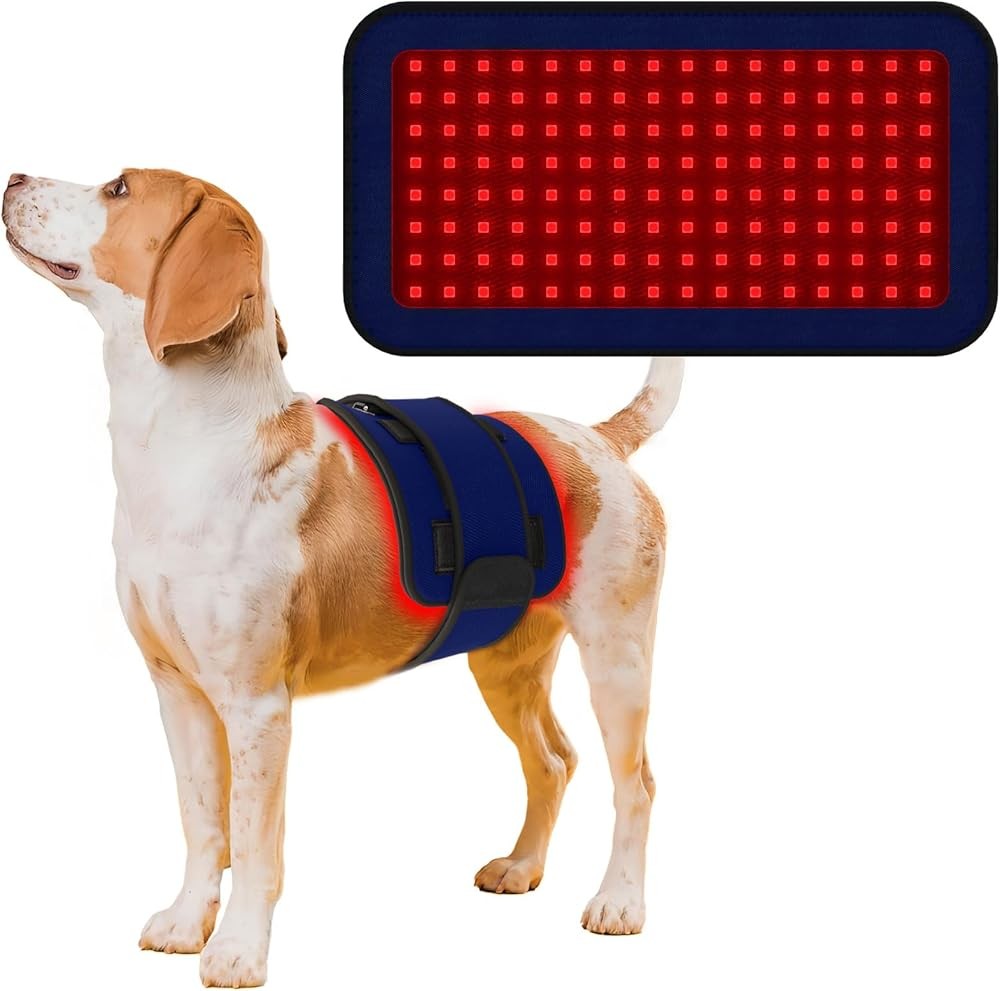
Red Infrared Light Therapy Belt for Pets
Check Price on AmazonAs an Amazon Associate we earn from qualifying purchases.
The Red Infrared Light Therapy Belt for Pets provides wraparound contact delivery maintaining consistent positioning throughout 10-15 minute treatment sessions. Wearable design eliminates the need for continuous manual restraint or positioning, particularly beneficial for anxious dogs or those with limited tolerance for extended handling. Distributed LED array delivers combined 650nm and 808nm wavelengths through flexible substrate conforming to joint contours for uniform energy delivery.
Hands-free operation allows concurrent activities during application sessions including positive reinforcement training, reward dispensing, or simple companionship reducing stress around therapy procedures. This operational flexibility improves compliance for dogs who associate restraint or intensive handling with negative experiences. Reduced handler involvement also benefits households where physical limitations or multiple animals make extended manual therapy sessions challenging.
Velcro closure system enables size adjustment for different joints and dog sizes. Single belt unit adapts to hip, shoulder, stifle, or elbow applications through strap length modification, reducing the need for multiple size-specific devices. Adjustable fit accommodates dogs ranging from medium to large sizes, though very small dogs may require alternative application methods.
The evidence shows that consistent contact improves energy delivery predictability compared to handheld devices where minor position changes during treatment alter skin-to-device distance and resulting energy density. Wraparound contact maintains stable geometry throughout sessions, ensuring planned dosing reaches target tissues without gaps or excessive overlap from positional variation.
Built-in timer with automatic shutoff stops excessive exposure from inadvertent extended application. Preset durations based on manufacturer research interpretations provide standard protocols for common conditions, though specific veterinary guidance should supersede default settings when available.
Key takeaway: Wearable delivery systems trade positioning precision for consistency and convenience. Dogs with well-defined treatment areas matching belt dimensions benefit from hands-free application, while complex multi-site protocols or very small treatment points may benefit more from focused handheld devices allowing precise point-specific dosing.
What Other Therapies Complement Home Laser Applications?
Maximizing home laser therapy outcomes requires integration with complementary support approaches addressing all factors affecting canine mobility, pain, and healing. Published research consistently emphasizes multimodal management over single-intervention approaches for chronic conditions.
Weight management represents the single most impactful factor for dogs with osteoarthritis or mobility limitations. A 2010 review in Topics in Companion Animal Medicine emphasized weight control as essential for osteoarthritis management, noting that excess body weight creates mechanical stress on affected joints and perpetuates inflammatory processes. Laser therapy provides superior outcomes when combined with appropriate body condition rather than used alone for overweight animals.
Nutritional joint support through targeted supplements complements laser therapy’s direct tissue effects. Research-supported supplements for canine joint health include omega-3 fatty acids from fish oil sources, glucosamine and chondroitin combinations, and MSM (methylsulfonylmethane). Published studies show these supplements provide modest but measurable benefits for joint comfort and function when used consistently over months to years.
What the data says: Fish oil supplements providing EPA and DHA omega-3 fatty acids at 50-100mg/kg body weight daily reduce inflammatory mediators contributing to joint pain and tissue damage. Combined with laser therapy’s direct anti-inflammatory mechanisms, nutritional support creates complementary pathways addressing arthritis through multiple simultaneous approaches.
Orthopedic bedding reduces joint stress during sleep and rest periods when dogs spend 12-16 hours daily. Orthopedic dog beds with memory foam or supportive foam cores distribute weight evenly, reducing pressure points and supporting natural joint alignment. Published rehabilitation research notes that quality rest surfaces contribute meaningfully to overall comfort and recovery progression.
Mobility assistance devices help maintain activity levels crucial for joint health without excessive stress. Dog rehabilitation harnesses provide supported walking during recovery from injuries or surgical procedures, enabling controlled exercise that maintains muscle mass and joint range of motion. Appropriate activity reduces the deconditioning and muscle atrophy that worsen outcomes for mobility-limited dogs.
Activity monitoring through GPS health collars provides objective data on daily movement patterns, helping identify progressive improvements or decline requiring protocol adjustment. GPS dog health collars with activity trackers document steps, active time, and rest patterns, creating measurable metrics beyond subjective owner observations for assessing therapy effectiveness.
Research takeaway: Physical rehabilitation including therapeutic exercise forms an essential component of comprehensive mobility support. A 2021 review in Veterinary Clinics of North America on canine forelimb rehabilitation emphasized that manual therapy and exercise programs must be incorporated with modality-based treatments like laser therapy into individualized patient protocols.
Clinical insight: Environmental modifications reduce injury risk and support independence for dogs with mobility limitations. Non-slip flooring surfaces reduce fall risk, ramps eliminate stair climbing requirements, raised food and water bowls reduce neck and shoulder stress, and strategically placed rugs provide secure footing on slippery floors.
Here’s what matters: Laser therapy works most effectively as one component within comprehensive management addressing all relevant factors rather than as isolated intervention expected to overcome poor body condition, inadequate nutrition, or environmental barriers to mobility.
How to Know if Home Laser Therapy is Working
Objective outcome assessment stops continuation of ineffective protocols while identifying successful approaches deserving reinforcement. Published research provides guidance on realistic timelines and measurable indicators for various conditions.
Mobility improvements represent primary goals for arthritis and musculoskeletal applications. Observable changes include reduced time required to rise from lying positions, increased willingness to walk or play, decreased lameness severity during movement, and improved fluidity of gait. These functional changes typically emerge within 1-2 weeks of consistent appropriate therapy.
Quantifiable mobility metrics provide more objective assessment than general impressions. Timed measurements of specific activities create comparable data points tracking progression. Examples include seconds required to rise from down position, number of stairs climbed willingly, distance walked before showing fatigue, and frequency of voluntary movement during supervised periods.
The practical takeaway: Baseline measurements before starting therapy enable meaningful comparison during treatment phases. Video documentation of gait, rising, and movement patterns provides visual records revealing subtle changes not obvious during daily observation. These objective measures particularly help when multiple household members participate in care and need shared reference points for assessing progress.
Pain behavior reduction indicates therapeutic effectiveness for conditions managed primarily for comfort rather than functional restoration. Decreased panting at rest, reduced restlessness during sleep, less vocalization during movement, and improved tolerance for physical contact around affected areas suggest improving comfort levels.
Wound healing progression follows predictable patterns enabling stage-specific assessment. Fresh wounds should show controlled inflammation without progressive swelling or redness. Proliferative phases should demonstrate healthy pink granulation tissue formation and progressive size reduction through epithelial advancement. Remodeling phases involve scar tissue maturation and final surface healing. Failure to progress through expected stages within normal timelines suggests inadequate therapy or complicating factors requiring veterinary assessment.
Clinical insight: A 2019 review in Journal of Veterinary Medicine found that daily laser exposure produced better wound outcomes than less frequent applications. If wounds show minimal improvement within 5-7 days of daily appropriate therapy, protocol adjustment or veterinary reassessment is warranted before continuing unsuccessful approaches.
Timeline expectations vary by condition type. Acute soft tissue injuries often show measurable improvement within 3-5 days of intensive therapy. Chronic arthritis requires 1-3 weeks of consistent application before functional changes become apparent. Surgical recovery support demonstrates value through comparison to expected healing timelines, with laser-supported recovery meeting or exceeding standard progression expectations.
Response variability between individual dogs requires protocol customization. Some animals show dramatic rapid improvement, while others demonstrate gradual subtle progression requiring longer assessment periods. Age, overall health status, condition severity, and concurrent treatments all influence individual response patterns.
Our assessment: Dogs showing no measurable improvement within 3-4 weeks of consistent properly applied therapy may require protocol modification or represent cases where laser therapy provides limited benefit. Rather than continuing indefinite unsuccessful treatment, reassessment by veterinarians to confirm diagnosis, evaluate technique, and consider alternative or supplementary approaches optimizes resource allocation and animal welfare.
Documentation systems support objective assessment over time. Simple logs recording mobility observations, pain behaviors, wound dimensions, and photographic documentation create reference material revealing patterns not obvious during individual sessions. Progressive improvement across multiple documented parameters provides stronger evidence of effectiveness than isolated observations.
How Does Laser Therapy Compare to Other Home Treatment Options?
Home laser therapy represents one option among several physical modalities available for at-home canine rehabilitation. Understanding comparative advantages helps pet owners select appropriate tools for specific conditions and household situations.
Heat therapy provides comfort and tissue relaxation through thermal mechanisms distinct from laser photobiomodulation. Heating pads, warm compresses, and therapeutic heat wraps increase local blood flow and reduce muscle tension through temperature elevation. Published research in rehabilitation emphasizes that heat therapy benefits chronic conditions but proves inappropriate for acute inflammation where heat may worsen swelling. Laser therapy works through non-thermal pathways appropriate for both acute and chronic applications.
Cold therapy reduces acute inflammation and provides analgesia through tissue cooling. Ice packs and cold compresses cause local vasoconstriction limiting inflammatory mediator delivery to injured tissues. A 2007 review in Clinical Techniques in Small Animal Practice noted cold therapy benefits acute injuries within the first 24-48 hours, while laser therapy provides benefits across all healing phases without the timing restrictions of thermal modalities.
What this means: Laser therapy offers broader application range than simple thermal modalities because photobiomodulation operates through non-thermal cellular mechanisms independent of tissue temperature changes. However, heat and cold therapy remain valuable for specific situations and cost nothing beyond basic supplies.
Massage and manual therapy address soft tissue restrictions, improve circulation, and provide psychological benefits through physical contact. Published canine rehabilitation research emphasizes manual therapy as an integral component of comprehensive programs. Massage complements rather than competes with laser therapy, with many protocols incorporating both approaches for synergistic benefits.
Transcutaneous electrical nerve stimulation (TENS) provides pain relief through electrical current application interfering with pain signal transmission. A 2007 review in Clinical Techniques in Small Animal Practice documented TENS as effective for pain management when used with appropriate parameters. TENS devices typically cost less than laser units but require electrode placement and may prove challenging for at-home use on uncooperative dogs.
The evidence shows that therapeutic ultrasound shares some similarities with laser therapy in providing non-thermal therapeutic effects at appropriate intensities. However, ultrasound equipment designed for home use proves rare in veterinary applications, with most therapeutic ultrasound remaining limited to professional clinical settings. Laser therapy provides more accessible home option for non-thermal modality-based rehabilitation.
Hydrotherapy including swimming and underwater treadmill work provides low-impact exercise maintaining joint range of motion and muscle mass without excessive stress. Published research in canine osteoarthritis management emphasizes controlled appropriate exercise as essential for maintaining mobility. Hydrotherapy and laser therapy serve complementary rather than competing roles, with laser addressing tissue-level inflammation and healing while exercise maintains functional capacity.
Research takeaway: A 2024 review in Journal of Small Animal Practice examining non-pharmaceutical osteoarthritis approaches documented that photobiomodulation therapy shows promise alongside multiple other non-drug interventions including weight management, nutraceuticals, acupuncture, therapeutic exercise, and hydrotherapy. The review emphasized comprehensive multimodal approaches over single interventions.
Cost comparison between modalities influences practical decision-making. Basic heat and cold therapy costs remain minimal. Massage requires time investment but no equipment costs. TENS units range from $30-100 for basic consumer models. Quality laser devices cost $118-199. Professional modalities including hydrotherapy and acupuncture require ongoing session fees similar to veterinary laser therapy.
What the data says: Home laser therapy at 650-808nm wavelengths provides unique non-thermal photobiomodulation effects penetrating 0.5-4cm into tissue, deeper than accessible thermal modalities. However, published research documents that optimal outcomes emerge from combining laser therapy (3-4 weekly sessions) with complementary approaches including omega-3 fatty acids at 50-100mg/kg daily, weight management, and appropriate exercise rather than relying on laser therapy alone.
Frequently Asked Questions
Can I do laser therapy on my dog at home?
Yes, home-use cold laser devices are available for pet owners. Published veterinary research supports at-home photobiomodulation when proper protocols are followed. Home devices use the same therapeutic wavelengths (650-980nm) as clinical equipment but at lower power outputs, requiring longer session times. Always consult your veterinarian before starting home laser therapy.
How does at-home laser therapy compare to veterinary clinic treatment?
Clinical Class IV lasers deliver 5-30W of power, while home devices typically output 50-500mW. Higher power allows shorter treatment times but requires professional training. Published studies show therapeutic effects depend on total energy delivery (J/cm²) rather than power alone, meaning home devices can achieve similar cumulative doses with longer sessions.
How often should I use laser therapy on my dog at home?
Research protocols recommend 3-4 sessions per week for the first 2-4 weeks (acute phase), then 1-2 sessions weekly for maintenance. Each session lasts 5-15 minutes per joint or area depending on device power output. Consistency matters more than session intensity for chronic conditions like arthritis.
Is at-home laser therapy safe for dogs?
Published research confirms cold laser therapy has an excellent safety profile with minimal adverse effects. Primary safety requirements include proper eye protection for both humans and dogs, avoiding application over tumors or pregnant uterus, and following manufacturer dosing guidelines. Home devices have built-in safety features limiting maximum output.
What conditions can I manage with at-home laser therapy?
Published veterinary research supports home laser therapy for osteoarthritis pain, post-surgical recovery, wound support, soft tissue injuries, and chronic pain conditions. At-home devices work best as maintenance therapy between veterinary visits for diagnosed conditions rather than for initial diagnosis or acute emergency care.
How much does at-home laser therapy equipment cost?
Quality home-use veterinary laser devices range from $118-199 for handheld units with proper therapeutic wavelengths. Professional clinical lasers cost $5,000-30,000. Over 12 months of regular use, home devices become cost-effective compared to $30-75 per veterinary laser session. Most home devices last 3-5 years with proper maintenance.
What wavelength should I look for in a home laser device?
Research supports 808nm near-infrared for deep joint and tissue penetration, and 650nm red for superficial conditions. Dual-wavelength devices offer the broadest therapeutic range. The most studied wavelength for canine arthritis is 808nm, which penetrates 2-4cm into tissue to reach deep joint structures.
How do I know if laser therapy is working for my dog?
Look for improved mobility within 1-2 weeks of starting regular sessions. Signs include easier rising from rest, more willingness to walk or play, less limping, and reduced stiffness after sleep. Published research documents measurable improvements in veterinary pain scores within 8-15 days of consistent photobiomodulation therapy.
Can I combine home laser therapy with my dog’s medications?
Yes, laser therapy safely complements NSAIDs, joint supplements, and other prescribed medications. Some studies show dogs receiving combined laser and pharmaceutical therapy achieved better outcomes than either approach alone. Always maintain your veterinarian’s medication recommendations while adding laser therapy.
Do I need veterinary training to use a home laser device?
No formal training is required for consumer-grade devices. However, veterinary guidance on application locations, duration, and frequency improves outcomes. Most manufacturers provide usage guides specific to common canine conditions. Start with your veterinarian’s recommendations for your dog’s specific diagnosis and adjust based on response.
Our Top Recommendations
For comprehensive multi-condition applications requiring both superficial and deep tissue capability, the Cold Laser Therapy Device for Dog Cat 24-Diode provides dual 650nm and 808nm wavelengths through distributed diode arrays. This device suits households managing varied conditions from wound support to arthritis maintenance.
Budget-conscious pet owners focusing primarily on deep joint applications find excellent value in the Handheld Cold Laser Therapy Device for Dogs. Concentrated 808nm output delivers appropriate therapy for arthritis and soft tissue injuries at accessible pricing.
Dogs requiring frequent bilateral joint applications benefit from the Red Light Therapy for Dogs Dual Head through simultaneous coverage reducing total session time and improving cooperation in animals with limited restraint tolerance.
The Red Infrared Light Therapy Belt for Pets serves households prioritizing hands-free application or managing dogs who resist manual restraint during therapy sessions. Wraparound design maintains consistent contact for predictable energy delivery.
All recommended devices provide research-supported wavelengths and power outputs appropriate for home veterinary laser therapy applications when used according to manufacturer protocols and veterinary guidance.
Follow us on social media for more evidence-based pet health information:
- YouTube: @chnutrition
- X (Twitter): @chnutrition
- Pinterest: @chnutrition
For pet owners exploring veterinary laser therapy at home, it’s worth understanding the broader science behind low-level laser therapy (LLLT), which is thoroughly explained in LLLT Device How It Works: The Complete Science Behind Cold Laser Therapy. Before purchasing any device, owners should review the Handheld Cold Laser Device Review: Best Home LLLT Devices Compared to compare safety profiles and clinical evidence. Those new to at-home treatment will also benefit from the Cold Laser Therapy at Home: Complete Guide to Safe, Effective LLLT Home Use, which outlines evidence-based protocols. For a closer look at specific applications, the Cold Laser Therapy for Tendonitis: Best LLLT Devices & Research-Backed Protocols article demonstrates how dosing parameters translate across different conditions.
Related Reading
- Best Cold Laser Therapy Device for Dogs — Comprehensive comparison of home and clinical laser devices
- Cold Laser Therapy for Dog Arthritis — Specific protocols for managing canine osteoarthritis
- Cold Laser Therapy for Dog Wound Healing — Evidence-based approaches to wound support
- Best Dog Supplements for Hip and Joint Health — Nutritional support complementing laser therapy
- Best Fish Oil Supplements for Dogs Coat and Skin Health — Omega-3 anti-inflammatory support
- Best Orthopedic Dog Beds Arthritis Senior — Sleep surface optimization for joint health
- Best Dog Rehab Harness Mobility Support — Mobility assistance during recovery
- Best GPS Dog Health Collars Activity Trackers — Objective activity monitoring
References
- Canapp DA. Select modalities. Clin Tech Small Anim Pract. 2007;22(4):160-5. PMID: 18198784
- Lopez A, Brundage C. Wound Photobiomodulation Treatment Outcomes in Animal Models. J Vet Med. 2019;2019:6320515. PMID: 31467931
- Hochman L. Photobiomodulation Therapy in Veterinary Medicine: A Review. Top Companion Anim Med. 2018;33(3):83-88. PMID: 30243364
- Sun G, Tunér J. Low-level laser therapy in dentistry. Dent Clin North Am. 2004;48(4):1061-76. PMID: 15464564
- Watson AH, Brundage CM. Veterinary Dental Photobiomodulation: Assessing Post-Treatment Gingival Inflammation in Canines. Photobiomodul Photomed Laser Surg. 2023;41(10):521-526. PMID: 37788452
- Buote NJ. Updates in Wound Management and Dressings. Vet Clin North Am Small Anim Pract. 2022;52(2):459-476. PMID: 35082098
- Martins FA, da Silva GA, de Oliveira APL, Duran CCG, Baltatu OC. Comparison between melatonin versus melatonin and photobiomodulation versus photobiomodulation in the treatment of Alopecia X in German Spitz dogs. PLoS One. 2024;19(6):e0304605. PMID: 38861499
- Barger BK, Bisges AM, Fox DB, Torres B. Low-Level Laser Therapy for Osteoarthritis Treatment in Dogs at Missouri Veterinary Practice. J Am Anim Hosp Assoc. 2020;56(3):140-148. PMID: 32182110
- Gilewski AL, Flower JE, Miller L, Tuttle AD. Effect of photobiomodulation therapy as a multimodal approach to treatment of dermal abrasions in cownose rays. Zoo Biol. 2024;43(3):338-347. PMID: 38546103
- Rychel JK. Diagnosis and treatment of osteoarthritis. Top Companion Anim Med. 2010;25(1):20-5. PMID: 20188335
- Pye C, Clark N, Bruniges N, Peffers M, Comerford E. Current evidence for non-pharmaceutical, non-surgical treatments of canine osteoarthritis. J Small Anim Pract. 2024;65(1):3-17. PMID: 37776028
- Pryor B, Millis DL. Therapeutic laser in veterinary medicine. Vet Clin North Am Small Anim Pract. 2015;45(1):45-56. PMID: 25432681
- Dos Santos CPC, Cruel PTE, Buchaim DV, da Cunha MR, Ervolino E. Calcium Hydroxyapatite Combined with Photobiomodulation for Bone Tissue Repair: A Systematic Review. Materials (Basel). 2025;18(5):1120. PMID: 40077345
- Dompe C, Moncrieff L, Matys J, Grzech-Leśniak K, Kocherova I. Photobiomodulation-Underlying Mechanism and Clinical Applications. J Clin Med. 2020;9(6):1724. PMID: 32503238
- Brown JA, Tomlinson J. Rehabilitation of the Canine Forelimb. Vet Clin North Am Small Anim Pract. 2021;51(2):443-459. PMID: 33558014
Recommended Products