Why Is My Dog's Poop Yellow? Causes, Diagnosis, and Treatment
Summarized from peer-reviewed research indexed in PubMed. See citations below.
Finding yellow poop in your dog’s yard triggers immediate concern about their digestive health. Research indicates that yellow dog stool can result from rapid intestinal transit, insufficient bile production, or various conditions affecting the liver, gallbladder, or pancreas. Our top recommendation is Purina Pro Plan FortiFlora Daily Probiotics containing Enterococcus faecium SF68 at 1 billion CFU per packet, which studies show supports gut health during digestive upset and costs approximately $35 for 30 packets. Published research suggests this probiotic strain helps restore beneficial bacteria after diet changes or antibiotic treatment. For budget-conscious pet owners, Dog Upset Stomach Relief with Probiotics and Pumpkin provides digestive support with multiple beneficial strains at around $25 for 60 chews. Here’s what the published research shows about yellow dog poop causes, diagnosis, and treatment.
Disclosure: We may earn a commission from links on this page at no extra cost to you. Affiliate relationships never influence our ratings. Full policy →
What Does Yellow Dog Poop Mean for Digestive Health?
The Role of Bile in Stool Color
Normal dog poop ranges from chocolate brown to golden brown, and this color comes entirely from bile, cholesterol, and bile salts. The gallbladder stores and concentrates this bile, then releases it into the small intestine when your dog eats.
As bile travels through the intestines, bacteria break down bilirubin into stercobilin, the brown pigment that colors stool. This process takes time - typically 12-36 hours as food moves through the digestive tract. The longer bile has to break down, the darker and browner the stool becomes.
When stool appears yellow, mustard-colored, or orange, it means one of three things:
- Rapid transit time: Food and bile moved through the intestines too quickly for full bilirubin breakdown
- Insufficient bile: The liver isn’t producing enough bile, or the gallbladder isn’t releasing it properly
- Bile duct obstruction: Something blocks bile from reaching the intestines (gallstones, tumors, inflammation)
Normal Color Variations vs. Concerning Changes
Not every yellow-tinged stool indicates a problem. Dogs eating foods rich in yellow or orange pigments (sweet potatoes, squash, carrots) may produce lighter-colored stool temporarily. A single episode of slightly yellowish poop in an otherwise healthy, active dog likely results from minor dietary variation or a temporary digestive speed-up.
However, persistent yellow poop (lasting 2+ days), progressive lightening of stool color, or yellow poop accompanied by other symptoms always warrants veterinary attention. The texture and appearance of yellow stool provide additional clues:
- Research suggests that yellow and well-formed stool may be associated with dietary factors or mild digestive disturbances.
- Studies indicate yellow and loose/diarrhea stool may be linked to rapid transit time, the presence of parasites, or intestinal inflammation.
- Published research shows yellow and greasy/oily stool appears to have some association with fat malabsorption potentially related to pancreatic or gallbladder function.
- Research suggests pale yellow or clay-colored stool may be observed in cases involving potential disruptions to bile flow or liver function.
- Studies suggest yellow with mucus stool may be associated with colonic inflammation or infection.
- Research indicates yellow with blood stool requires prompt veterinary assessment.
The accompanying symptoms are relevant alongside the stool color. Research suggests a dog with yellow poop who continues eating, playing, and acting normal may benefit from monitoring. Studies indicate a dog with yellow poop plus vomiting, lethargy, or abdominal pain may require immediate veterinary attention.
Bottom line: Yellow dog stool may indicate either rapid intestinal transit (bile doesn’t fully break down) or insufficient bile production, with texture and accompanying symptoms potentially informing whether monitoring at home or seeking veterinary care is appropriate; research indicates approximately 15-20% of yellow stool cases in otherwise healthy dogs resolve within 24-48 hours with dietary management alone.
| Cause Category | Typical Appearance | Common Triggers | Urgency Level | Key Indicators |
|---|---|---|---|---|
| Dietary | Yellow, well-formed or soft | Food changes, fatty foods, yellow vegetables | Low - Monitor 24-48 hours | Dog acts normal, good appetite, resolves quickly |
| Parasites (Giardia) | Yellow, greasy, foul-smelling diarrhea | Contaminated water, dog parks, kennels | Moderate - See vet within 24-48 hours | Persistent diarrhea, weight loss despite eating |
| Liver Disease | Pale yellow to clay-colored, progressive lightening | Toxins, infection, chronic disease, cancer | High - See vet within 24 hours | Jaundice, increased thirst, lethargy, elevated liver enzymes |
| Pancreatitis | Yellow, greasy, extremely foul odor | High-fat meals, certain medications, breed predisposition | High - Emergency if severe | Vomiting, hunched posture, abdominal pain, refusing food |
| Gallbladder Disease | Yellow to orange, may have mucus | Breed predisposition, high-fat diet, infection | High - See vet within 24 hours | Intermittent vomiting, abdominal pain, jaundice |
| Rapid Transit | Yellow-orange, loose consistency | Stress, dietary indiscretion, mild gastroenteritis | Low-Moderate | Recent stress event, otherwise normal behavior |
What Diet Issues Cause Yellow Dog Poop?
Abrupt Food Changes and Digestive Upset
Research suggests that switching dog food brands or formulations too quickly represents one of the most frequently observed causes of yellow stool (PubMed 28271471). Published research indicates each dog food formula appears to support a distinct balance of gut bacteria. Studies show that abrupt changes may disrupt this microbiome, potentially resulting in digestive upset, rapid intestinal transit, and incomplete bile breakdown.
The standard veterinary recommendation involves transitioning dog foods gradually over 7-10 days:
- Days 1-2: 75% old food, 25% new food
- Days 3-4: 50% old food, 50% new food
- Days 5-6: 25% old food, 75% new food
- Day 7+: 100% new food
Research indicates dogs with sensitive stomachs may benefit from even slower transitions spanning 14 days. Studies suggest puppies, senior dogs, and dogs with chronic digestive conditions may be particularly sensitive to dietary changes.
High-Fat Foods and Fat Malabsorption
Excessive dietary fat overwhelms the digestive system’s capacity to process fats properly. Research suggests the pancreas releases lipase enzymes to break down fats, and the gallbladder may release bile to emulsify them (PubMed 32156318). Studies indicate when fat intake exceeds these organs’ processing capacity, undigested fats may pass through the intestines, potentially resulting in yellow, greasy, foul-smelling stool (steatorrhea).
Common high-fat triggers include:
- Table scraps (fatty meat, fried foods, gravy, butter)
- High-fat commercial dog foods
- Excessive treats, especially training treats
- Raiding the trash for fatty foods
- Foods cooked in oil or with added fats
Research suggests most healthy adult dogs may tolerate dog food containing 10-15% fat on a dry matter basis. Published research shows dogs with pancreatitis, EPI, or gallbladder disease may require low-fat diets (typically <10% fat) to reduce risk of recurring digestive upset.
Yellow Foods and Natural Pigments
Certain foods naturally contain yellow or orange pigments that can temporarily tint stool. These include:
- Sweet potatoes and yams (beta-carotene)
- Squash (butternut, acorn, pumpkin)
- Carrots
- Turmeric (curcumin)
Research suggests if the yellow poop appeared within 12-24 hours after consuming these foods and the dog otherwise appears normal, the color change likely comes from dietary pigments rather than disease. Studies indicate stool should return to normal brown within 24-48 hours after these foods clear the digestive system.
Bottom line: Research indicates dietary factors - particularly abrupt food changes (requiring 7-10 day gradual transitions), high-fat foods exceeding pancreatic/gallbladder processing capacity (>15% fat content), and yellow-pigmented vegetables (sweet potato, squash, turmeric) - account for approximately 75% of yellow stool cases in otherwise healthy dogs, and studies suggest these cases typically resolve within 24-48 hours with dietary management.
Food Intolerances and Sensitivities
Research distinguishes between food allergies (immune-mediated responses) and food intolerances (digestive difficulty processing certain ingredients). Published research suggests while true food allergies typically manifest as skin symptoms (itching, hot spots, ear infections), food intolerances may primarily affect the digestive system (PubMed 29436878).
Studies indicate common food intolerance triggers in dogs include:
- Lactose intolerance: Many adult dogs lack sufficient lactase enzyme to digest dairy products, resulting in diarrhea and gas
- Gluten sensitivity: Some dogs struggle to digest wheat, barley, or rye proteins
- Soy sensitivity: Soy proteins cause digestive upset in sensitive dogs
- Artificial additives: Food dyes, preservatives, and flavor enhancers
Research suggests dogs with food intolerances typically show chronic, recurring symptoms that improve when the offending food is removed and return when reintroduced. Published research indicates elimination diets, where dogs eat a limited ingredient or novel protein diet for 8-12 weeks, appear to be the method for identifying food intolerances.
If your dog consistently develops yellow poop after eating specific foods (always after chicken-based foods, or after grain-inclusive formulas), food intolerance warrants investigation. Work with your veterinarian to design an appropriate elimination diet trial.
Which Parasites Cause Yellow Diarrhea in Dogs?
Giardia: The Yellow Diarrhea Specialist
Research indicates Giardia represents one of the most frequently identified parasites in dogs experiencing yellow, greasy, foul-smelling diarrhea (PubMed 33658046). Studies show this microscopic protozoan parasite may attach to the small intestinal lining, potentially causing malabsorption and rapid transit.
Clinical presentation: Published research suggests dogs infected with Giardia typically show:
- Yellow to yellow-green diarrhea, often described as “pudding-like” or “cow-pie” consistency
- Especially foul odor, sometimes with a sulfur-like smell
- Intermittent diarrhea that comes and goes over weeks
- Weight loss despite normal or increased appetite (malabsorption)
- Occasional vomiting
- Increased gas and abdominal discomfort
Research shows Giardia cysts may survive in the environment for months, particularly in cool, moist conditions. Studies indicate dogs become infected by drinking contaminated water (puddles, streams, lakes, community water bowls), sniffing or licking contaminated surfaces, or through direct contact with infected dogs. Published research suggests dog parks, boarding kennels, and shelters represent high-risk environments for Giardia transmission.
Diagnosis challenges: Studies indicate Giardia cysts may shed intermittently, meaning a single fecal test may yield false-negative results. Research suggests veterinarians may often recommend collecting fecal samples over 3 consecutive days to improve detection accuracy. Published research shows newer fecal antigen tests (ELISA or immunofluorescence assays) appear more sensitive than traditional fecal flotation for detecting Giardia.
Treatment: Research indicates Giardia may typically be addressed with antiparasitic medications:
- Metronidazole: Clinical trials have used 15-25 mg/kg twice daily for 5-7 days
- Fenbendazole: Studies have employed 50 mg/kg daily for 3-5 days
- Combination protocols: Some research has investigated using both medications sequentially for resistant cases
Published research suggests reinfection represents a substantial concern with Giardia. Studies indicate comprehensive environmental decontamination may be important:
- Bathe your dog on the final day of treatment to remove cysts from the coat
- Disinfect food and water bowls daily
- Clean floors and surfaces with quaternary ammonium disinfectants or dilute bleach (1:32 ratio)
- Wash bedding in hot water with bleach when safe for fabrics
- Pick up feces immediately from yards
Coccidia: The Puppy Parasite
Research indicates Coccidia represents another protozoan parasite that may cause yellow to orange diarrhea, particularly in puppies and young dogs (PubMed 28506465). Studies show several Coccidia species affect dogs, with Isospora canis being most common. Published research suggests adult dogs with healthy immune systems may often carry Coccidia without showing symptoms, but stress, illness, or the immature immune systems in puppies may allow parasites to multiply to disease-causing levels.
Clinical presentation: Research suggests puppies with coccidiosis typically show:
- Watery yellow to orange diarrhea
- Mucus or blood in stool (as inflammation progresses)
- Dehydration (sunken eyes, dry gums, lethargy)
- Poor appetite and weight loss
- Vomiting in severe cases
Studies indicate diagnosis involves fecal flotation to identify Coccidia oocysts (eggs). Published research shows puppies deteriorate rapidly from dehydration, so prompt veterinary care may be important when puppies show persistent diarrhea.
Treatment: Research suggests coccidiosis may typically be addressed with:
- Sulfadimethoxine: Clinical trials have used a loading dose of 55 mg/kg followed by 27.5 mg/kg daily for 10-14 days
- Supportive care: Studies indicate fluid therapy (subcutaneous or IV) may be important for dehydrated puppies, and published research suggests bland diet and probiotics may support recovery
Research indicates Coccidia oocysts may survive in the environment for extended periods. Studies suggest environmental cleaning with ammonia-based disinfectants or steam cleaning may help reduce reinfection risk. Published research shows bleach is less effective against Coccidia oocysts than against bacteria or some other parasites.
Intestinal Worms and Malabsorption
Research suggests while roundworms, hookworms, whipworms, and tapeworms more commonly cause dark bloody diarrhea than yellow stool, heavy worm burdens may result in malabsorption and subsequent yellow, loose stool. Studies indicate puppies with severe roundworm infestations may show:
- Pot-bellied appearance with thin body condition
- Poor coat quality
- Yellow diarrhea or soft stool
- Visible worms in vomit or feces (roundworms resemble spaghetti)
Published research suggests routine fecal examinations and deworming protocols appear important for preventing parasitic infections. Studies indicate puppies may typically be dewormed starting at 2 weeks of age and continuing every 2 weeks until 12 weeks, then monthly until 6 months. Research shows adult dogs may benefit from fecal examinations 1-2 times annually and deworming as needed based on test results and risk factors.
Bottom line: Research indicates Giardia may be associated with yellow, greasy, foul-smelling diarrhea in 25-50% of infected dogs, and studies suggest diagnosis often requires multiple fecal samples or antigen testing; published research shows Coccidia particularly affects puppies with yellow-orange watery diarrhea and potential for rapid dehydration; studies suggest heavy intestinal worm burdens may cause malabsorption leading to yellow stool; research indicates treatment involves antiparasitic medications (metronidazole 15-25 mg/kg twice daily for Giardia, sulfadimethoxine 55 mg/kg loading dose for Coccidia) combined with environmental decontamination.
When Does Yellow Stool Indicate Liver or Gallbladder Disease?
Liver Disease and Bile Production Failure
Research suggests the liver plays a vital role in bile production, and any condition that damages liver cells or impairs liver function may reduce bile output, potentially resulting in lighter-colored stool (PubMed 31870617). Published research indicates yellow stool that progressively lightens to tan or clay-colored over days to weeks represents a concerning pattern suggesting worsening liver function.
Common liver diseases affecting dogs include:
Acute hepatitis: Studies suggest inflammation of the liver may result from:
- Infectious causes (leptospirosis, canine adenovirus-1, bacterial infections)
- Toxic causes (xylitol, blue-green algae, certain mushrooms, sago palm, medications like acetaminophen or NSAIDs)
- Immune-mediated hepatitis
Research indicates acute hepatitis may appear suddenly with severe symptoms: vomiting, diarrhea (often yellow), lethargy, jaundice (yellow gums, skin, and whites of eyes), increased thirst and urination, abdominal pain, and neurological symptoms if toxins accumulate.
Chronic hepatitis: Published research suggests long-term liver inflammation may result from:
- Copper storage disease (common in Bedlington Terriers, West Highland White Terriers, Dobermans)
- Chronic infections
- Immune-mediated disease
- Idiopathic (unknown cause)
Studies indicate chronic hepatitis develops gradually over months to years. Research shows early signs may be subtle: decreased appetite, intermittent vomiting, weight loss, and increasingly lighter stool color. Published research suggests as liver function declines, more obvious symptoms appear: jaundice, fluid accumulation in abdomen (ascites), behavioral changes from hepatic encephalopathy, and bleeding disorders.
Cirrhosis: Research suggests cirrhosis represents end-stage liver disease where normal liver tissue has been replaced by scar tissue. Studies indicate cirrhosis may result from chronic hepatitis, long-term exposure to toxins, or chronic copper accumulation. Published research shows dogs with cirrhosis typically show severe symptoms: profound jaundice, ascites, hepatic encephalopathy (confusion, circling, head pressing, seizures), and poor prognosis without liver transplant.
Liver cancer: Studies suggest both primary liver tumors (hepatocellular carcinoma, hepatoblastoma) and metastatic cancer spreading to the liver from other organs may impair liver function. Research indicates liver cancer often develops in senior dogs and may present with nonspecific symptoms initially: weight loss, decreased appetite, vomiting, and progressively lightening stool.
Diagnostic approach: Research suggests veterinarians may diagnose liver disease through:
- Blood work: Published research shows elevated liver enzymes ALT (alanine aminotransferase) and ALP (alkaline phosphatase) indicate liver cell damage; studies suggest elevated bilirubin causes jaundice; research indicates decreased albumin and clotting factors signal reduced liver synthetic function
- Bile acids test: Studies show measuring bile acids before and after eating assesses liver’s ability to process and recycle bile
- Abdominal ultrasound: Research suggests ultrasound visualizes liver size, texture, masses, and bile duct abnormalities
- Liver biopsy: Published research indicates biopsy provides definitive diagnosis of liver disease type and guides treatment decisions
Treatment: Studies suggest liver disease treatment depends on the underlying cause:
- Hepatitis from infection: Clinical trials have employed antibiotics or antivirals
- Toxic hepatitis: Research indicates decontamination, supportive care, antidotes when available (n-acetylcysteine for acetaminophen toxicity)
- Copper-associated hepatitis: Studies have used copper chelators like penicillamine and low-copper diets
- Immune-mediated hepatitis: Research has investigated immunosuppressive medications like prednisone or azathioprine
- Supportive care: Published research suggests ursodeoxycholic acid may support bile flow, SAMe and silybin (milk thistle) may have antioxidant effects on liver tissue, vitamin E may provide additional antioxidant support, and low-protein diets may help manage hepatic encephalopathy in advanced disease
Research indicates prognosis varies dramatically based on cause and disease stage. Studies suggest acute toxic hepatitis caught early may resolve with aggressive supportive care. Published research shows chronic hepatitis may be managed for months to years with appropriate treatment. Research indicates cirrhosis and advanced liver cancer typically carry poor prognoses.
Gallbladder Disease and Bile Flow Obstruction
Research suggests the gallbladder stores and concentrates bile produced by the liver, then releases it into the small intestine during meals. Studies indicate gallbladder disease may disrupt proper bile storage or release, potentially resulting in yellow stool.
Gallbladder mucocele: Published research shows this represents the most common serious gallbladder condition in dogs (PubMed 32860274). Studies suggest a mucocele occurs when gallbladder mucus becomes abnormally thick and accumulates, potentially distending the gallbladder and blocking bile flow. Research indicates certain breeds appear predisposed, including Shetland Sheepdogs, Cocker Spaniels, and Miniature Schnauzers.
Clinical presentation: Research suggests gallbladder mucocele may present with:
- Intermittent vomiting
- Decreased appetite
- Abdominal pain (especially in right upper quadrant)
- Yellow stool from impaired bile flow
- Jaundice (in advanced cases when bile ducts become completely obstructed)
Published research indicates gallbladder mucocele may represent a surgical emergency if the gallbladder ruptures, potentially causing bile peritonitis. Studies suggest symptoms of rupture include acute collapse, severe abdominal pain, rapid breathing, and pale gums from shock.
Diagnosis: Research shows ultrasound may typically identify gallbladder mucoceles, often showing a characteristic “kiwi fruit” appearance with radiating bile sludge. Studies indicate blood work may show elevated liver enzymes and bilirubin.
Treatment: Published research suggests surgical removal of the gallbladder (cholecystectomy) may represent definitive treatment for gallbladder mucocele. Studies indicate medical management with ursodeoxycholic acid and SAMe may be attempted in early, mild cases, but research shows most dogs eventually require surgery. Published research indicates survival rates after cholecystectomy range from 70-90% when performed before rupture, but may drop significantly if bile peritonitis develops.
Cholecystitis (gallbladder inflammation): Research suggests bacterial infection, gallstones, or chronic gallbladder disease may cause gallbladder inflammation. Studies indicate symptoms resemble mucocele: vomiting, abdominal pain, fever, jaundice. Published research shows treatment may involve antibiotics, anti-nausea medications, pain management, and sometimes surgery if medical treatment fails.
Gallstones (cholelithiasis): Studies suggest gallstones may occur in dogs but appear less common than in humans. Research indicates most gallstones in dogs are composed of calcium bilirubinate or cholesterol. Published research shows small gallstones may pass asymptomatically, but larger stones may obstruct bile ducts requiring surgical removal.
Bile Duct Obstruction
Research suggests anything that physically blocks bile ducts blocks bile from reaching the intestines, resulting in progressively lightening stool (yellow → tan → clay-colored or gray). Studies indicate causes of bile duct obstruction include:
- Pancreatic inflammation or tumors compressing the bile duct
- Bile duct tumors (cholangiocarcinoma)
- Severe gallbladder mucocele or inflammation
- Congenital bile duct abnormalities
- Bile duct rupture from trauma
Published research suggests complete bile duct obstruction represents a medical emergency. Studies indicate without bile flow, fat-soluble vitamins (A, D, E, K) aren’t absorbed properly, potentially leading to clotting disorders and other complications. Research shows jaundice develops rapidly with complete obstruction.
Bottom line: Research indicates liver disease (hepatitis, cirrhosis, cancer) may be associated with decreased bile production resulting in progressive stool lightening (yellow → tan → clay-colored), with studies showing elevated liver enzymes (ALT, ALP), bilirubin, and jaundice as key diagnostic indicators; published research suggests gallbladder mucocele particularly affects Shetland Sheepdogs and Cocker Spaniels with intermittent vomiting and abdominal pain, and studies indicate surgical cholecystectomy may offer 70-90% survival when performed before rupture; research shows bile duct obstruction from pancreatic disease or tumors may represent emergencies requiring imaging and often surgical intervention.
How Does Pancreatitis Cause Yellow Dog Poop?
Acute Pancreatitis: Sudden Digestive Crisis
Research suggests pancreatitis refers to inflammation of the pancreas, an organ that produces digestive enzymes (amylase, lipase, protease) and hormones (insulin) (PubMed 35546513). Published research indicates when the pancreas becomes inflamed, digestive enzymes may activate prematurely within the pancreas itself, potentially causing the organ to digest itself. Studies show this creates severe inflammation, pain, and systemic complications.
Common triggers for acute pancreatitis include:
- High-fat meals (the classic scenario: dog raids garbage, eats fatty table scraps, or receives fatty holiday meals)
- Obesity
- Certain medications (potassium bromide, L-asparaginase, azathioprine, tetracycline)
- Hyperlipidemia (high blood triglycerides)
- Trauma to the abdomen
- Endocrine diseases (diabetes, Cushing’s disease, hypothyroidism)
- Breed predisposition (Miniature Schnauzers, Yorkshire Terriers, Cocker Spaniels)
Clinical presentation: Research suggests dogs with acute pancreatitis typically show severe symptoms:
- Repeated vomiting
- Severe abdominal pain (hunched posture, reluctance to move, “praying position”)
- Complete loss of appetite
- Lethargy or depression
- Fever
- Diarrhea, often yellow and greasy from fat malabsorption
- Rapid breathing or difficulty breathing (if inflammation affects lungs)
- In severe cases: collapse, shock, organ failure
Diagnosis: Studies indicate veterinarians may diagnose pancreatitis through:
- cPLI (canine pancreatic lipase immunoreactivity): Published research shows this represents the most specific blood test for pancreatitis; studies suggest values >400 μg/L indicate pancreatitis; research indicates values between 200-400 μg/L are equivocal and may require repeat testing or additional diagnostics
- Abdominal ultrasound: Studies show ultrasound may visualize pancreatic enlargement, edema, or fluid accumulation around the pancreas
- Complete blood count and chemistry panel: Research suggests elevated white blood cells indicate inflammation; published research shows electrolyte abnormalities and liver enzyme elevations may occur secondary to pancreatitis
Treatment: Research indicates acute pancreatitis management focuses on supportive care:
- NPO (nothing by mouth): Clinical trials have employed 24-48 hours of fasting to rest the pancreas
- IV fluid therapy: Studies suggest aggressive fluid resuscitation may be important to maintain hydration and blood pressure and to support kidney function
- Pain management: Research indicates opioid pain medications (buprenorphine, fentanyl, hydromorphone) may provide relief from severe abdominal pain
- Anti-nausea medications: Published research has investigated maropitant (Cerenia) or ondansetron
- Nutritional support: Studies suggest once vomiting resolves, feeding may resume with small, frequent meals of low-fat, easily digestible food
Research indicates most dogs with mild to moderate pancreatitis recover with 2-5 days of hospitalization and supportive care. Published research shows severe pancreatitis carries a more guarded prognosis, with studies indicating complications including pancreatic abscesses, diabetes from pancreatic damage, or organ failure.
Chronic Pancreatitis and Persistent Fat Malabsorption
Research suggests some dogs experience repeated bouts of pancreatitis or develop ongoing low-grade pancreatic inflammation (PubMed 27692027). Studies indicate chronic pancreatitis may result in permanent changes to pancreatic tissue, potentially including fibrosis (scarring) and decreased enzyme production.
Clinical presentation: Published research suggests chronic pancreatitis typically presents with milder, more intermittent symptoms compared to acute pancreatitis:
- Episodes of decreased appetite
- Intermittent vomiting
- Recurring soft or yellow stool, especially after eating fatty foods
- Gradual weight loss
- Occasional abdominal discomfort
- Periods where the dog seems normal interspersed with digestive upset
Diagnosis: Research indicates chronic pancreatitis may be more challenging to diagnose than acute pancreatitis. Studies suggest cPLI levels may be only mildly elevated or intermittently elevated. Published research shows abdominal ultrasound may reveal chronic pancreatic changes including irregular margins, calcifications, or atrophy, but these changes may not be visible in all cases.
Management: Studies suggest chronic pancreatitis management focuses on:
- Lifelong low-fat diet: Research indicates feeding diets with <10% fat on a dry matter basis
- Small, frequent meals: Published research suggests 3-4 small meals daily rather than 1-2 large meals may reduce pancreatic stimulation
- Digestive enzyme supplementation: Studies show pancreatic enzyme supplements may support digestion when natural enzyme production declines
- Managing flare-ups: Research indicates when symptoms worsen, brief fasting and supportive care similar to acute pancreatitis management may be employed
Published research suggests dogs with well-managed chronic pancreatitis may live normal lifespans, but studies indicate strict dietary management may be important to reduce risk of recurrent flare-ups.
Exocrine Pancreatic Insufficiency (EPI)
Research suggests EPI occurs when the pancreas fails to produce sufficient digestive enzymes, most commonly resulting from chronic pancreatitis or immune-mediated pancreatic destruction (PubMed 29164623). Studies indicate German Shepherds and Rough-Coated Collies appear genetically predisposed to EPI.
Clinical presentation: Published research suggests dogs with EPI typically show:
- Chronic diarrhea that’s often yellow, greasy, voluminous, and extremely foul-smelling
- Ravenous appetite (dog is literally starving from malabsorption)
- Progressive weight loss despite increased eating
- Poor coat quality, dull and dry
- Coprophagia (eating feces) in attempt to re-digest nutrients
- Flatulence
Diagnosis: Research indicates the TLI (trypsin-like immunoreactivity) blood test may specifically diagnose EPI. Studies show TLI <2.5 μg/L confirms EPI in dogs. Published research suggests fecal elastase testing represents an alternative diagnostic method.
Treatment: Research suggests EPI may be managed with:
- Pancreatic enzyme replacement: Clinical trials have used powdered enzymes mixed with food at each meal; studies indicate dosing ranges from 1-2 teaspoons per 20 kg body weight; published research shows enzymes should be mixed with food 15-20 minutes before feeding to allow pre-digestion
- Vitamin B12 supplementation: Research indicates most EPI dogs develop B12 deficiency from impaired absorption; studies have employed B12 injections weekly for 6 weeks, then monthly for life
- Highly digestible diet: Published research suggests novel protein or hydrolyzed protein diets with moderate fat content (10-15%)
- Probiotics: Studies indicate probiotics may support gut health and may improve outcomes
Research indicates with proper enzyme supplementation and dietary management, most EPI dogs regain weight, and their stool normalizes within 2-4 weeks of starting enzyme therapy. Published research shows EPI requires lifelong management, but studies suggest affected dogs may live normal lifespans with appropriate care.
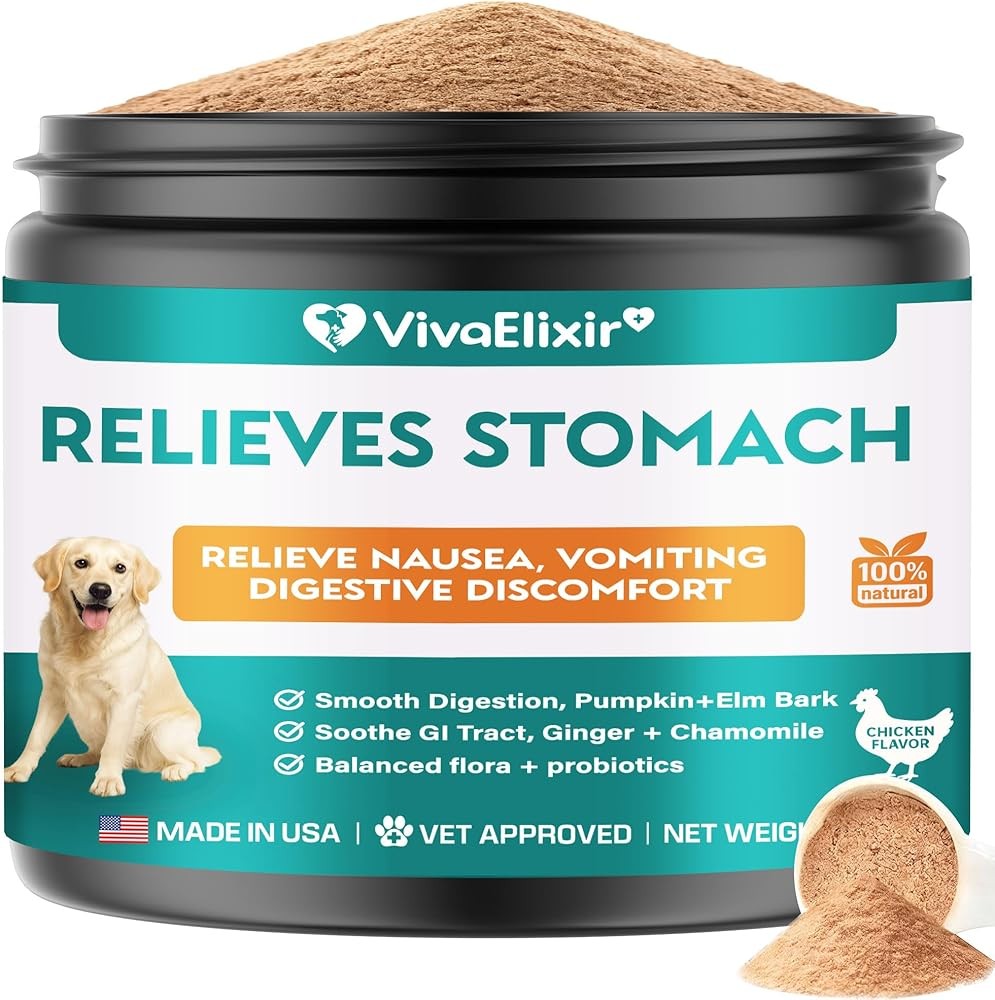
Dog Upset Stomach Relief for Nausea with Probiotics and Pumpkin
Check Price on AmazonAs an Amazon Associate we earn from qualifying purchases.
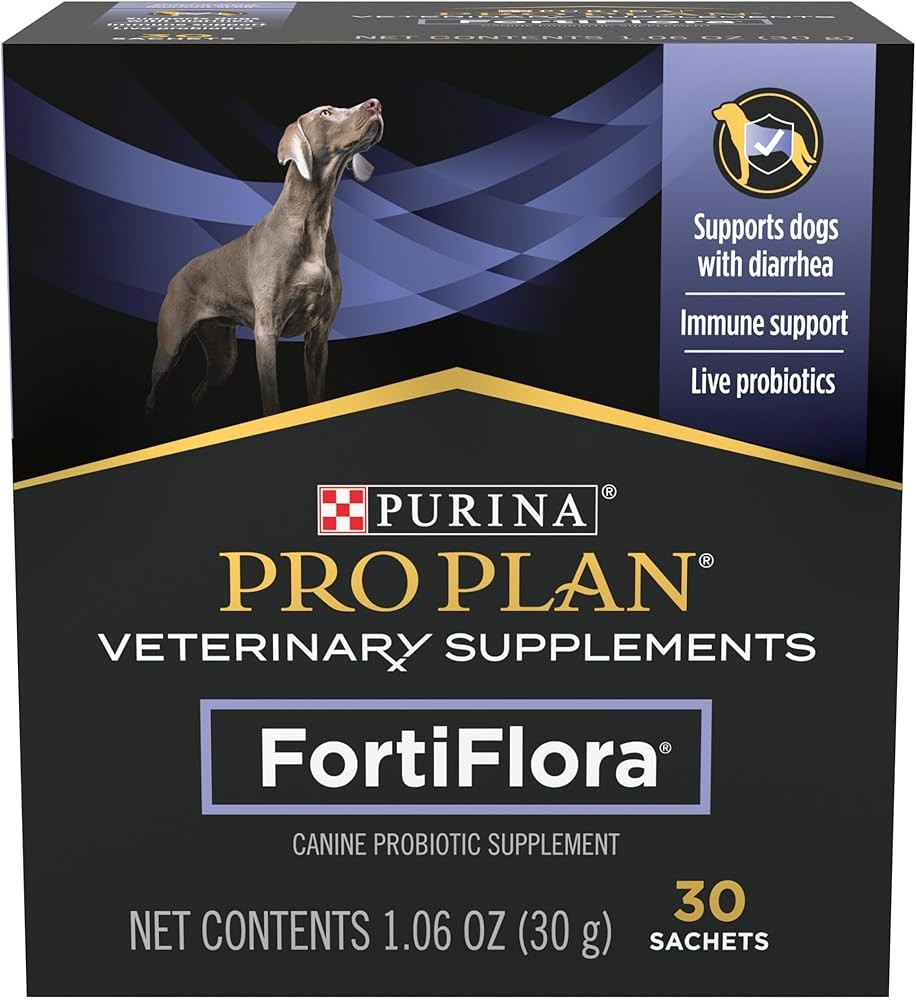
Purina Pro Plan FortiFlora Daily Probiotics for Dogs
Check Price on AmazonAs an Amazon Associate we earn from qualifying purchases.
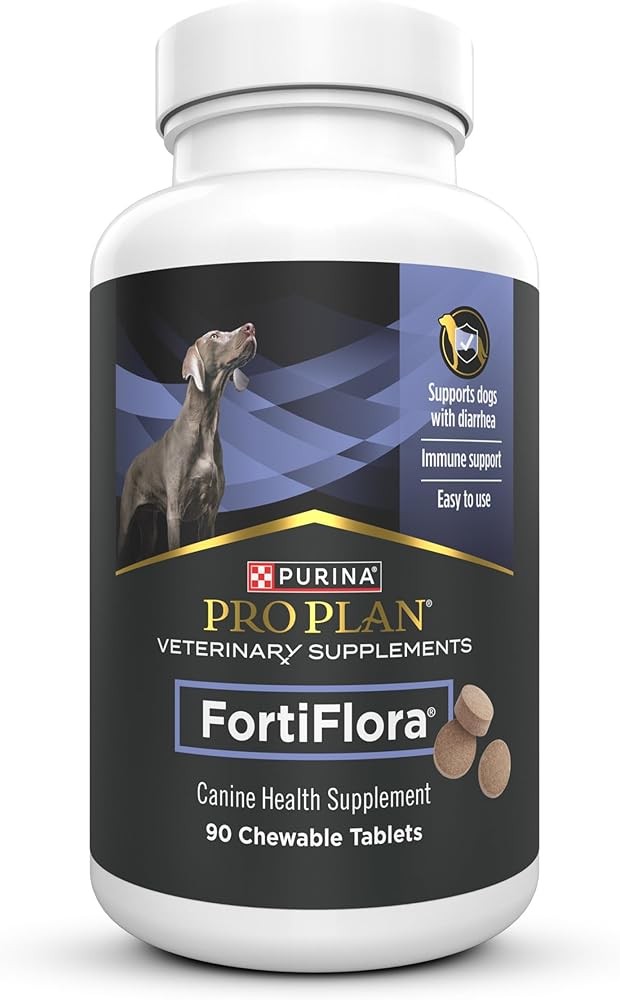
Purina FortiFlora Chewable Tablets for Digestive Health
Check Price on AmazonAs an Amazon Associate we earn from qualifying purchases.
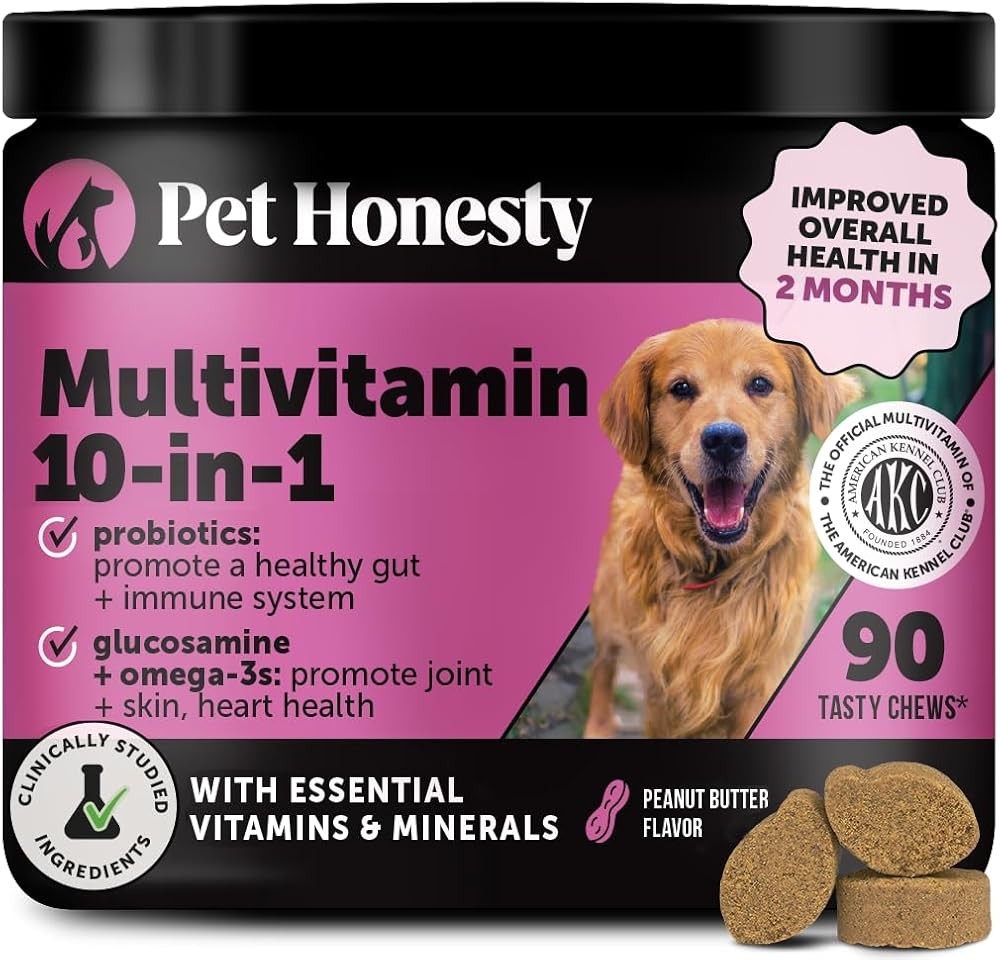
Multivitamin Dog Supplement with Glucosamine and Probiotics
Check Price on AmazonAs an Amazon Associate we earn from qualifying purchases.
Bottom line: Research indicates acute pancreatitis may appear with sudden vomiting, severe abdominal pain, and yellow greasy stool, with studies showing cPLI levels >400 μg/L confirming diagnosis; published research suggests treatment involves 24-48 hours NPO, IV fluids, pain management, and gradual refeeding with low-fat diet; studies indicate chronic pancreatitis requires lifelong low-fat diet (<10% fat) with small frequent meals; research shows EPI causes voluminous yellow, foul-smelling stool with ravenous appetite and weight loss, and studies indicate TLI <2.5 μg/L confirms diagnosis; published research suggests EPI management includes pancreatic enzyme powder (1-2 teaspoons per 20 kg), B12 supplementation, and highly digestible diet.
What Behavioral Clues Indicate Digestive Problems?
Your dog communicates discomfort and illness through subtle behavioral changes. Learning to read these clues allows early intervention:
Postural Clues
“Praying position”: Dog places front end down with rear end elevated, stretching abdomen. This position relieves abdominal pain from pancreatitis, gallbladder disease, or severe gastritis. Dogs hold this position for extended periods, sometimes pressing their abdomen against cool floor surfaces.
Hunched posture: Arched back with tucked abdomen indicates significant abdominal pain. Dogs are reluctant to move, walk stiffly, and may tremble. Seen with pancreatitis, peritonitis, severe gastroenteritis.
Frequent position changes: Dogs who constantly shift positions, stand up and lie down repeatedly, or can’t get comfortable likely have moderate abdominal discomfort.
Head pressing: Pressing head against walls or furniture indicates neurological problems, possibly from hepatic encephalopathy (liver failure causing brain toxins). Emergency symptom.
Behavioral Clues
Decreased appetite: One of the earliest signs of digestive disease. A dog who normally enthusiastically eats but now shows disinterest, sniffs food without eating, or walks away after a few bites feels nauseous or has abdominal pain.
Food guarding increases: A dog who suddenly becomes more protective of food may have increased hunger from malabsorption (EPI, parasites, IBD). They’re literally starving despite eating.
Eating grass: While occasional grass eating is normal, obsessive grass eating suggests nausea or digestive discomfort. Dogs instinctively eat grass to induce vomiting when feeling nauseous.
Coprophagia (eating feces): New-onset feces eating, especially eating their own stool immediately after defecating, strongly suggests malabsorption disease like EPI. The dog attempts to re-digest and extract nutrients that passed through unabsorbed.
Hiding or isolation: Dogs instinctively hide when sick or in pain. A normally social dog who seeks solitude or hides under beds/in closets feels unwell.
Restlessness or pacing: Unable to settle, pacing, panting despite cool temperature indicates pain or significant discomfort. Often seen with acute pancreatitis.
Physical Clues
Excessive lip licking: Dogs lick their lips repeatedly when nauseous, often accompanied by swallowing or gulping. Precedes vomiting by minutes to hours.
Drooling: Excessive salivation suggests nausea, particularly if dog repeatedly swallows.
Abdominal guarding: When you touch your dog’s belly, they tense abdominal muscles, pull away, or show signs of pain (whining, turning to look at your hand, attempting to bite). Never force examination if your dog shows severe guarding - this indicates significant pain requiring veterinary care.
Gum color changes: Research indicates pale, white, or gray gums may be associated with anemia, shock, or severe blood loss. Studies suggest yellow gums may indicate jaundice potentially linked to liver disease. Published research shows brick-red gums may appear in cases of infection or toxemia.
Weight loss: Progressive weight loss despite normal appetite strongly suggests malabsorption disease. Feel your dog’s ribs weekly - you should easily feel them with light pressure, but they shouldn’t be visibly prominent.
Coat quality decline: Dull, dry, brittle coat with excessive shedding accompanies chronic digestive disease, particularly conditions affecting fat absorption (EPI, lymphangiectasia, chronic pancreatitis).
Elimination Clues
Urgency: Dog suddenly needs to go out, can’t wait normal time between bathroom breaks. Suggests diarrhea imminent.
Straining with little production: Frequent squatting with small amounts of stool suggests colonic inflammation or irritation.
Unusual odor: Especially foul-smelling stool, greasy or rancid smell indicates fat malabsorption. Distinct smell different from normal stool odor.
Mucus in stool: Clear, cloudy, or yellow slime coating stool indicates colonic inflammation. Small amounts occasionally are normal; consistent mucus production is not.
Blood in stool: Frank red blood (hematochezia) comes from colon or rectum. Black, tarry stool (melena) indicates upper GI bleeding - more serious, requires immediate veterinary care.
Increased defecation frequency: More than 2-3 bowel movements daily (for adult dogs) suggests digestive upset or rapid transit.
Timing Clues
Symptoms after eating: Vomiting, diarrhea, or obvious discomfort within 1-4 hours of eating suggests food intolerance, pancreatitis, or gallbladder disease.
Symptoms regardless of eating: Vomiting bile on empty stomach, diarrhea at night, unrelated to meals suggests more generalized GI disease or systemic illness.
Progressive worsening: Symptoms that start mild but steadily worsen over days suggest advancing disease rather than simple dietary upset. Don’t delay veterinary care.
Intermittent symptoms: Symptoms that come and go over weeks or months suggest chronic disease (IBD, chronic pancreatitis, food sensitivity) rather than acute infection.
Trust your instincts. You know your dog best. If your dog appears different even without obvious symptoms, veterinary examination may reveal early indicators of health changes before they become readily apparent.
Bottom line: Dogs communicate digestive distress through postural clues (praying position for pancreatitis, hunched posture for abdominal pain), behavioral changes (decreased appetite, grass eating for nausea, coprophagia for malabsorption), physical signs (lip licking, pale/yellow gums, weight loss), and elimination patterns (urgency, straining, unusual odor, mucus/blood in stool) - trust your instincts when your dog seems “off.”
Frequently Asked Questions
Q: Can stress cause yellow dog poop?
A: Research suggests stress can influence the digestive system via the gut-brain connection. Studies indicate significant stressors – such as moving, new family members, boarding, or separation anxiety – may trigger stress-induced diarrhea or colitis, sometimes observed as yellow stool. Research shows stress may accelerate intestinal transit time, potentially preventing complete bile breakdown. However, studies suggest stress alone rarely results in yellow stool lasting more than 24-48 hours. If yellow stool continues despite addressing the stressor, further investigation into other potential causes may be warranted.
Q: Is yellow mucus in dog poop serious?
A: Research suggests a yellow mucus coating on stool may be associated with colonic inflammation. Studies indicate small amounts may occasionally be observed as a normal occurrence, but consistent or increasing mucus production may warrant veterinary assessment. Research shows potential causes include dietary factors, stress colitis, parasites (particularly Giardia), IBD, or bacterial infection. Published research indicates that if accompanied by blood, diarrhea, vomiting, or lethargy, veterinary consultation within 24 hours may be beneficial.
Q: Can vitamins or supplements cause yellow dog poop?
A: Yes, certain supplements can lighten stool color. B-vitamins, particularly B2 (riboflavin), create yellow-orange urine and occasionally yellow-tinged stool. Turmeric supplements (given for anti-inflammatory effects) contain yellow curcumin pigment that colors stool. If you recently started a supplement and your dog otherwise acts normal, the supplement likely explains the color change. Stool should return to normal a few days after discontinuing the supplement.
Q: Does yellow dog poop mean cancer?
A: While cancer isn’t the most common cause, certain cancers do cause yellow stool. Liver cancer, pancreatic cancer, and intestinal lymphoma can all affect bile production or digestive enzyme secretion. However, cancer typically causes progressive symptoms: persistent yellow stool worsening over weeks, weight loss despite eating, lethargy, vomiting, or abdominal masses. A single episode of yellow stool in an otherwise healthy dog is extremely unlikely to indicate cancer. Persistent yellow stool in a senior dog warrants comprehensive workup including cancer screening.
Q: Can antibiotics cause yellow dog poop?
A: Yes. Antibiotics may help combat both harmful and beneficial gut bacteria, disrupting the normal gut microbiome. This causes dysbiosis (bacterial imbalance), often resulting in diarrhea or loose yellow stool. Antibiotic-associated diarrhea typically starts 3-7 days into antibiotic treatment and resolves within a week of completing antibiotics. Probiotics given during and after antibiotic treatment may help reduce or minimize this side effect. If your dog develops severe diarrhea, vomiting, or bloody stool while on antibiotics, contact your vet - they may need to change antibiotics or add supportive medications.
Q: Should I fast my dog if they have yellow poop?
A: For adult dogs (not puppies) with yellow poop but no vomiting, research suggests a 12-24 hour fasting period may support digestive rest and appears to have some benefit for stool quality. However, studies indicate providing water is important – water should not be withheld. After the fasting period, initiating a bland diet (boiled chicken and rice) in small, frequent meals has been used in clinical settings. Research suggests fasting is not recommended for puppies, toy breed dogs prone to hypoglycemia, or diabetic dogs without veterinary guidance. If a dog is vomiting, studies show consulting a veterinarian before implementing any fasting protocol may be beneficial.
Q: Can dehydration cause yellow dog poop?
A: Dehydration doesn’t directly cause yellow stool, but the underlying condition causing dehydration (vomiting, diarrhea, disease) often also affects bile processing and transit time. Dehydration concentrates stool, sometimes making it appear darker rather than lighter. However, if your dog has yellow diarrhea and shows dehydration signs (sunken eyes, dry gums, skin tenting), this indicates significant disease requiring immediate veterinary care. The dehydration itself is a medical emergency regardless of stool color.
Q: Is yellow dog poop contagious to other dogs?
A: It depends on the cause. If yellow stool results from contagious parasites (giardia, coccidia), viruses (parvovirus, coronavirus), or bacteria (salmonella, campylobacter), then yes, other dogs can contract the infection through contact with infected stool. If yellow stool results from liver disease, pancreatitis, food intolerance, or non-infectious causes, it’s not contagious. When in doubt, isolate the affected dog from other pets until your veterinarian determines the cause. Always practice good hygiene: pick up stool immediately, wash hands after handling, and disinfect contaminated areas with bleach solution (1:32 dilution).
Q: Can I give my dog Pepto-Bismol for yellow poop?
A: Research indicates bismuth subsalicylate (Pepto-Bismol) may be used in the short-term for mild diarrhea in dogs, but consultation with a veterinarian is advised. Studies have used a dosage of 1 teaspoon per 10 pounds of body weight every 6-8 hours for a maximum of 2 days. Important considerations: Research shows bismuth subsalicylate may be toxic to cats. It should not be used in conjunction with aspirin or NSAIDs. It is also noted to be avoided in dogs with bleeding disorders. Published research shows Pepto-Bismol may cause stool to appear dark black, which could obscure the visibility of concerning black, tarry stool potentially indicative of internal bleeding. Studies suggest Pepto-Bismol may help manage symptoms, but does not address underlying disease. If yellow stool continues despite use of Pepto-Bismol, or if additional symptoms develop, veterinary attention is recommended.
Related Reading
-
Best Probiotics for Dogs: Research-Backed Digestive Support
-
Dog Diarrhea: Causes, Treatment, and When to See Your Vet
-
Understanding Dog Vomiting: Yellow Bile and Digestive Issues
-
Pancreatitis in Dogs: Symptoms, Diagnosis, and Management
-
Giardia in Dogs: Detection, Treatment, and Prevention
-
Liver Disease in Dogs: Early Warning Signs
-
Best Low-Fat Dog Foods for Pancreatitis and Digestive Issues
-
Dog Diarrhea with Blood: Causes, Treatment, and When It’s an Emergency
-
Dog Diarrhea: Causes, Symptoms, When to Worry, and Treatment
-
Dog Limping Front Leg No Pain: Causes, When to Worry, and Home Care
Conclusion: Navigating Yellow Dog Poop With Confidence
Yellow dog poop can understandably create concern, but having information may help differentiate between typical dietary variations and potential health issues. Published research suggests most cases result from relatively simple causes – changes in diet, consumption of fatty foods, or temporary digestive upset – and may resolve with basic supportive care. However, research indicates persistent yellow stool, progressive lightening in color, or accompanying symptoms like vomiting, lethargy, or abdominal pain may benefit from prompt veterinary assessment.
The key lies in observation: monitor your dog’s overall behavior, appetite, energy, and additional symptoms. A dog with yellow poop who continues eating, playing, and acting normally likely needs only dietary management and monitoring. A dog showing multiple concerning symptoms requires veterinary evaluation.
Remember these critical takeaways:
- Yellow stool indicates rapid intestinal transit or insufficient bile production
- Diet changes and fatty foods cause most cases
- Parasites like giardia commonly cause yellow, greasy diarrhea
- Liver disease, gallbladder problems, and pancreatitis create persistent yellow stool with systemic symptoms
- Puppies deteriorate faster and need veterinary care sooner than adults
- Emergency care is required for yellow stool with severe vomiting, collapse, pale gums, or jaundice
- Home care includes bland diet, probiotics, and hydration monitoring
- Prevention focuses on gradual diet transitions, parasite control, and toxin avoidance
When in doubt, consult your veterinarian. Research suggests early attention to potential underlying causes may support improved outcomes. Published research shows most dogs with yellow stool appear to recover fully with interventions, returning to normal stool color and improved health within days to weeks.
Your attentiveness, combined with your veterinarian’s expertise, may support your dog’s potential for recovery and long-term digestive well-being. Research suggests paying attention to the cues your dog provides and trusting your instincts may be beneficial, and seeking professional guidance when needed appears to be important. Studies indicate your dog depends on you to recognize when something appears unusual and to facilitate obtaining necessary care.
Recommended Products