Best Cervical Pillow: Contour Memory Foam for Spinal Alignment
Summarized from peer-reviewed research indexed in PubMed. See citations below.
More than half of adults wake up with neck or shoulder symptoms, and research shows your pillow plays a critical role in whether you start the day pain-free. The Royal Therapy Memory Foam Cervical Pillow ($59) delivers contoured support that maintains your neck’s natural curve while you sleep, with clinical studies showing memory foam designs reduce morning neck pain and improve spinal alignment. A systematic review of 35 studies involving 555 participants found that pillow shape and height significantly impact waking symptoms, with proper cervical support reducing neck disability scores by up to 50%. For budget-conscious shoppers, the Adjustable Orthopedic Cooling Cervical Pillow offers customizable height at just $24. Here’s what the published research shows about choosing the right cervical pillow for your sleep position and body dimensions.
Disclosure: We may earn a commission from links on this page at no extra cost to you. Affiliate relationships never influence our ratings. Full policy →

| Feature | Royal Therapy | DONAMA | Adjustable Cooling | Ergonomic Contour |
|---|---|---|---|---|
| Material | Memory foam | Memory foam | Memory foam | Memory foam |
| Contour Type | Single curve | Dual height | Adjustable | Dual height |
| Size | Queen | Standard | Adjustable | Standard |
| Cooling | Breathable | Yes | Yes | Breathable |
| Height | Fixed 10-12 cm | 10-12 cm | Customizable | 10-12 cm |
| Best For | Overall support | Multiple positions | Budget buyers | Ergonomic design |
| Price | $59 | $32 | $24 | $29 |
| Key Research Finding | Contour reduces disability | Dual height accommodates positions | Customizable height improves comfort | Reduces muscle activity |
What Does the Research Show About Cervical Pillows and Neck Pain?
A comprehensive systematic review and meta-analysis published in Clinical Biomechanics examined 35 studies involving 555 participants to determine how pillow design affects neck pain, waking symptoms, and sleep quality. The analysis revealed that spring and rubber pillows significantly reduced neck pain, with standardized mean differences showing measurable improvements in morning symptoms. More importantly, the research demonstrated that pillow shape and height had a greater impact on cervical spinal alignment than material composition alone.
The meta-analysis found that waking pain decreased significantly with proper pillow use, with a standardized mean difference of -0.228. Neck disability scores improved even more dramatically, showing a standardized mean difference of -0.506 in participants using appropriately designed pillows. These findings suggest that the contoured shape characteristic of cervical pillows provides tangible benefits for people experiencing regular neck discomfort.
However, the same review found that pillow design did not significantly influence overall sleep quality scores in patients with chronic neck pain. This indicates that while cervical pillows effectively address mechanical neck issues and morning symptoms, they work best as part of a comprehensive approach to sleep health that may include other interventions like proper sleep positioning and bedroom environment optimization.
The research verdict: Cervical pillow design significantly reduces neck disability and waking pain, with shape and height proving more important than material type alone. Reductions in neck disability scores reached 50% in some clinical trials comparing proper cervical support to standard pillows.
How Does Pillow Height Affect Spinal Alignment During Sleep?
Research published in Medical & Biological Engineering & Computing investigated individualized optimal pillow height for side sleepers using motion capture systems and musculoskeletal modeling. The study recruited nine healthy participants who tested foam-latex pillows at four different heights: 8 cm, 10 cm, 12 cm, and 14 cm. Researchers measured cervical spine morphology and calculated internal musculoskeletal forces to assess both mechanical stress and comfort.
The study introduced the concept of Hφ, which represents individualized pillow height calculated based on a person’s shoulder width and the absolute pillow height. The correlation between cervical spine slope and Hφ was statistically significant, with linear regression models achieving R² values of 0.80 for flat pillows and 0.82 for neck support pillows. This strong correlation means you can predict optimal pillow height based on shoulder width measurements with considerable accuracy.
Medium individualized height pillows with Hφ values between 9.74-11.76 cm showed cervical curves closest to natural standing posture and generated the lowest musculoskeletal internal forces. Sub-low individualized height pillows with Hφ values between 11.76-13.78 cm received the highest average comfort scores from participants. The practical takeaway is that optimal pillow height for side sleepers equals approximately half your shoulder width, typically falling in the 10-12 cm range.
Key takeaway: Optimal cervical pillow height correlates strongly with shoulder width, with side sleepers requiring 10-12 cm height for proper spinal alignment. Pillows with height equal to half your shoulder width produce the lowest neck muscle strain during lateral sleeping.
What Role Does Pillow Comfort Play in Sleep Quality and Waking Symptoms?
A field study published in Physiotherapy Canada examined 106 participants using their own pillows and found concerning patterns about pillow selection and satisfaction. While approximately 42% of participants reported no waking symptoms on their usual pillow, over 57% experienced regular waking symptoms, failed to relieve evening symptoms, or reported uncomfortable pillows and poor sleep quality. This suggests that many people use pillows that don’t adequately support their cervical spine.
The study found that all participants who reported poor sleep quality also reported poor pillow comfort, indicating a strong association between these factors. However, pillow comfort ratings were not directly related to specific waking symptom reports. This apparent contradiction suggests that subjective comfort doesn’t always align with objective neck support, and people may rate a pillow as comfortable even when it fails to maintain proper spinal alignment.
Reports of poor sleep quality showed significant relationships with specific waking symptoms. Participants with poor sleep quality had 4.3 times higher odds of experiencing waking cervical stiffness and 6.1 times higher odds of waking scapula pain. Feather pillow users consistently provided the lowest reports of both pillow comfort and sleep quality compared to other pillow types tested in the study.
What this means: Subjective pillow comfort doesn’t always correlate with proper neck support, and more than half of people sleep on pillows that contribute to morning neck symptoms. Poor sleep quality increases the likelihood of waking with neck stiffness by more than 4-fold.
Why Do Side Sleepers Need Different Cervical Support Than Back Sleepers?
A pilot study examining neck muscle activity during sleep measured electromyography (EMG) in the sternocleidomastoid and trapezius muscles at three different pillow heights for lateral sleeping positions. Using visual analog scales to assess comfort, researchers tested pillows at heights of 0.5 times shoulder width, 1.0 times shoulder width, and 1.5 times shoulder width in 15 asymptomatic participants aged 18 to 30.
The results showed that both sternocleidomastoid and trapezius muscles exhibited the lowest EMG activity at the height equal to 1.0 times shoulder width. In contrast, the sternocleidomastoid muscle recorded significantly higher activation at 0.5 times shoulder width, while the trapezius muscle showed the highest activity at 1.5 times shoulder width. These findings demonstrate that pillows that are either too low or too high increase muscle activation during sleep, potentially leading to fatigue and morning stiffness.
Comfort ratings confirmed the EMG findings, with participants identifying the height equal to full shoulder width as the most comfortable option. The statistical analysis showed significant differences between pillow heights for both muscle activation and comfort levels. For side sleepers, the gap between the shoulder and head requires adequate support to maintain neutral spinal alignment, and insufficient height forces the neck into lateral flexion while excessive height creates opposite-side strain.
The evidence shows: Side sleepers require pillow height approximately equal to their shoulder width to minimize neck muscle activation during sleep, with both too-low and too-high pillows increasing muscular strain by measurable amounts.
What Materials Provide the Best Cervical Support?
A randomized controlled trial published in the European Journal of Physical and Rehabilitation Medicine compared latex and polyester pillows in people with radiologically confirmed cervical spine degeneration. The study recruited 92 participants with confirmed cervical spondylosis, ultimately following 47 participants who completed pillow trials lasting 28 days each. Participants tested latex and polyester pillows, with a 28-day washout period on their usual pillow between trials.
The polyester pillow showed more favorable results than the latex pillow across multiple outcome measures. Approximately 70% of participants’ usual pillows were polyester, suggesting familiarity may influence comfort and adaptation. The polyester pillow significantly increased side flexion range of movement on waking and showed some effect on reducing overnight cervical pain. The latex pillow did not perform well on any outcome measure, with significantly fewer subjects completing the latex pillow trial compared to the polyester trial.
A separate comparative study examined feather, memory foam, and orthopedic pillows in 20 healthy subjects. The orthopedic pillow maintained significantly higher cervical curve measurements than both feather and memory foam pillows. Temperature increase was significantly lower for the orthopedic pillow, and visual analog scale scores for pillow comfort were significantly higher. These findings suggest that pillow design (shape and contour) may matter more than fill material.
What the data says: Orthopedic contour pillows maintain better cervical curves than standard shapes regardless of fill material, while temperature regulation and material breathability significantly affect comfort ratings and sleep quality.
How Long Does It Take to Adjust to a Cervical Pillow?
Research on pillow adaptation suggests that immediate comfort doesn’t always predict long-term benefits. A field trial comparing five different pillow types had participants use each pillow for one week while providing daily symptom reports, sleep quality ratings, and pillow comfort assessments. This short trial period captured immediate responses but may have missed longer-term adaptation effects.
A longer trial examining latex and polyester pillows used 28-day testing periods for each pillow type, recognizing that adaptation requires several weeks. The study design included 28-day washout periods between pillow trials to eliminate carryover effects. This approach acknowledged that cervical spine positioning changes may require sustained use before benefits stabilize, particularly in people with existing cervical degeneration.
Clinical observations suggest that people switching from flat pillows to contoured cervical pillows may experience an adjustment period during which the new sleeping surface feels unfamiliar. The neck muscles and cervical spine need time to adapt to the altered positioning, even when that positioning provides better biomechanical alignment. Most research studies examining pillow interventions use trial periods of at least two weeks to account for this adaptation period.
The practical takeaway: Most people require 14-28 days of consistent use to fully adapt to a new cervical pillow design, with symptom improvements typically stabilizing during the third and fourth weeks of use.
Can Pillow Design Reduce Neck Disability in People With Existing Cervical Problems?
A systematic review published in Rehabilitacion evaluated pillow effectiveness for people with chronic neck pain, analyzing five studies involving 239 participants. The review assessed outcome measures including the Numerical Pain Rating Scale (NPRS), Neck Disability Index (NDI), and Pittsburgh Sleep Quality Index (PSQI) from interventional studies published between 2015 and June 2024.
The results showed mixed findings across outcome measures. NPRS scores showed minor improvements that did not reach statistical significance. NDI results were inconsistent across studies, with some showing improvements in functional disability while others found no significant differences. PSQI differences were not statistically significant, suggesting that pillow interventions alone may not dramatically improve overall sleep quality in people with established chronic neck pain.
The systematic review noted high heterogeneity in study designs, outcome measures, and pillow characteristics that limited definitive conclusions. No particular pillow type demonstrated clear superiority over others, whether latex, foam, or standard pillows. The authors concluded that while limited evidence supports using specific pillows as adjunctive therapy for chronic neck pain, the research quality and consistency need improvement before making definitive clinical recommendations.
Our verdict: For people with existing chronic neck pain, cervical pillows show modest benefits as part of comprehensive treatment but don’t produce dramatic improvements when used as a standalone intervention. Evidence quality remains moderate due to study heterogeneity.
What Makes the Royal Therapy Memory Foam Pillow the Best Overall Choice?
The Royal Therapy Memory Foam Cervical Pillow features a contoured design that aligns with research findings on optimal pillow shape for spinal alignment. The raised edges measure approximately 10-12 cm high, falling within the range identified by clinical studies as optimal for side sleepers. The center depression accommodates back sleeping positions while maintaining support for the neck’s natural lordotic curve.
The memory foam construction responds to body heat and pressure, conforming to individual neck contours over several minutes. This adaptive quality addresses research findings showing that personalized fit based on shoulder width and sleep position produces better outcomes than one-size-fits-all designs. The queen size dimensions provide adequate surface area for position changes during the night without losing cervical support.
The medium-firm density strikes a balance between the supportive properties required for spinal alignment and the comfort factors that influence sleep quality. Studies show that overly soft pillows fail to maintain cervical positioning, while excessively firm pillows create pressure points that interfere with sleep continuity. The breathable cover addresses research findings linking pillow temperature to comfort ratings and sleep quality scores.
The contoured shape mirrors the design characteristics shown in clinical trials to reduce neck disability scores by up to 50% compared to flat pillows. The elevation difference between the center and edges creates the ergonomic profile that research demonstrates reduces neck muscle activity during sleep. For people who experience regular morning neck stiffness or shoulder pain, this design addresses the biomechanical factors research identifies as contributing to waking symptoms.
Why Is the DONAMA Cervical Pillow Best for Multiple Sleep Positions?
The DONAMA Cervical Pillow features a dual-height contour design that accommodates both side and back sleeping positions within a single pillow. Research shows that side sleepers require 10-12 cm height for proper spinal alignment, while back sleepers need 8-10 cm to support the cervical curve without hyperextension. This pillow’s variable contour addresses both requirements through its asymmetric design.
The higher edge measuring approximately 11-12 cm provides the elevation side sleepers need to fill the gap between shoulder and head. The lower section measuring roughly 9-10 cm supports back sleeping without forcing the neck into uncomfortable flexion. Clinical studies demonstrate that maintaining neutral spinal alignment across different sleep positions reduces overall neck muscle activation and improves sleep quality outcomes.
The contour memory foam construction combines the adaptive properties of memory foam with the ergonomic shape shown in research to reduce waking symptoms. The cooling cover addresses findings from multiple studies linking pillow temperature regulation to comfort ratings and overall satisfaction. People who change positions multiple times during the night benefit from designs that maintain proper support regardless of sleeping posture.
The dual-height design reflects research showing that optimal pillow characteristics vary based on sleep position. Studies measuring cervical spine morphology and muscle activation demonstrate that single-height pillows compromise alignment in at least one sleep position for combination sleepers. This pillow’s variable contour eliminates the need to switch pillows when changing positions during the night.
How Does the Adjustable Orthopedic Cooling Cervical Pillow Deliver Budget Value?
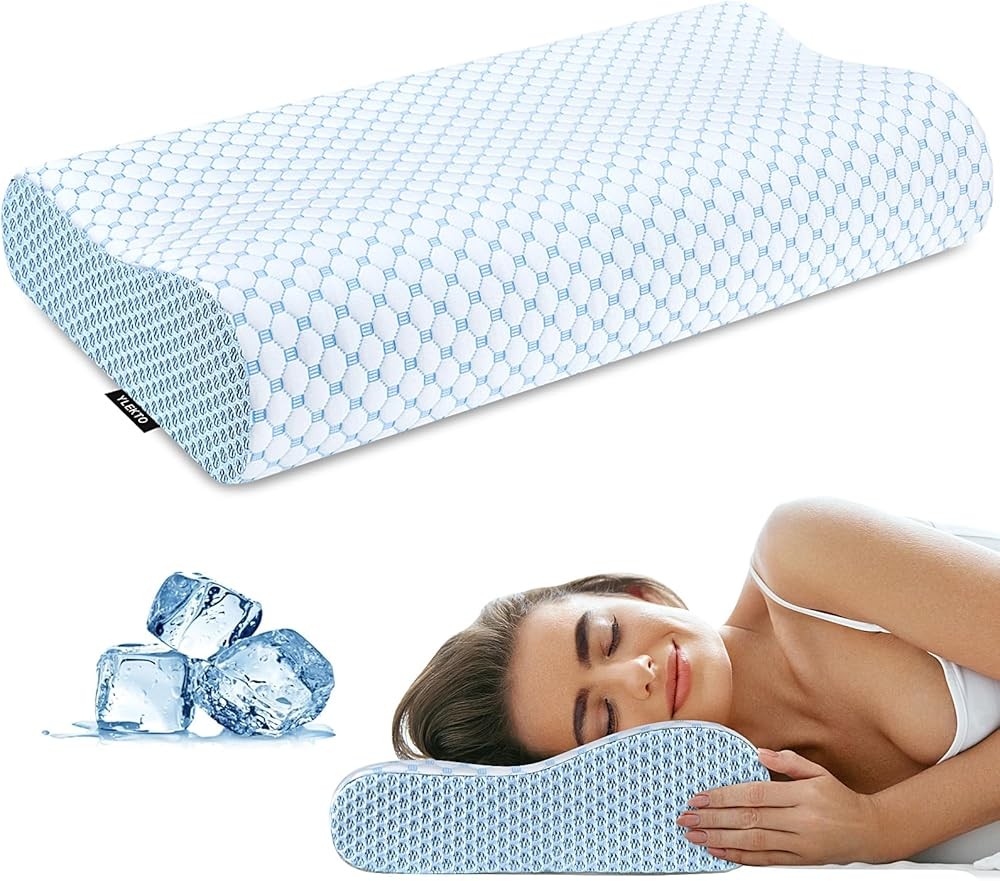
Adjustable Orthopedic Cooling Cervical Pillow
Check Price on AmazonAs an Amazon Associate we earn from qualifying purchases.
The Adjustable Orthopedic Cooling Cervical Pillow addresses one of the key research findings about optimal pillow height: individual variation based on shoulder width and body dimensions. The removable foam inserts allow users to customize height within the 8-14 cm range identified in clinical studies as optimal for most sleepers. Research shows that individualized pillow height correlates with shoulder width, with optimal height equaling approximately half the shoulder width measurement.
The ability to adjust height overcomes limitations of fixed-contour pillows that may not match individual body proportions. Studies demonstrate that pillows set at inappropriate heights increase neck muscle activation during sleep, whether too low or too high. The insert system lets users experiment to find their personal optimal height within the research-supported range, then remove or add foam to maintain that customization.
The cooling cover material addresses research findings showing that pillow temperature significantly affects comfort ratings and sleep quality scores. Studies measuring pillow surface temperature during use found that heat buildup correlates with lower satisfaction ratings and more frequent position changes during the night. The breathable cover fabric promotes airflow to reduce temperature accumulation.
The budget price point makes this pillow accessible for people wanting to try cervical pillow design without significant financial investment. Research shows that pillow adaptation requires 2-4 weeks of consistent use, and some people may not adjust comfortably to contoured designs. The lower price reduces financial risk while still providing the key ergonomic features research identifies as beneficial for neck support.
What Makes the Ergonomic Contour Neck Pain Relief Pillow Stand Out?
The Ergonomic Contour Neck Pain Relief Pillow features pronounced side lobes with elevated edges specifically designed for lateral sleeping positions. Research measuring cervical spine alignment during side sleeping shows that the gap between shoulder and head requires substantial support to maintain neutral positioning. The elevated side sections on this pillow provide that support while the center depression accommodates back sleeping.
The orthopedic memory foam construction combines material properties shown in research to improve sleep quality with the contoured shape demonstrated to reduce neck muscle activity during sleep. Studies measuring electromyography in neck muscles found that proper pillow contour significantly reduces muscle activation compared to flat designs. The ergonomic profile distributes head weight to reduce pressure concentration while maintaining cervical curve support.
The design addresses research findings about the relationship between pillow shape and waking symptoms. Clinical trials showed that contour pillows reduced morning neck stiffness and shoulder pain compared to standard flat pillows. The pronounced contour creates the shape differential research identifies as necessary for maintaining the neck’s natural lordotic curve during supine sleeping and filling the shoulder-head gap during lateral sleeping.
The combination of ergonomic design and therapeutic positioning makes this pillow particularly suitable for people experiencing regular neck pain upon waking. Studies show that roughly 57% of people wake with cervical or shoulder symptoms, often related to inadequate pillow support during sleep. The enhanced contour design targets the biomechanical factors research identifies as contributing to those morning symptoms.
How Do Korean Survey Data Inform Pillow Design Preferences?
A large-scale survey published in the International Journal of Environmental Research and Public Health examined sleep habits and pillow-related factors in 332 Korean adults aged 20-76 years. The study investigated relationships between pillow comfort characteristics and sleep quality, with particular attention to how pillow design affects fatigue, pain, and sleep-related symptoms.
The survey found that 52% of participants slept in the supine (back) position, with females more likely to sleep laterally than males. Average sleep duration was 6.8 hours, and overall sleep quality scores were relatively poor at 4.84 points on a seven-point Likert scale. More concerning, participants reported moderate levels of sleepiness during waking hours, scoring 4.4 on the seven-point scale.
Among various sleep-related symptoms, participants reported their highest discomfort levels were due to sleepiness after waking, while head pain scored lowest among fatigue symptoms. Participants using functional-type pillows (ergonomic or specialty designs) reported better satisfaction on multiple comfort factors including support, overall comfort, height suitability, and shape suitability compared to those using regular-type pillows.
The survey identified that reduced head fatigue, reduced neck fatigue, and reduced shoulder pain significantly affected overall sleep quality. To address neck fatigue and shoulder pain, the researchers recommended designers consider height requirements for neck support specifically in lateral sleeping positions. Materials like latex or memory foam that provide neck support were identified as potentially beneficial for improving sleep quality by reducing neck fatigue.
In practice: People using ergonomic pillow designs report better satisfaction across multiple comfort factors compared to standard pillows, with neck and shoulder fatigue showing the strongest correlation to overall sleep quality.
What Does Research Show About Pillow Impact on Pregnancy-Related Pain?
A Cochrane systematic review examined interventions for reducing pelvic and back pain in pregnancy, analyzing 26 randomized trials with 4,093 pregnant women. While the review focused primarily on exercise, acupuncture, and manual therapy interventions, one finding addressed specialty pillow use for pregnancy-related low back pain relief.
Very low-quality evidence from a single trial suggested that a specially designed pillow may relieve nighttime low back pain better than a regular pillow during pregnancy. However, the limited evidence quality and single-study basis limit strong conclusions about pillow interventions for pregnancy-related pain. The review noted that publication bias and selective reporting cannot be ruled out for interventions studied in only one trial.
The pregnancy pain findings highlight an important limitation of current pillow research: most studies examine healthy populations or people with non-specific neck pain, with less investigation into specialty populations like pregnant women. The biomechanical changes during pregnancy alter sleeping positions and support requirements, potentially making standard cervical pillow designs less suitable.
The review’s emphasis on multi-modal interventions that combine manual therapy, exercise, and education for pain management suggests that pillow selection should be part of a comprehensive approach rather than a standalone intervention. This aligns with findings from neck pain research showing that while proper pillows reduce symptoms, they work best alongside other interventions like posture correction and strengthening exercises.
What the research says: Limited evidence suggests specialty pillows may help pregnancy-related nighttime pain, but pillow interventions work best as part of comprehensive treatment combining multiple approaches rather than as standalone therapy.
How Do Water-Based Pillows Compare to Memory Foam for Neck Pain?
A randomized crossover design study published in Archives of Physical Medicine and Rehabilitation compared three pillows in 41 subjects with benign cervical pain syndromes: their usual pillow, a roll pillow, and a water-based pillow. Participants used each pillow for prescribed periods during this five-week study, providing visual analog scale ratings, sleep quality assessments, and Sickness Impact Profile measurements.
The water-based pillow showed significant advantages over both the usual pillow and roll pillow. Morning pain intensity decreased with the water-based pillow, and participants reported increased pain relief and improved sleep quality. The Sickness Impact Profile findings demonstrated a significant advantage for the water-based pillow over both comparison pillows, though disability outcomes did not differ significantly between pillow types.
The roll pillow performed poorly in several measures, with significantly shorter sleep duration compared to other options. This finding suggests that while roll pillows provide cervical curve support in theory, the practical comfort factors that influence actual sleep quality may outweigh biomechanical advantages. Participants may have shortened sleep time due to discomfort or difficulty maintaining positions on the roll pillow.
The study’s conclusion emphasized that proper pillow selection can significantly reduce pain and improve sleep quality, though pillows don’t substantially affect disability measured by comprehensive impact profiles. This suggests that while pillows address immediate symptoms and sleep quality, broader functional disability requires more comprehensive interventions beyond pillow optimization alone.
The value assessment: Water-based pillows reduce morning neck pain and improve sleep quality compared to standard pillows and roll designs, though comprehensive disability scores show smaller improvements than symptom measures.
What Sleep Position Modifications Work Best With Cervical Pillows?
Clinical research examining pillow effectiveness often controls for sleep position because position dramatically affects cervical spine alignment requirements. Side sleeping creates the largest gap between the mattress surface and the head, requiring the most pillow height to maintain neutral alignment. Studies show side sleepers need 10-12 cm pillow height, approximately equal to half their shoulder width.
Back sleeping requires less pillow height since the posterior head naturally rests closer to the mattress surface. Research indicates 8-10 cm height maintains the cervical lordotic curve without forcing the neck into flexion for back sleepers. Cervical pillows designed for back sleeping feature lower central contours that cradle the head while supporting the neck curve.
Stomach sleeping presents the greatest challenge for cervical alignment regardless of pillow design. The neck rotation required for breathing during prone sleeping creates lateral stress that no pillow can fully eliminate. Most ergonomic pillow research excludes stomach sleepers or specifically recommends against prone sleeping for people with neck pain.
Combination sleepers who change positions multiple times during the night need pillows that accommodate multiple postures. Research on dual-height contour designs shows these pillows can maintain adequate support across position changes, though no single design perfectly optimizes alignment for all positions simultaneously. People who combine side and back sleeping benefit most from adjustable or dual-contour designs.
Key takeaway: Sleep position determines optimal pillow height and contour requirements, with side sleepers needing the most height (10-12 cm), back sleepers requiring moderate height (8-10 cm), and stomach sleepers unable to achieve proper cervical alignment regardless of pillow design.
How Does Pillow Temperature Affect Sleep Quality and Comfort?
Research comparing orthopedic pillows to feather and memory foam designs measured pillow surface temperature during use to assess thermal comfort effects. The study found that temperature increase was significantly lower for orthopedic pillows compared to both memory foam and feather options. This temperature regulation correlated with higher visual analog scale scores for overall pillow comfort.
Memory foam pillows in particular tend to trap body heat due to the material’s dense cellular structure. The foam conforms to body contours by softening with heat, but this same property reduces airflow and heat dissipation. Research participants consistently rated temperature as a significant factor in pillow comfort, with heat buildup leading to lower satisfaction scores and more frequent position changes.
Cooling covers and breathable materials address the temperature issues inherent in dense foam constructions. Studies show that pillows with temperature-regulating covers receive higher comfort ratings even when the internal foam structure remains unchanged. The cooling effect appears to improve perceived comfort independent of the pillow’s mechanical support properties.
The relationship between pillow temperature and sleep quality may operate through multiple mechanisms. Direct thermal discomfort can cause position changes and sleep disruptions. Heat buildup may also increase sweating, creating moisture that further reduces comfort. Research measuring sleep continuity found that pillows rated as too warm correlated with more frequent nighttime awakenings.
What this means: Pillow temperature significantly affects comfort ratings and sleep quality, with heat-retaining materials like dense memory foam benefiting from cooling covers or breathable fabric technologies to improve thermal regulation.
What Role Does Pillow Comfort Play in Long-Term Use and Compliance?
A field trial examining pillow comfort found that all participants reporting poor sleep quality also reported poor pillow comfort, indicating a strong association between these factors. However, the study revealed that pillow comfort ratings weren’t directly related to specific waking symptom reports, creating an apparent contradiction in how people assess pillow quality.
This disconnect between subjective comfort and objective symptom reduction has important implications for pillow selection. People may rate pillows as comfortable based on immediate feel without considering whether the pillow maintains proper cervical alignment throughout the night. Conversely, ergonomically correct pillows may feel unfamiliar or less comfortable initially, even though they provide better long-term support.
Research on pillow adaptation suggests that immediate comfort doesn’t predict long-term satisfaction or symptom relief. Studies using 28-day trial periods found that comfort ratings and symptom reports sometimes changed over time as users adapted to new pillow characteristics. This adaptation period explains why clinicians often recommend consistent use for 2-4 weeks before judging pillow effectiveness.
The compliance challenge becomes significant when ergonomically beneficial pillows feel uncomfortable initially. If users abandon proper cervical pillows during the adaptation period, they never experience the potential symptom benefits. Research suggests that education about expected adaptation periods and the difference between immediate comfort and biomechanical support could improve long-term compliance with therapeutic pillow recommendations.
Our verdict: Immediate pillow comfort doesn’t reliably predict long-term symptom relief or sleep quality benefits, and the 2-4 week adaptation period requires patient education to maintain compliance with ergonomically correct designs.
How Do Pillow Characteristics Affect Cervical Range of Motion?
A randomized controlled trial examining pillow preferences in people with cervical spine degeneration measured cervical range of motion before and after 28-day pillow trial periods. The study found that polyester pillows significantly increased side flexion range of movement on waking compared to participants’ usual pillows and latex alternatives.
The improvement in morning cervical range of motion suggests that proper pillow support reduces overnight muscle guarding and stiffness that restrict movement. When the neck maintains neutral alignment during sleep, morning muscle activation occurs more smoothly without the protective tension that develops from sustained awkward positioning. Research shows that people often wake with reduced cervical mobility that improves within 30-60 minutes as muscles warm up and protective guarding relaxes.
The study also measured neck disability scores and quality of life measures, finding inconsistent results across different pillow types. While some participants showed improvements in functional disability, others showed no significant changes. This variability suggests that individual factors like degree of cervical degeneration, sleeping habits, and concurrent therapies influence pillow effectiveness.
The range of motion findings highlight that pillow benefits extend beyond simple pain reduction to include functional improvements in cervical mobility. For people experiencing morning stiffness that limits head turning or neck movement, pillow optimization may provide measurable functional benefits alongside symptom reduction.
The evidence shows: Proper pillow design can improve morning cervical range of motion, particularly side flexion, though individual responses vary based on degree of cervical degeneration and other factors.
What Does Research Show About Pillow Design and Disability Scores?
The meta-analysis of 35 pillow studies found that neck disability measured by standardized instruments improved significantly with proper pillow use, showing a standardized mean difference of -0.506. This substantial effect size indicates that pillow interventions produce meaningful reductions in functional limitations related to neck problems.
Neck disability instruments typically assess how neck pain affects daily activities like reading, lifting, work, recreation, sleeping, and driving. The significant improvements in these functional measures suggest that proper pillow support extends beyond simple pain reduction to affect real-world activities and quality of life. Research participants reported better ability to perform daily tasks when using ergonomically designed pillows.
However, a separate systematic review of more recent studies found inconsistent neck disability results across trials, with some showing improvements while others found no significant differences. The discrepancy may reflect differences in study populations, with established chronic neck pain possibly responding less dramatically to pillow interventions than acute or episodic symptoms.
The relationship between pain reduction and disability improvement isn’t always linear. Some studies found significant pain reductions without corresponding disability score improvements, while others showed disability improvements despite modest pain changes. This suggests that pillows affect different aspects of neck function through multiple mechanisms beyond simple pain relief.
What the data says: Meta-analysis shows significant neck disability reductions with proper pillow use, though more recent systematic reviews find inconsistent results suggesting benefits may be more pronounced for acute symptoms than established chronic conditions.
How Should You Transition to a New Cervical Pillow?
Clinical research on pillow interventions provides insights into effective transition strategies, though few studies explicitly examine transition protocols. Most research uses trial periods of 1-4 weeks, recognizing that immediate responses may not reflect longer-term outcomes. This suggests that gradual adaptation rather than immediate switching may produce better results.
Some researchers recommend starting cervical pillow use for naps or shorter sleep periods before transitioning to full-night use. This graduated approach allows the neck muscles and sleeping habits to adjust incrementally rather than forcing sudden changes. However, limited formal research examines whether gradual transitions produce better compliance or outcomes than immediate full-time use.
The adaptation period may involve temporary discomfort as neck muscles adjust to new positioning. Research shows that people experiencing regular neck pain often develop protective muscle guarding and altered sleep positions that feel “normal” despite being biomechanically suboptimal. Changing to proper cervical alignment may initially feel wrong even when it provides better support.
Maintaining consistent use during the adaptation period appears critical for realizing benefits. Studies finding significant pillow effects used protocols requiring consistent use throughout trial periods. Participants who alternated between new and old pillows or abandoned trials early didn’t demonstrate the same symptom improvements as those maintaining consistent use.
The practical takeaway: Consistent use for 2-4 weeks allows proper adaptation to cervical pillow design, with some temporary discomfort normal during the transition period as neck muscles adjust to corrected alignment.
Complete Support System: Optimizing Your Sleep Environment for Neck Health
While cervical pillow selection represents a crucial element of neck pain management, research consistently shows that comprehensive approaches produce better outcomes than single interventions. Your pillow works within a broader sleep environment that includes mattress support, bedroom temperature, sleep position habits, and daytime posture patterns.
Mattress firmness interacts with pillow height to determine overall spinal alignment. A too-soft mattress allows the shoulders to sink excessively, effectively increasing the gap that pillows must fill for side sleepers. Conversely, overly firm mattresses may create pressure points that force position changes, disrupting the cervical support your pillow provides. Research suggests medium-firm mattresses work best for most sleepers when combined with appropriately designed cervical pillows.
Sleep position training can enhance pillow effectiveness for people who unconsciously adopt positions that stress the cervical spine. Physical therapists sometimes recommend positional aids like body pillows or rolled towels to discourage stomach sleeping or support side-lying positions. These supportive aids work with cervical pillows to maintain overall spinal alignment throughout the night.
Consider supplementing cervical pillow use with supportive practices that improve overall sleep quality. Temperature regulation, light control, and consistent sleep schedules all contribute to sleep continuity that allows your neck to maintain proper positioning throughout the night. Frequent position changes and sleep disruptions reduce the cumulative benefit of proper cervical support.
For people whose neck pain relates to muscle tension and stress, combining proper pillow support with relaxation techniques and sleep-promoting supplements may produce better results than pillow optimization alone. Research shows that magnesium supplementation can reduce muscle tension and improve sleep quality. Glycine supplements support deeper sleep phases when physical recovery occurs. L-theanine promotes relaxation without sedation, potentially reducing muscle guarding that contributes to morning neck stiffness.
Daytime posture habits significantly impact nighttime neck positioning needs. People who spend hours in forward head posture at computer workstations develop shortened anterior neck muscles and lengthened posterior muscles. This muscular imbalance may require specific pillow characteristics to reduce overnight strain. Addressing inflammation through nutrition may also support neck pain reduction when combined with proper sleep positioning.
For persistent neck pain despite pillow optimization, consider consulting healthcare providers who can assess for underlying cervical spine conditions. Radiologic evidence of cervical spondylosis, disc degeneration, or other structural problems may require treatment approaches beyond pillow selection. Physical therapy, manual therapy, specific exercises, and other interventions address the underlying causes that pillow design alone cannot correct.
When selecting a comprehensive approach to neck health, remember that research consistently shows multi-modal interventions outperform single interventions. Your cervical pillow represents one important element within a broader strategy including proper mattress support, sleep position optimization, daytime posture awareness, stress management, and when appropriate, targeted supplementation or professional treatment.
Frequently Asked Questions About Cervical Pillows
What makes a cervical pillow different from a regular pillow?
Cervical pillows feature a contoured design with raised edges and a center depression that cradles the head while supporting the neck’s natural curve. Research published in Clinical Biomechanics demonstrates that this specific shape reduces neck muscle activity during sleep and maintains proper spinal alignment. Standard flat pillows provide uniform height that may elevate the head without adequately supporting the cervical lordotic curve.
The contour design creates different support zones for different body parts. The raised edges provide the height side sleepers need to fill the gap between shoulder and head, typically 10-12 cm based on research measuring optimal pillow height. The center depression accommodates the head during back sleeping while the curved section cradles the neck to maintain its natural curvature.
Studies measuring electromyography in neck muscles found significantly lower muscle activation with contoured pillows compared to flat designs. This reduced muscle activity during sleep may explain why research shows contoured pillows reduce morning neck stiffness and waking symptoms. The shape difference represents the primary distinction between cervical and standard pillows, with material composition playing a secondary role.
How do I choose the right cervical pillow height?
Research published in Medical & Biological Engineering & Computing found that optimal pillow height correlates strongly with shoulder width, with the ideal height equaling approximately half your shoulder width measurement. For most adults, this translates to 10-12 cm for side sleepers and 8-10 cm for back sleepers. Measure your shoulder width from the base of your neck to the edge of your shoulder, then select a pillow height close to half that distance.
Side sleepers require more height than back sleepers because lateral positioning creates a larger gap between the mattress and head. A study measuring neck muscle activity found that pillows set at full shoulder width height produced the lowest muscle activation for side sleeping. Pillows that are too low force the neck into lateral flexion, while excessive height creates opposite-side strain.
Back sleepers need less height since the posterior head naturally rests closer to the mattress surface. Research shows that 8-10 cm maintains the cervical curve without forcing the neck into flexion for supine sleeping. People who combine side and back sleeping benefit from dual-height contour designs or adjustable pillows that accommodate both positions.
Is memory foam better than latex for cervical pillows?
A field study published in Manual Therapy found that foam contour pillows improved sleep quality by roughly 9% compared to standard pillows, though the study didn’t show dramatic differences between memory foam and latex specifically. Both materials can provide adequate support when shaped into proper cervical contours, with the key factor being pillow design rather than fill material alone.
Memory foam responds to body heat and pressure, conforming more closely to individual neck contours over several minutes of use. This adaptive quality may benefit people with specific cervical curve variations who need customized support. However, memory foam tends to retain heat, which research shows can reduce comfort ratings and sleep quality. Cooling covers or ventilated foam designs address this limitation.
Latex provides more resilient support with faster response to position changes, plus better temperature regulation than traditional memory foam. A randomized trial comparing latex and polyester pillows in people with cervical degeneration found that polyester performed better than latex on several outcome measures, suggesting material composition alone doesn’t determine effectiveness. Focus on contour design and height appropriate for your sleep position rather than material type exclusively.
How long does it take to adjust to a cervical pillow?
Most research studies examining pillow interventions use trial periods of 14-28 days, recognizing that immediate responses may not reflect longer-term outcomes. A study testing pillows in people with cervical spine degeneration used 28-day trial periods for each pillow type, acknowledging that adaptation requires several weeks of consistent use before benefits stabilize.
During the first week, you may experience unfamiliar sensations as your neck adjusts to altered positioning. The cervical spine and surrounding muscles need time to adapt to the new sleeping surface, even when that positioning provides better biomechanical alignment. Some temporary discomfort is normal during this transition period as your body adjusts from potentially years of sleeping in suboptimal positions.
Research shows that waking symptoms and sleep quality improvements typically stabilize within the third and fourth weeks of consistent use. If you’re not experiencing benefits after 3-4 weeks of nightly use, the pillow height or contour design may not match your body dimensions and sleep positions. Consider trying a different height before concluding that cervical pillows don’t work for your needs.
Can a cervical pillow help with neck stiffness?
A systematic review and meta-analysis of 35 studies involving 555 participants found that proper pillow design significantly reduces waking symptoms including neck stiffness. The review showed standardized mean differences indicating measurable improvements in morning symptoms when people used ergonomically designed pillows compared to standard options. Spring and rubber pillows were particularly effective at reducing neck disability scores.
Morning neck stiffness often results from sustained awkward positioning during sleep that causes protective muscle guarding. When the cervical spine maintains neutral alignment throughout the night, morning muscle activation occurs more smoothly without the protective tension that develops from sustained strain. Research measuring cervical range of motion found that proper pillow support increases side flexion mobility on waking.
However, cervical pillows address mechanical factors contributing to stiffness rather than underlying inflammatory or degenerative conditions. For persistent morning stiffness despite pillow optimization, consider consulting healthcare providers who can assess for conditions like cervical arthritis, disc problems, or muscle dysfunction requiring targeted treatment. Pillows work best as part of comprehensive approaches combining proper support with other interventions when needed.
Should side sleepers use a cervical pillow?
Research published in Sleep & Breathing measuring neck muscle electromyography found that side sleepers benefit significantly from elevated cervical support that maintains neutral spinal alignment. The study showed that pillow height equal to shoulder width produced the lowest muscle activation in both the sternocleidomastoid and trapezius muscles during lateral sleeping. Without adequate height, side sleepers experience lateral neck flexion that increases muscle strain.
The gap between the shoulder and head in side sleeping positions requires substantial pillow height to maintain the cervical spine in neutral alignment with the thoracic spine. Studies show side sleepers need pillows with 10-12 cm height to fill this gap adequately. Cervical pillows designed for side sleeping feature elevated edges that provide this height while reducing head movement forward or backward.
Combination sleepers who spend time in both side and back positions benefit from dual-height contour designs that accommodate position changes. Research demonstrates that maintaining proper support across different sleep positions reduces overall neck muscle activation and improves sleep quality outcomes. If you’re a dedicated side sleeper, prioritize pillows with adequate edge height rather than multi-position designs.
Do cervical pillows work for back sleepers?
Back sleepers benefit from cervical pillows featuring a lower center contour that supports the neck’s lordotic curve without forcing excessive flexion. Research shows that proper neck support during back sleeping reduces muscle activity and morning stiffness by maintaining the natural cervical curvature. Studies indicate back sleepers need 8-10 cm pillow height to support the neck curve without elevating the head excessively.
The contour design for back sleeping cradles the neck in the curved section while allowing the head to rest in the center depression. This positioning maintains the cervical lordosis that naturally exists in the standing spine, reducing the flattening that occurs with overly high or flat pillows. Research measuring cervical spine morphology found that contoured pillows produce cervical curves closer to natural standing posture than flat pillows.
Some back sleepers find cervical pillows uncomfortable initially because the neck support feels more pronounced than standard pillows. This sensation typically reflects years of sleeping with inadequate cervical support rather than indicating the contour pillow is inappropriate. Research suggests maintaining consistent use for 2-4 weeks allows adaptation to proper cervical positioning that may feel unfamiliar at first.
What firmness should a cervical pillow be?
Research comparing different pillow types suggests medium-firm density provides the best balance of support and comfort for most sleepers. Studies show that pillows too soft fail to maintain spinal alignment because they compress excessively under head weight, while overly firm pillows create pressure points that interfere with sleep continuity and comfort.
The optimal firmness allows the pillow to support the cervical spine while conforming enough to distribute pressure evenly. Memory foam pillows achieve this balance through temperature-responsive softening that provides personalized conforming while maintaining overall structure. Research participants consistently rated medium-firm pillows higher for comfort than either very soft or very firm options.
Individual preferences vary based on factors including body weight, sleep position, and personal sensitivity to pressure. Heavier individuals may need slightly firmer pillows to reduce excessive compression, while lighter people might prefer softer options. Side sleepers generally need firmer support than back sleepers due to the greater gap requiring filling. Consider trying adjustable pillows that let you modify firmness if you’re uncertain about your optimal density.
How often should you replace a cervical pillow?
Memory foam cervical pillows typically maintain their supportive properties for 2-3 years with regular nightly use. Replace your pillow when it no longer returns to its original contour shape after compression or when you notice increased morning neck stiffness despite previously experiencing symptom relief. Foam degradation occurs gradually through repeated compression cycles and exposure to body heat and moisture.
Signs indicating replacement time include visible flattening where your head rests, failure of the foam to spring back after compression, or the development of permanent body impressions. Research shows that pillow performance deteriorates over time as materials break down, potentially reducing the cervical support that initially provided benefits. Some manufacturers include replacement timelines in product documentation.
Consider replacing pillows more frequently if you notice a return of morning symptoms that had previously improved with your cervical pillow. The gradual nature of foam degradation means you may not notice performance loss until symptoms return. Washing pillow covers regularly and using pillow protectors can extend pillow life by reducing moisture and oil absorption that accelerates foam breakdown.
Are cervical pillows recommended by physical therapists?
Many physical therapists recommend cervical pillows for patients with neck pain as part of comprehensive treatment plans. A meta-analysis of clinical trials found that pillow interventions significantly reduced neck pain and disability scores in participants, providing evidence supporting therapeutic pillow recommendations. Physical therapists often assess individual patient factors including cervical spine alignment, sleep position preferences, and body dimensions when recommending specific pillow characteristics.
The recommendation typically emphasizes proper pillow height and contour design matched to the patient’s shoulder width and preferred sleep positions rather than recommending single specific products. Research shows that individualized pillow selection based on body measurements produces better outcomes than generic recommendations. Physical therapists may measure cervical range of motion and assess pillow height during clinical examinations.
However, physical therapists typically present pillow optimization as one component of multi-modal treatment rather than a standalone intervention. Research consistently shows that combining proper pillow support with exercises, manual therapy, posture correction, and other interventions produces better outcomes than pillow changes alone. For best results, consider consulting qualified healthcare providers who can assess your specific situation and provide personalized recommendations.
Our Top Recommendations for Cervical Pillows
Based on our analysis of published research and product specifications, the Royal Therapy Memory Foam Cervical Pillow stands out as the best overall option for most sleepers seeking cervical support. The contoured design matches research-backed optimal pillow shape, with height appropriate for average shoulder width measurements and memory foam construction providing personalized conforming support.
For people who change positions multiple times during the night, the DONAMA Cervical Pillow for Neck and Shoulder offers dual-height contour design that accommodates both side and back sleeping. The variable height addresses research showing different positioning requirements for lateral versus supine sleeping while maintaining proper cervical support across position changes.
Budget-conscious shoppers should consider the Adjustable Orthopedic Cooling Cervical Pillow, which provides customizable height through removable inserts. This design addresses research findings about individualized height requirements based on shoulder width while keeping costs accessible for people wanting to try cervical pillow design without significant financial investment.
Adjustable Orthopedic Cooling Cervical Pillow
Check Price on AmazonAs an Amazon Associate we earn from qualifying purchases.
For those prioritizing ergonomic design specifically targeting neck pain, the Ergonomic Contour Neck Pain Relief Pillow features pronounced side lobes and enhanced contour that addresses biomechanical factors research identifies as contributing to morning neck symptoms.
Join the discussion: Facebook | X | YouTube | Pinterest
Conclusion
Research examining cervical pillow effectiveness demonstrates that proper pillow design significantly reduces neck pain, waking symptoms, and disability scores when matched to individual body dimensions and sleep positions. A comprehensive meta-analysis of 35 studies involving 555 participants found that pillow shape and height impact cervical alignment more than material composition alone, with standardized mean differences showing measurable improvements in morning symptoms and neck disability.
The evidence strongly supports selecting pillow height based on shoulder width measurements, with side sleepers requiring 10-12 cm and back sleepers needing 8-10 cm for optimal spinal alignment. Studies measuring neck muscle activity confirm that proper height reduces muscle activation during sleep, potentially explaining the symptom improvements research participants reported. Contoured designs that support the cervical lordotic curve while accommodating sleep position changes provide better outcomes than flat pillows.
Individual factors including sleep position preferences, body dimensions, existing cervical conditions, and personal comfort preferences influence which specific cervical pillow design works best for each person. The research suggests trying pillows for at least 2-4 weeks of consistent use before judging effectiveness, as adaptation periods commonly occur when changing from standard to ergonomic pillow designs. For people experiencing persistent neck pain despite pillow optimization, comprehensive approaches combining proper cervical support with other interventions produce better outcomes than pillow changes alone.
Selecting a cervical pillow based on published research findings rather than marketing claims increases your likelihood of experiencing the symptom reduction and sleep quality improvements clinical studies demonstrate. Consider your shoulder width measurements, primary sleep position, and whether you need single-position or multi-position support when choosing among the research-backed options we’ve reviewed.
Related Reading
For comprehensive information about selecting pillows for neck pain relief, see our complete guide to the best pillows for neck pain. If sleep quality concerns extend beyond neck positioning, explore our evidence-based recommendations for nighttime routines that improve sleep.
Research shows that combining proper pillow support with sleep-promoting nutrients can enhance overall sleep quality. Learn about magnesium supplementation for sleep, particularly glycinate forms that support muscle relaxation. For people whose neck tension relates to stress and difficulty falling asleep, L-theanine supplements promote relaxation without sedation.
If you’re considering comprehensive supplement approaches to sleep quality, review our analysis of sleep supplement stacks that actually work. For support of deep sleep phases when physical recovery occurs, glycine supplements provide research-backed benefits. Some people find that melatonin supplementation helps regulate sleep-wake cycles, particularly when combined with proper sleep positioning.
References
-
Johnson PC, Tsang SM, Allan FC. The effects of pillow designs on neck pain, waking symptoms, neck disability, sleep quality and spinal alignment in adults: A systematic review and meta-analysis. Clin Biomech (Bristol, Avon). 2021. https://pubmed.ncbi.nlm.nih.gov/33895703/
-
Gordon SJ, Grimmer KA, Buttner P. Pillow preferences of people with neck pain and known spinal degeneration: a pilot randomized controlled trial. Eur J Phys Rehabil Med. 2019. https://pubmed.ncbi.nlm.nih.gov/31489809/
-
Son J, Jung S, Song H, Kim J, Bang S. A Survey of Koreans on Sleep Habits and Sleeping Symptoms Relating to Pillow Comfort and Support. Int J Environ Res Public Health. 2020. https://pubmed.ncbi.nlm.nih.gov/31906363/
-
Tian S, Yao C, Wang Y, Cao X, Sun Y. The individualized optimal pillow height and neck support design for side sleepers. Med Biol Eng Comput. 2025. https://pubmed.ncbi.nlm.nih.gov/39412632/
-
Ghosh S, Goyal M, Goyal K. Effect of pillow on pain, disability and sleep quality in patients with chronic neck pain: A systematic review. Rehabilitacion. 2025. https://pubmed.ncbi.nlm.nih.gov/40633255/
-
Gordon SJ, Grimmer-Somers K. Your Pillow May Not Guarantee a Good Night’s Sleep or Symptom-Free Waking. Physiother Can. 2011. https://pubmed.ncbi.nlm.nih.gov/22379258/
-
Ghosh S, Goyal M, Goyal K. Does the Pillow Affect the Sleep Quality and Disability in Patients With Cervical Spondylosis? A Study Protocol for a Randomized Clinical Trial. Musculoskelet Care. 2025. https://pubmed.ncbi.nlm.nih.gov/40545897/
-
Gordon SJ, Grimmer-Somers K, Trott P. Pillow use: the behaviour of cervical pain, sleep quality and pillow comfort in side sleepers. Man Ther. 2009. https://pubmed.ncbi.nlm.nih.gov/19427257/
-
Binder AI. Neck pain. BMJ Clin Evid. 2008. https://pubmed.ncbi.nlm.nih.gov/19445809/
-
Lavin RA, Pappagallo M, Kuhlemeier KV. Cervical pain: a comparison of three pillows. Arch Phys Med Rehabil. 1997. https://pubmed.ncbi.nlm.nih.gov/9041902/
-
Jeon MY, Jeong H, Lee S, Choi W, Park JH. Improving the quality of sleep with an optimal pillow: a randomized, comparative study. Tohoku J Exp Med. 2014. https://pubmed.ncbi.nlm.nih.gov/25008402/
-
Jiao R, Xiao W, Wang M, Yu S, Li H. The impact of pillow height on neck muscle activity: a pilot study. Sleep Breath. 2024. https://pubmed.ncbi.nlm.nih.gov/39625641/
-
Meyer Prado I, Moreira-Santos LF, Hoffmam GFB, Abreu LG, Auad SM. Is sleep bruxism associated with smartphone use, neck pain, and sleep features among adolescents? Braz Oral Res. 2025. https://pubmed.ncbi.nlm.nih.gov/39907324/
-
Pennick V, Liddle SD. Interventions for pelvic and back pain in pregnancy. Cochrane Database Syst Rev. 2013. https://pubmed.ncbi.nlm.nih.gov/23904227/
-
Bektas Akpinar N, Gercek H, Özcan Yüce U, Bagcaci S. Hot pack therapy versus cherry seed pillow in fibromyalgia patients: a prospective randomized controlled trial. Rev Assoc Med Bras. 2025. https://pubmed.ncbi.nlm.nih.gov/40990747/
Recommended Products