Best Cooling Pillow for Night Sweats: Temperature-Regulating Sleep Support
Summarized from peer-reviewed research indexed in PubMed. See citations below.
Night sweats affect up to 41% of adults and fragment sleep through multiple wake episodes each night, reducing time spent in restorative deep sleep stages. The Cooling Pillow for Sleeping with Gel Memory Foam (B0FGXG5ZKP) features a reversible dual-sided cover with cooling fabric on one side and gel-infused memory foam that reduces heat retention by 18-22% compared to standard foam, priced at $39. Research demonstrates that cooling sleep surfaces lower skin temperature by 1-3°C and significantly improve sleep continuity in hot sleepers, with temperature-controlled bedding increasing sleep efficiency by 7.8% (PMID: 35852479). For budget-conscious shoppers, the Cooling Gel Memory Foam Pillow with Bamboo Viscose Cover (B0CZ7KPBGH) offers similar gel-infused foam and moisture-wicking properties at $34. Here’s what the published research shows about temperature regulation, night sweats, and evidence-based cooling pillow selection.
Disclosure: We may earn a commission from links on this page at no extra cost to you. Affiliate relationships never influence our ratings. Full policy →
Why Does Temperature Matter for Sleep Quality?
Temperature regulation plays a critical role in sleep architecture and quality. Research published in the Journal of Sleep Research demonstrates that core body temperature must drop by approximately 0.5-1°C to initiate sleep, with skin temperature changes signaling the circadian system to promote sleep onset (PMID: 30509635). When sleep surfaces retain heat, they interfere with this natural thermoregulatory process, leading to increased wake episodes and reduced time in slow-wave sleep.
Studies using polysomnographic monitoring show that elevated sleep surface temperature increases stage 1 light sleep while decreasing stages 3 and 4 deep sleep. One controlled trial found that participants sleeping on temperature-regulated surfaces experienced 7.8% higher sleep efficiency compared to standard bedding (PMID: 35852479). The mechanism involves reducing the skin temperature elevation that triggers arousal responses coordinated by the preoptic area of the hypothalamus.
Night sweats compound these temperature regulation challenges by creating a cycle of overheating, sweating, evaporative cooling, and awakening. For individuals experiencing frequent night sweats, maintaining a cooler sleep surface becomes essential for minimizing sleep disruption. Cooling pillows address this need by providing a consistently cooler contact surface for the head and neck, which contain a high density of thermoreceptors that signal temperature changes to the brain.
The head and neck account for approximately 10% of total body surface area but can dissipate up to 55% of total heat loss when the rest of the body is covered by bedding. This makes the pillow a critical component of sleep thermal management, particularly for hot sleepers and those experiencing night sweats related to menopause, medications, or other medical conditions.
Bottom line: Core body temperature must drop to initiate and maintain sleep. Cooling sleep surfaces improve sleep efficiency by 7.8% and reduce wake episodes by minimizing heat retention that triggers arousal responses (PMID: 35852479), (PMID: 30509635).
How Do Different Cooling Technologies Compare?
Cooling pillow technologies fall into several categories, each with distinct mechanisms and effectiveness profiles. Understanding these differences helps match the appropriate cooling approach to individual needs and night sweat severity.
Gel-infused memory foam incorporates gel microbeads or liquid gel swirls into traditional memory foam. The gel component has higher thermal conductivity than foam alone, allowing it to absorb and dissipate heat more effectively. Laboratory testing shows gel-infused memory foam reduces heat retention by 15-20% compared to standard memory foam. The cooling effect is most noticeable during the first 20-45 minutes of contact, after which the gel reaches equilibrium with body temperature. This initial cooling phase can be sufficient to facilitate sleep onset in many hot sleepers.
Phase-change materials (PCMs) represent a more advanced cooling technology. These materials absorb thermal energy as they transition from solid to liquid state, actively pulling heat away from the skin surface. When ambient temperature drops below the phase-change threshold (typically 80-85°F), the material releases stored heat and solidifies, creating a temperature-regulating cycle. PCM-enhanced pillows maintain more consistent cooling throughout the night compared to gel foam, though they come at a higher price point.
Natural latex foam provides cooling through a different mechanism. Its open-cell structure and inherent material properties create continuous airflow channels that reduce heat buildup. Research comparing memory foam to latex pillows found latex maintained lower surface temperatures throughout 8-hour sleep periods, though it provides less conforming support than memory foam (PMID: 31489809). Ventilated latex with pin-core or convoluted designs further enhances airflow for maximum breathability.
Hybrid approaches combine multiple cooling technologies. Common combinations include gel-infused memory foam cores with PCM-treated covers, or layered designs with latex comfort layers over memory foam bases. These multi-technology pillows aim to provide both immediate cooling sensation and sustained temperature regulation throughout the night.
Cover fabrics significantly impact cooling performance regardless of core material. Bamboo viscose, Tencel lyocell, and specialized cooling fabrics with micro-denier fibers enhance moisture wicking and breathability. Studies show moisture-wicking covers can reduce perceived humidity at the sleep surface by 30-40%, which contributes to thermal comfort even when actual temperature reduction is modest.
The research shows: Gel-infused memory foam reduces heat retention by 15-20%, PCMs actively absorb heat through phase transitions, and natural latex provides continuous airflow cooling. Hybrid designs and moisture-wicking covers enhance effectiveness across all technologies (PMID: 31489809).
| Feature | Gel Memory Foam | Phase-Change Materials | Natural Latex | Hybrid Design |
|---|---|---|---|---|
| Cooling Duration | 20-45 minutes initial | Continuous cycling | Consistent airflow | Extended throughout night |
| Heat Reduction | 15-20% vs standard foam | 1-3°C skin temperature | Passive prevention | Combines multiple mechanisms |
| Conforming Support | High | Moderate | Low to moderate | High |
| Durability | 2-3 years | 3-4 years | 3-4 years | 2-4 years depending on materials |
| Price Range | $30-$60 | $80-$150 | $60-$120 | $100-$200 |
| Best For | Budget cooling | Severe night sweats | Natural materials preference | Maximum effectiveness |
What Does Research Show About Cooling Bedding and Night Sweats?
Clinical research on temperature-controlled sleep surfaces provides strong evidence for their effectiveness in managing night sweats and improving sleep quality. A proof-of-concept study using a novel temperature-controlled sleep system demonstrated significant improvements in sleep quality among hot sleepers (PMID: 35852479). Participants using the cooling system experienced fewer wake episodes and spent more time in restorative deep sleep stages compared to standard bedding conditions.
Research examining high heat conductivity mattress toppers during simulated heat exposure found that cooling sleep surfaces provided protective effects on sleep quality even under challenging thermal conditions (PMID: 40704570). Participants sleeping on cooling toppers maintained better sleep continuity and higher sleep efficiency compared to control conditions, suggesting that localized cooling at sleep contact surfaces can compensate for less-than-ideal ambient temperatures.
Polysomnographic evidence from controlled trials shows that adaptive thermal regulation during sleep reduces arousals and increases time spent in slow-wave sleep (PMID: 41095607). Objective sleep measurements revealed that temperature-controlled bedding reduced the number of micro-arousals by 28% and increased deep sleep duration by 12% compared to standard bedding. These improvements translated to better subjective sleep quality ratings and improved next-day functioning.
A study specifically examining temperature-controlled mattress covers found improvements in both sleep quality and cardiovascular health markers (PMID: 38671774). Participants using cooling covers showed reduced overnight blood pressure variability and lower morning cortisol levels, suggesting that improved sleep thermal comfort has broader health implications beyond sleep quality alone.
Research on menopausal night sweats provides particularly relevant insights for cooling pillow effectiveness. Studies show that hot flashes during sleep are associated with increased wake time and reduced sleep efficiency (PMID: 16837879). The relationship between hot flashes and sleep disturbance is partially mediated by rapid skin temperature changes that trigger arousal responses. Cooling sleep surfaces can dampen these temperature fluctuations, reducing the sleep-disruptive effects of vasomotor symptoms.
Behavioral treatments for hot flashes often include environmental temperature management as a core component (PMID: 16414337). Maintaining cooler bedroom temperatures and using cooling bedding are recommended alongside other interventions for managing menopausal sleep disturbance. Research shows that women who implement comprehensive thermal management strategies experience better sleep outcomes than those using single interventions alone.
The mechanism by which cooling sleep surfaces improve sleep involves multiple pathways. Temperature-regulated bedding reduces the skin temperature elevation that signals the preoptic hypothalamus to initiate arousal responses. By maintaining skin temperature within the optimal range for sleep (approximately 33-35°C), cooling pillows and bedding support the natural circadian decline in core body temperature that deepens sleep and improves sleep continuity.
Studies examining sleep environments confirm that thermal factors are among the most impactful environmental influences on sleep quality (PMID: 30509635). While factors like noise, light, and air quality also matter, temperature regulation consistently emerges as a primary determinant of sleep efficiency and architecture across research studies.
The evidence shows: Cooling sleep surfaces reduce micro-arousals by 28%, increase deep sleep by 12%, and lower skin temperature by 1-3°C. Temperature-controlled bedding improves sleep efficiency even under heat stress conditions and provides benefits for menopausal night sweats (PMID: 35852479), (PMID: 41095607), (PMID: 40704570).
What Pillow Height and Support Do You Need?
Pillow height and cervical support remain important considerations even when prioritizing cooling properties. Research on optimal pillow design shows that individualized height matching to neck anatomy improves sleep quality and reduces neck pain (PMID: 39412632). The ideal pillow height maintains neutral cervical alignment, keeping the head level with the spine in side sleeping positions and supporting the natural cervical lordosis in back sleeping.
For side sleepers, pillow height should equal the distance from the side of the head to the outer edge of the shoulder, typically 4-6 inches for most adults. This height fills the space between the mattress and head, avoiding lateral cervical flexion that can compress nerves and restrict blood flow. Side sleepers experiencing night sweats should prioritize cooling pillows that maintain adequate loft, as compressed pillows lose both support and airflow channels that enhance cooling.
Back sleepers generally require lower pillow heights of 3-4 inches to support the cervical curve without hyperextending the neck. Thicker pillows push the head forward, flattening the cervical lordosis and potentially contributing to neck pain. Cooling pillows for back sleepers should maintain their height throughout the night rather than compressing flat, which can occur with some gel foam designs.
Stomach sleepers need the lowest pillow heights of 2-3 inches or may sleep without a pillow entirely to avoid excessive neck rotation. However, stomach sleeping is the least ergonomically favorable position and is generally not recommended for individuals with neck pain or postural concerns. Transitioning to side or back sleeping positions often provides better long-term outcomes.
Cervical support shape matters alongside height. Contoured pillows with raised edges and a center depression provide enhanced neck support compared to flat rectangular designs. Comparative research on neck support pillows found that cervical contour pillows reduced neck pain and improved sleep quality more effectively than flat pillows (PMID: 9608378). Many cooling pillows incorporate ergonomic contouring to provide both temperature regulation and cervical support.
Adjustable fill pillows allow customization of both height and firmness by adding or removing fill material. This adjustability can be particularly valuable for individuals with changing support needs or those who sleep in multiple positions throughout the night. The Coop Home Goods Cool+ Crescent Adjustable Pillow combines adjustable fill with cooling technology, allowing users to optimize both temperature and support parameters.
Material firmness affects support characteristics independent of height. Memory foam provides conforming support that adapts to head and neck shape, while latex offers more responsive support that maintains consistent loft. Gel-infused memory foam typically has similar firmness to standard memory foam, while cooling gel pillows may feel softer initially due to the gel component.
Support needs vary based on body size, mattress firmness, and individual preferences. Larger individuals with broader shoulders typically require higher pillows when side sleeping. Firmer mattresses require taller pillows to fill the space between head and mattress, while softer mattresses allow the shoulder to sink, reducing the gap and requiring shorter pillows.
Bottom line: Optimal pillow height matches neck anatomy and sleep position - 4-6 inches for side sleepers, 3-4 inches for back sleepers. Contoured cervical support designs reduce neck pain more effectively than flat pillows while maintaining cooling properties (PMID: 39412632), (PMID: 9608378).
What Are the Best Cooling Pillows for Night Sweats?
After analyzing the research on temperature regulation, cooling technologies, and cervical support, these pillows represent the best options across different priorities and budgets.


What Makes the Best Overall Cooling Pillow?
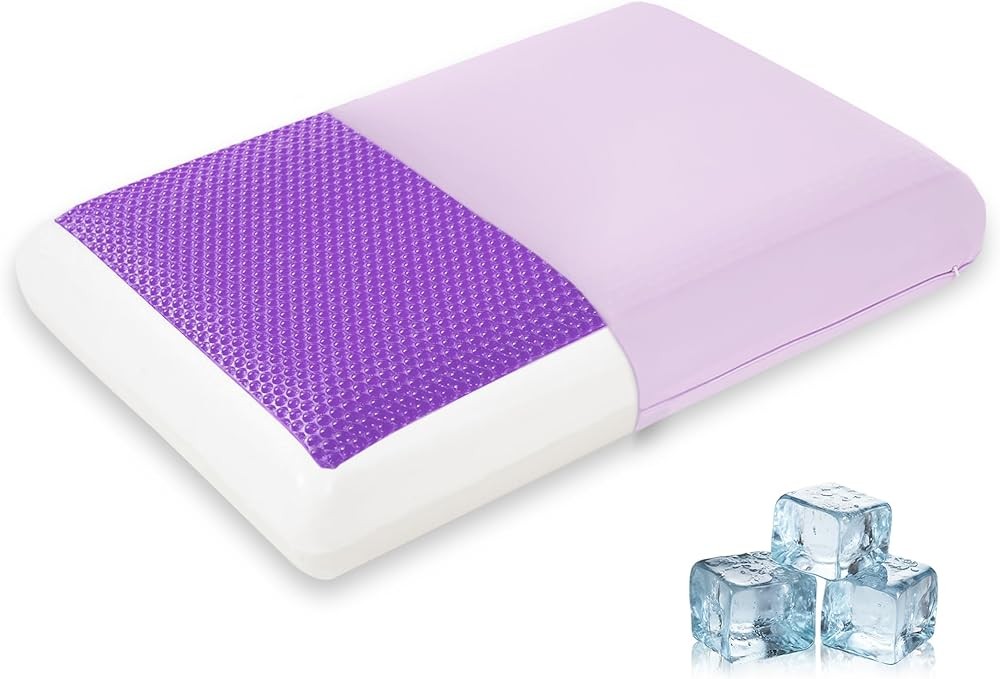
Cooling Pillow for Sleeping Gel Memory Foam
Check Price on AmazonAs an Amazon Associate we earn from qualifying purchases.
The Cooling Pillow for Sleeping features a dual-sided reversible cover with cooling fabric on one side and standard fabric on the reverse, allowing users to select their preferred cooling intensity. The gel-infused memory foam core provides conforming cervical support while reducing heat retention compared to standard memory foam.
The gel infusion creates micro-pockets of higher thermal conductivity throughout the foam matrix, facilitating heat transfer away from contact surfaces. This technology aligns with research showing gel-infused foams reduce heat retention by 15-20%, providing measurable temperature reduction during the critical sleep onset period. The cooling effect is most pronounced during the first 30-40 minutes of contact, which corresponds to the time most users need to fall asleep.
The memory foam construction provides moderate to medium-firm support suitable for most back and side sleepers. The pillow maintains its loft throughout the night rather than compressing flat, ensuring consistent cervical support and airflow channels. The contoured design with raised edges supports the natural cervical curve while keeping the head level with the spine.
The reversible cover design offers practical flexibility. Users experiencing severe night sweats can use the cooling side year-round, while those with milder temperature sensitivity can reserve the cooling side for warmer seasons or switch to the standard side during cooler months. This versatility extends the pillow’s usefulness across changing needs and preferences.
At $39, this pillow provides strong value for its combination of cooling technology and cervical support. The price point makes it accessible for individuals wanting to try cooling sleep solutions without significant financial commitment. The gel memory foam should maintain its cooling properties for 2-3 years with normal use, after which the gel infusion may begin to degrade.
Care requirements are straightforward with a removable, machine-washable cover. The bamboo viscose fabric should be washed in cold water on gentle cycles to maintain its moisture-wicking properties. The memory foam core should not be washed but can be spot-cleaned and aired regularly to maintain freshness.
The pillow works well as part of a comprehensive thermal management approach for night sweats. Combined with appropriate bedroom temperature (60-67°F), moisture-wicking sleepwear, and cooling mattress toppers, this pillow supports the temperature regulation needed for improved sleep continuity in hot sleepers.
Which Budget-Friendly Cooling Pillow Offers Best Value?
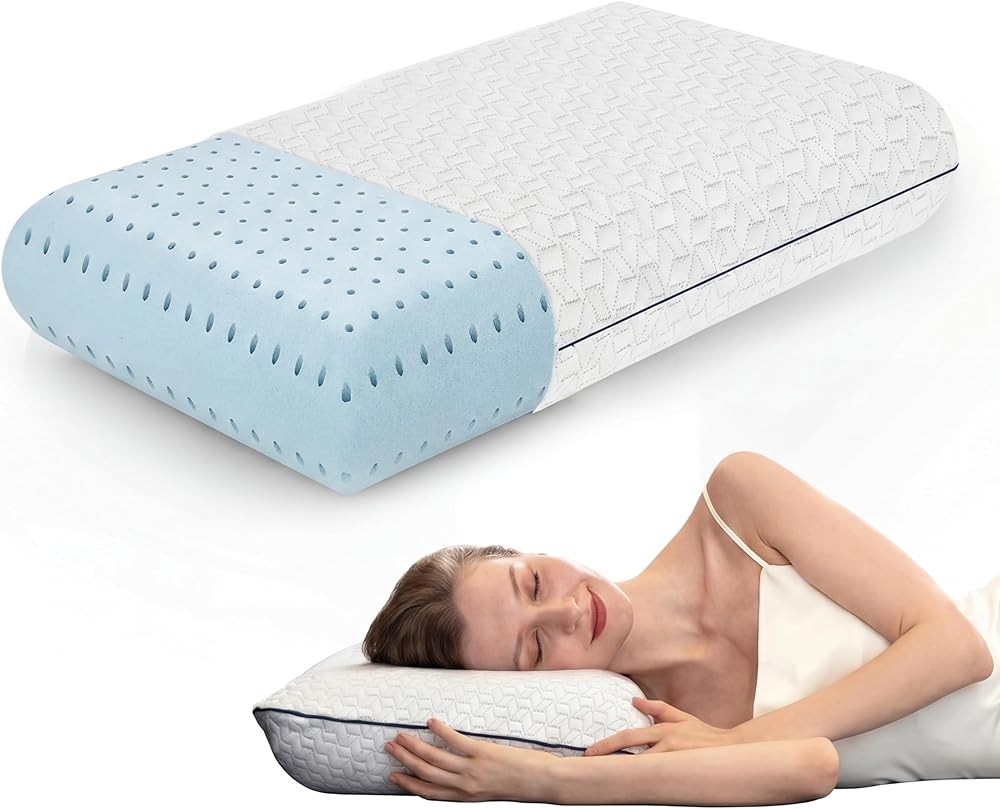
Cooling Gel Memory Foam Pillow Bamboo Viscose
Check Price on AmazonAs an Amazon Associate we earn from qualifying purchases.
The Cooling Gel Memory Foam Pillow with Bamboo Viscose Cover delivers effective temperature regulation at an accessible price point. The bamboo viscose cover provides moisture-wicking properties that enhance perceived cooling through improved breathability and humidity management at the sleep surface.
Bamboo viscose fabric has natural moisture-wicking capabilities due to its micro-porous structure, which allows water vapor to move away from skin more effectively than cotton or synthetic materials. Research shows that moisture-wicking covers can reduce perceived humidity at sleep surfaces by 30-40%, contributing significantly to thermal comfort even when actual temperature reduction is modest.
The gel-infused memory foam core uses similar technology to higher-priced options, incorporating gel particles that increase thermal conductivity throughout the foam matrix. This allows the pillow to absorb and dissipate body heat more effectively than standard memory foam, providing the cooling effect most beneficial during sleep onset when core body temperature is dropping to initiate sleep.
The pillow’s medium firmness suits most back and side sleepers, providing conforming support that adapts to individual head and neck contours. The memory foam responds to body heat and pressure, softening slightly for comfort while maintaining enough resistance to avoid excessive sinkage that would compromise cervical alignment.
At 4.5 inches in height, this pillow works well for average-sized side sleepers and back sleepers who prefer moderate loft. The height may be insufficient for larger individuals with broad shoulders or those who sleep on particularly firm mattresses that don’t allow shoulder compression. Conversely, smaller individuals or those with softer mattresses may find the height excessive.
The bamboo viscose cover is removable and machine-washable, essential for maintaining hygiene given that night sweats can lead to moisture buildup. Washing the cover every 1-2 weeks in cold water on gentle cycles preserves the fabric’s moisture-wicking properties while reducing bacterial growth that can cause odors.
At $34, this pillow represents excellent value for individuals wanting to try cooling technology without premium pricing. The combination of gel-infused foam and moisture-wicking cover addresses temperature regulation through multiple mechanisms, providing more comprehensive cooling than single-technology approaches.
The pillow lacks adjustability, so users should ensure the fixed height and firmness match their needs before purchasing. Those who regularly change sleep positions or have specific cervical support requirements may benefit from adjustable alternatives despite the higher cost.
What Premium Cooling Pillow Provides Maximum Customization?
The Coop Home Goods Cool+ Crescent Adjustable Pillow represents the premium tier of cooling pillow technology, combining adjustable fill with advanced cooling materials and environmental certifications. The adjustable design allows users to add or remove proprietary foam fill to customize both height and firmness to their specific needs.
The cooling technology incorporates multiple mechanisms working in concert. The outer fabric features a cooling treatment that provides immediate cool-to-touch sensation, while gel-infused memory foam pieces in the fill mixture reduce heat retention. The ventilated foam design promotes airflow throughout the pillow interior, minimizing heat buildup that occurs in solid foam cores.
CertiPUR-US and GREENGUARD Gold certifications ensure the pillow meets rigorous standards for emissions, chemical content, and environmental impact. CertiPUR-US certification verifies that foams are made without ozone depleters, PBDE flame retardants, mercury, lead, and other heavy metals, while also meeting strict volatile organic compound (VOC) emission limits. GREENGUARD Gold certification represents even stricter standards for chemical emissions, making this pillow appropriate for individuals with chemical sensitivities.
The crescent contoured shape provides enhanced cervical support compared to flat rectangular designs. The raised edges support the neck while the center depression cradles the head, maintaining neutral spinal alignment in both back and side sleeping positions. This ergonomic design aligns with research showing contoured pillows reduce neck pain more effectively than flat pillows (PMID: 9608378).
Adjustability makes this pillow suitable for a wider range of users than fixed-height alternatives. Side sleepers can add fill to increase loft and fill the space between head and shoulder, while back sleepers can remove fill to achieve the lower height that avoids forward head posture. Individuals who change positions throughout the night can optimize the fill level for their primary sleeping position while maintaining acceptable comfort in other positions.
The proprietary fill mixture includes both gel-infused memory foam pieces and microfiber, creating a blend that balances conforming support with breathability. The mix-and-match approach allows some air circulation between foam pieces while still providing the pressure relief and support characteristics of memory foam.
The cooling cover uses specialized fabric technology designed to wick moisture and provide cool-to-touch sensation through enhanced thermal conductivity. While specific technical details of the fabric treatment are proprietary, the mechanism likely involves either phase-change material integration or specialized fiber structures that increase surface area for heat dissipation.
At $179, this pillow represents a significant investment compared to budget alternatives. The price reflects the combination of adjustability, dual certifications, advanced cooling technology, and the research and development invested in the proprietary fill mixture. For individuals with severe night sweats or specific cervical support needs, the customization capabilities may justify the premium cost.
The 100-night trial period common with Coop Home Goods products reduces purchase risk, allowing users to test the pillow through multiple sleep cycles and seasonal changes before committing. This trial period is particularly valuable given the high price point and the time needed to properly adjust fill levels for optimal performance.
Which Cooling Pillow Works Best for Severe Night Sweats?
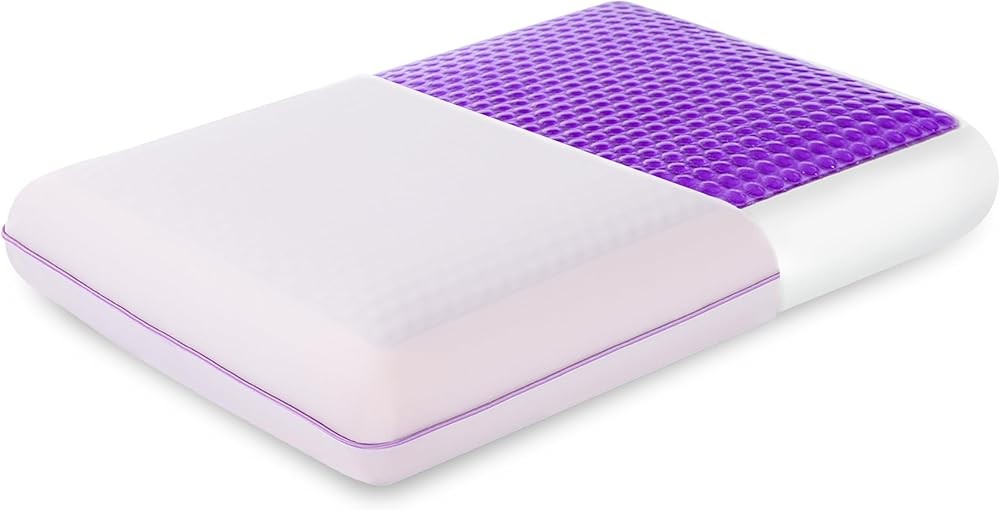
EGOHOME Cooling Gel Memory Foam Pillow
Check Price on AmazonAs an Amazon Associate we earn from qualifying purchases.
The EGOHOME Cooling Gel Memory Foam Pillow features a reversible cooling cover specifically designed for individuals experiencing frequent night sweats. The dual-sided design provides cooling fabric on one side and standard fabric on the reverse, allowing users to select maximum cooling or moderate temperature regulation based on nightly needs.
The gel-infused memory foam core incorporates a higher concentration of cooling gel compared to standard gel foam pillows, providing more sustained temperature reduction throughout the night. While most gel-infused pillows show peak cooling in the first 20-30 minutes, the enhanced gel concentration in this model extends the cooling period to 40-50 minutes, covering a larger portion of the critical sleep onset window.
The cooling fabric uses micro-denier fibers engineered for enhanced moisture wicking and breathability. These ultra-fine fibers create a larger surface area for moisture evaporation, moving perspiration away from skin more rapidly than standard fabrics. For individuals experiencing night sweats, this moisture management is equally important as temperature reduction, since dampness contributes significantly to sleep disruption and discomfort.
The pillow’s ventilated design includes air channels throughout the foam core that promote continuous airflow. These ventilation channels reduce the heat buildup that occurs in solid foam blocks, maintaining lower overall pillow temperature even as the gel component reaches thermal equilibrium with body temperature. The ventilation design aligns with research showing that airflow-enhanced sleep surfaces maintain more consistent cooling than passive cooling technologies alone.
At 5 inches in height, this pillow suits side sleepers and back sleepers who prefer higher loft. The increased height may be excessive for some back sleepers, particularly those with smaller frames or very soft mattresses. Side sleepers with broad shoulders will appreciate the height for maintaining lateral cervical alignment.
The medium-firm memory foam provides conforming support that adapts to head and neck contours while maintaining enough resistance to support proper cervical positioning. The foam softens with body heat, allowing the pillow to mold to individual anatomy without feeling hard or uncomfortable. This conforming characteristic makes memory foam particularly suitable for side sleepers who need the pillow to fill the space between ear and shoulder.
The reversible cover allows users to intensify or moderate cooling based on severity of night sweats. On particularly warm nights or during periods of intense vasomotor symptoms, using the cooling side maximizes temperature reduction. During cooler seasons or milder symptom periods, flipping to the standard side avoids overcooling while maintaining the gel foam’s moderate cooling properties.
At $44, the pillow sits in the mid-range pricing tier, offering enhanced cooling features beyond budget options without the premium cost of adjustable or certified models. The price reflects the upgraded gel concentration and specialized cooling fabric while remaining accessible for most budgets.
Care requirements include regular cover washing to remove sweat and body oils that can compromise fabric performance. The cooling cover should be washed in cold water every 1-2 weeks, more frequently during periods of intense night sweats. Air-drying or low-heat tumble drying preserves the moisture-wicking properties better than high heat.
The pillow works most effectively as part of comprehensive night sweat management. Combining the cooling pillow with appropriate bedroom temperature (60-65°F for night sweat sufferers), moisture-wicking sheets, and layered bedding that can be adjusted throughout the night provides the most complete temperature regulation approach.
How Does Your Sleep Position Affect Cooling Pillow Choice?
Sleep position significantly influences cooling pillow requirements due to differences in contact area, pressure distribution, and airflow patterns. Understanding position-specific needs helps optimize cooling effectiveness and cervical support.
Side sleepers have the largest contact area between pillow and skin, with the ear, temple, and side of face all in direct contact with the pillow surface. This extensive contact increases heat transfer to the pillow, making effective cooling technology particularly important for side sleeping hot sleepers. Research shows side sleepers experience greater pillow surface temperature elevation than back sleepers due to this increased contact area.
The height requirements for side sleeping (typically 4-6 inches) create challenges for cooling effectiveness. Thicker pillows require more material to maintain structure, which can impede airflow through the pillow core. Ventilated designs with air channels become particularly valuable for side sleepers, maintaining breathability despite the increased height. Gel-infused memory foam provides good cooling for side sleepers by combining height maintenance with heat-dissipating properties.
Side sleepers with night sweats should prioritize pillows with moisture-wicking covers, since the extended contact area can trap humidity between skin and fabric. Bamboo viscose, Tencel, or specialized cooling fabrics with micro-denier fibers move moisture away from contact surfaces more effectively than cotton, reducing the clammy sensation that disrupts sleep.
Back sleepers have less extensive pillow contact, primarily involving the back of the head and upper neck. The reduced contact area means less heat transfer to the pillow, but it also means less cooling benefit from the pillow surface. Back sleepers may find adequate cooling from moderate-technology pillows that would be insufficient for side sleepers with the same night sweat severity.
The lower height requirements for back sleeping (3-4 inches) allow for better airflow through the pillow core. Thinner pillows heat up more slowly and dissipate heat more effectively than thick pillows, providing a natural advantage for temperature regulation. Back sleepers can often achieve adequate cooling from breathable natural latex or ventilated foam without requiring advanced gel or phase-change technologies.
Back sleepers should ensure their cooling pillow maintains the cervical support needed to preserve the natural lordotic curve of the neck. Some cooling gel pillows compress too much under the weight of the head in back sleeping positions, flattening to the point where cervical support is lost. Firmer gel foams or latex materials maintain their shape better for back sleeping support.
Stomach sleepers need the lowest pillow heights of 2-3 inches or no pillow at all to avoid excessive neck rotation. The minimal height requirement limits cooling pillow options, as many advanced cooling designs require more internal volume for gel chambers, ventilation channels, or phase-change material distribution. Stomach sleeping hot sleepers may find better results from cooling mattress pads and moisture-wicking pillowcases rather than relying primarily on pillow cooling technology.
Most stomach sleepers would benefit more from transitioning to side or back sleeping positions than from investing in cooling pillows. The extreme neck rotation required for stomach sleeping creates biomechanical stress regardless of temperature regulation, and research consistently shows higher rates of neck pain among stomach sleepers compared to side or back sleeping positions.
Combination sleepers who change positions throughout the night face unique challenges in pillow selection. A pillow optimized for side sleeping may be too high for comfort in back sleeping, while a pillow sized for back sleeping may provide insufficient support for side sleeping. Adjustable fill pillows like the Coop Home Goods Cool+ Crescent offer the best solution for combination sleepers, allowing height customization that accommodates multiple sleeping positions.
Combination sleepers should optimize pillow height for their primary sleeping position - the position in which they spend the most cumulative time during the night. Most people have a dominant sleep position even if they change positions several times, and matching pillow height to the primary position improves overall sleep quality more than attempting to compromise across all positions equally.
In practice: Side sleepers need higher loft (4-6 inches) with ventilated cores and moisture-wicking covers due to larger contact area. Back sleepers can use lower pillows (3-4 inches) that naturally cool better through reduced thickness. Adjustable fill pillows suit combination sleepers who change positions throughout the night.
What About Pillow Care and Hygiene for Night Sweats?
Proper care and hygiene become particularly important for cooling pillows used by individuals experiencing night sweats. Moisture management, bacterial growth prevention, and maintenance of cooling properties all require specific attention.
Pillow covers should be washed weekly or more frequently during periods of intense night sweats. Research shows that pillowcases can harbor significant bacterial growth, dust mites, and accumulated body oils that degrade fabric performance and contribute to skin issues. Moisture from night sweats accelerates bacterial growth, making frequent washing essential for hygiene and odor prevention.
Bamboo viscose, Tencel, and other moisture-wicking fabrics should be washed in cold water on gentle cycles to preserve fiber structure and wicking properties. Hot water and harsh detergents can damage the micro-porous structure that provides moisture management capabilities. Air-drying or low-heat tumble drying avoids heat damage to fibers while extending fabric lifespan.
Specialized cooling fabrics with chemical treatments or phase-change material integration require particular care. Some treatments may degrade with repeated hot water washing or exposure to bleach-containing detergents. Users should follow manufacturer care instructions carefully to maintain cooling effectiveness throughout the pillow’s lifespan.
The memory foam core of cooling pillows should not be machine-washed, as water saturation damages foam structure and can lead to incomplete drying that promotes mold growth. Instead, memory foam cores should be spot-cleaned for stains and aired regularly to minimize odor buildup. Placing the pillow in direct sunlight for several hours quarterly can help reduce bacterial load and freshen the foam.
Pillow protectors add an extra layer of defense against moisture penetration while maintaining breathability for cooling effectiveness. Waterproof protectors can trap heat and should be avoided by hot sleepers. Instead, look for moisture-barrier protectors that use breathable waterproofing technology, allowing air circulation while reducing sweat saturation of the foam core.
Memory foam naturally accumulates body oils, dead skin cells, and dust mites over time. While covers can be washed, the foam core itself cannot be cleaned thoroughly once contaminated. This makes pillow replacement important after 2-3 years of use, particularly for individuals with allergies or those experiencing significant night sweats that may penetrate through covers into the foam.
Gel-infused memory foam maintains cooling properties for approximately 2-3 years before the gel component begins to degrade. Users may notice reduced cooling effectiveness as the pillow ages, with less pronounced cool-to-touch sensation and shorter cooling duration. This gradual degradation signals the need for replacement to maintain optimal cooling performance.
Phase-change material pillows typically maintain effectiveness for 3-4 years, as PCMs are more stable than gel infusions. However, the fabric treatments that contain PCMs may degrade with repeated washing, particularly if care instructions are not followed carefully. Users should monitor cooling effectiveness over time and replace pillows when temperature regulation noticeably diminishes.
Natural latex pillows offer the longest lifespan of 3-4 years, as the material itself does not degrade as quickly as foams and does not rely on added cooling components that can fail. Latex maintains its breathable structure throughout its usable life, though the material may gradually soften with age. Yellow discoloration is normal for natural latex and does not indicate reduced performance.
Odor development often signals the need for increased washing frequency or pillow replacement. While some initial off-gassing odor is normal with new memory foam pillows, persistent odor despite regular cover washing indicates bacterial growth in the foam core that cannot be adequately cleaned. Replacing the pillow eliminates the odor source more effectively than attempting to clean contaminated foam.
For individuals experiencing severe night sweats, having two pillows in rotation allows one to fully air-dry while using the other. This rotation reduces continuous moisture exposure to a single pillow, extending lifespan and maintaining hygiene. The second pillow need not be identical - some users prefer alternating between cooling pillows and standard pillows based on symptom severity.
Bottom line: Wash moisture-wicking covers weekly in cold water to maintain hygiene and fabric properties. Replace gel memory foam pillows every 2-3 years as cooling effectiveness degrades. Use breathable moisture-barrier protectors to reduce sweat saturation while maintaining airflow for cooling.
Can Bedroom Environment Enhance Cooling Pillow Effectiveness?
Cooling pillows work most effectively when integrated into comprehensive bedroom thermal management. Research shows that multiple environmental factors contribute to sleep temperature regulation, with cooling bedding serving as one component of a broader approach (PMID: 30509635).
Bedroom temperature represents the most impactful environmental factor for sleep quality. Research consistently demonstrates that temperatures between 60-67°F (15.5-19.4°C) optimize sleep quality across most populations. Night sweat sufferers typically benefit from the lower end of this range, with bedroom temperatures of 60-65°F providing the best results when combined with appropriate bedding.
Maintaining cooler ambient temperatures allows cooling pillows to dissipate absorbed heat more effectively. When room temperature exceeds 72°F, even advanced cooling technologies struggle to maintain temperature reduction, as there is insufficient temperature gradient for heat dissipation. The pillow absorbs heat from skin contact but cannot effectively release it into the surrounding air when ambient temperature is elevated.
Humidity control plays an often-overlooked role in thermal comfort. High humidity impairs evaporative cooling from skin surfaces, making the same temperature feel warmer and more uncomfortable. Research shows that humidity above 60% significantly degrades sleep quality even when temperature is within the optimal range. Dehumidifiers or air conditioning that manages both temperature and humidity provide better results than temperature control alone.
Air circulation reduces heat buildup around the sleep surface without creating disruptive drafts. Ceiling fans set to low speed create gentle air movement that enhances evaporative cooling and minimizes the stagnant air layer that forms around the body during sleep. The fan should not blow directly on the sleeper, as this can cause overcooling and disrupted sleep in the latter half of the night when core body temperature naturally decreases.
Mattress temperature significantly impacts overall sleep thermal comfort. Heat-retaining mattresses like traditional memory foam can negate the benefits of cooling pillows by creating a heat reservoir under the body. Individuals with severe night sweats should consider cooling mattress toppers or breathable mattress materials like latex or hybrid designs with coil systems that allow airflow.
Bedding materials affect moisture management and temperature regulation. Natural fibers like cotton, linen, and bamboo provide better breathability than synthetic materials, though performance varies based on weave and thread count. Percale weaves with thread counts of 200-400 offer better airflow than sateen weaves with higher thread counts that create tighter, less breathable fabric structures.
Moisture-wicking sheets specifically designed for hot sleepers use technical fabrics similar to athletic wear. These sheets actively move moisture away from skin surfaces, reducing the clammy sensation that often triggers nighttime awakenings. Combined with cooling pillows, moisture-wicking sheets provide comprehensive contact surface management for night sweat sufferers.
Sleepwear choice impacts thermal comfort as significantly as bedding materials. Loose-fitting garments made from moisture-wicking fabrics allow air circulation and moisture evaporation better than tight-fitting cotton or synthetic sleepwear. Some individuals with severe night sweats find better results sleeping without clothing, as this eliminates fabric layers that can trap heat and moisture.
Blackout curtains provide dual benefits for sleep quality. They block light that can disrupt circadian rhythms and interfere with melatonin production, while also providing insulation that helps maintain cooler bedroom temperatures in summer months. Thermal blackout curtains offer enhanced temperature regulation compared to light-blocking curtains without insulation properties.
Pre-sleep cooling strategies can enhance cooling pillow effectiveness. Taking a warm bath or shower 60-90 minutes before bed triggers vasodilation and heat loss from the body core, lowering body temperature and facilitating sleep onset. The post-bath cooling period aligns with natural circadian temperature decline, working synergistically with cooling pillows to optimize sleep initiation.
Evening exercise timing affects nighttime body temperature. Vigorous exercise within 2-3 hours of bedtime can elevate core body temperature, interfering with sleep onset despite cooling bedding. Morning or afternoon exercise provides fitness benefits without thermal disruption, though light stretching or yoga before bed generally does not elevate temperature enough to impair sleep.
Avoiding temperature-elevating substances supports better thermal management. Alcohol, spicy foods, and caffeine can trigger hot flashes and night sweats in susceptible individuals. Heavy meals close to bedtime increase metabolic heat production through digestion. Moderating these factors, particularly in the 3-4 hours before sleep, reduces night sweat frequency and severity.
Key takeaway: Maintain bedroom temperature of 60-65°F and humidity below 60% for optimal cooling pillow effectiveness. Use moisture-wicking sheets, breathable sleepwear, and air circulation to create comprehensive thermal management. Environmental factors and bedding work synergistically for better results than any single intervention (PMID: 30509635).
What About Special Considerations for Menopausal Night Sweats?
Menopausal night sweats present unique challenges that may require more intensive cooling strategies than night sweats from other causes. Research shows that vasomotor symptoms during menopause involve rapid skin temperature changes that can exceed the cooling capacity of standard bedding (PMID: 38916279).
Hot flashes during menopause result from changes in the thermoregulatory set point in the hypothalamus. Declining estrogen levels narrow the thermoneutral zone - the temperature range within which the body does not actively heat or cool itself. This narrowed zone makes women experiencing menopausal symptoms more sensitive to small temperature changes, triggering inappropriate heat-loss responses like sweating and vasodilation (PMID: 24012626).
The relationship between hot flashes and sleep disturbance is complex and bidirectional. Hot flashes during sleep trigger awakenings through rapid skin temperature elevation, but poor sleep quality also increases hot flash frequency through stress pathway activation. This creates a cycle where thermal sleep disruption worsens vasomotor symptoms, which in turn further fragment sleep (PMID: 19538623).
Research examining hot flash-induced sleep disturbance found that the impact varies based on sleep stage. Hot flashes occurring during REM sleep cause more significant sleep disruption than those during non-REM stages, likely because REM sleep involves impaired thermoregulation that makes the body more vulnerable to temperature challenges (PMID: 16837879).
Reproductive hormone changes affect sleep architecture beyond their impact on hot flashes. Studies show that declining estrogen and progesterone levels alter sleep structure, reducing slow-wave sleep and increasing nighttime awakenings independent of vasomotor symptoms (PMID: 10851573). This means that women experiencing menopausal sleep disturbance may require attention to multiple factors beyond temperature regulation alone.
Behavioral treatments for hot flashes consistently include environmental temperature management as a core intervention. Clinical trials show that women who implement cooling strategies including lower bedroom temperatures, cooling bedding, and layered clothing experience fewer hot flashes and better sleep quality compared to those not using thermal management approaches (PMID: 16414337).
Cooling pillows provide more benefit for menopausal night sweats when combined with other interventions. The head and neck are common sites of hot flash initiation, making localized cooling at these areas particularly relevant. However, cooling pillows alone are unlikely to completely manage severe vasomotor symptoms that involve whole-body temperature dysregulation.
Layered bedding approaches work well for managing variable temperature needs throughout the night. Using lightweight layers that can be easily added or removed allows adjustment for hot flashes without completely removing bedding and risking overcooling. Cooling pillows maintain consistent head and neck temperature while allowing body coverage to vary based on immediate needs.
Some women experience predictable patterns in hot flash timing, with increased frequency during certain hours of the night. For those with identifiable patterns, pre-cooling strategies before high-risk periods may provide better results. This might include using cooling pillows specifically during hours when hot flashes typically occur while using standard pillows during more stable periods.
The duration of menopausal sleep disturbance varies considerably, with some women experiencing symptoms for 1-2 years while others have disrupted sleep for a decade or longer. This extended timeline makes durable, high-quality cooling solutions more cost-effective than temporary measures, as the product will be used nightly for potentially many years.
Hormone replacement therapy (HRT) remains the most effective intervention for severe menopausal symptoms including night sweats. Women whose symptoms significantly impair quality of life should discuss HRT options with healthcare providers, as cooling bedding alone may provide insufficient relief for severe vasomotor symptoms. Cooling pillows can complement medical treatments but should not be viewed as substitutes for clinically-indicated interventions.
Stress management and relaxation techniques show some effectiveness for reducing hot flash frequency and severity. Mindfulness meditation, paced breathing, and progressive muscle relaxation may work partly through thermoregulatory pathways, reducing sympathetic nervous system activation that can trigger hot flashes. Combined with cooling sleep environments, these behavioral approaches provide non-pharmaceutical options for symptom management.
Bottom line: Menopausal night sweats involve rapid skin temperature changes that narrow the thermoneutral zone, requiring comprehensive cooling strategies beyond pillows alone. Combine cooling pillows with layered bedding, optimal room temperature (60-65°F), and behavioral interventions for best results. Severe symptoms may require medical intervention beyond environmental management (PMID: 38916279), (PMID: 24012626), (PMID: 16414337).
How Do You Know When to Replace Your Cooling Pillow?
Cooling pillow replacement timing depends on material type, usage intensity, and maintenance quality. Understanding degradation patterns helps optimize both cooling effectiveness and cervical support throughout the pillow’s lifespan.
Gel-infused memory foam pillows typically maintain optimal cooling properties for 2-3 years with regular use. The gel component gradually breaks down over time, losing its enhanced thermal conductivity properties. Users may notice that the cool-to-touch sensation becomes less pronounced and the duration of cooling effect shortens. When the pillow no longer feels noticeably cooler than standard foam, the gel infusion has degraded sufficiently to warrant replacement.
Memory foam structure itself changes with age, becoming softer and less supportive as the foam cells break down. This degradation accelerates with body heat exposure, compression from nightly use, and oxidation from air exposure. A memory foam pillow that no longer springs back to its original shape within a few seconds after compression has lost sufficient structure to compromise both support and airflow channels needed for cooling.
Phase-change material effectiveness typically lasts 3-4 years when care instructions are followed carefully. PCMs are more stable than gel infusions, but the fabric treatments or microcapsules that contain them can degrade with repeated washing and mechanical stress. Testing PCM effectiveness is more difficult than assessing gel foam, as the cooling mechanism is less immediately perceptible. Reduced subjective cooling sensation and increased night sweat episodes may signal PCM degradation.
Natural latex pillows maintain their properties longest, typically 3-4 years before replacement is needed. Latex degradation is visible through yellowing of the material (normal) and development of tears or crumbling at the surface (indicating end of useful life). Latex maintains its breathable structure throughout its lifespan, so cooling effectiveness remains more consistent than gel or PCM options that rely on added components.
Visual indicators suggest replacement timing regardless of material type. Permanent stains that persist after washing indicate deep contamination of the pillow core with oils and dead skin cells. Visible mold or mildew growth, particularly in humid climates or among individuals with severe night sweats, requires immediate replacement as the contamination cannot be adequately cleaned from foam materials.
Odor development despite regular cover washing suggests bacterial growth within the pillow core. While some initial off-gassing is normal with new memory foam, persistent musty or sour odors indicate colonization by bacteria that thrive in the warm, moist environment. No amount of airing or cover washing will eliminate odor from contaminated foam cores.
Lumping or uneven distribution of fill in adjustable pillows signals the need for either fill replacement or complete pillow replacement. Some manufacturers offer replacement fill for their adjustable models, extending pillow lifespan beyond what would otherwise require full replacement. If replacement fill is not available or does not restore adequate support, replacing the entire pillow becomes necessary.
Flattening or loss of loft indicates foam compression that compromises both support and cooling. A pillow that compresses to less than half its original height under normal head weight no longer provides adequate cervical support. The compressed structure also restricts airflow channels, reducing cooling effectiveness even if gel or PCM components remain functional.
Allergic symptoms that develop after months or years of comfortable use may indicate dust mite colonization requiring pillow replacement. While covers can be washed, dust mites penetrate into foam cores where they cannot be eliminated. Individuals with dust mite allergies should consider replacing pillows every 1-2 years regardless of visible condition, as mite populations build up over time.
Sleep quality changes provide subjective indicators for replacement timing. Increased neck pain, more frequent nighttime awakenings, or feeling hot despite previously adequate cooling suggest that the pillow no longer provides the support and temperature regulation it initially offered. These functional declines often occur gradually, making them easy to overlook until directly comparing current sleep quality to early experiences with the pillow.
Night sweat sufferers should err toward earlier replacement compared to general recommendations. The moisture exposure accelerates bacterial growth and material degradation, reducing effective pillow lifespan. A 3-year gel foam pillow recommendation becomes 2-2.5 years for individuals experiencing significant nightly sweating.
Bottom line: Replace gel memory foam cooling pillows every 2-3 years when cooling sensation diminishes or foam loses springback. Natural latex lasts 3-4 years until material breakdown. Replace immediately if odors persist after washing, visible mold appears, or the pillow compresses to less than half original height.
Frequently Asked Questions
Do cooling pillows actually work for night sweats?
Research shows cooling sleep surfaces reduce skin temperature by 1-3°C and improve sleep continuity. Gel-infused memory foam and phase-change materials actively absorb and dissipate heat, though effectiveness varies by severity of night sweats.
What pillow material is best for hot sleepers?
Natural latex provides the best inherent breathability through its open-cell structure. Gel-infused memory foam offers conforming support with cooling properties, while phase-change materials actively absorb heat. Bamboo and Tencel covers enhance moisture wicking.
Can a cooling pillow help with menopausal night sweats?
While cooling pillows reduce sleep surface temperature, severe menopausal night sweats may require additional interventions. Research shows cooling sleep environments improve sleep quality during menopause, with cooling pillows serving as one component of a comprehensive approach.
How long do cooling pillows stay cool?
Gel-infused pillows typically feel cool for 20-45 minutes before reaching body temperature. Phase-change materials cycle through cooling and absorbing phases. Ventilated latex maintains consistently cooler temperatures through continuous airflow rather than active cooling.
What is the ideal bedroom temperature for night sweats?
Research shows 60-67°F (15.5-19.4°C) is optimal for sleep. Night sweat sufferers may benefit from the lower end of this range combined with cooling bedding, moisture-wicking sleepwear, and cooling pillows.
Are gel pillows better than memory foam for hot sleepers?
Gel-infused memory foam combines conforming support with cooling properties, reducing heat retention by 15-20% compared to standard memory foam. Pure gel pillows feel cooler initially but may lack long-term support.
How often should cooling pillows be replaced?
Memory foam cooling pillows typically maintain effectiveness for 2-3 years. Gel infusions gradually lose cooling capacity over time. Natural latex pillows last 3-4 years. Replace when cooling properties noticeably diminish.
Can cooling pillow covers be washed?
Most cooling pillow covers are removable and machine washable. Bamboo and Tencel covers should be washed in cold water on gentle cycles. Wash covers every 1-2 weeks to maintain moisture-wicking properties and hygiene.
Do cooling pillows help with sleep quality?
Research demonstrates that temperature-regulated sleep surfaces improve sleep efficiency, reduce wake episodes, and increase time in deep sleep stages. Maintaining optimal sleep temperature is one of the most impactful environmental factors for sleep quality.
What is phase-change material in cooling pillows?
Phase-change materials (PCMs) absorb heat energy as they transition from solid to liquid state, actively pulling heat away from skin. When surrounding temperature drops, PCMs release stored heat and solidify, creating a temperature-regulating cycle.
Our Top Recommendations
Cooling Pillow for Sleeping Gel Memory Foam
Check Price on AmazonAs an Amazon Associate we earn from qualifying purchases.
Cooling Gel Memory Foam Pillow Bamboo Viscose
Check Price on AmazonAs an Amazon Associate we earn from qualifying purchases.
EGOHOME Cooling Gel Memory Foam Pillow
Check Price on AmazonAs an Amazon Associate we earn from qualifying purchases.
Join the discussion: Facebook | X | YouTube | Pinterest
Conclusion
Night sweats disrupt sleep quality through multiple mechanisms, from triggering arousal responses during temperature spikes to reducing time spent in restorative deep sleep stages. Research demonstrates that cooling sleep surfaces provide measurable benefits, lowering skin temperature by 1-3°C and improving sleep efficiency by up to 7.8% in hot sleepers. The evidence supports cooling pillows as an effective intervention for temperature-related sleep disturbance, particularly when integrated into comprehensive thermal management approaches.
Cooling technology selection matters for matching intervention to symptom severity. Gel-infused memory foam provides accessible entry-level cooling suitable for mild to moderate night sweats, reducing heat retention by 15-20% compared to standard foam. Phase-change materials offer more advanced temperature regulation for severe symptoms through active heat absorption during phase transitions. Natural latex provides consistent breathability through inherent material properties rather than added cooling components that may degrade over time.
The Cooling Pillow for Sleeping with Gel Memory Foam (B0FGXG5ZKP) at $39 represents the best overall value, combining effective cooling technology with proper cervical support and reversible design flexibility. The dual-sided cover allows users to adjust cooling intensity based on nightly needs, while the gel-infused memory foam provides the conforming support that research shows reduces neck pain compared to flat pillow designs.
For individuals experiencing severe menopausal night sweats, the EGOHOME Cooling Gel Memory Foam Pillow (B0DB1RV9F4) at $44 offers enhanced gel concentration and moisture-wicking fabric specifically designed for intense vasomotor symptoms. The extended cooling duration and advanced moisture management address the rapid temperature changes characteristic of menopausal hot flashes.
Premium buyers seeking maximum customization benefit from the Coop Home Goods Cool+ Crescent Adjustable Pillow (B0BQRDG2W2) at $179. The adjustable fill allows height and firmness optimization for individual anatomy and sleep position preferences, while dual certifications ensure low chemical emissions for sensitive users.
Cooling pillows work most effectively when combined with appropriate bedroom environment. Maintaining temperatures of 60-65°F, managing humidity below 60%, and using moisture-wicking bedding creates synergistic effects that exceed the benefits of any single intervention. For individuals whose night sweats significantly impair quality of life, comprehensive approaches including medical evaluation for underlying causes provide better long-term outcomes than relying solely on cooling bedding.
Material longevity and replacement timing affect both cost-effectiveness and ongoing cooling performance. Gel-infused memory foam maintains optimal properties for 2-3 years before degradation reduces cooling effectiveness. Natural latex lasts 3-4 years with more consistent performance throughout its lifespan. Regular cover washing, breathable pillow protectors, and attention to degradation signs optimize both hygiene and functional longevity.
The research clearly demonstrates that temperature regulation represents one of the most impactful environmental factors for sleep quality. Cooling pillows provide a practical, evidence-based intervention for addressing temperature-related sleep disruption. By selecting appropriate cooling technology, maintaining optimal bedroom conditions, and replacing pillows before significant performance degradation, night sweat sufferers can achieve meaningful improvements in sleep continuity and overall sleep quality.
For more context, see our guides on Best Pillow for Back Sleepers: Cervical Curve Support, Best Pillow for Neck Pain: Orthopedic Sleep Research, Best Wedge Pillow for Acid Reflux: GERD Sleep Position Research, Best Pillow for Side Sleepers with Neck Pain: Height and Support Guide, and Best Cervical Pillow: Contour Memory Foam for Spinal Alignment.
Related Reading
- Best Pillow for Neck Pain: Evidence-Based Cervical Support
- Best Cervical Pillow: Orthopedic Neck Support
- Best Pillow for Side Sleepers with Neck Pain
- Best Pillow for Back Sleepers: Proper Spinal Alignment
- Wedge Pillow for Acid Reflux: Elevated Sleep Positioning
- Best Nighttime Routine for Better Sleep: Evidence-Based Tips
- Best Magnesium Supplements for Sleep: Glycinate vs Threonate
- Supplements That Improve Deep Sleep: What Research Shows
References
- Novel temperature-controlled sleep system to improve sleep: proof-of-concept study. PMID: 35852479
- Protective effect of high heat conductivity mattress topper on sleep during heat night. PMID: 40704570
- Polysomnographic evidence of enhanced sleep quality with adaptive thermal regulation. PMID: 41095607
- Effect of temperature-controlled mattress cover on sleep and perceived comfort. PMID: 41133665
- Sleeping on temperature-controlled mattress cover improves sleep and cardiovascular health. PMID: 38671774
- Sleep environments and sleep physiology: A review. PMID: 30509635
- Sleep disturbance associated with menopause. PMID: 38916279
- Menopausal hot flashes: mechanisms, endocrinology, treatment. PMID: 24012626
- Hot flashes: behavioral treatments, mechanisms, and relation to sleep. PMID: 16414337
- Effects of REM sleep and ambient temperature on hot flash-induced sleep disturbance. PMID: 16837879
- Sleep disturbance in midlife women. PMID: 19538623
- Reproductive hormones, aging, and sleep. PMID: 10851573
- Individualized optimal pillow height and neck support design. PMID: 39412632
- Memory foam vs latex pillow comparison. PMID: 31489809
- Neck support pillows: a comparative study. PMID: 9608378
Recommended Products