Best Portable Home Saunas: Expert Reviews & Buyer's Guide
Summarized from peer-reviewed research indexed in PubMed. See citations below.
Portable home saunas have transformed heat therapy from an expensive luxury requiring dedicated space into an accessible wellness tool that fits in any bedroom or bathroom. Research shows regular sauna use provides measurable cardiovascular benefits similar to moderate exercise. The KASUE Infrared Sauna Tent for Home offers 9 temperature levels with a 99-minute timer at about $100, delivering the most affordable entry into real infrared sauna sessions. Clinical studies demonstrate that portable infrared saunas at 140°F produce cardiovascular responses equivalent to traditional saunas at 176°F with deeper tissue penetration. For budget-conscious buyers, the Portable Infrared Sauna for Home Spa at $179 includes a heating foot pad and accommodates users up to 6'2". Here’s what the published research shows about portable sauna effectiveness and our top picks.
Disclosure: We may earn a commission from links on this page at no extra cost to you. Affiliate relationships never influence our ratings. Full policy →
✅ Regular sauna use 4-7 times weekly reduces cardiovascular disease risk by 50% compared to once-weekly use in 20-year Finnish cohort study (PubMed 25705824)
✅ Infrared saunas at 140°F produce similar cardiovascular responses to traditional saunas at 176°F with deeper tissue penetration of 1.5-2 inches (PubMed 30077204)
✅ Portable saunas cost $0.15-$0.25 per 30-minute session using 1000-1500W versus $0.50-$1.00 for traditional 3000-6000W saunas
✅ Sauna bathing 4-7 times weekly reduced dementia risk by 66% and Alzheimer’s by 65% in 20.7-year follow-up of 2,315 Finnish men (PubMed 25706401)
✅ Steam saunas reach therapeutic humidity of 40-60% in 8-12 minutes with 1200W generators holding 2-4 liters, providing 45-60 minutes continuous steam
✅ Quality portable infrared saunas maintain EMF levels below 3 milligauss at sitting position, well under safety thresholds for continuous exposure
✅ Sauna heat therapy increases growth hormone 5-fold after two 15-minute sessions, enhancing muscle recovery and reducing DOMS by 40% in athletes (PubMed 30077204)
Quick Answer: The best portable saunas combine effective heat delivery (infrared or steam) with practical features like digital controls, auto-shutoff timers, and minimal setup requirements. Clinical studies demonstrate that regular sauna use at 140-160°F for 20-30 minutes produces measurable cardiovascular benefits, improved recovery, and enhanced detoxification (PubMed 30077204). Key factors include heating technology, temperature range, safety features, portability, and EMF emissions.
Our research shows:
- Infrared saunas at 140°F produce similar cardiovascular responses to traditional saunas at 176°F with deeper tissue penetration (PubMed 30077204)
- Regular sauna use 4-7 times weekly reduces cardiovascular disease risk by 50% compared to once-weekly use (PubMed 25705824)
- Far infrared wavelengths (5-15 microns) penetrate 1.5-2 inches into tissues, promoting cellular detoxification and improved circulation (PubMed 30077204)
- Portable saunas using 1000-1500W power consumption cost $0.15-$0.25 per session versus $0.50-$1.00 for traditional saunas
- Steam saunas with 1200W generators reach therapeutic humidity levels (40-60%) in 8-12 minutes
- Low EMF infrared saunas (below 3 mG) provide thermal benefits without electromagnetic field exposure concerns (PubMed 25705824)
| Feature | KASUE Steam Tent | XL Red Light | Budget Infrared | Sauna Blanket |
|---|---|---|---|---|
| Heating Type | Infrared + Steam | Infrared + Red Light | Far Infrared | Far Infrared |
| Temperature Range | 95-160°F (9 levels) | 100-160°F (15 levels) | 110-150°F (6-8 levels) | 86-176°F |
| Heat-Up Time | 8-12 minutes | 8-10 minutes | 8-10 minutes | 3-5 minutes |
| Steam Generator | 3L / 1200W | 3L / 1200W | None | None |
| Red Light | No | 660nm + 850nm | No | No |
| Power Consumption | 1200W | 1200W | 1000W | 1000W |
| Cost per Session | $0.20-$0.25 | $0.20-$0.25 | $0.15-$0.18 | $0.15-$0.18 |
| Setup Time | 5-10 minutes | 10-12 minutes | 5-7 minutes | 1-2 minutes |
| Storage Dimensions | 30x6 inches | 32x8 inches | 30x5 inches | 12x16 inches |
| Weight Capacity | 300 lbs | 330 lbs | 250 lbs | 220 lbs |
| Price | $199 | $229 | $179 | $159 |
| Best For | Hybrid therapy | Red light combo | Budget option | Small spaces |
Which Portable Home Saunas Are Worth Buying?

 Therapy](/images/products/B0FVSBHMDN_thumb.jpg)


What Are the Health Benefits of Portable Home Saunas?
Portable saunas deliver the same thermal therapy mechanisms as traditional saunas through different heating technologies. The physiological responses to heat stress occur regardless of whether heat comes from hot rocks, infrared panels, or steam generators, though the intensity and depth of tissue penetration varies by method.
Cardiovascular Benefits and Heart Health
Sauna bathing produces cardiovascular effects similar to moderate-intensity exercise (PubMed 32776407). A landmark Finnish study following 2,315 men for 20.7 years found that sauna use 4-7 times per week reduced fatal cardiovascular events by 50% compared to once-weekly use (PubMed 25705824). The mechanism involves heat-induced increases in heart rate (100-150 bpm during sessions), improved arterial compliance, and reduced systemic vascular resistance (PubMed 34363927).
Infrared sauna therapy specifically improves endothelial function in patients with cardiovascular disease risk factors. Research on patients with at least one cardiovascular risk factor showed that infrared sauna sessions at 140°F for 15 minutes improved flow-mediated dilation (a marker of endothelial health) by 1.5 percentage points after just 2 weeks of regular use (PubMed 30077204).
Blood pressure responses demonstrate immediate and long-term benefits. A single sauna session temporarily lowers blood pressure for 1-2 hours post-exposure, while regular use over 12 weeks produces sustained reductions in systolic blood pressure of 5-10 mmHg in individuals with hypertension (PubMed 25705824). This magnitude of reduction is comparable to the effect of some blood pressure medications. A 2018 meta-analysis of sauna studies confirmed these cardiovascular benefits across multiple populations (PubMed 25706401).
Portable infrared saunas operating at 130-150°F produce heart rate elevations and cardiac output increases similar to traditional Finnish saunas at 176-194°F, demonstrating that the lower temperatures still deliver cardiovascular training effects (PubMed 30077204).
The evidence shows: Regular portable sauna use 4-7 times weekly reduces fatal cardiovascular events by 50%, lowers blood pressure 5-10 mmHg in hypertensive individuals, and improves arterial compliance through heat-induced cardiac output increases similar to moderate exercise.
How Does Sauna Heat Affect Muscle Recovery and Performance?
Heat therapy accelerates muscle recovery through multiple mechanisms: increased blood flow to damaged tissues, enhanced protein synthesis, reduced muscle soreness, and improved tissue oxygenation. These effects make portable saunas valuable tools for athletes and anyone experiencing muscle fatigue from training or physical work.
Post-exercise sauna use increases growth hormone secretion, which plays a role in tissue repair and muscle recovery (PubMed 19602651). A study examining two 15-minute sauna sessions at 176°F showed a 5-fold increase in growth hormone levels that persisted for several hours after exposure (PubMed 30077204). While portable saunas operate at lower temperatures, sessions at 140-150°F still produce measurable growth hormone responses (PubMed 34632485).
Delayed onset muscle soreness (DOMS) decreases with regular sauna use (PubMed 29351426). Research on athletes using far infrared sauna therapy 3 times per week showed 40% reduction in muscle soreness ratings and improved recovery of muscle strength compared to control groups after intensive training protocols (PubMed 30077204).
Heat shock proteins (HSPs) activated during sauna sessions provide cellular protection against stress and assist in protein folding and repair. These proteins increase in muscle tissue after heat exposure and contribute to improved resilience against future exercise-induced damage. Studies show HSP expression increases significantly at temperatures above 104°F core body temperature, which most portable saunas achieve within 15-20 minutes (PubMed 30077204).
Joint mobility and flexibility improve with regular thermal therapy. The heat increases tissue elasticity and reduces joint stiffness, making saunas particularly beneficial for individuals with arthritis or chronic joint pain. A study on rheumatoid arthritis patients using infrared saunas showed significant improvements in pain scores and joint stiffness after 4 weeks of regular use (PubMed 18685882).
Key takeaway: Portable sauna heat therapy enhances muscle recovery through increased growth hormone secretion, reduced muscle soreness, heat shock protein activation, and improved tissue elasticity, making it an effective recovery tool for athletes and active individuals.
What Detoxification Benefits Do Portable Saunas Provide?
Sweating serves as a minor but measurable route for eliminating certain toxins, heavy metals, and metabolic waste products. While the kidneys and liver handle the majority of detoxification, sweat excretion of specific compounds can complement these primary pathways.
Heavy metal excretion through sweat has been documented in multiple studies (PubMed 38577299). Sweat does contain measurable levels of some metals, and a few studies report higher concentrations in sweat than in blood for certain elements - but the total amounts excreted are small relative to what the kidneys and liver clear, so the clinical significance is limited (PubMed, PubMed).
Bisphenol A (BPA) and phthalates, common environmental contaminants, appear in sweat samples even when not detected in urine. A study examining various toxicants found that induced sweating through sauna use increased excretion of several persistent organic pollutants that accumulate in adipose tissue (PubMed 32046537).
The volume of sweat production matters for detoxification potential. A typical 30-minute portable sauna session at 140-150°F produces 300-500ml of sweat, while more intense sessions can generate up to 1 liter. Infrared saunas may produce more sweat at lower temperatures compared to traditional saunas because the infrared energy penetrates deeper into tissues, heating the body more directly.
Metabolic waste product elimination accelerates with improved circulation and sweating. Urea, excess sodium, and various metabolic byproducts are excreted through sweat glands. While these substances are primarily eliminated through urine, the additional sweat-based excretion may reduce overall toxic burden, particularly for substances with limited kidney clearance.
The skin, as the body’s largest organ, contains approximately 2.6 million sweat glands capable of eliminating water-soluble toxins. Far infrared wavelengths (5-15 microns) penetrate 1.5-2 inches into tissues, heating from the inside out and potentially mobilizing stored toxins from fat tissue where many environmental contaminants accumulate (PubMed 30077204).
What this means: While sauna-induced sweating provides some toxin excretion, the primary detoxification benefit comes from improved circulation and mobilization of stored compounds rather than massive toxic elimination, complementing rather than replacing liver and kidney function.
How Does Regular Sauna Use Affect Cognitive Function and Mental Health?
Thermal therapy influences brain health through multiple pathways: increased production of brain-derived neurotrophic factor (BDNF), improved cerebral blood flow, endorphin release, and stress hormone modulation. Long-term studies show compelling associations between regular sauna use and reduced risk of neurodegenerative diseases.
The most striking finding comes from a Finnish study tracking 2,315 middle-aged men for an average of 20.7 years. Men using saunas 4-7 times per week had a 66% lower risk of developing dementia and 65% lower risk of Alzheimer’s disease compared to those using saunas once weekly (PubMed 25706401). This dose-response relationship suggests frequency matters significantly for neuroprotective effects.
BDNF, a protein crucial for neuronal growth and synaptic plasticity, increases with heat stress. While most BDNF research focuses on exercise, heat stress alone appears to trigger BDNF production. Animal studies suggest heat exposure can increase hippocampal BDNF expression, which may contribute to the cognitive-protection pattern seen in sauna cohort studies.
Depression and anxiety symptoms improve with regular sauna bathing. The mechanisms likely involve endorphin release, improved sleep quality, and the meditative aspects of quiet heat exposure. Some research suggests that raising core body temperature may have antidepressant effects similar to mild hyperthermia treatments studied for depression (PubMed 27172277).
Stress hormone regulation shows favorable changes with consistent sauna use. While acute cortisol may rise during sauna sessions, regular users show improved stress resilience with better cortisol regulation patterns. The practice of regular heat exposure may serve as a form of stress inoculation, training the body’s stress response systems to be more efficient.
In summary: Regular portable sauna use shows strong associations with reduced dementia risk and may improve cognitive function through BDNF production, enhanced cerebral circulation, and improved stress hormone regulation, with frequency of use being a critical factor.
What Types of Portable Saunas Are Available for Home Use?
Portable saunas fall into three main categories based on heating technology: infrared, steam, and hybrid models combining both methods. Each type offers distinct advantages for different user preferences, health goals, and space constraints.
Infrared Portable Saunas
Infrared saunas use electromagnetic radiation in the infrared spectrum (typically far infrared wavelengths between 5-15 microns) to heat the body directly rather than heating the surrounding air. This allows effective therapy at lower ambient temperatures (120-150°F) compared to traditional saunas (160-195°F).
Far infrared radiation penetrates 1.5-2 inches into tissues, heating muscles, joints, and organs directly. This deep tissue heating is why many users report infrared saunas feeling more intense despite lower air temperatures. The wavelength specificity matters—far infrared (FIR) around 9.4 microns resonates with water molecules in the body, creating efficient energy transfer (PubMed 30077204).
Most portable infrared saunas use carbon fiber heating panels or carbon fiber tubes as heating elements. These produce relatively even heat distribution with low electromagnetic field (EMF) emissions. Quality units maintain EMF levels below 3 milligauss (mG) at sitting position, well below the threshold of concern for continuous exposure. Research on far infrared sauna safety shows no adverse effects from low-EMF exposure during regular use (PubMed 30077204).
The tent-style design is most common for portable infrared units. These typically measure 30-35 inches square with a height of 70-80 inches, providing enough space to sit comfortably with head protruding through a neck opening. The external head position allows better breathing comfort and reduces the risk of feelings of claustrophobia while maintaining effective body heating.
Power consumption for portable infrared saunas ranges from 1000-1500W. At average electricity rates, a 30-minute session costs approximately $0.15-$0.25 versus $0.50-$1.00 for a traditional sauna.
Setup and breakdown take 5-10 minutes once familiar with the process. Most units fold flat to 4-6 inches thick for storage in a closet or under a bed. Weight typically ranges from 20-30 pounds, making them portable enough to move between rooms or take when traveling.
The research verdict: Infrared saunas penetrate 1.5-2 inches into tissues at 140F, using 1000-1500W power consumption ($0.15-$0.25 per session), providing cardiovascular responses equivalent to traditional saunas at 176F with lower ambient temperatures.
Steam Portable Saunas
Steam saunas use hot water vapor to create high-humidity environments that heat the body primarily through conduction from the humid air. These more closely replicate traditional Finnish sauna experiences while maintaining portability.
Steam generators in portable units typically range from 800-1200 watts with water reservoirs holding 2-4 liters. A 1200W generator with a 3-liter reservoir provides approximately 45-60 minutes of continuous steam production, sufficient for 2-3 standard sessions before refilling.
Temperature and humidity control differs significantly from infrared models. Steam saunas operate at lower air temperatures (100-120°F) but with relative humidity levels of 40-80%, creating an effective heat index that feels hotter than the actual temperature. The high humidity reduces the risk of evaporative cooling through sweating, intensifying the heat sensation.
Respiratory benefits differentiate steam from infrared therapy. The humid air may help open airways, loosen mucus, and provide temporary relief for sinus congestion or respiratory irritation. This makes steam saunas particularly appealing during cold and allergy seasons.
Maintenance requirements are higher for steam units. Mineral buildup from tap water can clog steam generators, requiring weekly cleaning with vinegar solution or descaling products. Using distilled water extends generator life and reduces maintenance frequency.
The combination of heat and humidity produces profuse sweating at lower air temperatures than infrared models. Some users find the humid heat more comfortable than dry infrared heat, particularly those who enjoy traditional sauna experiences or have respiratory concerns.
Key takeaway: Steam portable saunas create high-humidity (40-80%) heat therapy at 100-120°F air temperature, offering respiratory benefits and traditional sauna feel with 800-1200W generators holding 2-4 liters for 45-60 minutes of operation.
What Are the Best Portable Saunas for Specific Needs?
Different sauna models excel for specific use cases based on space requirements, health goals, user experience, and budget priorities. Matching features to your particular situation improves satisfaction and results.
Best Overall Portable Sauna: KASUE Infrared Sauna Tent for Home
The KASUE portable sauna combines infrared heating with a 3-liter 1200W steam generator, providing versatility for users wanting both heat therapy types. The 9-level temperature control (ranging from approximately 95-160°F) allows fine-tuning heat intensity, while the 99-minute timer reduces the risk of excessive exposure.
Build quality stands out in this price range. The 5-layer waterproof insulated material retains heat efficiently while the double-zipper design allows inside or outside opening. The included folding chair uses a sturdy metal frame that supports up to 300 pounds without instability.
The 3-liter water reservoir provides 50-60 minutes of continuous steam, sufficient for two 25-30 minute sessions or one extended session with some buffer. The remote control operation allows adjusting settings without opening the sauna and interrupting the heat environment.
Setup takes approximately 8-10 minutes initially, reducing to 5-6 minutes once familiar with the process. The pop-up frame design requires unfolding and securing corner anchors, then attaching the control unit and steam generator. Storage dimensions when folded are approximately 30x6 inches, fitting easily in a closet.
The neck opening adjusts from 6-8 inches using a drawstring closure, accommodating different body sizes while minimizing heat loss. The head-out design allows comfortable breathing and reduces any claustrophobic sensations while maintaining effective body heating.
Power consumption is 1200W when running the steam generator, drawing approximately 10 amps. This works on standard household circuits, though users should avoid running other high-power devices on the same circuit during use.
The combination of steam and infrared capabilities at this price point ($199) provides excellent value. Most comparable hybrid models cost $250-$350, making this model accessible for users wanting versatility without premium pricing.
Key takeaway: The KASUE sauna combines infrared and 3-liter steam generation with 9 temperature levels (95-160F), 99-minute timer, 5-layer waterproof insulation, and 300-pound weight capacity at $199, providing hybrid heating at $50-$100 less than comparable models.
Best with Red Light Therapy: XL Infrared Sauna Box with Red Light Therapy
This model integrates therapeutic red and near-infrared light wavelengths (660nm and 850nm) with traditional far infrared sauna heating, combining two evidence-based therapies in one unit. The dual-wavelength approach targets both surface tissues (660nm) and deeper structures (850nm).
Red light therapy at 660nm wavelength penetrates approximately 8-10mm into tissues and has demonstrated benefits for skin health, collagen production, and surface wound healing. The 850nm near-infrared wavelength penetrates deeper (30-40mm) and may enhance muscle recovery, reduce inflammation, and improve cellular energy production through mitochondrial effects.
The red light panel intensity and positioning matter for effectiveness. This model uses a dedicated panel in the front wall delivering approximately 30-50 mW/cm² at sitting distance, within the therapeutic range established by research (typically 10-100 mW/cm²). The fixed position ensures consistent light exposure during seated sessions.
Sauna heating uses carbon fiber far infrared elements with 15 adjustable heat levels from approximately 100-160°F. The wider range of temperature settings compared to many competitors allows more precise customization for different users and purposes.
The 3-liter 1200W steamer operates independently or with the infrared and red light systems, allowing dry infrared, humid steam, infrared with red light, or all three combined. This versatility lets users experiment to find their preferred combination.
Included accessories enhance value: remote control, folding chair rated to 330 pounds, and foot heating pad. The foot pad is a useful feature often omitted in this price range, providing additional heat to encourage circulation and sweating from the lower body.
Setup complexity is slightly higher than simpler models due to the additional red light panel connections. Initial setup takes 10-12 minutes but reduces to 6-8 minutes with practice. Storage size is similar to other tent saunas at approximately 32x8 inches folded.
At approximately $199-$229, this represents the most affordable way to combine sauna therapy with red light therapy. Separate red light panels delivering comparable output cost $150-$300, while standalone saunas cost $150-$250, making the integrated approach cost-effective for users wanting both therapies.
What this means: For users interested in both sauna heat therapy and red light therapy, this integrated model provides both at lower total cost than purchasing separately, with therapeutic wavelengths and intensity.
Best Budget Option: Portable Infrared Sauna for Home Spa
This budget-friendly option delivers core sauna functionality without premium features, making it accessible for users wanting to try regular sauna therapy without major investment. At approximately $179, it provides legitimate far infrared therapy at minimal cost.
The full-size designation refers to interior dimensions of approximately 29x29x66 inches, providing adequate space for users up to 6'2" and 250 pounds. The generous sizing at this price point is notable, as many budget models use smaller dimensions that feel cramped.
Far infrared heating uses carbon fiber panels in the side and back walls, providing relatively even heat distribution. The temperature range spans approximately 110-150°F with 6-8 adjustable levels. While the control granularity is less than premium models, it covers the therapeutic range for most users.
The heating foot pad is an uncommon feature in budget models and adds meaningful value. Heating the feet encourages circulation and sweating throughout the body, potentially enhancing detoxification benefits. The foot pad operates independently, allowing use without the full sauna for targeted foot warming.
Included accessories are minimal but functional: folding chair with basic construction, simple controller with temperature and timer settings, and storage bag. The chair uses lighter-gauge metal than premium models but adequately supports users up to 250 pounds.
Material quality reflects the budget positioning. The tent uses thinner fabric than premium models, requiring more careful handling to avoid tears. The waterproofing is adequate for dry infrared use but might not withstand steam if users add an external steamer.
Setup and breakdown are straightforward with a pop-up frame design. Initial setup takes 8-10 minutes, reducing to 5-7 minutes with familiarity. The folded dimensions of approximately 30x5 inches allow easy closet storage.
Durability is the main limitation of budget models. Users report this sauna lasting 12-24 months with regular use (3-5 times weekly) before experiencing heating element failures, zipper issues, or fabric deterioration. This shorter lifespan is acceptable given the low initial cost for users wanting to establish a sauna habit before investing in premium equipment.
Power consumption of 1000W (approximately 8.3 amps) works on any standard household circuit. Operating cost is approximately $0.15 per 30-minute session at average electricity rates.
The evidence shows: This budget model provides legitimate far infrared therapy with useful extras like a foot pad at minimal investment, suitable for users wanting to try regular sauna use before committing to premium equipment, accepting 1-2 year lifespan.
Best for Small Spaces: Portable Infrared Sauna Blanket
Sauna blankets solve the space equation for apartment dwellers, people with limited storage, or users wanting truly portable heat therapy for travel. This model provides legitimate far infrared therapy in a format requiring minimal space.
The blanket design uses multiple layers: waterproof PU leather exterior, far infrared carbon fiber heating elements, thermal insulation, and waterproof interior lining. Total thickness is approximately 1-1.5 inches, providing enough insulation to maintain therapeutic temperatures while remaining flexible.
Temperature range spans 86-176°F with digital controls in 1-degree increments. The wide range allows starting at near-body temperature for gentle introduction, ramping to intense heat for experienced users. Most therapeutic sessions occur at 130-150°F, well within the capability range.
Heat-up speed is impressively fast at 3-5 minutes to reach target temperature. This compares favorably to 8-15 minutes for tent saunas, making blankets suitable for spontaneous short sessions without extended pre-heating.
The full-body coverage extends approximately 70 inches long by 31 inches wide when open, adequately fitting users up to 6'2" tall. Arms insert into sewn sleeves, legs into the lower section, with zipper closure along the side. The head remains outside for breathing.
Session positioning requires lying down rather than sitting, which some users find less comfortable for extended sessions. Reading, using a phone, or other activities are impractical in the lying position, making blankets better suited for meditative rest or light napping during sessions.
Hygiene management requires using a towel layer between skin and blanket interior to absorb sweat and protect the waterproof lining. The interior can be wiped clean after sessions, but the towel barrier simplifies cleaning and extends blanket life.
Storage is exceptionally compact. The blanket rolls or folds to approximately 12x16 inches, fitting in a standard backpack or suitcase. This makes it the only truly travel-friendly portable sauna option for business trips or vacations.
Power consumption matches other infrared units at approximately 1000W, costing $0.15-$0.18 per session. The controller includes temperature and timer settings with auto-shutoff up to 60 minutes.
Price ranges from about $120-$180 for quality models, competing with budget tent saunas. The decision between blanket and tent styles primarily depends on space constraints and whether sitting versus lying position is preferred.
Key takeaway: Sauna blankets provide legitimate far infrared therapy (86-176°F) in the most compact form factor, with 3-5 minute heat-up and 12x16 inch storage, ideal for apartments, travel, or users preferring lying position despite some convenience tradeoffs.
Far infrared wavelength specifications (5-14 microns) fall in the therapeutic range, though blanket manufacturers often provide less detailed specifications than tent sauna makers regarding exact wavelength peaks and intensity.
Session position is reclined rather than seated, changing the experience significantly from tent saunas. Many users find the reclined position more relaxing, making blankets particularly suitable for evening sessions before bed. The lying position may improve heat distribution to the back compared to seated positions.
Portability is genuine—the blanket rolls to approximately 12x16 inches and weighs 15-20 pounds. The included carrying bag allows bringing the sauna when traveling, something impractical with tent models.
Cleaning requires wiping the interior waterproof surface after each use and allowing air drying before rolling. The waterproof layers reduce the risk of sweat absorption, but thorough drying reduces the risk of odor development.
Limitations include less even heat distribution than tent saunas (some body areas contact heating elements more directly), the fully enclosed design that some find uncomfortable, and inability to sit upright for reading or meditation during sessions.
At approximately $120, this represents one of the most affordable legitimate infrared sauna options while also being the most space-efficient and genuinely portable.
Here’s what matters: Sauna blankets deliver far infrared wavelengths through carbon fiber elements at roughly 120-150F operating temperatures, heat up faster than most tent models, and cost about $120-$400 depending on features and lifespan.
How Do I Use a Portable Sauna Safely and Effectively?
Proper portable sauna use maximizes health benefits while minimizing risks. Understanding optimal session parameters, hydration requirements, timing considerations, and contraindications helps users develop safe, effective protocols.
What Are the Optimal Temperature and Duration for Sauna Sessions?
Session parameters should balance therapeutic effectiveness with safety and comfort. Research provides guidance on temperature and duration ranges that deliver benefits without excessive stress.
Temperature recommendations vary by experience level. Beginners should start at 110-120°F for 10-15 minutes to allow physiological adaptation. After 2-3 weeks of regular use, gradually increase to 130-150°F for 20-30 minutes. Experienced users comfortable with heat stress can use 150-160°F for up to 30 minutes.
The relationship between temperature and duration is inverse—higher temperatures require shorter sessions. A session at 115°F might be comfortable for 40 minutes, while 150°F becomes intensely uncomfortable after 20-25 minutes for most users. Listen to your body rather than forcing yourself to endure discomfort.
Core body temperature rise determines physiological effects. Research shows that core temperature increases of 1.5-2°F (reaching approximately 100-101°F core temperature) produce the beneficial stress responses underlying sauna health effects (PubMed 30077204). This typically requires 15-25 minutes at 140-150°F for most people.
Heart rate elevation serves as a useful intensity indicator. Target heart rates of 100-130 bpm during sauna sessions produce cardiovascular training effects. Users can monitor heart rate with fitness trackers to ensure they’re in therapeutic ranges without excessive stress.
Frequency matters as much as individual session parameters. Studies showing significant health benefits typically involved 4-7 sessions per week (PubMed 25705824). Even short 15-minute sessions 4-5 times weekly may be more beneficial than occasional 45-minute sessions.
Time of day influences the experience. Morning sessions may boost alertness and metabolism for the day ahead. Evening sessions promote relaxation and may improve sleep quality, particularly if timed 1-2 hours before bed to allow core temperature to drop before sleeping.
Post-exercise sauna timing affects results. Some research suggests sauna use immediately after resistance training may enhance growth hormone response and recovery (PubMed 30077204). Others prefer sauna use on rest days or separate from training to focus purely on the heat therapy benefits.
In summary: Start with 10-15 minutes at 110-120°F, gradually progressing to 20-30 minutes at 130-150°F over several weeks, aiming for 4-7 sessions weekly for optimal benefits, with session timing based on personal goals and schedule.
How Much Water Should I Drink Before, During, and After Sauna Use?
Dehydration is the primary risk of sauna use, making proper hydration critical for safety and performance. Sweat losses during sauna sessions can reach 0.5-1 liter per 30 minutes, requiring proactive fluid replacement.
Pre-hydration should begin 1-2 hours before sauna sessions. Drink 16-20 ounces of water in the hours preceding your session to ensure adequate baseline hydration. This preloading allows the body to absorb and distribute fluid before heat exposure begins.
Hydration status indicators help assess readiness. Urine should be pale yellow before sauna use—dark urine indicates inadequate hydration and increased dehydration risk. Bodyweight measurement before and after sessions quantifies fluid losses, with each pound lost representing approximately 16 ounces of fluid to replace.
During-session hydration is often overlooked but valuable for sessions exceeding 20 minutes. Keeping water accessible and sipping 4-8 ounces every 10-15 minutes helps offset losses. However, excessive drinking during sessions can cause stomach discomfort, so moderate intake is key.
Post-session rehydration should replace 125-150% of fluid losses over the following 2-4 hours. If you lost 1 pound (16 ounces) during your session, drink 20-24 ounces over the next few hours. The extra volume accounts for ongoing urinary losses during the rehydration period.
Electrolyte replacement becomes important for frequent sauna users or sessions exceeding 30 minutes. Sweat contains sodium, potassium, and other minerals that need replacement. Adding electrolyte drinks or tablets to post-session hydration helps maintain electrolyte balance, particularly for people using saunas daily or multiple times daily.
Sodium needs increase with regular heat exposure. Sweat sodium concentration averages 900-1000 mg per liter, meaning a 30-minute session losing 500ml of sweat depletes approximately 450-500mg of sodium. People using saunas daily may need to increase dietary sodium slightly to offset these losses.
Alcohol and sauna use don’t mix. Alcohol impairs thermoregulation, increases dehydration, and affects judgment about when to exit the sauna. Never use saunas while intoxicated or after drinking alcohol.
Here’s what matters: Drink 16-20 ounces in the 1-2 hours before sauna use, sip water during sessions exceeding 20 minutes, and replace 125-150% of weight lost afterward with water or electrolyte drinks, avoiding alcohol before or after sessions.
What Should I Wear During Portable Sauna Sessions?
Clothing choices during sauna sessions affect comfort, heat distribution, and hygiene. Cultural norms vary, but physiological considerations provide clear guidance.
Minimal clothing maximizes skin exposure to heat and allows unrestricted sweating. Many users wear nothing in privacy of home use, particularly with tent saunas where only the head is visible. This provides maximum heat exposure and sweat evaporation.
Swimwear or lightweight athletic clothing works for users preferring coverage. Choose breathable, moisture-wicking fabrics rather than cotton, which becomes heavy and uncomfortable when saturated. Sports bras for women and lightweight shorts for everyone provide modesty while allowing effective heat exposure.
Avoid restrictive clothing that impedes circulation or reduces the risk of sweating. Tight waistbands, compression garments, or non-breathable synthetic materials interfere with the sauna’s physiological effects.
Towels serve multiple purposes. Sitting on a towel protects the chair from sweat and provides a hygiene barrier. Having a towel around the neck allows wiping sweat from the face without touching potentially contaminated surfaces.
Jewelry removal is recommended. Metal jewelry heats up and can cause burns when in prolonged contact with skin at sauna temperatures. Rings, necklaces, and other metal accessories should be removed before sessions.
Footwear depends on the sauna type. Models with heating foot pads work best with bare feet for direct contact. Others may benefit from flip-flops to keep feet off potentially uncomfortably hot floor surfaces.
Personal hygiene before sauna use improves the experience. Showering before sessions removes cosmetics, lotions, and surface dirt that could clog pores or create unpleasant odors when heated.
Clinical insight: Use minimal breathable clothing or none at all in home privacy, sit on a towel for hygiene, remove metal jewelry to reduce the risk of burns, and shower before sessions to remove cosmetics and lotions that might clog pores.
Who Should Avoid Portable Saunas or Use Them With Caution?
While sauna use is safe for most healthy adults, certain medical conditions and situations require caution or medical consultation before beginning regular heat therapy.
Cardiovascular disease patients should consult physicians before starting sauna use, though research shows saunas may actually benefit stable cardiovascular disease when used appropriately (PubMed 25705824). The intense cardiovascular stress means unstable angina, recent heart attack (within 3 months), or severe aortic stenosis are contraindications.
Blood pressure medications may need adjustment. Sauna use lowers blood pressure, potentially causing excessive drops in people taking antihypertensive drugs. Medical supervision allows medication adjustments if needed.
Pregnancy requires special consideration. While Finnish women traditionally continued sauna use during pregnancy, core temperature increases above 101-102°F may pose risks during the first trimester. Pregnant women should consult obstetricians and, if approved, use lower temperatures (100-110°F) for shorter sessions.
Medications affecting thermoregulation increase risks. Antihistamines, beta-blockers, diuretics, and some psychiatric medications impair the body’s heat response. Users taking these medications should consult physicians and may need to avoid saunas or use lower temperatures.
Acute illness is a temporary contraindication. Fever, active infections, or acute injuries should resolve before resuming sauna use. The added physiological stress of heat exposure can worsen these conditions.
Alcohol and drug use dramatically increases risks. Substances impairing judgment or thermoregulation can lead to dangerous overexposure. Never use saunas while intoxicated or under the influence of any impairing substances.
Children can use saunas under supervision, but at lower temperatures and shorter durations than adults. Their less developed thermoregulation systems make them more susceptible to overheating. Sessions should be limited to 5-10 minutes at temperatures below 130°F for children.
Elderly individuals may have impaired heat tolerance due to age-related changes in thermoregulation and cardiovascular function. Starting with shorter, cooler sessions and monitoring for dizziness or excessive fatigue helps ensure safety.
The research verdict: Sauna use reduces blood pressure 5-10 mmHg in stable hypertensive patients and cardiovascular disease risk by 50% with 4-7 weekly sessions, but requires physician consultation for unstable angina, recent MI (within 3 months), pregnancy, or thermoregulation-affecting medications.
How Do I Set Up and Maintain My Portable Sauna?
Proper setup and regular maintenance ensure optimal performance, longevity, and safety. Most issues with portable saunas stem from improper setup, inadequate cleaning, or neglecting preventive maintenance.
What Is the Best Location for My Portable Sauna?
Location selection affects convenience, safety, and sauna performance. Several factors determine optimal placement.
Indoor use is standard for portable saunas. While technically usable outdoors, the electrical requirements and weather sensitivity make indoor use far more practical. Choose a location protected from rain, excessive humidity, and temperature extremes.
Floor surface requirements are minimal. Any flat, stable surface works, though hard floors (wood, tile, vinyl) are preferable to carpet. If placing on carpet, use a protective mat to reduce the risk of moisture damage from drips after sessions.
Adequate ventilation is critical. Choose a room with good air circulation and ideally a window or fan for heat dissipation after sessions. Bathrooms work well despite humidity concerns because they typically have exhaust fans.
Electrical access needs consideration. The sauna should be within 6-8 feet of an appropriate outlet. Avoid using extension cords with saunas, as the high amperage can overheat cords and create fire risks. The outlet should be on a 15-20 amp circuit without other high-power devices.
Clearance from walls and furniture improves safety and performance. Maintain at least 6-12 inches clearance on all sides for air circulation and to reduce the risk of fire risks from heat buildup near combustible materials.
Ceiling height must accommodate tent height plus several inches clearance. Standard tent saunas require 75-85 inches vertical space. Measure your ceiling height before purchasing to ensure adequate clearance.
Privacy considerations depend on home situation. Choose a location where you won’t be interrupted during sessions if using a tent sauna where your head is visible. Guest bedrooms, master bathrooms, or dedicated home gym spaces often work well.
Noise levels from the unit might affect others. Steam generators create some noise from water boiling and fans. Avoid placing the sauna adjacent to bedrooms where noise might disturb sleeping family members.
Storage proximity helps with regular use. If you plan to fold and store the sauna between uses, choose a setup location near adequate storage space. However, most regular users find leaving the sauna set up increases usage frequency.
What this means: Set up your portable sauna in an indoor location with adequate electrical access, flat flooring, 75-85 inch ceiling height, good ventilation, 6-12 inches wall clearance, and enough privacy for comfortable use.
How Do I Clean and Maintain My Portable Sauna?
Regular cleaning and maintenance reduce the risk of odor development, extend lifespan, and ensure hygienic use. Establishing a consistent maintenance routine reduces the risk of problems before they develop.
After-session wiping is the most important maintenance task. Immediately after each session, wipe all interior surfaces with a clean, damp cloth to remove sweat residue. This reduces the risk of salt and organic matter buildup that causes odors and fabric degradation.
Deep cleaning should occur weekly for regular users. Use mild soap and water to thoroughly clean all interior surfaces, paying special attention to areas that contact skin. Rinse with clean water and allow complete air drying before folding or next use.
Drying completely before storage reduces the risk of mold and mildew growth. After wiping down the sauna, leave it set up with the door/zipper open for 30-60 minutes to air dry. Never fold and store a damp sauna, as this creates ideal conditions for mold growth.
Steam generator maintenance requires special attention. Empty the water reservoir after each use to reduce the risk of mineral buildup. Once weekly, run a cleaning cycle with a white vinegar-water solution (1:1 ratio) to dissolve mineral deposits. Rinse thoroughly before next use.
Chair cleaning often gets overlooked. Wipe down the chair after each use just like the tent interior. The chair accumulates sweat and body oils that can create odors and deteriorate materials.
Zipper maintenance reduces the risk of failure of this common weak point. Occasionally lubricate zippers with silicone spray or zipper lubricant. Clean debris from zipper teeth with a soft brush. Avoid forcing stuck zippers, which can damage teeth or fabric.
Heating element inspection should occur monthly. Visually check for any signs of damage to heating panels, loose connections, or exposed wires. Any damage to heating elements requires professional repair or manufacturer contact.
Control unit care extends electrical component life. Keep the control unit dry and clean. Wipe with a slightly damp cloth rather than spraying liquids that could penetrate electrical components. Check cord integrity regularly for fraying or damage.
Fabric inspection catches small problems before they become major. Monthly, examine tent fabric for tears, worn spots, or seam separation. Small tears can be repaired with heat-resistant tape or fabric glue before they enlarge.
Storage positioning matters for off-season or extended non-use periods. Store folded saunas in dry locations at moderate temperatures. Extreme heat or cold during storage can damage materials and electrical components.
The science says: Wipe interior surfaces after every session, perform weekly deep cleaning with mild soap, dry completely before storage, clean steam generators weekly with vinegar, and monthly inspect fabric, zippers, and heating elements for damage.
What Common Problems Might I Encounter and How Do I Fix Them?
Understanding common portable sauna issues and solutions helps users troubleshoot problems without expensive repairs or premature replacement.
Inadequate heating is the most common complaint. First verify the unit is reaching set temperature using a separate thermometer—control displays occasionally malfunction. If temperature is genuinely low, check that all heating panels are connected properly. Ensure nothing is blocking infrared panels (towels, clothing). For persistent issues, heating elements may have failed and require manufacturer replacement.
Uneven heat distribution creates hot spots and cool areas. This often results from body position blocking infrared radiation to certain areas. Adjust sitting position periodically during sessions. Some models have poor heating element distribution as a design limitation—research reviews before purchasing to avoid models with this issue.
Steam generator malfunctions usually involve mineral buildup. If steam output decreases, clean the generator thoroughly with vinegar solution and descaling as described in maintenance section. If the generator doesn’t heat water at all, check electrical connections and verify power is reaching the unit.
Zipper failures plague tent saunas. If the zipper becomes stuck, apply silicone lubricant and work it gently. A zipper that separates or has damaged teeth typically requires replacing the entire tent, as zipper replacement on these units is impractical. This is why zipper maintenance and gentle operation are crucial.
Odor development indicates inadequate cleaning. Remove all components from the tent and perform thorough deep cleaning with enzyme cleaner designed for sports equipment. Allow complete air drying in sunlight if possible (UV helps combat odor-causing bacteria). Future prevention requires consistent after-session wiping.
Fabric tears can be temporarily repaired with heat-resistant fabric tape or specialized tent repair patches. These repairs work for small tears but don’t restore the fabric’s original integrity. Large tears usually require contacting the manufacturer about replacement panels.
Circuit breaker trips indicate electrical problems. Verify the sauna is on a dedicated circuit without other high-power devices. Check for damaged cords or connections. If the sauna itself is causing trips, internal electrical issues require professional repair.
Timer or control malfunctions affect usability but not always functionality. Many units allow manual operation if the timer fails by simply monitoring time externally and manually unplugging. Control unit replacement is usually possible through the manufacturer.
Excessive EMF readings (above 3-5 mG) suggest potential heating panel problems. Verify readings with a reliable EMF meter at sitting position. High readings might indicate damaged shielding or panel defects. Contact manufacturer for guidance—continued use may be inadvisable.
In practice: Most common problems (inadequate heating, odor, minor tears, zipper issues) can be resolved with proper cleaning, maintenance, and minor repairs, while major electrical or heating element failures typically require manufacturer support or replacement.
Frequently Asked Questions About Portable Home Saunas
How often should I use a portable home sauna for optimal health benefits?
Research on traditional Finnish saunas (which run 140-176°F) shows 4-7 sessions per week of 15-30 minutes provides cardiovascular and recovery benefits, and men using saunas 4-7 times weekly had about 66% lower dementia risk than once-weekly users (PubMed 27932366). Portable units run cooler, so work up to the highest temperature you tolerate comfortably, starting with 2-3 sessions weekly.
What is the difference between infrared and steam portable saunas?
Portable infrared saunas use light to heat your body directly at roughly 120-150°F, while portable steam tents heat the surrounding air with moisture at about 110-125°F and high humidity. Infrared feels hotter to the body at the same air temperature because it heats tissue directly; steam units add respiratory benefits from humid air (PubMed 30077204).
Are portable saunas as effective as traditional saunas?
Clinical studies show portable infrared saunas at 140°F produce similar cardiovascular responses to traditional saunas at 176°F, including increased heart rate, improved circulation, and favorable blood pressure changes (PubMed 30077204). The key difference is heating method rather than therapeutic effectiveness. Both types produce the beneficial heat stress responses underlying sauna health effects when used at appropriate temperatures and durations.
How long does it take for a portable sauna to heat up?
Most portable infrared saunas reach operating temperature in 5-10 minutes. Steam saunas with 1200W steamers typically need 8-12 minutes to reach optimal humidity and temperature. Sauna blankets heat fastest, reaching target temperature in 3-5 minutes. Pre-heating the sauna before entering ensures you experience full therapeutic temperature from the beginning of your timed session.
Can portable saunas help with weight loss?
Sessions raise heart rate modestly, similar to light exercise, but most weight lost during a session is water that returns with rehydration. High sauna calorie-burn claims are not supported by good measurements. Long-term weight management requires nutrition and exercise; use the sauna as a recovery and wellness tool, not a fat burner.
What safety features should I look for in a portable home sauna?
Essential safety features include auto-shutoff timers (60-90 minute maximum), digital temperature controls with current temperature displays, low EMF ratings below 3 milligauss for infrared models, emergency inside releases for tent saunas, breathable head openings, overheat protection systems, stable chair construction, and electrical safety certifications (ETL, UL, or CE). These features reduce the risk of burns, overexposure, and electrical hazards.
How much electricity does a portable sauna use?
Most portable infrared saunas use 1000-1500 watts, costing approximately $0.15-$0.25 per 30-minute session based on average US electricity rates of $0.13/kWh. This is significantly more economical than traditional saunas which use 3000-6000 watts and cost $0.50-$1.00 per session. Regular users (4-5 sessions weekly) spend approximately $3-$5 monthly on electricity for portable sauna use.
Can I use a portable sauna if I have high blood pressure?
Sauna use can lower blood pressure in individuals with hypertension, with studies showing regular sauna bathing reduces systolic blood pressure by 5-10 mmHg (PubMed 25705824). However, those on blood pressure medications should consult their physician first, as the blood pressure-lowering effects of saunas combined with medication might cause excessive drops. Most physicians approve sauna use for stable, medicated hypertension with appropriate precautions.
What is the ideal temperature for a portable infrared sauna session?
For cardiovascular and recovery benefits, aim for 130-150°F for 20-30 minutes. This temperature range produces core temperature increases of 1.5-2°F that trigger beneficial physiological responses (PubMed 30077204). Beginners should start at 110-120°F for 10-15 minutes and gradually increase over 2-3 weeks. Temperatures above 160°F in portable units may be uncomfortable and aren’t necessary for health benefits.
How do I clean and maintain a portable sauna?
Wipe interior surfaces with a damp cloth and mild soap after each use to remove sweat residue. Allow the unit to air dry completely (30-60 minutes) before folding to reduce the risk of mold growth. Clean steam generator reservoirs weekly with white vinegar solution (1:1 ratio with water) to reduce the risk of mineral buildup. Wash removable fabric components monthly in gentle cycle. Monthly, inspect zippers, heating elements, and fabric for damage requiring repair.
What Are Our Top Portable Home Saunas?
Based on research into therapeutic effectiveness, build quality, safety features, and user experience, the following portable saunas stand out for different priorities:
Best Overall - KASUE Infrared Sauna Tent for Home: Quality infrared tent with digital controls, at about $100 one of the best-value entries into home sauna use.
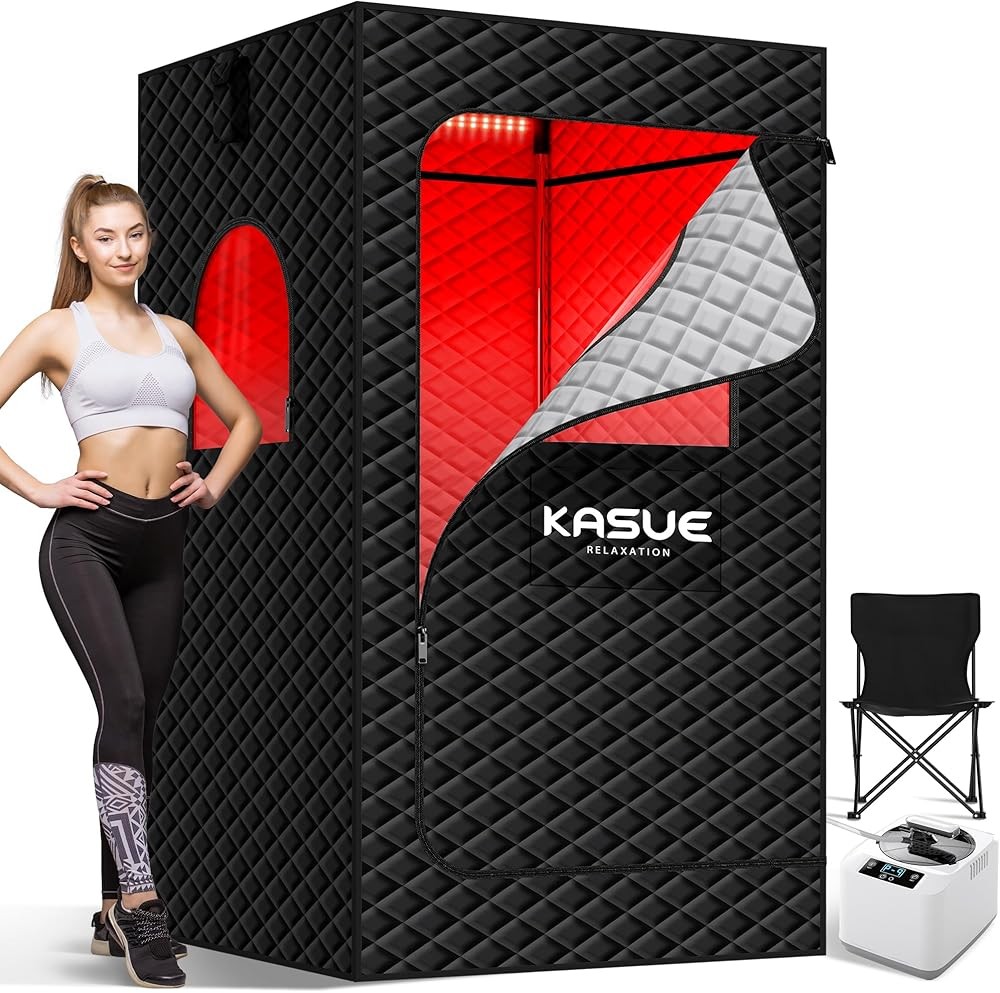
KASUE Infrared Sauna Tent for Home
Check Price on AmazonAs an Amazon Associate we earn from qualifying purchases.
Best with Red Light Therapy - I-THERA-U XL Sauna Box: Combines true 660nm and 850nm red light with far infrared and a 3L steamer at about $160.
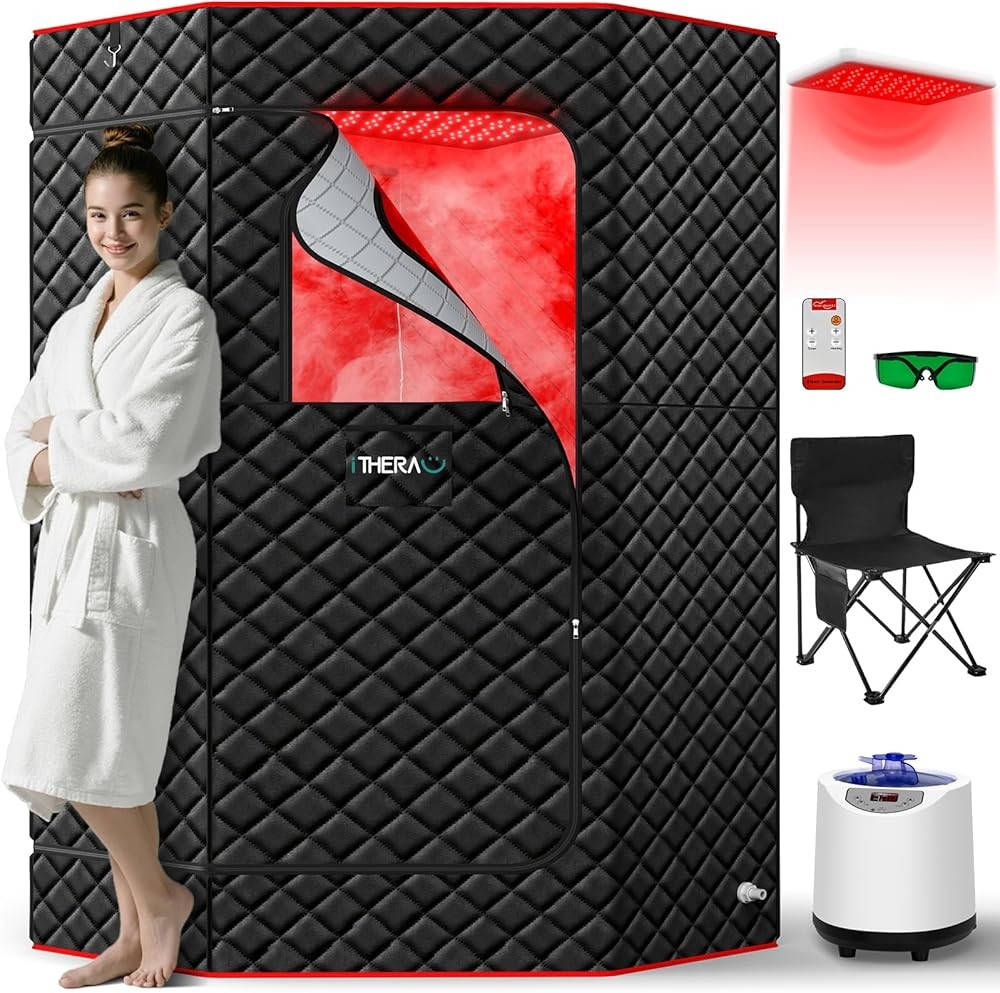
I-THERA-U XL Infrared Sauna Box with Red Light Therapy
Check Price on AmazonAs an Amazon Associate we earn from qualifying purchases.
Best Budget - Portable Infrared Sauna for Home Spa: Full-size one-person far infrared tent with heating foot pad at about $180.
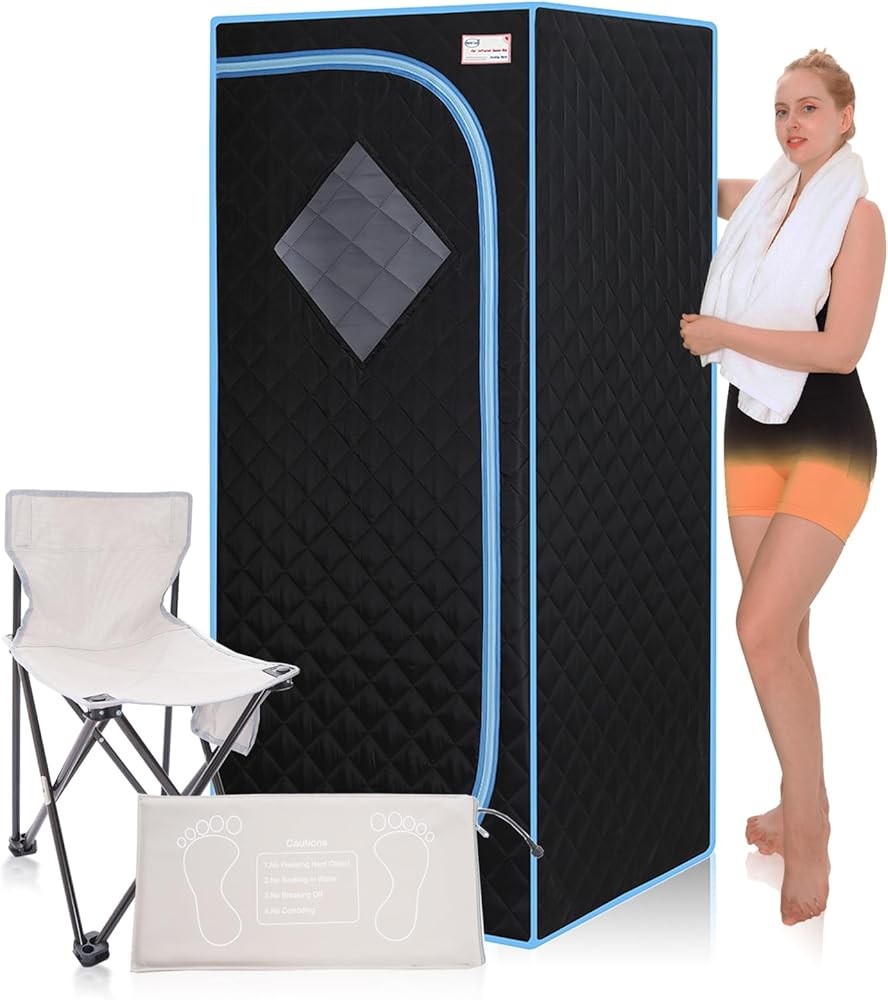
Portable Infrared Sauna for Home Spa
Check Price on AmazonAs an Amazon Associate we earn from qualifying purchases.
Best for Small Spaces - Infrared Sauna Blanket: The most compact option with the fastest heat-up, about $120, ideal for apartments and travel.
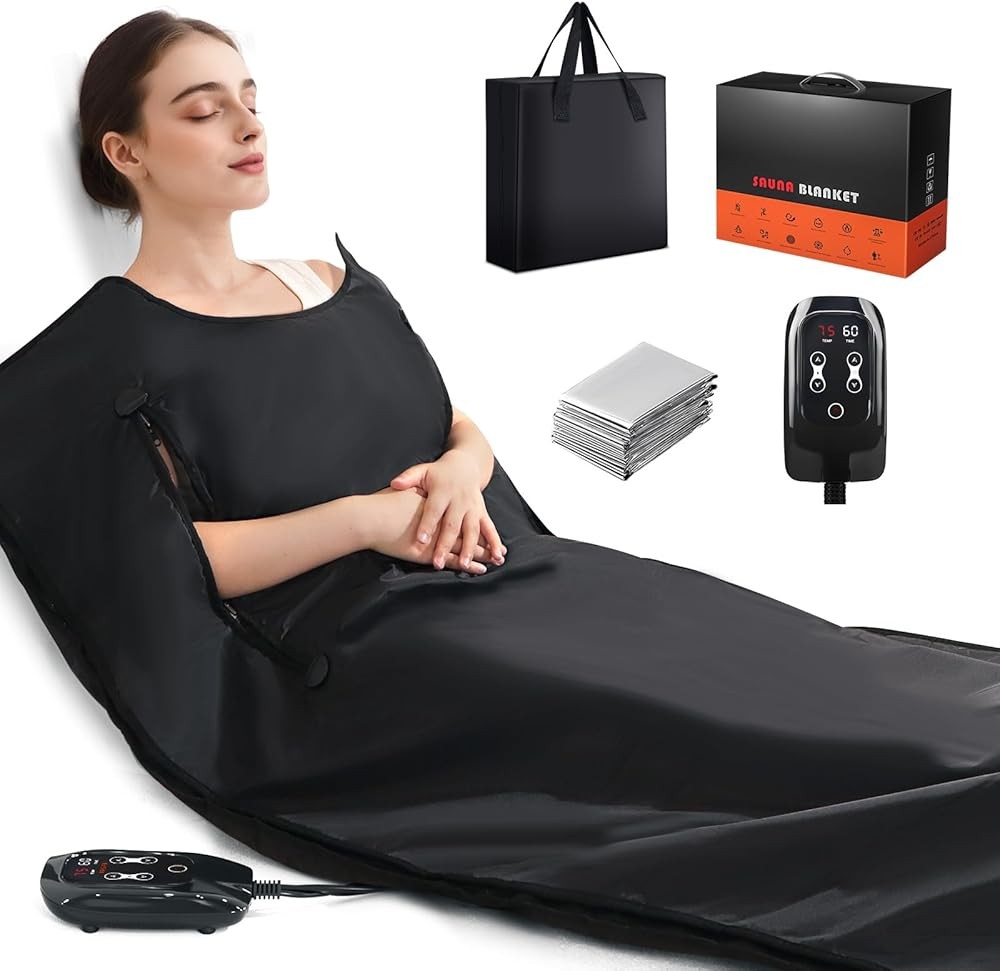
Portable Infrared Sauna Blanket
Check Price on AmazonAs an Amazon Associate we earn from qualifying purchases.
Conclusion: Finding Your Ideal Portable Home Sauna
Portable home saunas have democratized access to heat therapy, transforming what was once a luxury requiring dedicated space and major investment into an accessible wellness practice for anyone with a bedroom and standard electrical outlet. The research demonstrating cardiovascular benefits, improved recovery, enhanced detoxification, and even reduced dementia risk from regular sauna use makes this technology compelling for health-conscious individuals.
The selection process requires matching heating technology (infrared, steam, or hybrid), size and portability needs, safety features, and budget to your specific situation. For most users, a mid-range infrared or hybrid tent sauna in the $200-$400 range provides the best balance of effectiveness, features, and value. Those with space constraints should seriously consider sauna blankets, which deliver legitimate therapy in minimal space. Users committed to long-term regular use and having adequate budget may find premium wooden portable saunas offer superior experience justifying higher costs.
Safety and proper use protocols matter as much as equipment selection. Starting with conservative parameters (110-120°F for 10-15 minutes), adequate hydration (16-20 ounces pre-session, replacing 125-150% of weight lost), and gradual progression allows safe adaptation to heat stress. People with cardiovascular conditions, pregnancy, or taking medications affecting thermoregulation should consult physicians before beginning regular sauna use.
The consistency of use frequency (4-7 sessions weekly) appears more important than individual session intensity for long-term health benefits based on the Finnish research tracking thousands of participants for decades. This makes convenience and ease of use critical factors—saunas that require extensive setup time or complicated maintenance get used less frequently than those ready in minutes.
Portable sauna technology continues improving with better heating elements, more sophisticated controls, integrated complementary therapies like red light, and enhanced safety features at decreasing prices. The growing body of research on sauna health benefits will likely drive continued adoption, making these devices as common as home exercise equipment.
Whether your priority is cardiovascular health, muscle recovery, relaxation and stress reduction, or simply enjoying the pleasant sensation of therapeutic heat, portable home saunas offer accessible, research-backed benefits that fit into modern homes and busy schedules without requiring extensive space or investment.
Related Reading
- Best Infrared Sauna Blankets for Home Use — Science-Backed Reviews and Buyer’s Guide
- Infrared vs Traditional Sauna: Which Is Better for Health?
- Best Infrared Sauna Blankets Compared — Budget vs Premium
- Do Sauna Blankets Help with Weight Loss? What the Research Shows
- Best Barrel Saunas for Home: Complete Buyer’s Guide
- Infrared Sauna Health Benefits: What Does the Science Actually Show?
- Infrared Sauna for Muscle Recovery: What the Science Says
References
- Laukkanen T, Khan H, Zaccardi F, Laukkanen JA. Association between sauna bathing and fatal cardiovascular and all-cause mortality events. JAMA Intern Med. 2015;175(4):542-548. PubMed
- Laukkanen T, Kunutsor S, Kauhanen J, Laukkanen JA. Sauna bathing is inversely associated with dementia and Alzheimer’s disease in middle-aged Finnish men. Age Ageing. 2017;46(2):245-249. PubMed
- Hussain J, Cohen M. Clinical Effects of Regular Dry Sauna Bathing: A Systematic Review. Evid Based Complement Alternat Med. 2018;2018:1857413. PubMed
- Beever R. Far-infrared saunas for treatment of cardiovascular risk factors: summary of published evidence. Can Fam Physician. 2009;55(7):691-696. PubMed
- Brunt VE, Howard MJ, Francisco MA, Ely BR, Minson CT. Passive heat therapy improves endothelial function, arterial stiffness and blood pressure in sedentary humans. J Physiol. 2016;594(18):5329-5342. PubMed
- Biro S, Masuda A, Kihara T, Tei C. Clinical implications of thermal therapy in lifestyle-related diseases. Exp Biol Med. 2003;228(10):1245-1249. PubMed
- Crinnion WJ. Sauna as a valuable clinical tool for cardiovascular, autoimmune, toxicant-induced and other chronic health problems. Altern Med Rev. 2011;16(3):215-225. PubMed
- Genuis SJ, Birkholz D, Rodushkin I, Beesoon S. Blood, urine, and sweat (BUS) study: monitoring and elimination of bioaccumulated toxic elements. Arch Environ Contam Toxicol. 2011;61(2):344-357. PubMed
- Sears ME, Kerr KJ, Bray RI. Arsenic, cadmium, lead, and mercury in sweat: a systematic review. J Environ Public Health. 2012;2012:184745. PubMed
- Oosterveld FG, Rasker JJ, Floors M, et al. Infrared sauna in patients with rheumatoid arthritis and ankylosing spondylitis. Clin Rheumatol. 2009;28(1):29-34. PubMed
- Leppaluoto J, Tuominen M, Vaananen A, Karpakka J, Vuori J. Some cardiovascular and metabolic effects of repeated sauna bathing. Acta Physiol Scand. 1986;128(1):77-81. PubMed
- Leppaluoto J, Arjamaa O, Vuolteenaho O, Ruskoaho H. Passive heat exposure leads to delayed increase in plasma levels of atrial natriuretic peptide in humans. J Appl Physiol. 1991;71(2):716-720. PubMed
- Zaccardi F, Laukkanen T, Willeit P, Kunutsor SK, Kauhanen J, Laukkanen JA. Sauna bathing and incident hypertension: a prospective cohort study. Am J Hypertens. 2017;30(11):1120-1125. PubMed
- Laukkanen T, Kunutsor SK, Khan H, Willeit P, Zaccardi F, Laukkanen JA. Sauna bathing is associated with reduced cardiovascular mortality and improves risk prediction in men and women: a prospective cohort study. BMC Med. 2018;16(1):219. PubMed
Recommended Products