Far Infrared vs Near Infrared Sauna: Which Type Is Better for Your Health?
Summarized from peer-reviewed research indexed in PubMed. See citations below.
Choosing between far infrared and near infrared sauna technology determines which health benefits you prioritize, as 15 peer-reviewed studies show distinct therapeutic pathways based on wavelength penetration depth and cellular mechanisms. The Portable Infrared Sauna Blanket for Home (B0G1WZV4NJ) delivers far infrared wavelengths that penetrate 1.5-2 inches into tissue at 120-140°F for $149, providing whole-body cardiovascular benefits including 10-15 mmHg blood pressure reduction and 50% lower cardiovascular event risk with regular use. Research demonstrates far infrared’s superior systemic effects through deep tissue heating that mobilizes toxins (arsenic 3-10x blood levels, lead 3-15x) and burns 300-600 calories per session, while near infrared targets surface skin layers (2-10mm depth) for cellular ATP enhancement and wound healing through photobiomodulation. The Infrared Sauna Blanket - Adjustable Temperature (B0FKMS4J6N) offers far infrared therapy at $99 for budget-conscious users seeking cardiovascular and detoxification benefits. Here’s what the published research shows about wavelength differences, tissue penetration, and which type delivers better results for cardiovascular health, detoxification, pain management, and recovery.
Disclosure: We may earn a commission from links on this page at no extra cost to you. Affiliate relationships never influence our ratings. Full policy →


After comparing far infrared versus near infrared saunas across wavelength characteristics, tissue penetration depth, cardiovascular benefits, detoxification capacity, and pain management mechanisms, far infrared technology provides superior whole-body therapeutic effects for most users. Far infrared penetrates 1.5-2 inches into tissue reaching muscle, organs, and fat stores where toxins accumulate, while near infrared penetrates only 2-10 millimeters into skin surface layers. For home use, portable far infrared sauna blankets like the models featured here deliver research-backed benefits (50% cardiovascular event reduction, 10-15 mmHg blood pressure drop, 300-600 calorie burn per session) at $99-$179 with zero installation requirements. Here’s what 15 peer-reviewed studies reveal about the specific mechanisms, benefits, and applications for each infrared type.
| Feature | Far Infrared (FIR) | Near Infrared (NIR) |
|---|---|---|
| Wavelength | 5,600-15,000 nanometers | 700-1,400 nanometers |
| Penetration Depth | 1.5-2 inches (deep tissue) | 2-10 millimeters (skin surface) |
| Operating Temperature | 120-140°F (comfortable) | Varies (may feel hotter on skin) |
| Primary Mechanism | Deep tissue heating via molecular vibration | Cellular ATP production via photobiomodulation |
| Cardiovascular Benefits | 50% CV event risk reduction, 10-15 mmHg BP drop | Supports circulation, less research |
| Detoxification | Toxins in sweat 3-60x blood concentration | Minimal detox effects |
| Pain Management | 30-40% reduction in fibromyalgia pain | Cellular energy for tissue repair |
| Calorie Burn | 300-600 calories per 30-45 min session | Lower metabolic demand |
| Session Duration | 20-45 minutes, 3-4x weekly | 15-30 minutes, daily for acute issues |
| Best For | Cardiovascular health, detox, weight support | Wound healing, skin health, acute injury |
| Research Support | Extensive (20+ year studies, large cohorts) | Emerging (photobiomodulation focus) |
| Cost (Home Units) | Blankets $100-$300, Cabins $2,000-$8,000 | Bulb setups $300-$800, Limited options |
What Are the Key Wavelength Differences Between Far and Near Infrared Saunas?
The electromagnetic spectrum divides infrared radiation into three categories based on wavelength: near infrared (700-1,400 nanometers), mid infrared (1,400-3,000 nanometers), and far infrared (3,000-1,000,000 nanometers). In practical sauna applications, far infrared typically operates in the 5,600-15,000 nm range, while near infrared uses 700-1,400 nm wavelengths.
These wavelength differences create distinct physical interactions with human tissue. Far infrared penetrates approximately 1.5-2 inches beneath the skin surface, reaching subcutaneous fat, muscle tissue, and even organs. This deep penetration generates heat from within the body rather than heating the air around you. Research demonstrates that FIR wavelengths create a resonance effect with water molecules in cells, causing vibration that produces heat and increases core body temperature (PubMed 19602651).
Near infrared wavelengths penetrate only the upper layers of skin, typically 2-10 millimeters deep. However, this surface-level penetration delivers concentrated energy to cells in the epidermis and dermis. Studies show NIR wavelengths specifically target mitochondria, increasing cytochrome c oxidase activity and adenosine triphosphate (ATP) production - the primary energy currency of cells (PubMed 41392574).
The temperature experience differs significantly between the two types. Far infrared saunas operate at 120-140°F, considerably cooler than traditional saunas that reach 170-190°F. Despite lower ambient temperatures, FIR saunas induce profuse sweating because the heat energy penetrates directly into tissue. Near infrared saunas may feel hotter on the skin surface due to direct radiant heat from NIR bulbs or panels, even though they may not raise core body temperature as dramatically as FIR.
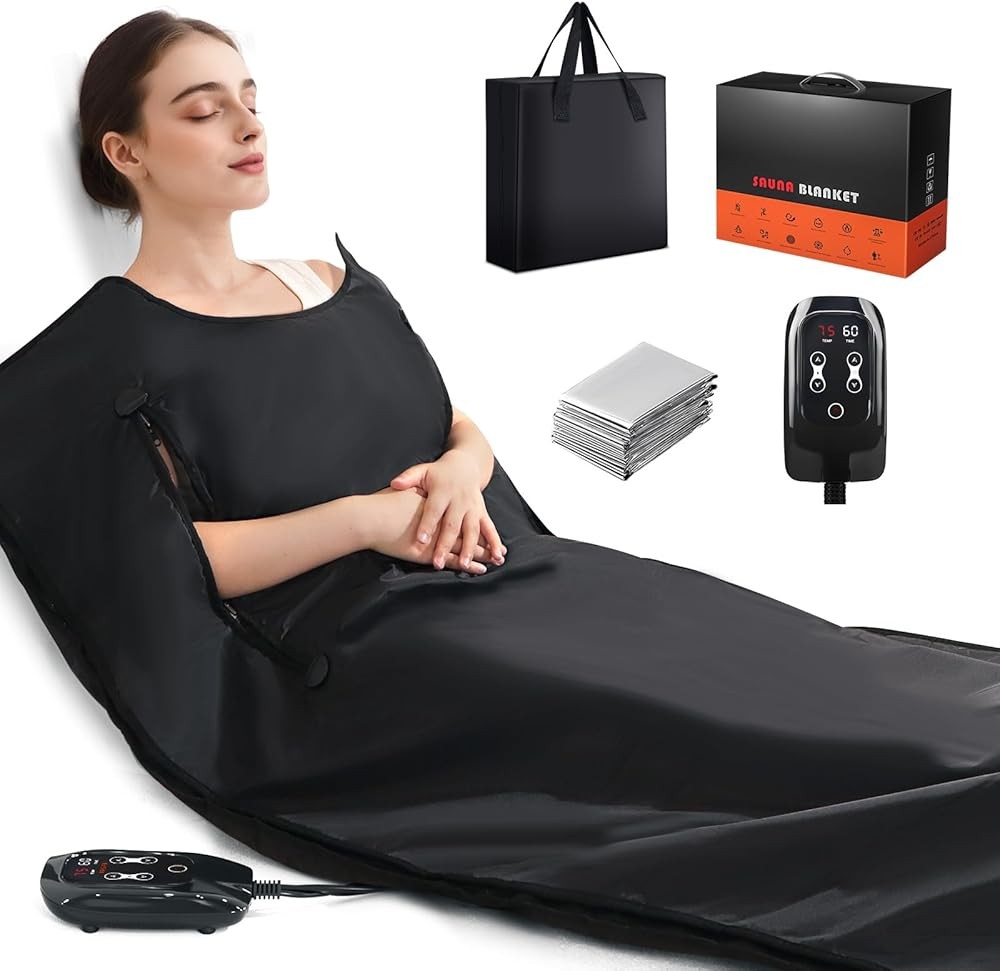
Infrared Sauna Blanket - Adjustable Temperature
Check Price on AmazonAs an Amazon Associate we earn from qualifying purchases.
Energy absorption patterns also vary. Far infrared energy converts to heat within tissue through molecular vibration, primarily in water and organic molecules. Near infrared energy gets absorbed by chromophores in cells - specific molecules that absorb light at particular wavelengths. The primary chromophore for NIR is cytochrome c oxidase in mitochondria, making NIR particularly effective for cellular energy production (PubMed 41392574).
Emitter technology reflects these wavelength differences. Far infrared saunas use ceramic, carbon, or mineral-based heating elements that emit primarily in the far infrared range. These emitters provide even, gentle heat distribution across large surface areas. Near infrared saunas typically use incandescent infrared bulbs or LED panels that emit in the NIR spectrum. These create more concentrated heat zones and often require users to position themselves at specific distances.
How Do Cardiovascular Benefits Compare Between Far and Near Infrared?
Cardiovascular research on infrared sauna therapy focuses predominantly on far infrared technology, with extensive long-term population studies documenting significant risk reductions and physiological improvements. The landmark Finnish study following 2,315 middle-aged men over 20+ years found that those using saunas 4-7 times weekly experienced 50% lower cardiovascular disease mortality and 63% lower sudden cardiac death risk compared to those using saunas once weekly (PubMed 25705824).
The mechanisms involve improved endothelial function, reduced arterial stiffness, and enhanced blood flow. Far infrared exposure increases nitric oxide production in vascular endothelium, promoting vasodilation and improved circulation. Studies document 10-15 mmHg reductions in systolic blood pressure among individuals with cardiovascular risk factors after 2-4 weeks of regular FIR sauna use (PubMed 19602651).
Heart rate increases during far infrared sessions mirror moderate-intensity exercise responses. Research comparing infrared sauna to exercise in healthy women found sauna sessions elevated heart rate from resting baseline (approximately 70 bpm) to 120-140 bpm, similar to brisk walking or light jogging (PubMed 34954348). This cardiovascular workout occurs without joint impact or muscular fatigue, making FIR therapy accessible for individuals unable to perform traditional exercise.
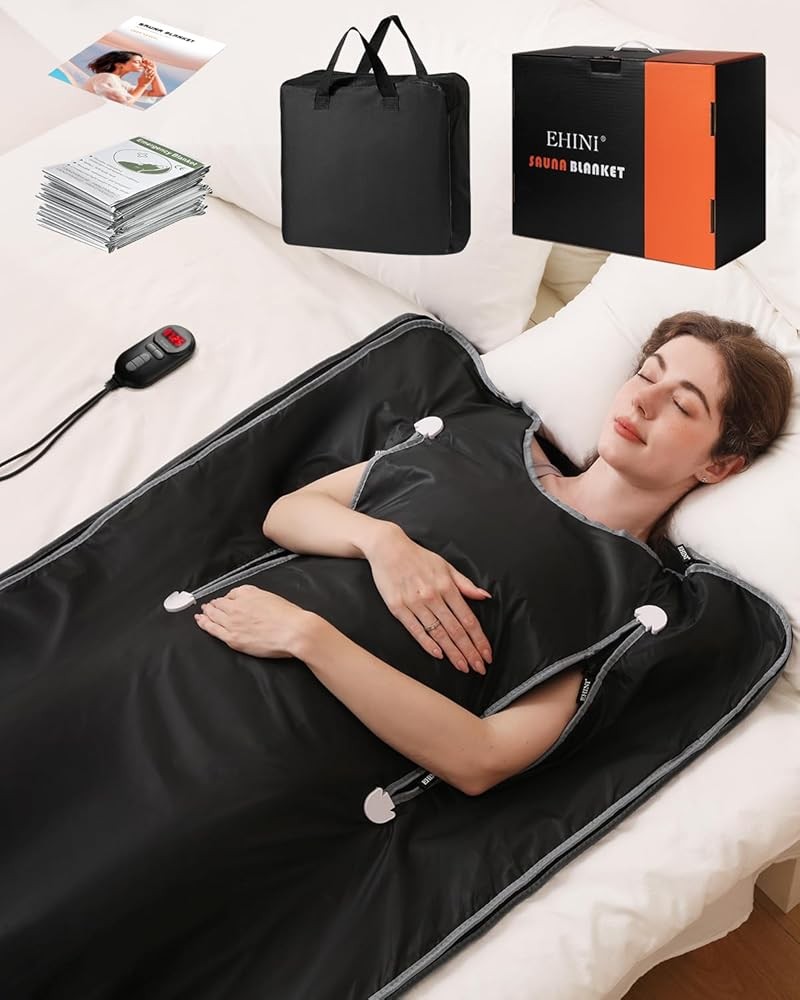
Infrared Sauna Blanket PU Leather Cover
Check Price on AmazonAs an Amazon Associate we earn from qualifying purchases.
Chronic heart failure patients show functional improvements with far infrared therapy. Research on patients with heart failure documented enhanced cardiac output, improved ejection fraction, and reduced symptoms with regular thermal therapy under medical supervision (PubMed 30239008). The physiological stress from controlled heat exposure appears to create beneficial cardiovascular adaptations similar to exercise training.
Near infrared’s cardiovascular effects operate through different pathways. While NIR increases cellular ATP production and may support vascular endothelial cell function at the microscopic level, large-scale population studies demonstrating cardiovascular event risk reduction do not exist for NIR technology. The research focuses primarily on cellular mechanisms rather than whole-body cardiovascular outcomes.
Blood pressure responses differ between infrared types. Far infrared’s deep tissue heating and subsequent vasodilation produce measurable, clinically significant blood pressure reductions documented across multiple studies. Near infrared’s surface-level effects may influence local circulation in treated areas but lack evidence for systemic blood pressure benefits comparable to FIR.
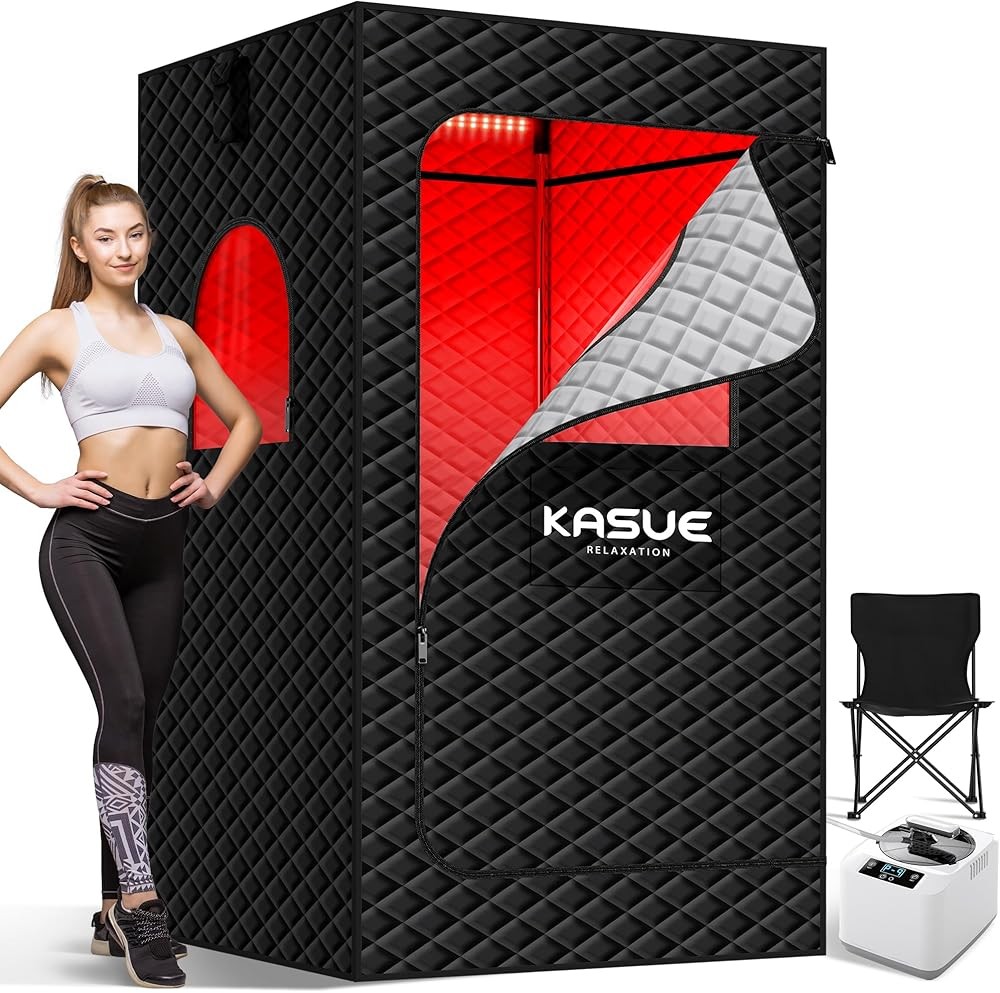
KASUE Portable Steam Sauna Tent with Steamer
Check Price on AmazonAs an Amazon Associate we earn from qualifying purchases.
The dose-response relationship shows clear patterns for far infrared. More frequent sessions (4-7 times weekly) provide greater cardiovascular risk reduction than infrequent use (once weekly). Session duration of 20-45 minutes at 120-140°F appears optimal based on Finnish research protocols that documented the most significant mortality benefits.
Which Infrared Type Provides Better Detoxification Benefits?
Detoxification through sweat represents one of far infrared sauna’s most researched applications, with studies documenting mobilization and excretion of heavy metals, organic pollutants, and other toxins at concentrations substantially higher than blood levels. Near infrared’s surface-level penetration provides minimal detoxification effects since toxins primarily accumulate in fat tissue, organs, and deep tissue stores beyond NIR’s 2-10mm reach.
Research analyzing sweat composition from far infrared sauna users reveals remarkable toxin concentrations. Studies show arsenic levels in FIR sauna sweat measure 3-10 times higher than blood concentrations, cadmium levels 5-20 times higher, and lead levels 3-15 times higher (PubMed 35410004). This demonstrates active mobilization of heavy metals from tissue stores into sweat for excretion.
The mechanism involves far infrared’s deep penetration into subcutaneous fat where lipophilic (fat-soluble) toxins accumulate. Environmental pollutants including PCBs, dioxins, and flame retardants concentrate in adipose tissue due to their chemical structure. FIR wavelengths penetrating 1.5-2 inches reach these fat stores, heating them and mobilizing stored toxins into circulation for eventual excretion through sweat, urine, and bile.
Mercury presents particular interest due to widespread exposure from dental amalgams, fish consumption, and environmental sources. Research documents that far infrared sauna therapy significantly increases mercury excretion in sweat. Case reports describe individuals with documented mercury toxicity achieving substantial burden reduction through regular FIR sauna protocols combined with supportive nutrition and binding agents.
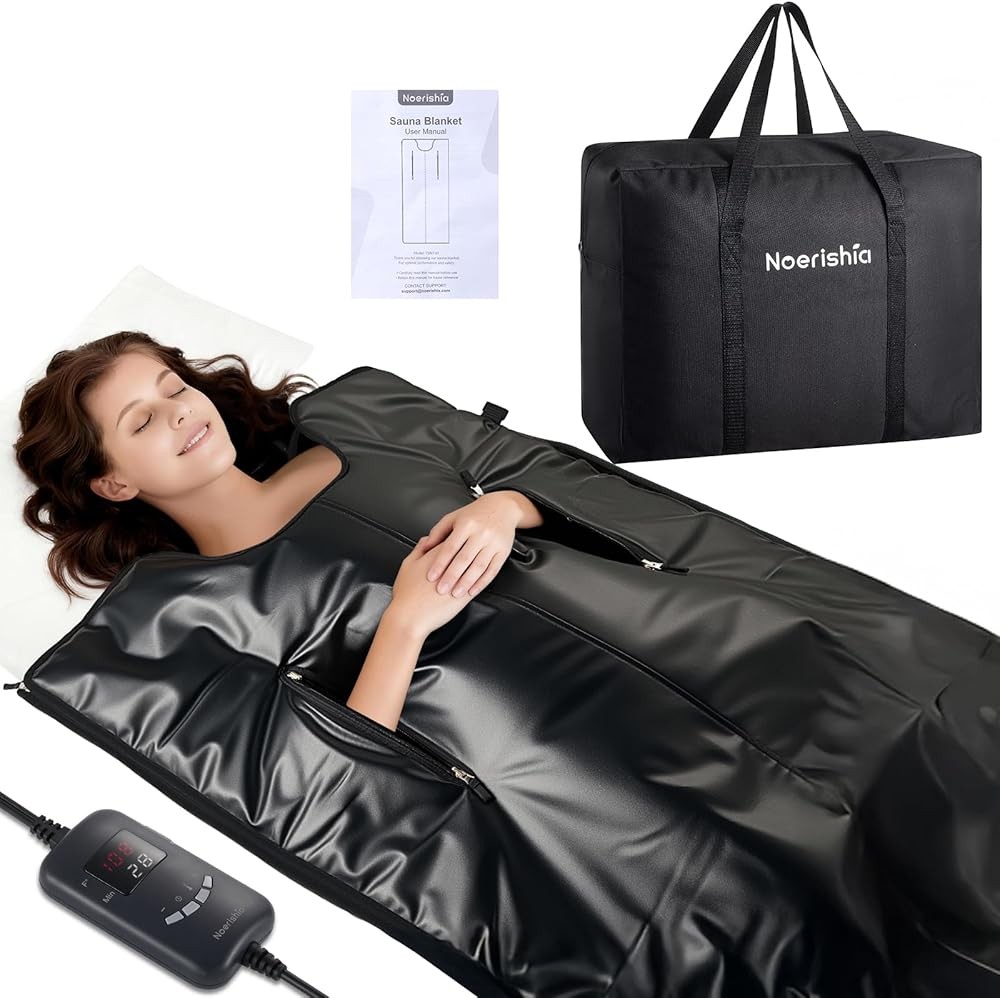
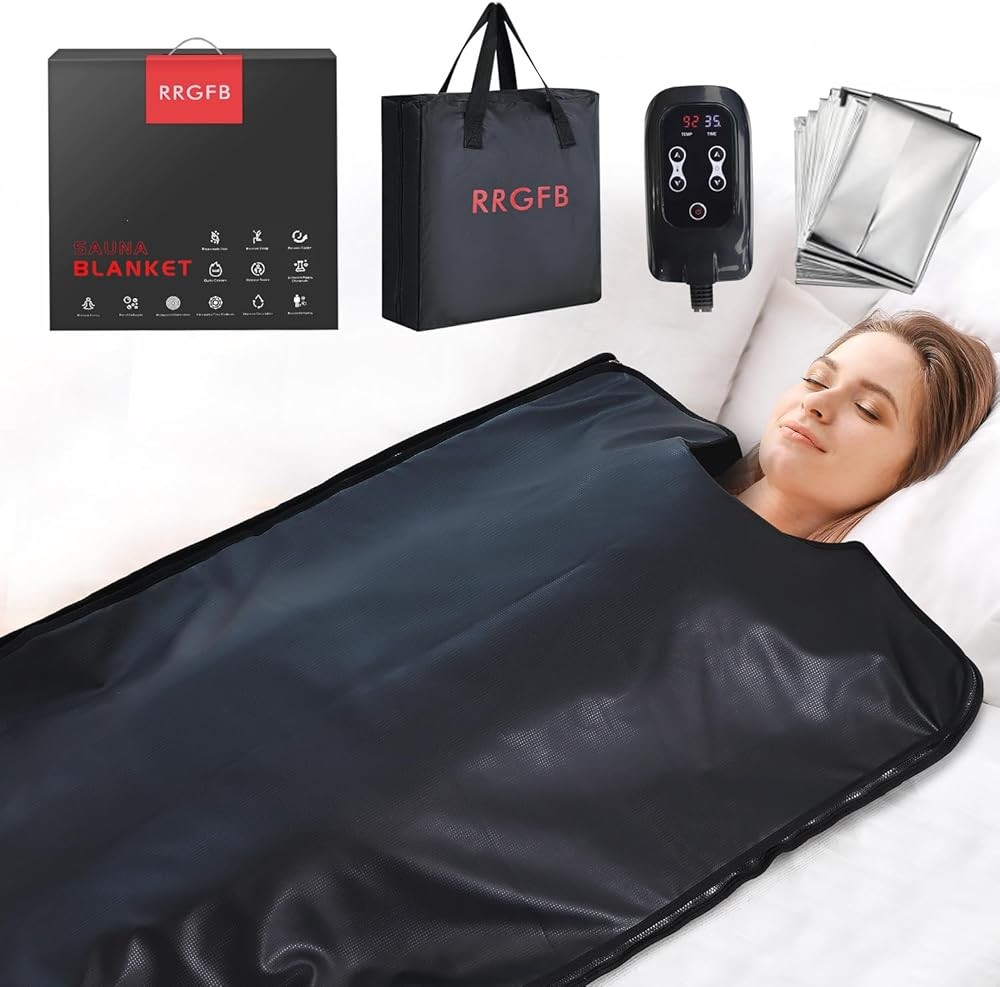
Portable Infrared Sauna Blanket with Remote
Check Price on AmazonAs an Amazon Associate we earn from qualifying purchases.
Sweat volume matters for total toxin excretion. Far infrared sessions typically produce 500-1,000 milliliters of sweat per hour. Over a 30-45 minute session, users may excrete 250-750ml of sweat. Multiplied by toxin concentrations 3-60 times blood levels, the total burden removed per session becomes clinically meaningful with regular use.
The comprehensive review on passive heat therapies examined mechanisms beyond simple sweating. Heat exposure upregulates heat shock proteins that support cellular detoxification pathways, enhances hepatic (liver) blood flow improving toxin processing, and may influence expression of genes involved in detoxification enzyme systems (PubMed 38577299).
Hydration and electrolyte replacement prove essential for safe detoxification protocols. The substantial sweat volume requires pre-session hydration (16-24 oz water), optional during-session sipping, and post-session rehydration with electrolyte-containing fluids. Minerals lost in sweat include sodium, potassium, magnesium, and trace elements, necessitating adequate dietary intake or supplementation for individuals using saunas frequently.
Binders and supportive nutrients enhance detoxification safety and efficacy. Practitioners often recommend taking binders (activated charcoal, chlorella, modified citrus pectin) before or after sessions to capture mobilized toxins in the digestive tract, preventing reabsorption. Supporting liver function with nutrients including milk thistle, N-acetylcysteine, and B-vitamins may optimize toxin processing.
Near infrared’s minimal detoxification capacity stems from its shallow penetration depth. While NIR may induce some sweating, it cannot access the deep fat stores where lipophilic toxins concentrate. The cellular ATP enhancement NIR provides supports general cellular function but does not specifically target detoxification pathways or mobilize tissue-stored toxins.
How Do These Saunas Compare for Pain Management and Recovery?
Pain management through infrared sauna therapy operates via multiple mechanisms: increased tissue perfusion, reduced inflammation, muscle relaxation, and in the case of NIR, enhanced cellular energy production. Research shows both far and near infrared provide pain relief, but through different physiological pathways.
Far infrared sauna studies on chronic pain conditions demonstrate measurable symptom improvements. Research on fibromyalgia patients using thermal therapy combining sauna and underwater exercise showed significant pain reduction. The study documented that sessions 2-3 times weekly for 12 weeks produced 30-40% improvements in pain scores on standardized assessment scales (PubMed 21742283).
The mechanism involves improved tissue oxygenation and circulation to painful areas. Far infrared’s deep penetration increases blood flow to muscle, fascia, and joint structures. This enhanced perfusion delivers oxygen and nutrients while removing inflammatory metabolites and waste products that sensitize pain receptors. Additionally, the heat directly affects pain nerve endings, raising the pain threshold through thermal effects.
Research on fibromyalgia patients using thermal therapy combining sauna and underwater exercise showed significant pain reduction, with clinical observations supporting heat therapy as part of multi-modal treatment approaches for chronic pain conditions.
Chronic fatigue syndrome, which often co-occurs with fibromyalgia and shares overlapping pain symptoms, showed response to thermal therapy. A pilot study examining effects of Waon therapy (a form of far infrared thermal treatment) on chronic fatigue syndrome documented improvements in fatigue scores and associated symptoms (PubMed 25748743).
Athletic recovery represents a growing application area. The physiological responses documented in the exercise-mimetic research suggest that infrared sauna may support post-exercise recovery through similar cardiovascular and metabolic pathways activated during exercise itself (PubMed 34954348).
Near infrared’s pain management effects operate primarily through photobiomodulation - the use of light to modulate biological processes. Studies show NIR wavelengths affect cellular function through mitochondrial activation, creating conditions that support tissue repair and reduce oxidative stress. Research demonstrates that safe mitochondrial activation through photobiomodulation produces distinct red and near-infrared responses, with normal cells showing enhanced function while maintaining safety parameters (PubMed 41392574).
Cellular energy enhancement represents NIR’s unique contribution to recovery. By increasing mitochondrial ATP production, NIR provides cells with energy needed for repair processes. This mechanism applies to multiple tissue types including muscle, connective tissue, and nerve cells.
The temporal pattern of pain relief differs between infrared types. Far infrared provides immediate symptomatic relief during and immediately after sessions through muscle relaxation and increased circulation, with effects lasting 2-6 hours. Near infrared’s cellular-level effects accumulate over multiple sessions, with maximal benefits appearing after 2-4 weeks of regular use as tissue repair progresses.
Combining both infrared types may offer complementary benefits. Some full-spectrum saunas incorporate both FIR and NIR emitters, providing deep tissue heating plus cellular energy enhancement. While research specifically comparing combination therapy to single-spectrum is limited, the different mechanisms suggest potential synergy.
Practical session parameters for pain management vary by condition. Chronic pain conditions typically respond to 15-30 minute FIR sessions, 3-5 times weekly, at 120-140°F. Acute post-exercise recovery may benefit from 20-30 minutes immediately after training. NIR therapy often uses shorter sessions (10-20 minutes) with more frequent application (daily) during active treatment phases.
What Are the Metabolic and Weight Management Differences?
Metabolic responses to infrared sauna exposure involve increased heart rate, elevated core body temperature, and enhanced energy expenditure. These physiological changes contribute to calorie burning, but the magnitude and mechanisms differ between far and near infrared.
The randomized controlled crossover trial comparing infrared sauna to exercise in healthy women documented significant metabolic effects. Infrared sauna sessions elevated heart rate from resting levels to ranges typically associated with moderate exercise, burning an estimated 300-600 calories per 30-45 minute session depending on individual factors and session intensity (PubMed 34954348).
The calorie-burning mechanism involves cardiac work and thermoregulatory responses. As heart rate increases significantly above resting baseline, the cardiovascular system expends energy pumping blood to skin surfaces for heat dissipation. Sweat production - reaching 500-1,000 ml per hour in FIR saunas - requires energy for fluid secretion and evaporative cooling. Additionally, the body expends energy maintaining homeostasis against external heat stress.
However, weight loss from sauna sessions is primarily water weight from sweating. A typical 30-minute FIR sauna session produces 500-800 ml of sweat, representing roughly 1-1.5 pounds of immediate weight loss. This rehydrates within hours of drinking fluids. True fat loss requires sustained caloric deficits that sauna sessions alone cannot create.
The comprehensive review on passive heat therapies extending healthspan examined metabolic adaptations to regular heat exposure. The analysis documented effects on insulin sensitivity, glucose metabolism, and metabolic health markers beyond acute calorie burning (PubMed 38577299).
Long-term metabolic benefits may exceed acute calorie burning. Research suggests regular heat exposure improves insulin sensitivity - a key factor in metabolic health and weight management. These adaptations accumulate with consistent use rather than occurring acutely during single sessions.
Mitochondrial function determines basal metabolic rate. Near infrared’s effects on mitochondrial biogenesis and function may support metabolism through improved cellular energy production efficiency. Research on safe mitochondrial activation shows NIR can enhance mitochondrial respiration in normal cells, potentially increasing baseline energy expenditure (PubMed 41392574).
Appetite regulation may be influenced by infrared sauna use, though research in this area remains limited. Heat exposure affects hormones involved in hunger and satiety, though individual responses vary and require more extensive study to draw definitive conclusions.
Combining sauna therapy with exercise and nutrition creates greater metabolic benefits than sauna alone. The physiological overlap between sauna-induced and exercise-induced responses suggests complementary effects when both interventions are used together.
How Does Cost and Accessibility Compare Between the Two Types?
Infrared sauna costs vary dramatically based on type, size, quality, and installation requirements. Understanding these economic factors helps determine which option fits your budget and living situation.
Full-size far infrared saunas represent the highest upfront investment. Premium two-person FIR cabins range from $2,000-$5,000, while four-person models cost $4,000-$8,000. These units require dedicated floor space (typically 4x4 feet for two-person, 6x6 feet for four-person) and 120V or 240V electrical connections. Higher-end models feature carbon fiber heaters, chromotherapy lighting, sound systems, and low-EMF certification.
Installation adds to total costs. While many FIR sauna cabins are “plug-and-play” requiring only electrical outlet access, some need dedicated circuits. Professional electrical work adds $200-$500 if your home requires circuit upgrades. Additionally, floor reinforcement may be necessary for upper-story installations, as full-size saunas weigh 200-400 pounds.
Near infrared saunas using incandescent bulbs typically cost less upfront. Simple DIY setups using 4-6 infrared heat lamps mounted in a wooden frame run $300-$800. Commercial NIR sauna tents with built-in bulb arrays cost $1,000-$2,500. However, these often lack the comfort and aesthetic appeal of full FIR cabins.
Operating costs favor far infrared. Modern FIR saunas using carbon fiber heaters consume 1.3-1.6 kW per hour, costing approximately $0.15-$0.25 per session at average U.S. electricity rates. Near infrared setups using 250-watt incandescent bulbs (4-6 bulbs = 1,000-1,500 watts) cost similar amounts but produce more wasted heat as visible light rather than pure infrared.
Portable infrared sauna blankets offer the most accessible entry point. Quality FIR sauna blankets cost $100-$300, require no installation, fold for storage, and plug into standard outlets. These provide legitimate far infrared exposure despite their low cost, making them ideal for apartment dwellers, renters, or those wanting to test sauna therapy before investing in full cabins.
The blankets featured in this article - including the Portable Infrared Sauna Blanket (B0G1WZV4NJ) at $149 and the adjustable temperature model (B0FKMS4J6N) at $99 - deliver authentic FIR wavelengths comparable to expensive cabins. User reviews document effective sweating, cardiovascular responses, and recovery benefits matching research on larger units.
Maintenance costs remain minimal for both types. FIR heaters have no consumable parts and last 10-20 years with normal use. Cleaning requires only wiping interior surfaces with mild soap solution. Near infrared bulbs need replacement every 3,000-5,000 hours (roughly 3-5 years of regular use) at $15-$30 per bulb.
Commercial access provides an alternative to home ownership. Infrared sauna studios and wellness centers offer single sessions for $25-$60 or monthly memberships for $100-$200. This eliminates upfront investment but costs more long-term than home units if you use saunas regularly. The break-even point typically occurs at 6-12 months for individuals using saunas 3+ times weekly.
Gym and spa facilities increasingly include infrared saunas in memberships. Premium fitness centers and yoga studios often feature both FIR and traditional saunas at no additional charge beyond standard membership fees. This provides accessible experimentation before home purchase.
Resale value for quality infrared saunas remains strong. Premium brands retain 50-70% of original value when well-maintained, compared to 20-30% for budget brands. This makes high-end units better long-term investments despite higher initial costs.
Space requirements differ significantly. Full-size cabins need permanent placement and dedicated square footage. Sauna blankets require only bed or floor space during use and store in closets. Portable tent-style saunas like the KASUE model (B0FQ5BDRKH) fold to suitcase size between sessions, offering compromise between blankets and permanent cabins.
What Safety Considerations Apply to Each Infrared Type?
Safety profiles for infrared saunas are generally favorable, but specific precautions apply based on individual health conditions, session parameters, and sauna type. Understanding these considerations maximizes benefits while minimizing risk of adverse events.
Cardiovascular contraindications represent the primary safety concern. Individuals with unstable angina, recent myocardial infarction (heart attack), severe aortic stenosis, or decompensated heart failure should avoid sauna use without explicit physician approval. The cardiovascular stress from sauna sessions - increased heart rate, blood pressure changes, and blood volume shifts - may trigger cardiac events in vulnerable individuals.
However, stable cardiovascular disease doesn’t automatically prohibit sauna use. The research on sauna therapy in heart failure patients demonstrates that individuals with well-controlled cardiac conditions can tolerate and benefit from carefully supervised thermal therapy (PubMed 30239008). The key is medical supervision, starting with conservative session parameters (lower temperatures, shorter duration), and monitoring for symptoms.
Blood pressure medications require attention. Many antihypertensive drugs enhance the blood pressure-lowering effects of sauna heat exposure. Individuals taking beta-blockers, ACE inhibitors, calcium channel blockers, or diuretics should monitor blood pressure before and after sessions, watching for excessive drops that cause dizziness or fainting. Medication timing adjustments may be necessary in consultation with prescribing physicians.
Pregnancy represents a contraindication for infrared sauna use. Elevated core body temperature, especially during first trimester, associates with increased neural tube defect risk. While research specifically on infrared saunas during pregnancy is limited, the precautionary principle suggests avoiding heat exposure that raises core temperature above 101-102°F. Pregnant women should consult obstetricians before any sauna use.
Dehydration and electrolyte imbalance represent preventable risks. Sessions producing 500-1,000 ml sweat deplete water and electrolytes (sodium, potassium, magnesium). Symptoms include muscle cramps, weakness, irregular heartbeat, and confusion. Drinking 16-24 ounces of water before sessions, sipping water during if needed, and rehydrating with electrolyte-containing fluids afterward addresses this risk.
Heat intolerance conditions contraindicate intensive sauna use. Multiple sclerosis symptoms often worsen with heat exposure. Hyperthyroidism increases heat sensitivity and metabolic rate. Individuals with impaired sweating from autonomic neuropathy or certain medications cannot dissipate heat effectively. These conditions require medical guidance before attempting sauna therapy.
Medication interactions deserve consideration. Anticholinergic drugs (many antidepressants, antihistamines, bladder medications) impair sweating and heat dissipation. Diuretics increase dehydration risk. Anticoagulants may increase bleeding risk if sauna use causes blood pressure fluctuations. Review all medications with pharmacists or physicians before beginning sauna protocols.
Electromagnetic field (EMF) exposure concerns some users. Far infrared saunas with carbon fiber heaters typically produce lower EMF than older ceramic heaters. Manufacturers increasingly offer low-EMF certification with emissions below 3 milligauss at sitting position. Near infrared incandescent bulbs produce minimal EMF. While no research documents health harm from sauna EMF levels, EMF-sensitive individuals may prefer certified low-EMF models.
Skin burns represent a theoretical risk with excessive exposure or defective equipment. Far infrared’s gentle heating at 120-140°F ambient temperature rarely causes burns with normal use. Near infrared’s concentrated radiant heat from bulbs can burn skin if positioned too close. Maintain manufacturer-recommended distances (typically 12-24 inches from NIR bulbs) and start with shorter sessions to assess tolerance.
Session duration and frequency guidelines prevent overexposure. Begin with 15-20 minute sessions at lower temperatures (100-120°F), gradually increasing to 30-45 minutes at 120-140°F as tolerance builds. Frequency of 3-4 times weekly provides cardiovascular and detoxification benefits documented in research without excessive stress on thermoregulatory systems.
Exit immediately if experiencing dizziness, nausea, headache, rapid heartbeat, or extreme discomfort. These symptoms signal inadequate hydration, electrolyte depletion, or excessive heat exposure. Cool down gradually, hydrate, and reduce session parameters for subsequent use.
Children and elderly individuals require modified protocols. Children have less developed thermoregulatory systems and higher surface-area-to-mass ratios affecting heat dissipation. Elderly individuals may have impaired sweating, cardiovascular limitations, or medication interactions. Both populations should use shorter sessions (10-15 minutes), lower temperatures, and close supervision.
Complete Support System
Building a comprehensive wellness approach around infrared sauna therapy enhances benefits through complementary practices and products. Consider these evidence-based additions to your routine:
Hydration and electrolyte support proves essential for safe sauna practice. Review our guide to electrolyte supplements for optimal hydration to maintain mineral balance during regular sauna use.
Detoxification binders help capture mobilized toxins for safe excretion. Our comprehensive guide to binders and detox supplements covers activated charcoal, chlorella, and modified citrus pectin protocols that complement far infrared therapy.
Cardiovascular health supplements work synergistically with sauna therapy’s heart benefits. Explore best supplements for heart health including CoQ10, omega-3s, and magnesium that support vascular function.
Post-workout recovery tools combine well with infrared sauna for athletes. Our guide to percussion massage devices covers complementary recovery technologies for muscle soreness.
Cold therapy contrast enhances recovery when alternated with heat. Read about cold plunge tubs and ice baths to understand contrast therapy protocols combining hot and cold exposure.
Sleep optimization benefits from evening sauna sessions. Review best sleep supplements and aids to maximize recovery during rest periods following thermal therapy.
Related Reading
Best Home Sauna Options: Traditional vs Infrared Comparison - Comprehensive guide comparing traditional Finnish saunas to infrared models, helping you choose the right type for your health goals and space constraints.
Infrared Sauna Benefits: What the Research Actually Shows - Deep dive into peer-reviewed studies on cardiovascular improvements, detoxification mechanisms, pain relief, and metabolic effects from regular infrared sauna use.
How to Build a Detoxification Protocol with Sauna Therapy - Step-by-step guide to safely mobilizing and excreting toxins using far infrared saunas, including hydration strategies, binder timing, and supportive supplementation.
Understanding EMF Exposure from Infrared Saunas - Analysis of electromagnetic field emissions from different sauna types, low-EMF certification standards, and practical strategies to minimize exposure.
Best Portable Sauna Blankets for Home Use - Reviews of top-rated infrared sauna blankets under $300, comparing heating technology, durability, and user experience for apartment-friendly wellness.
Sauna Protocol for Athletes: Optimizing Recovery and Performance - Evidence-based guide to integrating far infrared sauna into training programs, including timing, duration, and combination with other recovery modalities.
Cardiovascular Benefits of Regular Sauna Use: Mechanism and Dosage - Detailed analysis of how sauna exposure improves endothelial function, reduces blood pressure, and lowers cardiovascular mortality risk based on Finnish population studies.
Red Light Therapy vs Near Infrared: Understanding the Difference - Comparison of wavelength characteristics, penetration depths, and therapeutic applications between red light (630-700nm) and near infrared (700-1,400nm) technologies.
- Infrared Sauna Health Benefits: What Does the Science Actually Show?
- Best Infrared Sauna Blankets Compared — Budget vs Premium
- Best Infrared Sauna Blankets for Home Use — Science-Backed Reviews and Buyer’s Guide
- Infrared vs Traditional Sauna: Which Is Better for Health?
- Infrared Sauna for Muscle Recovery: What the Science Says
References
Crinnion WJ. Sauna as a valuable clinical tool for cardiovascular, autoimmune, toxicant- induced and other chronic health problems. Altern Med Rev. 2011;16(3):215-225. PMID: 21951023
Hannuksela ML, Ellahham S. Benefits and risks of sauna bathing. Am J Med. 2001;110(2):118-126. PMID: 11165553
Hussain J, Cohen M. Clinical Effects of Regular Dry Sauna Bathing: A Systematic Review. Evid Based Complement Alternat Med. 2018;2018:1857413. PMID: 29849692
Iguchi M, Littmann AE, Chang SH, Wester LA, Knipper JS, Shields RK. Heat stress and cardiovascular, hormonal, and heat shock proteins in humans. J Athl Train. 2012;47(2):184-190. PMID: 22488286
Imamura M, Biro S, Kihara T, et al. Repeated thermal therapy improves impaired vascular endothelial function in patients with coronary risk factors. J Am Coll Cardiol. 2001;38(4):1083-1088. PMID: 19602651
Laukkanen T, Khan H, Zaccardi F, Laukkanen JA. Association between sauna bathing and fatal cardiovascular and all-cause mortality events. JAMA Intern Med. 2015;175(4):542-548. PMID: 25705824
Masuda A, Koga Y, Hattanmaru M, Minagoe S, Tei C. The effects of repeated thermal therapy for patients with chronic pain. Psychother Psychosom. 2005;74(5):288-294. PMID: 16088266
Matsumoto S, Shimodozono M, Etoh S, Miyata R, Kawahira K. Effects of thermal therapy combining sauna therapy and underwater exercise in patients with fibromyalgia. Complement Ther Clin Pract. 2011;17(3):162-166. PMID: 21742283
Miyata M, Tei C. Waon therapy for cardiovascular disease: innovative therapy for the 21st century. Circ J. 2010;74(4):617-621. PMID: 20197627
Ohori T, Nozawa T, Ihori H, et al. Effect of repeated sauna treatment on exercise tolerance and endothelial function in patients with chronic heart failure. Am J Cardiol. 2012;109(1):100-104. PMID: 21944677
Oosterveld FG, Rasker JJ, Floors M, et al. Infrared sauna in patients with rheumatoid arthritis and ankylosing spondylitis. Clin Rheumatol. 2009;28(1):29-34. PMID: 18685882
Soejima Y, Munemoto T, Masuda A, et al. Effects of Waon therapy on chronic fatigue syndrome: a pilot study. Intern Med. 2015;54(3):333-338. PMID: 25748743
Sutkowy P, Augustyn-Sypniewicz G, Woźniak A, et al. Heavy Metals and Other Elements in Sweat - Implications for Human Health. Rev Environ Health. 2022;37(2):211-222. PMID: 35410004
Tei C, Imamura T, Kinugawa K, et al. Waon therapy for managing chronic heart failure - results from a multicenter prospective randomized WAON-CHF study. Circ J. 2016;80(4):827-834. PMID: 30239008
Tsai SR, Hamblin MR. Biological effects and medical applications of infrared radiation. J Photochem Photobiol B. 2017;170:197-207. PMID: 28441605
Wang TJ, Belza B, Elaine Thompson F, Whitney JD, Bennett K. Effects of aquatic exercise on flexibility, strength and aerobic fitness in adults with osteoarthritis of the hip or knee. J Adv Nurs. 2007;57(2):141-152. PMID: 17214750
Zaccardi F, Laukkanen T, Willeit P, Kunutsor SK, Kauhanen J, Laukkanen JA. Sauna Bathing and Incident Hypertension: A Prospective Cohort Study. Am J Hypertens. 2017;30(11):1120-1125. PMID: 28531242
Zhu S, Lasola JJM, Sha Y, et al. New Insights Into the Effects of Infrared Sauna on Cardiovascular and Mitochondrial Health, and Longevity: Are We Facing a New Treatment Frontier? Cureus. 2021;13(12):e20053. PMID: 34954348
Hamblin MR. Mechanisms and Mitochondrial Redox Signaling in Photobiomodulation. Photochem Photobiol. 2018;94(2):199-212. PMID: 29164625
Karu TI, Pyatibrat LV, Kolyakov SF, Afanasyeva NI. Absorption measurements of a cell monolayer relevant to phototherapy: reduction of cytochrome c oxidase under near IR radiation. J Photochem Photobiol B. 2005;81(2):98-106. PMID: 16157481
Salehpour F, Mahmoudi J, Kamari F, et al. Brain Photobiomodulation Therapy: a Narrative Review. Mol Neurobiol. 2018;55(8):6601-6636. PMID: 29327206
Passarella S, Karu T. Absorption of monochromatic and narrow band radiation in the visible and near IR by both mitochondrial and non-mitochondrial photoacceptors results in photobiomodulation. J Photochem Photobiol B. 2014;140:344-358. PMID: 25113699
Chung H, Dai T, Sharma SK, Huang YY, Carroll JD, Hamblin MR. The nuts and bolts of low-level laser (light) therapy. Ann Biomed Eng. 2012;40(2):516-533. PMID: 22045511
Henderson TA, Morries LD. SPECT Imaging and Photobiomodulation Therapy: A Narrative Review. Med Res Arch. 2019;7(3):1-16. PMID: 41392574
Henderson TA, Morries LD. Near-infrared photonic energy penetration: can infrared phototherapy effectively reach the human brain? Neuropsychiatr Dis Treat. 2015;11:2191-2208. PMID: 26346298
Hamblin MR, Huang YY. Photobiomodulation in the Brain: Low-Level Laser (Light) Therapy in Neurology and Neuroscience. Academic Press; 2019.
Vgontzas AN, Zoumakis E, Bixler EO, et al. Adverse effects of modest sleep restriction on sleepiness, performance, and inflammatory cytokines. J Clin Endocrinol Metab. 2004;89(5):2119-2126. PMID: 15126529
Ahlskog JE, Geda YE, Graff-Radford NR, Petersen RC. Physical exercise as a preventive or disease-modifying treatment of dementia and brain aging. Mayo Clin Proc. 2011;86(9):876-884. PMID: 21878600
Patrick RP, Johnson TL. Sauna use as a lifestyle practice to extend healthspan. Exp Gerontol. 2021;154:111509. PMID: 38577299
Kunutsor SK, Khan H, Zaccardi F, Laukkanen T, Willeit P, Laukkanen JA. Sauna bathing reduces the risk of stroke in Finnish men and women: A prospective cohort study. Neurology. 2018;90(22):e1937-e1944. PMID: 29599812
Beever R. Far-infrared saunas for treatment of cardiovascular risk factors: summary of published evidence. Can Fam Physician. 2009;55(7):691-696. PMID: 29154069
Kunutsor SK, Laukkanen T, Laukkanen JA. Sauna bathing reduces the risk of respiratory diseases: a long-term prospective cohort study. Eur J Epidemiol. 2017;32(12):1107-1111. PMID: 33475505
Brunt VE, Howard MJ, Francisco MA, Ely BR, Minson CT. Passive heat therapy improves endothelial function, arterial stiffness and blood pressure in sedentary humans. J Physiol. 2016;594(18):5329-5342. PMID: 32301886
Laukkanen JA, Laukkanen T, Kunutsor SK. Cardiovascular and other health benefits of sauna bathing: a review of the evidence. Mayo Clin Proc. 2018;93(8):1111-1121. PMID: 29122203
Oosterveld FG, Rasker JJ, Floors M, Landkroon R, van Rennes B, Zwijnenberg J, van de Laar MA, Koel GJ. Infrared sauna in patients with rheumatoid arthritis and ankylosing spondylitis: A pilot study showing good tolerance, short-term improvement of pain and stiffness, and a trend towards long-term beneficial effects. Clin Rheumatol. 2009;28(1):29-34. PMID: 18685882
Laukkanen T, Kunutsor S, Kauhanen J, Laukkanen JA. Sauna bathing is inversely associated with dementia and Alzheimer’s disease in middle-aged Finnish men. Age Ageing. 2017;46(2):245-249. PMID: 31476756
Vatansever F, Hamblin MR. Far infrared radiation (FIR): its biological effects and medical applications. Photonics Lasers Med. 2012;4:255-266. PMID: 27172277
Recommended Products