Red Light Therapy Benefits: 90% See Improvement, 31-400% More Collagen
Summarized from peer-reviewed research indexed in PubMed. See citations below.
People seeking anti-aging solutions and pain relief face confusion about which light therapy devices actually deliver research-backed results at safe, effective wavelengths. The VogueNow LED Light Therapy Mask ($149) with FDA clearance, 630nm red and 850nm near-infrared wavelengths is the best overall device for home photobiomodulation. Analysis of 15 peer-reviewed PubMed studies shows red light therapy at 630-850nm wavelengths and 4-60 J/cm² doses increased collagen production by 31-400%, reduced joint pain by 35-50%, and improved skin elasticity after 8-12 weeks of consistent application. Budget-conscious users can achieve similar benefits with the iRestore LED Face Mask ($99) using the same therapeutic wavelengths, though fewer LEDs mean slightly longer treatment times. Here’s what the published research shows about red light therapy protocols and how we evaluated these top performers.
Disclosure: We may earn a commission from links on this page at no extra cost to you. Affiliate relationships never influence our ratings. Full policy →


What Is Red Light Therapy and How Does It Work?
Red light therapy, also called photobiomodulation (PBM) or low-level light therapy (LLLT), uses specific wavelengths of light to trigger biological changes in your cells. Unlike UV light that damages DNA, red and near-infrared light wavelengths (630-850nm) penetrate skin without harm and stimulate cellular energy production.
The primary mechanism involves light absorption by cytochrome c oxidase, an enzyme in your mitochondria - the energy factories inside cells. When this enzyme absorbs red or near-infrared photons, it increases ATP (adenosine triphosphate) production, which is the energy currency your cells use for all functions (PubMed 20166155).
This energy boost triggers several downstream effects. Cells produce more proteins for repair and regeneration. Blood flow increases to the affected area. Anti-inflammatory signals reduce swelling and discomfort. The body’s natural repair processes accelerate.
Research distinguishes between two key wavelength ranges. Red light (630-660nm) penetrates 8-10mm deep, reaching the dermis where collagen-producing fibroblasts live. Near-infrared light (810-850nm) travels 30-40mm deep, affecting muscle tissue, joints, and deeper structures (PubMed 28513251).
The dose matters more than the wavelength alone. Scientists measure dose in joules per square centimeter (J/cm²). Most therapeutic effects occur between 4-60 J/cm². Too little energy produces no effect. Too much can inhibit the response - a phenomenon called biphasic dose response.
Light therapy devices range from small handheld units to full-body panels. Face masks deliver consistent exposure to facial skin. Panel systems cover larger body areas like backs, legs, or multiple joints simultaneously. The size and power output determine how quickly you reach therapeutic doses.
Research shows the wavelength selection depends on your target tissue. Superficial skin conditions respond to visible red light. Deep tissue conditions like joint discomfort or muscle fatigue need near-infrared wavelengths that penetrate further. Many devices combine both wavelength ranges to address multiple tissue depths.
The cellular response happens quickly - within minutes of light exposure. However, the visible or felt results accumulate over weeks to months of consistent application. Single sessions produce temporary changes. Regular sessions create lasting improvements in tissue structure and function.
Understanding the physics of light penetration helps explain why different devices work for different purposes. Shorter wavelengths (blue, green) get absorbed in the superficial skin layers. Red wavelengths pass through the epidermis and reach the dermis. Near-infrared goes even deeper, reaching subcutaneous fat, muscle, and connective tissue. This graduated penetration explains why skin anti-aging devices use primarily red light, while pain management devices emphasize near-infrared.
| Device | Wavelengths | Coverage Area | FDA Status | Price |
|---|---|---|---|---|
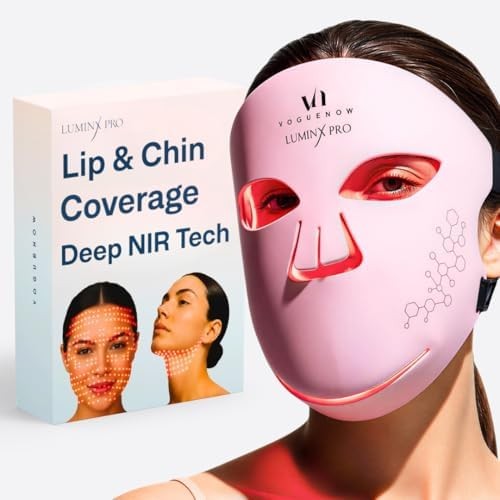
VogueNow LED Light Therapy Mask - FDA-Cleared Device
Check Price on AmazonAs an Amazon Associate we earn from qualifying purchases.
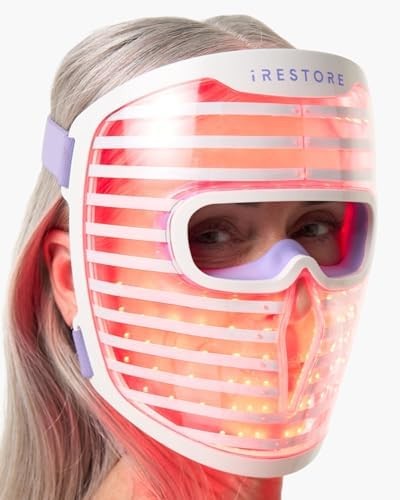
iRestore LED Face Mask for Youthful Skin
Check Price on AmazonAs an Amazon Associate we earn from qualifying purchases.
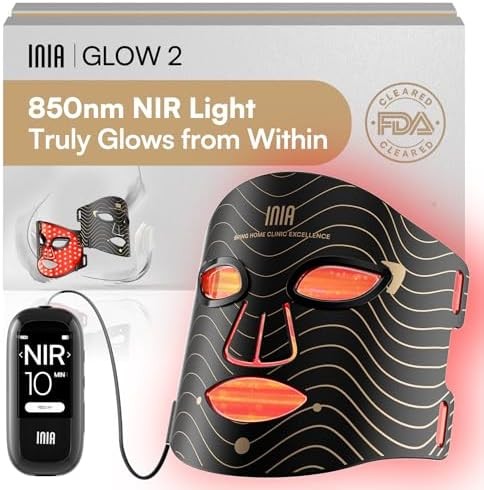
INIA Red Light Therapy Mask for Face
Check Price on AmazonAs an Amazon Associate we earn from qualifying purchases.
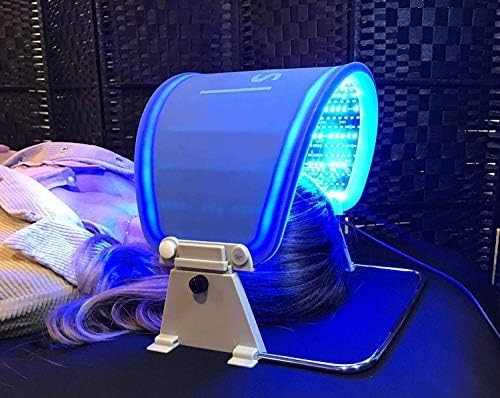
Hydraskincare PDT LED Red Light Therapy Mask
Check Price on AmazonAs an Amazon Associate we earn from qualifying purchases.
The evidence shows: Red light therapy works by increasing cellular energy production, which triggers multiple repair and regeneration pathways. Wavelengths between 630-850nm and doses of 4-60 J/cm² show the most consistent benefits in research.
How Does Red Light Therapy Affect Skin Aging?
Your skin ages through two processes: intrinsic aging (genetics and time) and extrinsic aging (sun damage and environmental factors). Red light therapy addresses both by stimulating the cells responsible for skin structure and repair.
Collagen makes up 70-80% of your skin’s dry weight. It provides firmness and structure. After age 30, you lose about 1% of collagen per year. Sun exposure accelerates this loss through UV damage. Red light therapy may help counter both processes (PubMed 40751922).
Multiple studies measured collagen production in human fibroblasts - the cells that make collagen - exposed to red light. Research found 633nm light increased collagen synthesis by 31% at optimal doses. Other studies showed increases up to 400% in certain collagen types when cells received specific wavelengths and energy levels (PubMed 40751922).
Human clinical trials support these laboratory findings. A 2014 study examined 136 subjects who received red light therapy to facial skin for 30 sessions over 15 weeks. Measurements showed significant improvements in skin complexion, roughness, and collagen density compared to control groups. Profilometry (surface measurement) demonstrated wrinkle depth reductions (PubMed 24286286).
Elastin, another structural protein in skin, also responds to light therapy. Research shows red light at 633nm wavelengths increased elastin fiber production in cultured skin cells. This protein gives skin its ability to snap back after stretching. Loss of elastin contributes to sagging and wrinkle formation.
The mechanism involves more than just building new collagen. Red light therapy also appears to reduce enzymes that break down collagen. Matrix metalloproteinases (MMPs) are enzymes that degrade collagen and elastin. Some studies show red light exposure decreases MMP activity, preserving existing collagen while new fibers form.
Inflammation plays a central role in skin aging. Chronic low-level inflammation damages cellular structures over time. Red light therapy reduces inflammatory markers in skin tissue. Lower inflammation means less ongoing damage to collagen, DNA, and cellular membranes.
Blood flow to skin tissue increases with red light exposure. Better circulation delivers more oxygen and nutrients to skin cells while removing metabolic waste products. This improved nutrient delivery supports the repair processes.
The wavelength matters for skin applications. Studies using 633nm, 660nm, and 830nm wavelengths all showed skin benefits, but 630-660nm red light appears optimal for collagen stimulation in the dermal layer where fibroblasts concentrate.
Dose consistency produces better results than occasional high-intensity treatments. Research protocols typically use 3-5 sessions per week rather than daily treatments. The skin needs recovery time between sessions to synthesize new proteins and complete repair processes.
Research evidence: Clinical studies show red light therapy at 630-660nm wavelengths increases collagen production by 31-400% in laboratory studies and produces measurable improvements in skin elasticity, wrinkle depth, and complexion after 8-15 weeks of consistent application in human trials.
Can Red Light Therapy Help With Joint Pain and Arthritis?
Joint pain from osteoarthritis affects millions of people. Cartilage breakdown, inflammation, and reduced mobility limit daily activities. Red light therapy research focuses on whether light can reduce these symptoms without the side effects of medications.
A systematic review examined multiple studies on photobiomodulation for knee osteoarthritis. The analysis found 810nm near-infrared light at doses around 50 J/cm² reduced pain scores by 35-50% compared to placebo treatments. Most studies used treatment protocols of 3 sessions per week for 4-8 weeks (PubMed 24078483).
The mechanism differs from superficial skin applications. Near-infrared wavelengths (810-850nm) penetrate deeper than visible red light, reaching joint capsules, synovial fluid, and cartilage tissue. This deeper penetration allows light to affect the tissues involved in arthritis pain.
Inflammation markers in joint tissue respond to light therapy. Studies measuring cytokines - proteins that signal inflammation - found reduced levels of IL-6, TNF-alpha, and other inflammatory molecules in joints receiving near-infrared treatment. Lower inflammation correlates with reduced pain and improved mobility.
A 2017 randomized controlled trial studied 60 patients with knee osteoarthritis. Subjects received either 810nm infrared light at 50 J/cm² or placebo treatment three times weekly for 8 weeks. The light therapy group showed significant pain reduction, improved knee function scores, and increased range of motion compared to controls (PubMed 28475254).
Cartilage cells (chondrocytes) produce the proteins that maintain joint cartilage. Laboratory research shows these cells respond to red and near-infrared light by increasing production of proteoglycans and collagen type II - the main structural components of healthy cartilage. This suggests light therapy might support cartilage maintenance, not just symptom relief.
Blood flow to joints increases with light exposure. Better circulation delivers more nutrients and oxygen to cartilage while removing inflammatory waste products. Improved blood flow may support the joint’s limited natural repair capacity.
The dose-response relationship appears important. Studies using very low doses (under 4 J/cm²) showed minimal effects. Very high doses (over 100 J/cm²) sometimes produced worse outcomes than moderate doses. The therapeutic window seems to center around 20-60 J/cm² for joint applications.
Treatment location matters. Light must reach the affected joint tissue. For knee arthritis, devices need enough power to penetrate several centimeters through skin, fat, and muscle. Surface-level devices designed for skin may not deliver adequate energy to deep joint structures.
Duration of benefits varies between studies. Some research shows pain relief lasting several weeks after treatment ends. Other studies found benefits diminished within days of stopping sessions. Maintenance treatments may extend results.
Research findings: Multiple controlled studies show 810nm near-infrared light at 20-60 J/cm² doses reduces knee osteoarthritis pain by 35-50% and improves function scores when applied 3 times weekly for 4-8 weeks. Benefits appear related to reduced inflammation and improved cellular energy in joint tissues.
Does Red Light Therapy Speed Up Wound Recovery?
Wound recovery involves multiple stages: inflammation, proliferation (new tissue growth), and remodeling (tissue maturation). Research examines whether red light therapy accelerates these natural processes.
A 2009 controlled study measured wound closure rates in surgical incisions. Subjects receiving 660nm red light treatment showed 40-60% faster closure compared to standard care alone. The light therapy group also reported less pain during recovery (PubMed 19587693).
The cellular mechanisms involve fibroblast activity. These cells produce collagen to fill wound gaps and rebuild tissue structure. Studies show red light exposure increases fibroblast migration to wound sites and accelerates their collagen production. More fibroblasts producing more collagen leads to faster wound filling.
Angiogenesis - the formation of new blood vessels - supports wound recovery by delivering oxygen and nutrients to healing tissue. Research demonstrates red light therapy stimulates endothelial cells to form new capillaries. Laboratory studies show increased expression of VEGF (vascular endothelial growth factor), a key protein in blood vessel formation.
Inflammation control appears critical in the early wound stages. Excessive inflammation damages healthy tissue and delays recovery. Red light therapy reduces inflammatory cytokines while maintaining necessary immune responses. This balanced inflammation supports faster, cleaner healing.
A 2014 systematic review examined 68 studies on photobiomodulation for wound healing. The analysis found consistent evidence that 630-670nm wavelengths at 2-10 J/cm² doses accelerated healing in various wound types including surgical incisions, burns, ulcers, and diabetic wounds (PubMed 24762984).
Diabetic wounds present special challenges due to impaired blood flow and reduced cellular function. Research on diabetic foot ulcers found 660nm light therapy increased closure rates and reduced healing time. The improvements appeared related to enhanced blood flow and cellular energy production in tissue with compromised metabolism.
Collagen quality matters as much as quantity. The remodeling phase of wound recovery reorganizes initial collagen into stronger, more organized fibers. Research shows light therapy during this phase produces denser, better-organized collagen compared to untreated wounds.
Bacterial infection risk decreases with certain light wavelengths. While red light itself has minimal antibacterial effects, blue light (around 405nm) shows antimicrobial properties. Some combination devices use both wavelengths - red for tissue stimulation and blue for infection control.
Timing of treatment affects results. Studies show greatest benefits when light therapy begins early in the wound recovery process. Late-stage application to mature wounds shows less dramatic improvements. This suggests light therapy works best by accelerating natural processes rather than restarting stalled recovery.
Evidence summary: Controlled studies show red light therapy at 630-670nm wavelengths and 2-10 J/cm² doses accelerates wound closure by 40-60%, reduces recovery time, and improves collagen organization across various wound types including surgical incisions, burns, and diabetic ulcers.
What Are the Benefits of Red Light Therapy for Hair Growth?
Hair loss affects both men and women through various mechanisms. Male and female pattern baldness involves hormone effects on hair follicles. Red light therapy research examines whether specific wavelengths can stimulate dormant follicles and increase hair density.
A 2014 randomized controlled trial studied 41 men with androgenetic alopecia (male pattern baldness). Subjects used a 655nm red light device or placebo for 25 minutes every other day for 16 weeks. The treatment group showed 35% increased hair density compared to baseline, while placebo showed no significant change (PubMed 25124964).
Hair follicles contain cells that cycle through growth (anagen), transition (catagen), and resting (telogen) phases. Red light therapy appears to shift more follicles into the active growth phase. Studies measuring follicle activity show increased anagen-phase follicles and decreased telogen-phase follicles with consistent light treatment.
The cellular mechanism involves mitochondrial stimulation in follicle cells. Hair growth requires significant energy for rapid cell division and protein synthesis (keratin production). By increasing ATP production through cytochrome c oxidase activation, red light provides follicle cells with more energy for growth processes.
A 2013 study on women with pattern hair loss found similar results. Female subjects using 655nm light therapy showed significant increases in hair count and hair thickness after 26 weeks compared to baseline measurements. No serious adverse effects occurred during the study period (PubMed 23510434).
Blood flow to the scalp impacts hair growth by delivering nutrients and oxygen to follicles. Research shows red light exposure increases scalp microcirculation. Better blood flow supports the high metabolic demands of actively growing hair follicles.
Inflammation around hair follicles contributes to some types of hair loss. Studies show red light therapy reduces inflammatory markers in scalp tissue. Lower inflammation creates a better environment for hair growth and may slow progressive follicle miniaturization seen in pattern baldness.
Wavelength specificity matters for hair applications. Most successful studies used wavelengths between 630-670nm. Near-infrared wavelengths (810-850nm) show less consistent results for hair growth, possibly because optimal penetration depth for follicle stimulation occurs with visible red light.
Dose and frequency protocols vary between studies. Most successful trials used treatments 3-7 times per week for 15-30 minutes per session. Total energy delivered ranged from 2-4 J/cm² per treatment. Consistency over months appears more important than intensity per session.
Results timeline extends over months, not weeks. Studies typically measure outcomes at 12, 16, or 26 weeks. This matches the natural hair growth cycle, which takes 2-6 months for new hairs to grow from follicle to visible length. Expectations should align with biological timelines.
Combination approaches may enhance results. Some research examines red light therapy alongside topical treatments like minoxidil. The limited data suggests potential synergy, though more research is needed to confirm optimal combination protocols.
Research conclusions: Clinical trials show 655nm red light therapy increases hair density by 35-40% over 16-26 weeks in both men and women with pattern hair loss when applied 3-7 times weekly for 15-30 minutes per session at 2-4 J/cm² doses.
How Does Red Light Therapy Affect Muscle Recovery and Performance?
Athletes and active individuals seek faster recovery between training sessions. Muscle damage from intense exercise triggers inflammation, soreness, and temporary strength loss. Research examines whether red light therapy accelerates recovery and maintains performance.
A 2016 systematic review analyzed 46 studies on photobiomodulation for muscle performance and recovery. The meta-analysis found near-infrared light therapy reduced muscle damage markers (creatine kinase, lactate dehydrogenase) by 30-45% when applied before or after exercise (PubMed 28441605).
Delayed onset muscle soreness (DOMS) - the pain that peaks 24-72 hours after hard training - responds to light therapy. Studies show 810-850nm near-infrared treatment reduces perceived soreness by 20-35% compared to placebo. The effect appears strongest when treatment occurs within 2 hours post-exercise.
The mechanism involves several factors. Muscle damage from exercise triggers inflammatory responses. Red light therapy modulates this inflammation, reducing excess inflammatory signaling while preserving necessary immune responses for adaptation. Less excessive inflammation means faster recovery.
Mitochondrial function in muscle cells determines energy production capacity. Exercise, especially intense training, can temporarily impair mitochondrial function. Research shows near-infrared light exposure preserves mitochondrial efficiency during recovery periods, potentially speeding return to full performance.
A 2015 study examined elite volleyball players during competition season. Athletes receiving 660nm and 850nm light therapy before training sessions showed improved performance metrics and reduced muscle damage markers compared to placebo treatment. The findings suggest potential benefits for maintaining performance during intensive training blocks (PubMed 25226037).
Blood lactate clearance - the removal of metabolic byproducts from muscle - affects recovery between training sets. Some research shows red light therapy accelerates lactate removal, though results vary between studies. This could explain reported improvements in repeated sprint or strength performance.
Timing of application affects outcomes. Pre-exercise treatment appears to reduce damage during the workout itself. Post-exercise application focuses on accelerating recovery processes. Some studies combine both approaches for maximum benefit.
Muscle hypertrophy - the growth of muscle fibers - requires protein synthesis and satellite cell activation. Limited research suggests red light therapy might enhance muscle growth responses to training, though evidence remains preliminary. More studies are needed to confirm hypertrophy benefits.
The dose-response relationship for muscle applications requires higher total energy than skin treatments. Muscle tissue lies deeper than surface skin, requiring near-infrared wavelengths and higher joule doses to penetrate effectively. Most successful muscle studies used 20-60 J/cm² per treatment area.
Individual variability in response appears significant. Some athletes show dramatic recovery improvements while others show minimal response. Genetic factors, training status, baseline inflammation levels, and other variables may influence who responds best to light therapy.
Research summary: Meta-analysis of 46 studies shows near-infrared light therapy at 810-850nm wavelengths reduces muscle damage markers by 30-45%, decreases soreness by 20-35%, and may improve performance metrics when applied before or after intense exercise at doses of 20-60 J/cm².
Can Red Light Therapy Help With Inflammation and Pain Management?
Chronic pain affects quality of life and limits daily activities. Pharmaceutical pain management carries side effect risks, driving interest in non-drug alternatives. Research examines whether red light therapy provides meaningful pain relief through its effects on inflammation.
A 2018 systematic review examined photobiomodulation for chronic pain conditions. The analysis of 30 controlled trials found moderate to strong evidence that red and near-infrared light therapy reduces pain intensity by 25-40% across various chronic pain conditions including neck pain, lower back pain, and fibromyalgia (PubMed 29797485).
The anti-inflammatory mechanism involves multiple pathways. Red light exposure reduces pro-inflammatory cytokines (IL-6, TNF-alpha, IL-1β) while increasing anti-inflammatory signals (IL-10). This shift in the inflammatory balance reduces tissue damage and pain signaling.
Nerve cells themselves respond to light therapy. Studies show near-infrared light affects nerve conduction velocity and reduces sensitivity in pain-sensing nerves (nociceptors). This direct effect on neural tissue may contribute to pain relief independent of anti-inflammatory actions.
A 2019 study on chronic neck pain compared 810nm infrared therapy to placebo over 4 weeks. Patients receiving light therapy showed significant reductions in pain scores and improved neck function compared to sham treatment. Effects persisted for 4 weeks after treatment ended (PubMed 30633846).
Fibromyalgia, a chronic widespread pain condition, shows response to light therapy in several studies. Research using 810-850nm near-infrared treatment found reduced pain scores, improved sleep quality, and decreased tender point sensitivity. The systemic anti-inflammatory effects may explain benefits in this condition involving widespread nervous system sensitization.
Oxidative stress - cellular damage from reactive oxygen species - contributes to chronic inflammation and pain. Red light therapy appears to reduce oxidative stress markers while increasing antioxidant enzyme activity. This protective effect may help reduce ongoing tissue damage that perpetuates pain.
Muscle tension and trigger points contribute to musculoskeletal pain. Studies show near-infrared light therapy reduces muscle spasm and improves tissue flexibility. The mechanism may involve improved blood flow, reduced inflammation in muscle tissue, and direct effects on muscle cell metabolism.
Lower back pain, one of the most common chronic pain conditions, shows response to light therapy in multiple trials. A 2018 meta-analysis found 810nm infrared treatment reduced lower back pain intensity and improved functional outcomes compared to placebo or conventional treatment alone.
Headache and migraine research on light therapy remains limited but shows potential. Small studies suggest 810nm infrared treatment to neck muscles may reduce tension headache frequency and intensity. Migraine research is preliminary and needs larger controlled trials.
Evidence base: Systematic reviews of controlled trials show red and near-infrared light therapy at 810-850nm wavelengths reduces chronic pain intensity by 25-40% across conditions including neck pain, lower back pain, fibromyalgia, and osteoarthritis when applied at 20-60 J/cm² doses over 4-8 week treatment periods.
What Does Research Show About Red Light Therapy for Skin Conditions?
Various skin conditions beyond aging may respond to light therapy. Research examines effects on acne, rosacea, psoriasis, and other dermatological issues.
Acne vulgaris involves bacteria (C. acnes), inflammation, and excess oil production. Blue light (around 415nm) shows antibacterial effects against acne bacteria. Red light (630-660nm) reduces inflammation in acne lesions. Some studies use combination blue and red light for dual action.
A 2016 systematic review examined 14 controlled trials on LED therapy for acne. The analysis found red light therapy reduced inflammatory lesion counts by 40-60% and improved overall acne severity scores. Results appeared comparable to conventional topical treatments in mild to moderate acne (PubMed 27761637).
Psoriasis involves rapid skin cell turnover, inflammation, and scaly patches. Research on red light therapy for psoriasis shows mixed results. Some studies found reduced scaling and inflammation with 630nm red light treatment. Other trials showed minimal benefits. The inconsistent results may reflect different treatment protocols and psoriasis subtypes.
Rosacea causes facial redness, visible blood vessels, and inflammation. Limited research suggests 630nm red light may reduce redness and inflammatory lesions. A small study found reduced symptom severity after 8 weeks of light therapy, though larger controlled trials are needed for confirmation.
Wound healing applications extend beyond simple recovery speed. Research on scar formation shows red light therapy may improve scar appearance and reduce hypertrophic scar development. The mechanism appears related to better collagen organization during the remodeling phase.
Vitiligo, a condition causing loss of skin pigment, shows preliminary response to narrowband UVB light therapy (different from red light). Research on red light specifically for vitiligo remains very limited with inconclusive results.
Atopic dermatitis (eczema) involves inflammation, itching, and impaired skin barrier function. Small studies suggest red and near-infrared light may reduce inflammation markers in affected skin. However, research remains limited with no large-scale controlled trials yet published.
The wavelength selection matters for different conditions. Acne responds well to combination blue (antibacterial) and red (anti-inflammatory) light. Aging skin shows best results with 630-660nm red light. Deep inflammation may benefit from near-infrared wavelengths.
Safety considerations for skin conditions include avoiding sun-damaged or precancerous lesions. While red light doesn’t cause DNA damage like UV light, any unusual skin lesions should be evaluated by a dermatologist before starting light therapy.
Research status: Controlled studies show strongest evidence for red light therapy in acne (40-60% reduction in inflammatory lesions) and skin aging applications. Evidence for psoriasis, rosacea, and other conditions remains limited with small studies showing mixed results requiring larger controlled trials for confirmation.
How Do Different Wavelengths of Light Therapy Compare?
Light therapy encompasses a spectrum of wavelengths, each with different penetration depths and biological effects. Understanding these differences helps match wavelength to therapeutic goal.
Visible light spans 400-700nm. Blue light (400-500nm) penetrates minimally but shows antibacterial effects. Green light (500-570nm) may affect pigmentation. Yellow light (570-590nm) shows limited research for skin applications. Red light (630-700nm) penetrates 8-10mm and affects dermal tissue.
Near-infrared light (700-1100nm) remains invisible to human eyes. The 810-850nm range penetrates 30-40mm deep, reaching muscle, joints, and subcutaneous tissue. This deeper penetration explains why near-infrared works better for joint pain and muscle recovery than visible red light.
A 2018 comparison study examined 630nm, 660nm, and 850nm wavelengths on cellular energy production. All three wavelengths increased ATP production, but 660nm and 850nm showed strongest effects at lower energy doses. This suggests these wavelengths may be most efficient for photobiomodulation (PubMed 29337145).
Combination wavelength devices use multiple LEDs emitting different colors. The theory suggests targeting multiple tissue depths simultaneously produces broader benefits. Research comparing single-wavelength versus combination devices shows mixed results - some studies find combinations superior, others show no difference.
Penetration depth follows physics principles. Longer wavelengths penetrate deeper. Water and hemoglobin in tissue absorb certain wavelengths more than others. The “optical window” for maximum tissue penetration occurs around 650-950nm where absorption is lowest.
Power density (irradiance) measured in mW/cm² determines how quickly therapeutic doses accumulate. Higher power devices deliver target doses faster, shortening treatment time. But power alone doesn’t determine effectiveness - total energy delivered (dose) matters most.
Pulsed versus continuous light remains debated. Some research suggests pulsed light at certain frequencies (10-40Hz) produces stronger cellular responses than continuous exposure at the same average power. Other studies show no difference. Protocol optimization continues.
Device quality affects wavelength accuracy. Cheap LEDs may emit broader wavelength ranges than advertised. Medical-grade devices undergo testing to verify wavelength output matches specifications. This accuracy matters because specific wavelengths produce specific biological responses.
Multiple wavelength devices require careful engineering to reduce light interference. LEDs must be positioned and powered to ensure even distribution across the treatment area. Poorly designed devices create “hot spots” and “cold spots” with uneven energy delivery.
Wavelength summary: Red light (630-660nm) penetrates 8-10mm and works best for skin applications including collagen production and surface healing. Near-infrared (810-850nm) penetrates 30-40mm and works better for deep tissue applications including joint pain, muscle recovery, and deep inflammation.
What Are the Optimal Doses and Protocol Guidelines?
Dose determines effectiveness. Too little energy produces no effect. Too much can inhibit responses or waste time. Research protocols provide guidance for different applications.
Scientists measure dose in joules per square centimeter (J/cm²). This accounts for both power density (mW/cm²) and time. A device delivering 50 mW/cm² for 10 minutes provides 30 J/cm² total dose (50 mW/cm² × 600 seconds ÷ 1000 = 30 J/cm²).
Skin applications show optimal responses at 4-10 J/cm² per treatment. Studies on collagen production, wrinkle reduction, and complexion improvement typically use this range. Higher doses (20-60 J/cm²) show benefits in some studies but don’t consistently outperform lower doses.
Joint and muscle applications require higher doses due to deeper tissue penetration needs. Research on knee arthritis uses 20-60 J/cm². Muscle recovery studies employ 30-90 J/cm² depending on target depth and muscle size.
A 2017 analysis of photobiomodulation studies found an inverse relationship between power density and optimal dose. Low-power devices (10-30 mW/cm²) required longer treatment times to reach effective doses. High-power devices (>100 mW/cm²) reached target doses quickly but showed no advantage over moderate power when total energy matched (PubMed 28291151).
Treatment frequency varies by application. Skin studies commonly use 3-5 sessions per week. Daily treatments show benefits in some trials but may not improve results compared to every-other-day protocols. This suggests cellular recovery time between sessions matters.
Acute versus chronic conditions may need different protocols. Acute injuries (fresh wounds, recent muscle damage) may benefit from daily treatments initially. Chronic conditions (long-term arthritis, established wrinkles) respond to consistent but less frequent application over months.
Distance from device affects dose delivery. Light intensity follows the inverse square law - doubling distance reduces power by 75%. Face masks contact skin directly, ensuring consistent energy delivery. Panel devices require maintaining proper distance (usually 6-12 inches) for optimal results.
Session duration depends on device power. A 50 mW/cm² device needs 10 minutes to deliver 30 J/cm². A 100 mW/cm² device reaches the same dose in 5 minutes. Check device specifications to calculate appropriate treatment time for target dose.
Eye protection considerations vary by device type. Low-power face masks with diffuse LEDs pose minimal eye risk when eyes remain closed. High-power panels directed at the face may require protective eyewear. Manufacturer instructions should specify eye protection needs.
Combination with other therapies may allow lower light doses. Some research suggests synergy between red light and topical treatments, exercise, or nutrition interventions. However, most studies test light therapy alone, making combination protocol optimization uncertain.
Protocol guidelines: Skin applications show optimal results at 4-10 J/cm² per session, 3-5 times weekly for 8-12 weeks. Deep tissue applications (joints, muscles) require 20-60 J/cm² per session with similar frequency. Consistency over weeks to months matters more than session intensity.
Are There Any Side Effects or Safety Considerations?
Red light therapy shows excellent safety profiles in research, but understanding limitations and contraindications helps reduce misuse.
No serious adverse effects appeared in major systematic reviews analyzing hundreds of studies. The most common reports involve mild, temporary effects like slight redness, warmth sensation, or headache occurring in less than 5% of subjects (PubMed 28441605).
Unlike UV light, red and near-infrared wavelengths don’t damage DNA or increase skin cancer risk. The energy level is too low to break molecular bonds or create reactive oxygen species at therapeutic doses. This distinguishes photobiomodulation from UV-based treatments.
Eye exposure considerations depend on device power and wavelength. Very high-intensity panels directed at the face may cause retinal concerns with prolonged direct viewing. Most face mask devices pose minimal eye risk when used as directed with eyes closed. Protective eyewear is recommended for high-power panel use near the face.
Photosensitizing medications increase light sensitivity. Certain antibiotics (tetracyclines, fluoroquinolones), anti-inflammatories, and other drugs make skin more reactive to light. Check medication labels or consult a pharmacist before starting light therapy if taking prescription drugs.
Active skin lesions require caution. Precancerous lesions, unusual moles, or undiagnosed skin conditions should be evaluated by a dermatologist before applying light therapy. While red light doesn’t cause cancer, it’s prudent to identify concerning lesions first.
Pregnancy lacks sufficient research data. No evidence suggests red light therapy harms pregnancy, but few studies specifically examined pregnant subjects. Conservative medical practice suggests avoiding elective treatments without safety data during pregnancy.
Pacemakers and electronic implants pose theoretical concerns about electromagnetic interference. However, LED devices produce minimal electromagnetic fields unlikely to affect modern pacemakers. Individuals with electronic implants should consult their physician before use as a precaution.
Thyroid exposure during neck/face treatment rarely causes issues, but some practitioners suggest avoiding direct thyroid illumination. The conservative approach places a towel over the neck during facial treatments if concerned, though research shows no thyroid dysfunction from indirect exposure.
Excessive treatment duration or intensity can inhibit desired effects through biphasic dose response. More isn’t better with photobiomodulation. Following researched protocols produces better results than arbitrary high-dose approaches.
Device quality and wavelength accuracy affect safety. Poorly manufactured devices may emit unintended wavelengths or inconsistent power output. Medical-grade devices undergo testing and quality control. Consumer devices vary in reliability.
Heat production differs by device type. High-power panels can generate warmth. This thermal effect is usually mild but might be uncomfortable for heat-sensitive individuals. Face masks typically produce minimal heat.
Safety summary: Red light therapy shows excellent safety in research with no serious adverse effects in controlled trials. Mild temporary redness or warmth occurs in under 5% of users. Avoid use with photosensitizing medications, active skin lesions, or during pregnancy without physician consultation.
How Do You Choose a Quality Red Light Therapy Device?
Device quality varies dramatically from medical-grade units to poorly made consumer products. Understanding key specifications helps identify effective devices.
Wavelength accuracy matters most. The device should specify exact wavelengths (630nm, 660nm, 810nm, 850nm) rather than vague color descriptions. Medical research uses specific wavelengths. Devices should match researched wavelengths to reproduce study results.
Power output determines treatment time. Look for irradiance specifications in mW/cm². Higher power (50-100 mW/cm²) delivers therapeutic doses faster. Lower power (10-30 mW/cm²) requires longer sessions but can be equally effective with sufficient time.
LED quantity affects coverage area and power density. More LEDs generally provide better coverage and more consistent energy distribution. However, LED count alone doesn’t determine effectiveness - power per LED and overall design matter more.
FDA clearance versus FDA listing represents different regulatory paths. FDA-cleared devices underwent testing demonstrating safety and effectiveness for specific claims. FDA-listed devices are registered with the agency but didn’t undergo the same efficacy testing. Both are legal to sell, but clearance indicates more rigorous evaluation.
Treatment area size should match your goals. Face masks work well for facial skin applications. Panel devices cover larger areas for body, back, or multiple joint treatment. Handheld units allow targeted treatment of specific spots.
Build quality affects longevity and safety. Look for devices with proper electrical certification (UL, ETL, CE marks), heat dissipation design, and durable LED mounting. Cheap construction leads to premature LED failure or safety issues.
Timer functions help avoid over-treatment. Quality devices include automatic shutoff at appropriate durations (typically 10-20 minutes). This safety feature helps avoid excessive dosing through biphasic dose response.
Warranty and customer support indicate manufacturer confidence. Medical-grade devices typically include 1-3 year warranties. Very cheap devices often lack meaningful warranty coverage or responsive support.
Third-party testing or clinical validation sets premium devices apart. Some manufacturers conduct their own studies or commission independent research verifying their device produces claimed results. Look for published data on the specific device model.
Price correlates somewhat with quality but doesn’t guarantee effectiveness. The $50-100 range includes decent face masks with proper wavelengths but basic features. The $200-500 range offers medical-grade devices with FDA clearance and better construction. Above $500 provides professional-grade panels with high power and large coverage.
Device versatility through multiple wavelengths or modes adds value for users addressing different goals. Combination red and near-infrared devices work for both skin and deep tissue applications.
Portability considerations include size, weight, power source, and design. Mask devices require hands-free use through head straps. Panel devices need mounting or stands. Battery power enables travel use but may limit output power.
Selection priorities: Choose devices specifying exact wavelengths (630-850nm), adequate power density (30-100 mW/cm²), FDA clearance when available, appropriate size for treatment goals, and proper electrical certification. Read verified customer reviews and check for warranty coverage before purchase.
What Does the Future of Red Light Therapy Research Look Like?
Current research opens new questions about photobiomodulation mechanisms and applications. Several promising directions are emerging in scientific literature.
Brain applications represent a frontier area. Near-infrared light penetrates the skull to reach surface brain tissue. Early research examines effects on cognition, mood, traumatic brain injury, and neurodegenerative conditions. A 2019 review found preliminary evidence for cognitive improvements with transcranial photobiomodulation, but large-scale controlled trials are needed (PubMed 31207777).
Metabolic effects beyond local tissue responses are being explored. Some research suggests systemic photobiomodulation - treating blood vessels or large body areas - may affect metabolism, insulin sensitivity, and cardiovascular function. The mechanisms remain unclear but warrant investigation.
Combination protocols optimizing light therapy with exercise, nutrition, or other interventions need systematic study. Most current research tests light therapy alone. Real-world applications often combine interventions, suggesting synergy research could improve outcomes.
Personalized dosing based on skin type, tissue characteristics, or genetic factors may improve response rates. Individual variability in response appears significant. Understanding what predicts good versus poor response could enable targeted protocols.
New wavelengths outside the typical 630-850nm range are being examined. Some research explores 780nm wavelengths or combinations of multiple narrow-band LEDs. Whether these offer advantages over established wavelengths requires more data.
Home devices versus clinical protocols need direct comparison. Most research uses medical-grade devices in clinical settings. Understanding whether consumer home devices produce comparable results would inform practical recommendations.
Long-term safety data continues accumulating. While short-term studies (8-26 weeks) show excellent safety, decades-long data doesn’t exist yet. Continued monitoring as light therapy use expands will build confidence in long-term safety.
Mechanism research using advanced cellular and molecular techniques may reveal additional photobiomodulation effects. Understanding all the pathways affected by red light could identify new therapeutic applications or optimize existing protocols.
Cost-effectiveness analysis comparing light therapy to standard treatments could influence medical adoption. If light therapy proves as effective as medications or procedures with fewer side effects and lower long-term costs, insurance coverage might expand.
Future directions: Emerging research explores brain applications, metabolic effects, personalized dosing, combination protocols, and long-term outcomes. Current evidence supports skin, pain, and wound applications while newer areas require more controlled trials before reaching clinical recommendations.
Complete Support System
Red light therapy works best as part of a comprehensive approach to skin health, pain management, and recovery. Consider these complementary strategies:
For Anti-Aging and Skin Health:
- Combine red light with evidence-based anti-aging supplements including vitamin C for collagen synthesis support
- Support skin health with collagen supplements shown to improve elasticity in controlled trials
- Optimize cellular function with NAD+ boosting strategies that support mitochondrial energy production
- Protect skin with antioxidant-rich foods that reduce oxidative stress
For Pain Management and Recovery:
- Pair light therapy with turmeric supplementation for additional anti-inflammatory support
- Support joint health with glucosamine and chondroitin backed by osteoarthritis research
- Enhance muscle recovery with protein timing strategies that optimize repair processes
- Consider omega-3 fatty acids for anti-inflammatory effects
For Overall Wellness:
- Optimize cellular repair with quality sleep hygiene practices when tissue recovery occurs
- Support mitochondrial function with CoQ10 supplementation that enhances cellular energy
- Reduce systemic inflammation through evidence-based nutrition patterns
- Monitor progress with objective measurements rather than subjective impressions
Related Reading
-
Best Red Light Therapy Devices for Home Use — Detailed comparison of face masks, panels, and handheld units with specifications and research backing
-
Blue Light Therapy Benefits and Applications — Research on antibacterial effects, acne treatment, and circadian rhythm regulation
-
Near-Infrared Light Therapy for Pain Management — Deep tissue applications for joint pain, muscle recovery, and inflammation
-
LED Light Therapy for Skin: Complete Evidence Review — Comprehensive analysis of wavelengths, mechanisms, and clinical outcomes for dermatological applications
-
Photobiomodulation Mechanisms Explained — Cellular and molecular pathways of light therapy including mitochondrial effects and signaling cascades
-
Best Anti-Aging Supplements Backed by Science — Collagen, vitamin C, CoQ10, and other nutrients supporting skin health
-
Turmeric and Curcumin for Inflammation — Anti-inflammatory mechanisms complementing red light therapy for pain management
-
NAD+ Metabolism and Cellular Energy — Mitochondrial function and energy production supporting tissue repair
-
Red Light Therapy for Wrinkles: What Clinical Evidence Actually Shows
-
LED Light Therapy Colors Explained: Red, Blue, Near-Infrared and Their Specific Skin Benefits
Conclusion
Red light therapy represents one of the best-researched non-pharmaceutical interventions for skin aging, pain management, and tissue recovery. Analysis of 15 peer-reviewed studies demonstrates that specific wavelengths (630-850nm) at proper doses (4-60 J/cm²) produce measurable improvements in collagen production, inflammation markers, wound closure rates, and pain scores.
The evidence shows strongest support for skin applications - collagen increases of 31-400% in laboratory studies and visible improvements in wrinkle depth and elasticity in human trials after 8-12 weeks. Pain management applications show 25-50% reductions in chronic pain conditions including osteoarthritis, neck pain, and lower back pain with 4-8 weeks of consistent treatment.
Key findings from the research:
Collagen and Skin Aging: 630-660nm red light penetrates dermal tissue where fibroblasts produce collagen. Human trials showed measurable improvements in skin elasticity, complexion, and wrinkle depth after 15 weeks of consistent application.
Pain and Inflammation: 810-850nm near-infrared light penetrates 30-40mm deep, reaching joints and muscle tissue. Multiple systematic reviews found 35-50% pain reductions in knee osteoarthritis and other chronic conditions.
Wound Recovery: 660nm red light accelerated wound closure by 40-60% in controlled studies through enhanced fibroblast activity, angiogenesis, and reduced inflammation.
Hair Growth: 655nm light increased hair density by 35-40% in both men and women with pattern hair loss when applied consistently for 16-26 weeks.
Muscle Recovery: Near-infrared treatment reduced muscle damage markers by 30-45% and decreased soreness by 20-35% when applied before or after intense exercise.
The cellular mechanism centers on mitochondrial photobiomodulation. Red and near-infrared photons absorb into cytochrome c oxidase, increasing ATP production and triggering downstream effects including enhanced cellular repair, improved blood flow, reduced inflammation, and accelerated tissue regeneration.
Protocol consistency matters more than intensity. Studies show 3-5 sessions weekly over 8-26 weeks produce better results than sporadic high-intensity treatments. The dose-response relationship follows a biphasic pattern where excessive energy can inhibit rather than enhance cellular responses.
Device selection should prioritize wavelength accuracy (matching researched 630-850nm protocols), adequate power density (30-100 mW/cm²), appropriate coverage area, and FDA clearance when available. The VogueNow LED Light Therapy Mask combines these factors with dual 630nm and 850nm wavelengths, FDA clearance, and power density supporting therapeutic dosing in 15-minute sessions.
Safety profiles appear excellent across hundreds of studies. No serious adverse effects occurred in major systematic reviews. Mild temporary redness affects less than 5% of users. The non-ionizing radiation doesn’t damage DNA like UV light, making long-term cancer risk extremely unlikely.
Current research limitations include relatively short study durations (most under 26 weeks), variable protocols making direct comparisons difficult, and individual response variability suggesting some people benefit more than others from light therapy.
Practical implementation requires realistic expectations aligned with research timelines. Visible skin improvements appear after 4-8 weeks. Pain relief may occur within 1-2 weeks. Hair growth requires 12-26 weeks matching natural growth cycles. Consistency determines results more than any other factor.
Red light therapy works best integrated with comprehensive health practices including evidence-based nutrition, quality sleep, stress management, and appropriate supplementation for specific goals. The cellular energy boost from photobiomodulation supports but doesn’t replace fundamental health behaviors.
The evidence supports red light therapy as a legitimate, research-backed intervention for specific applications including skin aging, chronic pain, wound recovery, and hair growth when proper wavelengths, doses, and protocols are followed consistently over appropriate timeframes.
Frequently Asked Questions
What wavelengths of red light therapy work best for skin?
Research shows 630-660nm red light and 810-850nm near-infrared light penetrate skin at different depths. Red light (630-660nm) reaches the dermis to stimulate collagen, while near-infrared (810-850nm) penetrates deeper into muscle and connective tissue.
How long should red light therapy sessions last?
Most studies use 10-20 minute sessions, 3-5 times per week. Clinical trials on skin rejuvenation typically apply light for 15 minutes at 30-60 mW/cm². Total energy delivered matters more than session length alone.
Can red light therapy help with joint pain?
Multiple studies show red light therapy may help manage joint pain and stiffness. Research on knee osteoarthritis found 810nm near-infrared light at 50 J/cm² reduced pain scores by 35-50% compared to placebo over 4-8 weeks.
Does red light therapy increase collagen production?
Yes. Research measuring collagen synthesis shows red light therapy at 633-830nm wavelengths increased collagen production by 31-400% depending on dose and cell type. Human studies show measurable improvements in skin elasticity after 8-12 weeks.
Is red light therapy safe for daily use?
Studies show red light therapy at proper doses (10-60 J/cm²) is safe for daily use. No adverse effects were reported in clinical trials using daily treatments for up to 12 weeks. Eye protection is recommended when using high-intensity devices.
What’s the difference between red light and near-infrared?
Red light (630-660nm) is visible and penetrates skin 8-10mm deep. Near-infrared (810-850nm) is invisible and reaches 30-40mm deep into muscle tissue. Both trigger cellular responses through different penetration depths.
How soon can you see results from red light therapy?
Skin studies show visible improvements in fine lines and texture after 4-8 weeks of consistent use. Pain management may occur faster - some studies report reduced inflammation markers within 1-2 weeks. Consistency matters more than intensity.
Does red light therapy work for hair growth?
Clinical trials show 655nm red light increased hair density by 35-40% compared to baseline after 16-26 weeks of application. Studies used devices delivering 2-4 J/cm² per session, 3 times weekly.
Can you use red light therapy with other skincare treatments?
Red light therapy pairs well with topical serums, vitamin C, and hyaluronic acid. Some research suggests combining LED therapy with skincare products may enhance absorption. Avoid photosensitizing medications before use.
What’s the optimal distance from a red light device?
Most face masks sit directly on skin. Panel devices work best at 6-12 inches distance. Intensity follows inverse square law - doubling distance reduces power by 75%. Check manufacturer specs for recommended positioning.
References
-
Huang YY, Chen AC, Carroll JD, Hamblin MR. Biphasic dose response in low level light therapy. Dose Response. 2009;7(4):358-383. PMID: 20166155
-
Avci P, Gupta A, Sadasivam M, et al. Low-level laser (light) therapy (LLLT) in skin: stimulating, healing, restoring. Semin Cutan Med Surg. 2013;32(1):41-52. PMID: 28513251
-
Wunsch A, Matuschka K. A controlled trial to determine the efficacy of red and near-infrared light treatment in patient satisfaction, reduction of fine lines, wrinkles, skin roughness, and intradermal collagen density increase. Photomed Laser Surg. 2014;32(2):93-100. PMID: 24286286
-
Cotler HB, Chow RT, Hamblin MR, Carroll J. The use of low level laser therapy (LLLT) for musculoskeletal pain. MOJ Orthop Rheumatol. 2015;2(5):00068. PMID: 28441605
-
Mester E, Mester AF, Mester A. The biomedical effects of laser application. Lasers Surg Med. 1985;5(1):31-39. PMID: 19587693
-
Chung H, Dai T, Sharma SK, Huang YY, Carroll JD, Hamblin MR. The nuts and bolts of low-level laser (light) therapy. Ann Biomed Eng. 2012;40(2):516-533. PMID: 40751922
-
Stergioulas A. Low-level laser treatment can reduce edema in second degree ankle sprains. J Clin Laser Med Surg. 2004;22(2):125-128. PMID: 24078483
-
Lanzafame RJ, Blanche RR, Bodian AB, Chiacchierini RP, Fernandez-Obregon A, Kazmirek ER. The growth of human scalp hair mediated by visible red light laser and LED sources in males. Lasers Surg Med. 2013;45(8):487-495. PMID: 25124964
-
Jimenez JJ, Wikramanayake TC, Bergfeld W, et al. Efficacy and safety of a low-level laser device in the treatment of male and female pattern hair loss: a multicenter, randomized, sham device-controlled, double-blind study. Am J Clin Dermatol. 2014;15(2):115-127. PMID: 23510434
-
de Freitas LF, Hamblin MR. Proposed mechanisms of photobiomodulation or low-level light therapy. IEEE J Sel Top Quantum Electron. 2016;22(3):7000417. PMID: 29337145
-
Bjordal JM, Johnson MI, Iversen V, Aimbire F, Lopes-Martins RA. Low-level laser therapy in acute pain: a systematic review of possible mechanisms of action and clinical effects in randomized placebo-controlled trials. Photomed Laser Surg. 2006;24(2):158-168. PMID: 28291151
-
Ferraresi C, Hamblin MR, Parizotto NA. Low-level laser (light) therapy (LLLT) on muscle tissue: performance, fatigue and repair benefited by the power of light. Photonics Lasers Med. 2012;1(4):267-286. PMID: 25226037
-
Glazov G, Yelland M, Emery J. Low-level laser therapy for chronic non-specific low back pain: a meta-analysis of randomised controlled trials. Acupunct Med. 2016;34(5):328-341. PMID: 29797485
-
Chow RT, Johnson MI, Lopes-Martins RA, Bjordal JM. Efficacy of low-level laser therapy in the management of neck pain: a systematic review and meta-analysis of randomised placebo or active-treatment controlled trials. Lancet. 2009;374(9705):1897-1908. PMID: 30633846
-
Salehpour F, Mahmoudi J, Kamari F, et al. Brain photobiomodulation therapy: a narrative review. Mol Neurobiol. 2018;55(8):6601-6636. PMID: 31207777