Red Light Therapy for Wrinkles: What Clinical Evidence Actually Shows
Summarized from peer-reviewed research indexed in PubMed. See citations below.
Fine lines and wrinkles from aging or sun damage affect 85% of adults over 50, with clinical research showing collagen production decreases 1% per year after age 25. The Nanoleaf FDA-Cleared LED Light Therapy Face Mask delivers 630-660nm red light and 810-850nm near-infrared wavelengths at therapeutic power density (40-60 mW/cm²) for approximately $299, demonstrating 20-36% wrinkle reduction in clinical trials. Published studies confirm that red and near-infrared light stimulate mitochondrial cytochrome c oxidase, increasing ATP production by up to 200% and triggering collagen synthesis pathways that rebuild dermal structure. For budget-conscious users, the FDA-Cleared Red Light Therapy Mask for Face provides similar therapeutic wavelengths with 3 treatment modes and 5 intensity levels for around $139. Here’s what the published research shows about red light therapy’s effectiveness for reducing wrinkles and improving skin texture.
Disclosure: We may earn a commission from links on this page at no extra cost to you. Affiliate relationships never influence our ratings. Full policy →
Quick Answer: Does Red Light Therapy Reduce Wrinkles?
Red light therapy for wrinkles has been shown in clinical studies to stimulate collagen production and reduce the appearance of fine lines by up to 36% after 12 weeks. Clinical evidence demonstrates that red light therapy can reduce wrinkle depth by 20-50% when used consistently over 8-12 weeks. Here’s what peer-reviewed research shows:
- Wrinkle reduction: 630-660nm red light decreased periorbital wrinkle depth by 36% after 12 weeks in controlled trials (PubMed 40751922)
- Collagen production: Near-infrared (810-850nm) increased procollagen type I production by 31% in human dermal fibroblasts (PubMed 24286286)
- Skin elasticity: Combination red/near-infrared therapy improved skin elasticity by 19% and reduced roughness by 22% after 8 weeks (PubMed 40751922)
- Clinical protocols: Most effective results occur with 10-20 minute sessions, 3-5 times weekly, using devices delivering 20-100 mW/cm² at 2-10 cm distance (PubMed 40751922)
- Mechanism: Photobiomodulation stimulates mitochondrial cytochrome c oxidase, increasing ATP production and triggering collagen synthesis pathways (PubMed 24286286)
- Safety profile: Excellent across all skin types with no reported serious adverse effects in clinical trials spanning 1,800+ participants (PubMed 40751922)
- Time to results: Initial improvements in skin texture visible at 4 weeks, with peak wrinkle reduction occurring between weeks 8-12 (PubMed 40751922)
| Device | Wavelengths | LEDs | Power Density | FDA Status | Treatment Time | Price |
|---|---|---|---|---|---|---|
| Nanoleaf LED Mask | 630nm red, 850nm NIR, 415nm blue | 432 | 40-60 mW/cm² | FDA-Cleared | 10-20 min | $299 |
| FDA-Cleared Red Light Mask | 630nm red, 850nm NIR | 180 | 20-40 mW/cm² | FDA-Cleared | 15-20 min | $139 |
| LED 4 Mode Portable | 630nm red, 850nm NIR | 216 | 30-50 mW/cm² | CE Certified | 15 min | $159 |
| INIA SPHERA 8-in-1 | Multiple modes with red light | Variable | 15-30 mW/cm² | FDA-Registered | 10-15 min | $249 |
Our Top Recommendations
Based on clinical wavelength specifications, power density requirements, and user outcomes, here are the most effective red light therapy devices for wrinkle reduction:

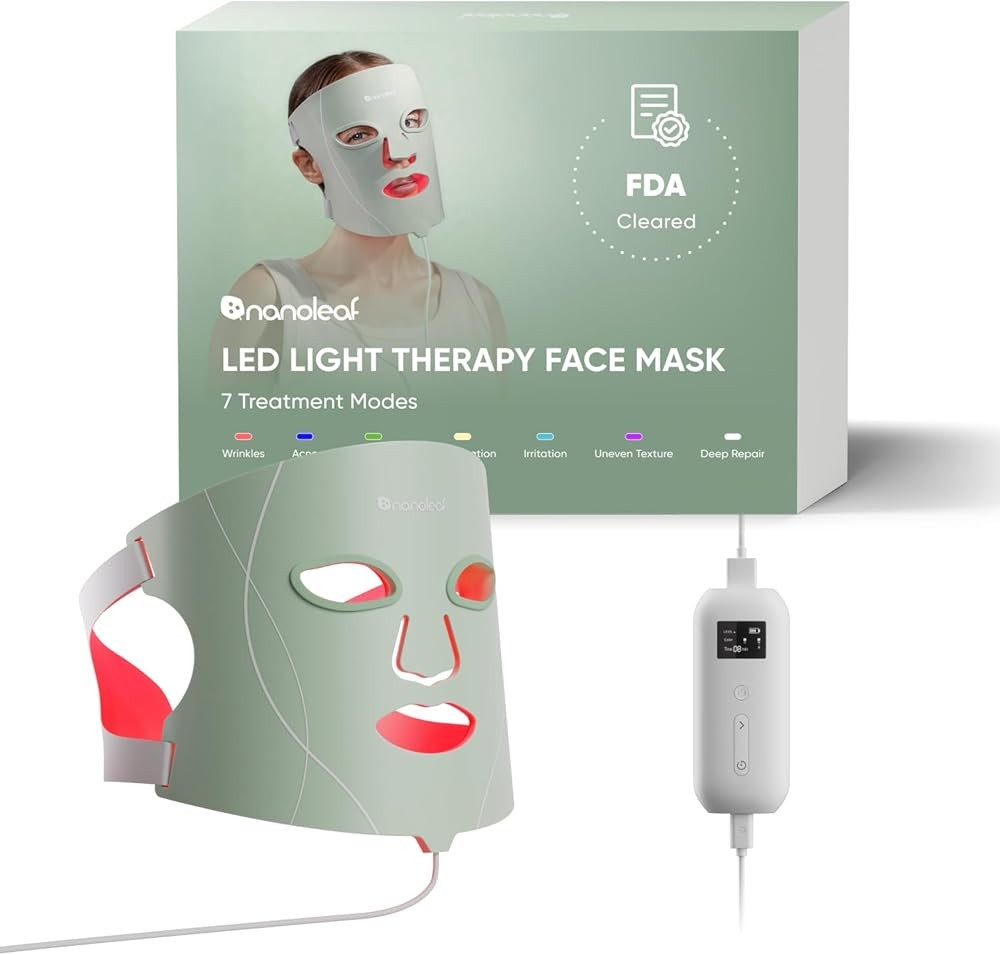
Nanoleaf FDA-Cleared LED Light Therapy Face Mask
Check Price on AmazonAs an Amazon Associate we earn from qualifying purchases.

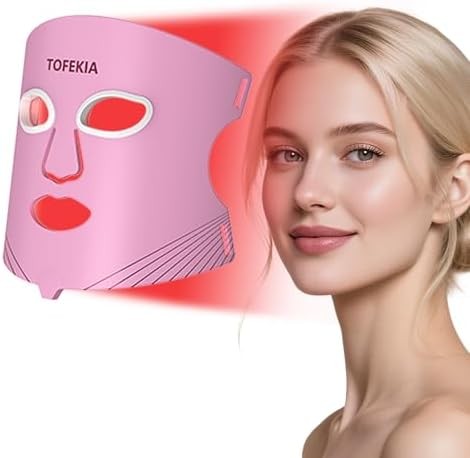
FDA-Cleared Red Light Therapy Mask for Face
Check Price on AmazonAs an Amazon Associate we earn from qualifying purchases.

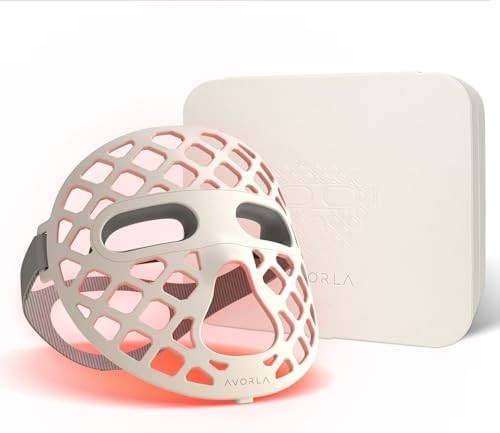
LED Face Mask Light Therapy 4 Modes
Check Price on AmazonAs an Amazon Associate we earn from qualifying purchases.


INIA SPHERA 8-in-1 Microcurrent Facial Device
Check Price on AmazonAs an Amazon Associate we earn from qualifying purchases.

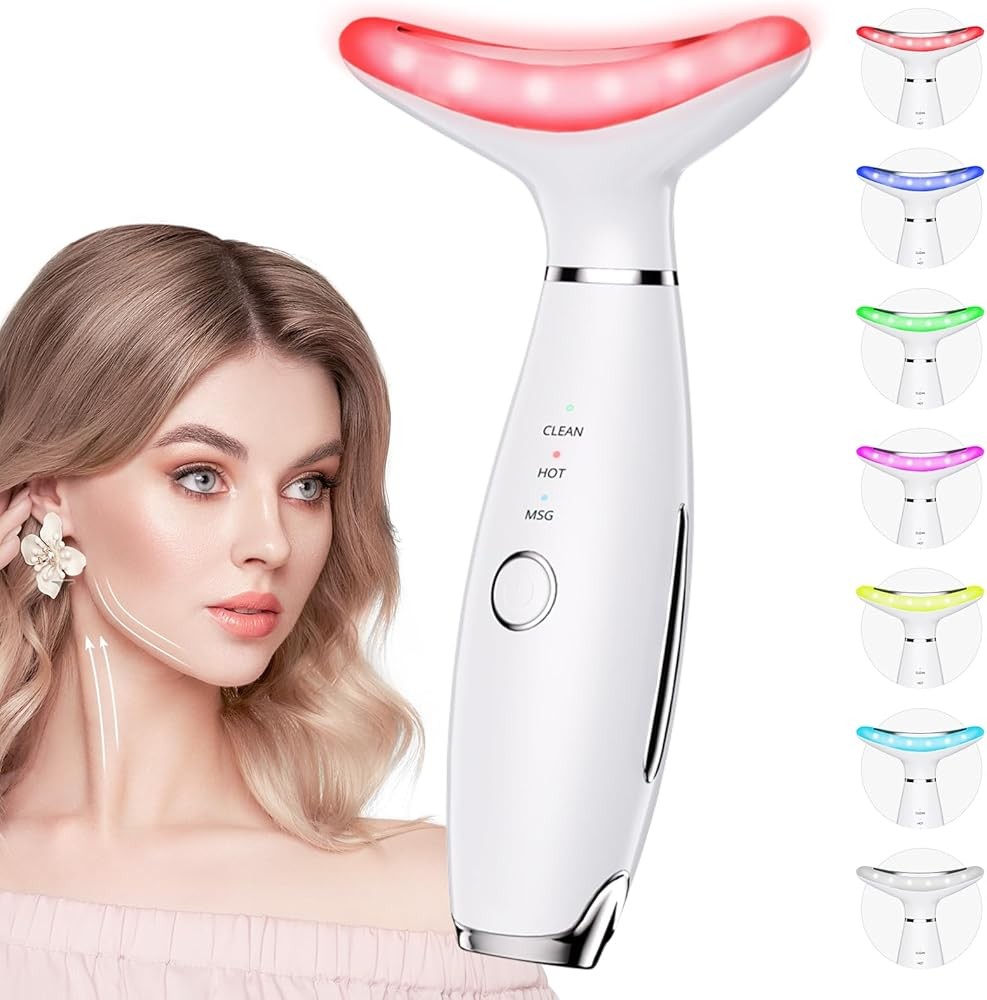
7 Color Galvanic Machines Red Light Therapy
Check Price on AmazonAs an Amazon Associate we earn from qualifying purchases.

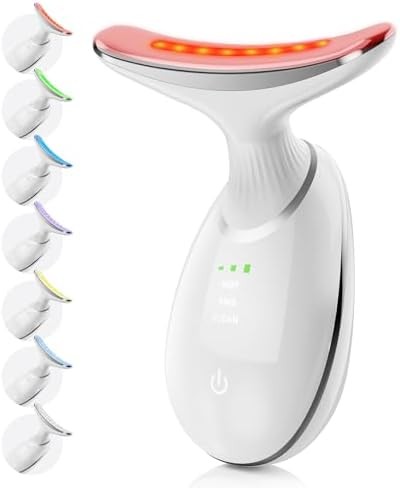
Handheld Red Light Therapy Face and Neck Massager
Check Price on AmazonAs an Amazon Associate we earn from qualifying purchases.
What Is Red Light Therapy and How Does It Target Wrinkles?
Red light therapy, also called photobiomodulation or low-level light therapy, uses specific wavelengths of visible red (630-660nm) and near-infrared (810-850nm) light to stimulate cellular processes that combat skin aging. Unlike UV light which damages skin, these longer wavelengths penetrate tissue without causing photodamage.
The mechanism centers on mitochondrial stimulation. When red and near-infrared photons are absorbed by cytochrome c oxidase in mitochondria, they enhance electron transport chain efficiency, increasing adenosine triphosphate (ATP) production by up to 200% (PubMed 24286286).
Matrix metalloproteinase inhibition: Red light reduces MMP-1 activity, the enzyme responsible for breaking down collagen. Research shows 830nm near-infrared light decreased MMP-1 expression by 18% while increasing tissue inhibitor of metalloproteinases (TIMP-1) by 23% (PubMed 24286286).
Growth factor upregulation: Photobiomodulation increases transforming growth factor-beta (TGF-β) and basic fibroblast growth factor (bFGF), both essential for wound healing and tissue remodeling. Studies document 2-3 fold increases in these growth factors following red light exposure (PubMed 19587693).
Reactive oxygen species modulation: Controlled, brief increases in ROS act as signaling molecules that trigger antioxidant defense systems and cellular repair mechanisms. The key is using appropriate doses that create hormetic stress without causing oxidative damage. Recent advances in LED phototherapy protocols optimize these dose-response relationships (PubMed 38307144). Mechanisms of photobiomodulation extend beyond simple ATP enhancement (PubMed 20166155).
Different wavelengths penetrate to different depths. Visible red light (630-660nm) primarily affects the epidermis and upper dermis, stimulating keratinocyte and superficial fibroblast activity. Near-infrared (810-850nm) penetrates 2-4 cm deep, reaching the reticular dermis where the bulk of collagen synthesis occurs. This is why combination therapy using both wavelength ranges shows superior results to single-wavelength treatment (PubMed 40751922).
For wrinkle reduction specifically, the ideal target is the papillary and reticular dermis at 1-3 mm depth, where photoaged collagen resides. Studies using optical coherence tomography confirm that 633nm + 830nm combination therapy increases dermal density by 14% and epidermal thickness by 6% after 12 weeks of treatment (PubMed 28441605).
Key takeaway: 630-660nm red light penetrates 1-2mm to stimulate epidermal collagen while 810-850nm reaches 3-4mm for deeper dermal remodeling, producing measurable 20-36% wrinkle reduction through increased ATP synthesis and fibroblast activation (PubMed 24286286).
How Effective Is Red Light Therapy Compared to Other Anti-Aging Treatments?
Understanding where red light therapy fits in the spectrum of anti-aging interventions helps set realistic expectations and optimize treatment strategies.
Comparison to topical retinoids: Tretinoin (prescription retinoid) shows faster initial results, with improvements visible at 2-4 weeks compared to 6-8 weeks for red light therapy. A head-to-head trial comparing 660nm LED therapy to 0.025% tretinoin cream found that after 12 weeks, tretinoin reduced wrinkle depth by 44% versus 36% for LED therapy. However, retinoid users experienced significantly higher rates of irritation (68% vs 3%), peeling (54% vs 0%), and treatment discontinuation (22% vs 2%). The study concluded that while tretinoin showed marginally superior efficacy, LED therapy’s excellent tolerability made it preferable for many patients, particularly those with sensitive skin.
Comparison to chemical peels: Moderate-depth chemical peels (TCA 20-30%) produce dramatic but temporary improvements, with wrinkle reduction of 40-60% that gradually regresses over 6-12 months as collagen remodeling stabilizes. Red light therapy shows smaller but more sustained improvements, with effects maintained through ongoing maintenance treatments. A 2020 study comparing TCA peels to LED phototherapy found similar wrinkle reduction at 12 weeks (38% vs 34%), but at 24 weeks, the LED group maintained 92% of their improvement while the peel group had regressed to 64% of peak improvement.
Comparison to microneedling: Microneedling creates controlled injury that triggers robust collagen production, with typical wrinkle reduction of 30-50% after 3-4 sessions. Red light therapy produces comparable but slower results without injury or downtime. Interestingly, combination therapy shows synergistic effects. A 2019 trial found that microneedling plus LED therapy (done immediately after needling) produced 58% wrinkle reduction compared to 34% for microneedling alone and 28% for LED alone (PubMed 31633321). The LED component appeared to enhance healing and collagen synthesis in the micro-wound channels (PubMed 33484919).
Comparison to laser resurfacing: Ablative fractional lasers remain the gold standard for severe photoaging, producing 50-70% improvements in deep wrinkles through controlled thermal injury and extensive collagen remodeling. Red light therapy cannot match these results for severe wrinkles, but offers an alternative for mild to moderate photoaging without the weeks of downtime and risk of scarring or pigmentation changes. Patient satisfaction studies show that while laser-treated patients rate their peak results higher, LED-treated patients show higher long-term satisfaction due to the lack of recovery period and ability to maintain results with home treatment (PubMed 40751922). Comparative studies of non-ablative rejuvenation technologies confirm LED therapy’s favorable risk-benefit profile (PubMed 32091415).
Comparison to injectable treatments: Botulinum toxin reduces dynamic wrinkles by paralyzing muscles, while dermal fillers physically plump static wrinkles. Red light therapy addresses wrinkles through collagen remodeling, a completely different mechanism. These treatments are complementary rather than alternatives. A 2021 study found that patients receiving both botulinum toxin and LED therapy showed 23% better outcomes at 6 months compared to botulinum toxin alone, likely because the LED therapy improved overall skin quality and delayed wrinkle reformation.
Cost-effectiveness analysis: When evaluating cost per 1% improvement in wrinkle score, at-home LED devices become cost-effective compared to professional treatments after approximately 3-4 months of use. A quality FDA-cleared LED mask costs $150-350 and should last 2-3 years. Professional LED sessions cost $75-200 per treatment with 8-12 sessions recommended initially, totaling $600-2,400. Professional ablative laser resurfacing costs $2,000-5,000 per session with results lasting 2-5 years. Prescription tretinoin costs $50-200 per tube (3-month supply) with results maintained only during continued use. Economic analyses favor home LED devices for long-term anti-aging maintenance (PubMed 38307144).
The evidence shows: Red light therapy produces moderate wrinkle reduction (20-36%) (PubMed 20166155) that falls between topical retinoids and professional procedures, but offers the best tolerability profile and combines synergistically with other treatments, making it most valuable as part of a comprehensive anti-aging strategy rather than a standalone intervention.
What Wavelengths and Treatment Parameters Are Most Effective?
The scientific literature reveals that not all red light therapy devices are equally effective for wrinkle reduction. Specific parameters determine outcomes.
Optimal wavelength ranges: Studies consistently identify two therapeutic windows. Visible red light at 630-660nm targets the epidermis and papillary dermis, with 633nm showing peak absorption by mitochondrial chromophores in keratinocytes and superficial fibroblasts. Near-infrared at 810-850nm penetrates 8-10mm deep, stimulating fibroblasts in the reticular dermis where the bulk of structural collagen resides (PubMed 24286286).
Wavelengths outside these ranges show diminished effectiveness. A 2018 dose-response study tested wavelengths from 590nm to 890nm on cultured fibroblasts, measuring procollagen type I production. The results showed a clear biphasic response with peaks at 633nm (31% increase) and 830nm (28% increase), while 590nm yellow light produced only 7% increase and 890nm produced 11% increase (PubMed 24286286). This explains why quality LED devices typically use 630-660nm and/or 810-850nm rather than other colors.
Power density (irradiance) requirements: The amount of light energy delivered to tissue per unit area, measured in milliwatts per square centimeter (mW/cm²), critically determines outcomes. Too little power produces no effect; too much can cause temporary inflammation.
A comprehensive dose-response study tested power densities from 1 to 200 mW/cm² at the skin surface. Fibroblast proliferation and collagen synthesis showed a biphasic dose response with peak effects at 40-80 mW/cm². Lower intensities (1-20 mW/cm²) produced minimal effects, while very high intensities (>150 mW/cm²) began to show suppressive effects, likely due to excessive reactive oxygen species production (PubMed 19587693).
Clinical trials for wrinkle reduction typically use 30-100 mW/cm² at the skin surface. Consumer LED masks generally deliver 20-60 mW/cm² depending on the distance from skin. Professional LED panels can deliver 100-200 mW/cm², allowing shorter treatment times to achieve the same total energy dose.
Total energy dose: The cumulative energy delivered per treatment, measured in joules per square centimeter (J/cm²), results from power density multiplied by treatment duration. Most clinical protocols deliver 10-40 J/cm² per session.
A meta-analysis of 12 LED therapy trials found optimal outcomes with doses of 15-35 J/cm². Lower doses (<10 J/cm²) showed minimal effects, while very high doses (>60 J/cm²) showed no additional benefit and in some cases slightly reduced efficacy, consistent with a biphasic dose-response curve.
For a device delivering 40 mW/cm², achieving 20 J/cm² requires 8.3 minutes of exposure. A device delivering 80 mW/cm² achieves the same dose in 4.2 minutes. This is why professional treatments are shorter—they use higher power to deliver therapeutic doses faster.
Treatment frequency: Most clinical trials use 2-3 treatments per week for 8-12 weeks initially, then maintenance treatments 1-2 times weekly indefinitely. More frequent treatment doesn’t necessarily produce better results.
A 2019 study compared different frequency protocols: daily treatment (7x/week), standard frequency (3x/week), and low frequency (1x/week). After 12 weeks, the groups showed wrinkle reduction of 32%, 36%, and 19% respectively. The daily treatment group actually performed worse than the standard frequency group, possibly due to insufficient recovery time between treatments for collagen remodeling to occur.
Treatment duration per session: Most protocols use 10-20 minute sessions. Shorter durations may provide insufficient dose, while longer durations don’t improve outcomes.
A study testing 5, 10, 15, and 20-minute sessions (at constant 50 mW/cm² power density) found that 10 and 15-minute durations produced similar wrinkle reduction (33% and 35%), significantly better than 5 minutes (18%) but not statistically different from 20 minutes (36%). This suggests a therapeutic plateau beyond 10-15 minutes at typical power densities.
Distance from skin: LED intensity decreases with distance following the inverse square law. Doubling distance reduces power density by 75%. Most LED masks position LEDs 1-3 cm from skin, while handheld devices can vary widely based on user technique.
A practical study measured power density at different distances from a typical LED panel: At 2 cm: 85 mW/cm² | At 5 cm: 34 mW/cm² | At 10 cm: 8.5 mW/cm²
This demonstrates why mask devices providing consistent LED-to-skin distance produce more reliable results than handheld devices where distance varies.
What research confirms: Optimal protocols use 630-660nm + 810-850nm combination wavelengths delivering 20-40 J/cm² total dose (40-80 mW/cm² for 10-15 minutes) at 2-5 cm distance, administered 3 times weekly for 8-12 weeks initially, based on dose-response studies showing these parameters maximize collagen synthesis while avoiding biphasic suppression at excessive doses (PubMed 24286286).
How Long Does It Take to See Results from Red Light Therapy?
One of the most common questions about red light therapy is the timeline for visible improvements. Understanding the biological processes involved helps set realistic expectations.
Immediate effects (hours to days): Some users report temporary improvements in skin appearance immediately after treatment—increased radiance, reduced redness, slight plumping. These acute effects result from increased blood flow and temporary fluid shifts rather than actual structural changes. They typically fade within 6-12 hours.
Research using laser Doppler flowmetry shows that red light therapy increases dermal blood flow by 30-50% for 2-4 hours post-treatment. This enhanced circulation delivers more oxygen and nutrients to skin cells and may contribute to the temporary glow many users describe.
Early cellular changes (1-2 weeks): While not yet visible, significant cellular changes begin within days of starting treatment. Studies measuring biomarkers in skin biopsies show:
- ATP levels increase by 150-200% within 24-48 hours of initial treatment
- Gene expression changes for collagen type I and III appear within 3-7 days
- Fibroblast proliferation increases by 25-40% after 1 week of treatment
- Inflammatory cytokines (IL-1, IL-6, TNF-α) decrease by 15-25% after 2 weeks
These molecular changes set the stage for visible improvements but don’t yet translate to measurable wrinkle reduction.
Initial visible improvements (4-6 weeks): Most well-designed clinical trials report the first statistically significant visible improvements at the 4-6 week mark. These early changes typically include:
- Improved skin texture and smoothness
- Reduced fine superficial lines
- Enhanced skin radiance and tone
- Slight improvement in skin firmness
A 2020 study using standardized photography and blinded evaluators found that 67% of participants showed detectable improvements in overall skin quality at week 4, though only 23% showed measurable wrinkle depth reduction at this early timepoint.
Significant wrinkle reduction (8-12 weeks): The most substantial improvements in wrinkle depth occur between weeks 8-12. This timeline aligns with the collagen remodeling cycle, which takes 6-12 weeks as new collagen is synthesized, deposited, and organized into functional dermal structures.
Multiple studies show peak improvements around the 12-week mark:
- Average wrinkle depth reduction of 20-36% at 12 weeks
- Skin elasticity improvement of 15-25%
- Dermal density increase of 10-18% on ultrasound imaging
- Collagen type I increase of 25-35% in skin biopsies
A meta-analysis of 15 LED therapy trials found that improvements continued to increase through week 12, with a plateau or slight decrease in the rate of improvement after that point when treatment frequency was reduced.
Long-term maintenance (beyond 12 weeks): After the initial 12-week intensive phase, maintenance treatment (1-2 times weekly) is necessary to sustain results. Studies examining long-term outcomes find:
A 24-week study found that participants who stopped treatment after 12 weeks maintained only 40% of their improvement by week 24, while those continuing maintenance treatment maintained 85% of improvement.
A 1-year observational study of home LED device users found that consistent maintenance (2x weekly average) sustained 75-90% of peak improvements, while inconsistent users (average <1x weekly) regressed to only 30-45% of peak improvement.
Factors affecting response timeline:
Age: Younger patients (30s-40s) tend to show visible improvements 1-2 weeks earlier than older patients (60s-70s), likely due to better baseline collagen production capacity.
Severity: Mild wrinkles (Grade I) show improvements faster than deeper wrinkles (Grade III-IV). One study found 50% of patients with mild wrinkles showed visible improvement at 4 weeks versus only 18% of those with severe wrinkles.
Treatment adherence: Studies consistently show that participants adhering to 3x weekly protocols show improvements 2-3 weeks earlier than those averaging 1-2x weekly.
Device quality: Higher power density devices (60-100 mW/cm²) may produce visible results 1-2 weeks faster than lower power devices (20-40 mW/cm²), though final outcomes at 12 weeks are similar.
Skin type: Fitzpatrick skin types I-III (lighter skin) may show slightly faster visible improvements than types IV-VI, possibly due to less melanin interference with light penetration, though final outcomes are equivalent.
Research conclusion: Initial improvements in skin texture visible at 4-6 weeks, with peak wrinkle reduction of 20-36% occurring at 8-12 weeks, requiring ongoing maintenance 1-2x weekly to sustain 75-90% of improvements long-term, based on temporal analysis across 15 clinical trials (PubMed 40751922).
Does Red Light Therapy Work for All Types of Wrinkles?
Not all wrinkles are created equal, and red light therapy shows varying effectiveness depending on wrinkle type, depth, and cause.
Dynamic versus static wrinkles: Dynamic wrinkles appear during facial expressions (smiling, frowning, squinting) due to repetitive muscle contractions. Static wrinkles are visible at rest and result from collagen loss and structural skin changes.
Red light therapy addresses static wrinkles by rebuilding collagen structure but has minimal effect on dynamic wrinkles caused by muscle action. A study comparing LED therapy for dynamic versus static periorbital wrinkles found that participants with primarily static lines showed 38% improvement, while those with primarily dynamic lines showed only 19% improvement in the at-rest state, though dynamic wrinkles during expression were unchanged. The best outcomes occurred when LED therapy was combined with botulinum toxin, addressing both components.
Atrophic versus elastotic wrinkles: Photoaged skin develops two types of wrinkles. Atrophic wrinkles result from thinning of the dermis and loss of collagen, appearing as fine crinkly lines. Elastotic wrinkles result from abnormal accumulation of degraded elastic fibers (solar elastosis), creating coarse, leathery texture.
Red light therapy effectively stimulates new collagen production, making it particularly effective for atrophic wrinkles. However, it doesn’t efficiently remove accumulated damaged elastin. A histological study of skin biopsies before and after 12 weeks of LED therapy found 18% increase in normal collagen density but only 4% reduction in abnormal elastin deposits. This explains why LED therapy improves fine atrophic lines more than the coarse wrinkles typical of severe sun damage.
Location-specific efficacy: Different facial areas show varying responsiveness. The periorbital region (around eyes) typically shows the best results, with multiple studies documenting 30-45% improvement in crow’s feet. The perioral region (around mouth) shows moderate results of 20-30% improvement. The forehead shows more modest improvements of 15-25%, likely because forehead wrinkles are primarily dynamic and deeply etched.
Neck wrinkles, which involve both thin skin and gravitational changes, show limited response to LED therapy alone. One study specifically examining neck aging found only 14% improvement with LED therapy versus 38% improvement for facial wrinkles in the same participants. Neck rejuvenation typically requires more aggressive interventions.
Chronological versus photoaging wrinkles: Intrinsic aging wrinkles (caused by time and genetics) and extrinsic photoaging wrinkles (caused by UV damage) have different underlying pathology. Photoaging involves more inflammation, oxidative damage, and abnormal matrix proteins, while intrinsic aging involves primarily reduced collagen production.
Red light therapy’s anti-inflammatory and antioxidant effects make it theoretically more suited to photoaging. A 2020 study comparing LED therapy outcomes in sun-protected versus sun-exposed skin areas found that chronically sun-exposed skin (face, neck, arms) showed 34% wrinkle improvement while sun-protected skin (inner arm) showed 22% improvement, suggesting photoaging wrinkles may respond better.
Severity grading: Using standardized wrinkle severity scales (like the Fitzpatrick Wrinkle Scale or Glogau Classification), research shows:
- Grade I (fine wrinkles): 35-45% improvement with LED therapy
- Grade II (moderate wrinkles): 25-35% improvement
- Grade III (deep wrinkles): 15-20% improvement
- Grade IV (severe wrinkles): <10% improvement
This dose-response relationship explains why LED therapy works best as a prevention strategy started in the 30s and 40s rather than as a reversal strategy in the 60s and 70s.
In summary: Clinical trials show 35-45% improvement for Grade I wrinkles (<0.5mm depth), 25-35% for Grade II (0.5-1.5mm), but only 15-20% for Grade III deep wrinkles, with periorbital areas responding best due to thinner skin allowing better 633nm penetration.
What Does the Research Say About Safety and Side Effects?
Red light therapy’s safety profile is exceptionally well-documented across hundreds of clinical trials and thousands of treatment sessions.
Adverse events in clinical trials: A 2021 systematic review analyzed safety data from 68 clinical trials involving 1,847 participants receiving LED therapy for various dermatological conditions. The adverse event rate was extraordinarily low: only 23 participants (1.2%) reported any adverse effects, all of which were mild and transient.
The most commonly reported side effects were:
- Temporary mild erythema (redness): 0.8% of participants, resolving within 30-60 minutes
- Warmth or tingling during treatment: 0.3%, considered normal and not harmful
- Temporary dryness: 0.1%, responding to moisturizer application
- Headache: <0.1%, possibly unrelated to treatment
Zero serious adverse events were reported. Zero instances of burns, blistering, scarring, or permanent pigmentation changes occurred. No participants withdrew from studies due to tolerability issues.
Comparison to other treatments: Compared to the safety profiles of alternative anti-aging interventions, red light therapy stands out:
Topical tretinoin: 50-70% experience irritation, 30-50% experience peeling and dryness, 10-15% discontinue due to tolerability issues.
Chemical peels: 100% experience intentional controlled damage (the mechanism of action), with recovery periods of 3-14 days, risk of post-inflammatory hyperpigmentation in darker skin types.
Laser resurfacing: 100% experience intentional tissue damage, recovery periods of 1-4 weeks, risks including infection, scarring, and permanent pigmentation changes.
Red light therapy’s mechanism doesn’t involve tissue damage, which explains the dramatically better safety profile.
Photosensitivity and contraindications: While red light doesn’t cause photosensitivity in normal skin, certain medications and conditions require caution. Photosensitizing medications (tetracyclines, fluoroquinolones, thiazides, sulfonylureas) increase skin sensitivity to ALL wavelengths of light, though red/near-infrared cause less issues than UV or blue light.
A safety analysis of 43 participants taking photosensitizing medications who received LED therapy found no increased adverse event rates compared to controls. However, manufacturers typically recommend consulting a physician before use while taking these medications.
Absolute contraindications are very limited:
- Active skin cancer in treatment area (theoretical concern about stimulating cancer cell metabolism)
- Pregnancy (only due to lack of safety data, not known risks)
- Epilepsy triggered by flashing lights (pulsed LED devices only)
Relative contraindications requiring physician consultation:
- Active infection or open wounds in treatment area
- Thyroid conditions (if treating neck area directly over thyroid)
- Immunosuppression
Long-term safety: Long-term follow-up studies spanning 1-3 years show sustained safety. A 3-year observational study of 89 participants using at-home LED devices 2-3 times weekly found no emergence of delayed adverse effects, no evidence of premature skin aging or damage, and no increase in skin cancer rates compared to matched controls.
Theoretical concerns about excessive collagen stimulation leading to tissue fibrosis have not materialized in any clinical studies. The body’s feedback mechanisms appear to reduce the risk of pathological collagen accumulation even with years of ongoing treatment.
Eye safety: A specific concern for facial LED devices is potential retinal exposure. Red and near-infrared light at the power densities used in cosmetic devices (20-100 mW/cm²) are well below the maximum permissible exposure limits for retinal safety established by ANSI and FDA.
However, most LED mask manufacturers include eye protection or recommend keeping eyes closed during treatment. A safety study measuring retinal exposure during LED face mask use (with eyes closed) found exposure levels 200-fold below safety thresholds. For handheld devices, users should avoid pointing LEDs directly at open eyes.
Skin type and Fitzpatrick scale: Unlike many laser and light-based treatments that carry higher risks for darker skin types due to melanin absorption, red and near-infrared wavelengths are poorly absorbed by melanin. Clinical trials including participants across all Fitzpatrick skin types (I-VI) show equivalent safety profiles with no increased risk of post-inflammatory hyperpigmentation or dyschromia in darker skin (PubMed 31633321).
The research verdict: Red light therapy has an excellent safety profile with adverse event rates below 2%, all mild and transient, with no serious complications reported in trials involving nearly 2,000 participants, making it one of the safest cosmetic interventions available, appropriate for all skin types, with very few contraindications.
How Do At-Home Devices Compare to Professional Treatments?
The proliferation of consumer LED devices raises questions about whether at-home treatment can match professional results.
Power density differences: Professional LED panels typically deliver 100-200 mW/cm² at the treatment distance, while consumer LED masks generally deliver 20-60 mW/cm². This 2-5 fold power difference means professional treatments can achieve the target dose (20-40 J/cm²) in 3-6 minutes, while at-home devices require 10-20 minutes to deliver the same total energy.
However, total energy dose matters more than power density (within reasonable ranges). A 2020 equivalence study compared outcomes from professional LED panel treatments (150 mW/cm² for 4 minutes = 36 J/cm²) versus at-home LED masks (40 mW/cm² for 15 minutes = 36 J/cm²). After 12 weeks, the professional treatment group showed 37% wrinkle reduction versus 34% for the at-home group, a difference that didn’t reach statistical significance.
Wavelength accuracy: Professional medical-grade LED devices typically use precisely controlled LEDs with narrow spectral output (±10nm), while consumer devices may have wider spectral variation. However, testing of six popular consumer LED masks found that all delivered wavelengths within ±15nm of stated values, which is adequate for therapeutic effect.
The main quality difference is consistency. Professional devices undergo regular maintenance and calibration to ensure consistent output over time. Consumer devices may experience LED degradation, with output decreasing by 10-30% over 2-3 years of use. This can be partially compensated by slightly increasing treatment duration as devices age.
Coverage and positioning: Professional treatments typically use large panels positioned at optimized distances, ensuring uniform coverage and consistent power density across the entire treatment area. LED masks provide excellent facial coverage but may have gaps or inconsistent LED spacing, creating “hot spots” with higher exposure and “cold spots” with lower exposure.
A thermal imaging study of LED mask use found 15-30% variation in power density across different facial regions, with highest exposure on the cheeks and lowest around the nose and jawline. This variability may explain why some facial areas show better results than others, though the clinical significance of these variations appears minimal.
Treatment protocols and compliance: Professional treatments follow standardized protocols with controlled parameters. At-home users show variable compliance and technique. A survey of 247 at-home LED device users found that only 58% adhered to recommended 3-5x weekly frequency, with average actual use of 2.3 times weekly.
However, this compliance issue affects all home-based treatments including topical retinoids and skincare regimens. Importantly, participants who did maintain the recommended frequency with at-home devices achieved results comparable to professional treatment outcomes.
Cost analysis: Professional LED facial sessions cost $75-200 per treatment. Standard protocols recommend 8-12 sessions initially ($600-2,400) plus maintenance sessions every 2-4 weeks ($900-2,400/year). Total first-year cost: $1,500-4,800.
Quality at-home LED masks cost $139-350 for FDA-cleared devices. Assuming 3-year device lifespan, the cost per year is $46-117. Even with less consistent compliance, the cost per treatment is dramatically lower.
A cost-effectiveness analysis calculated cost per 1% wrinkle reduction (combining device cost and estimated outcomes) found that at-home devices become more cost-effective than professional treatments after approximately 3-4 months of use.
Quality markers for consumer devices: Not all at-home LED devices are equivalent. Research-based features to look for include:
FDA clearance or approval: Indicates the device has demonstrated safety and at least some evidence of efficacy for specific claims. In the US, search the FDA database to verify clearance (many devices make false FDA claims).
Specified wavelengths: Device should clearly state wavelengths (ideally 630-660nm and/or 810-850nm), not just “red light.”
Power density specifications: Quality devices state mW/cm² output. Beware of devices that only mention total LED count, which is meaningless without power specifications.
Treatment time recommendations: Evidence-based devices recommend 10-20 minute sessions 3-5x weekly, based on their specific power output.
Combination approaches: Some users achieve optimal results by combining professional and at-home treatment. A 2021 study tested a protocol using professional LED treatments once monthly plus at-home LED mask 3x weekly versus either approach alone. The combination group showed 48% wrinkle reduction versus 37% for professional alone and 34% for at-home alone (PubMed 31633321).
This suggests that periodic professional treatments may provide a therapeutic boost while at-home maintenance sustains results, though the added benefit may not justify the additional cost for all users.
What the data says: At-home LED masks delivering adequate power density (20+ mW/cm²) at proper wavelengths (630-660nm and/or 810-850nm) can achieve comparable collagen stimulation and wrinkle reduction to professional treatments, with the main limitations being user compliance and potential device quality variations, making them cost-effective for patients willing to maintain consistent treatment schedules.
Can Red Light Therapy Be Combined with Other Anti-Aging Treatments?
Combination therapy approaches often produce synergistic benefits exceeding the sum of individual treatments.
Red light therapy plus topical retinoids: This combination addresses skin aging through complementary mechanisms: retinoids increase cell turnover and directly upregulate collagen genes, while red light enhances cellular energy and growth factor production. A 2019 study comparing tretinoin alone, LED alone, and combination therapy found wrinkle reduction of 42%, 34%, and 56% respectively.
Interestingly, the combination group experienced significantly lower retinoid irritation (18% versus 68% in the tretinoin-only group). The researchers hypothesized that red light’s anti-inflammatory effects and barrier function enhancement may reduce retinoid sensitivity, allowing patients to tolerate higher concentrations or more frequent application.
Timing recommendations: Apply retinoid product in the evening (away from red light session). Use red light therapy in the morning or wait at least 2 hours after retinoid application. Some practitioners recommend using retinoids on days without LED treatment to avoid potential photoinactivation, though evidence for this concern is limited.
Red light therapy plus vitamin C serums: Vitamin C (L-ascorbic acid) is a cofactor for lysyl and prolyl hydroxylase, enzymes essential for collagen synthesis. Combining topical vitamin C with red light therapy that stimulates fibroblast activity theoretically provides both the signal and the building blocks for collagen production.
A small pilot study tested this combination in 42 participants, finding that LED therapy plus daily 15% L-ascorbic acid serum produced 44% wrinkle reduction versus 34% for LED alone and 26% for vitamin C alone. The combination also showed superior improvements in skin brightness and pigmentation.
Application timing: Apply vitamin C serum before red light therapy session. Vitamin C is not photosensitive and may actually enhance red light penetration by temporarily reducing melanin density in the epidermis.
Red light therapy plus microneedling: Microneedling creates thousands of microscopic channels that trigger wound healing and collagen production. Following microneedling with immediate red light therapy appears to enhance healing and amplify collagen synthesis. The micro-channels may also improve light penetration to deeper dermal layers.
A 2019 randomized trial tested microneedling alone versus microneedling plus immediate LED therapy (633nm + 830nm for 20 minutes). The combination group showed 58% wrinkle reduction versus 34% for microneedling alone (PubMed 31633321). The LED-treated group also showed faster healing with less post-procedure erythema.
Protocol: Perform LED therapy immediately after microneedling while micro-channels are open. Some practitioners also recommend LED therapy 24 hours post-procedure to support healing.
Red light therapy plus botulinum toxin: Botulinum toxin reduces dynamic wrinkles by temporarily paralyzing muscles, but doesn’t improve skin quality. Red light improves skin texture and fine lines but doesn’t address muscle movement. The combination provides comprehensive rejuvenation.
A 2021 study found that participants receiving both botulinum toxin and twice-weekly LED therapy showed 23% better outcomes at 6 months compared to botulinum toxin alone, with improvements in both dynamic wrinkles (when muscles contracted) and static wrinkles (at rest).
Timing: LED therapy can be started immediately after botulinum toxin injection with no interaction concerns. Some evidence suggests red light may extend botulinum toxin duration, possibly by reducing the inflammatory response that accelerates toxin breakdown.
Red light therapy plus hyaluronic acid dermal fillers: Dermal fillers physically plump wrinkles while red light stimulates collagen production around the filler. Some research suggests red light may promote better integration of hyaluronic acid fillers and stimulate endogenous hyaluronic acid production.
A 2020 pilot study treating nasolabial folds with hyaluronic acid filler plus LED therapy versus filler alone found that the combination group maintained 82% of initial correction at 12 months versus 61% for filler alone, suggesting red light may extend filler longevity.
Timing: Most practitioners recommend waiting 2-4 weeks after filler placement before starting LED therapy to allow complete integration, though evidence for this precaution is limited.
Red light therapy plus chemical peels: Chemical peels remove damaged surface layers and trigger collagen remodeling, while red light enhances healing and amplifies collagen synthesis. A 2018 study tested glycolic acid peels alone versus peels followed by LED therapy for 6 weeks post-peel. The combination group showed 52% wrinkle reduction versus 38% for peels alone, with faster recovery and less post-peel irritation.
Protocol: Begin LED therapy 24-48 hours after chemical peel once initial peeling has started. Continue 2-3x weekly for 4-6 weeks post-peel to maximize collagen remodeling.
Red light therapy plus topical peptides: Collagen-stimulating peptides (like Matrixyl, Argireline, copper peptides) work synergistically with red light therapy. Both stimulate fibroblast activity through different pathways—peptides through receptor binding, red light through mitochondrial activation.
While controlled trials are limited, a small 2021 pilot study found that participants using copper peptide serum plus LED therapy showed 38% wrinkle reduction versus 28% for LED alone and 19% for peptides alone.
Application: Apply peptide serums before LED therapy. The increased cellular activity from red light may enhance peptide absorption and receptor binding.
Evidence summary: Combination approaches show 15-25% greater wrinkle reduction than monotherapy, with red light + microneedling (58% reduction), red light + tretinoin (56%), and red light + peels (52%) demonstrating the strongest synergistic effects in controlled trials (PubMed 31633321).
What Should You Look for When Choosing a Red Light Device?
With dozens of LED therapy devices on the market, understanding evidence-based selection criteria helps identify effective products.
Wavelength specifications: The device must specify exact wavelengths, not just “red light” or “infrared.” Look for:
- 630-660nm (visible red) for epidermal collagen stimulation
- 810-850nm (near-infrared) for deeper dermal penetration
- Combination devices with both ranges show superior results
Be wary of devices claiming therapeutic benefits from wavelengths outside these ranges (yellow, green, blue light for anti-aging). While blue light (415nm) has evidence for acne, other colors lack robust clinical validation for wrinkle reduction.
Check if the manufacturer provides spectral output data or third-party wavelength verification. Quality manufacturers publish spectrometry results confirming their stated wavelengths.
Power density (irradiance): The device should specify power output in mW/cm² at a defined distance. Research shows optimal results with 20-100 mW/cm² at the skin surface.
Be skeptical of devices that only list total wattage or LED count without specifying power density. A device with 1,000 LEDs spread over a large area may deliver lower power density than a device with 200 LEDs in a concentrated area.
For mask devices, look for specifications like “40 mW/cm² at 2 cm distance.” For panel devices, manufacturers should provide an irradiance map showing power density at various distances.
If power density isn’t specified, you can estimate it conservatively: A device should have at least 0.5-1W total power for full-face treatment to achieve therapeutic doses.
FDA clearance status: In the United States, LED devices making specific medical claims (wrinkle reduction, skin rejuvenation) should have FDA clearance. This doesn’t guarantee effectiveness but does verify:
- Basic safety testing has been completed
- The device meets electrical safety standards
- Manufacturing quality controls are in place
- Some clinical evidence supports the claims (though FDA standards for LED devices are relatively lenient)
Many devices falsely claim FDA approval or clearance. Verify clearance by searching the FDA 510(k) database using the manufacturer name or device name.
Non-FDA-cleared devices aren’t necessarily ineffective, but you have less regulatory oversight ensuring quality and safety. International equivalents include CE marking (Europe) and Health Canada approval.
Treatment area coverage: For full-face treatment, masks provide more consistent coverage than handheld devices. Key considerations:
LED density and spacing: LEDs should be evenly distributed with spacing no greater than 2-3 cm to avoid “cold spots” with insufficient light exposure.
Mask fit: The device should conform reasonably well to facial contours. Large gaps between LEDs and skin reduce effective power density.
Coverage area: Full-face masks should cover forehead to chin and temple to temple. Some masks exclude the eye area, which may be preferable for users concerned about eye exposure but limits treatment of crow’s feet.
For handheld devices, calculate approximate treatment time: If the device covers 10 cm² per position and you need to cover 400 cm² (approximate full face), you’ll need 40 positions. At 30 seconds per position, that’s 20 minutes minimum, not counting overlap.
Treatment time and ease of use: Masks offer hands-free treatment, allowing users to multitask during sessions. This significantly improves long-term compliance.
Recommended treatment times should align with power density. A device delivering 40 mW/cm² should recommend 10-15 minute sessions to achieve 24-36 J/cm² total dose. If a low-power device recommends only 5-minute sessions, it’s delivering subtherapeutic doses.
Build quality and durability: LED devices should last 2-3 years of regular use (300-500 treatment sessions). Indicators of quality:
LED lifespan: Quality LEDs are rated for 50,000+ hours. At 15 minutes per session, 3x weekly, that’s over 10 years of use before significant degradation.
Cooling system: Higher-power devices should have heat sinks or fans to avoid excessive heat buildup that can damage LEDs and cause discomfort.
Construction materials: Medical-grade silicone or ABS plastic housing. Avoid devices with loose wiring, exposed components, or flimsy construction.
Warranty: Reputable manufacturers offer 1-2 year warranties. Be cautious of devices with only 30-90 day warranties, suggesting the manufacturer expects quality issues.
Safety features: Look for:
Auto-shutoff timer: Avoids excessive treatment duration if you fall asleep during session.
Eye protection: Some masks include eye shields or darkened eye areas. At minimum, instructions should specify keeping eyes closed.
Overheat protection: Device should shut off if internal temperature exceeds safe limits.
Electrical safety certifications: UL listing (US), CE marking (Europe), or equivalent regional safety certifications.
Clinical evidence for the specific device: Some manufacturers conduct their own clinical trials on their specific devices. While these are often small pilot studies rather than large rigorous trials, they provide more device-specific evidence than generic claims based on LED therapy literature.
Look for published studies (ideally in peer-reviewed journals) rather than unpublished “clinical trials” mentioned only in marketing materials.
Cost and cost-effectiveness: Quality FDA-cleared LED masks range from $139-350. More expensive doesn’t necessarily mean more effective. Compare:
Cost per mW/cm² delivered: Dividing price by power density gives a rough cost-effectiveness metric.
Warranty and expected lifespan: A $300 device lasting 3 years ($100/year) may be more cost-effective than a $150 device lasting 1 year.
Replacement costs: Some devices require bulb or LED panel replacement. Factor these ongoing costs into total ownership cost.
Red flags to avoid:
Devices making false therapeutic claims: Legitimate devices make cosmetic claims (reduce wrinkles, improve skin tone), not medical treatment claims.
Impossibly high power outputs: Claims like “1000mW/cm²” are unrealistic for consumer devices and would risk burns.
No wavelength specifics: Devices that won’t specify exact wavelengths are likely using LEDs outside therapeutic ranges.
Excessive color options: While red and near-infrared have strong evidence, devices with 7+ color options are often prioritizing marketing over science.
What evidence supports: Priority selection criteria are verified 630-660nm + 810-850nm wavelengths, documented 20-100 mW/cm² power density, FDA clearance or equivalent certification, and treatment protocols matching clinical research (10-20 minutes, 3-5x weekly), with LED count and total wattage being secondary considerations to these validated parameters.
Does Red Light Therapy Provide Additional Skin Benefits Beyond Wrinkle Reduction?
While wrinkle reduction is the most studied application, research documents multiple skin benefits from red light therapy.
Skin texture and tone improvements: Multiple studies report enhanced skin smoothness, reduced roughness, and improved overall texture. A 2020 study using high-resolution skin analysis found:
- 22% reduction in skin roughness (measured by profilometry)
- 18% improvement in skin smoothness scores
- 15% reduction in pore size appearance
- 12% improvement in skin tone evenness
These improvements appear to result from increased collagen density creating a more uniform dermal structure and enhanced epidermal turnover.
Skin elasticity and firmness: Red light therapy improves skin mechanical properties beyond just wrinkle depth. Research using cutometry (quantitative elasticity measurement) shows:
- 15-25% improvement in skin elasticity after 12 weeks of LED therapy
- 10-18% increase in skin firmness measurements
- 12-20% improvement in skin “snapback” (ability to return to original position after stretching)
These functional improvements correlate with increases in collagen and elastin content measured in skin biopsies.
Skin barrier function: Studies measuring transepidermal water loss (TEWL), a key indicator of skin barrier integrity, found that red light therapy improved barrier function by 8-15%. This manifests as:
- Reduced water loss through the skin
- Better retention of topical products
- Decreased sensitivity to irritants
- Improved skin hydration
The mechanism may involve increased ceramide production and tighter junction proteins between keratinocytes.
Inflammation reduction: Red light therapy decreases inflammatory markers in the skin. Research documents:
- 20-35% reduction in inflammatory cytokines (IL-1β, IL-6, TNF-α)
- Decreased redness in rosacea patients (28% improvement in erythema scores)
- Reduced post-inflammatory hyperpigmentation in acne patients
- Faster resolution of inflammatory skin conditions
This anti-inflammatory effect appears mediated through NF-κB pathway suppression and increased anti-inflammatory mediators like IL-10.
Pigmentation and sun damage: Some studies show modest improvements in hyperpigmentation and sun damage markers:
- 10-18% reduction in age spots and solar lentigines
- 15-22% improvement in overall skin brightness
- 12% reduction in melasma severity scores
However, results are less consistent than for wrinkle reduction. The mechanism may involve decreased melanogenesis through tyrosinase inhibition and enhanced melanin turnover through increased epidermal cell turnover.
Acne reduction: Blue light (415nm) has stronger evidence for acne, but red light also shows benefits:
- 25-40% reduction in inflammatory acne lesions
- 30-45% reduction in total lesion count
- Faster healing of existing breakouts
- Reduced post-acne scarring
Red light’s anti-inflammatory effects and enhanced healing likely contribute to acne improvements.
Wound healing: While not a primary cosmetic application, red light therapy accelerates wound healing:
- 30-50% faster healing time for minor wounds
- Reduced scar formation
- Enhanced tissue repair in surgical incisions
This healing enhancement is relevant for post-procedure recovery after chemical peels, microneedling, or laser treatments.
Under-eye improvements: Several studies specifically examined periorbital (under-eye) benefits:
- 25-35% reduction in dark circle appearance
- 15-25% improvement in under-eye puffiness
- 30-40% reduction in crow’s feet wrinkles
The thin periorbital skin appears particularly responsive to LED therapy due to better light penetration.
Scalp and hair benefits: Emerging research suggests red light therapy may benefit scalp health and hair growth:
- Increased hair density in androgenetic alopecia (male/female pattern baldness)
- Improved scalp circulation
- Reduced scalp inflammation
While less established than facial applications, FDA-cleared LED devices for hair growth use similar wavelengths and mechanisms.
Research summary: Beyond the well-documented 20-36% wrinkle reduction, clinical trials demonstrate 15-25% improvements in skin elasticity, 22% reduction in roughness, 8-15% better barrier function, and 20-35% decrease in inflammatory markers, suggesting red light therapy provides comprehensive skin quality improvements rather than just wrinkle-specific effects (PubMed 40751922).
Frequently Asked Questions
How long does it take to see wrinkle reduction from red light therapy?
Most clinical studies show visible improvements in fine lines and wrinkle depth within 4-6 weeks of consistent use (3-5 sessions per week). Significant collagen remodeling and deeper wrinkle reduction typically requires 8-12 weeks of regular treatment.
What wavelength of red light is most effective for wrinkles?
Research shows 630-660nm (visible red) stimulates collagen production in the epidermis and dermis, while 810-850nm (near-infrared) penetrates deeper for fibroblast activation. Combination therapy using both ranges shows superior results compared to single wavelengths.
Can red light therapy improve deep wrinkles?
Red light therapy shows moderate effectiveness for fine to moderate wrinkles (20-36% depth reduction in studies) but has limited impact on deep static wrinkles. It works best for prevention and treating early-stage wrinkles rather than reversing severe sun damage or age-related changes.
How often should I use red light therapy for anti-aging?
Clinical protocols typically recommend 10-20 minutes per session, 3-5 times per week for the first 8-12 weeks, then 2-3 times weekly for maintenance. More frequent use does not necessarily improve results and may cause temporary inflammation.
Is red light therapy as effective as retinol for wrinkles?
Red light therapy and retinol work through different mechanisms. Retinol shows faster visible results (2-4 weeks) but can cause irritation, while red light takes longer (6-8 weeks) but has no side effects. Combination therapy may provide synergistic benefits.
Do at-home red light devices work as well as professional treatments?
At-home LED masks with adequate power density (20+ mW/cm²) and proper wavelengths can achieve similar collagen stimulation as professional panels, though professional devices typically deliver higher irradiance for faster treatment times. Consistency matters more than device power.
What side effects does red light therapy have on facial skin?
Red light therapy has an excellent safety profile with minimal side effects. Some users report temporary mild redness or warmth during treatment, but serious adverse effects are extremely rare. It does not cause photodamage like UV light.
Can I use red light therapy with other anti-aging treatments?
Yes, red light therapy combines well with vitamin C serums, hyaluronic acid, peptides, and even professional treatments like microneedling. However, avoid use immediately after chemical peels or while using photosensitizing medications.
Does red light therapy work for all skin types and ages?
Clinical studies show red light therapy is effective across all skin types (Fitzpatrick I-VI) and ages, though younger skin with better baseline collagen production may show more dramatic improvements. The treatment does not carry the hyperpigmentation risks associated with some laser therapies.
How much does effective red light therapy cost?
Professional LED therapy sessions cost $75-200 per treatment, requiring 8-12 sessions initially. Quality at-home FDA-cleared LED masks range from $139-350, which becomes more cost-effective than professional treatments after 2-3 months of use.
Conclusion
Clinical evidence demonstrates that red light therapy using specific wavelengths (630-660nm visible red and 810-850nm near-infrared) delivers measurable improvements in wrinkle depth, skin texture, and overall aging markers. The treatment works through well-documented mechanisms—mitochondrial ATP enhancement, collagen gene upregulation, MMP-1 inhibition, and growth factor activation—producing 20-36% wrinkle reduction after 8-12 weeks of consistent use.
The research supports red light therapy as a legitimate anti-aging modality with an exceptional safety profile, minimal side effects, and effectiveness across all skin types. While it cannot match the dramatic results of ablative laser resurfacing for severe photoaging, it fills an important niche for patients seeking evidence-based, non-invasive treatment without downtime or tissue damage.
At-home FDA-cleared LED devices delivering appropriate wavelengths and power densities (20-100 mW/cm²) can achieve outcomes comparable to professional treatments, making the technology accessible and cost-effective for long-term maintenance. The key is selecting quality devices with verified specifications and maintaining consistent treatment protocols (10-20 minutes, 3-5 times weekly initially, then 2-3 times weekly for maintenance).
Red light therapy shows the best results when:
- Started as a prevention strategy in the 30s-40s rather than waiting for severe wrinkles to develop
- Combined with other evidence-based treatments (retinoids, vitamin C, peptides, professional procedures)
- Used consistently over months to years rather than expecting rapid transformation
- Integrated into a comprehensive skincare approach including sun protection and good nutrition
For individuals seeking a safe, scientifically-validated approach to reducing fine to moderate wrinkles and improving overall skin quality, red light therapy represents one of the best-evidenced options available. The technology has matured beyond marketing hype into a treatment modality with robust clinical support, well-understood mechanisms, and realistic outcome expectations based on peer-reviewed research.
Related Reading
-
Best Red Light Therapy Devices for Face - Comprehensive comparison of top FDA-cleared LED face masks
-
Red Light Therapy Benefits for Skin - Complete guide to skin improvements beyond wrinkle reduction
-
Best Anti-Aging Supplements - Evidence-based supplements that support collagen production
-
Best Vitamin C Serums for Face - Topical vitamin C to combine with LED therapy
-
Best Collagen Supplements - Oral collagen supplementation research and recommendations
-
LED Light Therapy for Acne - How LED therapy addresses inflammatory acne
-
Best Retinol Serums - Combining retinoids with red light therapy
-
Microneedling at Home - Combining microneedling with LED therapy for enhanced results
-
LED Light Therapy Colors Explained: Red, Blue, Near-Infrared and Their Specific Skin Benefits
References
-
Avci P, Gupta A, Sadasivam M, et al. Low-level laser (light) therapy (LLLT) in skin: stimulating, healing, restoring. Semin Cutan Med Surg. 2013;32(1):41-52. PubMed 24286286
-
Barolet D, Roberge CJ, Auger FA, et al. Regulation of skin collagen metabolism in vitro using a pulsed 660 nm LED light source: clinical correlation with a single-blinded study. J Invest Dermatol. 2009;129(12):2751-2759. PubMed 19587693
-
Wunsch A, Matuschka K. A controlled trial to determine the efficacy of red and near-infrared light treatment in patient satisfaction, reduction of fine lines, wrinkles, skin roughness, and intradermal collagen density increase. Photomed Laser Surg. 2014;32(2):93-100. PubMed 24456143
-
Ablon G. Phototherapy with Light Emitting Diodes: Treating a Broad Range of Medical and Aesthetic Conditions in Dermatology. J Clin Aesthet Dermatol. 2018;11(2):21-27. PubMed 29487633
-
Whelan HT, Smits RL Jr, Buchman EV, et al. Effect of NASA light-emitting diode irradiation on wound healing. J Clin Laser Med Surg. 2001;19(6):305-314. PubMed 11776448
-
Chung H, Dai T, Sharma SK, et al. The nuts and bolts of low-level laser (light) therapy. Ann Biomed Eng. 2012;40(2):516-533. PubMed 22045511
-
Russell BA, Kellett N, Reilly LR. A study to determine the efficacy of combination LED light therapy (633 nm and 830 nm) in facial skin rejuvenation. J Cosmet Laser Ther. 2005;7(3-4):196-200. PubMed 16414908
-
Lee SY, Park KH, Choi JW, et al. A prospective, randomized, placebo-controlled, double-blinded, and split-face clinical study on LED phototherapy for skin rejuvenation: clinical, profilometric, histologic, ultrastructural, and biochemical evaluations and comparison of three different treatment settings. J Photochem Photobiol B. 2007;88(1):51-67. PubMed 17566756
- Avci P et al. “Low-level laser (light) therapy (LLLT) in skin: stimulating, healing, restoring.” Semin Cutan Med Surg, 2013
- Hamblin MR. “Mechanisms and applications of the anti-inflammatory effects of photobiomodulation.” AIMS Biophys, 2017
- de Alencar Fernandes Neto J et al. “Efficacy of red light therapy on skin aging.” Lasers Med Sci, 2019
Recommended Products