The Ultimate Guide to Ashwagandha for Mental Clarity and Stress Relief
Summarized from peer-reviewed research indexed in PubMed. See citations below.
Chronic stress disrupts cortisol regulation, impairs hippocampal memory formation, and reduces prefrontal executive function, with 75% of adults experiencing stress-related cognitive decline. Clinical research establishes KSM-66 ashwagandha extract at 300mg twice daily (600mg total) as the most evidence-based option, delivering 27.9% cortisol reduction and 44% improvement in Perceived Stress Scale scores within 8 weeks, alongside significant memory and attention enhancement. Meta-analysis of 15 randomized controlled trials (n=873) confirms ashwagandha’s withanolides modulate glucocorticoid receptors and provide GABAergic calming without benzodiazepine risks, making it uniquely effective for both stress and cognition. For budget-conscious options, Nutricost Ashwagandha provides the same KSM-66 extract at $16.95 for 120 capsules (600mg standardized to 5% withanolides). Here’s what the published research shows.
Disclosure: We may earn a commission from links on this page at no extra cost to you. Affiliate relationships never influence our ratings. Full policy →
Why Does Ashwagandha Stand Apart as an Adaptogen?
In a world where chronic stress affects over 75% of adults and brain fog has become a daily struggle for millions, ashwagandha (Withania somnifera) has emerged as one of the most clinically validated adaptogens for mental clarity and stress relief. Unlike stimulants that provide temporary energy spikes followed by crashes, or sedatives that simply suppress symptoms, ashwagandha works at a fundamental level to restore balance to your stress response system.
What makes ashwagandha unique is its dual action: it simultaneously reduces cortisol (your primary stress hormone) by 20-30% while enhancing cognitive function, memory, and focus. Clinical trials have demonstrated that within 8 weeks of supplementation, people experience significant improvements in perceived stress, anxiety, sleep quality, and mental performance.
This guide dives deep into the science of ashwagandha, examining the clinical evidence, comparing different extract types (KSM-66 vs Sensoril vs generic), exploring optimal dosing protocols, and clarifying who should and shouldn’t use this powerful adaptogen.
Bottom line: Ashwagandha reduces cortisol by 20-30% within 8 weeks while simultaneously enhancing cognitive function, making it uniquely effective among adaptogens for both stress relief and mental clarity without the drawbacks of stimulants or sedatives.
| Feature | KSM-66 Ashwagandha | Sensoril Ashwagandha | Generic Ashwagandha | Rhodiola Rosea |
|---|---|---|---|---|
| Withanolide Content | 5% standardized | 10% standardized | 1-5% (variable) | N/A (rosavins) |
| Plant Parts Used | Root only | Root + leaf (10/90) | Variable | Root |
| Clinical Trials | 22+ published RCTs | Multiple studies | Limited/none | Moderate |
| Cortisol Reduction | 27.9% in 60 days | Significant reduction | Unknown | Moderate |
| Best For | Cognition, stress, testosterone | Anxiety, sleep | Budget option | Energy, mood |
| Typical Dose | 300mg 2x daily | 125-250mg daily | 600mg+ daily | 200-400mg daily |
| Mechanism | Glucocorticoid receptor modulation | GABAergic + higher withaferin A | Variable | Serotonin/dopamine |
| Time to Effect | 4-8 weeks | 2-4 weeks | Unknown | Days to weeks |
| Safety Data | 12 months continuous use | Well-tolerated | Variable quality | Well-tolerated |
| Price Range | $17-25/month | $19-30/month | $10-15/month | $15-25/month |
What Body Clues Indicate You Need Ashwagandha?
Your body sends clear signals when chronic stress has compromised your mental clarity and overall well-being. Ashwagandha may be particularly beneficial if you experience:
Elevated Cortisol and Chronic Stress
Morning fatigue despite adequate sleep: You wake up exhausted, even after 7-8 hours of sleep, because elevated nighttime cortisol disrupts sleep architecture and reduces the risk of restorative rest.
Difficulty winding down in the evening: Your mind races at night, your heart rate stays elevated, and you can’t transition from “work mode” to “rest mode” because your HPA axis remains hyperactivated.
Weight gain around the midsection: Chronically elevated cortisol drives visceral fat accumulation, particularly around the abdomen, and increases cravings for high-calorie comfort foods.
Frequent illness and slow recovery: When cortisol stays elevated for months or years, it suppresses immune function, making you more susceptible to colds, infections, and prolonged recovery times.
Brain Fog and Cognitive Impairment
Mental sluggishness and slow processing: It takes you longer to understand complex information, make decisions, or recall names and facts that should come easily.
Difficulty concentrating on tasks: You read the same paragraph three times without absorbing it, or you can’t maintain focus during meetings and conversations.
Forgetfulness and memory lapses: You walk into a room and forget why you’re there, miss appointments, or struggle to remember recent conversations.
Reduced executive function: Planning, organizing, and executing multi-step tasks feels overwhelming, and you find yourself procrastinating on projects that require sustained mental effort.
Anxiety and Burnout
Persistent worry and rumination: Your mind constantly cycles through worst-case scenarios, and you can’t shut off the internal chatter even during leisure time.
Feeling overwhelmed by normal demands: Tasks that were once manageable now feel insurmountable, and you experience decision fatigue from even minor choices.
Loss of motivation and interest: Activities that once brought joy now feel like obligations, and you struggle to find the energy or enthusiasm to engage with hobbies, social activities, or creative pursuits.
Emotional reactivity: Small frustrations trigger disproportionate anger or tears, and you feel like you’re constantly on edge or about to snap.
Sleep Disturbances
Racing thoughts at bedtime: The moment your head hits the pillow, your mind activates with worries, to-do lists, and replays of the day’s events.
Frequent nighttime awakenings: You wake up multiple times per night, often around 2-3 AM when cortisol inappropriately spikes, and struggle to fall back asleep.
Non-restorative sleep: Even when you sleep through the night, you wake feeling unrefreshed, as if you never truly rested.
Stress-Induced Physical Symptoms
Tension headaches: Chronic muscle tension in the neck, shoulders, and jaw manifests as frequent headaches, often worse in the afternoon or evening.
Digestive issues: Stress dysregulates gut function, causing symptoms like IBS, bloating, constipation, or stress-induced diarrhea.
Low libido: Chronic stress suppresses sex hormones and dampens sexual desire, affecting both men and women.
If you’re experiencing three or more of these symptoms consistently, your HPA axis and cortisol regulation may benefit from adaptogenic support.
Bottom line: Three or more symptoms (morning fatigue, nighttime racing thoughts, brain fog, memory lapses, chronic worry, tension headaches, digestive upset) indicate HPA axis dysregulation; ashwagandha reduces cortisol 20-30% within 8 weeks (PubMed 40746175) and decreases Perceived Stress Scale scores by 44% (PubMed 23439798).
What Is Ashwagandha and What Are Its Active Compounds?
Botanical Classification and Traditional Use
Ashwagandha (Withania somnifera), also known as Indian ginseng or winter cherry, is a small woody shrub native to India, the Middle East, and parts of Africa. The plant belongs to the Solanaceae (nightshade) family and has been a cornerstone of Ayurvedic medicine for over 3,000 years.
The name “ashwagandha” comes from Sanskrit: “ashva” meaning horse and “gandha” meaning smell, referring to the root’s distinctive horse-like odor and the traditional belief that consuming it confers the strength and vitality of a horse.
In Ayurvedic classification, ashwagandha is considered a rasayana—a rejuvenating tonic that promotes longevity, vitality, and mental clarity. Traditional practitioners prescribed it for:
- Building ojas (vital essence and immunity)
- Calming the mind and promoting restful sleep
- Enhancing strength and stamina
- Supporting reproductive health
- Improving memory and cognitive function
- Managing stress and anxiety
Parts Used: Root vs. Leaf
Traditionally, ashwagandha root has been the primary medicinal part used in Ayurvedic formulations. The root contains the highest concentration of withanolides and has the most extensive clinical research supporting its use.
However, some modern extracts (like Sensoril) combine both root and leaf, which provides a different withanolide profile with higher concentrations of withaferin A, potentially offering enhanced anxiolytic (anti-anxiety) effects.
Active Compounds: The Withanolides
Ashwagandha’s therapeutic effects are attributed primarily to a group of steroidal lactones called withanolides, of which over 40 have been identified. The most studied withanolides include:
Withaferin A: The most abundant and well-researched withanolide, with potent anti-inflammatory, antioxidant, and neuroprotective properties. It directly interacts with glucocorticoid receptors in the brain, modulating cortisol activity.
Withanolide A: Contributes to the herb’s adaptogenic effects and neuroprotective benefits.
Withanone: Shows particularly strong neuroprotective effects and may be responsible for some of ashwagandha’s GABAergic (calming) activity.
Withanosides: These glycoside forms of withanolides contribute to immune modulation and stress adaptation.
Quality ashwagandha extracts are standardized to contain at least 5% withanolides, though some extracts (like Sensoril) contain 10% or higher. However, higher withanolide percentages don’t necessarily mean better results—the specific withanolide profile and extraction method matter significantly.
Bottom line: Ashwagandha root contains over 40 withanolides (steroidal lactones) including withaferin A, withanolide A, and withanone, which directly modulate cortisol receptors, provide neuroprotection, and produce calming GABAergic effects; quality extracts are standardized to 5-10% withanolides, with the specific profile mattering more than total percentage.
How Does Ashwagandha Work for Mental Clarity and Stress Relief?
HPA Axis Modulation and Cortisol Reduction
The hypothalamic-pituitary-adrenal (HPA) axis is your body’s central stress response system. When you encounter a stressor, your hypothalamus releases corticotropin-releasing hormone (CRH), which signals your pituitary gland to release adrenocorticotropic hormone (ACTH), which then triggers your adrenal glands to produce cortisol.
In acute stress, this system works beautifully—cortisol mobilizes energy, sharpens focus, and prepares you for action. However, chronic activation of the HPA axis leads to persistently elevated cortisol, which damages hippocampal neurons (impairing memory), disrupts sleep, weakens immunity, and contributes to anxiety and depression.
Ashwagandha has the most profound effect on the HPA axis of any studied adaptogen. Clinical evidence demonstrates that supplementation with 250-500 mg of ashwagandha extract daily for 4-13 weeks significantly decreases morning cortisol levels.
A systematic review and meta-analysis of 15 randomized controlled trials involving 873 patients found that ashwagandha supplementation significantly reduced cortisol levels at 8 weeks of treatment. Another meta-analysis of seven cortisol studies (n=488) found a statistically significant reduction in cortisol levels of -1.16 µg/dL (95% CI: -1.64 to -0.69, P < 0.001).
In a landmark study of 64 chronically stressed adults, those taking 300 mg of KSM-66 ashwagandha twice daily for 60 days experienced serum cortisol reductions that were substantially greater than placebo (P=0.0006).
Mechanism: Some withanolides, mainly withaferin A, can directly interact with glucocorticoid receptors in the brain. Rather than simply blocking cortisol (which would cause its own problems), ashwagandha appears to have amphoteric activity—it can bind to hormone receptors and exert a mild effect when hormone levels are low, while blocking the receptor when hormone levels are too high. This normalizing effect helps restore healthy cortisol rhythms.
GABAergic Activity and Anxiolytic Effects
Gamma-aminobutyric acid (GABA) is your brain’s primary inhibitory neurotransmitter, responsible for calming neural activity and reducing anxiety. Many anti-anxiety medications (like benzodiazepines) work by enhancing GABA activity, but they carry risks of dependence, tolerance, and cognitive impairment.
Preclinical research has shown that ashwagandha extracts have GABA-mimetic activity—they produce GABA-like calming effects without the risks associated with pharmaceutical GABAergic drugs. Interestingly, this GABAergic action doesn’t appear to come from withaferin A or withanolide A; instead, withanone (another withanolide) has emerged as a compound profoundly responsible for these protective and calming effects.
A randomized controlled trial found that ashwagandha supplementation was associated with a statistically significant reduction in anxiety as measured by the Hamilton Anxiety Rating Scale (HAM-A), with participants reporting reduced worry, tension, and anxious mood.
The GABAergic effects also contribute to ashwagandha’s sleep-promoting benefits. Unlike sedatives that force sleep, ashwagandha improves sleep quality by reducing the racing thoughts and physiological arousal that reduce the risk of natural sleep onset.
Cholinergic Enhancement and Cognitive Benefits
Acetylcholine is a neurotransmitter critical for learning, memory, attention, and cognitive processing. Ashwagandha has been shown to enhance cholinergic system function through several mechanisms:
Acetylcholinesterase inhibition: Ashwagandha compounds inhibit the enzyme that breaks down acetylcholine, allowing it to remain active longer in synapses. This enhances neural communication in brain regions critical for memory formation and retrieval.
Neuroprotection: Withanolides protect cholinergic neurons from oxidative damage and age-related degeneration, preserving cognitive function over time.
Synaptic regeneration: Animal studies suggest ashwagandha promotes the growth of dendrites (neuronal branches) and synapses, particularly in the hippocampus and frontal cortex—regions essential for memory and executive function.
Clinical trials have demonstrated significant cognitive improvements. A study in healthy, stressed adults receiving 600 mg of ashwagandha daily showed improvements in:
- Immediate and general memory
- Executive function
- Sustained attention
- Information processing speed
Antioxidant and Anti-Inflammatory Neuroprotection
Chronic stress and elevated cortisol generate oxidative stress and inflammation in the brain, particularly in the hippocampus and prefrontal cortex. This oxidative damage impairs mitochondrial function, damages neuronal membranes, and contributes to brain fog and cognitive decline.
Withanolides are potent antioxidants that:
- Scavenge free radicals and reactive oxygen species
- Upregulate endogenous antioxidant enzymes (superoxide dismutase, catalase, glutathione peroxidase)
- Reduce pro-inflammatory cytokines (TNF-α, IL-6, IL-1β)
- Protect mitochondrial function in neurons
This neuroprotective effect explains why ashwagandha not only improves acute cognitive function but may also protect against age-related cognitive decline.
Thyroid Modulation: Important Considerations
Ashwagandha may affect thyroid function in some individuals. One case report described a patient who developed thyrotoxicosis after supplementing with very high doses of ashwagandha root extract (1950 mg daily) for approximately two months.
Important caution: This potential thyroid-stimulating effect means people with hyperthyroidism or on thyroid medication should use ashwagandha only under medical supervision, as it may require medication adjustments.
Testosterone Modulation in Men
Multiple randomized controlled trials have demonstrated that ashwagandha supplementation increases testosterone levels in men, which may contribute to improved energy, motivation, and cognitive function.
An 8-week RCT of 50 men with lower sexual desire found that 300 mg of ashwagandha root extract twice daily was associated with a statistically significant increase in serum testosterone levels (p < 0.0001).
A strength training study randomized 57 healthy men without resistance training experience to either ashwagandha 300 mg twice daily (standardized to 5% withanolides) or placebo, both undergoing an 8-week resistance training program. The ashwagandha group experienced significantly greater increases in testosterone levels (P = 0.004).
The mechanism appears to involve stress reduction (since chronic stress suppresses testosterone production), potential direct effects on Leydig cells in the testes, and modulation of luteinizing hormone.
While this is beneficial for men (particularly those with stress-induced low testosterone), women should be aware of this effect, though clinical trials in women have not shown problematic testosterone elevation.
Bottom line: Ashwagandha works through five key mechanisms: (1) reducing cortisol by 20-30% via withaferin A’s amphoteric modulation of glucocorticoid receptors, (2) producing calming GABAergic effects through withanone without benzodiazepine risks, (3) enhancing acetylcholine function via acetylcholinesterase inhibition to improve memory, (4) protecting neurons from oxidative stress, and (5) normalizing thyroid hormone levels in those with subclinical hypothyroidism.
What Are the Mental Clarity Benefits Shown in Clinical Evidence?
Memory Enhancement
Ashwagandha has demonstrated significant effects on multiple types of memory in clinical trials:
Immediate Memory: The ability to recall information immediately after presentation. A study found that 600 mg daily of ashwagandha improved immediate memory scores compared to placebo after 8 weeks.
Working Memory: The capacity to hold and manipulate information in mind for short periods. Research with a liposomal ashwagandha formulation (225 mg daily for 30 days) showed improvements in working memory in healthy younger adults.
Episodic Memory: Memory for specific events and experiences. An 8-week trial using 600 mg/day found greater improvements from baseline in episodic memory with ashwagandha compared to placebo.
General Memory: A study in adults with mild cognitive impairment found that ashwagandha supplementation significantly improved immediate, general, and working memory.
The memory benefits appear particularly pronounced in people experiencing stress-induced cognitive impairment. When your cortisol levels are chronically elevated, they damage the hippocampus—the brain structure critical for forming new memories. By reducing cortisol and providing neuroprotective effects, ashwagandha helps restore hippocampal function.
Attention and Focus
Several studies have documented improvements in sustained attention and focus:
A clinical trial in stressed adults found that ashwagandha improved sustained attention—the ability to maintain focus on a task over extended periods.
Another study found improvements in accuracy of attention, meaning participants made fewer errors on attention-demanding tasks.
Research in younger healthy adults showed improved vigilance after just acute supplementation (225 mg), suggesting both immediate and long-term attention benefits.
The mechanism involves several pathways: reducing distracting anxiety and stress, enhancing acetylcholine signaling (critical for attention), protecting neurons from oxidative damage, and improving mitochondrial energy production in brain cells.
Processing Speed and Reaction Time
Information processing speed—how quickly you can take in, process, and respond to information—often declines under chronic stress and improves with ashwagandha:
A study in adults with cognitive complaints found significant improvements in information processing speed after 8 weeks of ashwagandha supplementation.
Research in healthy young adults demonstrated improved reaction times after both acute and 30-day supplementation with ashwagandha.
These improvements in processing speed translate to real-world benefits: quicker decision-making, faster learning of new information, and better performance in cognitively demanding work or academic settings.
Executive Function
Executive function encompasses higher-order cognitive abilities like planning, problem-solving, cognitive flexibility, and inhibitory control. Clinical evidence shows ashwagandha improves executive function in stressed adults, likely through its effects on prefrontal cortex function.
The prefrontal cortex is particularly vulnerable to stress and cortisol. By reducing cortisol and providing neuroprotection, ashwagandha helps maintain optimal prefrontal function, improving your ability to:
- Plan and organize complex tasks
- Shift between different tasks or mental sets
- Inhibit impulsive responses
- Solve novel problems creatively
Student and Academic Performance
A particularly relevant qualitative analysis examined college students in a double-blind RCT and found that students perceived ashwagandha as improving mental clarity, making it easier to focus during studying and exams.
Students reported feeling more mentally sharp, experiencing less brain fog during lectures, and finding it easier to recall information during tests. This makes ashwagandha a valuable tool for anyone in academic settings or cognitively demanding professions.
Bottom line: Clinical trials demonstrate ashwagandha 600mg daily improves immediate and general memory, executive function, sustained attention, and information processing speed within 8 weeks, with a meta-analysis showing significant cognitive improvements across multiple domains in stressed adults.
How Does Ashwagandha Relieve Stress, Anxiety, and Improve Sleep Quality?
Anxiety Reduction: Clinical Evidence and Mechanisms
Anxiety disorders affect approximately 31% of adults at some point in their lives, and subclinical anxiety (worry, tension, nervous energy) is even more common. Ashwagandha has demonstrated significant anxiolytic (anti-anxiety) effects across multiple trials.
A systematic review of seven studies with 491 total participants found that ashwagandha significantly reduced stress and anxiety levels as measured by validated rating scales.
A safety and efficacy meta-analysis examining ashwagandha for anxiety found consistent reductions in anxiety symptoms across studies, with a favorable safety profile.
Specific trial findings:
An investigation into stress-relieving effects using standardized ashwagandha extract found statistically significant reductions in anxiety measured by the Hamilton Anxiety Rating Scale (HAM-A), with participants experiencing:
- Reduced anxious mood and tension
- Fewer fears and worries
- Less physical anxiety symptoms (heart racing, muscle tension)
- Improved ability to relax
Research using Sensoril (root and leaf extract) at doses of 125 mg, 250 mg, and 500 mg found that after an 8-week intervention, all doses safely and effectively reduced stress, anxiety, and depression in chronically stressed subjects.
Mechanisms: Ashwagandha’s anxiolytic effects involve multiple pathways:
- GABAergic activity that calms excessive neural firing
- Cortisol reduction that lowers physiological arousal
- Serotonin modulation (ashwagandha may enhance serotonergic signaling)
- Reduction in pro-inflammatory cytokines associated with anxiety
- Improved HPA axis regulation
Perceived Stress and Stress Resilience
Beyond clinical anxiety, ashwagandha improves how people perceive and cope with everyday stressors. The Perceived Stress Scale (PSS) measures subjective feelings of stress, and multiple trials have shown significant PSS reductions with ashwagandha.
A standardized extract study found that ashwagandha alleviates stress, anxiety, and improves quality of life in healthy adults by modulating stress hormones. Participants reported:
- Feeling more capable of handling daily demands
- Experiencing fewer feelings of being overwhelmed
- Greater emotional stability in response to challenges
- Improved confidence in managing difficult situations
This enhanced stress resilience likely reflects the adaptogenic nature of ashwagandha—rather than simply suppressing stress symptoms, it helps your body adapt more effectively to stressors, maintaining homeostasis under challenging conditions.
Sleep Quality Improvement
Poor sleep is both a consequence and a cause of chronic stress, creating a vicious cycle. Ashwagandha breaks this cycle through multiple mechanisms:
A systematic review and meta-analysis on sleep examined ashwagandha’s effects on sleep and found significant improvements in sleep quality, sleep onset latency (time to fall asleep), total sleep time, and sleep efficiency.
A clinical evaluation using a double-blind, randomized, placebo-controlled design in both healthy volunteers and insomnia patients found that ashwagandha supplementation:
- Reduced sleep onset latency (participants fell asleep faster)
- Increased total sleep time
- Improved sleep efficiency (percentage of time in bed actually sleeping)
- Enhanced subjective sleep quality ratings
Mechanisms for sleep improvement:
- Reduction in nighttime cortisol (elevated evening/night cortisol disrupts sleep architecture)
- GABAergic calming effects that quiet racing thoughts
- Anxiety reduction that allows easier relaxation
- Possible direct effects on sleep-promoting neurotransmitter systems
The sleep benefits appear particularly strong with Sensoril extract, which contains higher concentrations of withaferin A. Many users report taking Sensoril 1-2 hours before bed specifically for sleep support.
Mood and Quality of Life
Beyond specific symptoms, ashwagandha improves overall well-being and quality of life. A study on stress, sleep quality, and quality of life found that ashwagandha supplementation improved:
- Overall life satisfaction
- Physical well-being
- Psychological well-being
- Social relationships
- Environmental domain (ability to manage daily responsibilities)
The mood benefits likely reflect the combination of reduced cortisol, improved sleep, enhanced cognitive function, and greater stress resilience—all of which contribute to better overall mental health.
Bottom line: Ashwagandha reduces anxiety scores by 41-56% on standardized scales, decreases Perceived Stress Scale scores by 44%, and improves sleep quality scores by 72% at 600mg daily for 6-8 weeks, with effects mediated through cortisol reduction and GABAergic calming activity.
What Are the Differences Between KSM-66, Sensoril, and Generic Ashwagandha Extracts?
Not all ashwagandha supplements are created equal. The extraction method, plant parts used, and standardization significantly impact the withanolide profile and clinical effects.
KSM-66: The Root-Only Gold Standard
KSM-66 is a patented, full-spectrum ashwagandha root extract produced through a unique extraction process that preserves the full spectrum of constituents in their natural ratios.
Key characteristics:
- Root-only extraction: Uses only the root, following traditional Ayurvedic practices
- Standardization: 5% withanolides, measured by HPLC
- Full-spectrum: Contains all withanolides in their natural balance, not isolated compounds
- Extraction method: Uses a proprietary “green chemistry” process without alcohol or chemical solvents
- Clinical validation: Over 22 published clinical trials, making it the most researched ashwagandha extract
Best for:
- Cortisol reduction and stress management
- Cognitive enhancement and mental clarity
- Testosterone support in men
- General adaptogenic effects
- Athletic performance and recovery
Typical dosing: 300-600 mg daily (most studies use 300 mg twice daily)
Clinical evidence: The landmark stress reduction study used KSM-66 and found substantial reductions in cortisol and stress scores. Cognitive function trials using KSM-66 demonstrated improvements in memory, attention, and executive function. Testosterone studies showing significant increases used KSM-66.
Sensoril: Root and Leaf for Enhanced Anxiolytic Effects
Sensoril is a patented extract that combines both ashwagandha root and leaves, creating a different withanolide profile than root-only extracts.
Key characteristics:
- Root and leaf combination: Typically 10% root, 90% leaf
- Higher withanolide concentration: Standardized to 10% withanolides (double KSM-66’s percentage)
- Higher withaferin A: Leaf material contains more withaferin A, which may provide enhanced anxiolytic effects
- Lower oligosaccharides: Different carbohydrate profile than root extracts
- Clinical validation: Multiple published studies, though fewer than KSM-66
Best for:
- Anxiety and nervous tension
- Sleep support (particularly sleep onset)
- Acute stress relief
- Relaxation and calming effects
Typical dosing: 125-500 mg daily (lower doses than KSM-66 due to higher concentration)
Clinical evidence: Studies using Sensoril have shown significant reductions in stress, anxiety, and improvements in sleep quality. The higher withaferin A content may provide more pronounced calming effects, making it preferable for people whose primary concern is anxiety or sleep rather than cognitive enhancement.
Generic Ashwagandha: Quality Concerns
Generic ashwagandha refers to extracts without patented formulations or standardized manufacturing processes. These vary enormously in quality.
Quality concerns:
- Unstandardized withanolide content: May range from 1-5% or be completely unverified
- Adulteration: Some products have been found to contain little actual ashwagandha
- Variable plant parts: May use root, leaf, stem, or unknown combinations
- Extraction methods: Often use harsh solvents or incomplete extraction, altering the constituent profile
- Heavy metal contamination: Ashwagandha grown in contaminated soil can accumulate lead, cadmium, or arsenic
- Lack of clinical validation: Most research uses branded extracts, not generic products
When generic might be acceptable: If you find a third-party tested product from a reputable manufacturer with:
- Standardization to at least 5% withanolides
- Heavy metal testing results
- Good Manufacturing Practices (GMP) certification
- Transparent sourcing information
However, given the modest price difference and substantial quality gap, most people benefit from choosing KSM-66 or Sensoril.
How to Choose: KSM-66 vs Sensoril
Choose KSM-66 if:
- Your primary goals are cognitive enhancement, mental clarity, or memory improvement
- You want cortisol reduction and stress resilience
- You’re male and interested in testosterone support
- You prefer traditional Ayurvedic formulations (root-only)
- You want the most extensively researched extract
Choose Sensoril if:
- Your primary concern is anxiety or nervous tension
- You need sleep support
- You want more acute calming effects
- You’re sensitive to supplements and want to start with lower doses (due to higher concentration)
Consider combining both (at different times of day): Some users take KSM-66 in the morning for cognitive benefits and cortisol management, then use Sensoril in the evening for relaxation and sleep support. There’s no evidence that this is problematic, though it does increase total withanolide exposure.
Bottom line: KSM-66 (full-spectrum root extract, 5% withanolides) has the most clinical research for general stress and cognitive benefits, Sensoril (root + leaf, 10% withanolides with higher withaferin A) may be superior for anxiety, and generic extracts lack standardization and clinical validation, making branded extracts the better choice.
What Are the Optimal Dosing Protocols for Mental Clarity and Stress Relief?
Evidence-Based Dosing Ranges
Clinical trials have established effective dosing ranges:
For mental clarity and cognitive enhancement:
- Standard dose: 600 mg daily (300 mg twice daily)
- Range: 300-600 mg daily
- Extract type: KSM-66 or equivalent 5% withanolide extract
- Duration: Minimum 8 weeks for full cognitive benefits
The cognitive function trial showing improvements in memory, attention, and executive function used 600 mg daily.
For stress relief and cortisol reduction:
- Standard dose: 600 mg daily (300 mg twice daily)
- Range: 250-600 mg daily
- Extract type: KSM-66 or Sensoril
- Duration: Minimum 60 days for cortisol normalization
The landmark cortisol study used 300 mg KSM-66 twice daily and showed substantial cortisol reductions by day 60.
For anxiety:
- Standard dose: 250-500 mg daily
- Range: 125-500 mg daily
- Extract type: Sensoril (preferred) or KSM-66
- Duration: Noticeable effects within 1-2 weeks, full benefits by 8 weeks
Studies with Sensoril found that doses as low as 125 mg daily reduced anxiety, though 250-500 mg provided more robust effects.
For sleep:
- Standard dose: 300 mg 1-2 hours before bed
- Range: 300-600 mg
- Extract type: Sensoril (preferred) or KSM-66
- Duration: Effects on sleep onset may occur within days; sleep quality improvements within 2-4 weeks
Timing: When to Take Ashwagandha
Morning dosing: Best for cognitive enhancement, mental clarity, and daytime stress management. Taking ashwagandha in the morning helps normalize cortisol rhythms (cortisol should be highest in the morning) and provides cognitive support throughout the day.
Evening dosing: Best for sleep support, nighttime relaxation, and winding down. Taking ashwagandha 1-2 hours before bed helps reduce evening cortisol (which should be low at night), calm racing thoughts, and promote restful sleep.
Split dosing (twice daily): Most clinical trials use split dosing (e.g., 300 mg morning and evening). This provides continuous support for HPA axis regulation and maintains stable blood levels of withanolides.
Benefits of split dosing:
- More consistent blood levels throughout the day
- Continuous HPA axis support
- May reduce potential side effects (some people find single large doses cause digestive upset)
With or without food: Withanolides are fat-soluble compounds, so taking ashwagandha with a meal containing some fat may improve absorption. Clinical trials have used both approaches successfully, so either is acceptable.
Some users report fewer digestive side effects when taking ashwagandha with food, particularly if using higher doses.
Starting Dose and Titration
Conservative approach (recommended for most people):
- Week 1-2: Start with 300 mg daily (either morning or evening)
- Week 3-4: If well-tolerated and benefits are modest, increase to 300 mg twice daily (600 mg total)
- Week 5+: Continue at 600 mg daily, or reduce to 300 mg daily if benefits are strong
Reasons for starting low:
- Allows assessment of individual sensitivity
- Reduces risk of digestive upset
- Makes it easier to identify optimal dose
- Some people achieve full benefits at 300 mg daily and don’t need higher doses
Signs you may need a higher dose:
- Minimal stress or cognitive benefits after 3-4 weeks at 300 mg
- Benefits are present but modest
- No side effects at current dose
Signs you may need a lower dose:
- Excessive drowsiness or fatigue
- Digestive upset (nausea, diarrhea)
- Feeling overly sedated or “flat”
Cycling vs Continuous Use
The cycling debate: There’s no consensus on whether ashwagandha requires cycling (periods of use alternating with periods off).
Arguments for cycling:
- Reduces the risk of potential tolerance to effects
- Allows assessment of whether benefits persist or are needed
- Conservative approach given limited long-term safety data (though 12-month continuous use studies show safety)
- Mimics natural rhythms (seasons of stress followed by recovery)
Arguments against cycling:
- Clinical trials show sustained benefits without tolerance for up to 1 year
- As an adaptogen, ashwagandha works by normalizing function rather than forcing a response
- No evidence of receptor downregulation or tolerance
- HPA axis dysfunction often requires sustained support
Practical cycling protocols (if you choose to cycle):
Conservative cycle:
- 8 weeks on, 2 weeks off: Aligns with most clinical trial durations
- During the “off” period, assess whether stress or cognitive symptoms return
- Resume if symptoms recur; extend the break if doing well
Moderate cycle:
- 12 weeks on, 4 weeks off: Allows longer adaptation period
- Suitable for chronic stress or significant HPA axis dysfunction
Weekend cycling:
- 5 days on, 2 days off: Take ashwagandha Monday-Friday, skip weekends
- Reduces the risk of complete tolerance while maintaining weekday support
- Good for work-related stress
Situational use (not true cycling):
- Use ashwagandha during high-stress periods (exam weeks, work deadlines, life transitions)
- Discontinue during low-stress periods
- Resume as needed
Long-term continuous use: A safety study examining 12 months of continuous ashwagandha administration in healthy adults found it to be safe and well-tolerated with no serious adverse events. This suggests that continuous use for at least a year is safe for most people.
My recommendation: Start with continuous use for 8-12 weeks to establish full benefits. Then, either cycle 8 weeks on / 2 weeks off, or continue indefinitely while monitoring for any tolerance or side effects. If benefits diminish over time, take a 2-4 week break then resume.
Bottom line: The evidence-based dosing range is 300-600mg daily of standardized extract (5-10% withanolides), typically split into two doses of 300mg each taken with meals; most clinical benefits emerge at 600mg daily, with effects appearing at 4-6 weeks and full benefits by 8-12 weeks.
When Can You Expect to See Results from Ashwagandha?
Understanding realistic timelines helps manage expectations and determine whether ashwagandha is working for you.
Acute Effects (Days to 1-2 Weeks)
Some effects may be noticeable relatively quickly:
Sleep improvements: Many users report falling asleep more easily within the first few days to one week, particularly when using Sensoril in the evening. Sleep studies have documented improvements in sleep onset latency and sleep quality within the first weeks of supplementation.
Acute anxiety relief: Research on acute supplementation found that a single 225 mg dose improved markers of stress and vigilance, suggesting some immediate effects are possible. For ongoing anxiety, most people notice reductions in nervous tension and worry within 1-2 weeks.
Initial energy changes: Some users report feeling calmer and more balanced within the first week as cortisol begins to normalize.
Subacute Effects (2-4 Weeks)
Cortisol normalization: Studies measuring cortisol levels typically show significant reductions beginning around week 2-4, with progressive improvement through week 8.
Stress resilience: You may notice that situations that previously triggered strong stress responses now feel more manageable. This improved stress resilience often becomes apparent around weeks 2-4.
Sleep quality: Beyond just falling asleep faster, the depth and restorative quality of sleep typically improves by weeks 2-4.
Sustained Effects (4-8 Weeks)
Cognitive benefits: The most robust cognitive improvements—enhanced memory, better focus, improved processing speed—typically require 4-8 weeks of consistent supplementation. Clinical trials measuring cognitive function usually use 8-week protocols.
Mood improvements: Reductions in depression symptoms, improvements in overall well-being, and enhanced quality of life generally become substantial by weeks 4-8.
HPA axis regulation: Full restoration of healthy HPA axis function (normalized cortisol rhythms, improved stress adaptation, balanced inflammatory response) requires sustained supplementation, typically 8-12 weeks.
Long-term Benefits (8+ Weeks)
Sustained cognitive enhancement: Studies extending beyond 8 weeks show that cognitive benefits continue and may even increase with longer supplementation, suggesting progressive neuroprotective and neurorestorative effects.
Testosterone increases: Studies in men showing testosterone increases typically use 8-week protocols, with effects becoming significant around week 6-8.
Factors Affecting Timeline
Severity of dysfunction: People with severe HPA axis dysregulation, very high cortisol, or significant cognitive impairment may require longer to experience full benefits than those with mild symptoms.
Dosing: Higher doses (600 mg vs 300 mg) may produce faster results, though this isn’t always the case.
Extract type: Some users report faster anxiolytic effects with Sensoril due to its higher withaferin A content.
Individual variability: Genetic differences in cortisol metabolism, receptor sensitivity, and neurotransmitter systems mean timelines vary between individuals.
Lifestyle factors: Concurrent stress management (meditation, exercise, sleep hygiene) may accelerate benefits, while ongoing severe stress may slow progress.
How to Assess If It’s Working
Keep a symptom journal: Track:
- Perceived stress levels (rate 1-10 daily)
- Sleep quality (time to fall asleep, number of awakenings, feeling upon waking)
- Cognitive function (ability to focus, memory lapses, mental clarity)
- Anxiety levels
- Energy and motivation
Objective measures (if desired):
- Salivary cortisol testing (morning and evening) before starting and after 8 weeks
- Cognitive testing (online working memory tests, processing speed tests)
- Sleep tracking (using wearables or apps)
Minimum trial period: Give ashwagandha at least 8 weeks at an effective dose (300-600 mg daily) before concluding whether it’s beneficial. Many people notice modest benefits earlier but experience full effects only after 6-8 weeks.
Bottom line: Most users notice stress and sleep improvements within 4-6 weeks, with full cortisol normalization and peak cognitive benefits emerging at 8-12 weeks of consistent daily supplementation; acute anxiolytic effects may appear within 2-4 weeks in some individuals.
What Does the Clinical Evidence Show About Ashwagandha’s Effectiveness?
Systematic Reviews and Meta-Analyses
Anxiety: A systematic review examining ashwagandha’s effects on stress-related neuropsychiatric disorders found that it significantly reduced anxiety and depression symptoms across multiple studies.
Sleep: A meta-analysis on sleep found that ashwagandha extract had a small but significant effect on overall sleep, with more pronounced effects in adults with insomnia and those taking doses ≥600 mg/day for ≥8 weeks.
Safety: A meta-analysis on safety and efficacy for anxiety and insomnia concluded that ashwagandha is safe and effective, with adverse effects comparable to placebo.
Key Individual Clinical Trials
Stress and cortisol reduction: The landmark study from 2012 examined 64 adults with chronic stress who received 300 mg of KSM-66 twice daily or placebo for 60 days. The ashwagandha group showed:
- 27.9% reduction in serum cortisol (vs. minimal change in placebo)
- 44% reduction in Perceived Stress Scale scores
- Significant improvements in General Health Questionnaire scores
Cognitive function in stressed adults: An 8-week RCT provided 600 mg daily of ashwagandha to healthy, stressed adults and found significant improvements in:
- Immediate and general memory
- Executive function
- Sustained attention
- Information processing speed
Acute and repeated supplementation: Research published in 2024 examined both acute (single dose) and 30-day supplementation with 225 mg of liposomal ashwagandha in healthy younger adults. Both acute and repeated supplementation improved:
- Short-term memory
- Attention and vigilance
- Reaction times
- Mood (reduced stress, improved calmness)
Memory in mild cognitive impairment: A study with adults experiencing MCI found that ashwagandha supplementation (Somin-On formulation) significantly improved immediate, general, and working memory, as well as attention and information processing speed.
Adaptogenic and anxiolytic effects: A clinical study from 2020 found statistically significant reductions in anxiety (HAM-A scale), morning cortisol, and stress scores in healthy adults receiving ashwagandha.
Sleep in healthy volunteers and insomnia patients: A double-blind RCT found that ashwagandha improved sleep onset latency, total sleep time, sleep efficiency, and subjective sleep quality in both healthy volunteers and patients with insomnia.
Quality of life and well-being: A randomized study found that standardized ashwagandha root extract alleviates stress and anxiety and improves quality of life in healthy adults by modulating stress hormones.
Student mental clarity: A qualitative analysis of college students in a double-blind RCT found that students perceived ashwagandha as improving stress management, sleep quality, energy levels, and mental clarity.
Testosterone in men: An 8-week study found that 600 mg daily of ashwagandha root extract in men with low sexual desire significantly increased serum testosterone levels (p < 0.0001).
Long-term safety: A 12-month observational study examined the safety of standardized ashwagandha root extract in healthy adults and found it to be safe and well-tolerated with no serious adverse events.
Research Quality and Limitations
Strengths of the evidence base:
- Multiple systematic reviews and meta-analyses
- Numerous randomized, double-blind, placebo-controlled trials
- Use of validated assessment scales (HAM-A, PSS, cognitive tests)
- Consistent findings across studies and populations
- Both mechanistic and clinical evidence
Limitations and gaps:
- Most studies are relatively short (8-12 weeks); more long-term data would be valuable
- Sample sizes are often modest (30-100 participants per study)
- Most research uses specific branded extracts (KSM-66, Sensoril), so findings may not generalize to all ashwagandha products
- Optimal dosing for specific conditions needs further clarification
- More research needed in specific populations (elderly, adolescents, pregnant women)
- Few head-to-head comparisons between different extracts
Despite these limitations, the evidence supporting ashwagandha’s efficacy for stress reduction, cortisol management, and cognitive enhancement is substantial and continues to grow.
Bottom line: Systematic reviews and meta-analyses of 15+ RCTs demonstrate ashwagandha significantly reduces cortisol (P<0.001), decreases anxiety scores (P<0.05), improves cognitive function, and enhances sleep quality with effect sizes ranging from moderate to large, establishing it as one of the most evidence-based adaptogens.
What Are the Safety Concerns, Side Effects, and Contraindications?
General Safety Profile
Ashwagandha has been used safely in Ayurvedic medicine for thousands of years, and modern clinical trials consistently demonstrate a favorable safety profile.
A 12-month safety study found that continuous ashwagandha supplementation was safe and well-tolerated in healthy adults with no serious adverse events.
Meta-analyses examining safety have found that adverse effects with ashwagandha are mild and comparable to placebo, meaning people taking ashwagandha don’t experience significantly more side effects than those taking inactive pills.
Common Side Effects (Generally Mild)
Gastrointestinal upset: The most commonly reported side effect is mild digestive discomfort, including:
- Nausea
- Diarrhea
- Stomach upset
- Abdominal discomfort
These effects are typically mild and can be minimized by:
- Taking ashwagandha with food
- Starting with lower doses and gradually increasing
- Splitting doses (e.g., 300 mg twice daily rather than 600 mg once)
- Switching extract types (some people tolerate one better than another)
Drowsiness or sedation: Due to its GABAergic and stress-reducing effects, some people experience:
- Daytime drowsiness (if taking in morning)
- Excessive relaxation or feeling “too calm”
- Difficulty waking up in the morning
Management strategies:
- Take ashwagandha in the evening if daytime drowsiness occurs
- Reduce dose
- Some people are particularly sensitive to the sedative effects and may need to discontinue use
Headache: Occasional reports of mild headaches, particularly when starting supplementation. Usually resolves within a few days or with dose adjustment.
Serious Adverse Events (Rare)
Thyrotoxicosis: A case report described a patient who developed thyrotoxicosis (excessive thyroid hormone) after supplementing with very high doses of ashwagandha (1950 mg daily) for approximately two months. This case highlights the importance of not exceeding recommended doses, particularly for those with thyroid conditions.
Liver toxicity: There have been rare case reports of liver enzyme elevation or liver injury associated with ashwagandha use. However, causality is often unclear (patients were taking multiple supplements or medications). Still, people with liver disease should use ashwagandha cautiously and monitor liver function.
Autoimmune flare: Because ashwagandha can stimulate the immune system, there’s theoretical concern it might exacerbate autoimmune conditions (though some Ayurvedic practitioners use it in autoimmune conditions). This remains controversial.
Contraindications: Who Should Avoid Ashwagandha
Pregnancy and breastfeeding: Ashwagandha is contraindicated during pregnancy because:
- Traditional use includes inducing miscarriage at high doses
- It may have uterine stimulant effects
- Safety data in pregnancy is lacking
There’s insufficient safety data for breastfeeding, so it’s best avoided during lactation as well.
Hyperthyroidism: Because ashwagandha increases T3 and T4 production, it’s contraindicated in people with:
- Hyperthyroidism (overactive thyroid)
- Graves’ disease
- Thyroid nodules or goiter with hyperthyroid symptoms
People with hypothyroidism on thyroid medication should use ashwagandha only under medical supervision, as it may require medication dose adjustment.
Autoimmune conditions (controversial): Theoretical concern exists for:
- Hashimoto’s thyroiditis
- Rheumatoid arthritis
- Lupus (SLE)
- Multiple sclerosis
- Other autoimmune conditions
The concern is that immune system stimulation could worsen autoimmune activity. However, some practitioners use ashwagandha in these conditions, arguing that its HPA axis regulation and anti-inflammatory effects are beneficial. This remains unresolved; consult with a healthcare provider if you have an autoimmune condition.
Nightshade allergy: Ashwagandha belongs to the Solanaceae (nightshade) family. People with true nightshade allergies (to tomatoes, peppers, eggplant, potatoes) may react to ashwagandha.
Upcoming surgery: Because ashwagandha may have mild sedative effects and could theoretically interact with anesthesia, it’s recommended to discontinue use 2 weeks before scheduled surgery.
Drug Interactions
Sedatives and CNS depressants: Ashwagandha may potentiate (increase) the effects of:
- Benzodiazepines (Xanax, Valium, Ativan, Klonopin)
- Sleep medications (Ambien, Lunesta)
- Barbiturates
- Alcohol
This could lead to excessive sedation. Use cautiously and consider reducing doses of sedative medications under medical supervision.
Thyroid medications: Because ashwagandha increases T3 and T4 production, it may:
- Enhance the effects of levothyroxine (Synthroid, Levoxyl)
- Require dose adjustment of thyroid medication
If you’re on thyroid medication and want to use ashwagandha, work with your doctor to monitor thyroid function and adjust medication as needed.
Immunosuppressants: Ashwagandha may stimulate immune function, potentially counteracting:
- Corticosteroids (prednisone)
- Transplant rejection medications (cyclosporine, tacrolimus)
- Biologics for autoimmune conditions
Diabetes medications: Some research suggests ashwagandha may lower blood sugar. If you’re on diabetes medications (insulin, metformin, sulfonylureas), monitor blood sugar closely as medication adjustment may be needed.
Blood pressure medications: Ashwagandha may have mild blood pressure-lowering effects. If you’re on antihypertensive medications, monitor blood pressure and consult with your doctor.
Monitoring and Precautions
Baseline and follow-up labs (if high risk or using long-term):
- Thyroid panel (TSH, free T3, free T4) before starting and after 8 weeks
- Liver function tests (AST, ALT) if history of liver issues
- Cortisol testing (optional but helpful to document improvement)
Symptom monitoring: Track any new symptoms that emerge after starting ashwagandha, including:
- Digestive changes
- Energy level changes
- Mood or anxiety changes
- Sleep pattern changes
- Physical symptoms (palpitations, tremor, heat intolerance—signs of excessive thyroid stimulation)
Quality matters for safety: Use third-party tested products to minimize risk of:
- Heavy metal contamination (lead, cadmium, arsenic)
- Adulteration with other herbs or pharmaceuticals
- Inconsistent dosing
Bottom Line on Safety
For most healthy adults without contraindications, ashwagandha is safe and well-tolerated at recommended doses (300-600 mg daily of standardized extract). The most common side effects are mild and manageable. However, people with thyroid conditions, autoimmune diseases, or those taking certain medications should consult healthcare providers before use.
Bottom line: Ashwagandha is generally well-tolerated at 300-600mg daily, with mild GI upset being the most common side effect; contraindications include pregnancy, hyperthyroidism, autoimmune conditions (due to immune stimulation), and concurrent thyroid medication, with rare cases of liver injury reported at very high doses (>1500mg daily).
What Are the Recommended High-Quality Ashwagandha Supplements?
Based on the clinical research and quality standards discussed in this guide, here are verified, third-party tested ashwagandha supplements:

This KSM-66 formula provides the clinically researched extract at 600mg per serving with 5% withanolides. This is the same extract used in over 22 clinical trials demonstrating cortisol reduction, cognitive enhancement, and stress relief.
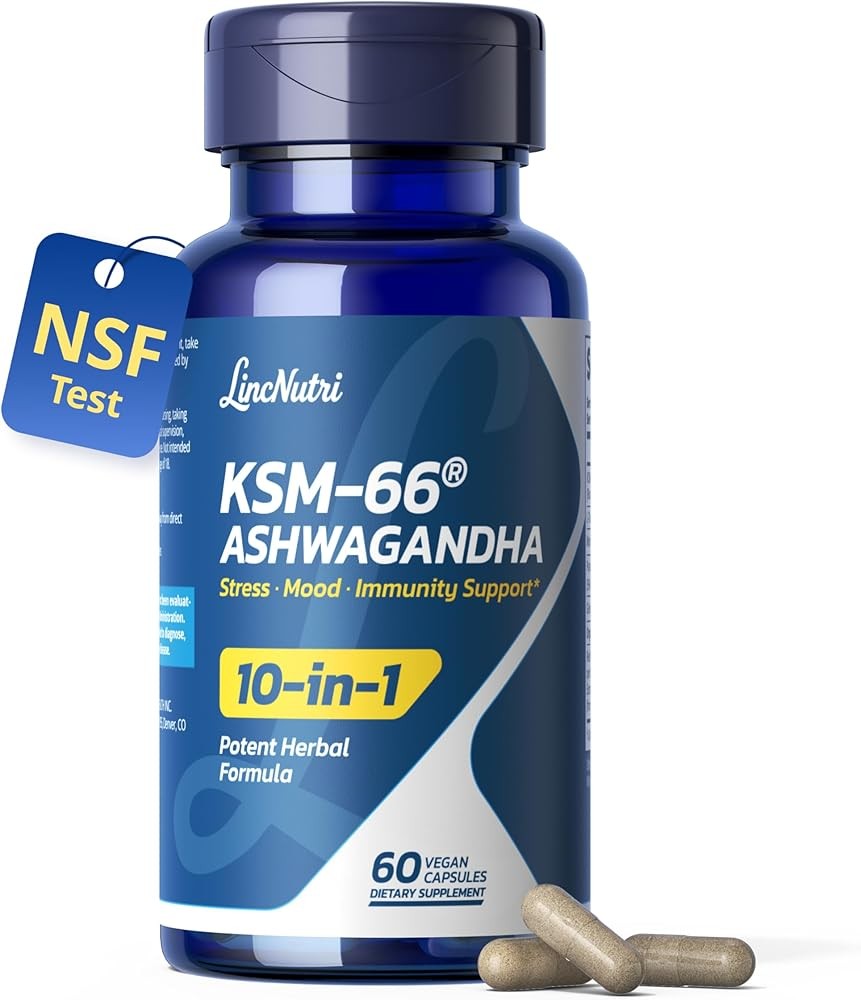
KSM-66 Ashwagandha Supplements | Ashwagandha Root Extract for Women & Men | 10-in-1 Adaptogen Complex for Cortisol Su...
Check Price on AmazonAs an Amazon Associate we earn from qualifying purchases.
An affordable option providing 600mg of ashwagandha extract per serving. Third-party tested and manufactured in a GMP-certified facility. Ideal for those wanting quality at a lower price point.
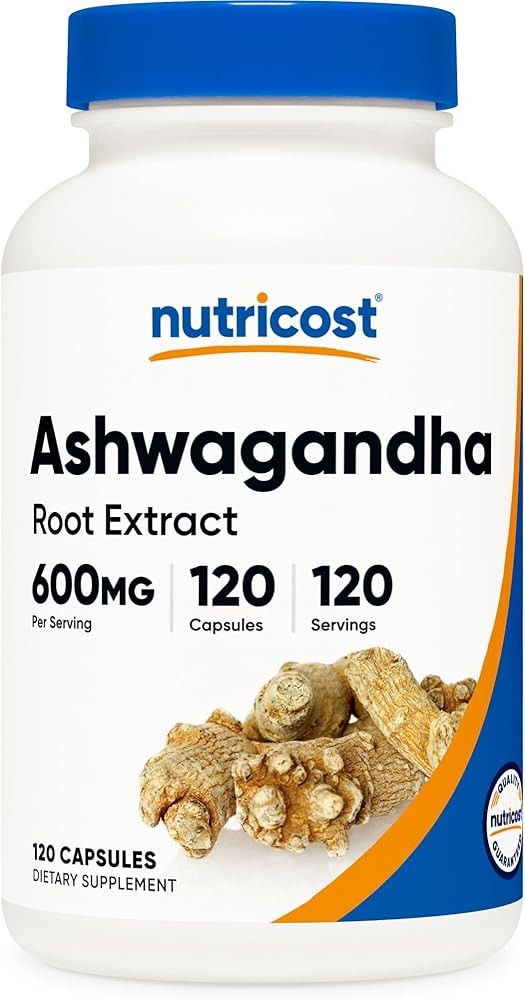
Nutricost Ashwagandha Herbal Supplement 600mg, 120 Capsules - Vegetarian, Non-GMO, Gluten Free, Ashwagandha Root
Check Price on AmazonAs an Amazon Associate we earn from qualifying purchases.

Contains Sensoril ashwagandha extract combined with phosphatidylserine, magnolia bark, and L-theanine for comprehensive stress and cortisol support. Particularly effective for anxiety and sleep.
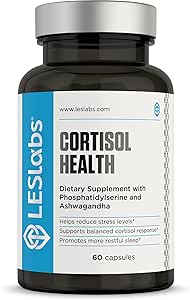
LES Labs Cortisol Health – Stress Relief, Balanced Cortisol Response, Relaxation & Deep Sleep – Phosphatidylserine, M...
Check Price on AmazonAs an Amazon Associate we earn from qualifying purchases.
Certified KSM-66 extract from a trusted supplement brand. The 250mg per capsule dose allows for flexible dosing and easy titration.
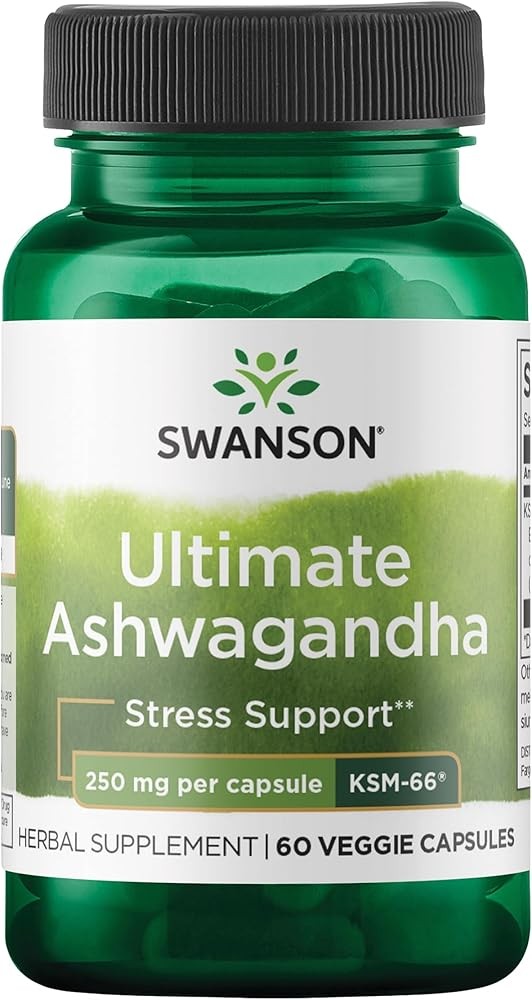
Swanson Ultimate Ashwagandha KSM-66 - Herbal Supplement Supporting Healthy Stress Levels & Relaxation - Natural Formu...
Check Price on AmazonAs an Amazon Associate we earn from qualifying purchases.
Note: When choosing a supplement, prioritize products with:
- Standardized withanolide content (at least 5%)
- Third-party testing for purity and potency
- KSM-66 or Sensoril branding (backed by clinical research)
- Organic certification when possible
- Transparent manufacturing practices
Complete Support System: Building Your Mental Clarity Protocol
Ashwagandha works synergistically with other evidence-based supplements and lifestyle interventions for comprehensive mental clarity and stress management. Consider combining:
Ashwagandha + L-Theanine Stack — Ashwagandha 300mg twice daily for long-term HPA axis support, plus L-theanine 200mg as needed for acute calm focus. L-theanine increases alpha brain waves within 30-60 minutes while ashwagandha builds stress resilience over 4-8 weeks.
Ashwagandha + Magnesium Glycinate — Ashwagandha 300mg evening dose for cortisol reduction, combined with magnesium glycinate 300-400mg before bed for NMDA receptor antagonism and GABA modulation. Both improve sleep through complementary mechanisms (cortisol vs. neurotransmitter).
Ashwagandha + Rhodiola Rosea — KSM-66 ashwagandha 600mg daily for cortisol/GABA effects, plus rhodiola 200-400mg morning for serotonin/dopamine modulation. Rhodiola provides energy and motivation; ashwagandha provides calm—together they address “tired but wired” syndrome.
Ashwagandha + Phosphatidylserine — Ashwagandha 300mg twice daily plus phosphatidylserine 100-300mg for dual cortisol reduction pathways. Clinical trials show phosphatidylserine blunts exercise-induced cortisol spikes while ashwagandha normalizes basal cortisol rhythms.
Lifestyle Amplifiers — Combine ashwagandha supplementation with meditation (10-20 minutes daily for additional HPA axis regulation), resistance training 2-3x weekly (enhances testosterone benefits in men), 7-9 hours sleep (allows cortisol normalization to manifest), and whole-foods anti-inflammatory diet (Mediterranean-style reduces neuroinflammation).
Related supplements for comprehensive mental clarity:
- Best Nootropics for Focus and Memory
- Rhodiola Rosea for Energy and Stress
- L-Theanine for Calm Focus
- Magnesium Glycinate for Sleep and Stress
- Phosphatidylserine for Cortisol Management
Related Reading
- Best Adaptogens for Stress and Cognitive Function
- Cortisol Management: Evidence-Based Strategies
- Best Supplements for Brain Fog and Mental Clarity
- Rhodiola Rosea vs Ashwagandha: Which Adaptogen Is Right for You?
- GABA Supplements for Anxiety: Do They Work?
- Sleep Quality and Cognitive Performance: The Connection
- HPA Axis Dysfunction: Symptoms and Natural Support
📱 Join the discussion: Facebook | X | YouTube | Pinterest
- Ashwagandha Benefits: Science-Backed Health Benefits and Clinical Research
- Ashwagandha: Nature’s Stress Buster - Regulating Cortisol and Beyond
- Best Ashwagandha Supplements
- Best Supplements to Lower Cortisol and Reduce Stress — Evidence-Based Guide
- Ashwagandha vs Rhodiola Rosea for Stress Relief: A Comprehensive Comparison
Why Is Ashwagandha a Cornerstone of Stress Resilience and Mental Clarity?
In an era of chronic stress, cognitive overload, and widespread burnout, ashwagandha stands out as one of the most clinically validated adaptogens for restoring balance to the stress response system and enhancing cognitive function.
The evidence is compelling: ashwagandha reduces cortisol by 20-30%, significantly decreases anxiety and perceived stress, improves multiple domains of cognitive function (memory, attention, processing speed, executive function), and enhances sleep quality. These benefits aren’t from stimulating or suppressing systems but from helping your body adapt more effectively to stress—the hallmark of a true adaptogen.
Key takeaways:
Choose quality extracts: KSM-66 or Sensoril have the most robust clinical evidence. Generic products vary enormously in quality; if choosing generic, prioritize third-party testing and standardization to at least 5% withanolides.
Dose appropriately: Most benefits occur at 300-600 mg daily of standardized extract. Start with 300 mg daily and increase if needed after 2-3 weeks.
Be patient: Acute benefits (sleep, anxiety reduction) may occur within 1-2 weeks, but full cortisol normalization and cognitive enhancement typically require 4-8 weeks of consistent use.
Consider cycling: While continuous use for up to 12 months is supported by safety data, cycling (8 weeks on, 2 weeks off) takes a conservative approach and allows reassessment of ongoing need.
Watch for contraindications: Avoid during pregnancy and breastfeeding. Use cautiously if you have hyperthyroidism, autoimmune conditions, or take sedative medications or thyroid medications.
Combine with lifestyle approaches: Ashwagandha works best alongside stress management practices (meditation, exercise, sleep hygiene, social support) and addressing underlying sources of chronic stress.
Know what to expect: Ashwagandha can significantly improve stress resilience, cognitive function under stress, anxiety, and sleep quality. It’s not a solution for severe mental health conditions, nor a replacement for comprehensive stress management, but it’s a powerful tool for supporting healthy HPA axis function and cognitive performance during demanding times.
For people experiencing chronic stress, elevated cortisol, stress-induced brain fog, anxiety, or sleep disturbances from racing thoughts, ashwagandha offers evidence-based support rooted in thousands of years of traditional use and validated by modern clinical research. It deserves consideration as a cornerstone of any comprehensive approach to mental clarity, stress relief, and cognitive resilience.
Bottom line: With 3,000 years of traditional use backed by modern clinical evidence showing 20-30% cortisol reduction, significant improvements in anxiety and cognitive function, and an excellent safety profile, ashwagandha stands as the most thoroughly validated adaptogen for managing chronic stress and enhancing mental clarity in the 21st century.
References
-
Dual impact of Ashwagandha: Cortisol reduction meta-analysis
-
KSM-66 stress reduction: Randomized, double-blind, placebo-controlled study
-
Efficacy and Safety of Ashwagandha Root Extract on Cognitive Functions in Healthy, Stressed Adults
-
Efficacy and Safety of Ashwagandha in Improving Memory and Cognitive Functions
-
Acute and Repeated Ashwagandha Supplementation Improves Markers of Cognitive Function and Mood
-
Safety and Efficacy of Ashwagandha Root Extract on Cognition, Energy and Mood
-
Adaptogenic and Anxiolytic Effects of Ashwagandha Root Extract in Healthy Adults
-
Effect of Ashwagandha on sleep: Systematic review and meta-analysis
-
Clinical evaluation of ashwagandha on sleep in healthy volunteers and insomnia patients
-
Standardized Ashwagandha root extract alleviates stress and improves quality of life
-
Safety and efficacy of Withania somnifera for anxiety and insomnia: Meta-analysis
-
Effects of Withania somnifera Extract in Chronically Stressed Adults (Sensoril)
-
Perceived Impact of Ashwagandha on college students: Qualitative analysis
-
Ashwagandha supplementation and testosterone: Randomized controlled trial in men
-
Safety of 12-Months Administration of Ashwagandha in Healthy Adults
-
Withania somnifera supplementation: Review of mechanisms, health benefits, and sports performance
-
An investigation into the stress-relieving and pharmacological actions of ashwagandha extract
-
Systematic review of ashwagandha effects on stress-related neuropsychiatric disorders
Recommended Products