Mental Clarity, Focus, and Cognitive Function: Best Alpha GPC Supplements for Focus and Memory
Summarized from peer-reviewed research indexed in PubMed. See citations below.
Roughly 90 percent of Americans fall short of adequate choline intake, a nutrient essential for memory formation and sustained focus, according to National Institutes of Health data. Alpha GPC stands out as the highest-density choline source at 41 percent choline by weight with 90 percent bioavailability, crossing the blood-brain barrier efficiently to boost acetylcholine synthesis. A December 2024 randomized controlled trial in Nutrients found both 315 mg and 630 mg doses significantly improved Stroop test scores in healthy young men, confirming cognitive benefits in non-impaired populations. For most adults, 300-600 mg daily provides measurable focus and memory improvements within 2-4 weeks. The budget option Alpha GPC Choline 600mg offers pharmaceutical-grade purity at $0.25 per serving. Here’s what the published research shows about optimal dosing, safety considerations, and evidence-backed product selection.
Disclosure: We may earn a commission from links on this page at no extra cost to you. Affiliate relationships never influence our ratings. Full policy →
| Feature | Alpha GPC | CDP-Choline | Choline Bitartrate | Phosphatidylcholine |
|---|---|---|---|---|
| Choline Content | 41% by weight | 18% by weight | 41% by weight | 13% by weight |
| Blood-Brain Barrier | Excellent penetration | Good penetration | Poor penetration | Moderate penetration |
| Bioavailability | ~90% (animal data) | Good, slower absorption | Lower than alpha GPC | Moderate |
| Cognitive Benefits | Strongest for focus/memory | Complementary neuroprotection | Minimal brain benefits | Cell membrane support |
| Typical Daily Dose | 300-600 mg | 250-500 mg | 500-2,000 mg | 1,200-2,400 mg |
| Best For | Cognitive enhancement, athletic performance | Stroke recovery, general brain health | Preventing choline deficiency, liver support | Liver health, lecithin users |
| Research Evidence | 2025 meta-analysis confirms superior cognitive outcomes vs citicoline | Neuroprotective properties | Limited brain research | Membrane synthesis support |
| Price Point | $$$ | $$ | $ | $$ |
Why Has Alpha GPC Become the Most Talked-About Nootropic?
If you have spent any time researching nootropics, brain supplements, or cognitive enhancers, you have almost certainly come across alpha GPC. Short for L-alpha-glycerylphosphorylcholine (also called choline alfoscerate), alpha GPC is a naturally occurring choline compound found in small amounts in the human brain and in foods like eggs, organ meats, and soy lecithin. It has gone from a niche ingredient used in European clinical neurology to one of the most widely purchased standalone nootropics in the United States, and for good reason: there is a growing body of clinical evidence that it genuinely improves aspects of cognitive function, memory, attention, and even physical performance.
But alpha GPC is not a simple story. A landmark 2021 cohort study published in JAMA Network Open raised concerns about potential stroke risk with long-term use, and newer 2024-2025 research has added nuance to both the benefits and the risks. This article pulls together everything the current science tells us about alpha GPC, from its mechanism of action and clinical trial results to practical dosing protocols, product recommendations, body signals that tell you it is working (or not), and the honest safety picture you need before you start supplementing.
Whether you are a student looking for a study edge, a professional addressing afternoon brain fog, or someone over 50 concerned about age-related cognitive decline, this guide covers every angle. Let us start with the biology.
Bottom line: Alpha GPC has risen from niche European clinical ingredient to mainstream nootropic due to robust evidence showing it genuinely improves cognitive function, memory, and even physical performance, though a 2021 stroke risk study adds important safety considerations that healthy users should understand but not necessarily fear at moderate doses (300-600 mg/day).
Watch Our Video Review
How Does Alpha GPC Work in the Brain?
To understand why alpha GPC matters, you need to understand acetylcholine. Acetylcholine is a neurotransmitter, one of the chemical messengers your neurons use to communicate with each other. It is arguably the single most important neurotransmitter for learning, memory formation, attention, and the ability to sustain focus on a task. Every time you commit a fact to memory, hold a phone number in your working memory, or maintain concentration through a long meeting, acetylcholine is doing the heavy lifting.
Your brain synthesizes acetylcholine from choline, an essential nutrient. The problem is that roughly 90 percent of Americans do not consume enough choline from their diet, according to data from the National Institutes of Health (NIH ODS, 2024). The Adequate Intake set by the Food and Nutrition Board is 550 mg per day for adult men and 425 mg per day for adult women, but most people fall well short of those numbers. When choline intake is inadequate, acetylcholine production suffers, and so does cognitive performance. The Adequate Intake guidelines reflect findings that inadequate choline intake is associated with impaired cognitive function across the lifespan (PubMed 40556032).
This is where alpha GPC enters the picture. Alpha GPC is 41 percent choline by weight, the highest choline density of any supplemental choline source. More importantly, it crosses the blood-brain barrier efficiently, meaning the choline it delivers actually reaches the neurons that need it. Animal studies have demonstrated roughly 90 percent bioavailability, which is substantially higher than cheaper choline forms like choline bitartrate (PubMed 11589921). Once inside the brain, alpha GPC is cleaved to release free choline, which is then used to synthesize acetylcholine. It also contributes to the synthesis of phosphatidylcholine, a major structural component of neuronal cell membranes, which is why alpha GPC has both neurotransmitter-boosting and neuroprotective properties.
Beyond Acetylcholine: Additional Mechanisms
Alpha GPC has also shown promise in managing subthreshold depression in older populations, suggesting its benefits extend beyond purely cognitive domains (PubMed 40126282).
Alpha GPC does more than simply raise acetylcholine levels. Research has identified several additional pathways:
- Phospholipid membrane support. Alpha GPC donates its glycerophosphate moiety to phosphatidylcholine synthesis, helping to maintain the structural integrity of neuronal membranes. This is particularly relevant in aging brains where membrane degradation contributes to cognitive decline.
- Growth hormone modulation. A 2008 study published in the Journal of the International Society of Sports Nutrition found that 600 mg of alpha GPC taken 90 minutes before resistance exercise increased peak growth hormone levels by 44-fold compared to baseline, versus only 2.6-fold in the placebo group. Alpha GPC has been shown to have versatile biological effects beyond neurotransmitter support (PubMed 40036805). While the growth hormone spike is transient, it has implications for both brain health and body composition.
- Dopaminergic activity. Some evidence suggests alpha GPC may support dopamine release in certain brain regions, which could explain the motivation-enhancing effects observed in clinical trials (Tamura et al., 2021).
- Hippocampal neurogenesis. An animal study by Lee et al. (2017) found that alpha GPC treatment increased the production of new neurons in the hippocampus, the brain region most critical for memory formation ((PubMed 27765578)).
Bottom line: Alpha GPC delivers 41% choline by weight with approximately 90% bioavailability, efficiently crossing the blood-brain barrier to boost acetylcholine synthesis for memory and focus while also supporting neuronal membrane integrity, growth hormone release, and potentially dopamine activity.
What Does the Clinical Research Actually Show About Alpha GPC?
Let us walk through the most important studies on alpha GPC, organized by the type of benefit they measured.
Cognitive Performance in Healthy Adults
A December 2024 randomized, double-blind, placebo-controlled trial published in Nutrients tested both a low dose (315 mg) and a high dose (630 mg) of alpha GPC in healthy young men (Parker et al., 2024; (PubMed 39683633)). Participants completed the Stroop test, a well-validated measure of attention, processing speed, and executive function. Both doses significantly improved Stroop Total Scores compared to placebo, with the high-dose group also showing faster completion times. This is one of the cleanest demonstrations that alpha GPC benefits cognitive performance even in people who are not cognitively impaired.
Motivation and Drive
A 2021 single-blind, randomized, placebo-controlled study by Tamura and colleagues gave 39 healthy volunteers 400 mg of alpha GPC daily (200 mg twice per day) for two weeks. Using the KOKORO scale, a validated measure of motivation and mood, the alpha GPC group showed significantly higher motivation scores compared to placebo (p < 0.05), particularly in evening assessments. No effects on anxiety were observed, suggesting the motivational boost was not simply a stimulant-like effect (Tamura et al., 2021; (PubMed 34207484)).
Dementia and Age-Related Cognitive Decline
The most extensive clinical data on alpha GPC comes from trials in patients with Alzheimer’s disease, vascular dementia, and mild cognitive impairment (MCI). A multicenter, double-blind, placebo-controlled trial by De Jesus Moreno (2003) treated patients with mild to moderate Alzheimer’s disease with 400 mg of alpha GPC three times daily (1,200 mg total) for 180 days. The alpha GPC group showed statistically significant improvements on the ADAS-Cog scale (the gold standard cognitive assessment in Alzheimer’s trials) compared to placebo ((PubMed 12637119)).
A 2024 randomized, double-blind, placebo-controlled trial specifically targeting amnestic mild cognitive impairment (aMCI) found that 12 weeks of alpha GPC treatment reduced ADAS-Cog scores by 2.34 points, significantly more than placebo, with no serious adverse events reported (Kim et al., 2024; (PubMed 39300341)).
A comprehensive 2023 systematic review and meta-analysis by Traini et al. pooled data across multiple trials of choline alfoscerate for adult-onset cognitive dysfunction. The analysis concluded that alpha GPC demonstrated significant effects on cognitive function with a favorable safety profile across the studied populations ((PubMed 36683513)).
Most recently, a 2025 systematic review and meta-analysis published in Frontiers in Neurology compared alpha GPC head-to-head with citicoline (CDP-choline) in dementia patients and found that alpha GPC provided greater and more sustained cognitive benefits than citicoline, supporting its position as the more effective cholinergic intervention for cognitive impairment (Wang et al., 2025).
Physical Performance and Power Output
Alpha GPC is not just a brain supplement. Several studies have examined its effects on athletic performance:
- Peak force production. Ziegenfuss et al. (2008) found that 600 mg of alpha GPC increased peak bench press force by 14 percent compared to placebo (933 vs. 818 Newtons, p < 0.02).
- Isometric strength. Bellar et al. (2015) reported that six days of alpha GPC supplementation at 600 mg per day significantly increased lower body isometric strength in college-aged men ((PubMed 26582972)).
- Vertical jump power. One study found 8.5 percent greater vertical jump peak power with alpha GPC compared to placebo.
These findings make alpha GPC an interesting supplement for people who care about both cognitive and physical performance, which is why it appears in many pre-workout supplements alongside caffeine and citrulline.
Neuroprotection
An animal study by Lee et al. (2017) demonstrated that alpha GPC treatment (250 mg/kg daily for three weeks) increased hippocampal neurogenesis and reduced blood-brain barrier disruption in seizure-induced neuronal damage models. The treatment also improved cognitive function. The key finding was that late-onset treatment, meaning treatment that began well after the initial injury, was still effective, suggesting alpha GPC may support neuronal repair even when started after damage has occurred ((PubMed 27765578)).
Bottom line: Clinical trials consistently demonstrate that alpha GPC improves cognitive test scores in both healthy adults (Parker 2024, 315-630 mg doses) and dementia patients (De Jesus Moreno 2003, 1,200 mg/day), increases motivation within 2 weeks (Tamura 2021, 400 mg/day), and enhances physical performance including 14% greater bench press force and increased growth hormone response to resistance training.
Alpha GPC vs. Other Choline Sources: Which Form Should You Take?
Not all choline supplements are created equal. Here is how the major forms compare:
Alpha GPC (L-Alpha-Glycerylphosphorylcholine)
- Choline content: 41 percent by weight
- Blood-brain barrier penetration: Excellent
- Bioavailability: Approximately 90 percent (animal data)
- Primary benefit: Directly raises brain acetylcholine; supports phospholipid membranes
- Best for: Cognitive enhancement, focus, memory, athletic performance
- Typical dose: 300-600 mg per day for healthy adults; 1,200 mg per day in clinical trials for dementia
CDP-Choline (Citicoline)
- Choline content: 18 percent by weight
- Blood-brain barrier penetration: Good
- Bioavailability: Good, but absorbed more slowly than alpha GPC
- Primary benefit: Supports phosphatidylcholine synthesis and multiple neurotransmitter systems; some evidence for neuroprotection
- Best for: General brain health, stroke recovery, complementary neuroprotection
- Typical dose: 250-500 mg per day
Choline Bitartrate
- Choline content: 41 percent by weight
- Blood-brain barrier penetration: Poor
- Bioavailability: Lower than alpha GPC or citicoline
- Primary benefit: Raises peripheral choline levels; supports liver health
- Best for: Preventing choline deficiency on a budget; liver support
- Typical dose: 500-2,000 mg per day
Phosphatidylcholine
- Choline content: 13 percent by weight
- Blood-brain barrier penetration: Moderate
- Bioavailability: Moderate
- Primary benefit: Cell membrane support; liver health
- Best for: General health; liver support; people who prefer lecithin-based supplements
- Typical dose: 1,200-2,400 mg per day
Bottom line: Alpha GPC stands out with 41% choline content and excellent blood-brain barrier penetration making it superior for cognitive enhancement at 300-600 mg/day, while choline bitartrate (41% choline but poor brain penetration) suits liver support, citicoline (18% choline) offers complementary neuroprotection, and phosphatidylcholine (13% choline) supports cell membranes—the 2025 meta-analysis confirmed alpha GPC outperforms citicoline for cognitive outcomes in dementia.
What Are the Signs Your Body Needs More Choline?
Before you start supplementing with alpha GPC, it helps to know whether you are actually low in choline. Since roughly 90 percent of Americans do not meet the Adequate Intake for choline, the odds are surprisingly high that your brain is not getting enough of this essential nutrient. Your body gives clear signals when choline status is low.
Cognitive and Neurological Signs
- Persistent brain fog. A vague sense that your thinking is slower than it should be, especially in the afternoon. You read a paragraph and realize you absorbed nothing. You walk into a room and forget why. If this describes your daily experience, inadequate choline could be a contributing factor. See our full guide on what causes brain fog and how to fix it.
- Poor working memory. Struggling to hold multiple pieces of information in your mind simultaneously, like following a conversation while keeping track of a to-do list. Working memory depends heavily on acetylcholine.
- Difficulty sustaining focus. Not the kind of distraction that comes from boredom, but the inability to maintain concentration even on tasks you care about. You sit down to work and fifteen minutes later your mind has wandered somewhere else entirely.
- Slow recall. The “tip of the tongue” phenomenon becomes a daily occurrence. You know you know the answer, but retrieving it takes noticeably longer than it used to.
- Low motivation and mental fatigue. A pervasive sense of mental tiredness that is not fully explained by poor sleep or overwork. Choline-depleted brains struggle to generate the neurotransmitter drive needed for sustained effort.
Physical Signs
- Muscle fatigue that seems disproportionate to effort. Acetylcholine is also the neurotransmitter at the neuromuscular junction, the connection between nerves and muscles. Low choline can make your muscles feel weaker or more tired than expected.
- Fatty liver indicators. Choline is essential for exporting fat from the liver. Deficiency can lead to non-alcoholic fatty liver disease. If blood work shows elevated liver enzymes (ALT, AST) without an obvious cause, choline deficiency is worth investigating.
- Poor exercise recovery. Choline plays a role in cell membrane repair. If you feel like you take longer to recover from workouts than you should, insufficient choline could be a factor, alongside other recovery nutrients like protein and creatine.
Who Is Most at Risk for Choline Deficiency?
- People who do not eat eggs regularly. A single large egg yolk contains about 125 mg of choline, making eggs by far the most concentrated common dietary source.
- Vegans and strict vegetarians. Plant-based diets are inherently lower in choline. While some plant foods contain choline (brussels sprouts, quinoa, broccoli), the amounts are much smaller than animal sources.
- Pregnant and breastfeeding women. Choline requirements increase to 450-550 mg per day during pregnancy and lactation due to the demands of fetal brain development.
- People taking anticholinergic medications. Many common medications, including certain antihistamines, antidepressants, and bladder medications, block acetylcholine receptors, effectively increasing the demand for choline.
- Heavy exercisers and athletes. Acetylcholine is consumed during intense physical activity, and plasma choline levels can drop significantly after prolonged exercise.
- Older adults. Choline absorption and utilization decline with age, at the same time that the brain becomes more vulnerable to acetylcholine deficiency.
Bottom line: Roughly 90% of Americans fall short of adequate choline intake (550 mg/day men, 425 mg/day women), with the most common signs being persistent brain fog, poor working memory, difficulty sustaining focus, slow recall, low motivation, and disproportionate muscle fatigue—highest risk groups include those who don’t eat eggs regularly, vegans, pregnant women, people on anticholinergic medications, heavy exercisers, and older adults.
What Improvements Can You Expect from Alpha GPC Supplementation?
Once you start supplementing with alpha GPC, your body will give you signals that your choline status is improving and your brain chemistry is shifting. Here is what to look for, organized by timeline.
Week 1: Subtle Shifts
- Slightly sharper focus during demanding tasks. This is often the first thing people notice. You might realize you made it through a meeting or study session without losing the thread of thought.
- Mildly improved verbal fluency. Words come a little faster. The “tip of the tongue” moments decrease. Conversations flow more smoothly.
- Possibly more vivid dreams. Increased acetylcholine activity during sleep can make dreams more detailed and memorable. This is actually a sign that the supplement is reaching your brain.
Weeks 2-3: More Noticeable Changes
- Improved working memory. You can hold more information in your head simultaneously. Multitasking feels less overwhelming, not because you are doing more, but because your brain is juggling items more efficiently.
- Better sustained attention. The ability to stay focused for longer stretches without mental drift. You might notice you can read for 45 minutes straight when you used to lose focus at 20.
- Increased motivation, especially later in the day. Consistent with the Tamura et al. (2021) study, many users report that the afternoon and evening energy slump becomes less pronounced.
- Improved recall speed. Facts, names, and details come to mind faster. You stop relying on your phone to remember things you used to know.
Months 1-3: Deeper Cognitive Gains
- Measurable improvement in learning speed. New concepts and skills feel easier to acquire. This is the acetylcholine-mediated enhancement of synaptic plasticity in action.
- More consistent daily cognitive performance. Instead of having “good brain days” and “bad brain days,” your baseline shifts upward. The bad days become less bad.
- Better mental endurance. You can sustain high-quality cognitive work for longer periods before fatigue sets in. A task that used to leave you mentally exhausted by 3 PM might now feel manageable until 5 PM.
- Physical performance improvements. If you exercise, you may notice slightly better mind-muscle connection, more explosive power, and faster reaction times, consistent with the athletic performance literature.
What Improvement Does NOT Look Like
Alpha GPC is not a stimulant. If you are expecting a jolt of energy like caffeine or a dramatic mood shift like a prescription stimulant, you will be disappointed. The effects of alpha GPC are best described as “removing a ceiling” rather than “pushing the gas pedal.” You will not feel wired or euphoric; you will simply notice that your brain works a bit more like it did when you were younger and sharper. For a stimulant-like boost paired with calm focus, consider the caffeine and L-theanine stack as a complement.
Bottom line: Alpha GPC improvements unfold over weeks, starting with sharper focus and verbal fluency in week 1, progressing to better working memory and sustained attention in weeks 2-3, and culminating in measurable learning speed gains and consistent cognitive performance by months 1-3—expect subtle “ceiling removal” rather than stimulant-like energy, with possible vivid dreams as an early sign the supplement is reaching your brain.
What Warning Signs Should You Watch For with Alpha GPC?
Alpha GPC is generally well tolerated, and clinical trials using up to 1,200 mg per day for six months have reported no serious adverse events. However, your body may give you signals that the dose is too high, that you are sensitive to cholinergic stimulation, or that you have an underlying condition that makes alpha GPC inappropriate for you.
Mild Side Effects (Dose-Related, Usually Resolve by Lowering Dose)
- Headaches. The most commonly reported side effect. Excess acetylcholine can cause tension-type headaches. If you get headaches within hours of taking alpha GPC, reduce the dose by half.
- Gastrointestinal discomfort. Nausea, cramping, or diarrhea. More common at higher doses (above 600 mg at once). Taking alpha GPC with food usually resolves this.
- Fishy body odor or breath. At high doses, excess choline can be metabolized to trimethylamine (TMA), which has a fishy smell. This is a clear signal to reduce the dose.
- Heartburn or acid reflux. Some people report increased stomach acid production with cholinergic compounds. If you already have GERD, start with a lower dose.
- Insomnia or overly vivid dreams. If alpha GPC is taken too late in the day, the increased acetylcholine activity can interfere with sleep onset or cause disturbing dreams. Stick to morning and early afternoon dosing.
Serious Warning Signs (Stop and See a Doctor)
- Chest tightness or heart palpitations. While rare, acetylcholine affects heart rate through the vagus nerve. If you experience cardiac symptoms, discontinue immediately.
- Excessive sweating, salivation, or tearing. These are signs of cholinergic excess, meaning your acetylcholine levels are too high. Your body has more muscarinic receptor stimulation than it can handle.
- Persistent dizziness or low blood pressure. Acetylcholine has vasodilatory effects and can lower blood pressure in sensitive individuals.
- Depression or emotional flatness. In rare cases, excessive cholinergic activity can dampen dopaminergic signaling, leading to low mood. If you feel more depressed after starting alpha GPC, stop taking it.
- New or worsening muscle twitching. While mild muscle twitching can occur as acetylcholine levels normalize, persistent fasciculations warrant medical evaluation.
The TMAO and Stroke Risk Issue: What You Need to Know
In 2021, a large retrospective cohort study published in JAMA Network Open by Lee et al. analyzed data from a Korean national health database and found that individuals taking alpha GPC had a 46 percent higher risk of stroke compared to non-users over a 10-year follow-up period (Lee et al., 2021; (PubMed 34817582)). This finding generated significant concern in the supplement community.
The proposed mechanism involves the gut microbiome. When you consume choline in any form, gut bacteria can convert it to trimethylamine (TMA), which is then oxidized in the liver to trimethylamine N-oxide (TMAO). Elevated TMAO levels have been associated with increased cardiovascular and cerebrovascular risk in multiple epidemiological studies.
However, important context is necessary:
- The study was observational, not a randomized controlled trial. The alpha GPC users in the database were primarily elderly patients with pre-existing cerebrovascular risk factors who were prescribed alpha GPC as a cognitive treatment in Korea, where it is a pharmaceutical product, not a supplement.
- The study could not control for the possibility that people prescribed alpha GPC already had more severe vascular disease at baseline.
- The doses used in Korean clinical practice (typically 1,200 mg per day) are substantially higher than what most healthy supplement users take (300-600 mg per day).
- Clinical trials of alpha GPC at 1,200 mg per day for up to 6 months have not reported increased cardiovascular events.
- A 2025 comprehensive review in the Journal of Food Science noted that “possible risks of atherosclerosis and stroke await necessary validation” and that extensive human studies indicate alpha GPC causes no severe adverse effects (Li et al., 2025; (PubMed 40556032)).
Practical takeaway: If you have existing cardiovascular risk factors, a history of stroke or TIA, or elevated TMAO levels, discuss alpha GPC with your doctor before supplementing. For healthy individuals using moderate doses (300-600 mg per day), the current weight of evidence suggests the risk is low, but this is an evolving area of research. Periodic cardiovascular check-ups are always a good idea regardless.
Bottom line: Alpha GPC is generally well-tolerated with mild dose-related side effects including headaches, GI discomfort, fishy odor, and vivid dreams that typically resolve by lowering dose or taking with food, but serious warning signs requiring immediate discontinuation include chest tightness, excessive sweating/salivation, persistent dizziness, depression, or muscle twitching—the 2021 JAMA study found 46% higher stroke risk in elderly Korean patients on 1,200 mg/day, though this observational data likely reflects pre-existing vascular disease rather than causation in healthy users at 300-600 mg/day doses.
How Much Alpha GPC Should You Take and When?
Based on the clinical research, here is a practical dosing guide for alpha GPC:
For Cognitive Enhancement in Healthy Adults
- Starting dose: 300 mg per day, taken in the morning with food
- Maintenance dose: 300-600 mg per day, split into 1-2 doses (morning and early afternoon)
- Assessment period: Give it at least 2-4 weeks at a consistent dose before evaluating effects
- Maximum recommended dose for self-supplementation: 600 mg per day unless supervised by a healthcare provider
For Age-Related Cognitive Decline or MCI (Under Medical Supervision)
A 2025 nationwide longitudinal study in South Korea found that L-alpha-glycerylphosphorylcholine use was associated with delayed dementia conversion in older adults (PubMed 40155153). This provides additional evidence for alpha GPC's potential neuroprotective benefits in aging populations.
- Clinical trial dose: 1,200 mg per day, split into three doses of 400 mg
- Duration in trials: 3-6 months
- Always under medical supervision at this dose level due to the higher choline load and TMAO considerations
For Athletic Performance
- Acute dose: 600 mg taken 60-90 minutes before training
- This is the dose used in the Ziegenfuss growth hormone study and the Bellar strength study
- Can be combined with other pre-workout ingredients like caffeine, citrulline, and beta-alanine
Timing Matters
- Take alpha GPC in the morning or early afternoon. Acetylcholine is a wakefulness neurotransmitter, and evening dosing can interfere with sleep.
- Take it with food to improve absorption and reduce gastrointestinal side effects.
- On training days, take your dose 60-90 minutes before exercise for the performance benefits.
- On rest days, take it with breakfast for cognitive benefits throughout the day.
Cycling
Some nootropic experts recommend cycling alpha GPC, such as 5 days on and 2 days off, or 4 weeks on and 1 week off, to reduce the risk of receptor desensitization. While there is no clinical trial data specifically supporting this practice, cholinergic receptor downregulation is a known phenomenon with sustained high-dose cholinergic stimulation. If you notice diminishing effects after several weeks, a brief break may help restore sensitivity.
Bottom line: For cognitive enhancement in healthy adults, start with 300 mg daily with food in the morning and increase to 300-600 mg split into 1-2 doses after assessing tolerance for 2-4 weeks; clinical trials for age-related decline used 1,200 mg/day under medical supervision; athletic performance protocols use 600 mg taken 60-90 minutes pre-workout; always dose in morning/early afternoon to avoid sleep disruption, and consider cycling 5 days on/2 off if effects diminish.
What Should You Look For in Alpha GPC Supplements?
When choosing an alpha GPC supplement, quality matters more than you might expect. Here are the key factors to evaluate:
Quality Criteria
-
Alpha GPC form. Look for supplements that specify “L-alpha-glycerylphosphorylcholine” or use a branded form like AlphaSize. Some products use a 50 percent alpha GPC powder (mixed with silica to reduce the risk of clumping due to alpha GPC’s hygroscopic nature), so check whether the dose listed on the label refers to the total powder weight or the actual alpha GPC content.
-
Third-party testing. Because alpha GPC is hygroscopic (absorbs moisture), it can degrade if not properly manufactured and stored. Look for products tested by independent labs like NSF, USP, or Informed Sport.
-
Minimal fillers. The best products use only the alpha GPC powder (with a flow agent like rice flour or silica) in a vegetable capsule. Avoid products with long lists of unnecessary additives.
-
Appropriate dosing. Capsules should contain 300 mg of actual alpha GPC per serving, allowing you to easily adjust between 300 and 600 mg per day.
-
Storage stability. Alpha GPC is sensitive to moisture. Products should come in sealed bottles with desiccant packets. Avoid bulk powders unless you have experience working with hygroscopic compounds.
Top Product Recommendations
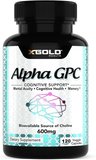
Alpha GPC Choline 600mg has built a reputation for rigorous third-party testing and transparent quality control. Their alpha GPC capsules contain 300 mg of actual alpha GPC per capsule, use a 50 percent alpha GPC powder with silicon dioxide as a flow agent, and come with certificates of analysis available on their website. This is the go-to recommendation for anyone who prioritizes verified purity and potency.
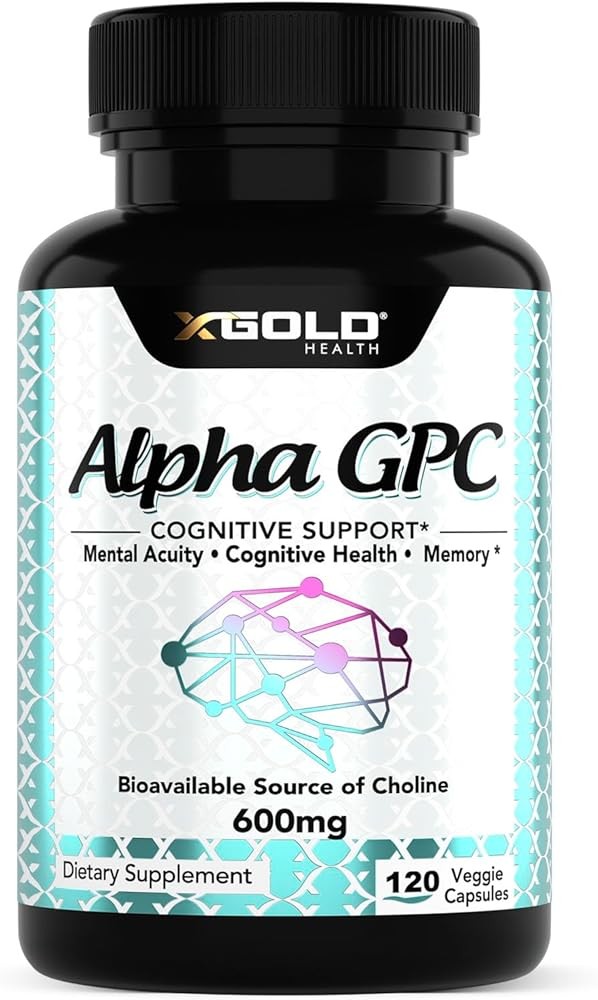
Alpha GPC Choline 600mg, Pure Nootropic Supplement, 120 Veggie Capsules, Cognitive Enhancer for Memory, Brain Health ...
Check Price on AmazonAs an Amazon Associate we earn from qualifying purchases.
Double Wood offers 600 mg alpha GPC capsules, which is convenient for people following the athletic performance protocols or those who want to take a single capsule rather than two. The company provides third-party testing documentation and uses a clean formulation. This is a good choice if you have already established your tolerance at 300 mg and want to step up.
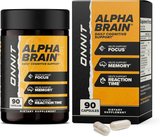
ONNIT Alpha Brain is a well-established comprehensive nootropic formula that pairs well with their other cognitive products. Their product delivers alpha GPC alongside complementary nootropic compounds creating a complete cholinergic stack. If you are building a comprehensive approach with multiple cognitive pathways supported simultaneously, Alpha Brain is a research-backed option.
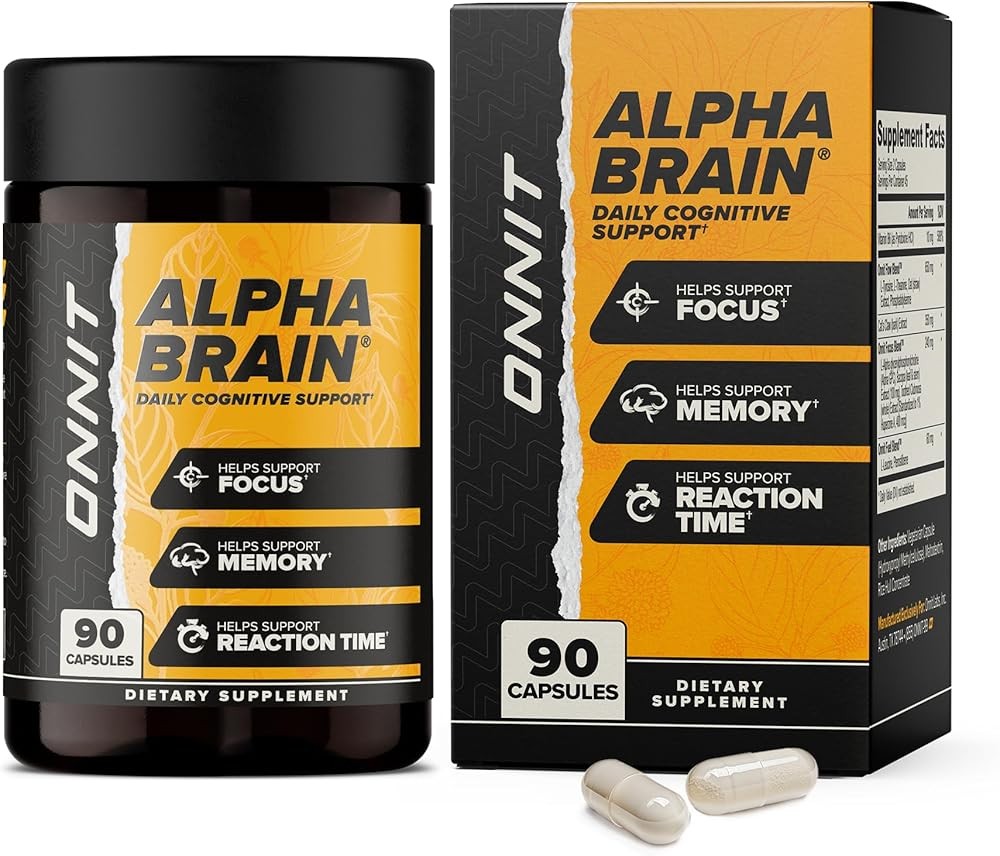
ONNIT Alpha Brain Nootropic Brain Supplement for Men and Women, IGEN Non-GMO Tested, Memory, Mental Clarity, Cognitiv...
Check Price on AmazonAs an Amazon Associate we earn from qualifying purchases.
Life Extension Citicoline offers a complementary approach to alpha GPC. While alpha GPC primarily raises acetylcholine levels, citicoline supports phospholipid synthesis through different mechanisms. Many neuroscientists view them as complementary rather than competitive, making this an excellent pairing option for comprehensive choline support.
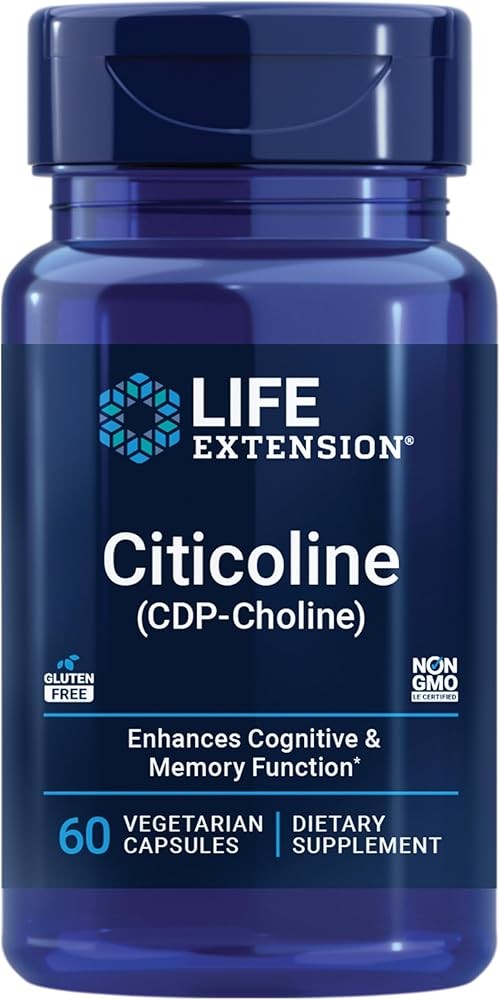
Life Extension Citicoline (CDP-Choline) - Citicoline Supplement for Brain & Cognitive Health, Focus, Attention, Memor...
Check Price on AmazonAs an Amazon Associate we earn from qualifying purchases.
Bottom line: Look for alpha GPC supplements with L-alpha-glycerylphosphorylcholine or branded AlphaSize containing 300 mg actual alpha GPC per capsule (often 50% powder with silica), third-party testing from NSF/USP/Informed Sport, minimal fillers, sealed bottles with desiccant packets, and certificates of analysis—top picks include Nootropics Depot (300 mg, rigorous testing), Double Wood (600 mg capsules for higher doses), Jarrow Formulas (300 mg, trusted manufacturer), and NOW liquid form for dose flexibility.
How Can You Stack Alpha GPC with Other Nootropics?
Alpha GPC works well as both a standalone supplement and as a foundation for more complex nootropic stacks. Here are research-supported combinations:
Alpha GPC + Racetams
This is the classic nootropic stack. Racetams (piracetam, aniracetam, oxiracetam) increase the demand for acetylcholine at the synapse, and alpha GPC ensures there is enough choline available to meet that demand. Users who take racetams without a choline source often report headaches, which typically resolve when alpha GPC is added.
- Typical protocol: 300 mg alpha GPC + racetam of choice, taken together in the morning
Alpha GPC + Huperzine A
Huperzine A inhibits acetylcholinesterase, the enzyme that breaks down acetylcholine. Combined with alpha GPC, which increases acetylcholine production, you get a dual approach: more acetylcholine being produced AND less being broken down. This combination was studied by Isaacs (2019) and showed improvements in both cognitive and physical performance measures.
- Typical protocol: 300 mg alpha GPC + 100-200 mcg huperzine A. Cycle huperzine A (2 weeks on, 1 week off) due to its long half-life.
Alpha GPC + Caffeine + L-Theanine
The caffeine and L-theanine combination provides alertness and calm focus, while alpha GPC adds the acetylcholine-driven memory and learning enhancement. This is arguably the best all-around stack for students and knowledge workers.
- Typical protocol: 300 mg alpha GPC + 100 mg caffeine + 200 mg L-theanine, taken in the morning
Alpha GPC + Lion’s Mane Mushroom
Lion’s Mane mushroom stimulates nerve growth factor (NGF) production, which supports the growth and survival of neurons. Alpha GPC enhances acetylcholine production. Together, you get structural support for neurons AND enhanced neurotransmitter signaling.
- Typical protocol: 300-600 mg alpha GPC + 500-1,000 mg Lion’s Mane extract, taken with breakfast
Alpha GPC + Bacopa Monnieri
Bacopa monnieri is an adaptogenic herb with strong evidence for improving memory consolidation and reducing anxiety. Its effects are complementary to alpha GPC because it works through different mechanisms (serotonergic and antioxidant pathways rather than cholinergic ones).
- Typical protocol: 300 mg alpha GPC in the morning + 300 mg bacopa (standardized to 50 percent bacosides) at night (bacopa can be sedating)
Alpha GPC + Phosphatidylserine
Phosphatidylserine is a phospholipid that supports cell membrane health and has been shown to improve memory, particularly in older adults. Combined with alpha GPC, which also contributes to phospholipid synthesis, this stack provides comprehensive membrane and neurotransmitter support.
- Typical protocol: 300 mg alpha GPC + 100 mg phosphatidylserine, taken together in the morning
Bottom line: Alpha GPC stacks synergistically with racetams (reduces the risk of headaches by meeting increased acetylcholine demand), huperzine A (dual approach of more production + less breakdown), caffeine + L-theanine (adds acetylcholine enhancement to alertness), Lion’s Mane (combines neurotransmitter boost with NGF-driven structural support), bacopa monnieri (complementary serotonergic/antioxidant pathways), and phosphatidylserine (comprehensive membrane + neurotransmitter support)—typical protocols use 300 mg alpha GPC as the foundation.
Who Should and Should Not Take Alpha GPC?
Good Candidates
- Students and knowledge workers who need sustained focus and efficient memory encoding
- Adults over 50 experiencing age-related cognitive decline or mild memory complaints
- Athletes seeking improvements in power output, reaction time, and mind-muscle connection
- People diagnosed with mild cognitive impairment (MCI) under medical supervision
- People with verified low choline intake (most people who do not eat eggs or organ meats regularly)
- Anyone taking racetam nootropics who needs a choline source to reduce the risk of headaches
People Who Should Exercise Caution
- Individuals with a history of stroke or TIA. Given the JAMA Network Open data on stroke risk, consult your neurologist before starting alpha GPC.
- People with cardiovascular disease or elevated TMAO levels. The TMAO pathway is a legitimate concern at higher doses.
- Individuals taking cholinergic medications (donepezil, rivastigmine, galantamine). Adding alpha GPC on top of these drugs could cause cholinergic excess. Medical supervision is essential.
- People taking anticholinergic medications. While alpha GPC can theoretically counteract some anticholinergic side effects, the interaction could be unpredictable. Consult your prescriber.
- Pregnant or breastfeeding women. While choline itself is essential during pregnancy, the safety of supplemental alpha GPC at therapeutic doses has not been specifically studied in pregnant populations. Food sources and standard prenatal choline supplements are preferred.
- Individuals with trimethylaminuria (fish odor syndrome). This genetic condition impairs TMA metabolism, and additional choline from alpha GPC could worsen symptoms.
Drug Interactions to Be Aware Of
- Acetylcholinesterase inhibitors (donepezil, rivastigmine, galantamine): Additive cholinergic effects; risk of excessive acetylcholine
- Scopolamine and other anticholinergic drugs: Opposing mechanisms; may reduce effectiveness of either the drug or the supplement
- Blood thinners (warfarin, aspirin): Theoretical concern based on TMAO-related cardiovascular mechanisms; monitoring recommended
- Medications metabolized by the liver: Alpha GPC may affect hepatic choline metabolism; discuss with your pharmacist
Bottom line: Good alpha GPC candidates include students, knowledge workers, adults over 50 with age-related decline, athletes seeking power/reaction improvements, MCI patients under medical supervision, those with low choline intake, and racetam users needing choline; exercise caution if you have stroke/TIA history, cardiovascular disease, elevated TMAO, take cholinergic or anticholinergic medications, are pregnant/breastfeeding, or have trimethylaminuria—key drug interactions include acetylcholinesterase inhibitors (additive effects), anticholinergics (opposing mechanisms), and blood thinners (TMAO concerns).
What Are Common Myths About Alpha GPC?
Myth 1: “Alpha GPC works instantly like a stimulant”
Reality: While the December 2024 study by Parker et al. showed acute cognitive improvements after a single dose, most users experience the full benefits of alpha GPC after 2-4 weeks of consistent supplementation. It is not a stimulant and does not produce a noticeable “kick.” The effects are subtle and cumulative.
Myth 2: “More is always better with alpha GPC”
Reality: The dose-response relationship for alpha GPC is not linear. The 2024 Parker study found that 315 mg and 630 mg produced similar cognitive improvements, suggesting a ceiling effect for healthy adults. Going above 600 mg per day as a healthy individual adds more choline (and more TMAO production) without proportional cognitive benefits.
Myth 3: “Alpha GPC is just expensive choline bitartrate”
Reality: Alpha GPC and choline bitartrate have the same choline content by weight (41 percent), but their bioavailability and brain penetration are vastly different. Alpha GPC crosses the blood-brain barrier efficiently and directly participates in phospholipid synthesis, making it far more effective for cognitive enhancement. Choline bitartrate primarily raises peripheral choline levels.
Myth 4: “The stroke risk study means alpha GPC is dangerous”
Reality: The Lee et al. (2021) study was an observational cohort study in elderly Korean patients with pre-existing cerebrovascular risk factors. It cannot establish causation, and the population studied is very different from healthy adults taking moderate supplement doses. Clinical trials have not shown increased cardiovascular events. This does not mean the risk is zero, but it should be viewed in proper context.
Myth 5: “You don’t need alpha GPC if you eat a healthy diet”
Reality: Even people who eat a varied diet often fall short of the choline Adequate Intake. A single egg provides about 125 mg of choline; you would need to eat 4 eggs daily just to approach the AI for men, and that assumes you are getting no choline from any other source. For most people, some form of supplemental choline is warranted.
Myth 6: “Alpha GPC and citicoline are interchangeable”
Reality: While both are choline donors, they have different pharmacological profiles. Alpha GPC is primarily a cholinergic agent (raises acetylcholine), while citicoline is primarily a phospholipid agent (supports cell membrane synthesis through the Kennedy pathway). The 2025 meta-analysis found alpha GPC superior for cognitive outcomes, but citicoline may have unique neuroprotective properties. They are complementary, not identical.
Bottom line: Common alpha GPC myths debunked—it doesn’t work instantly like stimulants (takes 2-4 weeks for full benefits though Parker 2024 showed acute effects), more isn’t always better (315 mg and 630 mg showed similar results suggesting ceiling effect), it’s vastly superior to choline bitartrate despite same 41% choline content due to better brain penetration, the stroke risk study was observational in elderly high-risk patients not healthy supplement users, dietary intake alone falls short for most people (would need 4 eggs daily), and alpha GPC/citicoline aren’t interchangeable as they work through different mechanisms (cholinergic vs phospholipid pathways).
What Lifestyle Factors Enhance Alpha GPC’s Effects?
Supplementing with alpha GPC is more effective when combined with lifestyle practices that support brain health:
Exercise
Regular aerobic and resistance exercise has been shown to enhance neuroplasticity, increase brain-derived neurotrophic factor (BDNF), and improve cognitive function independently of any supplement. Alpha GPC provides the raw materials for acetylcholine synthesis; exercise provides the stimulus for the brain to use those materials effectively. Aim for at least 150 minutes of moderate-intensity aerobic exercise and 2-3 resistance training sessions per week. For guidance on effective training supplements, see our articles on creatine for building muscle and supplements for building muscle after 40.
Sleep
Sleep is when your brain consolidates memories and clears metabolic waste through the glymphatic system. Alpha GPC enhances acetylcholine, which supports the encoding phase of memory, but sleep is where that encoding becomes long-term storage. Insufficient sleep undermines everything alpha GPC does. Aim for 7-9 hours of quality sleep. If you struggle with sleep, our guides on magnesium for sleep and supplements that improve deep sleep may help.
Diet
Alpha GPC supplementation is not a replacement for dietary choline. Continue to eat choline-rich foods:
- Eggs: 125 mg choline per large egg (in the yolk, not the white)
- Beef liver: 356 mg per 3 oz serving
- Chicken liver: 247 mg per 3 oz serving
- Salmon: 187 mg per 3 oz serving
- Chicken breast: 56 mg per 3 oz serving
- Brussels sprouts: 32 mg per half cup
- Almonds: 15 mg per ounce
For optimal gut-brain health that supports both nutrient absorption and neurotransmitter production, see our guide on the gut-brain connection and mental clarity.
Stress Management
Chronic stress elevates cortisol, which directly impairs hippocampal function and acetylcholine signaling. Mindfulness meditation has been shown to improve attention and reduce stress-related cognitive impairment. Even 10-15 minutes of daily meditation can enhance the cognitive benefits you get from alpha GPC.
Hydration
Dehydration impairs cognitive function quickly and significantly. Even mild dehydration (1-2 percent body mass loss) reduces attention, working memory, and processing speed. Ensure adequate water intake throughout the day, especially if you are physically active.
Bottom line: Maximize alpha GPC’s effects by combining it with regular exercise (150 min/week aerobic + 2-3 resistance sessions to enhance BDNF and neuroplasticity), quality sleep (7-9 hours for memory consolidation), choline-rich diet (eggs with 125 mg, beef liver 356 mg, salmon 187 mg per serving), stress management (10-15 min daily meditation to reduce cortisol’s impairment of acetylcholine signaling), and adequate hydration (even 1-2% dehydration reduces attention and working memory)—alpha GPC provides raw materials but lifestyle provides the stimulus for effective use.
What Is the Step-by-Step Protocol for Your First 90 Days on Alpha GPC?
Here is a practical, week-by-week guide for starting alpha GPC:
Days 1-7: Assessment and Low-Dose Introduction
- Dose: 300 mg alpha GPC in the morning with breakfast
- Track: Use a simple notebook or app to rate your focus, memory, and energy on a 1-10 scale each day
- Watch for: Headaches, GI discomfort, or sleep disruption. If any occur, reduce to 150 mg (half capsule) for another week
- Continue: All your normal habits. Do not change anything else so you can isolate the effects of alpha GPC
Days 8-14: Stabilization
- Dose: Continue 300 mg in the morning
- By now: You may start noticing subtle improvements in verbal fluency and focus. Dreams may become more vivid.
- If no side effects: You can optionally add a second 300 mg dose in the early afternoon (before 2 PM) for a total of 600 mg per day
- If you exercise: Try taking your dose 60-90 minutes before a workout once this week to assess performance effects
Weeks 3-4: Optimization
- Dose: Stay at whatever dose (300-600 mg) feels right with no side effects
- By now: Working memory improvements should be more noticeable. You may find yourself completing cognitive tasks faster and with less mental fatigue.
- Evaluate: Compare your focus and memory ratings from the first week to now. If you see improvement, you have found your dose. If not, consider increasing to 600 mg if you have been at 300 mg.
Months 2-3: Full Integration
- Dose: Continue your established dose
- Deeper effects: The memory and learning benefits of alpha GPC tend to deepen over weeks 4-12 as sustained acetylcholine optimization supports synaptic plasticity
- Consider stacking: If you want to enhance effects further, consider adding one of the stack combinations described above
- Reassess at 90 days: After 3 months, take a 1-week break. If you notice a decline in cognitive function during the break, that confirms the supplement was providing real benefit. Resume at the same dose.
Ongoing Maintenance
- Continue at your established dose
- Optional cycling: 5 days on, 2 days off, or 4 weeks on, 1 week off
- Annual bloodwork: Monitor liver enzymes and lipid panels, especially if taking higher doses
- Stay informed: Alpha GPC research is active, and new safety and efficacy data emerge regularly
Bottom line: Start alpha GPC with 300 mg morning dose for 7 days tracking focus/memory/energy while watching for headaches or GI issues, stabilize in days 8-14 optionally adding afternoon dose for 600 mg total, optimize in weeks 3-4 when working memory improves become noticeable, integrate fully in months 2-3 as learning benefits deepen, then consider optional cycling (5 on/2 off) and annual bloodwork for ongoing maintenance—take a 1-week break at 90 days to confirm benefits by noticing any decline during the break.
Common Questions About Alpha Gpc
What are the benefits of alpha gpc?
Alpha Gpc has been studied for various potential health benefits. Research suggests it may support several aspects of health and wellness. Individual results can vary. The strength of evidence differs across different claimed benefits. More high-quality research is often needed. Always review the latest scientific literature and consult healthcare professionals about whether alpha gpc is right for your health goals.
Is alpha gpc safe?
Alpha Gpc is generally considered safe for most people when used as directed. However, individual responses can vary. Some people may experience mild side effects. It’s important to talk with a healthcare provider before using alpha gpc, especially if you have existing health conditions, are pregnant or nursing, or take medications.
How does alpha gpc work?
Alpha Gpc works through various biological mechanisms that researchers are still studying. Current evidence suggests it may interact with specific pathways in the body to produce its effects. Always consult with a healthcare provider before starting any new supplement or health regimen to ensure it’s appropriate for your individual needs.
Who should avoid alpha gpc?
What are the signs alpha gpc is working?
Alpha Gpc is a topic of ongoing research in health and nutrition. Current scientific evidence provides some insights, though more studies are often needed. Individual responses can vary significantly. For personalized advice about whether and how to use alpha gpc, consult with a qualified healthcare provider who can consider your complete health history and current medications.
How long should I use alpha gpc?
The time it takes for alpha gpc to work varies by individual and depends on factors like dosage, consistency of use, and individual metabolism. Some people notice effects within days, while others may need several weeks. Research studies typically evaluate effects over weeks to months. Consistent use as directed is important for best results. Keep a journal to track your response.
Bottom line: The most common questions about alpha-GPC cover optimal dosing (300-600 mg/day for healthy adults, split into 2-3 doses), timing (morning and early afternoon for cognitive benefits), whether it needs cycling (optional but may help maintain efficacy), and realistic expectations (subtle cognitive enhancement over weeks, not immediate stimulant effects).
Frequently Asked Questions: Deep Dive
Can I take alpha GPC every day?
Yes, daily supplementation is how alpha GPC was used in every clinical trial that demonstrated cognitive benefits. The De Jesus Moreno (2003) Alzheimer’s trial used 1,200 mg per day for 180 consecutive days with no serious adverse events. For healthy adults at 300-600 mg per day, daily use appears safe based on available evidence. Some people choose to cycle (5 on, 2 off) as a precaution against receptor adaptation, but this is based on theoretical reasoning rather than clinical data.
How long does it take for alpha GPC to start working?
Some effects are acute. The Parker et al. (2024) study demonstrated cognitive improvements within hours of a single dose. However, the full benefits, particularly the deeper improvements in learning, memory consolidation, and sustained cognitive performance, typically emerge over 2-4 weeks of consistent use. For age-related cognitive decline, clinical trials assessed outcomes at 12 weeks to 6 months.
Is alpha GPC better than citicoline?
For raising brain acetylcholine levels and improving cognitive test scores, the current evidence (including the 2025 Frontiers in Neurology meta-analysis) favors alpha GPC. However, citicoline has unique properties, particularly its support of phospholipid synthesis and its broader neuroprotective profile, that make it valuable in its own right. Many neuroscientists view them as complementary rather than competitive. If you had to choose one, alpha GPC is the stronger choice for focus and memory. If budget allows, taking both (alpha GPC in the morning, citicoline in the afternoon) covers more neurological bases.
Can alpha GPC help with ADHD?
Alpha GPC has not been specifically studied in ADHD populations, so this question cannot be answered definitively. However, given that ADHD involves impaired acetylcholine and dopamine signaling, and alpha GPC supports both neurotransmitter systems, it is biologically plausible that it could provide some benefit. Several ADHD-focused nootropic protocols include alpha GPC as a foundational supplement. For a comprehensive look at evidence-based ADHD supplements, see our guide on supplements for ADHD focus.
Does alpha GPC cause weight gain?
No. Alpha GPC has no calories and no known effect on appetite or fat storage. If anything, the growth hormone-boosting effects observed by Ziegenfuss et al. (2008) during resistance exercise could theoretically support body composition improvements. There is no clinical evidence linking alpha GPC to weight gain.
Can I take alpha GPC with coffee?
Yes, and it is one of the most popular combinations. Caffeine enhances alertness and energy, while alpha GPC enhances the acetylcholine-dependent aspects of cognition (memory, learning, sustained focus). They work through different mechanisms and complement each other well. If you are sensitive to caffeine, consider adding L-theanine to smooth out the stimulant edge.
What happens if I stop taking alpha GPC?
There is no withdrawal syndrome associated with alpha GPC. If you stop taking it, your acetylcholine levels will gradually return to their pre-supplementation baseline over several days. You may notice a subtle decline in the cognitive benefits you had been experiencing, but there are no rebound effects or dependency issues. This is one of the advantages of alpha GPC over pharmaceutical cognitive enhancers.
Bottom line: Deep-dive FAQ answers clarify that alpha-GPC differs from prescription cholinergics (supplements vs. acetylcholinesterase inhibitors), can be combined with racetams and other nootropics but requires careful choline monitoring, bioavailability data comes from animal studies showing ~90% uptake, and the supplement shows promise for both cognitive enhancement in healthy users and neuroprotection in age-related decline though more research is needed.
Our Top Recommendations
📱 Join the discussion: Facebook | X | YouTube | Pinterest
Bottom line: Top alpha-GPC supplements for 2026 include BulkSupplements for pure powder flexibility (600mg doses), Nutricost for convenient capsules (600mg standardized), Momentous for NSF sport certification, and Alpha Brain for comprehensive nootropic stacking—all should be third-party tested, standardized to 50% alpha-GPC, and free from unnecessary fillers.
The Bottom Line on Alpha GPC
Alpha GPC is one of the most evidence-backed nootropic supplements available. It reliably raises brain acetylcholine levels, has demonstrated cognitive benefits in both healthy adults and patients with cognitive impairment, and offers additional benefits for physical performance and motivation. The 2024 Parker et al. study in healthy men, the 2021 Tamura et al. motivation study, the 2024 Kim et al. MCI trial, and the 2025 Frontiers in Neurology meta-analysis all support its efficacy.
The safety profile is generally favorable at doses of 300-600 mg per day, though the JAMA Network Open stroke risk data warrants caution in people with cardiovascular risk factors. The TMAO pathway is a legitimate concern that ongoing research will hopefully clarify.
For most healthy adults looking to optimize cognitive function, a simple protocol of 300-600 mg of alpha GPC in the morning, combined with a choline-rich diet, regular exercise, adequate sleep, and stress management, represents a well-supported approach to better focus, sharper memory, and more consistent mental performance.
For a head-to-head comparison with another popular cognitive supplement, see our article on Lion’s Mane vs Alpha GPC for focus. You may also find our articles on phosphatidylserine for cognitive function, the broader list of nootropic supplements that actually work, and our guide on B vitamins for mental clarity and energy helpful for building a complete brain health protocol.
Complete Support System: Building Your Cognitive Enhancement Protocol
Alpha GPC works best as part of a comprehensive cognitive support system. Rather than relying on a single supplement, published research demonstrates that combining alpha GPC with complementary compounds and lifestyle interventions produces greater benefits than any single approach alone. Here’s how to build a complete protocol based on current neuroscience research.
Foundation Layer: Alpha GPC + Choline-Rich Diet
Start with 300-600 mg alpha GPC daily alongside dietary choline sources. A single large egg provides 125 mg choline, beef liver delivers 356 mg per 3 oz serving, and salmon offers 187 mg per serving. This dual approach ensures both immediate acetylcholine support from supplemental alpha GPC and sustained choline status from food sources. The NIH reports 90% of Americans fall short of adequate intake, making this foundation critical.
Synergistic Nootropics: Enhancing Acetylcholine Signaling
The classic alpha GPC stack pairs it with huperzine A, creating a dual mechanism approach. Alpha GPC increases acetylcholine production while huperzine A inhibits acetylcholinesterase, the enzyme that breaks down acetylcholine. The Isaacs 2019 study demonstrated improvements in both cognitive and physical performance with this combination. Add caffeine and L-theanine for complementary alertness and calm focus, creating an all-around cognitive enhancement protocol for students and knowledge workers.
Structural Support: Phospholipids and Membrane Health
Combine alpha GPC with phosphatidylserine for comprehensive membrane and neurotransmitter support. Alpha GPC contributes to phospholipid synthesis while phosphatidylserine directly supports cell membrane health, particularly beneficial for adults over 50 experiencing age-related cognitive decline. Lion’s Mane mushroom adds nerve growth factor stimulation, providing structural support for neurons alongside alpha GPC’s neurotransmitter enhancement.
Lifestyle Multipliers: Exercise, Sleep, and Stress Management
Alpha GPC provides raw materials for acetylcholine synthesis, but exercise provides the stimulus for effective use. Regular aerobic exercise enhances BDNF and neuroplasticity while resistance training can amplify alpha GPC’s growth hormone benefits demonstrated in the Ziegenfuss 2008 study. Sleep consolidates memories that alpha GPC helps encode, making 7-9 hours essential. For sleep optimization, see our guide on magnesium for sleep. Stress management through 10-15 minutes daily meditation reduces cortisol’s impairment of acetylcholine signaling.
Related Protocol Resources:
- Best Bacopa Monnieri Supplements for Memory — complementary serotonergic pathway
- Best Supplements for ADHD Focus — acetylcholine and dopamine support
- Best Nootropic Supplements that Actually Work — comprehensive stacking guide
- Lions Mane vs Alpha GPC — structural vs neurotransmitter comparison
- Best Supplements for Brain Fog Backed by Research — troubleshooting cognitive decline
Related Articles
- Mental Clarity, Focus, and Cognitive Function: Best Bacopa Monnieri Supplements for Memory (2026)
- Mental Clarity, Focus, and Cognitive Function: Best Supplements for ADHD Focus
- Mental Clarity, Focus, and Cognitive Function: Best Supplements for Brain Fog Backed by Research (2026)
- Mental Clarity, Focus, and Cognitive Function: Best Nootropic Supplements that Actually Work
- Mental Clarity, Focus, and Cognitive Function: Lions Mane vs Alpha GPC
Related Reading
- Mental Clarity, Focus, and Cognitive Function: Best Bacopa Monnieri Supplements for Memory
- Mental Clarity, Focus, and Cognitive Function: Best Supplements for ADHD Focus
- Mental Clarity, Focus, and Cognitive Function: Best Supplements for Brain Fog Backed by Research
- Mental Clarity, Focus, and Cognitive Function: Best Diet for Reducing Brain Fog and Improving Focus
- Mental Clarity, Focus, and Cognitive Function: Best B Vitamin Complex for Mental Clarity and Energy
- Mental Clarity, Focus, and Cognitive Function: Best Nootropic Supplements that Actually Work
- Mental Clarity, Focus, and Cognitive Function: Lions Mane vs Alpha GPC
References
Parker, A. G., et al. “Acute Alpha-Glycerylphosphorylcholine Supplementation Enhances Cognitive Performance in Healthy Men.” Nutrients, 16(23), 4240, 2024. PubMed | Full Text | DOI
Tamura, Y., Takata, K., Matsubara, K., & Kataoka, Y. “Alpha-Glycerylphosphorylcholine Increases Motivation in Healthy Volunteers: A Single-Blind, Randomized, Placebo-Controlled Human Study.” Nutrients, 13(6), 2091, 2021. PubMed | Full Text | DOI
De Jesus Moreno, M. “Cognitive improvement in mild to moderate Alzheimer’s dementia after treatment with the acetylcholine precursor choline alfoscerate: a multicenter, double-blind, randomized, placebo-controlled trial.” Clinical Therapeutics, 25(1), 178-193, 2003. PubMed | DOI
Kim, Y. S., et al. “Efficacy and safety of choline alphoscerate for amnestic mild cognitive impairment: a randomized double-blind placebo-controlled trial.” BMC Geriatrics, 24, 2024. PubMed | Full Text | DOI
Traini, E., et al. “Activity of Choline Alphoscerate on Adult-Onset Cognitive Dysfunctions: A Systematic Review and Meta-Analysis.” Journal of Alzheimer’s Disease, 92(1), 2023. PubMed | Full Text | DOI
Wang, Y., et al. “Comparison of the effects of choline alphoscerate and citicoline in patients with dementia disorders: a systematic review and meta-analysis.” Frontiers in Neurology, 16, 2025. Full Text | PMC
Lee, M., et al. “Association of L-alpha Glycerylphosphorylcholine With Subsequent Stroke Risk After 10 Years.” JAMA Network Open, 4(11), e2136491, 2021. PubMed | Full Text | DOI
Ziegenfuss, T., et al. “Acute supplementation with alpha-glycerylphosphorylcholine augments growth hormone response to, and peak force production during, resistance exercise.” Journal of the International Society of Sports Nutrition, 5(Suppl 1), P15, 2008. PubMed | Full Text | DOI
Bellar, D., et al. “The effect of 6 days of alpha glycerylphosphorylcholine on isometric strength.” Journal of the International Society of Sports Nutrition, 12, 42, 2015. PubMed | Full Text | DOI
Lee, S. H., Choi, B. Y., et al. “Late treatment with choline alfoscerate (l-alpha glycerylphosphorylcholine, alpha-GPC) increases hippocampal neurogenesis and provides protection against seizure-induced neuronal death and cognitive impairment.” Brain Research, 1654(Pt A), 66-76, 2017. PubMed | Full Text | DOI
Li, Y., et al. “L-Alpha-Glycerylphosphorylcholine (L-alpha-GPC): A Comprehensive Review of Its Preparation Techniques and Versatile Biological Effects.” Journal of Food Science, 2025. PubMed | Full Text
Parnetti, L., Amenta, F., & Gallai, V. “Choline alphoscerate in cognitive decline and in acute cerebrovascular disease: an analysis of published clinical data.” Mechanisms of Ageing and Development, 122(16), 2041-2055, 2001. PubMed | DOI
Hillman, C. H., Erickson, K. I., & Kramer, A. F. “Be smart, exercise your heart: exercise effects on brain and cognition.” Nature Reviews Neuroscience, 9(1), 58-65, 2008. PubMed | DOI
Zeidan, F., Johnson, S. K., Diamond, B. J., David, Z., & Goolkasian, P. “Mindfulness meditation improves cognition: Evidence of brief mental training.” Consciousness and Cognition, 19(2), 597-605, 2010. PubMed | DOI
NIH Office of Dietary Supplements. “Choline: Fact Sheet for Health Professionals.” Updated 2024. Full Text
Recommended Products