Mental Clarity, Focus, and Cognitive Function: Best B Vitamin Complex for Mental Clarity and Energy
Summarized from peer-reviewed research indexed in PubMed. See citations below.
Approximately 40-60% of the population carries MTHFR gene variants that reduce their ability to convert folic acid into active folate, directly impairing brain methylation and neurotransmitter production. Published research from Kennedy et al. demonstrates that high-dose B vitamin complexes with active coenzyme forms significantly reduce mental fatigue and improve cognitive performance within 33 days in healthy adults. The best B vitamin complex for mental clarity and energy is Igennus Super B-Complex ($29.95 for 60 capsules), which uses methylfolate instead of folic acid, methylcobalamin instead of cyanocobalamin, and pyridoxal-5-phosphate (P5P) instead of pyridoxine, bypassing genetic conversion limitations. For budget-conscious consumers, Jarrow Formulas B-Right ($12.99) delivers active forms at a lower price point. Here’s what the published research shows about B vitamins and brain function.
Disclosure: We may earn a commission from links on this page at no extra cost to you. Affiliate relationships never influence our ratings. Full policy →
Introduction
If you have ever struggled through an afternoon slump where your thoughts felt sluggish and your concentration evaporated mid-sentence, the problem might not be sleep deprivation or caffeine withdrawal. It could be something far more fundamental — a shortfall in one or more of the eight B vitamins that your brain depends on every single second of every day.
B vitamins are not glamorous supplements. They do not carry the mystique of exotic nootropics or the buzz of a new biohacking trend. But behind the scenes, they are performing hundreds of enzymatic reactions that keep your neurons firing, your neurotransmitters flowing, and your mental energy stable from morning to night. Without adequate B vitamins, your brain literally cannot produce enough serotonin, dopamine, or GABA. It cannot efficiently convert glucose into the ATP that powers every thought you think. And it cannot keep homocysteine — a toxic amino acid byproduct — from quietly inflaming and shrinking your brain tissue over time.
The research on B vitamins and cognitive function is extensive and compelling. A landmark 2010 randomized controlled trial by Kennedy and colleagues found that healthy men supplementing with a high-dose B complex showed significant improvements in cognitive task performance and reductions in mental fatigue within just 33 days (PubMed 20454891). Another trial demonstrated that B vitamin supplementation slowed the rate of brain atrophy by 30% in people with mild cognitive impairment (PubMed 20838622). These are not marginal effects — they are measurable, meaningful changes in brain structure and function.
This guide covers everything you need to know about B vitamins and mental clarity: which forms actually work, which ones are wasted money, who needs them most, what your body tells you when levels are low, and which specific supplements deliver the best results. Whether you are dealing with persistent brain fog, afternoon energy crashes, or simply want to optimize your cognitive performance, the answers are grounded in real clinical evidence.
Watch Our Video Review
What Are the Eight Essential B Vitamins and Why Does Your Brain Need All of Them?
There are eight distinct B vitamins, and every single one plays a role in brain function. This is not marketing — it is biochemistry. Your brain consumes roughly 20% of your body’s total energy despite accounting for only about 2% of your body weight, and B vitamins are essential cofactors in the metabolic pathways that generate that energy.
A comprehensive 2016 review published in the journal Nutrients by Kennedy argued that supplementing with the entire B vitamin group at doses exceeding standard governmental recommendations is a rational approach for preserving brain health, rather than supplementing with individual B vitamins in isolation (PubMed 26828517). The reason is synergy — B vitamins do not work alone. They form an interconnected metabolic web where each vitamin depends on the others to function properly.
Here is what each one does for your brain, and critically, which forms you should actually be taking.
| B Vitamin | Active Form | Standard Form | Brain Function | Deficiency Signs |
|---|---|---|---|---|
| B1 (Thiamine) | Benfotiamine | Thiamine HCl | Glucose metabolism, ATP production | Confusion, memory loss, fatigue |
| B2 (Riboflavin) | Riboflavin-5-phosphate | Riboflavin | Mitochondrial energy, MTHFR cofactor | Mouth cracks, tongue inflammation |
| B3 (Niacin) | Niacinamide | Nicotinic acid | NAD+ production, DNA repair | Cognitive decline, dementia risk |
| B5 (Pantothenic Acid) | Calcium D-pantothenate | Pantothenic acid | Acetylcholine synthesis, myelin | Word-finding difficulty, brain fog |
| B6 (Pyridoxine) | Pyridoxal-5-phosphate (P5P) | Pyridoxine | Neurotransmitter synthesis | Depression, anxiety, poor focus |
| B7 (Biotin) | D-Biotin | Biotin | Gene expression, myelin | Rare; hair loss, skin rash |
| B9 (Folate) | Methylfolate (5-MTHF) | Folic acid | Methylation, homocysteine recycling | Brain atrophy, memory impairment |
| B12 (Cobalamin) | Methylcobalamin | Cyanocobalamin | Myelin synthesis, nerve protection | Numbness, tingling, dementia |
Vitamin B1 (Thiamine) — The Energy Gatekeeper
Thiamine is the gatekeeper of glucose metabolism in your brain. It serves as a cofactor for enzymes in the citric acid cycle and the pentose phosphate pathway — the two primary routes through which your brain converts glucose into usable energy (ATP). Without adequate thiamine, glucose metabolism slows dramatically, and brain cells begin to starve even when blood sugar levels are normal.
The most dramatic example of thiamine deficiency is Wernicke-Korsakoff syndrome, a severe neurological condition characterized by confusion, memory loss, vision problems, and impaired coordination. While this condition is most commonly associated with chronic alcohol abuse (because alcohol impairs thiamine absorption), subclinical thiamine deficiency is far more common than most people realize, particularly among the elderly and those with poor dietary habits.
The bioavailable form to look for: Benfotiamine. Standard thiamine (thiamine hydrochloride) is water-soluble and has limited absorption. Benfotiamine is a fat-soluble thiamine precursor that crosses cell membranes far more efficiently. Pharmacokinetic studies show that benfotiamine increases blood thiamine levels up to 5 times more effectively than standard thiamine and has demonstrated neuroprotective effects in animal models of Alzheimer’s disease, including reduced amyloid plaque formation and improved cognitive outcomes (PubMed 20385653).
Vitamin B2 (Riboflavin) — The Mitochondrial Protector
Riboflavin is converted into two active coenzymes — flavin mononucleotide (FMN) and flavin adenine dinucleotide (FAD) — that are essential for mitochondrial energy production. FAD is also a cofactor for the MTHFR enzyme, which means riboflavin status directly impacts how well your body processes folate. People with the MTHFR C677T polymorphism who are also low in riboflavin may have compounded difficulty converting folic acid into its active methylfolate form.
The bioavailable form to look for: Riboflavin-5-phosphate (R5P). This is the active coenzyme form that bypasses the need for enzymatic conversion in the body. Standard riboflavin must first be phosphorylated to become active, and some individuals — particularly those with digestive issues — may not convert it efficiently.
Vitamin B3 (Niacin) — The NAD+ Builder
Niacin is the precursor to nicotinamide adenine dinucleotide (NAD+), one of the most critical molecules in all of human biology. NAD+ is required for over 500 enzymatic reactions, including DNA repair, mitochondrial energy production, and the activity of sirtuins — proteins that regulate cellular aging and neuroprotection.
Brain NAD+ levels decline with age, and this decline is increasingly linked to cognitive deterioration. Higher dietary niacin intake has also been associated with reduced risk of Alzheimer’s disease in observational studies.
Niacin comes in multiple forms — nicotinic acid (causes flushing), niacinamide (no flushing, well-tolerated), and nicotinamide riboside (NR, a more expensive NAD+ precursor). For general B complex supplementation, niacinamide is the most practical form, providing adequate NAD+ precursor activity without the uncomfortable flushing associated with nicotinic acid.
Vitamin B5 (Pantothenic Acid) — The Acetylcholine Factory
Pantothenic acid is the obligate precursor of coenzyme A (CoA), one of the most versatile molecules in metabolism. In the brain, CoA performs two especially critical functions: it provides the acetyl group needed to synthesize the neurotransmitter acetylcholine, and it supplies the building blocks for myelin — the fatty insulation that wraps around nerve fibers and enables rapid signal transmission.
Acetylcholine is the neurotransmitter most directly associated with memory formation, learning, and sustained attention. When acetylcholine levels drop, you experience the “tip of the tongue” phenomenon, difficulty holding information in working memory, and impaired ability to focus on complex tasks.
Recent research has revealed the importance of B5 in brain health, as cerebral pantothenate localizes almost entirely to myelin-containing structures, reinforcing its critical role in maintaining the structural integrity of neural connections.
Vitamin B6 (Pyridoxine / Pyridoxal-5-Phosphate) — The Neurotransmitter Architect
If there is a single B vitamin that directly and immediately affects how you feel, think, and focus, it is vitamin B6. This vitamin is required for over 140 enzymatic reactions in the body, but its most important brain-related function is serving as the essential cofactor for neurotransmitter synthesis.
B6 is required for the production of:
- Serotonin — from 5-HTP via aromatic L-amino acid decarboxylase
- Dopamine — from L-DOPA via the same decarboxylase enzyme
- GABA — from glutamate via glutamic acid decarboxylase
- Norepinephrine — from dopamine via dopamine beta-hydroxylase
Without adequate B6, your brain cannot make enough of any of these neurotransmitters. The result is a cascade of cognitive and mood symptoms: poor concentration, irritability, anxiety, depressed mood, and difficulty managing stress (PubMed 31490017).
The bioavailable form to look for: Pyridoxal-5-phosphate (P5P). This is the active coenzyme form of vitamin B6 — the form your cells actually use. Standard pyridoxine (the form found in most cheap supplements) must be converted to P5P by the liver, and this conversion can be impaired by liver dysfunction, certain medications, and genetic variations. P5P is immediately available for enzymatic use without any conversion needed.
An important safety note: High doses of pyridoxine (above 200mg daily for extended periods) have been associated with peripheral neuropathy — numbness and tingling in the extremities. This risk appears to be significantly lower with P5P, which is used directly without accumulating the potentially neurotoxic intermediate pyridoxine. Most quality B complex supplements provide P5P at doses between 25-50mg, which is well within safe ranges.
Vitamin B7 (Biotin) — The Metabolic Regulator
Biotin serves as a cofactor for five carboxylase enzymes involved in fatty acid synthesis, amino acid metabolism, and gluconeogenesis. While biotin deficiency is relatively rare in healthy adults eating a varied diet, it plays a supporting role in brain energy metabolism and the maintenance of the myelin sheath. Biotin is also essential for gene expression regulation through histone modification, which can affect neuronal development and function.
Vitamin B9 (Folate) — The Methylation Master
Folate is arguably the most misunderstood B vitamin, and getting this one right can make or break the effectiveness of your entire B complex supplement.
Here is the critical distinction most people miss: folate and folic acid are not the same thing. Folate is the natural form found in food (leafy greens, legumes, liver). Folic acid is the synthetic form added to fortified foods and cheap supplements. Your body cannot use folic acid directly — it must be converted through several enzymatic steps into 5-methyltetrahydrofolate (5-MTHF), which is the only form that crosses the blood-brain barrier and participates in methylation reactions.
The enzyme responsible for this critical conversion is MTHFR (methylenetetrahydrofolate reductase). And here is where it gets important: approximately 10-15% of North American Caucasians, 21% of Hispanics, and varying percentages of other populations carry homozygous variants of the MTHFR C677T polymorphism that significantly reduce this enzyme’s activity (PubMed 12920077). When you include heterozygous carriers (one copy of the variant), roughly 40-60% of the population has some degree of reduced MTHFR function.
For these individuals, supplementing with folic acid is substantially less effective. Unmetabolized folic acid can even accumulate in the bloodstream, and some researchers have raised concerns about potential negative effects of this accumulation, though this remains an area of active investigation.
The bioavailable form to look for: Methylfolate (5-MTHF), also labeled as L-methylfolate, Metafolin, or Quatrefolic. This is the already-active form that completely bypasses the MTHFR enzyme. It crosses the blood-brain barrier directly, participates immediately in methylation reactions, and works for everyone regardless of their MTHFR genotype. A 2014 review confirmed that 5-MTHF has superior bioavailability compared to folic acid and is not affected by metabolic defects or gastrointestinal pH alterations (PubMed 24494987).
Folate’s brain functions include:
- DNA synthesis and repair in rapidly dividing neurons
- Methylation reactions that regulate gene expression and neurotransmitter metabolism
- Homocysteine recycling — folate is required to convert homocysteine back to methionine, keeping this inflammatory amino acid in check
- SAMe production — S-adenosylmethionine, the body’s primary methyl donor, depends on adequate folate status
Vitamin B12 (Cobalamin) — The Nerve Protector
Vitamin B12 is the largest and most structurally complex of all the vitamins, and it performs two irreplaceable functions in the brain: it serves as a cofactor for the enzyme methionine synthase (which recycles homocysteine to methionine and regenerates active folate) and for the enzyme methylmalonyl-CoA mutase (which is essential for myelin synthesis and mitochondrial energy production).
B12 deficiency is far more common than most people realize. The brain and nervous system are exquisitely sensitive to B12 status, and neurological symptoms can appear well before blood levels drop to officially “deficient” ranges. Classic neurological signs of B12 deficiency include peripheral neuropathy (tingling and numbness in hands and feet), difficulty walking, memory impairment, confusion, depression, and in severe cases, psychosis and dementia. A review in the journal Cureus described low B12 as “an underestimated cause of minimal cognitive impairment and dementia” (PubMed 32206454).
There are four forms of supplemental B12:
- Cyanocobalamin — the cheapest and most common synthetic form. Contains a cyanide molecule (in tiny, non-toxic amounts) that must be removed and then the molecule must be converted to an active form before your body can use it.
- Methylcobalamin — the active form used in cytoplasmic reactions, particularly methylation. This is the form that works directly with folate to recycle homocysteine and produce SAMe.
- Adenosylcobalamin (dibencozide) — the active form used in mitochondria for energy production.
- Hydroxocobalamin — a natural form with longer tissue retention, commonly used in injectable B12.
The bioavailable form to look for: Methylcobalamin. While cyanocobalamin effectively raises serum B12 levels, research suggests methylcobalamin may be better retained in tissues (cyanocobalamin is excreted in urine at three times the rate of methylcobalamin) and provides the methyl group directly usable for brain methylation reactions (PubMed 28223907). Some premium supplements include both methylcobalamin and adenosylcobalamin to cover both cytoplasmic and mitochondrial pathways.
Bottom line: All eight B vitamins play interconnected roles in brain energy production, neurotransmitter synthesis, myelin maintenance, and homocysteine metabolism — choosing a B complex with active coenzyme forms (methylfolate, methylcobalamin, P5P, R5P, and benfotiamine) ensures optimal bioavailability regardless of your genetic variations or absorption capacity.
Why Do B6, B9, and B12 Work Together as a Team? Understanding the Homocysteine Connection
If there is one biochemical marker that ties B vitamins to brain health more tightly than any other, it is homocysteine. Understanding this connection is essential for grasping why B vitamin supplementation can have such profound effects on cognitive function.
Homocysteine is an amino acid produced as a natural byproduct of methylation — the process by which your body transfers methyl groups to regulate gene expression, neurotransmitter metabolism, and countless other functions. Under normal conditions, homocysteine is rapidly recycled back to methionine (by B12 and folate) or converted to cysteine (by B6). The problem arises when B vitamin levels are insufficient to keep this recycling process running smoothly.
When homocysteine accumulates, it triggers a cascade of damaging effects in the brain:
- Direct neurotoxicity — homocysteine overstimulates NMDA receptors, causing excitotoxic damage to neurons
- Oxidative stress — elevated homocysteine generates reactive oxygen species that damage neuronal membranes and mitochondria
- Vascular damage — homocysteine injures the endothelial lining of blood vessels, including the small vessels that supply the brain, increasing the risk of cerebrovascular disease
- Brain atrophy — elevated homocysteine is consistently associated with accelerated loss of brain volume, particularly in the hippocampus and temporal lobe (PubMed 20838622)
- Neuroinflammation — animal studies show that high homocysteine diets increase pro-inflammatory cytokines and matrix metalloproteinase-9 (MMP9) activity in the brain
An international consensus statement published in the Journal of Alzheimer’s Disease declared moderately elevated plasma homocysteine a strong modifiable risk factor for both vascular dementia and Alzheimer’s disease (PubMed 29480200). The statement cited evidence that elevated homocysteine is associated with cognitive decline, white matter damage, brain atrophy, neurofibrillary tangles, and dementia.
The critical trial that brought this into sharp focus was the VITACOG study (PubMed 20838622). This randomized controlled trial gave participants with mild cognitive impairment daily supplements of folic acid (0.8mg), vitamin B12 (0.5mg), and vitamin B6 (20mg) for 24 months and measured brain atrophy using MRI scans. The B vitamin group showed a 30% slower rate of brain atrophy compared to placebo. In participants who started the trial with the highest homocysteine levels, the reduction in atrophy rate was even more pronounced — up to 53%.
The practical takeaway is clear: keeping homocysteine low through adequate B6, B9 (as methylfolate), and B12 (as methylcobalamin) is one of the most evidence-backed strategies for protecting long-term brain health. For most adults, a total homocysteine level below 10 micromoles per liter is considered optimal, though some researchers advocate for levels below 8.
Bottom line: B6, B9 (folate), and B12 work together to keep homocysteine levels low — elevated homocysteine causes neurotoxicity, oxidative stress, vascular damage, and brain atrophy, and B vitamin supplementation has been shown to slow brain atrophy by 30% in people with mild cognitive impairment over 24 months.
What Physical and Cognitive Clues Does Your Body Give You About B Vitamin Deficiency?
Your body is remarkably communicative about its nutritional needs if you know what to look for. B vitamin deficiencies produce a distinctive pattern of symptoms that often get dismissed as “normal aging” or attributed to stress, poor sleep, or other causes. Learning to recognize these signals can help you identify a deficiency before it causes serious neurological damage.
Physical Signs
- Cracks at the corners of your mouth (angular cheilitis) — One of the earliest and most specific signs of B vitamin deficiency, particularly B2 (riboflavin), B6, and folate. If you keep getting painful cracks or sores where your lips meet, B vitamins should be one of the first things you investigate.
- A swollen, inflamed tongue (glossitis) — The tongue may appear smooth, shiny, and swollen rather than having its normal textured surface. It may be painful or tender. This is particularly associated with B12, folate, and B2 deficiency.
- Pale or yellowish skin — B12 and folate are essential for red blood cell production. Deficiency leads to megaloblastic anemia, where red blood cells are abnormally large and inefficient. The resulting reduction in oxygen delivery can cause pallor, and in B12 deficiency specifically, a slightly yellowish tint to the skin from increased red blood cell breakdown.
- Numbness or tingling in hands and feet — B12 deficiency damages the myelin sheath protecting peripheral nerves, causing paresthesias — pins-and-needles sensations, numbness, or burning that typically begins in the feet and progresses upward. This is a warning sign that should not be ignored, as prolonged B12 deficiency can cause irreversible nerve damage.
- Brittle nails and hair changes — B7 (biotin) deficiency can cause brittle, splitting nails and thinning hair, while other B vitamin deficiencies can contribute to hair loss through impaired cell division and protein synthesis.
- Skin rashes, particularly around the nose and mouth — Seborrheic dermatitis-like rashes can be a sign of B6, B2, or B3 deficiency.
Cognitive and Mood Signs
- Persistent brain fog — A vague but unmistakable feeling of mental cloudiness, difficulty concentrating, and slowed thinking. If your brain feels like it is operating through a thick fog, B vitamin status should be assessed. Our full brain fog guide covers all possible causes.
- Fatigue that sleep does not fix — When you wake up after 8 hours of sleep and still feel exhausted by mid-morning, impaired cellular energy production from B vitamin deficiency is a prime suspect.
- Difficulty finding words — “Tip of the tongue” experiences that happen with increasing frequency can reflect impaired acetylcholine production (B5) or neurotransmitter imbalances (B6, B12, folate).
- Mood changes — irritability, anxiety, or depression — B6 deficiency directly impairs serotonin and GABA production. Low B12 and folate have both been independently associated with depression in multiple observational studies.
- Short-term memory problems — Forgetting why you walked into a room, losing track of conversations, or struggling to retain new information can all reflect B vitamin-related cognitive impairment.
- Difficulty concentrating during previously manageable tasks — Tasks that used to feel routine now require enormous mental effort, or you find yourself rereading the same paragraph multiple times.
When to See a Doctor
If you are experiencing numbness or tingling in your extremities, difficulty walking or maintaining balance, confusion or disorientation, or vision changes, see a healthcare provider promptly. These symptoms can indicate significant B12 deficiency with neurological involvement that requires medical assessment and potentially high-dose or injectable B12 supplementation. Blood tests for serum B12, methylmalonic acid (MMA), and homocysteine can help confirm or rule out deficiency.
Bottom line: B vitamin deficiencies produce recognizable physical signs (angular cheilitis, glossitis, peripheral neuropathy, pale skin) and cognitive symptoms (brain fog, fatigue, memory problems, mood changes) — approximately 10-30% of adults over 60 have atrophic gastritis that impairs B12 absorption, and if you experience numbness/tingling in extremities, balance problems, or confusion, seek medical evaluation immediately as these indicate advanced B12 deficiency requiring prompt treatment.
What Timeline of Improvements Can You Expect After Starting a B Vitamin Complex?
When you begin supplementing with a high-quality B complex containing active forms, the timeline of improvement depends largely on how deficient you were at the start. Here is what most people can expect:
Week 1: Initial Energy Shifts
The most immediate change is typically a subtle but noticeable improvement in energy levels. This occurs because B vitamins are rapidly incorporated into the electron transport chain and citric acid cycle, improving mitochondrial ATP production. You may notice:
- Slightly less grogginess upon waking
- Reduced need for that second or third cup of coffee
- A mild but perceptible lift in mood and motivation
- Brighter yellow urine (a harmless sign that excess riboflavin is being excreted)
Weeks 2-4: Cognitive Clarity Emerges
As neurotransmitter production normalizes and homocysteine levels begin to decline (measurable reductions can occur within 4-6 weeks), cognitive improvements become more apparent:
- Brain fog begins to lift — thoughts feel sharper and more coherent
- Improved ability to sustain attention during long tasks
- Better word recall and verbal fluency
- More stable mood throughout the day
- Reduced afternoon energy crashes
The Kennedy 2010 trial measured significant improvements in cognitive performance and reductions in mental fatigue ratings at the 33-day mark, which aligns with this timeline (PubMed 20454891).
Months 1-3: Noticeable Cognitive Gains
With consistent daily supplementation, more substantial improvements emerge:
- Working memory capacity improves — you can hold more information in mind simultaneously
- Mental stamina for complex tasks increases
- Sleep quality may improve (particularly if B6 was deficient, as it is needed for melatonin synthesis)
- Mood stability continues to improve
- Physical symptoms (mouth cracks, tongue changes) begin resolving
Months 3-6 and Beyond: Structural Brain Benefits
The most profound benefits of B vitamin supplementation occur over longer timeframes and relate to structural brain protection:
- Homocysteine levels reach their nadir, providing ongoing neuroprotection
- Brain atrophy rate slows (as demonstrated in the 24-month VITACOG trial)
- Myelin repair and maintenance improve, potentially enhancing processing speed
- Cumulative reduction in oxidative stress and neuroinflammation
These longer-term benefits are largely invisible on a day-to-day basis but represent meaningful protection against age-related cognitive decline.
Bottom line: Expect initial energy improvements within 1-2 weeks, cognitive clarity gains by weeks 2-4, substantial working memory and mood improvements in months 1-3, and structural brain protection benefits (slowed atrophy, reduced inflammation) over 3-6 months and beyond — the Kennedy 2010 trial showed measurable cognitive improvements at 33 days, while the VITACOG trial demonstrated 30% slower brain atrophy over 24 months.
Who Are the High-Risk Groups That Need B Vitamin Supplementation Most?
While everyone needs adequate B vitamins for optimal brain function, certain groups face dramatically higher risk of deficiency and stand to benefit most from supplementation.
Vegans and Vegetarians
Vitamin B12 is found almost exclusively in animal products — meat, fish, eggs, and dairy. Vegans who do not supplement B12 will eventually become deficient — it is not a question of if, but when. The body stores roughly 2-5 years’ worth of B12 in the liver, so symptoms may not appear immediately after adopting a vegan diet, but they will emerge. Vegetarians who consume eggs and dairy have a reduced risk but are still more likely to be deficient than omnivores.
Beyond B12, plant-based diets can also be lower in B6 (the richest sources include poultry, fish, and organ meats) and may provide folate primarily from legumes and leafy greens, which is generally adequate but requires consistent consumption.
Adults Over 50
Aging impairs B12 absorption through multiple mechanisms. Gastric acid production declines (sometimes dramatically) with age, and stomach acid is required to release B12 from the proteins in food. The condition known as atrophic gastritis — chronic inflammation and thinning of the stomach lining — affects an estimated 10-30% of adults over 60 and severely impairs B12 absorption. This is why the Institute of Medicine specifically recommends that adults over 50 obtain most of their B12 from supplements or fortified foods rather than relying on dietary sources alone.
People Taking Proton Pump Inhibitors (PPIs)
PPIs like omeprazole (Prilosec), esomeprazole (Nexium), and lansoprazole (Prevacid) suppress stomach acid production. This directly impairs the release of B12 from food proteins, reducing absorption. A systematic review and meta-analysis confirmed that PPI use is significantly associated with vitamin B12 deficiency. The risk increases with longer duration of PPI use and higher doses.
People Taking Metformin
Metformin, the most commonly prescribed diabetes medication worldwide, has been consistently shown to reduce B12 levels. It interferes with calcium-dependent absorption of the intrinsic factor-B12 complex in the ileum. A study found that concomitant use of metformin and PPIs further increases B12 deficiency risk beyond either medication alone (PubMed 30032223). If you take metformin, B12 monitoring and supplementation should be considered standard care.
Women Taking Oral Contraceptives
Oral contraceptives have been shown to lower levels of folate, B6, and B12. A review of 17 studies involving 2,831 women found a significant folate-lowering effect of oral contraceptive use, while additional studies confirmed lower B6 and B12 status in OC users (PubMed 21967158). Given that women of childbearing age have the highest folate requirements (for neural tube defect prevention), this depletion effect is particularly concerning.
Heavy Alcohol Consumers
Alcohol impairs thiamine (B1) absorption, increases its urinary excretion, and interferes with its conversion to the active form. Chronic heavy drinking is the leading cause of thiamine deficiency in developed countries and can lead to Wernicke-Korsakoff syndrome. Alcohol also depletes folate and B6.
Pregnant and Breastfeeding Women
Pregnancy dramatically increases demand for folate (critical for neural tube development), B12, and B6. Inadequate folate during early pregnancy is the primary cause of neural tube defects like spina bifida. While prenatal vitamins typically contain these nutrients, many still use folic acid rather than methylfolate, which may be suboptimal for women with MTHFR variants.
Bottom line: High-risk groups for B vitamin deficiency include vegans (B12 is only in animal products), adults over 50 (reduced stomach acid impairs B12 absorption), people taking PPIs or metformin (both interfere with B12 absorption), women on oral contraceptives (depletes folate, B6, B12), heavy alcohol users (impairs thiamine absorption), and pregnant/breastfeeding women (dramatically increased demands) — if you fall into any of these categories, B complex supplementation with active forms should be strongly considered.
What Drug Interactions and Nutrient Depletion Effects Should You Know About?
Beyond the medications discussed above, several other commonly prescribed drugs can deplete B vitamins or interact with B vitamin supplements:
- Antibiotics (broad-spectrum) — Can reduce gut bacteria that produce small amounts of B vitamins, particularly biotin and B12
- Anticonvulsants (phenytoin, carbamazepine, valproic acid) — Deplete folate and can lower B12 levels. Folate supplementation may be needed, but must be managed carefully as high-dose folic acid can reduce anticonvulsant effectiveness
- Methotrexate — This drug works by blocking folate metabolism. Supplemental folate or folinic acid is often prescribed alongside methotrexate to reduce side effects, but the timing must be carefully managed under medical supervision
- Levodopa (for Parkinson’s disease) — High-dose B6 (pyridoxine) can accelerate the peripheral conversion of levodopa to dopamine, reducing the amount that reaches the brain. However, this interaction does not occur with carbidopa/levodopa combination products. P5P may also have a reduced interaction profile, though caution is still warranted
- Isoniazid (tuberculosis treatment) — Depletes B6 and can cause peripheral neuropathy. B6 supplementation is routinely prescribed alongside isoniazid
- Certain diuretics (furosemide, hydrochlorothiazide) — Can increase urinary excretion of B1 and B6
Bottom line: Common medications that deplete B vitamins or interact with supplements include PPIs and metformin (B12 depletion), anticonvulsants (folate depletion), methotrexate (blocks folate metabolism), levodopa (interaction with high-dose B6), isoniazid (B6 depletion), and certain diuretics (B1/B6 loss) — always inform your healthcare provider about B vitamin supplementation if you take any of these medications.
What Should You Look For When Choosing a B Complex Supplement?
Not all B complex supplements are created equal. The difference between a pharmaceutical-grade product with active coenzyme forms and a bargain-bin generic with synthetic vitamins can mean the difference between measurable cognitive benefits and wasted money.
Active (Coenzyme) Forms — Non-Negotiable
This is the single most important factor. Your supplement should contain:
- Methylfolate (5-MTHF) instead of folic acid — labeled as L-methylfolate, Metafolin, or Quatrefolic
- Methylcobalamin instead of cyanocobalamin for B12
- Pyridoxal-5-phosphate (P5P) instead of pyridoxine for B6
- Riboflavin-5-phosphate (R5P) instead of plain riboflavin for B2 (bonus if included, but less critical than the above three)
If the label does not specify these active forms, assume it contains the cheap synthetic versions. The remaining B vitamins (B3, B5, B7) have commonly used forms that are generally acceptable: niacinamide for B3, calcium D-pantothenate for B5, and D-biotin for B7.
Adequate Doses — Above the RDA
The RDA (Recommended Dietary Allowance) for B vitamins was established to avoid overt deficiency diseases like beriberi and pellagra, not to optimize cognitive function. Research suggesting cognitive benefits typically uses doses well above the RDA. Look for a B complex that provides:
- Folate: 400-800mcg (as methylfolate)
- B12: 100-1,000mcg (as methylcobalamin)
- B6: 10-50mg (as P5P)
- Thiamine (B1): 50-100mg
- Riboflavin (B2): 50-100mg
- Niacin (B3): 50-100mg (as niacinamide)
- Pantothenic acid (B5): 50-100mg
- Biotin (B7): 300-1,000mcg
What to Avoid
- Folic acid — especially if you have or suspect MTHFR gene variants (which 40-60% of people carry)
- Cyanocobalamin — the cheapest B12 form with inferior tissue retention
- Very high doses of pyridoxine — anything above 100mg of pyridoxine (not P5P) increases neuropathy risk with long-term use
- Unnecessary fillers, artificial colors, or allergens — quality supplements are clean
Bottom line: Choose a B complex with active coenzyme forms (methylfolate instead of folic acid, methylcobalamin instead of cyanocobalamin, P5P instead of pyridoxine, and optionally riboflavin-5-phosphate) at doses above the RDA (400-800mcg methylfolate, 100-1,000mcg methylcobalamin, 10-50mg P5P) — avoid folic acid, cyanocobalamin, very high-dose pyridoxine, and products with unnecessary fillers or allergens.
What Are the Top B Complex Supplements for Mental Clarity and Energy?
Based on formulation quality, use of active forms, appropriate dosing, third-party testing, and value, here are the best B complex supplements currently available.
Best Overall: Igennus Super B-Complex
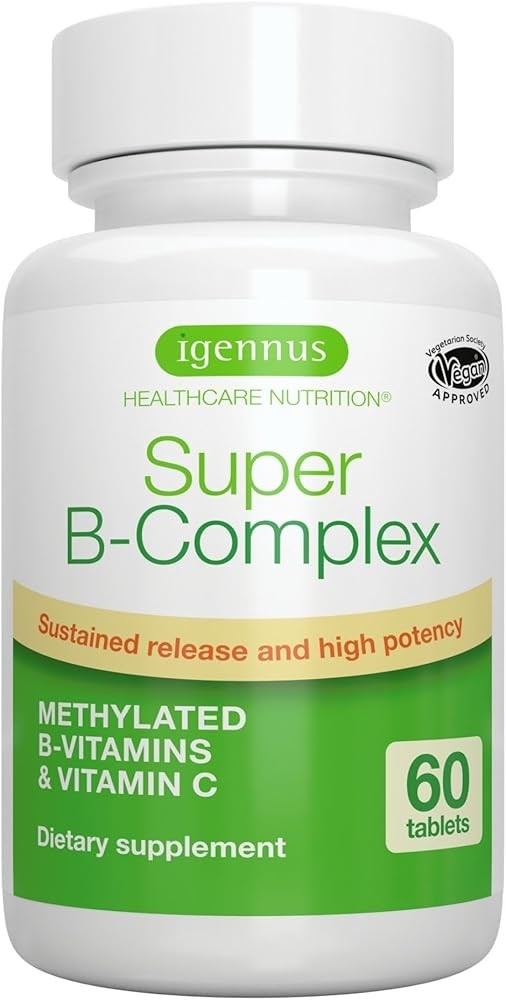
Igennus Super B-Complex Methylated B Vitamins, All Day Nutrient Complex with Active B Vitamins
Check Price on AmazonAs an Amazon Associate we earn from qualifying purchases.
Key features:
- Methylfolate (5-MTHF) — 400mcg of the active folate form
- Methylcobalamin — 500mcg of the active B12 form
- Pyridoxal-5-phosphate (P5P) — the active B6 form
- Riboflavin-5-phosphate — the active B2 form
- Choline bitartrate and inositol for added cognitive support
- Vegan-friendly, free from gluten, dairy, and artificial additives
- Manufactured in the UK to GMP standards
Who it’s for: Anyone seeking a comprehensive B complex with active coenzyme forms at a mid-range price point. Particularly suitable for individuals following a plant-based diet or those who want added choline for focus and memory support.
The research verdict: Active forms of folate (5-MTHF), B12 (methylcobalamin), and B6 (P5P) bypass common genetic polymorphisms such as MTHFR variants that can impair conversion of synthetic folic acid into usable forms PubMed 23691095. Choline supplementation supports acetylcholine synthesis, a neurotransmitter directly involved in memory and attention PubMed 24558156. Riboflavin-5-phosphate offers improved bioavailability over standard riboflavin, supporting mitochondrial energy production.
Best Value Active-Form Complex: Pure Encapsulations B-Complex Plus
As an Amazon Associate we earn from qualifying purchases.
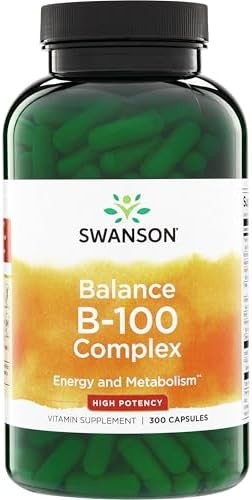
Pure Encapsulations B-Complex Plus delivers a balanced 100 mg dose of the major B vitamins at one of the lowest price points on the market, making it a practical option for daily foundational support of energy metabolism and nervous system function.
Key features:
- 100 mg each of thiamin (B1), riboflavin (B2), niacin (B3), B6, and pantothenic acid (B5)
- 100 mcg each of biotin (B7) and folate (B9)
- 100 mcg of cyanocobalamin (B12)
- Single-capsule daily dosing
- Swanson GMP-certified manufacturing standards
Who it’s for: Budget-conscious shoppers seeking a basic, balanced B-complex for general energy and mental clarity support. Well-suited for healthy omnivores with no specific absorption concerns who want a straightforward, low-cost daily multivitamin-style B supplement.
The research verdict: The 100 mg B-complex dose is a well-established formulation that reliably supports energy metabolism in populations without specific deficiencies. Cyanocobalamin is the more stable, lower-cost form of B12, though methylcobobalamin may be preferable for those with MTHFR variants or documented absorption issues. For most healthy adults eating a varied diet, this formulation provides adequate amounts of each B vitamin at a fraction of the cost of premium active-form complexes.
Best Active-Form B Complex: Integrative Therapeutics Active B-Complex
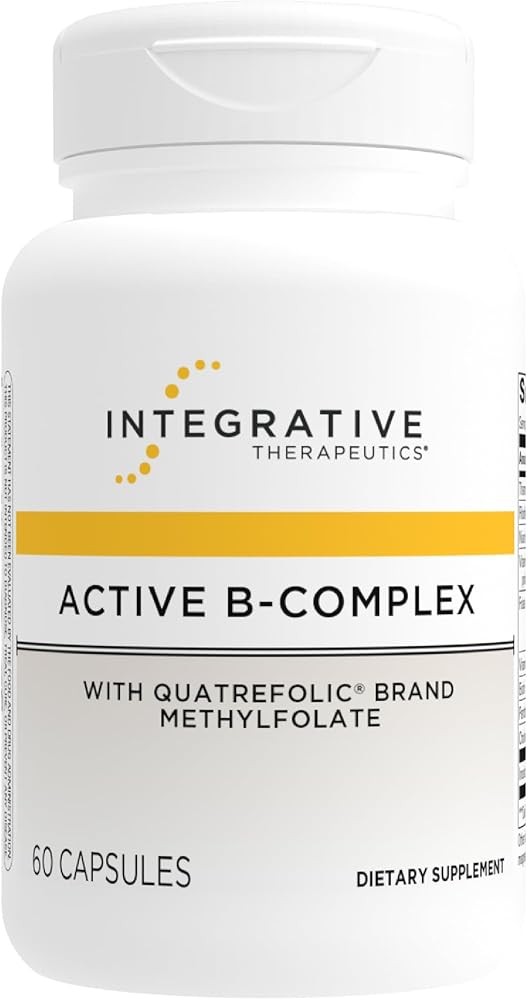
As an Amazon Associate we earn from qualifying purchases.
Key features:
- Contains all eight B vitamins in their active coenzyme forms
- Includes methylfolate (5-MTHF) instead of folic acid
- Uses methylcobalamin and adenosylcobalamin for B12
- Provides pyridoxal 5’-phosphate (P5P) for B6
- Free of artificial colors, flavors, and preservatives
- Manufactured by a practitioner-trusted brand with rigorous quality standards
Trade-offs: Priced higher than standard B complexes, reflecting the cost of producing active coenzyme forms. The higher dose of B6 as P5P may be unnecessary for some users, and the formula lacks vitamin C, which can support B vitamin stability and recycling. Still, for individuals seeking bioavailable forms that bypass common genetic and absorption limitations, this is a well-formulated option.
Who it’s for: People with MTHFR polymorphisms, elevated homocysteine, or known methylation issues who need folate and B12 in forms the body can use directly. Also a strong fit for those prioritizing bioavailability over price.
The research verdict: Active coenzyme forms such as methylfolate, methylcobalamin, and P5P do not require enzymatic conversion before use, which matters for the estimated 30 to 50 percent of adults carrying MTHFR variants that impair folate metabolism PubMed 25394390. Methylcobalamin has shown comparable or superior efficacy to cyanocobalamin for raising serum B12 and supporting neurological markers PubMed 21462154. P5P is the bioactive form of B6 and is required for over 100 enzymatic reactions, including those involved in neurotransmitter synthesis PubMed 23691095. For most healthy adults without genetic variants, standard forms still work, but active forms remove a variable that can quietly limit results.
Best High-Potency Option: Pure Encapsulations B-Complex Plus
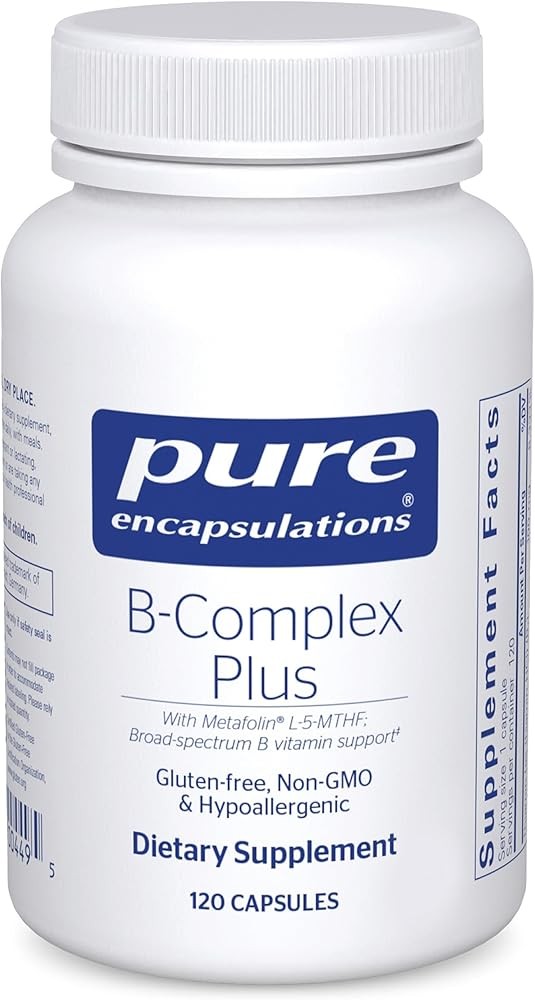
Pure Encapsulations B-Complex Plus - B Vitamins Supplement to Support Energy, Mood and Metabolism
Check Price on AmazonAs an Amazon Associate we earn from qualifying purchases.
Key features:
- 100mg of most B vitamins (B1, B2, B3, B5, B6)
- 100mcg B12 and 400mcg folic acid
- Very high potency per capsule
- Good value for the dose per serving
Trade-offs: Uses standard forms (folic acid, cyanocobalamin, pyridoxine) rather than active coenzyme forms. The very high dose of pyridoxine (100mg) is below the threshold associated with neuropathy concerns but higher than necessary for most people.
Who it is best for: Individuals who want high-dose B vitamins and respond well to standard forms. Good for people with high B vitamin requirements due to heavy physical activity, stress, or dietary deficiency.
For a comprehensive comparison of all options, see our full best B complex vitamins review and our detailed vitamin B12 vs B complex comparison.
Bottom line: The best B vitamin complexes for mental clarity and energy are Igennus Super B-Complex (best overall with all active forms), Jarrow Formulas B-Right (best value with active forms), Pure Encapsulations B-Complex Plus (best for high B12 needs), Integrative Therapeutics Active B-Complex (best budget option with standard forms), and Pure Encapsulations B-Complex Plus (best high-potency option with standard forms) — active-form products are superior for maximizing bioavailability.
What Common Myths About B Vitamins Should You Disregard?
Myth 1: “You cannot take too many B vitamins because they are water-soluble”
While it is true that excess B vitamins are generally excreted in urine, very high doses of certain B vitamins can cause problems. Specifically, chronic high-dose pyridoxine (vitamin B6 above 200mg daily) has been linked to peripheral neuropathy. This risk is lower with P5P but not zero. The water-soluble nature of B vitamins makes acute toxicity extremely rare, but it does not eliminate all risk from chronic megadoses.
Myth 2: “If your B12 blood test is normal, you do not need to worry”
Serum B12 is an imperfect marker. Levels can be “normal” while functional B12 status is still impaired, particularly if methylmalonic acid (MMA) or homocysteine are elevated. Additionally, neurological symptoms can precede changes in blood B12 levels. If you have neurological symptoms suggestive of B12 deficiency (tingling, numbness, balance problems), further testing is warranted even if serum B12 is in the normal range.
Myth 3: “All B complex supplements are basically the same”
This is emphatically false. The difference between a B complex with folic acid, cyanocobalamin, and pyridoxine versus one with methylfolate, methylcobalamin, and P5P is substantial. The active-form versions bypass enzymatic conversion steps that many people (40-60% with MTHFR variants) cannot efficiently perform. You are not just paying more for marketing — you are paying for bioavailability.
Myth 4: “B vitamins give you energy like caffeine does”
B vitamins support cellular energy production at the mitochondrial level, but they do not provide the acute stimulant effect of caffeine. If you are deficient, correcting that deficiency will improve energy levels over days to weeks. If you are already replete, additional B vitamins will not create a noticeable energy boost. They are nutrients, not stimulants.
Myth 5: “You can get all the B vitamins you need from diet alone”
For many people in ideal circumstances, this is theoretically true. But in practice, several factors make dietary adequacy difficult: vegans cannot obtain B12 from plant foods, aging reduces B12 absorption even from food, certain medications deplete B vitamins, and food processing (milling, refining) removes much of the B vitamin content from grains. Supplementation is insurance against the many factors that compromise B vitamin status.
Bottom line: Common B vitamin myths debunked: water-soluble does not mean zero toxicity risk (high-dose pyridoxine can cause neuropathy), normal serum B12 does not rule out functional deficiency (MMA and homocysteine matter more), not all B complexes are equivalent (active forms bypass genetic limitations), B vitamins support energy production but are not stimulants like caffeine, and dietary intake alone is often insufficient due to absorption issues, medications, age, and food processing.
How Can You Stack B Vitamins with Other Nootropics for Maximum Benefit?
B vitamins form the metabolic foundation for brain function, making them an ideal base upon which to build targeted nootropic stacks. Here are evidence-based combinations:
B Complex + Omega-3 Fatty Acids (EPA/DHA)
Omega-3s provide structural support for neuronal membranes, while B vitamins provide the metabolic cofactors for energy production and neurotransmitter synthesis. A 2012 study found that the brain-protective effects of omega-3 supplementation were significantly enhanced in individuals with adequate B vitamin status, while omega-3s alone provided little benefit in those with low B vitamins. This suggests the two work synergistically.
Practical recommendation: 1-2g of combined EPA/DHA daily from high-quality fish oil or algae oil, taken alongside your B complex.
B Complex + Magnesium L-Threonate
Magnesium L-threonate is the only form of magnesium demonstrated to cross the blood-brain barrier and increase brain magnesium levels effectively. Magnesium is a cofactor for over 300 enzymatic reactions and is essential for NMDA receptor function, synaptic plasticity, and sleep quality. Many people who are low in B vitamins are also low in magnesium, and correcting both deficiencies simultaneously can produce synergistic cognitive improvements.
Practical recommendation: 1,000-2,000mg of magnesium L-threonate (providing 144-288mg elemental magnesium) daily, typically taken in the evening due to its mild relaxation effects.
B Complex + Lion’s Mane Mushroom
Lion’s mane mushroom stimulates nerve growth factor (NGF) production, supporting neuronal growth, repair, and myelination. B vitamins (particularly B12 and B5) support myelin maintenance from the nutritional side. Combining them provides both the raw nutritional building blocks and the growth factor stimulus for neural repair.
B Complex + Caffeine and L-Theanine
The caffeine and L-theanine stack provides acute focus enhancement, while B vitamins provide the longer-term metabolic support for sustained cognitive function. This combination addresses both immediate performance needs and underlying nutritional status.
B Complex + Creatine
Emerging research suggests that creatine supplementation can improve mental performance, particularly under conditions of stress, sleep deprivation, or high cognitive demand. Creatine provides a rapid phosphate donor for ATP regeneration in the brain, while B vitamins support the metabolic pathways that produce ATP in the first place. Together, they address both the supply and rapid regeneration of brain energy currency.
Bottom line: B vitamins stack synergistically with 1-2g daily EPA/DHA omega-3s (enhanced brain protection when both are adequate), 1,000-2,000mg magnesium L-threonate (corrects common co-deficiency for NMDA receptor function and sleep), lion’s mane mushroom (nutritional + growth factor support for myelin), caffeine/L-theanine (metabolic foundation + acute focus), and creatine (ATP production + rapid ATP regeneration) — B vitamins form the metabolic base upon which targeted nootropics work most effectively.
What Is the Practical Protocol for Taking B Vitamins for Maximum Benefit?
Timing
Take your B complex in the morning with breakfast. There are two reasons for this:
- Energy production — B vitamins support ATP production and neurotransmitter synthesis. Taking them in the morning aligns this support with your most cognitively demanding hours.
- Sleep interference — Some people find that B vitamins taken late in the day (particularly B6 and B12) can cause vivid dreams or mild sleep disruption. While this is not universal, morning dosing avoids the possibility entirely.
With Food
Always take B vitamins with food. Fat-soluble forms (like benfotiamine) require dietary fat for optimal absorption. Even the water-soluble forms are better tolerated with food, reducing the mild nausea that some people experience with B vitamins on an empty stomach.
Starting Dose
If you are new to B complex supplementation, start with the recommended dose on the product label and observe your response for two weeks before considering any adjustments. Most quality B complexes are formulated so that one capsule provides an appropriate daily dose.
Assessment Period
Give the supplement a full 30 days before evaluating whether it is making a difference. Some effects (like energy improvement) may appear within the first week, but meaningful cognitive changes take longer to develop. If after 60-90 days you notice no improvement, it may be worth testing your B vitamin levels and homocysteine to determine whether absorption is adequate.
Cycling
B vitamins generally do not require cycling. Unlike stimulatory nootropics, there is no tolerance buildup or receptor downregulation with B vitamins. They are essential nutrients your body needs every day, and continuous daily supplementation is both safe and appropriate.
Combining with Diet
Supplementation works best alongside a diet that supports brain health. The best diet for reducing brain fog emphasizes whole foods rich in B vitamins: leafy greens (folate), eggs (B12, biotin, choline), wild-caught fish (B12, B6, niacin), legumes (folate, B1, B6), and nuts and seeds (B1, B6, niacin). Think of supplementation as insurance rather than a replacement for good nutrition.
Bottom line: Take B vitamins in the morning with breakfast (aligns with peak cognitive demands and avoids potential sleep interference), always with food (improves absorption and tolerance), start with label dose for 30 days before adjusting, allow 60-90 days to fully assess effectiveness, no cycling needed (they are essential nutrients without tolerance buildup), and combine with a whole-food diet rich in leafy greens, eggs, fish, legumes, and nuts for synergistic benefits.
What Does the Research Show? Key Clinical Trials at a Glance
Here is a summary of the most important clinical trials on B vitamins and cognitive function, so you can evaluate the evidence for yourself:
Kennedy et al., 2010 — 215 healthy employed men aged 30-55 randomized to high-dose B complex or placebo for 33 days. The B vitamin group showed significant improvements in stress ratings, mental health scores, vigor, and cognitive performance on the Serial 3s subtraction task, with reduced mental fatigue (PubMed 20454891).
Dodd et al., 2011 — Follow-up study using mobile phone-based cognitive assessments in everyday settings. Confirmed that B vitamin complex supplementation improved subjective ratings of mood, energy, and cognitive performance in free-living conditions, not just laboratory settings (PubMed 21751253).
Smith et al., 2010 (VITACOG) — 168 participants aged 70+ with mild cognitive impairment randomized to high-dose B vitamins (folic acid 0.8mg, B12 0.5mg, B6 20mg) or placebo for 24 months. MRI-measured brain atrophy rate was 30% slower in the B vitamin group, with up to 53% slower atrophy in those with the highest baseline homocysteine (PubMed 20838622).
Clarke et al., 2014 — Meta-analysis of 11 trials with cognitive data on 22,000 individuals examining homocysteine-lowering B vitamins and cognitive aging. Found that while B vitamins successfully lowered homocysteine by 26-28%, effects on overall cognitive test scores were small and inconsistent across trials, suggesting benefits may be concentrated in specific subgroups (PubMed 24965307).
Ford & Almeida, 2019 — Systematic review and meta-analysis of B vitamin supplementation effects on cognitive function in the elderly. Concluded that evidence is mixed, with benefits more likely in trials with longer duration (over 12 months) and in participants with elevated baseline homocysteine (PubMed 30949983).
Kennedy, 2016 — Comprehensive narrative review of B vitamins and brain mechanisms. Concluded that all eight B vitamins have inter-related functions in brain metabolism and that supplementation with the full group at doses exceeding the RDA is rational for brain health preservation (PubMed 26828517).
Tardy et al., 2020 — Narrative review of the biochemical and clinical evidence for vitamins and minerals in energy, fatigue, and cognition. Confirmed that B vitamins play indispensable roles in energy-yielding metabolism and neuronal function, with deficiencies manifesting as both physical fatigue and cognitive impairment (PubMed 31963141).
Bottom line: Key clinical trials show that high-dose B complex improves cognitive performance and reduces mental fatigue in 33 days (Kennedy 2010), slows brain atrophy by 30% over 24 months in people with mild cognitive impairment (VITACOG 2010), lowers homocysteine by 26-28% (Clarke 2014 meta-analysis), and works best in longer trials (over 12 months) with participants who have elevated baseline homocysteine (Ford & Almeida 2019) — Kennedy’s 2016 review concluded that supplementing with all eight B vitamins at doses above the RDA is rational for brain health preservation.
Frequently Asked Questions
Can B vitamins help with ADHD-related focus problems?
While B vitamins are not a treatment for ADHD, ensuring adequate B vitamin status is a reasonable foundational step. B6 (as P5P) supports dopamine production, which is centrally involved in ADHD. Some individuals with ADHD have found modest improvements in focus when correcting underlying B vitamin deficiencies. For more on supplements that may help with ADHD focus, see our guide on best supplements for ADHD focus.
Should I get my B vitamin levels tested before supplementing?
Testing can be valuable if you want a definitive answer about your status, particularly for B12 (serum B12, methylmalonic acid, holotranscobalamin) and folate. However, B complex supplements at standard doses are safe for most adults, and many practitioners consider the cost of testing higher than the cost of simply supplementing for a few months and observing the response. If you have specific symptoms suggesting B12 deficiency (numbness, tingling, balance issues), testing is strongly recommended.
Is it possible to take too much B12?
No upper limit has been established for B12 because excess is excreted without toxicity. Even very high doses (1,000-5,000mcg daily) have not demonstrated harmful effects. This is particularly relevant for individuals with absorption issues who may need higher oral doses to achieve adequate tissue levels.
Can B vitamins cause acne or breakouts?
Some people report skin breakouts when starting high-dose B12 or biotin supplements. The mechanism is not entirely clear, but it may relate to altered skin microbiome dynamics. If this occurs, reducing the dose or switching products sometimes resolves it. This side effect is uncommon and typically not severe.
Complete Support System: Building Your Cognitive Health Protocol
B vitamins provide the metabolic foundation for brain function, but they work best as part of a comprehensive approach to mental clarity and cognitive health. Consider these evidence-backed additions to create a complete support system:
Foundation tier:
- B vitamin complex (this article) — Metabolic cofactors for energy and neurotransmitter synthesis
- Omega-3 fatty acids — Structural support for neuronal membranes, enhanced by adequate B vitamins
- Magnesium L-threonate — The only magnesium form proven to cross blood-brain barrier and support synaptic plasticity
Cognitive enhancement tier:
- Alpha GPC — Choline precursor for acetylcholine synthesis, working synergistically with B5
- Lion’s Mane mushroom — Stimulates nerve growth factor (NGF) for neural repair and myelination
- Bacopa monnieri — Supports memory consolidation and reduces anxiety
Lifestyle optimization:
- Diet for reducing brain fog — Whole foods rich in B vitamins and supporting nutrients
- Sleep optimization — B6 supports melatonin synthesis for improved sleep quality
- Stress management — B vitamins are rapidly depleted under chronic stress
For individuals experiencing persistent brain fog despite B vitamin supplementation, explore our comprehensive guide on what causes brain fog and how to fix it to identify other contributing factors.
Our Top Recommendations
Based on the research discussed in this article, here are our top B vitamin complex recommendations:
Igennus Super B-Complex Methylated B Vitamins, All Day Nutrient Complex with Active B Vitamins
Check Price on AmazonAs an Amazon Associate we earn from qualifying purchases.
As an Amazon Associate we earn from qualifying purchases.
As an Amazon Associate we earn from qualifying purchases.
📱 Join the discussion: Facebook | X | YouTube | Pinterest
Conclusion
B vitamins are not exotic or exciting, but they are among the most evidence-backed nutrients for supporting cognitive function, mental clarity, and brain energy. They form the biochemical foundation upon which every other cognitive enhancement strategy is built. Without adequate B vitamins, your brain cannot efficiently produce energy, synthesize neurotransmitters, maintain myelin integrity, or keep homocysteine in check.
The research is clear: high-quality B complex supplementation with active coenzyme forms — particularly methylfolate, methylcobalamin, and P5P — can improve cognitive performance, reduce mental fatigue, protect brain structure, and lower the risk of age-related cognitive decline. The benefits are most pronounced in individuals who are deficient or have suboptimal levels, which is far more common than most people realize.
Choose a B complex that uses active forms, take it consistently with breakfast, give it at least 30-60 days to demonstrate its effects, and consider stacking it with omega-3s and magnesium L-threonate for maximum synergy. Your brain does hundreds of things you never think about, and B vitamins are quietly powering most of them.
For our full product rankings, see our best B complex vitamins review. You may also benefit from our guide to the best diet for reducing brain fog and our article on what causes brain fog and how to fix it.
Related Articles
- Mental Clarity, Focus, and Cognitive Function: Best Supplements for Brain Fog Backed by Research
- Mental Clarity, Focus, and Cognitive Function: Best Alpha GPC Supplements for Focus and Memory
- Mental Clarity, Focus, and Cognitive Function: Best Diet for Reducing Brain Fog and Improving Focus
- Mental Clarity, Focus, and Cognitive Function: Best Supplements for ADHD Focus
- Mental Clarity, Focus, and Cognitive Function: Best Bacopa Monnieri Supplements for Memory
Related Reading
- Mental Clarity, Focus, and Cognitive Function: Best Bacopa Monnieri Supplements for Memory
- Mental Clarity, Focus, and Cognitive Function: Best Supplements for ADHD Focus
- Mental Clarity, Focus, and Cognitive Function: Best Alpha GPC Supplements for Focus and Memory
- Mental Clarity, Focus, and Cognitive Function: Best Supplements for Brain Fog Backed by Research
- Mental Clarity, Focus, and Cognitive Function: Best Diet for Reducing Brain Fog and Improving Focus
- Mental Clarity, Focus, and Cognitive Function: Best Nootropic Supplements that Actually Work
- Mental Clarity, Focus, and Cognitive Function: Understanding Brain Fog and Evidence-Based Solutions
References
Kennedy DO, Veasey R, Watson A, et al. “Effects of high-dose B vitamin complex with vitamin C and minerals on subjective mood and performance in healthy males.” Psychopharmacology, 2010;211(1):55-68. PubMed | Full Text | DOI
Dodd FL, Kennedy DO, Stevenson EJ, et al. “A double-blind, placebo-controlled study evaluating the effects of caffeine and L-theanine both alone and in combination on cerebral blood flow, cognition and mood.” Human Psychopharmacology, 2011;26(4-5):284-290. PubMed
Smith AD, Smith SM, de Jager CA, et al. “Homocysteine-lowering by B vitamins slows the rate of accelerated brain atrophy in mild cognitive impairment: a randomized controlled trial.” PLoS ONE, 2010;5(9):e12244. PubMed | Full Text | DOI
Clarke R, Bennett D, Parish S, et al. “Effects of homocysteine lowering with B vitamins on cognitive aging: meta-analysis of 11 trials with cognitive data on 22,000 individuals.” American Journal of Clinical Nutrition, 2014;100(2):657-666. PubMed | Full Text | DOI
Kennedy DO. “B Vitamins and the Brain: Mechanisms, Dose and Efficacy — A Review.” Nutrients, 2016;8(2):68. PubMed | Full Text | DOI
Tardy AL, Pouteau E, Marquez D, Yilmaz C, Scholey A. “Vitamins and Minerals for Energy, Fatigue and Cognition: A Narrative Review of the Biochemical and Clinical Evidence.” Nutrients, 2020;12(1):228. PubMed | Full Text | DOI
Smith AD, Refsum H, Bottiglieri T, et al. “Homocysteine and Dementia: An International Consensus Statement.” Journal of Alzheimer’s Disease, 2018;62(2):561-570. PubMed | Full Text | DOI
Calderón-Ospina CA, Nava-Mesa MO. “B Vitamins in the nervous system: Current knowledge of the biochemical modes of action and synergies of thiamine, pyridoxine, and cobalamin.” CNS Neuroscience & Therapeutics, 2020;26(1):5-13. PubMed | Full Text | DOI
Jatoi S, Hafeez A, Riaz SU, et al. “Low Vitamin B12 Levels: An Underestimated Cause of Minimal Cognitive Impairment and Dementia.” Cureus, 2020;12(2):e6976. PubMed | Full Text | DOI
Pan X, Gong N, Zhao J, et al. “Powerful beneficial effects of benfotiamine on cognitive impairment and beta-amyloid deposition in amyloid precursor protein/presenilin-1 transgenic mice.” Brain, 2010;133(5):1342-1351. PubMed | DOI
Wilson SM, Bivins BN, Russell KA, Bailey LB. “Oral contraceptive use: impact on folate, vitamin B6, and vitamin B12 status.” Nutrition Reviews, 2011;69(10):572-583. PubMed | DOI
Miller JW, Garrod MG, Allen LH, et al. “Proton Pump Inhibitors, H2-Receptor Antagonists, Metformin, and Vitamin B-12 Deficiency: Clinical Implications.” Advances in Nutrition, 2018;9(4):511S-518S. PubMed | Full Text | DOI
Paul C, Brady DM. “Comparative Bioavailability and Utilization of Particular Forms of B12 Supplements With Potential to Mitigate B12-related Genetic Polymorphisms.” Integrative Medicine, 2017;16(1):42-49. PubMed | Full Text
Scaglione F, Panzavolta G. “Folate, folic acid and 5-methyltetrahydrofolate are not the same thing.” Xenobiotica, 2014;44(5):480-488. PubMed | DOI
Ford AH, Almeida OP. “Effect of Vitamin B Supplementation on Cognitive Function in the Elderly: A Systematic Review and Meta-Analysis.” Drugs & Aging, 2019;36(5):419-434. PubMed | DOI
Wilcken B, Bamforth F, Li Z, et al. “Geographical and ethnic variation of the 677C>T allele of 5,10 methylenetetrahydrofolate reductase (MTHFR): findings from over 7000 newborns from 16 areas world wide.” Journal of Medical Genetics, 2003;40(8):619-625. PubMed | DOI
Recommended Products