Best Diet for Brain Fog: 10 Foods That Boost Mental Clarity
Summarized from peer-reviewed research indexed in PubMed. See citations below.
Brain fog affects an estimated 600 million people worldwide, with 90 percent of non-celiac gluten-sensitive individuals reporting neurocognitive symptoms and ultra-processed foods accelerating cognitive decline by 28 percent over 10 years. The MIND diet reduced Alzheimer’s risk by 53 percent in clinical trials, while the Mediterranean diet supplemented with olive oil improved frontal and global cognitive performance significantly. The best diet for brain fog combines fatty fish 2-3 times weekly for DHA, leafy greens daily for folate and nitrates, blueberries for anthocyanins, and elimination of refined sugars and industrial seed oils that promote neuroinflammation. Budget alternative: Replace processed foods with eggs, frozen blueberries, and canned sardines for under $50 weekly. Here’s what the published research shows about diet, neuroinflammation, and cognitive function.
Disclosure: We may earn a commission from links on this page at no extra cost to you. Affiliate relationships never influence our ratings. Full policy →
If you have ever sat down to work and found your thoughts swimming through mud, struggled to recall a word that was on the tip of your tongue, or felt like your brain simply would not engage despite a full night of sleep, you are not alone. Brain fog affects an estimated 600 million people worldwide at any given time, and for many of them, the answer is not a prescription medication or an expensive supplement stack. It is sitting on their plate, or more precisely, it is what is not on their plate.
The connection between diet and cognitive function is one of the most robust findings in modern neuroscience. Large-scale clinical trials have demonstrated that specific eating patterns can slow cognitive decline by up to 53 percent, improve memory and attention within weeks, and fundamentally alter the neuroinflammatory processes that drive brain fog. Yet most people experiencing chronic mental haziness never consider that their breakfast cereal, afternoon energy drink, or evening takeout meal might be the primary culprit.
This guide is a comprehensive, research-backed exploration of exactly how food affects your brain, which dietary patterns have the strongest evidence for clearing brain fog, which specific foods to prioritize and which to eliminate, and how to implement a practical protocol that can produce measurable improvements in mental clarity within weeks. Every recommendation is grounded in peer-reviewed research, with citations you can verify yourself.
If you are looking for supplement-specific recommendations, see our detailed brain fog supplement guide. For a deeper understanding of non-dietary causes, our article on what causes brain fog and how to fix it covers the full picture.
Best Diet for Reducing Brain Fog and Improving Focus - Quick Summary:
- ✅ The MIND diet reduced Alzheimer’s risk by 53% in a 4.7-year study of 960 participants (PubMed 26086182)
- ✅ The PREDIMED trial showed Mediterranean diet with olive oil or nuts significantly improved memory, attention, and frontal cognition (PubMed 25961184)
- ✅ Ultra-processed food intake linked to 28% faster cognitive decline over 10 years in 10,000+ participants (PubMed 36469335)
- ✅ Blood sugar fluctuations directly disrupt prefrontal cortex activity and impair working memory (PubMed 32065795)
- ✅ Omega-3 DHA at 2,000 mg/day improved attention, perceptual speed, and language across 58 RCTs
- ✅ Even mild dehydration (1-2% body weight loss) impairs short-term memory, focus, and reaction time (PubMed 29933347)
- ✅ Key supplements: Lion’s Mane, L-Theanine, Alpha-GPC, Citicoline, and Magnesium Glycinate support brain fog relief
Full research breakdown below
What Is Actually Happening in Your Brain When You Experience Brain Fog?
Brain fog is not a formal medical diagnosis. It is a colloquial term describing a constellation of cognitive symptoms: difficulty concentrating, mental confusion, forgetfulness, slowed processing speed, and a subjective sense that your thinking is clouded or sluggish. But while the name is informal, the underlying neurobiology is very real.
How Does Neuroinflammation Cause Brain Fog?
The most well-established mechanism behind brain fog is neuroinflammation, a state in which the brain’s immune cells, called microglia, become chronically activated and release pro-inflammatory cytokines such as interleukin-6 (IL-6), tumor necrosis factor-alpha (TNF-alpha), and interleukin-1-beta (IL-1-beta). These inflammatory molecules disrupt normal neuronal signaling, impair synaptic plasticity (the brain’s ability to form new connections), and reduce the production of brain-derived neurotrophic factor (BDNF), a protein essential for learning and memory (Fernandez-Lazaro et al., 2024).
A high-fat, high-sugar Western diet has been shown to directly induce neuroinflammation. A recent study found that high-fat diet feeding induced vascular dysfunction and cognitive impairment through inflammatory IRAK1/4 signaling pathways, with pharmacological inhibition of these pathways ameliorating the cognitive deficits (PMID: 41636883).
What Role Does Oxidative Stress Play in Mental Fog?
Your brain consumes approximately 20 percent of your body’s total oxygen supply despite accounting for only 2 percent of your body weight. This intense metabolic activity generates enormous quantities of reactive oxygen species (ROS), essentially molecular rust that damages cell membranes, DNA, and proteins. When your antioxidant defenses cannot keep up with ROS production, oxidative stress occurs, and cognitive function deteriorates.
Dietary antioxidants from polyphenol-rich foods like blueberries, dark chocolate, and green tea directly neutralize ROS in brain tissue. A review published in Nutrients found that dietary antioxidants improved both cognitive and affective outcomes, with polyphenols showing particular promise for reducing oxidative damage in the hippocampus, the brain region most critical for memory formation (Carvalho et al., 2021).
How Do Neurotransmitter Imbalances Contribute to Foggy Thinking?
Brain fog is also driven by disruptions in neurotransmitter systems, the chemical messengers that neurons use to communicate. The key players include:
- Acetylcholine — essential for attention, learning, and memory. Low levels produce the classic “foggy” feeling.
- Dopamine — drives motivation, focus, and reward processing. Deficiency causes apathy and difficulty concentrating.
- Serotonin — regulates mood, sleep, and cognitive flexibility. Approximately 90 percent is produced in the gut.
- GABA — the primary inhibitory neurotransmitter that reduces mental overstimulation and anxiety-driven fog.
- Norepinephrine — supports alertness and sustained attention.
Diet directly influences every one of these neurotransmitter systems. Amino acids from protein provide the raw building blocks (tryptophan for serotonin, tyrosine for dopamine, choline for acetylcholine), while B vitamins, iron, magnesium, and zinc serve as essential cofactors for the enzymes that synthesize them.
Why Does Blood Sugar Dysregulation Cause Brain Fog?
Perhaps the most immediately impactful dietary mechanism behind brain fog is glycemic variability, the sharp spikes and crashes in blood sugar that occur after eating refined carbohydrates and sugars. A study published in Neuroimage found that glucose fluctuations are directly linked to disrupted brain functional architecture and cognitive impairment, with the mean amplitude of glycemic excursions (MAGE) negatively correlated with activity in the medial prefrontal cortex, a region critical for decision-making and working memory (Xia et al., 2020, PMID: 32065795).
When blood sugar spikes after a high-glycemic meal, insulin surges to bring it down, often overshooting and causing a reactive hypoglycemic dip. During these dips, the brain is literally starved of its primary fuel. The result is the all-too-familiar post-lunch energy crash, difficulty concentrating, irritability, and intense cravings for more sugar to bring glucose levels back up, creating a vicious cycle.
How Does the Gut-Brain Axis Influence Cognitive Clarity?
The gut and brain are connected by the vagus nerve, the longest cranial nerve in the body, creating a bidirectional communication highway known as the gut-brain axis. Your gut microbiome, the trillions of bacteria living in your intestines, produces neurotransmitters, short-chain fatty acids, and inflammatory mediators that directly influence brain function.
A 2024 review in Nature Metabolism described how dietary choices significantly shape the gut microbiome, which in turn affects emotional, cognitive, and neurological health through multiple pathways including immune modulation, neurotransmitter production, and vagal signaling (Berding et al., 2024). When the gut microbiome is disrupted by a poor diet (a condition called dysbiosis), the intestinal barrier becomes permeable (“leaky gut”), allowing bacterial endotoxins like lipopolysaccharide (LPS) into the bloodstream, triggering systemic inflammation that crosses the blood-brain barrier and causes neuroinflammation.
For a deeper exploration of this mechanism, see our article on the gut-brain connection and mental clarity.
Bottom line: Brain fog results from five interconnected mechanisms — neuroinflammation (driven by high-fat diets that induce microglial activation and mitochondrial impairment), oxidative stress (from excessive reactive oxygen species in brain tissue), neurotransmitter imbalances (including 90 percent of serotonin produced in the gut), blood sugar dysregulation (glycemic excursions negatively correlate with medial prefrontal cortex activity), and gut-brain axis disruption (via vagal signaling and bacterial endotoxins) — with diet directly influencing all five pathways.
Watch Our Video Review
Which Dietary Patterns Have the Strongest Evidence for Clearing Brain Fog?
Not all diets are created equal when it comes to brain health. Three dietary patterns have the strongest clinical evidence for improving cognitive function and reducing brain fog.
| Dietary Pattern | Key Features | Cognitive Benefits | Best For |
|---|---|---|---|
| Mediterranean | 4+ tbsp olive oil daily, fatty fish 2-3x/week, leafy greens daily, berries 3x/week, nuts daily | Improved frontal and global cognition, better memory performance in PREDIMED trial (PubMed 25961184) | Overall brain health, cardiovascular benefits |
| MIND Diet | 6+ leafy green servings weekly, berries 2x/week, beans 3x/week, nuts 5x/week, fish 1x/week | 53% reduced Alzheimer’s risk with strict adherence (PubMed 26086182) | Older adults, neurodegenerative disease prevention |
| Ketogenic | 70-75% healthy fats, 20% protein, 5-10% carbs | 27% more free energy per unit than glucose, improved mitochondrial metabolism (PubMed 34068325) | Insulin resistance, glucose hypometabolism |
| Standard American | Ultra-processed foods 50%+, refined sugars, industrial oils | 28% faster cognitive decline over 10 years (PubMed 36469335) | Avoid this pattern |
The Mediterranean Diet: The Gold Standard
The Mediterranean diet, characterized by abundant olive oil, fatty fish, vegetables, fruits, nuts, legumes, and whole grains with limited red meat and processed foods, has the most extensive research base of any dietary pattern for brain health.
The landmark PREDIMED trial (Prevention with Mediterranean Diet), a randomized clinical trial involving 447 cognitively healthy adults at high cardiovascular risk, found that a Mediterranean diet supplemented with extra-virgin olive oil or mixed nuts significantly improved cognitive function compared to a control diet. Specifically, the olive oil group showed better frontal and global cognitive performance, while the nut group showed better memory performance (Valls-Pedret et al., 2015, PMID: 25961184).
Key components and their brain benefits:
- Extra-virgin olive oil (4+ tablespoons daily) — rich in oleocanthal, which has been shown to reduce amyloid-beta accumulation and neuroinflammation
- Fatty fish (2-3 servings weekly) — provides DHA, the dominant omega-3 fatty acid in brain cell membranes
- Leafy greens (daily) — high in folate, vitamin K, lutein, and nitrates that improve cerebral blood flow
- Berries (3+ servings weekly) — packed with anthocyanins that cross the blood-brain barrier and reduce oxidative stress
- Nuts (daily handful) — provide vitamin E, healthy fats, and polyphenols
- Legumes (3+ servings weekly) — slow-releasing carbohydrates that stabilize blood sugar
- Moderate red wine (optional, 1 glass) — contains resveratrol, though the alcohol itself can worsen brain fog
The MIND Diet: Designed Specifically for Brain Health
The MIND diet (Mediterranean-DASH Intervention for Neurodegenerative Delay) was developed by Dr. Martha Clare Morris at Rush University specifically to target brain health. It combines elements of the Mediterranean and DASH diets, emphasizing the foods most strongly associated with cognitive protection.
In the original 2015 observational study of 960 participants followed for an average of 4.7 years, strict adherence to the MIND diet was associated with a 53 percent reduced risk of Alzheimer’s disease, while even moderate adherence reduced risk by 35 percent. The MIND diet score was positively associated with slower decline in global cognitive function and across all five cognitive domains tested: episodic memory, semantic memory, visuospatial ability, perceptual speed, and working memory (Morris et al., 2015, PMID: 26086182).
The MIND diet’s 10 brain-healthy food groups:
- Green leafy vegetables (6+ servings per week)
- Other vegetables (1+ serving per day)
- Nuts (5+ servings per week)
- Berries (2+ servings per week, especially blueberries)
- Beans (3+ servings per week)
- Whole grains (3+ servings per day)
- Fish (1+ serving per week)
- Poultry (2+ servings per week)
- Olive oil (primary cooking fat)
- Wine (1 glass per day, optional)
The MIND diet’s 5 food groups to limit:
- Butter and margarine (less than 1 tablespoon daily)
- Cheese (less than 1 serving per week)
- Red meat (fewer than 4 servings per week)
- Fried food (less than 1 serving per week)
- Pastries and sweets (fewer than 5 per week)
The Ketogenic Approach: Ketones as Alternative Brain Fuel
The ketogenic diet takes a fundamentally different approach to clearing brain fog by shifting the brain’s primary fuel source from glucose to ketone bodies (beta-hydroxybutyrate, acetoacetate, and acetone). Ketones provide approximately 27 percent more free energy per unit than glucose, making them a more efficient neuronal fuel.
A review published in Nutrients found that ketosis can improve both metabolic and neural stability profiles, specifically improving mitochondrial metabolism, neurotransmitter function, and reducing oxidative stress and inflammation (Dowis & Banga, 2021, PMID: 34068325). A pilot study at Stanford found significant improvements in cognitive and psychiatric symptoms in patients following a ketogenic diet (Sethi et al., 2024).
The ketogenic diet can be particularly effective for people whose brain fog is driven by insulin resistance or glucose hypometabolism, conditions where the brain cannot efficiently use glucose as fuel. In these cases, ketones provide a bypass mechanism, delivering energy to neurons that have become glucose-resistant.
Important caveats: The ketogenic diet is not for everyone. It can initially cause “keto flu” (temporary brain fog, fatigue, headache) as the body adapts to fat burning, typically lasting 3-7 days. Long-term sustainability is also a concern, and some individuals report that prolonged strict ketosis can actually worsen cognitive function. A cyclical ketogenic approach or simply incorporating more healthy fats and reducing refined carbohydrates may be a more practical strategy for most people.
Bottom line: The Mediterranean and MIND diets have the strongest clinical evidence for improving cognitive function, with the MIND diet reducing Alzheimer’s risk by up to 53 percent, while a ketogenic approach may benefit those with insulin resistance or glucose hypometabolism specifically.
What Are the Top Brain Foods You Should Be Eating?
Fatty Fish: The Brain’s Building Material
DHA (docosahexaenoic acid), the omega-3 fatty acid most abundant in brain tissue, makes up approximately 40 percent of the polyunsaturated fatty acids in neuronal cell membranes. It is literally a structural component of your brain. A 2022 systematic review found that omega-3 supplementation improved learning, memory, cognitive well-being, and cerebral blood flow, with supplementation also demonstrating potential in attenuating hippocampal volume loss in older adults (Dighriri et al., 2022, PMID: 36381743).
A recent dose-response meta-analysis of 58 randomized controlled trials found that each 2,000 mg per day of omega-3 supplementation produced significant improvements in attention, perceptual speed, and language function (Liu et al., 2025).
Best sources: Wild salmon (highest DHA content), sardines, mackerel, herring, anchovies. Aim for 2-3 servings per week.
If you do not eat fish regularly, an omega-3 supplement is one of the most impactful additions you can make.
Blueberries contain some of the highest concentrations of anthocyanins of any commonly consumed food. These polyphenols cross the blood-brain barrier and accumulate in brain regions involved in learning and memory. A study published in Nutritional Neuroscience found that chronic blueberry supplementation enhanced task-related brain activation and resting cerebral perfusion in healthy older adults (Boespflug et al., 2017, PMID: 28249119).
Another study found that blueberry supplementation improved neuroinflammation markers and cognitive performance, with benefits that varied depending on individual baseline cognitive status, meaning those with the most room for improvement saw the greatest gains (Whyte et al., 2019, PMID: 30772901).
Practical tip: Frozen blueberries retain their polyphenol content and are significantly cheaper than fresh. Aim for 1/2 to 1 cup daily, added to smoothies, oatmeal, or eaten as a snack.
Dark Leafy Greens: Folate, Vitamin K, and Nitrates
Spinach, kale, Swiss chard, and collard greens are packed with nutrients critical for brain function. They provide folate (essential for neurotransmitter synthesis and DNA repair), vitamin K (involved in sphingolipid metabolism in brain cell membranes), and dietary nitrates that the body converts to nitric oxide, improving cerebral blood flow.
The MIND diet study found that consuming just one serving of leafy greens per day was associated with the cognitive equivalent of being 11 years younger compared to those who rarely ate them. This was one of the single strongest dietary associations with cognitive health identified in the study.
Eggs: Choline Powerhouse
Eggs, particularly the yolks, are one of the best dietary sources of choline, the precursor to acetylcholine, the neurotransmitter most closely associated with memory and attention. A single large egg provides approximately 147 mg of choline, about 27 percent of the adequate intake. Most Americans consume far below the recommended 550 mg daily for men and 425 mg for women.
Choline deficiency is associated with cognitive impairment, and supplemental choline (in forms like alpha-GPC and CDP-choline) has been shown to improve attention and processing speed. Getting adequate choline from whole eggs is one of the simplest and most cost-effective dietary interventions for brain fog.
Nuts and Seeds: Vitamin E and Healthy Fats
Walnuts are shaped like tiny brains for a reason, or at least it seems that way. They are the richest nut source of alpha-linolenic acid (ALA), a plant-based omega-3, and also provide polyphenols and vitamin E. Almonds and sunflower seeds are excellent sources of vitamin E, a fat-soluble antioxidant that protects neuronal cell membranes from oxidative damage.
A daily handful of mixed nuts (about 1 ounce or 28 grams) was one of the interventions in the PREDIMED trial that led to significantly improved memory performance.
Dark Chocolate: Flavanol-Rich Cognitive Boost
Cocoa flavanols improve cerebral blood flow, enhance neuroplasticity, and reduce oxidative stress in the brain. A study in Scientific Reports found that acute cocoa flavanol supplementation improved working memory performance and visual information processing. Choose dark chocolate with 70 percent or higher cocoa content to maximize flavanol intake while minimizing added sugar. Limit to 1-2 ounces daily.
Turmeric (Curcumin): Anti-Inflammatory Brain Protection
Curcumin, the active compound in turmeric, is a potent anti-inflammatory and antioxidant that has shown significant cognitive benefits in clinical trials. A systematic review and meta-analysis found that curcumin supplementation significantly improved global cognitive function compared to placebo, with an optimal dose of 0.8 grams per day and a treatment duration of at least 24 weeks (Zhu et al., 2024).
An 18-month double-blind, placebo-controlled trial using a bioavailable form of curcumin (Theracurmin) found significant improvements in memory and attention, with brain imaging showing decreased amyloid and tau accumulation in regions associated with mood and memory (Small et al., 2018, PMID: 29246725).
The bioavailability challenge: Standard turmeric powder has extremely poor absorption. To get meaningful brain benefits, you need either a bioavailable curcumin supplement (Theracurmin, Meriva, or Longvida formulations) or pair turmeric with black pepper (piperine increases absorption by up to 2,000 percent) and a fat source.
Green Tea: L-Theanine Plus Polyphenols
Green tea provides a unique cognitive advantage through its combination of L-theanine (an amino acid that promotes calm focus by increasing alpha brain waves) and EGCG (epigallocatechin gallate), one of the most potent polyphenol antioxidants. Unlike coffee, which often produces jittery focus followed by a crash, green tea promotes a state of relaxed alertness that is ideal for sustained mental work.
For more on this synergistic combination, see our detailed article on the caffeine and L-theanine stack.
Avocado: Monounsaturated Fats and Potassium
Avocados provide monounsaturated oleic acid (the same healthy fat in olive oil), potassium (important for neuronal electrical signaling), and lutein (a carotenoid that accumulates in the brain and is associated with better cognitive function). One avocado daily provides approximately 30 percent of your daily fiber needs, supporting gut health and blood sugar stability.
Fermented Foods: Gut-Brain Axis Nourishment
Yogurt, kefir, sauerkraut, kimchi, miso, and kombucha provide live beneficial bacteria that support the gut-brain axis. A 2024 review in Neuroscience & Biobehavioral Reviews found that fermented foods modulate the microbiota-gut-brain axis, with benefits for both mental and cognitive health through their neuroactive components (Bergia et al., 2024, PMID: 38278378).
Bottom line: Prioritize fatty fish (2-3 servings per week for DHA), blueberries (daily for anthocyanins), leafy greens (daily for folate and nitrates), eggs (for choline), and fermented foods (for gut-brain axis support) as the cornerstone brain foods in your diet.
Which Foods Cause Brain Fog and Should Be Eliminated?
Understanding what to remove from your diet is just as important as knowing what to add. These foods actively promote the neuroinflammation, blood sugar dysregulation, and gut dysbiosis that drive brain fog.
Refined Sugar and High-Glycemic Carbohydrates
Refined sugar is arguably the single worst dietary factor for brain fog. When you consume a high-sugar food, blood glucose spikes rapidly, triggering a surge of insulin that often overshoots, causing a reactive hypoglycemic crash. During this crash, the brain is deprived of stable fuel, producing the classic symptoms of brain fog: difficulty concentrating, irritability, fatigue, and intense sugar cravings.
But the damage goes beyond acute blood sugar swings. Chronic high sugar intake promotes advanced glycation end-products (AGEs), which cross-link proteins and damage brain tissue. It also feeds pathogenic gut bacteria at the expense of beneficial species, disrupts the blood-brain barrier, and increases inflammatory cytokine production.
Foods to eliminate or drastically reduce: Soda, fruit juice, candy, pastries, white bread, white rice, breakfast cereals, flavored yogurts, granola bars, and any food with added sugars in the first three ingredients.
Ultra-Processed Foods
A 2022 study following over 10,000 participants for up to 10 years found that those who consumed the most ultra-processed foods experienced a 28 percent faster rate of global cognitive decline and a 25 percent faster rate of executive function decline compared to those who ate the least (Goncalves et al., 2023, PMID: 36469335).
A 2024 study published in Neurology found that a 10 percent increase in ultra-processed food intake was associated with a 16 percent higher risk of cognitive impairment, while replacing that same amount with minimally processed foods was linked to a 12 percent lower risk (Li et al., 2024, PMID: 38776524).
The mechanisms are multiple: ultra-processed foods contain emulsifiers that damage the gut lining, artificial additives that disrupt the microbiome, excessive sodium that impairs cerebral blood flow, and are typically devoid of the antioxidants, fiber, and micronutrients the brain needs.
Industrial Seed Oils
Soybean oil, canola oil, corn oil, sunflower oil, and cottonseed oil are extremely high in omega-6 linoleic acid. While some omega-6 is essential, the modern Western diet provides a ratio of omega-6 to omega-3 of approximately 15-20:1, whereas the ratio our brains evolved with was closer to 1-2:1. This massive omega-6 excess promotes the production of pro-inflammatory eicosanoids (prostaglandins, thromboxanes, and leukotrienes) that drive neuroinflammation.
These oils are ubiquitous in restaurant cooking, packaged foods, salad dressings, and fried foods. Replacing them with olive oil, avocado oil, butter, ghee, or coconut oil is one of the most impactful dietary changes for reducing brain inflammation.
Alcohol
Even moderate alcohol consumption impairs cognitive function. Alcohol is directly neurotoxic, disrupts sleep architecture (particularly REM sleep, which is critical for memory consolidation), depletes B vitamins and magnesium, damages the gut lining, and promotes neuroinflammation. If you experience brain fog, eliminating alcohol for at least 30 days is one of the highest-yield interventions you can try.
Excessive Caffeine
While moderate caffeine intake (100-200 mg, roughly 1-2 cups of coffee) improves alertness and focus, excessive caffeine (400+ mg daily) can paradoxically worsen brain fog by disrupting sleep quality, depleting magnesium, promoting anxiety that interferes with concentration, and causing caffeine withdrawal symptoms on days when intake is lower.
If you rely on caffeine, consider pairing it with L-theanine to smooth out the jitters and reduce the crash. Our guide on caffeine and L-theanine explains the research behind this synergistic combination.
Bottom line: Refined sugar, ultra-processed foods, industrial seed oils, alcohol, and excessive caffeine are the five dietary categories most strongly linked to brain fog through their effects on neuroinflammation, blood sugar instability, and gut microbiome disruption.
How Do You Build a Practical Weekly Brain Fog Diet Plan?
Based on the evidence from PREDIMED, the MIND diet studies, and the broader anti-inflammatory nutrition literature, here is a practical week-by-week implementation plan.
Week 1: Foundation Building
Goal: Eliminate the worst offenders and establish breakfast habits
- Remove all sugary drinks (soda, juice, sweetened coffee drinks, energy drinks)
- Replace breakfast cereal with eggs (2-3 whole eggs) cooked in olive oil or butter with spinach
- Switch from industrial seed oils to extra-virgin olive oil and avocado oil for cooking
- Add one serving of leafy greens daily (large salad at lunch or dinner)
- Begin hydrating properly: aim for half your body weight in ounces of water daily
- Introduce 1/2 cup of blueberries daily (frozen is fine)
Week 2: Building the Protein and Fat Foundation
Goal: Stabilize blood sugar with protein and healthy fats at every meal
- Include 20-30 grams of protein at every meal (eggs, fish, poultry, legumes)
- Add a daily handful of mixed nuts (walnuts, almonds, pecans)
- Include fatty fish at least twice this week (salmon, sardines, mackerel)
- Replace white rice and pasta with quinoa, brown rice, or sweet potatoes
- Begin eating 1-2 tablespoons of fermented foods daily (sauerkraut, kimchi, yogurt)
- Remove or reduce packaged snacks and replace with whole food options
Week 3: Gut Healing and Anti-Inflammatory Boost
Goal: Support the gut-brain axis and reduce inflammation
- Increase vegetable intake to 5-7 servings daily, with variety in colors
- Add turmeric to cooking (with black pepper and fat for absorption)
- Introduce beans or lentils 3 times this week
- Include avocado 3-4 times this week
- Drink 2-3 cups of green tea daily (or matcha)
- Eliminate or dramatically reduce alcohol consumption
Week 4: Optimization and Habit Consolidation
Goal: Fine-tune and make the pattern sustainable
- Evaluate what is working. Where do you feel clearest? Most foggy?
- Adjust meal timing if needed (some people feel sharper with 2-3 larger meals rather than frequent snacking)
- Add dark chocolate (1-2 ounces of 70%+ cocoa) as an afternoon brain boost
- Increase fatty fish to 3 servings per week
- Begin experimenting with optional time-restricted eating (see intermittent fasting section below)
- Stock your kitchen so that brain-healthy choices are the easy default
Sample Day on the Brain Fog Clearing Protocol
Morning (7-8 AM):
- 2-3 eggs scrambled in olive oil with spinach, tomatoes, and turmeric
- 1/2 avocado on sourdough or grain-free toast
- Green tea or black coffee
Mid-morning (10 AM, if hungry):
- Handful of walnuts and blueberries
Lunch (12-1 PM):
- Large salad with mixed greens, grilled salmon or sardines, olive oil and lemon dressing, chickpeas, pumpkin seeds, and colorful vegetables
- Small serving of quinoa or sweet potato
Afternoon (3 PM, if hungry):
- 1-2 squares of dark chocolate (85%+ cocoa)
- Green tea
Dinner (6-7 PM):
- Grilled chicken or fish with roasted vegetables (broccoli, Brussels sprouts, bell peppers) cooked in olive oil
- Side of fermented vegetables (sauerkraut or kimchi)
- Brown rice or lentils
Bottom line: A four-week progressive transition yields measurable results: week 1 (eliminate sugary drinks and add leafy greens daily), week 2 (20-30 grams protein per meal plus 2-3 fatty fish servings), week 3 (5-7 vegetable servings daily and 3 bean/lentil meals), week 4 (3 fatty fish servings weekly plus dark chocolate 1-2 ounces of 70+ percent cocoa) — this staged Mediterranean-MIND pattern is the most sustainable approach to clearing brain fog through diet.
What Body Clues Tell You That Your Diet Is Causing Brain Fog?
Your body is constantly communicating with you. Learning to read these signals can help you identify whether your diet is supporting or undermining your cognitive function.
Signs Your Current Diet Is Causing Brain Fog
Afternoon energy crashes: If you reliably hit a wall between 2-4 PM, this is almost always a blood sugar regulation issue driven by a lunch high in refined carbohydrates and low in protein and fiber. The post-lunch crash is one of the most common and most diet-correctable forms of brain fog.
Sugar and carb cravings: Intense cravings for sweets or starchy foods, especially in the afternoon, signal unstable blood sugar and likely insulin resistance. Your brain is screaming for glucose because it just experienced a crash, but giving in only perpetuates the cycle.
Foggy mornings despite adequate sleep: If you wake up feeling groggy and unrefreshed even after 7-8 hours of sleep, consider that your dinner may be contributing. Late-night eating, high-glycemic evening meals, and alcohol all impair sleep quality and overnight brain detoxification via the glymphatic system. See our guide on nighttime routines for better sleep for more on optimizing your evenings.
Digestive symptoms: Bloating, gas, constipation, diarrhea, or acid reflux alongside brain fog strongly suggests a gut-brain axis problem. The gut and brain are so closely connected that digestive distress almost always has a cognitive component. This is especially true if brain fog worsens after meals.
Skin issues: Acne, eczema, rosacea, and unexplained rashes often co-occur with brain fog because both are driven by the same underlying mechanisms: systemic inflammation, gut permeability, and food sensitivities. Clearing skin often parallels clearing thinking.
Joint pain and stiffness: Systemic inflammation driven by a pro-inflammatory diet affects the brain and joints simultaneously. If you have unexplained joint aches alongside brain fog, dietary inflammation is a strong suspect.
Mood instability: Irritability, anxiety, and low mood that fluctuate throughout the day (rather than being constant) often track with blood sugar swings. If your mood improves shortly after eating and crashes 2-3 hours later, blood sugar dysregulation is likely.
Word-finding difficulty: Struggling to recall common words, losing your train of thought mid-sentence, or feeling like you are “searching” for information you know you have are hallmark signs of neuroinflammation and impaired acetylcholine function.
Signs Your Diet Is Supporting Mental Clarity
Stable energy throughout the day: When your diet is right, you should not have dramatic energy peaks and valleys. Energy should feel consistent from morning through evening, declining gradually and naturally toward bedtime.
Clear thinking within 30 minutes of waking: Morning mental clarity without needing caffeine to “boot up” your brain is a strong indicator of good metabolic and neurological health.
Ability to focus for 45-90 minutes without effort: If you can sit down and engage in deep work without constantly fighting distraction, your brain chemistry is well-supported.
Reduced cravings: When blood sugar is stable and your microbiome is healthy, sugar and carb cravings diminish dramatically. You may find yourself genuinely wanting vegetables and healthy fats rather than sweets.
Improved memory recall: Remembering names, appointments, and where you left your keys without straining is a sign that acetylcholine, hippocampal function, and overall neural signaling are well-supported.
Better mood stability: Feeling emotionally even-keeled throughout the day, without the irritability spikes and anxiety dips that come with blood sugar crashes, indicates good neurotransmitter balance.
Improved sleep quality: Falling asleep within 15-20 minutes, sleeping through the night, and waking refreshed without an alarm are signs that your diet is supporting proper melatonin production, GABA levels, and overnight brain detoxification.
Bottom line: Your body provides clear signals — afternoon crashes, sugar cravings, foggy mornings, digestive distress, and mood swings — that indicate a diet-driven brain fog problem, while stable energy, effortless focus, and reduced cravings signal that your dietary pattern is supporting optimal cognitive function.
What Does the Timeline of Improvement Look Like When You Change Your Diet?
Understanding what to expect at each stage helps you stay motivated and recognize progress that might otherwise go unnoticed.
Days 1-5: The Adjustment Period
This is often the hardest part. As your body adapts to lower sugar and processed food intake, you may experience:
- Temporary worsening of brain fog
- Headaches (especially if reducing caffeine simultaneously)
- Sugar cravings that feel almost unbearable
- Irritability and mood swings
- Fatigue
This is normal. Your brain is recalibrating its fuel systems, your gut bacteria are shifting, and your blood sugar regulation mechanisms are resetting. Push through, stay hydrated, and increase healthy fats (avocado, olive oil, nuts) to keep energy up.
Week 1: First Signs of Clarity
- Morning alertness begins improving
- Post-meal drowsiness decreases (especially if you have reduced refined carbohydrates)
- Energy feels slightly more stable throughout the day
- Sugar cravings begin to diminish
- Sleep quality may begin improving
Week 2: Noticeable Cognitive Shifts
- Focus duration extends noticeably, you can concentrate longer without mental effort
- Verbal fluency improves, words come more easily
- Afternoon brain fog diminishes or disappears
- Digestion begins normalizing (less bloating, more regular bowel movements)
- Mood becomes more stable
Week 3-4: The Turning Point
- Mental clarity feels distinctly different from your pre-diet baseline
- Decision-making becomes faster and more confident
- Creative thinking and problem-solving improve
- Sleep deepens and you may need slightly less of it
- Skin may begin clearing (a sign of reduced systemic inflammation)
- Physical energy improves alongside mental energy
Month 2-3: Deep Remodeling
- Gut microbiome has substantially remodeled, supporting better neurotransmitter production
- Neuroinflammation has measurably decreased
- New neural pathways and synaptic connections are strengthening
- Cognitive improvements plateau at a new, higher baseline
- Brain fog episodes become rare and, when they occur, shorter and milder
- You may find that occasional dietary “cheats” now produce noticeably more brain fog than they used to, a sign that your brain has recalibrated to a healthier inflammatory set point
Bottom line: Most people notice initial improvements in mental clarity within 5-7 days, with significant cognitive gains by weeks 2-4, and deep neurobiological remodeling continuing for 2-3 months after transitioning to a brain-healthy diet.
Can Food Sensitivities Cause Brain Fog, and How Do You Identify Them?
For some people, brain fog persists even after adopting a generally healthy diet. The culprit may be a food sensitivity, an immune-mediated reaction to a specific food that triggers low-grade inflammation without the dramatic symptoms of a true allergy.
Common Food Sensitivity Triggers for Brain Fog
Gluten: A nationwide study of gluten-induced neurocognitive impairment found that 90 percent of individuals with non-celiac gluten sensitivity reported acute neurocognitive symptoms after gluten ingestion, with the three most frequent being trouble concentrating, forgetfulness, and grogginess (Croall et al., 2022, PMID: 34049371). Importantly, these cognitive effects occur even in people without celiac disease.
Dairy: Casein and whey proteins can trigger immune responses in sensitive individuals. Dairy is also a common histamine trigger, and histamine excess is directly linked to brain fog through its effects on microglial activation and neuroinflammation.
Histamine-rich foods: Aged cheeses, cured meats, fermented foods (paradoxically), wine, beer, vinegar, and leftover meats can accumulate histamine that overwhelms the body’s ability to break it down, especially in people with reduced diamine oxidase (DAO) enzyme activity. Histamine overproduction can manifest as brain fog, headaches, anxiety, and insomnia.
Eggs: Despite being an excellent brain food for most people, egg whites contain proteins that some individuals react to, producing systemic inflammation.
Soy and corn: These are common allergens and are also frequently genetically modified and heavily processed.
The 30-Day Elimination Protocol
-
Days 1-21 (Elimination Phase): Remove all common triggers simultaneously: gluten, dairy, soy, corn, eggs, refined sugar, alcohol, and processed foods. Eat a clean diet of vegetables, fruits, quality meats and fish, healthy fats, nuts, seeds, and gluten-free whole grains like rice and quinoa.
-
Days 22-30+ (Reintroduction Phase): Add back one food group at a time, eating it 2-3 times over 2 days, then waiting 3 full days before introducing the next food. Monitor for:
- Return of brain fog (even subtle)
- Digestive symptoms (bloating, gas, changes in bowel habits)
- Skin changes (breakouts, rashes, puffiness)
- Joint pain or stiffness
- Mood changes (irritability, anxiety, low mood)
- Sleep disruption
- Nasal congestion or sinus pressure
-
Reintroduction order (most to least likely to cause reactions): Gluten (wheat bread) first, then dairy (milk or cheese), then eggs, then soy, then corn.
-
If a food triggers symptoms: Remove it again for at least 3 months, then try again. Some sensitivities are permanent, while others resolve once gut health improves.
Keep a detailed food and symptom journal during this process. Smartphone apps make this easier, but even a simple notebook works.
Bottom line: Food sensitivities affect 90 percent of non-celiac gluten-sensitive individuals who report acute neurocognitive symptoms (trouble concentrating, forgetfulness, grogginess) after gluten ingestion — a 30-day elimination protocol (21 days removing all triggers, then 2-day reintroduction trials with 3-day monitoring windows) is the gold standard for identifying whether gluten, dairy, histamine-rich foods, eggs, soy, or corn trigger your brain fog.
How Does Intermittent Fasting Help Clear Brain Fog?
Intermittent fasting (IF) is one of the most effective lifestyle interventions for clearing brain fog, working through multiple complementary mechanisms.
How Fasting Clears Brain Fog
BDNF upregulation: Fasting increases brain-derived neurotrophic factor, a protein that promotes neuronal survival, synaptic plasticity, and the growth of new neurons. Animal studies show BDNF increases of 50-400 percent during fasting, with growing evidence of similar effects in humans (Mattson et al., 2018, PMID: 29321682).
Autophagy activation: After approximately 16-18 hours without food, cells activate autophagy, a cellular recycling process that breaks down damaged proteins, dysfunctional mitochondria, and other cellular debris. In the brain, autophagy clears the accumulated “junk” that impairs neuronal function and contributes to brain fog.
Ketone production: During extended fasting, the liver converts fatty acids into ketone bodies, which provide efficient, clean-burning fuel for neurons. Many people report their sharpest mental clarity during the fasted state, particularly after the initial adaptation period.
Reduced neuroinflammation: Fasting decreases circulating inflammatory markers (CRP, IL-6, TNF-alpha) and reduces microglial activation, directly addressing one of the primary mechanisms behind brain fog.
Improved insulin sensitivity: Fasting restores cellular sensitivity to insulin, which improves glucose uptake by neurons and reduces the blood sugar volatility that drives cognitive crashes.
Practical Fasting Protocols for Brain Clarity
16:8 Time-Restricted Eating (recommended starting point): Eat all meals within an 8-hour window (for example, noon to 8 PM). Fast for 16 hours. This is sustainable for most people and provides meaningful autophagy and metabolic benefits.
18:6 Protocol: A more aggressive version with a 6-hour eating window. Many people report the strongest cognitive benefits at this level.
5:2 Method: Eat normally 5 days per week; on 2 non-consecutive days, limit intake to 500-600 calories. This provides periodic deep autophagy without daily restriction.
Important: During fasting windows, stay well-hydrated. Black coffee, plain green tea, and water are permitted. Breaking your fast with a nutrient-dense, low-glycemic meal (protein + healthy fats + vegetables) maximizes the cognitive benefits.
Bottom line: Intermittent fasting clears brain fog through five mechanisms — BDNF upregulation, autophagy activation, ketone production, reduced neuroinflammation, and improved insulin sensitivity — with the 16:8 protocol being the most sustainable and well-studied starting point for most people.
What Blood Sugar Management Strategies Reduce Brain Fog Most Effectively?
Even without adopting a formal diet, these blood sugar management techniques can dramatically reduce brain fog.
The Protein-First Rule
Always eat protein before carbohydrates at each meal. Protein slows gastric emptying, blunts the glucose spike from carbohydrates, and provides amino acids for neurotransmitter synthesis. Starting your meal with 20-30 grams of protein (a palm-sized portion of meat, fish, or eggs) before touching any carbohydrates can reduce the postprandial glucose spike by 30-40 percent.
The Fiber Shield
Soluble fiber from vegetables, legumes, and whole grains forms a gel-like matrix in the digestive tract that slows carbohydrate absorption. Aim for 30-40 grams of fiber daily. Each meal should include at least one fibrous food: a large serving of vegetables, a portion of beans or lentils, or a whole grain like oats or quinoa.
Glycemic Index Awareness
Not all carbohydrates are equal. Low-glycemic foods (GI below 55) produce gradual, sustained glucose release, while high-glycemic foods (GI above 70) cause rapid spikes and crashes:
- Low GI choices: Steel-cut oats (42), sweet potatoes (44), lentils (32), most fruits (except watermelon and dates), quinoa (53)
- High GI foods to limit: White bread (75), white rice (73), instant oatmeal (79), corn flakes (81), white potatoes (78)
Meal Timing and Frequency
Eating 2-3 well-composed meals rather than 5-6 small meals or constant snacking gives insulin time to return to baseline between meals, reducing the chronic low-grade insulin elevation that drives insulin resistance. If you do snack, combine protein with fat (nuts, cheese, or hard-boiled eggs) rather than eating carbohydrates alone.
The Post-Meal Walk
A 10-15 minute walk after meals has been shown to reduce postprandial glucose spikes by 30-50 percent. This simple habit can eliminate the post-lunch brain fog that plagues millions of desk workers.
Bottom line: Eating protein before carbohydrates, consuming 30-40 grams of fiber daily, choosing low-glycemic foods, eating 2-3 structured meals instead of constant snacking, and taking a 10-15 minute post-meal walk are the five most effective blood sugar management strategies for reducing diet-driven brain fog.
How Does Dehydration Affect Cognitive Performance?
Dehydration is one of the most overlooked causes of brain fog. A meta-analysis of 33 studies found that dehydration exceeding 2 percent body mass loss significantly impaired cognitive performance across attention, executive function, and motor coordination domains (Wittbrodt & Millard-Stafford, 2018, PMID: 29933347).
Your brain is approximately 75 percent water. Even mild dehydration (1-2 percent body weight loss, which occurs before you feel thirsty) can impair short-term memory, concentration, and reaction time.
Practical hydration protocol for mental clarity:
- Drink 16-20 ounces of water immediately upon waking (your brain has been without water for 7-8 hours)
- Aim for half your body weight in ounces throughout the day (for a 160-pound person, that is 80 ounces or about 10 cups)
- Add a pinch of sea salt or electrolytes to water, especially if you drink coffee (caffeine is a mild diuretic)
- Monitor urine color: pale yellow indicates adequate hydration; dark yellow means you need more water
- Increase intake in hot weather, during exercise, or when consuming caffeine or alcohol
Bottom line: Even mild dehydration (1-2 percent body weight loss) measurably impairs attention, memory, and executive function, making proper hydration — starting with 16-20 ounces upon waking and continuing throughout the day — one of the simplest and most immediately effective interventions for brain fog.
Which Micronutrient Deficiencies Cause Brain Fog?
Even with an otherwise healthy diet, specific nutrient deficiencies can produce profound brain fog. These are the most common and most impactful.
Vitamin B12
B12 is essential for myelin production (the insulating sheath around nerve fibers), neurotransmitter synthesis, and red blood cell formation. Deficiency causes impaired cognition, memory loss, depression, and fatigue. A study of 202 people with cognitive impairment and low B12 found that supplementation improved cognition in 84 percent and enhanced scores on memory, language, and attention tests in 78 percent (Moore et al., 2012, PMID: 22221769).
Groups at highest risk: vegans and vegetarians (B12 is found almost exclusively in animal foods), adults over 50 (reduced stomach acid impairs B12 absorption), people taking metformin or proton pump inhibitors, and those with gut malabsorption issues.
Active forms matter: Look for methylcobalamin or hydroxocobalamin rather than the cheaper cyanocobalamin form. provides all B vitamins in their active, methylated forms, including methylcobalamin and methylfolate. For more on B vitamins and mental clarity, see our B vitamin complex guide.
Vitamin D
Vitamin D receptors are found throughout the brain, particularly in regions involved in memory, executive function, and mood regulation. Low vitamin D is linked to impaired cognitive function, poor concentration, depression, and increased neuroinflammation. Multiple studies have found that vitamin D deficiency is associated with a significantly higher risk of cognitive decline.
Magnesium
Magnesium is involved in over 300 enzymatic reactions, including many critical for brain function: neurotransmitter release, synaptic plasticity, and the regulation of the NMDA receptor (a key receptor for learning and memory). An estimated 50-80 percent of Americans are deficient, making it one of the most common and underdiagnosed causes of brain fog.
Symptoms of magnesium deficiency overlap significantly with brain fog: difficulty concentrating, anxiety, insomnia, muscle tension, and headaches.
Form matters significantly:
- Magnesium glycinate — excellent bioavailability, calming effect, good for anxiety-related brain fog. provides 200 mg of elemental magnesium per serving.
- Magnesium L-threonate — the only form shown to cross the blood-brain barrier and increase brain magnesium levels, with evidence of improved learning and memory. See our detailed magnesium L-threonate review.
- Magnesium citrate — good absorption, but can cause loose stools at higher doses.
- Magnesium oxide — poorly absorbed, best avoided for cognitive purposes.
Iron
Iron is essential for oxygen transport to the brain and for the synthesis of dopamine and other neurotransmitters. Iron deficiency, even without anemia (a condition called iron deficiency without anemia or IDWA), can produce significant brain fog, fatigue, poor concentration, and impaired memory.
Women of reproductive age, endurance athletes, vegetarians, and people with gut malabsorption are at highest risk. Get ferritin levels tested (not just hemoglobin); optimal ferritin for cognitive function is 50-100 ng/mL.
Important: Do not supplement iron without testing first. Excess iron is pro-oxidant and can worsen neuroinflammation.
Zinc
Zinc is critical for neurotransmitter signaling, synaptic plasticity, and BDNF production. Deficiency impairs memory, attention, and learning. Zinc is also essential for proper immune function, and zinc deficiency can contribute to the chronic low-grade inflammation that drives brain fog.
Best dietary sources: oysters (the richest source by far), red meat, pumpkin seeds, and chickpeas. If supplementing, take 15-30 mg of zinc picolinate or zinc glycinate daily with food.
Bottom line: Vitamin B12, vitamin D, magnesium, iron, and zinc are the five micronutrient deficiencies most commonly responsible for brain fog, with magnesium deficiency alone affecting 50-80 percent of Americans and B12 supplementation improving cognition in 84 percent of deficient individuals.
What Are the Best Supplements to Complement a Brain-Healthy Diet?
While diet should always come first, certain supplements can accelerate your progress and fill gaps that are difficult to address through food alone.
Priority Supplements for Brain Fog
Lion’s Mane Mushroom — One of the most promising natural nootropics, lion’s mane contains hericenones and erinacines that stimulate nerve growth factor (NGF) production, supporting neuronal growth, repair, and myelination. Clinical studies have shown improvements in mild cognitive impairment with daily supplementation.
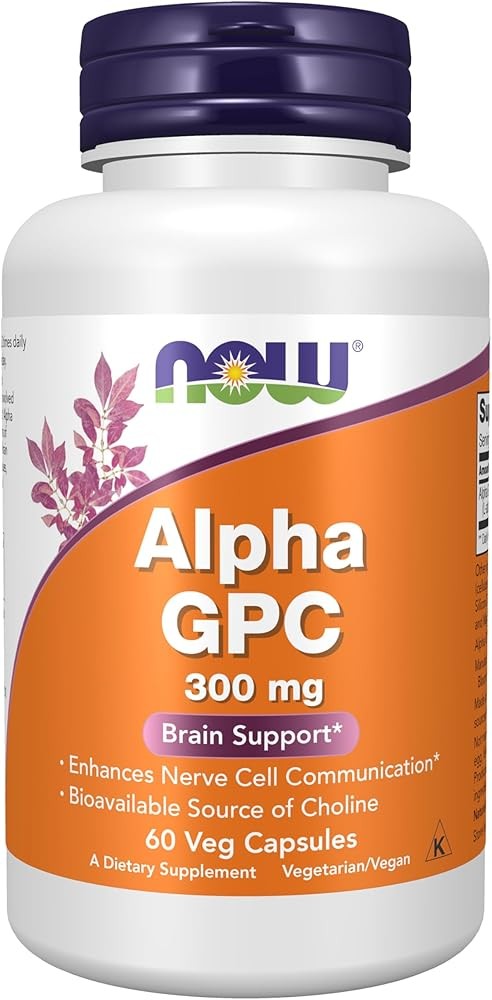
Alpha-GPC — A highly bioavailable form of choline that readily crosses the blood-brain barrier and serves as a direct precursor to acetylcholine, the neurotransmitter most associated with memory, attention, and learning. Research shows 300-600 mg daily can improve cognitive performance, particularly in tasks requiring sustained attention.

Citicoline (CDP-Choline) — Works synergistically with alpha-GPC by supporting phospholipid synthesis in neuronal membranes while also enhancing dopamine receptor density. Studies show improvements in attention, psychomotor speed, and memory.

Life Extension Citicoline
Check Price on AmazonAs an Amazon Associate we earn from qualifying purchases.
Phosphatidylserine — A phospholipid that is a key structural component of neuronal cell membranes, supporting cell-to-cell communication and membrane fluidity. Clinical research demonstrates benefits for memory, attention, and processing speed, particularly in aging adults.
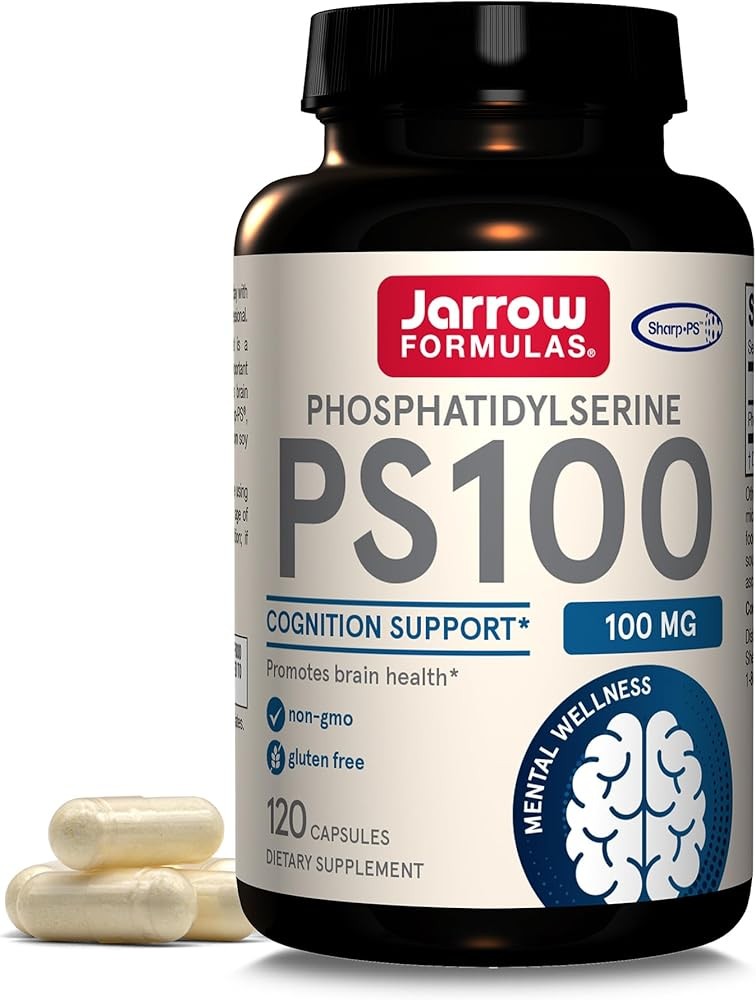
Jarrow Formulas PS100
Check Price on AmazonAs an Amazon Associate we earn from qualifying purchases.
L-Theanine — An amino acid from green tea that promotes calm, focused alertness by increasing alpha brain wave activity and modulating GABA, serotonin, and dopamine. Especially effective when combined with caffeine for synergistic cognitive enhancement without jitters.
Omega-3 (EPA+DHA) — The foundational brain supplement. DHA makes up 40 percent of polyunsaturated fatty acids in neuronal membranes. delivers 1280 mg EPA+DHA in triglyceride form for superior absorption.
For a comprehensive supplement protocol, see our best supplements for brain fog guide and our nootropics guide.
Bottom line: The six highest-priority supplements are Lion’s mane mushroom (stimulates nerve growth factor production), alpha-GPC 300-600 mg daily (precursor to acetylcholine for attention and memory), citicoline 250 mg (supports phospholipid synthesis and dopamine receptor density), phosphatidylserine 100 mg (makes up 40 percent of neuronal membrane polyunsaturated fatty acids), L-theanine 200 mg (increases alpha brain waves for calm focus), and omega-3s 1280 mg EPA+DHA (structural brain health and neuronal membrane integrity).
Who Is Most Likely to Benefit From a Brain Fog Diet?
While anyone can benefit from a brain-healthy diet, certain groups are disproportionately affected by diet-driven brain fog.
Heavy Processed Food Consumers
If more than 50 percent of your calories come from packaged, processed, or fast foods, dietary changes will likely produce the most dramatic improvements in mental clarity. The shift from a standard American diet to a Mediterranean or MIND pattern represents one of the single largest lifestyle levers for cognitive function.
People With Gastrointestinal Issues
If you have IBS, SIBO, Crohn’s disease, ulcerative colitis, chronic bloating, or frequent digestive distress, your gut-brain axis is almost certainly compromised. Addressing gut health through diet is not optional for these individuals; it is the foundation upon which all other cognitive interventions rest.
Those With Autoimmune Conditions
Autoimmune diseases (Hashimoto’s thyroiditis, rheumatoid arthritis, lupus, multiple sclerosis, celiac disease) involve chronic systemic inflammation that directly impacts brain function. An anti-inflammatory, nutrient-dense diet is critical for managing both the autoimmune condition and the brain fog that accompanies it.
Post-COVID and Long COVID Patients
Post-COVID brain fog, one of the most common long COVID symptoms, has been linked to persistent neuroinflammation, microglial activation, and gut microbiome disruption. The dietary and supplemental interventions described in this article directly target these mechanisms.
Perimenopausal and Menopausal Women
Fluctuating and declining estrogen levels during perimenopause and menopause can cause significant brain fog because estrogen is neuroprotective and supports acetylcholine, serotonin, and dopamine function. A diet rich in phytoestrogens (soy, flaxseeds), omega-3s, and anti-inflammatory foods can partially compensate for declining estrogen levels.
Older Adults
Age-related cognitive decline is accelerated by neuroinflammation, oxidative stress, and declining nutrient absorption. The MIND diet was specifically designed for this population and has shown the strongest effects in adults over 65.
Vegans and Vegetarians
Plant-based diets can be excellent for brain health due to their high antioxidant and fiber content, but they carry specific deficiency risks for B12, DHA, iron, zinc, and choline, all nutrients critical for cognitive function. Targeted supplementation is essential.
Bottom line: People consuming a standard American diet, those with gastrointestinal or autoimmune conditions, long COVID patients, perimenopausal women, older adults, and vegans/vegetarians are the groups most likely to experience dramatic cognitive improvements from transitioning to a brain-healthy dietary pattern.
What Are the Most Common Myths About Diet and Brain Health?
Myth: Fat Is Bad for the Brain
Reality: Your brain is approximately 60 percent fat by dry weight. It needs dietary fat to build and maintain neuronal cell membranes, produce myelin, and absorb fat-soluble vitamins (A, D, E, K) that protect against neurodegeneration. The key is consuming the right fats: omega-3s from fatty fish, monounsaturated fats from olive oil and avocado, and limiting omega-6-heavy industrial seed oils. The PREDIMED trial proved that adding more fat (olive oil and nuts) to the diet actually improved cognitive function.
Myth: Fruit Juice Is a Healthy Brain Food
Reality: Fruit juice is essentially liquid sugar with the fiber removed. A glass of orange juice contains as much sugar as a can of cola and produces a similar blood sugar spike. The fiber in whole fruit slows sugar absorption and feeds beneficial gut bacteria. Eat whole fruits; skip the juice.
Myth: You Need Carbohydrates for Brain Energy
Reality: While glucose is the brain’s primary fuel under normal conditions, the brain can derive up to 60-70 percent of its energy from ketone bodies during fasting or carbohydrate restriction. Many people report superior mental clarity on lower-carbohydrate diets, suggesting that the brain may actually function better on a mix of fuels rather than relying solely on glucose.
Myth: Saturated Fat Causes Brain Damage
Reality: The relationship between saturated fat and brain health is more nuanced than decades of dietary guidelines suggested. Some saturated fats, like the medium-chain triglycerides (MCTs) in coconut oil, are actually converted to ketones that fuel the brain. The Mediterranean diet, which is the most brain-protective diet studied, includes butter, cheese, and full-fat dairy in moderation.
Myth: All Calories Are Equal for Brain Function
Reality: 500 calories from a donut and 500 calories from salmon with vegetables produce radically different effects on brain chemistry, inflammation, blood sugar, and gut health. The quality and composition of your calories matters far more than the quantity.
Myth: Supplements Can Replace a Good Diet
Reality: Supplements address specific deficiencies and can accelerate improvement, but they cannot compensate for the broad spectrum of phytonutrients, fiber, probiotics, and synergistic compounds found in whole foods. A brain-healthy diet provides thousands of bioactive compounds that work together in ways that no supplement stack can replicate. Diet first, supplements second.
Bottom line: The six most persistent myths about diet and brain health — that fat is harmful, juice is healthy, carbs are required, saturated fat causes damage, all calories are equal, and supplements can replace food — are all contradicted by the clinical evidence showing that healthy fats, whole foods, and dietary quality matter far more than calorie counting or fat avoidance.
How Do You Put Together a Complete Brain Fog Action Plan?
Step 1: Assess Your Baseline (Week 0)
Before making changes, spend 3-5 days tracking:
- What you eat and when (use a food journal or app)
- Brain fog severity on a 1-10 scale at morning, midday, and evening
- Energy levels, mood, sleep quality, and digestive symptoms
- How much water you drink
This baseline gives you objective data to measure progress against.
Step 2: Clean the Foundation (Weeks 1-2)
- Eliminate sugar-sweetened beverages, ultra-processed foods, and industrial seed oils
- Eat protein at every meal (minimum 20 grams)
- Add leafy greens and berries daily
- Hydrate properly (half body weight in ounces)
- Switch to olive oil as your primary cooking fat
Step 3: Build the Brain-Healthy Pattern (Weeks 3-4)
- Add fatty fish 2-3 times per week
- Include fermented foods daily
- Increase vegetable variety (aim for 30 different plants per week)
- Add nuts, seeds, and beans as daily staples
- Reduce or eliminate alcohol
Step 4: Supplement Strategically (Week 2+)
- Start omega-3 supplementation if not eating fatty fish regularly
- Test and correct vitamin D, B12, iron, and magnesium levels
- Consider a probiotic for gut-brain axis support
Step 5: Fine-Tune (Month 2+)
- If brain fog persists, try the elimination diet protocol
- Experiment with intermittent fasting (start with 14:10, progress to 16:8)
- Optimize meal timing based on your personal energy patterns
- Consider whether histamine intolerance might be a factor
Step 6: Maintain and Monitor (Ongoing)
- Repeat your food and symptom journal periodically to catch drift
- Check in with yourself monthly to track ongoing progress
- Expect that occasional diet “lapses” will produce more noticeable brain fog than before you made changes, use this sensitivity as motivation to stay on track
- Remember that the brain continues to remodel for 6-12 months after dietary changes, so ongoing improvement is expected
Bottom line: A complete brain fog action plan follows six progressive steps — baseline assessment, foundation cleaning, building a brain-healthy pattern, strategic supplementation, fine-tuning through elimination diets and fasting, and ongoing monitoring — with most people experiencing meaningful cognitive improvements within the first 2-4 weeks of consistent implementation.
Complete Support System for Brain Fog Relief
Addressing brain fog requires a comprehensive approach beyond just diet. These evidence-based interventions work synergistically to support cognitive function and mental clarity.
Foundation Nutrients:
- Omega-3 Fatty Acids — DHA makes up 40 percent of neuronal membrane polyunsaturated fatty acids. delivers 1280 mg EPA+DHA in superior triglyceride form.
- Magnesium L-Threonate — Only form shown to cross blood-brain barrier and increase brain magnesium levels. See our detailed magnesium L-threonate review.
- B-Complex with Active Forms — Methylcobalamin B12 and methylfolate support myelin production and neurotransmitter synthesis. Essential for vegans and adults over 50.
Cognitive Enhancement Stack:
- Lion’s Mane Mushroom — stimulates nerve growth factor production supporting neuronal growth and repair.
- Alpha-GPC — provides 300 mg highly bioavailable choline crossing blood-brain barrier as acetylcholine precursor.
- Citicoline — supports phospholipid synthesis in neuronal membranes while enhancing dopamine receptor density.
Life Extension Citicoline
Check Price on AmazonAs an Amazon Associate we earn from qualifying purchases.
- Phosphatidylserine — delivers 100 mg per softgel supporting neuronal cell membrane integrity and cell-to-cell communication.
Jarrow Formulas PS100
Check Price on AmazonAs an Amazon Associate we earn from qualifying purchases.
Stress and Focus Support:
- L-Theanine — promotes calm focused alertness by increasing alpha brain wave activity. Synergistic with caffeine.
- Adaptogenic Herbs — Rhodiola, ashwagandha, and holy basil lower cortisol and support stress resilience.
Lifestyle Multipliers:
- Sleep Optimization — 7-9 hours allows glymphatic system to flush metabolic waste including beta-amyloid proteins. See our nighttime routines guide.
- Exercise — Aerobic activity increases BDNF by 200-300 percent directly promoting neurogenesis and synaptic strength.
- Intermittent Fasting — 16:8 protocol activates autophagy, produces ketones, and reduces neuroinflammation.
- Gut Health Support — Probiotics and fermented foods modulate gut-brain axis. Research shows beneficial gut bacteria produce 90 percent of serotonin.
For detailed supplement protocols, see our comprehensive guides on best supplements for brain fog and nootropics that actually work.
Our Top Recommendations
📱 Join the discussion: Facebook | X | YouTube | Pinterest
Frequently Asked Questions About Diet and Brain Fog
What is the single best food for clearing brain fog?
If you could only add one food to your diet for brain fog relief, fatty fish like wild salmon would be the top choice. DHA from fatty fish makes up approximately 40 percent of the polyunsaturated fatty acids in neuronal cell membranes, making it a literal building block of your brain. A meta-analysis of 58 randomized controlled trials found that 2,000 mg per day of omega-3 supplementation produced significant improvements in attention, perceptual speed, and language function. Eating 2-3 servings of fatty fish per week provides the DHA your brain needs to reduce neuroinflammation, support synaptic plasticity, and maintain healthy cerebral blood flow.
How quickly will a diet change improve brain fog?
Most people notice initial improvements within 5-7 days of eliminating refined sugar, ultra-processed foods, and industrial seed oils while increasing protein, healthy fats, and vegetables. The first 3-5 days may actually feel worse as your body adjusts (sugar withdrawal, gut microbiome shifts), but by the end of week one, morning alertness and post-meal energy stability typically improve. By weeks 2-4, focus duration, verbal fluency, and afternoon clarity are noticeably better. Deep neurobiological remodeling continues for 2-3 months as gut bacteria shift, neuroinflammation decreases, and new neural connections strengthen.
Can brain fog be caused by food sensitivities?
Yes. Food sensitivities are one of the most frequently overlooked causes of persistent brain fog. Research shows that 90 percent of individuals with non-celiac gluten sensitivity experience neurocognitive symptoms after gluten ingestion, including trouble concentrating, forgetfulness, and grogginess. Dairy, histamine-rich foods, eggs, soy, and corn are other common triggers. A 30-day elimination diet followed by systematic reintroduction is the gold standard for identifying which specific foods trigger your brain fog. If your brain fog persists despite eating a generally healthy diet, food sensitivities should be investigated.
Is the Mediterranean diet or keto diet better for brain fog?
The Mediterranean and MIND diets have the strongest and most extensive clinical evidence for improving cognitive function across large populations, with the MIND diet reducing Alzheimer’s risk by up to 53 percent in long-term studies. The ketogenic diet may be particularly effective for individuals whose brain fog stems from insulin resistance or glucose hypometabolism, as ketones provide an alternative brain fuel that bypasses impaired glucose metabolism. For most people, a Mediterranean-style diet with reduced refined carbohydrates is the most practical and sustainable approach. A cyclical ketogenic approach — alternating periods of carb restriction with Mediterranean-style eating — can offer benefits of both patterns.
What supplements help brain fog the most?
The highest-priority supplements for brain fog, based on clinical evidence, are omega-3 fatty acids (1,000-2,000 mg DHA daily for neuronal membrane support), magnesium glycinate or L-threonate (200-400 mg daily for synaptic function), vitamin B12 as methylcobalamin (if deficient, supplementation improved cognition in 84% of subjects), lion’s mane mushroom (for nerve growth factor stimulation), and alpha-GPC or citicoline (for acetylcholine production, the neurotransmitter most associated with memory and attention). However, supplements work best when filling gaps in an otherwise brain-healthy diet — they cannot compensate for a diet high in sugar, processed foods, and inflammatory oils.
Does intermittent fasting help with brain fog?
Intermittent fasting is one of the most effective lifestyle interventions for brain fog. It works through multiple mechanisms: increasing BDNF (brain-derived neurotrophic factor) by 50-400 percent, activating autophagy (cellular cleanup of damaged proteins), producing ketones (efficient alternative brain fuel), reducing neuroinflammation, and improving insulin sensitivity. The 16:8 protocol — eating within an 8-hour window and fasting for 16 hours — is the most sustainable starting point. Many people report their sharpest mental clarity during the fasted state, particularly after the initial 1-2 week adaptation period.
Recommended Supplements
Final Thoughts
Brain fog is not something you have to live with. For the vast majority of people, it is a signal, a message from your body that something in your internal environment needs to change. And more often than not, that something is food.
The evidence is clear: dietary patterns like the Mediterranean and MIND diets can produce measurable, significant improvements in cognitive function. The mechanisms are well-understood: neuroinflammation, oxidative stress, blood sugar dysregulation, gut-brain axis disruption, and micronutrient deficiencies all respond powerfully to dietary intervention. And the timeline is encouraging: most people notice meaningful improvements within one to four weeks, with deeper changes continuing for months.
You do not need a perfect diet to clear brain fog. You need a consistently good enough diet, one that provides your brain with the fats, antioxidants, fiber, protein, and micronutrients it needs while avoiding the processed foods, refined sugars, and inflammatory compounds that undermine it. Start with the changes that feel most manageable, build from there, and let your body’s signals guide you.
Your brain is the most complex organ in the known universe. Feed it accordingly.
Related Articles
- Mental Clarity, Focus, and Cognitive Function: Understanding Brain Fog and Evidence-Based Solutions
- Mental Clarity, Focus, and Cognitive Function: Best Supplements for Brain Fog Backed by Research (2026)
- Mental Clarity, Focus, and Cognitive Function: Gut-Brain Connection and Mental Clarity
- Mental Clarity, Focus, and Cognitive Function: Best Omega-3 Supplements for Brain Health and Cognition
- Mental Clarity, Focus, and Cognitive Function: Best Nootropic Supplements that Actually Work
For more context, see our guide on Unlocking Mental Clarity: The Science Behind Caffeine and L-Theanine.
Related Reading
- Mental Clarity, Focus, and Cognitive Function: Understanding Brain Fog and Evidence-Based Solutions
- Mental Clarity, Focus, and Cognitive Function: Best Supplements for Brain Fog Backed by Research
- Mental Clarity, Focus, and Cognitive Function: Best Supplements for ADHD Focus
- Mental Clarity, Focus, and Cognitive Function: Best Alpha GPC Supplements for Focus and Memory
- Mental Clarity, Focus, and Cognitive Function: Best Bacopa Monnieri Supplements for Memory
- Mental Clarity, Focus, and Cognitive Function: Best Nootropic Supplements that Actually Work
- Mental Clarity, Focus, and Cognitive Function: Best B Vitamin Complex for Mental Clarity and Energy
References
Morris MC, Tangney CC, Wang Y, et al. MIND diet slows cognitive decline with aging. Alzheimers Dement. 2015;11(9):1015-1022. PubMed | DOI
Valls-Pedret C, Sala-Vila A, Serra-Mir M, et al. Mediterranean diet and age-related cognitive decline: a randomized clinical trial. JAMA Intern Med. 2015;175(7):1094-1103. PubMed | DOI
Xia W, Luo Y, Chen YC, et al. Glucose fluctuations are linked to disrupted brain functional architecture and cognitive impairment. Neuroimage. 2020;210:116557. PubMed | DOI
Dighriri IM, Alsubaie AM, Hakami FM, et al. Effects of omega-3 polyunsaturated fatty acids on brain functions: a systematic review. Cureus. 2022;14(10):e30091. PubMed | DOI
Wittbrodt MT, Millard-Stafford M. Dehydration impairs cognitive performance: a meta-analysis. Med Sci Sports Exerc. 2018;50(11):2360-2368. PubMed | DOI
Jing X, et al. Pharmacological inhibition of IRAK1/4 ameliorates high-fat diet-induced vascular dysfunction and cognitive impairment. J Neuroinflammation. 2026;23:49. PubMed
Goncalves NG, Ferreira NV, Khandpur N, et al. Association between consumption of ultraprocessed foods and cognitive decline. JAMA Neurol. 2023;80(2):142-150. PubMed | DOI
Li H, Li S, Yang H, et al. Associations between ultra-processed food consumption and adverse brain health outcomes. Neurology. 2024;102(11):e209432. PubMed | DOI
Bergia RE, et al. Fermented foods: harnessing their potential to modulate the microbiota-gut-brain axis for mental health. Neurosci Biobehav Rev. 2024;158:105562. PubMed | DOI
Berding K, Vlckova K, Marx W, et al. Feeding gut microbes to nourish the brain: unravelling the diet-microbiota-gut-brain axis. Nat Metab. 2024;6:1454-1478. PubMed | DOI
Whyte AR, Cheng N, Butler LT, et al. Blueberries improve neuroinflammation and cognition differentially depending on individual cognitive baseline status. J Gerontol A Biol Sci Med Sci. 2019;74(7):977-983. PubMed | DOI
Boespflug EL, Eliassen JC, Dudley JA, et al. Enhanced task-related brain activation and resting perfusion in healthy older adults after chronic blueberry supplementation. Appl Physiol Nutr Metab. 2018;43(1):21-27. PubMed | DOI
Small GW, Siddarth P, Li Z, et al. Memory and brain amyloid and tau effects of a bioavailable form of curcumin in non-demented adults: a double-blind, placebo-controlled 18-month trial. Am J Geriatr Psychiatry. 2018;26(3):266-277. PubMed | DOI
Croall ID, et al. Gluten-induced neurocognitive impairment: results of a nationwide study. Nutrients. 2022;14(15):3186. PubMed
Dowis K, Banga S. The potential health benefits of the ketogenic diet: a narrative review. Nutrients. 2021;13(5):1654. PubMed | DOI
Altinsoy C, Dikmen D. How are brain fog symptoms related to diet, sleep, mood and gastrointestinal health? A cross-sectional study. Medicina. 2025;61(2):344. PubMed | DOI
Mattson MP, Moehl K, Ghena N, et al. Intermittent metabolic switching, neuroplasticity and brain health. Nat Rev Neurosci. 2018;19(2):63-80. PubMed | DOI
Fernandez-Lazaro CI, Adams DP, Fernandez-Lazaro D, et al. An anti-inflammatory diet and its potential benefit for individuals with mental disorders and neurodegenerative diseases: a narrative review. Nutrients. 2024;16(16):2646. PubMed | DOI
Moore E, Mander A, Ames D, et al. Cognitive impairment and vitamin B12: a review. Int Psychogeriatr. 2012;24(4):541-556. PubMed | DOI
Recommended Products