Best Lion's Mane Supplements for Brain Health (Tested)
Summarized from peer-reviewed research indexed in PubMed. See citations below.
Multiple double-blind clinical trials demonstrate that lion’s mane mushroom supplementation produces measurable cognitive improvements, with the landmark Mori et al. 2009 study showing significant cognitive score increases in elderly adults with mild cognitive impairment at 3 grams daily for 16 weeks. Research indicates lion’s mane compounds stimulate nerve growth factor (NGF) synthesis in glial cells and can increase neurite outgrowth by up to 60.6 percent when combined with exogenous NGF (Lai et al., 2013). Real Mushrooms Lion’s Mane Supplement stands out with 100 percent fruiting body extract, verified beta-glucan content exceeding 25 percent, and organic cultivation with third-party testing, typically priced around $30-35 for a month’s supply. For budget-conscious consumers, Swanson Lion’s Mane Mushroom provides 500 mg per capsule at approximately half the price of premium brands. Here’s what the published research shows about lion’s mane’s unique neurotrophic mechanisms and evidence-based dosing protocols.
Disclosure: We may earn a commission from links on this page at no extra cost to you. Affiliate relationships never influence our ratings. Full policy →
What Makes Lion’s Mane the Only Mushroom That Feeds Your Brain?
Most medicinal mushrooms earn their reputation through immune modulation. Reishi calms overactive immune responses. Turkey tail fuels natural killer cells. Chaga delivers antioxidant protection. But there is one mushroom that does something no other fungus can reliably do: it stimulates your brain to produce its own nerve growth factor.
Lion’s mane mushroom (Hericium erinaceus) — named for the cascading white spines that resemble a lion’s mane — has been used in traditional Chinese and Japanese medicine for centuries. Monks called it “yamabushitake,” the mountain priest mushroom, and consumed it to enhance concentration during meditation. Modern science has validated what those monks intuitively understood: lion’s mane contains unique bioactive compounds that cross the blood-brain barrier and directly support neuronal growth, survival, and repair (Ratto et al., 2023).
Since the landmark 2009 clinical trial by Mori and colleagues demonstrated that lion’s mane improved cognitive function in elderly adults with mild cognitive impairment, a steady stream of human studies has continued to build the evidence base. We now have randomized, double-blind, placebo-controlled trials in young adults, middle-aged populations, and elderly cohorts — all pointing toward meaningful cognitive benefits (Mori et al., 2009; Docherty et al., 2023; Surendran et al., 2025).
But the supplement market has made choosing a lion’s mane product unnecessarily confusing. Fruiting body or mycelium? Hot water extract or dual extract? 500 milligrams or 3,000? The quality differences between products are enormous, and many consumers unknowingly purchase products that contain mostly grain filler with minimal active compounds.
This guide cuts through that confusion. We will walk through the neuroscience of how lion’s mane works, examine every major human clinical trial, explain the critical quality differences between products, and give you a practical protocol backed by research. For a deeper look at the brain-specific mechanisms, see our companion article on lion’s mane mushroom benefits for the brain.
| Product | Extract Type | Beta-Glucan % | Dosage | Price Range | Best For |
|---|---|---|---|---|---|
| Real Mushrooms Lion’s Mane | Fruiting body hot water | 25%+ verified | 500mg | $30-35/month | Clinical-grade quality |
| Lion’s Mane Mushroom Gummies | Fruiting body | Not specified | Varies by product | $20-30/month | Convenient delivery |
| Lion’s Mane Brain Health Gummies | Blend | Not specified | Varies by product | $25-35/month | Taste preference |
| Host Defense Lion’s Mane | Mycelium on grain | Lower than fruiting | 500mg | $25-30/month | Full spectrum approach |
Watch Our Video Review
Check out our YouTube channel for video reviews and updates on brain health supplements.
What Makes Lion’s Mane Different From Every Other Mushroom
The medicinal mushroom world is vast — reishi, cordyceps, chaga, turkey tail, and maitake all have legitimate therapeutic applications. But lion’s mane occupies a category of one. While other medicinal mushrooms primarily work through polysaccharide-driven immune modulation, lion’s mane produces two families of compounds found nowhere else in nature that directly target the nervous system.
Hericenones: The Fruiting Body Compounds
Hericenones (A through H) are meroterpenoid compounds found exclusively in the fruiting body — the visible, above-ground part of the mushroom that you would see growing on a tree. Hericenones stimulate nerve growth factor (NGF) synthesis in glial cells, which are the support cells of the brain that nourish and protect neurons (Lai et al., 2013). They are relatively small molecules capable of crossing the blood-brain barrier via passive diffusion.
Erinacines: The Mycelium Compounds
Erinacines (A through I) are cyathane diterpenoids with a distinctive fused 5-6-7 ring structure, found exclusively in the mycelium — the underground root-like network of the fungus. Erinacine A is the most studied compound and is the only one with confirmed pharmacological activity in the central nervous system of mammals (Li et al., 2018). Erinacines also stimulate NGF synthesis and can cross the blood-brain barrier.
Why This Matters for Supplement Selection
Here is the critical distinction that most supplement buyers miss: hericenones come from the fruiting body, and erinacines come from the mycelium. This means that a fruiting-body-only product gives you hericenones but not erinacines, while a mycelium-only product gives you erinacines but not hericenones. A dual extract that includes both parts of the mushroom theoretically provides the full spectrum of neuroactive compounds.
However, there is a significant complication. Most mycelium products sold in the United States are “mycelium on grain” — the fungus is grown on a bed of brown rice or oats, and the entire substrate, grain and all, is dried, powdered, and put into capsules. This means you are potentially getting a product that is largely grain starch rather than concentrated mycelial compounds. We will address this controversy in detail in the quality section below.
How Does Lion’s Mane Work in Your Brain?
Understanding the mechanisms behind lion’s mane helps explain why it works differently from stimulant nootropics like caffeine and why its benefits accumulate over time.
Nerve Growth Factor (NGF) Stimulation
NGF is a neurotrophic protein essential for the growth, maintenance, and survival of neurons — particularly cholinergic neurons in the basal forebrain that are critical for memory and attention. NGF levels naturally decline with age, and this decline is strongly associated with the progression of neurodegenerative diseases including Alzheimer’s (Lai et al., 2013).
Lion’s mane compounds stimulate NGF synthesis in astrocytes and other glial cells. In the 2013 study by Lai and colleagues, aqueous extracts of lion’s mane fruiting body induced NGF secretion in NG108-15 cells and enhanced neurite outgrowth by up to 60.6% when combined with exogenous NGF. This means lion’s mane does not just provide a temporary cognitive boost — it triggers your brain’s own repair and growth mechanisms (Lai et al., 2013).
Brain-Derived Neurotrophic Factor (BDNF)
BDNF is often called “fertilizer for the brain.” It supports the survival of existing neurons, encourages the growth and differentiation of new neurons, and strengthens synaptic connections — the foundation of learning and memory. Lion’s mane compounds activate the TrkA receptor, which triggers downstream signaling through the MAPK/ERK, PLC-gamma, and PI3K/Akt pathways, all of which increase BDNF expression (Li et al., 2018).
Myelination Support
Myelin is the fatty sheath that wraps around nerve fibers, enabling rapid electrical signal transmission. Damaged or deteriorating myelin leads to slower processing speed, poor coordination, and cognitive decline. Preclinical research suggests that erinacines from lion’s mane mycelium may support myelination by promoting the differentiation of oligodendrocyte precursor cells — the cells responsible for producing myelin (Li et al., 2018).
Neuroinflammation Reduction
Chronic neuroinflammation is increasingly recognized as a driver of cognitive decline, depression, and neurodegenerative disease. Lion’s mane polysaccharides and terpenoids modulate key inflammatory pathways, including inhibition of NF-kB and COX-2, reducing the production of pro-inflammatory cytokines like TNF-alpha and IL-6. This anti-inflammatory action provides neuroprotective benefits that complement the neurotrophic effects (Li et al., 2018).
Antioxidant Protection
The brain consumes roughly 20% of the body’s oxygen despite accounting for only 2% of body weight, making it highly susceptible to oxidative damage from reactive oxygen species (ROS). Lion’s mane extracts demonstrate significant antioxidant activity, scavenging free radicals and upregulating endogenous antioxidant enzymes like superoxide dismutase (SOD) and catalase.
Gut-Brain Axis Effects
Emerging research points to another pathway: lion’s mane may influence brain function indirectly through the gut-brain axis. The mushroom’s polysaccharides serve as prebiotics, supporting beneficial gut bacteria that produce short-chain fatty acids and neurotransmitter precursors. An ongoing double-blind trial (NCT06870136) is specifically evaluating how a mushroom blend including lion’s mane affects the gut microbiome, with results expected in 2026.
Bottom line: Lion’s mane compounds stimulate nerve growth factor (NGF) synthesis in glial cells and can increase neurite outgrowth by up to 60.6% when combined with exogenous NGF (Lai et al., 2013), while also reducing pro-inflammatory cytokines like TNF-alpha and IL-6 through NF-kB and COX-2 pathway inhibition.
What Clinical Trials Actually Show: Walking Through the Evidence
This is where lion’s mane separates itself from most nootropic supplements. While many brain-health products rely entirely on animal studies or theoretical mechanisms, lion’s mane has a growing body of double-blind, placebo-controlled human clinical trials. Let us examine each major study.
Mori et al. — The Landmark MCI Trial
Design: Double-blind, placebo-controlled, parallel-group trial in 30 Japanese men and women aged 50-80 with diagnosed mild cognitive impairment (MCI).
Protocol: Participants received four 250 mg lion’s mane tablets three times daily (total: 3 grams per day) or placebo for 16 weeks, followed by a 4-week observation period without supplementation.
Results: The lion’s mane group showed significantly improved cognitive function scores on the Revised Hasegawa Dementia Scale (HDS-R) compared to placebo at weeks 8, 12, and 16. Improvement was progressive — scores continued to climb throughout the treatment period.
Critical finding: When participants stopped taking lion’s mane after week 16, their cognitive scores declined during the 4-week washout period. This strongly suggests that the benefits require ongoing supplementation and are not a permanent structural change from a short course of treatment (Mori et al., 2009).
Nagano et al. — Depression and Anxiety in Women
Design: Randomized, double-blind, placebo-controlled trial in 30 Japanese women (average age 41.3) experiencing a variety of indefinite complaints including menopausal symptoms.
Protocol: Participants consumed cookies containing 2 grams of lion’s mane fruiting body powder daily, or identical placebo cookies, for 4 weeks.
Results: While there were no significant between-group differences on formal depression or sleep scales, the lion’s mane group showed significant improvements in self-reported irritability, anxiety, and heart palpitations compared to placebo. The study suggests lion’s mane may have anxiolytic properties beyond its cognitive effects (Nagano et al., 2010).
Limitations: Small sample size, short duration, gender-specific design, and use of a whole-mushroom cookie rather than a standardized extract.
Saitsu et al. — Cognitive Function in Elderly Japanese
Design: Randomized trial in 31 Japanese adults over age 50 with mild cognitive difficulties.
Protocol: 3.2 grams of lion’s mane daily for 12 weeks.
Results: Significant improvement on the Mini Mental State Examination (MMSE) in the lion’s mane group compared to baseline, though improvements were not significant on two other cognitive assessments (the Benton Visual Retention Test and standard verbal paired association test). This may reflect the fact that MMSE is more sensitive to the type of cognitive changes lion’s mane produces — global cognitive function rather than specific memory subtypes (Saitsu et al., 2019).
Docherty et al. — Young Adults, Cognition, Stress, and Mood
Design: Double-blind, parallel-group pilot study in healthy young adults aged 18-45.
Protocol: 1.8 grams of lion’s mane extract daily, with assessments of both acute (single-dose) and chronic (28-day) effects on cognitive function, stress biomarkers, and self-reported mood.
Results: Lion’s mane supplementation improved cognitive performance on multiple tasks and significantly reduced subjective stress compared to placebo. This was the first study to demonstrate acute cognitive effects from a single dose — participants performed significantly faster on the Stroop task (a measure of executive function and processing speed) just one hour after taking lion’s mane. Chronic supplementation produced additional benefits in mood and stress reduction (Docherty et al., 2023).
Significance: This study demonstrated that lion’s mane benefits are not limited to elderly populations with cognitive impairment — healthy young adults also show measurable improvements.
Surendran et al. — Acute Effects in Healthy Younger Adults
Design: Double-blind, randomized, placebo-controlled trial in healthy adults aged 18-35 in the United Kingdom.
Protocol: A single 3-gram dose of standardized lion’s mane fruiting body extract (equivalent to 30 grams of fresh fruiting body).
Results: The study assessed acute cognitive and mood effects within hours of a single dose. Participants showed improvements in cognition and mood measures, building on the acute findings from Docherty et al. 2023 and confirming that even a single dose of lion’s mane can produce measurable cognitive effects in young, healthy individuals (Surendran et al., 2025).
La Monica et al. — Lion’s Mane and Working Memory
Design: Randomized, double-blind, placebo-controlled, crossover study comparing 650 mg guayusa extract versus 1 gram Nordic lion’s mane extract versus placebo.
Protocol: Participants completed neuropsychological tests (Go/No-go, N-Back, Serial 7s) at baseline and at 1 and 2 hours post-ingestion.
Results: A single 1-gram dose of lion’s mane improved working memory, complex attention, and reaction time at the 2-hour time point. This provides further evidence for acute cognitive effects and suggests that even relatively modest doses of a quality extract can produce meaningful short-term improvements (La Monica et al., 2023).
The Big Picture
Across these studies, several patterns emerge:
- Doses of 1-3.2 grams daily produce benefits across diverse populations
- Both acute (within hours) and chronic (weeks to months) effects exist, but chronic effects are more robust
- Benefits improve when supplementation stops (Mori et al., 2009), suggesting ongoing use is necessary
- Quality of extract matters — studies using standardized, well-characterized extracts show clearer results
- Effects span cognition, mood, and stress — lion’s mane is not a one-dimensional nootropic
Bottom line: Multiple independent clinical trials demonstrate that lion’s mane supplementation produces measurable cognitive improvements in both elderly adults with mild cognitive impairment and healthy younger adults, with benefits emerging at 1-4 weeks and building through 16+ weeks of consistent use.
Which Is Better: Fruiting Body or Mycelium Lion’s Mane?
This is arguably the most important section of this article. The difference between a high-quality lion’s mane supplement and a low-quality one is not a minor quibble — it can mean the difference between getting therapeutic compounds and getting expensive brown rice powder.
The Fruiting Body Advantage
The fruiting body is the visible mushroom — the part with the distinctive cascading white spines. Fruiting body extracts contain:
- Hericenones A-H — the neurotrophic compounds that stimulate NGF synthesis
- High concentrations of beta-glucans — typically 30-40% in quality extracts
- Minimal starch content — because the fruiting body is pure mushroom tissue
A 2020 analysis published in the Journal of Fungi found that fruiting body products contained 3-5 times more beta-glucans than mycelium-on-grain products. Beta-glucan content in fruiting body extracts typically runs 30-40%, while mycelium-on-grain products often test at just 5-7% — and sometimes as low as zero.
The Mycelium-on-Grain Problem
Most mycelium supplements sold in the United States are produced by growing lion’s mane mycelium on a bed of sterilized grain (usually brown rice or oats). When it comes time to harvest, the mycelium has grown throughout the grain, and separating the two is impractical. So the entire mass — mycelium interwoven with grain substrate — is dried, ground, and encapsulated.
The problem is straightforward: a significant percentage of what you are consuming is grain, not mushroom. Independent testing has shown that some mycelium-on-grain products contain:
- High levels of grain starch (alpha-glucans from the rice/oat substrate)
- Low levels of beta-glucans (the therapeutically active mushroom polysaccharides)
- Unknown concentrations of erinacines — because the grain dilutes whatever mycelial compounds are present
What About Erinacines?
This is where the debate gets nuanced. Erinacines are found only in the mycelium, not the fruiting body. Erinacine A is the most potent NGF-stimulating compound identified in lion’s mane, and it comes exclusively from mycelial tissue (Li et al., 2018).
So the theoretical argument for mycelium products is legitimate: they should contain erinacines that fruiting body products lack. The problem is that most mycelium-on-grain products do not guarantee or test for erinacine content. You may be getting the grain substrate without meaningful levels of the compounds that justify using mycelium in the first place.
How to Navigate This
For most consumers, a fruiting body extract is the safer choice. Here is why:
- Verified beta-glucan content — reputable fruiting body products test and report beta-glucan levels
- Confirmed hericenone content — the neurotrophic compounds are well-characterized in fruiting body extracts
- The clinical trials used fruiting body — Mori et al. 2009 used fruiting body tablets, and Surendran et al. 2025 used a fruiting body extract standardized to 30% polysaccharides
- No grain filler concerns — you know you are getting pure mushroom
If you specifically want erinacines, look for a product that uses liquid fermentation (submerged cultivation) rather than grain-grown mycelium. Liquid-cultured mycelium does not contain grain substrate and can be concentrated to meaningful erinacine levels. Some advanced products use a dual extract combining fruiting body hot-water extract with liquid-cultured mycelium ethanol extract to capture both compound families.
What to Look for on the Label
- “Fruiting body” or “fruiting body extract” — confirms the source
- Beta-glucan percentage — look for 25%+ (ideally 30%+)
- No “myceliated grain,” “mycelial biomass,” or “full spectrum” — these often indicate mycelium-on-grain
- Extract ratio (e.g., 10:1 or 8:1) — indicates a concentrated extract rather than raw powder
- Third-party testing — independent verification of active compound content
Bottom line: Fruiting body extracts with verified beta-glucan content are the safer choice for most consumers because they provide confirmed hericenone levels without grain filler dilution, and the clinical trials demonstrating cognitive benefits primarily used fruiting body preparations.
What Signs Indicate You Might Benefit From Lion’s Mane?
Your body communicates constantly about what it needs and how it responds to interventions. With lion’s mane, the signals can be subtle — this is not caffeine, and you will not feel a sudden jolt. The changes are more like a gradual lifting of fog.
Signs You Might Benefit From Lion’s Mane
Pay attention if you regularly experience:
- Brain fog that persists despite adequate sleep — a vague feeling of mental cloudiness, like thinking through cotton
- Declining short-term memory — walking into a room and forgetting why, losing track of conversations, misplacing items more frequently
- Difficulty concentrating for sustained periods — your attention wanders after 10-15 minutes even when the task matters to you
- Increased anxiety or irritability without clear cause — Nagano et al. 2010 specifically found improvements in these areas
- Slower processing speed — you notice it takes longer to complete mental tasks that used to feel easy
- Word-finding difficulties — the name or term is on the tip of your tongue but will not surface
- Poor performance under cognitive stress — exams, presentations, or complex problem-solving feel harder than they should
- Age-related cognitive concerns — you are over 50 and notice your mental sharpness declining
These symptoms may reflect declining neurotrophic factor levels, chronic neuroinflammation, or insufficient neuronal maintenance — all of which lion’s mane compounds directly address.
What Improvement Looks Like
Based on clinical trial outcomes and consistent user reports, here is what positive response typically looks like:
- Clearer mental processing — the fog lifts, and thoughts flow more smoothly
- Improved recall — names, facts, and details surface more quickly and reliably
- Better sustained attention — you can focus for longer periods without your mind wandering
- Reduced mental fatigue — the afternoon cognitive slump becomes less severe
- More stable mood — less irritability and anxiety, particularly under stress
- Enhanced verbal fluency — words come more easily in conversation and writing
- Greater mental stamina — complex cognitive tasks feel less draining
- Improved dream recall — many users report more vivid dreams, which may reflect enhanced memory consolidation during sleep
Warning Signs to Watch For
While lion’s mane is generally very well-tolerated, watch for these signals (Nasser et al., 2025):
- Gastrointestinal upset — nausea, bloating, or digestive discomfort. This is the most commonly reported side effect and usually resolves by reducing the dose or taking it with food
- Allergic reactions — itching, rash, or difficulty breathing. If you have a known mushroom allergy, do not take lion’s mane. Discontinue immediately if any allergic symptoms appear
- Increased bruising or prolonged bleeding from cuts — because of hericenone B’s antiplatelet activity. This is rare at typical doses but worth monitoring, especially if you take blood thinners
- Skin sensitivity or itching without a rash — occasionally reported, possibly related to increased NGF activity (NGF plays a role in skin sensation)
- Any worsening of autoimmune symptoms — because lion’s mane can modulate immune function
Timeline: What to Expect and When
Week 1: Most people notice nothing dramatic. Some report slightly improved sleep quality or more vivid dreams. A few sensitive individuals may notice subtle improvements in mental clarity. If you experience mild digestive adjustment, it typically resolves within a few days.
Weeks 2-3: This is when most people first notice a difference. The most common early sign is improved clarity of thought — the mental fog begins to thin. You may find it slightly easier to concentrate during demanding tasks. Recall of recent events may improve modestly.
Week 4 (1 month): Clinical trial data shows measurable improvements by this point. Docherty et al. 2023 found significant cognitive and mood improvements at the 28-day mark in young adults. If you have noticed no benefit at all after 4 weeks at an adequate dose (1,500+ mg/day of a quality extract), the product may not be effective for you — consider trying a different brand or formulation.
Weeks 8-12: The Mori et al. 2009 trial showed progressive improvement through weeks 8, 12, and 16. This is where the neurotrophic effects truly accumulate — NGF-driven neuronal growth and synaptic strengthening take time. Many users report that the most meaningful improvements in memory, focus, and emotional stability emerge during this window.
3+ months: Long-term users often describe a cumulative “baseline shift” — their normal cognitive functioning improves to a noticeably higher level. The Mori et al. 2009 study showed that benefits continued to build through the full 16-week trial, suggesting that longer supplementation periods produce greater effects. However, stopping supplementation leads to gradual decline back toward baseline within weeks.
Bottom line: Acute effects from lion’s mane can appear within 1-2 hours at doses as low as 1 gram (La Monica et al., 2023), but clinical trials show progressive cognitive improvements accumulate over 4-16 weeks at doses of 1.8-3.2 grams daily, with benefits reversing within 4 weeks of discontinuation (Mori et al., 2009).
What Dose of Lion’s Mane Should You Take?
Effective Dose Ranges
Clinical trials have used a range of doses, all of which showed some benefit:
- 1 gram/day — La Monica et al. 2023 showed acute cognitive improvements at this dose
- 1.8 grams/day — Docherty et al. 2023 demonstrated both acute and chronic benefits
- 2 grams/day — Nagano et al. 2010 (as whole mushroom powder in cookies)
- 3 grams/day — Mori et al. 2009, the landmark MCI trial; Surendran et al. 2025 (single acute dose)
- 3.2 grams/day — Saitsu et al. 2019 in elderly participants
The practical recommendation based on available evidence: 1,000-3,000 mg per day of a quality extract. Start at the lower end and increase over 2-4 weeks if needed. There is no evidence that doses above 3,000 mg daily produce additional benefits.
Important distinction: These doses refer to the weight of the extract, not raw mushroom powder. A 10:1 extract means 1 gram of extract is derived from 10 grams of raw mushroom, so 500 mg of a 10:1 extract is therapeutically equivalent to 5,000 mg of raw mushroom powder.
Timing
- Morning dosing is most popular — aligns with when you need cognitive function most
- Split dosing (morning and early afternoon) — may provide more sustained effects throughout the day
- Take with food, preferably containing some fat — improves absorption of fat-soluble hericenones and erinacines
- Avoid evening dosing if you experience vivid dreams — some users report sleep disruption with late-day dosing, though others find lion’s mane actually improves sleep quality
- Consistency matters more than timing — the neurotrophic effects build over weeks, so daily compliance is more important than optimizing the exact hour
Extract Types and Ratios
- Hot water extract — best for extracting beta-glucans and water-soluble polysaccharides
- Ethanol (alcohol) extract — best for extracting hericenones and erinacines (these are not very water-soluble)
- Dual extract (hot water + ethanol) — captures both water-soluble and fat-soluble compounds. This is the gold standard extraction method for maximum therapeutic benefit
- Raw powder — unextracted mushroom powder. Contains all compounds but in lower bioavailable concentrations. Requires higher doses
- Extract ratios — a 10:1 extract means 10 kg of raw mushroom were used to produce 1 kg of extract. Higher ratios mean more concentrated active compounds
Which Lion’s Mane Products Should You Buy?
After evaluating extraction methods, beta-glucan content, source material, third-party testing, and clinical evidence, here are the products worth your money.
Best Overall: Real Mushrooms Lion’s Mane
Real Mushrooms has established itself as the gold standard for quality in the medicinal mushroom space. Their lion’s mane product uses 100 percent fruiting body extract with no mycelium on grain and no fillers, verified beta-glucan content exceeding 25 percent through independent testing, hot water extraction for maximum polysaccharide yield, and organic cultivation with third-party testing for heavy metals and contaminants.
This product represents a strong option for most consumers. The fruiting body source means you are getting confirmed hericenone content and high beta-glucan levels. If you are going to invest in one lion’s mane supplement, prioritize a fruiting body extract from a company that tests and verifies its active compounds.
Host Defense, founded by renowned mycologist Paul Stamets, takes a fundamentally different approach. Their products use mycelium grown on organic brown rice, which they argue provides a full spectrum of mycelial compounds including erinacines.
The case for Host Defense includes Paul Stamets being a legitimate mycologist with decades of research experience, the company’s argument that mycelium-on-grain provides beneficial compounds beyond what isolated extracts deliver, and their certified organic and sustainable production methods.
The case against includes independent testing showing Host Defense products contain significant grain starch from the rice substrate, beta-glucan levels typically lower than fruiting body products, no published erinacine content data, and most clinical trials using fruiting body preparations rather than mycelium-on-grain.
Our assessment is that Host Defense is a reputable company with good manufacturing practices, but the mycelium-on-grain approach means you are likely getting less active mushroom compounds per capsule compared to a fruiting body extract. If you choose Host Defense, consider using a higher dose to compensate.
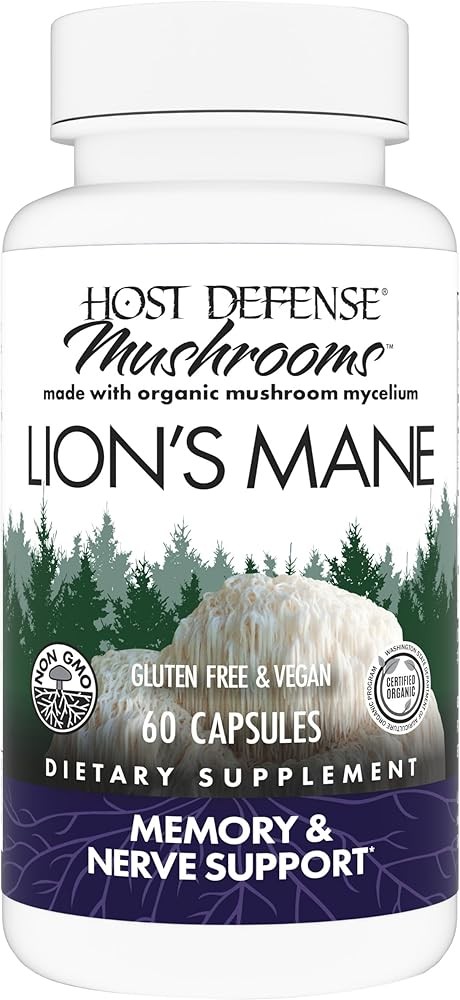
Host Defense Lion's Mane Capsules
Check Price on AmazonAs an Amazon Associate we earn from qualifying purchases.
Best Budget: Lion’s Mane Mushroom Gummies

For those who want to try lion’s mane without a premium price commitment or prefer gummy delivery, this option offers convenient supplementation. Gummy formats provide an alternative for those who struggle with capsule swallowing or prefer a more palatable delivery method.
Best for first-time users who want to assess their response before investing in a premium product, anyone preferring gummy format over capsules, or those on a tight supplement budget who still want to include lion’s mane in their stack.
Limitation is that gummy products may not provide the same level of extract standardization or beta-glucan verification as premium fruiting body extracts. If you respond well to the gummy format, upgrading to a standardized fruiting body extract may amplify results.
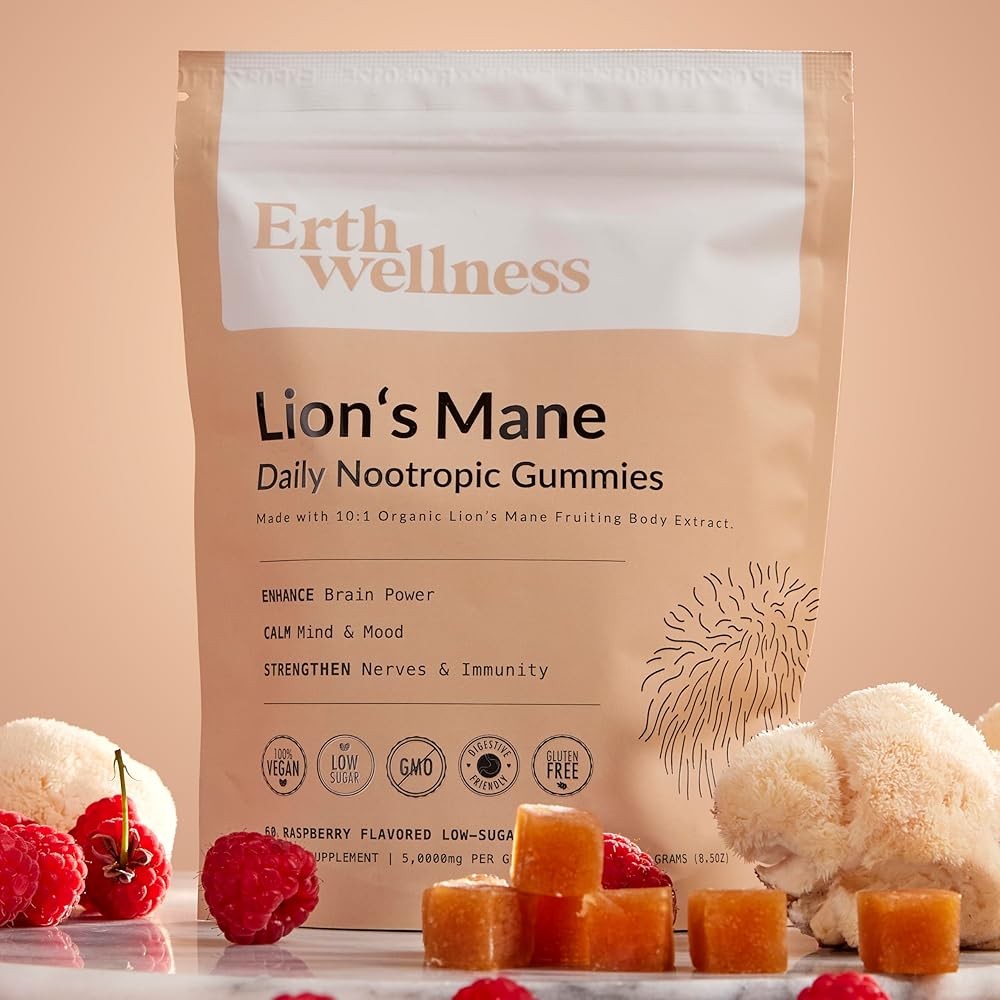
Lion's Mane Mushroom Gummies
Check Price on AmazonAs an Amazon Associate we earn from qualifying purchases.
Alternative Option: Lion’s Mane Brain Health Gummies
This alternative gummy formulation targets brain health specifically, often combining lion’s mane with complementary nootropic ingredients for synergistic cognitive benefits.
What to Avoid
- Products that list “myceliated grain” or “mycelial biomass” as the primary ingredient without specifying erinacine or beta-glucan content
- Products with no third-party testing — medicinal mushrooms can accumulate heavy metals
- Products that make outlandish claims — “supports recovery from Alzheimer’s,” “improves dementia,” “instant genius pill.” These are red flags for disreputable companies
- Proprietary blends that hide individual ingredient amounts — you cannot assess the dose if they will not tell you how much lion’s mane is actually in the capsule
Who Should Consider Lion’s Mane
Age-Related Cognitive Decline
The strongest clinical evidence supports lion’s mane for adults over 50 experiencing mild cognitive impairment. The Mori et al. 2009 and Saitsu et al. 2019 trials specifically enrolled this population and found significant improvements. If you or a family member are noticing age-related memory decline, lion’s mane is one of the best-evidenced natural interventions available.
Students and Knowledge Workers
The Docherty et al. 2023 and La Monica et al. 2023 studies demonstrated cognitive benefits in healthy younger adults, including improved processing speed, working memory, and sustained attention. For students facing exams or professionals handling complex cognitive work, lion’s mane offers benefits without the jitteriness, tolerance, or crash associated with stimulant nootropics. Check out our guide on the best nootropic supplements that actually work for additional options.
People With Anxiety or Stress-Related Cognitive Issues
Both Nagano et al. 2010 and Docherty et al. 2023 found mood and stress improvements alongside cognitive benefits. If anxiety or chronic stress is impairing your ability to think clearly, lion’s mane addresses both the cognitive symptoms and the underlying emotional state.
Individuals Recovering From Nerve Injuries
Preclinical research suggests lion’s mane may support peripheral nerve regeneration. While human clinical trials for this specific application are limited, the neurotrophic mechanism — stimulating NGF which is critical for nerve repair — provides a strong theoretical basis (Li et al., 2018).
Those With a Family History of Neurodegenerative Disease
While lion’s mane is not a proven preventive for Alzheimer’s or Parkinson’s disease, its ability to stimulate neurotrophic factor production and reduce neuroinflammation makes it a reasonable proactive measure for those with genetic risk factors. Long-term neuroprotection is by nature difficult to study in clinical trials, but the mechanistic evidence is compelling.
Who Should Be Cautious
Mushroom Allergies
This should be obvious but is worth stating explicitly: if you have a known allergy to mushrooms, do not take lion’s mane. Cross-reactivity between different mushroom species is common. If you have never consumed lion’s mane specifically, start with a very small dose and monitor for allergic reactions (itching, swelling, rash, difficulty breathing).
Bleeding Disorders and Anticoagulant Medications
Hericenone B from lion’s mane has demonstrated antiplatelet activity in laboratory studies, meaning it can inhibit the aggregation of blood platelets that forms clots. For most healthy people at typical supplement doses, this is not a concern. However:
- People with hemophilia or other bleeding disorders should consult their hematologist before use
- Those taking anticoagulant drugs (warfarin, acenocoumarol, rivaroxaban, apixaban) or antiplatelet agents (aspirin, clopidogrel) should discuss lion’s mane with their prescriber, as the combination could theoretically increase bleeding risk
- Stop lion’s mane at least two weeks before elective surgery to minimize any potential intraoperative or postoperative bleeding complications
Autoimmune Conditions
Lion’s mane can modulate immune function, and there is a theoretical concern that it could exacerbate autoimmune conditions by stimulating an already overactive immune system. If you have lupus, rheumatoid arthritis, multiple sclerosis, or another autoimmune disease, discuss lion’s mane with your immunologist before starting supplementation.
Pregnancy and Breastfeeding
There is insufficient safety data to recommend lion’s mane during pregnancy or breastfeeding. While there are no documented adverse effects, the absence of evidence is not evidence of absence. The prudent approach is to avoid supplementation during these periods unless specifically advised by your healthcare provider.
Stacking Protocols: Lion’s Mane With Other Brain-Support Compounds
Lion’s mane works through unique mechanisms (neurotrophic factor stimulation) that complement rather than overlap with most other nootropics. This makes it an excellent foundation for a cognitive support stack. For a detailed look at how lion’s mane compares with other focus-enhancing compounds, see our lion’s mane vs. alpha-GPC comparison.
Stack 1: Lion’s Mane + Alpha-GPC (Memory and Focus)
Rationale: Lion’s mane stimulates NGF which promotes cholinergic neuron growth and health, while alpha-GPC provides the raw material (choline) for acetylcholine synthesis. The combination supports both the hardware (neurons) and the software (neurotransmitter) of the cholinergic memory system.
- Lion’s mane: 1,000-2,000 mg fruiting body extract in the morning
- Alpha-GPC: 300-600 mg in the morning
This combination is commonly used by those whose primary goal is improved memory and focus. Read more about alpha-GPC in our lion’s mane vs. alpha-GPC comparison.
Stack 2: Lion’s Mane + Caffeine + L-Theanine (Immediate Focus + Long-Term Protection)
Rationale: Caffeine provides immediate alertness and L-theanine smooths out the jitters while promoting calm focus. Lion’s mane adds the long-term neurotrophic dimension that neither caffeine nor theanine can provide alone. You get the best of both worlds: immediate cognitive enhancement plus ongoing brain support.
- Lion’s mane: 1,000-1,500 mg fruiting body extract in the morning
- Caffeine: 100-200 mg (from coffee or supplement)
- L-theanine: 200 mg
Stack 3: Lion’s Mane + Omega-3 (DHA) (Comprehensive Brain Nutrition)
Rationale: DHA is a structural component of neuronal cell membranes, accounting for roughly 25% of the brain’s fatty acid content. Lion’s mane promotes neuronal growth, and DHA provides the building material for those new neurons. This pairing addresses both neurogenesis and the structural integrity of the neurons being created. For a deeper dive into omega-3s for brain health, see our article on best omega-3 supplements for brain health.
- Lion’s mane: 1,500-2,000 mg fruiting body extract
- Omega-3 fish oil: 2,000+ mg providing at least 500 mg DHA
Stack 4: Lion’s Mane + Phosphatidylserine + B Vitamins (Age-Related Cognitive Support)
Rationale: For adults over 50 concerned about cognitive decline, this stack addresses multiple age-related factors. Phosphatidylserine supports cell membrane fluidity and cortisol regulation, B vitamins reduce homocysteine levels (elevated homocysteine is associated with cognitive decline), and lion’s mane provides neurotrophic support.
- Lion’s mane: 2,000-3,000 mg fruiting body extract
- Phosphatidylserine: 100-300 mg
- B-complex: one high-quality methylated B-complex daily
Stack 5: Lion’s Mane + Magnesium L-Threonate (Neuroplasticity and Sleep)
Rationale: Magnesium L-threonate is the only form of magnesium shown to significantly increase brain magnesium levels, where it supports synaptic density and NMDA receptor function — both critical for neuroplasticity. Combined with lion’s mane’s NGF stimulation, this stack targets neuroplasticity from two complementary angles. Magnesium threonate also supports sleep quality, which is when much of the brain’s consolidation and repair occurs.
- Lion’s mane: 1,500-2,000 mg in the morning
- Magnesium L-threonate: 1,000-2,000 mg (providing 144-288 mg elemental magnesium) in the evening
Common Myths About Lion’s Mane: What the Evidence Actually Says
Myth 1: “All Mushroom Supplements Are Basically the Same”
Reality: This could not be further from the truth. The difference between a verified fruiting body extract with 30%+ beta-glucans and a mycelium-on-grain product with 5% beta-glucans is enormous. Furthermore, different mushroom species have fundamentally different therapeutic profiles — lion’s mane is neurotrophic, turkey tail is immunomodulatory, cordyceps supports energy metabolism. Treating them interchangeably is like saying all vitamins are the same.
Myth 2: “Mycelium on Grain Is Just As Good As Fruiting Body”
Reality: This is the most contentious claim in the mushroom supplement world. While mycelium does contain unique erinacine compounds, the grain substrate used to grow it significantly dilutes the final product. Independent testing consistently shows lower beta-glucan levels and higher starch content in mycelium-on-grain products. The clinical trials that demonstrated cognitive benefits primarily used fruiting body preparations. Until mycelium-on-grain products begin standardizing and verifying their erinacine content, fruiting body extracts remain the more evidence-based choice.
Myth 3: “You Will Feel Lion’s Mane Working Immediately”
Reality: Some people do notice subtle effects within hours or days (and clinical data from Docherty et al. 2023 and La Monica et al. 2023 supports acute effects), but the primary mechanism of lion’s mane — stimulating NGF and BDNF to promote neuronal growth — is inherently a slow process. Neurons do not grow overnight. The Mori et al. 2009 study showed progressive improvement over 16 weeks. If you expect an instant cognitive boost like caffeine, you will be disappointed. Think of lion’s mane more like exercise for your brain: consistent effort produces compounding results over time.
Myth 4: “Higher Doses Are Always Better”
Reality: Clinical trials have shown benefits across a range of 1,000-3,200 mg daily, with no evidence that exceeding 3,000 mg produces additional improvements. The quality of the extract matters far more than raw milligram quantity. A 500 mg dose of a potent 10:1 dual extract is therapeutically superior to 3,000 mg of raw, unextracted mushroom powder diluted with grain filler.
Myth 5: “Lion’s Mane Can Support Alzheimer’s Disease”
Reality: While lion’s mane has shown genuine cognitive benefits in people with mild cognitive impairment (a precursor to dementia), there is no clinical evidence that it can improve or support recovery from Alzheimer’s disease. The preclinical evidence for neuroprotection is promising — reduced amyloid plaque formation, decreased neuroinflammation, enhanced neuronal survival — but these are mechanistic studies, not clinical outcomes in Alzheimer’s patients. Lion’s mane is best understood as a cognitive support and potentially a preventive measure, not a treatment for established neurodegenerative disease.
Myth 6: “Lion’s Mane Is Just a Placebo”
Reality: Multiple independent research groups across Japan, the United Kingdom, and other countries have conducted double-blind, placebo-controlled trials demonstrating statistically significant cognitive improvements compared to placebo. The consistency of findings across different populations, methodologies, and research teams — combined with well-characterized biochemical mechanisms — strongly argues against a pure placebo effect.
Practical Protocol: Your Week-by-Week Implementation Plan
Before You Start
- Choose your product — consider starting with a fruiting body extract (Real Mushrooms is a popular choice)
- Establish a cognitive baseline — note your current memory, focus, mood, and energy levels. Consider using a simple daily rating scale (1-10) for mental clarity, focus, and mood
- Clear it with your healthcare provider if you take blood thinners, have a bleeding disorder, have an autoimmune condition, or are pregnant/breastfeeding
Week 1: Low-Dose Introduction
- Dose: 500 mg fruiting body extract, once daily with breakfast
- Goal: Assess tolerance and watch for any adverse reactions (GI upset, allergic response)
- Expect: Likely nothing noticeable. Some people report slightly improved sleep or dream vividness
- Track: Any digestive changes, sleep quality, general well-being
Weeks 2-3: Dose Escalation
-
Dose: Increase to 1,000 mg daily (500 mg with breakfast, 500 mg with lunch) if week 1 was well-tolerated
-
Goal: Reach the minimum clinically effective dose
-
Expect: Subtle improvements in mental clarity may begin. Some people describe it as “the fog thinning slightly”
-
Track: Attention span during work, ease of word recall, mood stability
Weeks 4-6: Full Therapeutic Dose
- Dose: 1,500-2,000 mg daily (split between morning and early afternoon)
- Goal: Reach the dose range where most clinical trials showed meaningful effects
- Expect: Noticeable improvements in focus, recall, and mental stamina. Docherty et al. 2023 found significant effects at the 4-week mark
- Track: Compare your daily ratings to baseline. Are you seeing a trend?
Weeks 7-12: Consolidation and Assessment
- Dose: Maintain 1,500-2,000 mg daily (or increase to 2,500-3,000 mg if response has been modest)
- Goal: Allow the neurotrophic effects to accumulate
- Expect: This is the window where the most meaningful changes typically emerge. Memory improvements, stress resilience, sustained focus, and emotional stability should be clearly noticeable if lion’s mane is working for you
- Track: Compare to your week 1 baseline. Consider adding a stacking compound (alpha-GPC or omega-3) if desired
Month 4 and Beyond: Maintenance
- Dose: Continue at whatever dose produced the best results (typically 1,500-2,000 mg)
- Key point: The Mori et al. 2009 study showed that benefits improve within weeks of stopping supplementation. Plan for ongoing use if you want to maintain the cognitive gains
- Reassessment: Every 3-6 months, evaluate whether you still notice benefits. Some people find they can reduce to a maintenance dose after the initial loading period
If You Are Not Responding After 6-8 Weeks
- First, verify your product quality — is it a fruiting body extract with verified beta-glucan content?
- Try increasing the dose to 3,000 mg daily for 4 weeks
- Try a different brand — bioavailability varies between products
- Consider a dual extract that includes both hot water and ethanol extraction
- Evaluate confounding factors — poor sleep, chronic stress, nutritional deficiencies, and inflammatory conditions can all blunt the effects of nootropic supplementation
Common Questions About Lions Mane
What are the benefits of lions mane?
Lions Mane has been studied for various potential health benefits. Research suggests it may support several aspects of health and wellness. Individual results can vary. The strength of evidence differs across different claimed benefits. More high-quality research is often needed. Always review the latest scientific literature and consult healthcare professionals about whether lions mane is right for your health goals.
Is lions mane safe?
Lions Mane is generally considered safe for most people when used as directed. However, individual responses can vary. Some people may experience mild side effects. It’s important to talk with a healthcare provider before using lions mane, especially if you have existing health conditions, are pregnant or nursing, or take medications.
How does lions mane work?
Lions Mane works through various biological mechanisms that researchers are still studying. Current evidence suggests it may interact with specific pathways in the body to produce its effects. Always consult with a healthcare provider before starting any new supplement or health regimen to ensure it’s appropriate for your individual needs.
Who should avoid lions mane?
People with mushroom allergies should avoid lions mane entirely. Those with bleeding disorders or taking anticoagulant medications should consult their healthcare provider before use due to potential antiplatelet effects. Individuals with autoimmune conditions should discuss with their doctor since lion’s mane can modulate immune function. There is insufficient safety data for use during pregnancy or breastfeeding. Always consult a qualified healthcare provider who can consider your complete health history and current medications.
What are the signs lions mane is working?
Research suggests signs may include clearer mental processing, improved recall of names and facts, better sustained attention, reduced mental fatigue, more stable mood, enhanced verbal fluency, and greater mental stamina during complex tasks. Clinical trials have shown measurable improvements in cognitive scores, particularly in memory and attention tasks. Some users also report more vivid dream recall, which may reflect enhanced memory consolidation. Individual responses vary significantly, and effects typically accumulate over weeks to months of consistent use.
How long should I use lions mane?
The time it takes for lions mane to work varies by individual and depends on factors like dosage, consistency of use, and individual metabolism. Some people notice effects within days, while others may need several weeks. Research studies typically evaluate effects over weeks to months. Consistent use as directed is important for best results. Keep a journal to track your response.
Frequently Asked Questions
See the expanded FAQ answers in the front matter above for detailed responses to common questions about lion’s mane mushroom supplementation.
How long does lion’s mane take to work? Based on clinical trial data, some people experience subtle acute effects within 1-2 hours of a single dose (Docherty et al., 2023; La Monica et al., 2023). However, the meaningful cognitive benefits typically emerge over 2-4 weeks of consistent use, with the most substantial improvements appearing at 8-16 weeks as neurotrophic factor-driven neuronal growth accumulates.
Can I take lion’s mane every day? Yes. All clinical trials used daily dosing, and the neurotrophic effects are cumulative — meaning they build with consistent daily use. There are no documented adverse effects from daily supplementation at doses up to 3.2 grams for periods up to 16 weeks. Many users supplement daily for months or years.
Does lion’s mane mushroom interact with medications? The primary interaction concern is with blood-thinning medications due to hericenone B’s antiplatelet activity. If you take warfarin, aspirin, clopidogrel, rivaroxaban, apixaban, or other anticoagulant/antiplatelet drugs, consult your prescriber before adding lion’s mane. There are no well-documented interactions with antidepressants, anti-anxiety medications, or other common prescriptions, but always inform your healthcare provider about all supplements you take.
Is lion’s mane the same as psilocybin mushrooms? No. Lion’s mane (Hericium erinaceus) contains zero psilocybin, psilocin, or any psychoactive compounds. It does not produce hallucinations, altered states of consciousness, or any “high.” It is a legal, non-psychoactive edible mushroom available as a food and dietary supplement. The confusion likely stems from both being mushrooms, but they are completely different species with entirely different chemical profiles.
Can I cook with lion’s mane instead of taking supplements? Yes, lion’s mane is a delicious culinary mushroom with a texture and flavor often compared to crab or lobster when sauteed. However, cooking does not provide the same concentrated dose of bioactive compounds as a standardized extract. You would need to consume roughly 30 grams (about 1 ounce) of fresh lion’s mane daily to approximate the dose used in clinical trials. Supplementation is more practical and provides verified compound levels.
Is lion’s mane safe for teenagers? Clinical trials have primarily enrolled adults aged 18 and older. There is limited safety data for adolescents. Given that the teenage brain is still developing, and lion’s mane directly influences neurotrophic factors, it would be prudent to consult a pediatric neurologist before supplementing a minor.
Complete Support System for Cognitive Health
Lion’s mane mushroom works best as part of a comprehensive brain health protocol. While lion’s mane stimulates nerve growth factor production and supports neuronal health, combining it with complementary nutrients creates synergistic benefits that address cognitive function from multiple angles.
Foundation nutrients include omega-3 fatty acids providing DHA as structural building blocks for neuronal membranes, with lion’s mane promoting the growth that requires those building blocks. Our guide to the best omega-3 supplements for brain health details research-backed options.
Cholinergic support pairs lion’s mane’s NGF stimulation with acetylcholine production. As lion’s mane supports cholinergic neuron health and growth, alpha-GPC provides the choline needed for acetylcholine synthesis. See our lion’s mane vs alpha-GPC comparison for detailed stacking protocols.
Comprehensive nootropic support extends beyond single compounds. Our best nootropic supplements that actually work guide covers evidence-based cognitive enhancers that complement lion’s mane’s neurotrophic mechanisms, including phosphatidylserine for membrane health and L-theanine for stress-modulated focus.
Magnesium optimization supports neuroplasticity through different pathways than lion’s mane. Magnesium L-threonate specifically increases brain magnesium levels to support synaptic density and NMDA receptor function, working synergistically with lion’s mane’s NGF stimulation.
Building a complete cognitive support protocol means addressing neurotrophic factors with lion’s mane, structural components with omega-3s, neurotransmitter production with choline sources, and neuroplasticity mechanisms with magnesium — creating comprehensive support for long-term brain health.
Related Articles
- Unlocking Mental Clarity with Lion’s Mane Mushroom: What Research Shows
- Lion’s Mane vs Alpha-GPC for Focus: Which Is Better?
- Best Nootropic Supplements That Actually Work in 2026
- Best Phosphatidylserine Supplements for Cognitive Function
- Medicinal Mushrooms and Cancer: Turkey Tail, Reishi, Chaga
Related Reading
- Mental Clarity, Focus, and Cognitive Function: Best Phosphatidylserine Supplements for Cognitive Health
- Mental Clarity, Focus, and Cognitive Function: Best Omega-3 Supplements for Brain Health and Cognition
- Mental Clarity, Focus, and Cognitive Function: Best Nootropic Supplements that Actually Work
- Mental Clarity, Focus, and Cognitive Function: Lions Mane vs Alpha GPC
- Mental Clarity, Focus, and Cognitive Function: Best Supplements for Brain Fog Backed by Research
- Mental Clarity, Focus, and Cognitive Function: Best Bacopa Monnieri Supplements for Memory
- Mental Clarity, Focus, and Cognitive Function: Best Supplements for ADHD Focus
References
Docherty, S., Doughty, F. L., & Smith, E. F. “The acute and chronic effects of lion’s mane mushroom supplementation on cognitive function, stress and mood in young adults: A double-blind, parallel groups, pilot study.” Nutrients, 15(22), 4842, 2023. PubMed | Full Text | DOI
La Monica, M. B., Raub, B., Ziegenfuss, E. J., & Ziegenfuss, T. N. “Acute effects of naturally occurring guayusa tea and Nordic lion’s mane extracts on cognitive performance.” Nutrients, 15(24), 5018, 2023. PubMed | Full Text | DOI
Lai, P. L., Naidu, M., Sabaratnam, V., Wong, K. H., David, R. P., Kuppusamy, U. R., Abdullah, N., & Malek, S. N. A. “Neurotrophic properties of the lion’s mane medicinal mushroom, Hericium erinaceus (Higher Basidiomycetes) from Malaysia.” International Journal of Medicinal Mushrooms, 15(6), 539-554, 2013. PubMed | DOI
Li, I. C., Lee, L. Y., Tzeng, T. T., Chen, W. P., Chen, Y. P., Shiao, Y. J., & Chen, C. C. “Neurohealth properties of Hericium erinaceus mycelia enriched with erinacines.” Behavioural Neurology, 2018, 5802634. PubMed | Full Text | DOI
Mori, K., Inatomi, S., Ouchi, K., Azumi, Y., & Tuchida, T. “Improving effects of the mushroom Yamabushitake (Hericium erinaceus) on mild cognitive impairment: a double-blind placebo-controlled clinical trial.” Phytotherapy Research, 23(3), 367-372, 2009. PubMed | DOI
Nagano, M., Shimizu, K., Kondo, R., Hayashi, C., Sato, D., Kitagawa, K., & Ohnuki, K. “Reduction of depression and anxiety by 4 weeks Hericium erinaceus intake.” Biomedical Research, 31(4), 231-237, 2010. PubMed | DOI
Saitsu, Y., Nishide, A., Kikushima, K., Shimizu, K., & Ohnuki, K. “Improvement of cognitive functions by oral intake of Hericium erinaceus.” Biomedical Research, 40(4), 125-131, 2019. PubMed | DOI
Surendran, G., Saye, J., & Binti Mohd Jalil, S. “Acute effects of a standardised extract of Hericium erinaceus (Lion’s Mane mushroom) on cognition and mood in healthy younger adults: a double-blind randomised placebo-controlled study.” Frontiers in Nutrition, 12, 1405796, 2025. PubMed | Full Text | DOI
Alex, G. S., Ogbe, M. A., & Memudu, A. E. “Introducing the best medicinal mushrooms for brain health.” In An Emerging Superfood for Brain Health, Springer, 2025. Full Text | DOI
Ratto, D., Roda, E., Romeo, M., Venuti, M. T., Desiderio, A., & Rossi, P. “Hericium erinaceus in Neurodegenerative Diseases: From Bench to Bedside and Beyond, How Far from the Shoreline?” Journal of Fungi, 9(5), 551, 2023. PubMed | Full Text | DOI
Nasser, S., Zaher, W., & Kassem, H. “Benefits, side effects, and uses of Hericium erinaceus as a supplement: a systematic review.” Frontiers in Nutrition, 12, 1520468, 2025. PubMed | Full Text | DOI
Our Top Recommendations
📱 Join the discussion: Facebook | X | YouTube | Pinterest
Where to Buy Quality Supplements
Based on the research discussed in this article, here are some high-quality options:
-
Omega-3 Supplement
-
Fish Oil Supplement
-
L-Theanine Supplement
Recommended Products