Mental Clarity, Focus, and Cognitive Function: Best Nootropic Supplements that Actually Work
Summarized from peer-reviewed research indexed in PubMed. See citations below.
Millions of knowledge workers experience cognitive performance gaps despite adequate sleep and nutrition. Lion’s Mane mushroom stimulates nerve growth factor production at 500-3000mg daily, with multiple randomized controlled trials demonstrating measurable improvements in memory, attention, and processing speed after 4-8 weeks of consistent use. Clinical research identifies Alpha-GPC (300-600mg) as one of the most bioavailable choline sources for acetylcholine synthesis, and the caffeine plus L-theanine stack (100mg:200mg ratio) remains the best-researched combination for acute focus, supported by neuroimaging evidence of enhanced attention networks. For long-term memory support, Bacopa monnieri (300mg standardized to 50% bacosides) builds effects over 8-12 weeks. Here’s what the published research shows about evidence-backed nootropic compounds.
Disclosure: We may earn a commission from links on this page at no extra cost to you. Affiliate relationships never influence our ratings. Full policy →
Why Does Your Brain Need More Than Willpower for Peak Performance?
You have sat down to work, coffee in hand, and your mind simply will not engage. The words blur on the screen. You re-read the same paragraph three times. You know you are capable of clear, sharp thinking — you have experienced it before — but today your brain feels wrapped in fog.
This experience is not a personal failing. It is a biological signal. Your brain consumes roughly 20 percent of your total energy despite accounting for only about 2 percent of your body weight. It requires a constant supply of glucose, oxygen, specific amino acids, fatty acids, vitamins, and minerals to produce the neurotransmitters and maintain the cellular structures that underlie focus, memory, and mental clarity. When any of these inputs fall short — or when chronic stress, poor sleep, or inflammation disrupts normal signaling — cognitive function degrades.
Nootropic supplements have exploded in popularity because millions of people experience this gap between their cognitive potential and their daily performance. But the nootropics market is a minefield of exaggerated claims, proprietary blends that hide underdosed ingredients, and products riding on a single cherry-picked study. The “limitless pill” does not exist. What does exist is a growing body of rigorous clinical research identifying specific compounds that measurably support brain function through well-understood biological mechanisms.
This guide cuts through the noise. Every compound covered below has been evaluated based on the quality and quantity of human clinical trial data, the plausibility and clarity of its mechanism of action, its safety profile across multiple studies, and its practical applicability for healthy adults seeking cognitive enhancement. We will examine exactly how each nootropic works at the cellular level, what doses have been validated in research, which forms offer the best bioavailability, and how to combine them intelligently for different cognitive goals.
| Compound | Best For | Clinical Dose | Onset Time | Monthly Cost |
|---|---|---|---|---|
| Lion’s Mane | Neuroplasticity & NGF | 500-3000mg | 4-8 weeks | $28-35 |
| Alpha-GPC | Acute focus & acetylcholine | 300-600mg | 1-2 hours | $20-30 |
| L-Theanine | Calm focus & stress | 100-400mg | 30-60 min | $10-15 |
| Bacopa monnieri | Memory consolidation | 300mg (50% bacosides) | 8-12 weeks | $18-25 |
| Caffeine + L-Theanine | Synergistic focus | 100mg:200mg | 30-60 min | $10-15 |
| Citicoline | Memory & phospholipids | 250-500mg | Hours to weeks | $25-40 |
| Rhodiola rosea | Stress resistance | 200-400mg | 30 min to 2-4 weeks | $15-22 |
| Creatine monohydrate | Brain ATP & energy | 3-5g | 2-4 weeks | $8-12 |
Watch Our Video Review
Clues Your Body Tells You: Signs You Need Nootropic Support
Before reaching for any supplement, it helps to understand the signals your body sends when your brain is struggling. These are not vague feelings — they are specific, observable patterns that indicate your cognitive machinery needs support.
Signs Your Brain Is Running on Empty
- Persistent brain fog that coffee cannot fix. If your morning cup no longer produces the sharp alertness it once did, your acetylcholine or dopamine systems may be depleted rather than just under-stimulated. This is especially common in people over 40, those on restrictive diets, or anyone under chronic stress.
- Tip-of-the-tongue moments increasing in frequency. Struggling to recall words, names, or facts you clearly know is a sign of impaired memory retrieval, often linked to insufficient acetylcholine production or reduced hippocampal function.
- Difficulty sustaining attention on a single task. If you find yourself switching between tabs, checking your phone compulsively, or losing your place while reading, your prefrontal cortex may be struggling with dopamine and norepinephrine regulation.
- Mental fatigue that arrives hours before physical fatigue. Feeling mentally exhausted by early afternoon while your body still has energy suggests inadequate cerebral ATP production or compromised mitochondrial function in neurons.
- Mood flatness or low motivation without a clear cause. Serotonin and dopamine imbalances affect not just mood but also the drive to initiate and complete cognitive tasks.
- Waking feeling unrested despite sleeping 7-8 hours. Poor sleep architecture — specifically reduced deep sleep and REM sleep — impairs overnight memory consolidation and glymphatic waste clearance.
What Improvement Looks Like
When you find the right nootropic support for your specific needs, the changes are often noticeable within days to weeks:
- Faster mental “boot-up” in the morning. You reach full alertness more quickly and feel ready to tackle demanding work sooner after waking.
- Smoother sustained focus. Rather than brief bursts of attention punctuated by distraction, you experience longer stretches of unbroken concentration — often described as a “flow state” that feels effortless.
- Clearer verbal fluency. Words come more easily in conversation and writing. The tip-of-the-tongue phenomenon decreases.
- Better working memory. You can hold more information in mind simultaneously — following complex arguments, keeping track of multiple tasks, or remembering what you walked into a room to do.
- Emotional resilience under stress. Stressful situations that previously derailed your thinking no longer produce the same cognitive shutdown. You can think clearly even when under pressure.
Warning Signs to See a Doctor
Not all cognitive decline is addressable with supplements. Seek medical evaluation if you experience:
- Sudden cognitive changes that develop over days rather than months
- Confusion about time, place, or identity
- Personality changes noticed by people close to you
- Progressive memory loss that interferes with daily functioning
- Cognitive decline accompanied by headaches, vision changes, or balance problems
- Symptoms that worsen rapidly rather than fluctuating
Timeline of Expected Changes
| Timeframe | What to Expect |
|---|---|
| Days 1-7 | Compounds like caffeine+L-theanine, Alpha-GPC, and citicoline can produce noticeable effects within hours to days. Improved alertness, slightly sharper focus. |
| Weeks 2-4 | Rhodiola rosea and N-Acetyl L-Tyrosine begin to show stress-resilience effects. Creatine starts to saturate brain tissue. Sleep quality may improve. |
| Months 1-2 | Bacopa monnieri and Lion’s Mane begin producing measurable cognitive improvements. Memory recall improves. Mental endurance increases. |
| Months 2-3+ | Phosphatidylserine and omega-3 DHA produce cumulative structural benefits. Full effects of Bacopa become apparent. Long-term neuroplasticity improvements begin. |
What Are the Best Evidence-Backed Nootropic Compounds?
1. Lion’s Mane Mushroom (Hericium erinaceus) — The Nerve Growth Factor Stimulator
Lion’s Mane is unlike any other nootropic on this list because it does not directly modulate neurotransmitters. Instead, it stimulates the production of nerve growth factor (NGF) and brain-derived neurotrophic factor (BDNF) — proteins that are essential for the growth, maintenance, and survival of neurons. This makes it one of the few supplements with genuine neuroplasticity-enhancing potential.
How It Works at the Biological Level
Lion’s Mane contains two unique families of compounds — hericenones (found in the fruiting body) and erinacines (found in the mycelium) — that cross the blood-brain barrier and stimulate NGF synthesis in the brain. NGF promotes neuronal growth, axon extension, and myelination, while BDNF supports synaptic plasticity and long-term potentiation, the cellular basis of learning and memory (Lai et al., 2013).
A 2023 pilot study published in Nutrients found that both acute and chronic Lion’s Mane supplementation improved cognitive function and reduced stress in young adults, with effects becoming more pronounced over the 28-day study period (Docherty et al., 2023). A 2025 double-blind, randomized, placebo-controlled trial confirmed acute cognitive and mood improvements in healthy younger adults taking a standardized extract, with significant improvements on tasks measuring speed of attention (Benson et al., 2025).
Erinacine A, the most potent NGF-stimulating compound in Lion’s Mane mycelium, has demonstrated the ability to reduce amyloid-beta plaque deposition in preclinical Alzheimer’s models, suggesting neuroprotective applications beyond basic cognitive enhancement (Tsai-Teng et al., 2016).
Dosing and Timing
- Effective dose: 500-3000mg daily of a dual extract (fruiting body + mycelium)
- Timing: Morning or early afternoon; effects build over weeks
- Duration: Minimum 4-8 weeks for noticeable cognitive effects; 12+ weeks for full neuroplasticity benefits
Most Bioavailable Form
The most effective Lion’s Mane mushroom supplements use a dual extract combining both fruiting body and mycelium. This matters because hericenones are concentrated in the fruiting body while erinacines are concentrated in the mycelium — you need both for the full NGF-stimulating effect. Look for products that specify beta-glucan content (minimum 15-20%) and use hot-water or dual extraction methods. Avoid products made from mycelium grown on grain that do not specify the extraction method, as these may contain more starch than active compounds.
Bottom line: Research indicates Lion’s Mane stimulates nerve growth factor production in the brain, with studies showing cognitive and mood improvements after 4-8 weeks of consistent supplementation at doses of 500-3000mg daily.
2. Alpha-GPC (Alpha-Glycerylphosphorylcholine) — The Cholinergic Powerhouse
Alpha-GPC is the most efficient choline source for raising brain acetylcholine levels, the neurotransmitter most directly responsible for attention, learning, and memory formation. It crosses the blood-brain barrier more effectively than other choline supplements and provides both choline for neurotransmitter synthesis and glycerophosphate for neuronal membrane repair.
How It Works at the Biological Level
Once ingested, Alpha-GPC is rapidly absorbed and converted to phosphatidylcholine, which integrates into neuronal cell membranes, and free choline, which is acetylated by choline acetyltransferase to produce acetylcholine. This dual action — structural membrane support plus neurotransmitter production — makes it unique among choline sources.
A December 2024 randomized, double-blind, placebo-controlled crossover study found that both high-dose (630mg) and low-dose (315mg) Alpha-GPC supplementation significantly improved cognitive performance in healthy young males, as measured by Stroop test scores and completion time (Kerksick et al., 2024). A separate 2024 multicenter trial demonstrated that 600mg daily improved episodic memory in patients with mild cognitive impairment over 12 weeks (Kim et al., 2024).
A 2025 systematic review and meta-analysis published in Frontiers in Neurology comparing Alpha-GPC to citicoline in dementia patients found that Alpha-GPC showed particular strength in improving activities of daily living and global clinical impression scores (Xu et al., 2025).
Dosing and Timing
- Cognitive enhancement dose: 300-600mg daily
- Clinical/therapeutic dose: 600-1200mg daily (used in dementia research)
- Timing: Morning, with or without food; can split into two doses
- Onset: Acute effects measurable within 1-2 hours; cumulative benefits over weeks
Most Bioavailable Form
Alpha-GPC is available in 50% and 99% forms. The 50% form is the most common and is hygroscopic (absorbs moisture), so it is typically paired with stabilizers. The 99% form is more concentrated but also more expensive and harder to find. For most people, the 50% form at 600mg daily (providing 300mg of actual Alpha-GPC) is sufficient for cognitive enhancement. Our detailed review of Alpha GPC supplements covers the best products in depth, including how Alpha-GPC compares to other cholinergic compounds in our Lion’s Mane vs Alpha GPC comparison.
Bottom line: Studies show Alpha-GPC at doses of 300-600mg significantly improves attention, memory, and processing speed by raising brain acetylcholine levels more efficiently than other choline sources.
3. L-Theanine — The Calm Focus Amino Acid
L-Theanine is an amino acid found almost exclusively in tea leaves (Camellia sinensis) that produces a unique state of relaxed alertness — calm focus without drowsiness. It is one of the few nootropics that works both acutely (within 30-60 minutes) and has cumulative benefits with daily use.
How It Works at the Biological Level
L-Theanine crosses the blood-brain barrier and exerts its effects through multiple mechanisms. It increases alpha brain wave activity (8-13 Hz), the frequency band associated with relaxed attention, creative thinking, and meditative states. It enhances GABA activity (the brain’s primary inhibitory neurotransmitter) without causing sedation, modulates glutamate signaling to support healthy neuronal function, and increases dopamine and serotonin in key brain regions (Nobre et al., 2008).
A 2024 randomized, double-blind, placebo-controlled trial found that 400mg of L-Theanine daily for 28 days produced statistically significant reductions in perceived stress, improvements in sleep quality, and enhanced cognitive attention compared to placebo in adults with moderate stress (Evans et al., 2024). A comprehensive systematic review and meta-analysis published in 2025 confirmed dose-dependent cognitive benefits based on five randomized controlled trials, with effects on rapid visual information processing and visual reaction time (Maliszewski et al., 2025).
Dosing and Timing
- Standard dose: 100-200mg for general relaxation and focus
- Higher dose: 400mg daily for stress reduction and sleep quality
- Timing: Any time of day; excellent before cognitively demanding tasks
- Onset: 30-60 minutes; peak effects at 60-90 minutes
Most Bioavailable Form
L-Theanine is well-absorbed in its standard form, with no significant differences between brands in terms of bioavailability. Look for Suntheanine (a patented, pure L-isomer form produced via enzymatic fermentation) for guaranteed purity and consistency. Avoid racemic theanine products that contain both D- and L-isomers, as the D-form has not been studied for cognitive effects.
Bottom line: Research demonstrates L-Theanine at 100-400mg daily produces relaxed focus by increasing alpha brain waves and enhancing GABA activity, with effects noticeable within 30-60 minutes and cumulative benefits with daily use.
4. Bacopa Monnieri — The Memory Consolidation Herb
Bacopa monnieri (Brahmi) is one of the most extensively studied herbal nootropics, with a clinical evidence base spanning decades of randomized controlled trials. Its primary strength is enhancing memory consolidation — the process by which short-term memories are encoded into long-term storage — though it requires consistent use for 8-12 weeks before effects become apparent.
How It Works at the Biological Level
The active compounds in Bacopa, called bacosides (primarily bacoside A and bacoside B), exert nootropic effects through multiple pathways. They enhance synaptic communication by increasing dendritic branching and synaptic density in the hippocampus. They modulate serotonin (5-HT3A receptors), acetylcholine, and dopamine neurotransmitter systems. They provide antioxidant protection in brain regions particularly vulnerable to oxidative damage, including the hippocampus, frontal cortex, and striatum (Kongkeaw et al., 2014).
A 2024 systematic review focused on neuroprotective mechanisms confirmed that Bacopa’s benefits extend beyond simple neurotransmitter modulation to include anti-inflammatory effects via NF-kB pathway inhibition, mitochondrial protection, and regulation of apoptotic pathways (Khorasani et al., 2024). A 2025 randomized trial using a proprietary Bacopa extract showed significant stress reduction and anti-fatigue effects over 12 weeks (Lopresti et al., 2025).
Importantly, bacoside A is pharmacologically more active than bacoside B, and the ratio of these compounds varies significantly between products, making standardization critical for consistent results.
Dosing and Timing
- Standard dose: 300mg standardized to 50% bacosides (or 600mg standardized to 20-25% bacosides)
- Timing: With a fat-containing meal to improve absorption (bacosides are fat-soluble)
- Duration: Minimum 8-12 weeks of consistent use; effects continue to build over 6 months
- Note: Bacopa can cause mild drowsiness in some users — evening dosing is preferred for those affected
Most Bioavailable Form
The best Bacopa monnieri supplements are standardized to 50% or higher bacosides (such as the patented Synapsa or BacoMind extracts). The standardization level directly determines potency. A product labeled “300mg Bacopa monnieri” with 20% bacosides delivers only 60mg of active bacosides, while the same weight at 50% standardization delivers 150mg — a 2.5-fold difference in actual active ingredient. Enhanced bioavailability formulations using phytosome technology (Bacopa bound to phospholipids) show improved absorption in early research.
Bottom line: Clinical trials show Bacopa monnieri standardized to 50% bacosides at 300mg daily enhances memory consolidation and recall over 8-12 weeks of consistent use through multiple neurotransmitter and antioxidant pathways.
5. Phosphatidylserine (PS) — The Cell Membrane Architect
Phosphatidylserine is a phospholipid that makes up approximately 15% of the brain’s total phospholipid pool. It is concentrated in the inner leaflet of neuronal cell membranes, where it plays essential roles in cell signaling, neurotransmitter release, and synaptic function. It is also one of the few supplements with FDA-qualified health claims for cognitive function.
How It Works at the Biological Level
PS maintains membrane fluidity in neurons, which directly affects the efficiency of receptor binding, ion channel function, and neurotransmitter release. It activates protein kinase C (PKC), a critical enzyme for memory formation and synaptic plasticity. PS also modulates cortisol, the primary stress hormone, by blunting the hypothalamic-pituitary-adrenal (HPA) axis response to physical and mental stressors. Research on phosphatidylserine demonstrates improvements in memory consolidation and stress resilience when taken consistently over several weeks. In younger adults, 300mg daily for one month was associated with reduced stress perception and improved mood, particularly in those with higher baseline neuroticism scores (Benton et al., 2001).
Dosing and Timing
- Cognitive enhancement: 100-300mg daily
- Cortisol management: 400-800mg daily (higher doses studied for HPA axis blunting)
- Timing: With meals containing dietary fat for optimal absorption
- Onset: Some acute stress-buffering effects; cognitive benefits develop over 6-12 weeks
Most Bioavailable Form
Modern phosphatidylserine supplements are available in two primary forms: soy-derived and sunflower-derived. Sunflower-derived PS is preferred because it avoids soy allergen concerns and is non-GMO. The patented Sharp-PS (sunflower-derived) is the most studied form. Look for products that specify “sunflower lecithin-derived” on the label. Avoid phosphatidylserine complexes that use bovine cortex-derived PS, which carries theoretical prion disease risk and is no longer recommended.
6. Citicoline (CDP-Choline) — The Phospholipid Synthesizer
Citicoline (cytidine diphosphate-choline) is a naturally occurring compound that serves as an intermediate in the synthesis of phosphatidylcholine, the most abundant phospholipid in neuronal membranes. It provides both choline (for acetylcholine synthesis) and cytidine (which converts to uridine, supporting RNA synthesis and synaptic function), making it a dual-action nootropic with both acute and long-term benefits.
How It Works at the Biological Level
After oral ingestion, citicoline is hydrolyzed into cytidine and choline in the gut, absorbed separately, and resynthesized into citicoline in the brain. Choline feeds into acetylcholine production, while cytidine converts to uridine, which enhances synaptic membrane synthesis and supports phospholipid turnover. This dual mechanism means citicoline simultaneously boosts neurotransmitter output and repairs the structural integrity of the neurons producing those neurotransmitters.
A randomized, double-blind, placebo-controlled clinical trial demonstrated that 12 weeks of citicoline supplementation (500mg/day) significantly improved episodic memory and composite memory scores in healthy older adults with age-associated memory impairment, compared to placebo (Nakazaki et al., 2021). The patented Cognizin form used in this study has been evaluated in functional MRI studies at Harvard-associated research centers, showing increased brain activity in frontal lobe regions associated with attention and executive function.
A 2024 assessment by the European Food Safety Authority, while cautious about health claims, acknowledged citicoline’s established safety profile even in multi-year trials. A 2025 meta-analysis comparing citicoline to Alpha-GPC in dementia patients found both compounds effective, with citicoline showing particular strength in improving cognitive scores on standardized assessments (Xu et al., 2025).
Dosing and Timing
- Standard nootropic dose: 250-500mg daily
- Clinical dose: 500-2000mg daily (used in stroke and dementia research)
- Timing: Morning; can split into two doses for higher amounts
- Onset: Some users report acute focus improvements within hours; memory benefits develop over 4-12 weeks
Most Bioavailable Form
The Cognizin brand is the most clinically validated form of citicoline, manufactured through a patented fermentation process that ensures consistent potency. It is the form used in the majority of positive clinical trials. Generic citicoline supplements can vary significantly in actual citicoline content and purity. When choosing a citicoline supplement, prioritize products that specify Cognizin on the label.
7. Rhodiola Rosea — The Fatigue Resistance Adaptogen
Rhodiola rosea is a adaptogenic herb that has been used for centuries in Scandinavian and Russian traditional medicine to combat fatigue, enhance mental performance, and increase resilience to physical and psychological stress. Unlike stimulants that borrow energy from the future, Rhodiola genuinely improves the brain’s efficiency under stress by modulating stress-response pathways.
How It Works at the Biological Level
Rhodiola’s primary active compounds — salidroside and rosavins — work through multiple stress-resistance pathways. Salidroside activates AMPK (AMP-activated protein kinase), the master cellular energy sensor, enhancing cellular energy production. It modulates cortisol and the stress-response system by regulating key stress mediators including heat shock proteins (Hsp70) and the JNK pathway. Rosavins inhibit the enzyme COMT (catechol-O-methyltransferase), which breaks down dopamine and norepinephrine, effectively extending the duration of catecholamine signaling in the brain (Panossian et al., 2010).
A 2025 randomized, crossover, double-blind trial found that just 7 days of Rhodiola rosea supplementation (200-1500mg/day) produced dose-dependent improvements in cognitive function and fatigue resistance in trained athletes, with significant nootropic effects observed on cognitive testing performed alongside exercise (Ramirez-Campillo et al., 2025). Earlier double-blind, placebo-controlled studies in physicians during night duty showed that a single dose significantly reduced fatigue-induced cognitive impairment and improved overall mental performance (Darbinyan et al., 2000).
Dosing and Timing
- Standard dose: 200-400mg daily of extract standardized to 3% rosavins and 1% salidroside
- Acute performance dose: 200-600mg 30-60 minutes before a demanding task
- Timing: Morning or early afternoon; avoid evening dosing as it may disrupt sleep
- Onset: Acute effects within 30 minutes; cumulative adaptogenic benefits over 2-4 weeks
Most Bioavailable Form
The most effective Rhodiola rosea supplements are standardized to the traditional 3% rosavins and 1% salidroside ratio, which mirrors the natural composition of the root. The SHR-5 extract is the most extensively studied formulation. Some newer products are standardized to higher salidroside content (3-5%), as salidroside is increasingly recognized as the primary active constituent. Avoid products that do not specify rosavin and salidroside percentages, as non-standardized Rhodiola products vary wildly in active compound content.
8. Creatine Monohydrate — The Brain’s ATP Battery
Most people associate creatine with muscle building, but emerging research reveals it is one of the most underrated nootropic compounds available. The brain accounts for roughly 20% of the body’s total energy expenditure, and creatine plays a critical role in maintaining the ATP (adenosine triphosphate) energy supply that neurons depend on for every cognitive operation.
How It Works at the Biological Level
Creatine serves as a rapid ATP buffer through the phosphocreatine system. When neurons fire, they consume ATP at extremely high rates. Phosphocreatine donates its phosphate group to regenerate ATP from ADP, maintaining energy availability during periods of intense cognitive demand. This is particularly important in the prefrontal cortex — the brain region responsible for working memory, decision-making, and executive function — which has high metabolic demands.
A 2024 systematic review and meta-analysis evaluating 16 randomized controlled trials concluded that creatine monohydrate supplementation improves cognitive function in adults, with the strongest effects observed during tasks involving processing speed and short-term memory under conditions of cognitive stress or sleep deprivation (Xu et al., 2024). A landmark 2024 study in Scientific Reports demonstrated that a single dose of creatine significantly improved cognitive performance during sleep deprivation and induced measurable changes in cerebral high-energy phosphate levels as assessed by phosphorus magnetic resonance spectroscopy (Gordji-Nejad et al., 2024). A separate 2024 pilot trial confirmed that creatine supplementation enhanced prefrontal brain oxygenation both before, during, and after a cognitive task (Zanini et al., 2025).
This is especially relevant to anyone interested in creatine for mental performance — the brain benefits go far beyond what most people realize.
Dosing and Timing
- Standard dose: 3-5g daily of creatine monohydrate
- Loading phase (optional): 20g/day for 5-7 days to saturate faster, then 3-5g maintenance
- Timing: Any time of day with food; brain saturation takes 2-4 weeks at standard dose
- Note: Vegetarians and vegans tend to show larger cognitive benefits because their baseline brain creatine levels are lower
Most Bioavailable Form
Creatine monohydrate remains the gold standard. Despite marketing claims for newer forms (creatine HCl, creatine ethyl ester, buffered creatine), creatine monohydrate has the most research, the best safety record, and is the form used in virtually every positive clinical trial for cognitive function. Micronized creatine monohydrate dissolves more easily in water but does not differ in bioavailability. The Creapure brand (manufactured in Germany) is the most quality-controlled source.
9. Omega-3 DHA — The Neuronal Membrane Builder
Docosahexaenoic acid (DHA) is not a quick-acting nootropic — it is a foundational brain nutrient. DHA accounts for 20-30% of all brain lipids and 50-60% of retinal lipids. It is the primary structural fatty acid in neuronal cell membranes, where it maintains the fluidity that allows receptors, ion channels, and neurotransmitter systems to function optimally.
How It Works at the Biological Level
DHA is incorporated directly into the phospholipid bilayer of neuronal membranes, where it increases membrane fluidity — a physical property that affects the speed and efficiency of virtually every neurotransmitter system. More fluid membranes allow receptors to change shape more easily, ion channels to open and close more efficiently, and synaptic vesicles to fuse and release neurotransmitters more rapidly. DHA also serves as the precursor for neuroprotectin D1, a potent anti-inflammatory and neuroprotective compound, and supports the expression of BDNF (Dyall, 2015).
A 2025 systematic review and dose-response meta-analysis found that each 2000mg/day increase in omega-3 supplementation produced significant improvements in attention, perceptual speed, language, and primary memory (Li et al., 2025). Research indicates that consistent omega-3 supplementation supports brain structure and function, with multiple studies showing benefits for memory, processing speed, and overall cognitive performance in both younger and older adults.
For a comprehensive review of how omega-3 fatty acids support cognition, including EPA vs DHA comparisons and product recommendations, see our guide to the best omega-3 supplements for brain health.
Dosing and Timing
- Cognitive maintenance: 1000-2000mg combined EPA+DHA daily, with at least 500-1000mg as DHA
- Therapeutic/anti-inflammatory: 2000-4000mg combined EPA+DHA daily
- Timing: With a fat-containing meal for optimal absorption
- Duration: Minimum 8-12 weeks for measurable cognitive effects; structural membrane changes take 3-6 months
Most Bioavailable Form
The triglyceride (TG) form of fish oil is approximately 70% more bioavailable than the cheaper ethyl ester (EE) form commonly found in budget supplements. Phospholipid-bound omega-3s (found in krill oil) may offer superior brain uptake because the brain preferentially imports DHA in the lysophosphatidylcholine form. For those who do not consume fish, algal DHA provides the same compound from a plant-based source. Regardless of source, look for products tested by third-party organizations (IFOS, NSF, USP) for purity and potency.
10. Caffeine + L-Theanine Stack — The Synergistic Focus Formula
The combination of caffeine and L-theanine is the most well-studied nootropic stack in existence, with multiple clinical trials demonstrating that the combination produces cognitive benefits greater than either compound alone. This synergy is not theoretical — it has been measured using both behavioral testing and functional brain imaging.
How the Synergy Works
Caffeine blocks adenosine receptors, increasing alertness, dopamine signaling, and neuronal firing rate. However, caffeine alone also increases anxiety, raises cortisol, and can produce jittery unfocused energy. L-Theanine counteracts these downsides by increasing alpha wave activity and GABA-mediated inhibition, essentially smoothing out caffeine’s activating effects while preserving and enhancing its cognitive benefits.
The landmark study by Owen et al. (2008) demonstrated that 97mg L-theanine combined with 40mg caffeine improved accuracy during attention-switching tasks and self-reported alertness, while reducing tiredness — effects not achieved by either compound alone. A subsequent fMRI study showed the combination specifically decreased brain activity in regions associated with mind wandering while increasing activity in attention networks, providing direct neuroimaging evidence for the synergistic mechanism (Foxe et al., 2012). A 2025 crossover study in acutely sleep-deprived adults found that high-dose L-theanine with caffeine improved selective attention and neurobehavioral performance compared to placebo (Kahathuduwa et al., 2025).
This stack is so well-supported that we dedicated an entire article to the research behind the caffeine and L-theanine stack.
Dosing and Timing
- Classic ratio: 100mg caffeine + 200mg L-theanine (1:2 ratio)
- Higher dose: 200mg caffeine + 400mg L-theanine
- Timing: 30-60 minutes before cognitively demanding work
- Frequency: Can be used daily; some benefit from cycling caffeine (5 days on, 2 days off)
11. Panax Ginseng — The Ginsenoside Cognitive Activator
Panax ginseng (Korean or Asian ginseng) contains a family of bioactive compounds called ginsenosides that have demonstrated cognitive-enhancing, anti-inflammatory, and neuroprotective effects across numerous clinical trials. Unlike American ginseng (Panax quinquefolius), Korean Panax ginseng has a stimulating energetic profile that makes it particularly suited for cognitive enhancement.
How It Works at the Biological Level
Ginsenosides (particularly Rg1, Rb1, and Re) modulate multiple neurotransmitter systems simultaneously. They enhance cholinergic neurotransmission (supporting memory and attention), modulate GABAergic and glutamatergic signaling (balancing excitation and inhibition), and promote BDNF expression (supporting neuroplasticity). They also exert anti-inflammatory effects by inhibiting microglial activation and reducing neuroinflammation through NF-kB pathway modulation.
A 2024 systematic review and meta-analysis published in Phytotherapy Research evaluated the effects of ginseng on cognitive function across multiple randomized controlled trials, confirming beneficial effects on working memory and cognitive processing speed (Zeng et al., 2024). A 2025 randomized, double-blind trial using hydroponically grown red Panax ginseng with high levels of rare ginsenosides demonstrated significantly larger decreases in perceived stress and negative affect, along with faster response latencies during spatial planning tasks compared to placebo (Dormal et al., 2025). Emerging evidence from 2024 suggests that ginseng components improve cognition across the spectrum from subjective memory impairment to mild cognitive impairment to early Alzheimer’s disease dementia (Shin et al., 2024).
Dosing and Timing
- Standard dose: 200-400mg daily of extract standardized to 4-7% ginsenosides
- Timing: Morning; Panax ginseng is stimulating and may disrupt sleep if taken late
- Duration: 8-12 week cycles with 2-4 week breaks to maintain effectiveness
- Note: Traditional Korean medicine recommends cycling ginseng rather than using it continuously
12. Ginkgo Biloba — The Cerebral Blood Flow Enhancer
Ginkgo biloba is one of the oldest and most widely studied herbal medicines, with a research history spanning decades. Its primary mechanism involves increasing cerebral blood flow and providing antioxidant protection to brain tissue. The evidence for Ginkgo is nuanced — it shows stronger benefits in older adults and those with existing cognitive impairment than in healthy young adults.
How It Works at the Biological Level
Ginkgo biloba extract (particularly the standardized EGb 761 extract) contains flavonoid glycosides and terpene lactones (ginkgolides and bilobalide) that inhibit platelet-activating factor (PAF), reduce blood viscosity, and promote vasodilation, collectively increasing blood flow to the brain. It also provides antioxidant protection by scavenging free radicals and modulating nitric oxide production (Diamond & Bailey, 2013).
A 2024 network meta-analysis comparing herbal cognitive enhancers described Ginkgo as “a widely studied herbal medicine known for improving cerebral blood flow, exerting antioxidant effects, and modulating neurotransmitter systems.” A 2025 meta-analysis demonstrated that the standardized EGb 761 extract benefits patients with mild dementia in terms of cognition, activities of daily living, global assessment, and quality of life. However, a meta-analysis of studies in healthy individuals found no significant cognitive enhancement, suggesting Ginkgo’s benefits are most relevant for older adults or those with early cognitive decline.
Dosing and Timing
- Standard dose: 120-240mg daily of extract standardized to 24% flavone glycosides and 6% terpene lactones
- Timing: Split into two or three doses throughout the day
- Duration: Minimum 8-12 weeks; some trials use 24-week protocols
- Note: Effects on cerebral blood flow are measurable within hours, but cognitive improvements take weeks to manifest
13. N-Acetyl L-Tyrosine (NALT) — The Dopamine Precursor Under Stress
N-Acetyl L-Tyrosine is the acetylated form of L-tyrosine, an amino acid that serves as the direct precursor to the catecholamine neurotransmitters dopamine, norepinephrine, and epinephrine. Its nootropic value is most pronounced under conditions of stress, sleep deprivation, or multitasking — situations that rapidly deplete catecholamine stores.
How It Works at the Biological Level
When you are under stress, your brain burns through dopamine and norepinephrine at an accelerated rate. Tyrosine supplementation provides additional raw material for catecholamine synthesis, supporting neurotransmitter availability during periods of high cognitive demand. Crucially, tyrosine does not increase catecholamine levels when neurons are firing at normal rates — it only enhances synthesis when demand is high, making it a “smart” precursor that responds to actual need (Jongkees et al., 2015).
A comprehensive review of tyrosine supplementation under stress and cognitive demand found a weak but consistent recommendation in favor of tyrosine for cognitive stress, with all examined studies showing a positive effect on performance during demanding conditions (Jongkees et al., 2015). Military research has demonstrated that tyrosine improved cognitive performance in soldiers during extended wakefulness, combat-like stress, and cold exposure (Neri et al., 1995). An aging study showed that tyrosine decreased proactive response slowing with increasing age, suggesting dopamine-dependent cognitive processes can be supported at any age (Bloemendaal et al., 2018).
For those struggling with focus and attention challenges, NALT pairs well with other dopamine-supporting compounds. See our guide on ADHD focus supplements for more detailed recommendations.
Dosing and Timing
- Standard dose: 300-500mg NALT (equivalent to roughly 500-750mg L-tyrosine)
- Acute performance dose: 500-2000mg L-tyrosine 30-60 minutes before a stressful event
- Timing: Morning or before demanding tasks; on an empty stomach for best absorption
- Note: Most effective when there is an actual cognitive stressor present
Most Bioavailable Form
There is debate about whether NALT or plain L-tyrosine is better. L-Tyrosine has more direct clinical evidence and is converted to catecholamines more efficiently. NALT is more water-soluble and may have better absorption in some individuals, but the acetyl group must be removed before the tyrosine can be used, and this conversion is not always efficient. For most people, standard L-Tyrosine at 500-2000mg is the better-studied choice, though NALT works well at 300-500mg for those who prefer capsule convenience.
How Should You Stack Nootropics for Specific Cognitive Goals?
Individual nootropics provide targeted benefits, but strategic combinations — called “stacks” — can produce synergistic effects that exceed the sum of their parts. The key is matching compounds to your specific cognitive goals and avoiding redundant or antagonistic pairings.
Stack 1: Deep Focus and Productivity
Goal: Sustained, laser-like attention for 4-6 hours of demanding cognitive work.
| Compound | Dose | Role |
|---|---|---|
| Caffeine | 100-200mg | Adenosine blockade, increased alertness |
| L-Theanine | 200-400mg | Alpha wave enhancement, anxiety reduction |
| Citicoline | 250mg | Acetylcholine support, membrane synthesis |
| Creatine | 5g | Prefrontal ATP buffering |
Why it works: Caffeine provides the raw alerting signal, L-theanine smooths it into focused attention, citicoline ensures adequate acetylcholine for sustained attention, and creatine provides the ATP energy substrate your prefrontal cortex needs to maintain executive function during prolonged effort.
Stack 2: Memory and Learning
Goal: Enhanced encoding and retention of new information — ideal for students or professionals learning new skills.
| Compound | Dose | Role |
|---|---|---|
| Bacopa monnieri | 300mg (50% bacosides) | Memory consolidation |
| Alpha-GPC | 300mg | Cholinergic enhancement |
| Lion’s Mane | 1000mg | NGF stimulation, neuroplasticity |
| DHA (omega-3) | 1000mg | Neuronal membrane fluidity |
Why it works: Bacopa enhances the hippocampal process of converting working memory into long-term storage. Alpha-GPC provides the acetylcholine needed for memory encoding. Lion’s Mane stimulates NGF and BDNF to support the structural neuroplasticity underlying learning. DHA ensures optimal membrane fluidity for efficient synaptic transmission.
Stack 3: Stress Resilience and Performance Under Pressure
Goal: Maintaining cognitive clarity during high-stress periods — deadlines, exams, difficult conversations.
| Compound | Dose | Role |
|---|---|---|
| Rhodiola rosea | 400mg | HPA axis modulation, fatigue resistance |
| N-Acetyl L-Tyrosine | 500mg | Catecholamine replenishment |
| Phosphatidylserine | 300mg | Cortisol blunting |
| L-Theanine | 200mg | GABA support, anxiety reduction |
Why it works: Rhodiola improves the brain’s cellular stress response. NALT supports dopamine and norepinephrine availability during high-stress periods. Phosphatidylserine blunts excessive cortisol that impairs prefrontal cortex function. L-Theanine provides additional calming without sedation.
Stack 4: Brain Anti-Aging and Neuroprotection
Goal: Long-term cognitive preservation and neuroprotection for adults over 40.
| Compound | Dose | Role |
|---|---|---|
| Lion’s Mane | 1500mg | NGF/BDNF stimulation |
| Phosphatidylserine | 200mg | Membrane maintenance |
| DHA (omega-3) | 1000-2000mg | Structural neuroprotection |
| Citicoline | 500mg | Phospholipid synthesis |
| Creatine | 5g | Cerebral energy support |
Why it works: This stack targets the structural and energetic foundations of brain aging. Lion’s Mane stimulates the growth factors that decline with age. PS and DHA maintain the membrane integrity that deteriorates over decades. Citicoline supports phospholipid turnover. Creatine buffers the declining mitochondrial energy production that accelerates cognitive aging.
Stack 5: Creative Thinking and Divergent Problem-Solving
Goal: Enhanced creative ideation and the ability to make novel connections between concepts.
| Compound | Dose | Role |
|---|---|---|
| L-Theanine | 400mg | Alpha wave enhancement (associated with creativity) |
| Lion’s Mane | 1000mg | Neuroplasticity support |
| Microdose caffeine | 40-50mg | Mild stimulation without tunnel vision |
| Panax ginseng | 200mg | Broad neurotransmitter modulation |
Why it works: Creativity requires a relaxed but alert state with high alpha wave activity and flexible neural connectivity. High-dose L-theanine promotes this alpha state. Lion’s Mane supports the neuroplasticity that allows novel neural connections. A microdose of caffeine provides gentle energy without the narrowed attention of higher doses. Ginseng’s multi-system modulation adds cognitive flexibility.
What Are the Optimal Dosing and Timing Protocols for Nootropics?
Morning Nootropic Protocol (Daily Foundation)
- With breakfast (fat-containing meal): Bacopa monnieri 300mg + DHA omega-3 1000mg + Phosphatidylserine 100mg
- 30 minutes before work: Caffeine 100mg + L-Theanine 200mg + Citicoline 250mg
- Any time with food: Creatine 5g + Lion’s Mane 1000mg
Pre-Demand Acute Protocol (Before Important Presentations, Exams, or Interviews)
- L-Tyrosine 500-1000mg on empty stomach (60 minutes before)
- Caffeine 100mg + L-Theanine 200mg (30 minutes before)
- Alpha-GPC 300mg (30 minutes before)
Evening Protocol (Memory Consolidation and Recovery)
- Bacopa monnieri 300mg (if not taken in the morning; some users find evening dosing better due to mild calming effects)
- Magnesium L-threonate 2000mg (supports memory consolidation during sleep — see our detailed review of magnesium L-threonate for cognition
Important Timing Rules
- Fat-soluble compounds (Bacopa, PS, DHA, Ginkgo) must be taken with dietary fat for proper absorption
- Amino acid precursors (L-Tyrosine, L-Theanine) are best absorbed on an empty stomach or with a small amount of carbohydrate — avoid taking them with high-protein meals that create competitive amino acid absorption
- Stimulating compounds (caffeine, Rhodiola, Panax ginseng) should be taken before 2 PM to avoid sleep disruption
- Cumulative compounds (Bacopa, Lion’s Mane, DHA, PS, creatine) must be taken consistently every day — skipping days resets the accumulation process
Who Should Use Nootropics and Who Should Avoid Them?
Ideal Candidates for Nootropic Support
- Knowledge workers dealing with sustained cognitive demands (programmers, writers, analysts, traders)
- Students in intensive learning environments
- Adults over 40 experiencing age-related cognitive changes
- Vegetarians and vegans who may be deficient in choline, DHA, creatine, and B12 — all of which directly affect cognitive function
- Anyone with suboptimal sleep (nootropics can partially compensate, though fixing sleep is always the priority)
- High-stress professionals whose cognitive performance suffers under pressure
Who Should Exercise Caution
Interactions with SSRIs and other serotonergic medications:
- Panax ginseng may interact with MAOIs (monoamine oxidase inhibitors) — do not combine
- L-Theanine’s serotonin modulation is mild, but inform your prescriber if you take SSRIs
- 5-HTP and tryptophan (not covered in this guide but found in some nootropic stacks) carry genuine serotonin syndrome risk when combined with SSRIs — avoid these combinations
Interactions with blood thinners:
- Ginkgo biloba inhibits platelet-activating factor and should not be combined with warfarin, aspirin, or other anticoagulants without medical supervision
- High-dose omega-3 (above 3g/day) has mild anticoagulant properties
- Panax ginseng may affect bleeding time — discontinue 2 weeks before surgery
Interactions with stimulant medications:
- If you take Adderall, Ritalin, Vyvanse, or similar medications, adding caffeine, L-tyrosine, or other catecholaminergic compounds can produce excessive stimulation, anxiety, and cardiovascular strain
- Alpha-GPC and citicoline are generally safe to combine with stimulant medications but should be cleared with your prescriber
Pregnancy and breastfeeding:
- Most nootropic compounds have not been adequately studied during pregnancy
- DHA omega-3 is the notable exception — it is recommended during pregnancy for fetal brain development
- Caffeine should be limited to 200mg or less daily during pregnancy
Bipolar disorder:
- Stimulating nootropics (caffeine, Rhodiola, ginseng) may trigger manic episodes in susceptible individuals
Additionally, you may benefit from understanding underlying causes of cognitive issues. See our detailed guide on brain fog causes and fixes to rule out addressable root causes before adding supplements.
What Are the Most Common Nootropic Myths?
Myth 1: “There is a Limitless Pill Out There”
The film Limitless created an enduring fantasy of a single pill that unlocks 100% of your brain’s potential. In reality, you already use all of your brain — the “we only use 10% of our brain” claim is a neuroscience myth. No nootropic will make you superhuman. What the best nootropics can do is optimize your existing cognitive function by ensuring adequate neurotransmitter production, supporting cellular energy metabolism, maintaining neuronal membrane integrity, and reducing the negative effects of stress and inflammation. The improvements are real but modest — think 5-15% enhancement in specific cognitive domains, not a transformation into a genius.
Myth 2: “Natural Means Safe”
Hemlock is natural. So is arsenic. The “natural = safe” fallacy is particularly dangerous in the supplement industry because it leads people to take high doses of botanicals without considering drug interactions, individual sensitivities, or cumulative effects. Ginkgo biloba can cause dangerous bleeding in people on anticoagulants. High-dose Panax ginseng can trigger manic episodes in people with bipolar disorder. Even “harmless” Lion’s Mane can cause skin reactions in people with mushroom allergies. Every compound in this guide has a specific safety profile — respect it.
Myth 3: “More Is Always Better”
This is perhaps the most dangerous nootropic myth. Many compounds have inverted U-shaped dose-response curves, meaning moderate doses improve function while high doses impair it. Caffeine at 100-200mg improves attention; at 600mg+ it causes anxiety, impairs working memory, and disrupts sleep. Alpha-GPC at 300-600mg enhances cognition; mega-doses can cause excessive cholinergic activity including headaches, GI distress, and brain fog. Always start at the lower end of the effective dose range and increase gradually only if needed.
Myth 4: “Nootropics Replace Sleep, Exercise, and Diet”
No supplement can compensate for chronic sleep deprivation, sedentary behavior, or a nutrient-poor diet. Sleep is when your brain consolidates memories, clears metabolic waste through the glymphatic system, and repairs neuronal damage. Exercise increases BDNF, cerebral blood flow, and neurogenesis more powerfully than any supplement. A diet rich in omega-3 fats, B vitamins, and antioxidants provides the raw materials for everything nootropics try to optimize. Think of nootropics as the top 5-10% of cognitive optimization that sits on top of these non-negotiable foundations.
Myth 5: “You Will Build Tolerance to All Nootropics”
Tolerance is compound-specific, not universal. Caffeine does produce significant tolerance to its alerting effects within 1-2 weeks of daily use. Bacopa monnieri does not produce tolerance — its effects actually increase with longer use as bacosides accumulate in brain tissue. Creatine does not produce tolerance because it works by maintaining a cellular energy substrate, not by stimulating receptors. Lion’s Mane does not produce tolerance to its NGF-stimulating effects. The key is understanding which compounds need cycling (caffeine, Rhodiola, ginseng) and which benefit from consistent daily use (Bacopa, Lion’s Mane, DHA, PS, creatine, citicoline).
Myth 6: “Proprietary Blends Are Specially Formulated for Synergy”
Proprietary blends allow manufacturers to list ingredients without disclosing individual doses. In practice, this almost always means the expensive ingredients (Alpha-GPC, citicoline, branded Bacopa extracts) are underdosed while cheap fillers make up the bulk of the blend. A proprietary blend listing “500mg proprietary cognitive blend: Alpha-GPC, Bacopa monnieri, GABA, L-Theanine” could contain 400mg of cheap GABA and 10mg of everything else. Always choose products that disclose exact doses of every ingredient.
Why Are B Vitamins Essential for Cognitive Function?
Before investing in exotic nootropics, ensure your B vitamin complex for mental clarity is covered. B vitamins — particularly B6, B9 (folate), and B12 — are essential cofactors in the synthesis of every major neurotransmitter including serotonin, dopamine, norepinephrine, GABA, and acetylcholine. Deficiency in any of these produces cognitive symptoms (brain fog, poor memory, fatigue, mood disturbances) that no nootropic stack can overcome if the underlying deficiency is not corrected.
- Methylfolate (5-MTHF) is the bioactive form of folate — approximately 30-40% of the population has MTHFR gene variants that impair conversion of folic acid to the active form
- Methylcobalamin is the active form of B12, preferred over cyanocobalamin for neurological applications
- Pyridoxal-5-phosphate (P5P) is the active form of B6 — the form directly used as a cofactor in neurotransmitter synthesis
How Can You Track Your Body’s Response to Nootropics?
Once you begin a nootropic protocol, pay attention to these specific signals to determine what is working:
Positive Response Indicators
- Improved dream recall — a sign of enhanced acetylcholine activity (common with Alpha-GPC, citicoline)
- Easier time waking up — suggests improved sleep architecture and overnight brain recovery
- Reduced afternoon energy crash — indicates better sustained cerebral energy metabolism (common with creatine, citicoline)
- Faster reading comprehension — a practical measure of processing speed improvement
- Better verbal fluency in conversation — reduced tip-of-the-tongue moments signal improved memory retrieval
- Less emotional reactivity to minor stressors — indicates improved prefrontal cortex regulation over the amygdala
Negative Response Indicators (Reduce Dose or Discontinue)
- Vivid, disturbing dreams — may indicate excessive cholinergic activity (reduce Alpha-GPC or citicoline)
- Jaw clenching or teeth grinding — can indicate excessive catecholaminergic stimulation
- Increased anxiety or restlessness — too much caffeine, tyrosine, or ginseng relative to your baseline
- GI discomfort — common with high-dose Bacopa, omega-3, or creatine; reduce dose or split dosing
- Headaches — can indicate either too much or too little choline; adjust accordingly
- Insomnia — stimulating compounds (caffeine, Rhodiola, ginseng) taken too late in the day
The 30-Day Self-Assessment Protocol
To objectively measure your cognitive response to any nootropic stack:
- Days 1-3 (baseline): Before starting supplements, track your daily cognitive energy (1-10), focus quality, word recall ability, and stress tolerance. Use a simple daily journal or app.
- Days 4-14: Begin your supplement protocol. Continue daily tracking with the same metrics.
- Days 15-21: This is when most people notice the first consistent changes. Compare your average scores to your baseline.
- Days 22-30: Evaluate overall trajectory. If you are not seeing measurable improvements, adjust dosing, timing, or swap compounds.
- Day 31: Review all data. Keep what works, drop what does not.
Common Questions About Nootropic
What are the benefits of nootropic?
Nootropic has been studied for various potential health benefits. Research suggests it may support several aspects of health and wellness. Individual results can vary. The strength of evidence differs across different claimed benefits. More high-quality research is often needed. Always review the latest scientific literature and consult healthcare professionals about whether nootropic is right for your health goals.
Is nootropic safe?
Nootropic is generally considered safe for most people when used as directed. However, individual responses can vary. Some people may experience mild side effects. It’s important to talk with a healthcare provider before using nootropic, especially if you have existing health conditions, are pregnant or nursing, or take medications.
How does nootropic work?
Nootropic works through various biological mechanisms that researchers are still studying. Current evidence suggests it may interact with specific pathways in the body to produce its effects. Always consult with a healthcare provider before starting any new supplement or health regimen to ensure it’s appropriate for your individual needs.
Who should avoid nootropic?
Certain individuals should exercise caution with nootropic supplements. Those taking SSRIs or other serotonergic medications should discuss potential interactions with their prescriber, particularly with compounds like Panax ginseng. People on blood thinners should avoid Ginkgo biloba due to its antiplatelet effects. Those taking stimulant medications (Adderall, Ritalin) should be cautious with caffeine and L-tyrosine. Most nootropics have not been adequately studied during pregnancy. Anyone with bipolar disorder should avoid stimulating nootropics that may trigger manic episodes.
What are the signs nootropic is working?
Research suggests several observable indicators when nootropics are working effectively. Studies show improvements in dream recall with cholinergic compounds, enhanced verbal fluency with acetylcholine support, reduced afternoon energy crashes with creatine, and better sustained attention with caffeine plus L-theanine combinations. Clinical trials measure these effects through standardized cognitive assessments and self-reported quality of life metrics.
How long should I use nootropic?
The time it takes for nootropic to work varies by individual and depends on factors like dosage, consistency of use, and individual metabolism. Some people notice effects within days, while others may need several weeks. Research studies typically evaluate effects over weeks to months. Consistent use as directed is important for best results. Keep a journal to track your response.
Frequently Asked Questions Beyond the Basics
Can I take nootropics on an empty stomach? Amino acid-based nootropics (L-Theanine, L-Tyrosine) are actually better absorbed on an empty stomach. Fat-soluble compounds (Bacopa, PS, DHA, Ginkgo) require dietary fat. Cholinergics (Alpha-GPC, citicoline) work with or without food. Creatine is best with a meal containing carbohydrates, which enhance creatine uptake into muscle and brain tissue through insulin-mediated transport.
How long before I know if a nootropic is working? It depends entirely on the compound. Caffeine, L-theanine, and Alpha-GPC produce effects within 30-90 minutes. Rhodiola and tyrosine show acute effects within hours. Bacopa, Lion’s Mane, and DHA require 8-12 weeks of consistent daily use before meaningful cognitive effects emerge. Creatine takes 2-4 weeks to saturate brain tissue at standard 5g/day dosing.
Are nootropics addictive? The compounds covered in this guide do not produce physical addiction or withdrawal in the clinical sense. Caffeine produces mild physical dependence (headaches upon abrupt cessation), which is easily managed by tapering. None of the other compounds in this guide produce dependence or withdrawal symptoms.
Should I cycle nootropics? Cycle compounds that act on specific receptors or can produce tolerance: caffeine (5 days on/2 days off, or 4 weeks on/1 week off), Rhodiola rosea (4-6 weeks on, 2 weeks off), Panax ginseng (8-12 weeks on, 2-4 weeks off). Do not cycle compounds that work through structural or nutritional mechanisms: DHA, creatine, phosphatidylserine, citicoline, Bacopa, and Lion’s Mane — these should be taken daily without interruption.
Complete Support System: Building Your Cognitive Enhancement Protocol
Optimizing cognitive function requires more than isolated nootropics. A comprehensive approach combines evidence-backed supplements with foundational lifestyle interventions for synergistic benefits:
Core Nootropic Stack:
- Lion’s Mane mushroom (500-1000mg daily) for NGF stimulation and neuroplasticity
- Alpha-GPC or citicoline (300-500mg) for acetylcholine support
- Bacopa monnieri (300mg at 50% bacosides) for memory consolidation
- Creatine monohydrate (3-5g daily) for cerebral ATP buffering
Acute Performance Boosters:
- Caffeine + L-Theanine stack (100mg:200mg) before demanding cognitive work
- Rhodiola rosea (200-400mg) for stress resilience during high-pressure periods
- N-Acetyl L-Tyrosine (500mg) during cognitive stress or sleep deprivation
Foundational Nutrients:
- Omega-3 DHA (1000-2000mg daily) for neuronal membrane integrity
- Methylated B-complex (methylfolate, methylcobalamin, P5P) for neurotransmitter synthesis
- Phosphatidylserine (100-300mg) for membrane maintenance and cortisol management
- Magnesium L-threonate (2000mg) for memory consolidation and sleep quality
Supporting Articles in This System:
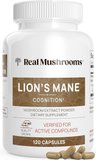
- for Lion’s Mane dual extract
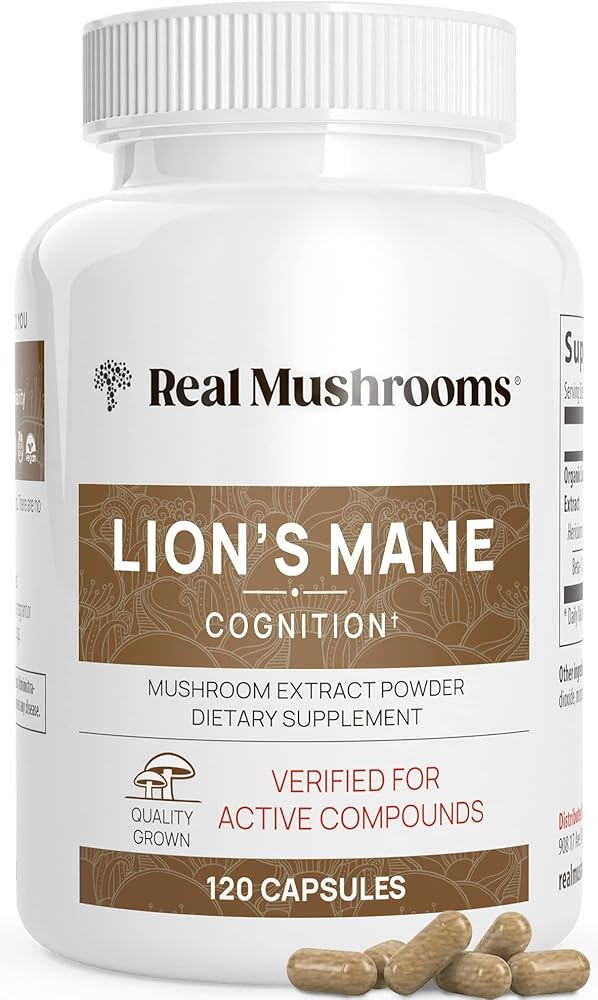
Real Mushrooms Lion's Mane Capsules
Check Price on AmazonAs an Amazon Associate we earn from qualifying purchases.
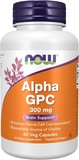
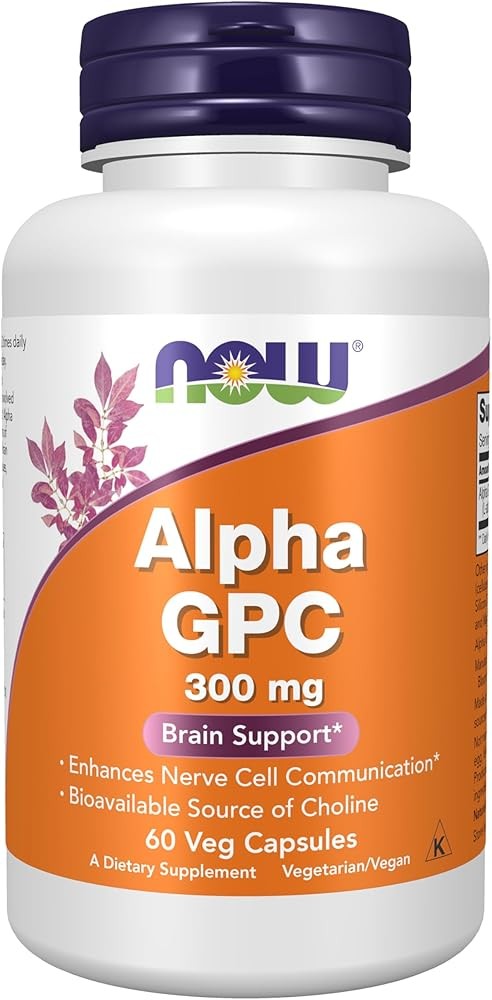
- for Alpha-GPC cognitive support
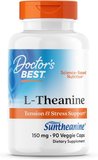
- for Suntheanine L-Theanine
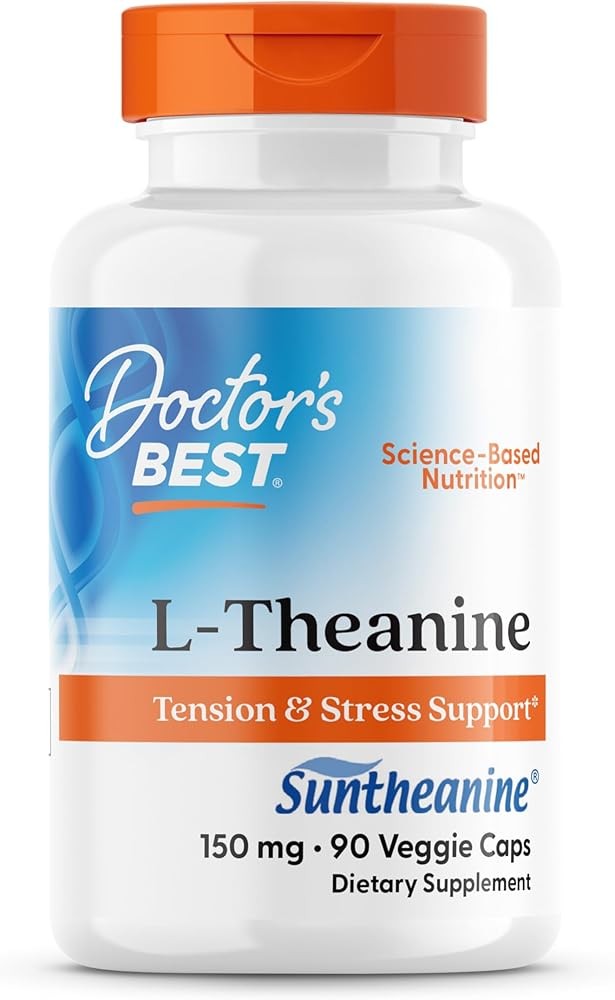
Thorne Theanine - 200mg L-Theanine for Relaxation and Focus
Check Price on AmazonAs an Amazon Associate we earn from qualifying purchases.
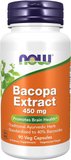
- for standardized Bacopa extract
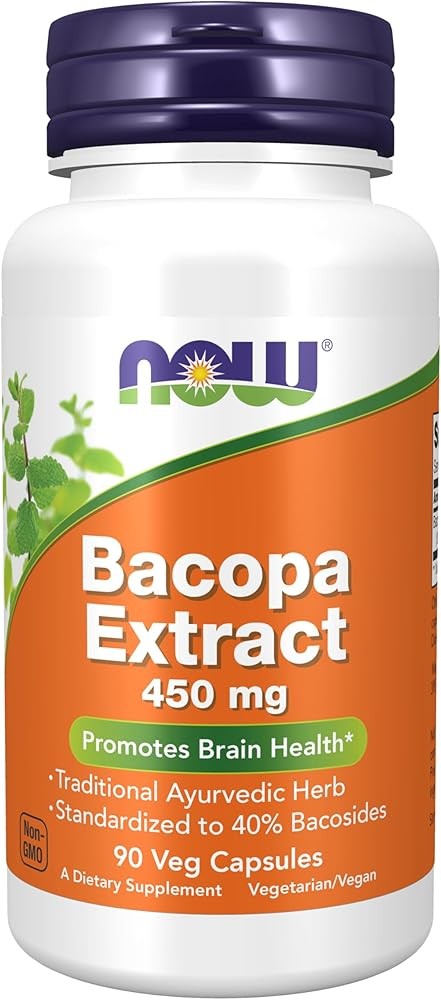
NOW Bacopa Extract 450mg
Check Price on AmazonAs an Amazon Associate we earn from qualifying purchases.
This protocol addresses cognitive function through multiple mechanisms: neurotransmitter optimization, cellular energy support, structural neuroplasticity, and stress resilience. Individual needs vary based on baseline cognitive function, dietary patterns, stress levels, and specific goals.
Related Articles
- Mental Clarity, Focus, and Cognitive Function: Best Omega-3 Supplements for Brain Health and Cognition
- Mental Clarity, Focus, and Cognitive Function: Best Phosphatidylserine Supplements for Cognitive Health
- Mental Clarity, Focus, and Cognitive Function: Best Lion’s Mane Mushroom Supplements for Brain Health (2026)
- Mental Clarity, Focus, and Cognitive Function: Best Alpha GPC Supplements for Focus and Memory (2026)
- Mental Clarity, Focus, and Cognitive Function: Caffeine and L-Theanine Stack — The Research Behind the Combo
Related Reading
- Mental Clarity, Focus, and Cognitive Function: Best Phosphatidylserine Supplements for Cognitive Health
- Mental Clarity, Focus, and Cognitive Function: Best Omega-3 Supplements for Brain Health and Cognition
- Mental Clarity, Focus, and Cognitive Function: Best Lion’s Mane Mushroom Supplements for Brain Health
- Mental Clarity, Focus, and Cognitive Function: Lions Mane vs Alpha GPC
- Mental Clarity, Focus, and Cognitive Function: Best Bacopa Monnieri Supplements for Memory
- Mental Clarity, Focus, and Cognitive Function: Best Supplements for ADHD Focus
- Mental Clarity, Focus, and Cognitive Function: Best Alpha GPC Supplements for Focus and Memory
References
Dormal V, et al. Effect of hydroponically grown red Panax ginseng on perceived stress level, emotional processing, and cognitive function. Nutrients. 2025. PubMed Xu C, et al. “The effects of creatine supplementation on cognitive function in adults: a systematic review and meta-analysis.” Frontiers in Nutrition, 2024. PubMed | PMC
Lopresti AL, et al. “The effects of a Bacopa monnieri extract (Bacumen) on cognition, stress, and fatigue in healthy adults: a randomized, double-blind, placebo-controlled trial.” Clinical Drug Investigation, 2025. PubMed
Benson S, et al. “Acute effects of a standardised extract of Hericium erinaceus (Lion’s Mane mushroom) on cognition and mood in healthy younger adults: a double-blind randomised placebo-controlled study.” Frontiers in Nutrition, 2025. PMC | Full Text
Benton D, Donohoe RT, Sillance B, Nabb S. “The influence of phosphatidylserine supplementation on mood and heart rate when faced with an acute stressor.” Nutritional Neuroscience, 2001. PubMed
Kato-Kataoka A, et al. “Soybean-derived phosphatidylserine improves memory function of the elderly Japanese subjects with memory complaints.” Journal of Clinical Biochemistry and Nutrition, 2010. PubMed
Stonehouse W, et al. “DHA supplementation improved both memory and reaction time in healthy young adults: a randomized controlled trial.” American Journal of Clinical Nutrition, 2013. PubMed
Bloemendaal M, et al. “Neuro-Cognitive Effects of Acute Tyrosine Administration on Reactive and Proactive Response Inhibition in Healthy Older Adults.” eNeuro, 2018. PMC
Darbinyan V, et al. “Rhodiola rosea in stress induced fatigue — a double blind cross-over study of a standardized extract SHR-5 with a repeated low-dose regimen on the mental performance of healthy physicians during night duty.” Phytomedicine, 2000. PubMed
Diamond BJ, Bailey MR. “Ginkgo biloba: indications, mechanisms, and safety.” Psychiatric Clinics of North America, 2013. PubMed
Docherty S, et al. “The Acute and Chronic Effects of Lion’s Mane Mushroom Supplementation on Cognitive Function, Stress and Mood in Young Adults: A Double-Blind, Parallel Groups, Pilot Study.” Nutrients, 2023. PMC
Dyall SC. “Long-chain omega-3 fatty acids and the brain: a review of the independent and shared effects of EPA, DPA and DHA.” Frontiers in Aging Neuroscience, 2015. PMC
Evans M, et al. “Safety and Efficacy of AlphaWave L-Theanine Supplementation for 28 Days in Healthy Adults with Moderate Stress: A Randomized, Double-Blind, Placebo-Controlled Trial.” Neurology and Therapy, 2024. PubMed | PMC
Kelly SP, et al. “L-theanine and caffeine in combination affect human cognition as evidenced by oscillatory alpha-band activity and attention task performance.” Journal of Nutrition, 2008. PubMed
Gordji-Nejad A, et al. “Single dose creatine improves cognitive performance and induces changes in cerebral high energy phosphates during sleep deprivation.” Scientific Reports, 2024. Full Text
Jongkees BJ, Hommel B, Kühn S, Colzato LS. “Effect of tyrosine supplementation on clinical and healthy populations under stress or cognitive demands — A review.” Journal of Psychiatric Research, 2015. PubMed
Kahathuduwa CN, et al. “High-dose L-theanine–caffeine combination improves neurobehavioural and neurophysiological measures of selective attention in acutely sleep-deprived young adults: a double-blind, placebo-controlled crossover study.” PMC, 2025. PMC
Khorasani MY, et al. “Investigating the Neuroprotective and Cognitive-Enhancing Effects of Bacopa monnieri: A Systematic Review Focused on Inflammation, Oxidative Stress, Mitochondrial Dysfunction, and Apoptosis.” Antioxidants, 2024. PMC
Kim J, et al. “Efficacy and safety of choline alphoscerate for amnestic mild cognitive impairment: a randomized double-blind placebo-controlled trial.” BMC Geriatrics, 2024. Full Text
Kongkeaw C, et al. “Meta-analysis of randomized controlled trials on cognitive effects of Bacopa monnieri extract.” Journal of Ethnopharmacology, 2014. PubMed
Lai PL, et al. “Neurotrophic properties of the Lion’s mane medicinal mushroom, Hericium erinaceus.” International Journal of Medicinal Mushrooms, 2013. PubMed
Zeng M, et al. “Effects of ginseng on cognitive function: a systematic review and meta-analysis.” Phytotherapy Research, 2024. PubMed
Li Y, et al. “A systematic review and dose response meta-analysis of Omega-3 supplementation and cognitive outcomes.” Scientific Reports, 2025. Full Text
Maliszewski AM, et al. “Promising, but Not Completely Conclusive — The Effect of L-Theanine on Cognitive Performance Based on the Systematic Review and Meta-Analysis of Randomized Placebo-Controlled Clinical Trials.” PMC, 2025. PMC
Nakazaki E, et al. “Citicoline and Memory Function in Healthy Older Adults: A Randomized, Double-Blind, Placebo-Controlled Clinical Trial.” Journal of Nutrition, 2021. PubMed | PMC
Neri DF, et al. “The effects of tyrosine on cognitive performance during extended wakefulness.” Aviation, Space, and Environmental Medicine, 1995. PubMed
Nobre AC, Rao A, Owen GN. “L-theanine, a natural constituent in tea, and its effect on mental state.” Asia Pacific Journal of Clinical Nutrition, 2008. PubMed
Zanini D, et al. “Creatine with guanidinoacetic acid improves prefrontal brain oxygenation before, during, and after a cognitive task: a randomized controlled pilot trial.” Nutrition and Health, 2025. PubMed
Owen GN, et al. “The combined effects of L-theanine and caffeine on cognitive performance and mood.” Nutritional Neuroscience, 2008. PubMed
Panossian A, Wikman G, Sarris J. “Rosenroot (Rhodiola rosea): traditional use, chemical composition, pharmacology and clinical efficacy.” Phytomedicine, 2010. PubMed
Kerksick CM, et al. “Acute alpha-glycerylphosphorylcholine supplementation enhances cognitive performance in healthy men.” Nutrients, 2024. PubMed | PMC
Ramirez-Campillo R, et al. “Dose-Response Effects of Short-Term Rhodiola rosea Supplementation on Anaerobic Exercise Performance and Cognitive Function in Resistance-Trained Athletes.” PMC, 2025. PMC
Shin K, et al. “Emerging evidence that ginseng components improve cognition in subjective memory impairment, mild cognitive impairment, and early Alzheimer’s disease dementia.” PMC, 2024. PMC
Tsai-Teng T, et al. “Erinacine A-enriched Hericium erinaceus mycelium ameliorates Alzheimer’s disease-related pathologies in APPswe/PS1dE9 transgenic mice.” Journal of Biomedical Science, 2016. PubMed
Xu L, et al. “Comparison of the effects of choline alphoscerate and citicoline in patients with dementia disorders: a systematic review and meta-analysis.” Frontiers in Neurology, 2025. Full Text
Recommended Products