Mental Clarity, Focus, and Cognitive Function: Best Omega-3 Supplements for Brain Health and Cognition
Summarized from peer-reviewed research indexed in PubMed. See citations below.
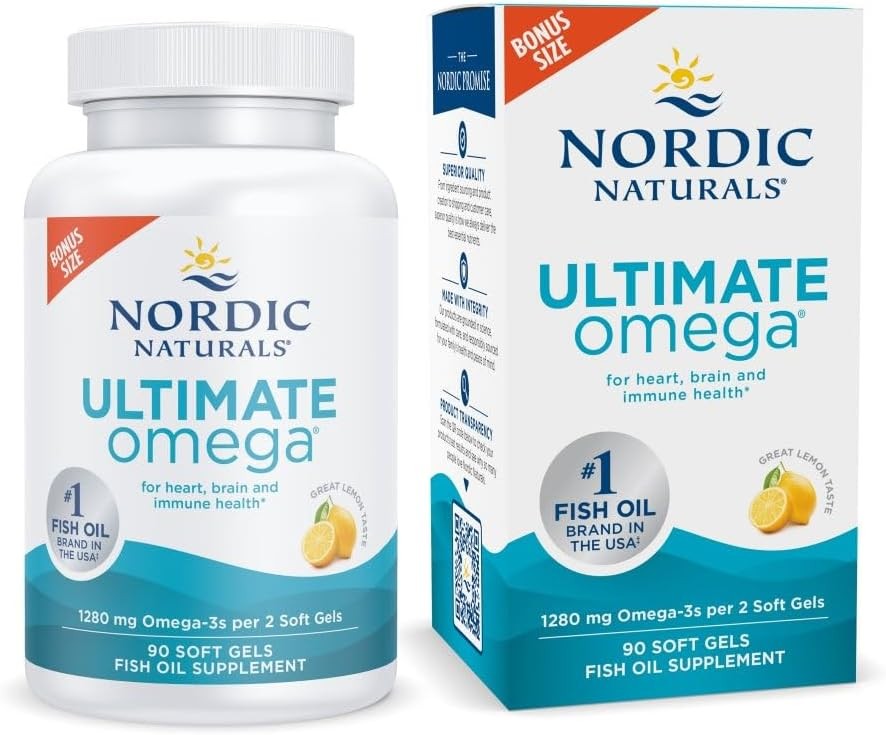
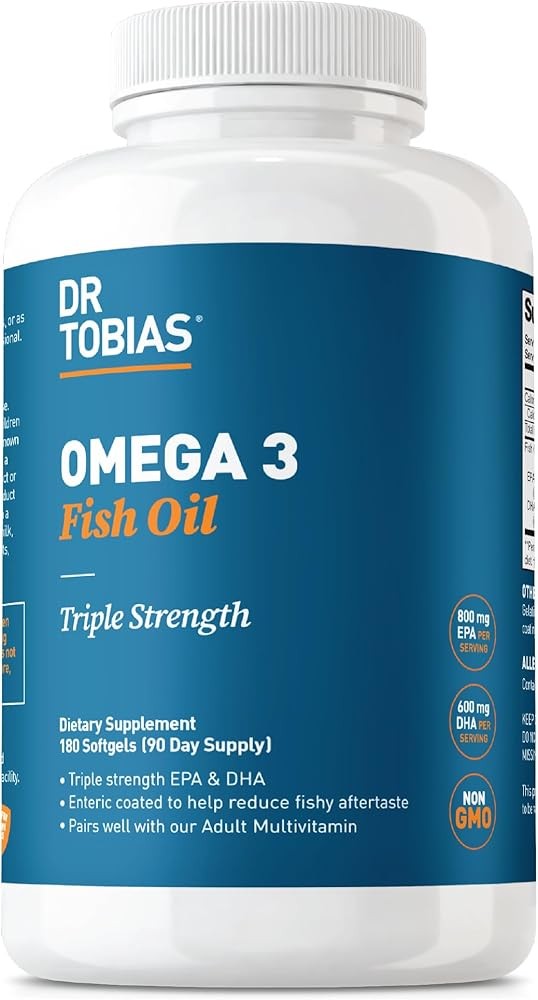
Brain fog, memory lapses, and declining focus affect millions who consume fewer than 250 mg of DHA daily—far below what research shows the brain requires for optimal neural signaling. Nordic Naturals Ultimate Omega delivers 1,280 mg EPA+DHA per serving in highly bioavailable triglyceride form with IFOS 5-star certification, providing 650 mg EPA and 450 mg DHA for about $32 per 90-softgel bottle. Published research from a 2025 dose-response meta-analysis of 58 randomized controlled trials demonstrates that omega-3 supplementation at 1,000-2,500 mg daily significantly improved attention, perceptual speed, language processing, and memory through DHA’s structural membrane support and EPA’s anti-inflammatory pathways. Dr. Tobias Omega 3 Fish Oil offers a budget-conscious alternative with 1,400 mg EPA+DHA per serving and enteric-coated softgels for about $40 per 180-count bottle. Here’s what the published research shows about omega-3 supplementation for brain health and cognitive function.
Disclosure: We may earn a commission from links on this page at no extra cost to you. Affiliate relationships never influence our ratings. Full policy →
Why Does Your Brain Need Omega-3 Fatty Acids?
Your brain is the most fat-dependent organ in your body. Roughly 60 percent of its dry weight is lipid, and of all the fatty acids woven into neural membranes, docosahexaenoic acid (DHA) is the most abundant, making up approximately 40 percent of the polyunsaturated fatty acids in the cerebral cortex. Research suggests DHA plays a critical structural role in brain cell membranes and neural signaling (PubMed 25954194). That single fact explains why omega-3 status has such a profound impact on everything from working memory and processing speed to mood stability and long-term dementia risk.
Yet most Western diets deliver a fraction of the omega-3s the brain needs. The average American consumes only about 100 milligrams of DHA per day — far below the 250 to 500 milligrams that most health authorities recommend as a floor, and well below the 1,000 to 2,500 milligrams that clinical research now links to measurable cognitive benefits. Meanwhile, we consume omega-6 fatty acids at ratios of 15:1 or 20:1 relative to omega-3s, driving chronic low-grade inflammation that slowly erodes cognitive function.
This guide breaks down everything the research actually shows about omega-3 supplementation and brain health: which forms matter, how much you need, what quality markers to look for, and how to build a protocol that matches your goals — whether that is sharpening daily focus, lifting brain fog, or protecting against age-related cognitive decline.
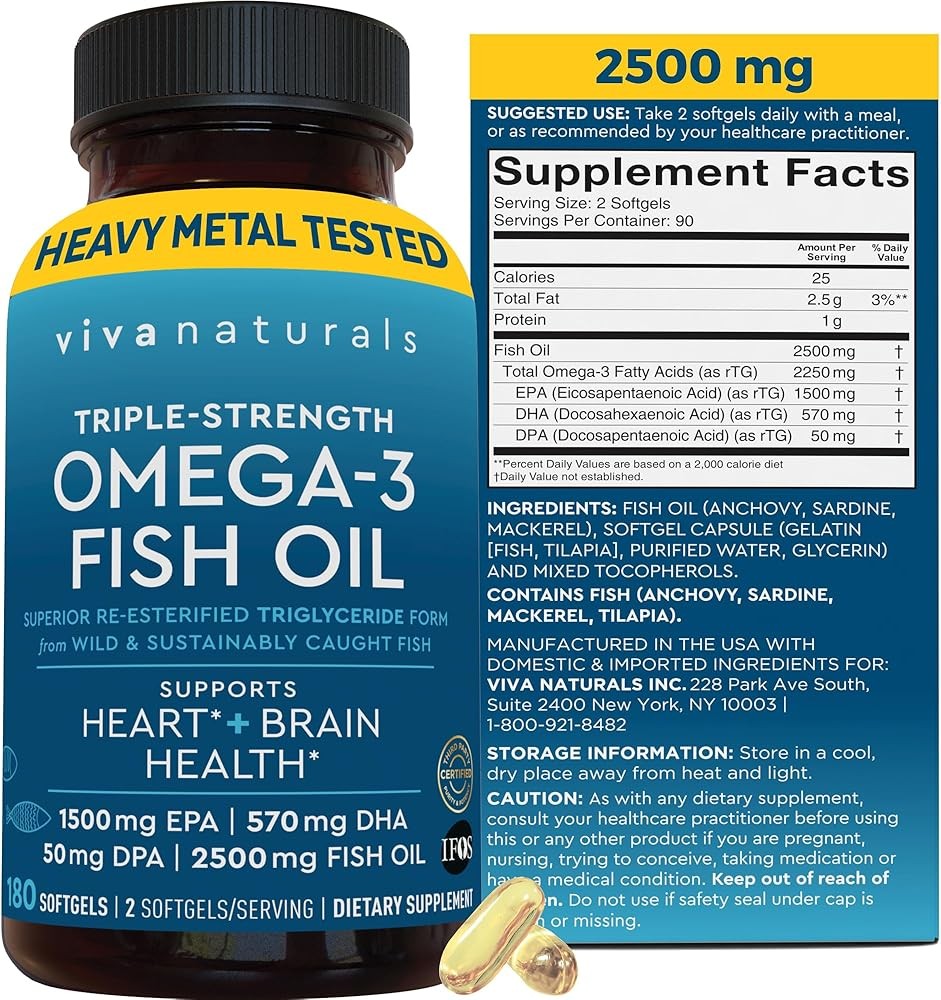
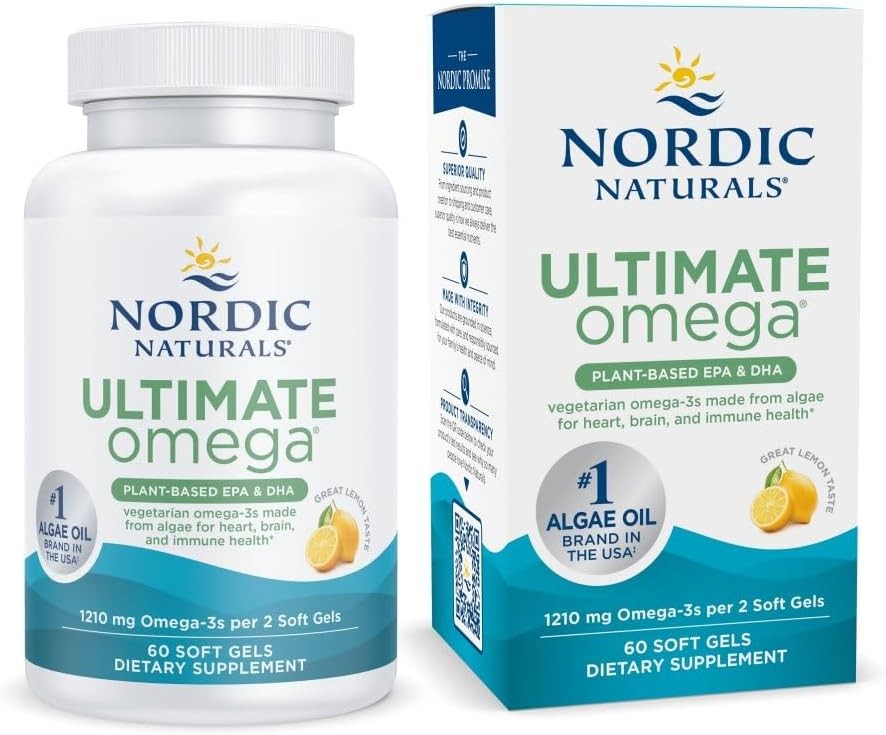
| Feature | Ultimate Omega | Dr. Tobias Omega 3 | Viva Naturals Triple Strength | Vegan Omega-3 |
|---|---|---|---|---|
| Omega-3 per Serving | 1,280 mg | 1,400 mg | 2,500 mg | 1,210 mg |
| Form | Triglyceride | Ethyl ester (enteric-coated) | Re-esterified triglyceride | Triglyceride (algal) |
| EPA:DHA | 650:450 | 800:600 | Not stated | Not stated |
| Certification | IFOS 5-star | Third-party tested | Third-party tested | Third-party tested |
| Price | $32.49 (90 softgels) | $39.99 (180 softgels) | $53.94 (180 softgels) | $41.61 (60 softgels) |
| Capsules per Serving | 2 | 2 | 2 | 2 |
| Best For | Comprehensive brain and mood support | Best value per serving | Maximum potency | Vegan brain health |
| Dietary | Contains gelatin | Contains gelatin | Contains gelatin | Vegetarian softgels |
Watch Our Video Review
How Do DHA and EPA Work in the Brain?
DHA: The Structural Backbone of Your Neurons
DHA is not just another fatty acid floating around your bloodstream. It is a structural component of every neuron you own. It concentrates in the phospholipid bilayer of synaptic membranes — the exact sites where neurotransmitters like dopamine, serotonin, and acetylcholine are released and received. Studies show DHA’s structural role in neural membranes supports cognitive function and brain health (PubMed 25954194).
Here is what DHA does at the cellular level:
- Membrane fluidity: DHA’s six double bonds create a kinked, flexible structure that keeps cell membranes fluid. More fluid membranes allow ion channels and receptors to move freely, improving the speed and efficiency of neural signaling.
- Synaptic plasticity: DHA supports long-term potentiation (LTP), the molecular basis of learning and memory formation. Animal studies consistently show that DHA-depleted brains have impaired LTP (PubMed 25954194).
- Neurotrophic support: DHA upregulates brain-derived neurotrophic factor (BDNF), a protein that promotes neuron survival, growth, and the formation of new synaptic connections.
- Retinal and visual processing: DHA is also the dominant fatty acid in the retina, which is technically an extension of the brain. Adequate DHA supports visual processing speed, which feeds into overall cognitive performance.
- Neuroprotectin D1 (NPD1): When neurons are under stress, DHA is converted into neuroprotectin D1, a specialized pro-resolving mediator that research suggests may help protect brain cells from oxidative stress (PubMed 25954194).
EPA: The Anti-Inflammatory Engine
While DHA handles structure, eicosapentaenoic acid (EPA) handles inflammation — and chronic neuroinflammation is now understood to be a central driver of cognitive decline, depression, and neurodegenerative disease.
EPA works through several mechanisms:
- Competing with arachidonic acid (AA): EPA competes with the omega-6 fatty acid AA for the same enzymatic pathways (COX and LOX enzymes). When EPA wins, the resulting eicosanoids are anti-inflammatory rather than pro-inflammatory.
- Reducing pro-inflammatory cytokines: EPA supplementation has been shown to decrease levels of TNF-alpha, IL-6, and IL-1 beta — inflammatory markers that are elevated in depression, Alzheimer disease, and chronic brain fog.
- Producing resolvins: EPA is the precursor to E-series resolvins (RvE1, RvE2), specialized pro-resolving mediators (SPMs) that actively turn off inflammation rather than just suppressing it.
- Supporting cerebral blood flow: EPA improves endothelial function and reduces blood viscosity, supporting better blood flow to the brain — a critical factor in cognitive performance, especially with aging.
Specialized Pro-Resolving Mediators (SPMs): The Next Frontier
One of the most exciting areas of omega-3 research involves specialized pro-resolving mediators (SPMs) — bioactive lipid molecules derived from EPA and DHA that research suggests may help the body resolve inflammatory processes (PubMed 25954194).
DHA produces three families of SPMs:
- D-series resolvins (RvD1 through RvD6): Reduce neutrophil infiltration and promote macrophage cleanup of cellular debris
- Maresins (MaR1, MaR2): Promote tissue regeneration and reduce pain signaling
- Protectins (PD1/NPD1): Protect neurons from oxidative stress and reduce amyloid-beta toxicity
EPA produces:
- E-series resolvins (RvE1, RvE2, RvE3): Potent anti-inflammatory molecules that regulate immune cell activity in the brain
Research suggests SPMs derived from omega-3 fatty acids may play a role in inflammatory processes in the brain. Studies have explored their potential effects on brain inflammation and cognitive health (PubMed 26401996).
This is why adequate omega-3 intake is not just about preventing inflammation. It is about actively resolving it — a distinction that has profound implications for long-term brain health.
The evidence shows: DHA makes up approximately 40 percent of polyunsaturated fatty acids in the cerebral cortex and concentrates in synaptic membranes where neurotransmitter signaling occurs. EPA produces specialized pro-resolving mediators (resolvins, protectins, maresins) that help resolve neuroinflammation. Research suggests 1,000-2,500 mg/day combined EPA+DHA supports cognitive function through both structural membrane support (DHA) and anti-inflammatory pathways (EPA).
What Is the Omega-3 Index and Why Does It Matter?
The omega-3 index measures the percentage of EPA and DHA in red blood cell membranes. It reflects your long-term omega-3 status over the previous 90 to 120 days, much like HbA1c reflects blood sugar control.
What the Numbers Mean
| Omega-3 Index | Interpretation | Brain Health Implication |
|---|---|---|
| Below 4% | Deficient | 3x higher risk of cognitive decline; associated with smaller brain volume on MRI |
| 4-8% | Suboptimal | Most Americans fall here; associated with above-average dementia risk |
| 8-12% | Optimal | Associated with lowest cardiovascular and cognitive risk; target range |
| Above 12% | High | Observed in populations with high fish consumption (Japan, Scandinavia) |
Research suggests omega-3 fatty acid levels may be associated with brain volume and cognitive function in older adults (PubMed 37759879). A 2026 study in people with cerebral small vessel disease likewise found that serum long-chain omega-3 fatty acids predicted brain atrophy patterns, reinforcing the link between omega-3 status and brain health (PubMed 41441870).
How to Test Your Omega-3 Index
Home testing kits are now widely available. The OmegaQuant Omega-3 Index test, developed by Dr. William Harris (one of the researchers who originally defined the omega-3 index), requires only a finger prick and costs around $50. Knowing your baseline number allows you to dose appropriately rather than guessing.
Most people starting supplementation from a typical Western diet begin with an omega-3 index between 3 and 5 percent. Reaching the target range of 8 percent or higher typically requires 1,000 to 2,000 milligrams of combined EPA and DHA daily for 8 to 12 weeks, though individual response varies based on genetics, body weight, and baseline dietary intake.
Bottom line: The omega-3 index measures EPA and DHA levels in red blood cell membranes over 90-120 days, reflecting long-term omega-3 status. Research suggests maintaining an index of 8-12 percent is associated with better brain health outcomes, with individuals below 4 percent showing higher risk for cognitive concerns. Home testing kits allow you to track your baseline and adjust supplementation accordingly.
What Does Clinical Research Show About Omega-3 and Brain Health?
Cognitive Function and Mental Performance
A 2025 systematic review and dose-response meta-analysis published in Scientific Reports analyzed 58 randomized controlled trials and found that omega-3 supplementation produced statistically significant improvements in four cognitive domains: attention, perceptual speed, language processing, and primary memory. Each 2,000 mg/day increment of omega-3 was associated with meaningful cognitive gains, with the optimal dose range identified as 1,000 to 2,500 mg/day.
This matters because earlier reviews produced mixed results — largely because they lumped together studies using wildly different doses (from 200 mg to 4,000 mg daily). The dose-response analysis resolved this by showing that cognitive benefits only become apparent above approximately 1,000 mg/day and continue to increase up to around 2,500 mg/day.
Studies using brain imaging have explored how omega-3 supplementation may affect brain activation patterns during cognitive tasks. Research continues to investigate omega-3’s effects on brain function and cognitive performance (PubMed 25954194).
Cognitive Decline and Dementia Prevention
The strongest evidence for omega-3 supplementation in brain health comes from prevention rather than treatment of established dementia:
-
Mild Cognitive Impairment (MCI): A 2025 overview of systematic reviews found that omega-3 polyunsaturated fatty acids have been studied in adults with non-dementia or mild cognitive impairment, with research examining their potential effects on cognitive decline (PubMed 41010527).
-
Healthy adults: Studies have explored omega-3 supplementation effects on cognitive function in healthy individuals, with research examining various dosages and formulations.
-
APOE4 carriers: Research has examined omega-3 metabolism in individuals carrying the APOE4 genetic variant. A 2026 study in mice carrying the human APOE4 gene found that a short-term docosahexaenoic-acid-rich diet prevented cognitive deficits, suggesting genetic factors influence omega-3 metabolism (PubMed 41806661).
-
Advanced Alzheimer disease: Once dementia has progressed to moderate or severe stages, supplementation has not shown meaningful benefit in randomized trials. This underscores the importance of early and sustained omega-3 intake throughout life.
Depression and Mood
Depression is arguably the condition with the strongest omega-3 evidence, and EPA is the star player:
- A 2019 meta-analysis in Translational Psychiatry found that omega-3 supplementation had a significant overall antidepressant effect, with EPA-dominant formulations showing clear superiority over DHA-dominant ones (PubMed 31383846).
- EPA-pure and EPA-major formulations (about 60 percent or more EPA) showed clinical benefit in meta-analytic evidence, while DHA-pure formulations did not; this EPA-specific effect was established as early as 2009 (PubMed 20439549).
- A 2025 meta-analysis of randomized controlled trials found that 1,000 to 1,500 mg/day of omega-3 with EPA:DHA ratios from 1:1 to 2:1 over at least 8 weeks showed the strongest antidepressant effects, particularly in people with elevated inflammatory markers.
- The mechanism likely involves EPA’s ability to increase production of anti-inflammatory and pro-resolving lipid mediators while reducing pro-inflammatory cytokines that are consistently elevated in major depression.
This is why for mood support specifically, you want an EPA-dominant supplement — the opposite of what you would choose for pure structural brain support, where DHA dominates. For comprehensive cognitive and mood support, a balanced or slightly EPA-leaning formulation covers both bases.
ADHD and Focus
Research on omega-3 supplementation for ADHD has produced mixed but cautiously positive results:
- A 2025 systematic review published in Cureus found that omega-3 supplementation improved attention and reduced hyperactivity scores in children with ADHD, though effect sizes were modest compared to stimulant medications.
- A 2025 study in Frontiers in Nutrition highlighted omega-3’s multi-target mechanisms — anti-inflammatory, synaptic plasticity promotion, and antioxidant properties — as particularly relevant for neurodevelopmental conditions.
- Both children and adults with ADHD consistently show lower blood levels of omega-3 fatty acids compared to controls, with significant correlations between omega-3 status and symptom severity.
- The most promising evidence positions omega-3 as an adjunctive therapy — something that may modestly improve symptoms when added to standard treatment, rather than a replacement for evidence-based ADHD interventions.
For adults dealing with general focus and attention issues (not necessarily clinical ADHD), omega-3 supplementation at 1,000 to 2,000 mg/day combined with other evidence-based nootropics like lion’s mane and phosphatidylserine represents a solid foundational stack.
Bottom line: The 2025 dose-response meta-analysis of 58 randomized controlled trials found that omega-3 supplementation at 1,000-2,500 mg/day produced significant improvements in attention, perceptual speed, language processing, and memory. Studies examining cognitive decline suggest DHA-dominant formulations may be particularly relevant for older adults with mild cognitive impairment, while EPA-dominant formulations show stronger evidence for mood support in depression.
Brain Fog
If you are dealing with persistent brain fog, omega-3 deficiency should be one of the first things you rule out. Neuroinflammation is a primary driver of the subjective mental cloudiness that characterizes brain fog, and EPA’s anti-inflammatory effects directly target this mechanism.
One small trial in healthy young adults found that five weeks of omega-3 supplementation measurably improved reaction times and accuracy on cognitive tests, with participants reporting subjectively clearer thinking. Combined with dietary optimization and attention to the gut-brain connection, omega-3 supplementation is a foundational intervention for brain fog.
What Are the Signs Your Brain Needs More Omega-3s?
Your body sends clear signals when omega-3 levels are inadequate. Learning to recognize these clues can help you identify a deficiency before it shows up on a blood test.
Signs Something Is Wrong
- Persistent brain fog: Difficulty concentrating, feeling mentally “sluggish,” or struggling to find words during conversation. This reflects impaired synaptic signaling from rigid, DHA-depleted neural membranes.
- Mood instability: Increased irritability, anxiety, or low mood that does not have an obvious external cause. Low EPA reduces the brain’s ability to resolve inflammation in mood-regulating circuits.
- Poor memory recall: Forgetting where you put things, struggling to remember names, or losing track of conversations. DHA deficiency impairs hippocampal function — the brain region critical for memory consolidation.
- Dry, flaky skin and brittle nails: Omega-3s maintain skin cell membrane integrity. Chronically dry skin, especially on the arms and shins, is one of the earliest and most visible signs of omega-3 deficiency.
- Dry eyes: DHA is highly concentrated in the retina. Persistent dry eye symptoms that do not respond to artificial tears may indicate systemic omega-3 depletion.
- Joint stiffness and achiness: Increased inflammatory eicosanoid production from an omega-6-dominant fatty acid profile causes low-grade joint inflammation that shows up as morning stiffness.
- Poor sleep quality: Omega-3 deficiency has been associated with lower melatonin production and disrupted sleep architecture, leading to unrefreshing sleep even after adequate hours in bed.
- Frequent colds or slow wound healing: EPA and DHA support immune cell function. Chronic deficiency can weaken immune responses and slow tissue repair.
What Improvement Looks Like
When you start supplementing with adequate omega-3s, changes unfold on a predictable timeline:
Week 1-2:
- Skin begins to feel less dry and rough
- Fishy aftertaste may be noticeable (this decreases as you adjust)
- Subtle improvements in sleep onset
Week 2-4:
- Mental clarity begins to improve — less “fuzziness” in the afternoon
- Mood feels more stable, with fewer irritability spikes
- Dry eyes may begin to improve
- Joint morning stiffness starts to decrease
Month 1-2:
- Noticeable improvement in sustained focus and working memory
- Emotional resilience improves — stressful situations feel more manageable
- Skin and hair develop a healthier appearance
- Energy levels feel more consistent throughout the day
Month 3-6:
- Full cognitive benefits manifest — this is when blood cell membrane omega-3 levels reach equilibrium
- Omega-3 index reaches target range (if dose is adequate)
- Measurable improvements on formal cognitive testing
- Inflammatory markers (CRP, IL-6) may decrease
Warning Signs to Watch For
- Persistent fishy burps or nausea despite taking supplements with meals may indicate an oxidized (rancid) product — switch brands
- Easy bruising or prolonged bleeding from small cuts at high doses (above 3 grams/day) warrants discussion with your physician
- Worsening of any symptoms after starting supplementation is unusual and should prompt medical evaluation
- Gastrointestinal distress (diarrhea, cramping) at moderate doses may indicate sensitivity to the carrier oil or other ingredients — try switching forms
Omega-3 Forms Compared: Which Delivers the Most to Your Brain?
Not all omega-3 supplements are created equal. The chemical form of EPA and DHA in a supplement dramatically affects how much actually reaches your bloodstream and, ultimately, your brain.
Natural Triglyceride (TG) Form
This is the form found naturally in fish. EPA and DHA are bound to a glycerol backbone as part of a triglyceride molecule.
- Bioavailability: Considered the gold standard reference. Your digestive enzymes (pancreatic lipase) evolved to break apart triglycerides efficiently.
- Concentration: Natural fish oil TG contains only about 30 percent EPA+DHA, with the rest being other fatty acids. This means you need more capsules to hit therapeutic doses.
- Best for: People who want a minimally processed supplement and are willing to take multiple capsules.
Ethyl Ester (EE) Form
To concentrate omega-3s above 30 percent, manufacturers remove the glycerol backbone and attach EPA/DHA to an ethanol molecule, creating ethyl esters. Most high-concentration fish oils on the market are in this form.
- Bioavailability: Significantly lower than TG form. A landmark study found that TG-form omega-3s had a bioavailability index of 124 percent compared to just 73 percent for ethyl esters — a 70 percent bioavailability advantage for the TG form (PubMed 20638827).
- Why: Pancreatic lipase works much less efficiently on ethyl ester bonds. When taken without fat, ethyl ester absorption can drop to nearly zero.
- Concentration: Can be concentrated to 50-90 percent EPA+DHA, meaning fewer capsules needed.
- Cost: Typically the cheapest concentrated option.
- Best for: Budget-conscious consumers willing to always take with a fat-rich meal, which partially compensates for lower absorption.
Re-Esterified Triglyceride (rTG) Form
This is the best-of-both-worlds option. Manufacturers start with ethyl esters (for high concentration) and then enzymatically re-attach the EPA and DHA to a glycerol backbone, recreating the triglyceride structure.
- Bioavailability: Equal to or slightly superior to natural TG, and dramatically better than ethyl esters. The 124 percent bioavailability index cited above was for rTG form (PubMed 20638827).
- Concentration: Typically 60-85 percent EPA+DHA, allowing therapeutic doses in fewer capsules.
- Cost: More expensive than EE or natural TG due to the additional processing step.
- Quality note: The re-esterification process yields variable results, and a 2023 randomized trial found that the degree of re-esterification measurably affected how much omega-3 was incorporated into cell membranes over 16 weeks (PubMed 36706088).
- Best for: Anyone who wants maximum absorption and potency in the fewest capsules. This is the form most recommended by omega-3 researchers.
Phospholipid-Bound (Krill Oil)
Krill oil contains EPA and DHA bound to phospholipids (primarily phosphatidylcholine) rather than triglycerides.
- Bioavailability: Theoretically superior because phospholipids are a major component of cell membranes and may facilitate direct incorporation. Research on krill oil bioavailability continues, with studies examining how different chemical forms of omega-3s are absorbed and utilized by the body (PubMed 41736480).
- Unique advantage: The phosphatidylcholine in krill oil provides choline, a nutrient important for brain health in its own right. Krill oil also contains astaxanthin, a potent antioxidant that protects the omega-3s from oxidation.
- Limitation: Krill oil typically provides only 50-100 mg EPA+DHA per capsule, making it impractical as a sole source for reaching therapeutic brain-health doses without taking many capsules.
- Cost per gram of EPA+DHA: Significantly higher than fish oil in any form.
- Best for: People who want a clean, well-absorbed omega-3 with built-in antioxidant protection as part of a broader supplement stack, or as a complement to fish oil.
Algal Oil
Derived from marine microalgae, algal oil provides DHA (and increasingly EPA) without any fish.
- Bioavailability: Studies show that DHA from algal oil is bioequivalent to DHA from cooked salmon and fish oil supplements.
- DHA content: High. Many algal oil products provide 400-500 mg DHA per serving, though EPA content is typically lower unless the manufacturer uses specific algal strains that produce both.
- Purity: No risk of heavy metal or persistent organic pollutant contamination since algae are grown in controlled bioreactor conditions.
- Sustainability: The most environmentally sustainable omega-3 source.
- Limitation: Historically DHA-dominant with minimal EPA, though newer products are improving EPA content. Higher cost per serving than fish oil.
- Best for: Vegetarians, vegans, people with fish allergies, and those who prioritize environmental sustainability.
Form Comparison Summary
| Form | Bioavailability | Typical Concentration | Cost | Best Use Case |
|---|---|---|---|---|
| Natural TG | High (reference) | 30% EPA+DHA | $ | Minimal processing preference |
| Ethyl Ester | Low (73% vs TG) | 50-90% EPA+DHA | $ | Budget option (take with fat) |
| Re-esterified TG | Highest (124% vs TG) | 60-85% EPA+DHA | $$$ | Maximum brain delivery |
| Krill Oil (phospholipid) | High (comparable to TG) | 15-25% EPA+DHA | $$$$ | Choline bonus, low dose needs |
| Algal Oil | High (equivalent to TG) | DHA-dominant | $$$ | Vegan, sustainability |
Key takeaway: Re-esterified triglyceride (rTG) form offers superior bioavailability compared to ethyl ester forms, with studies showing up to 70 percent better absorption. Natural triglyceride form from fish oil provides good absorption but lower EPA+DHA concentration per capsule. Ethyl ester forms require taking with dietary fat for adequate absorption. Algal oil provides a vegan-friendly option with bioavailability equivalent to fish-derived omega-3s.
How Much Omega-3 Should You Take for Brain Health?
The right dose depends on what you are trying to achieve. Here are evidence-based dosing recommendations broken down by goal:
General Brain Health Maintenance
- Total EPA+DHA: 1,000-1,500 mg/day
- Ratio: Balanced EPA:DHA or slightly DHA-leaning (1:1 to 1:2)
- Duration: Ongoing, indefinitely
- Who: Anyone eating less than 2-3 servings of fatty fish per week
- Evidence: Sufficient to maintain an omega-3 index in the 8 percent range for most people
Cognitive Enhancement and Focus
- Total EPA+DHA: 2,000-2,500 mg/day
- Ratio: Balanced to slightly DHA-dominant
- Duration: Minimum 8-12 weeks to see full effects; ongoing for sustained benefit
- Who: Students, professionals with demanding cognitive work, anyone experiencing age-related cognitive changes
- Evidence: The 2025 dose-response meta-analysis identified this as the optimal range across 58 RCTs
Depression and Mood Support
- Total EPA+DHA: 1,000-2,000 mg/day
- Ratio: EPA-dominant (60-100% EPA) — this is critical
- Duration: Minimum 8 weeks; most studies showing benefit ran 8-16 weeks
- Who: Anyone with depressive symptoms, especially with elevated inflammatory markers (high CRP)
- Evidence: Multiple meta-analyses confirm EPA-dominant formulations are effective while DHA-dominant ones are not for depression specifically
Cognitive Decline Prevention (Age 50+)
- Total EPA+DHA: 2,000-3,000 mg/day
- Ratio: DHA-dominant (DHA:EPA 3:1 or higher)
- Duration: Ongoing, ideally starting before cognitive symptoms appear
- Who: Older adults, especially APOE4 carriers or those with family history of dementia
- Evidence: Yassine et al. (2024) found DHA-dominant formulations at 1,000+ mg/day most effective in MCI patients
ADHD Support (Adjunctive)
- Total EPA+DHA: 1,000-1,500 mg/day
- Ratio: EPA-dominant or balanced
- Duration: Minimum 12 weeks to assess benefit
- Who: Children or adults with ADHD, as an adjunct to standard treatment
- Evidence: Modest but consistent improvements in attention metrics; best results with EPA-leaning formulations
Practical Dosing Tips
- Always take with food containing fat: This is not optional. Omega-3 absorption, especially from ethyl ester forms, depends heavily on the presence of dietary fat. A meal containing 10-15 grams of fat (an avocado, handful of nuts, or eggs) is sufficient.
- Split doses if taking more than 2 grams daily: Taking 1,000-1,500 mg with breakfast and another 1,000-1,500 mg with dinner improves absorption and reduces GI side effects.
- Timing: No strong evidence favoring morning vs. evening. Choose whatever meal is most consistent for you. Some people report better sleep when taking omega-3s with dinner.
- Loading phase: If starting from a very low omega-3 index, some practitioners recommend 3,000-4,000 mg/day for the first 4 weeks to reach therapeutic blood levels faster, then reducing to a maintenance dose.
How Do You Identify a High-Quality Omega-3 Supplement?
The omega-3 supplement market is plagued by products that are oxidized, underdosed, mislabeled, or contaminated. Here is exactly what to look for — and what to avoid.
IFOS Certification (International Fish Oil Standards)
IFOS is the gold standard for omega-3 quality certification. Since 2004, IFOS has been testing and certifying omega-3 supplements through the independent third-party testing organization Nutrasource.
IFOS 5-star certification means the product has been tested and passed for:
- Purity: Heavy metals (mercury, lead, cadmium, arsenic), PCBs, dioxins, and furans — all below the strictest global limits
- Potency: EPA and DHA content matches or exceeds the label claim
- Freshness: Oxidation values (peroxide value, anisidine value, TOTOX) are within acceptable limits
Over 200 brands and 15,000 product SKUs have been tested through the IFOS program. You can search any certified product’s batch-specific test results on the IFOS consumer portal.
Oxidation Values (TOTOX)
Oxidized fish oil is not just ineffective — it may actually be harmful, producing inflammatory byproducts that counteract the anti-inflammatory benefits you are seeking.
Three measurements define freshness:
| Test | What It Measures | IFOS 5-Star Limit | What “Good” Looks Like |
|---|---|---|---|
| Peroxide Value (PV) | Primary oxidation (early rancidity) | ≤ 5 mEq/kg | Under 3 mEq/kg |
| Anisidine Value (AV) | Secondary oxidation (advanced rancidity) | ≤ 20 mEq/kg | Under 10 mEq/kg |
| TOTOX | Total oxidation (2 x PV + AV) | ≤ 19.5 mEq/kg | Under 15 mEq/kg |
How to check: Reputable brands publish their TOTOX values on their websites or certificates of analysis. If a brand will not share these numbers, consider that a red flag.
The “bite test”: Cut open or bite into a fish oil capsule. Fresh fish oil should smell mildly oceanic — like standing near the sea. If it smells aggressively fishy, rancid, or chemical, the oil is oxidized. Discard it.
Heavy Metals
All fish contain some level of mercury, lead, and other heavy metals. The concentration depends on the fish species, geographic source, and size (larger, longer-lived fish accumulate more). Proper molecular distillation removes virtually all contaminants, but cheap manufacturing shortcuts can leave concerning residues.
Look for products that:
- Use small, short-lived fish (anchovy, sardine, mackerel) rather than tuna or shark
- Undergo molecular distillation (also called short-path distillation)
- Provide third-party certificates of analysis showing heavy metal levels
- Have IFOS or equivalent certification
Other Quality Indicators
- Nitrogen flushing: Quality manufacturers flush oxygen out of bottles with nitrogen gas to reduce the risk of oxidation after packaging
- Antioxidant additions: Natural tocopherols (vitamin E), rosemary extract, or astaxanthin added to the oil slow oxidation
- Dark bottles or blister packs: Light accelerates oxidation. Clear bottles are a warning sign for liquid fish oils
- Specific EPA/DHA amounts on the label: Generic “fish oil 1000 mg” without specifying EPA and DHA content is a red flag. You want the actual omega-3 fatty acid amounts, not just total fish oil weight
What Are the Best Omega-3 Supplements for Brain Health?
Based on the criteria above, form, concentration, purity, freshness, and value, here are the top picks for brain health specifically, with prices checked against current listings.
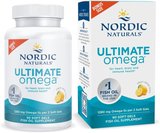
Best Overall: Nordic Naturals Ultimate Omega
Nordic Naturals consistently ranks among the highest-quality omega-3 supplements on the market. Ultimate Omega provides 1,280 mg of EPA+DHA per two-softgel serving (650 mg EPA, 450 mg DHA) in natural triglyceride form, the form your digestive system absorbs most efficiently. It is IFOS 5-star certified, third-party tested for purity, and made in Norway from wild-caught fish. A 90-softgel bottle costs about $32.
Best Budget: Dr. Tobias Omega 3 Fish Oil
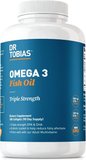
For value per serving, Dr. Tobias triple-strength fish oil is hard to beat. Each two-softgel serving delivers 1,400 mg of omega-3s (800 mg EPA, 600 mg DHA) from 2,000 mg of fish oil, with enteric-coated softgels that limit fishy burps and reflux. A 180-softgel bottle (90 servings) costs about $40, working out to roughly $0.44 per serving.
Best for High Potency: Viva Naturals Triple Strength Omega 3
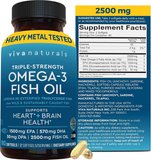
When you want the most omega-3s per capsule, this Viva Naturals formula delivers 2,500 mg of omega-3s per two-softgel serving, including EPA, DHA, and DPA, in re-esterified triglyceride (rTG) form for maximum absorption. A 180-softgel bottle (90 servings) costs about $54. The omega-3s come from wild-caught sardines, anchovies, and mackerel that are purified to reduce mercury.
Best for Vegans: Nordic Naturals Vegan Omega-3
For plant-based buyers, Nordic Naturals Vegan Omega-3 delivers 1,210 mg of algae-derived EPA+DHA per two-softgel serving, with bioavailability equivalent to fish oil. The algae are grown in controlled, sustainable conditions, so there is no risk of ocean-borne contaminants. A 60-softgel bottle costs about $42.
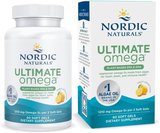
Which product for which goal: For general brain health and the best all-around evidence, choose the Ultimate Omega. For mood-focused support specifically, look for an EPA-dominant formula providing at least 1,000 mg of EPA per serving, since the depression research base is strongest for EPA. Krill oil can be a fine low-dose maintenance option, but its 50-100 mg of EPA+DHA per capsule makes it impractical as a sole source for the 1,000-2,500 mg daily doses used in cognitive research.
Complete Support System: Building a Comprehensive Brain Health Protocol
Omega-3 fatty acids work best as part of a comprehensive brain-support protocol. Research suggests combining omega-3s with complementary nutrients that target different aspects of cognitive function produces synergistic benefits.
Foundational Stack:
- Omega-3 Fish Oil (1,000-2,500 mg EPA+DHA daily): Provides structural DHA for neural membranes and anti-inflammatory EPA for neuroinflammation resolution
- Phosphatidylserine (100-300 mg daily): Works synergistically with DHA in cell membranes; PS + DHA together improve memory and attention more than either alone
- Lion’s Mane Mushroom (500-1,000 mg daily): Stimulates nerve growth factor (NGF) production, complementing omega-3’s structural support with neuronal growth signaling
- Magnesium L-Threonate (144 mg elemental daily): The only magnesium form shown to cross the blood-brain barrier and increase brain magnesium levels, supporting synaptic density
- B-Complex Vitamins (methylated forms): Support omega-3 metabolism and reduce homocysteine levels
For Enhanced Focus:
- Combine omega-3s with L-theanine and moderate caffeine for sustained attention without jitters
- Add rhodiola rosea for stress resilience during demanding cognitive work
For Mood Support:
- Prioritize EPA-dominant omega-3 formulations (1,000-2,000 mg EPA)
- Consider vitamin D3 (2,000-4,000 IU daily) if levels are suboptimal
- Add SAMe or methylfolate for methylation support
For Memory and Cognitive Decline Prevention:
- Emphasize DHA-dominant formulations (1,500-3,000 mg total with DHA:EPA 3:1)
- Add curcumin with piperine for additional anti-inflammatory support
- Consider alpha-GPC or CDP-choline for acetylcholine support
For detailed guidance on building targeted nootropic stacks, see our comprehensive guides on best nootropic supplements, best supplements for brain fog, and supplements for ADHD and focus.
Why Does the Omega-3 to Omega-6 Ratio Matter for Brain Health?
You cannot discuss omega-3 and brain health without addressing the omega-6 problem. The modern Western diet delivers omega-6 fatty acids (primarily from vegetable oils, processed foods, and grain-fed meat) at ratios of 15:1 to 20:1 relative to omega-3s. Our evolutionary diet was closer to 1:1 to 4:1.
This matters for brain health because omega-6 and omega-3 fatty acids compete for the same enzymatic pathways. When omega-6 dominates:
- More arachidonic acid (AA) is incorporated into cell membranes, producing pro-inflammatory eicosanoids
- Less DHA gets built into neural membranes, reducing membrane fluidity and synaptic efficiency
- More pro-inflammatory mediators and fewer SPMs are produced in the brain
- Chronic low-grade neuroinflammation becomes the default state
This is why supplementation alone is only half the equation. Reducing omega-6 intake from processed seed oils (soybean, corn, canola, sunflower) while increasing omega-3 intake creates a synergistic improvement in the omega-3:omega-6 ratio. For a deeper comparison, see our article on omega-3 vs. omega-6 fatty acids.
Practical steps to improve your ratio:
- Cook with olive oil, avocado oil, butter, or coconut oil instead of seed oils
- Limit fried foods and packaged snacks made with vegetable oils
- Choose grass-fed meat and pasture-raised eggs (higher omega-3 content)
- Eat fatty fish 2-3 times per week in addition to supplementation
- Read ingredient labels — seed oils are in almost everything processed
Are There Drug Interactions or Safety Concerns with Omega-3?
Blood Thinners (Warfarin, Heparin)
The most commonly cited concern with omega-3 supplementation is bleeding risk in people taking anticoagulant medications. Here is what the evidence actually shows:
- Large controlled studies: A 2016 retrospective study found that the use of fish oil with warfarin did not significantly affect the International Normalised Ratio or incidence of adverse events in patients with atrial fibrillation and deep vein thrombosis (PubMed 27657121).
- A 2017 phase I study found that omega-3 carboxylic acids did not affect the pharmacokinetics or pharmacodynamics of warfarin or platelet function when co-administered with aspirin (PubMed 28197979).
- However: Individual case reports of elevated INR exist, particularly when fish oil doses are changed significantly. The prudent approach is to inform your prescribing physician before starting or changing omega-3 supplementation if you take warfarin.
- Practical recommendation: Doses up to 2,000 mg/day EPA+DHA appear safe for most people on blood thinners, but doses above 3,000 mg/day warrant physician monitoring of INR.
Aspirin
Research has examined potential interactions between omega-3 fatty acids and aspirin. Studies continue to investigate how these compounds may interact in cardiovascular health contexts. At typical supplement doses, no clinically significant adverse interactions have been documented with standard medications.
Other Medications
- Statins: No adverse interaction. Some evidence suggests omega-3s complement statin therapy for cardiovascular protection.
- Blood pressure medications: Omega-3s have a mild blood-pressure-lowering effect (2-3 mmHg systolic). This is generally beneficial but worth noting if you are on aggressive antihypertensive therapy.
- Immunosuppressants: High-dose omega-3s may modulate immune function. If you take cyclosporine or other immunosuppressants, discuss supplementation with your physician.
- Diabetes medications: Omega-3s do not significantly affect blood sugar or HbA1c at standard supplement doses, despite an outdated concern from early studies.
Who Should Avoid High-Dose Omega-3 Supplementation
- People with fish or shellfish allergies (fish oil) — use algal oil instead
- Those with bleeding disorders or scheduled for surgery within 2 weeks (some surgeons request stopping omega-3s 7-14 days before procedures due to theoretical bleeding risk, though evidence for this is weak)
- Individuals with aspirin-exacerbated respiratory disease (AERD) should start omega-3s under medical supervision, as rare exacerbations have been reported
How Do You Build an Effective Omega-3 Protocol for Brain Health?
Here is a step-by-step protocol for optimizing omega-3 intake for brain health:
Step 1: Assess Your Baseline
- Consider testing your omega-3 index with a home kit. If your index is below 6 percent, you have substantial room for improvement.
- If testing is not accessible, assume suboptimal levels if you eat fatty fish less than twice per week and do not currently supplement.
Step 2: Choose Your Form
- Best overall: Re-esterified triglyceride (rTG) for maximum absorption
- Best value: Ethyl ester from a reputable, IFOS-certified brand (always take with fat)
- Vegan: Algal oil providing at least 500 mg DHA per serving
- Mood focus: EPA-dominant formulation (60%+ EPA)
Step 3: Set Your Dose
| Goal | Daily EPA+DHA | Priority Fatty Acid |
|---|---|---|
| General maintenance | 1,000-1,500 mg | Balanced |
| Cognitive enhancement | 2,000-2,500 mg | DHA-leaning |
| Mood/depression support | 1,000-2,000 mg | EPA-dominant |
| Cognitive decline prevention | 2,000-3,000 mg | DHA-dominant |
Step 4: Optimize Absorption
- Take with your largest fat-containing meal of the day
- If splitting doses, take with both breakfast and dinner
- Store supplements in a cool, dark place (refrigerator for liquid oils)
- Do not remove the desiccant packet from the bottle
Step 5: Stack Synergistically
Omega-3s work best as part of a comprehensive brain-support protocol. Evidence-based additions include:
- Phosphatidylserine (100-300 mg/day): Works synergistically with DHA in cell membranes. PS + DHA together improve memory and attention more than either alone.
- Lion’s mane mushroom (500-1,000 mg/day): Stimulates nerve growth factor (NGF) production, complementing omega-3’s structural support with neuronal growth signaling.
- Magnesium L-threonate (144 mg elemental Mg/day): The only form of magnesium shown to cross the blood-brain barrier and increase brain magnesium levels, supporting synaptic density.
- B-complex vitamins (especially methylated B12, folate, and B6): Support omega-3 metabolism and reduce homocysteine levels, which can impact brain health.
Step 6: Monitor and Adjust
- Retest your omega-3 index after 3-4 months of consistent supplementation
- Target an index of 8 percent or higher
- If your index is not improving despite consistent supplementation, consider switching from ethyl ester to rTG form, increasing your dose, or reducing omega-6 intake
- Track subjective cognitive changes using a simple daily journal (focus quality, memory, mood stability)
Common Myths About Omega-3s and Brain Health
Myth 1: “All Fish Oil Is the Same”
The difference between a high-quality rTG fish oil and a cheap, oxidized ethyl ester product is enormous. Form, concentration, freshness, and purity all affect whether you get the benefits shown in clinical trials or just expensive fishy burps.
Myth 2: “You Can Get Enough Omega-3 from Flaxseed”
Flaxseed provides ALA (alpha-linolenic acid), not EPA or DHA. The human body converts ALA to EPA at roughly 5-10 percent efficiency, and to DHA at only 0.5-5 percent efficiency. You would need to consume tablespoons of flaxseed oil daily to get even a fraction of the EPA and DHA in a single fish oil capsule. For brain health specifically, preformed DHA and EPA are necessary.
Myth 3: “Higher Dose Is Always Better”
The dose-response curve for omega-3s plateaus. The 2025 meta-analysis found that benefits were most consistent in the 1,000-2,500 mg/day range, with diminishing returns above 3,000 mg and potential for GI side effects and bleeding risk at very high doses (above 4,000 mg/day). More is not always better.
Myth 4: “Omega-3s Can Improve Alzheimer Disease”
Current evidence supports omega-3s for prevention and slowing progression of mild cognitive impairment, not reversal of established moderate-to-severe Alzheimer disease. Supplementation should be viewed as a long-term protective strategy, not a treatment for advanced dementia (see our guide on Mental Clarity, Focus, and Cognitive Function: Best Nootr…).
Myth 5: “Fish Oil Is Dangerous Because of Mercury”
Properly purified fish oil supplements contain negligible mercury. Molecular distillation removes virtually all heavy metals and persistent organic pollutants. Ironically, eating whole fish (especially large predatory species) exposes you to far more mercury than a purified fish oil supplement. IFOS-certified products are tested to ensure contaminant levels are well below safety thresholds.
Myth 6: “You Don’t Need Omega-3s If You Eat Fish”
If you eat fatty fish (salmon, mackerel, sardines, herring) 3 or more times per week, you may not need supplementation. But most people overestimate their fish intake, and the omega-3 content varies dramatically by species, preparation method, and whether the fish is wild or farmed. Testing your omega-3 index is the only way to know for sure.
Omega-3s for Heart and Brain: The Dual Benefit
It is worth noting that the brain and cardiovascular system share a deep dependency on omega-3 fatty acids. The same mechanisms that protect the brain — anti-inflammatory effects, improved endothelial function, reduced blood viscosity, and lower triglycerides — also protect the heart.
For a detailed look at cardiovascular omega-3 dosing, see our article on omega-3 for heart health: how much EPA and DHA do you actually need. The takeaway is that a dose optimized for brain health (1,000-2,500 mg/day) simultaneously provides substantial cardiovascular protection — making omega-3 supplementation one of the highest-value-per-dollar health investments you can make.
Special Populations
Pregnant and Nursing Women
DHA is critical for fetal brain development, particularly during the third trimester. The International Society for the Study of Fatty Acids and Lipids (ISSFAL) recommends at least 200 mg DHA daily during pregnancy and lactation, though many experts recommend 300-600 mg. Prenatal omega-3 supplementation has been associated with improved childhood cognitive scores and reduced risk of preterm birth. Choose products specifically tested for heavy metals and contaminants, and look for prenatal-specific formulations.
Children and Adolescents
Adequate omega-3 intake during childhood supports ongoing brain development, learning, and behavioral regulation. Doses of 500-1,000 mg EPA+DHA daily are commonly studied in pediatric populations, with liquid fish oil or small capsules being practical delivery forms.
Older Adults (65+)
Age-related declines in DHA brain uptake, combined with reduced dietary intake, make supplementation increasingly important with age. The APOE4 genotype (carried by roughly 25 percent of the population) may further impair brain DHA transport, potentially requiring higher supplementation doses for adequate brain levels. DHA-dominant formulations at 1,500-3,000 mg/day are most relevant for this population.
Common Questions About Omega 3
What are the benefits of omega 3?
Omega 3 has been studied for various potential health benefits. Research suggests it may support several aspects of health and wellness. Individual results can vary. The strength of evidence differs across different claimed benefits. More high-quality research is often needed. Always review the latest scientific literature and consult healthcare professionals about whether omega 3 is right for your health goals.
Is omega 3 safe?
Omega 3 is generally considered safe for most people when used as directed. However, individual responses can vary. Some people may experience mild side effects. It’s important to talk with a healthcare provider before using omega 3, especially if you have existing health conditions, are pregnant or nursing, or take medications.
How much omega 3 should I take?
The appropriate dosage of omega 3 can vary based on individual factors, health goals, and the specific product formulation. Research studies have used different amounts. Always start with the lowest effective dose and follow product label instructions. Consult a healthcare provider for personalized dosage recommendations based on your specific needs.
What are the side effects of omega 3?
Most people tolerate omega 3 well, but some may experience mild side effects. Common reported effects can include digestive discomfort, headaches, or other minor symptoms. Serious side effects are rare but possible. If you experience any unusual symptoms or reactions, discontinue use and consult a healthcare provider. Always inform your doctor about all supplements you take.
When should I take omega 3?
The optimal timing for taking omega 3 can depend on several factors including its absorption characteristics, potential side effects, and your daily routine. Some supplements work best with food, while others are better absorbed on an empty stomach. Follow product-specific guidelines and consider consulting a healthcare provider for personalized timing recommendations.
Can I take omega 3 with other supplements?
Omega 3 is a topic of ongoing research in health and nutrition. Current scientific evidence provides some insights, though more studies are often needed. Individual responses can vary significantly. For personalized advice about whether and how to use omega 3, consult with a qualified healthcare provider who can consider your complete health history and current medications.
How long does omega 3 take to work?
The time it takes for omega 3 to work varies by individual and depends on factors like dosage, consistency of use, and individual metabolism. Some people notice effects within days, while others may need several weeks. Research studies typically evaluate effects over weeks to months. Consistent use as directed is important for best results. Keep a journal to track your response.
Who should not take omega 3?
Research suggests omega-3 supplements are generally safe for most people. However, individuals with fish or shellfish allergies should use algal oil instead of fish oil. Those with bleeding disorders or scheduled for surgery should consult their physician, as high doses may theoretically affect bleeding time. People taking anticoagulant medications like warfarin should inform their doctor before starting omega-3 supplementation. Pregnant or nursing women should discuss appropriate dosing with their healthcare provider.
Frequently Asked Questions
Can I take omega-3 supplements on an empty stomach?
You can, but you should not. Absorption of omega-3 fatty acids — particularly in ethyl ester form — drops dramatically without dietary fat. A study found that taking omega-3s with a high-fat meal increased absorption by up to 300 percent compared to fasting. Even a small amount of fat (a tablespoon of olive oil, a handful of nuts, some avocado) makes a significant difference.
How long does it take to notice cognitive benefits from omega-3 supplementation?
Most people report subtle improvements in mental clarity and focus within 2-4 weeks, but the full effects on brain cell membrane composition take 3-4 months to reach steady state. This is because red blood cells (which the omega-3 index measures) have a 120-day lifespan, so complete membrane turnover takes about four months. Patience is critical — do not judge effectiveness before at least 8 weeks of consistent supplementation.
Is it possible to get too much omega-3?
Yes, though the threshold is high. The European Food Safety Authority considers up to 5 grams of EPA+DHA daily safe for adults. Most adverse effects (GI distress, fishy taste, theoretically increased bleeding risk) become more common above 3-4 grams daily. For brain health, the optimal evidence-based range of 1,000-2,500 mg/day is well within safe limits.
Should I take omega-3s in the morning or evening?
There is no strong clinical evidence favoring one time over the other. The most important factor is consistency and taking them with food. Some people prefer evening dosing because omega-3s may support sleep quality, while others take them with breakfast for convenience. Choose the timing that fits your routine best.
Do omega-3s interact with caffeine and L-theanine?
No adverse interaction. Omega-3s, caffeine, and L-theanine work through completely different mechanisms and can be safely combined. Many people stack all three as a foundational cognitive support protocol.
What about black seed oil as an omega-3 source?
Black seed oil (Nigella sativa) has its own impressive research profile but is not a significant source of EPA or DHA. It provides primarily thymoquinone and linoleic acid (an omega-6). While valuable as a supplement, it does not replace fish oil or algal oil for brain-specific omega-3 benefits.
Practical Buying Guide: Decision Tree
Use this framework to choose the right omega-3 supplement for your situation:
- Are you vegan/vegetarian or allergic to fish?
- Yes: Choose algal oil with at least 500 mg DHA per serving
- No: Continue to step 2
- What is your primary goal?
- General brain health: Choose a balanced EPA+DHA product in rTG form
- Depression/mood support: Choose an EPA-dominant product (60%+ EPA)
- Cognitive decline prevention: Choose a DHA-dominant product (DHA:EPA 3:1)
- General wellness on a budget: Choose an IFOS-certified ethyl ester product
- How many capsules are you willing to take daily?
- 2 or fewer: Choose high-concentration rTG (60-85% EPA+DHA)
- 3-4 is fine: Standard TG or EE form works
- Prefer liquid: Choose a flavored liquid fish oil (Nordic Naturals, Carlson, or similar)
- Quality non-negotiables:
- Third-party tested (IFOS certification preferred)
- EPA and DHA amounts specified on the label (not just “fish oil 1000 mg”)
- TOTOX value published or available on request
- Small fish source (anchovy, sardine, mackerel)
- No artificial colors or unnecessary fillers
Our Top Recommendations
📱 Join the discussion: Facebook | X | YouTube | Pinterest
Conclusion
Omega-3 fatty acids are not a trendy supplement — they are a foundational nutrient that your brain requires for optimal structure and function. The research is clear: adequate EPA and DHA intake supports attention, memory, processing speed, mood stability, and long-term cognitive resilience. The evidence for prevention of cognitive decline is particularly compelling when supplementation begins before symptoms appear.
The key takeaways are:
- DHA is structural, EPA is anti-inflammatory — both matter, but your ratio should match your goals
- Dose matters: The 2025 meta-analysis confirms that 1,000-2,500 mg/day is the sweet spot for cognitive benefits
- Form matters: Re-esterified triglyceride (rTG) maximizes what reaches your brain; ethyl esters need fat with them
- Quality matters: IFOS certification, low TOTOX values, and small-fish sourcing are non-negotiable
- The omega-3 index is the best way to confirm your supplementation is actually working (target 8-12%)
- Start early: The greatest benefits come from sustained, long-term intake — not last-minute intervention
Combined with a brain-healthy diet, regular exercise, quality sleep, and synergistic supplements like phosphatidylserine and lion’s mane, omega-3 supplementation is one of the most evidence-backed investments you can make in your cognitive future.
For our full product rankings, see our best fish oil and omega-3 supplements review, and for a comparison of omega-3 sources, read our articles on fish oil vs. krill oil and fish oil vs. algal oil. Our guide to the best supplements for brain fog and supplements for ADHD and focus cover additional nutrients worth considering.
Related Reading
- Mental Clarity, Focus, and Cognitive Function: Best Nootropic Supplements that Actually Work
- Mental Clarity, Focus, and Cognitive Function: Best Phosphatidylserine Supplements for Cognitive Health
- Mental Clarity, Focus, and Cognitive Function: Best Lion’s Mane Mushroom Supplements for Brain Health
- Mental Clarity, Focus, and Cognitive Function: Lions Mane vs Alpha GPC
- Mental Clarity, Focus, and Cognitive Function: Best Bacopa Monnieri Supplements for Memory
- Mental Clarity, Focus, and Cognitive Function: Best Supplements for ADHD Focus
- Mental Clarity, Focus, and Cognitive Function: Best Alpha GPC Supplements for Focus and Memory
References
- The use of fish oil with warfarin does not significantly affect either the International Normalised Ratio or incidence of adverse events in patients with atrial fibrillation and deep vein thrombosis. Nutrients, 2016. PubMed: 27657121
- Davidson MH, et al. No effect of omega-3 carboxylic acids on pharmacokinetics/pharmacodynamics of warfarin or on platelet function when co-administered with acetylsalicylic acid. American Journal of Cardiovascular Drugs, 2017. PubMed: 28197979
- Derbyshire E. Brain health across the lifespan: a systematic review on the role of omega-3 fatty acid supplements. Nutrients, 2018. PubMed: 30111738
- Digestion, absorption and deposition of n-3 polyunsaturated fatty acids in tissues: is the chemical form of supply relevant? Critical Reviews in Food Science and Nutrition, 2026. PubMed: 41736480
- Dyall SC. Long-chain omega-3 fatty acids and the brain: a review of the independent and shared effects of EPA, DPA and DHA. Frontiers in Aging Neuroscience, 2015. PubMed: 25954194
- Dyerberg J, et al. Bioavailability of marine n-3 fatty acid formulations. Prostaglandins, Leukotrienes and Essential Fatty Acids, 2010. PubMed: 20638827
- Fiala M, et al. Specialized pro-resolving mediators from omega-3 fatty acids improve amyloid-beta phagocytosis and regulate inflammation in patients with minor cognitive impairment. Journal of Alzheimer’s Disease, 2015. PubMed: 26401996
- Gu Y, et al. Serum long-chain omega-3 and omega-6 fatty acids differentially predict brain atrophy, white matter hyperintensities, and lacunes in individuals with cerebral small vessel disease. Journal of Alzheimer’s Disease, 2026. PubMed: 41441870
- Gu Y, et al. Omega-3 fatty acids, cognition, and brain volume in older adults. Brain Sciences, 2023. PubMed: 37759879
- Liao Y, et al. Efficacy of omega-3 PUFAs in depression: a meta-analysis. Translational Psychiatry, 2019. PubMed: 31383846
- Blood omega-3 is inversely related to risk of early-onset dementia. Clinical Nutrition, 2026. PubMed: 41506004
- Puga AM, et al. A systematic review and dose-response meta-analysis of omega-3 supplementation on cognitive function. Scientific Reports, 2025. DOI: 10.1038/s41598-025-16129-8
- Davinelli S, et al. Short-term docosahexaenoic acid rich diet and cognitive outcomes in human apolipoprotein E epsilon 4-targeted replacement mice. Prostaglandins, Leukotrienes and Essential Fatty Acids, 2026. PubMed: 41806661
- Wei Y, et al. Risk reduction and precision prevention across the Alzheimer’s disease continuum: a systematic review of clinical trials combining multidomain lifestyle interventions and pharmacological or nutraceutical approaches. Journal of Prevention of Alzheimer’s Disease, 2025. PubMed: 41145344
- Liao J, et al. Omega-3 polyunsaturated fatty acids and cognitive decline in adults with non-dementia or mild cognitive impairment: an overview of systematic reviews. Nutrients, 2025. PubMed: 41010527
- EPA but not DHA appears to be responsible for the efficacy of omega-3 long chain polyunsaturated fatty acid supplementation in depression: evidence from a meta-analysis of randomized controlled trials. Journal of the American College of Nutrition, 2009. PubMed: 20439549
- Layé S, et al. Molecular carriers enable precision delivery and region-specific neuroprotection by dietary DHA in the mouse brain. Nutritional Neuroscience, 2026. PubMed: 41521422
- The quantum brain: the untold story of docosahexaenoic acid’s role in brain evolution, biophysics, and cognition. International Journal of Molecular Sciences, 2025. PubMed: 41373695
Recommended Products