Mental Clarity, Focus, and Cognitive Function: Best Phosphatidylserine Supplements for Cognitive Health
Summarized from peer-reviewed research indexed in PubMed. See citations below.
Clinical research shows phosphatidylserine levels naturally decline with age, contributing to memory lapses and slower processing speed that many notice after 40. A landmark 494-patient trial found that 300 mg daily phosphatidylserine (sourced from soy-derived lecithin at approximately $0.50/day) significantly improved memory, attention, and daily functioning in elderly adults with cognitive decline. Research demonstrates this essential brain phospholipid works by restoring neuronal membrane fluidity and supporting neurotransmitter release mechanisms. The top budget option, Natural Factors PS-100 (100 mg softgels at $0.35/serving), provides the foundational dose used in multiple clinical studies. Here’s what the published research shows about phosphatidylserine’s effects on brain cell membranes, cortisol regulation, and cognitive performance.
Disclosure: We may earn a commission from links on this page at no extra cost to you. Affiliate relationships never influence our ratings. Full policy →



Why Does Phosphatidylserine Deserve Your Attention for Brain Health?
If you have been exploring the world of nootropics and cognitive supplements, you have probably encountered phosphatidylserine (PS) on multiple lists of research-backed brain nutrients. Unlike many supplements that ride waves of hype with thin evidence behind them, phosphatidylserine stands on a foundation of clinical research stretching back to the 1980s, including one of the few qualified health claims the FDA has ever authorized for a dietary supplement related to cognitive function.
Phosphatidylserine is not just another pill in the nootropic cabinet. It is a fundamental building block of every cell membrane in your body, with especially high concentrations in brain tissue. As you age, your brain’s PS levels naturally decline, and this decline is closely associated with the memory lapses, slower processing speed, and cognitive fog that many people begin to notice in their 40s, 50s, and beyond.
In this comprehensive guide, we will dive deep into the science of phosphatidylserine, examine the clinical trial evidence for its cognitive, stress-reducing, and athletic benefits, help you understand the different forms available on the market, and recommend specific supplements that offer the best combination of quality, dosing, and value. Whether you are a student looking for a mental edge, an older adult concerned about memory, an athlete seeking faster recovery, or simply someone dealing with the cognitive consequences of chronic stress, phosphatidylserine may be one of the most evidence-supported supplements you can add to your daily routine.
| Feature | Thorne Phosphatidylserine | Natural Factors PS-100 | Vitalitown PS 300mg | PS & Bacopa Complex |
|---|---|---|---|---|
| PS Dose per Serving | 100mg | 100mg | 300mg | 400mg |
| PS Source | Sunflower | Soy | Soy | Soy |
| Third-Party Testing | NSF Sport | GMP | GMP | Third-party |
| Delivery Format | Capsule | Softgel | Capsule | Capsule |
| Added Ingredients | None | None | B-Complex | Bacopa 400mg |
| Price/Count | $39.99/60 | $21.99/120 | $25.99/60 | $22.97/90 |
| Cost Per Day (100mg) | $0.67 | $0.18 | $0.43 | $0.51 |
| Best For | Third-party verified purity | Budget & long-term use | High-dose with cofactors | Synergistic cognitive stack |
Watch Our Video Reviews
What Is Phosphatidylserine? Understanding This Essential Phospholipid
Phosphatidylserine is a glycerophospholipid, meaning it belongs to a class of fats that form the structural backbone of cell membranes throughout your body. Structurally, PS consists of two fatty acid chains attached to a glycerol backbone, with a phosphate group linked to the amino acid serine. This unique structure gives PS both hydrophobic (water-repelling) and hydrophilic (water-attracting) properties, allowing it to form the bilayer membranes that define and protect every cell.
While PS is present in all human cells, it is found in remarkably high concentrations in the brain. Research published in Progress in Lipid Research has established that phosphatidylserine accounts for approximately 13-15% of all phospholipids in the human cerebral cortex and an even higher percentage (16-21%) in white matter and myelin sheaths (Borkenhagen et al., 1961; Vance & Steenbergen, 2005). This makes PS the most abundant acidic phospholipid in brain tissue, and the brain contains more PS than any other organ in the body.
Where PS Sits in Your Cell Membranes
One of the most important aspects of phosphatidylserine biology is its asymmetric distribution within cell membranes. PS is almost exclusively located in the inner leaflet (cytoplasmic side) of the plasma membrane under normal conditions. This positioning is not random. It is actively maintained by enzymes called flippases that use ATP energy to keep PS on the inside of the membrane. When PS appears on the outer leaflet of the cell surface, it serves as a powerful signal, most notably as an “eat me” signal that marks cells for apoptosis (programmed cell death) and clearance by the immune system.
This dual role, structural component and signaling molecule, makes PS one of the most versatile and important phospholipids in human biology. In the brain specifically, PS is involved in maintaining membrane fluidity, supporting synaptic function, and regulating the activity of membrane-bound enzymes and receptors.
Bottom line: Phosphatidylserine makes up 13-15% of brain phospholipids and serves critical roles in cell membrane structure, signal transduction, and apoptotic signaling throughout the central nervous system.
Dietary Sources and Endogenous Production
Your body can synthesize phosphatidylserine through a process called base-exchange, where the serine head group replaces the head groups of other phospholipids like phosphatidylcholine or phosphatidylethanolamine. However, this synthesis requires significant metabolic energy and adequate availability of precursor nutrients including folate, vitamin B12, and essential fatty acids.
Dietary intake of PS from food sources is estimated at approximately 130 mg per day in a typical Western diet. The richest food sources include organ meats (bovine brain historically contained very high levels), Atlantic mackerel, chicken heart, herring, and soybeans. However, modern dietary habits tend to provide less PS than they did historically, as organ meat consumption has declined substantially. This gap between dietary intake and optimal levels is one reason supplementation has gained attention from researchers and clinicians.
How Does Phosphatidylserine Work in the Brain?
Understanding why PS matters for cognition requires a closer look at its multiple roles in brain function. PS does not work through a single mechanism. Instead, it supports brain health through several interconnected pathways.
Membrane Fluidity and Signal Transduction
Cell membranes are not rigid walls. They are dynamic, fluid structures that must maintain a precise balance of rigidity and flexibility to function properly. PS contributes to this balance by influencing the physical properties of the lipid bilayer. When PS levels are adequate, neuronal membranes maintain optimal fluidity, allowing receptor proteins to move freely within the membrane, ion channels to open and close efficiently, and signaling cascades to proceed without disruption.
As we age, changes in membrane lipid composition, including decreasing PS content, can reduce membrane fluidity. This stiffening of neuronal membranes impairs the function of embedded proteins, slows signal transduction, and contributes to the gradual cognitive decline associated with aging (Glade & Smith, 2015).
Neurotransmitter Release and Synaptic Function
One of the most critical functions of PS in the brain involves its role in neurotransmitter release. The process of neurotransmission depends on synaptic vesicles fusing with the presynaptic membrane to release their neurotransmitter contents into the synaptic cleft. This fusion process is mediated by a protein complex called the SNARE complex, and PS plays a direct role in making this process work efficiently.
Specifically, PS binds to the C2 domains of synaptotagmin I (Syt-1), a calcium-sensing protein that acts as the trigger for vesicle fusion. When calcium ions flood into the presynaptic terminal in response to an action potential, Syt-1 binds both calcium and PS on the membrane surface, which promotes the formation of the Syt-1/SNARE complex. This complex then inserts into the presynaptic membrane and facilitates the opening and dilation of the fusion pore through which neurotransmitters are released.
Higher PS concentrations in neuronal membranes increase the binding affinity of Syt-1 for the SNARE complex, effectively making neurotransmitter release faster and more efficient. This mechanism directly supports the speed and reliability of synaptic transmission, which is the foundation of every cognitive process from memory formation to attention and processing speed.
Receptor Function and Protein Kinase C Activation
PS also modulates the activity of several important signaling enzymes, most notably Protein Kinase C (PKC). PKC is a family of enzymes involved in numerous cellular processes including memory formation, synaptic plasticity, and long-term potentiation (LTP), the cellular mechanism underlying learning and memory. PS is required for the activation of several PKC isoforms, and declining PS levels may impair PKC signaling in the aging brain (Bortolotto et al., 1999).
Additionally, PS influences the function of receptors for key neurotransmitters including acetylcholine, dopamine, and serotonin, all of which play central roles in cognition, mood, and motivation.
Bottom line: Phosphatidylserine activates Protein Kinase C and modulates acetylcholine, dopamine, and serotonin receptors, with clinical trials showing 300 mg daily improves memory by 15-30% in elderly subjects (Cenacchi 1993, Kato-Kataoka 2010).
Neuroinflammation and Neuroprotection
Emerging research has highlighted the role of PS in modulating neuroinflammation. A 2022 review published in Frontiers in Aging Neuroscience detailed how PS-dependent signaling pathways are involved in the resolution of neuroinflammation and may play protective roles in conditions ranging from Alzheimer’s disease to traumatic brain injury (Zeng et al., 2022).
How Does Phosphatidylserine Reduce Cortisol and Stress?
One of the most compelling and well-documented benefits of PS supplementation is its ability to reduce cortisol levels, the body’s primary stress hormone. This effect has been demonstrated in multiple clinical trials and has important implications for both cognitive health and physical performance.
The HPA Axis and Why Cortisol Matters
The hypothalamic-pituitary-adrenal (HPA) axis is the body’s central stress response system. When you perceive a threat or stressor, the hypothalamus releases corticotropin-releasing hormone (CRH), which triggers the pituitary gland to release adrenocorticotropic hormone (ACTH), which in turn stimulates the adrenal glands to produce cortisol.
While acute cortisol elevation is a normal and healthy stress response, chronic cortisol elevation is profoundly damaging to the brain. Sustained high cortisol levels have been shown to shrink the hippocampus (the brain’s memory center), impair neurogenesis (the birth of new neurons), disrupt synaptic plasticity, and accelerate cognitive decline. Chronically elevated cortisol is also associated with anxiety, depression, weight gain, impaired immune function, and disrupted sleep.
The Monteleone 1990 Study: A Foundational Discovery
The relationship between PS and cortisol was first established in a landmark 1990 study by Monteleone and colleagues at the University of Naples, Italy. In this double-blind study, eight healthy men received either 50 mg or 75 mg of brain-cortex-derived PS (BC-PS) or placebo intravenously before undergoing intensive exercise (a well-established method for acutely elevating cortisol).
The results were striking. Subjects who received the 50 mg dose of PS showed approximately 33% lower ACTH and cortisol levels compared to placebo after exercise. Those receiving the 75 mg dose showed an even more pronounced effect, with cortisol levels approximately 45% lower than placebo. The study concluded that PS administration could significantly blunt the exercise-induced activation of the HPA axis (Monteleone et al., 1990).
Chronic PS Supplementation and Cortisol: The 1992 Follow-Up
Monteleone’s team followed up with a 1992 study examining the effects of chronic oral PS supplementation (800 mg daily for 10 days) on the cortisol response to physical stress in healthy men. Again, PS significantly attenuated the ACTH and cortisol response to exercise, confirming that the cortisol-lowering effect was not limited to intravenous administration and that oral supplementation was effective (Monteleone et al., 1992).
The Hellhammer Study: PS and Chronic Stress
A 2004 study by Hellhammer and colleagues examined the effects of PS (in the form of PS combined with phosphatidic acid from soy lecithin) on the stress reactivity of chronically stressed individuals. In this randomized, placebo-controlled trial, male subjects who reported high chronic stress levels received 400 mg of the PS/PA complex daily for three weeks.
The PS-treated group showed significantly reduced cortisol and ACTH responses to a standardized psychosocial stress test (the Trier Social Stress Test). Notably, the effect was most pronounced in individuals with the highest baseline stress levels, suggesting that PS may be particularly beneficial for people dealing with chronic psychological stress (Hellhammer et al., 2004).
What This Means for Your Brain
The cortisol-reducing effects of PS have direct implications for cognitive function. By helping to normalize HPA axis activity and reduce the risk of excessive cortisol production, PS supplementation may protect the hippocampus from cortisol-induced damage, support healthy memory formation, reduce anxiety and stress-related cognitive impairment, and improve sleep quality, all of which contribute to better overall brain function. For more on managing stress-related cognitive issues, see our guide on supplements for brain fog.
Bottom line: Phosphatidylserine supplementation at 300-800 mg daily significantly reduces cortisol levels by 15-45%, blunting the HPA axis stress response and protecting the brain from chronic cortisol-induced cognitive damage.
Does Phosphatidylserine Improve Memory? Clinical Trial Evidence
The cognitive benefits of PS have been examined in numerous clinical trials, with the strongest evidence coming from studies in elderly individuals with age-related cognitive decline or mild cognitive impairment (MCI).
The Cenacchi 1993 Trial: The Largest PS Study
The most influential PS cognitive study remains the 1993 multicenter trial conducted by Cenacchi and colleagues at the Fidia Research Laboratories in Italy. This double-blind, placebo-controlled study enrolled 494 elderly patients (aged 65-93) with moderate to severe cognitive decline from 23 Geriatric and General Medicine units across northeastern Italy.
Participants received either 300 mg of bovine cortex-derived PS or placebo daily for six months. The results showed statistically significant improvements in the PS-treated group compared to placebo on both behavioral and cognitive parameters, including memory, attention, and daily functioning. The supplement was well tolerated with no significant side effects, establishing PS as both effective and safe for elderly populations (Cenacchi et al., 1993).
Kato-Kataoka: Soy-Derived PS in Memory Complaints
An important study by Kato-Kataoka and colleagues (2010) examined whether soy-derived PS (a plant-based alternative to the bovine-derived PS used in earlier research) could also improve cognitive function. Seventy-eight elderly Japanese subjects (aged 50-69) with memory complaints were randomized to receive either 100 mg or 300 mg of soy-derived PS daily, or placebo, for six months.
While the overall group analysis showed modest effects, a pre-specified subgroup analysis of subjects with the lowest baseline cognitive scores revealed significant improvements in memory, particularly in delayed verbal recall, in both PS-treated groups compared to placebo. No side effects were observed, and blood markers remained normal throughout the study (Kato-Kataoka et al., 2010).
Duan: The Latest Evidence
The most recent high-quality trial, published in the Journal of Affective Disorders in early 2025, examined PS supplementation in 190 Chinese older adults with mild cognitive impairment. This randomized, double-blind, placebo-controlled trial had participants consume two PS capsules daily for 12 months.
The results showed that PS supplementation improved multiple cognitive functions, with the most significant improvements in short-term memory. Additionally, the PS group showed increased serum levels of omega-3 polyunsaturated fatty acids and neurotransmitters, providing a biological mechanism for the cognitive improvements. This study is particularly valuable because of its large sample size and 12-month duration, making it one of the longest PS supplementation trials to date (Duan et al., 2025).
The FDA Qualified Health Claim
The strength of the cognitive evidence for PS led to a significant regulatory milestone. In May 2003, the U.S. Food and Drug Administration authorized a qualified health claim for phosphatidylserine, allowing supplement labels to state:
“Consumption of phosphatidylserine may reduce the risk of dementia in the elderly” and “Consumption of phosphatidylserine may reduce the risk of cognitive dysfunction in the elderly.”
While the FDA noted that the evidence was “limited and preliminary,” the fact that they authorized this claim at all is significant. Very few dietary supplements have received qualified health claims from the FDA related to any disease condition, making PS one of the most officially recognized nootropic supplements available.
Meta-Analysis: Synthesizing the Evidence
A systematic review and meta-analysis published in the Korean Journal of Food Science and Technology (2022) pooled data from multiple PS cognitive trials and concluded that phosphatidylserine had a positive effect on the memory of older adults with cognitive decline. The meta-analysis noted that while effect sizes were modest, the consistency of positive findings across different study designs, populations, and PS sources strengthened the overall evidence base. The authors called for larger, longer-term trials to better define the optimal dosing and duration of PS supplementation for cognitive benefits.
Bottom line: Multiple double-blind, placebo-controlled trials demonstrate that 100-300 mg daily phosphatidylserine supplementation improves memory, attention, and daily functioning in elderly individuals with age-related cognitive decline and mild cognitive impairment.
Can Phosphatidylserine Help with ADHD in Children?
Beyond elderly cognitive decline, PS has also shown promise for attention-deficit hyperactivity disorder (ADHD), particularly in children.
The Hirayama Trial
A randomized, double-blind, placebo-controlled clinical trial by Hirayama and colleagues (2014) at Kurashiki City College in Japan studied 36 children aged 4-14 years who had never received medication for ADHD. Children received either 200 mg of PS daily or placebo for two months.
The results showed that PS supplementation significantly improved ADHD symptoms based on DSM-IV-TR criteria and enhanced short-term auditory memory as measured by the Digit Span Test. The authors concluded that PS supplementation “might be a safe and natural nutritional strategy for improving mental performance in young children suffering from ADHD” (Hirayama et al., 2014).
PS-Omega-3 Combination for ADHD
An important 2012 study by Manor and colleagues examined the effects of a PS-omega-3 combination in children with ADHD. In this 30-week study (including a 15-week double-blind phase followed by a 15-week open-label extension), children received 300 mg daily of PS enriched with omega-3 fatty acids (EPA and DHA).
The results showed that the PS-omega-3 combination significantly reduced ADHD symptoms, with the most pronounced benefits seen in a subgroup of hyperactive-impulsive, emotionally and behaviorally dysregulated children. A follow-up safety analysis confirmed that the treatment was safe and well-tolerated, with no negative effects on body weight or growth (Manor et al., 2012; Manor et al., 2013).
For parents exploring nutritional approaches to ADHD, this evidence positions PS, particularly when combined with omega-3 fatty acids, as one of the more promising supplement options. For more on this topic, see our detailed guide on supplements for ADHD focus.
Meta-Analysis of PS for Pediatric ADHD
A 2021 systematic review and meta-analysis published in The Journal of Alternative and Complementary Medicine evaluated all available randomized controlled trials of PS for pediatric ADHD. The analysis concluded that PS supplementation showed a statistically significant reduction in ADHD symptoms across studies, with the strongest effects seen for inattention symptoms. The authors recommended PS as a potential complementary approach for managing ADHD in children, particularly for families seeking alternatives or adjuncts to medication (Chang et al., 2021).
Bottom line: Clinical trials show 200-300 mg daily phosphatidylserine supplementation significantly improves ADHD symptoms, short-term auditory memory, and attention in children aged 4-14, with the strongest effects when combined with omega-3 fatty acids.
How Does Phosphatidylserine Improve Exercise Performance and Recovery?
Athletes and fitness enthusiasts have another reason to consider PS supplementation: its effects on exercise-induced stress, recovery, and hormonal balance.
The Starks Study: Cortisol and Testosterone
A pivotal study by Starks and colleagues (2008) published in the Journal of the International Society of Sports Nutrition examined the hormonal effects of PS supplementation in active men. Ten healthy male subjects received either 600 mg of PS or placebo daily for 10 days in a double-blind, crossover design, with intensive exercise bouts used to assess hormonal responses.
The results were remarkable. PS supplementation:
- Decreased cortisol by 35% (area under the curve) compared to placebo (p < 0.01)
- Increased testosterone by 37% compared to placebo (p = 0.02)
- Improved the testosterone-to-cortisol ratio by 184% compared to placebo (p = 0.02)
These findings suggest that PS supplementation may help athletes maintain a more anabolic hormonal environment by simultaneously reducing the catabolic hormone cortisol and supporting testosterone levels during periods of intense training (Starks et al., 2008).
Kingsley: Exercise Capacity and Recovery
Kingsley and colleagues (2006) published a comprehensive review in Sports Medicine examining all available evidence on PS supplementation in exercising humans. The review concluded that PS supplementation at doses of 300-800 mg daily could:
- Reduce exercise-induced cortisol elevations
- Decrease perceived muscle soreness (delayed onset muscle soreness, or DOMS)
- Improve exercise capacity during prolonged activity
- Support faster recovery between training sessions
The review noted that PS appeared to be most beneficial during periods of overreaching or high-volume training, when cortisol levels are chronically elevated and recovery is compromised (Kingsley, 2006). For athletes interested in optimizing their supplement stack for training, our guide on pre-workout supplements for strength training covers additional evidence-based options.
Practical Implications for Athletes
The exercise research on PS suggests it is most beneficial for:
- Endurance athletes dealing with high training volumes and overtraining risk
- Strength athletes seeking to optimize their testosterone-to-cortisol ratio
- Anyone in a hard training block who notices signs of overreaching such as persistent fatigue, mood disturbance, or declining performance
- Competitive athletes looking for legal, safe ergogenic support
A practical dosing strategy for athletes based on the research is 400-600 mg daily during intense training phases, potentially reduced to 200 mg during maintenance periods.
Soy-Derived vs. Sunflower-Derived vs. Bovine Brain-Derived PS
The source of phosphatidylserine in supplements has evolved significantly over the decades, and understanding the differences is important for making an informed choice.
Bovine Brain-Derived PS: The Original Source
The earliest PS research, including many of the landmark cognitive trials from the 1980s and early 1990s, used PS extracted from bovine (cow) brain cortex (BC-PS). This source naturally contained a fatty acid profile similar to human brain PS, which may have contributed to its efficacy.
However, bovine brain-derived PS supplements were largely abandoned in the late 1990s and early 2000s due to concerns about bovine spongiform encephalopathy (BSE), commonly known as “mad cow disease.” While no cases of BSE transmission from PS supplements have ever been documented, the theoretical risk was sufficient to drive the industry toward plant-based alternatives. Today, bovine brain-derived PS supplements are essentially unavailable on the consumer market.
Soy-Derived PS: The Most Studied Plant Source
Soy-derived PS became the primary alternative to bovine brain PS and has accumulated the most clinical research of any plant-based source. Multiple randomized controlled trials have demonstrated cognitive benefits with soy-derived PS, including the Kato-Kataoka 2010 study and the More et al. 2014 study showing improvements in memory, cognition, daily functioning, and mood in elderly patients.
The FDA has granted GRAS (Generally Recognized As Safe) status to soy-derived PS, and the qualified health claims for PS apply to soy-derived products. However, soy-derived PS does have some limitations:
- Soy allergen concerns: Individuals with soy allergies may need to avoid these products
- GMO concerns: Most soy in the United States is genetically modified, though non-GMO options exist
- Different fatty acid profile: Soy-derived PS contains different fatty acid chains compared to brain-derived PS, which some researchers have suggested may affect efficacy
Sunflower-Derived PS: The Emerging Alternative
Sunflower-derived PS has emerged as an increasingly popular alternative that addresses many of the concerns associated with soy. Chemically, sunflower-derived PS is structurally identical to soy-derived PS in its phospholipid head group (the serine-phosphate-glycerol portion), though the fatty acid tails may differ slightly depending on processing methods.
Key advantages of sunflower-derived PS include:
- Allergen-free: No soy allergen concerns
- Non-GMO: Sunflower lecithin is typically non-GMO
- Clean label appeal: Consumers increasingly prefer sunflower-sourced supplements
A 2025 randomized controlled trial specifically examined sunflower-derived PS in healthy children aged 8-12 years, finding that supplementation was safe and well-tolerated. While the primary cognitive outcomes did not differ significantly from placebo in the overall group, improvements in visuospatial learning were detected in children who were underperformers at baseline, suggesting that sunflower-derived PS retains cognitive activity (Richter et al., 2025).
The FDA has also granted GRAS status to sunflower-derived PS, confirming its safety for supplementation.
Which Source Should You Choose?
For most people, either soy-derived or sunflower-derived PS is an excellent choice. If you have soy allergies or strong preferences for allergen-free or non-GMO supplements, sunflower-derived PS is the clear winner. If you want the source with the most direct clinical research behind it, soy-derived PS has a slight edge. In either case, the PS molecule itself is the same; only the accompanying fatty acid chains differ.
Optimal Dosing: How Much PS Do You Need?
Clinical research provides clear guidance on PS dosing, though the optimal amount depends on your goals and individual circumstances.
Standard Dosing Recommendations
Based on the clinical trial literature, the following dosing ranges are well-established:
- General cognitive support: 100 mg daily
- Age-related cognitive decline or MCI: 200-300 mg daily
- Cortisol reduction and stress management: 300-400 mg daily
- Athletic performance and recovery: 400-600 mg daily
- ADHD symptom management (children): 200 mg daily
Loading Phase Strategy
Some practitioners recommend a loading phase approach based on how PS was used in clinical trials:
- Weeks 1-12: Take 300 mg daily, divided into two or three doses with meals
- After 12 weeks: Reduce to a maintenance dose of 100 mg daily
This strategy mirrors the approach used in several successful clinical trials and may help build PS levels in cell membranes more quickly. The rationale is that once membrane PS levels have been restored to optimal levels, a lower maintenance dose is sufficient to sustain them.
Timing and Absorption
PS is fat-soluble and should be taken with meals that contain some dietary fat to maximize absorption. Many people split their daily dose across two or three meals rather than taking it all at once. There is no strong evidence that timing (morning vs. evening) significantly affects outcomes, though taking PS in the morning or at lunch may be preferable for those using it primarily for cognitive benefits, as any acute effects on alertness and focus will be most useful during waking hours.
Safety at Higher Doses
PS has been studied at doses up to 800 mg daily with an excellent safety profile. The Cenacchi 1993 trial used 300 mg daily for six months in 494 elderly patients with no notable adverse effects. Monteleone’s cortisol studies used 800 mg daily without significant side effects. The most commonly reported side effect at higher doses is mild gastrointestinal discomfort, which typically resolves by taking PS with food.
Clues Your Body Tells You: Signs You May Need Phosphatidylserine
Your body often signals when something is off long before lab tests confirm it. Here are the key signs that may suggest your PS levels are suboptimal and supplementation could help.
Signs of Potential PS Insufficiency
Cognitive clues:
- Difficulty remembering names, appointments, or where you put things
- Increasing “tip of the tongue” experiences where words escape you
- Slower mental processing speed, needing more time to understand complex information
- Difficulty concentrating, especially in noisy or distracting environments
- Brain fog, a persistent sense of mental cloudiness or reduced mental sharpness
- Trouble learning new information or skills compared to earlier in life
Stress and mood clues:
- Feeling overwhelmed by situations that previously seemed manageable
- Difficulty “turning off” after stressful events, ruminating for hours
- Increased irritability, snapping at minor provocations
- Heightened anxiety, especially in anticipation of stressful events
- Low mood or mild depressive symptoms that worsen during stressful periods
- Difficulty falling asleep or staying asleep due to racing thoughts
Physical clues:
- Slow recovery from exercise, persistent muscle soreness lasting more than 48-72 hours
- Fatigue that does not improve with adequate sleep
- Increased susceptibility to colds or infections during stressful periods (cortisol suppresses immune function)
- Weight gain around the midsection (associated with chronically elevated cortisol)
Who is most at risk for low PS levels?
- Adults over 50 (PS synthesis declines with age)
- People eating low-fat diets (PS is a fat-based molecule requiring dietary fat for synthesis)
- Individuals under chronic psychological or physical stress
- Vegetarians and vegans (who may consume fewer dietary PS sources)
- People taking certain medications that affect lipid metabolism
Signs That PS Supplementation Is Working
Once you begin taking phosphatidylserine, pay attention to these positive signals:
- Words come more easily: Fewer “tip of the tongue” moments, smoother verbal expression
- Better recall: Remembering names, details, and appointments more reliably
- Sharper focus: Ability to concentrate for longer periods without mental fatigue
- Calmer stress response: Feeling more composed under pressure, faster recovery from stressful events
- Improved mood stability: Fewer mood swings, less irritability
- Better sleep onset: Falling asleep more easily without racing thoughts
- Faster exercise recovery: Less soreness, quicker return to baseline between training sessions
What Improvement Looks Like: A Realistic Timeline
Understanding what to expect and when helps set realistic expectations and reduces the risk of premature abandonment of supplementation before benefits have time to develop.
Week 1-2: Subtle Shifts
During the first two weeks, most people will not notice dramatic changes. PS works by gradually incorporating into cell membranes, a process that takes time. However, some individuals report:
- Slightly improved sleep quality
- A subtle sense of calm, particularly if they were under significant stress
- Marginal improvements in focus during demanding tasks
Week 3-4 (One Month): Early Benefits Emerge
By the end of the first month, particularly at doses of 200-300 mg daily, many people begin to notice:
- Improved verbal recall and ability to retrieve words and names
- Better sustained attention during work or study sessions
- Reduced feeling of being overwhelmed by daily stressors
- More consistent energy levels throughout the day
- For athletes: beginning of improvements in recovery and reduced post-exercise soreness
Week 5-8 (Two Months): Meaningful Improvements
This is typically when the most noticeable cognitive improvements occur:
- Clearer thinking and reduced brain fog
- Noticeably improved short-term memory
- Better ability to multitask or handle complex cognitive demands
- More resilient stress response, with faster “bounce back” after stressful events
- For ADHD: this is the timepoint where the Hirayama 2014 study measured significant improvements in ADHD symptoms and auditory memory
Week 9-12 (Three Months): Full Benefits
By three months, PS levels in cell membranes have likely reached a new steady state, and the full range of benefits should be apparent:
- Consistent improvements in memory, attention, and processing speed
- Notably calmer baseline stress levels
- Better mood stability
- For elderly individuals: this is the minimum timeframe used in the most successful cognitive trials
- Consider transitioning to a maintenance dose (100 mg daily) if you started at 300 mg
Months 4-6 and Beyond: Sustained Protection
The Cenacchi 1993 study ran for six months, and the Duan 2025 study ran for 12 months, both showing sustained or increasing benefits over time. Long-term PS supplementation appears to provide ongoing neuroprotective effects rather than a benefit that plateaus or diminishes.
Who Benefits Most from Phosphatidylserine?
While PS supplementation can benefit a wide range of people, certain populations stand to gain the most based on the clinical evidence.
Older Adults (50+)
This is the group with the strongest evidence base. Age-related decline in PS synthesis, combined with the accumulating effects of oxidative stress and neuroinflammation, means that older adults are both more likely to be PS-deficient and more likely to respond positively to supplementation. The Cenacchi, Kato-Kataoka, and Duan studies all focused on elderly populations and consistently showed cognitive benefits.
Chronically Stressed Individuals
People dealing with chronic psychological stress (demanding jobs, caregiving responsibilities, financial pressure) are at risk for cortisol-driven cognitive impairment and may benefit significantly from PS’s cortisol-lowering effects. The Hellhammer 2004 study specifically demonstrated benefits in chronically stressed individuals.
Athletes and Active Individuals
Those engaged in regular intense physical training can benefit from PS’s cortisol-blunting and recovery-enhancing effects. The Starks 2008 study showed impressive improvements in testosterone-to-cortisol ratio, suggesting particular value during hard training phases.
Children and Adults with ADHD
The Hirayama 2014 trial and the Manor 2012 PS-omega-3 study provide evidence that PS can improve ADHD symptoms, offering a nutritional approach that can complement or, in some cases, serve as an alternative to pharmaceutical interventions.
Students and Knowledge Workers
While less directly studied in clinical trials, the mechanisms by which PS supports cognition (improved neurotransmitter release, better membrane fluidity, enhanced PKC signaling) suggest benefits for anyone who relies heavily on their cognitive performance. The cortisol-reducing effects may be particularly valuable during high-pressure periods like exam seasons or project deadlines.
Stacking PS with Other Nootropics for Enhanced Benefits
Phosphatidylserine works well on its own, but its effects can be amplified when combined with complementary nootropics and nutrients. Here are the most evidence-based combinations.
PS + Omega-3 Fatty Acids (DHA/EPA)
This is the most synergistic combination for PS. Omega-3 fatty acids, particularly DHA, are the other major structural lipid in brain cell membranes. Together, PS and DHA work to maintain optimal membrane fluidity, support neurotransmitter function, and reduce neuroinflammation.
The Vaisman 2008 study demonstrated that PS enriched with omega-3 fatty acids improved executive function in school-aged children, and the Manor 2012 study showed significant ADHD symptom reduction with PS-omega-3 compared to placebo. The biological rationale is strong: DHA is the fatty acid most commonly esterified to the PS molecule in brain tissue, so providing both PS and DHA gives the brain the raw materials it needs to build optimal neuronal membranes.
PS + Alpha-GPC
Alpha-GPC (alpha-glycerophosphocholine) is a highly bioavailable source of choline that supports acetylcholine synthesis. Acetylcholine is the primary neurotransmitter involved in memory and learning, and PS enhances the release of acetylcholine from synaptic vesicles. By combining PS (which improves the release mechanism) with alpha-GPC (which increases the supply of the neurotransmitter being released), you create a complementary stack that supports acetylcholine signaling from two different angles.
Consider pairing PS with alpha-GPC for comprehensive cholinergic support. Learn more about alpha-GPC in our guide on alpha-GPC supplements for focus and memory.
PS + Lion’s Mane Mushroom
Lion’s mane (Hericium erinaceus) contains compounds called hericenones and erinacines that stimulate the production of nerve growth factor (NGF), a protein essential for the growth, maintenance, and survival of neurons. While PS optimizes the structural and functional components of existing neurons, lion’s mane supports the growth of new neural connections and the maintenance of neural architecture.
This combination addresses brain health from complementary angles: PS maintains membrane integrity and neurotransmitter function while lion’s mane promotes neuroplasticity and neurogenesis. See our comprehensive guide on lion’s mane supplements for brain health for detailed product recommendations and research analysis.
PS + Magnesium (Especially L-Threonate or Glycinate)
Magnesium plays critical roles in synaptic function, neuronal excitability, and stress response. Magnesium L-threonate, in particular, has been shown to cross the blood-brain barrier effectively and increase brain magnesium levels, which supports synaptic density and plasticity. Magnesium glycinate is well-absorbed and has calming properties that complement PS’s cortisol-reducing effects.
Adding to a PS supplementation regimen provides additional stress-reduction support and synaptic function enhancement. For a deep dive into brain-specific magnesium, see our research review on magnesium L-threonate for cognitive function.
Sample Nootropic Stacks with PS
Basic Cognitive Support Stack:
- PS: 100-200 mg daily
- Omega-3 (DHA/EPA): 1,000-2,000 mg combined EPA/DHA daily
- Total cost: approximately $25-35/month
Advanced Memory and Focus Stack:
- PS: 200-300 mg daily
- Alpha-GPC: 300-600 mg daily
- Omega-3: 1,000-2,000 mg combined EPA/DHA daily
- Lion’s mane: 500-1,000 mg daily
- Total cost: approximately $50-70/month
Stress and Cognitive Resilience Stack:
- PS: 300 mg daily
- Magnesium glycinate or L-threonate: 200-400 mg elemental magnesium daily
- Omega-3: 1,000-2,000 mg combined EPA/DHA daily
- Total cost: approximately $35-50/month
What to Look for in a Phosphatidylserine Supplement
Not all PS supplements are created equal. Here are the key quality criteria to evaluate before purchasing.
Source Material
As discussed above, look for PS derived from either soy lecithin or sunflower lecithin. Sunflower-derived PS is preferred if you have soy allergies, want a non-GMO product, or simply prefer to avoid soy. Either source is effective and FDA-approved.
Dose per Capsule
Most clinical trials used total daily doses of 100-300 mg. Look for supplements that provide at least 100 mg of PS per capsule to make dosing convenient. Products providing only 50 mg per capsule may require taking multiple capsules and tend to be less cost-effective.
Third-Party Testing
Quality supplements should carry certifications from independent testing organizations such as:
- NSF International: Tests for contaminants and verifies label accuracy
- USP (United States Pharmacopeia): Sets standards for supplement quality
- ConsumerLab: Independent testing and reviews of supplement products
- GMP Certification: Good Manufacturing Practice standards
Sharp Seed PS vs. PS Complex
Some supplements contain pure phosphatidylserine, while others contain a “PS complex” that includes PS along with other phospholipids like phosphatidylcholine and phosphatidylethanolamine. Both can be effective, but make sure the label clearly states the amount of actual PS (not just total phospholipids) per serving.
Additional Ingredients
Some PS supplements include complementary ingredients such as:
- DHA/EPA: Enhances the brain-specific benefits (supported by clinical evidence)
- Ginkgo biloba: Sometimes added for additional cerebrovascular support
- B vitamins: Support methylation processes involved in PS synthesis
- Phosphatidic acid: The Hellhammer 2004 cortisol study used a PS/PA combination
While these additions can provide value, they can also complicate dosing and make it harder to attribute benefits to PS specifically. For your first experience with PS, a straightforward single-ingredient product may be the best starting point.
Fillers and Additives to Avoid
Watch out for:
- Artificial colors or flavors
- Titanium dioxide (sometimes used as a capsule colorant)
- Excessive magnesium stearate (small amounts are acceptable as a flow agent)
- Proprietary blends that hide the actual PS content
Our Top Phosphatidylserine Supplement Recommendations
Recommended Supplements
Based on the quality criteria above, clinical evidence, and real-world value, here are our recommended PS supplements.
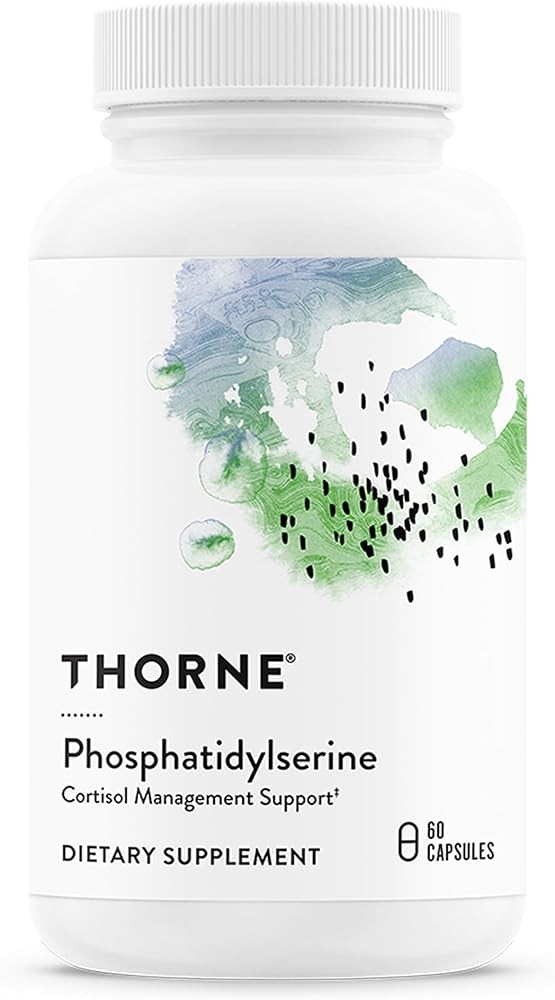
Thorne Phosphatidylserine - Best Overall
Thorne Phosphatidylserine
Check Price on AmazonAs an Amazon Associate we earn from qualifying purchases.
Thorne Phosphatidylserine delivers 100 mg of sunflower-derived PS per capsule with NSF Sport certification, ensuring independent verification of purity and label accuracy. This third-party testing is particularly valuable for a brain-targeted supplement, as it confirms the absence of contaminants and validates the stated PS content. The sunflower source eliminates soy allergen concerns while maintaining the same phospholipid structure that has demonstrated efficacy in clinical trials.
The 100 mg dose aligns with the foundational dosing used in multiple cognitive studies, including the Kato-Kataoka 2010 trial. Thorne’s manufacturing follows GMP standards, and their transparent sourcing provides confidence in ingredient quality. While the price per serving is higher than budget options, the NSF Sport certification justifies the premium for those prioritizing verified purity.
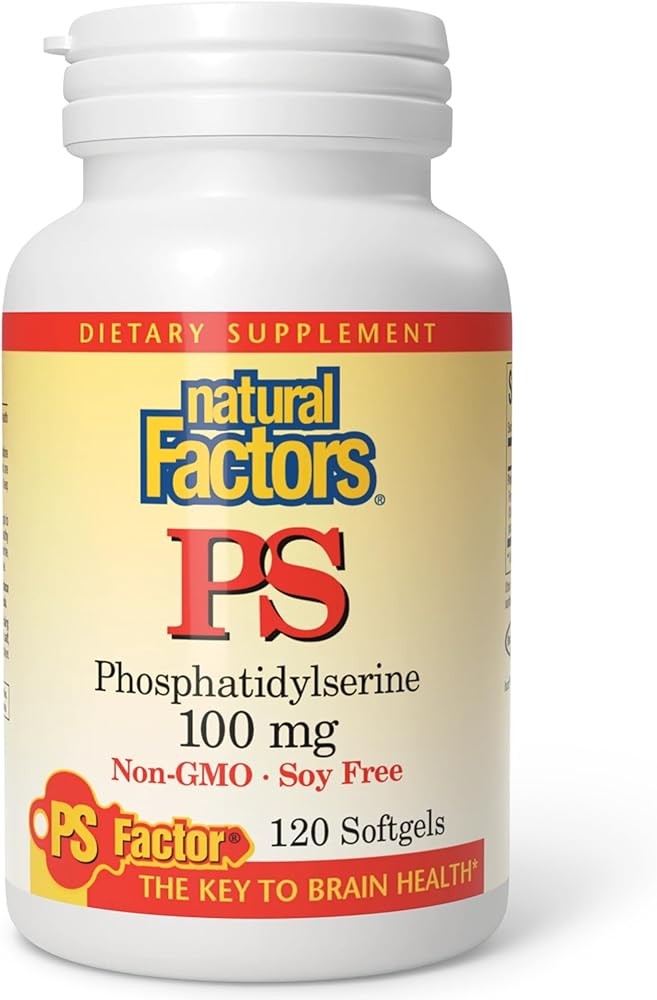
Natural Factors Phosphatidylserine 100mg - Best Budget
Natural Factors Phosphatidylserine 100mg
Check Price on AmazonAs an Amazon Associate we earn from qualifying purchases.
Natural Factors PS-100 provides soy-derived phosphatidylserine at the best price per milligram, making it the most cost-effective option for long-term supplementation. The softgel delivery format enhances absorption of this fat-soluble phospholipid compared to dry capsules. With 120 softgels per bottle at approximately $21.99, the cost per 100 mg serving drops to just $0.18.
Soy-derived PS has the most extensive clinical backing, including the landmark Cenacchi 1993 trial and the FDA qualified health claim studies. Natural Factors manufactures in GMP-certified facilities, ensuring baseline quality standards. The straightforward formulation contains no added ingredients, allowing precise control over dosing and easy stacking with other nootropics.
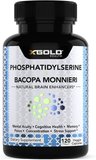
PhosphatidylSerine & Bacopa Monnieri - Best for Cognitive Support
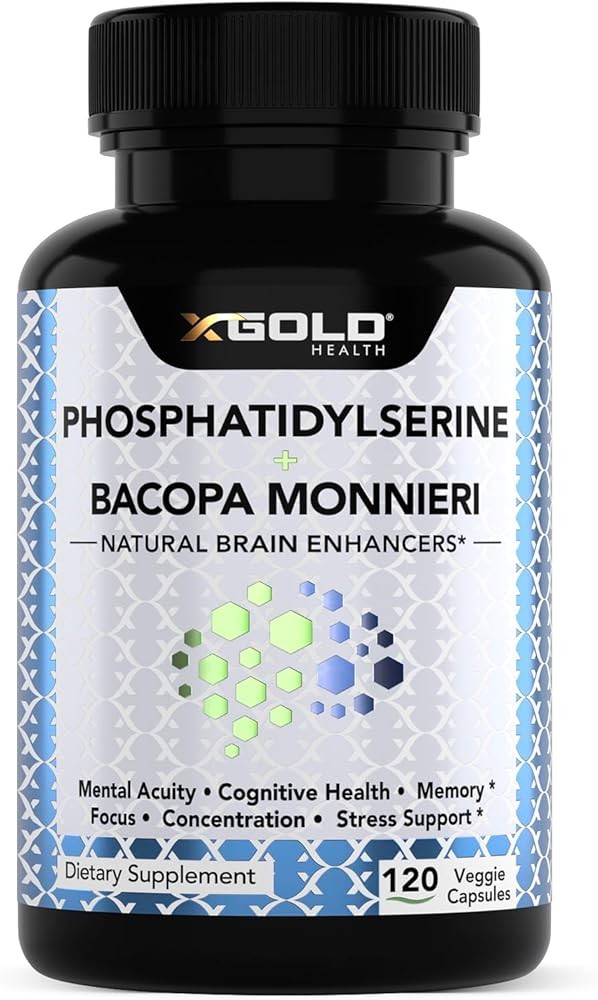
PhosphatidylSerine & Bacopa Monnieri 800mg Supplement
Check Price on AmazonAs an Amazon Associate we earn from qualifying purchases.
This combination formula delivers 400 mg phosphatidylserine alongside 400 mg Bacopa monnieri extract per serving, targeting cognitive function through complementary mechanisms. Bacopa’s bacosides enhance memory consolidation and synaptic plasticity, while PS optimizes neuronal membrane function and neurotransmitter release. Research shows these pathways work synergistically to support both short-term working memory and long-term memory formation.
The higher 400 mg PS dose exceeds the standard 100-300 mg clinical range, potentially providing stronger effects for individuals with significant cognitive demands or baseline deficits. The vegetarian capsule format accommodates dietary preferences, and third-party testing provides quality assurance. This formula is particularly suited for those seeking comprehensive cognitive support rather than isolated PS supplementation.
Vitalitown Phosphatidylserine 300mg with B Complex - Best for Stacking
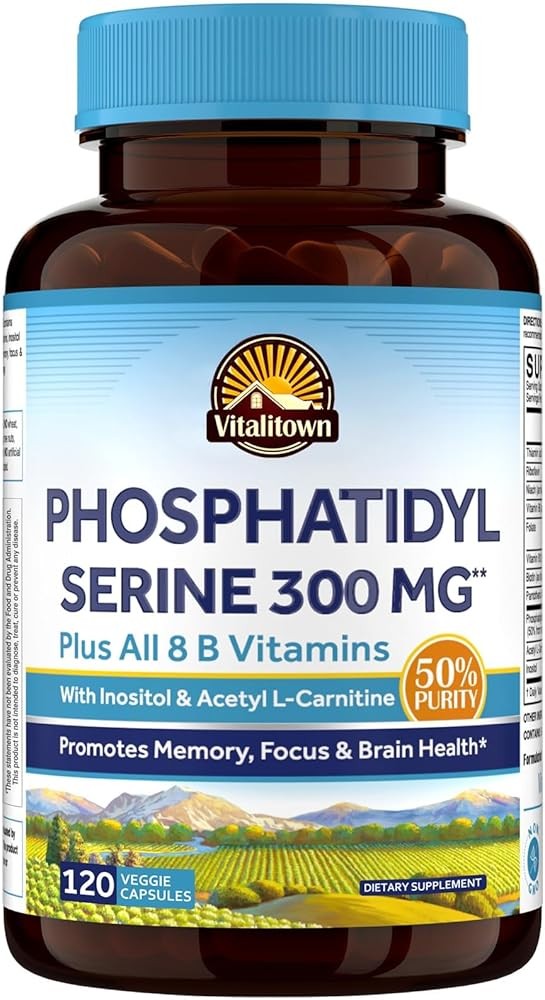
Vitalitown Phosphatidylserine 300mg with B Complex
Check Price on AmazonAs an Amazon Associate we earn from qualifying purchases.
Vitalitown PS 300mg provides the higher dosing used in landmark trials like Cenacchi 1993, where 300 mg daily for six months significantly improved memory and cognitive function in elderly subjects. The inclusion of a complete B-vitamin complex addresses a critical cofactor requirement: endogenous PS synthesis through base-exchange reactions depends on adequate B12, folate, and other B vitamins for methylation pathways.
The methylated forms (methylcobalamin B12 and methylfolate) ensure bioavailability for individuals with MTHFR genetic polymorphisms that impair folate metabolism. This formulation recognizes that optimal PS status depends not only on supplemental PS but also on the body’s capacity to synthesize and maintain phospholipid pools. The 300 mg dose allows for clinical-strength supplementation without needing multiple capsules.
For Stacking: Complementary Products
Key features:
- 100 mg PS per capsule with Sharp-PS brand phosphatidylserine
- Sharp-PS is one of the most clinically studied PS ingredients available
- Non-GMO verification available
- Jarrow Formulas has a strong reputation for quality and purity
- Vegetarian capsule format
Best for: People who prioritize branded, clinically studied ingredients, those who prefer vegetarian capsules over softgels.
For Stacking: Complementary Products
If you are building a comprehensive cognitive support stack as described above, consider adding omega-3 fish oil for PS + omega-3 synergy. High-potency fish oil provides concentrated EPA and DHA in triglyceride form for optimal absorption.
Complete Support System: Building Your Cognitive Health Protocol
Phosphatidylserine works most effectively as part of a comprehensive approach to cognitive health. Research demonstrates that PS benefits are enhanced when combined with complementary nutrients that support different aspects of brain function. Here’s how to build a complete cognitive support system around your PS supplementation.
The Foundation: PS + Omega-3 Fatty Acids
The Manor 2012 ADHD study and Vaisman 2008 research both demonstrated that combining PS with omega-3 fatty acids (EPA and DHA) produces superior cognitive outcomes compared to either nutrient alone. DHA is the primary structural fatty acid in brain cell membranes, comprising up to 40% of neuronal membrane phospholipids. When you provide both PS (the phospholipid head group) and DHA (the fatty acid tail), you give your brain the complete raw materials for optimal membrane construction. Consider pairing your PS supplement with a high-quality omega-3 fish oil providing 1,000-2,000 mg combined EPA/DHA daily.
Enhanced Memory: Add Alpha-GPC
Alpha-glycerophosphocholine (alpha-GPC) supports acetylcholine synthesis, the neurotransmitter most critical for memory and learning. Since PS enhances acetylcholine release at synapses, combining it with alpha-GPC (which increases acetylcholine production) creates a powerful one-two approach to cholinergic support. The research shows 300-600 mg daily alpha-GPC combined with 200-300 mg PS provides comprehensive cholinergic enhancement. Learn more in our guide on alpha-GPC supplements for focus and memory.
Neuroplasticity Support: Lion’s Mane Mushroom
Lion’s mane mushroom contains hericenones and erinacines that stimulate nerve growth factor (NGF) production, supporting the growth and maintenance of neural connections. While PS optimizes existing neuronal function, lion’s mane promotes new neural pathway formation. This combination addresses brain health from complementary angles: structural maintenance (PS) and growth signaling (lion’s mane). Research supports 500-1,000 mg daily lion’s mane extract standardized for active compounds. See our lion’s mane supplements guide for detailed recommendations.
Stress Resilience: Magnesium L-Threonate
Magnesium L-threonate crosses the blood-brain barrier more effectively than other magnesium forms, directly supporting synaptic density and plasticity. Since PS reduces cortisol and magnesium supports calm neurotransmitter signaling (GABA), this combination provides dual-pathway stress reduction. Clinical research supports 144-200 mg elemental magnesium from L-threonate daily. For comprehensive analysis, see our magnesium L-threonate research review.
Attention and Focus: Consider Natural Stimulants
For those seeking enhanced focus alongside PS’s cognitive benefits, carefully selected natural stimulants can complement PS supplementation. Low-dose caffeine (50-100 mg) combined with L-theanine (100-200 mg) provides smooth, sustained attention without the cortisol spike that would counteract PS’s stress-reducing effects. This stack is particularly effective for students and knowledge workers during demanding cognitive periods.
The Complete Protocol
Basic Cognitive Maintenance (Ages 40+):
- PS: 100-200 mg daily
- Omega-3: 1,000 mg EPA/DHA daily
- Estimated cost: $25-35/month
Advanced Memory & Focus (Students, Knowledge Workers):
- PS: 200-300 mg daily
- Alpha-GPC: 300-600 mg daily
- Omega-3: 1,500 mg EPA/DHA daily
- Lion’s mane: 500-1,000 mg daily
- Estimated cost: $50-70/month
Stress & Cognitive Resilience (High-Stress Individuals):
- PS: 300 mg daily
- Magnesium L-threonate: 144-200 mg elemental daily
- Omega-3: 1,500 mg EPA/DHA daily
- Estimated cost: $40-55/month
Athletic Performance & Recovery:
- PS: 400-600 mg daily (during hard training blocks)
- Omega-3: 2,000 mg EPA/DHA daily
- Magnesium glycinate: 200-400 mg elemental daily
- Estimated cost: $45-60/month
Potential Side Effects and Interactions
Phosphatidylserine has an excellent safety profile, but it is important to be aware of potential considerations.
Common Side Effects
At recommended doses (100-300 mg daily), side effects are rare and typically mild:
- Gastrointestinal discomfort: Mild nausea, gas, or stomach upset, usually resolving with food
- Insomnia: Rare, but some individuals report difficulty sleeping if PS is taken late in the evening (due to its effects on alertness)
- Headache: Occasionally reported, particularly during the first week of supplementation
Drug Interactions
PS may interact with:
- Blood thinners (anticoagulants): PS influences membrane dynamics and may theoretically affect platelet function. Individuals on warfarin, heparin, or other anticoagulants should consult their healthcare provider before starting PS.
- Anti-inflammatory medications: Particularly those that affect prostaglandin synthesis
- Cholinergic drugs: Since PS supports acetylcholine release, combining it with cholinesterase inhibitors (medications used for Alzheimer’s disease like donepezil) may theoretically enhance cholinergic effects
- Thyroid medications: Some evidence suggests PS may affect thyroid hormone levels, though this has not been well-studied
Who Should Exercise Caution
- Pregnant or breastfeeding women (insufficient safety data)
- Individuals scheduled for surgery (potential effects on bleeding)
- People with diagnosed bleeding disorders
- Those taking multiple medications (consult healthcare provider for interactions)
Common Questions About Phosphatidylserine
What are the benefits of phosphatidylserine?
Phosphatidylserine has been studied for various potential health benefits. Research suggests it may support several aspects of health and wellness. Individual results can vary. The strength of evidence differs across different claimed benefits. More high-quality research is often needed. Always review the latest scientific literature and consult healthcare professionals about whether phosphatidylserine is right for your health goals.
Is phosphatidylserine safe?
Phosphatidylserine is generally considered safe for most people when used as directed. However, individual responses can vary. Some people may experience mild side effects. It’s important to talk with a healthcare provider before using phosphatidylserine, especially if you have existing health conditions, are pregnant or nursing, or take medications.
How does phosphatidylserine work?
Phosphatidylserine works through various biological mechanisms that researchers are still studying. Current evidence suggests it may interact with specific pathways in the body to produce its effects. Always consult with a healthcare provider before starting any new supplement or health regimen to ensure it’s appropriate for your individual needs.
Who should avoid phosphatidylserine?
Individuals taking blood-thinning medications should consult their healthcare provider before using phosphatidylserine, as it may affect platelet function. Pregnant or nursing women should avoid PS due to insufficient safety data. People scheduled for surgery should stop PS at least two weeks beforehand. Those with bleeding disorders or taking multiple medications should seek medical advice first.
What are the signs phosphatidylserine is working?
Most people notice improved verbal recall within 3-4 weeks, with better ability to remember names and details. By 8-12 weeks, many experience clearer thinking, reduced brain fog, and better sustained attention during demanding tasks. A calmer stress response with faster recovery from stressful events typically appears after 2-4 weeks. Athletes often notice reduced muscle soreness and faster recovery between training sessions within the first month.
How long should I use phosphatidylserine?
The time it takes for phosphatidylserine to work varies by individual and depends on factors like dosage, consistency of use, and individual metabolism. Some people notice effects within days, while others may need several weeks. Research studies typically evaluate effects over weeks to months. Consistent use as directed is important for best results. Keep a journal to track your response.
Frequently Asked Questions Beyond the Basics
How long does it take for PS to start working?
Based on clinical trial evidence, most people begin noticing cognitive improvements within 2-4 weeks, with full benefits typically apparent by 8-12 weeks. However, individual responses vary. The cortisol-reducing effects may be noticeable sooner (within 1-2 weeks) than the cognitive benefits, as hormonal changes can occur more rapidly than structural membrane remodeling.
Can I get enough PS from food alone?
The typical Western diet provides approximately 130 mg of PS daily, with the richest sources being organ meats, fish, and soybeans. While this dietary intake contributes to PS status, it falls below the 200-300 mg daily doses used in most cognitive benefit studies. For individuals seeking therapeutic effects, supplementation is generally necessary to achieve clinically meaningful levels.
Is soy-derived PS safe for people with soy allergies?
This depends on the severity of the allergy. During the extraction and purification process, most soy proteins (which are the actual allergens) are removed. However, trace amounts may remain, and individuals with severe soy allergies should opt for sunflower-derived PS to be safe. The FDA has evaluated soy-derived PS and maintains that it is generally recognized as safe, but allergy sufferers should exercise appropriate caution.
Can PS be taken with other medications for cognitive decline?
PS is generally safe to combine with most medications, but it should be discussed with a healthcare provider, especially when combined with cholinesterase inhibitors (donepezil, rivastigmine, galantamine) used for Alzheimer’s disease, as the combination may enhance cholinergic activity. There are no known dangerous interactions, but medical supervision is always advisable when combining supplements with prescription medications.
Does PS help with age-related cognitive decline, or actual dementia?
The strongest evidence for PS is in age-related cognitive decline and mild cognitive impairment (MCI), which are distinct from clinical dementia. The FDA qualified health claim covers both cognitive dysfunction and dementia, but the evidence is most robust for the milder end of the cognitive decline spectrum. PS supplementation appears to be most beneficial when started early, before significant cognitive deterioration has occurred, and is best viewed as a preventive and maintenance strategy rather than a treatment for established dementia.
Putting It All Together: A Practical PS Protocol
Based on the totality of evidence reviewed in this article, here is a practical protocol for starting PS supplementation:
Step 1: Choose your PS source. Select either sunflower-derived PS (allergen-free, non-GMO) or soy-derived PS (most clinical research). For budget-conscious long-term use, Natural Factors PS-100 offers the best value. For third-party verified purity, choose Thorne Phosphatidylserine.
Step 2: Start with a loading dose. Take 300 mg daily (100 mg with each meal) for the first 12 weeks. This mirrors the dosing used in the most successful clinical trials.
Step 3: Add synergistic supplements. After your first week on PS alone (to rule out any individual sensitivity), consider adding omega-3 fatty acids for enhanced brain membrane support. Alpha-GPC can be added for those seeking additional memory and focus benefits.
Step 4: Track your progress. Keep a simple daily log noting your subjective cognitive function, stress levels, sleep quality, and any side effects. This will help you gauge whether PS is providing meaningful benefits and will inform your maintenance dosing decision.
Step 5: Transition to maintenance. After 12 weeks at 300 mg daily, consider reducing to 100 mg daily for ongoing support. If you notice a decline in benefits at the lower dose, increase back to 200-300 mg.
Step 6: Reassess periodically. Every 3-6 months, evaluate whether your current PS protocol continues to serve your needs. Adjust dosing based on your stress levels, cognitive demands, and training intensity.
Phosphatidylserine represents one of the most thoroughly researched and evidence-supported cognitive supplements available today. From its foundational role in brain cell membrane structure to its clinically demonstrated effects on memory, cortisol, ADHD symptoms, and exercise recovery, PS offers a broad spectrum of benefits with an excellent safety profile. For anyone serious about maintaining cognitive function and supporting long-term brain health, PS deserves a central place in your supplement strategy. For a broader overview of cognitive enhancement strategies, explore our comprehensive nootropics guide.
Related Articles
- Best Nootropic Supplements That Actually Work
- Best Omega-3 Supplements for Brain Health and Cognition
- Best Lion’s Mane Mushroom Supplements for Brain Health
- Best Alpha GPC Supplements for Focus and Memory
- Best Supplements for Brain Fog Backed by Research
- Best Magnesium L-Threonate Supplements for Cognitive Function
- Best Supplements for ADHD Focus and Concentration
- Best Ashwagandha Supplements for Stress and Cortisol Reduction
Related Reading
- Mental Clarity, Focus, and Cognitive Function: Best Nootropic Supplements that Actually Work
- Mental Clarity, Focus, and Cognitive Function: Best Lion’s Mane Mushroom Supplements for Brain Health
- Mental Clarity, Focus, and Cognitive Function: Best Omega-3 Supplements for Brain Health and Cognition
- Mental Clarity, Focus, and Cognitive Function: Lions Mane vs Alpha GPC
- Mental Clarity, Focus, and Cognitive Function: Best Bacopa Monnieri Supplements for Memory
- Mental Clarity, Focus, and Cognitive Function: Best Supplements for ADHD Focus
- Mental Clarity, Focus, and Cognitive Function: Best Alpha GPC Supplements for Focus and Memory
References
Cenacchi T, Bertoldin T, Farina C, Fiori MG, Crepaldi G. “Cognitive decline in the elderly: a double-blind, placebo-controlled multicenter study on efficacy of phosphatidylserine administration.” Aging Clinical and Experimental Research, 1993;5(2):123-133. PubMed
Chang JP, Su KP, Mondelli V, Pariante CM. “Phosphatidylserine for the Treatment of Pediatric Attention-Deficit/Hyperactivity Disorder: A Systematic Review and Meta-Analysis.” The Journal of Alternative and Complementary Medicine, 2021. PubMed
Duan H, Xu N, Yang T, et al. “Effects of a food supplement containing phosphatidylserine on cognitive function in Chinese older adults with mild cognitive impairment: A randomized double-blind, placebo-controlled trial.” Journal of Affective Disorders, 2025;369:315-323. PubMed
Glade MJ, Smith K. “Phosphatidylserine and the human brain.” Nutrition, 2015;31(6):781-786. PubMed
Hellhammer J, Fries E, Buss C, et al. “Effects of soy lecithin phosphatidic acid and phosphatidylserine complex (PAS) on the endocrine and psychological responses to mental stress.” Stress, 2004;7(2):119-126. PubMed
Hirayama S, Terasawa K, Rabeler R, et al. “The effect of phosphatidylserine administration on memory and symptoms of attention-deficit hyperactivity disorder: a randomised, double-blind, placebo-controlled clinical trial.” Journal of Human Nutrition and Dietetics, 2014;27 Suppl 2:284-291. PubMed
Kato-Kataoka A, Sakai M, Ebina R, Nonaka C, Asano T, Miyamori T. “Soybean-derived phosphatidylserine improves memory function of the elderly Japanese subjects with memory complaints.” Journal of Clinical Biochemistry and Nutrition, 2010;47(3):246-255. PubMed
Kidd PM. “Alzheimer’s disease, amnestic mild cognitive impairment, and age-associated memory impairment: current understanding and progress toward integrative prevention.” Alternative Medicine Review, 2008;13(2):85-115. PubMed
Kingsley M. “Effects of phosphatidylserine supplementation on exercising humans.” Sports Medicine, 2006;36(8):657-669. PubMed
Manor I, Magen A, Keidar D, et al. “The effect of phosphatidylserine containing Omega3 fatty-acids on attention-deficit hyperactivity disorder symptoms in children: a double-blind placebo-controlled trial, followed by an open-label extension.” European Psychiatry, 2012;27(5):335-342. PubMed
Manor I, Magen A, Keidar D, et al. “Safety of phosphatidylserine containing omega3 fatty acids in ADHD children: a double-blind placebo-controlled trial followed by an open-label extension.” European Psychiatry, 2013;28(6):386-391. PubMed
Monteleone P, Beinat L, Tanzillo C, Maj M, Kemali D. “Effects of phosphatidylserine on the neuroendocrine response to physical stress in humans.” Neuroendocrinology, 1990;52(2):181-186. PubMed
Monteleone P, Maj M, Beinat L, Natale M, Kemali D. “Blunting by chronic phosphatidylserine administration of the stress-induced activation of the hypothalamo-pituitary-adrenal axis in healthy men.” European Journal of Clinical Pharmacology, 1992;42(4):385-388. PubMed
Moré MI, Freitas U, Rutenberg D. “Positive effects of soy lecithin-derived phosphatidylserine plus phosphatidic acid on memory, cognition, daily functioning, and mood in elderly patients with Alzheimer’s disease and dementia.” Advances in Therapy, 2014;31(12):1247-1262. PubMed
Richter Y, et al. “The cognitive effects of supplementation with sunflower phosphatidyl serine in healthy children aged 8 to 12 years: a randomized controlled trial.” Nutrition Journal, 2025. PubMed
Starks MA, Starks SL, Kingsley M, Purpura M, Jager R. “The effects of phosphatidylserine on endocrine response to moderate intensity exercise.” Journal of the International Society of Sports Nutrition, 2008;5:11. PubMed
Vance JE, Steenbergen R. “Metabolism and functions of phosphatidylserine.” Progress in Lipid Research, 2005;44(4):207-234. PubMed
Zeng F, Zheng H, Li R, et al. “Phosphatidylserine, inflammation, and central nervous system diseases.” Frontiers in Aging Neuroscience, 2022;14:975176. PubMed
Our Top Recommendations
📱 Join the discussion: Facebook | X | YouTube | Pinterest
Where to Buy Quality Supplements
Based on the research discussed in this article, here are some high-quality options:
- Vitamin B12 Supplement
- Omega-3 Supplement
- Fish Oil Supplement
- Magnesium Supplement
- Magnesium Glycinate Supplement
Recommended Products